
What are the major plant protection challenges in sunflower production?
Sunflower plant protection must balance plant health, flower head development, seed formation, and harvest quality. Major pests, diseases, and weeds vary by production region; therefore, local risks should be identified before determining a product portfolio.
| Risk Categories | Primary Targets | Potential Impacts |
|---|---|---|
| Major Diseases | Sclerotinia, Downy Mildew, Sunflower Rust | Damage to roots, stems, leaves, or flower heads |
| Other Diseases | Phoma Black Stem, Alternaria Leaf Spot, Phomopsis Stem Canker | Stem lesions, leaf damage, and plant decline |
| Flower Head Pests | Sunflower Moth, Seed Weevils | Damage to flower head tissue and seeds |
| Stem Pests | Sunflower Stem Weevil, etc. | Stem damage; impaired plant growth and lodging resistance |
| Seedling Pests | Cutworms, Wireworms | Missing seedlings; damage to seeds or seedlings |
| Weeds | Broadleaf weeds, grass weeds, and resistant weeds | Early competition, increased management costs, and harvest disruption |
| Seed and soil-borne risks | Seed-borne pathogens, soil-borne pathogens, and some early-stage pests | Uneven emergence, seedling death, and reduced seedling quality |
Different issues require different management approaches. For example, seed treatment primarily addresses seed and seedling-stage risks specified on the label and cannot replace foliar disease management throughout the growing season; similarly, pre-harvest management cannot compensate for losses caused by early weed competition.
Sunflower Plant Protection Plan by Growth Stage
Sunflower plant protection should be planned based on BBCH growth stages. Growth stages help identify risks that require focused monitoring, but this does not mean that pesticide applications are required at every stage.
| Growth Stage | Major Risks | Management Priorities |
|---|---|---|
| Sowing to Emergence (BBCH 00–09) | Seed and soil-borne diseases, early-season weeds, soil-dwelling pests | Seed quality, seed treatment evaluation, soil conditions, and emergence |
| Foliar Growth (BBCH 10–19) | Early weed competition, downy mildew symptoms, leaf-feeding pests | Monitor seedling health, weed density, and leaf symptoms |
| Stem Elongation (BBCH 30–39) | Stem diseases, foliar diseases, weed competition | Assess disease history, plant vigor, and stem health |
| Inflorescence Formation (BBCH 50–59) | Flower head pests, certain diseases, and canopy risks | Intensify field monitoring and assess control needs based on local conditions |
| Flowering stage (BBCH 60–69) | Sclerotinia, flower head pests | Assess infection conditions, pest density, and pollinator protection requirements |
| Grain development (BBCH 70–79) | Flower head rot, grain pests, late-season diseases | Monitor flower head and grain health; verify product application restrictions |
| Maturity stage (BBCH 80–89) | Late-season diseases, lodging, harvest preparation | Assess field losses, harvest conditions, and residue requirements |
Sowing and emergence stage
Before planting, survey the field for dominant weeds, soil conditions, and history of disease, and assess whether seed treatment is necessary based on seed quality and local risk factors.
After emergence, check for uniformity of emergence, root health, and early weed competition. If there are missing plants or abnormal seedling growth, first distinguish between possible causes such as disease, pests, soil conditions, and pesticide damage before deciding on management measures.
Vegetative Growth Stage
During the stages of stem elongation and leaf growth, focus should be placed on weed control and early symptoms of stem and leaf diseases. Weed management strategies should be tailored based on weed species, size, crop growth stage, and herbicide selectivity.
For fields where resistant weeds are already present, develop a management plan based on local resistance patterns to avoid long-term reliance on a single mode of action.
Inflorescence Formation and Flowering Period
The inflorescence formation and flowering stages represent a critical management window for sunflower plant protection. Certain flower head pests can increase the risk of subsequent seed damage during this period; under favorable environmental conditions, Sclerotinia may also cause severe stem or flower head diseases.
Control strategies should be based on disease history, weather conditions, variety susceptibility, and pest monitoring results. When using insecticides, it is also essential to assess the risks to bees and other pollinating insects and strictly adhere to the application restrictions specified on local product labels.
Seed Development and Maturity Stages
During the seed development stage, attention should be paid to flower head health, seed damage caused by pests, late-season diseases, and the risk of plant lodging. Upon entering the maturity stage, verify the Pre-Harvest Interval (PHI), Maximum Residue Limits (MRLs), and product label requirements in relation to the actual harvest date.
Do not assume that a particular herbicide, desiccant, or other crop protection product can be used simply because the sunflower has entered the maturity stage. Pre-harvest treatments must be based on the specific uses approved in the target country.
Sunflower Disease Management
Sunflower diseases can affect the roots, stems, leaves, and flower heads. The conditions for occurrence, sites of infection, and management methods vary by disease; therefore, appropriate integrated management measures must be selected based on the specific disease.
Sclerotinia (Sunflower Sclerotinia Rot)
Sclerotinia is caused by Sclerotinia sclerotiorum and can lead to stem rot, basal rot, or head rot; it is one of the diseases that requires careful evaluation in sunflower production.
Disease risk is related to the field’s disease history, environmental humidity, variety characteristics, and growth stage. Different sites of infection may also require different management priorities; not all Sclerotinia symptoms should be treated as the same infection process.
Management strategies include:
- Assess the field’s history of sclerotinia disease.
- Select varieties suitable for local growing conditions and implement appropriate crop rotation.
- Monitor field risk during the flowering stage and under conditions conducive to infection.
- Verify applicable fungicides and their target diseases based on local registrations.
- Reduce disease risk by combining field sanitation, cultural practices, and disease monitoring.
For fungicide products, verify the active ingredient, target diseases, application window, and FRAC mode of action. Do not assume that a fungicide is registered for use on sunflowers simply because it is used to control sclerotinia rot on other crops.
Downy Mildew (Sunflower Downy Mildew)
Sunflower downy mildew is caused by Plasmopara halstedii and is an oomycete disease. The disease may be associated with soil- and seed-borne risks; infected plants may exhibit stunting, leaf symptoms, and growth abnormalities.
Key management strategies include:
- Select resistant varieties suited to local disease pressure.
- Evaluate seed sources and field disease history.
- Improve soil and drainage conditions.
- Evaluate seed treatment products based on the target pathogen and local registrations.
- Diagnose abnormal seedlings to avoid attributing all emergence problems to downy mildew.
Seed treatment products vary in active ingredients and scope of control. Even if a product contains Metalaxyl-M, it is essential to verify that the specific formulation is approved for use against sunflower downy mildew; recommendations cannot be made based solely on the active ingredient name.
Sunflower Rust
Sunflower rust is caused by Puccinia helianthi. It primarily affects the leaves and, in severe cases, can impair normal plant growth and seed formation.
Field management should integrate disease monitoring, variety resistance, and local prevalence. Accurate identification of leaf symptoms helps avoid confusing rust with other leaf spot diseases.
When selecting a fungicide, verify that the product is explicitly registered for sunflower rust and evaluate the applicable FRAC mode of action, resistance risks, and application window.
One should not assume that a fungicide has a proven efficacy against sunflower rust simply because it is effective against other foliar diseases.
Phoma Black Stem, Alternaria Leaf Spot, and Phomopsis Stem Canker
In addition to the major diseases, sunflowers may also be affected by diseases such as Phoma Black Stem, Alternaria Leaf Spot, and Phomopsis Stem Canker.
| Disease | Primary Areas of Observation | Management Approach |
|---|---|---|
| Phoma Black Stem | Stems and related tissues | Monitor stem lesions, disease history, and plant health |
| Alternaria Leaf Spot | Leaves | Identify leaf spot symptoms and assess risk based on environmental conditions |
| Phomopsis Stem Canker | Stems | Monitor stem lesions, plant decline, and risk of lodging |
The prevalence of these diseases varies by region. Before selecting a fungicide, confirm the actual pathogen, crop registration, and product label. Management of plant debris, variety selection, crop rotation, and field monitoring should also be incorporated into a comprehensive control strategy.
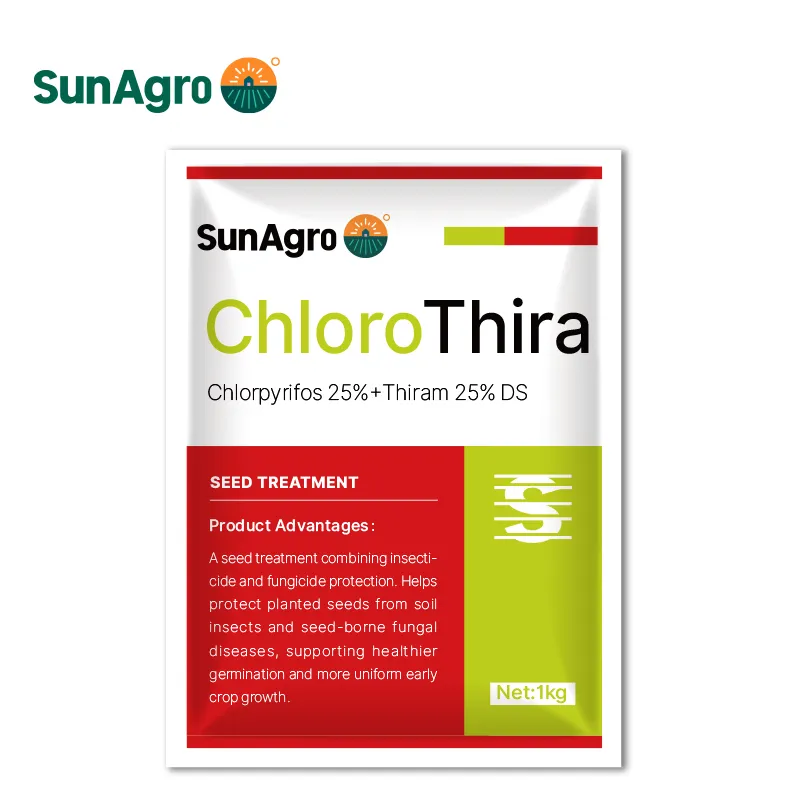
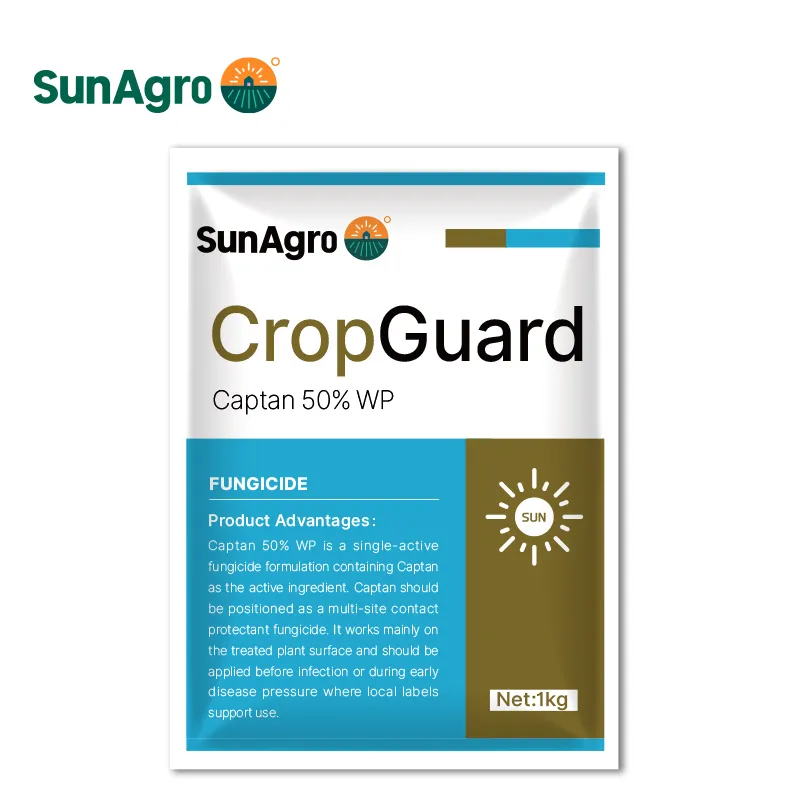
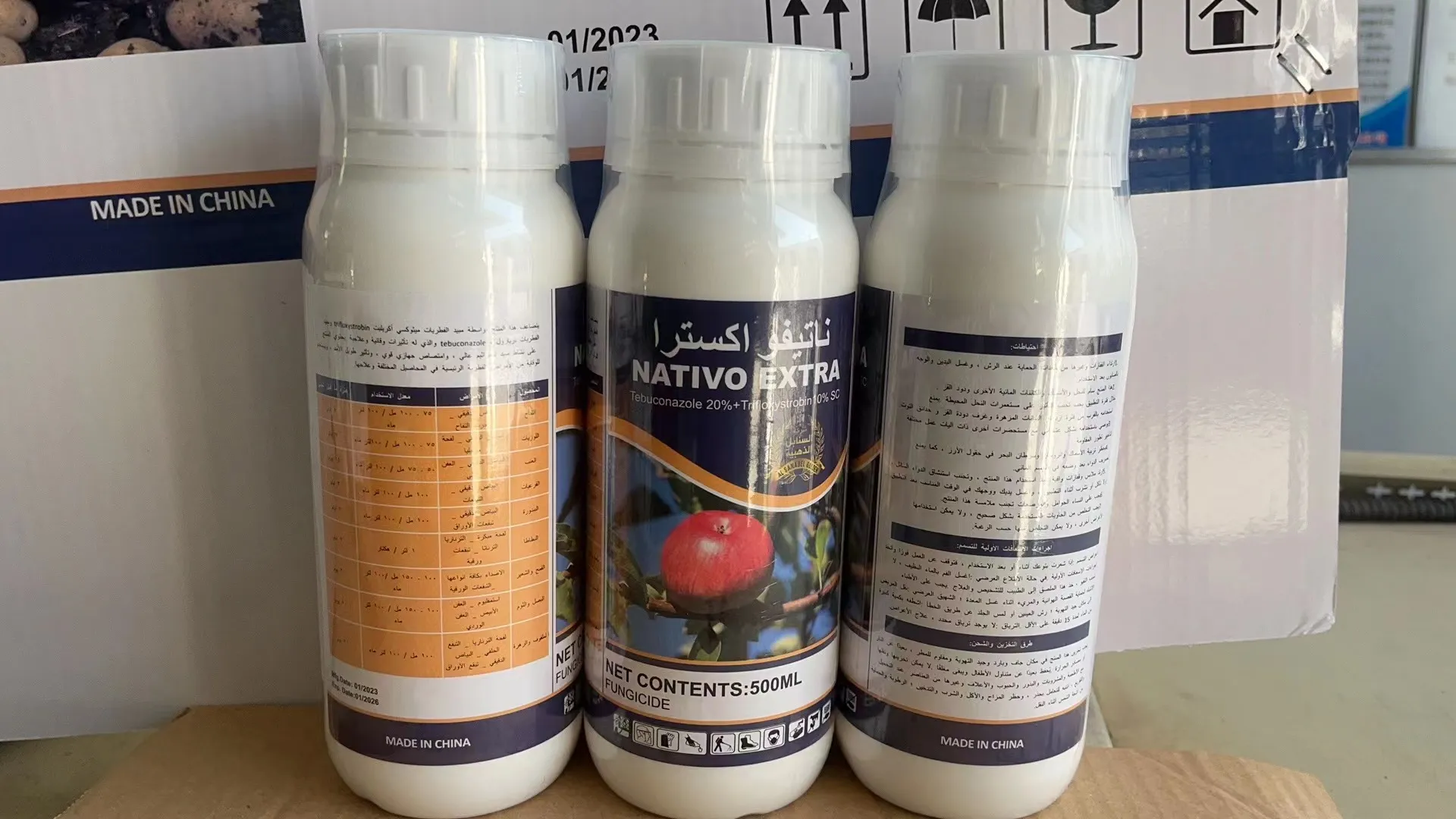
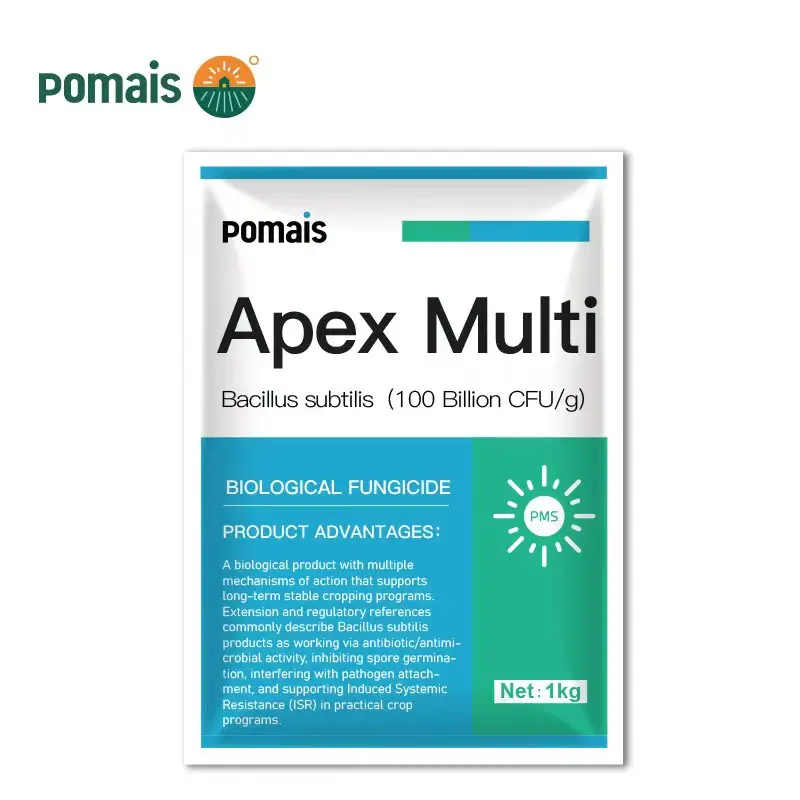
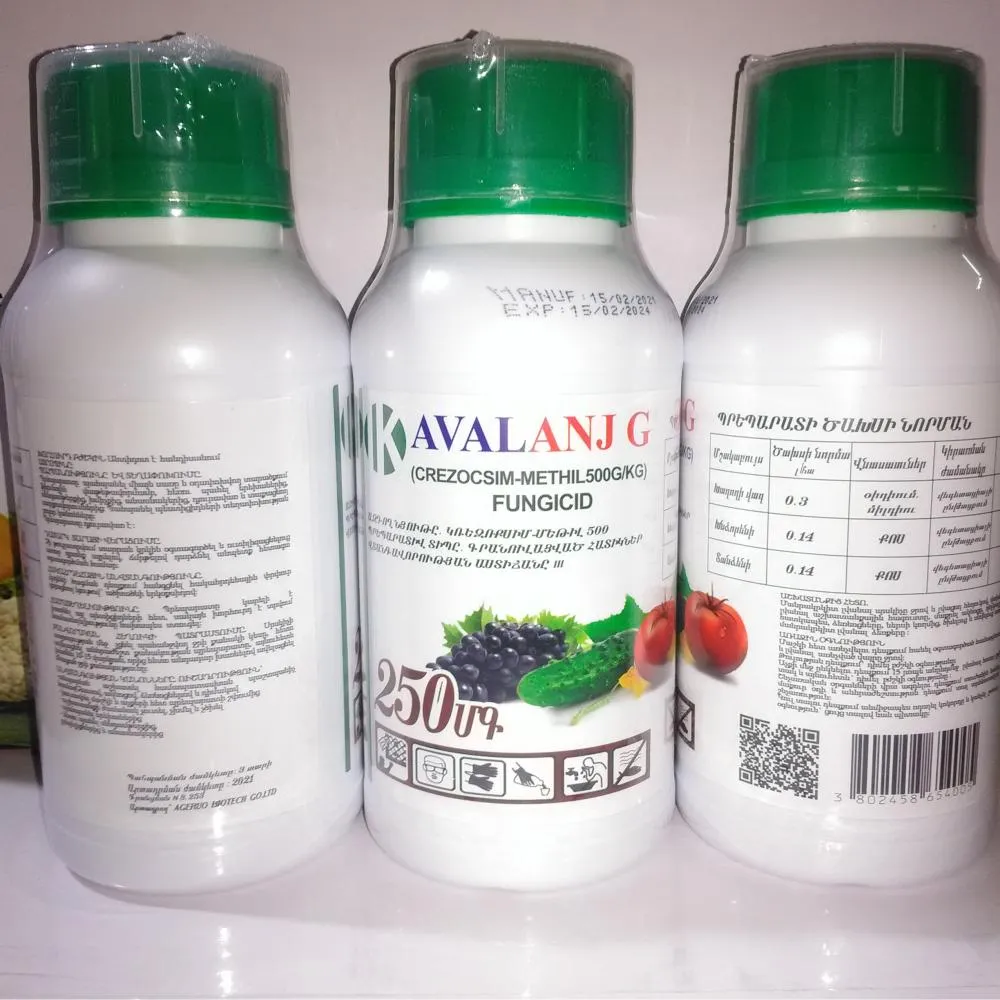
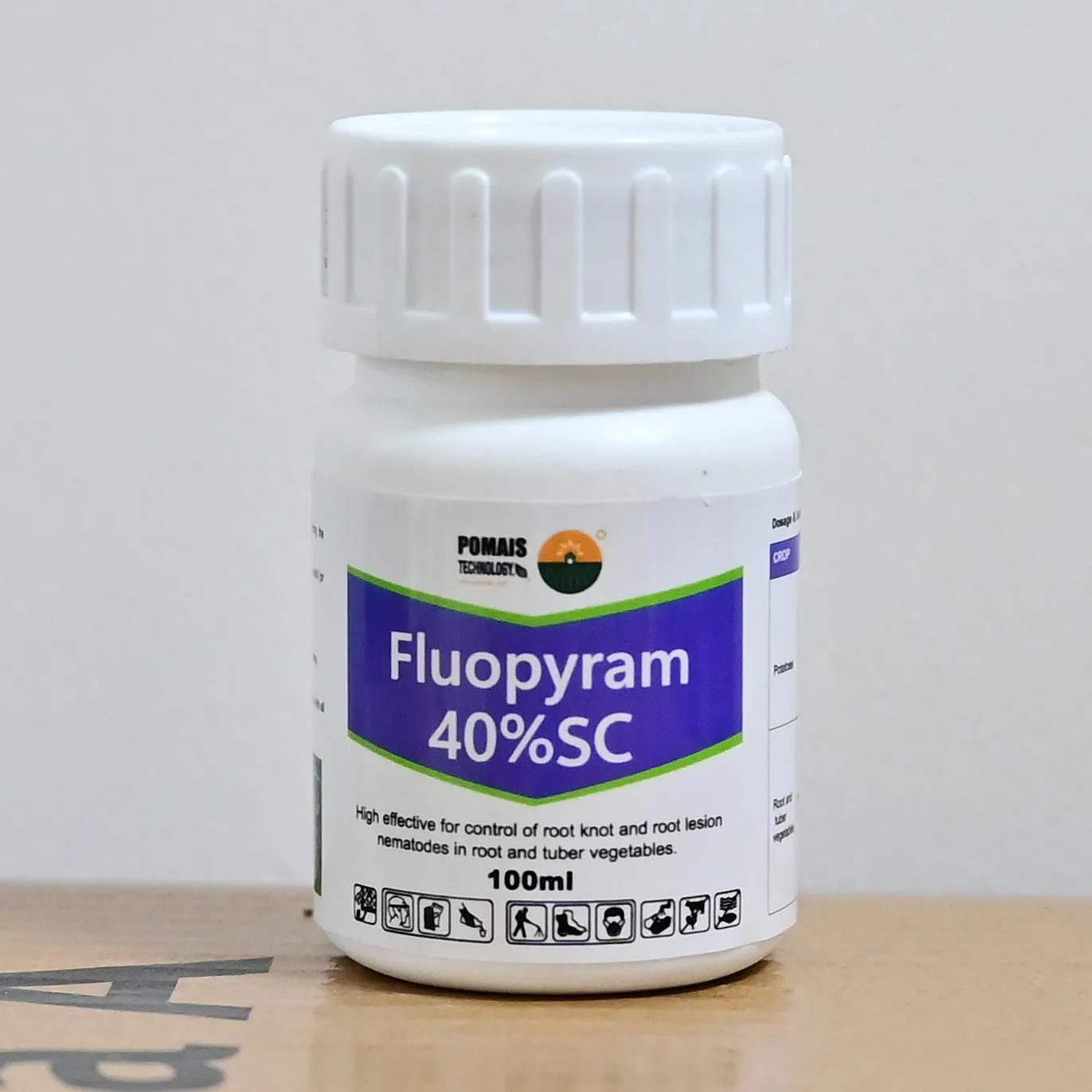
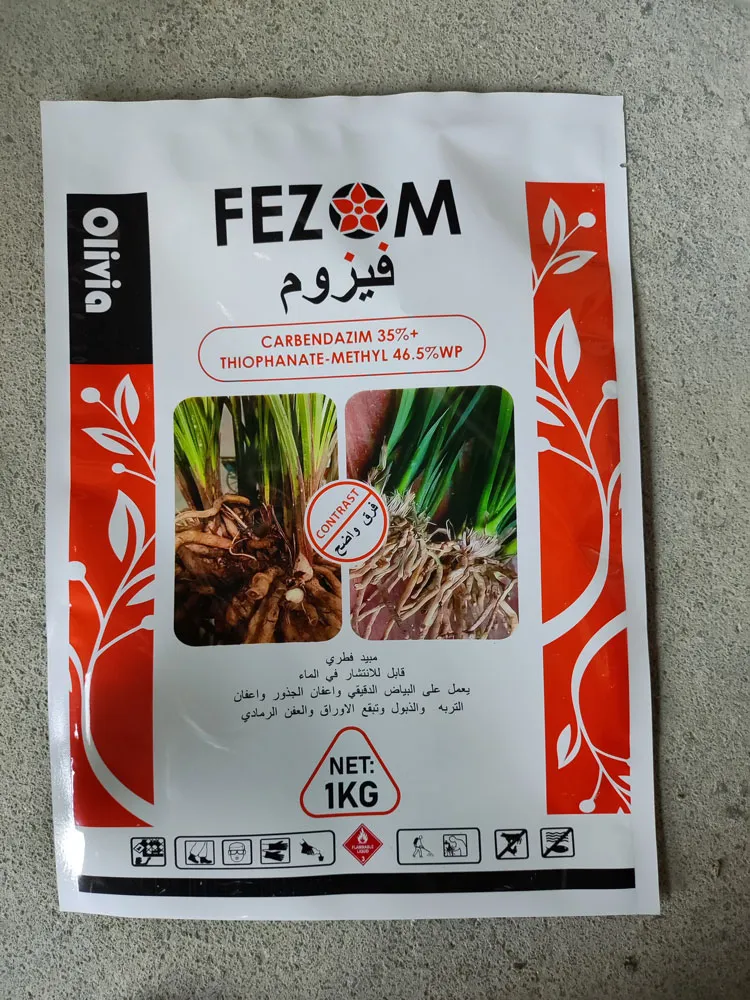
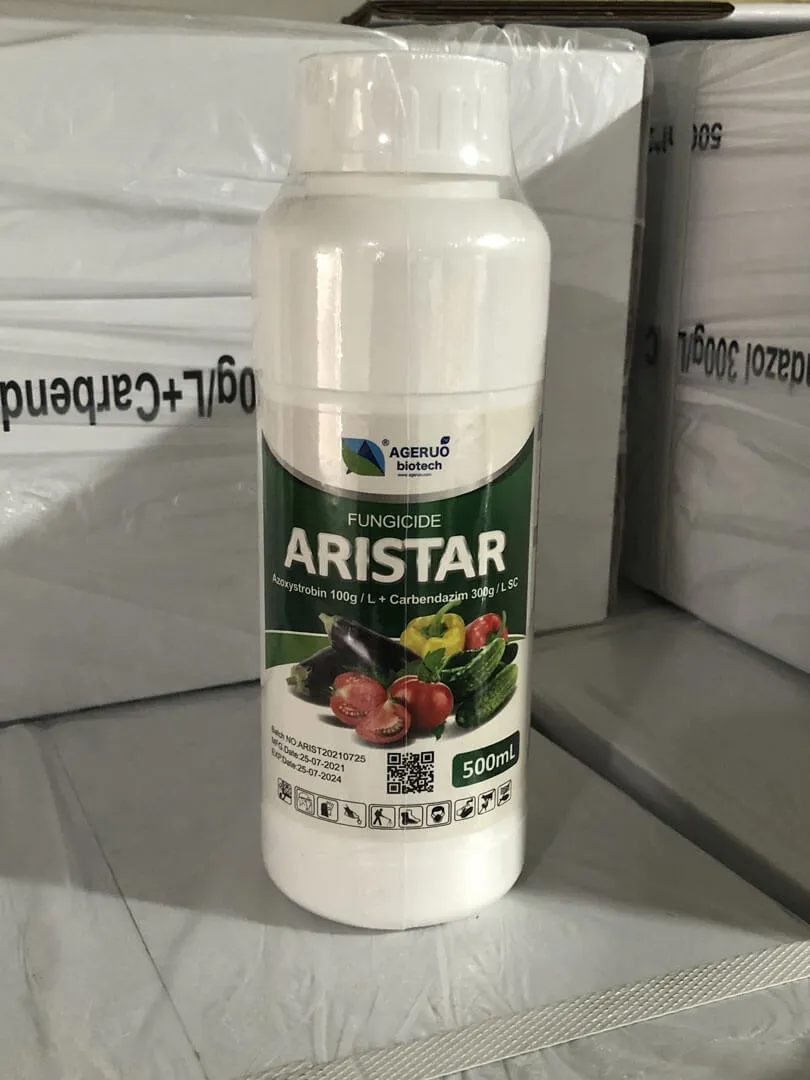
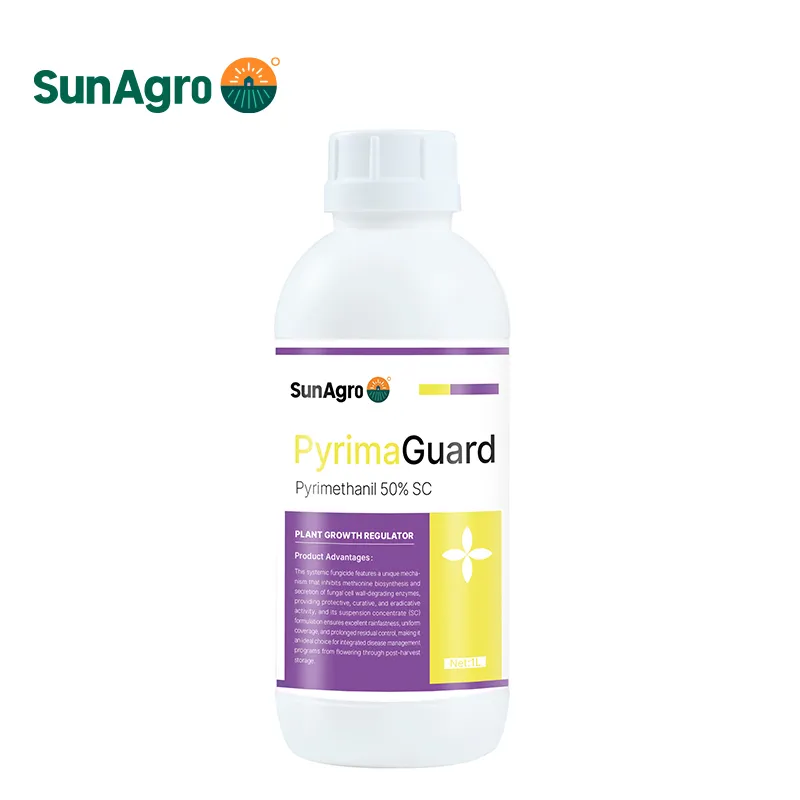
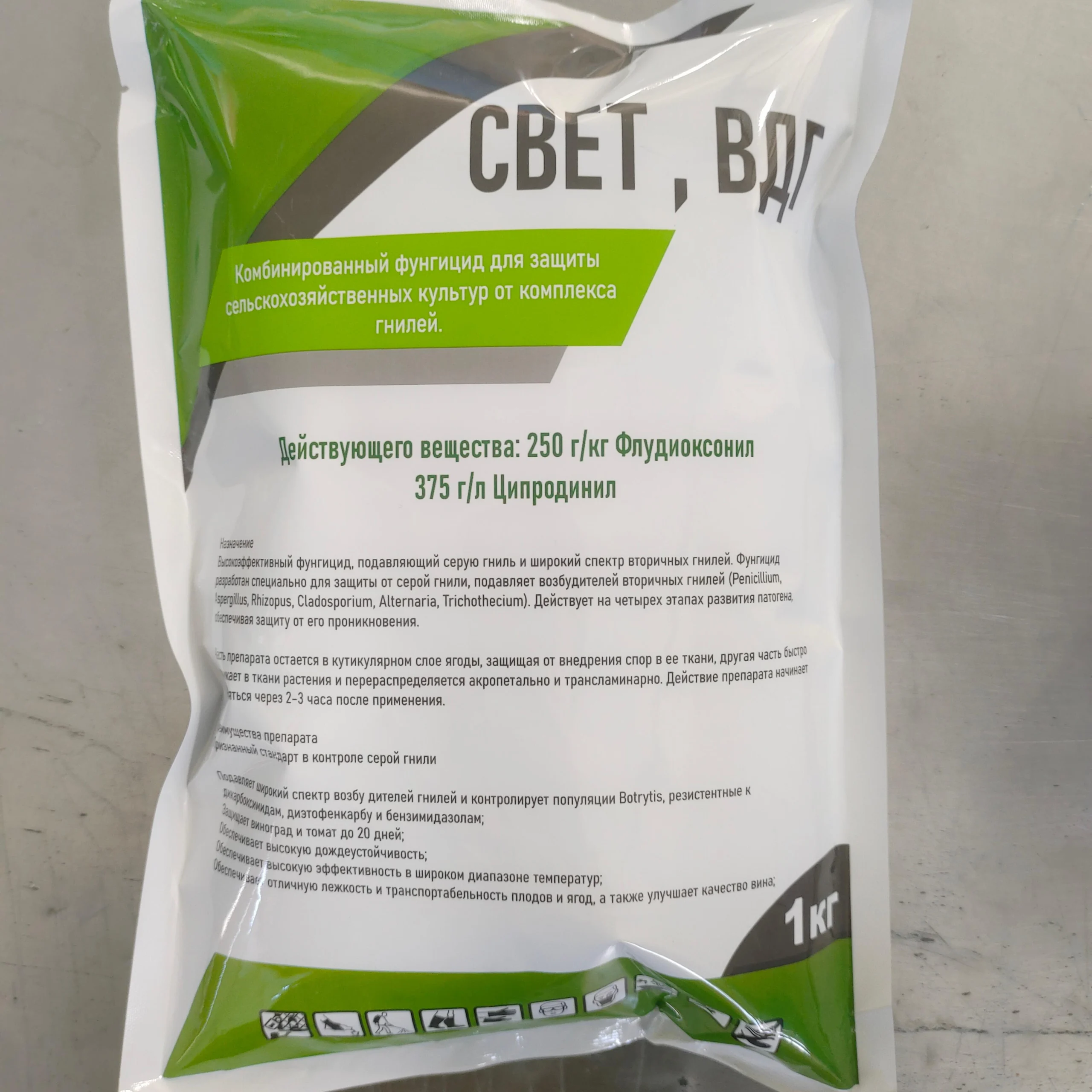
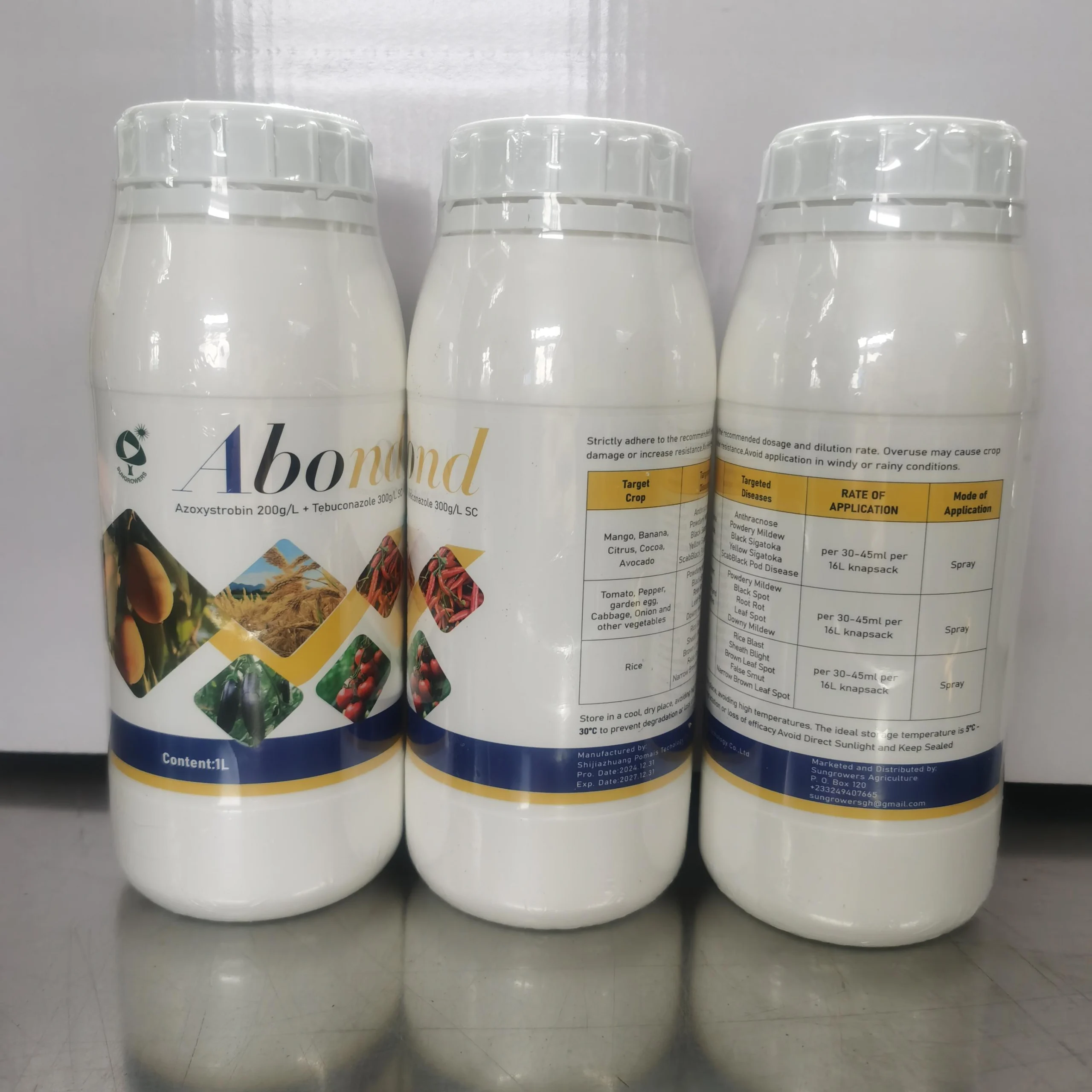
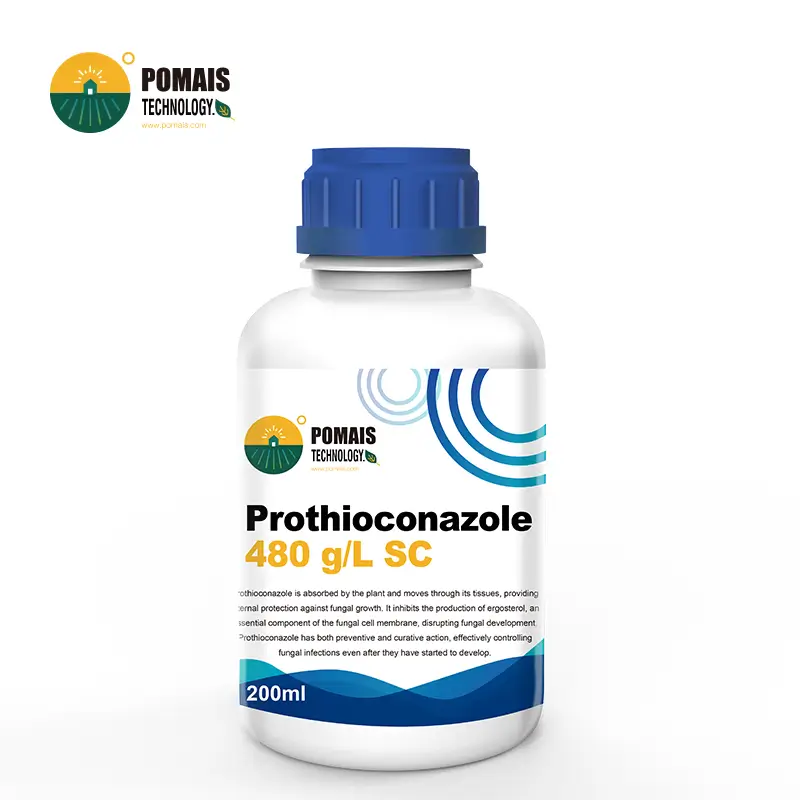
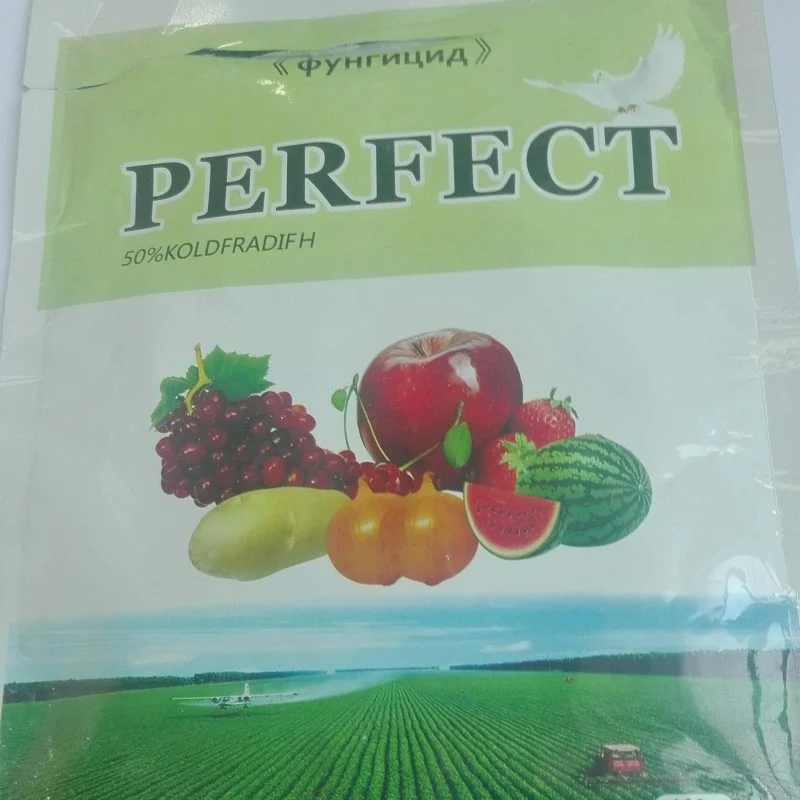
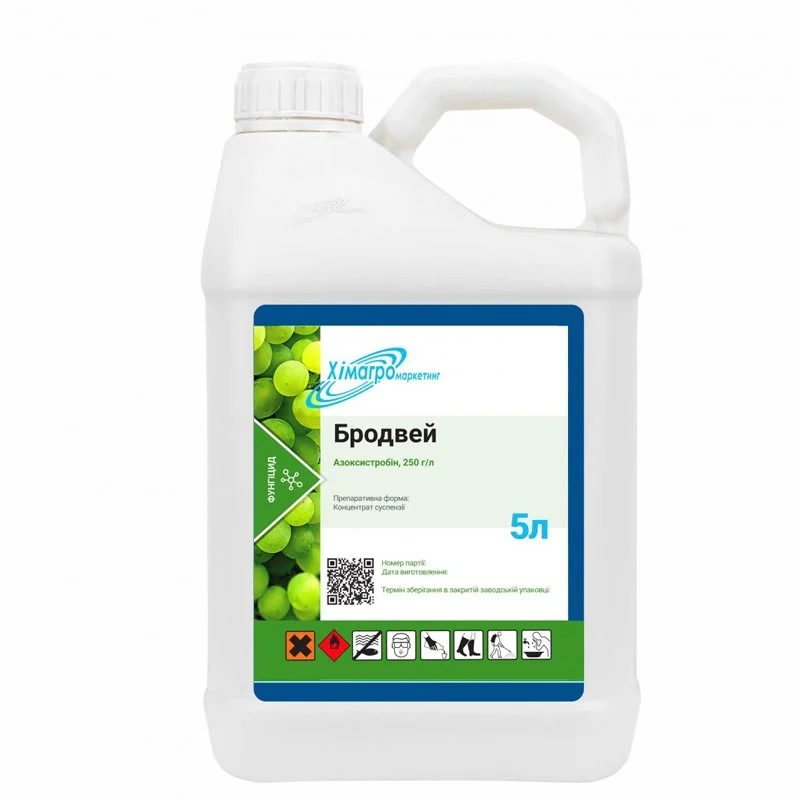
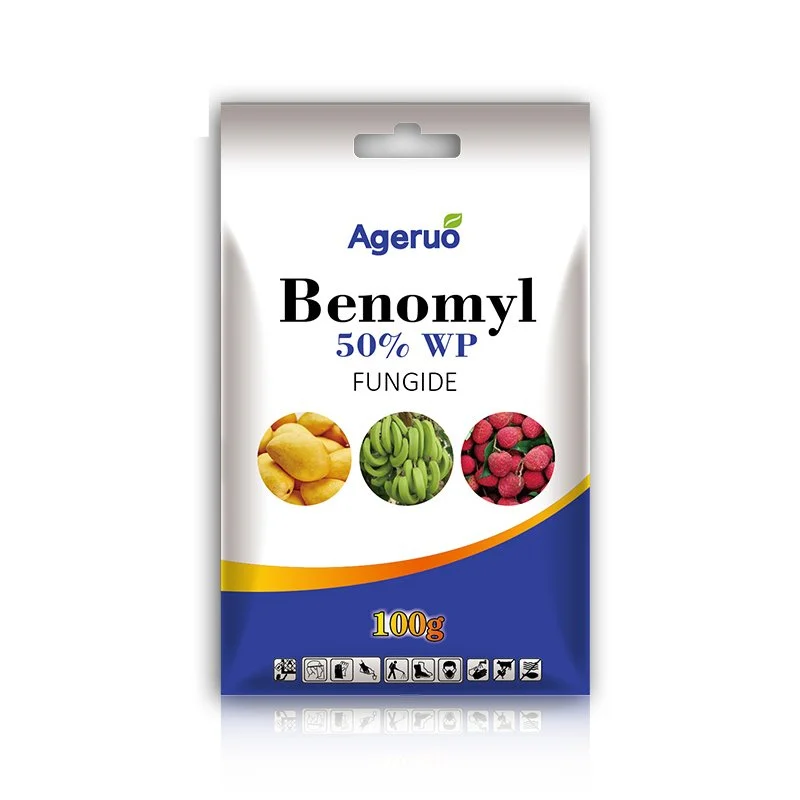
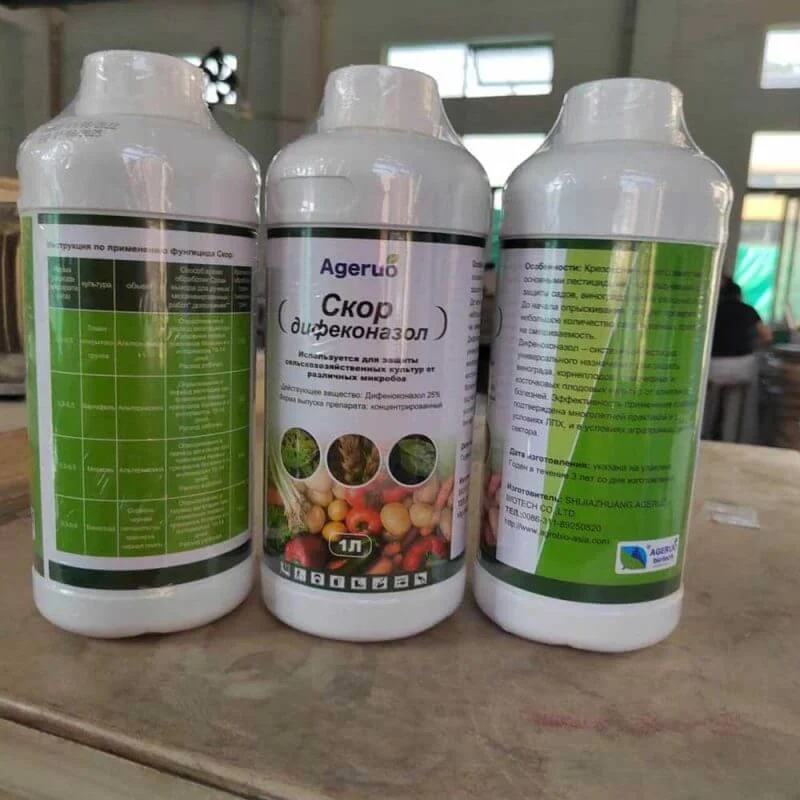
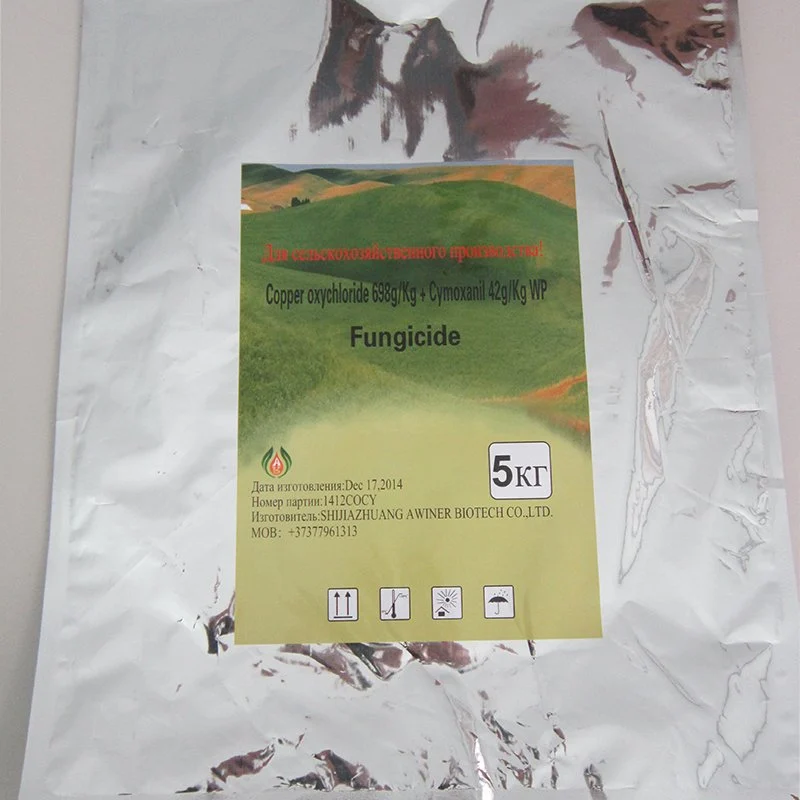
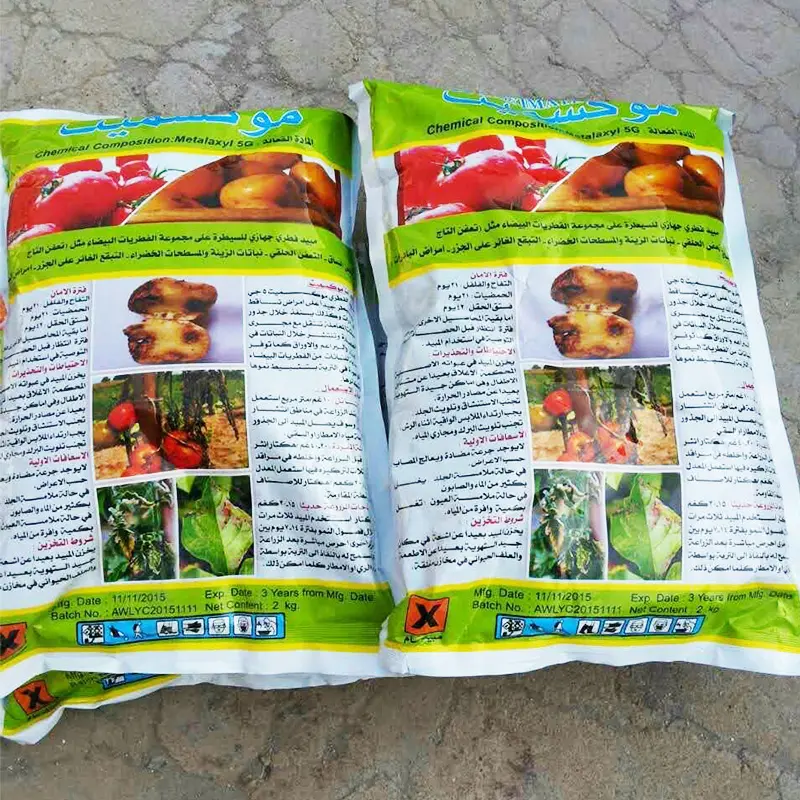
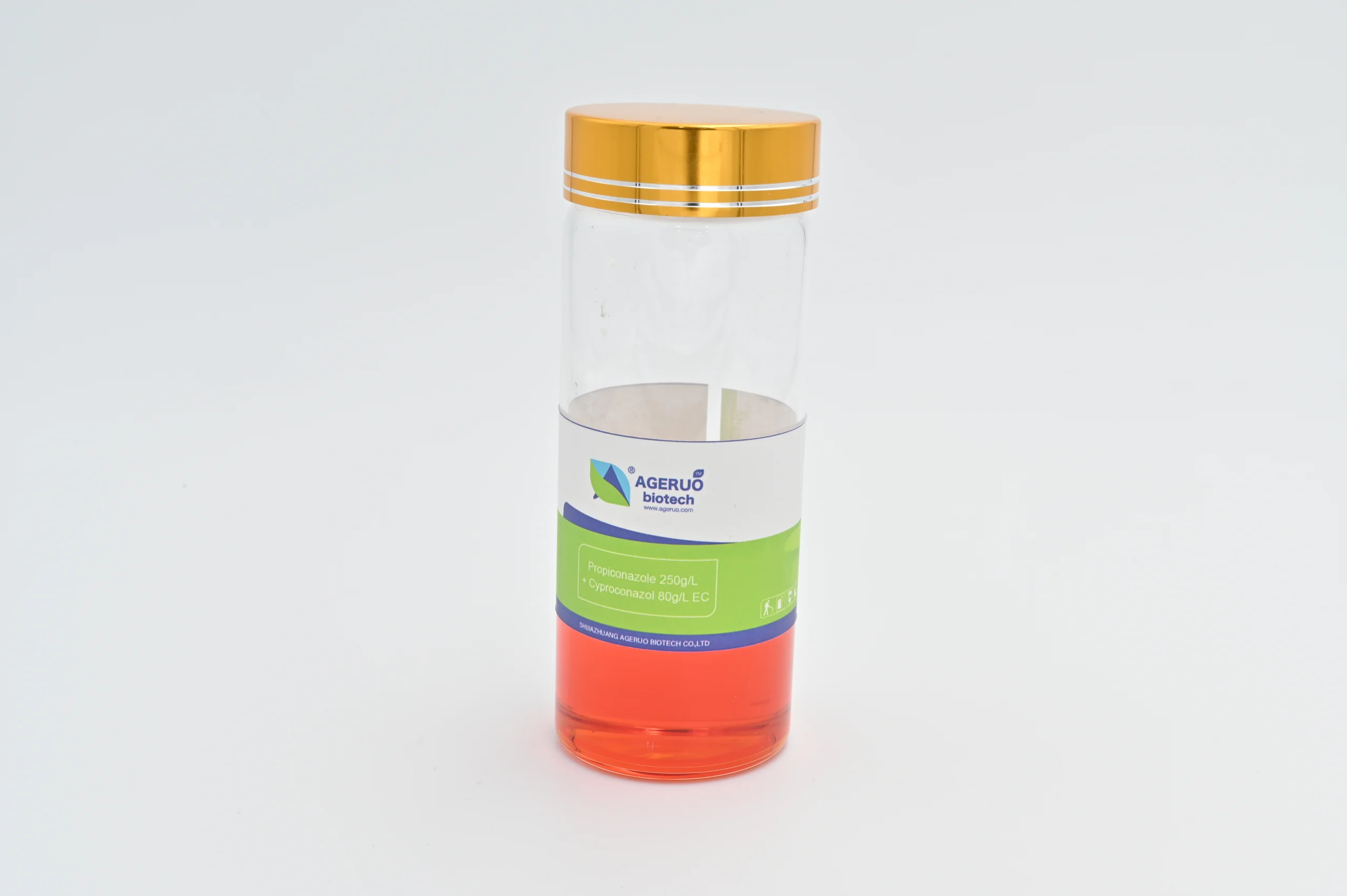
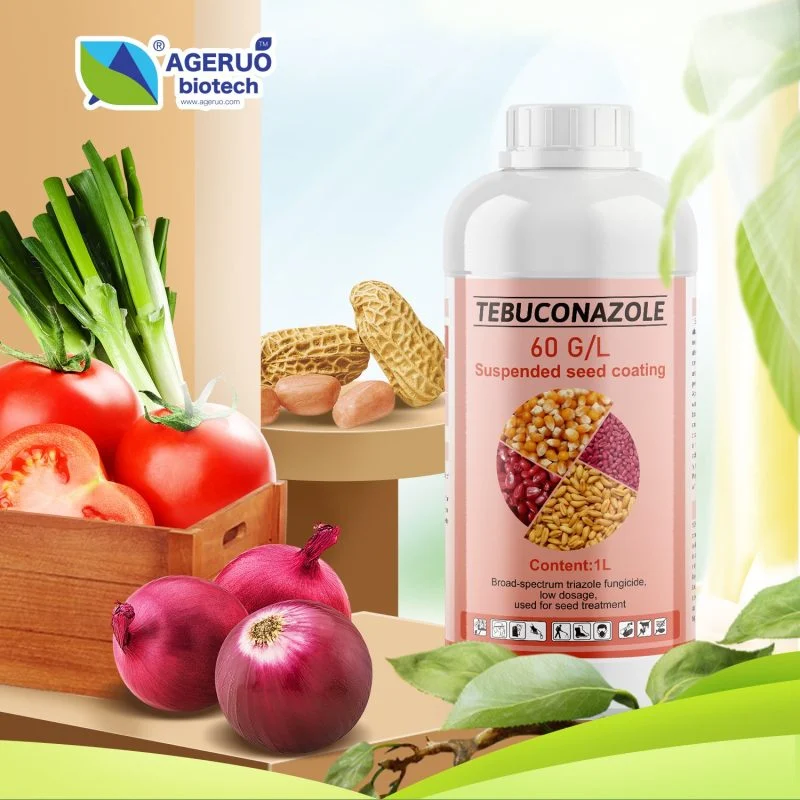
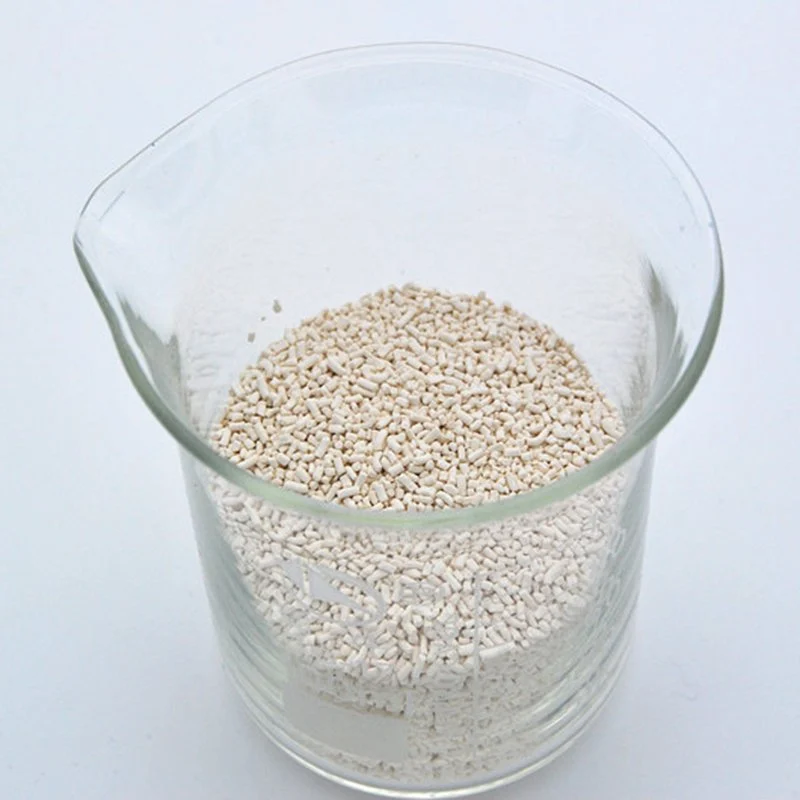
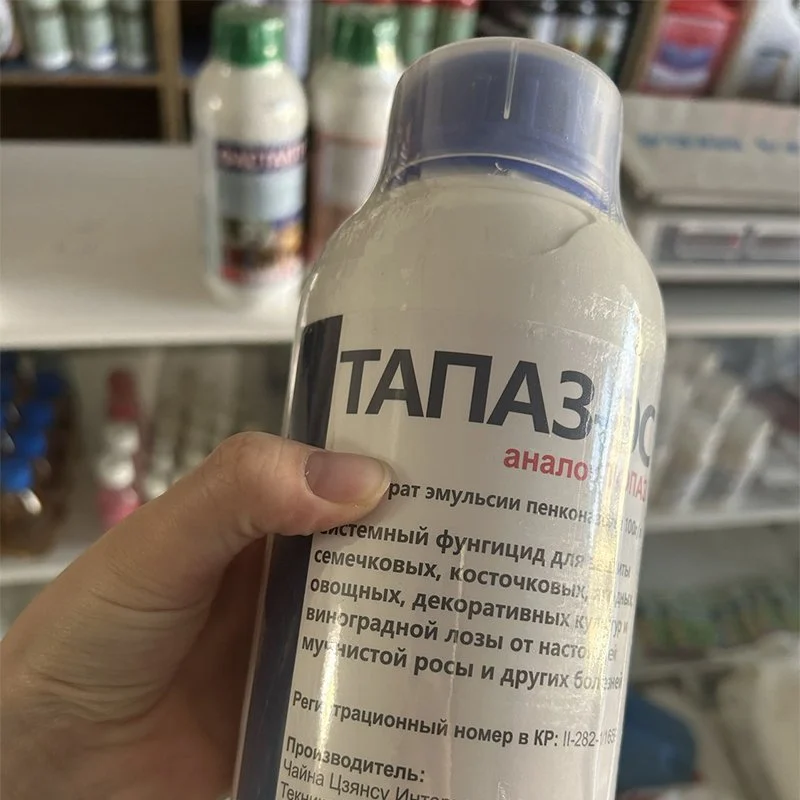
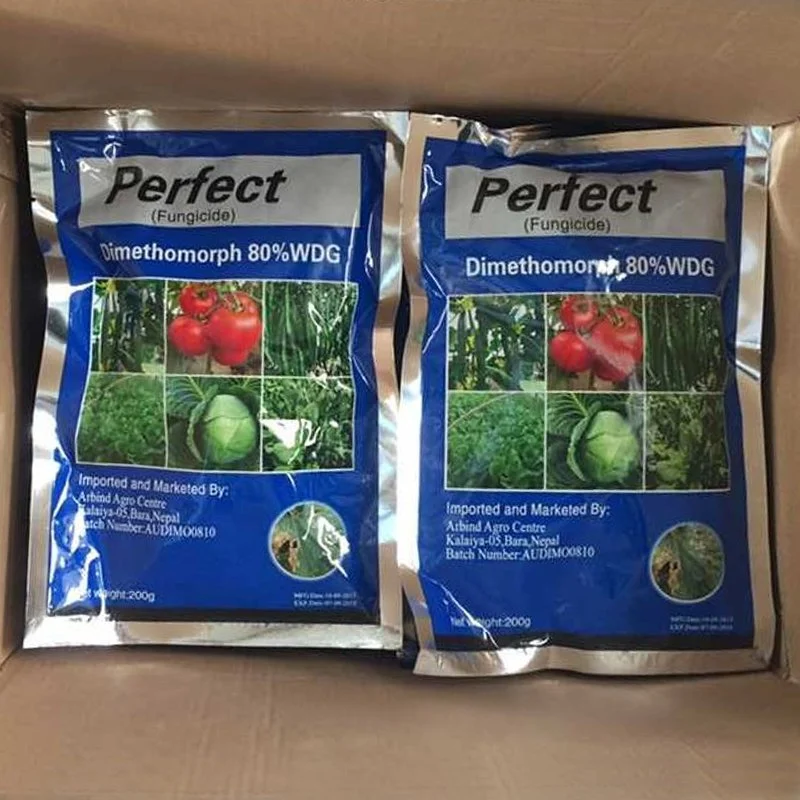
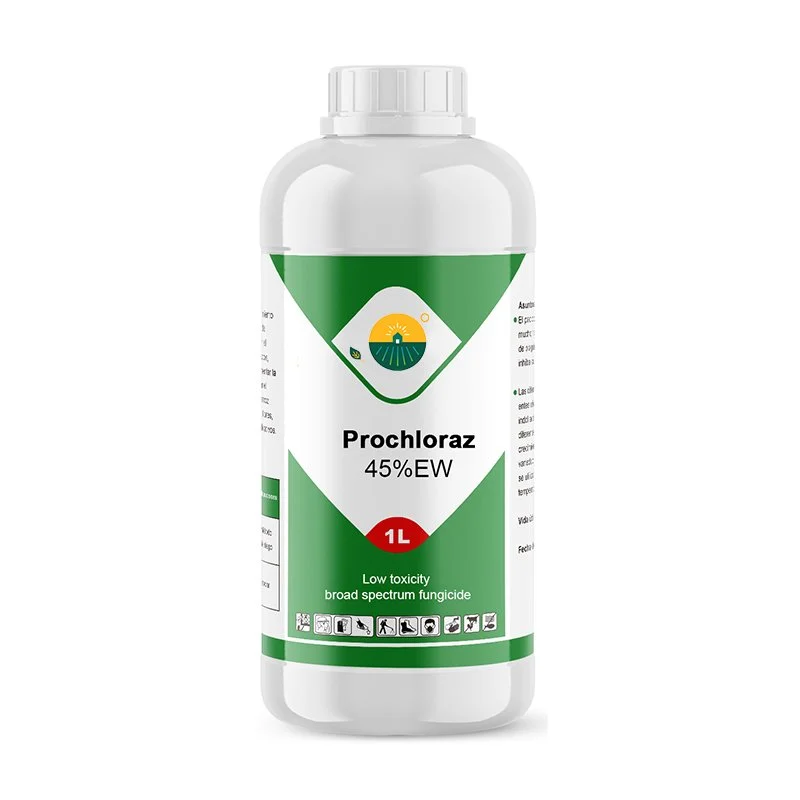
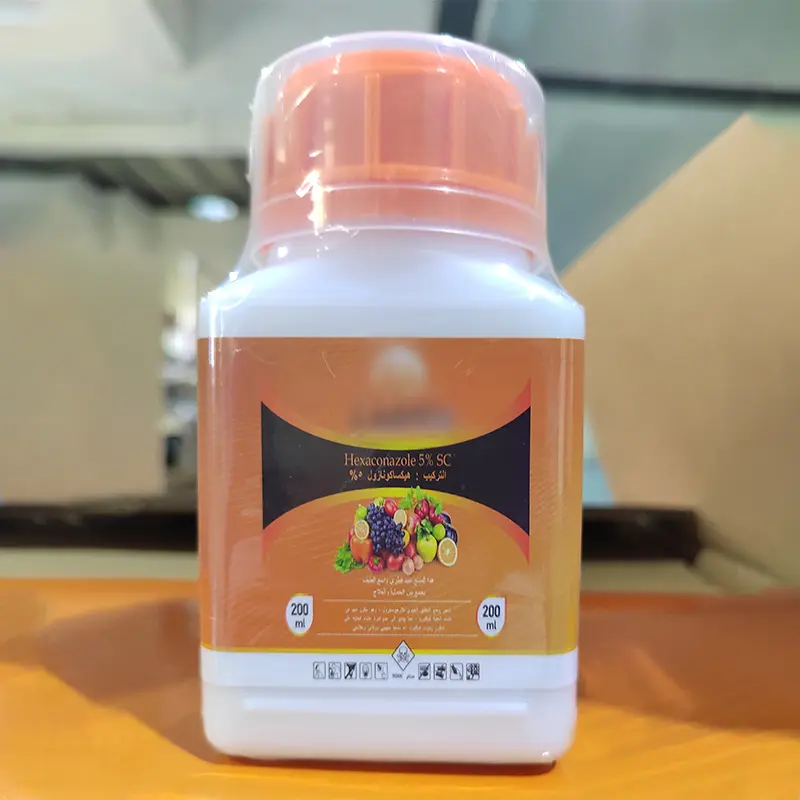
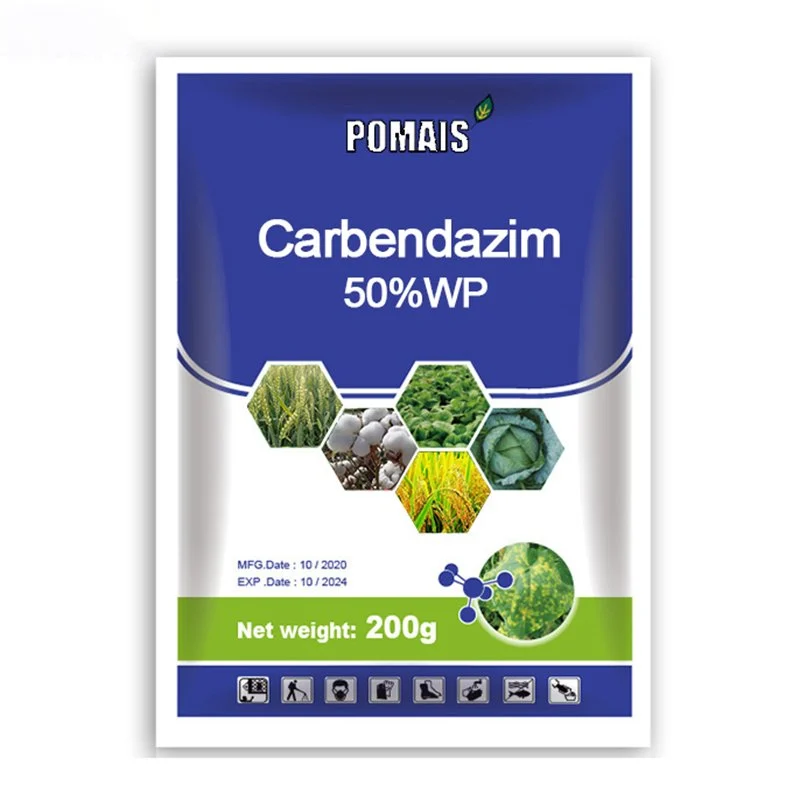
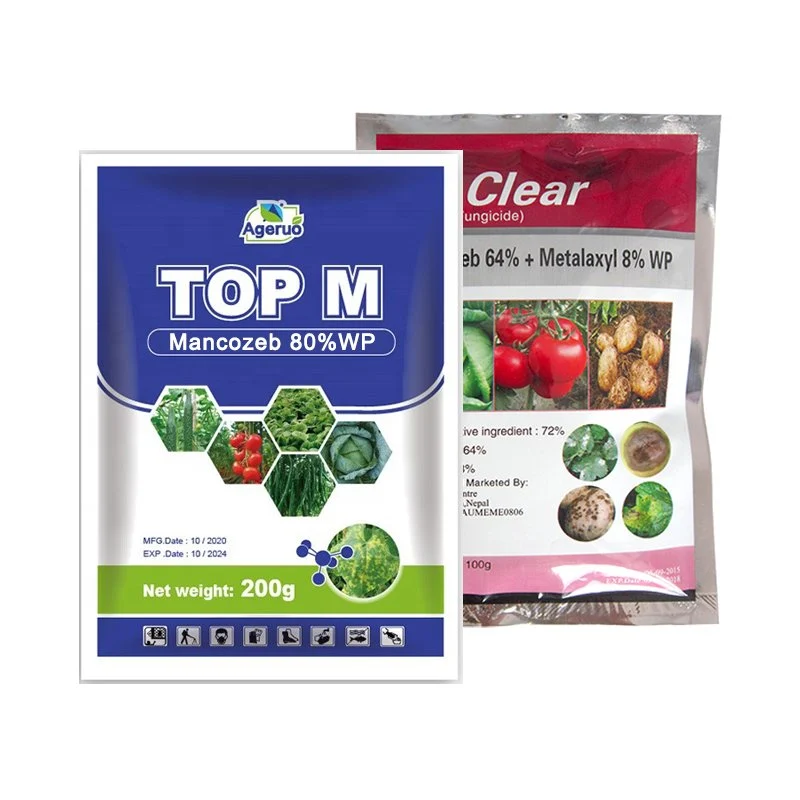
More Fungicides
















Sunflower Insect Pest Management
Sunflower pests can damage seedlings, stems, flower heads, and seeds. For commercial growers, correctly identifying pests and their life stages is more important than simply increasing the number of insecticides used.
| Pests | Main Damage | Management Priorities |
|---|---|---|
| Sunflower Moth / Head Moth | Larvae feed on flower head tissue or seeds | Monitor inflorescences and flowering stages to identify specific species and life stages |
| Sunflower Seed Weevils | Seed damage | Assess risk based on local pest occurrence patterns |
| Sunflower Stem Weevil | Stem damage | Monitor stem symptoms and field pest conditions |
| Sunflower Beetle | Damage to seedlings or leaves | Assess actual pest population density and leaf loss |
| Cutworms | Seedlings cut off | Inspect for missing seedlings and soil-dwelling pests from seeding through emergence |
| Wireworms | Damage to seeds and seedling roots | Assess risk based on soil history and pre-plant surveys |
| Aphids | Sucking damage | Monitor pest population density, and monitor natural enemies and local control thresholds |
Pest management decisions regarding whether to intervene should be based on actual pest population density, crop growth stage, and local technical recommendations. For flower head pests, avoid scheduling widespread applications based solely on the detection of a small number of adults.
Why do flower head pests require separate management?
Some pests directly affect flower heads, seeds, and grain formation, resulting in different economic impacts compared to pests that cause only leaf damage.
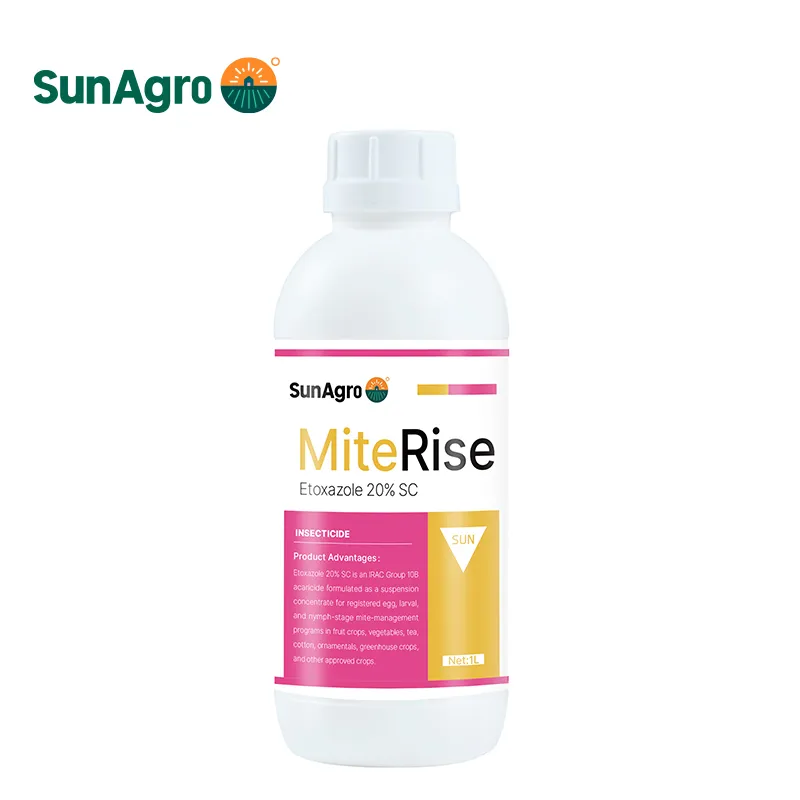
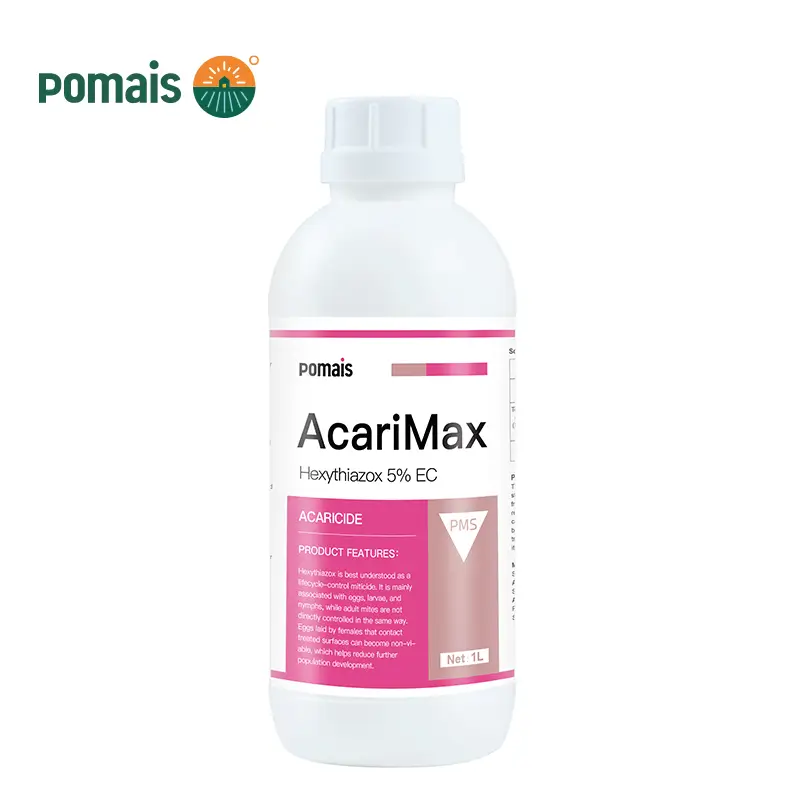
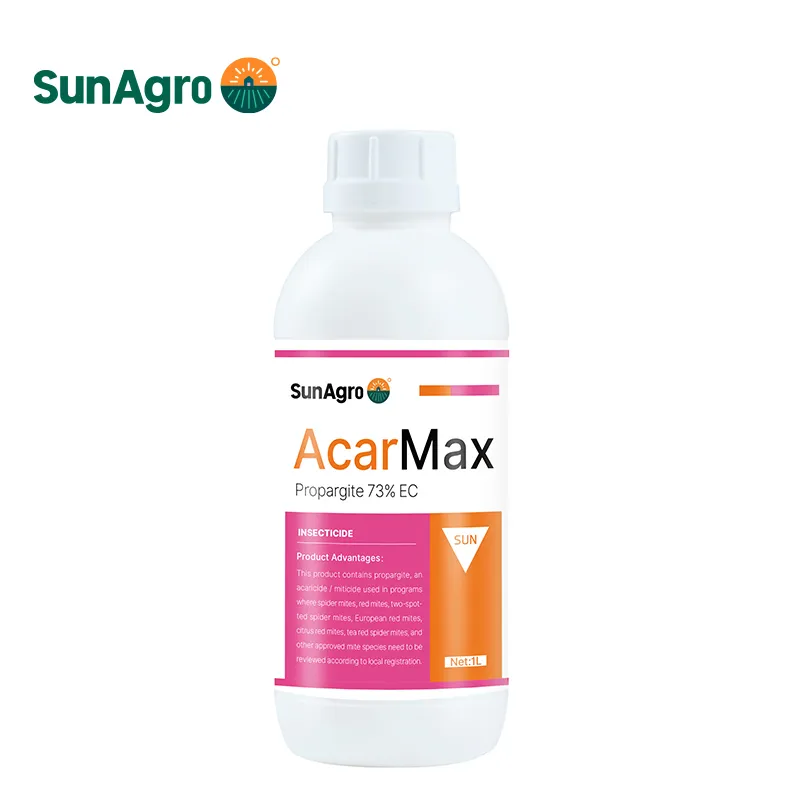
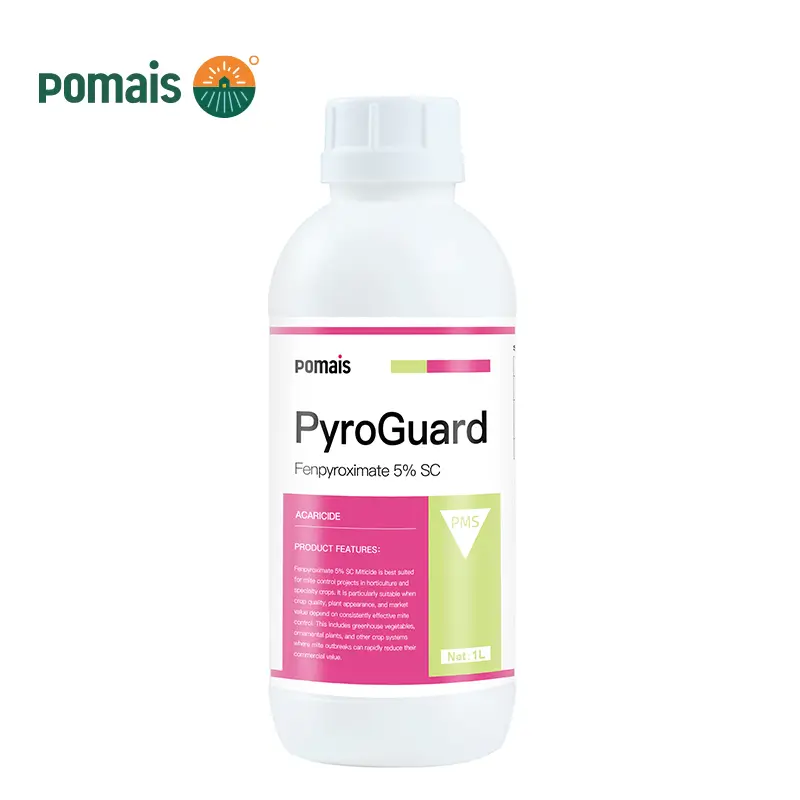
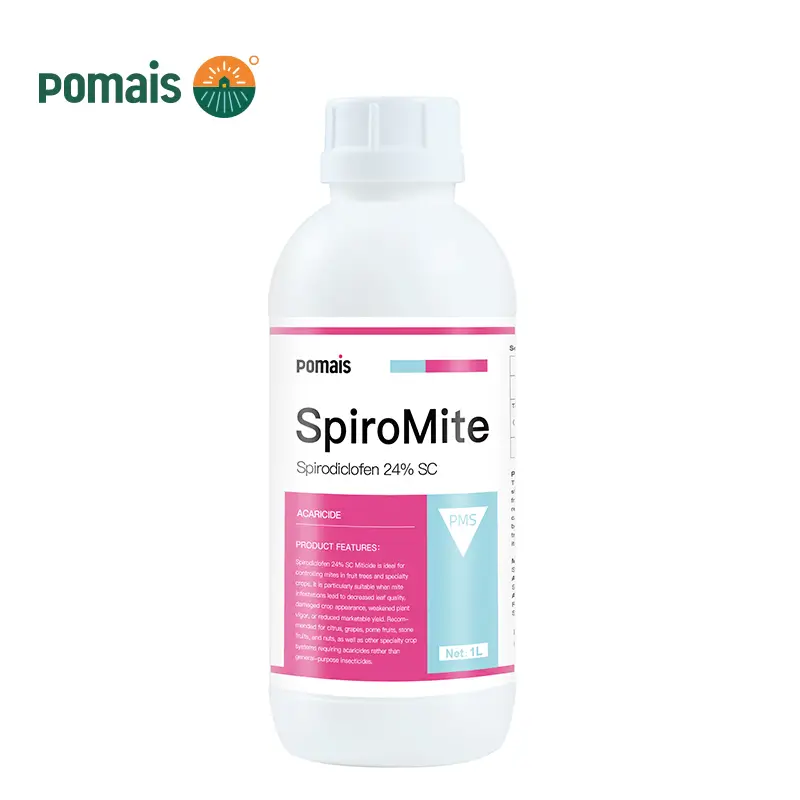
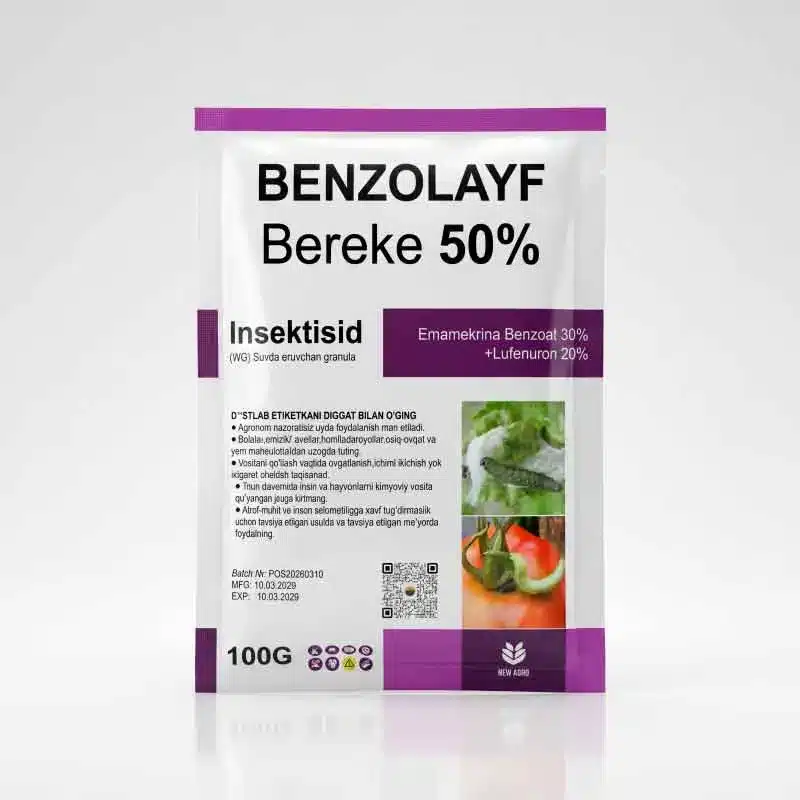
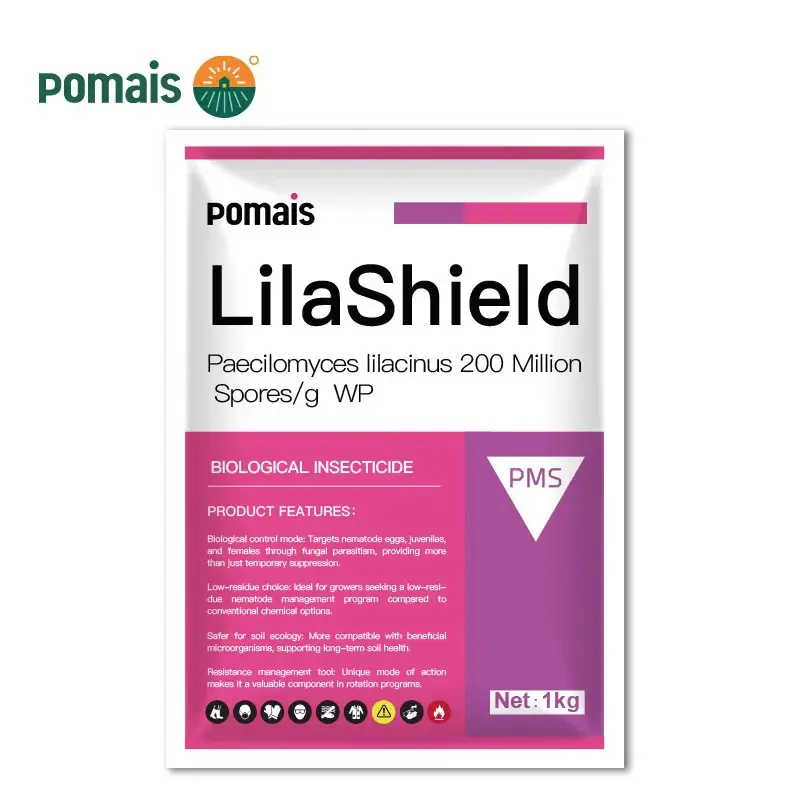
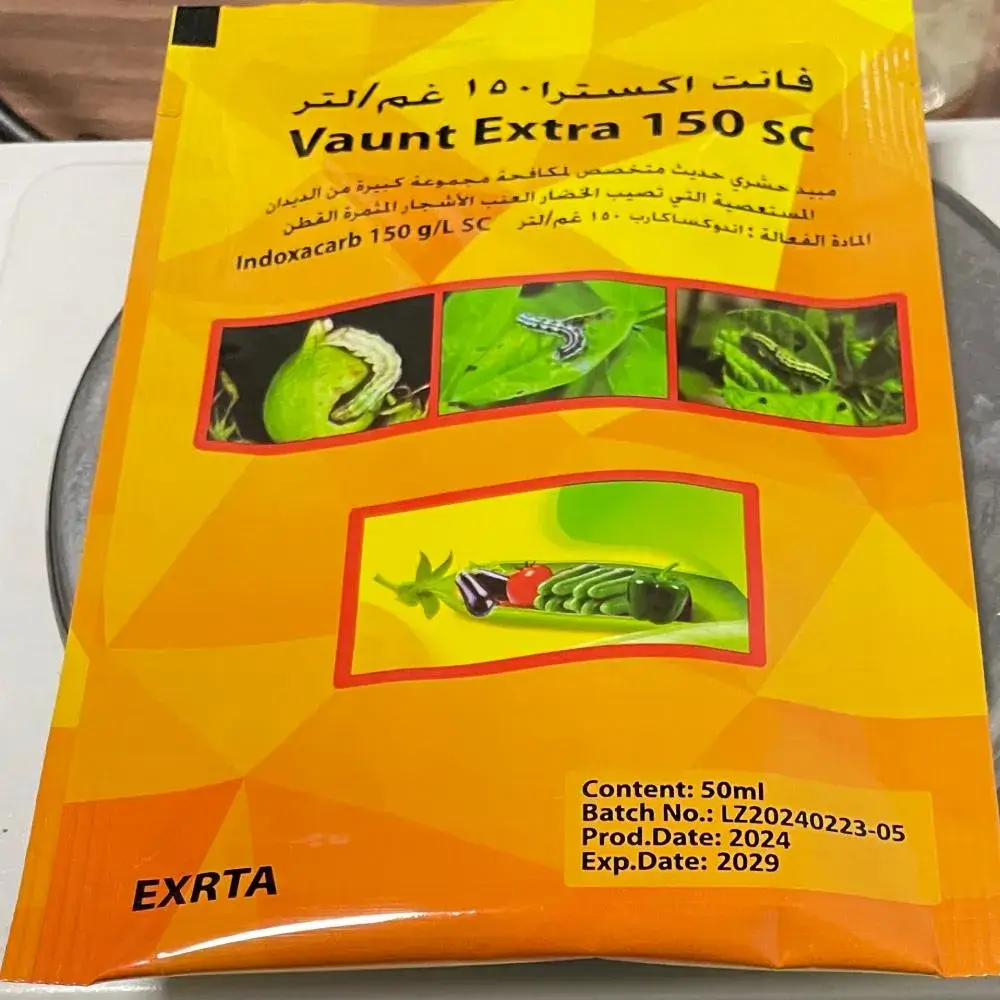
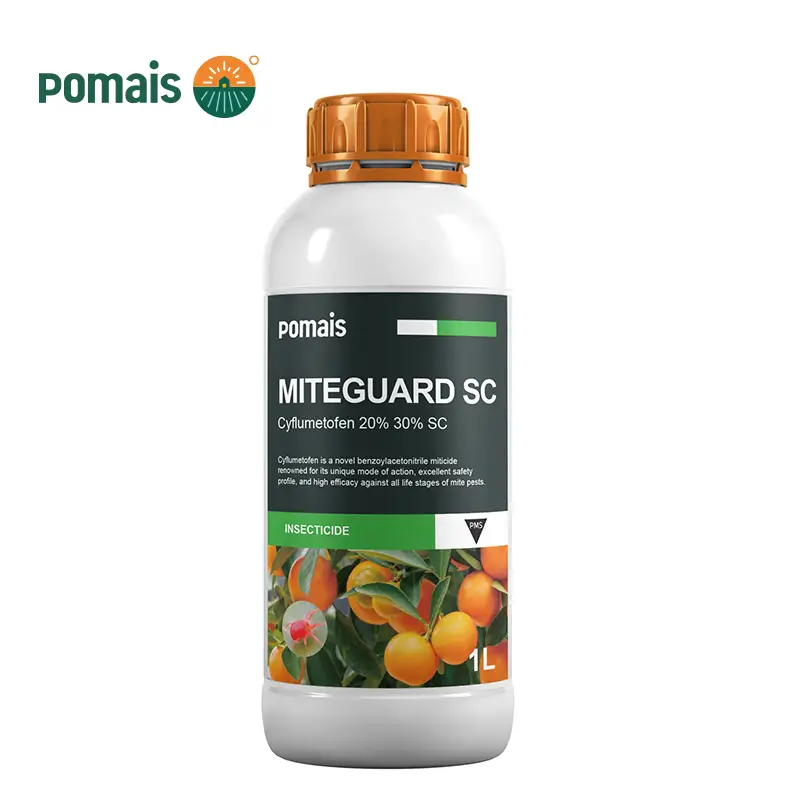
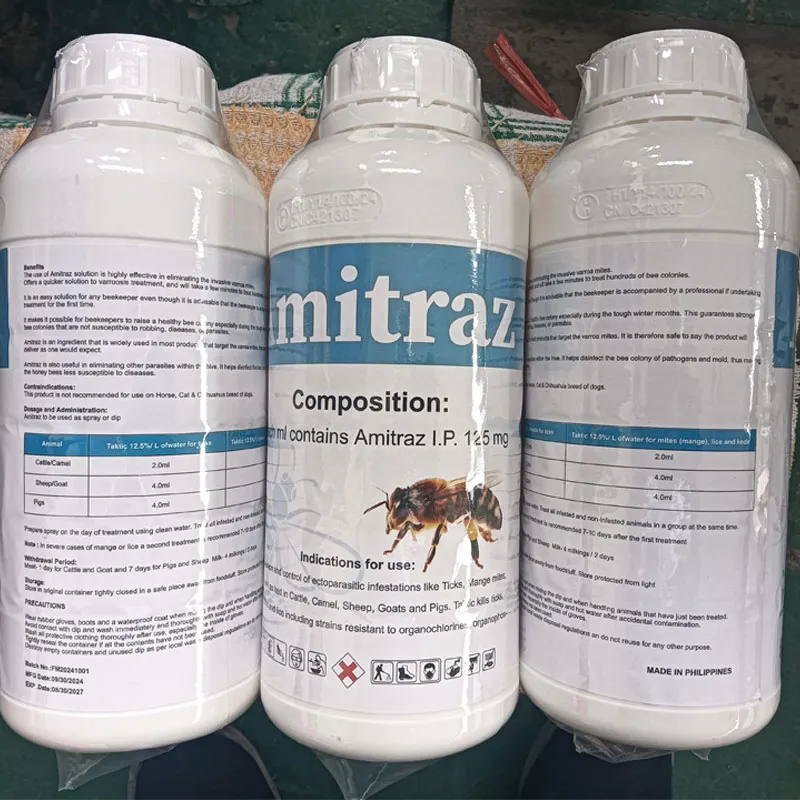
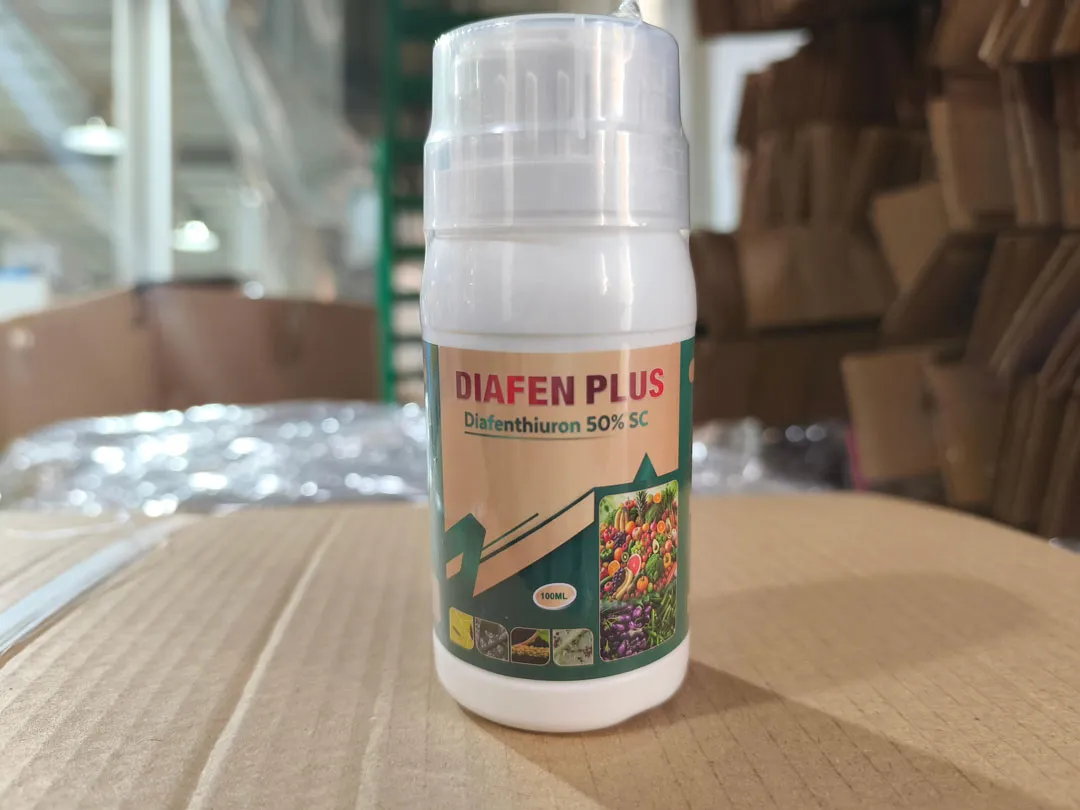
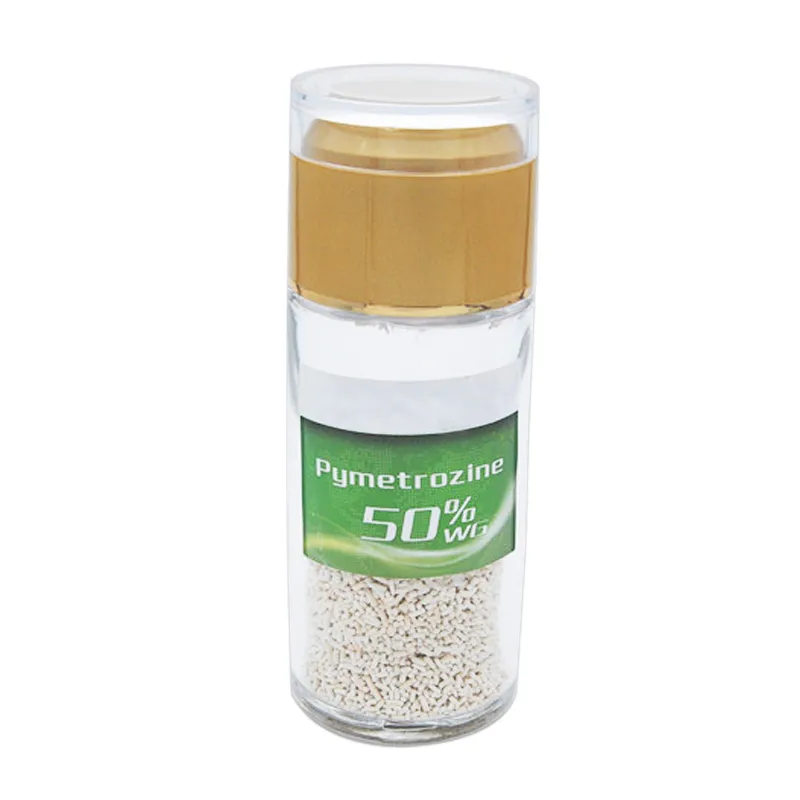
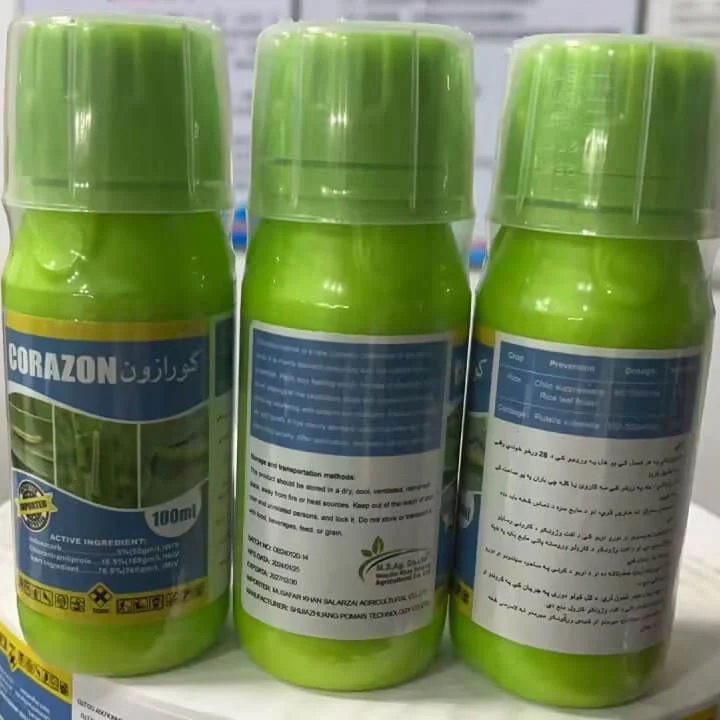
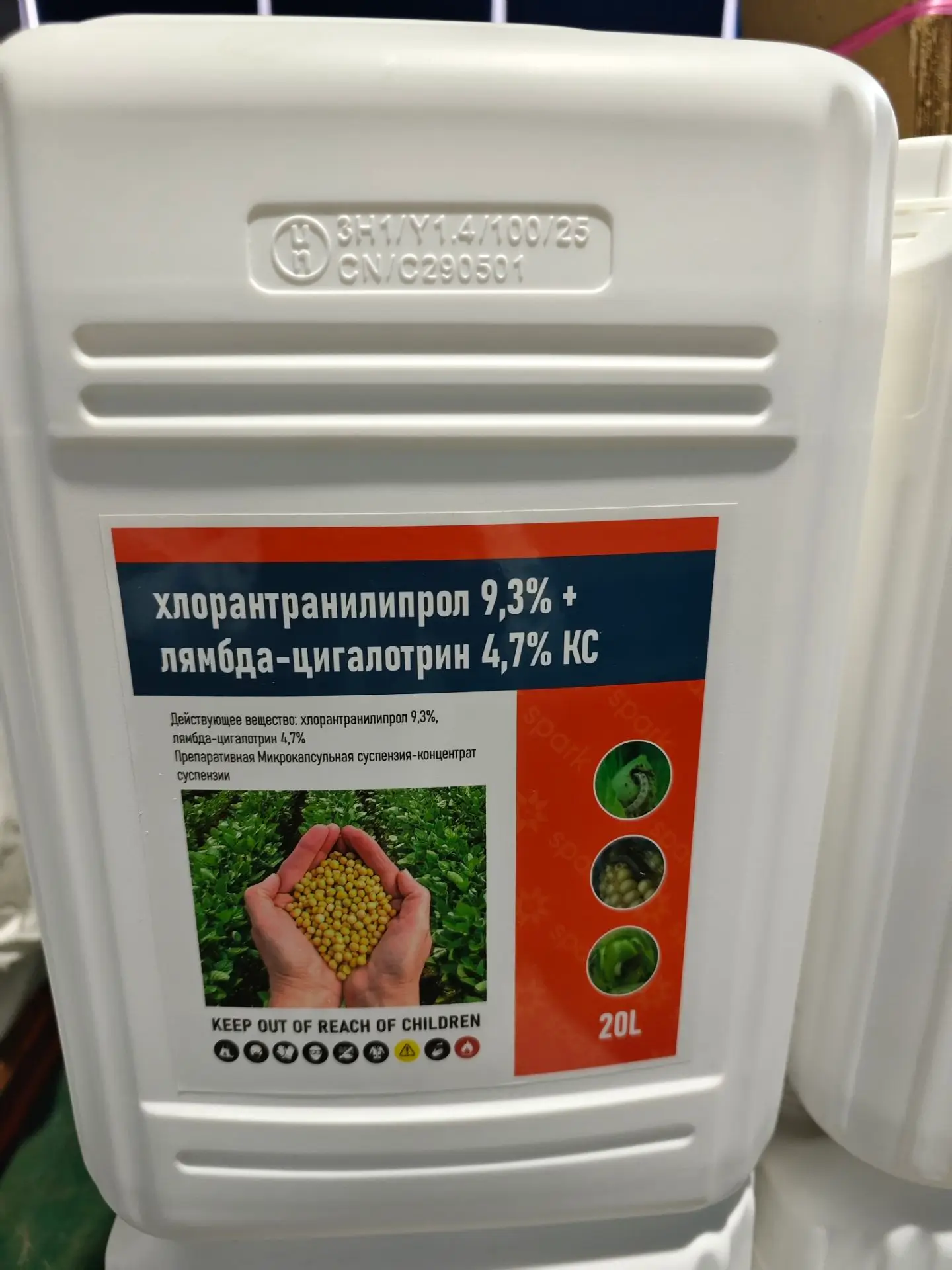
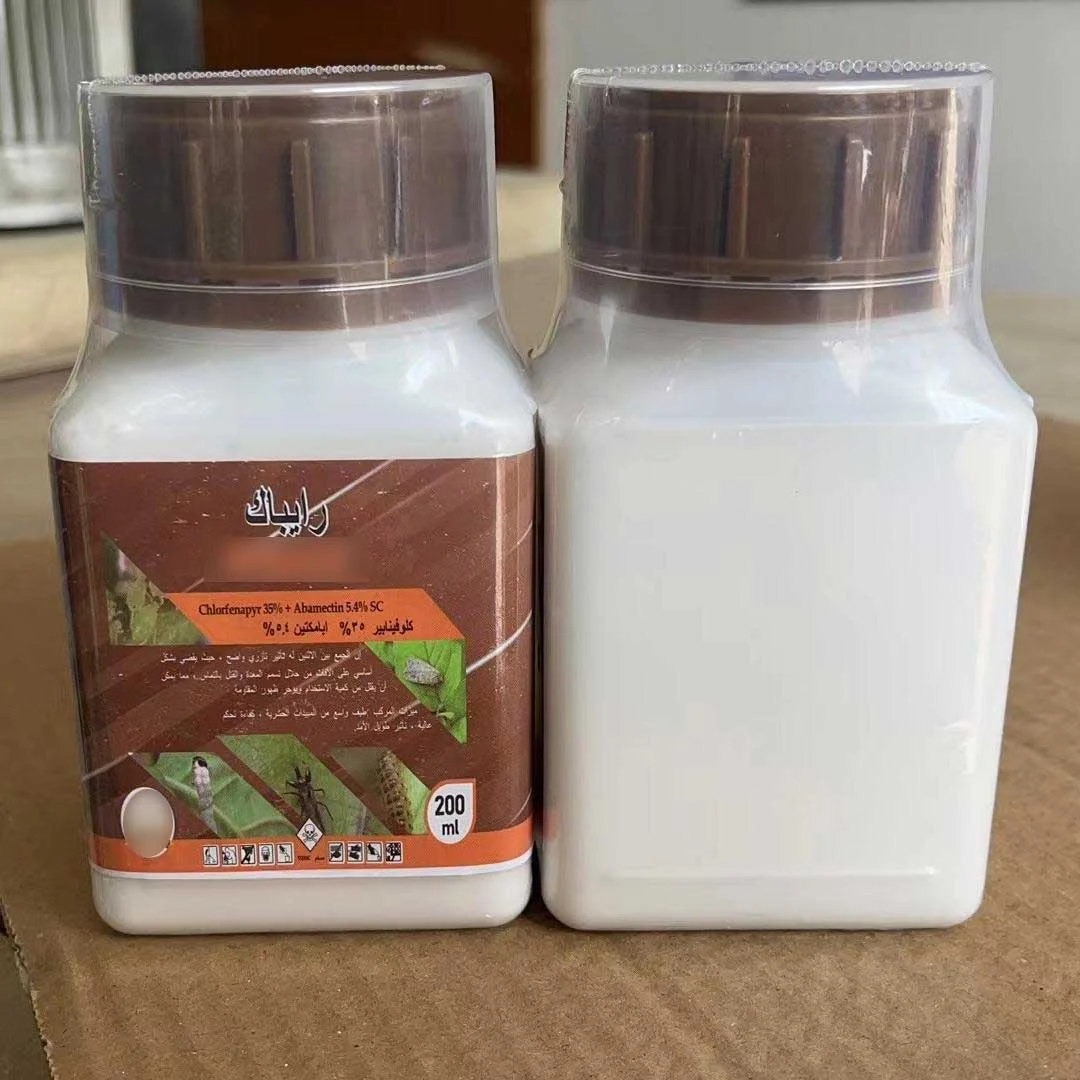
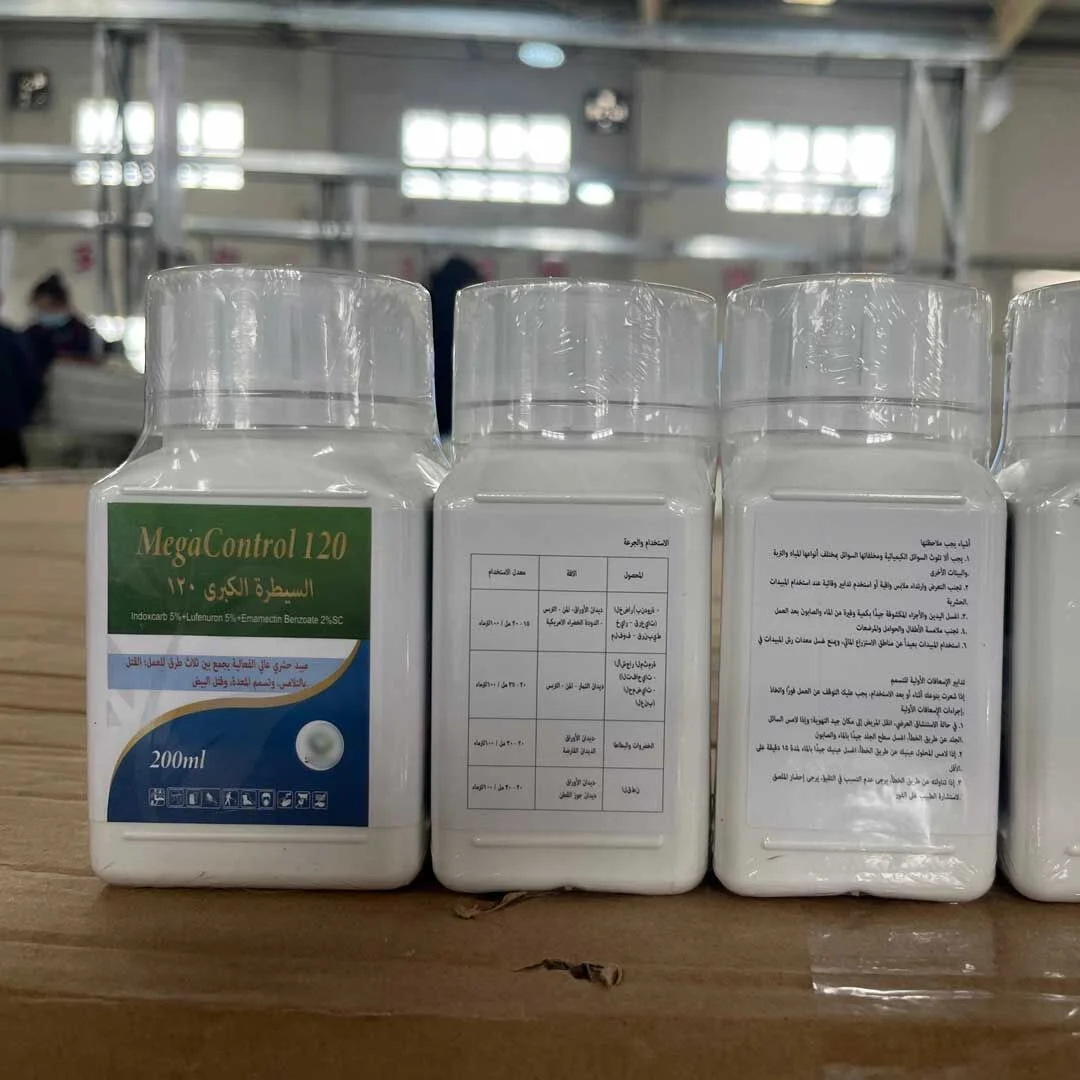
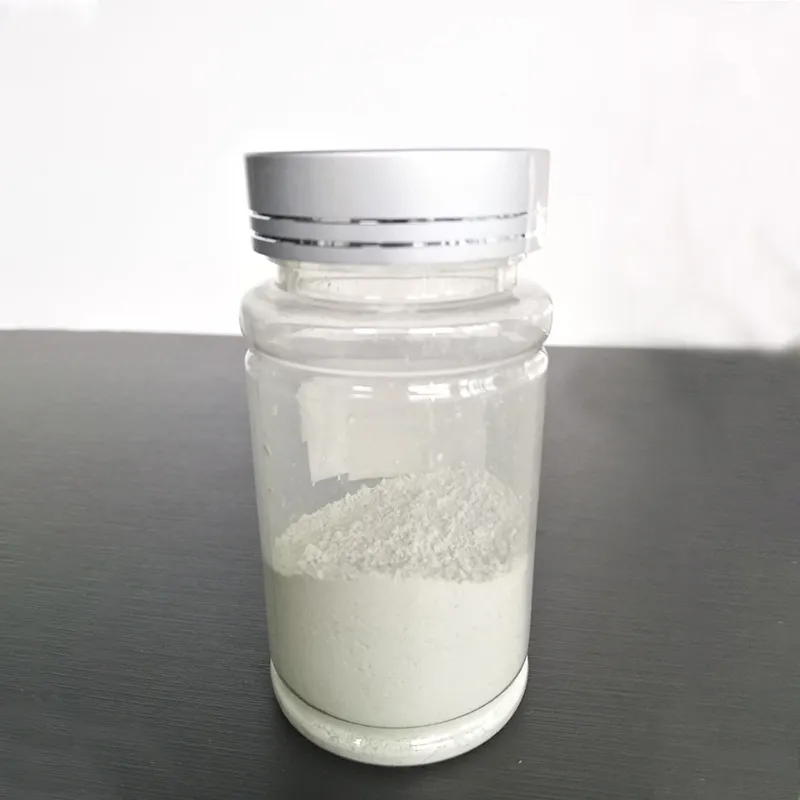
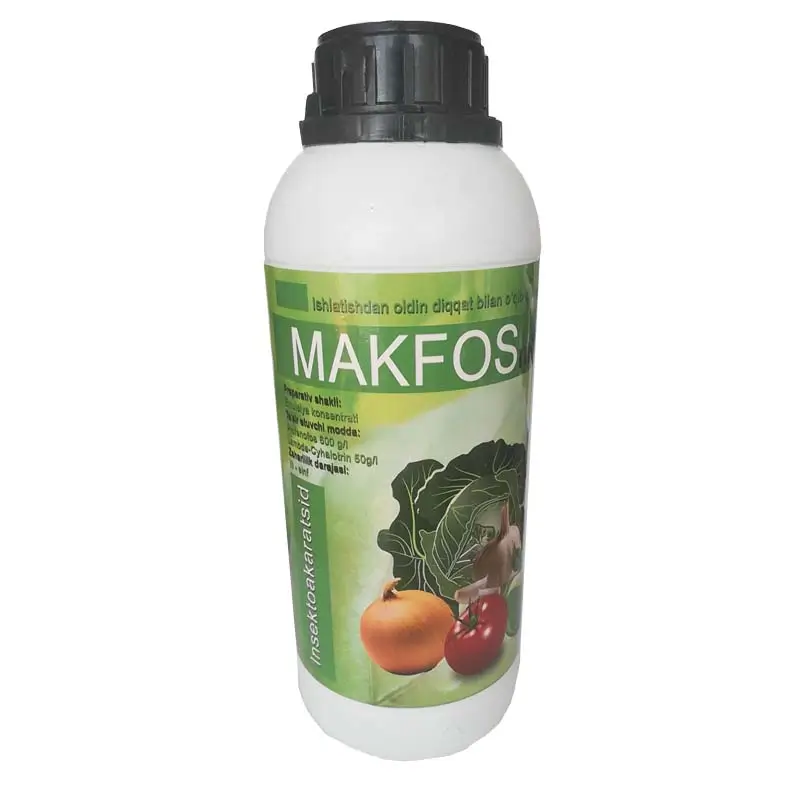
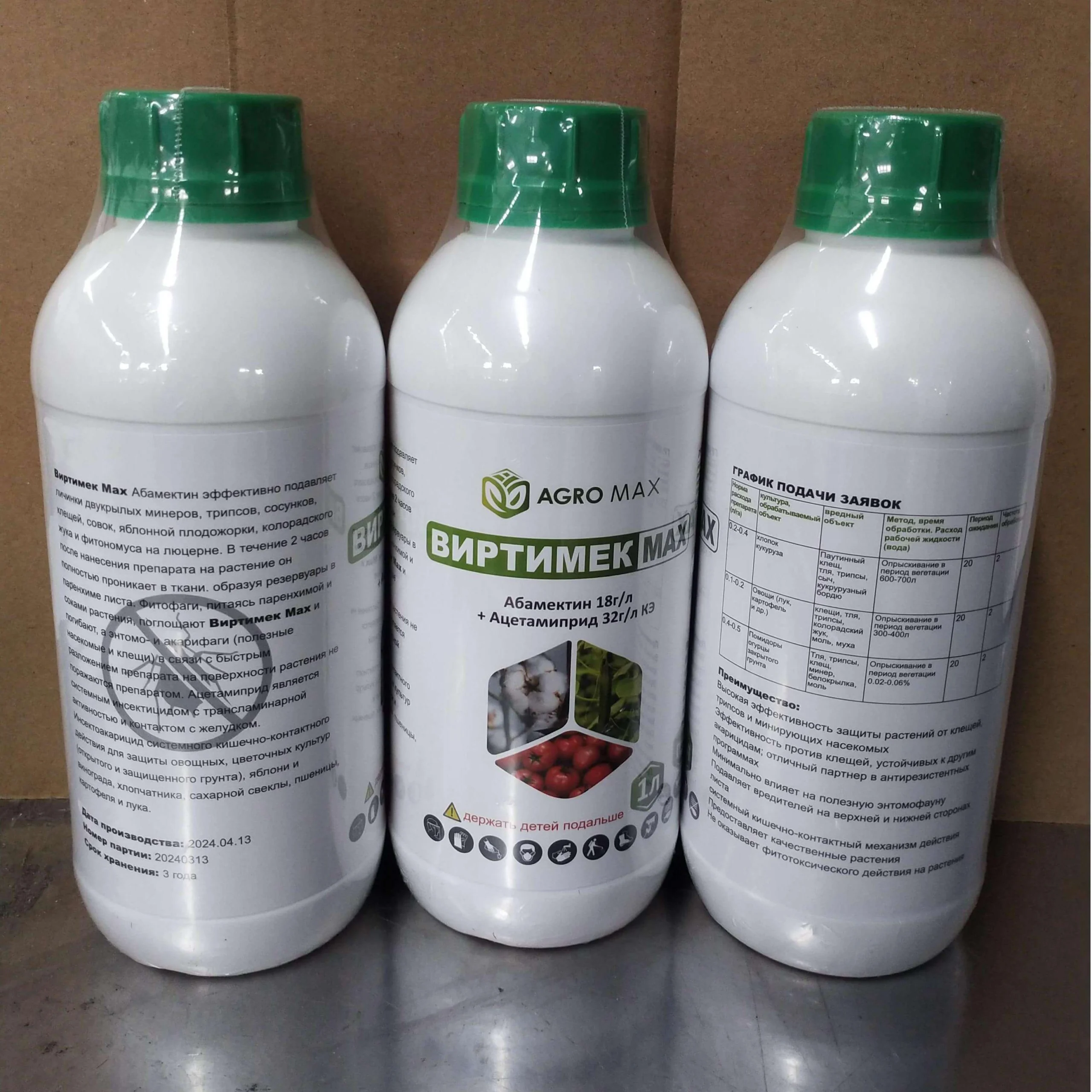
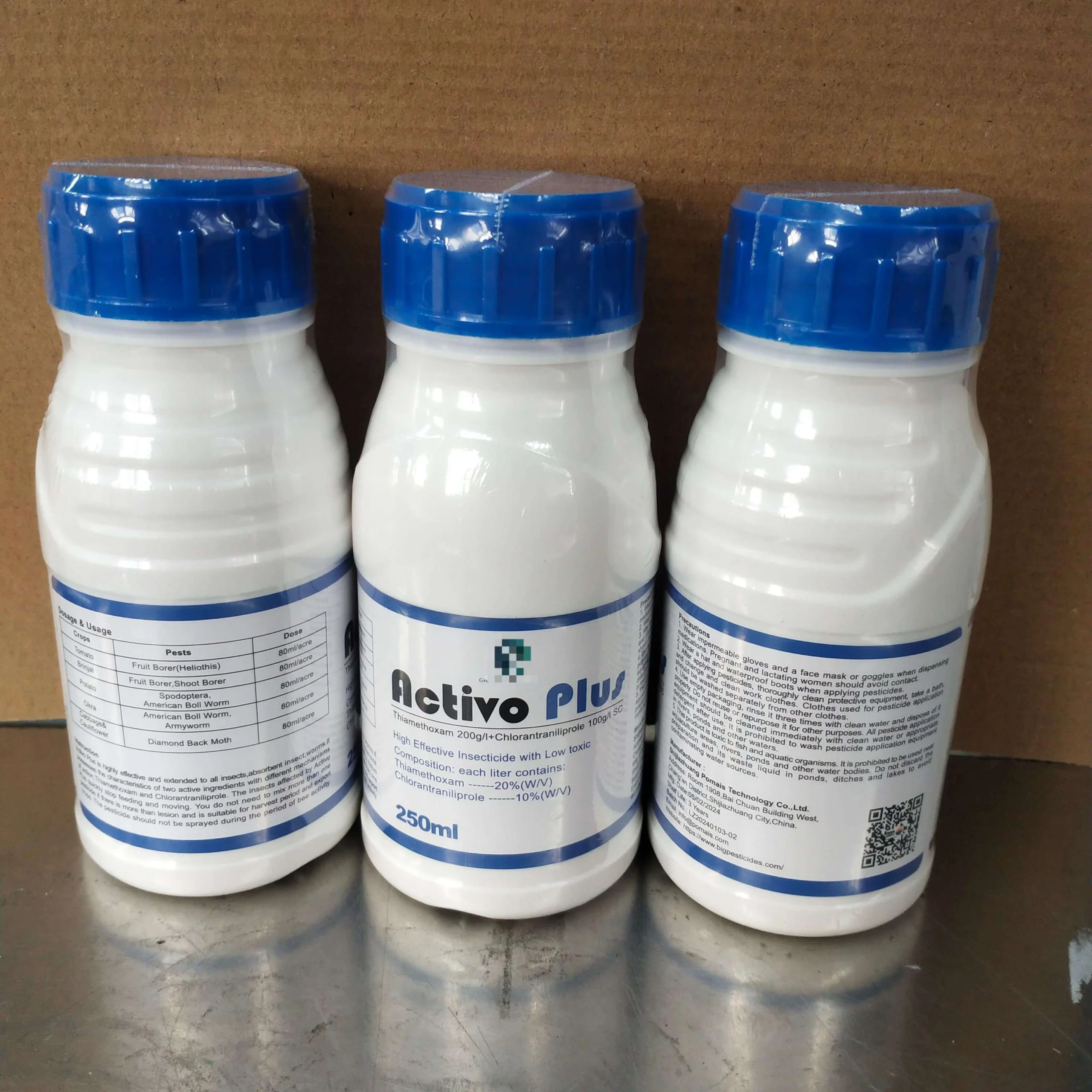
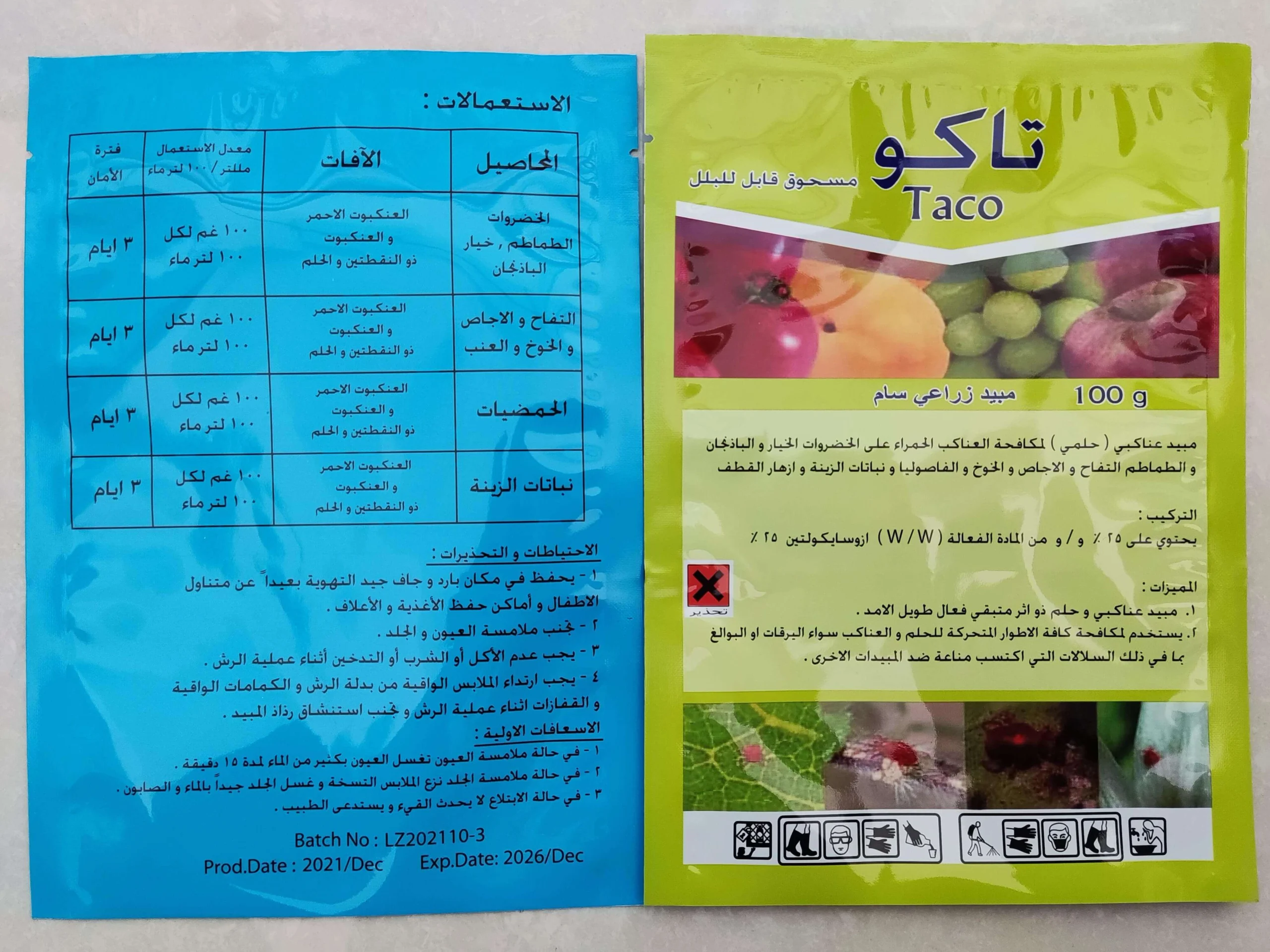
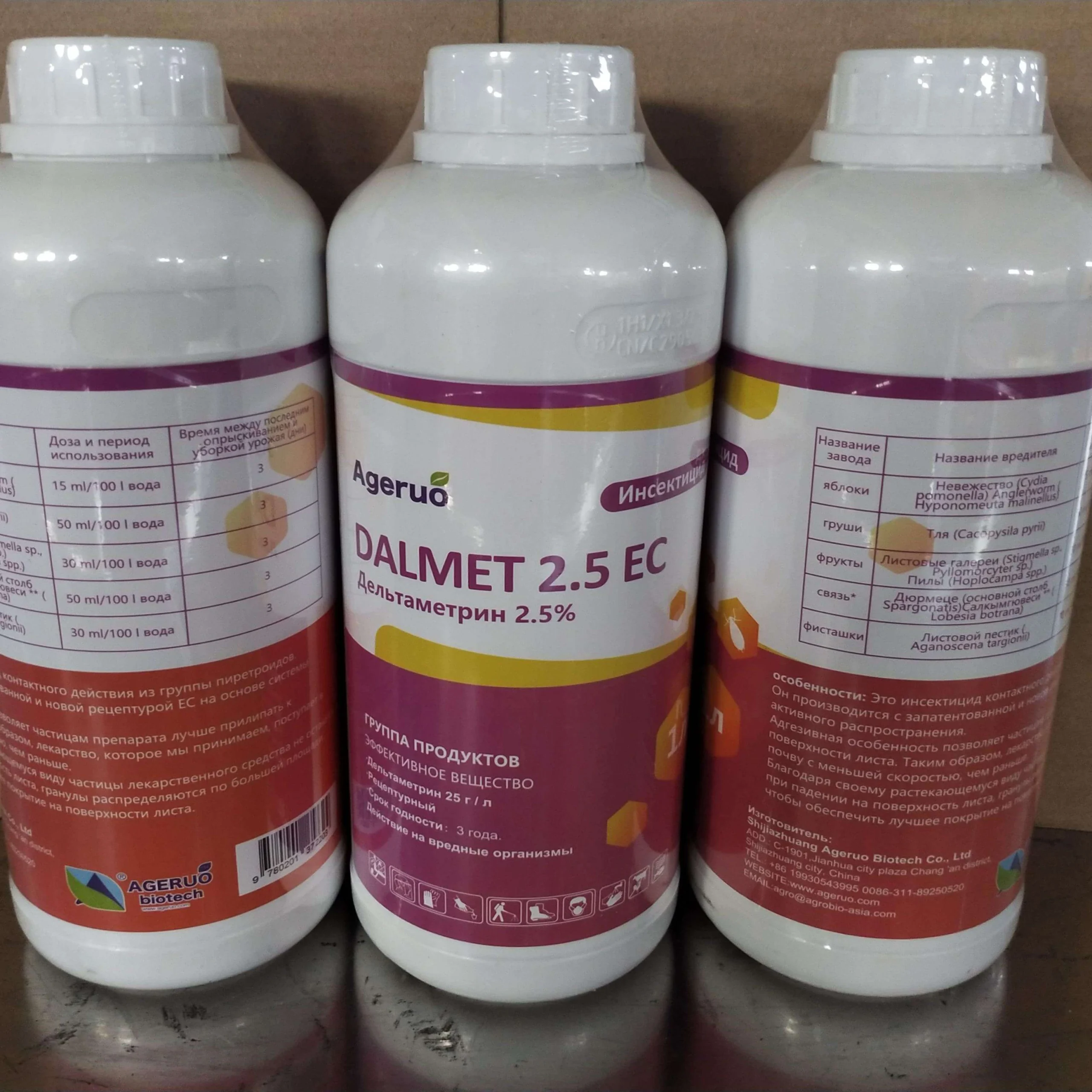
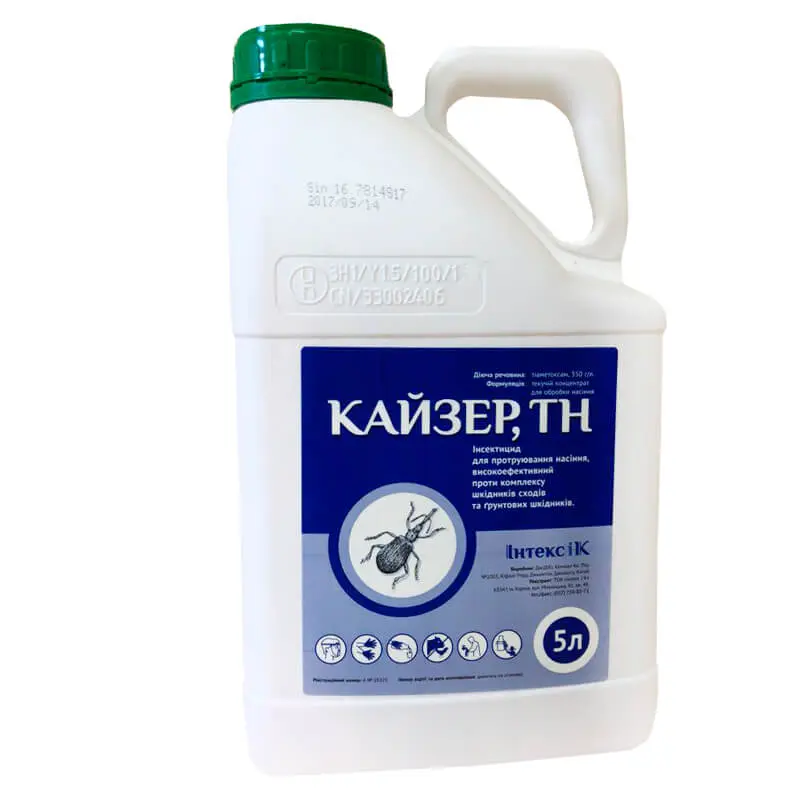
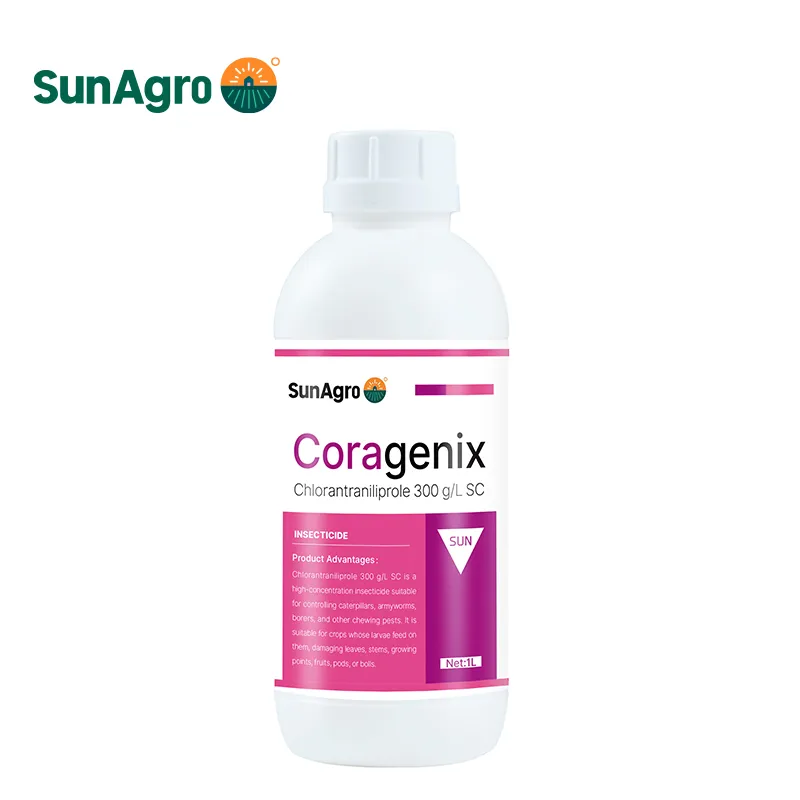
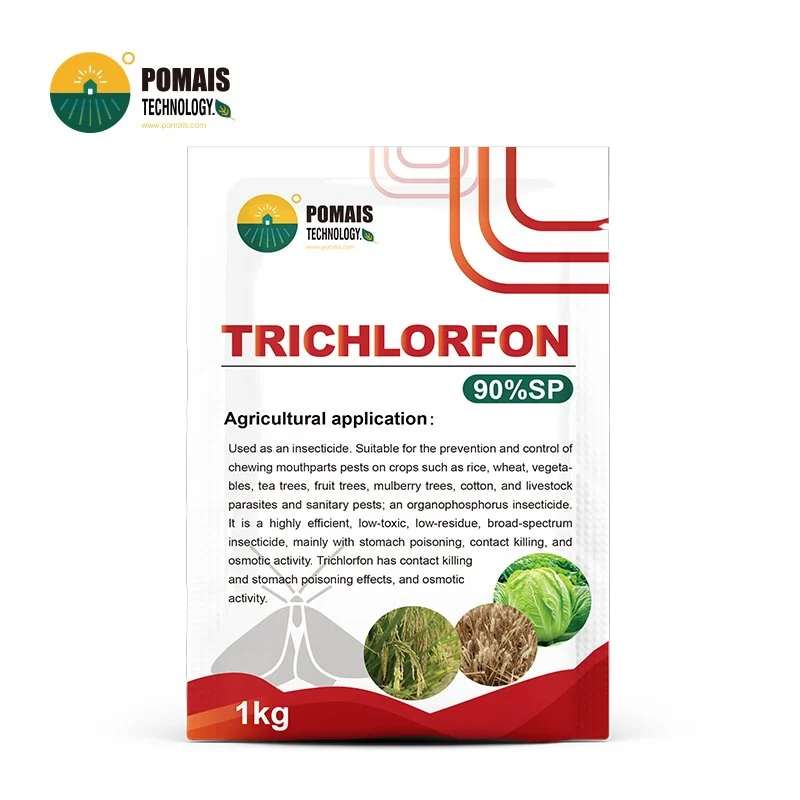
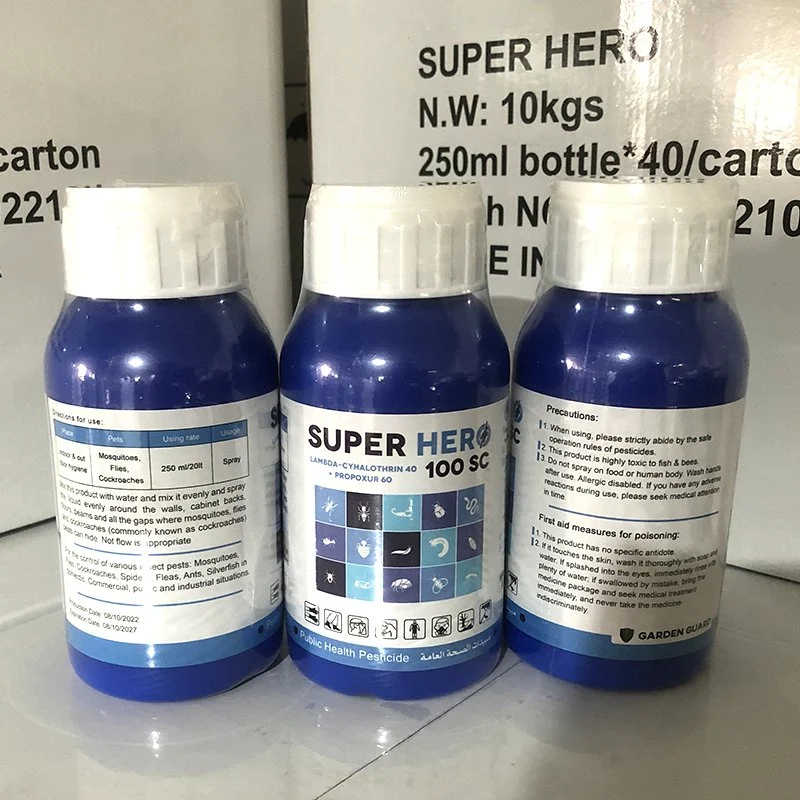
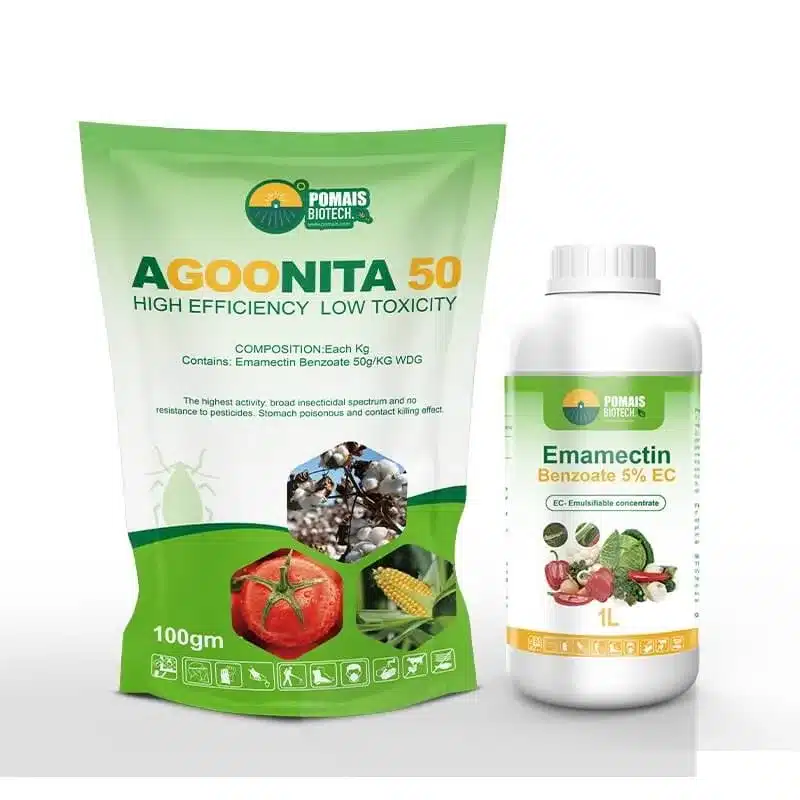
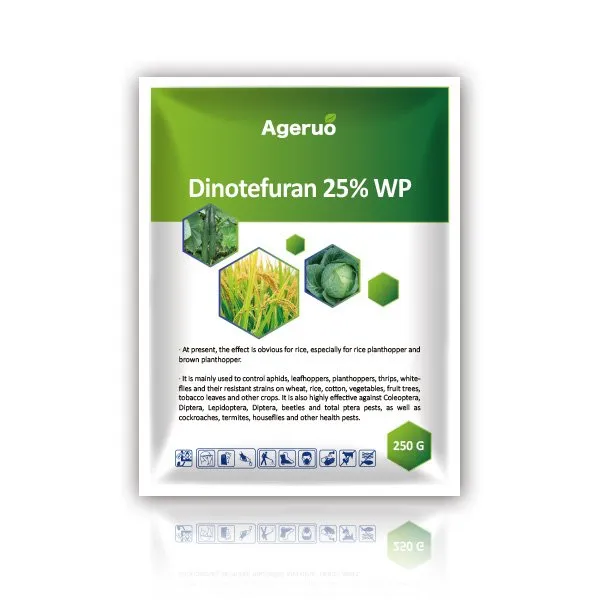
For pests such as the Sunflower Moth and Seed Weevils, management strategies should be developed based on the specific pest species, timing of infestation, and local monitoring recommendations. When selecting products, verify the target pests and applicable application periods listed on the label.
When applying insecticides during the flowering stage, it is also essential to give full consideration to the protection of pollinators and to comply with local regulations regarding application timing, risks to bees, and other non-target organisms.
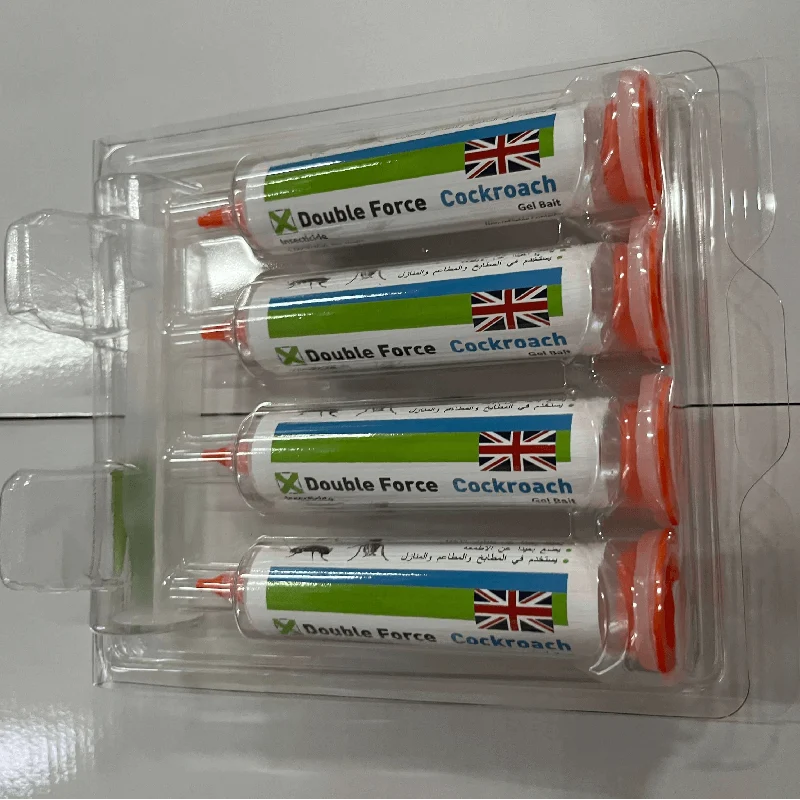
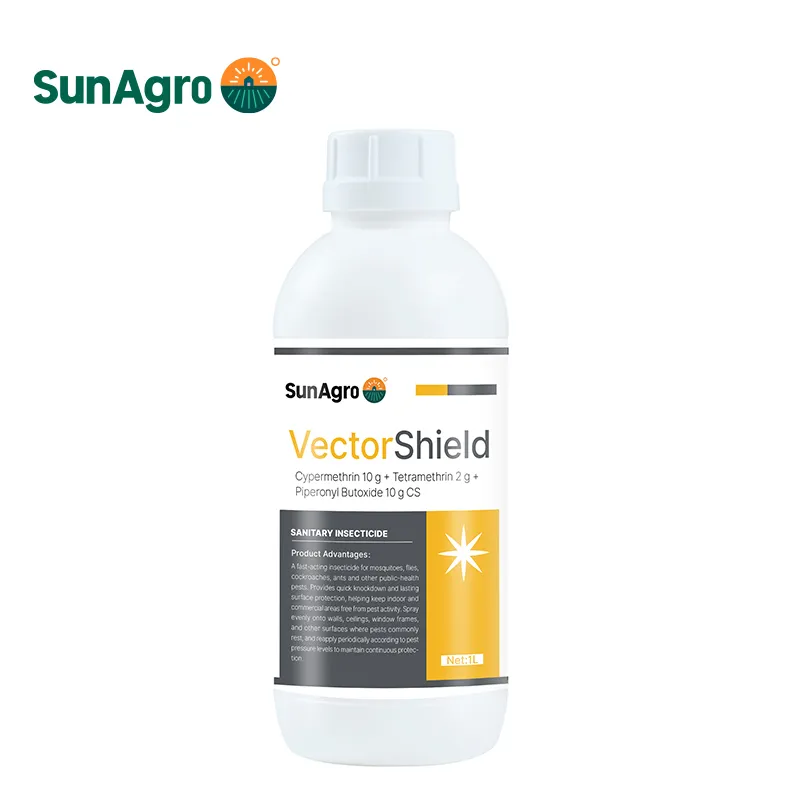
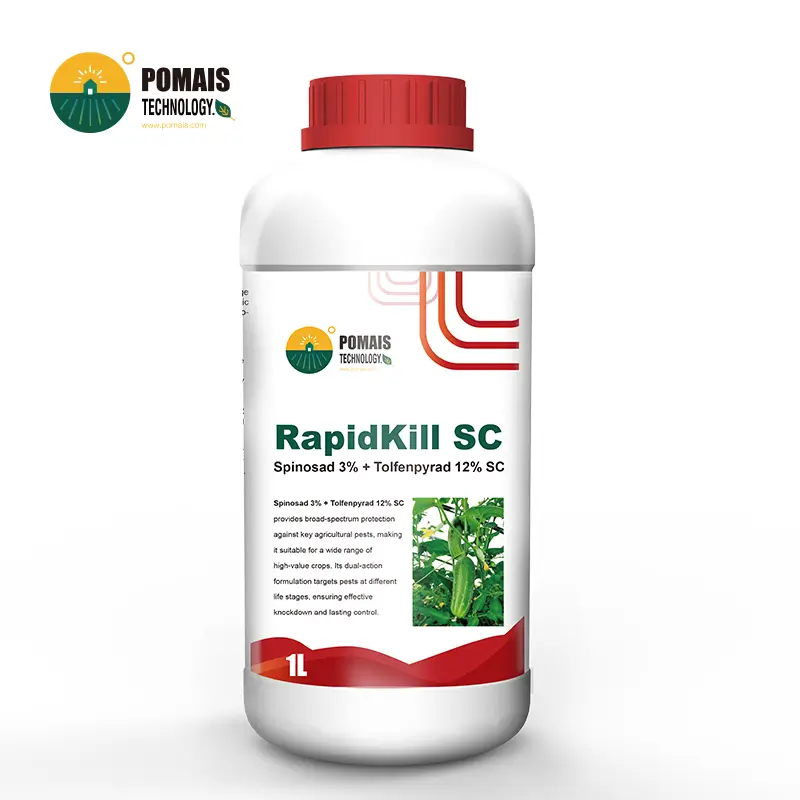
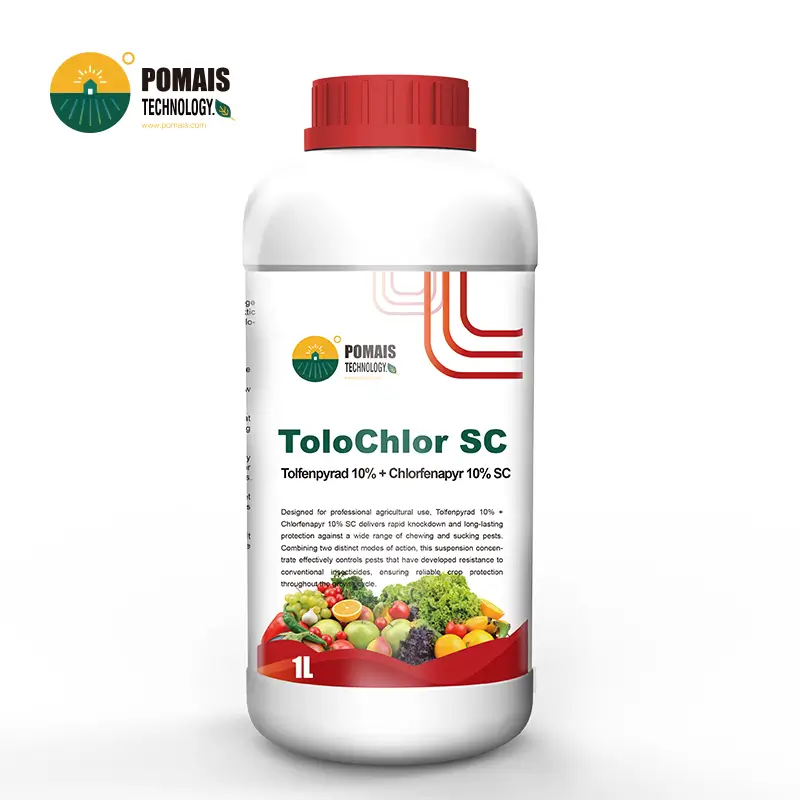
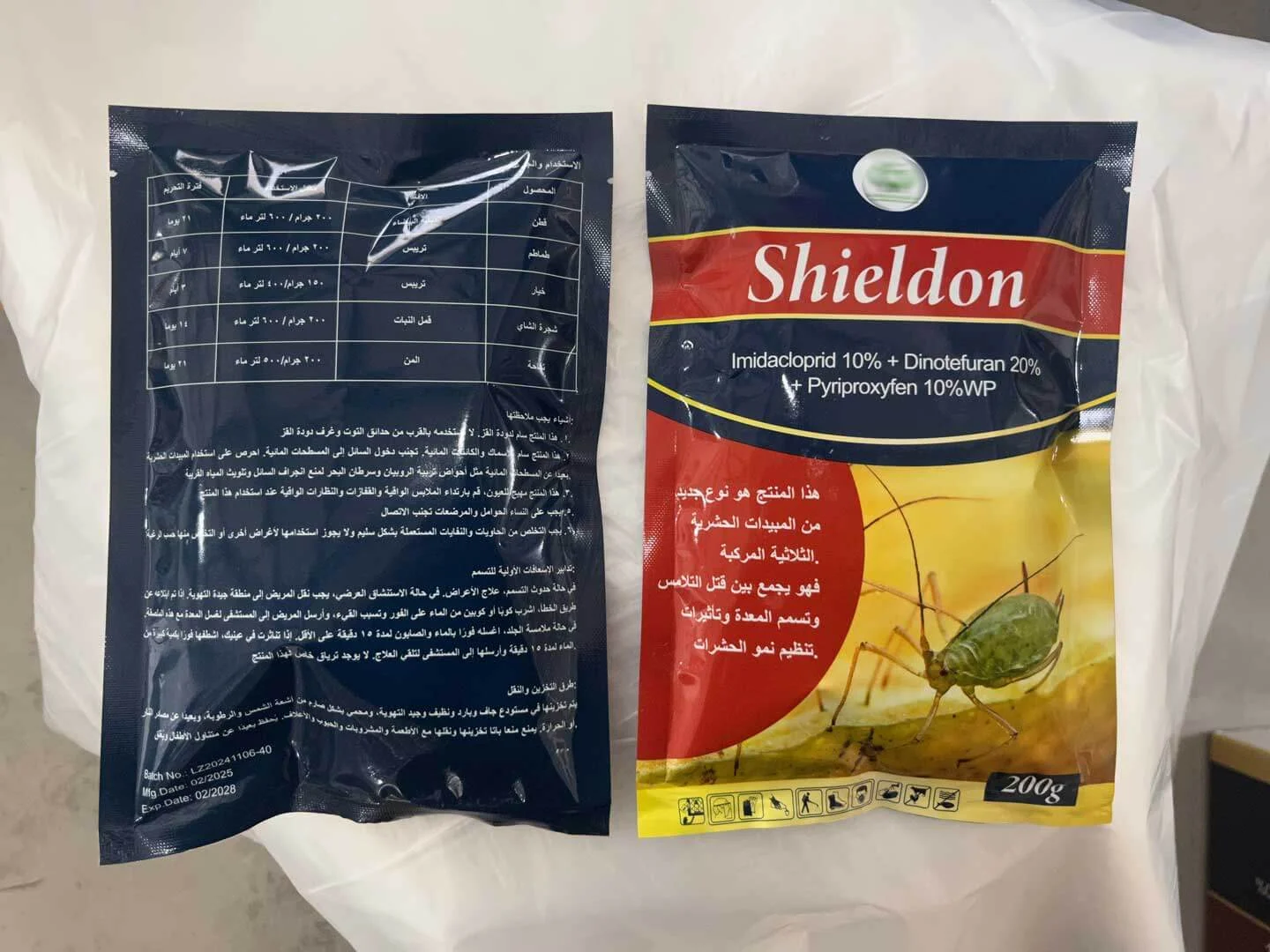
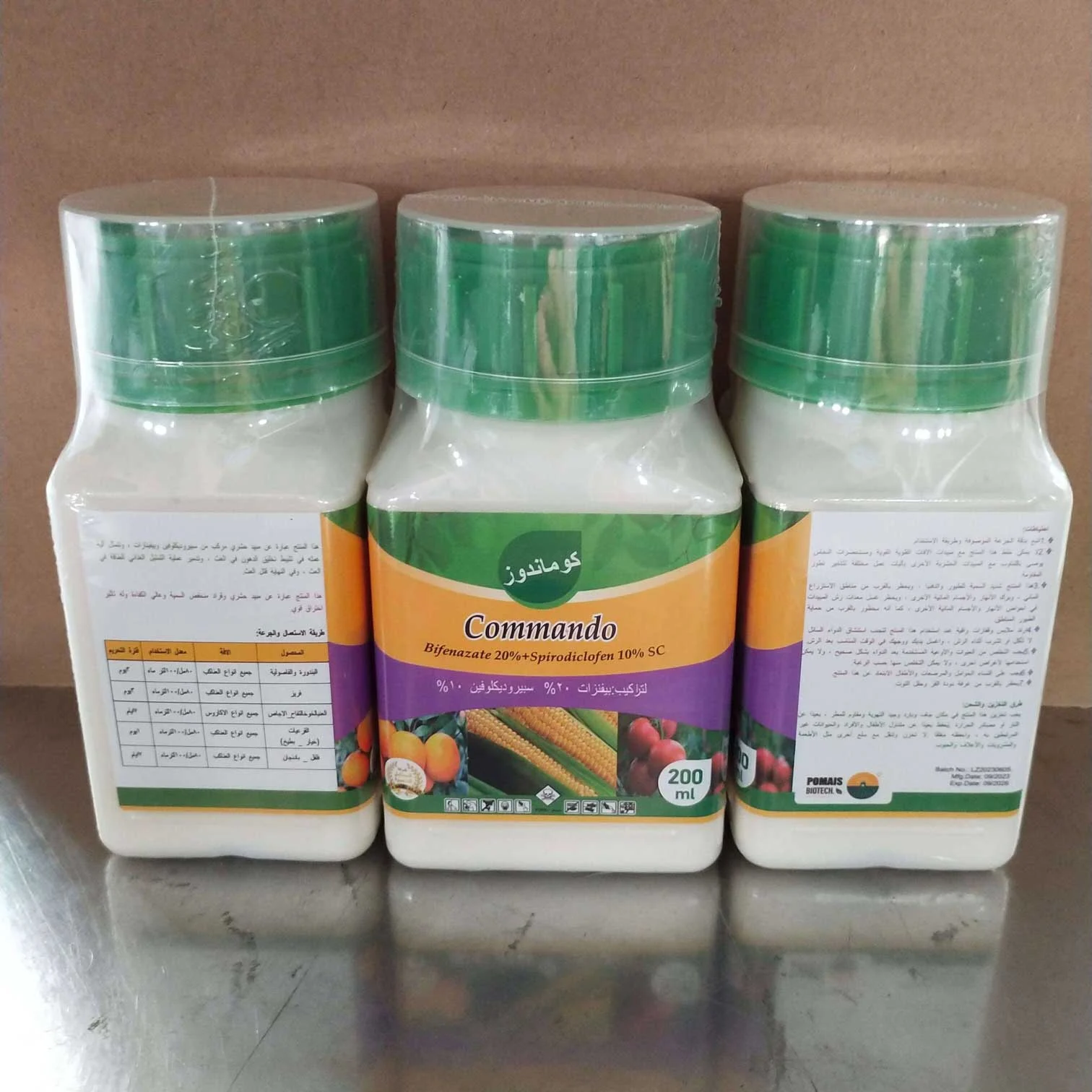
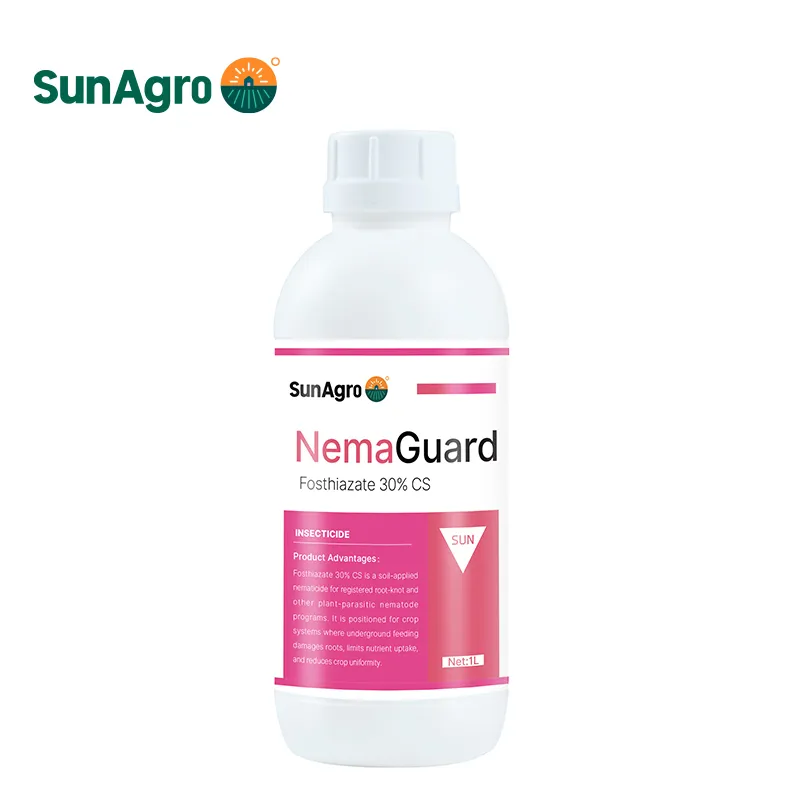
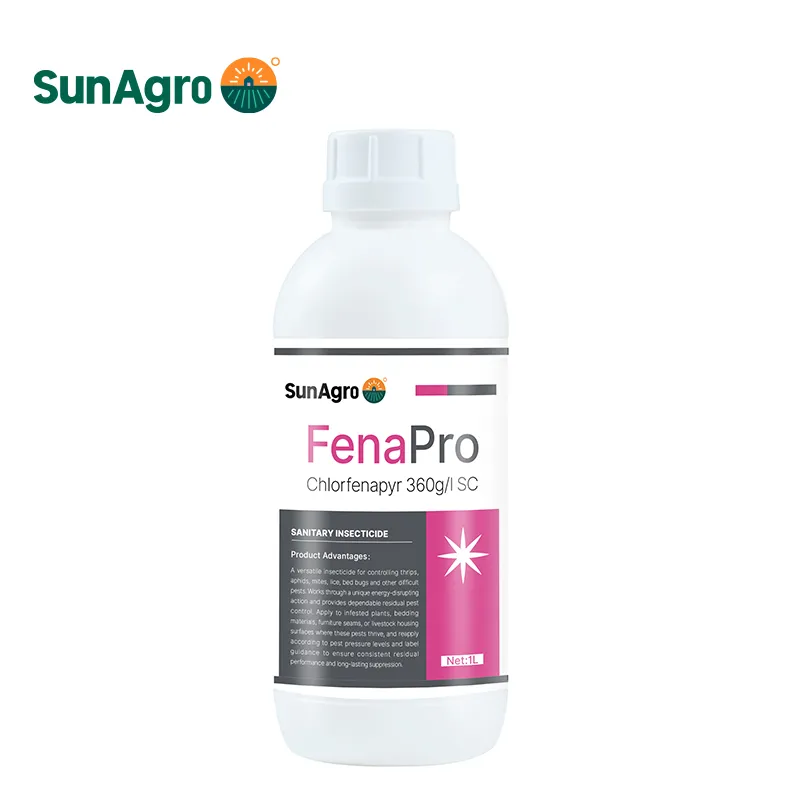
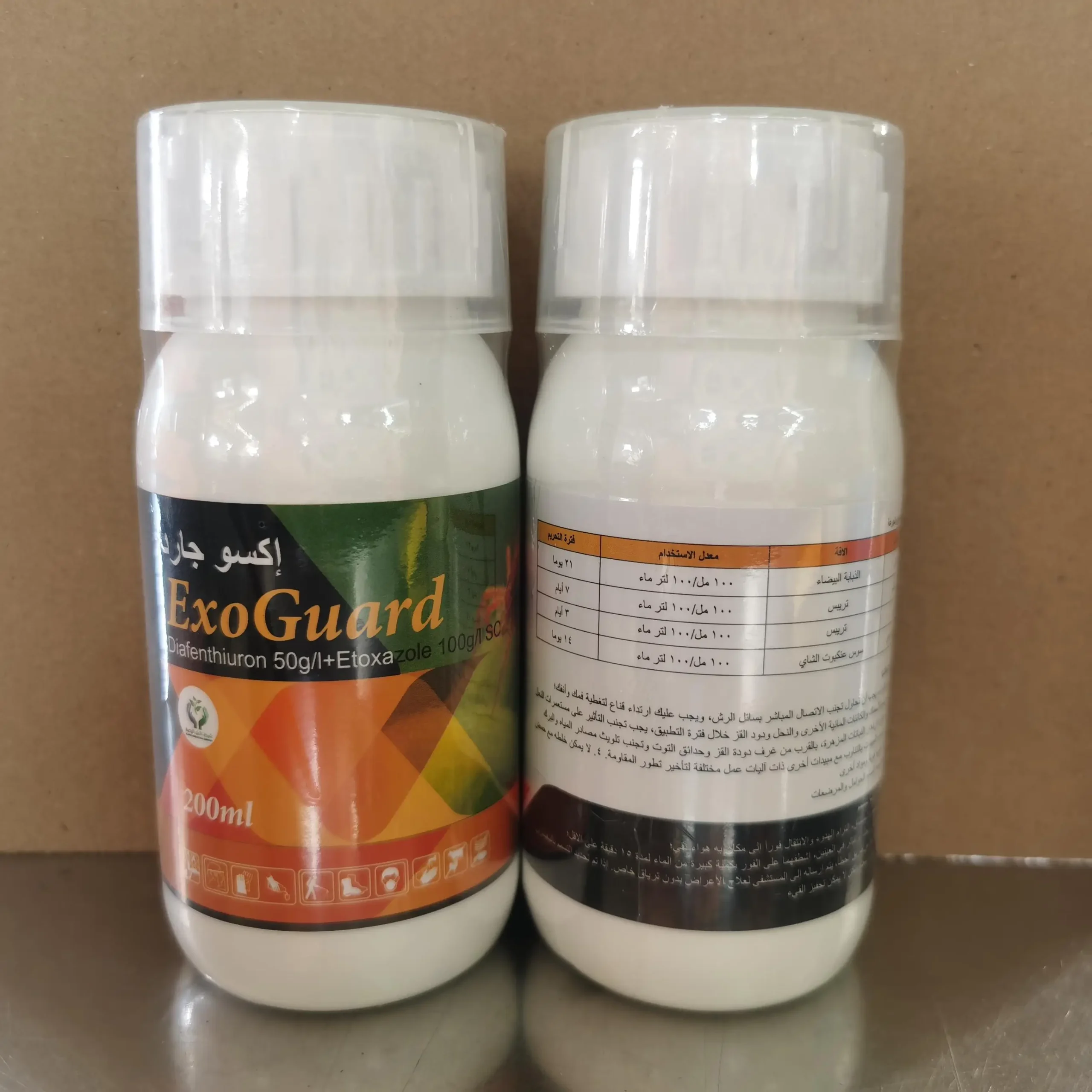
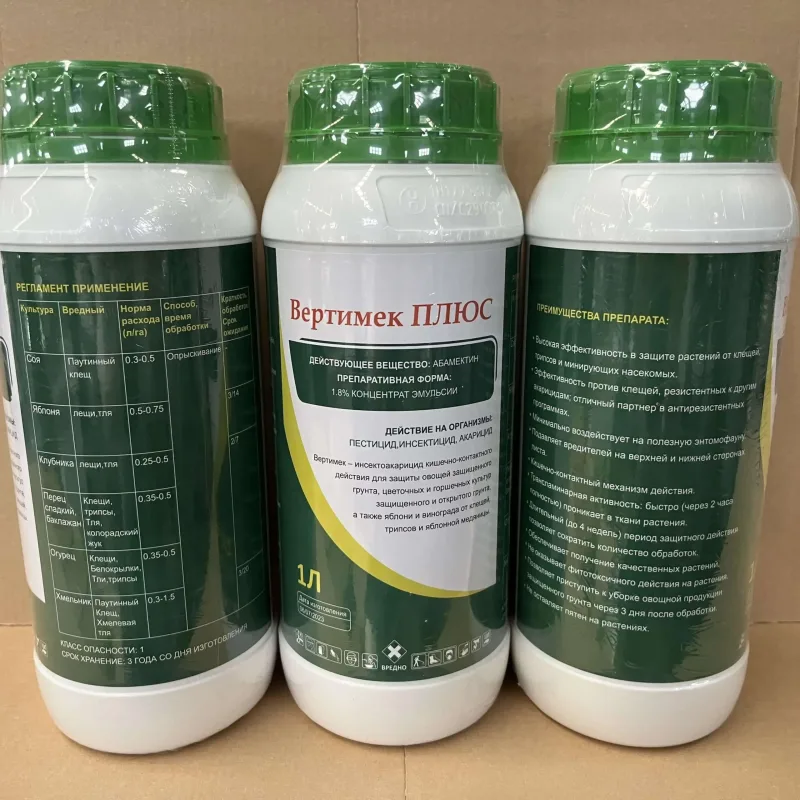
More Insecticides























Sunflower Weed Management
Weed management is a critical component of sunflower crop protection. Early weed competition can affect crop establishment and growth; some weeds can also complicate harvesting and become management issues in subsequent crop rotations.
Sunflower weed management should be tailored to dominant weeds, soil conditions, hybrid characteristics, crop growth stages, and local registrations.
| Weed Category | Target Species | Management Focus |
|---|---|---|
| Broadleaf Weeds | Palmer amaranth, pigweed, kochia, etc. | Coordinate pre-emergence and post-emergence strategies; monitor for resistance risks |
| Grass weeds | Foxtail, crabgrass, etc. | Select appropriate products based on weed species and growth stage |
| Mixed weed communities | Coexistence of grass and broadleaf weeds | Evaluate the control spectrum and compatibility of different products |
| Resistant weeds | Populations that have developed resistance to the modes of action of previously used herbicides | Develop an integrated management strategy to avoid repeated reliance on the same mode of action |
Selection of Pre-emergence Herbicides
Pre-emergence herbicides can be part of a sunflower weed management strategy, but specific selection must take into account soil conditions, weed species, seeding methods, and target market registrations.
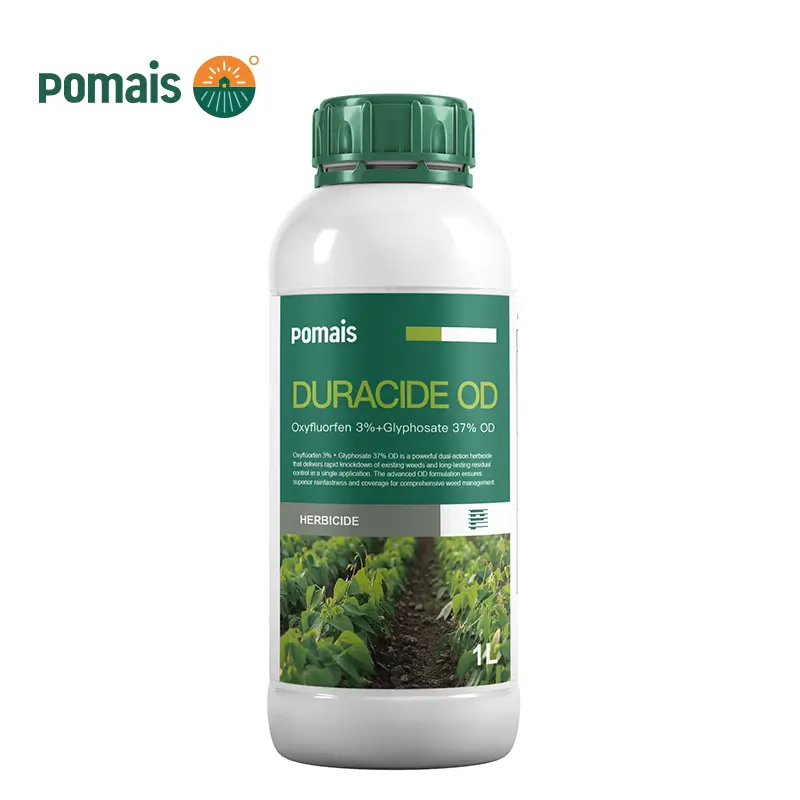
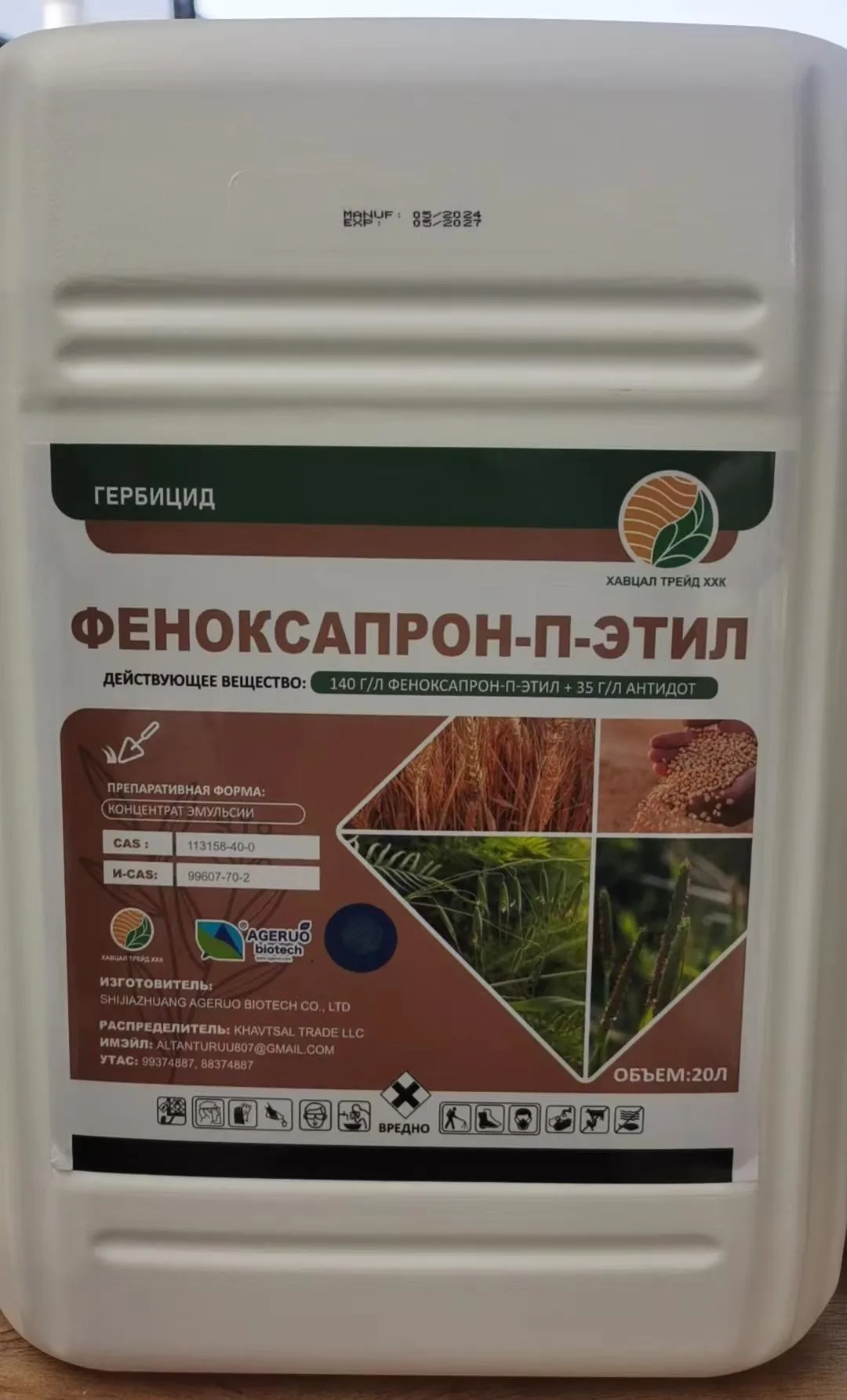
POMAIS’s existing Pyroxasulfone Herbicide product information lists sunflowers as a relevant crop, which can serve as a starting point for evaluating candidate products.
Pyroxasulfone belongs to HRAC Group 15 and exerts its herbicidal effect primarily by inhibiting the synthesis of very long-chain fatty acids. Whether a specific product is suitable for sunflowers in the target market, which weeds it can control, the permitted application windows, and relevant soil restrictions must all be determined based on verified product specifications and locally approved labels.
Post-emergence Weed Control and Crop Selectivity
The selection of post-emergence herbicides requires careful consideration of the risk of phytotoxicity to sunflowers. Different active ingredients exhibit varying levels of selectivity toward sunflowers, and certain formulations are only suitable for hybrids with specific tolerance traits.
During product evaluation, the following should be clarified:
- Target weeds and their growth stages.
- Whether the sunflower hybrid possesses the corresponding tolerance traits.
- Whether the product is registered for use on this crop and for the specific application.
- Application timing, environmental conditions, and label restrictions.
- Whether resistant weeds are present and what alternative management strategies are available.
Product strategies designed for herbicide-tolerant crop traits should not be directly applied to all sunflower varieties.
How to Manage Resistant Weeds?
Resistant weed management should integrate field monitoring, modes of action, weed growth stages, and a variety of management measures. Long-term reliance on a single HRAC mode of action may increase selection pressure for resistance.
Different trade names do not necessarily indicate different modes of action. When developing a management plan, verify the active ingredients and their HRAC groups, and select an appropriate management combination based on local resistance conditions.
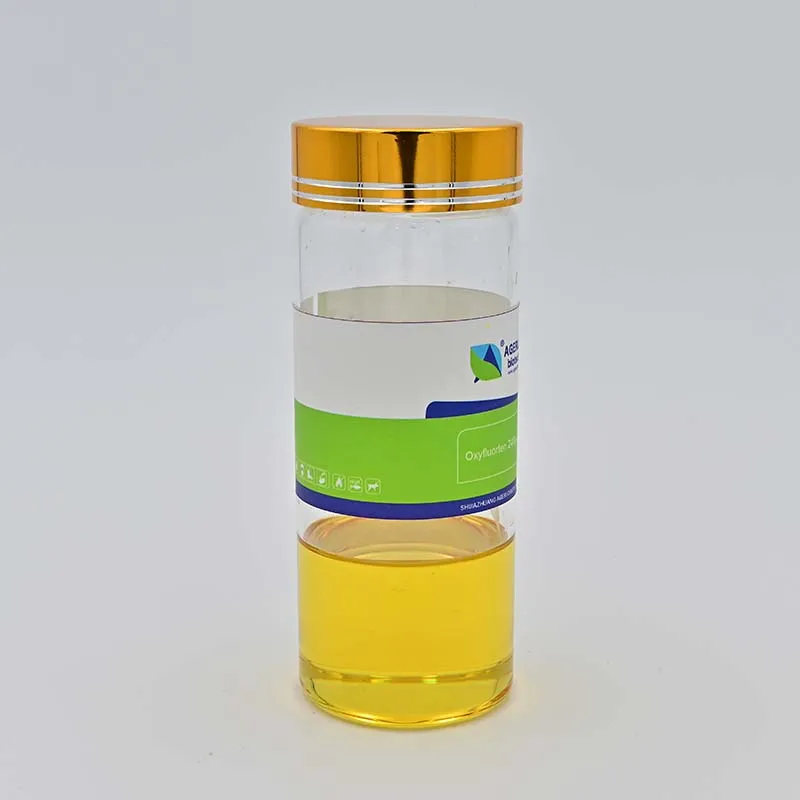
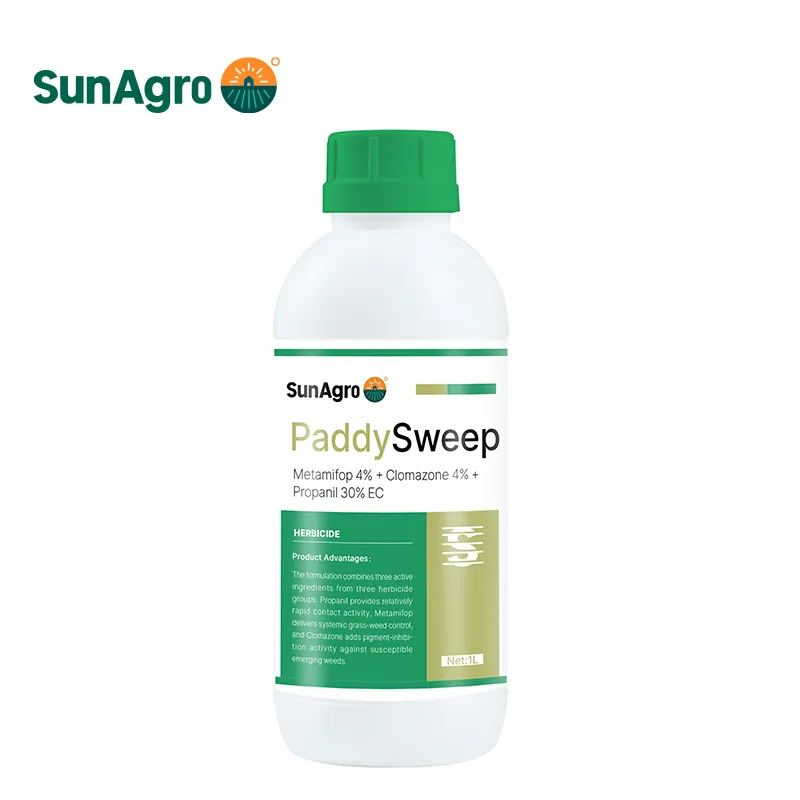
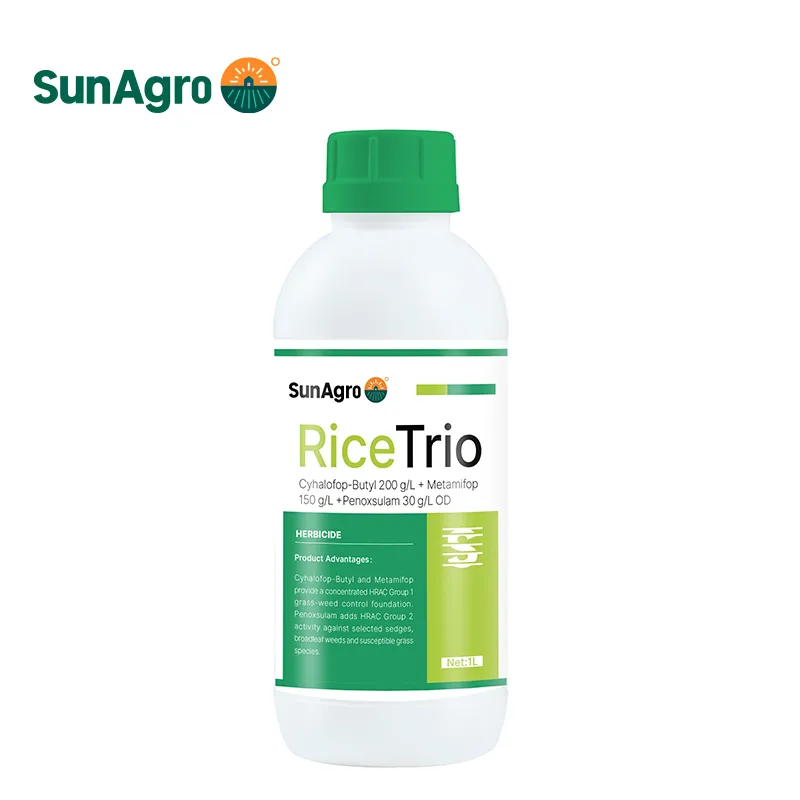
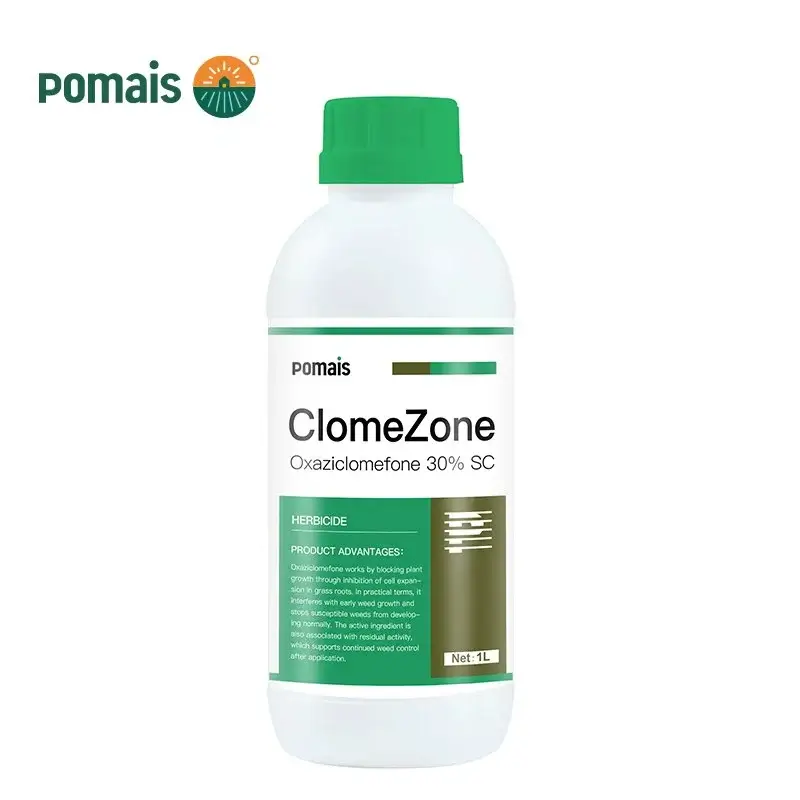
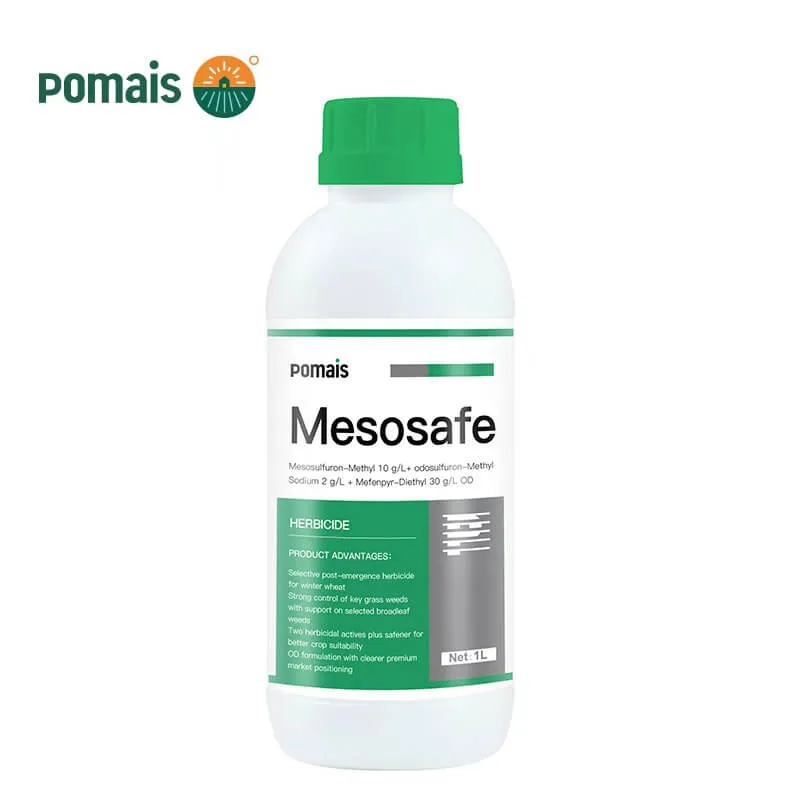
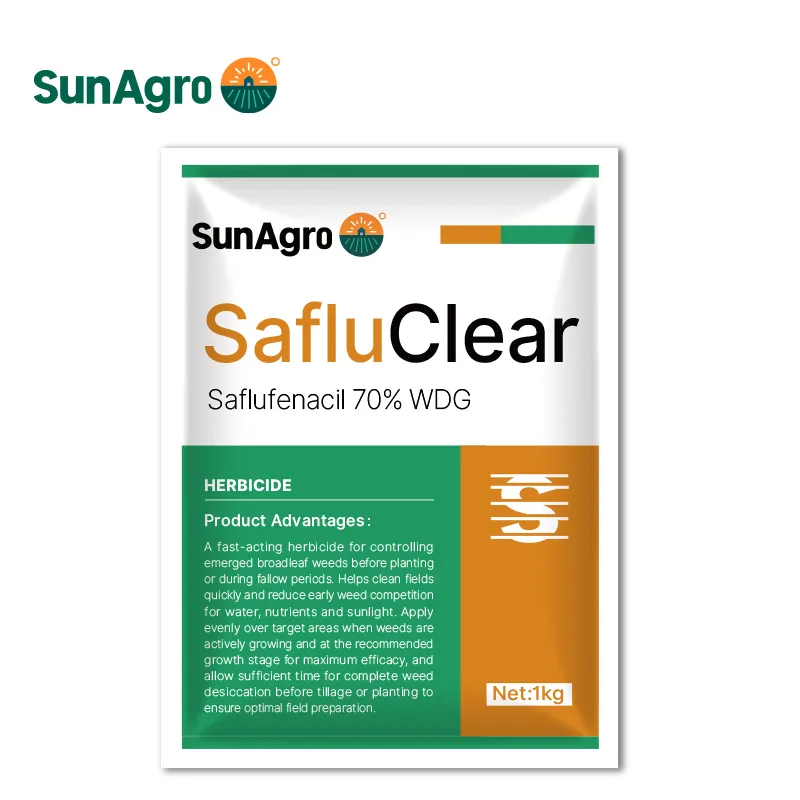
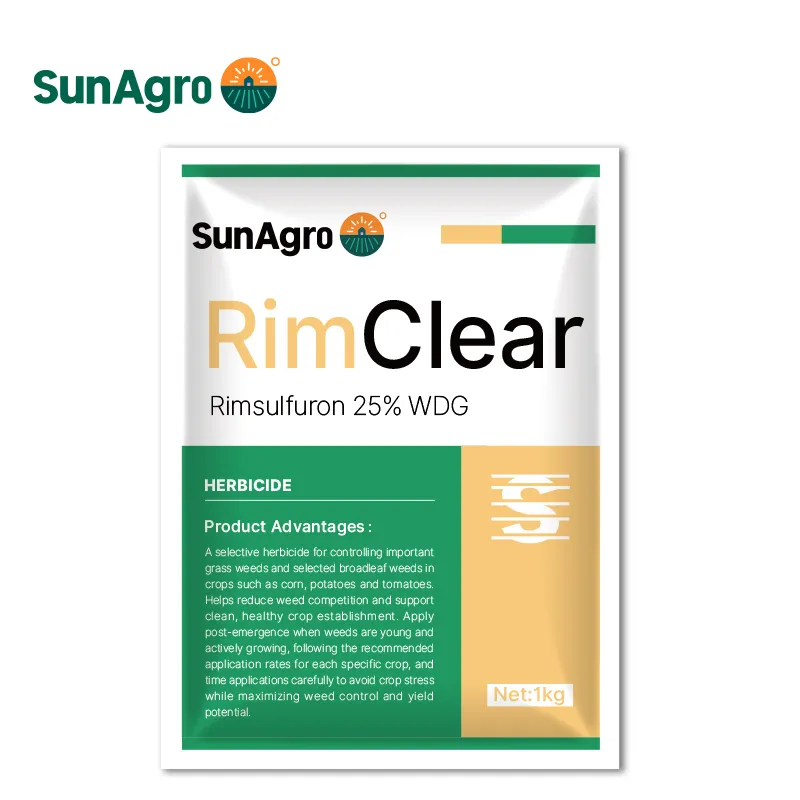
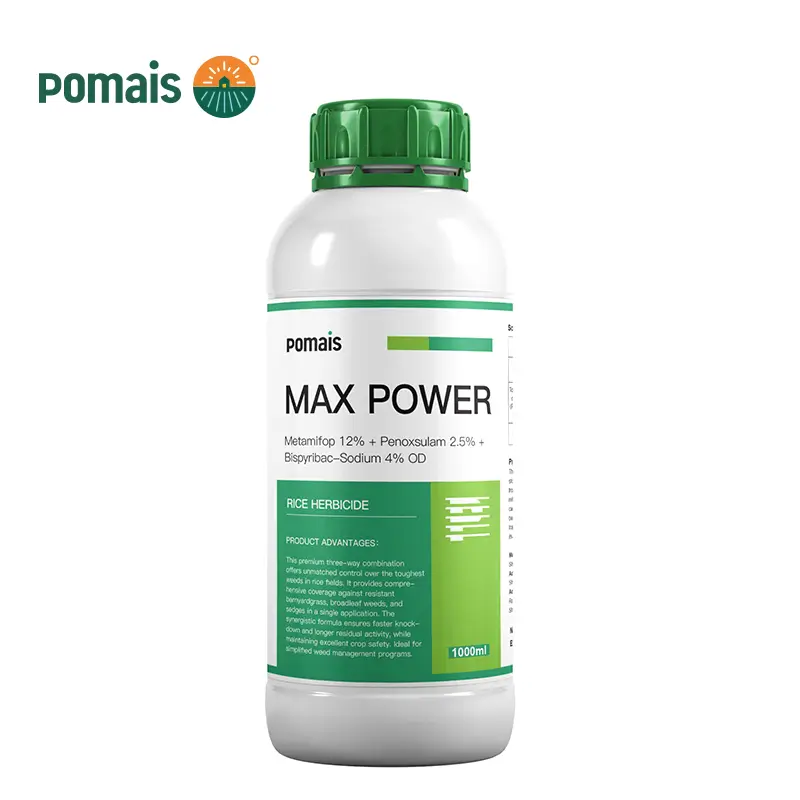
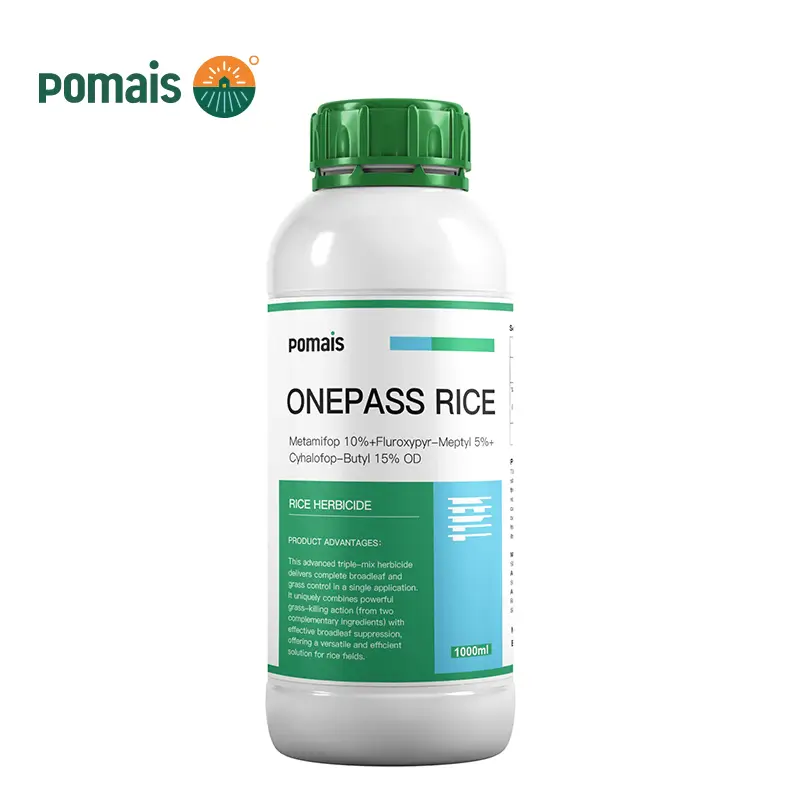
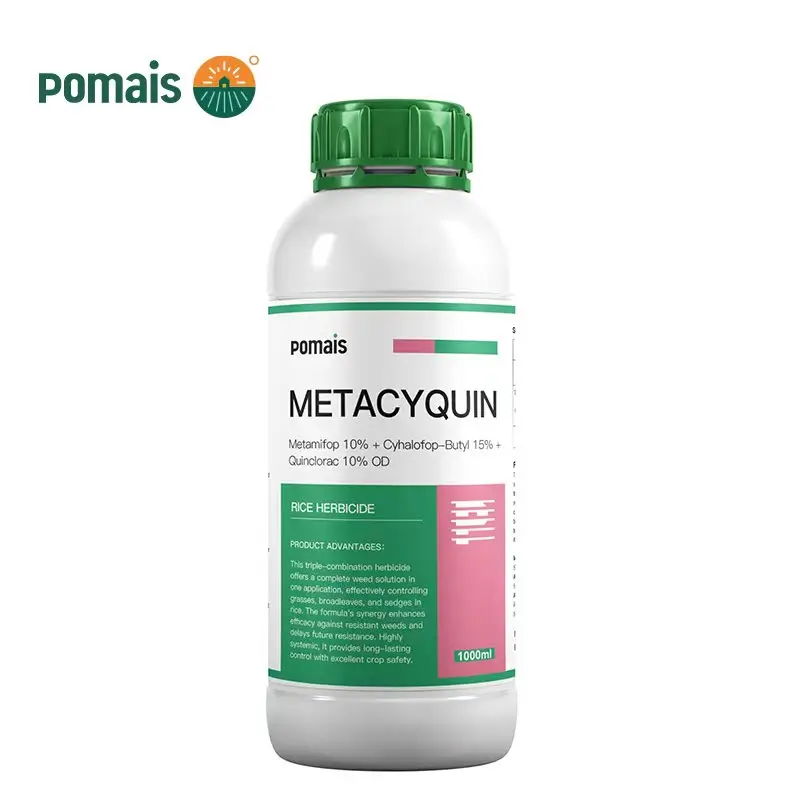
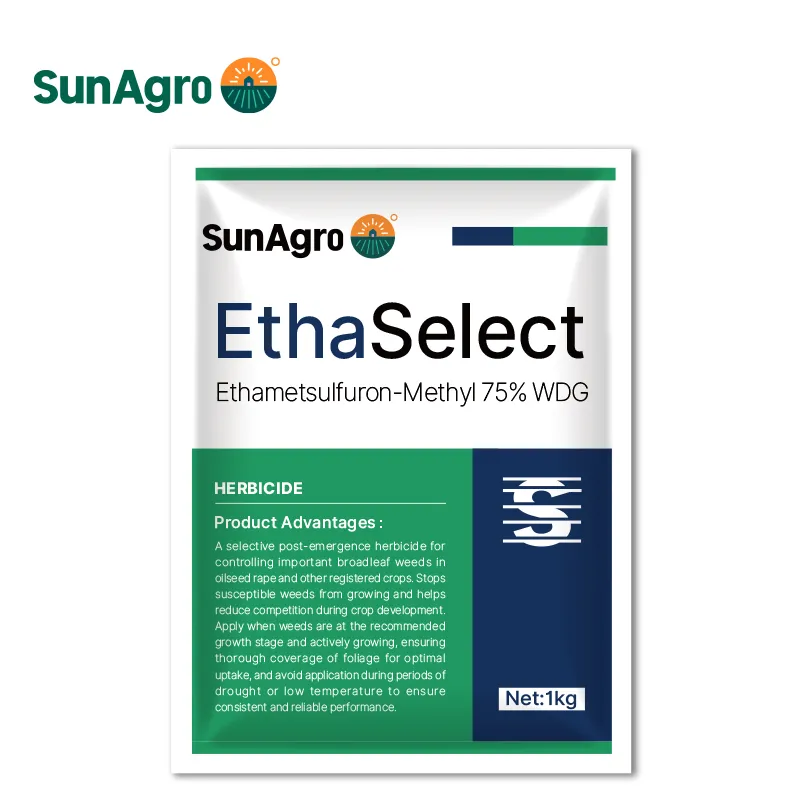
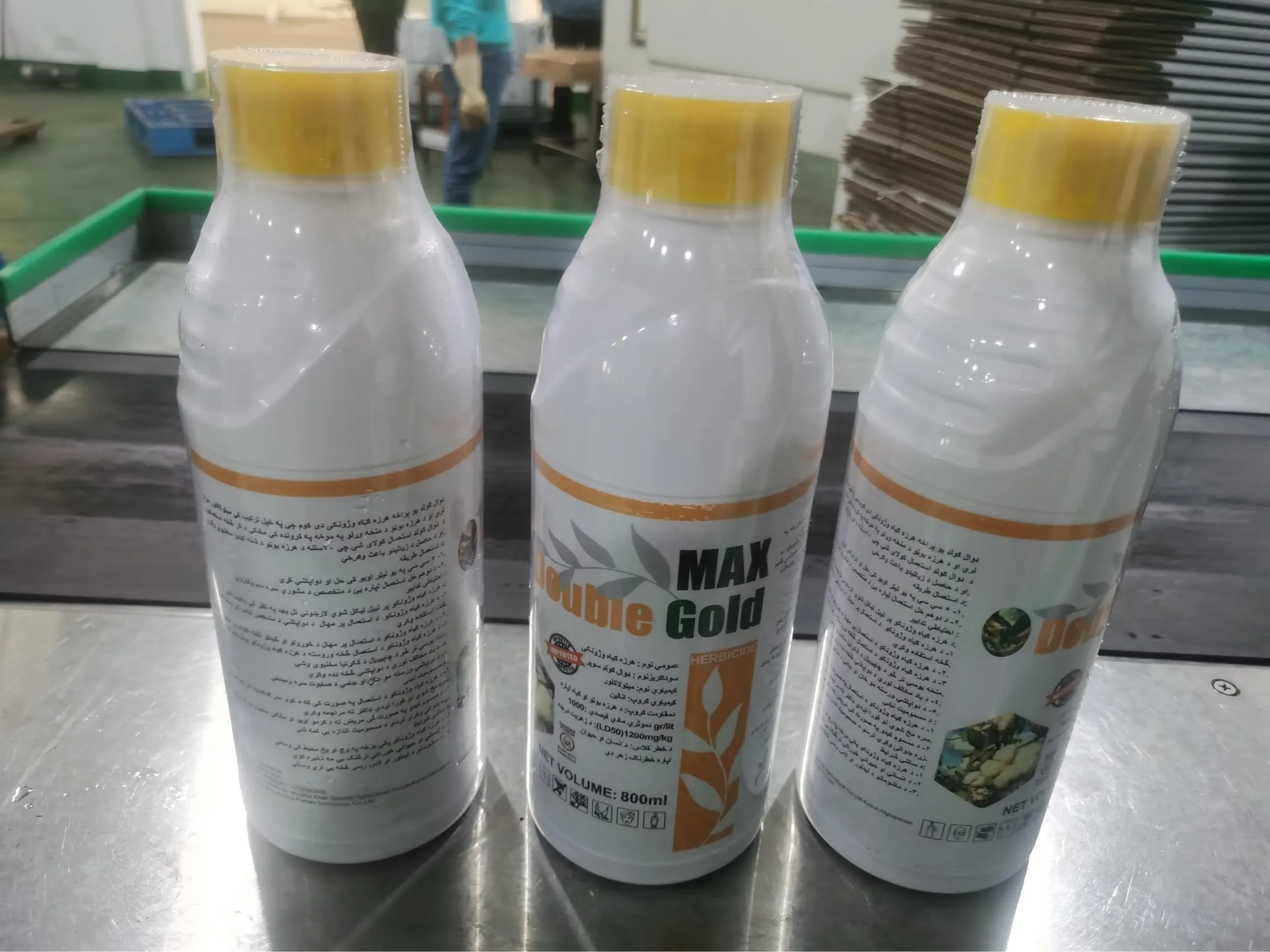
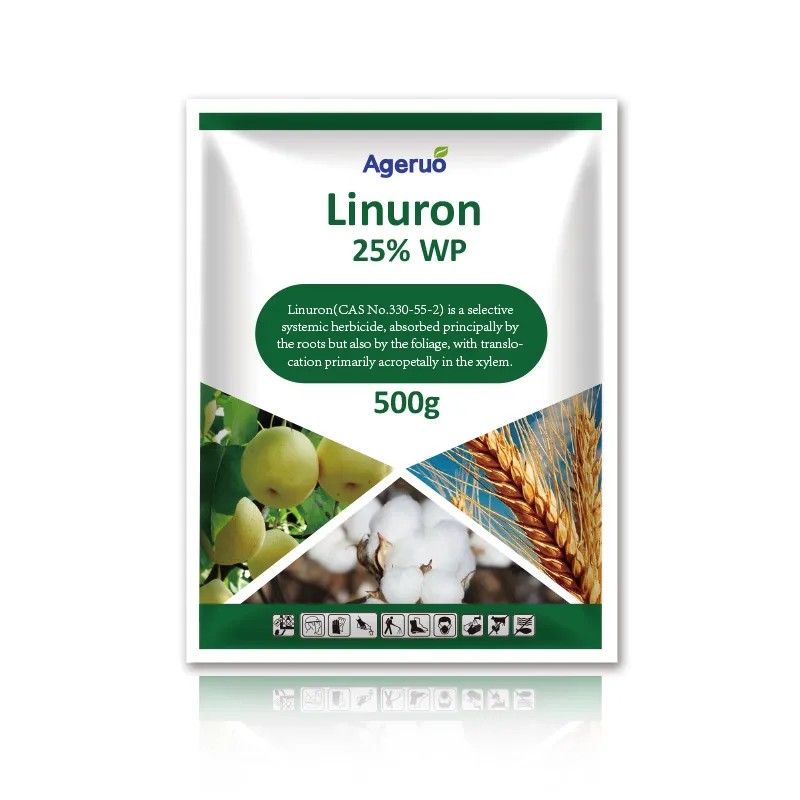
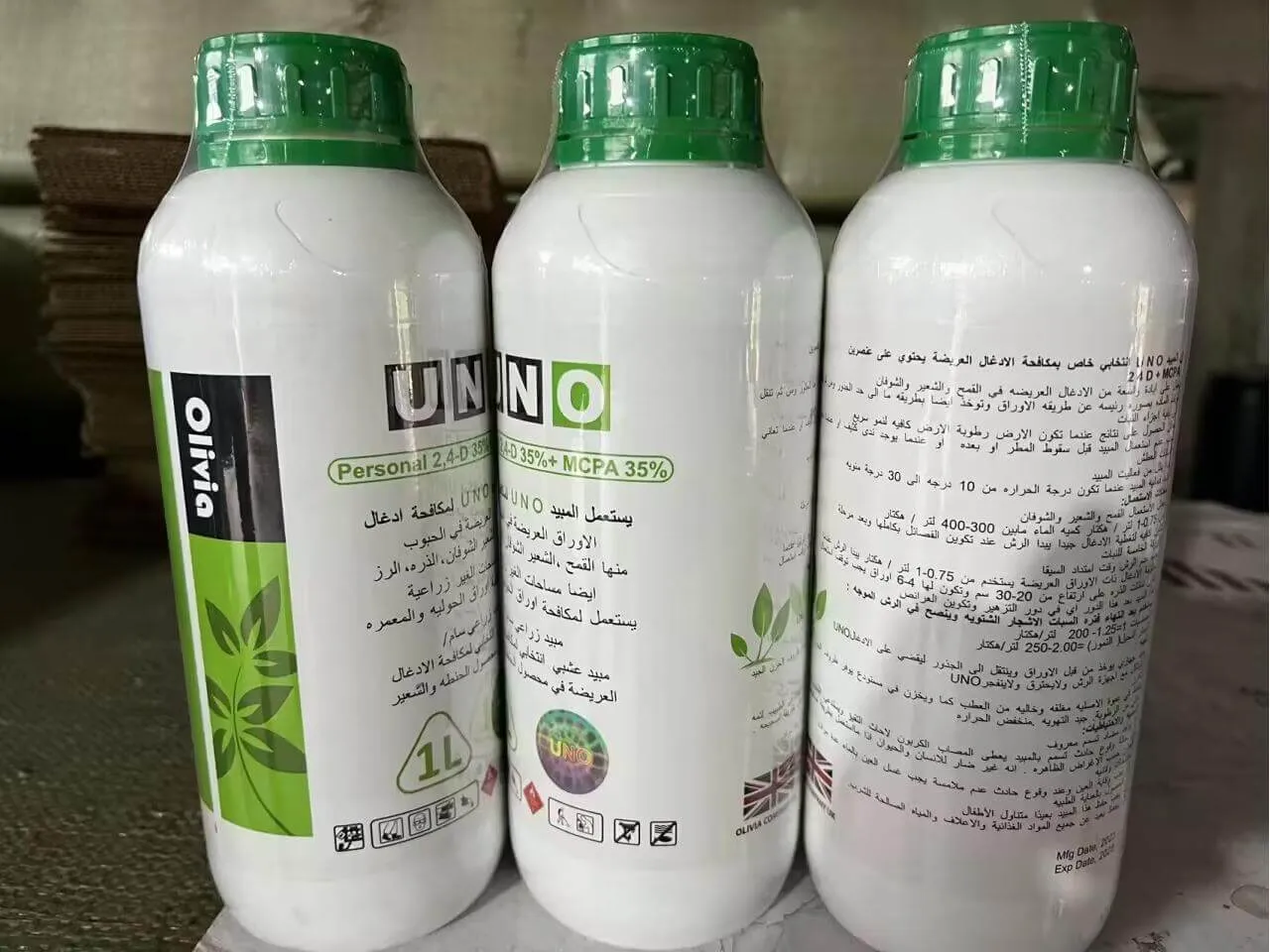
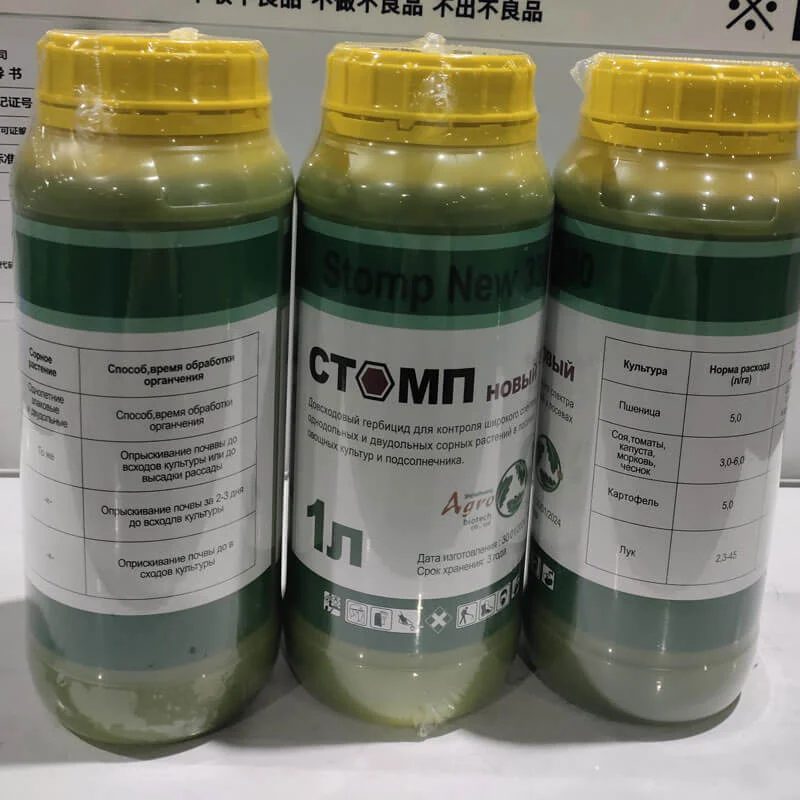
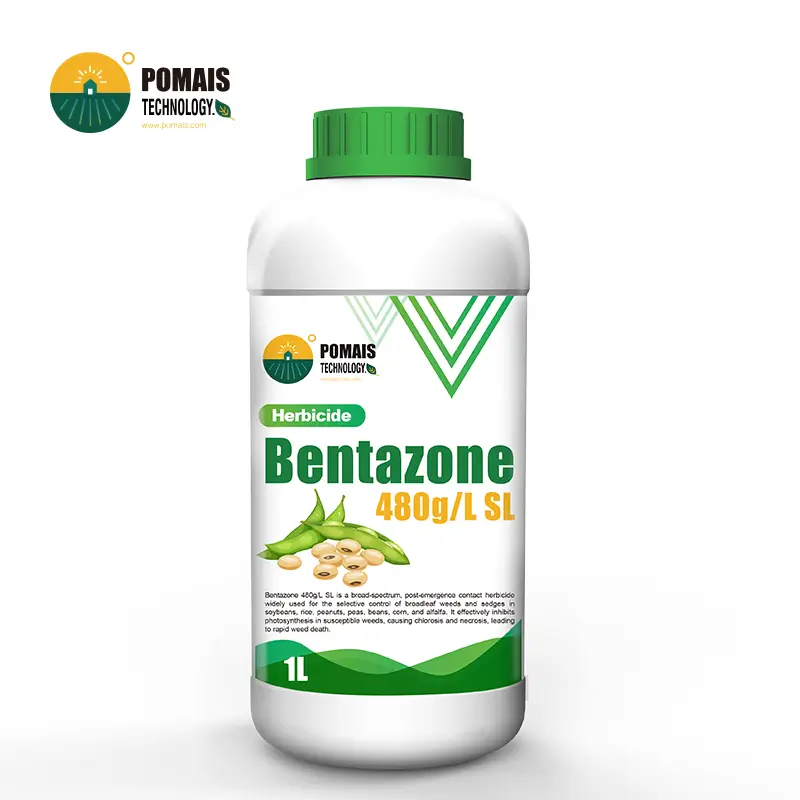
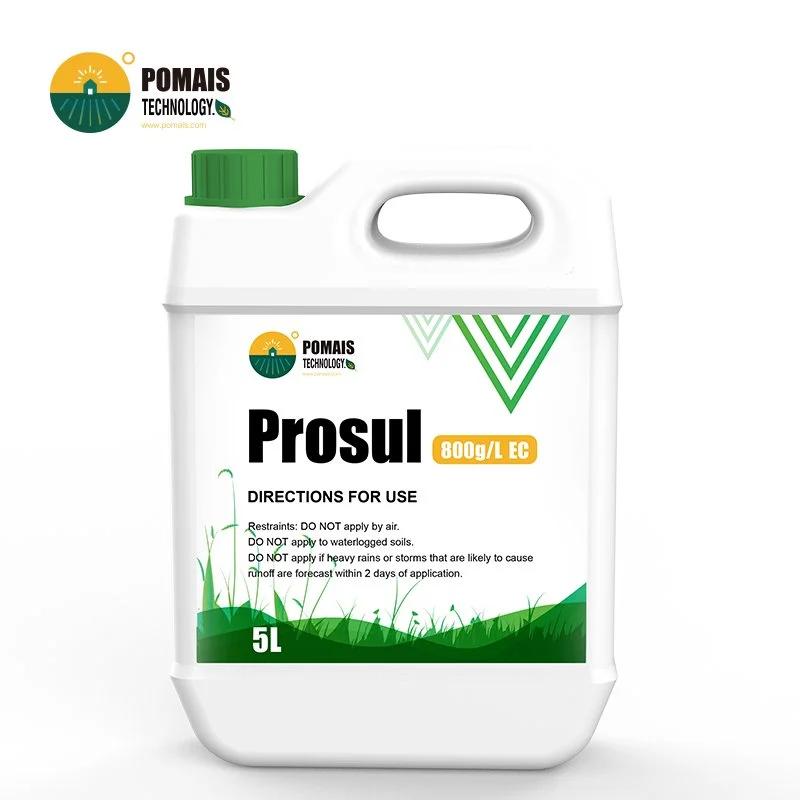
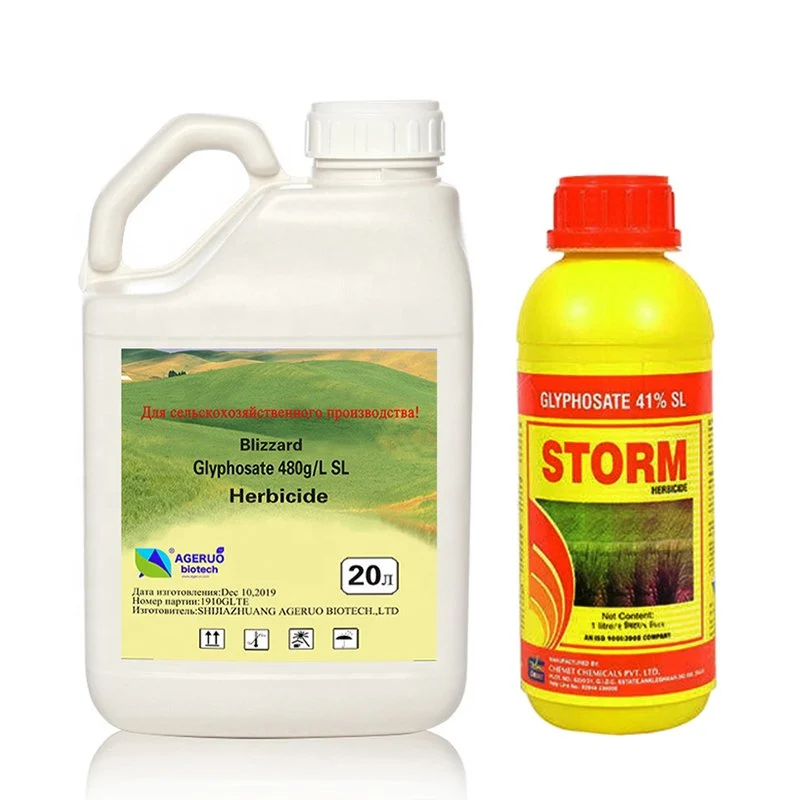
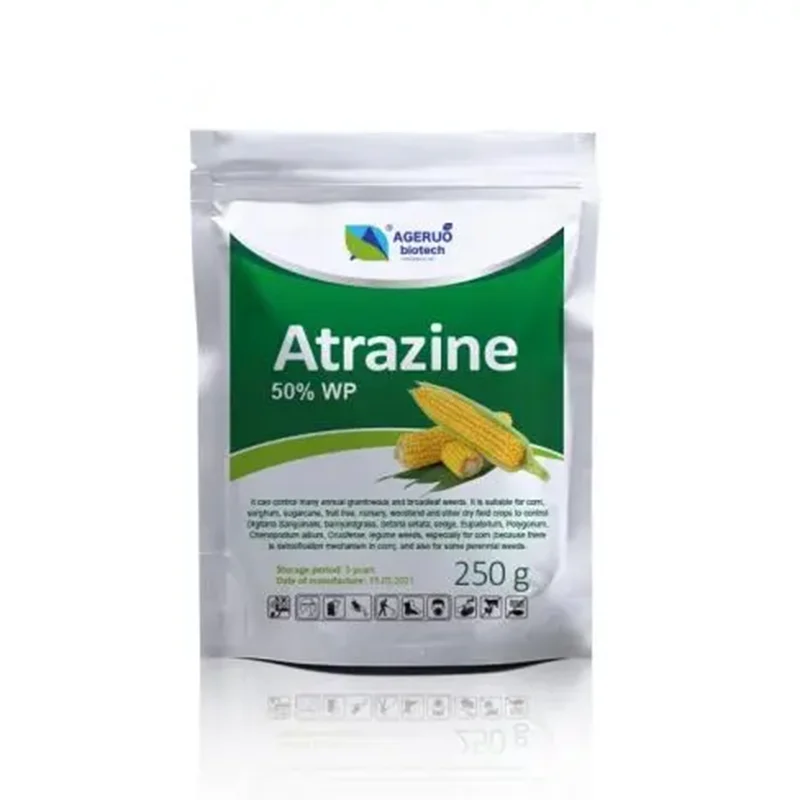
More Herbicides







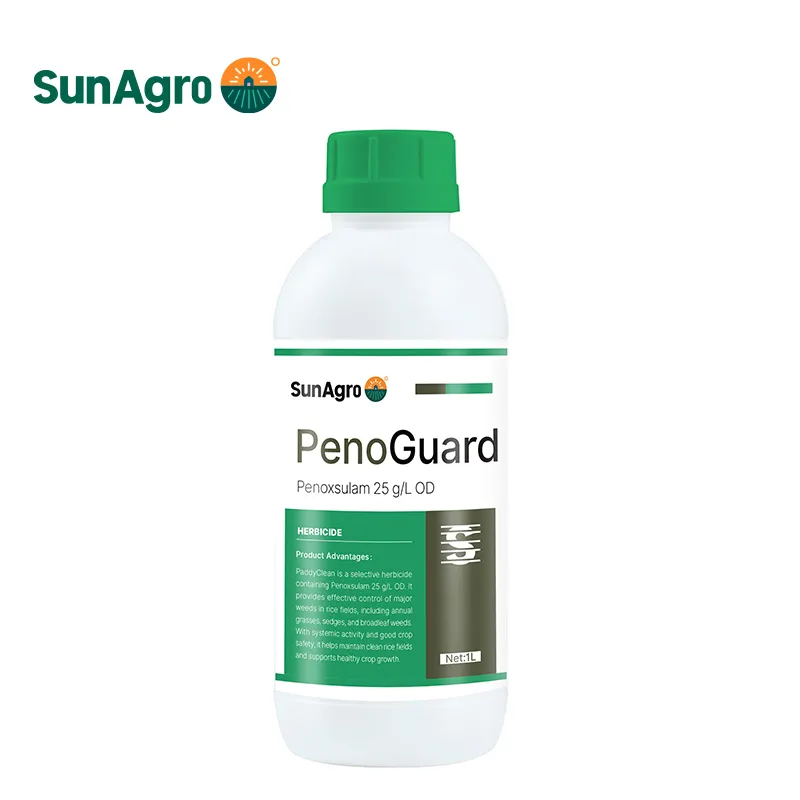
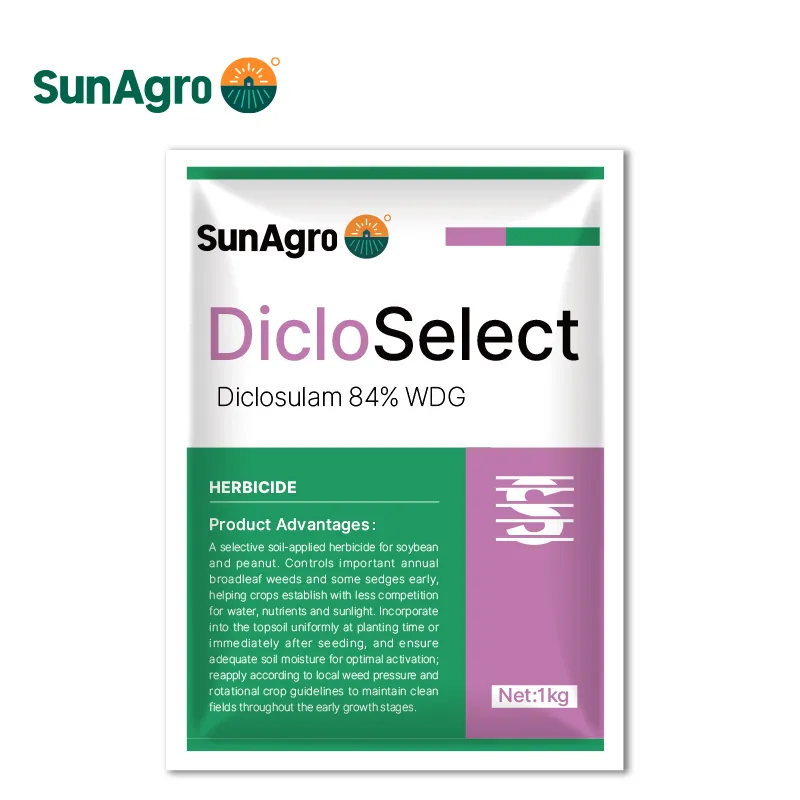
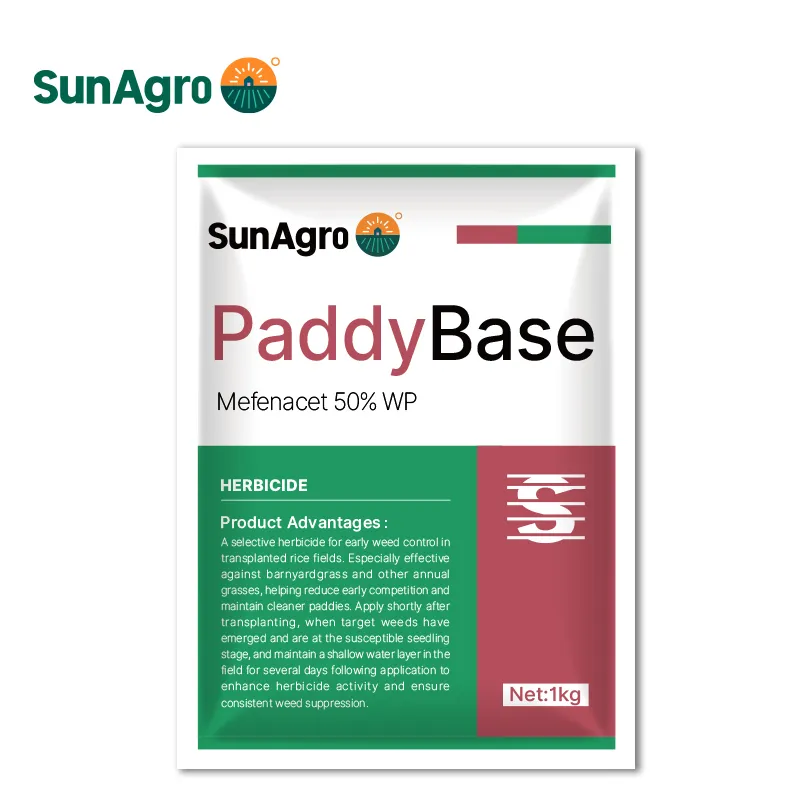
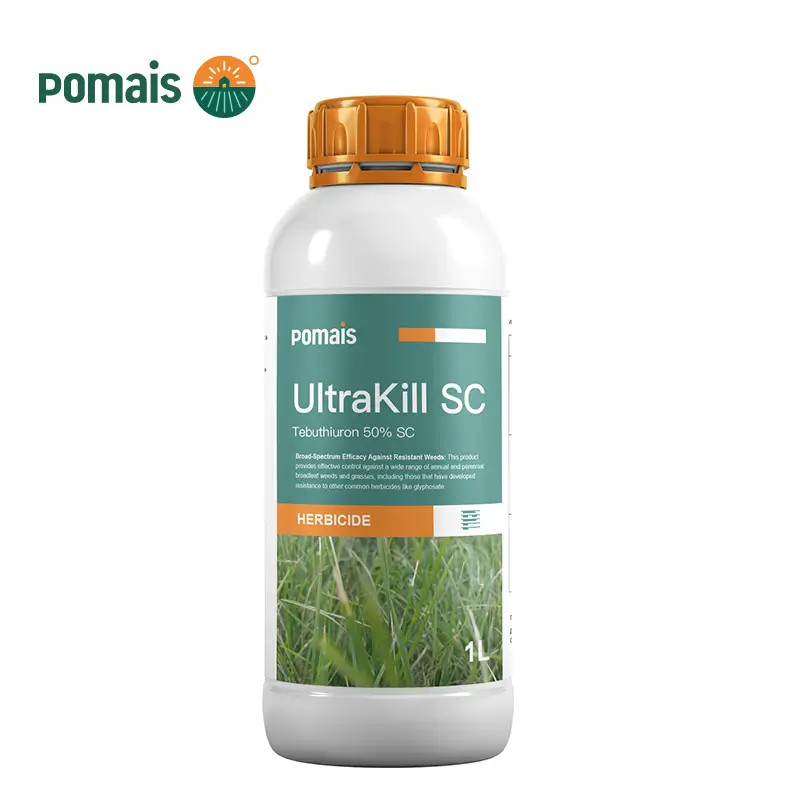


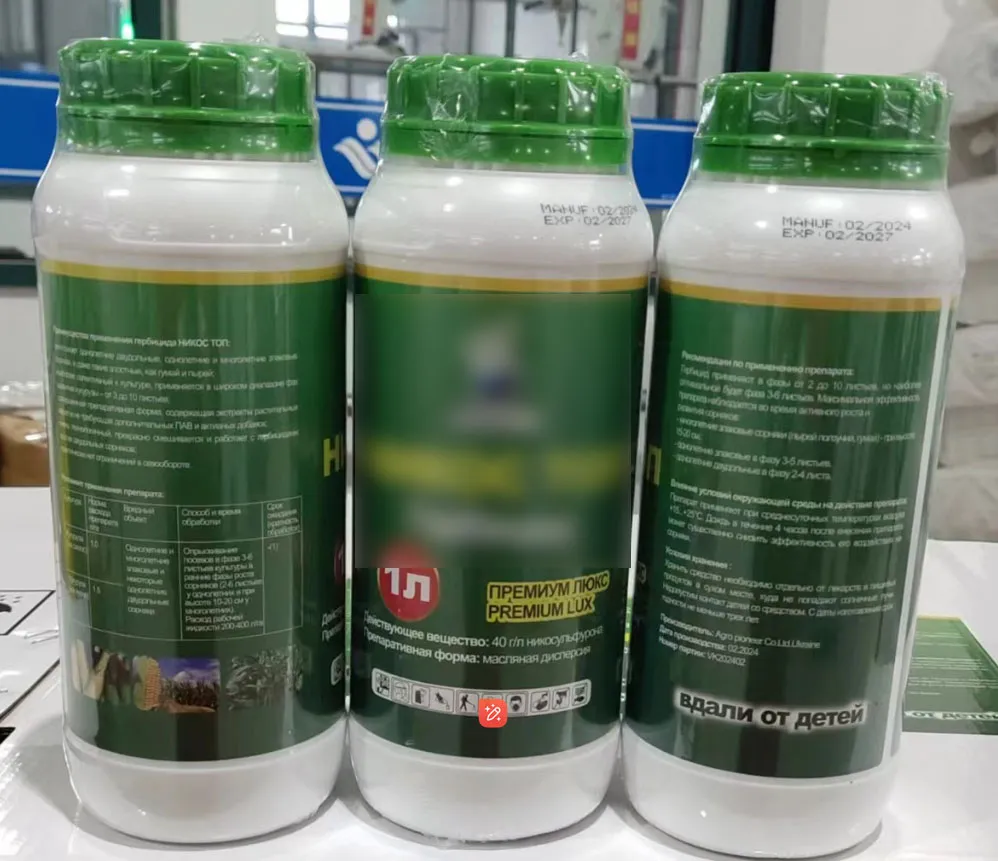
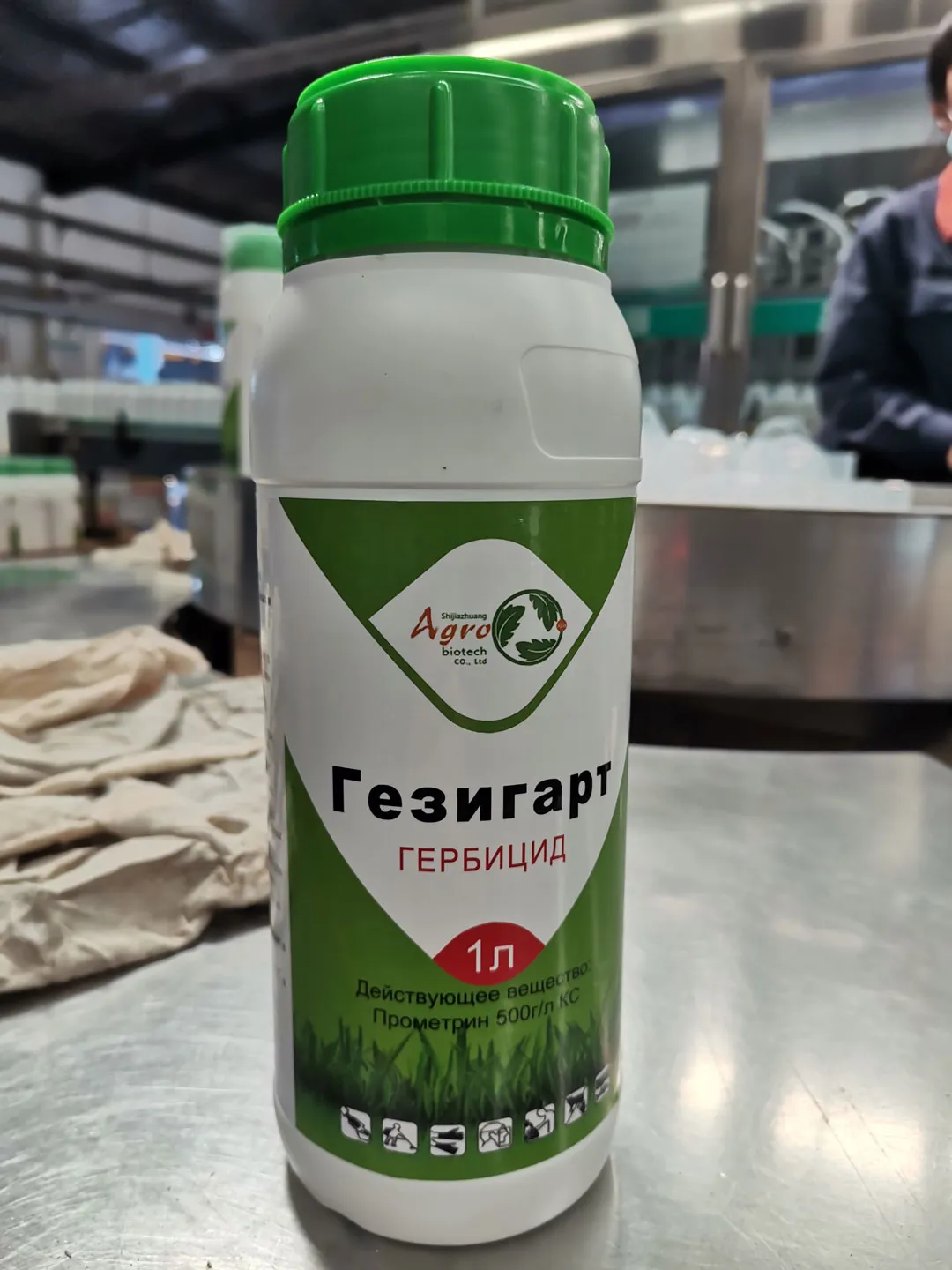
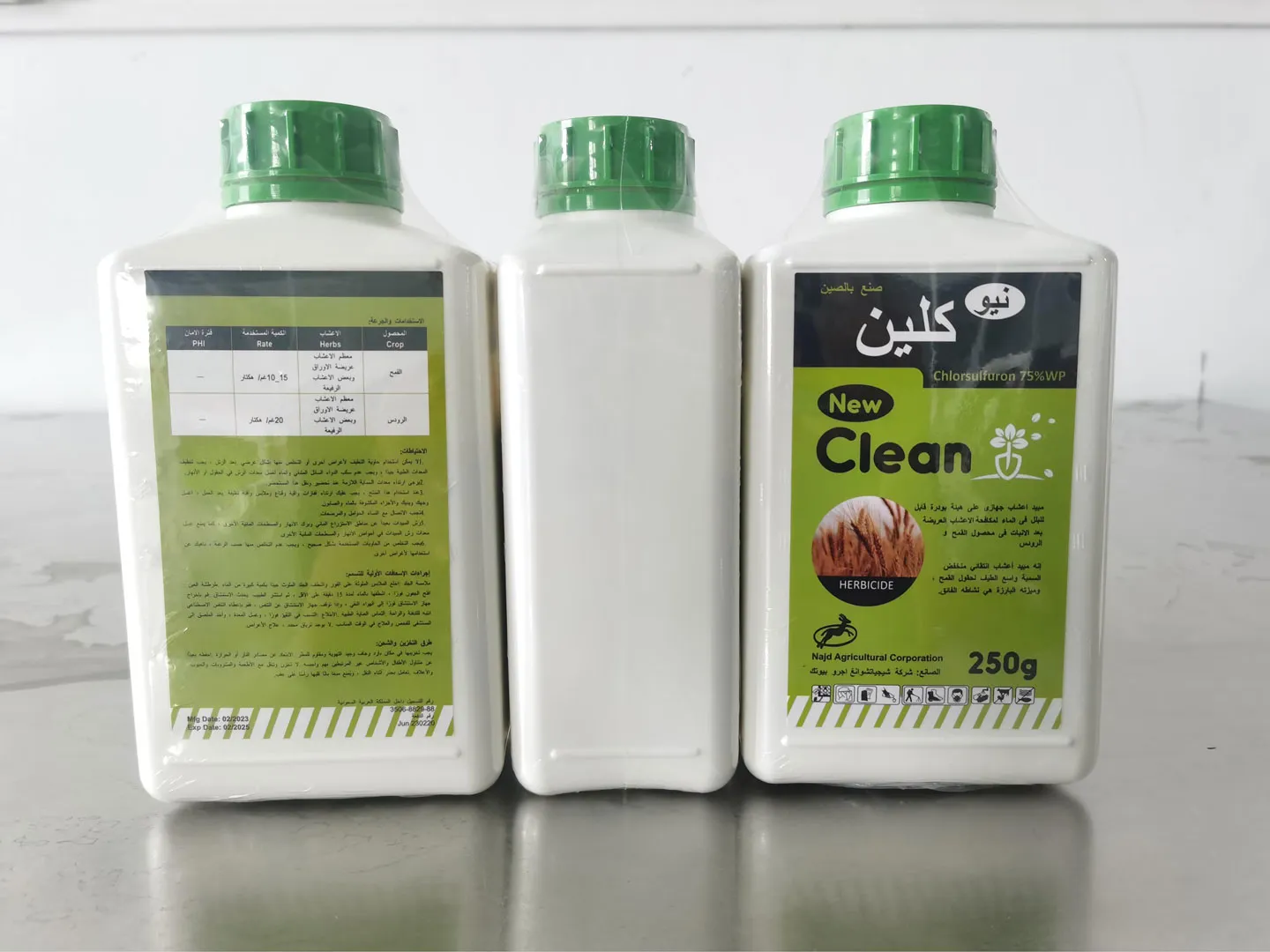






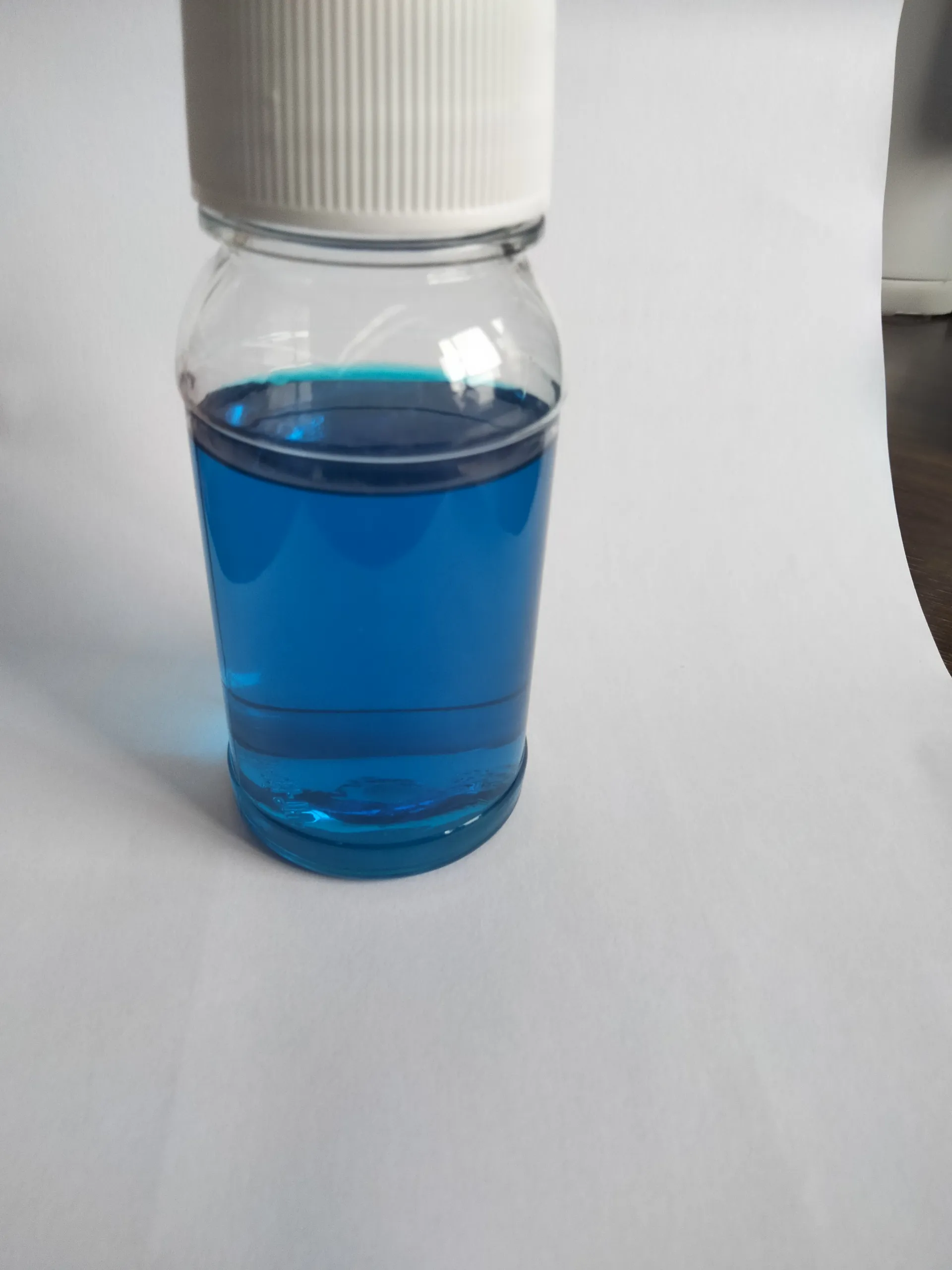
Sunflower Seed Treatment Solutions
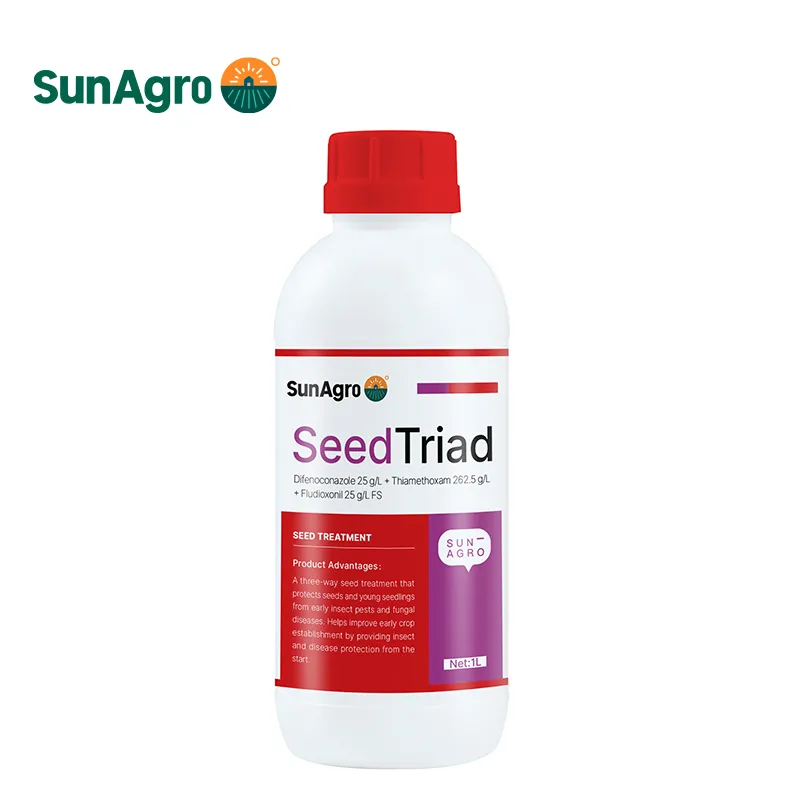
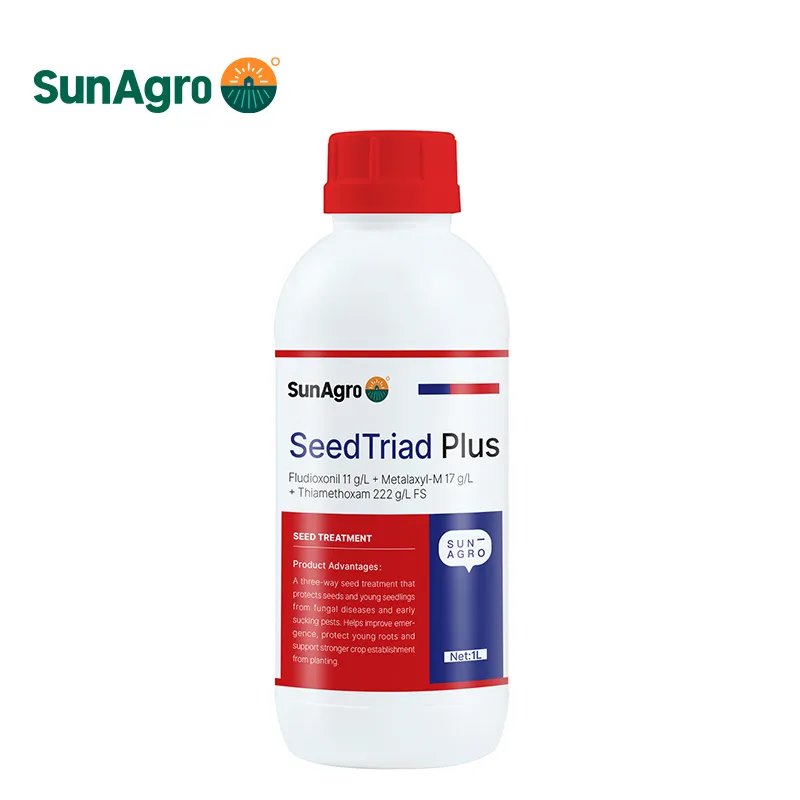
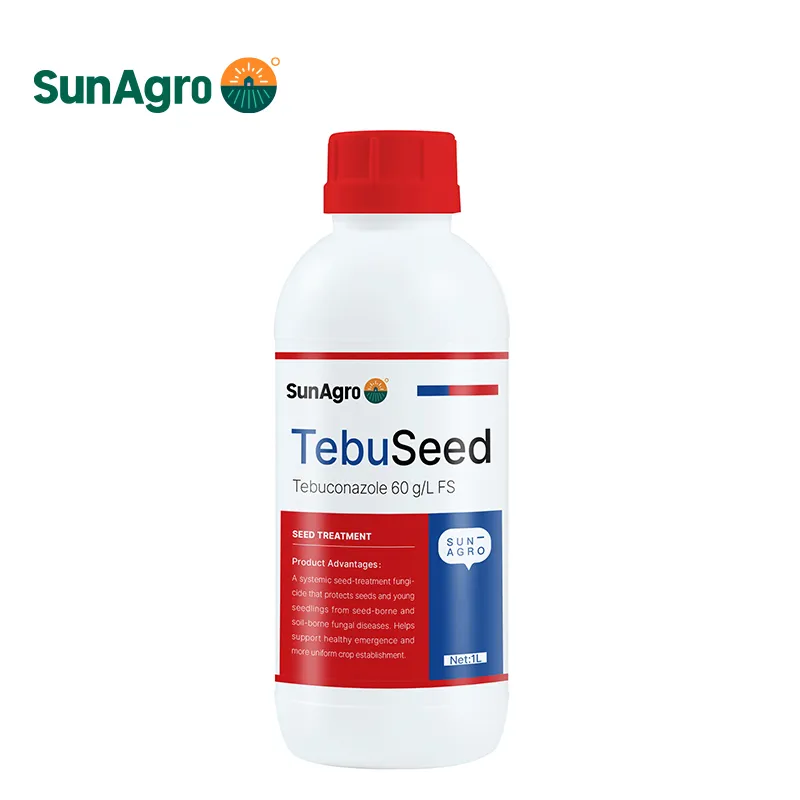
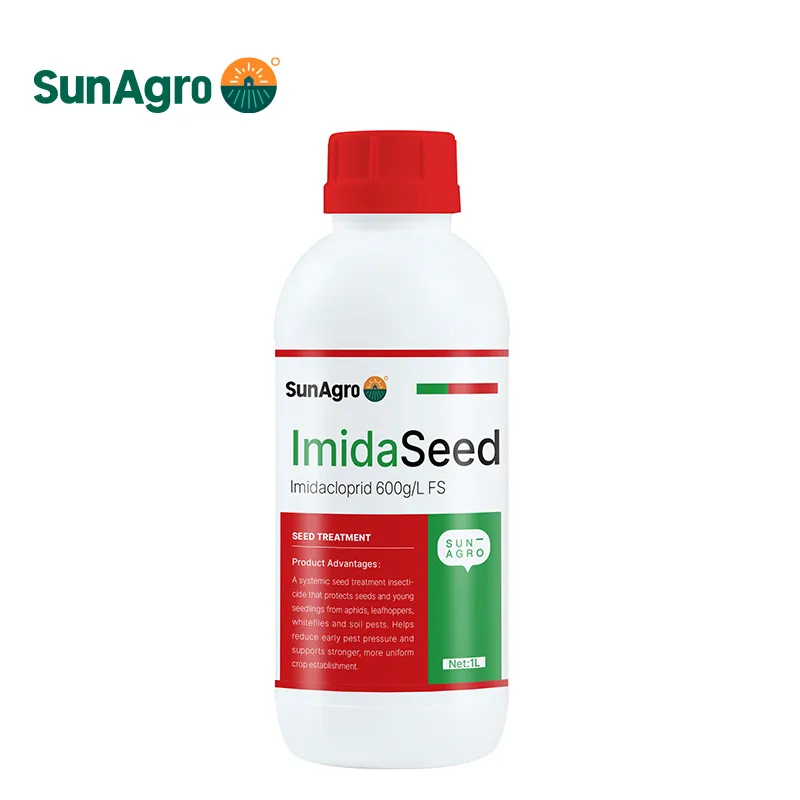
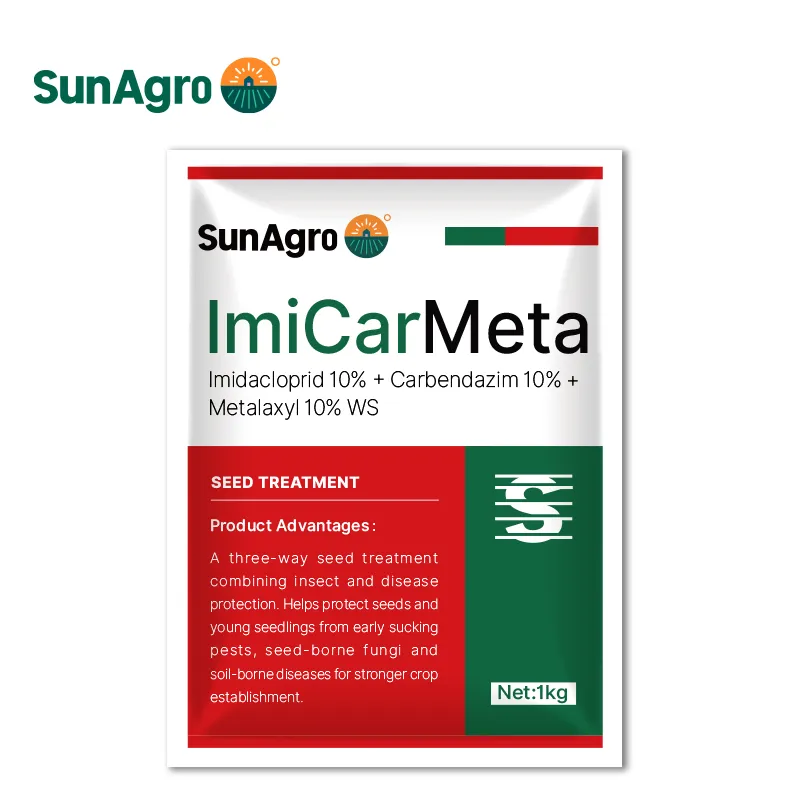
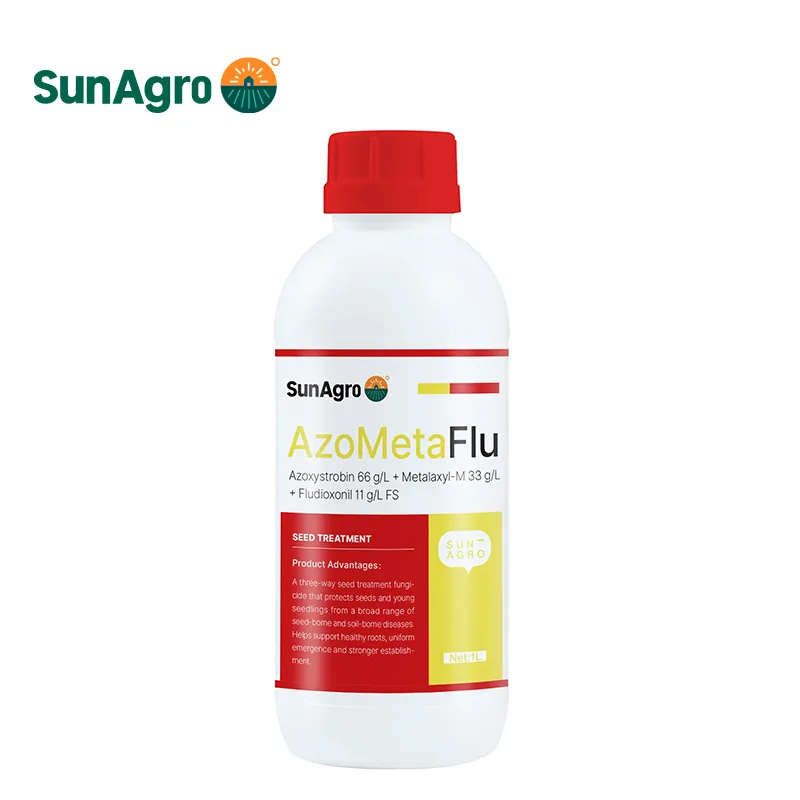
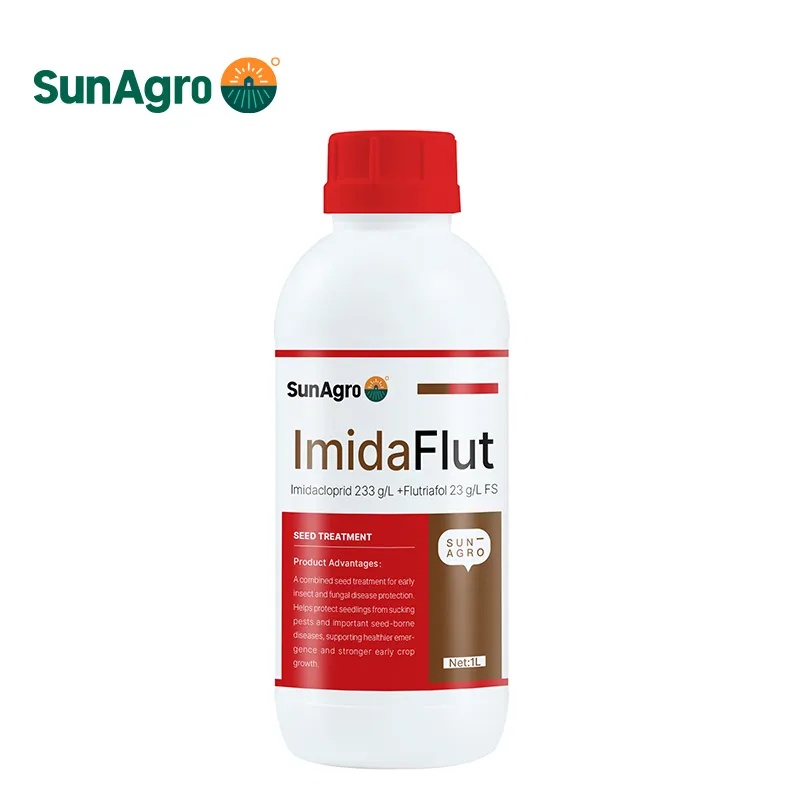
Seed treatments can provide management tools against specific seed-borne or soil-borne diseases and early-stage pests, but their specific scope of activity depends on the active ingredient, formulation, treatment method, and local registration.
Seed treatment solutions should be evaluated based on seeding conditions, field disease history, seed quality, and target pathogens.
| Evaluation Criteria | Items to Confirm Before Purchase |
|---|---|
| Target Organisms | Specific Pathogens, Pests, and Required Protection Stages |
| Active Ingredients | Concentration, Mode of Action, and Scope of Application |
| Formulation | FS, WS, DS, or other approved seed treatment formulations |
| Treatment Quality | Coating uniformity, adhesion, flowability, and seed compatibility |
| Crop Safety | Safety Data for Sunflower Seeds and Seedlings |
| Registrations and Documentation | Crop Registrations, Treatment Rates, Labels, and Related Technical Documents |
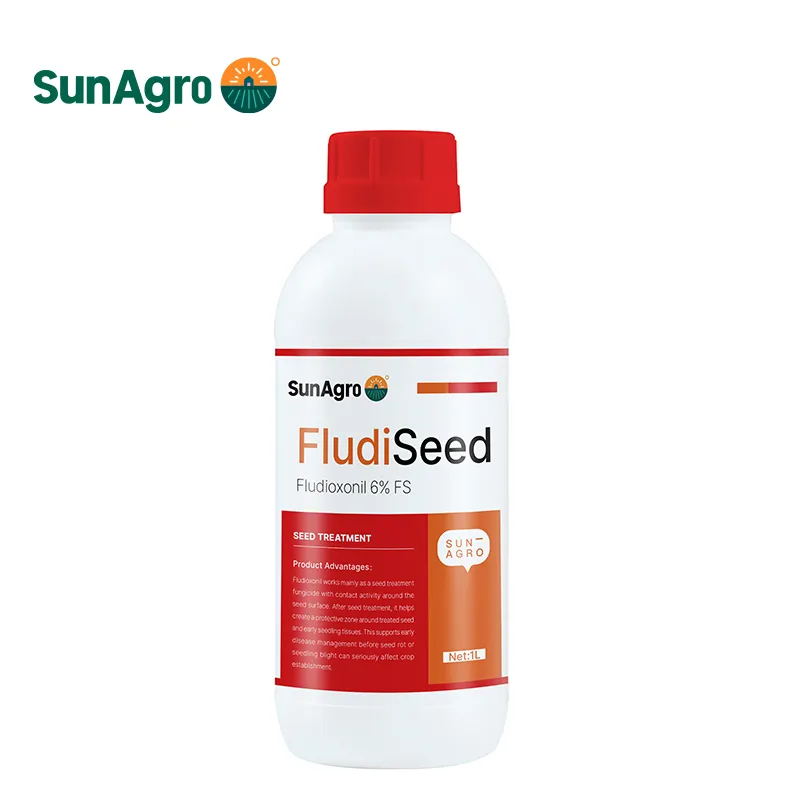
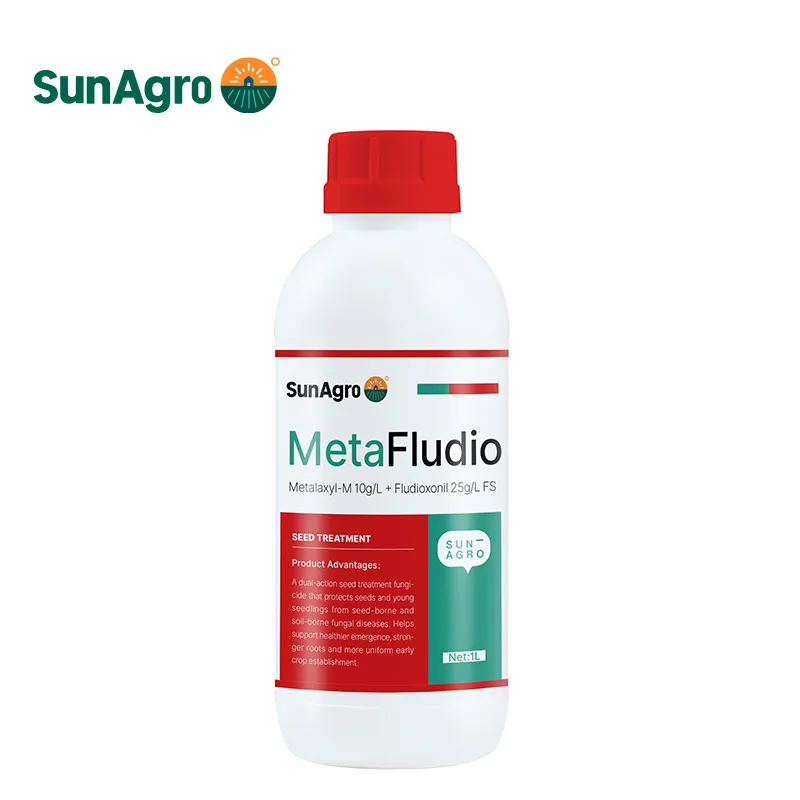
POMAIS’s current Metalaxyl-M 10 g/L + Fludioxonil 25 g/L FS product data includes information on sunflower seed treatment applications and can serve as a starting point for evaluating candidate products.
However, before making a formal recommendation, it is necessary to confirm the product’s actual specifications, sunflower registration status, target diseases, and treatment requirements. The mere presence of Metalaxyl-M or Fludioxonil in the formulation does not guarantee that the product can control all seed-borne and soil-borne diseases in sunflowers.
For importers and registration companies, seed treatment products should also be evaluated to ensure that packaging specifications, quality documentation, treatment processes, and supply conditions meet the requirements of the target market.
More Seed Treatment
What is the difference between oilseed sunflowers and confection sunflowers?
Sunflowers are primarily categorized by production purpose, such as oilseed and confection types. While both types may face similar pests and diseases, their seed uses, commercial quality requirements, and harvest objectives may differ.
| Comparison Dimensions | Oilseed Sunflowers | Confection Sunflowers |
|---|---|---|
| Primary Objectives | Seed yield, oil quality, and harvest performance | Seed size, appearance, integrity, and commercial grade |
| Pest Management | Focus on seed loss and its impact on yield | Also focus on seed surface, integrity, and market quality |
| Disease Management | Focus on plant health, flower head development, and seed formation | Also focus on diseases while evaluating commercial seed quality |
| Weed Management | Consider cropping systems, weed communities, and resistance risks | Also verify variety characteristics and product selectivity |
| Pre-harvest Management | Focus on maturity, seed quality, and applicable regulations | Also focus on residue limits for food uses and commercial requirements |
Both production uses must comply with locally approved product labels and pesticide residue requirements. One cannot infer, based solely on the end use of sunflowers, that a particular product is suitable for one type but not the other.
How to Build a Crop Protection Product Portfolio Suitable for the Sunflower Market?
For pesticide importers, distributors, and registration companies, the sunflower product portfolio should start with the major pests, diseases, and weeds in the target market, then determine priorities based on product registration, mode of action, formulation requirements, and procurement conditions.
| Product Portfolio Levels | Key Focus Areas | Procurement Evaluation Priorities |
|---|---|---|
| Core Herbicide Portfolio | Pre-emergence weed management and suitable post-emergence herbicide solutions | Weed spectrum, crop selectivity, hybrid requirements, and registration |
| Seed treatment portfolio | Management of specific seed-borne, soil-borne diseases, and early-stage pests | Target pathogens, treatment processes, formulation types, and crop safety |
| Disease Management Portfolio | Sclerotinia, Downy Mildew, Sunflower Rust, etc. | Target diseases, active ingredients, FRAC groups, and registrations |
| Pest Management Portfolio | Flower head pests, seed weevils, stem pests, and seedling pests | Target insect species, IRAC groups, occurrence windows, and off-target risks |
| Pre-harvest management | Assess in-season management needs based on locally approved uses | Label approvals, harvest schedules, residue limits, and environmental restrictions |
The product portfolio should not be expanded solely based on the number of active ingredients. For each market, it is essential to first identify which diseases, pests, and weeds present actual needs, and then select the appropriate product specifications and registration pathways.
It is recommended to prepare the following information prior to procurement:
- Target import country or region.
- Major cultivation types and characteristics of sunflower hybrids.
- Diseases, pests, or weeds requiring priority coverage.
- Target active ingredients, concentrations, and formulation types.
- Estimated purchase volume, packaging specifications, and quality documentation requirements.
- Local registration status and residue requirements in the target sales markets.
POMAIS’s Crop Protection Products catalog can serve as a starting point for preliminary screening. For products whose suitability for sunflowers has not yet been verified, technical documentation and registration reviews should be completed before they are included in the formal procurement plan.
Resistance and Residue Management in Sunflower Crop Protection
Sunflower crop protection requires not only consideration of short-term control efficacy but also attention to resistance management, crop safety, environmental risks, and pesticide residue requirements.
FRAC: Management of Fungicide Mode of Action
Develop reasonable management strategies based on target diseases, active ingredients, and FRAC groups to avoid long-term reliance on a single mode of action. Different trade names do not necessarily indicate different modes of action.
IRAC: Insecticide Mode of Action Management
Select products based on specific pests, life stages, and local resistance conditions. Considerations should also include the protection of pollinators, natural enemies, and other non-target organisms.
HRAC: Herbicide Mode of Action Management
Focus on major weeds, crop selectivity, hybrid tolerance, and resistance risks. The selection of different modes of action should align with locally approved herbicide regimens.
PHI and MRL: Harvest and Residue Management
PHI (Pre-Harvest Interval) is the mandatory safety interval that must be observed between the last application and harvest. MRL (Maximum Residue Limit) is the statutory limit for pesticide residues in food or agricultural products.
When procuring and promoting products, verify the requirements of the target country and applicable sales markets. Approval for a use in one country does not automatically mean the product complies with registration and residue regulations in other countries.
All products must be used in accordance with the approved label regarding crops, target pests, application rates, timing of application, number of applications, and other restrictions. General technical recommendations cannot replace locally approved labels.
Frequently Asked Questions
Plan Your Sunflower Crop Protection Portfolio
For pesticide importers, distributors, and registration companies planning to enter or expand in the sunflower crop protection market, we recommend first identifying the major pests, diseases, and weeds in the target country, and then screening suitable products based on active ingredients, formulation types, registration status, and procurement requirements.
POMAIS can assist in screening existing product options based on the target market, product specifications, and procurement requirements provided by the client, and further verify relevant technical data, supply conditions, and available product documentation.
To evaluate a sunflower crop protection product portfolio, please provide the following information:
- Target country or region.
- Production type (e.g., oilseed sunflower or food-grade sunflower).
- Diseases, pests, or weeds that require priority coverage.
- Target active ingredients, concentrations, or formulations.
- Estimated purchase volume and local registration status.
This information helps clarify product demand in the local market, reduce product duplication, and provide a basis for subsequent registration evaluations, product selection, and procurement communications.