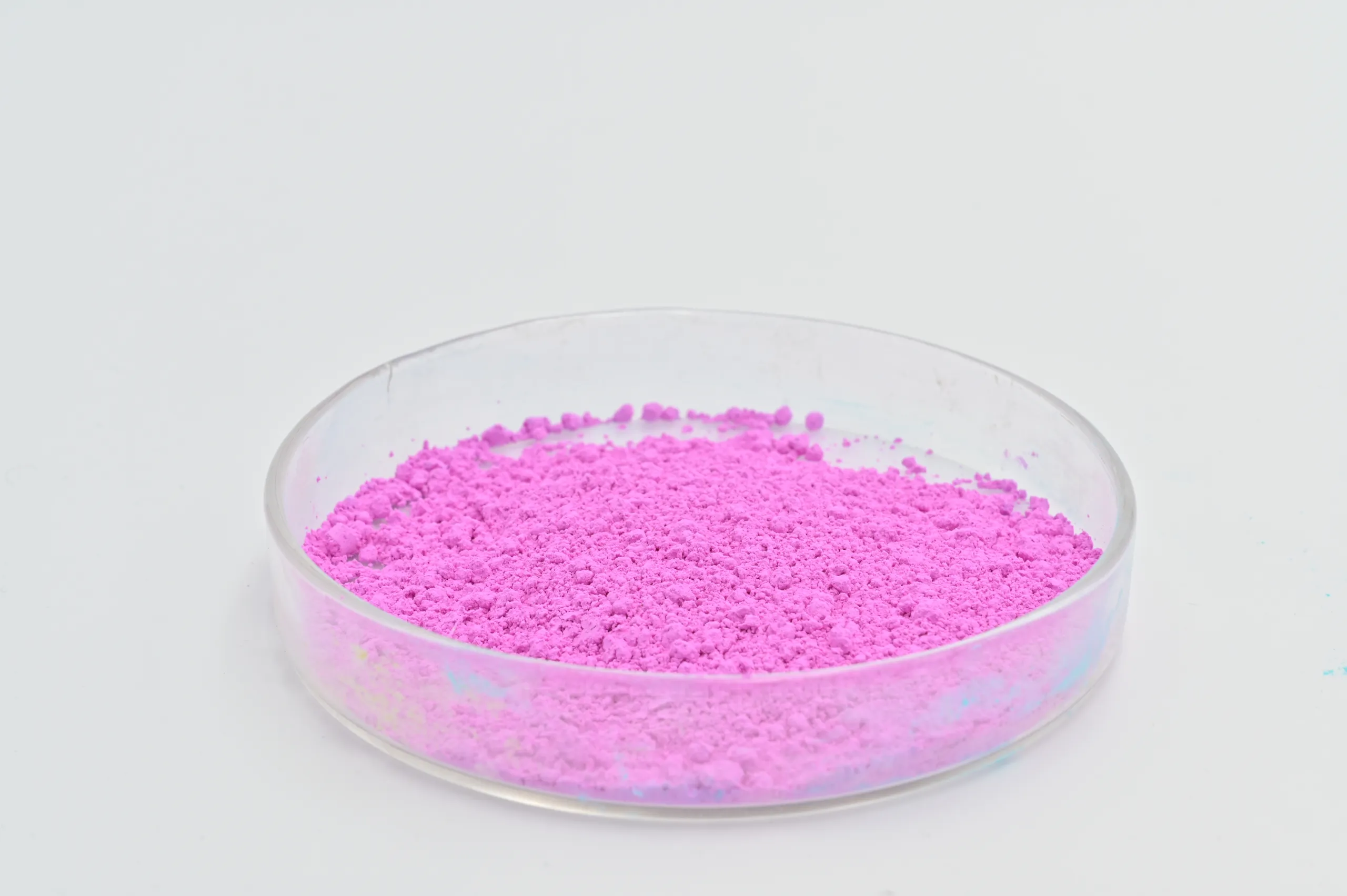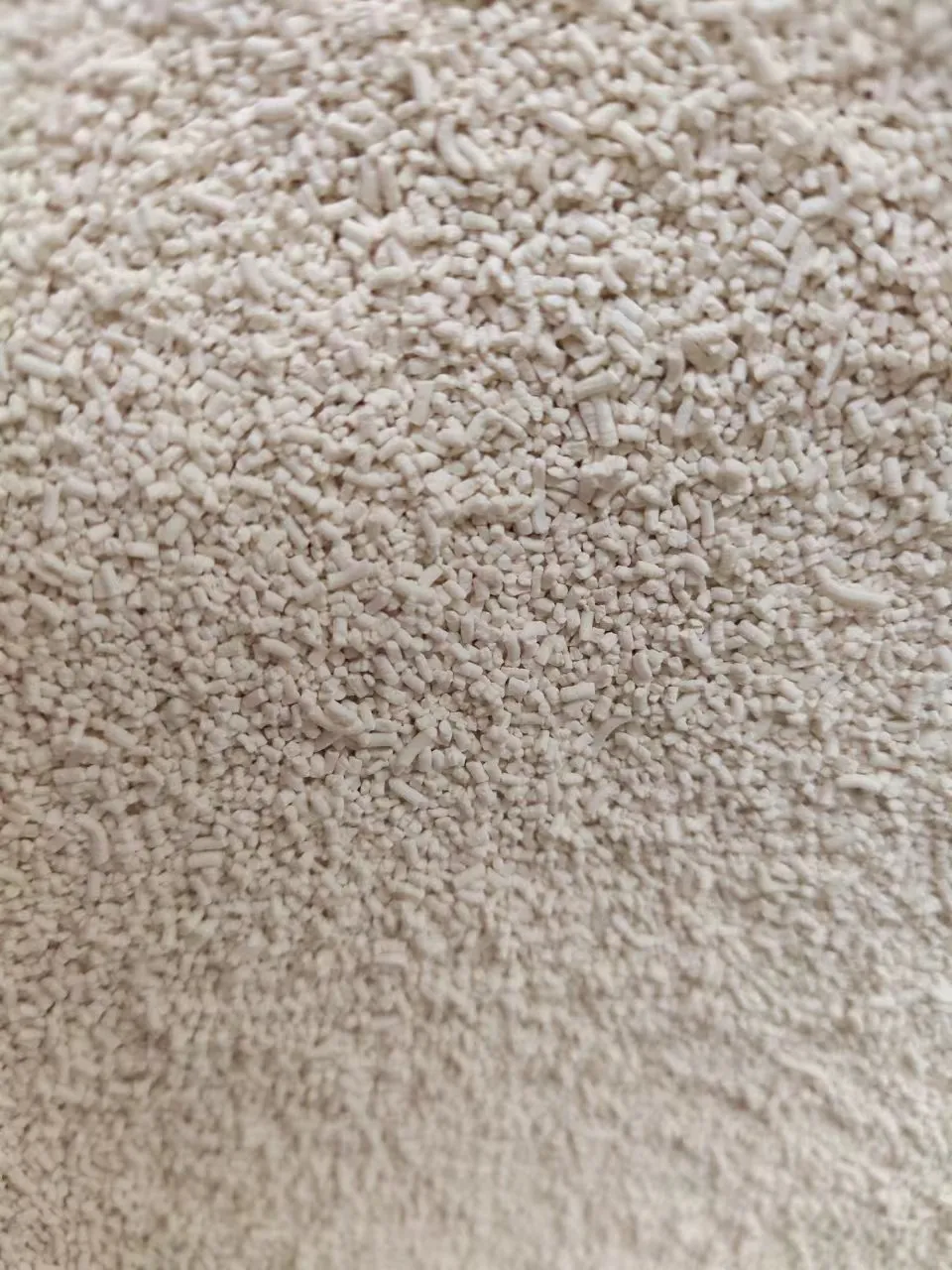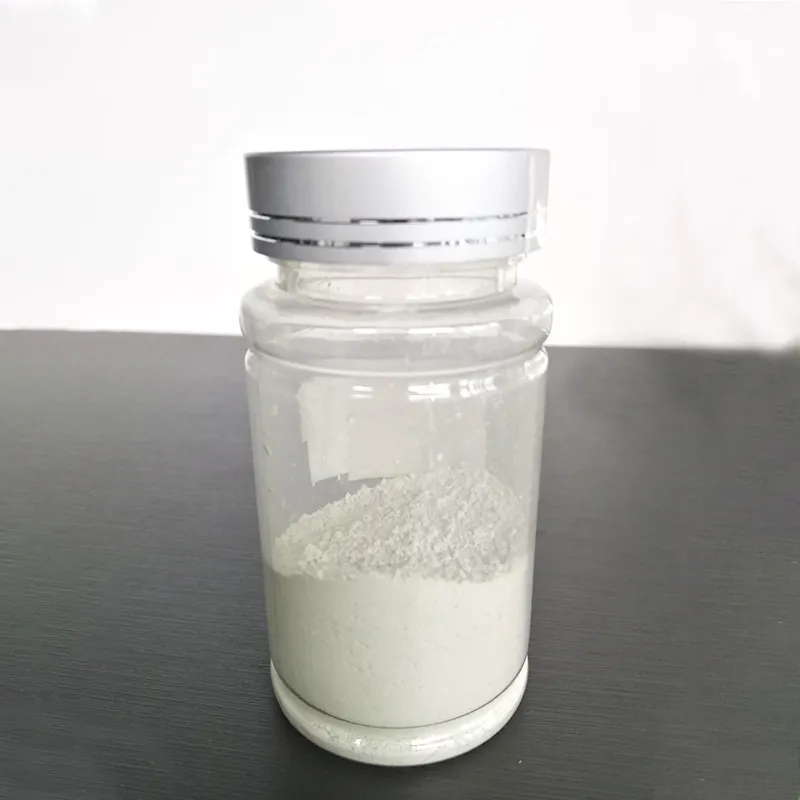


Pyridaben 20% WP Insecticide
POMAIS Pyridaben 20% WP Insecticide is a selective contact miticide and insecticide developed for early management of labeled mites and selected sucking pests in approved agricultural crops.
Pyridaben belongs to IRAC Group 21A. It inhibits mitochondrial Complex I electron transport, reducing the cellular energy required for normal movement, feeding and survival in susceptible mites and insects.
This wettable powder formulation is mainly positioned for orchard mites, red spider mites and other registered crop pests. Effective use depends on early population monitoring, complete spray coverage and rotation with acaricides outside Group 21A.
POMAIS supplies Pyridaben 20% WP for agrochemical importers, distributors, registration companies and crop protection brands. Packaging, multilingual labels and available technical documents can be reviewed according to the destination market.
- Designed for Professional Buyers & Bulk Orders
- We support custom packaging, labeling, and formulation to meet your market needs.
- Export wholesale inquiries only.
- Please include destination country, business type (importer/distributor/registrant), and expected volume.
- Retail requests will not be processed.

About Pyridaben 20% WP Insecticide
| Product Attribute | Specification |
|---|---|
| Product Name | Pyridaben 20% WP Insecticide |
| Active Ingredient | Pyridaben |
| Content | 20% |
| Formulation | WP — Wettable Powder |
| Product Type | Contact miticide and insecticide |
| IRAC Group | Group 21A |
| Mode of Action | Mitochondrial Complex I electron transport inhibition |
| Primary Pest Direction | Mites and selected sucking pests |
| Main Crop Direction | Approved orchards, fruits, vegetables, tea and ornamental crops |
| Application Method | Primarily foliar spray |
| Standard MOQ | Normally 1,000 kg |
| Available Documents | COA, SDS, TDS and product specification |
| Packaging Support | Moisture-resistant bags or containers, labels and export cartons |
| Supply Type | Bulk B2B supply for import, registration and distribution |
Final crops, pests, rates, spray intervals, pre-harvest intervals and seasonal-use limits must follow the approved destination-market label.
What Is Pyridaben 20% WP?
Pyridaben 20% WP is a single-active wettable powder used mainly for contact control of susceptible mites.
The product is commonly positioned in orchard, fruit, vegetable, tea and ornamental crop programs where mite populations are beginning to increase.
Depending on the local registration, Pyridaben products may also include selected sucking pests such as:
- Whiteflies
- Leafhoppers
- Psyllids
- Other label-approved insects
Pyridaben is not a fully systemic insecticide. Spray deposits must reach the pest and the plant surfaces where mites are feeding.
For broader product selection, buyers can review the POMAIS insecticide product portfolio.
How Does Pyridaben Work?
IRAC Group 21A Miticide
Pyridaben belongs to the mitochondrial electron transport inhibitor group, commonly known as METI acaricides and insecticides.
IRAC classifies Pyridaben as Group 21A.
This classification is important for product positioning and resistance planning. Other Group 21A active ingredients should not be treated as completely different modes of action.
Mitochondrial Complex I Inhibition
Pyridaben inhibits electron transport at mitochondrial Complex I.
Mitochondria produce the energy needed for:
- Movement
- Feeding
- Growth
- Cellular maintenance
- Reproduction
- Survival
When electron transport is disrupted, energy production declines. Susceptible mites and insects become inactive and eventually die.
Pyridaben should not be described as a sodium-channel insecticide or as a product that acts mainly through the nervous system.
Contact Activity
Pyridaben acts mainly through contact.
Good performance depends on spray deposits reaching:
- Upper leaf surfaces
- Lower leaf surfaces
- Inner canopy foliage
- Mite colonies
- Young shoots
- Fruit surfaces where pests are present
Mites often remain on the underside of leaves. Poor lower-leaf coverage can leave part of the population untreated.
Visible Field Response
Pyridaben may reduce mite activity after effective exposure, but final field response depends on:
- Mite species
- Life stage
- Population density
- Spray coverage
- Application rate
- Temperature
- Crop canopy
- Resistance status
The product should not be promoted as providing identical control of every mite stage.
Target Mites and Insect Directions
Pyridaben 20% WP should remain primarily positioned as a miticide.
| Pest Direction | Typical Examples | Product Positioning |
|---|---|---|
| Spider Mites | Red spider mites and two-spotted spider mites | Primary product direction |
| Orchard Mites | Apple, pear, citrus and other registered fruit mites | Crop-specific contact control |
| Rust Mites | Registered citrus, apple or pear rust mites | Label-dependent use |
| Broad and Flat Mites | Broad mites and false spider mites | Crop- and label-specific |
| Whiteflies | Registered whitefly species | Secondary insect direction |
| Leafhoppers and Psyllids | Approved nymphal or exposed stages | Market-specific |
| Group 21A-Insensitive Populations | Resistant or less-sensitive mites | Control may be reduced |
Exact pest claims must match the approved Pyridaben 20% WP label.
Red Spider Mite Control
Red spider mites are an important commercial use direction for Pyridaben.
Infestations commonly begin on the underside of leaves and may cause:
- Fine yellow stippling
- Leaf bronzing
- Reduced photosynthetic area
- Premature leaf drop
- Webbing under heavy pressure
- Lower crop quality
Treatment should be considered while populations are still developing and before severe leaf damage occurs.
A contact product cannot reverse damage that has already developed.
Orchard Mite Management
Pyridaben may be positioned in approved orchard programs for crops such as:
- Apples
- Pears
- Citrus
- Grapes
- Other registered fruit crops
Orchard applications require careful coverage because mites can remain within dense foliage or on difficult-to-reach leaf surfaces.
Spray programs should consider:
- Canopy density
- Tree height
- Water volume
- Nozzle placement
- Pest location
- Beneficial mite populations
- Harvest timing
Whiteflies and Other Sucking Pests
Some Pyridaben registrations may include whiteflies, leafhoppers, psyllids or other sucking insects.
These should remain secondary claims unless the exact product label clearly supports them.
Pyridaben 20% WP should not be presented as a general-purpose systemic treatment for all sucking pests.
Does Pyridaben Control Mite Eggs?
Activity against eggs depends on:
- Mite species
- Product rate
- Egg age
- Spray coverage
- Label claim
- Local efficacy data
The page should not claim universal control from eggs to adults.
A more accurate position is:
Pyridaben provides strong contact activity against susceptible exposed mite stages, while exact ovicidal and lifecycle claims depend on the registered mite species and product label.
Where egg and immature-stage suppression is the main purchasing need, buyers may compare Pyridaben with a Hexythiazox lifecycle-control miticide.
Typical Crop Directions
Pyridaben has established commercial relevance in several high-value crop sectors.
Apple and Pear Orchards
Apple and pear programs are important use directions because mite damage may reduce leaf function, fruit development and orchard vigor.
Applications should be based on:
- Leaf inspection
- Mite counts
- Local treatment thresholds
- Beneficial mite activity
- Previous acaricide use
Citrus
Registered citrus uses may include spider mites, rust mites or other approved pests.
Coverage should reach the inner canopy and both sides of leaves.
Grapes
Grape canopies may become dense as the season develops.
Application equipment should be adjusted to improve penetration without creating excessive drift or runoff.
Tea
Tea uses require careful attention to:
- Local registration
- Harvest interval
- Residue requirements
- Export-market MRLs
- Worker re-entry
Vegetables and Protected Crops
Vegetable and greenhouse uses should only be included where separately registered.
Protected crops can differ in:
- Temperature
- Humidity
- Drying time
- Variety sensitivity
- Pest development rate
- Spray concentration
An outdoor crop registration does not automatically cover greenhouse production.
Ornamentals
Ornamental crops may vary widely in tolerance.
Test applications on a limited number of plants may be required where the label recommends variety confirmation.
When Should Pyridaben Be Applied?
Treat Populations Early
Pyridaben is best positioned when mite populations are beginning to build.
Treatment timing may be based on:
- First active mites
- Increasing mite counts
- Early leaf stippling
- Regional pest warnings
- Established economic thresholds
- Orchard or crop history
Do not wait until severe bronzing, webbing or leaf drop becomes widespread.
Scout Leaf Undersides
Field inspection should include:
- Upper leaves
- Middle canopy leaves
- Lower leaves
- Leaf undersides
- Growing points
- Fruit-adjacent foliage
Yellow sticky traps may help monitor some flying pests, but they do not measure mite pressure accurately.
Direct leaf inspection remains necessary.
Check Beneficial Mites
Predatory mites may contribute to natural population suppression.
Before treatment, record:
- Pest mites
- Predatory mites
- Other beneficial insects
- Local population trends
Use selective and integrated programs where practical.
Evaluate Control After Application
Do not judge performance only from visible crop symptoms.
Follow-up scouting should assess:
- Live mobile mites
- New leaf damage
- Population distribution
- Surviving colonies
- Beneficial mite activity
- Need for a different mode of action
Application Guidance
1. Confirm the Crop and Pest
Verify that both the crop and pest appear on the approved product label.
Correct mite identification is important because different species and life stages may respond differently.
2. Review Resistance History
Check whether the field or region has experienced reduced control from:
- Pyridaben
- Fenpyroximate
- Other Group 21A acaricides
- Frequently used contact miticides
Unexpected failure should be investigated before another Group 21A treatment is applied.
3. Prepare the WP Correctly
WP means Wettable Powder.
The product disperses in water to form a suspension. It does not dissolve completely.
Where permitted by the label:
- Fill the spray tank partly with clean water.
- Start agitation.
- Prepare a slurry or premix where required.
- Add the measured product slowly.
- Complete filling with water.
- Maintain agitation during application.
4. Achieve Complete Coverage
Coverage is essential for contact performance.
Spray should reach:
- Both sides of leaves
- Inner canopy foliage
- Pest colonies
- Young growth
- Fruit-adjacent surfaces
- Lower leaves
Avoid excessive runoff, which wastes product and increases environmental exposure.
5. Use Calibrated Equipment
Check:
- Nozzle condition
- Spray pressure
- Water volume
- Travel speed
- Spray pattern
- Tank agitation
Large trees and dense crops may require different equipment settings from low-growing crops.
6. Follow the Registered Rate
Application rate must be measured by product weight because Pyridaben 20% WP is a solid formulation.
Do not use a universal global dose or measure the WP product in milliliters unless an approved product instruction specifically provides a validated method.
7. Follow PHI and REI
Pre-harvest and worker re-entry intervals depend on:
- Crop
- Country
- Product label
- Application rate
- Number of treatments
Do not copy intervals from another Pyridaben formulation.
WP Formulation Features
Pyridaben 20% WP is a wettable powder formulation.
Finely divided Pyridaben particles are combined with wetting, dispersing and stabilizing components.
Main WP Quality Parameters
| Quality Parameter | Buyer Relevance |
|---|---|
| Pyridaben Content | Confirms the declared 20% specification |
| Content Uniformity | Supports consistent pack-to-pack performance |
| Wettability | Influences premixing and tank preparation |
| Suspensibility | Maintains uniform spray concentration |
| Wet Sieve Residue | Helps reduce nozzle blockage |
| Particle Size | Influences suspension and leaf coverage |
| Moisture Content | Affects storage and caking |
| Persistent Foam | Influences tank filling |
| Pack-Weight Accuracy | Supports correct field dosing |
| Storage Stability | Supports commercial shelf life |
| Moisture-Barrier Packaging | Protects the powder during storage |
Continuous Agitation
The spray suspension may settle when left without movement.
Agitation should continue:
- During tank filling
- During transport
- Throughout spraying
- After application interruptions
Re-agitate fully before resuming treatment.
Dust Control
WP products may generate dust during opening, weighing and mixing.
Operators should:
- Avoid breathing dust
- Open packaging carefully
- Use clean measuring equipment
- Wear the PPE required by the label and SDS
- Keep the mixing area ventilated
- Clean spills without creating airborne powder
Moisture Protection
Humidity can cause:
- Caking
- Poor flow
- Slower wetting
- Pack-weight handling problems
- Damaged packaging
Use moisture-resistant inner liners and store bags or containers off the warehouse floor.
Resistance Management
Pyridaben belongs to IRAC Group 21A.
Repeated exposure can select less-sensitive mite populations.
Do Not Use Consecutive Group 21A Treatments
Avoid repeated sequential applications of Pyridaben.
A resistance rotation should use an effective acaricide outside Group 21A.
Pyridaben and Fenpyroximate
Pyridaben and Fenpyroximate both belong to Group 21A.
Changing between them does not provide a complete mode-of-action rotation.
Recommended Program Principles
- Scout before application.
- Apply at the registered rate.
- Treat while populations are still manageable.
- Avoid consecutive Group 21A applications.
- Rotate with effective acaricides from other IRAC groups.
- Protect predatory mites where possible.
- Integrate sanitation and cultural controls.
- Remove heavily infested plant material where practical.
- Keep field-treatment records.
- Investigate unexpected control failure.
Pyridaben Compared with Other Miticide Directions
Different miticides serve different lifecycle and program roles.
| Product Direction | Main Positioning |
|---|---|
| Pyridaben 20% WP | Group 21A contact activity and early population reduction |
| Hexythiazox Products | Egg and immature-stage lifecycle management |
| Etoxazole Products | Growth inhibition and immature-stage control |
| Spirodiclofen Products | Lipid-biosynthesis inhibition and lifecycle suppression |
| Pyriproxyfen + Pyridaben Products | Fixed-ratio combination for mites and selected sucking pests |
Pyridaben should not be presented as automatically superior to every other acaricide.
Selection depends on:
- Mite species
- Dominant life stage
- Resistance status
- Crop
- Harvest timing
- Beneficial mites
- Local registration
Where a fixed-ratio combination is required, buyers can review the Pyriproxyfen + Pyridaben combination insecticide.
Crop Safety and Tank Mixing
Use only on registered crops and varieties.
Crop tolerance may be affected by:
- High temperatures
- Water stress
- Sensitive varieties
- Spray overlap
- Unapproved adjuvants
- Tank-mix partners
- Greenhouse conditions
- Previous crop injury
Compatibility Testing
Do not assume compatibility with every insecticide, fungicide, fertilizer or adjuvant.
For unfamiliar mixtures:
- Use the intended water source
- Follow the planned mixing order
- Test proportional quantities
- Check for sediment, separation or excessive foam
- Review crop-safety information
Physical compatibility does not guarantee biological performance or crop tolerance.
Small-Area Crop Testing
Where variety sensitivity is uncertain, follow local label instructions for a small-area test before large-scale treatment.
Operator and Environmental Precautions
Operator Protection
Handle Pyridaben 20% WP according to the approved label and final SDS.
General precautions include:
- Wear the required protective clothing.
- Avoid inhaling powder or spray mist.
- Use chemical-resistant gloves where specified.
- Protect the eyes during mixing.
- Avoid skin contact.
- Do not eat, drink or smoke during handling.
- Wash exposed skin after use.
- Follow the registered re-entry interval.
Protect Aquatic Environments
Prevent spray, runoff and equipment rinsate from entering:
- Rivers
- Streams
- Lakes
- Wells
- Fish ponds
- Irrigation canals
- Wetlands
- Drainage systems
Protect Bees and Beneficial Insects
Avoid application when bees are actively foraging on flowering crops or weeds where the label restricts such use.
Reduce unnecessary exposure of:
- Pollinators
- Predatory mites
- Parasitoids
- Other beneficial arthropods
Prevent Spray Drift
Use appropriate:
- Nozzles
- Droplet size
- Wind limits
- Boom height
- Buffer zones
- Application speed
Storage and Transport
Store Pyridaben 20% WP:
- In its original sealed packaging
- In a cool and dry warehouse
- Away from moisture
- Away from direct sunlight
- Away from food and animal feed
- Away from children and unauthorized persons
- Under conditions stated in the SDS
Before shipment, inspect:
- Bag or container integrity
- Moisture protection
- Label accuracy
- Batch coding
- Pack weight
- Carton condition
- Pallet stability
Packaging, Quality Control and Documentation
POMAIS supplies Pyridaben 20% WP for qualified B2B procurement, registration and distribution.
Packaging Options
Commercial packaging may include:
- 100 g sachets
- 250 g sachets
- 500 g sachets
- 1 kg bags or containers
- 5 kg bags
- Larger bulk packaging where suitable
- Moisture-resistant inner liners
- Multilingual labels
- Retail cartons
- Master cartons
- Batch and expiry coding
- Shipping marks
Final packaging depends on registration, order quantity and filling feasibility.
Quality-Control Focus
Quality checks may include:
- Pyridaben content
- Product identity
- Content uniformity
- Physical appearance
- Wettability
- Suspensibility
- Wet sieve residue
- Particle size
- Moisture content
- Persistent foam
- Pack-weight accuracy
- Storage stability
- Seal integrity
- Batch consistency
Available Documents
Commercial document support may include:
- COA — Certificate of Analysis
- SDS — Safety Data Sheet
- TDS — Technical Data Sheet
- Product Specification
- Packaging Specification
- Available stability information
- Available registration-supporting information
- Batch-related quality documents
- Commercial and shipping documents
Frequently Asked Questions
Request Pyridaben 20% WP Specifications
To evaluate a Pyridaben 20% WP purchasing or registration project, please provide:
- Destination country
- Company type
- Required quantity
- Preferred package size
- Target crops
- Target mite species
- Other target pests
- Current registration status
- Required label language
- Required technical documents
- Expected purchasing schedule
We will review product specifications, WP quality, packaging feasibility, document availability and destination-market requirements before confirming the commercial proposal.
Pyridaben 20% WP is supplied for professional B2B procurement, registration and wholesale distribution.
Contact us!
We will reply to you within 24 hours on business days!