Browse Crop Pest Categories
Crop pest-control products should be selected according to the target pest, crop, pest life stage, feeding behavior, application timing, mode of action, and local registration.
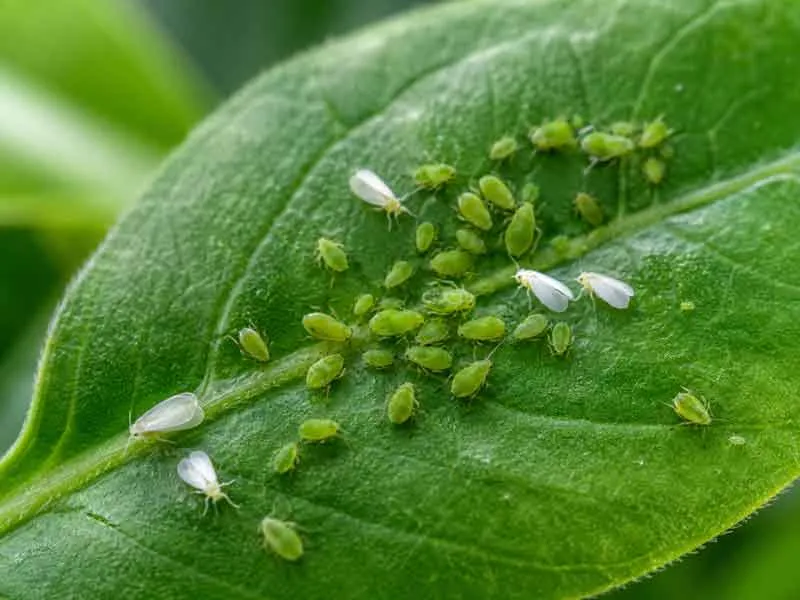
Sap-Feeding Pests
Products for aphids, whiteflies, leafhoppers, selected thrips, and other pests that feed on plant sap.
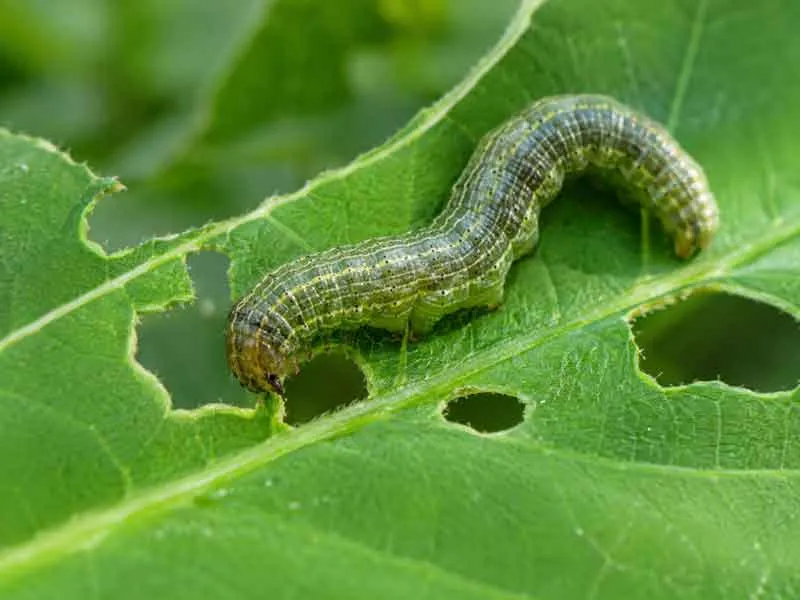
Lepidopteran Caterpillars
Product directions for armyworms, bollworms, loopers, diamondback moth larvae, and other caterpillar pests.
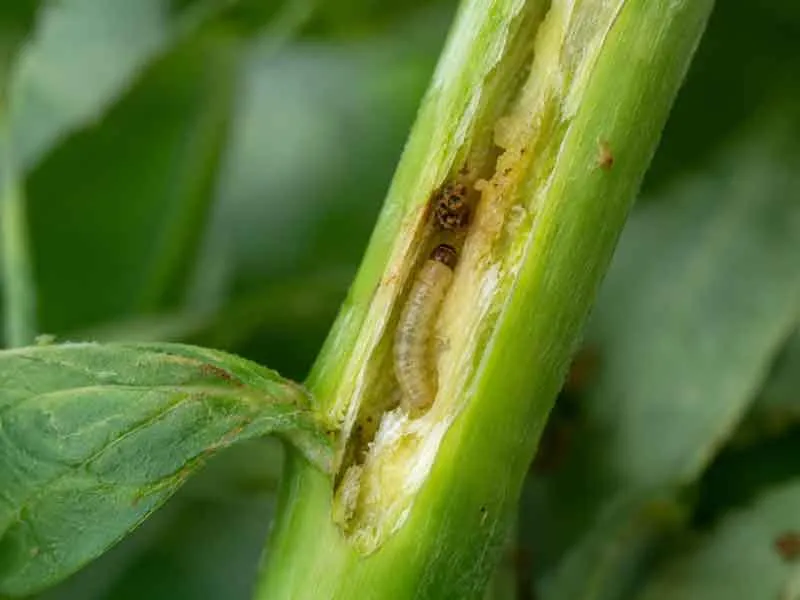
Borers and Miners
Products for pests such as stem borers, corn borers, leaf miners, and other internal-feeding insects.
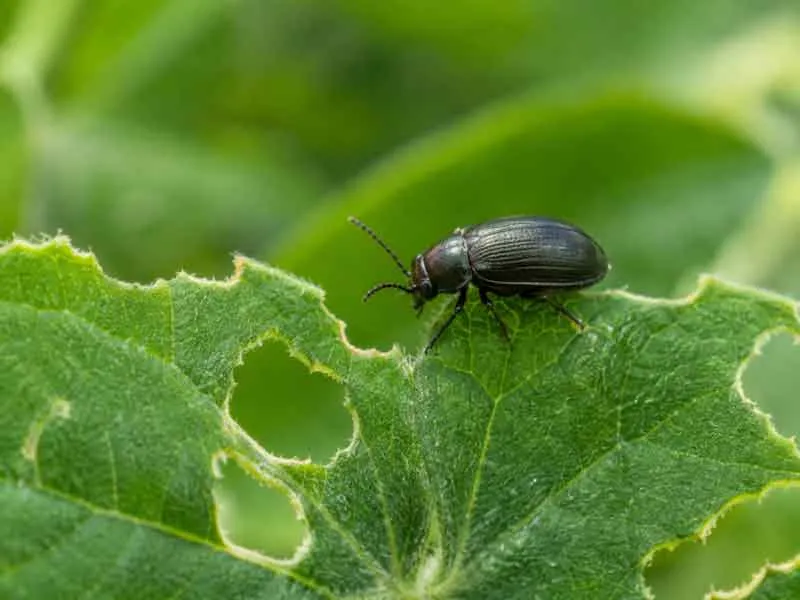
Beetles and Other Chewing Pests
Product directions for selected beetles, grasshoppers, and other crop pests that damage leaves, stems, or reproductive tissues through chewing.
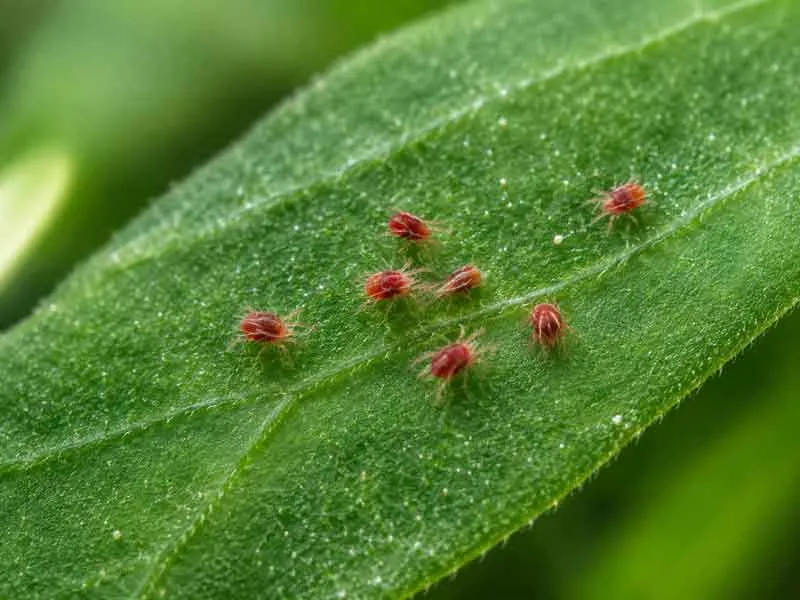
Mites and Acarid Pests
Miticide directions for spider mites, red mites, rust mites, and other agriculturally important mite groups.
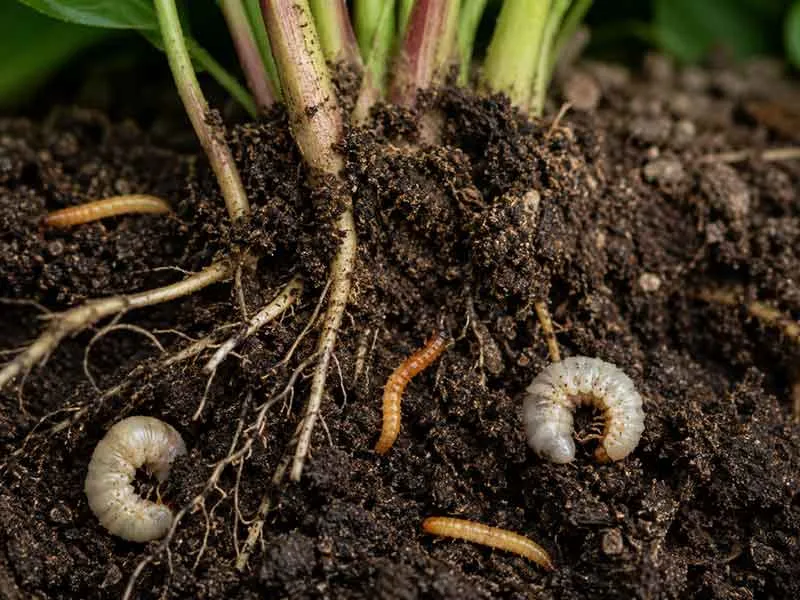
Soil and Root-Zone Insect Pests
Products for selected wireworms, white grubs, root maggots, and other underground insect pests.
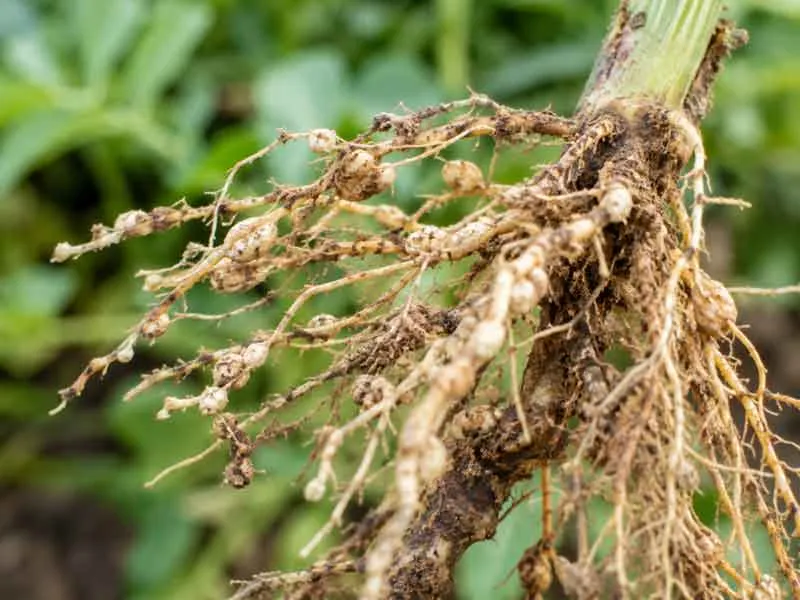
Plant-Parasitic Nematodes
Nematicide and biological product directions for selected root-knot, cyst, lesion, and other plant-parasitic nematode programs.
How to Select a Crop Pest Control Product
A pest name alone is not enough to select the right crop-protection product. Commercial product selection should consider several technical factors together.
Pest Direction and Product Selection Logic
| Pest Direction | Key Selection Factors |
|---|---|
| Sap-Feeding Pests | Feeding behavior, systemic or contact direction, pest stage, crop, resistance |
| Lepidopteran Caterpillars | Larval stage, feeding site, application timing, MoA, resistance |
| Borers and Miners | Pest exposure, internal feeding behavior, crop stage, treatment timing |
| Chewing Pests | Pest species, damage pressure, feeding activity, effective MoA |
| Mites | Mite species, egg/nymph/adult activity, acaricide spectrum, resistance |
| Soil Insects | Pest stage, soil placement, persistence, crop use, application method |
| Nematodes | Nematode species, soil/root zone, product type, timing, registration |
Pest Life Stage Matters
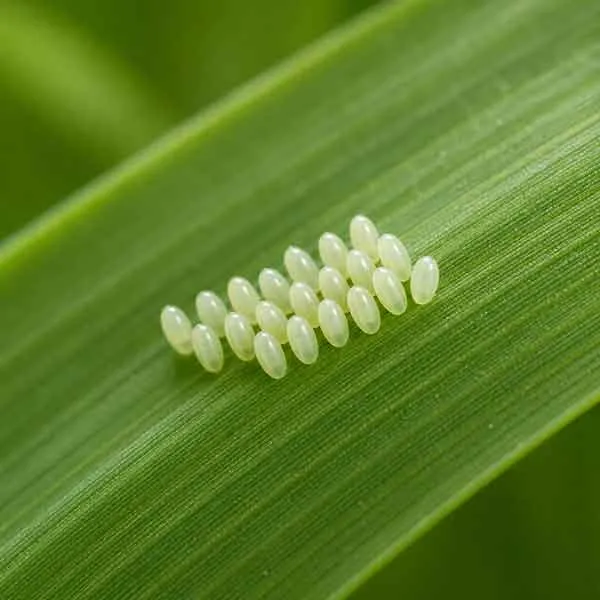
Crop pests may respond differently to control measures at different life stages.
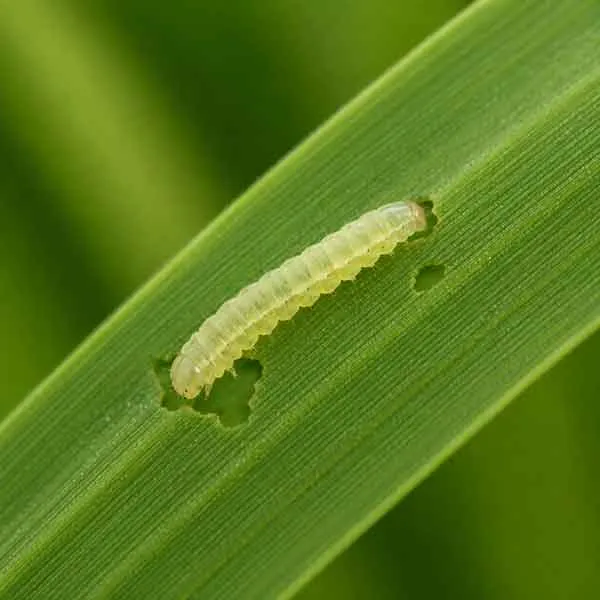
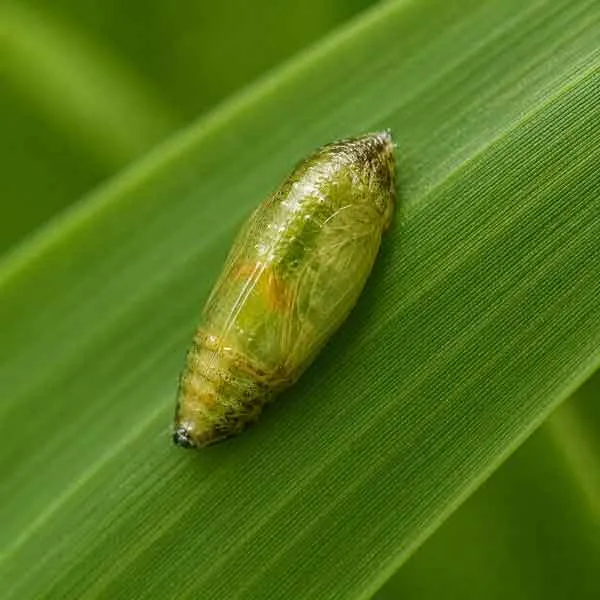
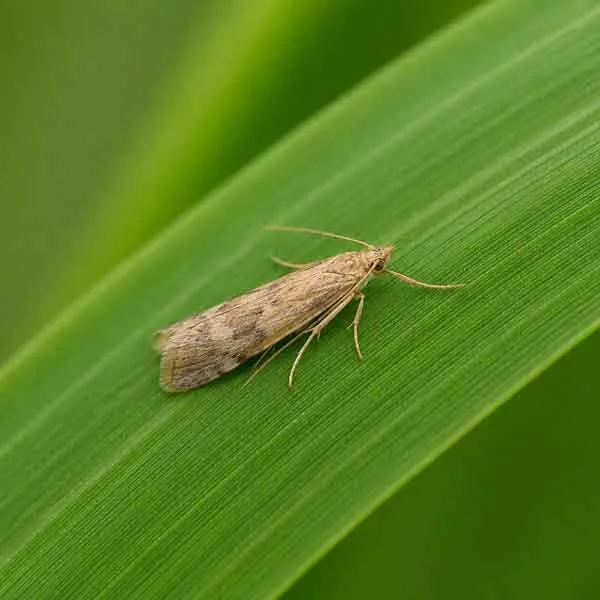
Eggs, larvae or nymphs, pupae, and adults can differ in feeding activity, exposure, mobility, and susceptibility to active ingredients.
Product selection should therefore consider the dominant pest stage, crop timing, pest pressure, active ingredient characteristics, and approved use pattern rather than assuming one product provides equal control across every life stage.
Insecticide Mode of Action and Resistance Management
Crop pest-control programs should consider both pest spectrum and mode of action.
IRAC mode-of-action groups provide a practical framework for comparing insecticide chemistry and planning resistance-management programs. Different product or brand names do not necessarily represent different modes of action.
A resistance-management program should consider:
- Target pest
- Pest life stage
- Active ingredient
- IRAC mode-of-action group
- Local resistance information
- Crop and application timing
- Approved rotation or mixture strategy
- Destination-market label
Rotate effective modes of action where appropriate rather than relying only on different brand names.
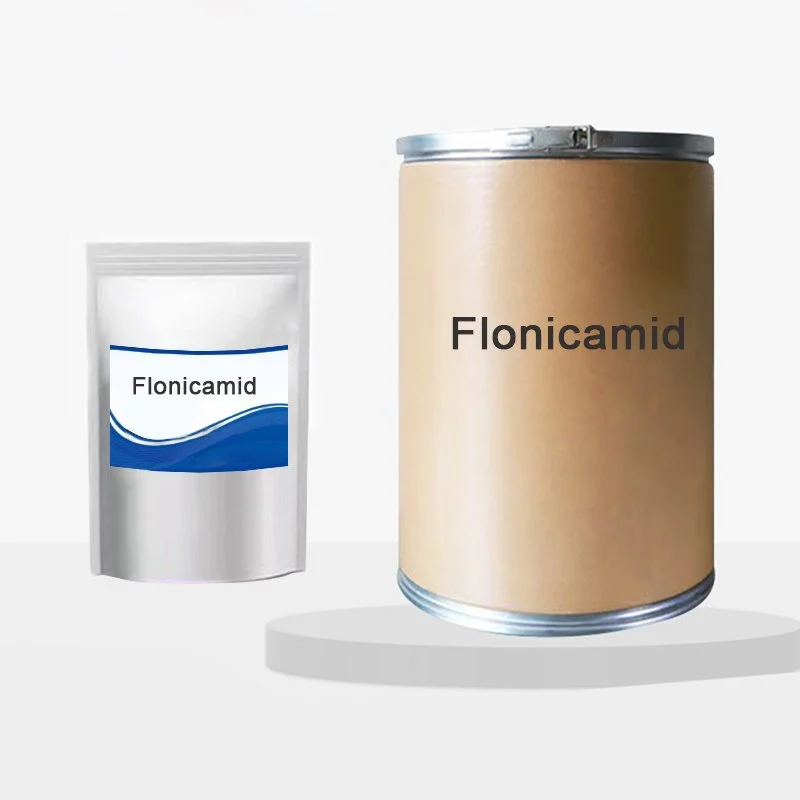
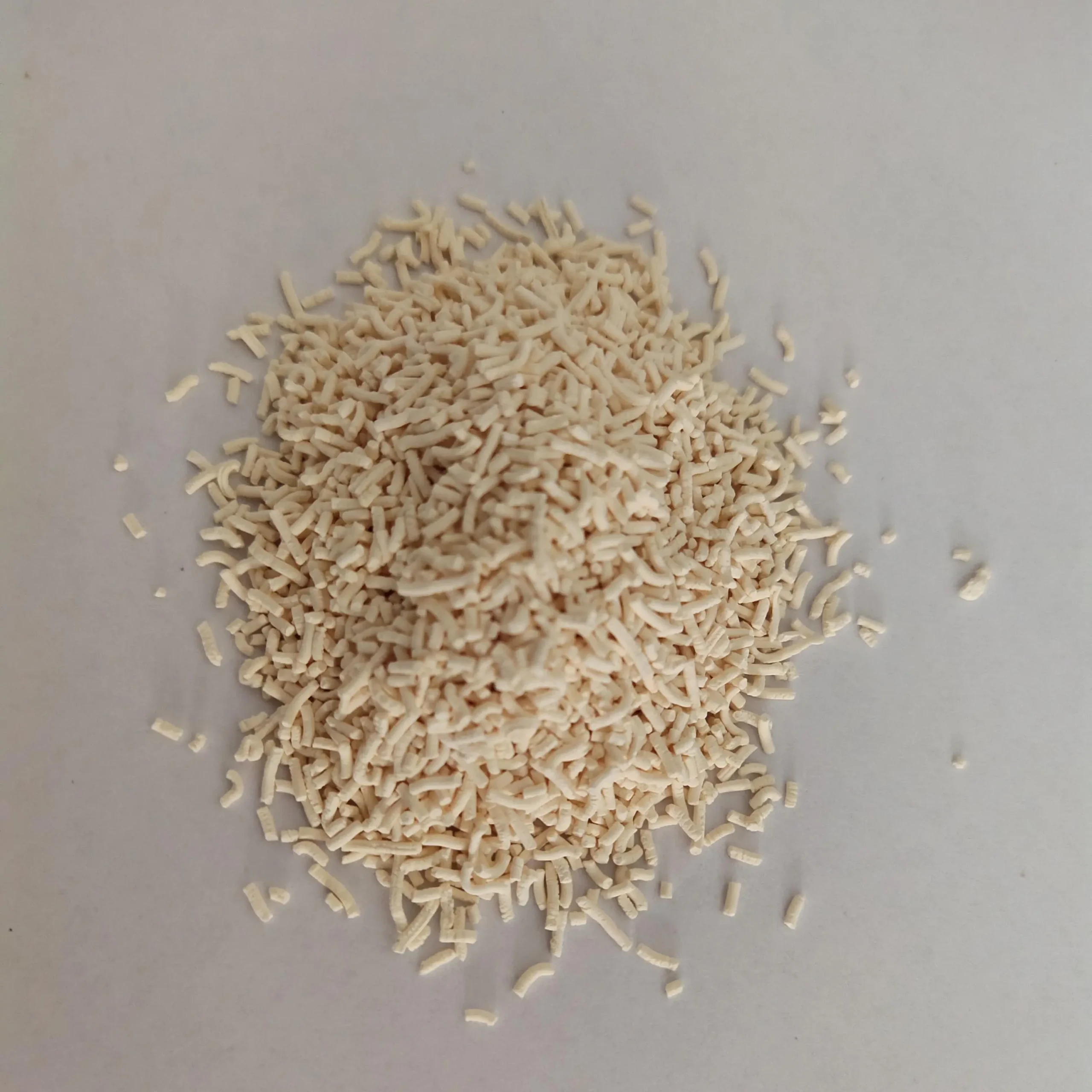
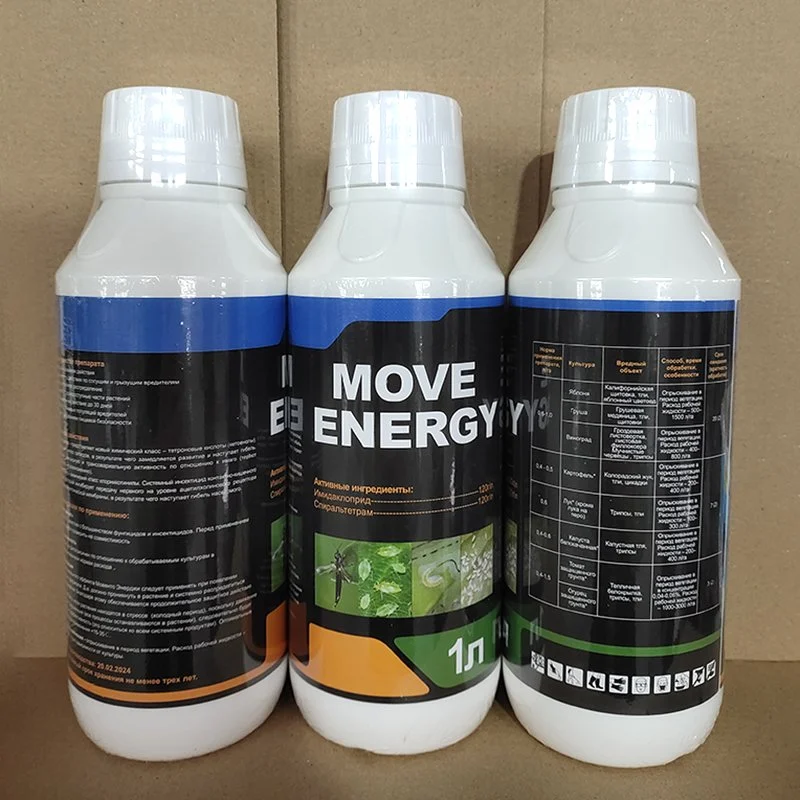
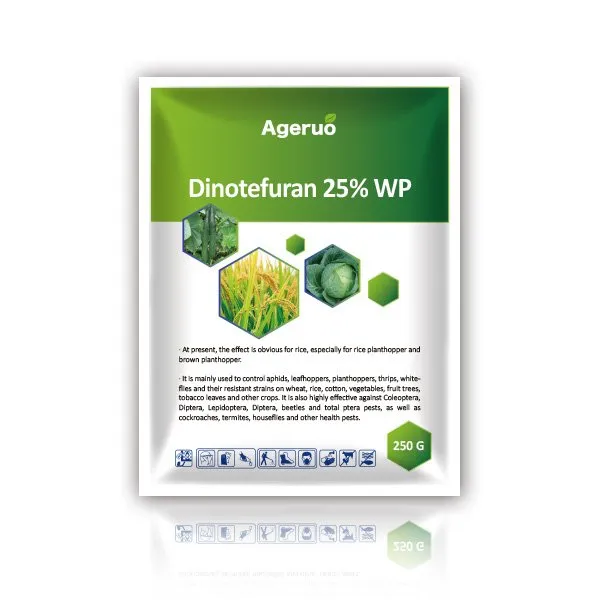
Sap-Feeding Pest Management
Sap-feeding pests such as aphids, whiteflies, leafhoppers, and selected thrips can differ significantly in crop preference, feeding site, life cycle, and resistance status.
Product selection should consider the target species, crop, pest stage, systemic or contact activity, application timing, mode of action, and local resistance situation.
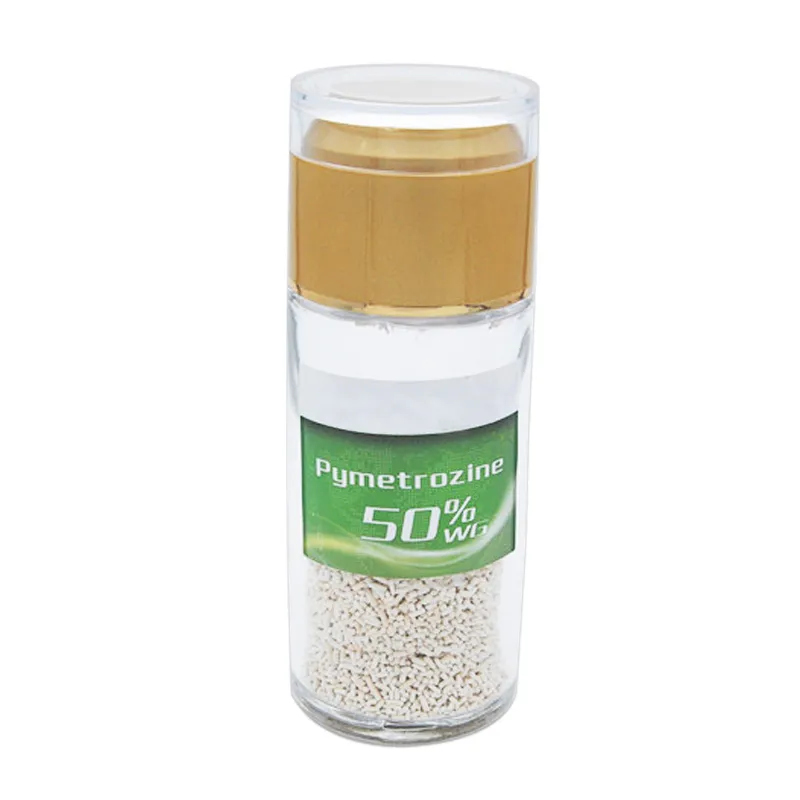
Different active-ingredient directions may be used depending on the approved crop-pest program and destination-market registration.

Lepidopteran Caterpillar Management
Armyworms, bollworms, loopers, diamondback moth larvae, and other lepidopteran pests can cause significant feeding damage during larval stages.
Product selection should consider the larval stage, feeding location, crop, pest pressure, application timing, active ingredient, IRAC group, and resistance status.
Early identification and appropriate timing can be important because pest exposure and feeding behavior may change as larvae develop.

Borer and Miner Management
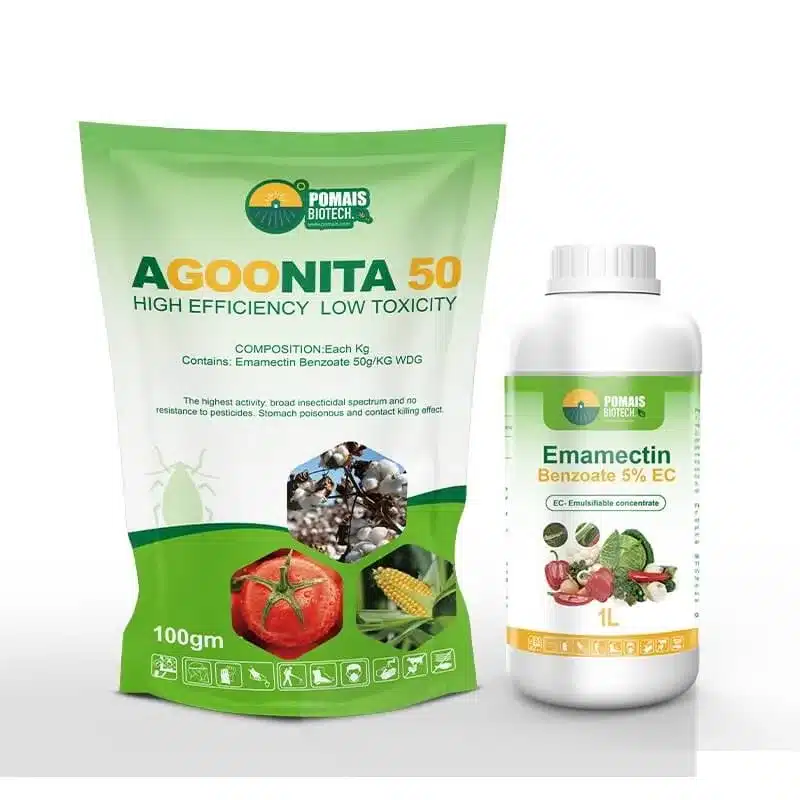
Borers and miners differ from exposed leaf-feeding pests because feeding may occur inside stems, leaves, shoots, or other plant tissues.
Product selection should consider the pest species, entry or feeding site, crop stage, pest exposure, application timing, active ingredient behavior, and local registration.
The treatment window can be especially important where larvae become less exposed after entering plant tissue.
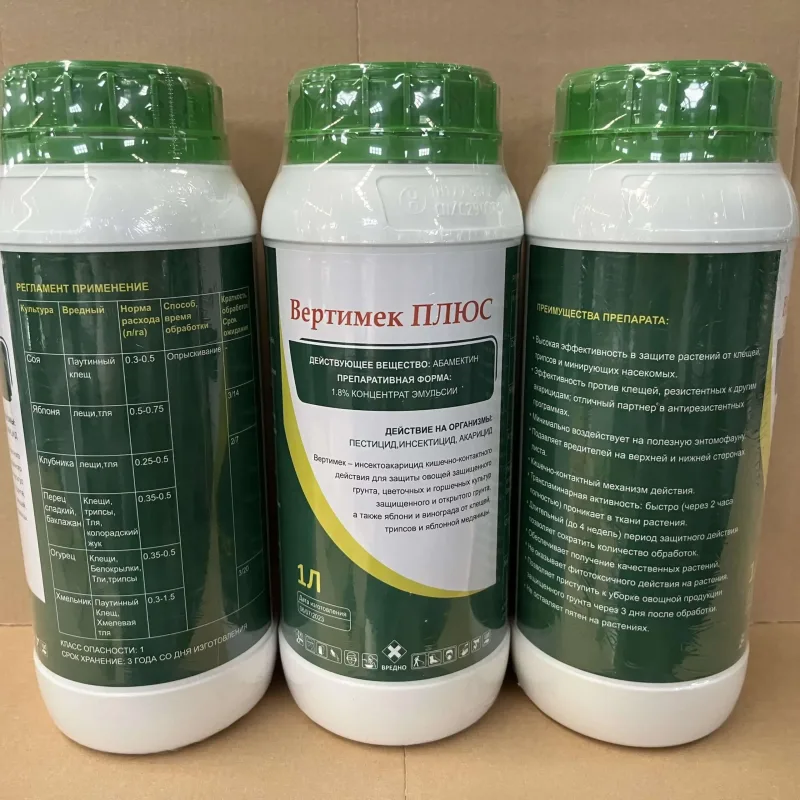
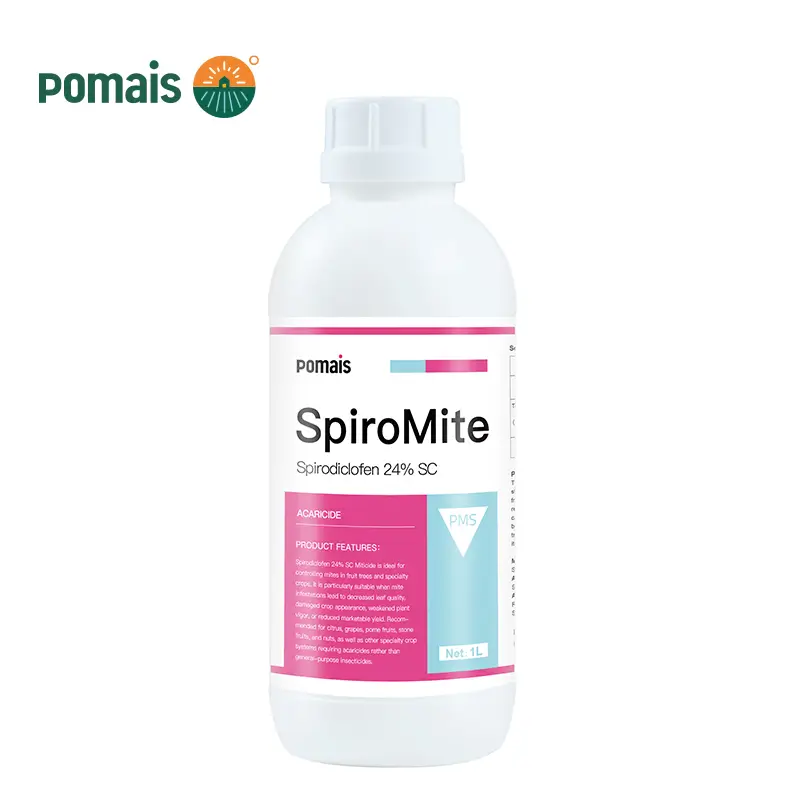
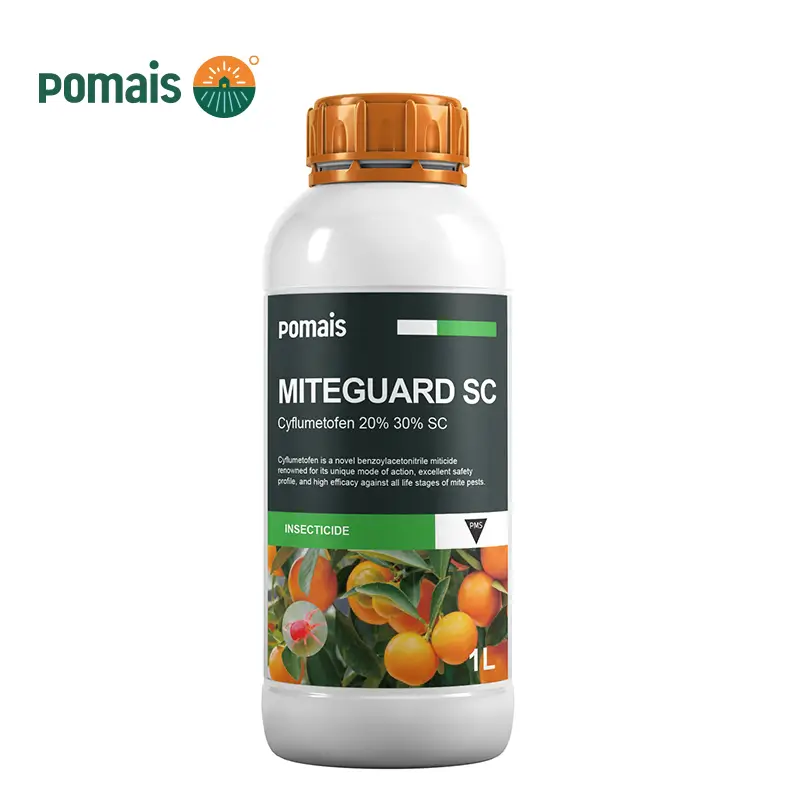
Mite Management Direction
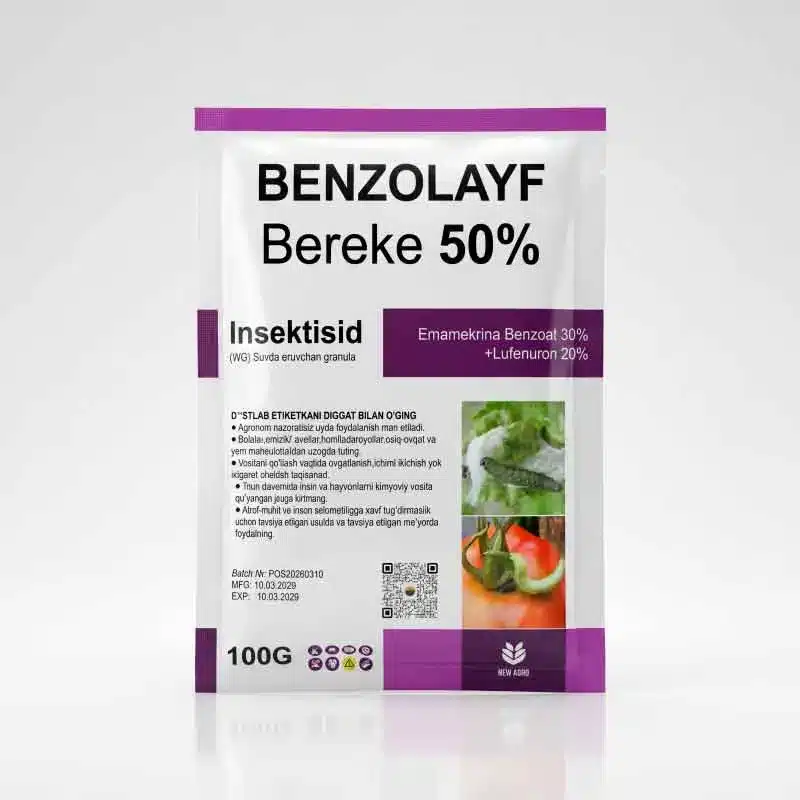
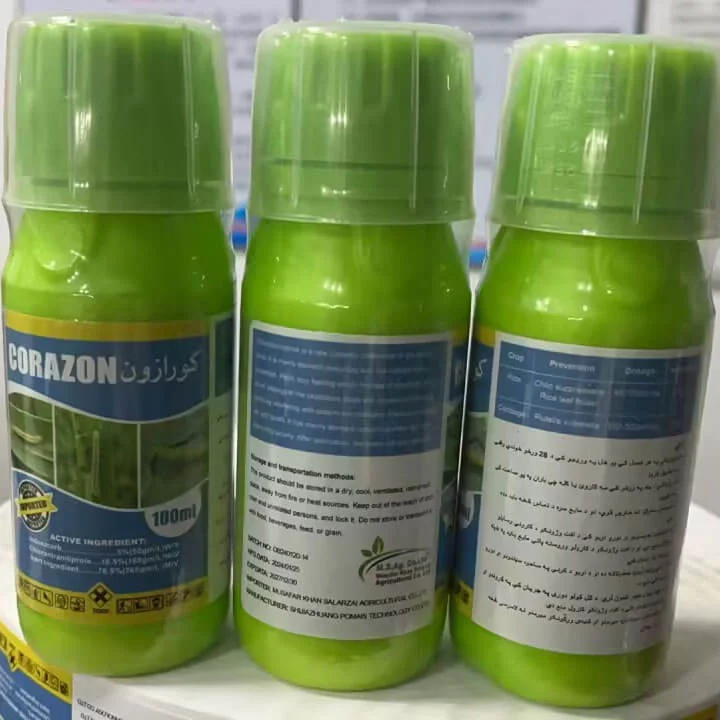
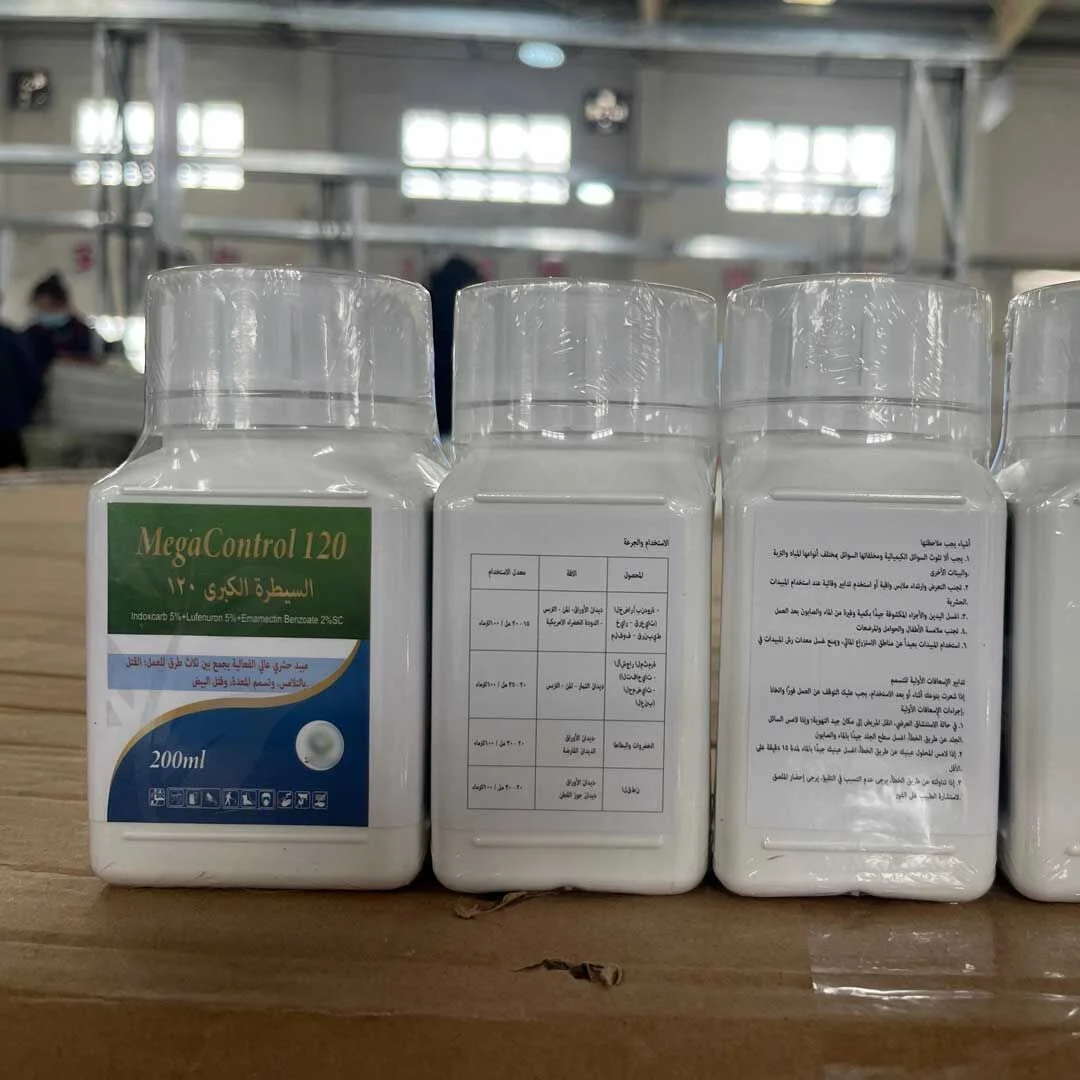
Mites are not insects, so mite-control programs should be evaluated separately from conventional insect pest management.
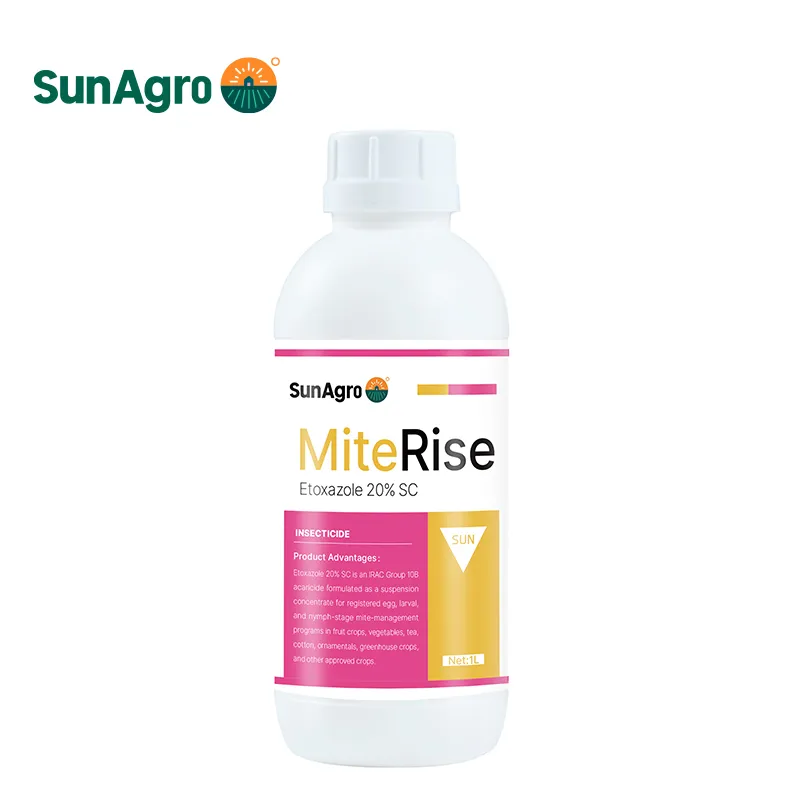
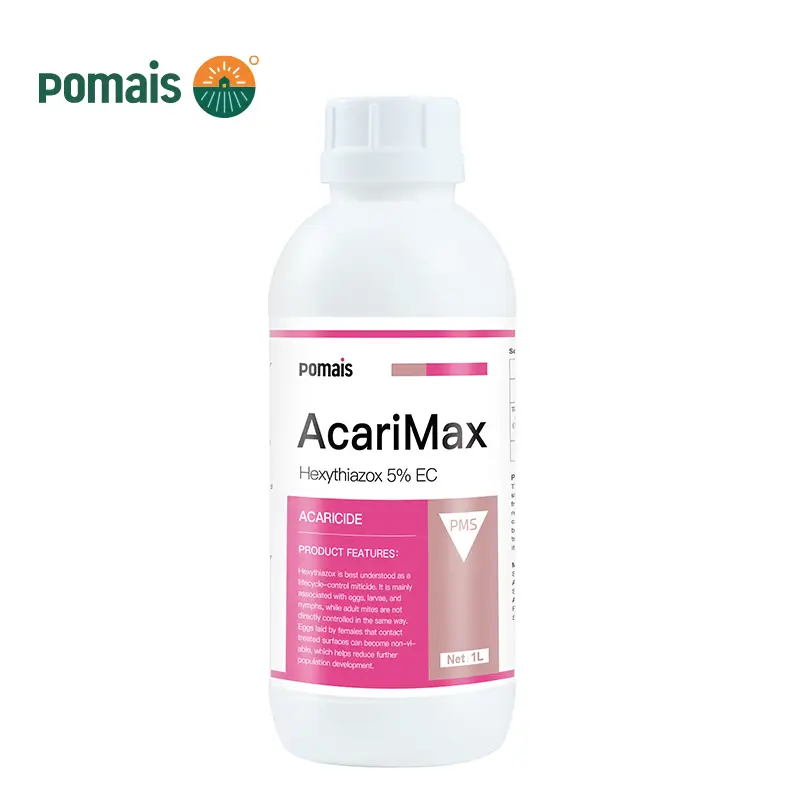
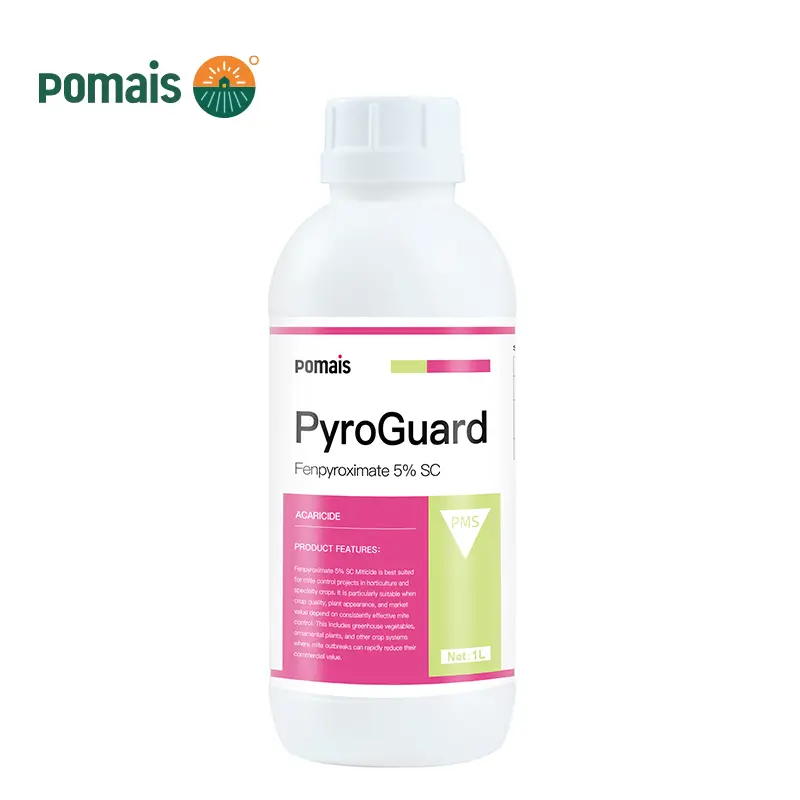
Product selection should consider the mite species, crop, population stage, egg/nymph/adult activity, acaricidal spectrum, application timing, resistance situation, and local registration.
Miticide products may differ in activity against specific life stages, so treatment programs should not assume equal performance against eggs, immature mites, and adults.

Soil and Root-Zone Insect Pest Management
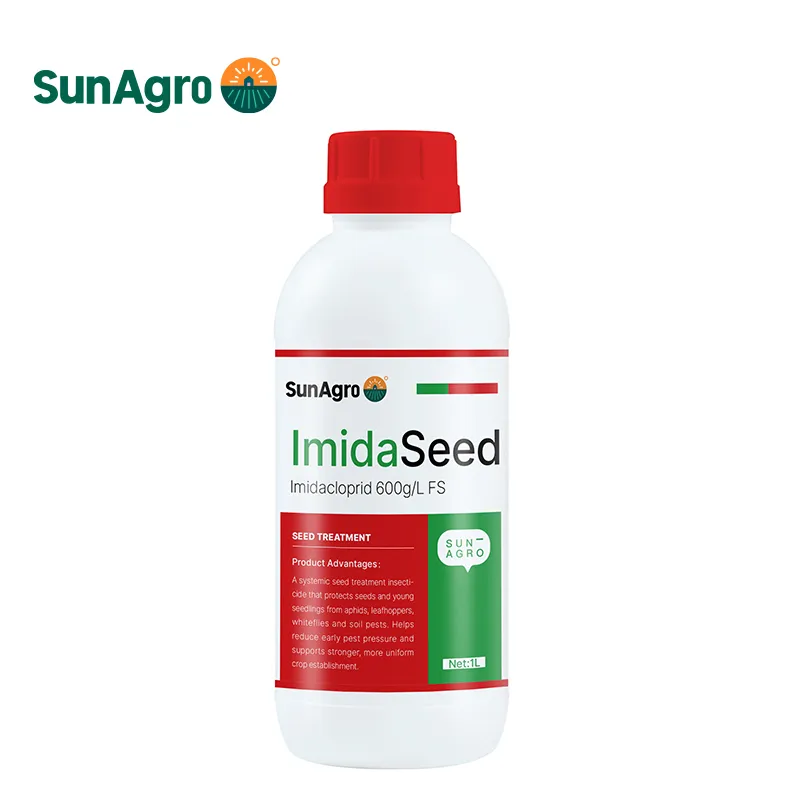
Soil insect pests such as wireworms, white grubs, root maggots, and other underground pests can damage roots, seeds, or young plants before symptoms are clearly visible above ground.
Product selection should consider the target pest, pest life stage, soil placement, crop, treatment timing, formulation, persistence requirements, application method, and local label.
Soil-applied pest-control products should be selected according to the registered crop and application system rather than by active ingredient alone.
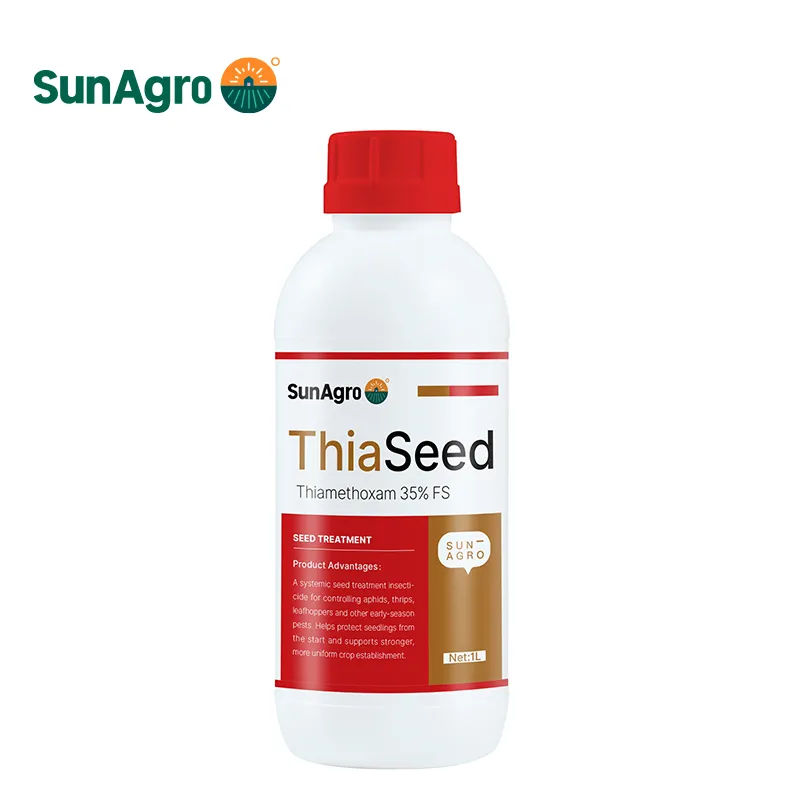
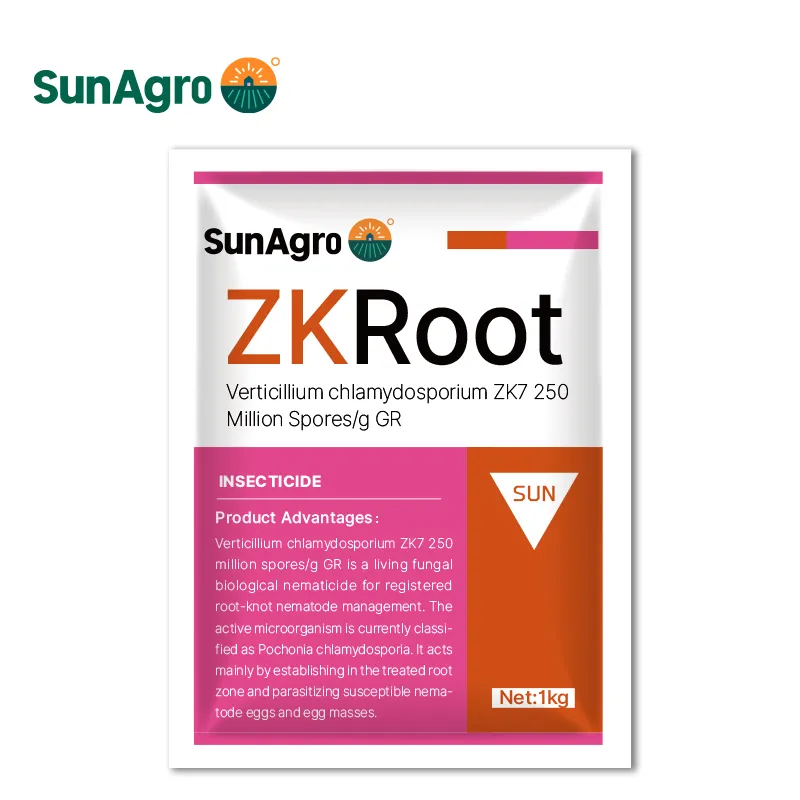
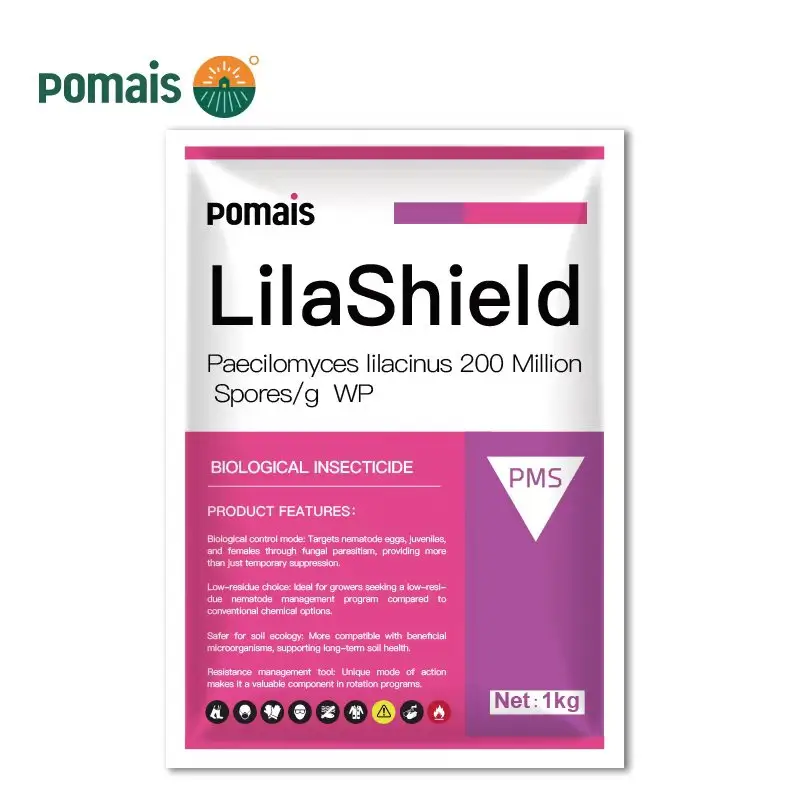
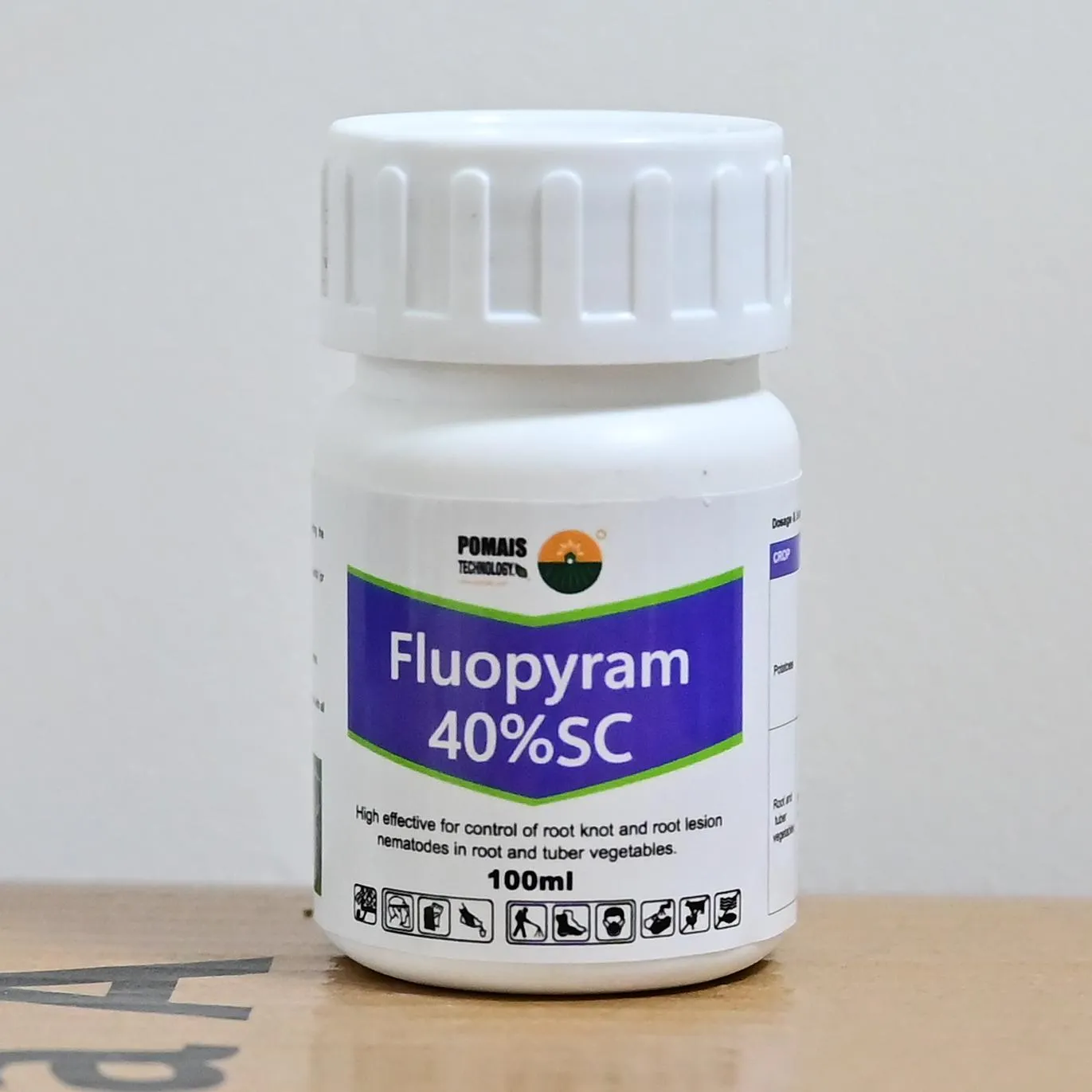
Plant-Parasitic Nematode Management
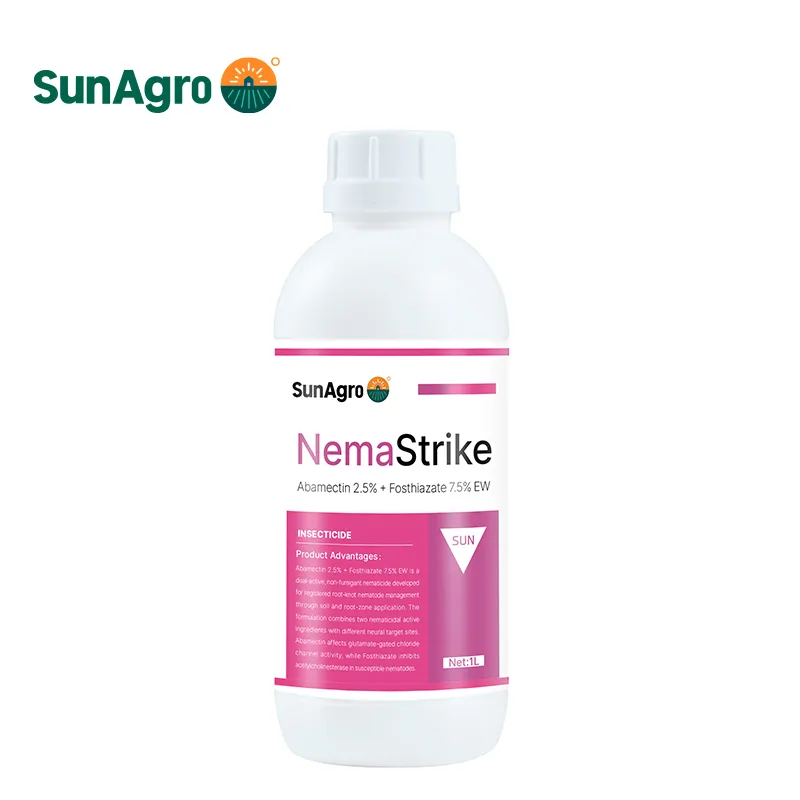
Plant-parasitic nematodes are not insects and require a separate product-selection approach.
Nematode-management programs should consider the nematode species, crop, soil or root-zone distribution, pest pressure, product type, application timing, formulation, and local registration.
Available directions may include chemical nematicides and selected biological products depending on the crop, target nematode, commercial specification, and destination market.
Formulation and Application Fit
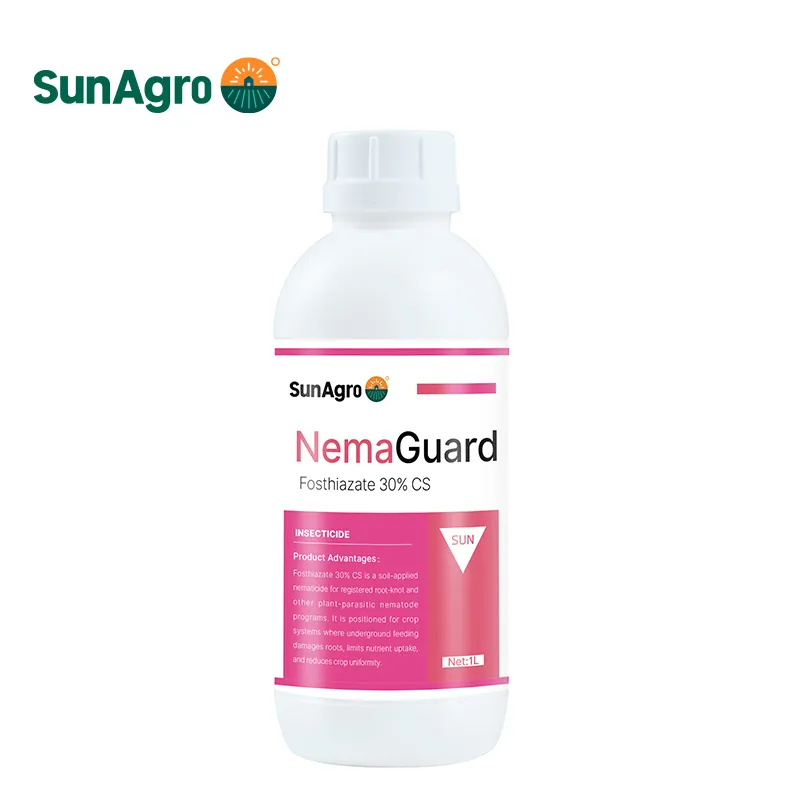
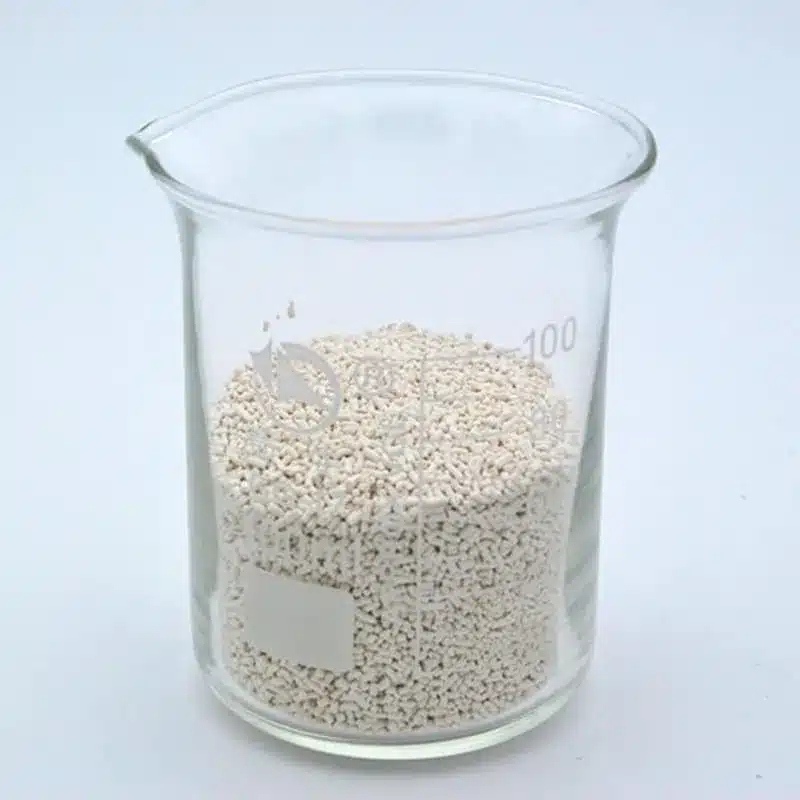
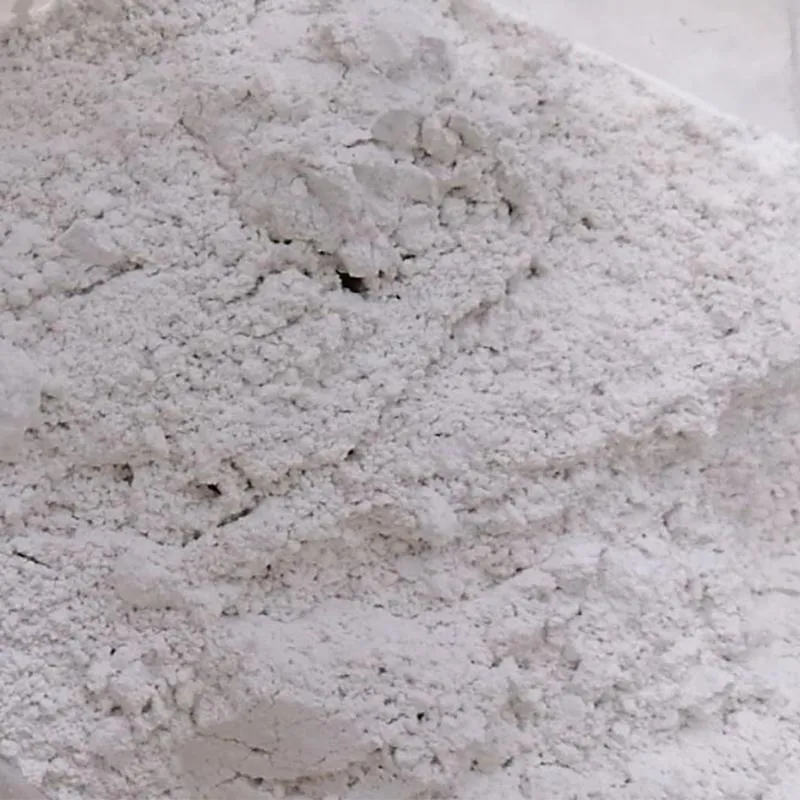
Formulation type should be selected according to the active ingredient, target pest, crop, pest location, application equipment, formulation stability, environmental conditions, packaging requirements, and local market preference.
Different formulation types can support different commercial application systems, but formulation alone does not determine efficacy, speed of action, systemic behavior, or safety.
For detailed formulation and product options, explore the POMAIS insecticide portfolio.

SC

EC
WDG/WG
WP

CS / Other
Featured Crop Pest Control Products
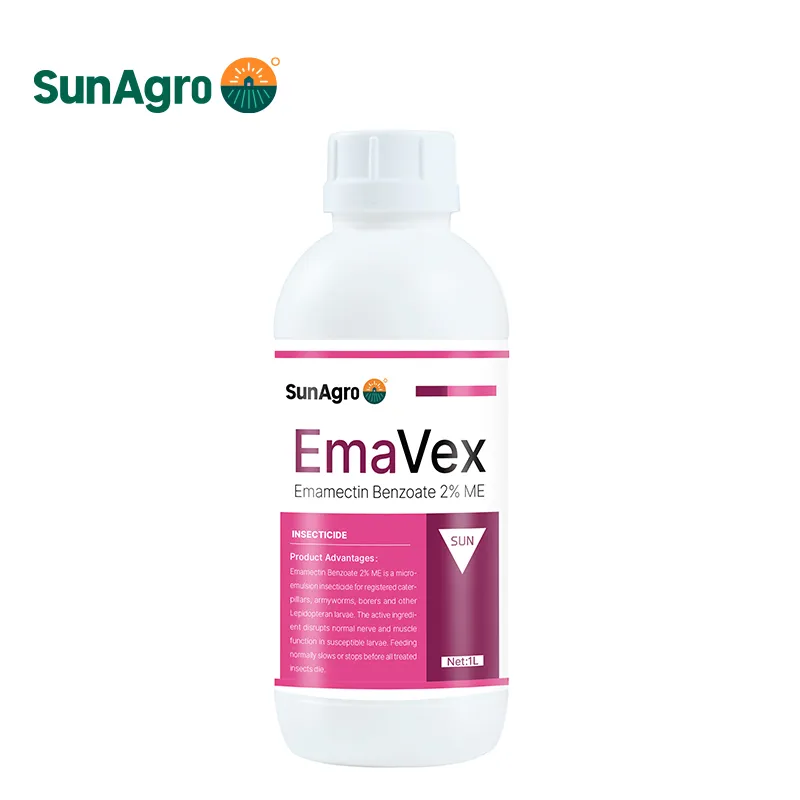
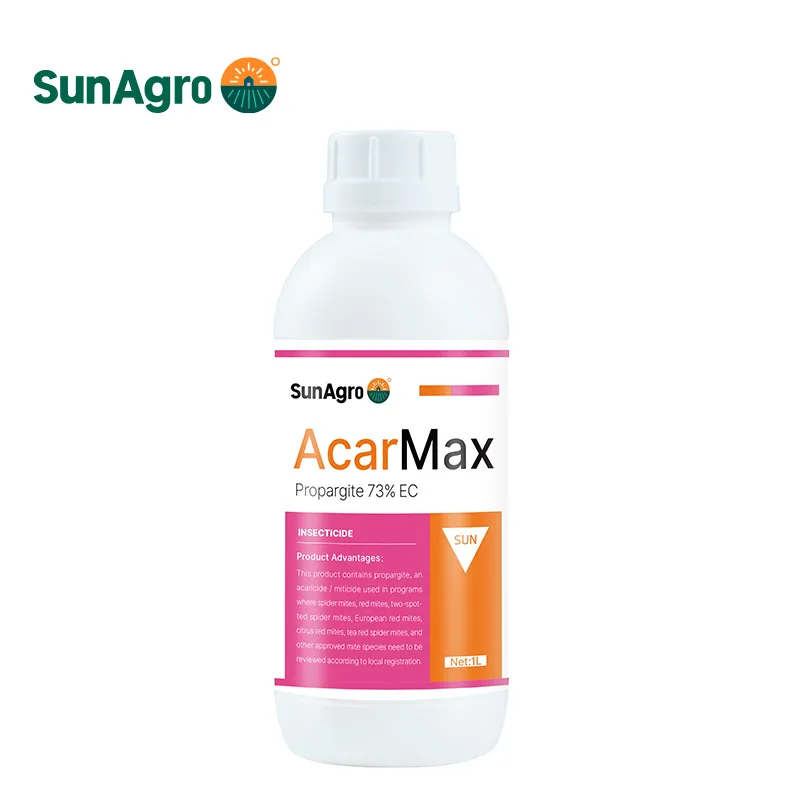
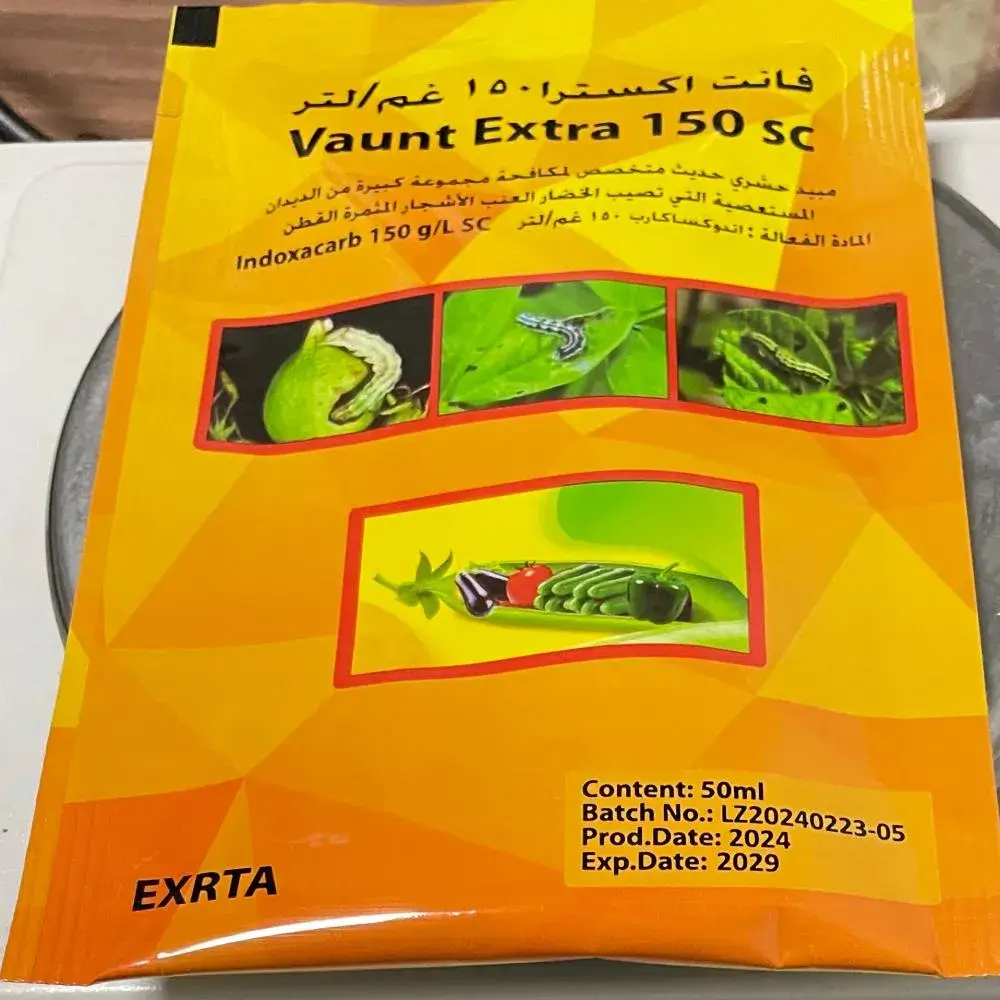
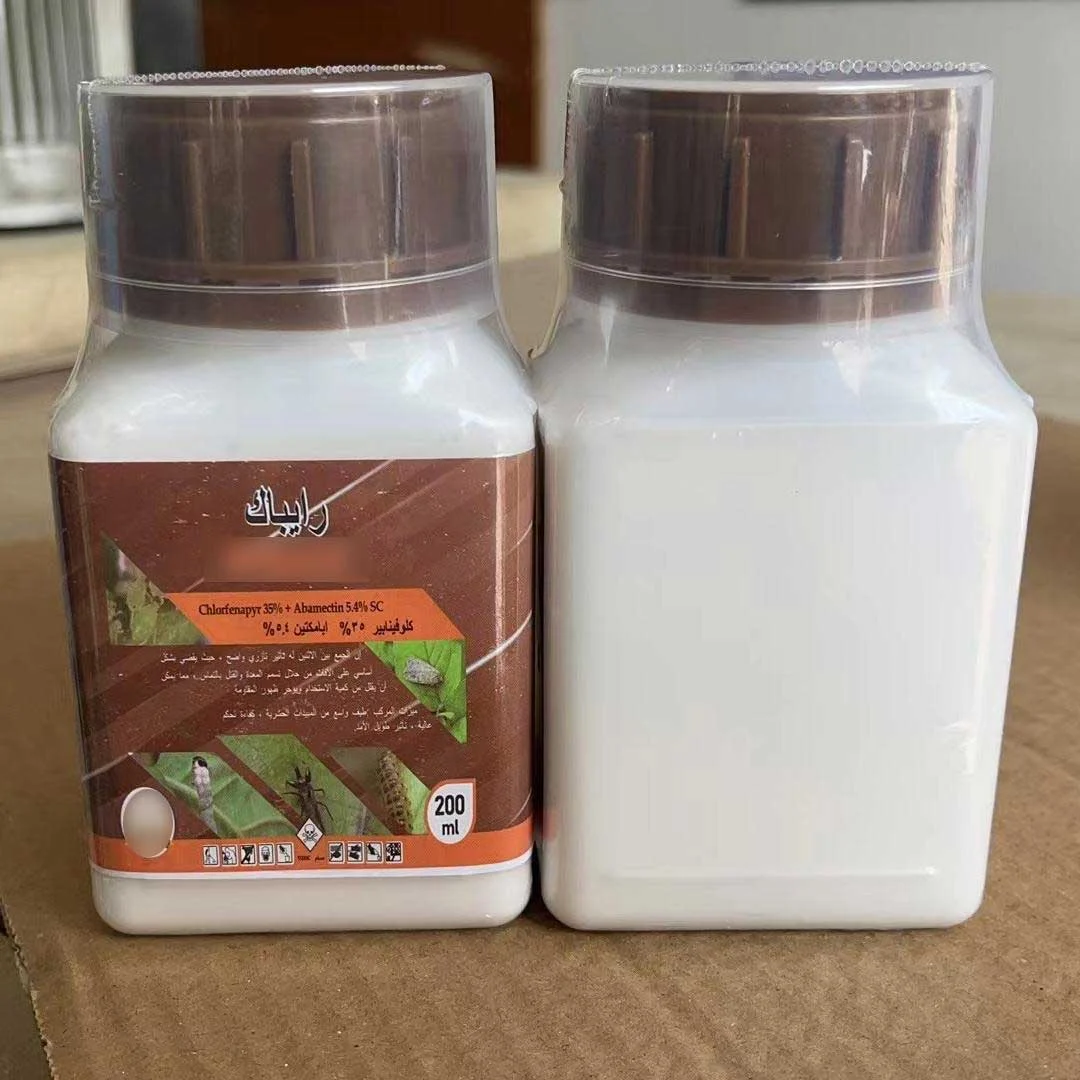
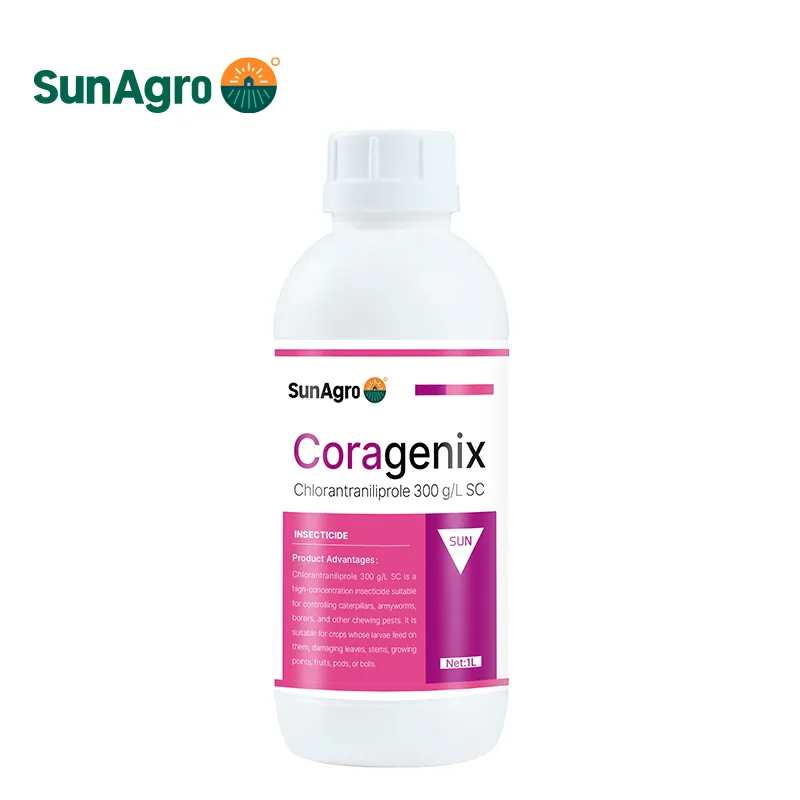
Explore selected products representing different crop pest-management directions across sucking pests, caterpillars, borers, mites, soil pests, and nematodes.
For the complete product portfolio, browse the relevant insecticide, miticide, or nematicide category.