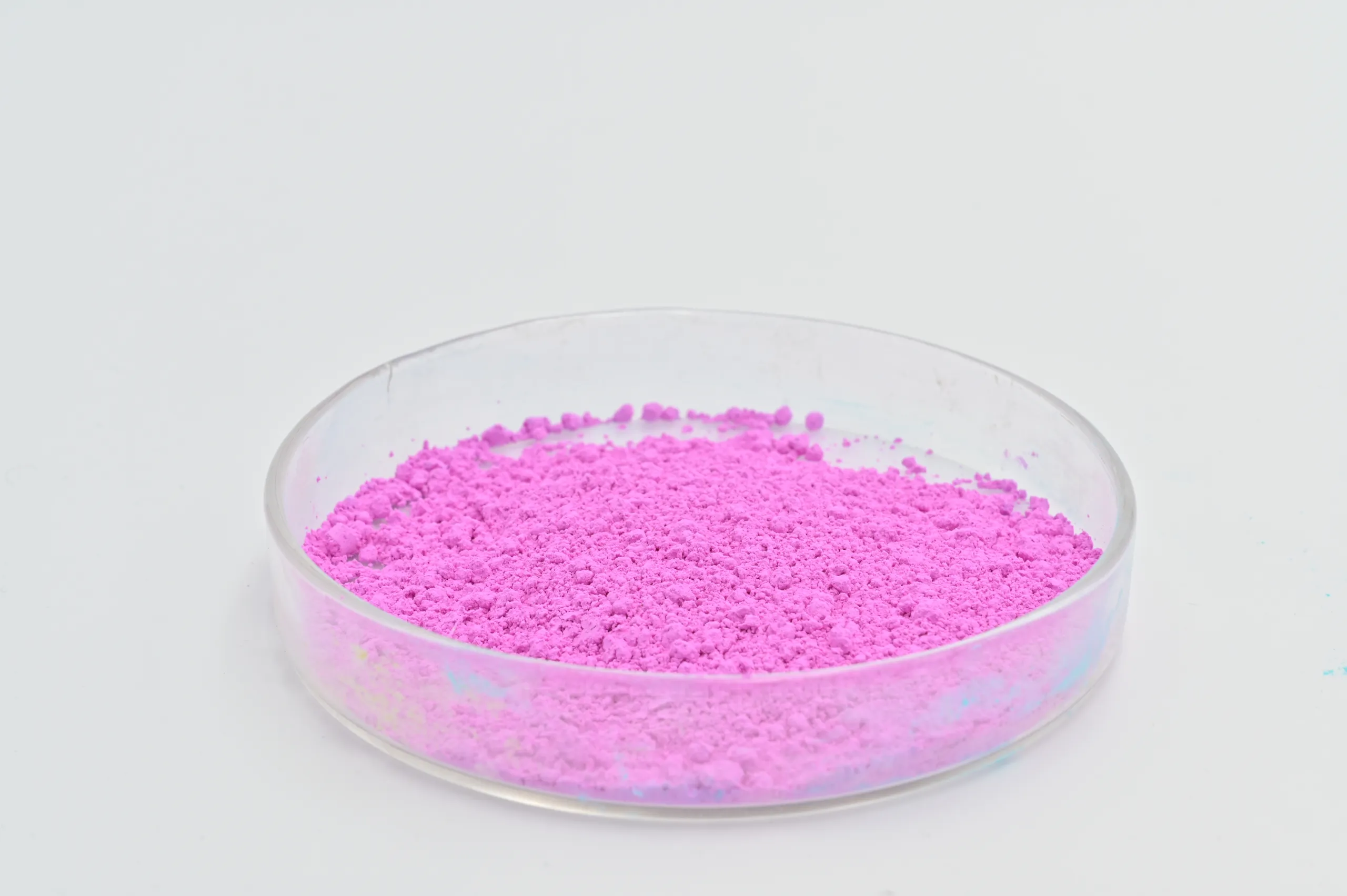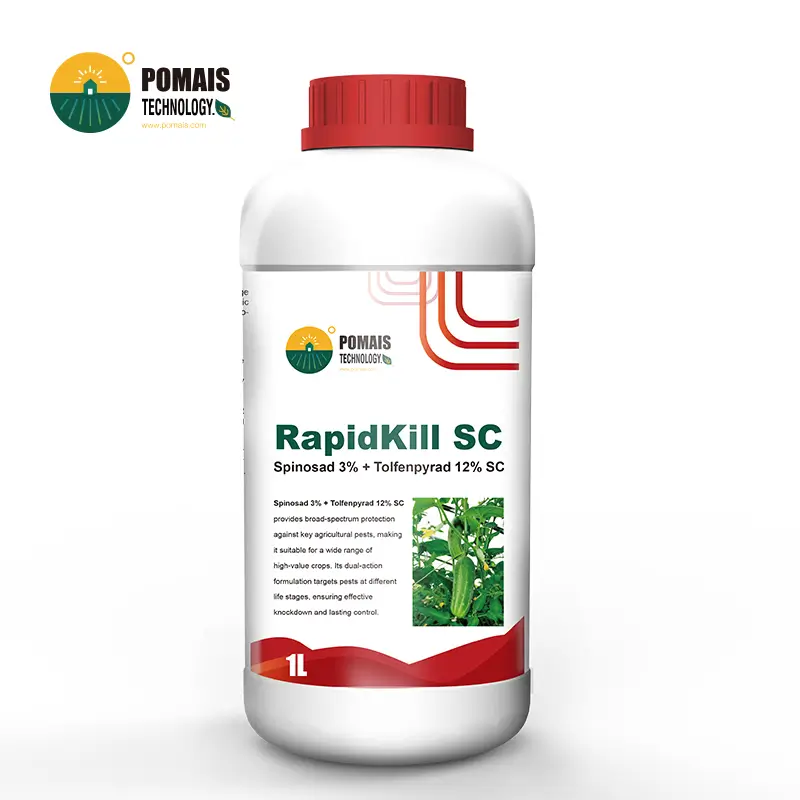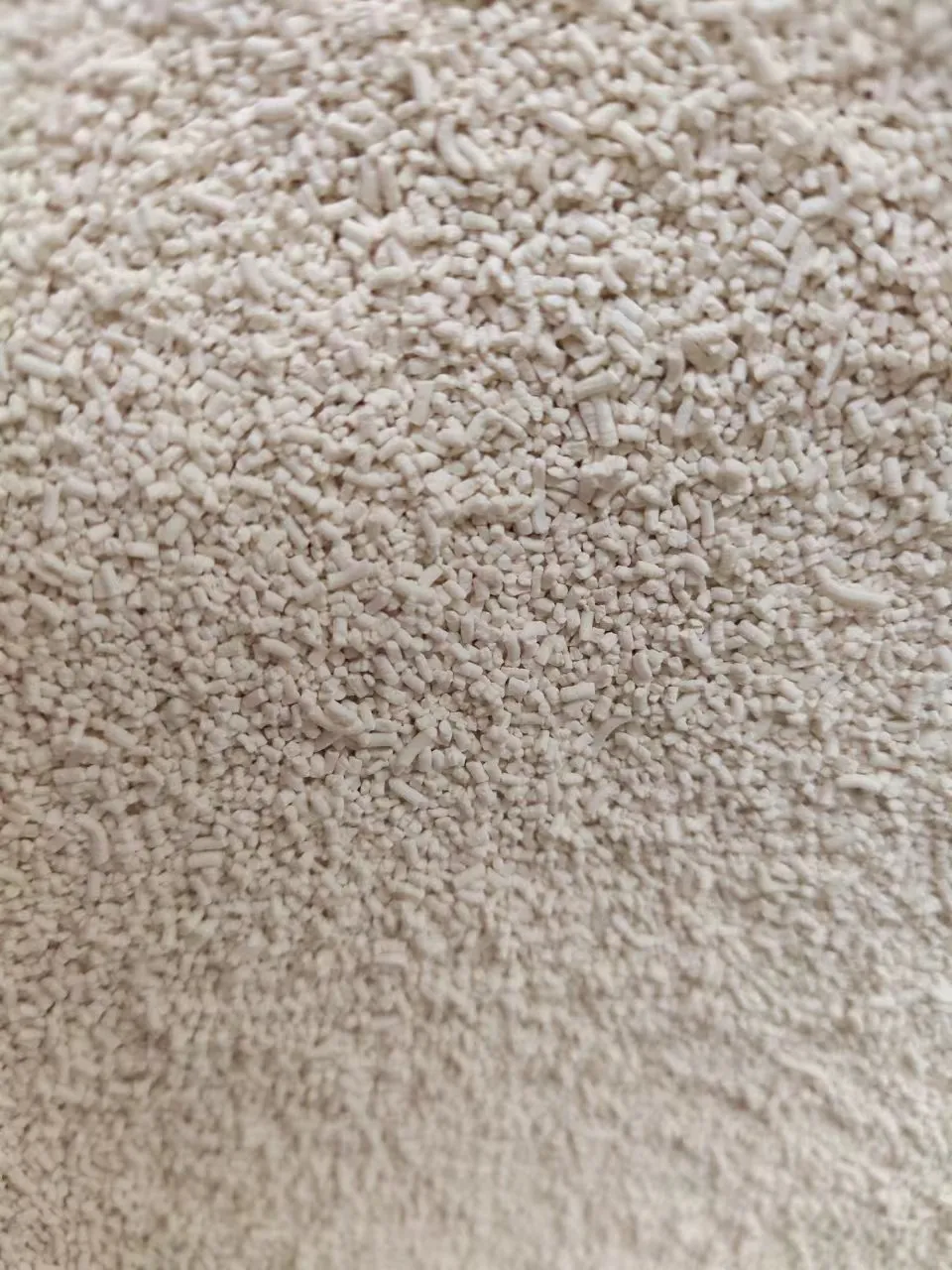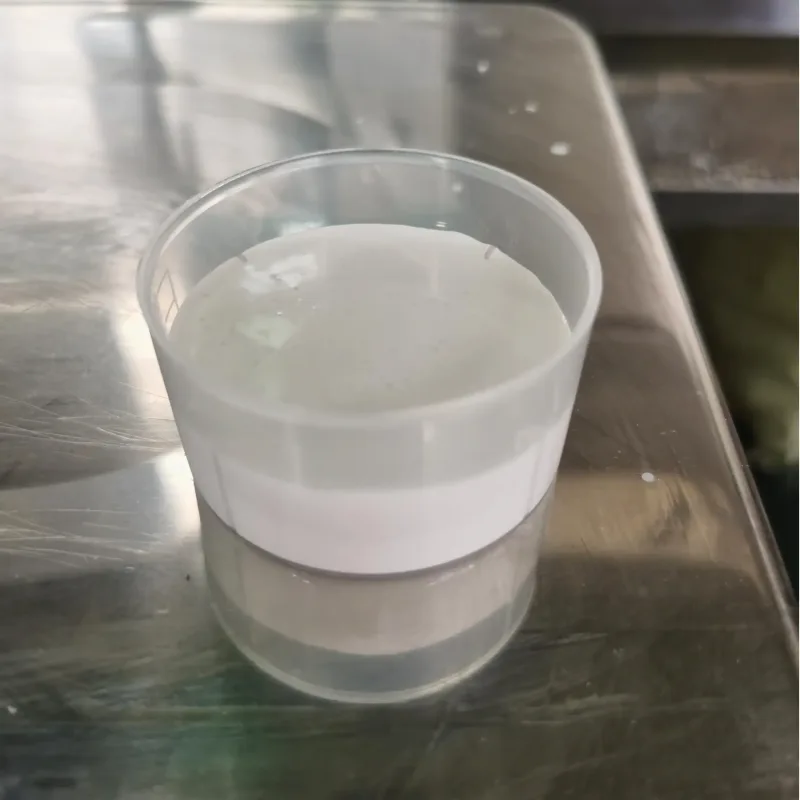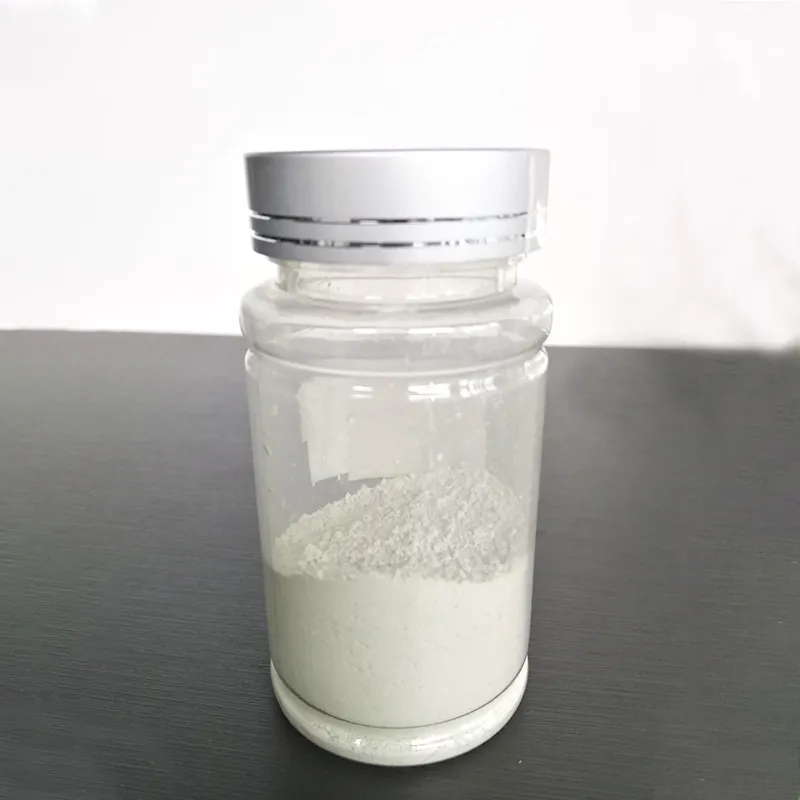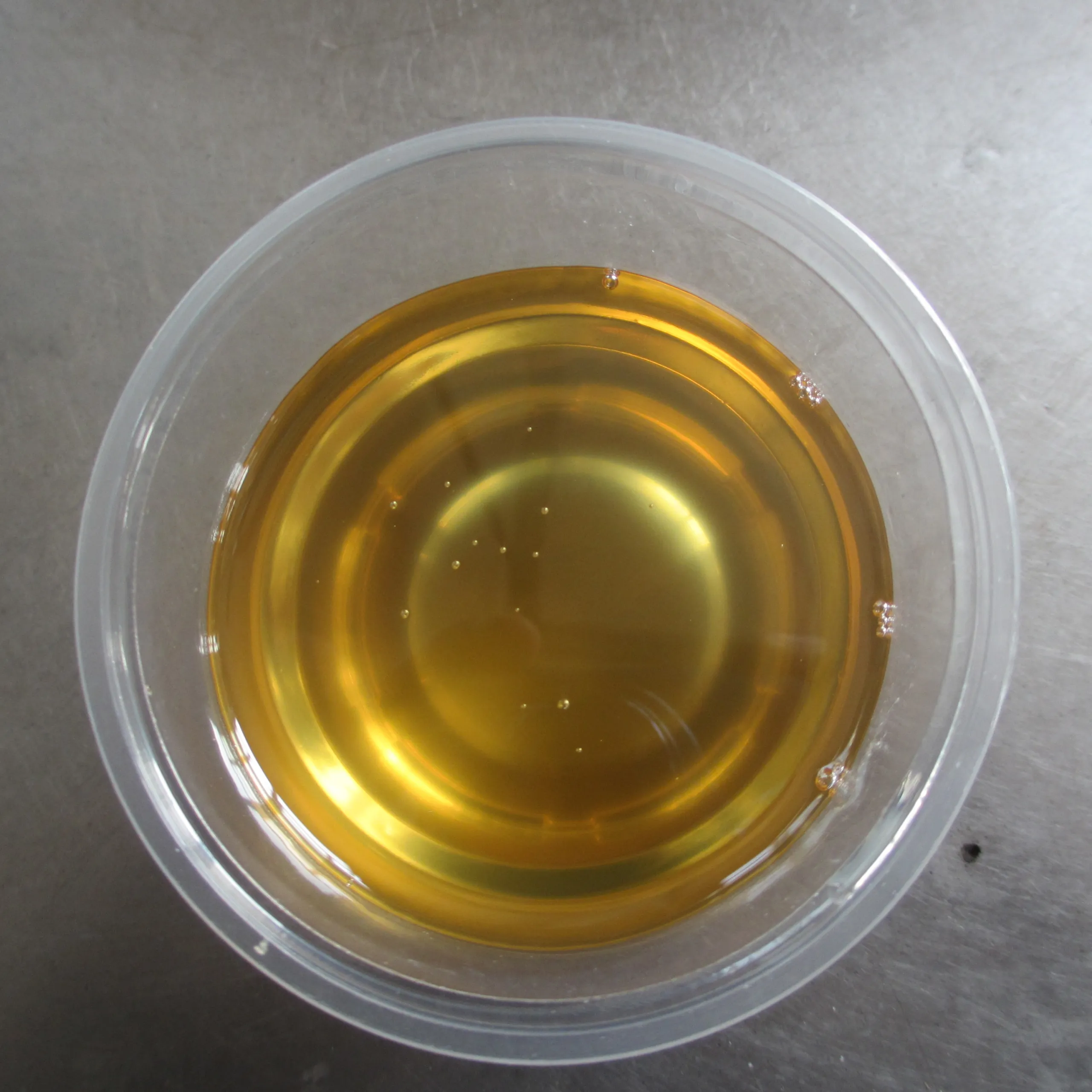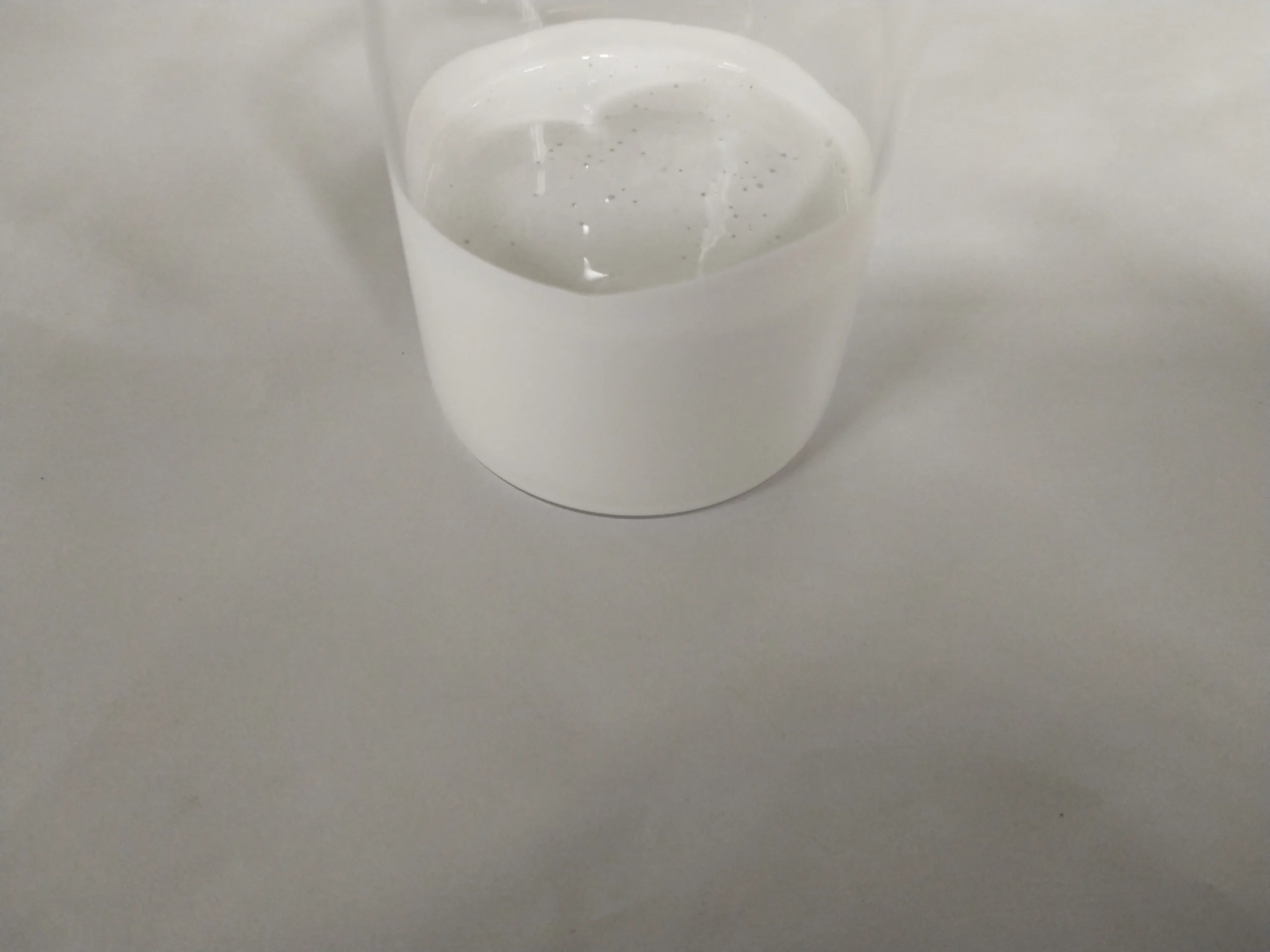


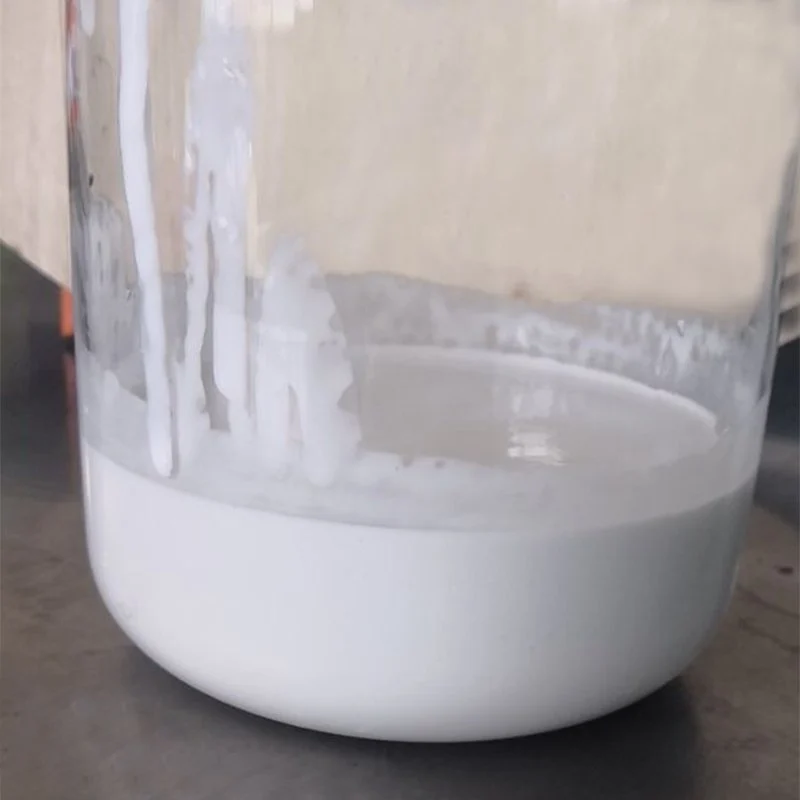
Spinosad Insecticide 240/480 g/L SC and 95% TC
Spinosad is a fermentation-derived spinosyn insecticide used in professional crop-protection programs against selected caterpillars, thrips, leafminers, and other registered insect pests.
POMAIS supplies Spinosad 240 g/L SC, 480 g/L SC, and 95% TC for agricultural importers, distributors, registration companies, and private-label pesticide brands.
Spinosad belongs to IRAC Group 5 and works through a distinctive nicotinic acetylcholine receptor pathway. It has both contact and ingestion activity, but it should not be positioned as a conventional systemic insecticide.
The three commercial specifications serve different purposes:
- 240 g/L SC and 480 g/L SC are formulated liquid insecticides for registered end-use markets.
- 95% TC is technical material intended for formulation and registration projects rather than direct field application.
- Designed for Professional Buyers & Bulk Orders
- We support custom packaging, labeling, and formulation to meet your market needs.
- Export wholesale inquiries only.
- Please include destination country, business type (importer/distributor/registrant), and expected volume.
- Retail requests will not be processed.

About Spinosad Insecticide 240/480 g/L SC and 95% TC
| Attribute | Product Information |
|---|---|
| Active Ingredient | Spinosad |
| Active Components | Spinosyn A + Spinosyn D |
| Insecticide Class | Spinosyn |
| IRAC Group | 5 |
| Mode of Action | Nicotinic acetylcholine receptor allosteric modulation |
| Activity | Contact + ingestion |
| Systemicity | Non-systemic |
| Formulations | 240 g/L SC, 480 g/L SC, 95% TC |
| Core Pest Position | Lepidopteran larvae, thrips, leafminers and selected registered pests |
| Main Market | Agriculture and horticulture |
| 95% TC Role | Formulation and registration projects |
| SC Role | Registered formulated end-use products |
| Documentation | COA, SDS/MSDS, TDS |
| OEM / Private Label | Available |
| Packaging | Market-specific |
Exact crops, pests, application rates, PHIs, intervals, and use restrictions depend on the registered formulation and destination-market label.
What Is Spinosad?
Spinosad is a naturally derived insecticidal active produced through fermentation associated with Saccharopolyspora spinosa.
The active ingredient is composed mainly of two related spinosyn compounds:
- Spinosyn A
- Spinosyn D
This is important because Spinosad should be treated as a defined spinosyn insecticide rather than a generic “natural pesticide.”
Its commercial value comes from a combination of:
- Distinctive IRAC Group 5 activity
- Contact and stomach action
- Strong positioning against selected larval pests
- Important thrips and leafminer uses
- Compatibility with many IPM strategies where registered
Natural origin does not mean the final formulation is automatically harmless, organic-certified, or safe for every beneficial organism.
How Does Spinosad Work?
Spinosad belongs to IRAC Group 5: nicotinic acetylcholine receptor allosteric modulators – Site I.
IRAC Group 5 Activity
Spinosad acts on the insect nervous system through a binding interaction distinct from conventional neonicotinoids.
Susceptible insects can develop:
- Nervous-system hyperexcitation
- Loss of coordinated movement
- Paralysis
- Death
This distinct mode of action also makes Spinosad valuable in resistance-management programs when it is rotated appropriately with effective insecticides from different IRAC groups.
Contact Activity
Insects can be affected through direct exposure to treated surfaces or spray deposits.
This means coverage remains important, especially for pests living on:
- Leaf surfaces
- New growth
- Flowers
- Protected plant structures
Ingestion Activity
Spinosad is particularly important against actively feeding insects.
When susceptible larvae or other pests consume treated plant tissue, ingestion can contribute strongly to control.
This is one reason Spinosad is well positioned against many caterpillar and leaf-feeding pest programs.
Is Spinosad Systemic?
Spinosad should generally be treated as a non-systemic insecticide.
It should not be marketed as if it moves through the plant like conventional systemic insecticides such as certain neonicotinoids.
Performance depends primarily on:
- Exposure
- Coverage
- Feeding
- Pest stage
- Application timing
Which Pests Does Spinosad Control?
Spinosad has a broad registered portfolio in different markets, but not every insect group should be treated as an equally strong target.
| Pest Group | Typical Position |
|---|---|
| Lepidopteran larvae | Core target |
| Thrips | Core target in many crop programs |
| Leafminers | Important registered target |
| Selected beetles | Crop- and label-specific |
| Fruit flies | Use- and formulation-specific |
| Selected other chewing insects | Registration-specific |
| Aphids | Not a core first-choice target |
| Spider mites | Variable and product-specific |
| Mosquito larvae | Separate registered public-health formulations |
| Ants | Requires appropriate registered bait or use system |
For broader pest-management planning, see our Pest Solutions.
Spinosad for Caterpillars and Lepidopteran Larvae
Lepidopteran larvae are among the strongest commercial targets for Spinosad.
Depending on crop and local registration, target groups may include:
- Armyworms
- Loopers
- Cutworms
- Leafrollers
- Fruit-boring larvae
- Other registered caterpillar pests
Spinosad is particularly useful when larvae are:
- Young
- Actively feeding
- Exposed to treated foliage
Waiting until larvae are large and crop damage is already severe can reduce the practical value of any insecticide program.
Does Spinosad Control Thrips?
Thrips are an important Spinosad target in many horticultural programs.
Successful control depends on more than active ingredient selection because thrips can occupy protected feeding sites such as:
- Flowers
- Buds
- Folded leaves
- Growing points
Coverage and treatment timing are therefore important.
For a more focused discussion, see Does Spinosad Kill Thrips?.
Does Spinosad Control Leafminers?
Spinosad can be an important tool against selected leafminer species where registered.
Because leafminer larvae feed within plant tissue, treatment timing is important.
Applications should be aligned with:
- Adult activity
- Egg hatch
- Early larval development
- Local scouting thresholds
Do not assume the same timing works for every leafminer species.
Does Spinosad Control Aphids?
Spinosad should not be positioned as a primary aphid insecticide.
Activity can vary, and other insecticide groups are often more appropriate for heavy aphid infestations.
This is important for distributors because a broad statement such as:
controls sucking insects
creates unrealistic market expectations.
Spinosad is better positioned around its strongest pest groups rather than presented as a universal insecticide.
Does Spinosad Control Spider Mites?
Spinosad should not be marketed as a general-purpose miticide.
Some registered uses may include selected mite situations, but performance can be variable.
For a more specific discussion, see Does Spinosad Kill Spider Mites?.
If mites are the main commercial target, a dedicated acaricide program may be more appropriate.
Which Crops and Production Systems Use Spinosad?
Spinosad products can fit a wide range of agricultural and horticultural markets depending on local registration.
Typical production systems may include:
- Brassicas
- Fruiting vegetables
- Cucurbits
- Leafy vegetables
- Legumes
- Citrus
- Pome fruits
- Stone fruits
- Berries
- Grapes
- Ornamentals
- Greenhouse crops
- Protected horticulture
The exact crop list should always come from the registered 240 g/L SC or 480 g/L SC label.
Do not transfer crop claims automatically from one Spinosad formulation or concentration to another.
When Does Spinosad Fit Best in a Pest-Control Program?
Spinosad usually performs best as part of a planned insect-management program rather than as a late rescue product after pest populations have already become overwhelming.
Target Early and Actively Feeding Stages
Young larvae and actively feeding stages are generally strong targets.
Early intervention can help reduce:
- Crop feeding
- Population growth
- Later-stage larvae
- Secondary crop damage
Coverage Matters
Because Spinosad is not a conventional systemic insecticide, spray placement matters.
Good coverage can be especially important in:
- Dense crop canopies
- Greenhouse crops
- Fruit clusters
- Flowers
- Leaf undersides
Do Not Judge Only by Immediate Knockdown
Spinosad should not always be evaluated by asking:
How many insects fell off the plant in the first hour?
Nervous-system disruption and feeding effects can develop before every insect is visibly dead.
Final control depends on:
- Pest species
- Pest stage
- Exposure
- Coverage
- Weather
- Product formulation
- Registered rate
Repeat Treatments Are Label-Specific
Do not use one universal spray interval.
Repeat application should follow:
- Exact registered label
- Pest generation
- Crop
- Pest pressure
- Resistance-management plan
- Maximum seasonal use
Spinosad 240 g/L SC vs 480 g/L SC
Higher concentration does not automatically mean better field performance.
The correct comparison is based on the full registered program.
| Buyer Factor | 240 g/L SC | 480 g/L SC |
|---|---|---|
| Active Content | 240 g/L | 480 g/L |
| Formulation | Suspension Concentrate | Suspension Concentrate |
| Concentration Position | Lower concentration | Higher concentration |
| Use Rate | Label-specific | Label-specific |
| Field Performance | Depends on registered dose and program | Depends on registered dose and program |
| Shipping Volume per Unit Active | Higher | Lower |
| SC QC Requirements | Important | Important |
| Registration Fit | Market-specific | Market-specific |
| Treatment Economics | Calculate from labeled use | Calculate from labeled use |
Is 480 g/L SC Better Than 240 g/L SC?
Not automatically.
A fair comparison should consider:
registered use rate × active concentration × number of applications × formulation performance × cost per treated hectare
A 480 g/L SC may reduce product volume per unit of active ingredient, but that does not automatically mean:
- Better biological efficacy
- Longer residual activity
- Faster control
- Better crop safety
Registration and field performance data remain more important than concentration alone.
Why Choose 240 g/L SC?
Possible reasons include:
- Existing registration
- Distributor familiarity
- Market demand
- Label architecture
- Treatment economics
- Local formulation preference
Why Choose 480 g/L SC?
Possible reasons include:
- Higher concentration
- Lower shipment volume per unit active
- Existing registration
- Different commercial pack-size strategy
- Local market demand
The better specification is the one that matches the destination market.
What Is Spinosad 95% TC Used For?
Spinosad 95% TC is a technical material.
It is intended primarily for:
- Formulation projects
- Registration projects
- Local manufacturing
- Private-label formulation development
Spinosad 95% TC should not be positioned as a ready-to-apply field pesticide.
Professional TC buyers should evaluate:
- Spinosad assay
- Spinosyn A/D specification
- Moisture
- Appearance
- Relevant impurity limits
- Batch consistency
- Formulation suitability
- Packaging
- Storage
- Registration documentation
The technical material specification should match the downstream formulation and destination-market dossier.
Spinosad Resistance Management
Spinosad belongs to IRAC Group 5.
Repeated exposure of pest populations to Group 5 can increase resistance selection pressure.
A stronger resistance-management program includes:
- Correct pest identification
- Scouting
- Treatment at susceptible life stages
- Effective labeled rates
- Rotation between effective IRAC groups
- Limiting repeated exposure across consecutive pest generations
- Combining chemical and nonchemical IPM tools
Is Spinetoram a Different Rotation Group?
No.
Spinetoram is also an IRAC Group 5 spinosyn insecticide.
Therefore:
Spinosad → Spinetoram is not a rotation to a different numbered IRAC group.
This is an important distinction for professional resistance management.
Changing the product name does not necessarily change the mode of action.
Why SC Formulation Quality Matters
SC means Suspension Concentrate.
A stable Spinosad SC formulation must maintain fine active particles in a consistent liquid suspension through:
- Manufacturing
- Filling
- International shipping
- Warehouse storage
- Dilution
- Field application
Poor SC physical stability can create:
- Heavy sediment
- Hard settling
- Uneven active concentration
- Difficult redispersion
- Blocked filters or nozzles
- Field inconsistency
Important quality parameters can include:
- Active content
- Appearance
- pH
- Suspensibility
- Wet sieve
- Particle-size distribution
- Pourability
- Redispersibility
- Low-temperature stability
- Accelerated storage stability
- Packaging compatibility
Final specifications should come from the actual product TDS and registration dossier.
Quality Control for Spinosad 240/480 g/L SC
Professional buyers should evaluate measurable formulation parameters.
| QC Item | Buyer Concern |
|---|---|
| Active content | Confirms product strength |
| Appearance | Detects physical abnormalities |
| pH | Supports formulation stability |
| Suspensibility | Helps ensure spray-mixture uniformity |
| Wet sieve | Controls oversized particles |
| Particle size | Influences sedimentation and stability |
| Pourability | Supports practical handling |
| Redispersibility | Reduces hard-settlement risk |
| Low-temperature stability | Important for export storage |
| Accelerated storage stability | Supports shelf-life assessment |
| Packaging compatibility | Reduces leakage and deformation risk |
POMAIS can provide batch-specific COA according to the agreed product specification.
Quality Control for Spinosad 95% TC
Technical material requires a different QC focus.
Depending on the specification, key parameters may include:
- Spinosad assay
- Spinosyn A/D composition
- Appearance
- Moisture
- Relevant impurity specification
- Batch consistency
TC buyers should confirm these requirements before placing commercial orders because downstream formulation quality depends on technical-material consistency.
Pollinator and Beneficial-Insect Considerations
Spinosad should not be marketed as automatically safe for bees simply because it is fermentation-derived.
Direct exposure to spray or residues on flowering vegetation can create significant pollinator risk.
Professional programs should consider:
- Crop flowering stage
- Weed bloom
- Application timing
- Pollinator activity
- Residue exposure
- Local label restrictions
The correct principle is:
botanical or fermentation-derived origin does not eliminate exposure risk.
Spinosad can still fit IPM programs, but pollinator stewardship must be part of the use strategy.
Can Spinosad Be Used in Organic Production?
Some commercial Spinosad formulations may qualify for use under certain organic-production standards.
However, organic eligibility applies to the final formulated product, not automatically to the active ingredient name.
Before making an organic-use claim, confirm:
- Final formulation
- Inert ingredients
- Product certification
- Applicable organic standard
- Destination market
- Approved input status
POMAIS should therefore avoid claiming that every Spinosad 240 or 480 g/L SC formulation is automatically organic-certified.
What Should Buyers Not Expect From Spinosad?
Correct product positioning reduces field complaints and improves long-term market fit.
Not a Universal Sucking-Pest Insecticide
Spinosad should not be sold as a first-choice solution for every aphid or whitefly problem.
Not a General Miticide
Mite performance can be variable and product-specific.
Not Automatically Bee-Safe
Pollinator exposure requires careful management.
Not Automatically Organic-Certified
Certification depends on the final formulation and local standard.
Not a Conventional Systemic Insecticide
Do not market Spinosad as if it moves throughout the crop like a systemic neonicotinoid.
Agricultural SC Is Not a Veterinary Product
Spinosad active ingredient may appear in registered veterinary products, but an agricultural 240 or 480 g/L SC formulation must not be used on animals unless that exact product is approved for that use.
Agricultural SC Is Not Automatically a Mosquito Larvicide
Public-health mosquito products use their own registered formulations and directions.
Do not transfer agricultural-product instructions into mosquito-control programs.
Packaging, Documentation and Private Label Supply
POMAIS supplies Spinosad products for professional B2B projects.
SC Packaging
240 g/L SC and 480 g/L SC packaging can be customized according to:
- Destination market
- Pack-size demand
- Registration
- Distributor channel
- Formulation compatibility
- Label language
- Transport requirements
Private-label support may include:
- Bottle selection
- Label artwork
- Multilingual labels
- Outer cartons
- Batch coding
- Shipping marks
TC Packaging
Spinosad 95% TC requires packaging suitable for:
- Technical material stability
- International transport
- Industrial formulation customers
- Registration requirements
Packaging should be confirmed against the final product specification.
Documentation
Depending on the project, POMAIS can support:
- COA
- SDS/MSDS
- TDS
- Product specifications
- Packaging information
- Registration-oriented documents
How Should Importers Evaluate a Spinosad Supplier?
A professional purchasing decision should go beyond active concentration.
| Procurement Question | Why It Matters |
|---|---|
| Which country will import the product? | Registration determines legal uses |
| Is the buyer sourcing SC or TC? | End-use and technical material are different products |
| Which pests drive demand? | Spinosad has stronger and weaker target groups |
| Which crops dominate? | Crop registration determines market fit |
| Is 240 or 480 g/L preferred? | Registration and treatment economics matter |
| What resistance program is used? | Group 5 stewardship is important |
| What pollinator restrictions apply? | Crop and timing may affect commercial use |
| Which SC QC parameters are required? | Physical stability affects field reliability |
| What TC specification is needed? | Determines formulation suitability |
| What packaging is required? | Must fit formulation and distribution channel |
| Which documents are required? | Import and registration needs differ |
| What is cost per treated hectare? | More useful than price per liter |
Frequently Asked Questions
What is Spinosad?
Spinosad is a fermentation-derived insecticide composed mainly of Spinosyn A and Spinosyn D.
What IRAC group is Spinosad?
Spinosad belongs to IRAC Group 5.
Is Spinosad systemic?
It is generally considered non-systemic.
Does Spinosad work by contact or ingestion?
Both. Susceptible pests can be exposed by direct contact and by consuming treated plant material.
What insects does Spinosad control?
Its strongest positioning includes selected caterpillars, thrips, leafminers, and other registered pests.
Does Spinosad control caterpillars?
Yes. Lepidopteran larvae are one of the most important Spinosad target groups.
Does Spinosad control thrips?
Yes, thrips are an important target in many registered crop programs.
Does Spinosad control leafminers?
It can be an effective tool against selected registered leafminer species.
Does Spinosad reliably control aphids?
It should not be positioned as a primary aphid insecticide.
Is Spinosad a miticide?
Not primarily. Mite activity is variable and label-specific.
Is Spinosad safe for bees?
Do not make a universal bee-safe claim. Direct exposure and residues on flowering vegetation can present pollinator risk.
Can Spinosad be used in organic farming?
Some final formulations may qualify under certain organic programs, but approval is product- and certification-specific.
What is the difference between 240 g/L SC and 480 g/L SC?
The main difference is concentration. Field performance must be compared using the registered rate, treatment program, formulation quality, and cost per treated area.
Is 480 g/L SC more effective than 240 g/L SC?
Not automatically. Higher concentration alone does not guarantee stronger field performance.
What is Spinosad 95% TC used for?
It is technical material used for formulation and registration projects, not a ready-to-apply agricultural pesticide.
Is Spinetoram a different IRAC resistance group?
No. Spinosad and Spinetoram are both Group 5.
What QC tests matter for Spinosad SC?
Important parameters can include active content, pH, suspensibility, wet sieve, particle size, redispersibility, low-temperature stability, storage stability, and packaging compatibility.
Can POMAIS provide private-label Spinosad?
Yes. Packaging, labels, cartons, technical documentation, and private-label specifications can be customized for suitable B2B projects.
Choose the Right Spinosad Specification for Your Market
Spinosad should be selected according to pest spectrum, crop registration, formulation, resistance strategy, quality specification, and destination-market requirements.
The three main commercial positions are:
Spinosad 240 g/L SC
A formulated liquid option for registered agricultural markets.
Spinosad 480 g/L SC
A higher-concentration formulated liquid option where the local registration and treatment economics support it.
Spinosad 95% TC
Technical material for formulation and registration projects.
For professional buyers, the most important question is not:
Which Spinosad product has the highest concentration?
It is:
Which specification matches the target pests, registered crops, treatment economics, resistance-management plan, QC requirements, packaging, and commercial channel in the destination market?
POMAIS can support Spinosad projects with formulation specifications, batch quality documentation, customized packaging, multilingual labeling, private-label production, and registration-oriented technical support.
Contact us!
We will reply to you within 24 hours on business days!