
• Does Spinosad Kill Thrips?

    Yes. Spinosad can kill susceptible thrips when it is used in a registered agricultural insecticide formulation. It belongs to the spinosyn insecticide class and is classified as IRAC Group 5. Spinosad disrupts insect nerve signaling by allosterically modulating nicotinic acetylcholine [...]

    Yes. Spinosad can kill susceptible thrips when it is used [...]

    July 25th, 2026/13.1 min/
  • Does Spinosad Kill Mosquitoes?

    Yes. Spinosad can kill mosquitoes, particularly mosquito larvae, when it is used in a registered mosquito larvicide formulation. Its most established public-health role is controlling mosquitoes during their aquatic larval stage. By treating approved breeding habitats, spinosad larvicides reduce the [...]

    Yes. Spinosad can kill mosquitoes, particularly mosquito larvae, when it [...]

    July 23rd, 2026/13.4 min/
  • Does Spinosad Kill Fleas?

    Yes. Spinosad can kill fleas when it is used in a product specifically registered or approved for flea control. Its primary direct effect is against adult fleas. Spinosad interferes with normal insect nerve signaling, causing nervous-system hyperexcitation, paralysis, and death. [...]

    Yes. Spinosad can kill fleas when it is used in [...]

    July 21st, 2026/10.9 min/
  • Does Spinosad Kill Ants?

    It depends. Spinosad can kill ants when the product is labeled for ants and delivered in a bait format that ants will carry back to the colony. Results vary by ant species, label scope, and whether the product is designed [...]

    It depends. Spinosad can kill ants when the product is [...]

    February 24th, 2026/5.1 min/
  • Does Spinosad Kill Fungus Gnats?

    It depends. Spinosad is an insect-control active ingredient and may reduce fungus gnat pressure in some use patterns—but fungus gnat problems are driven mainly by larvae living in moist growing media, so adult-focused approaches often leave the root cause untouched. [...]

    It depends. Spinosad is an insect-control active ingredient and may [...]

    February 24th, 2026/5.2 min/
  • Does Spinosad Kill Spider Mites?

    It depends. Some spinosad products are labeled for spider mites, but label language and field experience both point to a practical limitation: results can be variable, especially when mite pressure is already high and webbing is heavy, or when contact [...]

    It depends. Some spinosad products are labeled for spider mites, [...]

    February 24th, 2026/5.8 min/
  • Will 2,4-D Kill Broom Sage?

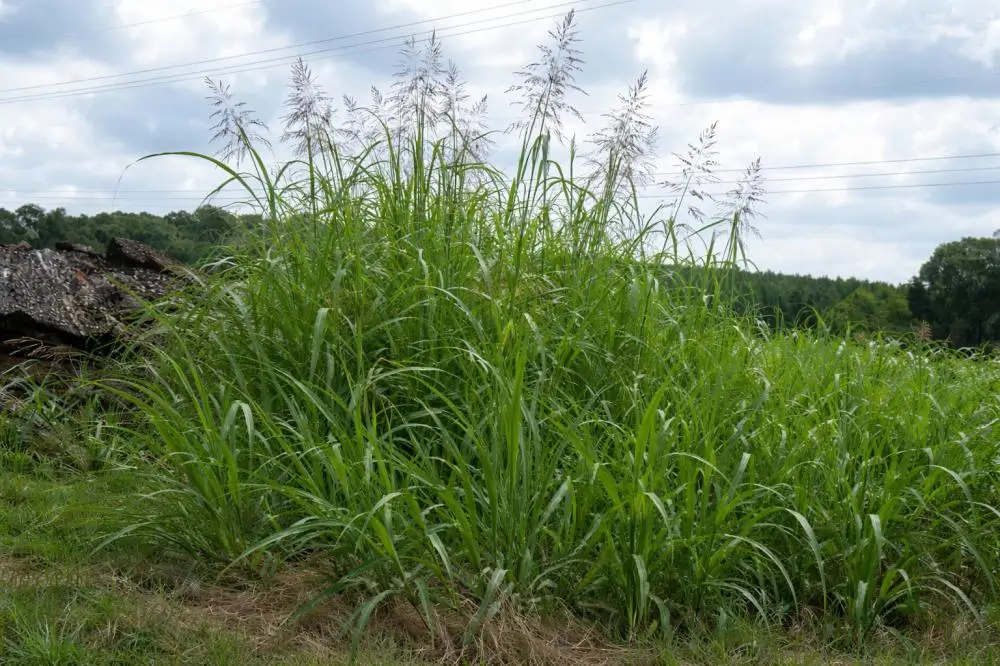
    In most cases, 2,4-D will not kill broom sage, because “broom sage” usually means broomsedge (also called broom sedge / broomstraw)—and broomsedge is a grass, not a broadleaf weed. 2,4-D is mainly used to control broadleaf weeds, so it [...]

    In most cases, 2,4-D will not kill broom sage, [...]

    January 30th, 2026/5.7 min/
  • Will 2,4-D Kill Cattails?

    2,4-D can control cattails, but it does not always “kill” them in one round. Cattails often come back if the underground rhizomes (root-like stems) survive. So the real question is not only “Will 2,4-D turn cattails brown?” but “Will 2,4-D [...]

    2,4-D can control cattails, but it does not always “kill” [...]

    January 28th, 2026/6.5 min/
  • Will 2,4-D Kill Centipede Grass?

    My direct answer: 2,4-D typically won’t “instantly kill” a mature centipedegrass lawn, but it can injure centipedegrass, and repeated or off-label exposure can weaken the turf enough that it thins, stalls, or declines. Whether you see mild yellowing or [...]

    My direct answer: 2,4-D typically won’t “instantly kill” a [...]

    January 26th, 2026/6.6 min/
  • Will 2,4-D Kill Johnsongrass?

    My direct answer: In most real-world infestations, 2,4-D will not “kill” johnsongrass, especially once it is established and connected to rhizomes. You may see temporary injury or suppression, but the underground rhizome network often survives and drives regrowth. That outcome [...]

    My direct answer: In most real-world infestations, 2,4-D will not [...]

    January 22nd, 2026/7.3 min/