A Comparison of Triclopyr and Glyphosate for Controlling Poison Ivy: Which Herbicide Is More Effective?
Quick Answer—A Comparison of Trichloropyridine and Glyphosate for Controlling Poison Ivy
If your primary goal is to eliminate poison ivy while leaving the surrounding lawn or pasture intact, trichloropyridine is generally the better choice because it selectively targets broadleaf plants and woody vines. Glyphosate is equally effective against poison ivy, but it kills all vegetation it comes into contact with and typically requires repeat applications; therefore, it is better suited for fence lines, non-cropland areas, or locations where complete vegetation removal is acceptable.
Why This Matters for Your Decision
- Trichloropyridine: Ideal for lawns, pastures, and grassy areas where poison ivy is intermixed with the desired grass.
- Glyphosate: Best suited for hardscaped areas, abandoned land, or renovation sites where you plan to remove all vegetation and start from scratch.
Both are systemic herbicides, but they differ in selectivity and appropriate applications; therefore, choosing the right product based on the environment is crucial for long-term results.


Poison Ivy
Poison ivy (Toxicodendron radicans) is a highly invasive vine that spreads rapidly in yards, pastures, and woodlands. The oil it secretes (urushiol) causes severe skin irritation, leading to rashes and allergic reactions in most people who come into contact with it. Because of its deep root system and ability to regrow, manual removal alone is often insufficient to completely eradicate poison ivy; therefore, herbicide treatment is one of the most effective control methods.
When it comes to herbicides, trichloropyridine and glyphosate are the two most commonly used options. Each has unique characteristics, and the best choice depends on your specific environment and control objectives.
Comparison of Trichloropyridine and Glyphosate in Poison Ivy Control
Introduction to Trichloropyridine and Glyphosate
Both trichloropyridine and glyphosate are systemic herbicides, meaning they circulate through the plant’s internal system and kill the plant from the roots up. However, they differ in their modes of action, target plant types, and environmental impacts.
- Trichloropyridine is a selective herbicide that specifically targets broadleaf plants and woody plants without harming grasses.
- Glyphosate is a non-selective herbicide that kills all vegetation, including grasses, weeds, and woody plants.
Understanding these differences will help you choose the most appropriate herbicide for your specific situation.
Trichloropyridine vs. Glyphosate: A Detailed Comparison
| Feature | Triclopyr | Glyphosate |
|---|---|---|
| Selectivity | Kills broadleaf weeds & woody vines, but does not harm grasses | Kills all plants, including grasses and broadleaf plants |
| Effectiveness on Poison Ivy | Highly effective, especially for mature and young plants | Effective, but may require multiple applications for mature plants |
| Residual Soil Effect | Lasts weeks to months, preventing regrowth | Breaks down quickly, requiring reapplication if new growth appears |
| Best Use Case | Lawn, pasture, grassland, or areas where you want to preserve grass while eliminating poison ivy | Fence lines, sidewalks, driveways, and areas where complete vegetation removal is needed |
| Reapplication Needed? | Less frequent, due to residual effects | More frequent, since it does not prevent regrowth |
When to Choose Triclopyr for Poison Ivy
Triclopyr is typically the treatment of choice when poison ivy grows in a lawn or among other valuable groundcover plants, and you cannot afford the consequences of completely removing all vegetation. Because this herbicide is selective toward broadleaf and woody plants, it effectively suppresses poison ivy growth while preserving most lawn grasses and forage crops.
Typical Situations Where Triclopyr Works Best
Pastures and Grazing Areas
In fields where forage production needs to be maintained, when poison ivy invades along the edges of fences, trees, or windbreaks.
Lawns, Parks, and Grassed Areas
Areas where poison ivy is scattered among desirable grass species, requiring selective control to maintain a uniform appearance.
Forest Edges and Hedges with Herbaceous Shrub Layers
Areas where woody vegetation coexists with groundcover plants, where it is necessary to reduce the number of poison ivy vines without removing all vegetation.
Locations Requiring Longer Residual Control
In these situations, it is critical to prevent the regrowth of established roots and the emergence of new shoots, and a longer soil residual period helps reduce the need for follow-up treatments.
Locations with Limited Access for Re-entry or Maintenance
On farms, estates, and commercial properties, frequent spot spraying is impractical; using products with longer residual efficacy can reduce the number of treatment applications.
When used in accordance with product labels and local regulations, trichloropyridine strikes a balance between effective poison ivy control and the protection of surrounding lawns, making it highly attractive to distributors and applicators serving the ranch and lawn markets.
When Glyphosate May Still Be the Right Choice
Although trichloropyridine generally offers advantages in situations where herbaceous plants and vines grow together, glyphosate remains an excellent choice for controlling poison ivy in areas where complete vegetation removal is acceptable or even required. Its non-selective action makes it suitable for site remediation, hardscape maintenance, and industrial sites where any vegetation cover is considered a problem.
Typical Scenarios Where Glyphosate Is Most Appropriate
Along Fences and Utility Corridors
Areas where all vegetation may interfere with buildings, access, or safety, and where a clear zone must be maintained.
Gravel Driveways, Sidewalks, and Paths
Hardened surfaces and right-of-way areas where poison ivy and other weeds sprout from cracks and edges, and where selective control is not required.
Site Preparation and Renovation
Before laying new sod, planting ornamental plants, or creating wildlife habitats, where all existing vegetation—including poison ivy—needs to be removed.
Areas with a Mix of Weeds and Severe Infestation
Areas dominated by multiple invasive weeds, where a one-time removal of vegetation is more efficient than selective treatment.
Non-agricultural or Industrial Areas
In storage yards, around industrial zones, and in non-agricultural areas, vegetation may damage infrastructure or reduce visibility and accessibility.
In these situations, glyphosate remains effective at suppressing poison ivy growth as part of an integrated vegetation management plan. The key is to use it only in areas where the loss of lawns and other non-target plants is acceptable, and to always follow product label instructions and local regulations.
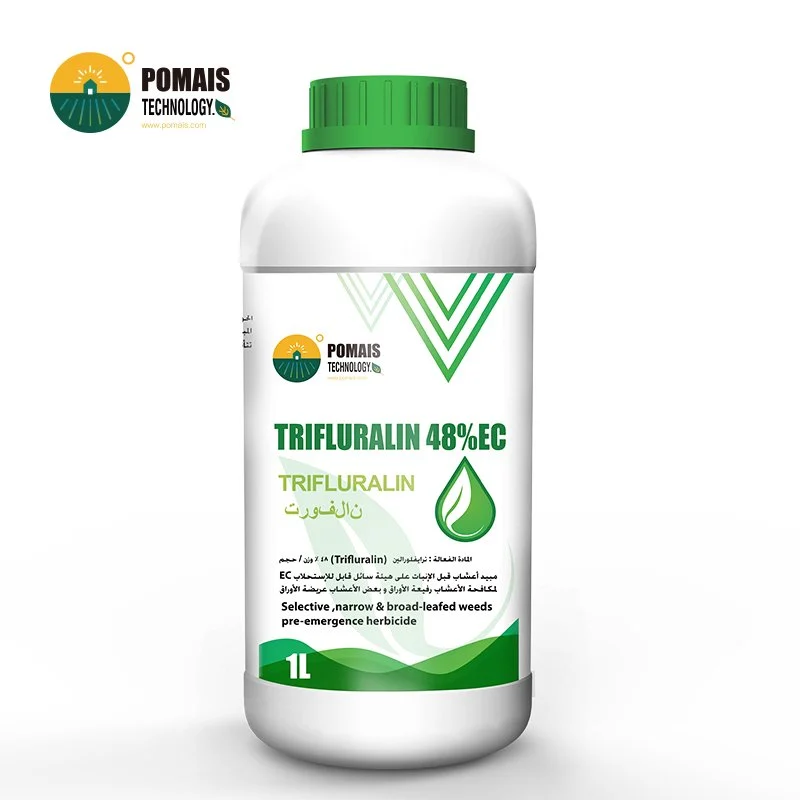
Kills all plants
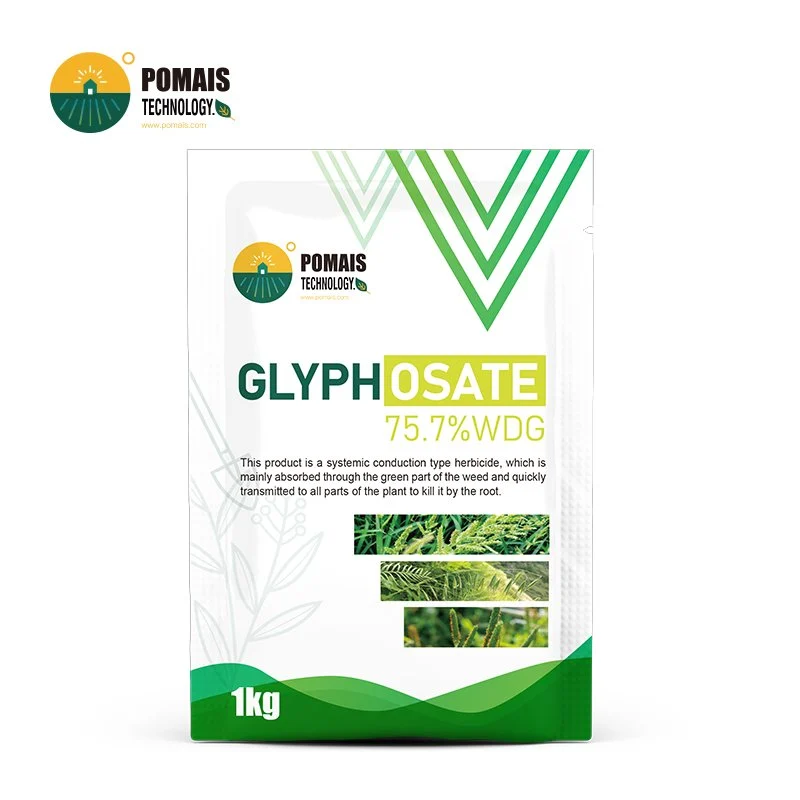
Kills all plants
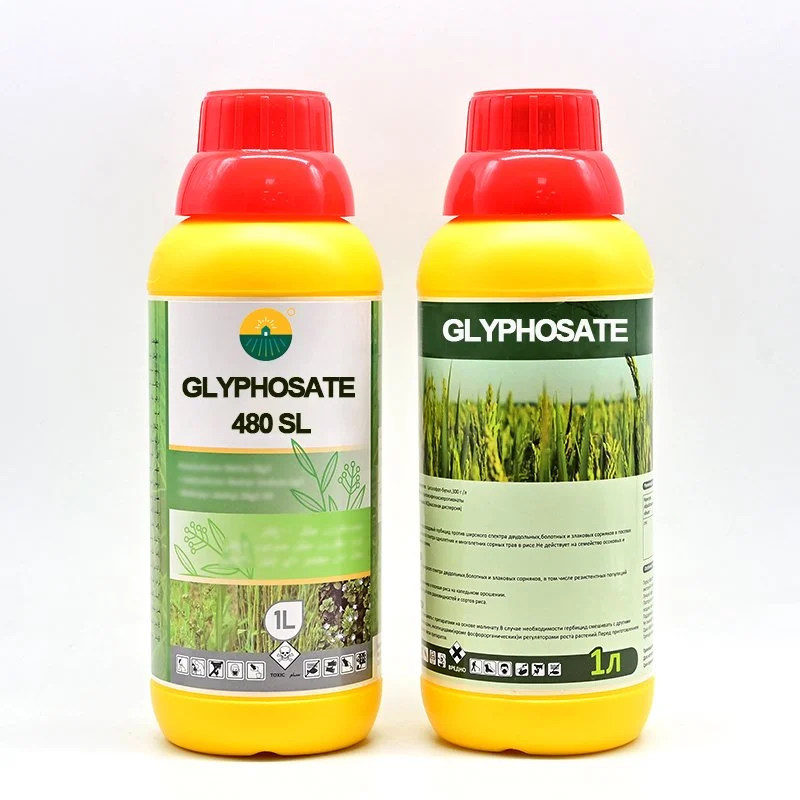
Kills all plants
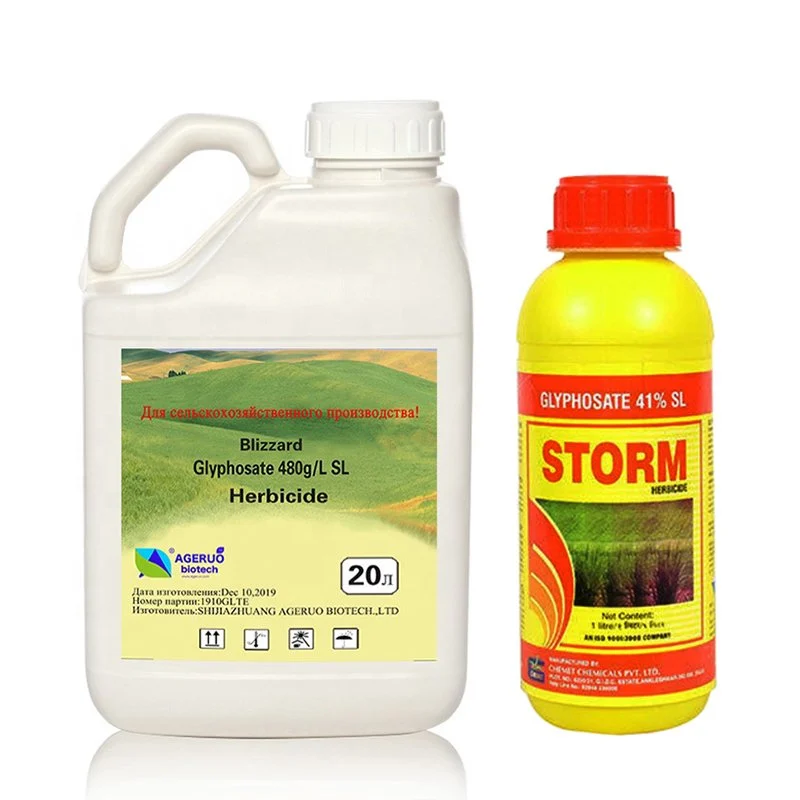
Kills all plants
Kills all plants
Soil Behavior, Selectivity, and Suitability
Beyond the simple question of “whether it can kill,” trichloropyridine and glyphosate also differ in their behavior in the soil and their interactions with surrounding vegetation. Understanding these differences helps landowners, contractors, and distributors select the appropriate active ingredient for each site type.
Soil Persistence and Regrowth Risk
Trichloropyridine typically remains active in the soil for an extended period, which helps suppress new shoots emerging from established poison ivy root systems. In contrast, glyphosate generally breaks down more quickly in the soil once it comes into contact with the target plant, and therefore cannot provide long-term residual suppression against future regrowth.
Selectivity Toward Grasses and Broadleaf Plants
Trichloropyridine exhibits strong selectivity toward broadleaf and woody plants; when used according to label instructions, it causes relatively little damage to most turfgrass species. This selectivity makes it suitable for pasture and turf environments. As a non-selective herbicide, glyphosate damages or kills both grasses and broadleaf plants simultaneously; therefore, it is best used only in areas where the loss of all vegetation is acceptable.
Impact on Surrounding Vegetation Structure
In landscapes where ground cover is critical for soil and water conservation, aesthetics, or livestock grazing, the use of non-selective herbicides to remove all vegetation can result in bare ground and trigger subsequent weed problems. In such cases, selective herbicides such as trichloropyridine can alter vegetation composition in a more controlled manner.
Site Conditions and Management Objectives
On steep slopes, near waterways, or in areas where reseeding or replanting is difficult, a common objective is to remove poison ivy while preserving the living turf cover. Conversely, on flat, compacted, or hard-surfaced areas where the vegetation itself poses a risk, a non-selective approach may be more appropriate.
Site Conditions and Management Objectives
On steep slopes, near bodies of water, or in areas where overseeding or replanting is difficult, a common objective is to remove poison ivy while maintaining a living turf cover. In contrast, in areas with flat, compacted, or hard surfaces, where the vegetation itself poses a risk, non-selective treatment methods may be more appropriate.
Therefore, the choice between trichloropyridine and glyphosate depends not only on their speed in controlling poison ivy but also on how they affect plant communities and soil conditions in the months following treatment.
Best Practices for Using Triclopyr and Glyphosate to Control Poison Ivy
Regardless of which herbicide you choose, proper application is key to effectively controlling poison ivy.
Step 1: Choose the Right Time to Apply
The best time to spray poison ivy is from late spring through summer, when the plant is in its active growth phase.
Avoid applying the herbicide during extreme heat or immediately before rain, as this can reduce its effectiveness.
Step 2: Prepare the Herbicide Solution
Trichloropyridine Mixing Ratios:
- Ready-to-use products can be applied directly.
- If using a concentrate, add 4–8 ounces of trichloropyridine per gallon of water for foliar application.
Glyphosate Mixing Ratios:
- For poison ivy, use a 2–3% solution (2–3 ounces per gallon of water).
- For stubborn, mature vines, a higher concentration (5% or higher) may be necessary.
Step 3: Spray the herbicide onto the leaves and stems of the poison ivy
Spray thoroughly, ensuring the leaves are completely covered for full absorption.
For poison ivy climbing on trees or fences, cut the vines at the base and immediately spray the herbicide onto the freshly cut area (this prevents the roots from regrowing).
Step 4: Monitor and Reapply as Necessary
Within 24–48 hours after treatment, the poison ivy should begin to wither.
If regrowth occurs, apply a second treatment after 3–4 weeks.
Common Mistakes When Using Triclopyr or Glyphosate on Poison Ivy
Even when the right active ingredient is selected, many poison ivy control programs underperform because of avoidable application errors. For distributors and advisors, helping customers avoid these mistakes can significantly improve satisfaction and reduce complaints about “herbicides that do not work.”
Common Mistakes to Watch Out For
Applying Treatment at the Wrong Growth Stage
Spraying pesticides early in the growing season, when leaves are still small and not fully unfurled, may reduce the absorption rate of the pesticide. Similarly, applying pesticides too late—when the plant is under stress and the leaves have discolored—may prevent the pesticide from spreading systemically to the root system as intended.
Failure to Cover Dense Clumps of Ivy
Ivy often forms dense tangles on fences, trees, or shrubbery. If only the outer leaves are sprayed, many unsprayed leaves will continue to supply nutrients to the root system, leading to the regrowth of poison ivy.
Expecting a single treatment to resolve an established infestation
Poison ivy patches that have already formed and developed extensive underground root systems typically require long-term monitoring and follow-up treatments. For areas with long-standing infestations, a single application is often insufficient, even when using potent active ingredients.
Using Non-Selective Herbicides on Sensitive Lawn Areas
Applying glyphosate in areas where turf cover must be preserved may result in extensive lawn damage and the need for replanting—a situation that could have been avoided by choosing a selective herbicide such as triclopyr.
Applying Without Reviewing Product Labels and Local Regulations
Product labels vary by formulation and market. Failing to carefully review the specific product label and local regulations before use increases the risk of poor treatment results and regulatory violations.
Additional Tips for Preventing Poison Ivy Regrowth
Poison ivy is a tenacious plant, so long-term management is essential.
Use mulch or garden weed fabric—this blocks sunlight and prevents new shoots from growing.
Watch for new shoots—pull them out by hand before the seedlings take root deeply.
Use pre-emergent herbicides—herbicides containing imazapyr or orizalin can prevent poison ivy seeds from germinating.
Regularly trim infested areas—this will weaken the growth of poison ivy over time and suppress its regrowth.
Safety Precautions When Using Herbicides
Poison ivy contains urushiol, which can cause severe skin irritation. Follow these safety guidelines when handling herbicides:
- Wear protective clothing—long-sleeved shirts, gloves, goggles, and a face mask are recommended.
- Choose a calm, windless day for spraying—avoid spraying on windy days to prevent the herbicide from drifting onto plants you wish to preserve.
- Clean your tools and hands—immediately wash equipment, gloves, and any exposed skin after spraying to avoid contamination.
Summary: Choose the Best Herbicide for Poison Ivy
If you need to kill poison ivy while preserving your lawn, choose triclopyr.
If you need to remove all vegetation, including grass, choose glyphosate.
For long-term control, combining herbicide treatment with preventive measures will ensure that poison ivy does not return. By following proper application techniques and safety precautions, you can effectively eliminate poison ivy and prevent its regrowth.
FAQ – Triclopyr vs Glyphosate for Poison Ivy
Hot Products
Hot news
Recommended news