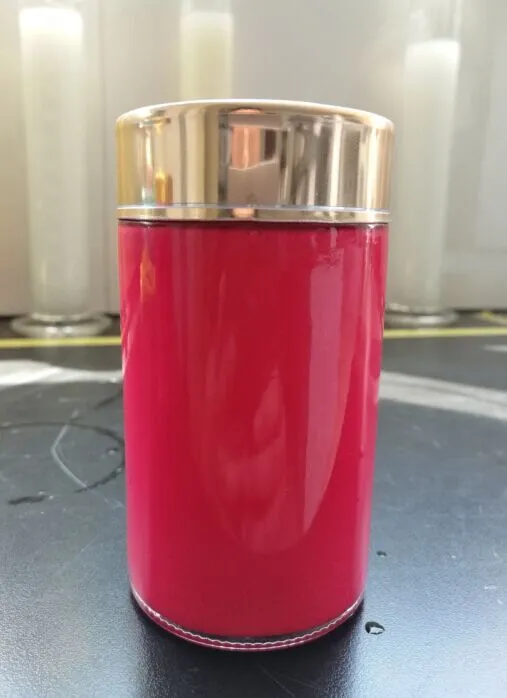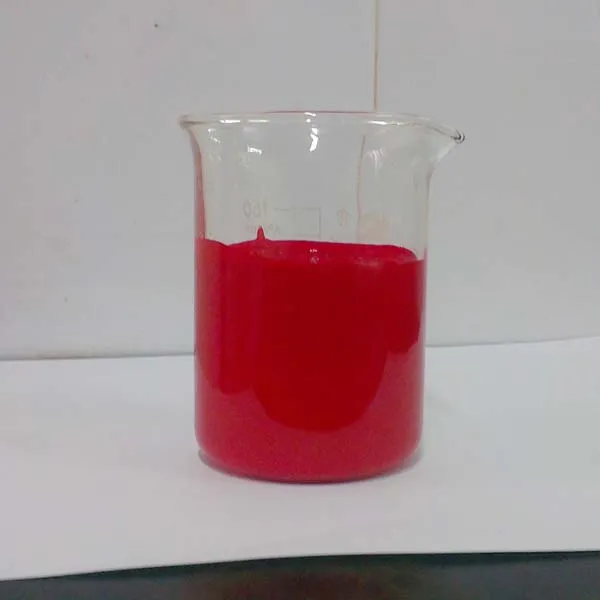
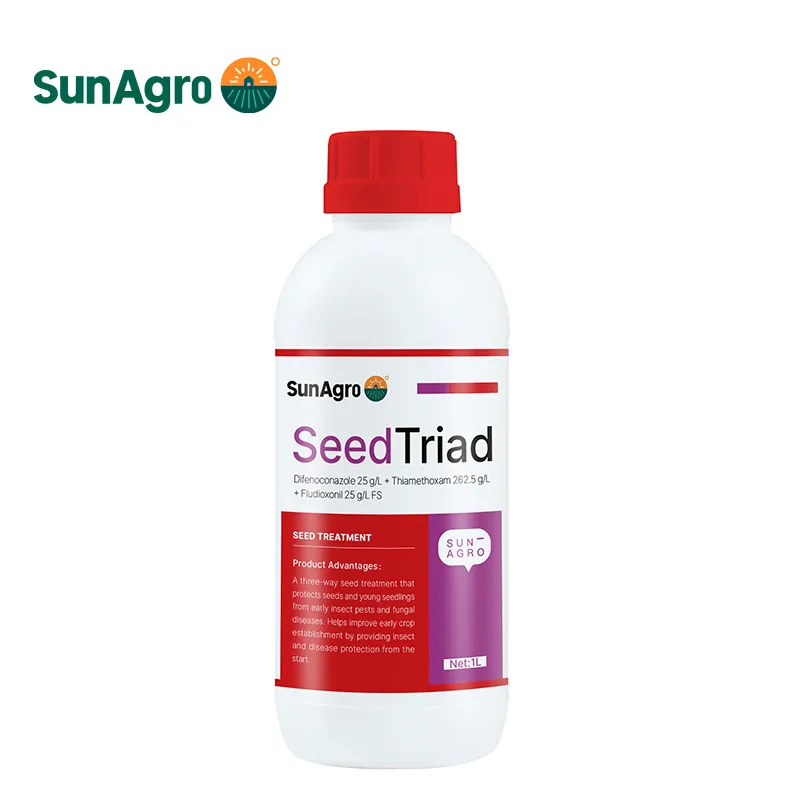
Difenoconazole 25 g/L + Thiamethoxam 262.5 g/L + Fludioxonil 25 g/L FS Seed Treatment
Difenoconazole 25 g/L + Thiamethoxam 262.5 g/L + Fludioxonil 25 g/L FS is a three-active seed treatment combining insecticide and fungicide protection in one finished formulation.
The product is mainly positioned for wheat, barley and other approved cereal seed programs. Thiamethoxam provides early protection against registered insect pests, while Difenoconazole and Fludioxonil provide complementary protection against important seed-borne and soil-borne fungal diseases.
This is a pre-sowing seed treatment product. It is not designed as a foliar spray or a late-season rescue treatment. Its role is to protect treated seed and support the crop during germination and early seedling establishment.
POMAIS supplies this FS formulation for importers, distributors, registration companies and professional seed treatment channels that require clear specifications, stable formulation quality, packaging preparation, technical documents and export coordination.
- Designed for Professional Buyers & Bulk Orders
- We support custom packaging, labeling, and formulation to meet your market needs.
- Export wholesale inquiries only.
- Please include destination country, business type (importer/distributor/registrant), and expected volume.
- Retail requests will not be processed.

About Difenoconazole 25 g/L + Thiamethoxam 262.5 g/L + Fludioxonil 25 g/L FS Seed Treatment
| Item | Details |
|---|---|
| Active Ingredients | Thiamethoxam 262.5 g/L + Difenoconazole 25 g/L + Fludioxonil 25 g/L |
| Formulation | FS, Flowable Concentrate for Seed Treatment |
| Product Type | Insecticide and Fungicide Seed Treatment |
| Insecticide Group | IRAC Group 4A |
| Fungicide Groups | FRAC Groups 3 and 12 |
| Main Crop Direction | Wheat, barley and other approved cereal seed programs |
| Main Insect Direction | Early sucking and soil-dwelling pests where registered |
| Main Disease Direction | Bunt, Fusarium and registered seed- and soil-borne fungal diseases |
| Application Stage | Pre-sowing seed treatment |
| Main Value | Combined planting-stage insect and fungal protection |
| Product Boundary | Not a foliar spray or an oomycete-focused seed treatment |
| Supply Support | Packaging, documents, batch quality control and export coordination |
What Is This Three-Way Seed Treatment?
This product is a finished FS formulation containing one insecticide active ingredient and two fungicide active ingredients.
It is designed for planting-stage protection. Instead of using separate insecticide and fungicide seed treatments, qualified local programs can use one formulation to address registered early insect pressure and fungal disease risks.
The three active ingredients have different technical roles:
- Thiamethoxam provides the insecticide component.
- Difenoconazole provides systemic fungicide activity.
- Fludioxonil provides contact protection around the seed surface and immediate seed zone.
The product should not be described only as a Fludioxonil fungicide or a Thiamethoxam seed treatment. Its correct identity is a combined insecticide and fungicide seed treatment for cereal establishment programs.
It should also not be promoted as an all-in-one solution for every pest, pathogen or field condition. Final crop, insect and disease claims must follow local registration and the approved label.
How the Three Active Ingredients Work
Each active ingredient has a separate role in planting-stage protection.
| Active Ingredient | Classification | Primary Role in the Formulation |
|---|---|---|
| Thiamethoxam | IRAC Group 4A neonicotinoid insecticide | Systemic early protection against registered sucking and soil-dwelling insects |
| Difenoconazole | FRAC Group 3 DMI fungicide | Systemic protection against registered seed-borne and soil-borne fungal diseases |
| Fludioxonil | FRAC Group 12 phenylpyrrole fungicide | Contact protection on the seed surface and in the immediate seed zone |
The formulation combines one IRAC insecticide group with two different FRAC fungicide groups.
This does not mean that every active ingredient controls the same target. Thiamethoxam addresses insect pressure. Difenoconazole and Fludioxonil address fungal disease pressure through different fungicide mechanisms and different protection characteristics.
The product should not be described as having a guaranteed synergistic effect unless that claim is supported by approved local registration data. A more accurate description is that the three components provide complementary planting-stage protection.
Thiamethoxam for Early Insect Protection
Thiamethoxam is the insecticide component of the formulation.
It belongs to IRAC Group 4A, the neonicotinoid insecticide group. In registered seed treatment programs, it may help protect young crops from early sucking, feeding and soil-dwelling insects.
Relevant insect directions may include:
- Aphids
- Wireworms
- Zabrus species
- Other registered early-season sucking insects
- Other listed soil-dwelling or seedling-feeding pests
The exact insect spectrum depends on the crop and destination-market registration.
Thiamethoxam seed treatment should not be promoted as season-long control of all insect pests. Protection duration and field performance depend on the registered rate, insect pressure, soil conditions, crop development, resistance status and environmental conditions.
Later insecticide applications should be selected according to local scouting and resistance-management guidance rather than automatically repeating IRAC Group 4A.
Difenoconazole for Systemic Fungal Protection
Difenoconazole is the systemic fungicide component of the formulation.
It belongs to FRAC Group 3, the DMI fungicide group. It works through sterol biosynthesis inhibition in sensitive fungi and supports protection against registered seed-borne and soil-borne fungal diseases.
Its role in the formulation is different from that of Fludioxonil. Difenoconazole provides systemic fungicide activity that can support early protection as the seed germinates and the young seedling develops.
Relevant disease directions may include:
- Bunt diseases
- Fusarium-related seed and seedling diseases
- Seed rot
- Seedling blight
- Other listed fungal pathogens where local registration supports use
Disease response depends on pathogen sensitivity, seed infection level, soil inoculum, seed quality, treatment uniformity and local resistance history.
Fludioxonil for Seed-Surface Protection
Fludioxonil is the contact fungicide component of the formulation.
It belongs to FRAC Group 12, the phenylpyrrole fungicide group. In seed treatment programs, it is mainly positioned around the treated seed surface and immediate seed zone.
Its role is to help protect seed from sensitive fungal pathogens during germination and early establishment.
Relevant directions may include:
- Seed rot
- Fusarium-related diseases
- Seedling blight
- Selected seed-borne fungi
- Selected soil-borne fungal pathogens where locally registered
Fludioxonil should not be described as a fully systemic foliar fungicide. Its strongest value in this formulation is contact protection around treated seed.
Main Protection Direction: Early Insect and Fungal Disease Management
The product is designed to manage two planting-stage risk categories in one seed treatment.
Early-Season Insect Protection
The Thiamethoxam component may provide protection against registered insect pests that damage seed or young seedlings during early crop establishment.
This can be important where cereal seedlings face early aphid activity, wireworm pressure, Zabrus damage or other listed insect risks.
Seed treatment does not remove the need for field monitoring. Insect populations should still be checked after emergence, especially where pest pressure is high or resistance has been reported.
Seed- and Soil-Borne Disease Protection
Difenoconazole and Fludioxonil provide complementary fungicide protection against registered fungal diseases.
The strongest positioning includes:
- Bunt diseases
- Fusarium-related diseases
- Seed rot
- Seedling blight
- Registered seed-borne fungal pathogens
- Registered soil-borne fungal pathogens
Disease control performance depends on using healthy seed, applying the correct label rate, achieving uniform coverage and storing treated seed under suitable conditions.
Suitable Crop and Seed Directions
The product is most clearly positioned for cereal seed treatment programs.
Wheat Seed Treatment
Wheat is a primary crop direction for this three-way FS formulation.
Depending on local registration, the product may be positioned for planting-stage protection against:
- Aphids
- Wireworms
- Zabrus
- Bunt
- Fusarium-related diseases
- Other registered seed and seedling risks
Wheat seed treatment should be completed before sowing with correctly calibrated equipment. Final treatment rate, slurry volume, seed handling and planting instructions must follow the approved local label.
Barley Seed Treatment
The product may also be positioned for barley seed treatment where local registration supports use.
Barley programs may have different insect, disease and seed-safety requirements from wheat programs. Pest and pathogen claims should not be copied automatically from one crop label to another.
Seed quality, germination capacity, treatment rate and storage conditions should be confirmed before commercial treatment.
Other Approved Cereal Programs
Other cereal or seed crop directions should only be added where the destination-market registration and approved label support use.
The product should not be promoted broadly for maize, rice, soybean, cotton, vegetables or other crops without registration evidence.
For each market, local partners should confirm:
- Approved crop
- Registered insect pests
- Registered fungal diseases
- Treatment rate
- Seed treatment method
- Treated-seed statements
- Planting restrictions
What This Product Covers—and What It Does Not
Clear product boundaries help importers and registration partners select the correct seed treatment.
Best-Fit Positioning
This formulation is best positioned for:
- Wheat and barley seed treatment
- Combined insecticide and fungicide protection
- Early sucking and soil-dwelling insect pressure
- Bunt disease programs
- Fusarium-related disease programs
- Seed rot and seedling blight direction
- Professional pre-sowing seed treatment
- Markets that need a finished three-active FS formulation
Not the Main Positioning
This formulation should not be positioned as:
- A foliar insecticide or fungicide spray
- A late-season insect control product
- A treatment for every soil-dwelling insect
- A nematicide
- A bacterial disease treatment
- A viral disease treatment
- A biological seed treatment
- A plant growth regulator
- A guaranteed germination or yield enhancer
- A primary Pythium or Phytophthora seed treatment
- A complete replacement for field scouting and crop protection programs
Difference From Metalaxyl-M Seed Treatments
This formulation contains Difenoconazole and Fludioxonil as its fungicide components. It does not contain Metalaxyl-M.
That difference changes the most appropriate disease positioning.
| Seed Treatment Direction | Main Positioning |
|---|---|
| Thiamethoxam + Difenoconazole + Fludioxonil | Early insects plus bunt, Fusarium and registered fungal seed diseases |
| Thiamethoxam + Metalaxyl-M + Fludioxonil | Early insects plus seed fungi and registered Pythium or oomycete directions |
| Fludioxonil + Metalaxyl-M | Fungicide-only seed treatment with an oomycete-active partner |
| Thiamethoxam FS | Insecticide-only seed treatment |
| Difenoconazole or Tebuconazole FS | DMI-focused fungicide seed treatment |
No single formulation is automatically better for every market.
The correct choice depends on:
- Target crop
- Local insect pressure
- Local disease complex
- Pythium or oomycete risk
- Registration status
- Seed treatment equipment
- Resistance history
- Distributor product strategy
This product is a stronger fit where the market needs combined early insect protection and fungal disease management centred on bunt, Fusarium and other registered seed-borne diseases.
FS Formulation and Seed Coating Performance
FS means flowable concentrate for seed treatment.
This is a liquid formulation developed for application to seed before planting. For professional buyers, formulation performance is as important as the active ingredient list.
Important FS characteristics include:
- Stable suspension
- Suitable viscosity
- Good pourability
- Controlled sedimentation
- Good redispersibility
- Uniform seed coverage
- Adhesion to the seed surface
- Compatibility with approved seed-treatment equipment
- Stable storage performance
- Secure bottle or drum sealing
The product should not be described as never settling or never requiring agitation. Handling instructions should follow the product specification and approved label.
Compatibility with seed polymers, colorants, inoculants and other seed treatment products should be checked before commercial use.
Uniform coating is essential. Excessive or uneven application can affect seed handling, drying, planting performance and crop safety.
Professional Seed Treatment Guidance
Use this formulation only where locally registered.
Professional seed treatment should follow a controlled process.
Confirm Seed Quality
Use seed that meets appropriate germination and physical-quality standards.
Cracked, damaged, excessively dry, overly wet or low-vigour seed may respond differently to treatment.
Calibrate Treatment Equipment
Seed treaters should be calibrated for:
- Seed flow rate
- Product delivery
- Slurry volume
- Mixing time
- Coating uniformity
Equipment should be checked before each commercial batch.
Apply the Approved Rate
Final product rate must follow the destination-market registration and approved crop label.
Rates from another country or another seed crop should not be treated as universal instructions.
Maintain Uniform Coverage
The formulation should be distributed evenly across the seed lot.
Poor coverage may leave part of the seed insufficiently protected. Excessive concentration on individual seeds may increase handling or crop-safety risks.
Manage Slurry Volume
Where dilution or slurry preparation is required, use the approved water volume and mixing procedure.
Too much liquid may delay drying or affect seed flow. Too little liquid may reduce coating uniformity.
Dry and Handle Treated Seed Correctly
Allow treated seed to dry where required before bagging, storage or planting.
Final drying time, storage period and planting instructions should follow the approved local label and commercial treatment protocol.
Seed Safety
Seed safety depends on more than the active ingredient concentration.
Important factors include:
- Seed species and variety
- Seed germination quality
- Seed moisture
- Seed coat condition
- Treatment rate
- Slurry volume
- Coating uniformity
- Drying conditions
- Storage period after treatment
- Storage temperature
- Compatibility with other seed-applied products
Commercial seed lots should be evaluated according to local seed-treatment practice, especially when the seed is old, mechanically damaged or intended for extended storage.
This product should not be promoted as guaranteeing germination, emergence, stand establishment or yield.
Its role is to reduce registered planting-stage insect and disease risks when used correctly.
Compatibility With Polymers, Colorants and Inoculants
Seed treatment programs often include more than one formulation component.
Before commercial mixing, compatibility should be checked with:
- Seed coating polymers
- Approved colorants
- Micronutrients
- Biological inoculants
- Additional fungicide seed treatments
- Additional insecticide seed treatments
Physical compatibility does not automatically confirm biological compatibility or seed safety.
Where inoculants are used, the application sequence and time between treatment and planting may be important. Final compatibility decisions should follow label guidance, technical testing and local seed-treatment experience.
Treated Seed Stewardship
Treated seed must be clearly identified, handled and stored as treated agricultural seed.
Key requirements include:
- Do not use treated seed for food.
- Do not use treated seed for animal feed.
- Do not use treated seed for oil processing.
- Keep treated seed in clearly marked packaging.
- Prevent access by children, livestock and wildlife.
- Follow worker-protection requirements.
- Control spills during treatment, transport and planting.
- Dispose of unused treated seed according to local regulations.
- Follow local requirements for seed color, warnings and bag labels.
- Reduce avoidable seed-treatment dust during handling and planting.
Treated seed statements and environmental precautions must follow destination-market regulations.
Resistance Management
This product contains one insecticide mode-of-action group and two fungicide mode-of-action groups.
The formulation broadens planting-stage protection, but it should not be described as resistance-proof.
Insecticide Resistance Management
Thiamethoxam belongs to IRAC Group 4A.
Recommended stewardship includes:
- Do not rely continuously on Group 4A insecticides throughout the crop cycle.
- Use field scouting after crop emergence.
- Select later insecticide treatments according to pest pressure.
- Rotate with different IRAC groups where locally approved.
- Review local resistance history for aphids and other target insects.
- Follow local IRAC and label recommendations.
A seed treatment application does not remove the need for a resistance-management plan later in the season.
Fungicide Resistance Management
Difenoconazole belongs to FRAC Group 3. Fludioxonil belongs to FRAC Group 12.
Recommended stewardship includes:
- Avoid repeated dependence on the same FRAC groups across seed and foliar programs.
- Select later fungicides according to the target pathogen and local resistance situation.
- Follow registered rates and approved application methods.
- Use clean, high-quality seed as part of the disease-management program.
- Combine seed treatment with crop rotation, sanitation and resistant varieties where practical.
- Monitor disease development after emergence.
Registration and Treated Seed Compliance
Before import, promotion or use, local partners should confirm the full registration position.
Important points include:
- Approved crop
- Approved insect claims
- Approved disease claims
- Product concentration
- Seed treatment rate
- Treatment method
- Slurry preparation
- Seed colorant requirements
- Worker-protection instructions
- Treated-seed warnings
- Food and feed restrictions
- Planting restrictions
- Environmental precautions
- Label language
- Import documentation
- Packaging requirements
The product should only be promoted with claims supported by the destination-market registration.
POMAIS can support product and document communication, but final registration approval, label claims and field use remain subject to local authorities and qualified market partners.
Storage and Transport
Store the product in sealed original packaging in a cool, dry and ventilated location.
Avoid:
- Direct sunlight
- Excessive heat
- Freezing
- Package damage
- Leakage
- Contamination
- Long-term storage under unsuitable conditions
Before use, inspect the formulation for liquid appearance, sedimentation and redispersibility according to the product specification.
Bottles, drums and export cartons should remain sealed and protected during storage and transport.
Storage and transportation must follow SDS and destination-market regulations.
Packaging and Market Preparation
POMAIS supports market-oriented packaging preparation for this FS seed treatment.
Available directions may include:
- Bottles
- Drums
- Export cartons
- Batch coding
- Production-date coding
- Carton marks
- Multilingual label communication
- Treated-seed product identification
- Destination-market pack planning
Packaging selection depends on the product specification, order volume, distribution channel, registration plan and transport requirements.
The purpose of packaging planning is to maintain formulation integrity, improve handling and support compliant market preparation.
Document Support
POMAIS can provide standard product and shipment documents according to order and market requirements.
Available documents may include:
- Certificate of Analysis
- SDS or MSDS
- Technical Data Sheet
- Product specification
- Packing information
- Label reference
- Batch information
- Physical and chemical reference data where available
- Shipment documents
- Registration-related documents where applicable
Document requirements should be confirmed before order preparation, especially where the destination market has specific registration, language or import requirements.
Quality Control
Quality control for this three-active FS formulation focuses on both active ingredient content and seed-treatment handling performance.
Batch review may include:
- Thiamethoxam content
- Difenoconazole content
- Fludioxonil content
- Liquid appearance
- Suspension stability
- Sedimentation
- Redispersibility
- Viscosity
- pH where applicable
- Density where applicable
- Particle-size distribution where applicable
- Seed coverage performance where applicable
- Bottle or drum sealing
- Leakage inspection
- Carton inspection
- Batch traceability
- Shipment-document review
Each batch should be reviewed according to the agreed product specification before shipment.
For importers and distributors, stable FS quality is important because formulation instability can affect pumping, mixing, equipment calibration, coating uniformity and seed handling.
FAQ
Why Choose POMAIS
POMAIS supplies seed treatment products for importers, distributors, registration companies and professional agricultural channels.
For this three-active FS formulation, we support:
- Clear active ingredient specifications
- Finished seed treatment formulation supply
- Packaging preparation
- Product documentation
- Batch quality control
- Label communication
- Registration-related coordination
- Export shipment preparation
Our focus is to help qualified partners evaluate the product clearly, prepare the required market documentation and receive stable finished formulation supply.
Partner with POMAIS for Three-Way Seed Treatment Supply
This formulation is suitable for markets that need one seed treatment combining early insect protection with complementary fungal disease protection.
Please share your destination country, target crop, main insect pressure, main disease risk, registration plan, required package size and expected order volume.
Our team will review the requested specification and prepare a supply proposal based on your market and procurement requirements.
Contact us!
We will reply to you within 24 hours on business days!