
Insecticide Manufacturer and Export Supplier
POMAIS supplies insecticide formulations for agrochemical importers, distributors, registration companies, wholesalers, and private-label brands in international markets.
Our portfolio covers agricultural insecticides, miticides and acaricides, seed-treatment insecticides, biological insecticides, and selected combination formulations for different crop protection markets.
We support commercial projects with formulation selection, customized packaging, multilingual labels, technical documentation, quality control, and export preparation according to the confirmed product specification and destination market.
Browse Insecticide Solutions
Start with the target pest and application direction before comparing individual active ingredients and formulations.
Insecticide Products
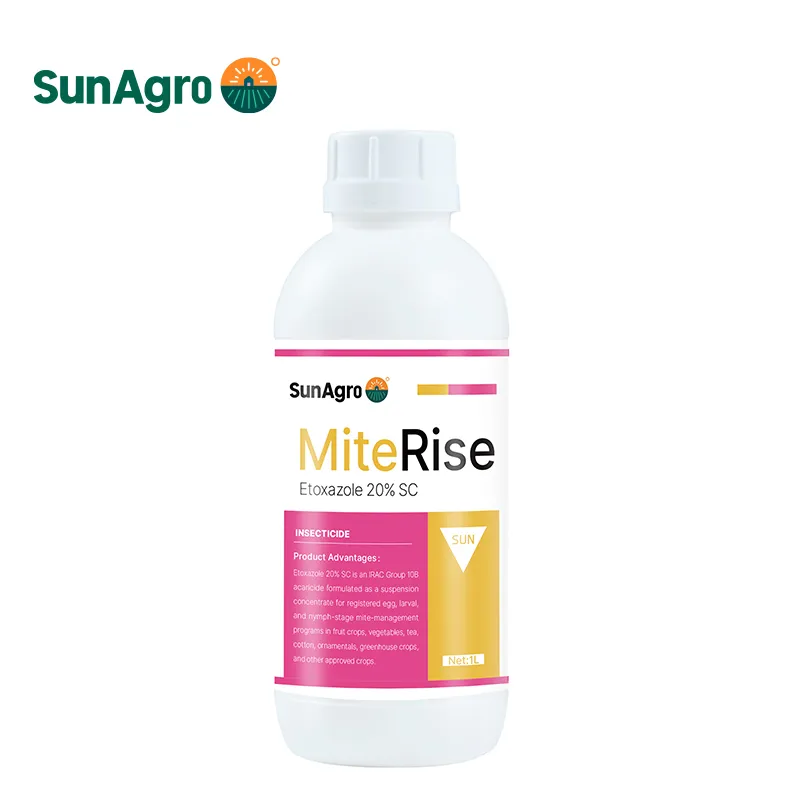
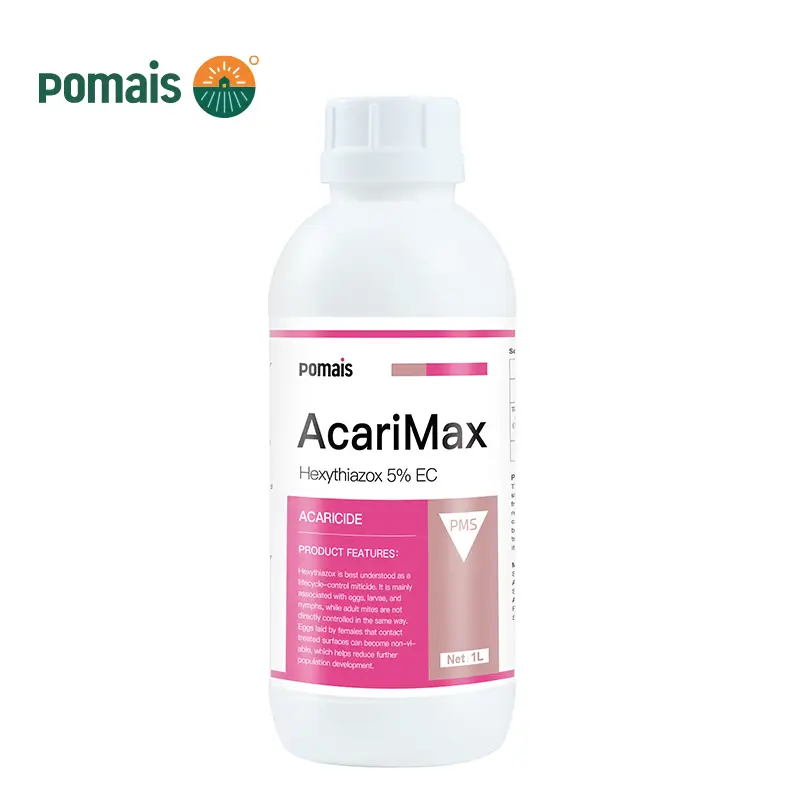
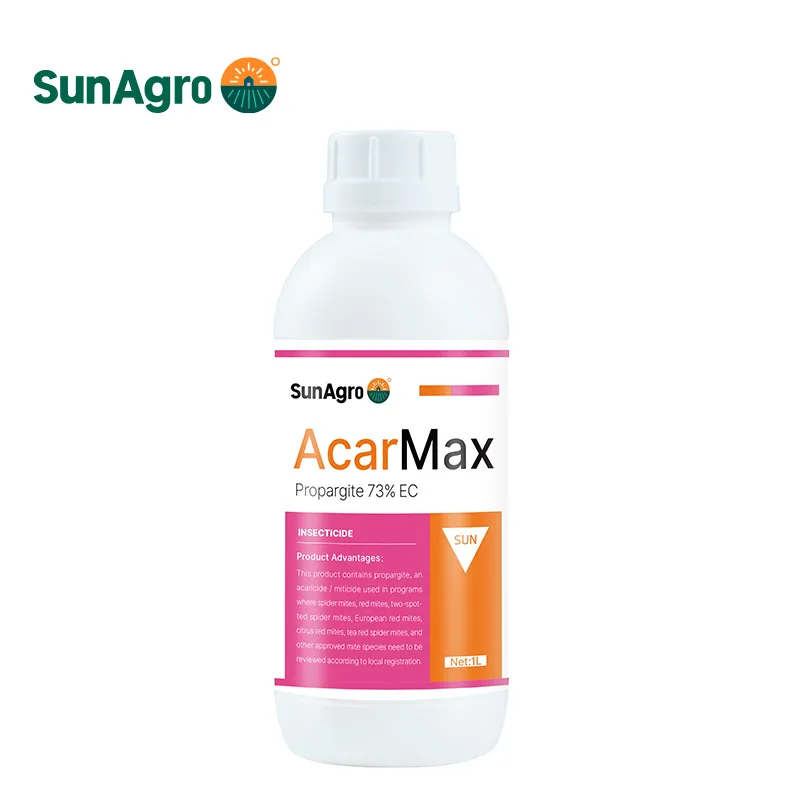
Browse available insecticide products by active ingredient, concentration, formulation, and commercial specification. Product availability, target pest claims, crop scope, packaging options, and technical documentation vary according to the selected specification and destination market.
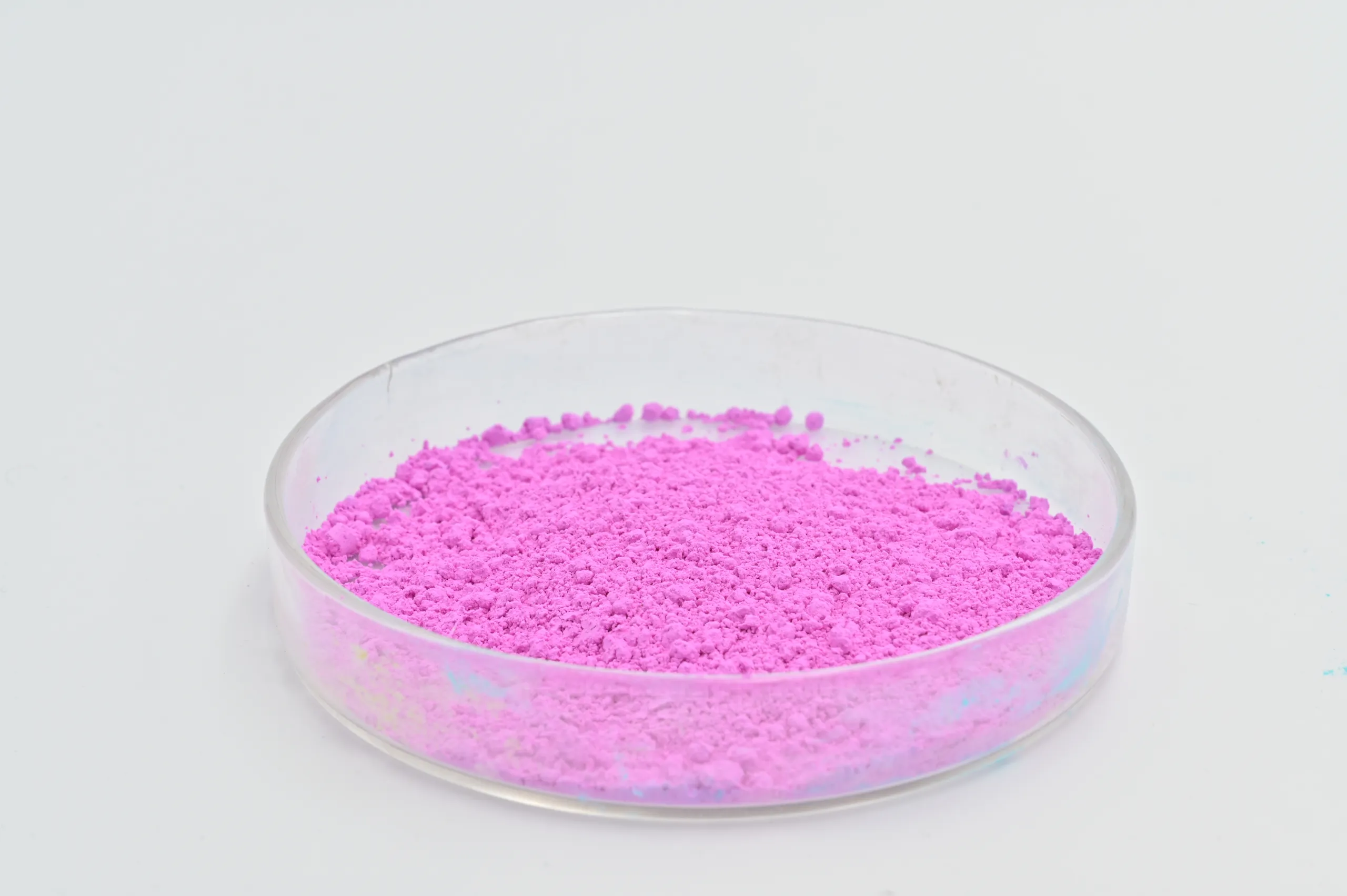
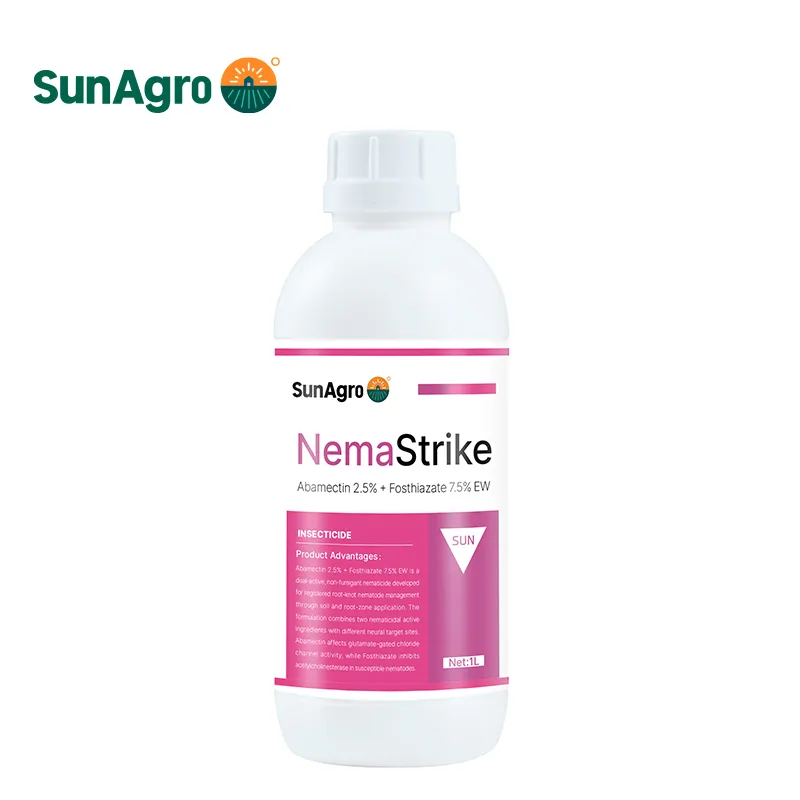
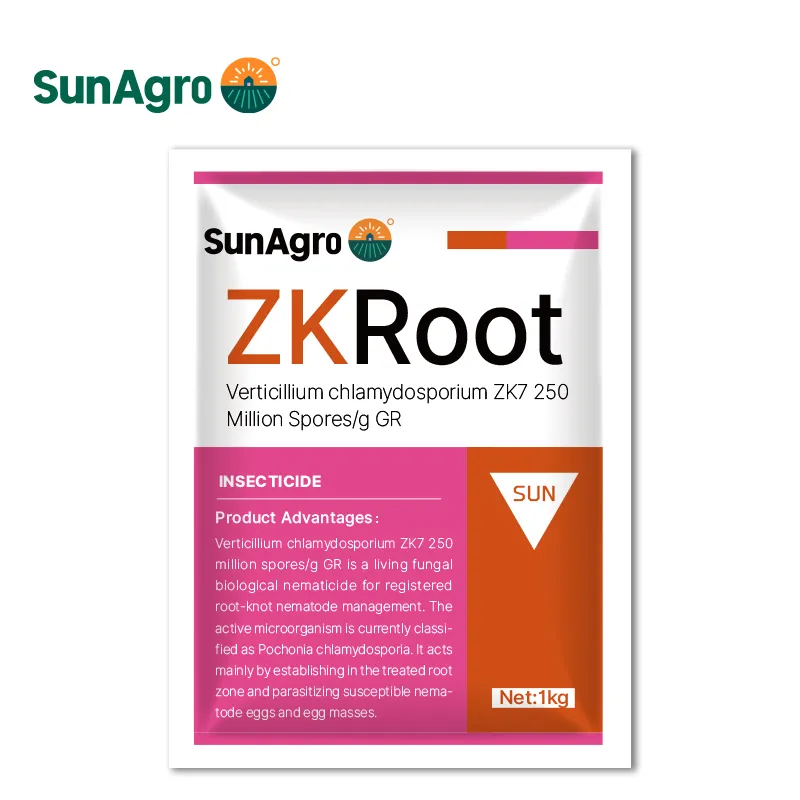
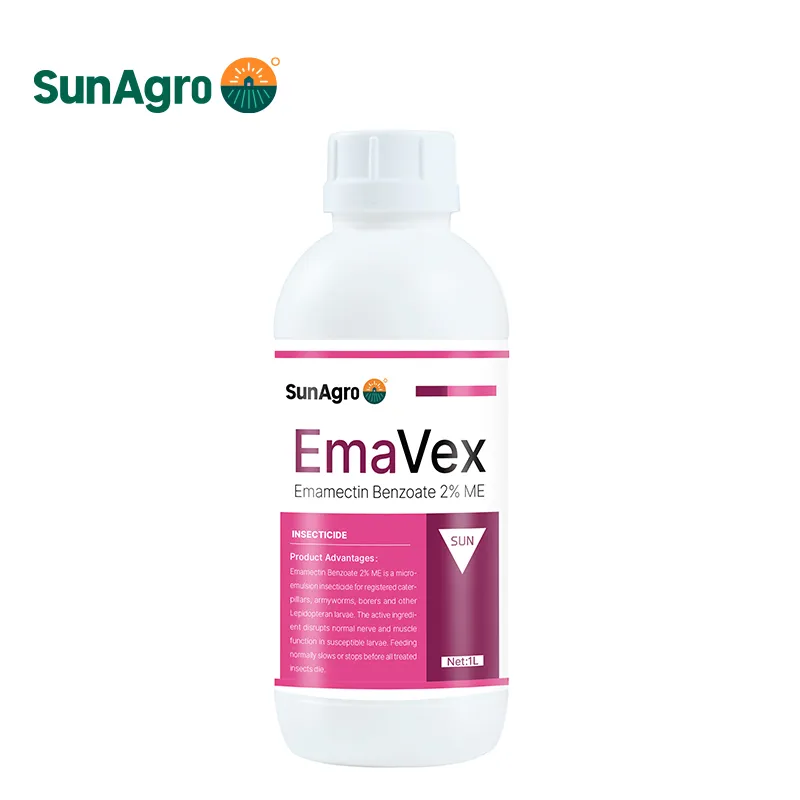

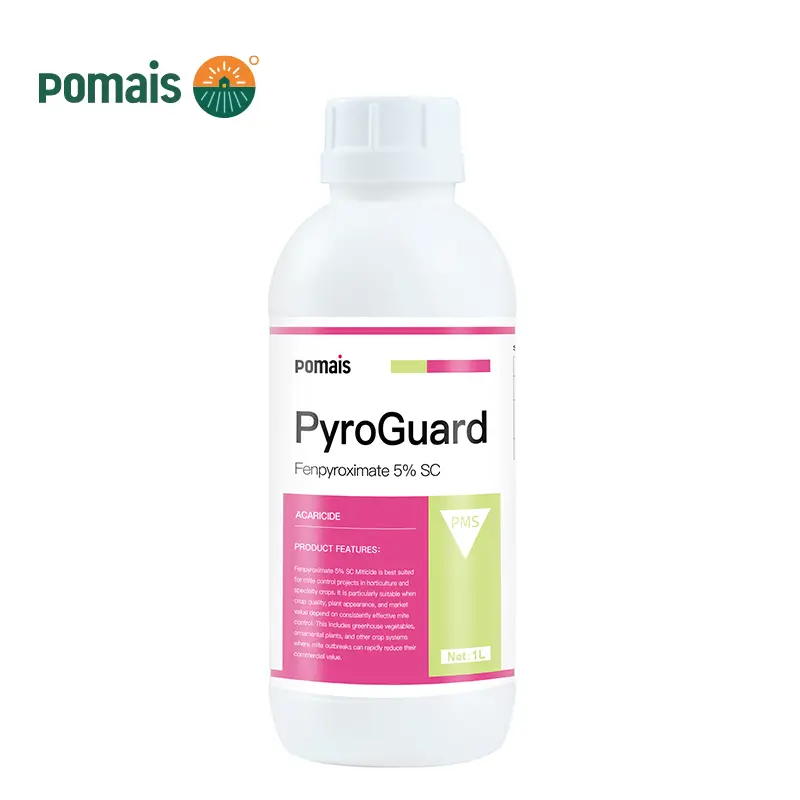
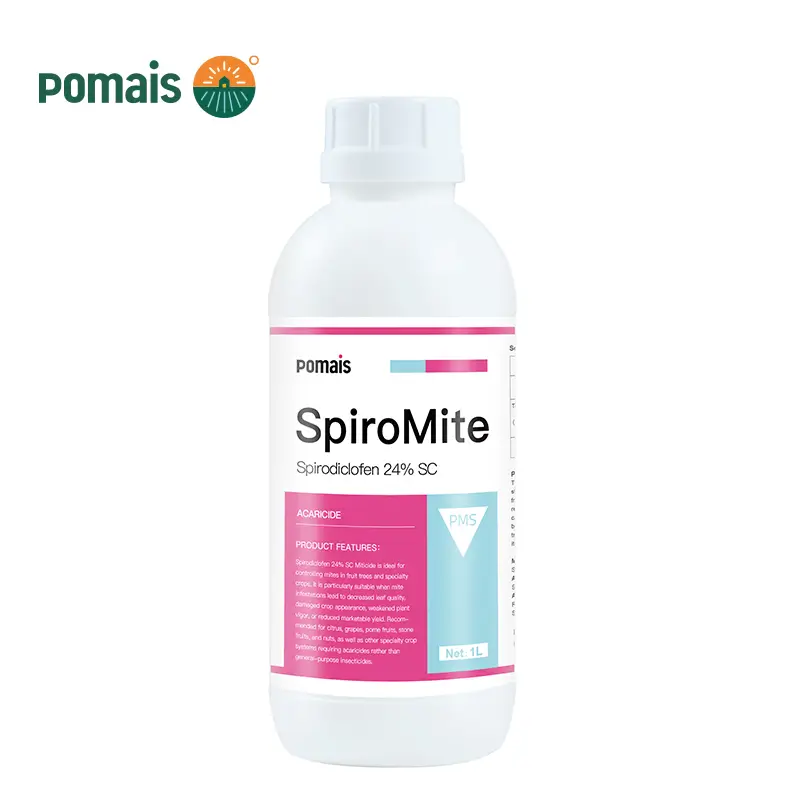

Insecticide Production and Private Label Support
POMAIS supports commercial insecticide projects from confirmed product specification through production, packaging, quality inspection, and export preparation.
Depending on the project, we can coordinate:
- Active ingredient, concentration, and formulation confirmation
- Bottle, bag, or other packaging selection
- Private-label artwork
- Multilingual labels
- Carton and shipping-mark preparation
- Batch and packaging inspection before shipment
Production and packaging are carried out according to the confirmed commercial specification.
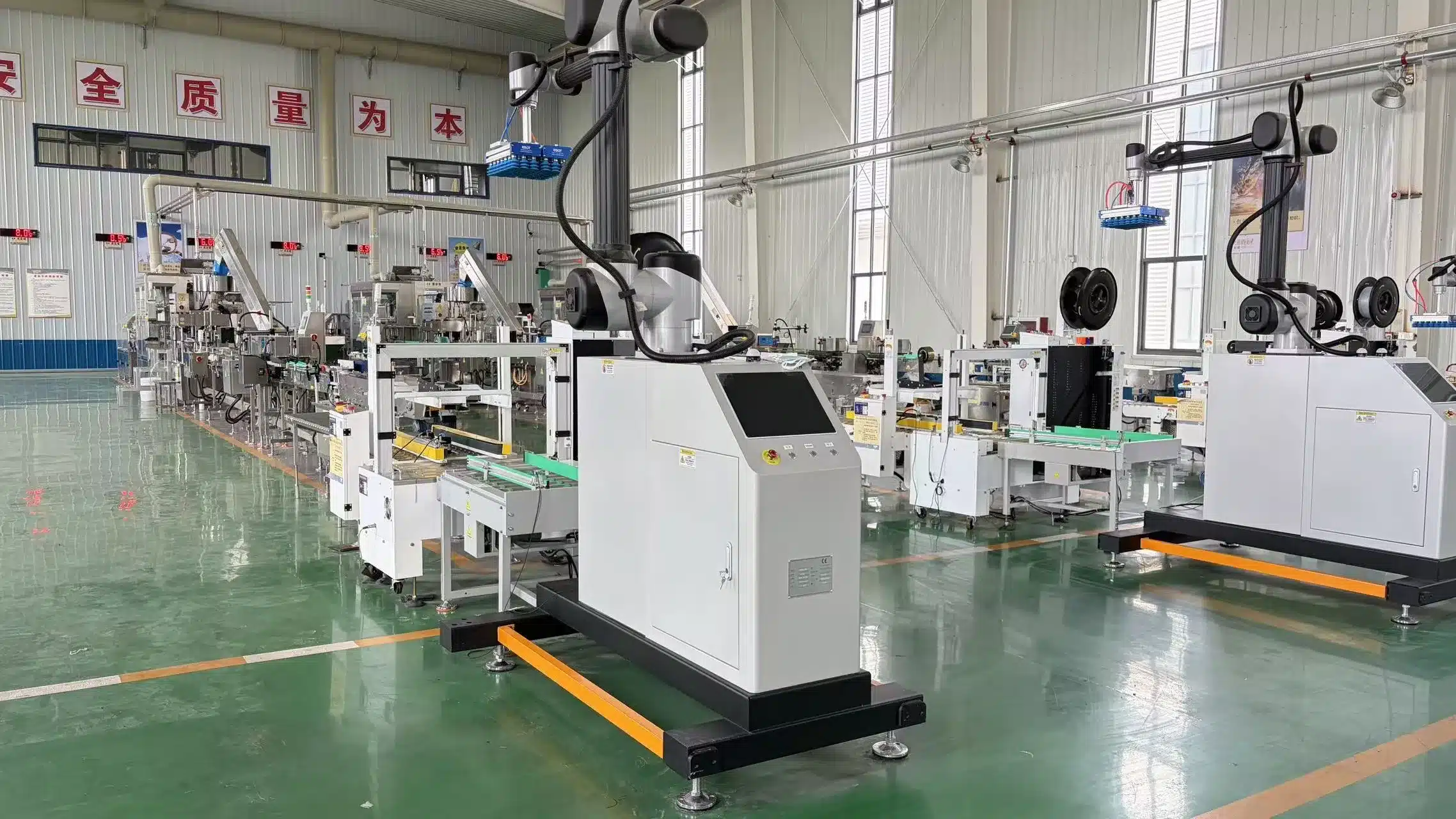
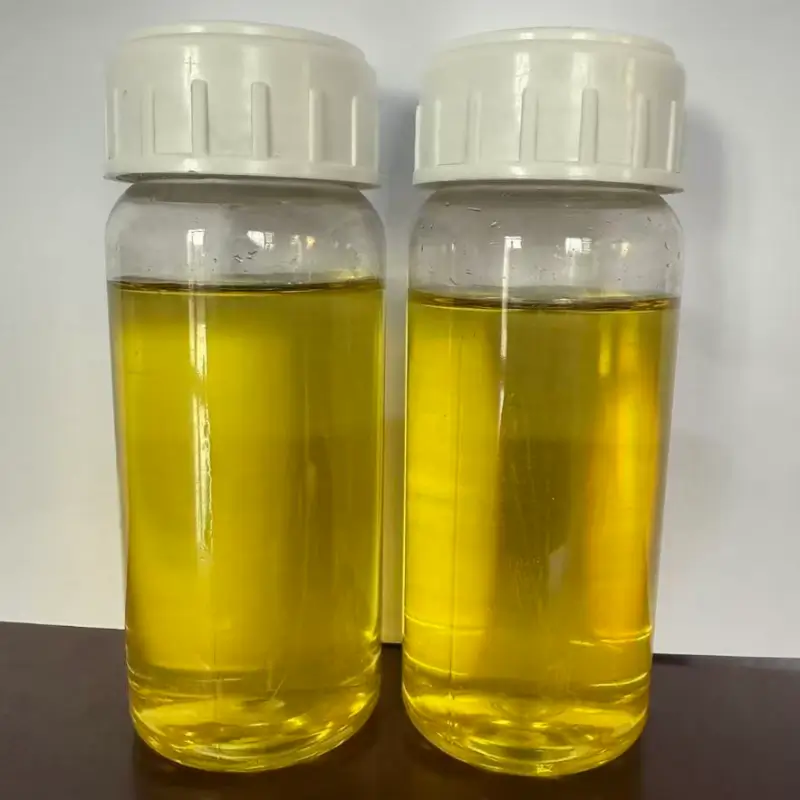
Liquid pesticide production workshop
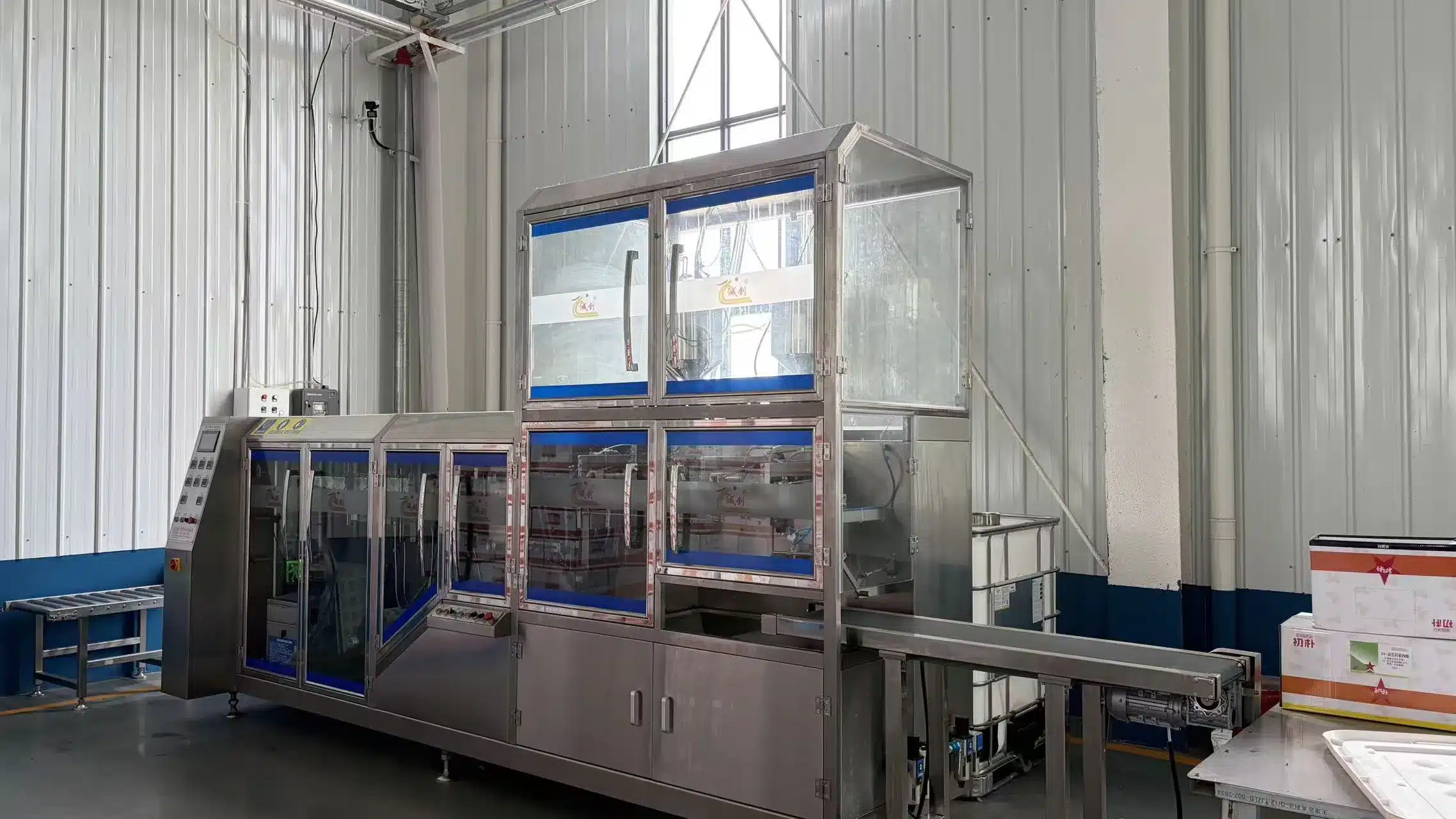
Liquid pesticide production workshop (2)

Liquid pesticide production workshop (3)
Insecticide Formulations
Different formulation types meet different product, handling, packaging, application, and market requirements.
| Formulation | Typical Commercial Direction |
|---|---|
| EC | Emulsifiable concentrate products |
| SC | Suspension concentrate products |
| SL | Soluble liquid formulations |
| WP | Wettable powder products |
| WDG / WG | Water-dispersible granular products |
| GR | Granular formulations for selected soil or field applications |
| CS | Microencapsulated products for suitable active ingredients |
| ME | Microemulsion formulations |
| FS | Flowable seed-treatment insecticides |
Formulation type should not be treated as an efficacy or safety ranking. Selection depends on the active ingredient, target use, formulation properties, packaging, market preference, and registration requirements.
How to Select an Insecticide
Insecticide selection should start with the pest problem and registered use rather than the product name alone.
Insecticide Exposure and Product Behavior
Different insecticides reach target pests in different ways. These characteristics should be evaluated together with the active ingredient, pest biology, crop, and approved application method.
Insecticide Applications by Crop Market
Insecticide demand varies by crop system, pest complex, production environment, and regional resistance pressure.
| Crop Market | Common Pest Direction |
|---|---|
| Field Crops | Sucking pests, caterpillars, borers, root pests, and other regional insect complexes |
| Vegetables | Aphids, whiteflies, thrips, caterpillars, leafminers, and mites |
| Fruit Crops | Moths, scale insects, leafminers, mites, and other orchard pest groups |
| Rice | Stem borers, leaf folders, planthoppers, and other locally registered rice pests |
| Cotton | Sucking pests, bollworms, mites, and other regional cotton pest complexes |
| Greenhouse Crops | Whiteflies, thrips, aphids, mites, and other protected-crop pest pressures |
The final product should be selected according to the crop, target pest, pest life stage, active ingredient, mode of action, and approved local label.
Insecticide Mode of Action and Resistance Management
Product selection should consider more than the active ingredient or brand name.
IRAC mode-of-action groups provide a practical framework for comparing insecticide chemistry and planning resistance-management programs. Two different products may still act on the same target site and therefore may not represent a meaningful rotation.
Professional insecticide programs should consider:
- Target pest and life stage
- Crop and registered use
- IRAC mode-of-action group
- Existing resistance pressure
- Single-active or combination formulation
- Local label restrictions
Rotation and mixture strategies should follow locally approved labels and applicable resistance-management guidance.
Rotate effective modes of action, not simply product or brand names.