Key Potato Production Challenges
Potato protection should not be built around one disease or one pesticide. The commercial program needs to consider the crop above the soil, the developing tubers below the soil, and the quality requirements after harvest.
Foliar Disease Pressure
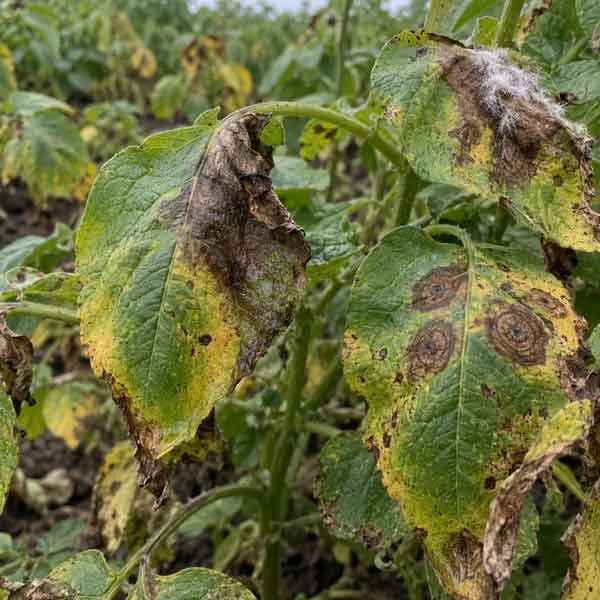
Important foliar disease directions include late blight, early blight, white mold, and other locally important canopy diseases.
Late blight can develop rapidly under favorable conditions and usually requires a planned fungicide program rather than a single rescue treatment.
Soil and Tuber Disease Pressure
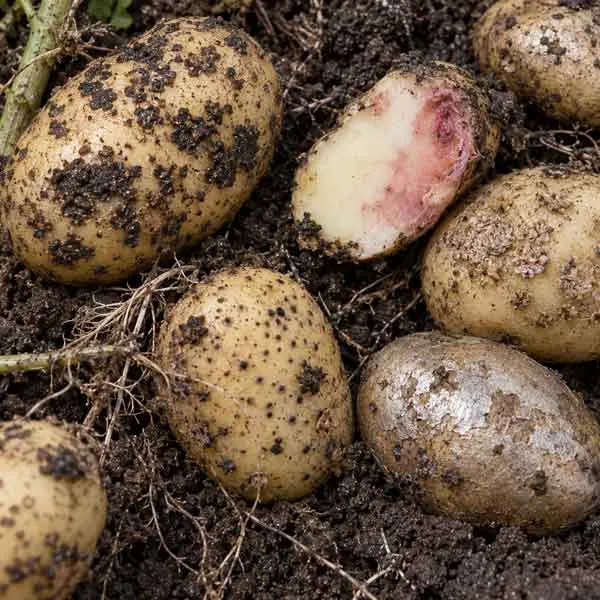
Important soil- and tuber-associated problems can include:
Rhizoctonia and black scurf, black dot, common scab, powdery scab, pink rot, silver scurf, Fusarium dry rot, and other storage or tuber diseases.
These diseases do not all respond to the same fungicide or application method.
Insect and Vector Pressure
Important potato insect directions include:
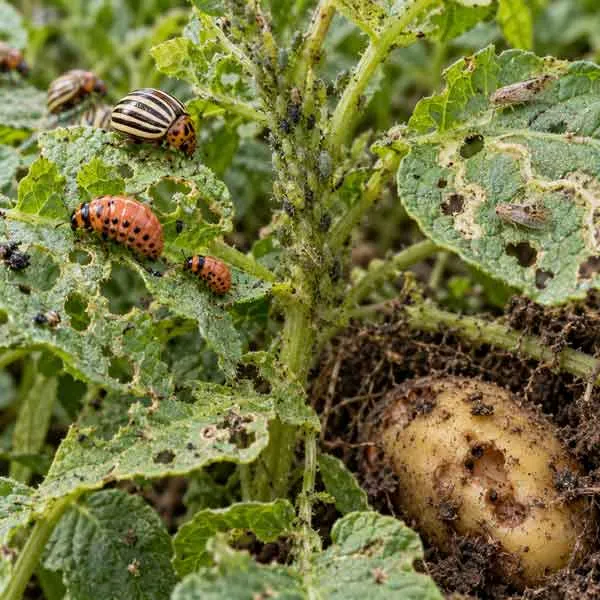
Colorado potato beetle, aphids, potato psyllid, potato tuberworm, flea beetles, cutworms, and other locally important pests.
Some of these pests damage foliage directly, while others are important because they transmit pathogens.
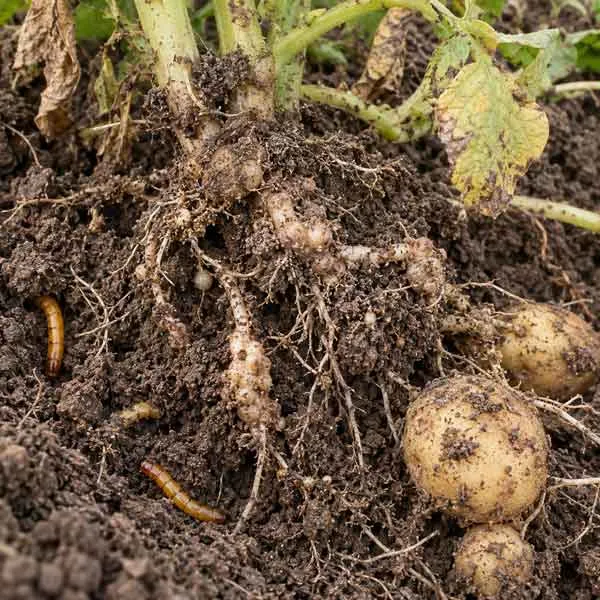
Nematode and Root-Zone Pressure
Potato production can be affected by potato cyst nematodes, root-knot nematodes, lesion nematodes, stubby-root nematodes, wireworms, and other below-ground problems.
Root-zone pressure can influence tuber number, shape, marketability, and long-term field productivity.
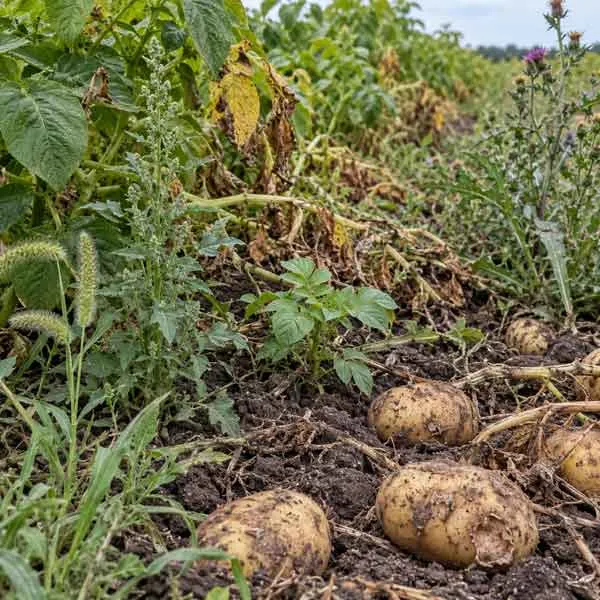
Weed and Harvest-Quality Pressure
Early weed competition can reduce crop establishment, while volunteer potatoes and perennial weeds can complicate disease, pest, and rotation management.
Later in the season, vine maturity, skin set, harvest damage, and storage-entry conditions become increasingly important.
Browse Potato Protection Directions
Potato Crop Stage Protection Program
| Potato Stage | Main Protection Direction | Commercial Selection Focus |
|---|---|---|
| Seed Tuber & Pre-Plant | Seed disease, Rhizoctonia, Fusarium, nematodes, weeds | Planting treatment, soil program, registration |
| Emergence | Stand establishment, CPB adults, cutworms, early weeds | Crop safety, scouting, early protection |
| Vegetative Growth | CPB larvae, aphids, early/late blight | Pest stage, canopy protection, MoA |
| Tuber Initiation | Late blight, soil disease, nematodes, weeds | Tuber protection, root-zone health |
| Tuber Bulking | Late/early blight, aphids, white mold, tuberworm | Canopy health, tuber quality |
| Vine Maturity | Late disease, tuber blight, desiccation | PHI, maturity, skin set |
| Harvest & Storage Entry | Bruising, wounds, tuber disease, storage rot | Harvest condition, handling, quality |
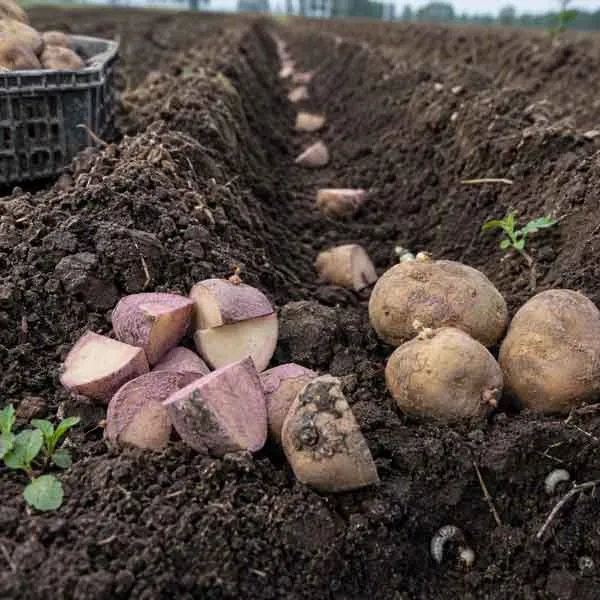
Seed Tuber and Pre-Plant
Potato protection begins with the planting material. Seed-tuber health, cutting and handling, soil-borne disease, nematode pressure, residual weed strategy, and field history should all be evaluated before planting. The planting-stage product should match the intended application method. A seed-piece dust, liquid tuber treatment, in-furrow treatment, and conventional FS seed-treatment formulation are not automatically interchangeable.
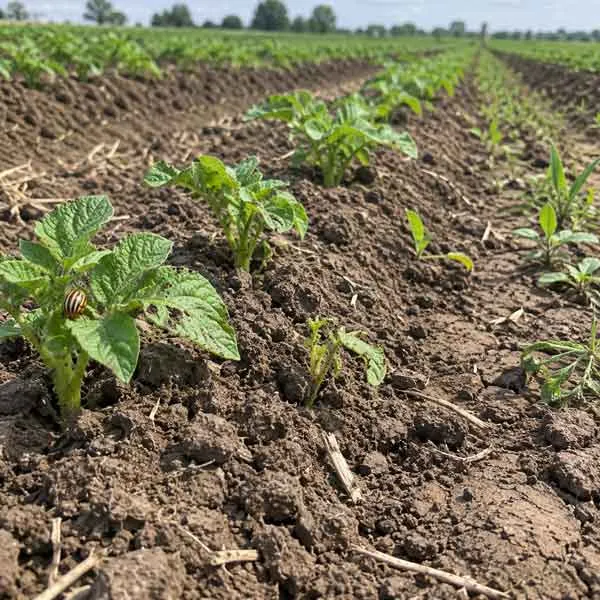
Emergence
During emergence, uneven stands can result from seed-tuber decay, Rhizoctonia, soil insects, poor soil conditions, or crop injury. Colorado potato beetle adults, flea beetles, cutworms, and early weeds may also become visible. The main commercial objective at this stage is uniform establishment without unnecessary crop stress.
Vegetative Growth
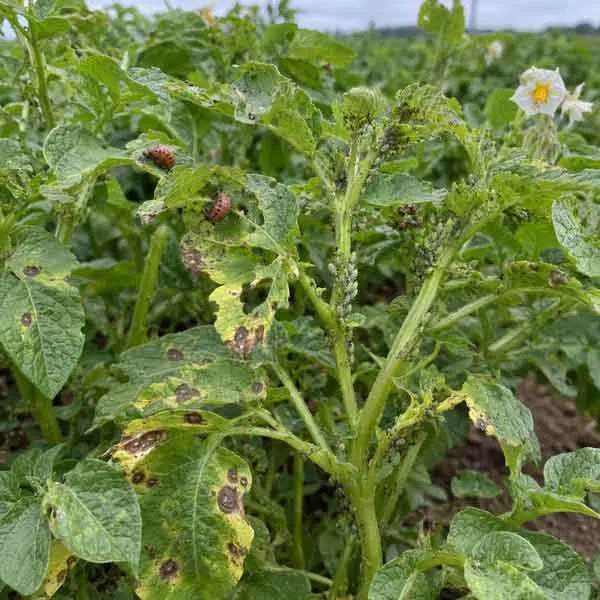
As the canopy develops, disease and insect pressure can increase quickly. Colorado potato beetle larvae, aphids, early blight, and late-blight infection risk become important monitoring directions. Late-blight protection should begin according to disease risk and local recommendations rather than waiting for severe field symptoms.
Tuber Initiation
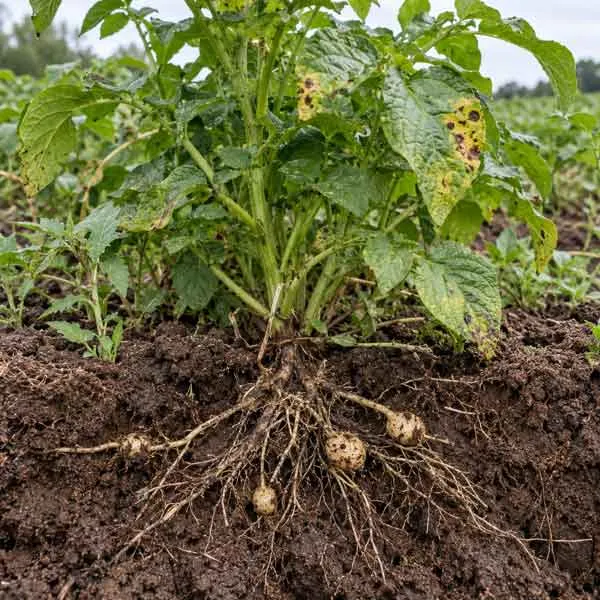
As stolons begin forming tubers, below-ground protection becomes increasingly important. Soil moisture, nematodes, tuber disease, weed competition, and late-blight pressure should be considered together. A product that protects foliage does not automatically protect developing tubers from all soil-borne diseases.
Tuber Bulking
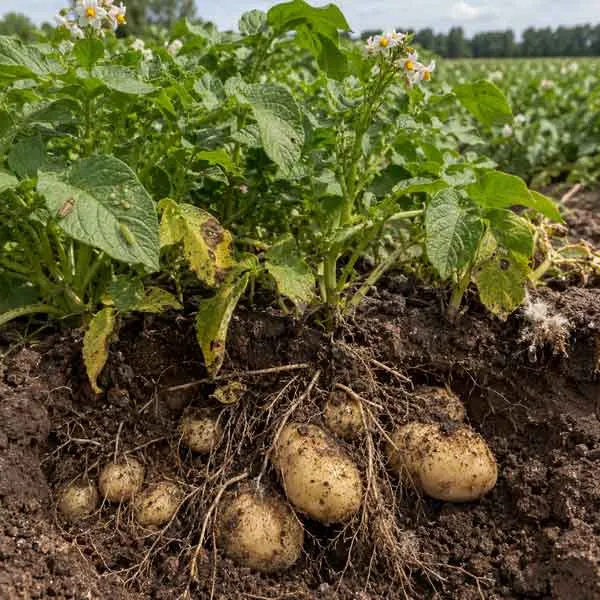
During tuber bulking, maintaining a functional canopy supports crop development, but unnecessary pesticide applications should be avoided. Important directions can include late blight, early blight, white mold, aphid populations, potato psyllid, tuberworm, and root-zone pressure.
Vine Maturity
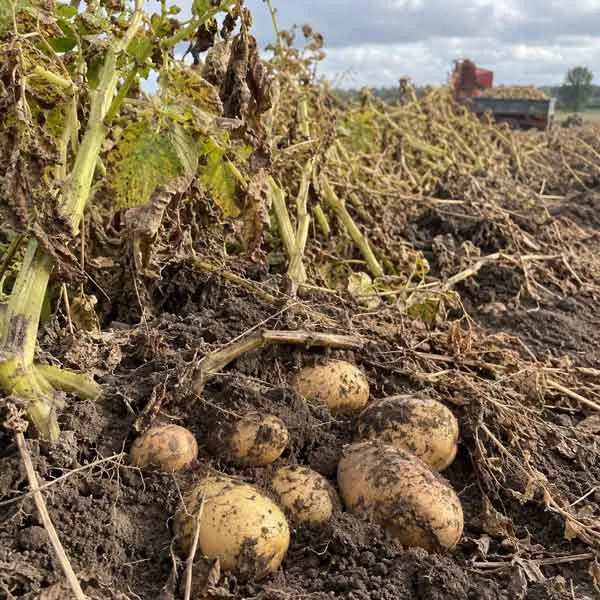
Late-season protection should increasingly consider tuber maturity and harvest preparation. Late blight, tuber-blight risk, vine desiccation, PHI, maximum application numbers, and destination-market residues become more important.
Harvest and Storage Entry
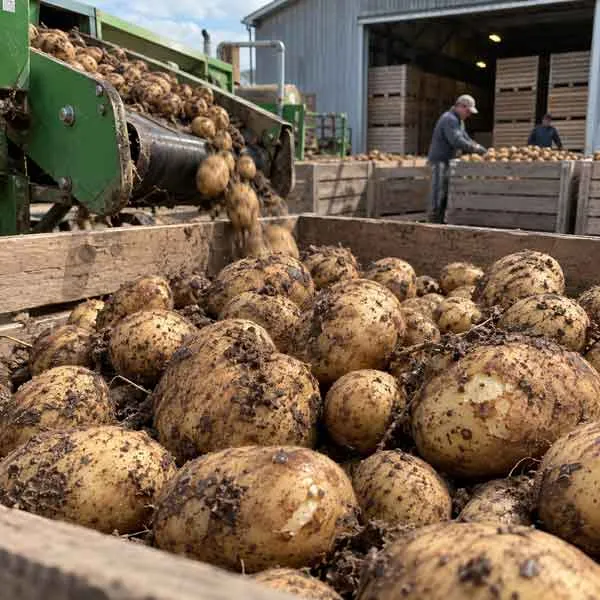
Crop protection does not finish when the vines die. Mechanical injury, skin damage, harvest wounds, infected tubers, storage temperature and humidity management, and ventilation can affect post-harvest quality. The objective is to deliver sound tubers into storage or processing rather than simply producing a green crop canopy.
Seed Tuber Health Starts the Potato Protection Program
Potato planting material is itself a tuber, which creates different disease-management requirements from conventional true-seed crops.
Common Potato Diseases
1. Late Blight (Phytophthora infestans)
Impact:
Late blight is one of the most devastating diseases for potato crops, causing rapid decay of the leaves, stems, and tubers. It can spread quickly, especially under cool, wet conditions, and lead to substantial crop loss.
Symptoms:
- Dark, water-soaked lesions on leaves and stems, often surrounded by a yellow halo.
- White, cotton-like growth under wet conditions, particularly on the undersides of leaves.
- Tuber rot, which leads to the production of dark, sunken lesions on the tubers.
Control Methods:
- Critical Control Period: From the early vegetative stage to the tuber formation period.
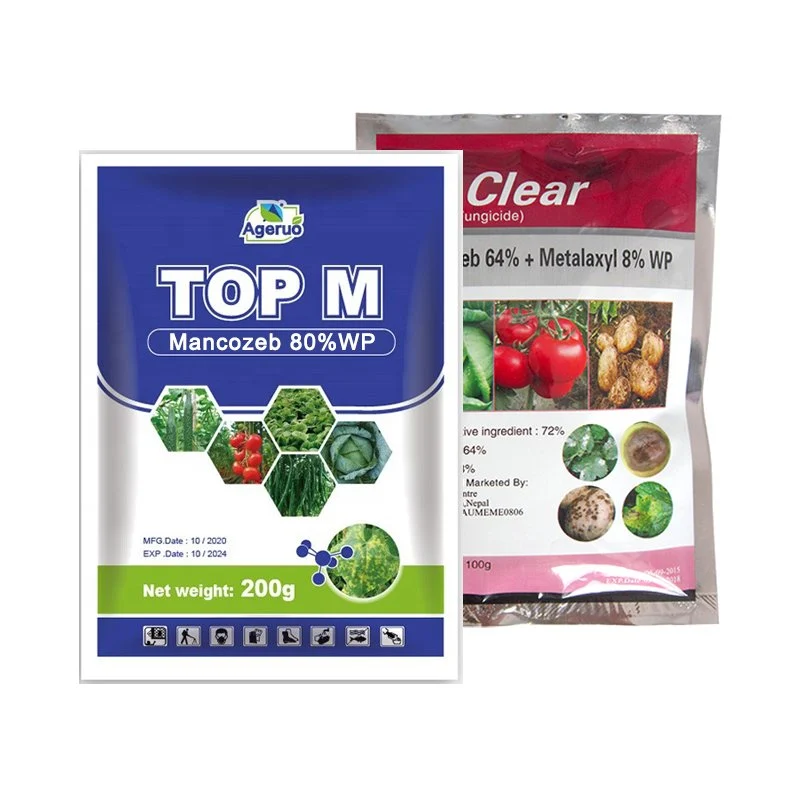
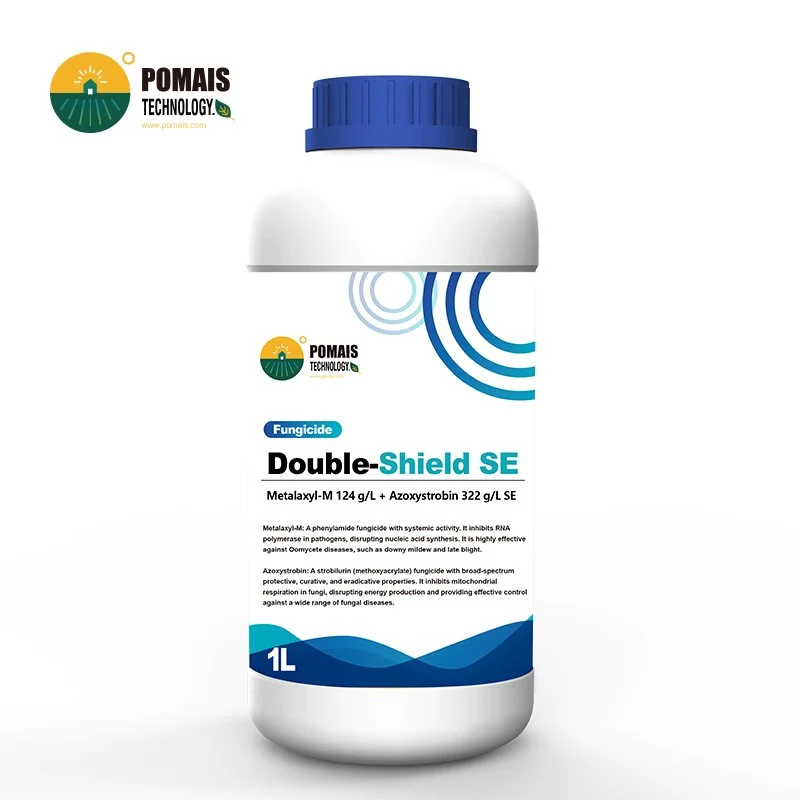
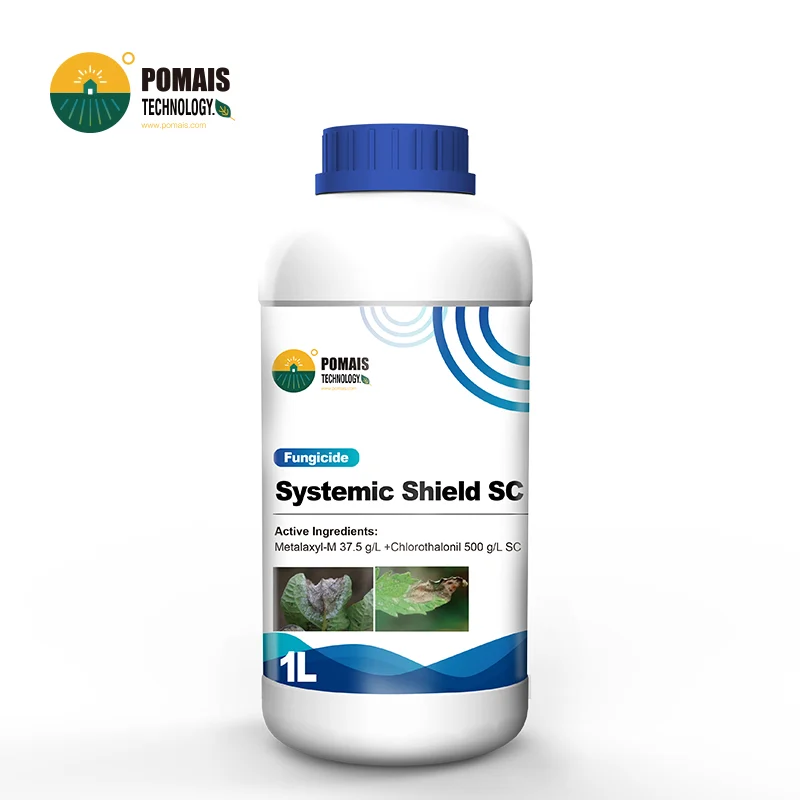
- Recommended Pesticides: Fungicides like Mancozeb, Copper-based fungicides, and Metalaxyl are effective in controlling late blight.
2. Early Blight (Alternaria solani)
Impact:
Early blight is a fungal disease that affects both leaves and stems, leading to reduced photosynthesis and poor tuber development. In severe cases, early blight can cause premature defoliation and yield loss.
Symptoms:
- Concentric, dark brown or black spots with yellow halos on older leaves.
- Lesions that enlarge, causing tissue necrosis.
- Defoliation leading to poor growth and decreased yield.
Control Methods:
- Critical Control Period: During early to mid-growing season.
- Recommended Pesticides: Fungicides such as Azoxystrobin or Chlorothalonil are effective in controlling early blight.


Mancozeb
Main Potato Diseases and Management Recommendations


Common Potato Pests
1. Colorado Potato Beetle (Leptinotarsa decemlineata)
Impact:
The Colorado potato beetle is a major pest that attacks both the foliage and stems of potato plants. Its feeding results in defoliation and can significantly reduce crop yield. The beetles also carry viruses that can further affect plant health.
Symptoms:
- Defoliation of leaves, resulting in reduced photosynthesis.
- Presence of yellowish larvae and adult beetles on the undersides of leaves.
- Stunted growth and poor tuber development due to the loss of foliage.
Control Methods:
- Critical Control Period: From the early vegetative stage through to tuber maturity.
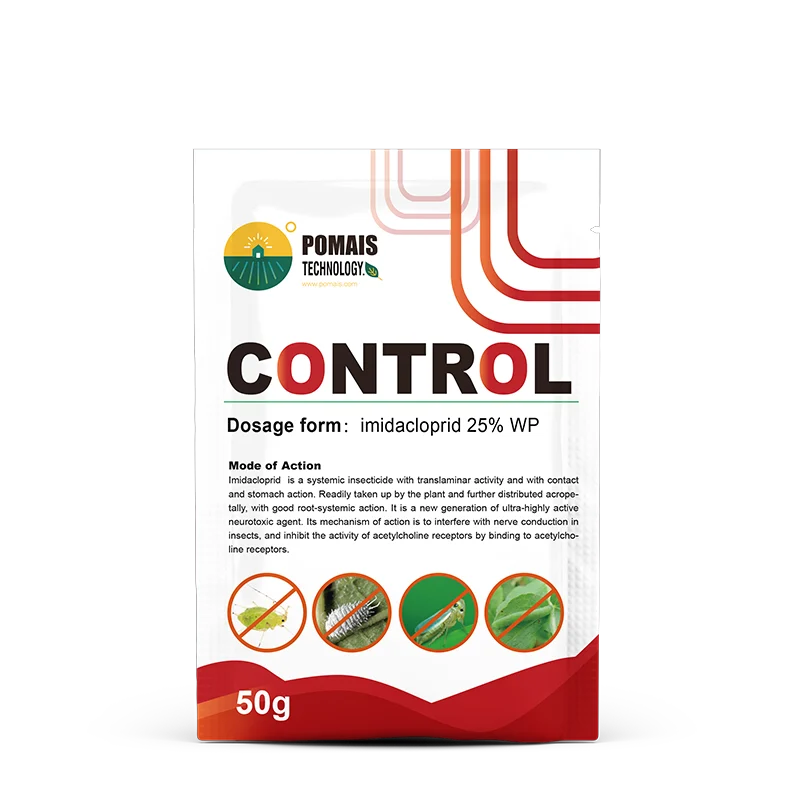
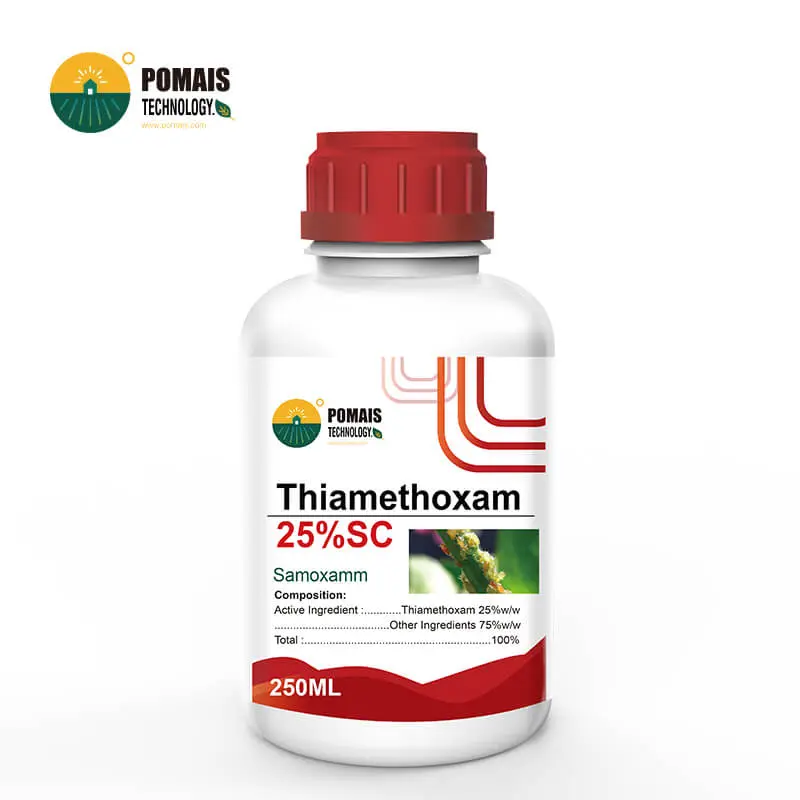
- Recommended Pesticides: Insecticides such as Imidacloprid, Thiamethoxam, and Pyrethroids are effective in controlling the Colorado potato beetle.
2. Aphids (Macrosiphum euphorbiae)
Impact:
Aphids are sap-feeding insects that cause direct damage by sucking nutrients from the plants, which weakens the plants and results in yellowing and stunted growth. They are also vectors for several viral diseases.
Symptoms:
- Yellowing and wilting of leaves.
- The presence of aphids on the undersides of leaves.
- The secretion of honeydew, which attracts sooty mold.
Control Methods:
- Critical Control Period: From seedling stage to tuber maturity.
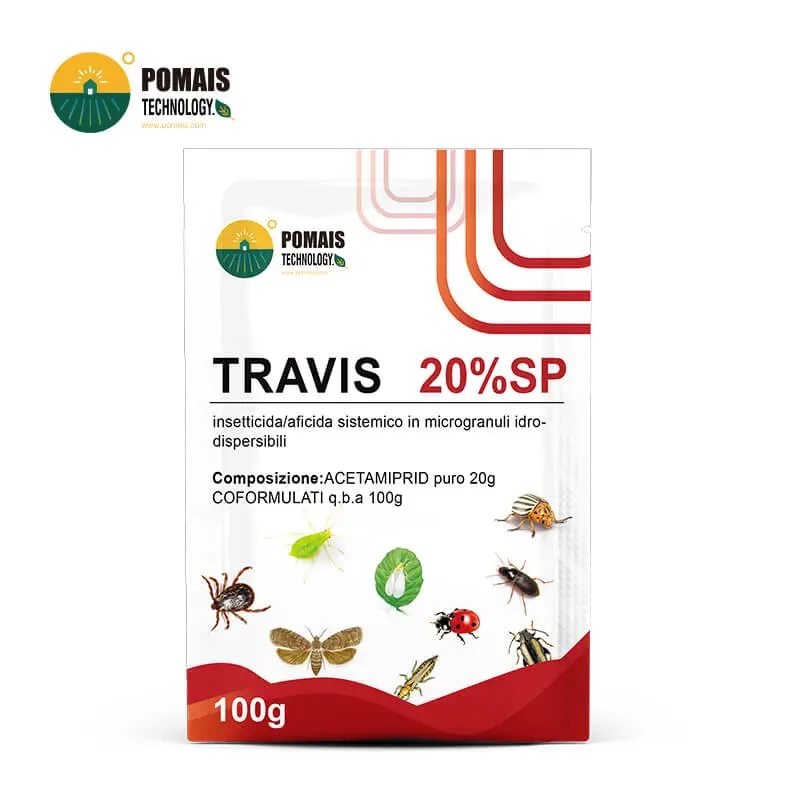
- Recommended Pesticides: Systemic insecticides like Imidacloprid and Acetamiprid can control aphid populations effectively.
Key Insect Pests of Potato and Recommended Control
Impact of Potato Pests and Diseases
The presence of pests and diseases in potato crops can lead to severe consequences:
- Yield Loss: Diseases like late blight and pests like the Colorado potato beetle can result in a significant reduction in yield.
- Quality Degradation: Fungal diseases like early blight can damage the appearance and quality of the potatoes, leading to a decrease in marketability.
- Disease Transmission: Pests like aphids can spread viral diseases, which can cause widespread crop damage.
- Crop Failure: In severe cases, unchecked pest and disease infestations can result in total crop loss.
Potato Pest and Disease Management Solutions
Control Indicators:
- Early Detection: Monitoring for signs of pests and diseases at every growth stage is critical to prevent widespread damage.
- Preventive Treatments: Applying fungicides and insecticides before the onset of severe infestations can help maintain crop health.
Critical Control Periods:
- Seedling to Early Vegetative Stages: Control of pests such as aphids and the prevention of early blight is crucial during this stage.
- Tuber Formation to Maturation: Protecting plants from late blight and the Colorado potato beetle is essential during the later stages of growth.
Recommended Pesticides:
- Fungicides: Mancozeb, Metalaxyl, Azoxystrobin, and Chlorothalonil are effective in controlling late and early blight.
- Insecticides: Imidacloprid, Thiamethoxam, Acetamiprid, and Pyrethroids are recommended for controlling potato pests such as the Colorado potato beetle and aphids.