Browse Weed Management Directions
Effective weed management starts with correct weed identification and crop context. Different weed groups can require different herbicide chemistry, timing, selectivity, and resistance-management strategies.
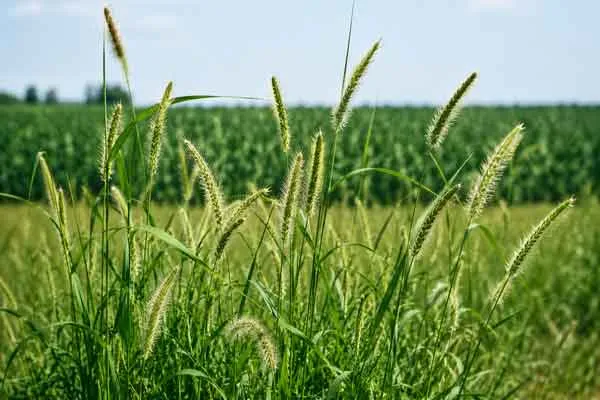
Grass Weeds
Management directions for barnyardgrass, foxtails, wild oats, crabgrass, johnsongrass, and other annual or perennial grass weeds.
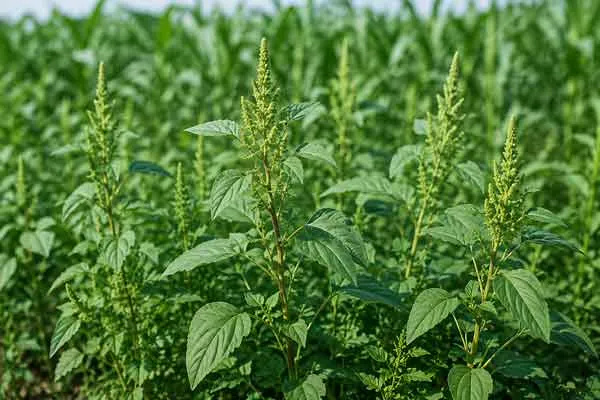
Broadleaf Weeds
Product-selection directions for pigweeds, lambsquarters, purslane, thistles, and other broadleaf weed groups.
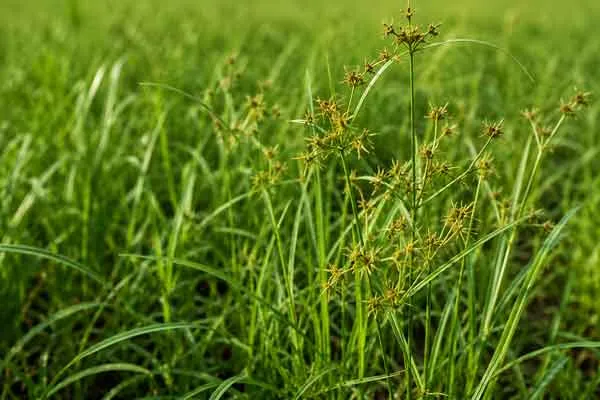
Sedges
Herbicide directions for nutsedges, Cyperus species, rice-field sedges, and other sedge complexes where locally registered.
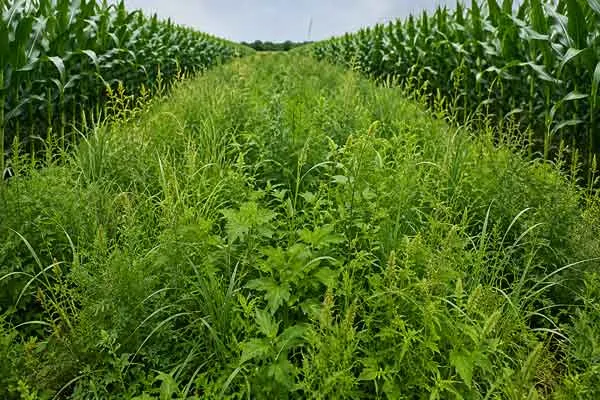
Mixed Weed Populations
Programs for fields containing combinations of grass, broadleaf, and sedge weeds that may require broader-spectrum or combination herbicide strategies.
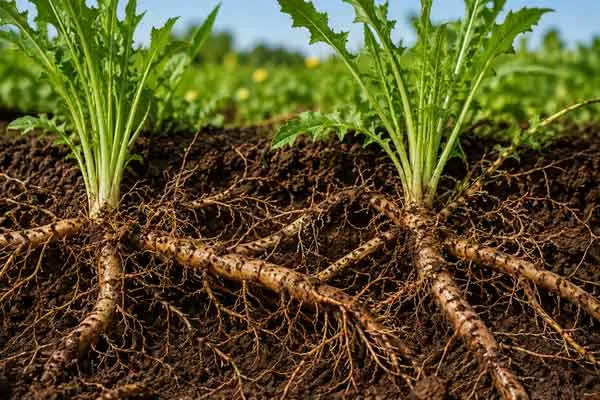
Perennial and Rhizomatous Weeds
Management directions for persistent weeds with underground rhizomes, roots, stolons, or other structures that support regrowth.
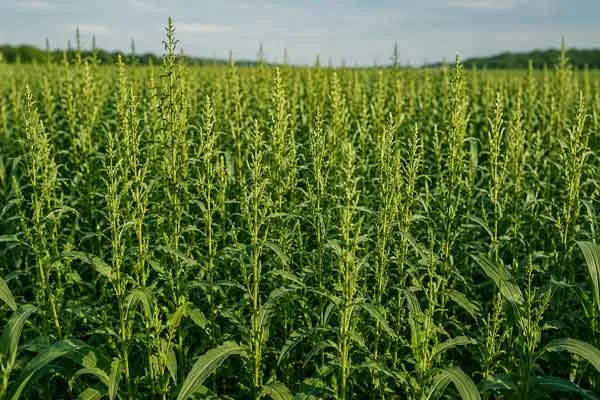
Resistant Weed Populations
Product-selection directions where previous herbicide use or confirmed resistance affects the choice of an effective mode of action.
How to Select a Weed Control Program
A weed name alone is not enough to select the right herbicide. Commercial weed-control programs should consider several factors together.
Pre-Emergence vs Post-Emergence Weed Management
Application timing is one of the most important decisions in herbicide selection.
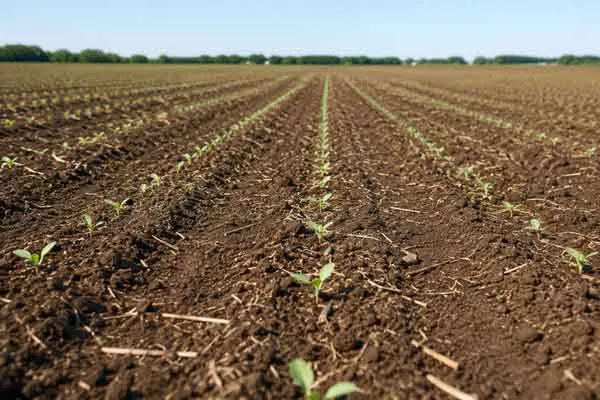
Pre-Emergence Weed Management
Pre-emergence programs are planned before or around weed emergence. Product selection should consider the target weed spectrum, crop tolerance, soil activity, residual characteristics, activation requirements where applicable, rotational-crop restrictions, and local label.
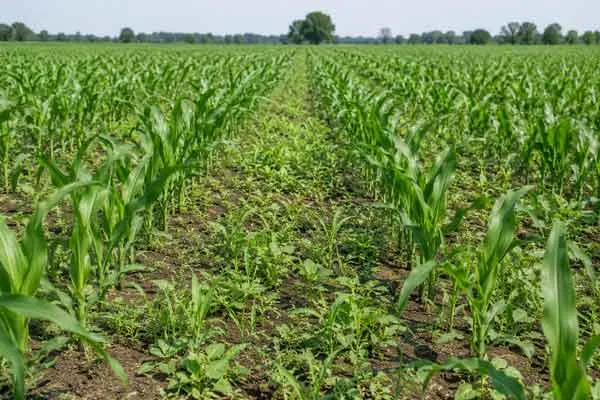
Post-Emergence Weed Management
Post-emergence programs target emerged weeds. Selection should consider the weed species, growth stage, crop stage, foliar coverage, crop selectivity, mode of action, resistance situation, and approved application timing.
Neither timing direction is universally superior. The appropriate program depends on the crop, weed spectrum, production system, and destination-market registration.
Crop Selectivity Matters
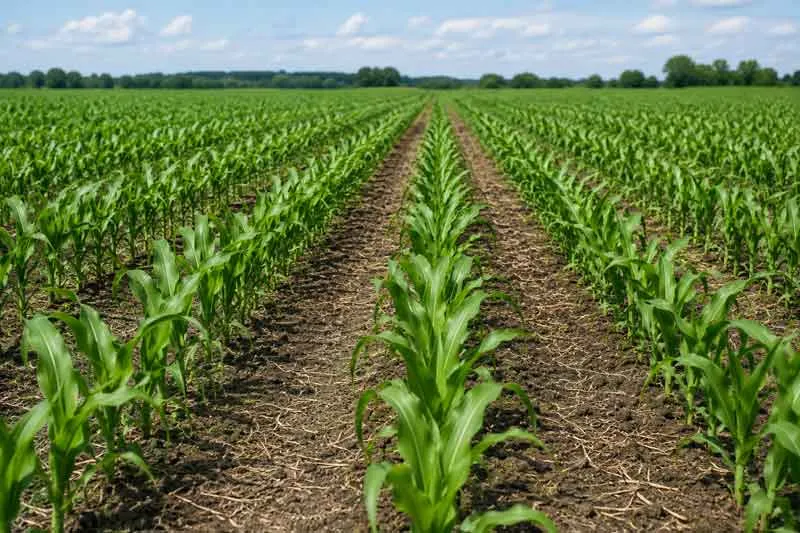
A herbicide can control the target weed and still be unsuitable if crop tolerance is not acceptable.
Crop selectivity can depend on the crop species, variety where relevant, growth stage, active ingredient, formulation, application rate, timing, environmental conditions, and safener system.
For this reason, herbicide selection should be based on the complete crop-and-weed program rather than on weed spectrum alone.
- Crop
- Stage
- Rate
- Timing
- Safener
Herbicide Safeners and Crop Selectivity
Some selective herbicide formulations include safeners to improve crop tolerance to specific herbicidal active ingredients.
A safener does not independently broaden the weed-control spectrum. The complete formulation should be evaluated according to the crop, herbicidal active ingredients, safener, concentration, application timing, formulation stability, and local registration.
Safener-containing products can be particularly relevant in selected cereal, corn, rice, and other crop herbicide programs.
Safener supports crop tolerance; it does not replace weed-spectrum or MoA evaluation.
Weed Direction and Herbicide Selection Logic
| Weed Direction | Key Selection Factors |
|---|---|
| Grass Weeds | Grass species, crop selectivity, growth stage, effective MoA, resistance |
| Broadleaf Weeds | Weed species, crop tolerance, growth stage, effective MoA |
| Sedges | Sedge species, crop, application timing, registered active ingredient |
| Mixed Weed Populations | Spectrum overlap, combination logic, crop safety, effective MoA |
| Perennial Weeds | Regrowth potential, underground structures, growth stage, systemic direction where relevant |
| Resistant Weed Populations | Resistance history, effective alternative MoA, mixture or rotation strategy |
Herbicide Mode of Action and Resistance Management
Herbicide selection should consider both weed spectrum and mode of action.
HRAC mode-of-action groups provide a practical framework for comparing herbicide chemistry and developing resistance-management programs. Different active ingredients or brand names do not necessarily represent an effective resistance-management rotation.
| Herbicide Direction | HRAC Group Example |
|---|---|
| ACCase inhibitors | 1 |
| ALS inhibitors | 2 |
| Synthetic auxins | 4 |
| EPSPS inhibitors | 9 |
| PPO inhibitors | 14 |
| HPPD inhibitors | 27 |
A resistance-management program should consider the target weed, crop, known resistance status, effective mode of action, application timing, mixture or rotation strategy, and approved local label.
Rotate effective modes of action, not simply product or brand names.
Herbicide Resistance Changes Product Selection
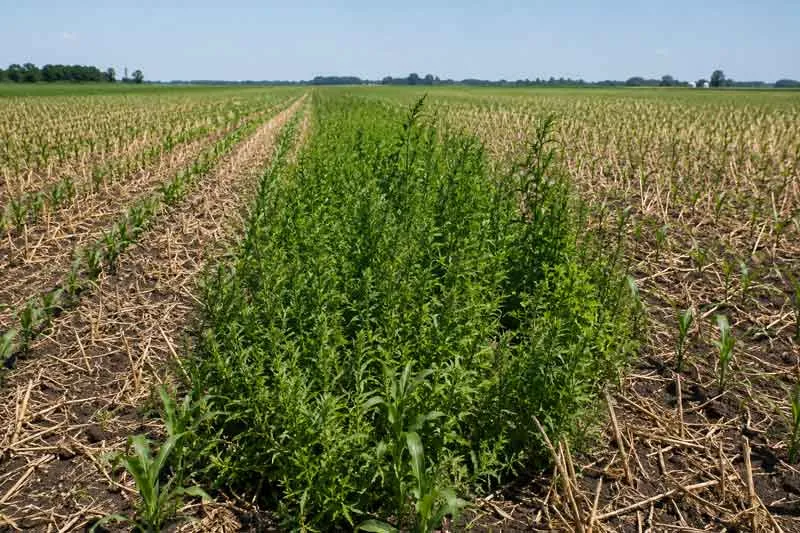
Repeated use of the same effective mode of action can select for resistant weed populations over time.
Where resistance is known or suspected, product selection should consider:
- Correct weed identification
- Previous herbicide use
- Confirmed or suspected resistance
- Effective alternative modes of action
- Suitable mixtures or rotations
- Crop selectivity
- Non-chemical management options
- Local registration
A different brand name does not necessarily mean a different resistance-management strategy.
Herbicide Resistance Changes Product Selection
Herbicides are one part of a broader weed-management program. Depending on the crop and production system, integrated weed management can include:
Formulation and Application Fit
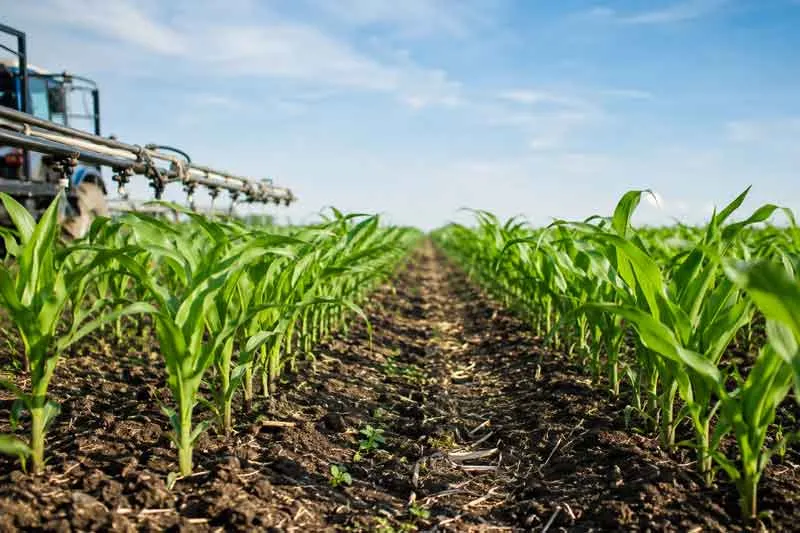
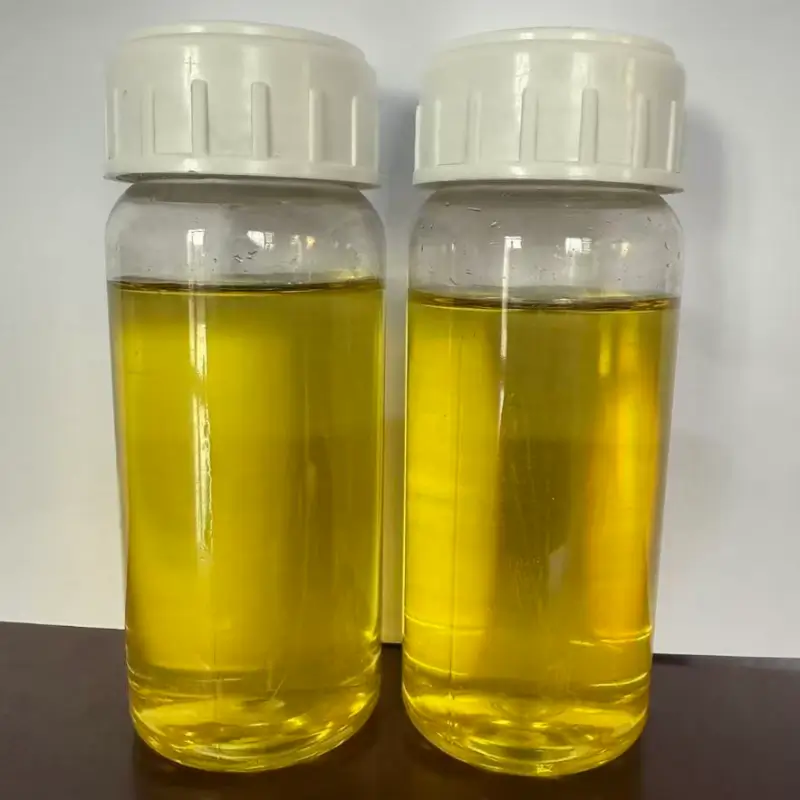
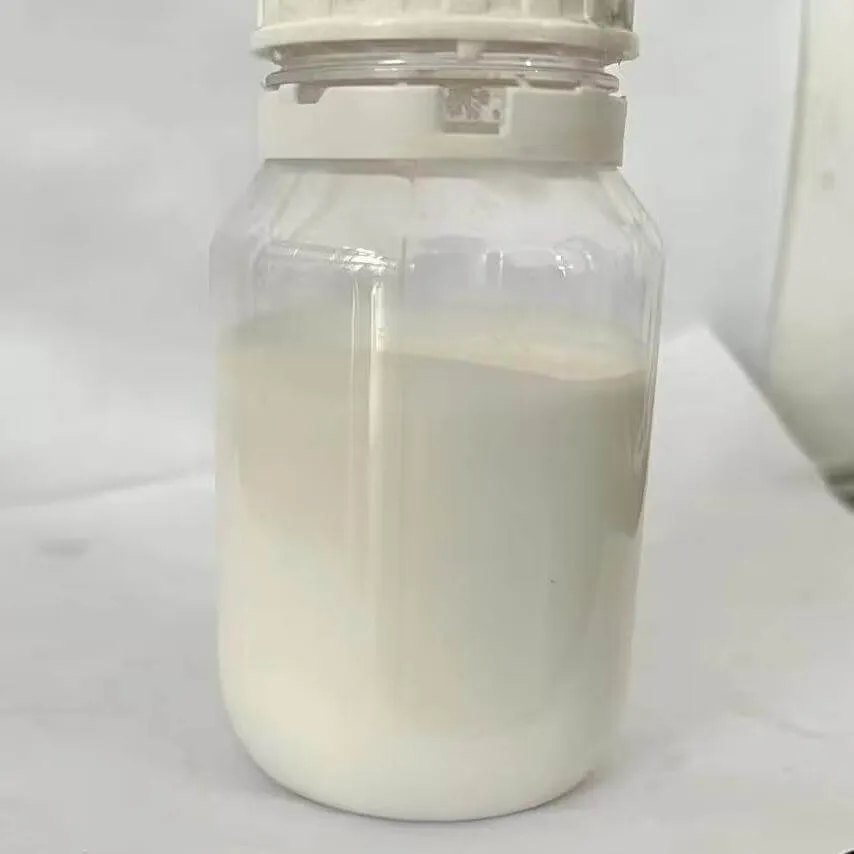
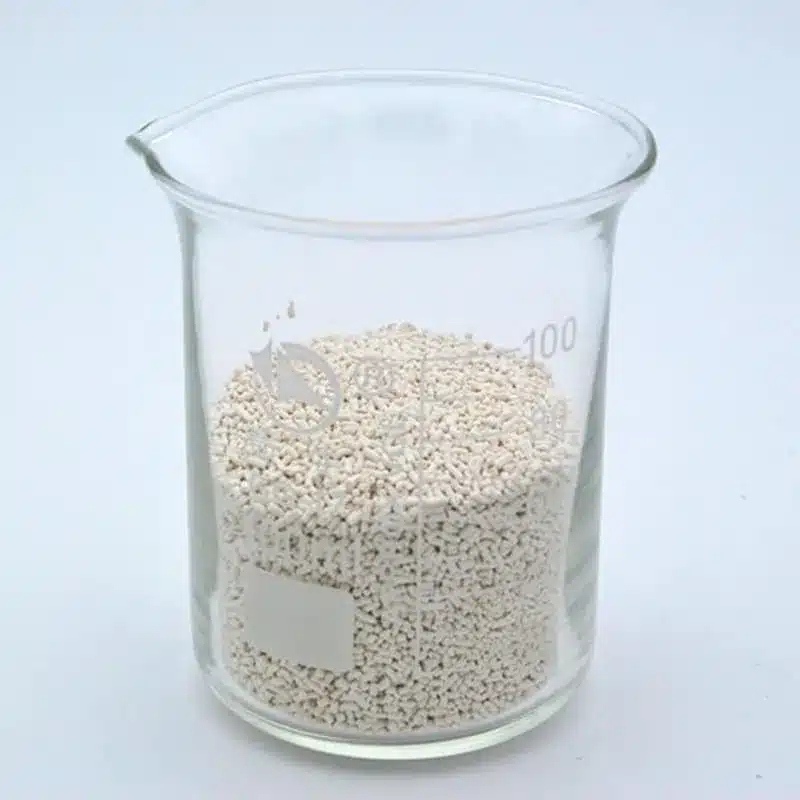
Herbicide formulation should be selected according to the active ingredient, crop, weed stage, application method, equipment, formulation stability, packaging requirements, and local market preference.
Formulation type alone does not determine herbicide efficacy, crop safety, systemic activity, or resistance-management value.
For detailed commercial formulations, explore our Herbicide Product Portfolio.

SC

EC
SL

OD
SE
WG
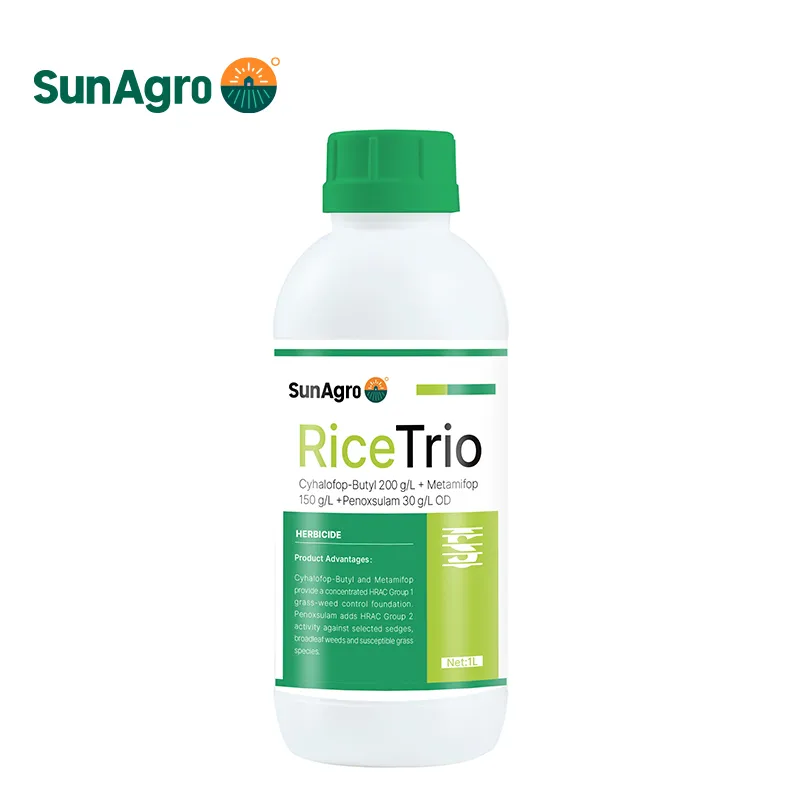
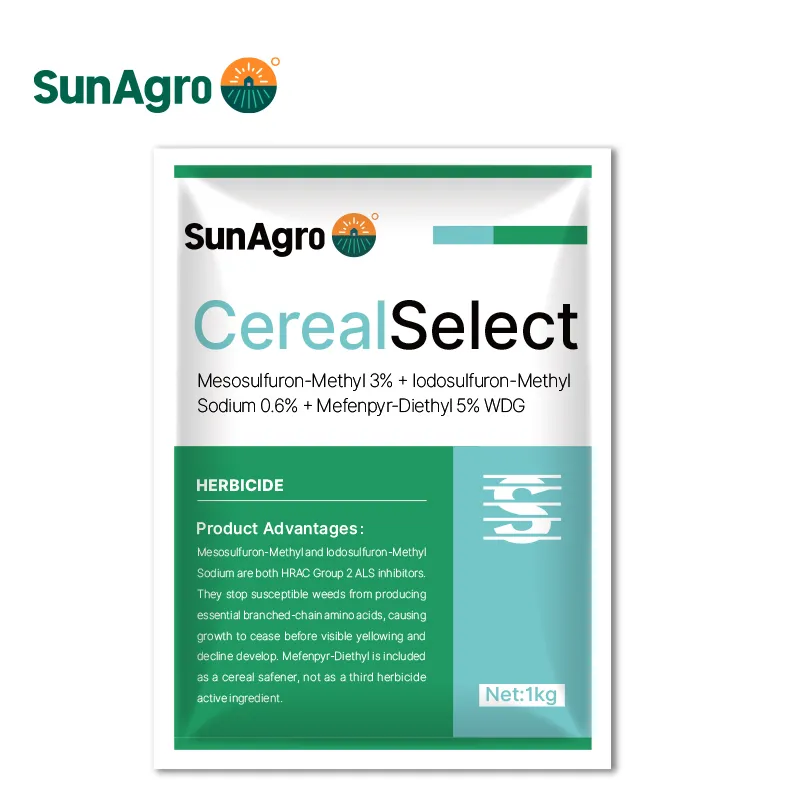
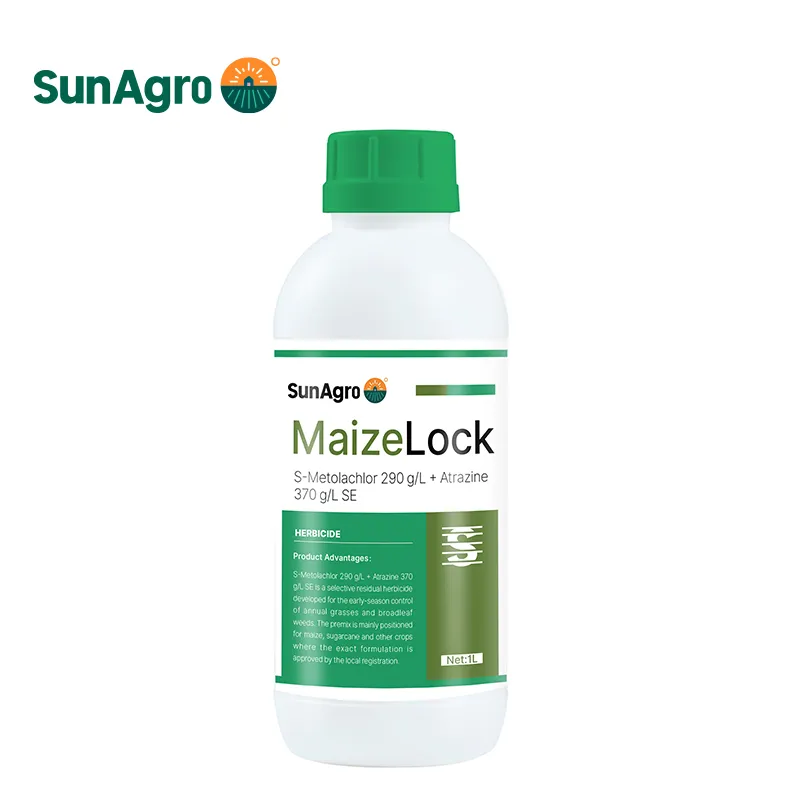
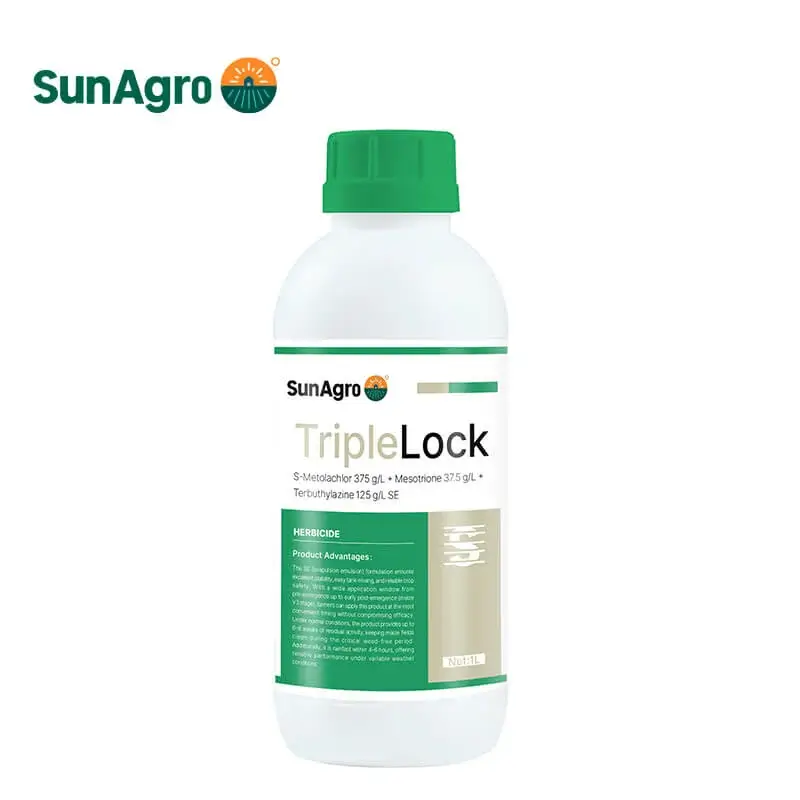
Featured Herbicide Products
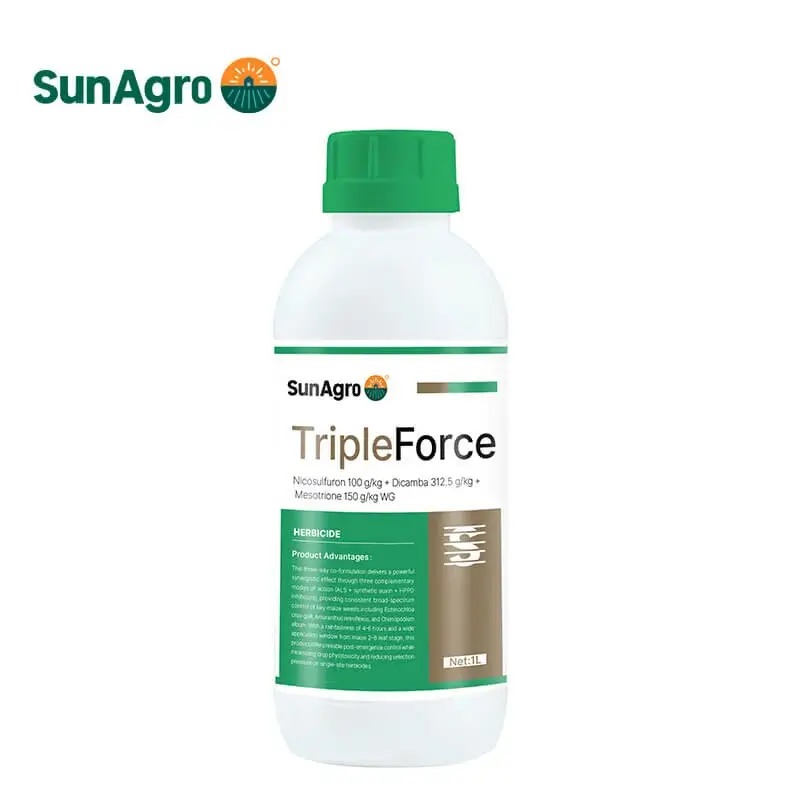
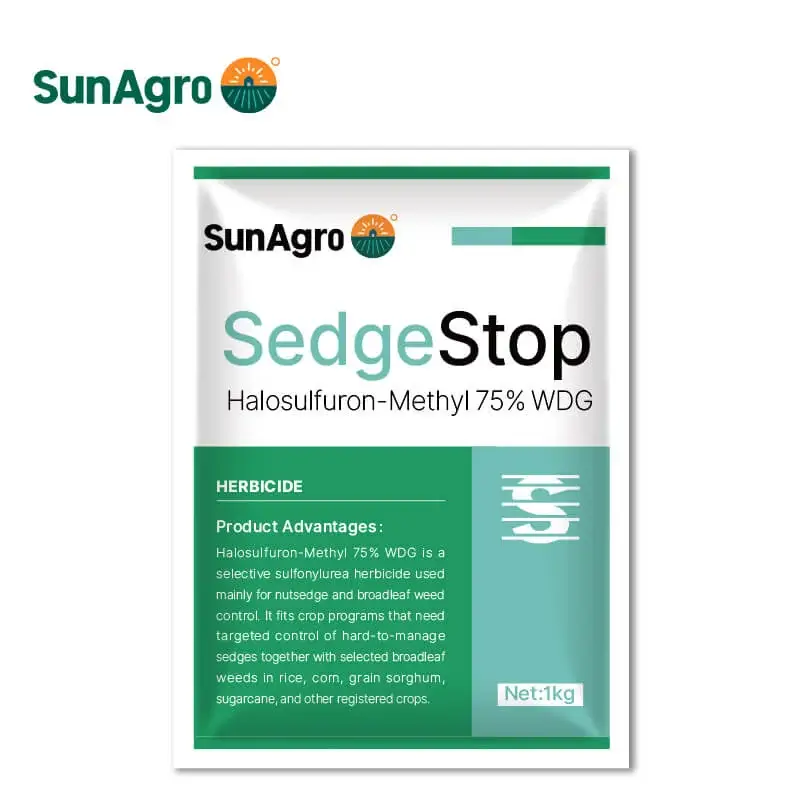
Explore selected herbicide products representing different weed-management directions, including grass, broadleaf, sedge, pre-emergence, post-emergence, and mixed-spectrum programs.
Product selection should be based on the target weed, crop, application timing, mode of action, crop selectivity, formulation, and destination-market registration.
For the complete portfolio, browse our herbicide category.