Browse Crop Disease Management Directions
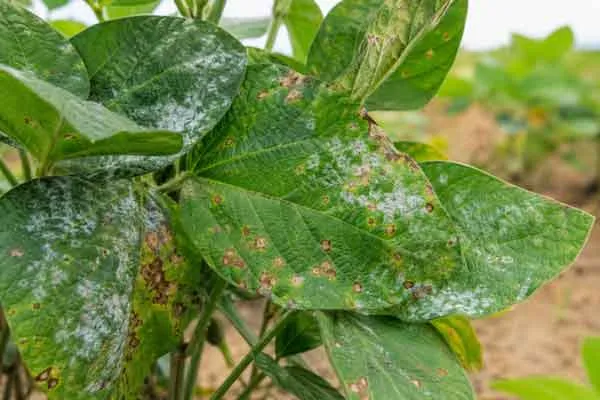
Foliar Fungal Diseases
Management directions for powdery mildew, rusts, Botrytis, Alternaria, anthracnose, leaf spots, and other registered foliar fungal diseases.
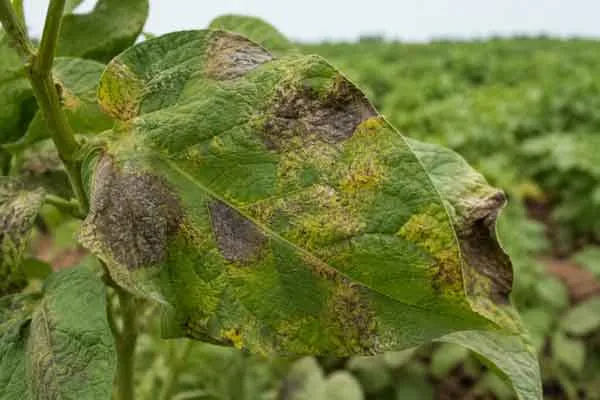
Oomycete Diseases
Product directions for downy mildew, late blight, Pythium, Phytophthora, and other oomycete disease programs.
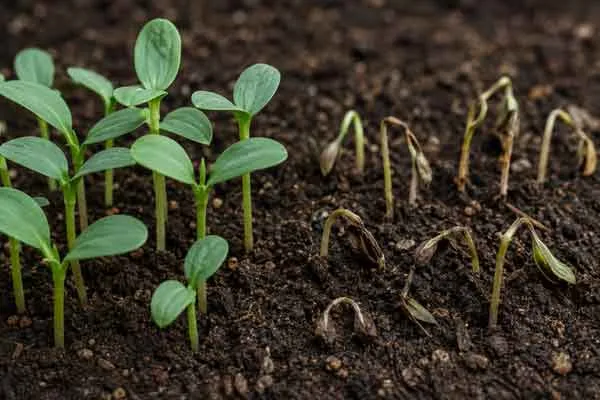
Seed and Seedling Diseases
Seed-treatment and early-establishment directions for Fusarium, Rhizoctonia, Pythium, and other seedling disease complexes.
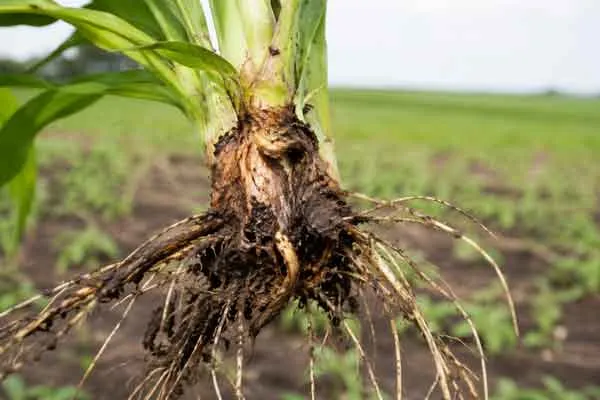
Soil, Root and Crown Diseases
Management directions for selected root rots, crown rots, damping-off, and other soil-associated disease complexes.
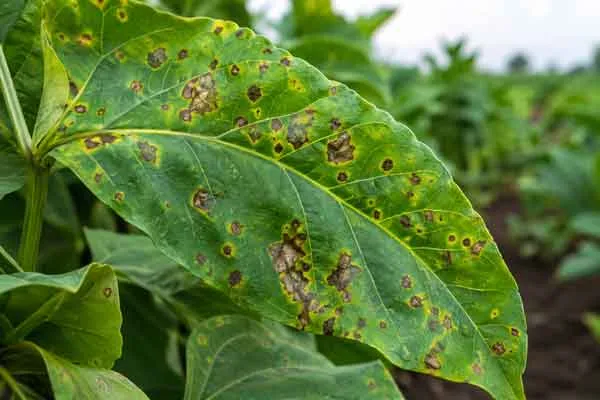
Bacterial Diseases
Selected bactericide and integrated management directions for bacterial leaf spots, blights, wilts, cankers, and related diseases where locally registered.
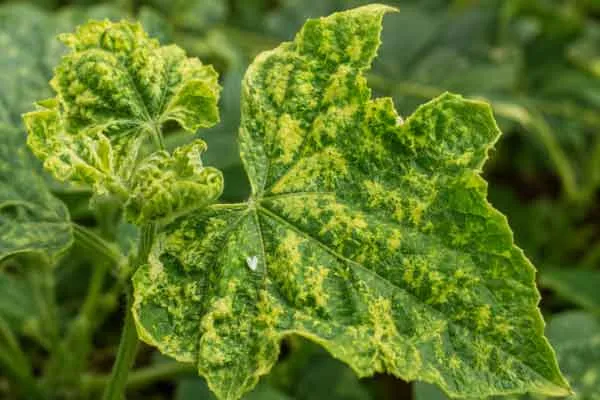
Viral and Vector-Associated Diseases
Management focuses on clean planting material, resistant varieties where available, sanitation, removal of infection sources, and vector management rather than conventional fungicide treatment.
Why Pathogen Type Matters
Similar symptoms do not always have the same cause. Distinguishing the major pathogen groups helps prevent unsuitable product positioning.
| Pathogen Direction | Typical Disease Examples | Management Implication |
|---|---|---|
| True Fungi | Powdery mildew, rusts, Botrytis, Alternaria | Match fungicide chemistry and FRAC group to the pathogen |
| Oomycetes | Downy mildew, late blight, Pythium, Phytophthora | Requires products with appropriate oomycete activity |
| Bacteria | Leaf spots, blights, wilts, cankers | Conventional fungicides are not universal bacterial-disease solutions |
| Viruses | Mosaic, curling, yellowing, stunting | Prevention, clean material and vector/source management become more important |
Correct diagnosis should come before pesticide selection.
How to Identify the Right Disease Management Direction
A professional disease-management decision should move from diagnosis to control strategy rather than from symptoms directly to a pesticide name.
Disease Direction by Affected Plant Part
| Affected Plant Part | Typical Disease Direction |
|---|---|
| Seed / Seedling | Seed decay, damping-off, seedling blight and establishment disease complexes |
| Root / Crown | Root rot, crown rot, soil-borne and vascular disease directions |
| Leaves | Mildews, rusts, leaf spots, blights and bacterial foliar diseases |
| Stem | Cankers, stem rots and selected vascular diseases |
| Flowers / Heads | Botrytis, Fusarium head diseases and flower blights |
| Fruit | Anthracnose, fruit rots, scab and other fruit disease complexes |
Visible symptoms can help narrow the diagnosis, but laboratory or professional confirmation may still be required where symptoms overlap.
Common Crop Disease Groups
| Disease Group | Typical Crop Direction | Management Positioning |
|---|---|---|
| Powdery Mildew | Cereals, grapes, vegetables, fruit | Preventive and registered systemic/local-systemic programs |
| Downy Mildew | Grapes, cucurbits, vegetables | Oomycete-active disease management |
| Late Blight | Potato, tomato | Targeted Phytophthora management |
| Botrytis / Gray Mold | Grapes, berries, vegetables | Timing-sensitive Botrytis programs |
| Rust Diseases | Cereals, corn and other crops | Foliar disease-management programs |
| Fusarium Diseases | Cereals, corn and other crops | Crop- and growth-stage-specific management |
| Seedling Disease Complex | Field and vegetable crops | Seed, soil and early-establishment protection |
| Root and Crown Rots | Field, vegetable and fruit crops | Diagnosis-led soil, seed and crop management |
The same disease group can involve different pathogen populations, resistance situations, and registration conditions. Product selection should therefore be made within a defined crop and market context.
Disease Management by Crop
Different crop markets face different disease complexes. Detailed crop recommendations should therefore be handled within crop-specific solution pages.
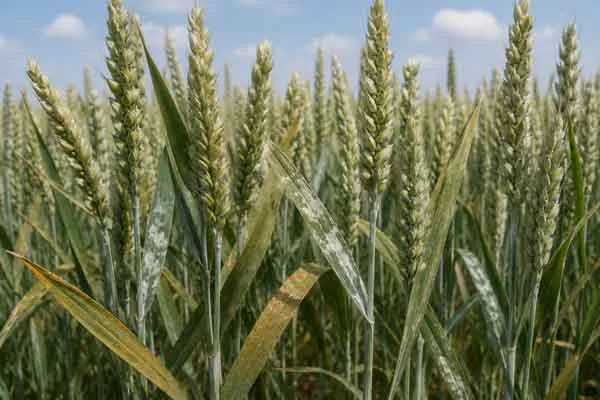
Cereals
Rusts, powdery mildew, Fusarium head diseases, leaf blotches, and seed-borne disease directions.
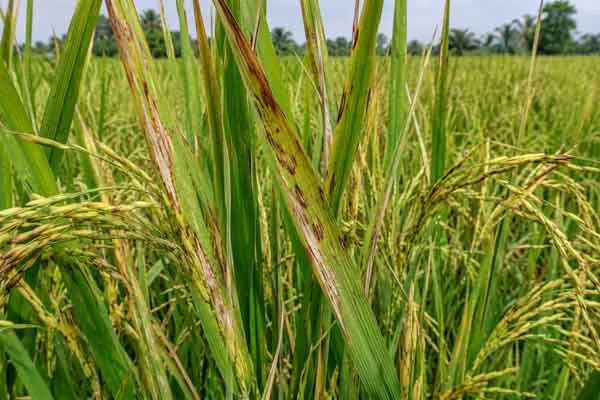
Rice
Blast, sheath blight, false smut, and region-specific seed or foliar disease programs.
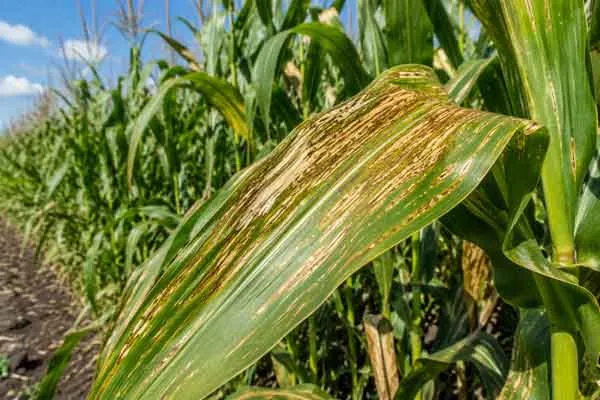
Corn
Leaf blights, rusts, stalk and ear diseases, and seedling disease complexes.
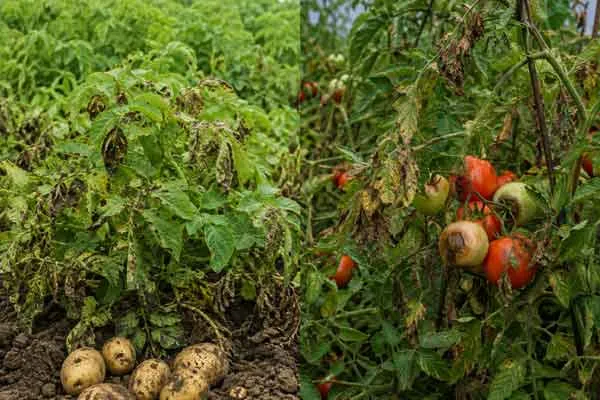
Potato and Tomato
Late blight, early blight, seedling diseases, root diseases, and other foliar infections.
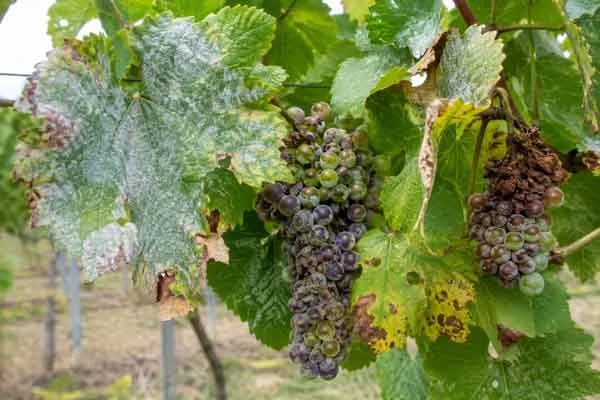
Grapes
Downy mildew, powdery mildew, Botrytis, and fruit rot programs.
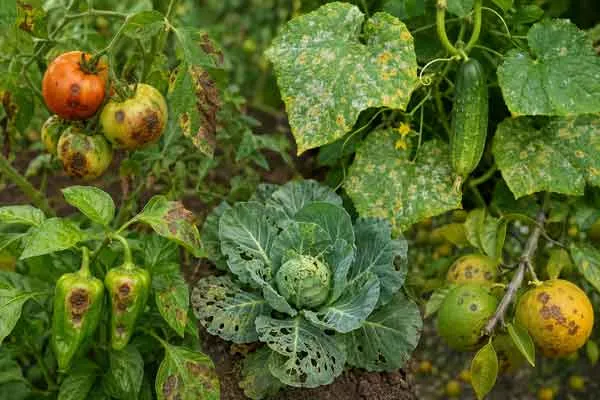
Vegetables and Fruit
Mildews, anthracnose, Botrytis, leaf spots, damping-off, root diseases, scab, and fruit rots.
How to Select a Disease-Control Product
Selecting a disease-control product requires more than comparing active ingredient names or concentrations.
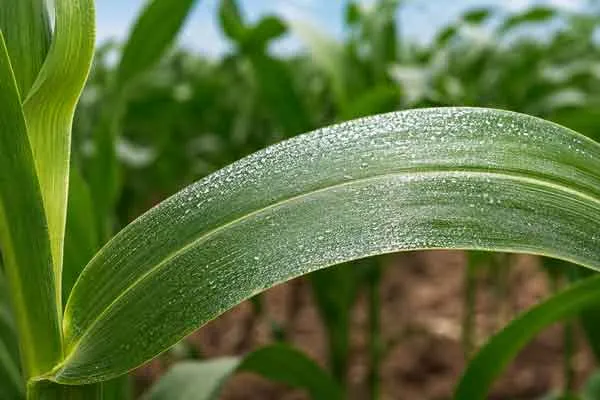
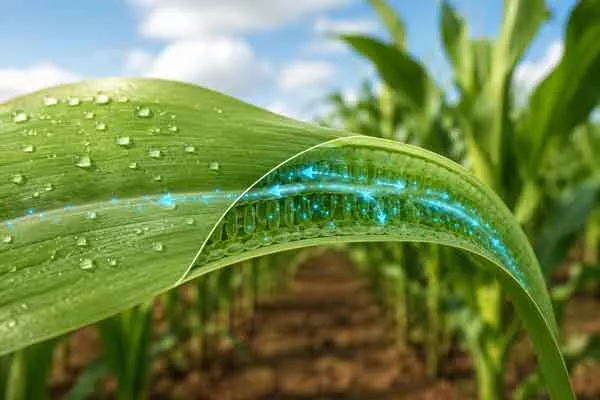
Contact and Systemic Fungicide Positioning
Plant mobility and biochemical mode of action are different concepts.
Preventive vs Early-Stage Disease Management
Preventive Positioning
Preventive fungicides are used primarily to protect healthy plant tissue before infection becomes severe.
Coverage, timing, disease pressure, and residual positioning can all influence the program.
Early-Stage / Post-Infection Activity
Some active ingredients may provide activity during early infection stages, depending on the pathogen, product, application timing, and approved label.
This does not mean that a systemic fungicide can restore tissue that has already been seriously damaged.
Preventive, curative and systemic should be used as precise technical terms rather than general marketing claims.
Disease Pressure Depends on the Crop Environment
Disease development is influenced by more than the pathogen alone.
The same pathogen may require different management intensity under different environmental conditions.
Fungicide Mode of Action and Resistance Management
Fungicide mode of action describes the biochemical process or target affected by an active ingredient.
FRAC groups fungicides according to mode of action and resistance characteristics. Different active ingredients do not always represent different modes of action, and products within the same cross-resistance group may not provide an effective rotation.
| Fungicide Direction | FRAC Group |
|---|---|
| DMI Fungicides | 3 |
| Phenylamides | 4 |
| SDHI Fungicides | 7 |
| Anilinopyrimidines | 9 |
| QoI Fungicides | 11 |
| CAA Fungicides | 40 |
A resistance-management program should consider the target pathogen, crop, effective mode of action, resistance risk, application timing, mixture or rotation strategy, and local product label.
Rotate effective modes of action, not simply product or brand names.
Integrated Crop Disease Management
Fungicides are one part of a broader disease-management program.
Integrated disease management helps reduce dependence on one fungicide or one control method.
Formulation and Application Fit
Fungicide formulation should be selected according to the active ingredient, target disease, crop, application system, product stability, packaging requirements, market preference, and destination-market registration.
Common commercial directions can include:
SC · EC · WP · WDG/WG · FS · SE
Formulation type alone does not determine efficacy, systemic activity, disease spectrum, or resistance-management value.
For detailed commercial specifications, explore our Fungicide Product Portfolio.
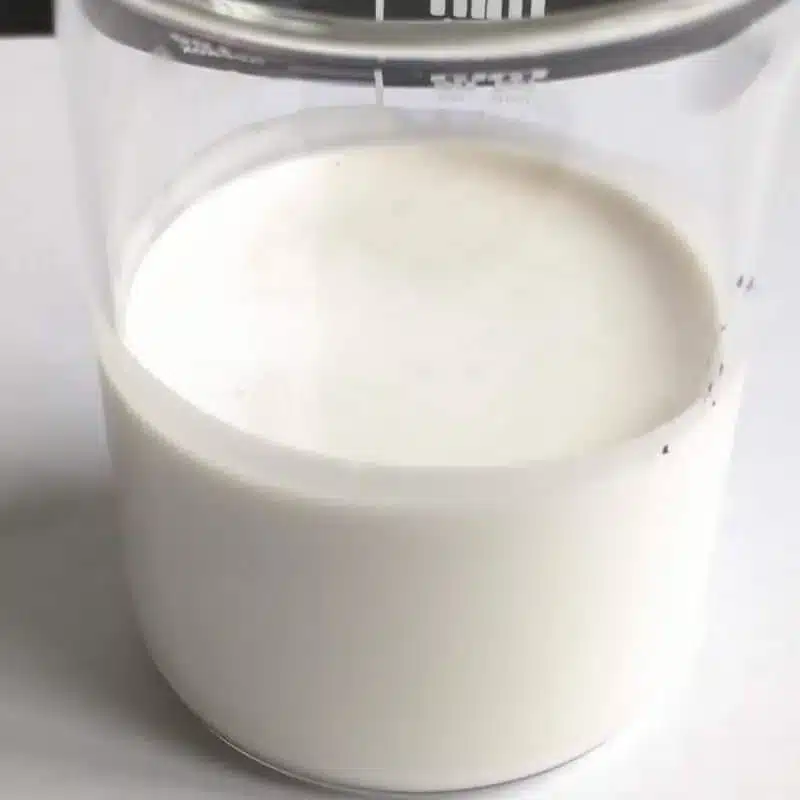
SC

EC

WP

WDG/WG
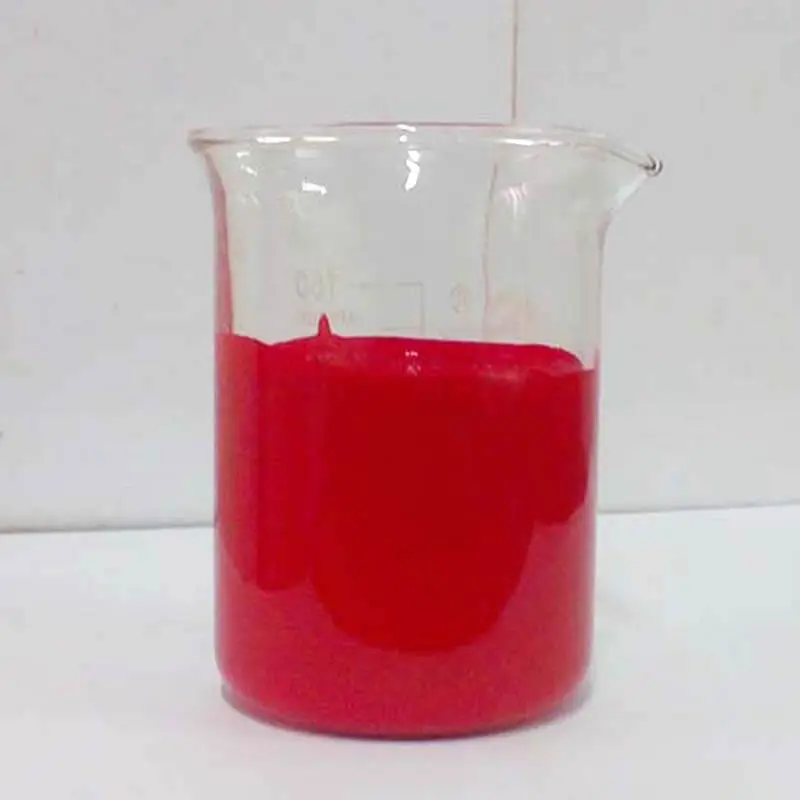
FS
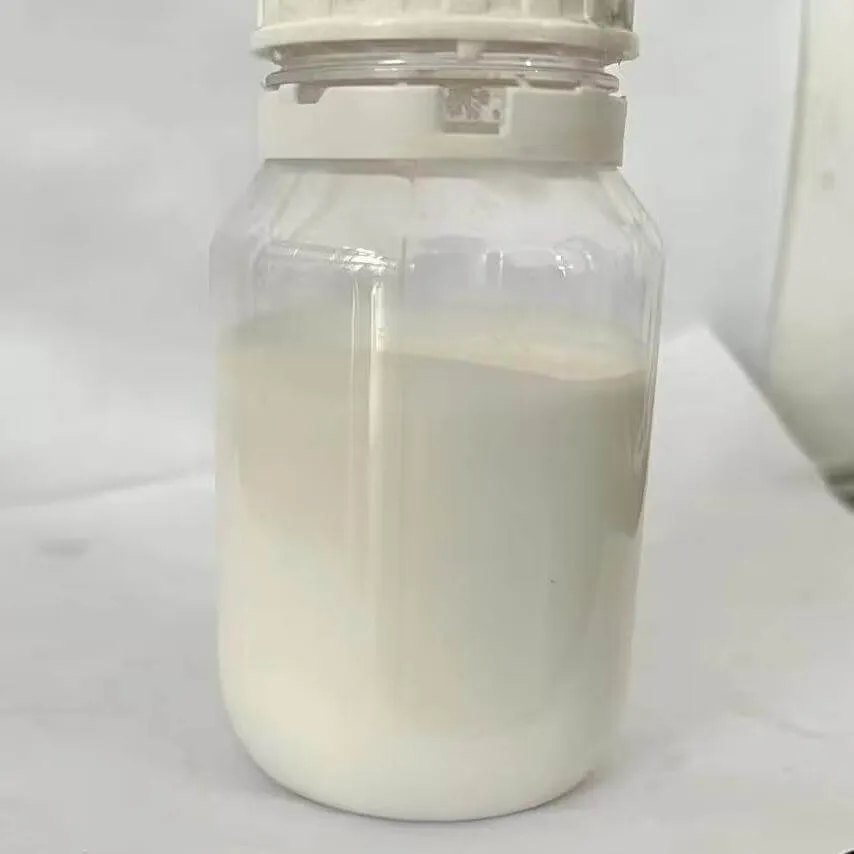
SE
Featured Crop Disease Management Products
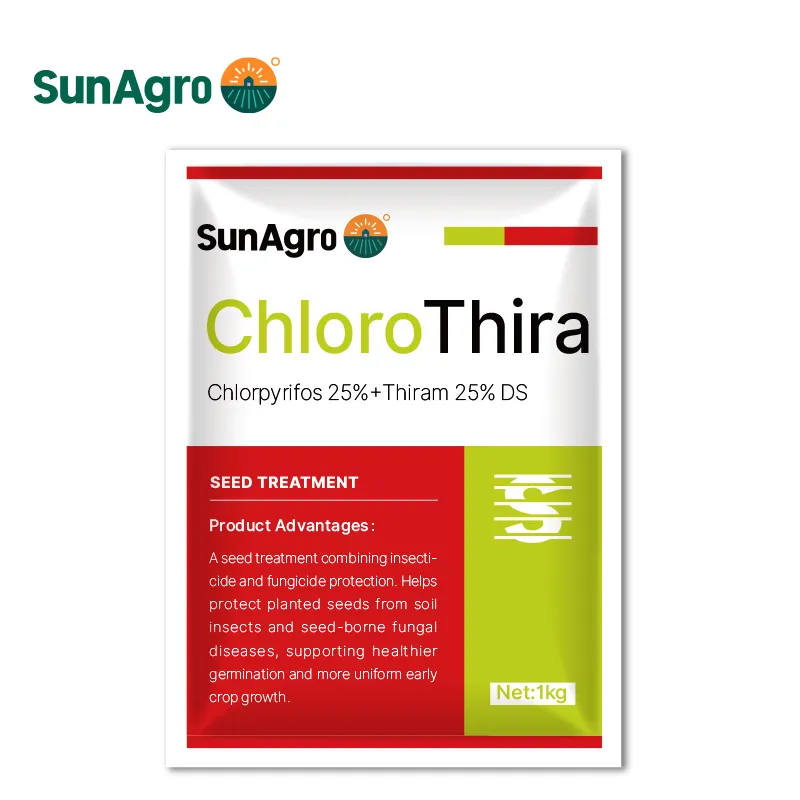
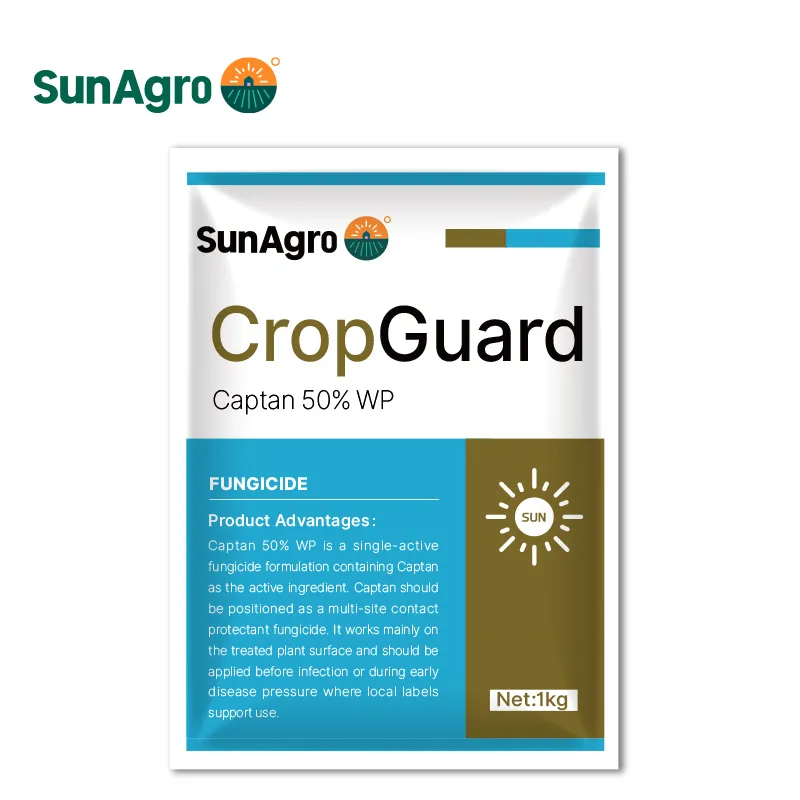
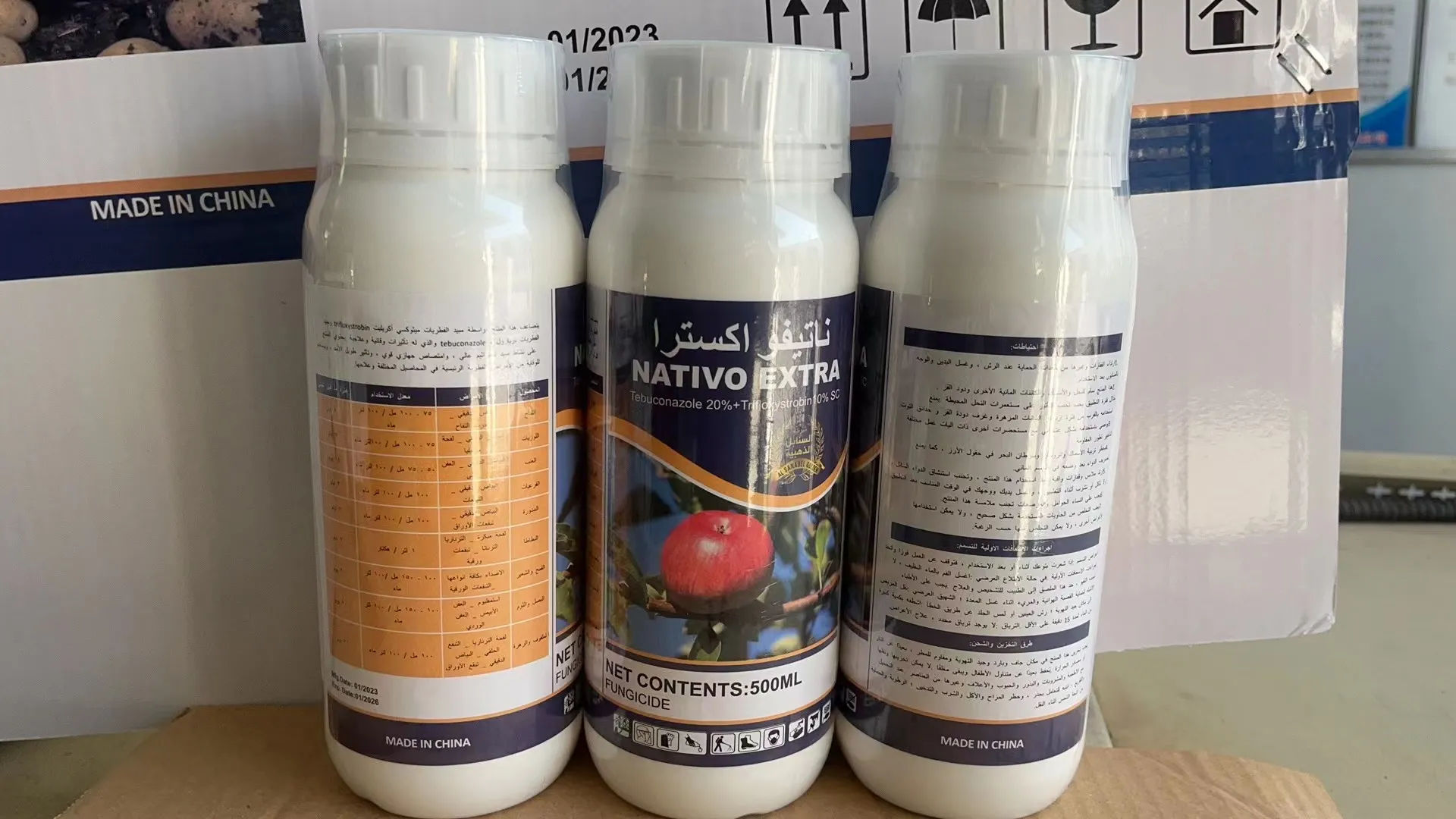
Explore selected products representing different crop disease-management directions, including foliar fungal diseases, oomycete diseases, seed and seedling diseases, soil disease programs, bacterial diseases, and biological or combination directions.
Product selection should be based on the target disease, pathogen direction, crop, FRAC group, formulation, resistance-management requirements, and local registration.