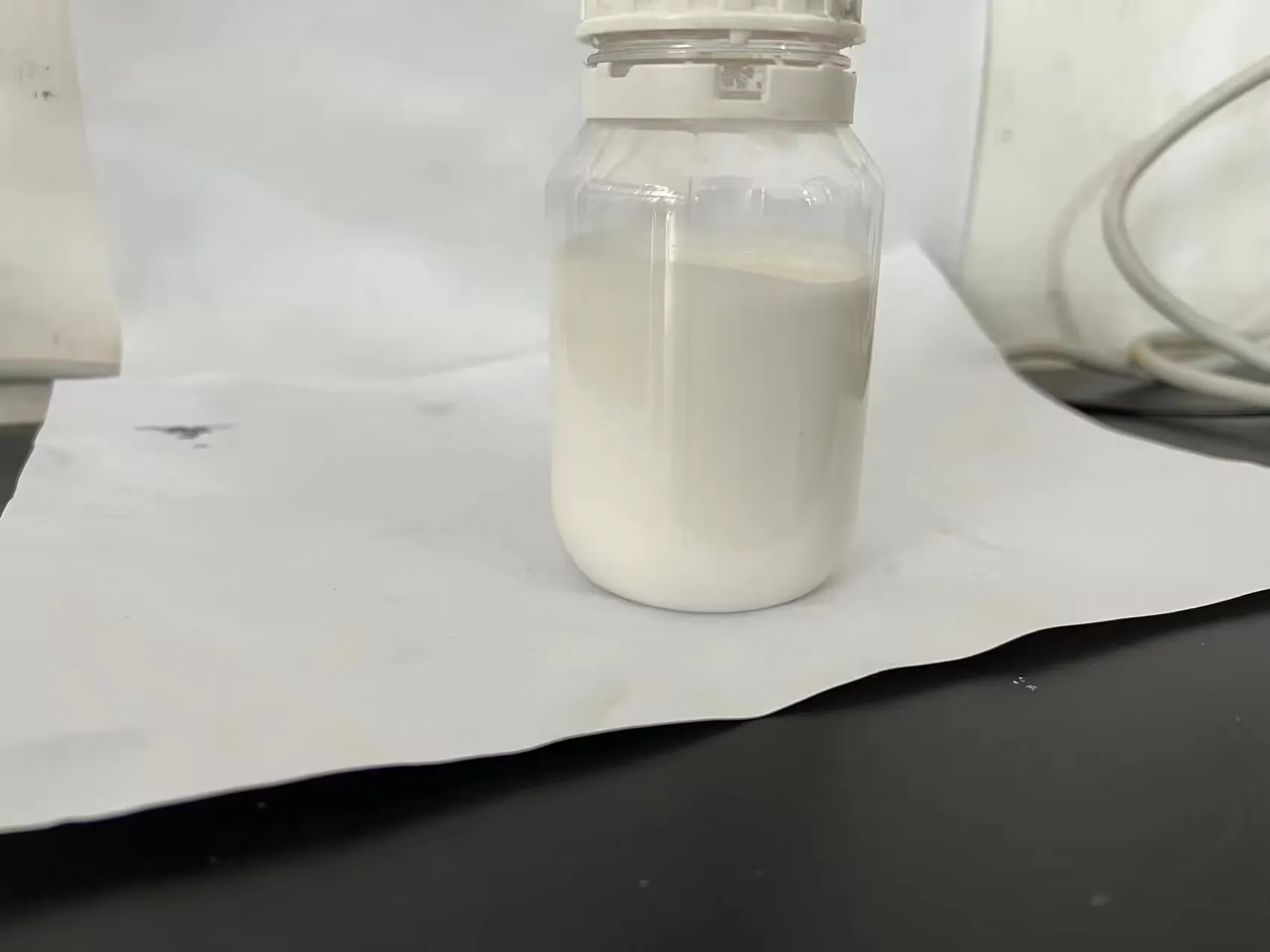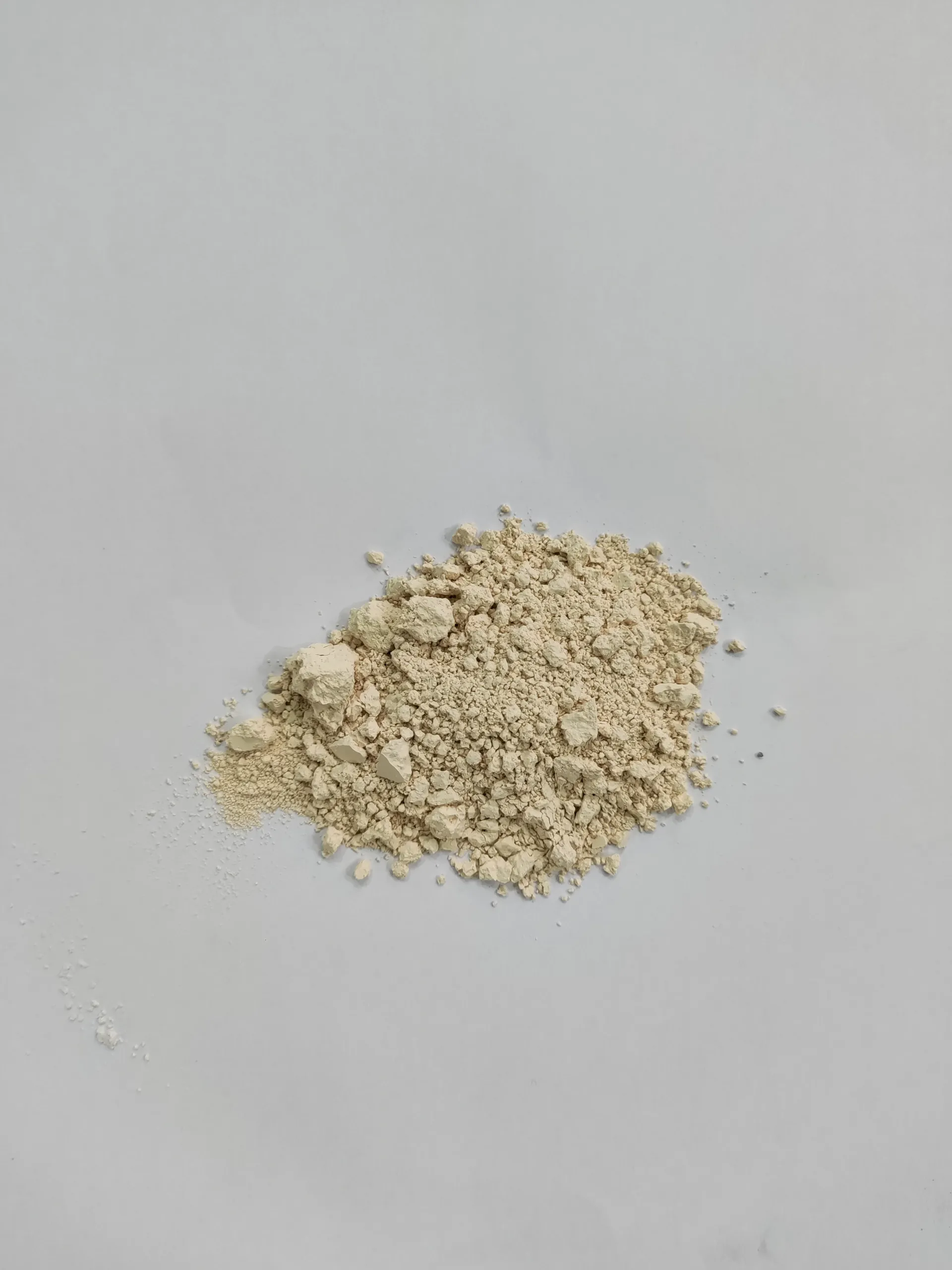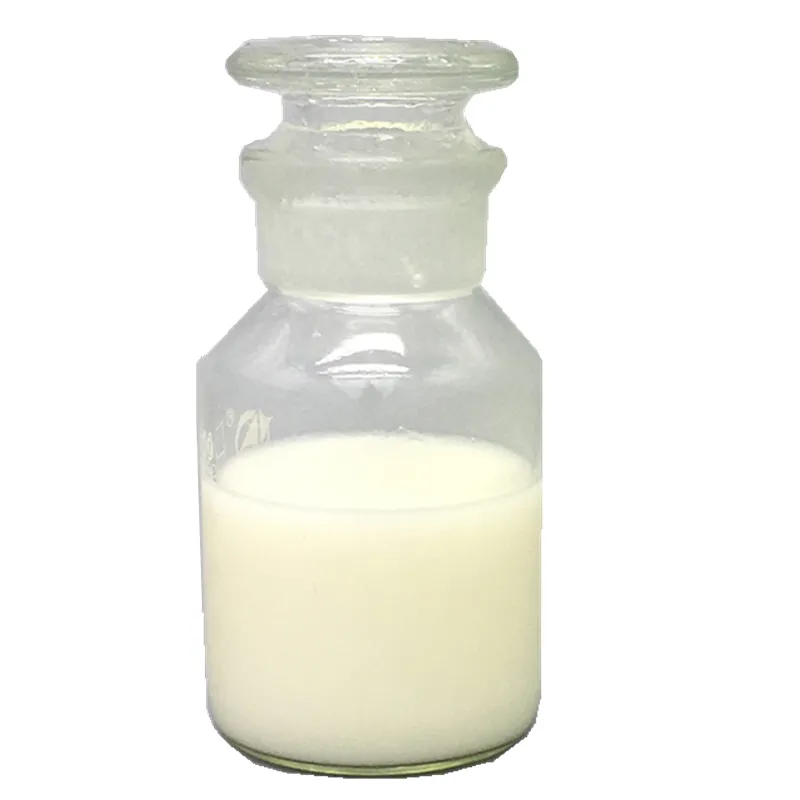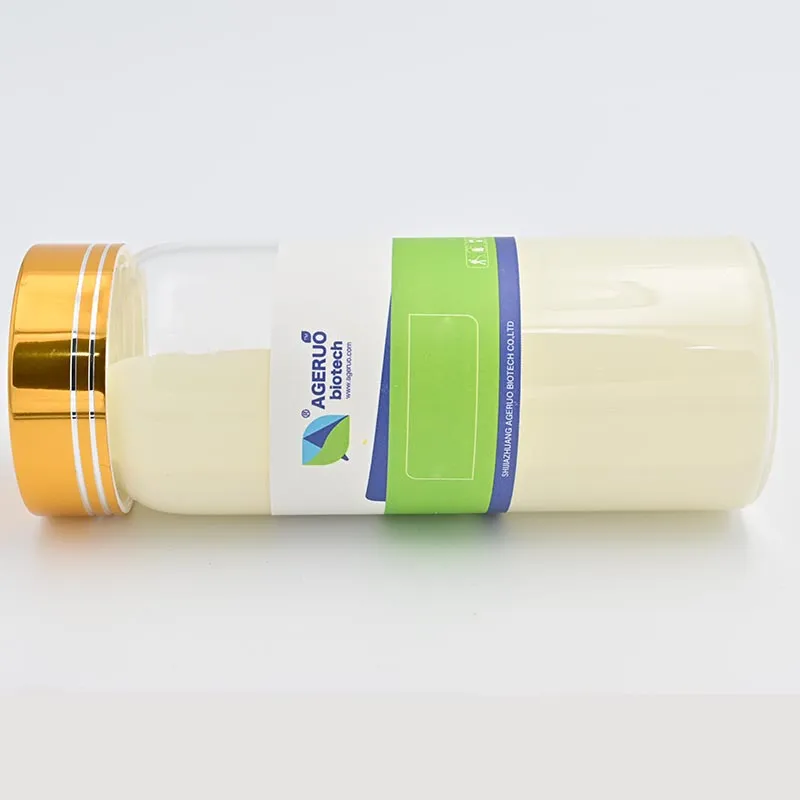
Ethylicin 30%, 41%, 80% EC Fungicide
POMAIS Ethylicin EC formulations are available in 30%, 41% and 80% concentrations for registered fungal and bacterial disease-management programs.
Ethylicin is an organosulfur antimicrobial active ingredient used in agricultural fungicide and bactericide formulations. The appropriate concentration must be selected according to the target crop, disease, application method and destination-market registration.
We supply finished Ethylicin EC formulations for agrochemical importers, distributors, registration companies, seed-treatment channels, agricultural brands and professional crop protection markets.
- Designed for Professional Buyers & Bulk Orders
- We support custom packaging, labeling, and formulation to meet your market needs.
- Export wholesale inquiries only.
- Please include destination country, business type (importer/distributor/registrant), and expected volume.
- Retail requests will not be processed.

About Ethylicin 30%, 41%, 80% EC Fungicide
| Item | Details |
|---|---|
| Active Ingredient | Ethylicin |
| Chemical Name | S-Ethyl ethanethiosulfonate |
| CAS Number | 682-91-7 |
| Chemical Direction | Organosulfur antimicrobial compound |
| Available Content | 30%, 41%, 80% |
| Formulation | EC, Emulsifiable Concentrate |
| Product Type | Fungicide and Bactericide |
| Mode-of-Action Classification | No confirmed formal FRAC assignment |
| Main Application Direction | Foliar treatment and seed treatment where registered |
| Registered Disease Direction | Crop-specific fungal and bacterial diseases |
| Packaging Direction | Bottles, drums and export cartons |
| Supply Support | Product documents, formulation QC, packaging and export coordination |
The content basis, crop claims, application method and toxicity classification must follow the exact product specification and destination-market registration.
What Is Ethylicin?
Ethylicin is an organosulfur antimicrobial active ingredient used in crop disease-management products.
It may affect susceptible fungal and bacterial pathogens by interfering with essential cellular and membrane-related functions.
Depending on the pathogen and treatment conditions, Ethylicin activity may be associated with:
- Inhibition of fungal mycelial growth
- Reduced spore germination
- Reduced sporulation
- Disruption of pathogen cell functions
- Reduced bacterial growth
- Effects on bacterial movement
- Suppression of biofilm formation
- Reduced infection development
The exact biological response can differ between fungal and bacterial pathogens.
Ethylicin should not be presented as a universal treatment for every crop disease.
Is Ethylicin the Same as Allicin?
Ethylicin and Allicin are related to organosulfur chemistry, but they should not be treated as the same commercial active ingredient.
Agricultural Ethylicin EC is a formulated pesticide product with a defined active ingredient content and product specification.
It should not be described as:
- Raw garlic extract
- Fresh garlic juice
- Pure Allicin
- A household botanical preparation
- A fertilizer made from garlic
- An automatically certified organic pesticide
Product identity should follow the active ingredient name, chemical specification and registration documents.
How Ethylicin Affects Plant Pathogens
Ethylicin does not need to be described through one oversimplified universal mechanism.
Its antimicrobial activity is associated with interference in essential pathogen functions.
A simplified activity process is:
Ethylicin reaches susceptible pathogen cells → cellular and membrane-related functions are disrupted → pathogen growth and reproduction decline → disease development is suppressed
Activity Against Fungal Pathogens
In susceptible fungal pathogens, Ethylicin may affect:
- Mycelial development
- Spore production
- Spore germination
- Infection establishment
- Pathogen growth
- Disease development
The final response depends on:
- Pathogen species
- Crop
- Disease stage
- Application timing
- Product concentration
- Spray coverage
- Treatment method
- Environmental conditions
Activity Against Bacterial Pathogens
In susceptible bacterial pathogens, Ethylicin may affect:
- Cell membrane integrity
- Normal cell growth
- Bacterial movement
- Surface attachment
- Biofilm formation
- Infection development
A bactericide claim should only be used when the specific crop and bacterial disease are included in the approved local label.
Available Ethylicin EC Specifications
Different Ethylicin concentrations may have different crops, disease targets, application methods and dilution requirements.
| Specification | Main Product Position | Registered Direction Example | Application Example |
|---|---|---|---|
| Ethylicin 30% EC | Foliar disease-management formulation | Cotton Fusarium wilt | Foliar spray |
| Ethylicin 41% EC | Market-specific EC formulation | Subject to confirmed documents | Subject to local registration |
| Ethylicin 80% EC | High-concentration seed-treatment formulation | Rice bakanae disease and seedling rot | Seed soaking |
These examples explain the positioning of each specification. Final use must follow the approved destination-market label.
Ethylicin 30% EC
Product Position
Ethylicin 30% EC is positioned as a liquid fungicide and bactericide formulation for registered foliar disease-management programs.
The 30% specification may be relevant to crop protection markets that require:
- A conventional EC liquid formulation
- Foliar spray application
- Fungal disease management
- Bacterial disease management where registered
- Bottle and drum distribution
- Crop-specific disease-control programs
A registered application example for Ethylicin 30% EC includes cotton Fusarium wilt through spraying.
This example must not be interpreted as automatic approval for every cotton disease or every crop.
Cotton Fusarium Wilt Direction
Cotton Fusarium wilt is associated with a soilborne Fusarium pathogen that infects roots and affects the vascular system.
Possible symptoms include:
- Leaf yellowing
- Wilting
- Stunted growth
- Uneven plant development
- Vascular discoloration
- Weak stand establishment
- Premature plant decline
A foliar treatment should not be promoted as completely removing Fusarium from infested soil.
Disease management may also require:
- Resistant varieties
- Clean planting material
- Field sanitation
- Crop rotation
- Soil and water management
- Monitoring of disease development
- Other registered fungicide measures
Ethylicin 30% EC should be applied according to the registered crop stage, dilution, spray interval and maximum application number.
Foliar Application Direction
Foliar performance depends on placing the diluted spray mixture on the target crop surfaces.
Important factors include:
- Application timing
- Spray volume
- Nozzle selection
- Crop canopy
- Leaf coverage
- Disease location
- Weather conditions
- Rainfall after treatment
- Crop growth stage
- Plant stress
Applications are generally more useful when completed according to preventive or early disease-management timing.
The product should not be positioned as a guaranteed rescue treatment after severe vascular or tissue damage has developed.
Procurement Focus for 30% EC
Importers and distributors evaluating Ethylicin 30% EC should confirm:
- Active ingredient content
- Registered crop and disease
- Foliar application approval
- EC emulsion stability
- Dilution behaviour
- Crop-safety data
- Toxicity classification
- Package compatibility
- Label and document requirements
- Storage and transport conditions
Ethylicin 41% EC
Market-Specific Formulation
Ethylicin 41% EC is positioned as a market-specific formulation.
The exact application direction must be confirmed from the corresponding:
- Product registration
- Approved label
- COA
- SDS/MSDS
- TDS
- Product specification
- Field-efficacy data
- Crop-safety information
The crop and disease claims used for 30% EC or 80% EC must not be transferred automatically to the 41% formulation.
Until the relevant documents are confirmed, Ethylicin 41% EC should not be assigned a universal:
- Foliar use
- Seed-treatment use
- Cotton use
- Rice use
- Soil application
- Bacterial disease claim
- Fungal disease claim
- Dilution rate
Procurement Focus for 41% EC
Before ordering Ethylicin 41% EC, buyers should confirm:
- Whether the specification is registered in the destination market
- Whether 41% is expressed on a weight basis
- Approved crop
- Approved disease
- Application method
- Toxicity category
- PHI and MRL requirements
- EC formulation standard
- Packaging compatibility
- Available registration documents
This specification should be selected only when its market position and document requirements are clear.
Ethylicin 80% EC
Product Position
Ethylicin 80% EC is a high-concentration organosulfur fungicide formulation.
Its main registered direction includes rice seed treatment for selected seedborne and seedling diseases.
The 80% specification requires accurate dilution and controlled handling because small measurement errors can produce a significant change in the final treatment concentration.
Rice Seed Treatment Direction
Registered application examples for Ethylicin 80% EC include:
- Rice bakanae disease
- Rice seedling rot
- Seed soaking before sowing
The exact dilution, soaking time, water volume and seed-handling procedure must follow the approved label.
Rice seed treatment is a specialized application.
It is not the same as:
- Foliar spraying
- Seed coating
- Root dipping
- Soil drenching
- Irrigation application
Rice Bakanae Disease
Rice bakanae is commonly associated with seedborne Fusarium infection.
Affected plants may show:
- Abnormal elongation
- Thin and weak seedlings
- Pale leaves
- Poor root development
- Reduced tillering
- Seedling death
- Uneven crop establishment
Seed treatment can help manage seedborne inoculum where the product is registered for this purpose.
It cannot correct poor seed quality or eliminate all sources of field infection.
Rice Seedling Rot Direction
Seedling rot can be influenced by:
- Infected seed
- Poor seed quality
- Excessive moisture
- Low oxygen
- Unfavourable temperature
- Contaminated seedbeds
- Weak seedling vigour
- Pathogen pressure
A registered seed-treatment fungicide should be one part of a complete seedling-establishment program.
Procurement Focus for 80% EC
Buyers evaluating Ethylicin 80% EC should confirm:
- Active ingredient content
- High-loading formulation stability
- Approved rice disease claims
- Seed-soaking directions
- Treatment concentration
- Soaking time
- Seed-safety data
- Germination impact
- Package dosing design
- Storage stability
- Accurate dilution requirements
Different Concentrations Are Not Interchangeable
Ethylicin 30%, 41% and 80% EC are not automatically interchangeable.
The concentration, formulation specification, crop, disease and treatment method must be evaluated together.
The following practices are not appropriate:
- Using the 30% EC label for 80% EC
- Calculating the 80% rate only by simple percentage conversion
- Using the 80% seed-soaking direction for 30% EC
- Using the 30% foliar spray direction for 80% EC
- Assigning the 41% specification to a crop without confirmed registration
- Assuming all three products have the same toxicity classification
- Assuming all three formulations use identical solvents or emulsifiers
A higher active ingredient percentage does not automatically provide better field efficacy.
Final performance depends on:
- Applied active ingredient dose
- Target pathogen
- Crop
- Application method
- Treatment timing
- Dilution accuracy
- Coverage
- Exposure time
- Crop or seed safety
- Local registration
Foliar Spraying and Seed Soaking Are Different
Foliar Spraying
Foliar spraying applies the diluted product to crop leaves, stems or other exposed surfaces.
Performance depends on:
- Spray coverage
- Water volume
- Crop canopy
- Application timing
- Disease stage
- Nozzle selection
- Weather conditions
- Rainfall
- Crop tolerance
Foliar spray directions should not be transferred to seed treatment.
Seed Soaking
Seed soaking places seed in a prepared treatment solution for a controlled period.
The result depends on:
- Product concentration
- Soaking time
- Seed variety
- Seed quality
- Seed moisture
- Water temperature
- Solution uniformity
- Previous seed treatment
- Treatment aftercare
- Time between treatment and sowing
An excessive concentration or soaking period may increase the risk of seed injury.
Seed-soaking directions should not be transferred to foliar application.
Seed and Crop Safety
Foliar Crop Safety
Crop response may be affected by:
- Crop species
- Variety
- Growth stage
- Product concentration
- Spray volume
- Temperature
- Sunlight
- Plant stress
- Water quality
- Tank-mix partner
- Previous treatments
Avoid unsupported application to drought-stressed, heat-stressed or damaged crops.
A limited crop-safety test is recommended when the variety or mixture has not been evaluated previously.
Seed Safety
Seed safety may be affected by:
- Seed variety
- Germination quality
- Seed age
- Seed moisture
- Product concentration
- Soaking duration
- Water temperature
- Treatment-solution condition
- Treated-seed storage
- Other seed-treatment products
Incorrect treatment may result in:
- Reduced germination
- Delayed emergence
- Uneven seedlings
- Seed injury
- Weak early growth
- Poor crop establishment
High-concentration Ethylicin 80% EC must be measured accurately.
What Does EC Mean?
EC means emulsifiable concentrate.
An EC formulation contains the active ingredient in a liquid formulation system with suitable solvents and emulsifiers.
When added to water, the concentrate forms an emulsion for registered application.
EC is different from:
- SL, soluble concentrate
- EW, emulsion in water
- ME, microemulsion
- SC, suspension concentrate
- CS, capsule suspension
- SE, suspo-emulsion
Ethylicin EC should not be described as:
- A completely water-soluble solution
- A pure water formulation
- A solvent-free product
- A microemulsion
- A capsule formulation
- A natural garlic liquid
- A product that never separates
- A formulation requiring no mixing
EC Formulation Features
Important formulation characteristics include:
- Active ingredient content
- Uniform liquid appearance
- Homogeneity
- Dilution performance
- Emulsion formation
- Emulsion stability
- Re-emulsification where specified
- Low-temperature stability
- Heat-storage stability
- Crystallization control
- Container compatibility
- Seal integrity
- Leakage control
The exact liquid colour and odour must follow the agreed specification.
Visible changes in colour, sediment, crystallization or phase behaviour should be investigated before use.
High-Concentration Formulation Considerations
Ethylicin 80% EC has a higher active ingredient loading than the 30% and 41% specifications.
This creates additional procurement and application considerations.
Accurate Measurement
A small measurement error can produce a larger difference in the final treatment concentration.
Dilution Control
The product must be diluted according to the exact registered method.
Seed-Safety Management
Excessive concentration or exposure time may affect seed germination and seedling emergence.
Formulation Stability
High-loading formulations require careful control of:
- Active ingredient stability
- Crystallization
- Sediment
- Temperature response
- Solvent balance
- Emulsifier performance
- Container compatibility
Package Design
Package size should support accurate and practical market use.
A high-concentration product should not be placed in a package format that encourages uncontrolled dosing.
Application Guidance
Use the selected Ethylicin EC formulation only where locally registered.
Before application, confirm:
- Exact product concentration
- Crop
- Disease
- Pathogen type
- Application method
- Approved dilution
- Treatment time
- Crop or seed stage
- Maximum application number
- PHI
- MRL
- REI
- Worker-protection requirements
Important principles include:
- Identify the disease correctly.
- Select the correct Ethylicin concentration.
- Follow the application method on the label.
- Measure concentrated product accurately.
- Use suitable water.
- Prepare only the required treatment volume.
- Maintain uniform mixing.
- Avoid unsupported rate conversion.
- Record treatment details.
- Monitor crop or seed response.
There is no universal dosage for all three Ethylicin concentrations.
Water Quality and Dilution
Water quality may influence EC dilution and application performance.
Important factors include:
- Water pH
- Hardness
- Temperature
- Cleanliness
- Suspended solids
- Mixing order
- Partner formulations
- Holding time after dilution
Follow the approved mixing order.
Do not use visibly contaminated water for seed treatment.
Where the diluted mixture is stored before use, follow the permitted holding time on the local label.
Compatibility and Tank Mixing
Do not assume automatic compatibility with:
- Copper fungicides
- Strong alkaline products
- Strong oxidizing agents
- Disinfectants
- Other EC formulations
- High-salt foliar fertilizers
- Biological fungicides
- Seed-treatment mixtures
- Plant growth regulators
Before a new combination is used:
- Review both labels.
- Confirm the crop and application method.
- Check physical compatibility.
- Conduct a small mixing test.
- Evaluate crop or seed safety.
- Use the mixture promptly.
- Avoid unsupported combinations.
A physically stable mixture does not guarantee biological compatibility or crop safety.
What Ethylicin EC Does Not Do
Ethylicin EC is not:
- A fertilizer
- A plant nutrient
- A raw garlic extract
- Pure Allicin
- Automatically a biological pesticide
- Automatically approved for organic agriculture
- A universal soil disinfectant
- A soil fumigant by default
- A treatment for every fungal disease
- A treatment for every bacterial disease
- Strongly systemic in every crop
- Residue-free
- Non-toxic
- Harmless to every beneficial organism
- A guaranteed yield enhancer
- A product with no resistance risk
Its correct identity is:
An organosulfur fungicide and bactericide formulation for crop-specific, locally registered disease-management programs.
Worker and Environmental Protection
Use Ethylicin EC according to the approved label and SDS.
Important precautions include:
- Wear the required personal protective equipment.
- Avoid skin and eye contact.
- Avoid breathing concentrated vapour or spray mist.
- Prevent splashing during dilution.
- Use calibrated equipment.
- Keep concentrated product away from food and feed.
- Prevent contamination of ponds, rivers and drainage systems.
- Manage leftover treatment solution correctly.
- Clean equipment in an approved area.
- Dispose of containers according to local regulations.
- Keep treated seed away from food and feed channels.
Toxicity classification may differ between formulations and registrations.
Do not describe all Ethylicin EC specifications as low-toxicity products unless the exact label supports that classification.
Registration and Residue Compliance
Before import, promotion or use, local partners should confirm:
- Active ingredient name
- Active ingredient content
- Content basis
- EC formulation approval
- Registered crop
- Registered disease
- Fungal or bacterial pathogen
- Application method
- Application rate
- Treatment interval
- Maximum application number
- Seed-soaking duration
- PHI
- MRL
- REI
- Seed-safety restrictions
- Crop-safety restrictions
- Toxicity classification
- Environmental precautions
- Label language
- Import documentation
- Packaging requirements
The registration of one Ethylicin concentration does not automatically support the same claim for another concentration.
Final use must follow the approved destination-market label.
Storage and Transport
Store Ethylicin EC in sealed original containers.
Keep the product in a cool, dry and ventilated place.
Protect it from:
- Excessive heat
- Freezing
- Direct sunlight
- Open flame
- Container damage
- Leakage
- Moisture contamination
- Strong oxidizing materials
- Food and feed products
Before use, inspect:
- Liquid appearance
- Homogeneity
- Colour
- Sediment
- Crystallization
- Phase separation
- Container seal
- Leakage
Flash point, transport classification and dangerous-goods requirements must follow the exact product SDS.
Do not use transport data from another Ethylicin concentration without verification.
Packaging and Market Preparation
POMAIS supports packaging preparation according to the selected specification, destination market and registration requirements.
Available packaging directions may include:
- Bottles
- Drums
- Export cartons
- Induction seals
- Inner protection
- Batch coding
- Production-date coding
- Expiry-date coding
- Carton marks
- Multilingual label communication
- Pallet protection
Packaging materials must remain compatible with the formulation during storage and transport.
Final package size should consider:
- Product concentration
- Application method
- Registration
- Distribution channel
- Market dosing requirements
- Order volume
- Shipment conditions
Quality Control
Quality control should cover both active ingredient content and EC formulation performance.
Batch inspection may include:
- Ethylicin content
- Active ingredient identity
- Liquid appearance
- Colour
- Odour consistency
- Homogeneity
- Density
- pH where applicable
- Water content where specified
- Emulsion stability
- Dilution stability
- Re-emulsification where specified
- Persistent foam where applicable
- Low-temperature stability
- Heat-storage stability
- Crystallization
- Sediment
- Degradation indicators
- Container compatibility
- Seal integrity
- Leakage inspection
- Batch traceability
- Shipment-document review
Higher-loading Ethylicin 80% EC requires particular attention to active ingredient stability, accurate dilution and crystallization control.
Each batch should meet the agreed product specification before shipment.
Document Support
Available product and shipment documents may include:
- COA
- SDS/MSDS
- TDS
- Product specification
- Active ingredient identity
- Content basis
- EC formulation information
- Density information
- Physical and chemical data
- Packing information
- Label reference
- Batch information
- Registration-related documents
- Shipment documents
The available document package depends on the selected concentration and destination-market requirements.
Comparison of Ethylicin EC Specifications
| Selection Factor | 30% EC | 41% EC | 80% EC |
|---|---|---|---|
| Active Content | 30% | 41% | 80% |
| Formulation | EC | EC | EC |
| Main Position | Foliar disease-management direction | Market-specific formulation | Concentrated seed-treatment direction |
| Registered Example | Cotton Fusarium wilt | Confirm separately | Rice bakanae and seedling rot |
| Example Method | Spraying | Confirm separately | Seed soaking |
| Main Buyer Concern | Coverage and crop safety | Documentation and market fit | Dilution accuracy and seed safety |
| Main QC Focus | Emulsion and dilution stability | Specification confirmation | High-loading stability and crystallization control |
| Use Boundary | Local label | Confirmed registration | Local label |
FAQ
Why Choose POMAIS
POMAIS supplies fungicide and bactericide formulations for agrochemical importers, distributors, registration companies, agricultural brands, seed-treatment channels and professional crop protection markets.
For Ethylicin EC formulations, we support:
- 30%, 41% and 80% product specifications
- Clear specification differentiation
- Finished EC formulation supply
- Active ingredient quality control
- Emulsion stability testing
- High-loading formulation evaluation
- Packaging preparation
- Product documentation
- Multilingual label communication
- Registration-related coordination
- Export shipment preparation
Our goal is to help buyers select the Ethylicin concentration that matches the target crop, disease, treatment method and market registration.
Request Ethylicin EC
Please provide:
- Destination country
- Required Ethylicin concentration
- Target crop
- Target disease
- Intended application method
- Registration status
- Required package size
- Label language
- Expected order volume
- Required technical documents
We will review the requested specification and prepare a suitable Ethylicin EC supply proposal.
Contact us!
We will reply to you within 24 hours on business days!