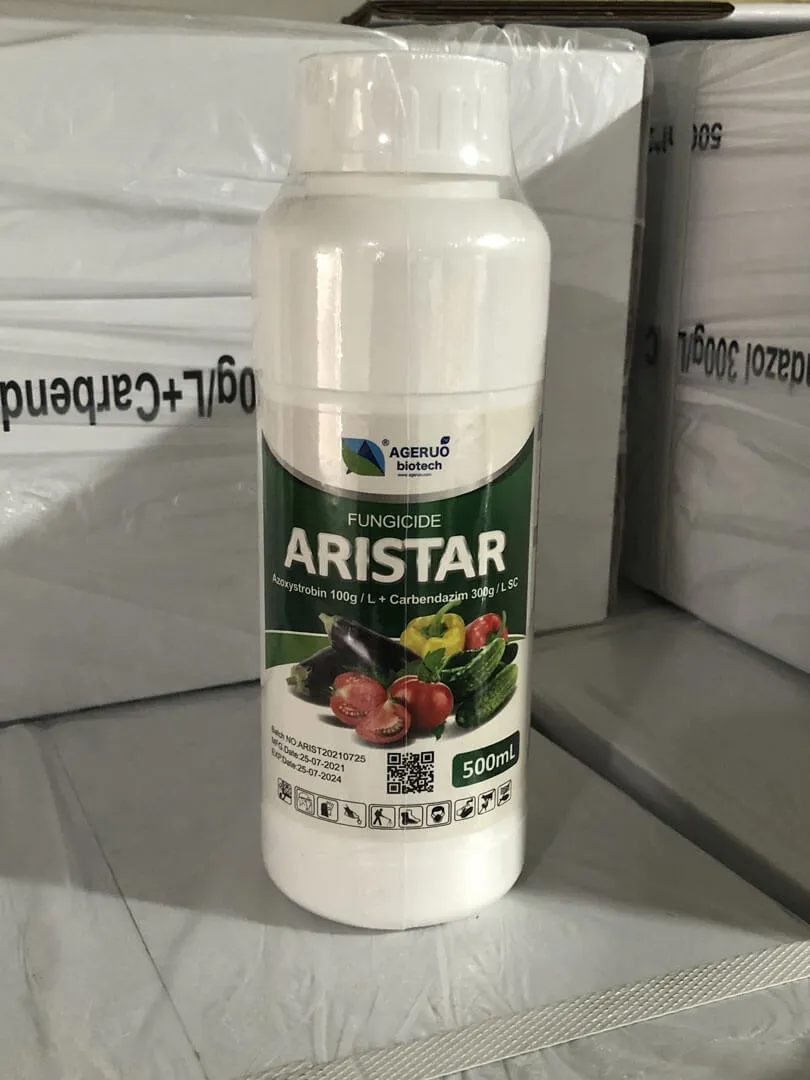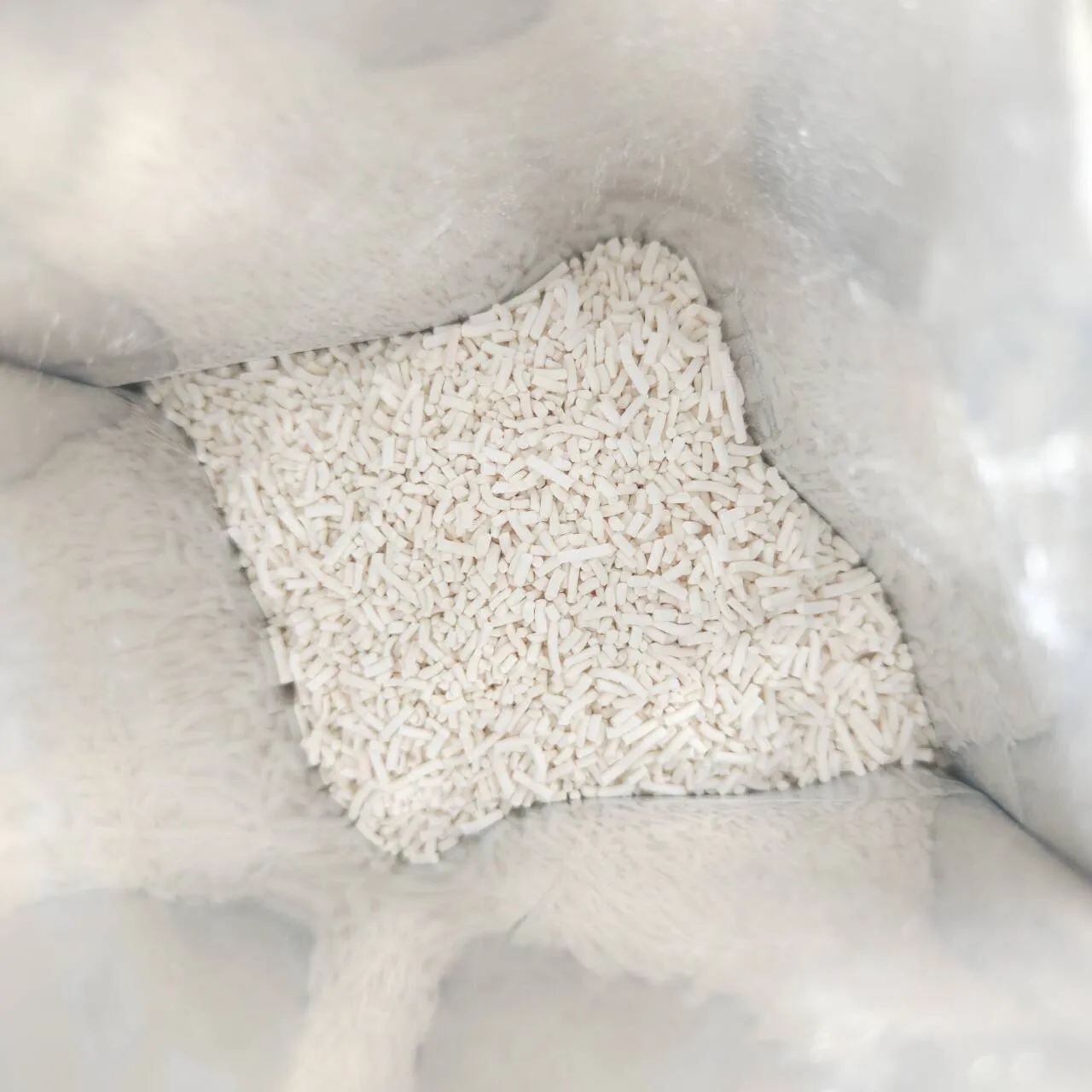
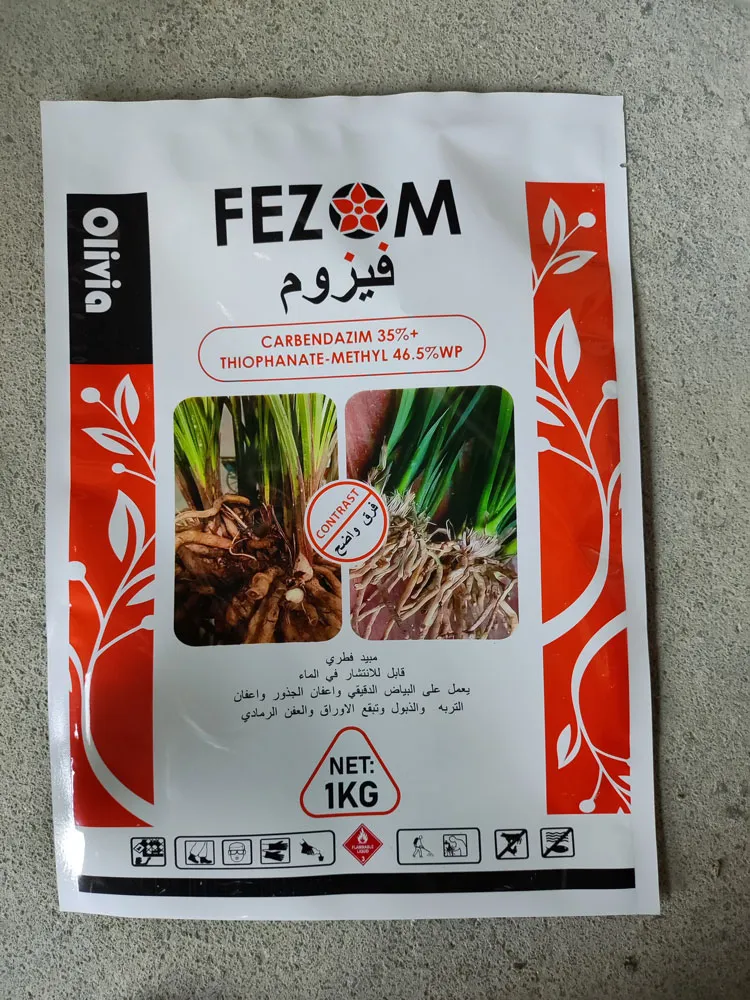


Carbendazim 35% + Thiophanate-Methyl 46.5% WP Fungicide
FRAC Group 1 | MBC Systemic Fungicide | 81.5% WP Fixed Formulation | Bulk Purchasing and Brand Customization of Pesticides
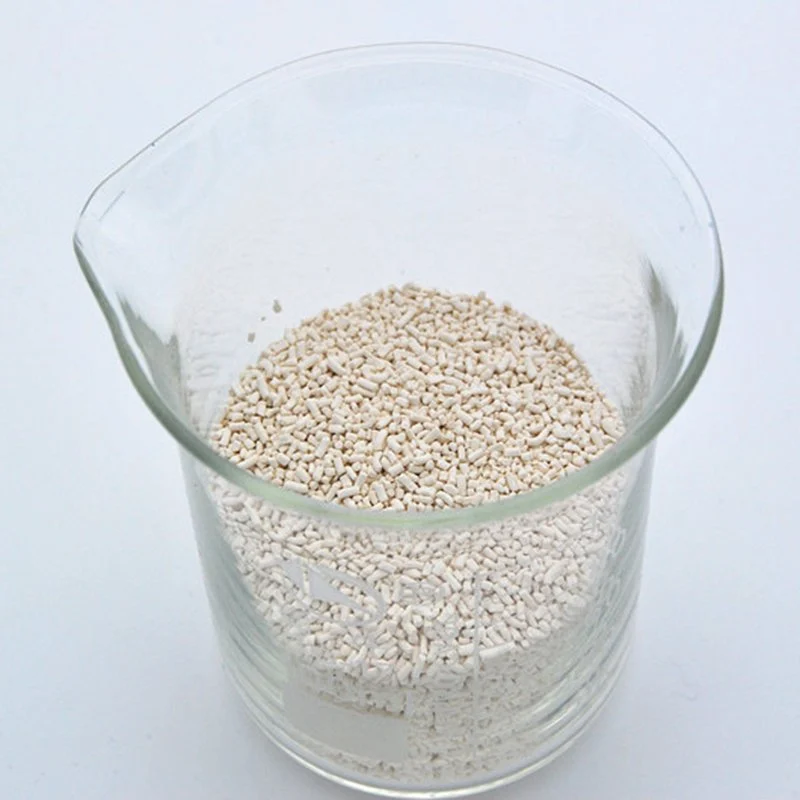
Carbendazim 35% + Thiophanate-Methyl 46.5% WP is a wettable powder fungicide containing two active ingredients from the MBC class. Both Carbendazim and Thiophanate-Methyl belong to FRAC Group 1 and primarily act by disrupting microtubule assembly and cell division in susceptible fungi.
This formulation can serve as a fungicide option for specific markets and is intended for the management of relevant crop diseases, provided that the necessary registrations are in place and the target pathogens remain susceptible. It is important to note that although the two active ingredients have different chemical structures, they belong to the same mode-of-action group; therefore, this combination should not be considered a resistance management product with two independent modes of action.
When selecting this product, pesticide importers and distributors should prioritize verifying the fixed formulation ratio, registrations in target countries, pathogen susceptibility, the quality of the WP formulation, and relevant regulatory requirements. POMAIS is available to discuss bulk procurement, OEM/ODM packaging, and technical documentation support for this specification based on actual product supply capacity.
- Designed for Professional Buyers & Bulk Orders
- We support custom packaging, labeling, and formulation to meet your market needs.
- Export wholesale inquiries only.
- Please include destination country, business type (importer/distributor/registrant), and expected volume.
- Retail requests will not be processed.

About Carbendazim 35% + Thiophanate-Methyl 46.5% WP Fungicide
Carbendazim + Thiophanate-Methyl WP Product Specifications
This product contains 35% Carbendazim and 46.5% Thiophanate-Methyl, with a total active ingredient content of 81.5%.
Although the two active ingredients have different chemical structures, they both belong to the Methyl Benzimidazole Carbamates (MBC) group of fungicides based on their mode of action.
Therefore, the product specifications should clearly indicate FRAC Group 1, rather than describing the two active ingredients as having two distinct modes of fungicidal action.
| Technical Parameters | Specifications |
|---|---|
| Product Name | Carbendazim 35% + Thiophanate-Methyl 46.5% WP |
| Chinese Product Name | Carbendazim 35% + Thiophanate-Methyl 46.5% Wettable Powder |
| Active Ingredient 1 | Carbendazim |
| Carbendazim Content | 35% (350 g/kg) |
| Carbendazim CAS Number | 10605-21-7 |
| Active Ingredient 2 | Thiophanate-Methyl |
| Thiophanate-Methyl Content | 46.5% (465 g/kg) |
| Thiophanate-Methyl CAS Number | 23564-05-8 |
| Total Active Content | 81.5% (815 g/kg) |
| Formulation Type | Wettable Powder (WP) |
| Fungicide Group | MBC Fungicides |
| FRAC Classification | Group 1 (B1) |
| Mode of Action | Inhibition of β-Tubulin Assembly in Mitosis |
| Fungicidal Activity | Systemic and protective activity against susceptible fungi; early-stage infection suppression |
| Resistance Risk | High |
| Application Scope | Determined based on specific registered crops, diseases, and pathogen susceptibility |
| Supply Model | Bulk Supply, OEM/ODM, Private Label |
| Technical Documents | COA, SDS, TDS, and available registration support documents |
Product Identification: This table corresponds to the fixed formulation of 35% + 46.5% WP and does not imply that other concentrations or formulations have the same performance or registered uses. For formal procurement, refer to the confirmed product specifications, batch quality documents, and registration requirements of the target market.
How Does Carbendazim + Thiophanate-Methyl Work?
The most critical aspect of this formulated product is not that it contains two active ingredients, but rather the relationship between their mechanisms of action.
Both Carbendazim and Thiophanate-Methyl belong to FRAC Group 1. Their primary fungicidal action is related to the disruption of microtubule formation and normal cell division within susceptible fungal cells.
Mechanism of Action of Carbendazim
Carbendazim belongs to the benzimidazole class of fungicides.
It primarily acts by binding to β-tubulin-related targets in susceptible fungi, thereby disrupting the normal assembly of microtubules.
Microtubules are involved in fungal cell division and other critical cellular processes. When microtubule function is inhibited, normal mitosis in susceptible fungi is disrupted, thereby suppressing the growth and development of the pathogen.
Carbendazim exhibits some systemic activity; however, its actual absorption, distribution, and control efficacy are influenced by the formulation, crop, application method, and pathogen susceptibility.
It cannot therefore be assumed that it will distribute uniformly throughout the entire plant or reliably eliminate all established internal infections.
If buyers require a standalone Carbendazim formulation, they can further review POMAIS’s Carbendazim Fungicide product to understand the differences between purchasing various standalone formulations and fixed-formulation mixtures.
Mechanism of Action of Thiophanate-Methyl
Thiophanate-Methyl belongs to the thiophanate class of fungicides and is also classified under FRAC Group 1.
It can be metabolized in plants and related biological and environmental processes to form products such as Carbendazim, and its fungicidal activity is closely related to the mechanism of action of the MBC class.
This explains why Carbendazim and Thiophanate-Methyl, although they belong to different chemical structural classes, are classified under the same FRAC group.
It should be noted that this metabolic relationship does not directly prove that the formulated product has a longer residual efficacy, a faster onset of action, or better resistance management capabilities.
If it is necessary to demonstrate that this fixed formulation is superior to the corresponding single-ingredient products, validated formulation comparison trials and field efficacy data should be provided.
Do the two active ingredients exhibit a synergistic effect?
The combination of two ingredients in the same formulation does not automatically imply a synergistic effect (synergistic effect).
True synergistic effects require appropriate experimental design and statistical analysis to demonstrate that the actual combined effect exceeds reasonable expectations.
For Carbendazim 35% + Thiophanate-Methyl 46.5% WP, the conclusion that a synergistic effect exists cannot be drawn solely based on the presence of two active ingredients or the transformation process of Thiophanate-Methyl.
Therefore, the product’s commercial positioning should be based on actual registration status, formulation quality, verified efficacy against susceptible pathogens, and procurement demands in the target market—rather than on unverified claims of “rapid efficacy enhancement” or “extended residual activity.”
Target Diseases and Crop Applications
Carbendazim and Thiophanate-Methyl have a history of use in disease control in agricultural production.
However, the actual scope of control for this fixed 81.5% WP formulation must be determined by the registration label and relevant trial data in each specific country.
It is particularly important to note that resistance issues have already emerged among various fungal pathogens to FRAC Group 1 fungicides.
Therefore, one cannot simply rely on the names of diseases to determine whether pathogen populations in a given region remain susceptible to this formulation.
Disease Types Requiring Focused Evaluation
| Disease | Representative Pathogen | Key Evaluation Criteria |
|---|---|---|
| Powdery Mildew | Various Erysiphales Pathogens | Registration Scope and Local MBC Sensitivity |
| Anthracnose | Colletotrichum spp. | Specific pathogen species, registration status, and resistance profiles |
| Leaf Spot | Certain pathogens such as Cercospora | Data on actual pathogen identification and control efficacy |
| Apple Scab | Venturia inaequalis | MBC Resistance Monitoring and Registration Requirements |
| Gray Mold | Botrytis cinerea | High Priority on MBC Resistance |
| Other Registered Fungal Diseases | Determined based on local labels | Trial, registration, and susceptibility data for fixed formulations |
The above outlines representative disease assessment areas potentially relevant to MBC-class fungicides; it does not constitute a definitive commitment regarding the control efficacy of 35% + 46.5% WP on all crops.
Powdery Mildew Control
Powdery mildew can be caused by various true fungal pathogens, and the specific pathogen species and resistance status vary among different crops.
MBC-class fungicides exhibit relevant activity against certain susceptible powdery mildew pathogens, but this activity cannot be directly generalized to all cases of powdery mildew on grapes, cucurbits, vegetables, and fruit trees.
In markets where benzimidazole fungicides have been in long-term use, it is essential to first understand the resistance status of the local pathogen population before determining whether this fixed-formulation product has practical application value.
Control of Anthracnose and Leaf Spot
Anthracnose is associated with various pathogens of the genus Colletotrichum.
Leaf spot, on the other hand, may be caused by Cercospora, Alternaria, Septoria, and other pathogens.
These pathogens are not entirely identical in terms of taxonomy, infection processes, and fungicide susceptibility.
Therefore, Carbendazim + Thiophanate-Methyl cannot be recommended for all crops based solely on generic disease names such as “Anthracnose” or “Leaf Spot.”
Importers planning to market this product for fruit trees, vegetables, legumes, or other crops are advised to verify the specific pathogens, local registered uses, and reliable data on control efficacy.
Gray Mold and Apple Black Star
Botrytis cinerea and Venturia inaequalis are both pathogens of concern in FRAC Group 1 resistance management.
In some agricultural production areas, the relevant pathogen populations have already exhibited significant MBC resistance.
Therefore, this formulated product cannot be promoted as a universal solution suitable for all regions with high disease pressure.
When known MBC resistance exists in the target market, simply increasing the number of active ingredients from the same group will not restore susceptibility in resistant pathogen populations.
Disease Uses That Should Not Be Directly Promised
Greater caution is required for Fusarium Wilt, certain types of Root Rot, Stem Rot, and some Early Blight diseases.
These names may correspond to different pathogens and may even involve different infection sites and disease progression.
In particular, Fusarium Wilt typically falls under the category of vascular diseases; therefore, one cannot conclude that this WP formulation can treat established wilt through standard foliar application based solely on the activity of Carbendazim or Thiophanate-Methyl against certain fungi.
In the absence of specific registrations and field validation, these uses should not be listed as definitive sales claims.
For markets requiring coverage of a broader range of disease categories, please refer to POMAIS’s Crop Disease Management Solutions to evaluate other fungicide options based on pathogen identification, modes of action, and registration requirements.
FRAC Group 1 Resistance Management
Resistance management is one of the most critical technical constraints for this product.
Although carbendazim and thiophanate-methyl are two different active ingredients, they both belong to the MBC class of fungicides within FRAC Group 1.
This group carries a high risk of resistance, and positive cross-resistance exists within the group.
Why is resistance a common issue with FRAC Group 1?
MBC fungicides primarily target the microtubule assembly process during fungal cell division.
Some fungi can reduce their susceptibility to this class of fungicides through mutations in β-tubulin-related genes.
Since the fungicidal action of this group involves the same core target, certain resistance mechanisms may affect multiple FRAC Group 1 active ingredients simultaneously.
Therefore, long-term reliance on fungicides from the same group increases selective pressure on resistant pathogen populations.
Can carbendazim and thiophanate-methyl resolve resistance issues when used in combination?
These two compounds cannot be used for resistance rotation as members of two separate FRAC groups.
| Resistance Parameter | Carbendazim | Thiophanate-Methyl |
|---|---|---|
| FRAC Group | 1 | 1 |
| Target Site | B1 | B1 |
| Primary Mechanism | β-Tubulin Assembly Inhibition | MBC-Related Microtubule Assembly Inhibition |
| Resistance Risk | High | High |
| Cross-Resistance | Cross-resistance exists with other MBC ingredients | Cross-resistance exists with other MBC ingredients |
| Independent Rotation Group | No | No |
If the pathogen population in a given region has already developed resistance to carbendazim, the product should not be considered effective against these resistant pathogens solely because it also contains thiophanate-methyl.
Similarly, switching from a single-ingredient carbendazim formulation to a single-ingredient thiophanate-methyl formulation should not be regarded as an effective rotation between different modes of action.
Purchasers who need to evaluate the second active ingredient separately may refer to POMAIS’s Thiophanate-Methyl Fungicide product , but its FRAC Group 1 status should still be factored into overall resistance management decisions.
How should this formulated product be incorporated into a disease management program?
In markets where its use is still permitted and the target pathogens remain susceptible, this fixed formulation may be incorporated into an appropriate disease management program in accordance with the registered label.
Resistance management should focus on the following:
- Avoiding long-term reliance on FRAC Group 1 alone.
- Evaluate the product’s actual value based on local resistance data.
- Combine it appropriately with other active ingredients that are effective against the target diseases and do not exhibit relevant cross-resistance.
- Comply with the application frequency and usage restrictions specified in local registration requirements.
- Incorporate crop rotation, management of plant debris, variety selection, and other applicable measures into an integrated disease management strategy.
If this product is to be used in combination with other fungicides, it is also necessary to verify the specific registration approval, the target activity of the different ingredients, and the compatibility of the actual formulation or tank mix.
One cannot directly assume that a mixture will restore efficacy against resistant pathogens based solely on different FRAC numbers.
Application Timing and Label Requirements
The application rate, timing, and spray interval for Carbendazim 35% + Thiophanate-Methyl 46.5% WP must be determined based on the specific product label approved in the target country.
Previous web pages provided uniform application rates in g/ha and fixed spray intervals for multiple crops; however, these figures can no longer serve as general application guidelines in the absence of corresponding registration data.
How to Determine Specific Application Protocols?
| Application Parameters | Items to Confirm |
|---|---|
| Registered Crops | Crops Approved in the Target Country |
| Target Diseases | Registered diseases and pathogen types |
| Pathogen Sensitivity | Sensitivity of local pathogens to FRAC Group 1 |
| Product Concentration | Carbendazim 35% + Thiophanate-Methyl 46.5% |
| Application Method | As approved in the registration |
| Application Rate | As specified on the product label |
| Application Timing | Registration-approved control periods |
| Spray Interval | Legal spray interval for the corresponding crop |
| Maximum Applications | Registration and resistance management restrictions |
| PHI | Pre-harvest interval |
| REI | Re-entry Interval |
| Environmental Restrictions | Relevant environmental safety and drift control requirements |
Why can’t a uniform recommended application rate be provided?
This product contains two active ingredients, and the total active ingredient content is 81.5%.
Different countries may approve different application schemes based on actual field trials, registered uses, and residue evaluations.
Even for crops with the same name, there may be differences in registered target pests, application methods, and the number of permitted applications.
Therefore, the application rate for a specific region should not be directly applied to all import markets.
For customers requiring registration, application parameters should be determined based on the actual product and trial data required by local regulatory authorities.
Can it be tank-mixed with other pesticides?
One should not assume that this product can be directly mixed with various insecticides, herbicides, or foliar fertilizers simply because it is a WP formulation.
Before tank mixing, verify local label approvals, physicochemical compatibility, crop safety, and usage restrictions for the relevant active ingredients.
In particular, when mixing WP fungicides with different types of liquid formulations, pay attention to dispersion stability, precipitation, flocculation, and other physical changes that may affect spraying.
Commercially formulated products are not the same as ad hoc tank mixes in the field.
Any recommendations for tank mixing should be based on specific products and actual evidence.
81.5% WP Formulation Characteristics
This product uses a Wettable Powder (WP) formulation.
WP is typically formulated from active ingredients and appropriate formulation adjuvants; when used, water must be added according to label instructions to effectively wet the powder and form an appropriate suspension-dispersion system.
For a fixed formulation with a total active ingredient content of 81.5%, importers must pay particular attention to whether both the active ingredient content and the physical properties of the formulation meet the requirements.
The content of each active ingredient must be verified separately
This product contains:
| Component | Declared Content |
|---|---|
| Carbendazim | 350 g/kg |
| Thiophanate-Methyl | 465 g/kg |
| Other formulation components | 185 g/kg |
| Total | 1,000 g/kg |
The 185 g/kg figure here represents the portion of the total mass excluding the two declared active ingredients; it does not imply that all substances in this portion belong to the same type of excipient.
The actual formulation must also take into account relevant impurities, formulation excipients, and product quality requirements.
When purchasing, testing should not be limited to the total active ingredient content.
Carbendazim and Thiophanate-Methyl must each meet their respective content standards, and validated testing methods suitable for this formulation system must be used.
Since Thiophanate-Methyl may be converted into Carbendazim, the analytical method must also be capable of reliably distinguishing between the two components to prevent mutual interference during sample preparation or testing from affecting the results.
Actual Performance of WP Formulations
For wettable powders, the product’s ability to wet and disperse properly in water and maintain an appropriate suspension state is a critical aspect of quality evaluation.
If the powder is difficult to wet, contains a large number of coarse particles, or exhibits insufficient suspension properties, this may affect the mixing and application processes.
Therefore, a high active ingredient concentration does not replace the need to test for wetting properties, suspension rate, and particle fineness.
Similarly, the WP formulation alone cannot guarantee a fixed rainfastness duration, excellent high-temperature stability, or a generally low risk of phytotoxicity.
These performance characteristics require support from specific formulation trials and technical data.
Quality Control and Storage Stability
For professional pesticide importers, product acceptance should be based on clearly defined quality standards.
Carbendazim 35% + Thiophanate-Methyl 46.5% WP is a fixed-ratio mixture formulation; quality control involves not only the individual content of the two active ingredients but also the physical properties of the powder and storage stability.
Key Quality Inspection Items
| Quality Parameter | Key Points for Procurement Acceptance |
|---|---|
| Carbendazim Content | Separate testing of 35% active ingredient content |
| Thiophanate-Methyl Content | Test the 46.5% active ingredient content separately |
| Active Ingredient Identity | Confirm the correct identity of both active ingredients |
| Relevant Impurities | Verify in accordance with applicable standards and regulations |
| Wettability | Check the powder’s wettability in water |
| Suspensibility | Check suspension performance after dilution |
| Wet Sieve Test | Evaluate coarse particles and related sieve residue parameters |
| Moisture Content | Verify according to product standards |
| pH / Acidity or Alkalinity | Determine according to product specifications and applicable methods |
| Storage Stability | Confirm the storage stability of active ingredients and physical properties |
| Packaging Integrity | Examine sealing, moisture protection, and suitability for transport |
| Batch COA | Verify the quality parameters of the actual batch |
The specific test items, test methods, and acceptance limits should be determined based on the applicable formulation quality standards, target market registration requirements, and procurement contracts.
Why is it necessary to consider the stability between the two ingredients?
Thiophanate-Methyl in this product has the chemical propensity to convert into Carbendazim.
Therefore, the evaluation of the product’s storage stability should not rely solely on the initial total content of the two active ingredients as the criterion for judgment.
For actual commercial formulations, it is also necessary to confirm changes in the content of each ingredient before and after storage, as well as related quality parameters.
The conversion of Thiophanate-Methyl into Carbendazim cannot be directly interpreted to mean that the product maintains the same active ingredient quality during storage.
Specific stability must be confirmed through actual product testing.
Why does packaging affect product quality?
WP is a powdered formulation, so packaging must account for humidity, seal integrity, and shipping conditions.
For long-distance export orders, inadequate moisture-proof packaging may affect the powder’s flow, wetting, or dispersion performance.
Importers must verify prior to purchase whether the packaging design is suitable for the anticipated ocean transport, port handling, and local warehousing conditions.
If the product is to be stored long-term in regions with high temperatures or high humidity, appropriate packaging and warehousing solutions should also be selected based on actual stability data.
Batch Consistency and Long-Term Procurement
For distributors operating their own pesticide brands, the fact that a single sample passes inspection does not mean that subsequent batches can be accepted directly without verification.
We recommend clarifying the following during formal procurement:
- Separate content standards for the two active ingredients.
- Applicable requirements for relevant impurities.
- Physical properties of WP and testing methods.
- Storage stability requirements.
- Consistency between samples and commercial orders.
- Packaging materials and sealing standards.
- Batch COA and quality acceptance procedures.
POMAIS can discuss sample confirmation, batch quality documentation, and acceptance requirements based on the confirmed product specifications and actual order conditions.
Registration and Market Restrictions
The regulatory status of Carbendazim and Thiophanate-Methyl may vary significantly from country to country.
For this fixed-formulation product, importers cannot assume that the product remains eligible for legal import and sale based solely on the historical use of the two ingredients.
Prior to actual procurement, the registration status of both active ingredients, as well as that of the 35% + 46.5% WP fixed formulation, should be verified separately in the target country.
Regulatory Status of Carbendazim and Thiophanate-Methyl in the EU
In the EU, the approval of Carbendazim as an active ingredient in plant protection products expired on November 30, 2014, and was not renewed.
Thiophanate-Methyl, meanwhile, was not granted renewal approval pursuant to Commission Implementing Regulation (EU) 2020/1498.
Therefore, this formulated product cannot be marketed as a plant protection product routinely approved for use in the EU.
This pertains to the approval of active ingredients in pesticides and the authorization for the sale and use of plant protection products, and should be assessed separately in light of the regulations of other countries.
What to Watch for Regarding the 2026 EU MRL Adjustments?
In 2026, the EU published Regulation (EU) 2026/1546, which adjusts the Maximum Residue Limits (MRLs) for agricultural products containing Carbendazim and Thiophanate-Methyl.
The new regulation will take effect on January 29, 2027, and it establishes specific transitional rules and exceptions for certain products already on the EU market.
This regulation addresses adjustments to residue definitions, detection limits, and maximum residue limits for the relevant commodities.
Therefore, importers should not only monitor pesticide registrations in their home countries but also verify whether agricultural products produced using these pesticides are likely to enter the EU or other markets with strict residue requirements.
In particular, for fruits, vegetables, and other export-oriented agricultural products, one should not assume that the products necessarily comply with the destination’s MRL requirements simply because the pesticide is registered in the country of origin.
How should procurement assessments be conducted for non-EU markets?
For non-EU countries, the approval status of Carbendazim, Thiophanate-Methyl, and corresponding fixed-formulation mixtures should be independently verified in accordance with local regulations.
Importers are advised to focus on verifying the following:
- Whether the two active ingredients remain approved locally.
- Whether the 35% + 46.5% WP fixed formulation holds a valid registration.
- Whether the product registration covers the intended crops and diseases.
- Whether there are specific residue or safety restrictions in the target market.
- Whether the required sources of active ingredients and technical documentation meet registration requirements.
- Whether the import license, label, and related documents are complete.
- Whether the relevant agricultural products are intended for export markets with different MRL requirements.
If the target market has restricted or banned any of these active ingredients, regulatory access issues should be resolved first, rather than continuing promotion by switching brands or packaging.
Safety and Environmental Information
The hazard classification, operational precautions, environmental risks, and transportation requirements for this product should be based on the SDS for the corresponding formulation and the regulations of the target market.
A uniform WHO hazard classification cannot be directly assigned to a 35% + 46.5% WP fixed-formulation product based solely on data for a single component.
Similarly, claims regarding low environmental residues, low leachability, or no impact on all beneficial microorganisms must not be made without verification.
Importers should require suppliers to provide safety and technical data consistent with the actual formulation, rather than substituting documents for products with different concentrations or single-ingredient formulations.
Packaging and OEM/ODM Bulk Supply
POMAIS provides consulting services on bulk procurement and packaging partnerships for fixed-formulation fungicides to professional pesticide importers, distributors, and brand clients.
For Carbendazim 35% + Thiophanate-Methyl 46.5% WP, packaging suitable for wettable powders should be used, with specific materials and capacities determined based on the actual formulation’s stability and the requirements of the destination country.
WP Packaging Options
| Packaging Type | Available Specifications | Key Considerations |
|---|---|---|
| Small Sachets | 100 g, 250 g, 500 g | Moisture protection, sealing, and retail packaging requirements |
| Standard Bags | 1 kg, 5 kg | Packaging strength, labeling, and batch traceability |
| Bulk Bags | 10 kg, 25 kg, and other confirmed specifications | Bulk shipping, moisture protection, and warehousing |
| Outer Cartons | Determined based on inner packaging and export requirements | Shipping strength, outer carton labeling, and packing requirements |
| Custom Packaging | To be discussed based on actual orders | Material compatibility, labeling compliance, and production conditions |
The specifications listed above represent potential packaging options for discussion and do not imply that all capacities are in stock.
For high-WP-content products, particular attention should be paid to packaging seal integrity, moisture protection, and packaging integrity during transit.
Private Label and Packaging Customization
Based on actual product availability and order requirements, POMAIS can discuss:
- Bulk purchases of fixed 35% + 46.5% WP specifications.
- Custom product packaging and brand design.
- Multilingual product labels.
- Package capacity and outer carton design.
- Confirmation of sample packaging and commercial order packaging.
- Export logistics and delivery arrangements.
Please note that private label customization cannot alter the registered active ingredient content, product identity, or legal use.
If a customer wishes to change the fixed ratio of 35% + 46.5%, this should be treated as a separate formulation development or registration evaluation project, rather than a simple packaging adjustment for the same product.
Technical Documents for Importers
Depending on the specific product and actual project requirements, we can discuss providing or coordinating the following documents.
| Document | Primary Use |
|---|---|
| Certificate of Analysis (COA) | Confirmation of Batch Quality Parameters |
| Safety Data Sheet (SDS) | Confirm safety, hazard classification, and transportation-related information |
| Technical Data Sheet (TDS) | Provide basic technical information about the product |
| Product Specification | Define product quality and acceptance criteria |
| Stability Data | Support quality and registration assessments to the extent possible |
| Packaging Information | Confirm packaging materials, capacity, and shipping requirements |
| Registration Support Documents | To be confirmed based on actual data availability |
| Commercial Invoice / Packing List | To support the preparation of export order documents |
For special registration projects requiring information on active ingredient sources, impurities, analytical methods, or other technical research data, it is recommended to provide a detailed list of required documents before confirming the order.
Standard COAs, SDSs, and TDSs do not constitute a complete registration dossier. The availability of relevant documentation must be confirmed on a case-by-case basis according to the specific product and project.
What Should Importers Confirm Before Ordering?
For this fixed-formulation product, we recommend that buyers first clarify the product’s commercial application and target market, rather than simply comparing quotes.
If you already hold a local registration certificate for 35% + 46.5% WP, your procurement focus should be on product identity consistency, formulation quality, technical documentation, and stable supply.
If you are considering developing a new registration project, you must first confirm the local approval status of both ingredients, the actual technical value of the formulation, and the susceptibility of the target pathogens.
| Buyer Requirements | Recommended Information |
|---|---|
| Destination Country | Target Import Country |
| Business Type | Importer, Distributor, Brand Owner, or Registration Company |
| Product Specification | Carbendazim 35% + Thiophanate-Methyl 46.5% WP |
| Registration Status | Registered, Under Registration, or Pending Evaluation |
| Target Crop | Local crop markets for intended sales |
| Target Disease | Specific pathogen and disease requirements |
| Resistance Information | Local usage and resistance status of FRAC Group 1 products |
| Packaging Requirements | Packaging capacity, materials, and label language |
| Expected Order Quantity | Estimated purchase quantity and annual demand |
| Technical Documentation | Required COA, SDS, TDS, and registration documents |
| Delivery Schedule | Estimated Purchase and Delivery Timeline |
If severe MBC-class resistance already exists in the target market, or if regulatory restrictions prevent the registration of this formulation, we recommend evaluating other fungicide products with different modes of action before confirming a commercial order.
Frequently Asked Questions
What Is Carbendazim 35% + Thiophanate-Methyl 46.5% WP?
This is a fixed-formulation wettable powder fungicide containing 35% carbendazim and 46.5% thiophanate-methyl.
The total active ingredient content is 81.5%, and both components belong to FRAC Group 1.
Specific applicable crops and diseases should be determined based on the local registered label.
Are Carbendazim and Thiophanate-Methyl in Different FRAC Groups?
No.
Both belong to FRAC Group 1, which is the MBC (microbial beta-tubulin) class of fungicides.
Although they have different chemical structures, their primary fungicidal action is related to the assembly of β-tubulin microtubules in susceptible fungi.
Therefore, they cannot be considered two separate resistance management mechanisms.
Does This Combination Prevent Fungicide Resistance?
Such a commitment cannot be made.
There is a risk of cross-resistance between carbendazim and thiophanate-methyl.
If the local pathogen population has already developed resistance to MBC-class fungicides, combining two active ingredients from the same class will not reliably solve the problem.
The product still needs to be incorporated into an integrated resistance management program in accordance with FRAC recommendations and local registration requirements.
Does Thiophanate-Methyl Convert to Carbendazim?
Thiophanate-Methyl can be converted into Carbendazim through relevant biological and environmental processes.
This conversion relationship is a key reason for the close connection between their fungicidal mechanisms of action.
However, this alone does not mean that fixed-formulation products have a proven longer residual effect or synergistic effect.
Is This Fungicide Systemic?
Carbendazim and Thiophanate-Methyl possess certain systemic fungicidal characteristics.
However, the absorption, translocation, and scope of protection of a specific formulation within the plant depend on actual application conditions.
It cannot be described as providing complete, whole-plant, dual-action protection for all crops.
What Diseases Can This Fungicide Control?
Where legally registered and the target pathogens remain susceptible, relevant MBC-class fungicides may be used for the management of certain cases of powdery mildew, anthracnose, leaf spot, and other registered fungal diseases.
However, the specific scope of control for this fixed-formulation product must be determined by the registered label and efficacy data.
Not all disease names can be directly considered as confirmed targets for the 35% + 46.5% WP formulation.
Can It Control Fusarium Wilt?
In the absence of specific registration and efficacy evidence, this product cannot be recommended as a general foliar fungicide for Fusarium Wilt.
Fusarium wilt involves infections related to plant vascular bundles; its pathogens and control methods require specific analysis.
The actual pathogen and legally registered uses should be confirmed first before determining whether a suitable product exists.
Does This Product Have a Synergistic Effect?
A product should not be deemed to have a synergistic effect solely because its two active ingredients belong to different chemical structures.
If it is necessary to demonstrate that this formulation offers additional control benefits compared to single-ingredient formulations of Carbendazim or Thiophanate-Methyl, this should be verified through appropriate controlled trials.
In the absence of such evidence, “significant synergistic effect” should not be used as a definitive product selling point.
What Is the Recommended Application Rate?
There is no uniform recommended rate for this fixed formulation that applies to all crops, diseases, and countries.
Application rates, spray intervals, number of applications, and pre-harvest intervals must be determined based on the specific product label as registered in the target country.
Application parameters for other Carbendazim or Thiophanate-Methyl single-active-ingredient formulations cannot be directly applied.
Can It Be Mixed with Other Fungicides or Pesticides?
Whether tank mixing is permitted must be determined based on the specific product label, compatibility data, and local regulations.
Do not assume that this product can be used with all insecticides, herbicides, or foliar fertilizers simply because it is a WP formulation.
If mixing is required, the necessary technical and compliance assessments must be completed first.
What Quality Parameters Should Importers Check?
Purchasers should focus on the individual concentrations of the two active ingredients, relevant impurities, wetting properties, suspension rate, wet sieve index, storage stability, and packaging integrity.
For this fixed formulation, special attention should also be paid to whether the analytical method can accurately distinguish between Carbendazim and Thiophanate-Methyl.
Is Carbendazim + Thiophanate-Methyl Approved in the EU?
Neither Carbendazim nor Thiophanate-Methyl is currently an active ingredient approved for use in plant protection products in the EU.
Therefore, this fixed-formulation mixture cannot be marketed as a pesticide routinely approved for sale and use in the EU.
Registration status in other countries must be verified on a case-by-case basis.
What Is the EU MRL Situation for These Ingredients?
In 2026, the EU published regulations regarding MRL adjustments for Carbendazim and Thiophanate-Methyl.
The new regulations will take effect on January 29, 2027, and include specific transitional rules.
For markets producing fruits, vegetables, or other agricultural products for export, an assessment should be conducted in light of the current and upcoming residue requirements of the destination countries.
Can POMAIS Supply This Product with Private Label Packaging?
POMAIS is available to discuss bulk purchases of this fixed formulation, OEM/ODM packaging, multilingual labeling, and export partnerships based on actual product availability and target market requirements.
Specific MOQs, production lead times, packaging, and quotations are subject to confirmation based on the actual order.
What Technical Documents Can POMAIS Provide?
Depending on the specific product and procurement project, POMAIS can provide or coordinate the following: COA, SDS, TDS, product specifications, packaging materials, and available registration support documents.
For customers requiring special analytical, stability, or registration data, the required documents and applicable standards should be clarified in advance.
Request Carbendazim + Thiophanate-Methyl WP Specifications and Quotation
If you are looking for a supplier of Carbendazim 35% + Thiophanate-Methyl 46.5% WP, or if you already hold a local registration certificate for this fixed formulation, POMAIS can discuss specific product, packaging, and export solutions based on your procurement needs.
We primarily serve professional pesticide importers, distributors, wholesalers, brand owners, and registration companies, offering bulk purchasing and custom packaging solutions for B2B clients.
For this product, we recommend verifying the registration status in the target country and the susceptibility of major local target pathogens to FRAC Group 1 fungicides before submitting a formal inquiry.
This helps identify technical and regulatory risks before beginning the procurement process.
Please provide the following procurement information:
- Destination Country: Target import country.
- Product Specification: Carbendazim 35% + Thiophanate-Methyl 46.5% WP.
- Registration Status: Registered, pending registration, or awaiting evaluation.
- Packaging Requirements: Packaging weight, brand labeling, and language requirements.
- Expected Purchase Volume: Estimated purchase quantity.
- Target Crop and Disease: Target crops and diseases.
- Technical Documents: Required COA, SDS, TDS, and other specific documentation.
- Delivery Schedule: Estimated purchase and delivery dates.
If you are interested in exploring other fungicide solutions with different modes of action, please provide information on the target diseases and currently registered products in your region so we can further discuss available product options.
Contact POMAIS for Carbendazim + Thiophanate-Methyl WP Supply
We will confirm feasible procurement and partnership options for you based on actual product specifications, quality requirements, supply capacity, and target market regulations.
Contact us!
We will reply to you within 24 hours on business days!