
Fungicide Manufacturer and Export Supplier
POMAIS supplies fungicide formulations for agrochemical importers, distributors, registration companies, wholesalers, and private-label brands in international markets.
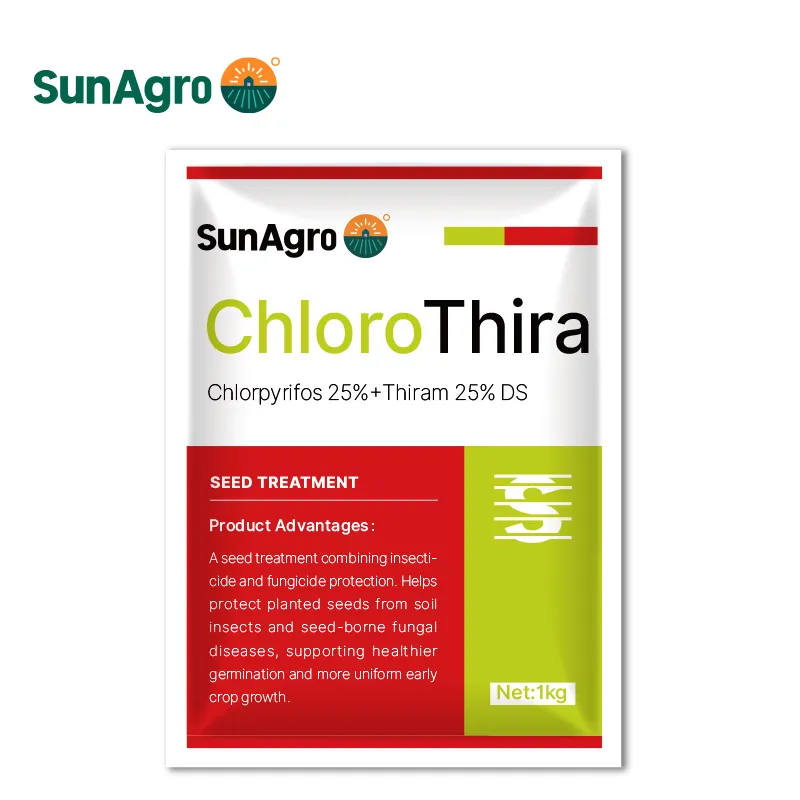
Our portfolio covers foliar fungicides, oomycete-active products, seed-treatment fungicides, soil-disease products, biological options, and combination formulations for different crop disease-management markets.
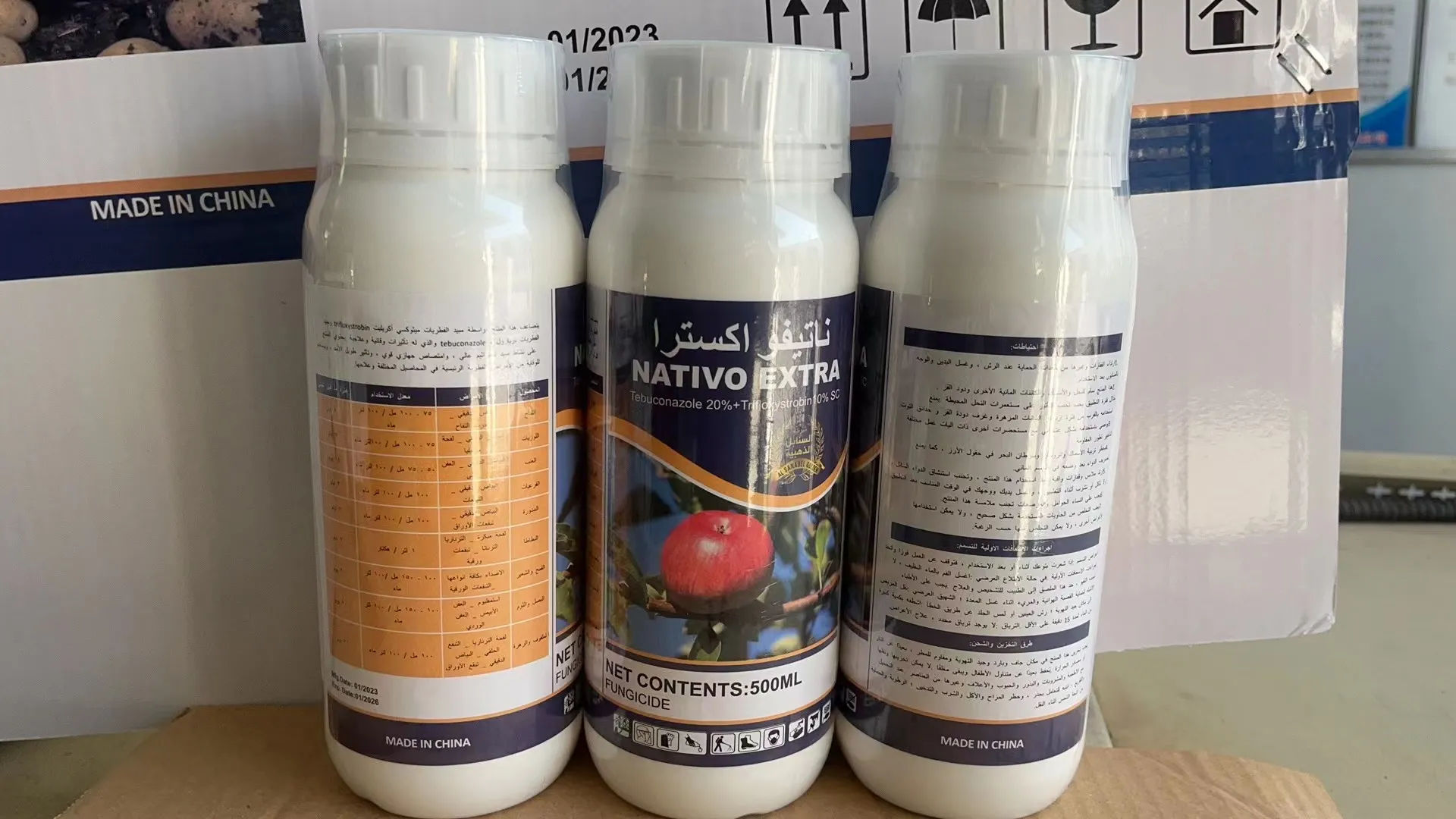
We support commercial projects with formulation selection, private-label packaging, multilingual labels, technical documentation, quality control, and export preparation according to the confirmed product specification and destination market.
Fungicide Products
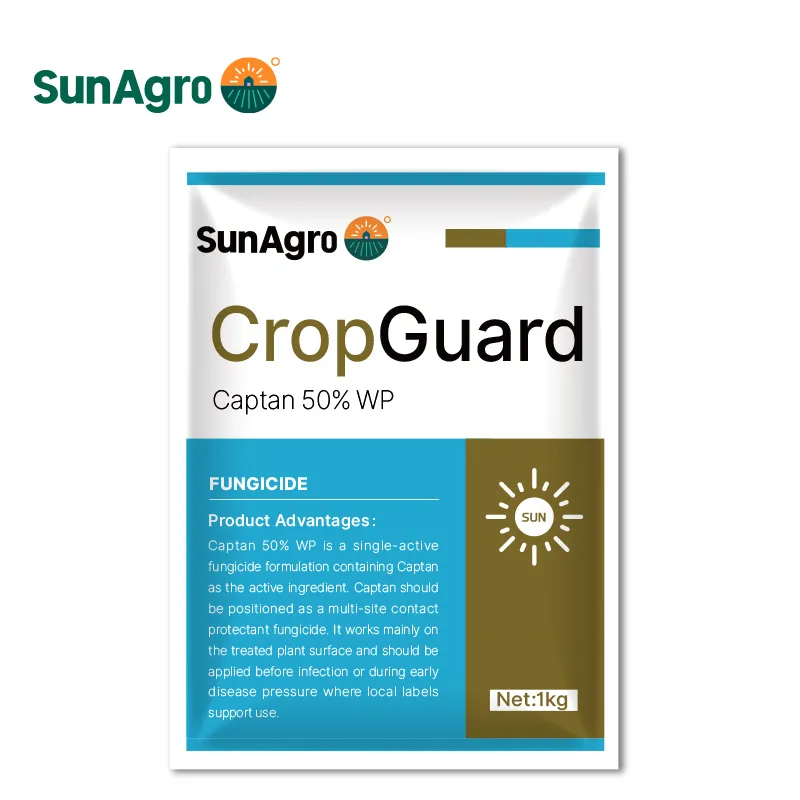
Browse available single-active and combination fungicides by active ingredient, concentration, formulation, and commercial specification. Product availability, disease claims, crop scope, packaging options, and technical documentation vary according to the selected specification and destination market.
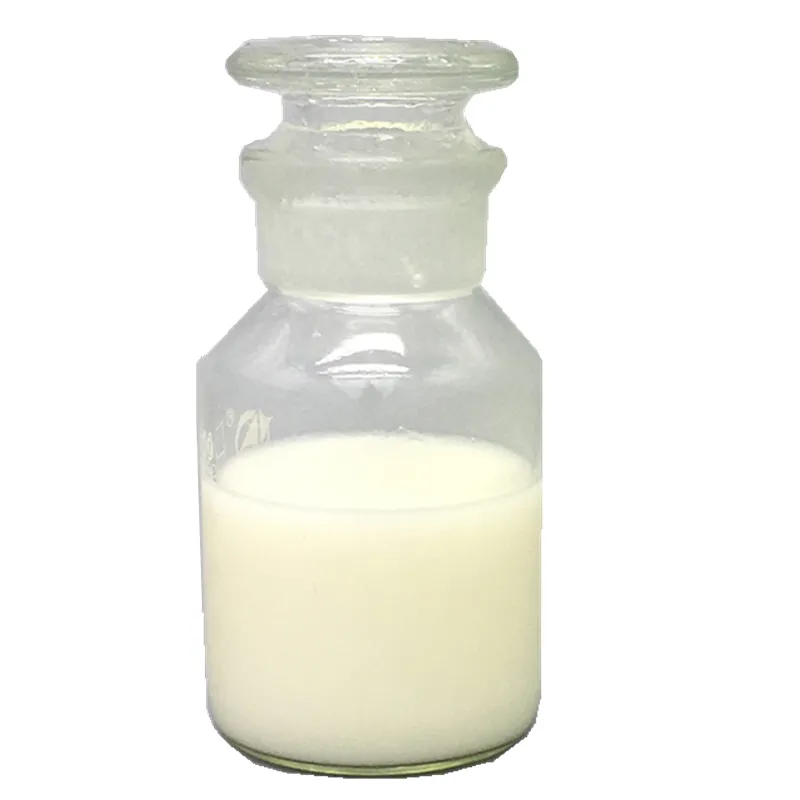
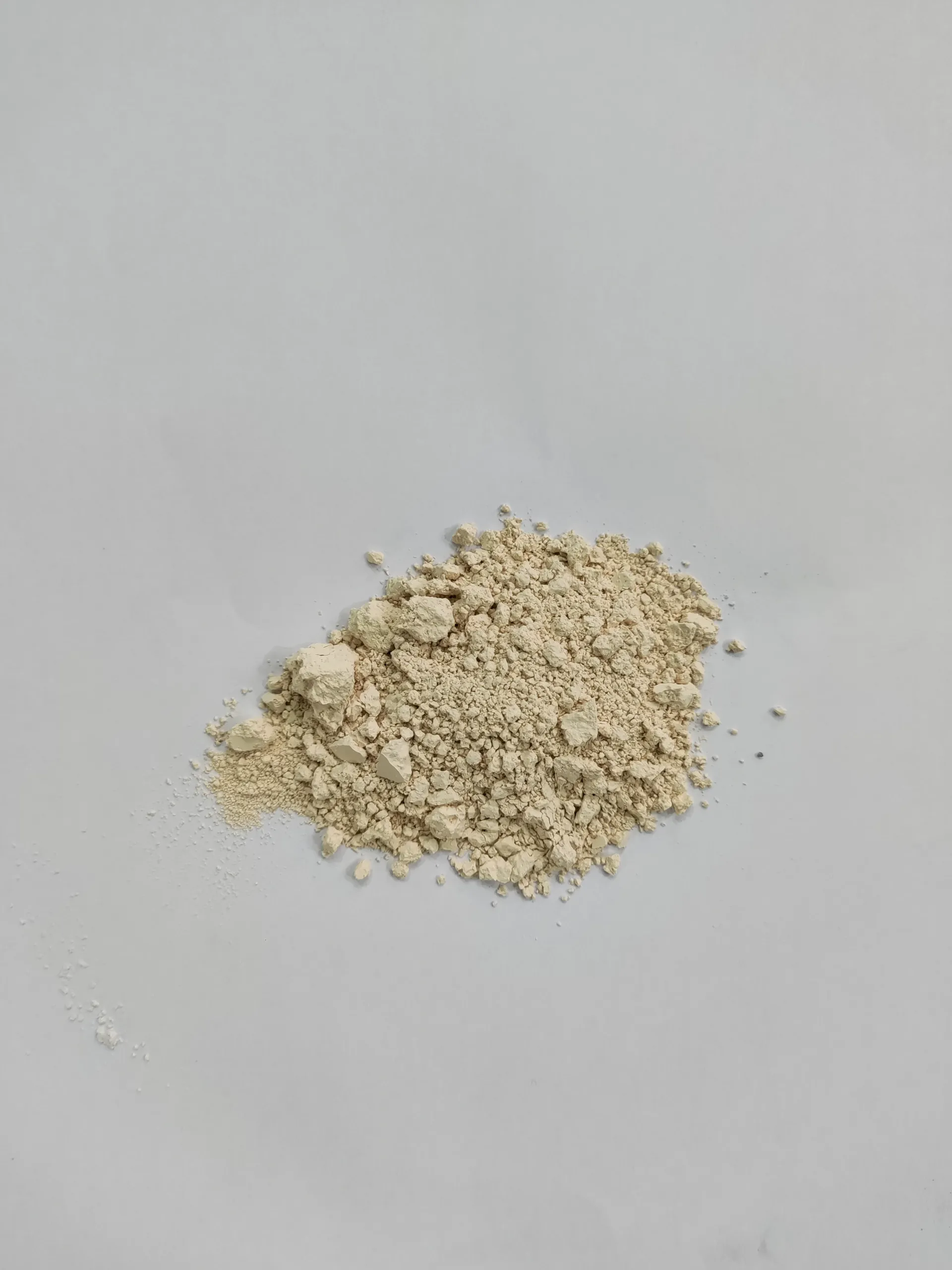
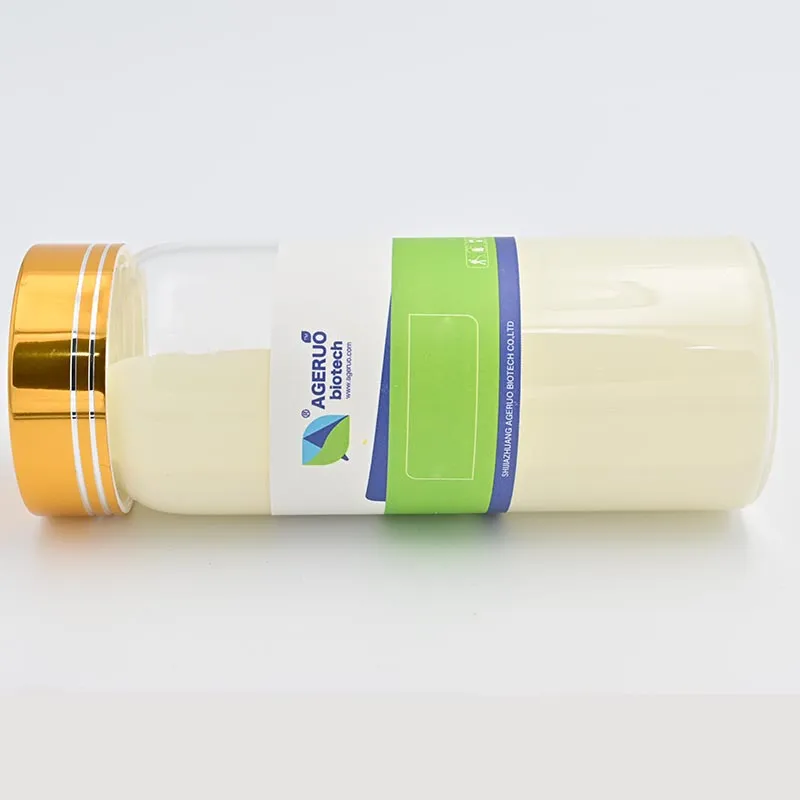
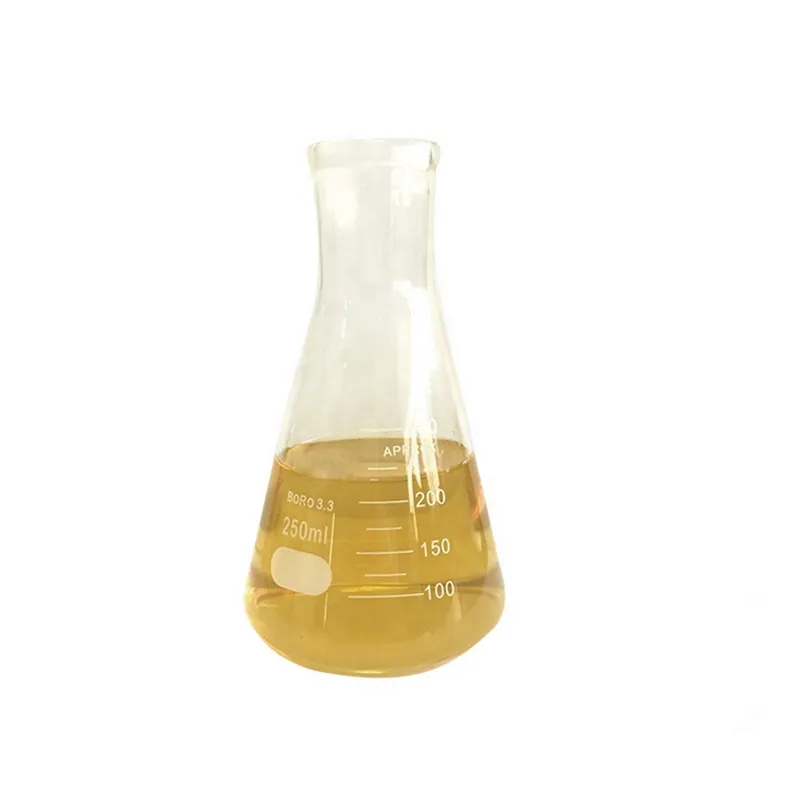




Fungicide Production and Quality Support
POMAIS supports commercial fungicide projects from confirmed product specification through formulation production, quality inspection, packaging, and export preparation.

Formulation Production
Production is organized according to the confirmed active ingredient, concentration, formulation type, and commercial specification.

Quality Inspection
Applicable physical, chemical, and formulation parameters are reviewed against the confirmed specification and project requirements.
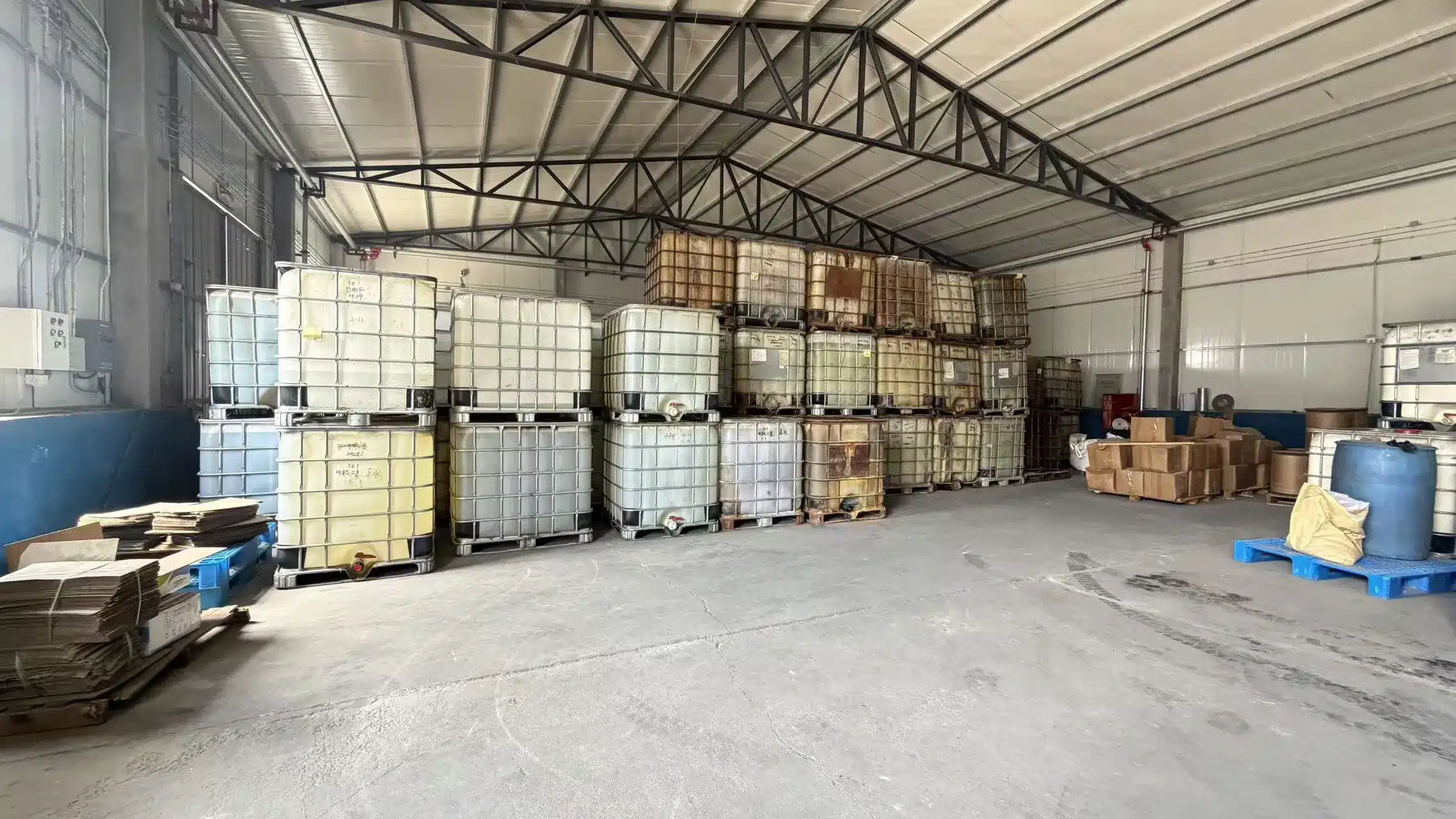
Packaging and Batch Check
Filling, sealing, labels, batch information, carton configuration, quantities, and shipment requirements are checked before export.
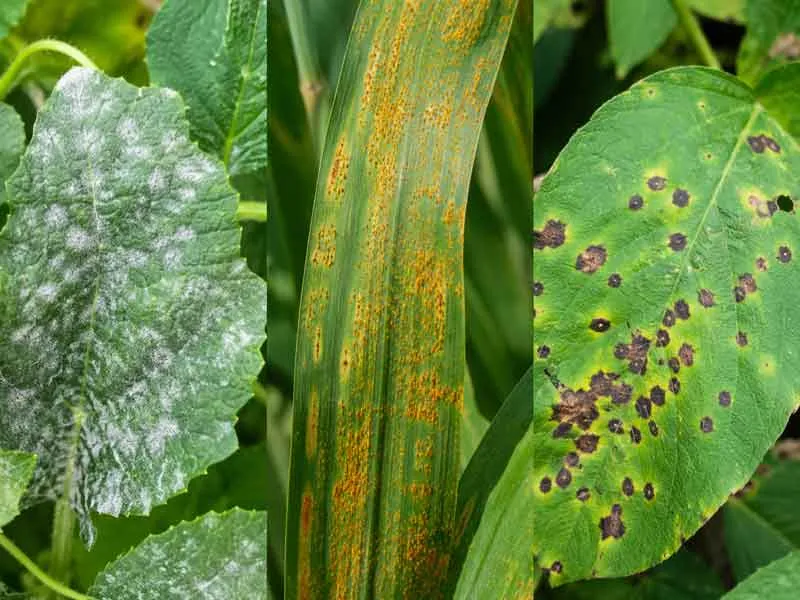
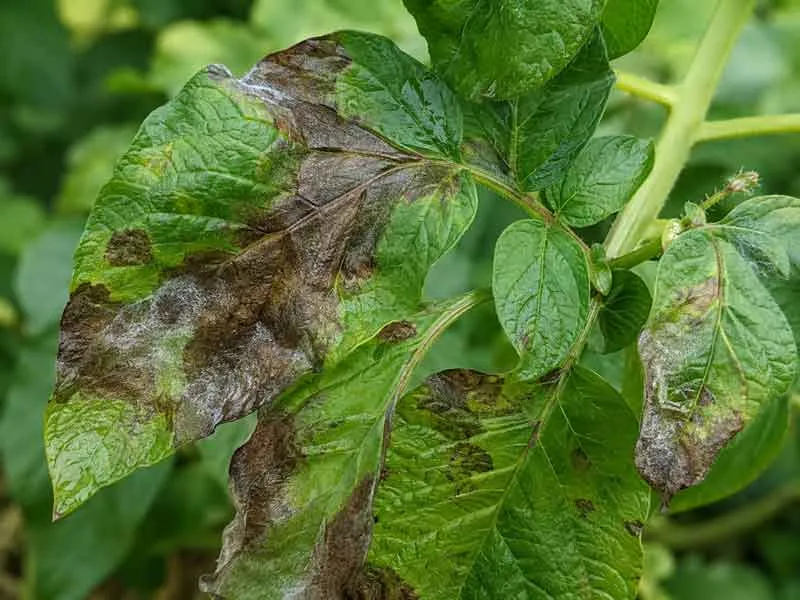
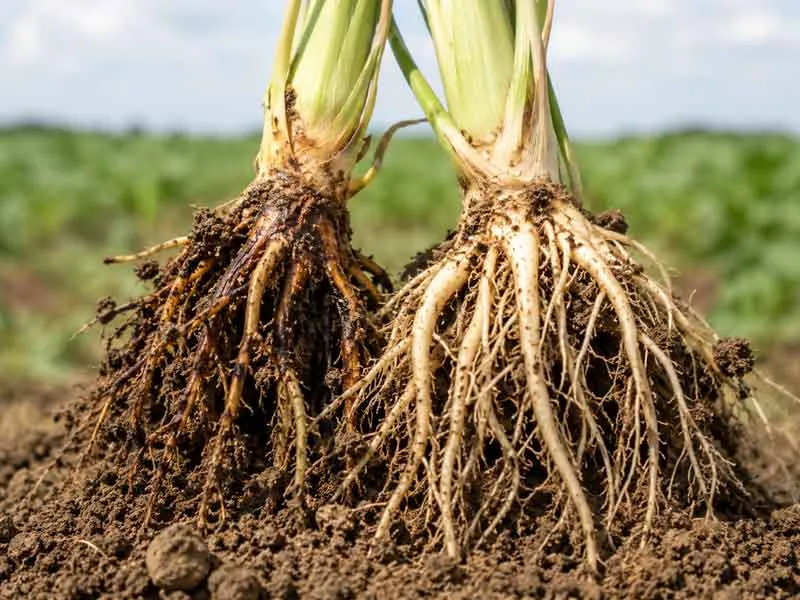
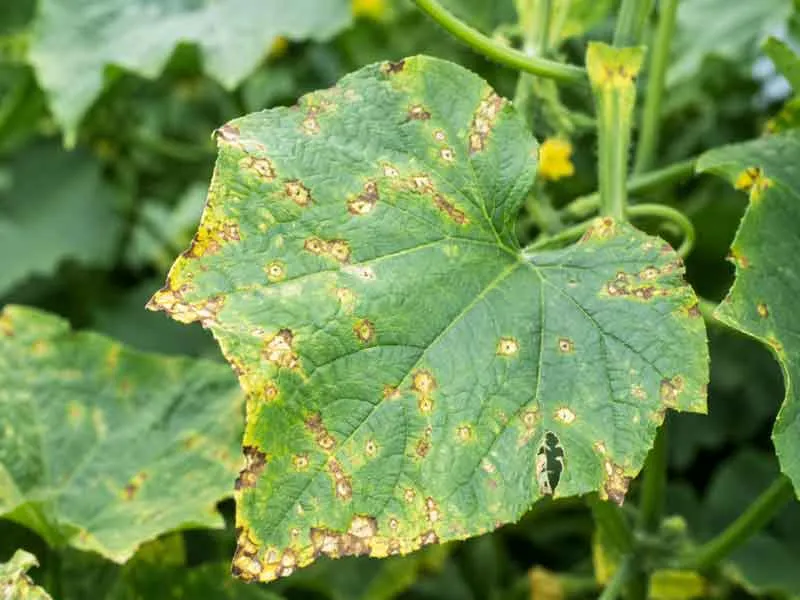
Fungicide Solutions by Disease Direction
Fungicide selection should begin with the target pathogen, crop, disease pressure, mode of action, and local registration rather than with one universal product.

Fungicide Formulations
Formulation type affects product handling, packaging, application characteristics, and commercial positioning, but it does not by itself determine mode of action or efficacy.
| Formulation | Commercial Direction |
|---|---|
| SC | Suspension concentrate products for suitable active ingredients |
| EC | Emulsifiable concentrate products |
| WP | Wettable powder formulations |
| WDG / WG | Water-dispersible granular products |
| FS | Flowable concentrates for seed treatment |
| EW | Emulsion-in-water formulations |
| SE | Suspo-emulsion formulations for suitable combination products |
| GR | Granular products for selected applications |
The appropriate formulation depends on active ingredient properties, formulation stability, target use, application system, packaging requirements, market preference, and local registration.
Fungicide Mode of Action and Resistance Management
Fungicide selection should consider both disease spectrum and mode of action.
FRAC mode-of-action groups provide a practical framework for comparing fungicide chemistry and planning resistance-management programs. Different active ingredients do not always represent different modes of action, and products within the same resistance group may not provide a meaningful rotation.
| Fungicide Direction | FRAC Group Example |
|---|---|
| DMI fungicides | 3 |
| Phenylamides | 4 |
| SDHI fungicides | 7 |
| Anilinopyrimidines | 9 |
| QoI fungicides | 11 |
A resistance-management program should consider the target pathogen, effective mode of action, crop, disease pressure, existing resistance situation, approved mixtures or rotations, and local product label.
Rotate effective modes of action, not simply product or brand names.