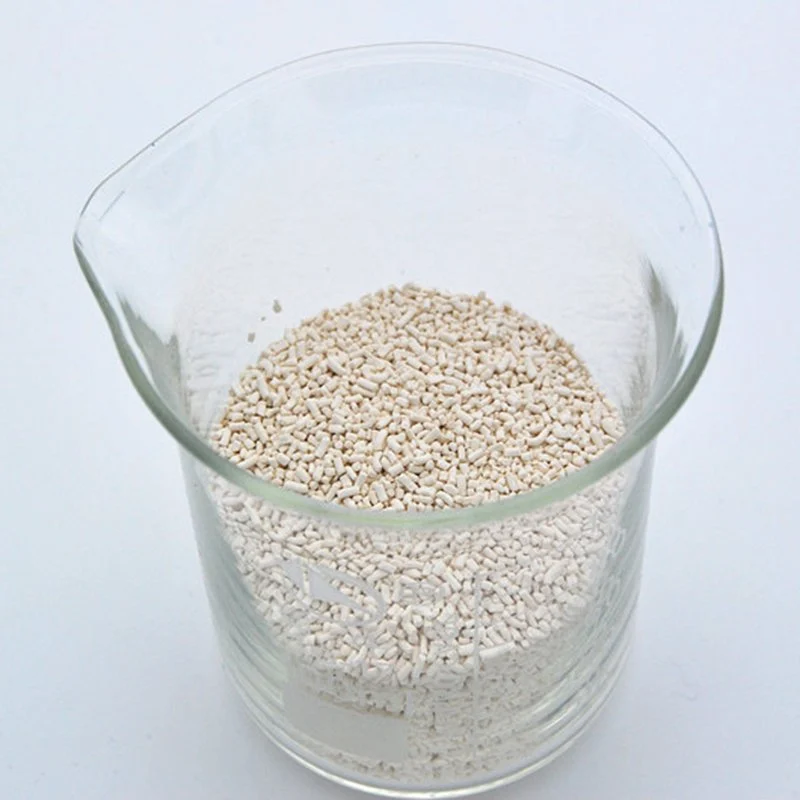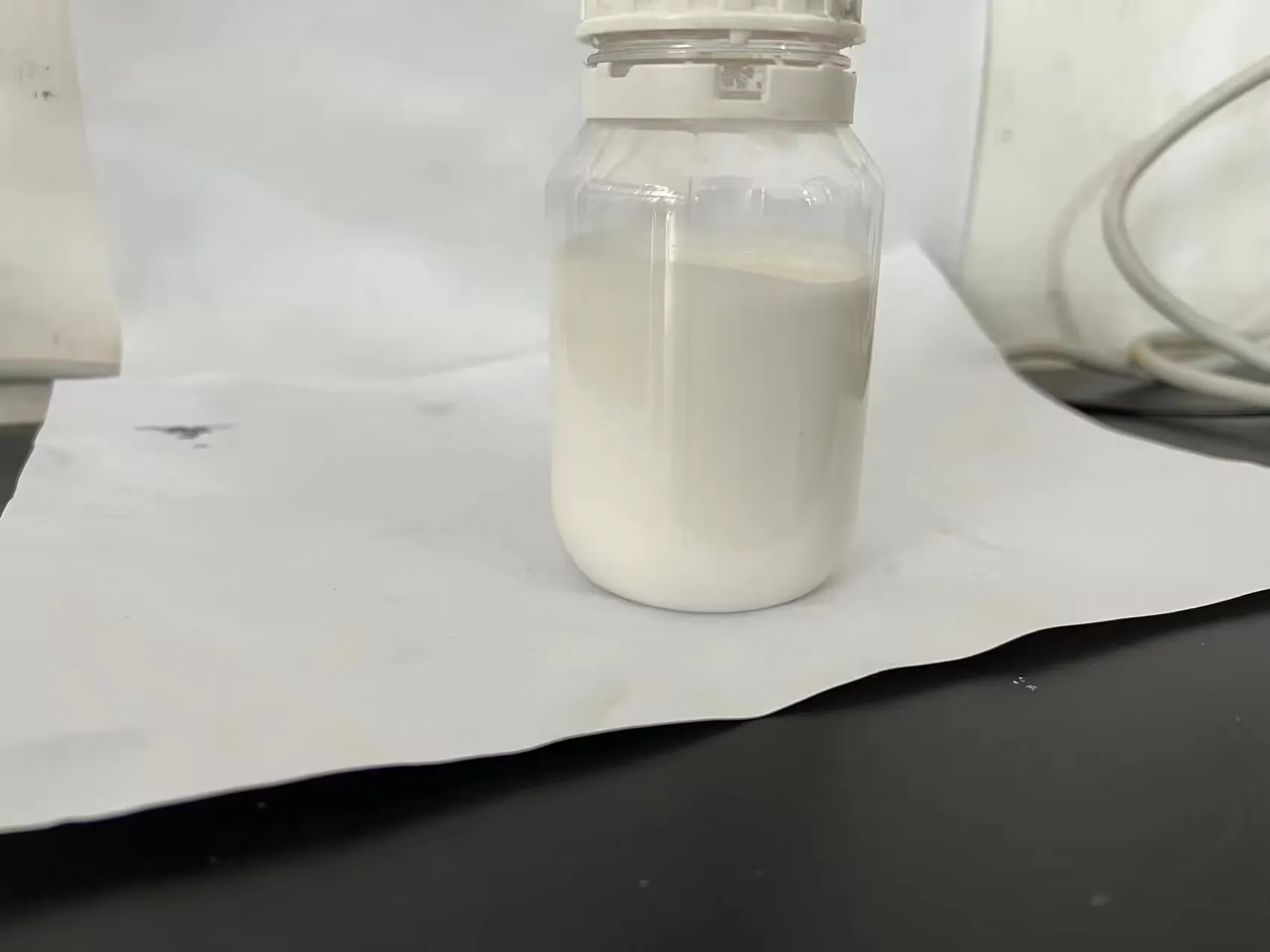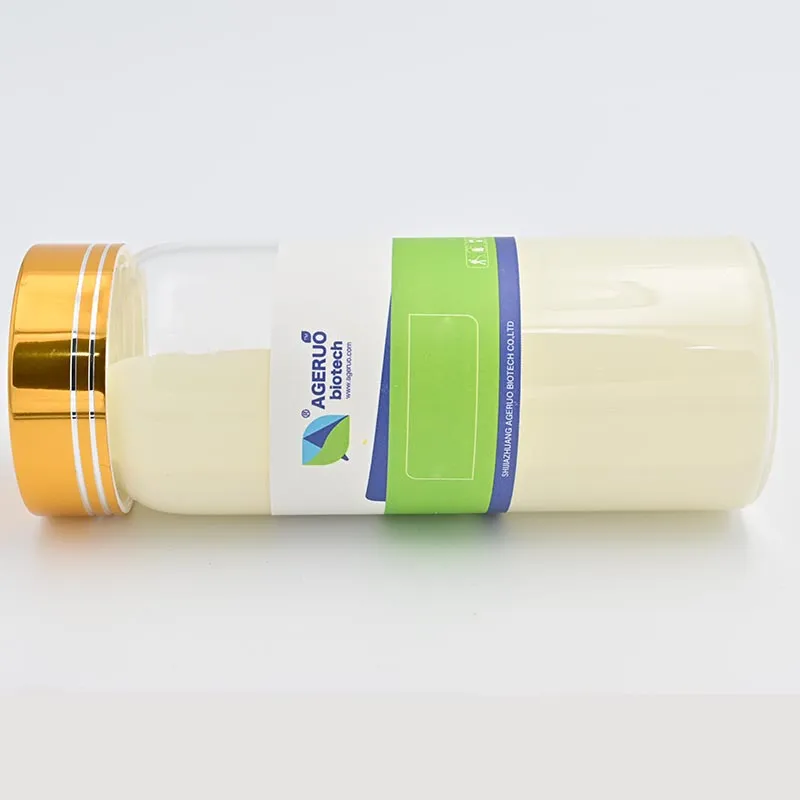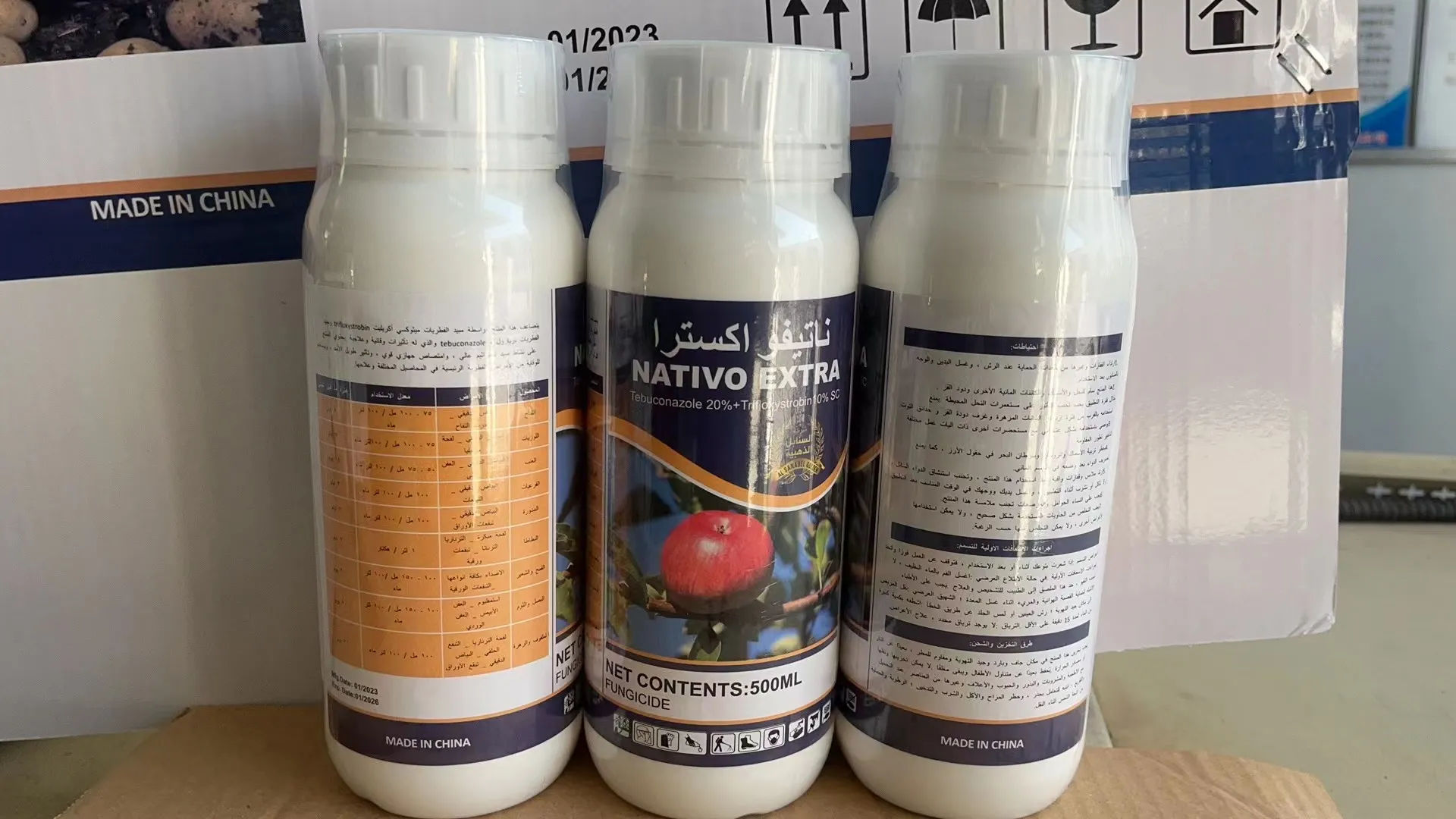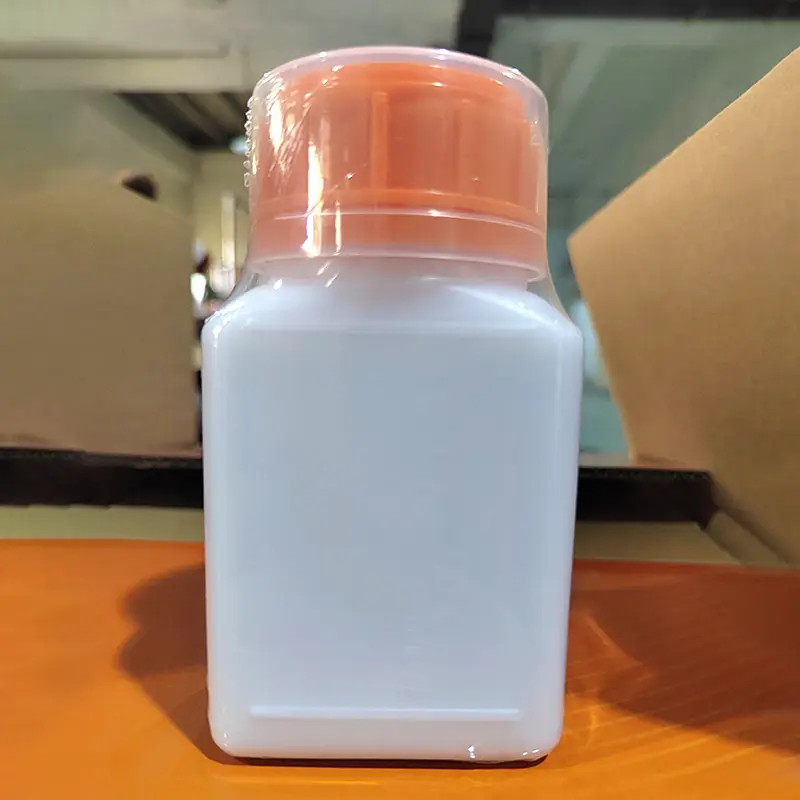
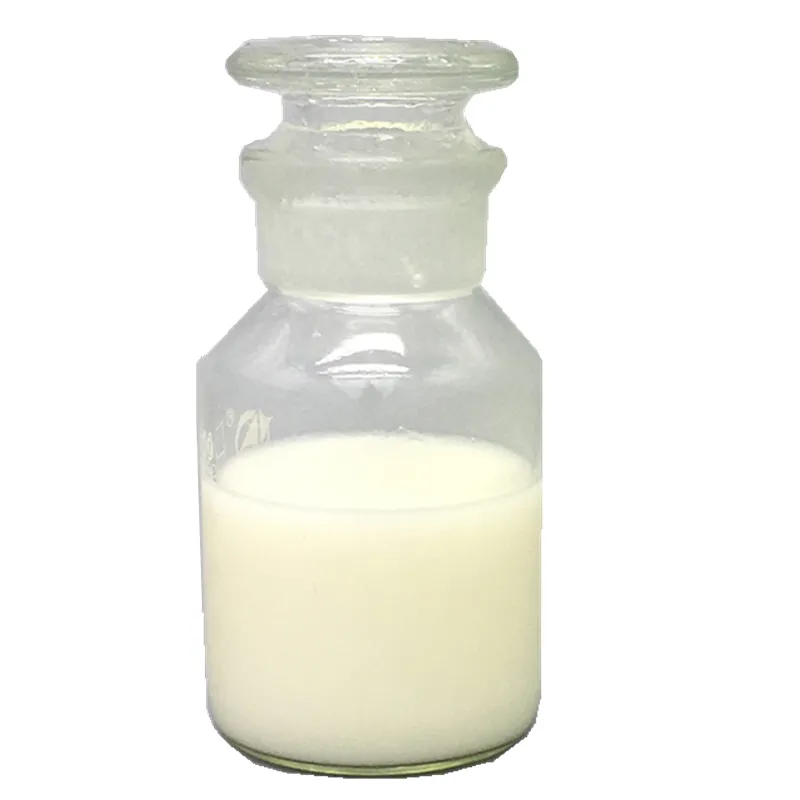
Fluxapyroxad 300 g/L SC Fungicide
POMAIS Fluxapyroxad 300 g/L SC Fungicide is a high-strength single-active suspension concentrate developed for preventive and early-stage management of approved fungal diseases.
Fluxapyroxad is a FRAC Group 7 SDHI fungicide. It inhibits succinate dehydrogenase in mitochondrial Complex II, reducing the energy required for spore germination, germ-tube development and fungal growth.
This 300 g/L SC formulation is positioned for importers, distributors, registration companies and crop protection brands requiring a flexible single-active fungicide for orchard, vegetable, field-crop or other registered disease programs.
- Designed for Professional Buyers & Bulk Orders
- We support custom packaging, labeling, and formulation to meet your market needs.
- Export wholesale inquiries only.
- Please include destination country, business type (importer/distributor/registrant), and expected volume.
- Retail requests will not be processed.

About Fluxapyroxad 300 g/L SC Fungicide
| Product Attribute | Specification |
|---|---|
| Product Name | Fluxapyroxad 300 g/L SC Fungicide |
| Active Ingredient | Fluxapyroxad |
| Content | 300 g/L |
| Formulation | SC — Suspension Concentrate |
| Product Type | Single-active systemic fungicide |
| Chemical Class | Pyrazole carboxamide |
| FRAC Group | Group 7 |
| Mode of Action | Succinate dehydrogenase inhibition in mitochondrial Complex II |
| Primary Activity | Preventive and early-stage disease management |
| Plant Movement | Systemic, translaminar and locally redistributive activity |
| Main Disease Direction | Approved scab, powdery mildew, Alternaria and other fungal diseases |
| Main Crop Direction | Apples, pears, vegetables, cereals, potatoes and other approved crops |
| Application Method | Primarily foliar spray; planting-material uses where specifically registered |
| Standard MOQ | Normally 1,000 L |
| Available Documents | COA, SDS, TDS and product specification |
| Supply Type | Bulk B2B supply for import, registration and distribution |
Final crops, diseases, application rates, spray intervals, PHI, REI and maximum seasonal use must follow the approved destination-market label.
What Is Fluxapyroxad 300 g/L SC?
Fluxapyroxad 300 g/L SC is a concentrated liquid fungicide containing Fluxapyroxad as the only active ingredient.
It belongs to the SDHI group and is mainly used in preventive foliar disease programs.
The product may be positioned for:
- Orchard disease management
- Vegetable foliar disease programs
- Cereal and field-crop diseases
- Potato disease programs
- Turf and ornamental uses where registered
- Planting-material or in-furrow use where specifically approved
Fluxapyroxad should not be described as a universal fungicide for every fungal, bacterial or Oomycete disease.
Buyers developing a broader disease-management portfolio can review the POMAIS fungicide product portfolio.
How Does Fluxapyroxad Work?
FRAC Group 7 SDHI Activity
Fluxapyroxad belongs to FRAC Group 7, the succinate dehydrogenase inhibitor group.
SDHI fungicides act at a specific site in fungal mitochondrial respiration.
This targeted mode of action provides strong activity against susceptible pathogens, but it also creates a meaningful resistance risk when Group 7 products are used repeatedly.
Fluxapyroxad is not:
- A multi-site fungicide
- A QoI or strobilurin fungicide
- A DMI fungicide
- A cell-division inhibitor
- An Oomycete-specific fungicide
Mitochondrial Complex II Inhibition
Fluxapyroxad binds to succinate dehydrogenase in mitochondrial Complex II.
This interferes with both the tricarboxylic acid cycle and the fungal electron transport chain.
As cellular energy production declines, susceptible fungi may be unable to maintain:
- Spore germination
- Germ-tube development
- Infection establishment
- Mycelial growth
- Lesion expansion
- Sporulation
The strongest program value is generally achieved before the pathogen becomes well established.
Systemic and Translaminar Movement
Fluxapyroxad can enter treated plant tissue and move across the leaf.
This systemic and translaminar activity helps protect treated tissues and may improve deposit distribution within the application area.
However, it does not mean that limited spray coverage can protect the entire crop.
Applications should still reach:
- Upper leaf surfaces
- Lower leaf surfaces
- Inner canopy foliage
- Young leaves
- Developing fruit surfaces
- Other infection-prone tissues
New growth produced after treatment may require protection from a later registered application.
Preventive and Early-Stage Disease Activity
Preventive Protection
Fluxapyroxad is best positioned as a preventive fungicide.
Suitable application timing may include:
- Before expected infection
- Before prolonged wet or humid weather
- When disease forecasting indicates increasing risk
- Before visible symptoms become widespread
- At the beginning of a high-risk crop stage
Preventive timing is especially important for orchard scab and powdery mildew programs.
Early Infection Suppression
Some registered uses may include activity during the early infection period.
This should be described as:
- Early-stage disease management
- Early infection suppression
- Limited post-infection activity where supported by the label
It should not be presented as complete eradicative control.
Advanced Disease Limitations
Fluxapyroxad cannot restore:
- Dead leaf tissue
- Damaged fruit surfaces
- Destroyed flowers
- Severely infected stems
- Yield already lost to disease
Late rescue applications may provide incomplete control and increase resistance-selection pressure.
Typical Disease Directions
The following table describes common Fluxapyroxad market directions. It is not a universal registration label.
| Disease Direction | Typical Crop Context | Product Positioning |
|---|---|---|
| Apple and Pear Scab | Apple and pear orchards | Preventive foliar protection |
| Powdery Mildew | Pome fruit, vegetables and other approved crops | Preventive and early-stage use |
| Alternaria Diseases | Potatoes, vegetables and other registered crops | Early foliar disease management |
| Septoria Diseases | Cereals and approved field crops | Program-based foliar application |
| Rust Diseases | Cereals, legumes and other registered crops | Preventive foliar use |
| Botrytis Grey Mould | Berries, grapes and vegetables where registered | Crop-specific program |
| Sclerotinia and White Mould | Oilseeds, legumes and vegetables where approved | Disease-specific use |
| Black Dot | Potato planting material where registered | Tuber or planting treatment |
| Turf and Ornamental Diseases | Registered turf and ornamental systems | Separate label required |
Exact disease claims depend on the crop, pathogen, market and approved product label.
Apple and Pear Disease Programs
Apple and pear orchards are important commercial directions for Fluxapyroxad 300 g/L SC.
Scab Management
Apple and pear scab can infect:
- Young leaves
- Flowers
- Fruit
- Shoots
- Developing plant tissue
Preventive treatment should be timed according to:
- Bud and leaf development
- Rainfall
- Leaf-wetness periods
- Orchard disease history
- Local infection forecasts
Complete canopy coverage remains important, especially as tree foliage becomes dense.
Powdery Mildew Management
Powdery mildew can affect young leaves, shoots and flowers.
Applications should begin before infection becomes severe.
Heavily infected shoots may continue to act as inoculum sources even after spraying, so sanitation and pruning may remain necessary.
Orchard Application Considerations
Orchard programs should consider:
- Tree height
- Canopy density
- Spray equipment
- Water volume
- Fruit-development stage
- PHI
- Export-market MRL requirements
A registration on apples should not automatically be extended to pears or other fruit crops.
Vegetable Disease Programs
Fluxapyroxad may be positioned against approved powdery mildew, Alternaria, Botrytis or other fungal diseases in vegetable crops.
Potential crop directions may include:
- Tomatoes
- Peppers
- Eggplants
- Cucurbits
- Leafy vegetables
- Brassica crops
- Other registered vegetables
Vegetable programs require careful attention to:
- Crop-specific rates
- Harvest timing
- Greenhouse approval
- Variety tolerance
- Maximum seasonal applications
- Residue requirements
Fluxapyroxad should not automatically be claimed for downy mildew, late blight or bacterial diseases.
Cereal and Field-Crop Disease Programs
Registered field-crop uses may include diseases such as:
- Septoria
- Rusts
- Net blotch
- Leaf spots
- Other approved cereal diseases
The product may also have market directions in legumes, oilseeds and other field crops.
Application should be aligned with:
- Crop growth stage
- Disease-risk period
- Canopy development
- Local resistance status
- Total Group 7 use in the program
Do not rotate only between different SDHI active ingredients.
Potato Disease Programs
Fluxapyroxad may have different potato uses depending on the registration.
Foliar Disease Uses
Potential foliar directions may include:
- Alternaria early blight
- Other registered potato fungal diseases
Late blight is caused by an Oomycete and should only be claimed when the exact label supports that use.
Tuber or Planting-Material Treatment
Some Fluxapyroxad 300 g/L SC products may be registered for:
- Seed-tuber treatment
- In-furrow application
- Black dot management
- Planting-material protection
These uses require separate rates, equipment and safety instructions.
A foliar application rate must not be used automatically for seed-tuber or in-furrow treatment.
When Should Fluxapyroxad Be Applied?
Before Infection
The preferred timing is before infection begins.
Treatment may be considered when:
- Disease has appeared in nearby fields
- Weather conditions favor infection
- The crop is entering a susceptible stage
- Previous field history indicates recurring pressure
- Forecasting tools identify a high-risk period
At the Earliest Disease Stage
Where permitted by the label, Fluxapyroxad may be used when the first symptoms appear.
Do not wait for:
- Widespread lesions
- Severe fruit damage
- Heavy sporulation
- Extensive canopy infection
- Repeated disease cycles
Before Coverage Becomes Difficult
Dense crop foliage can reduce canopy penetration.
Applications should be made before coverage becomes difficult, or equipment and water volume should be adjusted to reach the target tissues.
Application Guidance
1. Confirm the Crop and Disease
Before treatment, verify:
- Registered crop
- Correct disease diagnosis
- Crop growth stage
- Disease-development stage
- Local SDHI resistance status
- PHI and REI
A bacterial, viral or nutritional disorder will not be controlled by Fluxapyroxad.
2. Apply Preventively or Early
Do not rely on Fluxapyroxad as a late rescue fungicide.
Preventive use generally improves disease suppression and supports resistance management.
3. Shake the SC Container
SC formulations contain suspended active ingredient particles.
Shake or circulate the container according to the label before measuring.
4. Prepare the Spray Tank
Where permitted:
- Fill the tank partly with clean water.
- Start agitation.
- Add the measured Fluxapyroxad 300 g/L SC.
- Add approved tank-mix partners in the correct order.
- Complete filling with water.
- Maintain agitation during application.
5. Achieve Uniform Coverage
Adjust spray equipment to reach:
- Outer foliage
- Inner canopy foliage
- Lower leaf surfaces
- Young growth
- Fruit surfaces
- Other infection zones
6. Use the Registered Rate
Do not apply one global rate across all crops and diseases.
The correct rate depends on:
- Crop
- Disease
- Application method
- Canopy size
- Product registration
- Resistance-management requirements
7. Respect PHI and Seasonal Limits
Follow the approved:
- Spray interval
- PHI
- REI
- Maximum number of applications
- Maximum seasonal quantity
- Group 7 use restrictions
SC Formulation Features
SC means Suspension Concentrate.
Fine Fluxapyroxad particles are dispersed in a liquid carrier. After dilution, the product forms a spray suspension rather than a true solution.
Main SC Advantages
A well-developed SC formulation may offer:
- Convenient liquid measurement
- No dust associated with WP formulations
- Controlled particle size
- Flexible bottle sizes
- Efficient dilution
- High active ingredient concentration
- Suitable handling for commercial spray programs
The final performance depends on the complete formulation and quality-control system.
Key SC Quality Parameters
| Quality Parameter | Buyer Relevance |
|---|---|
| Fluxapyroxad Content | Confirms the declared 300 g/L specification |
| Physical Appearance | Identifies separation, crystals or hard sediment |
| Suspensibility | Maintains uniform spray concentration |
| Particle Size Distribution | Influences storage and spraying performance |
| Wet Sieve Residue | Helps reduce filter and nozzle blockage |
| Viscosity | Affects pumping, pouring and filling |
| Pourability | Reduces product remaining in the package |
| pH | Supports formulation stability |
| Persistent Foam | Influences tank-filling operation |
| Redispersibility | Confirms recovery after storage |
| Dilution Stability | Evaluates performance in spray water |
| Low-Temperature Stability | Supports cold-market transportation |
| Heat Stability | Supports warm-climate storage |
| Packaging Compatibility | Helps prevent leakage and seal failure |
| Fill-Volume Accuracy | Supports batch consistency |
Suspension Stability
Some settling may occur during long-term storage.
The formulation should return to a uniform suspension after the approved shaking or agitation procedure.
Hard sediment, irreversible separation or persistent crystallization may indicate a formulation-quality problem.
Water Quality
Spray-water characteristics may affect dilution and tank-mix behavior.
Important factors include:
- Hardness
- pH
- Temperature
- Suspended soil
- Organic matter
- Fertilizer salts
Use clean water and follow the product label.
Resistance Management
Fluxapyroxad is a single-site FRAC Group 7 fungicide.
SDHI resistance management is essential.
Group 7 Cross-Resistance
Other SDHI active ingredients may include:
- Fluopyram
- Boscalid
- Penthiopyrad
- Bixafen
- Isopyrazam
- Other FRAC Group 7 fungicides
Changing only from Fluxapyroxad to another Group 7 active ingredient does not provide a true mode-of-action rotation.
Sensitivity patterns may differ among SDHIs, but the group should still be managed as a common cross-resistance category.
Limit Group 7 Exposure
Avoid:
- Repeated consecutive Fluxapyroxad applications
- Rotation only between SDHI products
- Repeated reduced-rate use
- Late curative dependence
- Excessive Group 7 use in one season
Recommended Program Principles
- Apply preventively.
- Use the complete registered rate.
- Limit total Group 7 applications.
- Rotate with effective fungicides outside FRAC Group 7.
- Use mixtures only when the partner independently controls the target disease.
- Follow crop-specific FRAC recommendations.
- Integrate resistant varieties where available.
- Improve sanitation and crop residue management.
- Monitor treated fields.
- Investigate unexpected disease survival.
Increasing the rate should not be presented as a solution to confirmed SDHI resistance.
Fluxapyroxad Compared with Related Fungicide Directions
| Product Direction | Main Positioning |
|---|---|
| Fluxapyroxad 300 g/L SC | Single-active FRAC Group 7 fungicide |
| Fluopyram 40% SC | Group 7 fungicide with separate nematicide positioning |
| Pyraclostrobin 20% SC | Group 11 QoI preventive fungicide |
| Fluxapyroxad Combination Products | Fixed-ratio products containing additional FRAC groups |
| Multi-Site Fungicides | Surface protectants with a different resistance profile |
Fluxapyroxad and Fluopyram belong to the same FRAC group but should not be treated as interchangeable products.
Buyers comparing Group 7 products can review the Fluopyram 40% SC fungicide and nematicide.
For a Group 11 single-active option, see the Pyraclostrobin 20% SC fungicide.
Tank Mixing and Compatibility
Do not assume Fluxapyroxad 300 g/L SC is compatible with every pesticide, fertilizer or adjuvant.
Compatibility may be affected by:
- Water hardness
- Water pH
- Partner formulation
- Mixing order
- Fertilizer concentration
- Spray-water temperature
- Number of tank-mix products
Jar Testing
For unfamiliar mixtures:
- Use the intended water source
- Follow the planned mixing order
- Use proportional quantities
- Observe for separation or sediment
- Check for gel formation
- Monitor excessive foam or heat
Physical compatibility does not confirm crop safety or disease-control performance.
Most Restrictive Label
When products are mixed, follow the most restrictive requirement concerning:
- Crop
- Disease
- Rate
- Application timing
- PHI
- REI
- PPE
- Seasonal-use limits
Do not store diluted spray mixtures for extended periods unless the label permits it.
Crop Safety and Use Precautions
Use only on registered crops and varieties.
Crop response may be influenced by:
- Excessive rate
- Spray overlap
- High temperature
- Water stress
- Sensitive varieties
- Unapproved tank mixtures
- Greenhouse conditions
- Incorrect application timing
Greenhouse Use
Do not assume that an outdoor registration covers protected crops.
Greenhouse applications may differ in:
- Humidity
- Drying time
- Spray concentration
- Temperature
- Variety sensitivity
- Worker exposure
Separate registration support is required.
Planting-Material Use
Seed, tuber or planting treatments require:
- Approved equipment
- Separate rate instructions
- Worker-protection controls
- Uniform treatment
- Correct drying and handling procedures
Foliar directions should not be reused for planting material.
Operator and Environmental Precautions
Handle the product according to the approved label and final SDS.
Operator Protection
General precautions include:
- Wear the required protective clothing.
- Use chemical-resistant gloves where specified.
- Protect the eyes during mixing.
- Avoid skin contact.
- Avoid inhaling spray mist.
- Do not eat, drink or smoke during handling.
- Wash exposed skin after use.
- Follow the registered re-entry interval.
Protect Aquatic Environments
Prevent spray, runoff and equipment rinsate from entering:
- Rivers
- Streams
- Lakes
- Wells
- Irrigation canals
- Fish ponds
- Wetlands
- Drainage systems
Prevent Spray Drift
Use appropriate:
- Nozzles
- Droplet size
- Wind limits
- Boom height
- Buffer zones
- Application speed
Container Disposal
Do not reuse empty pesticide containers.
Dispose of containers, rinsate and unused product according to local regulations.
Storage and Transport
Store Fluxapyroxad 300 g/L SC:
- In its original sealed container
- In a cool and dry warehouse
- Away from direct sunlight
- Away from excessive heat
- Away from freezing where relevant
- Away from food and animal feed
- Away from children and unauthorized persons
- Under conditions stated in the SDS
Before shipment, inspect:
- Bottle condition
- Cap security
- Induction seal
- Leakage
- Label adhesion
- Batch coding
- Fill volume
- Carton strength
- Pallet stability
Packaging, Quality Control and Documentation
POMAIS supplies Fluxapyroxad 300 g/L SC for qualified importers, distributors, registration companies and crop protection brands.
Packaging Options
Potential commercial packaging may include:
- 100 mL bottles
- 250 mL bottles
- 500 mL bottles
- 1 L bottles
- 5 L containers
- 10 L containers
- 20 L containers
- Larger commercial packaging where suitable
- Induction seals
- Tamper-evident caps
- Multilingual labels
- Retail cartons
- Master cartons
- Batch and expiry coding
- Shipping marks
Final packaging depends on registration, order quantity and formulation compatibility.
Quality-Control Focus
Quality checks may include:
- Fluxapyroxad content
- Product identity
- Physical appearance
- Suspensibility
- Particle size
- Wet sieve residue
- Viscosity
- Pourability
- pH
- Persistent foam
- Redispersibility
- Dilution stability
- Low-temperature stability
- Heat stability
- Packaging compatibility
- Fill-volume accuracy
- Batch consistency
Available Documents
Commercial document support may include:
- COA — Certificate of Analysis
- SDS — Safety Data Sheet
- TDS — Technical Data Sheet
- Product Specification
- Packaging Specification
- Available stability information
- Available efficacy information
- Available crop-safety information
- Available registration-supporting information
- Batch-related quality documents
- Commercial and shipping documents
Frequently Asked Questions
Request Fluxapyroxad 300 g/L SC
To evaluate a Fluxapyroxad 300 g/L SC purchasing or registration project, please provide:
- Destination country
- Company type
- Required quantity
- Preferred package size
- Target crops
- Target fungal diseases
- Intended application method
- Current registration status
- Required label language
- Required technical documents
- Expected purchasing schedule
We will review product specifications, SC quality, packaging feasibility, document availability and destination-market requirements before confirming the commercial proposal.
Fluxapyroxad 300 g/L SC is supplied for professional B2B procurement, registration and wholesale distribution.
Contact us!
We will reply to you within 24 hours on business days!