

Triadimefon 25% WP and 25% EC Systemic Fungicide
Triadimefon 25% WP and 25% EC are systemic triazole fungicide formulations used for powdery mildew, rust diseases, and selected fungal disease programs where local registration supports use.
Triadimefon belongs to the DMI fungicide group and is classified as a FRAC Group 3 fungicide. It works by inhibiting sterol biosynthesis in fungal cells, which disrupts normal fungal growth and supports disease management in approved crop programs.
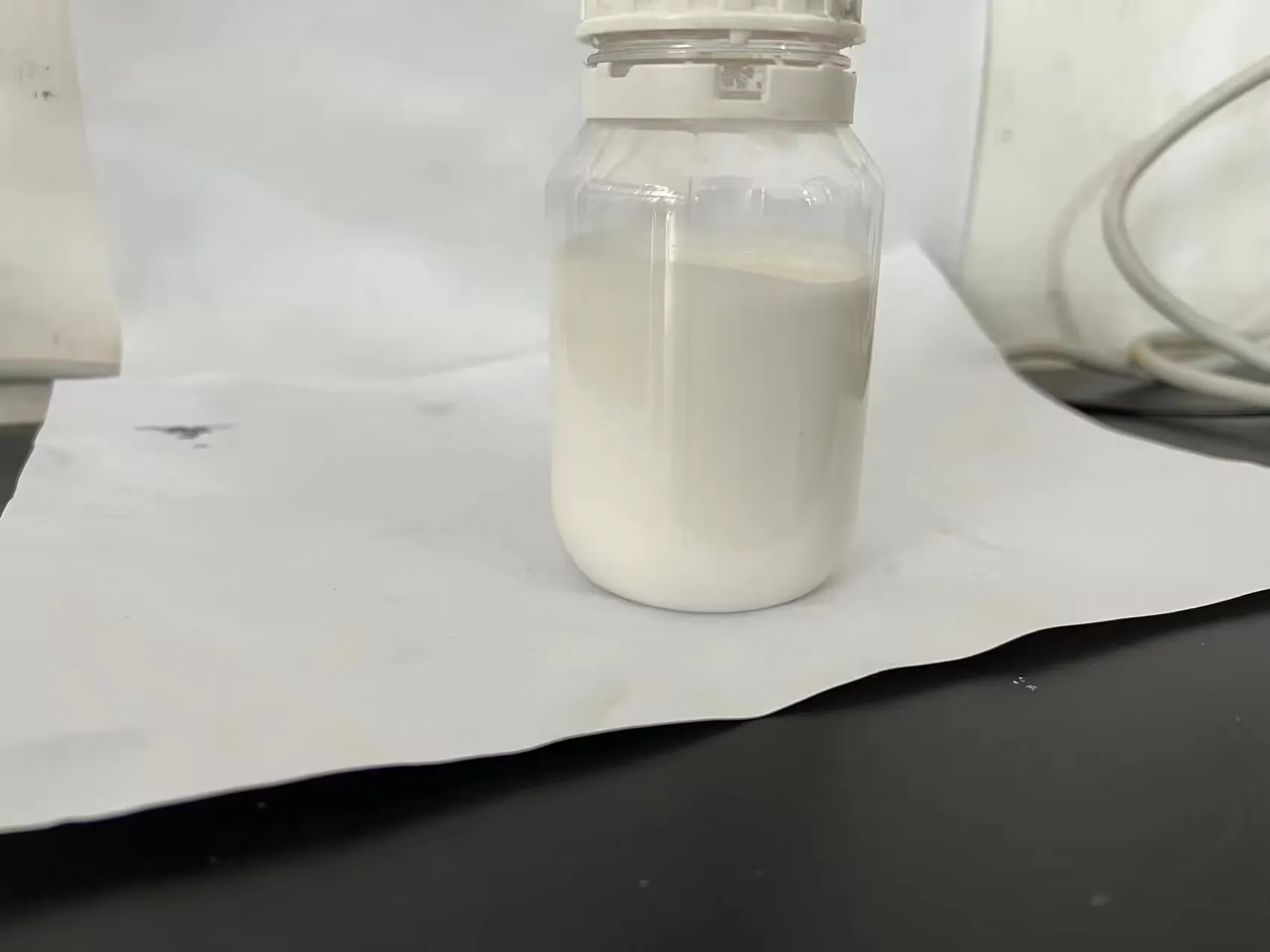
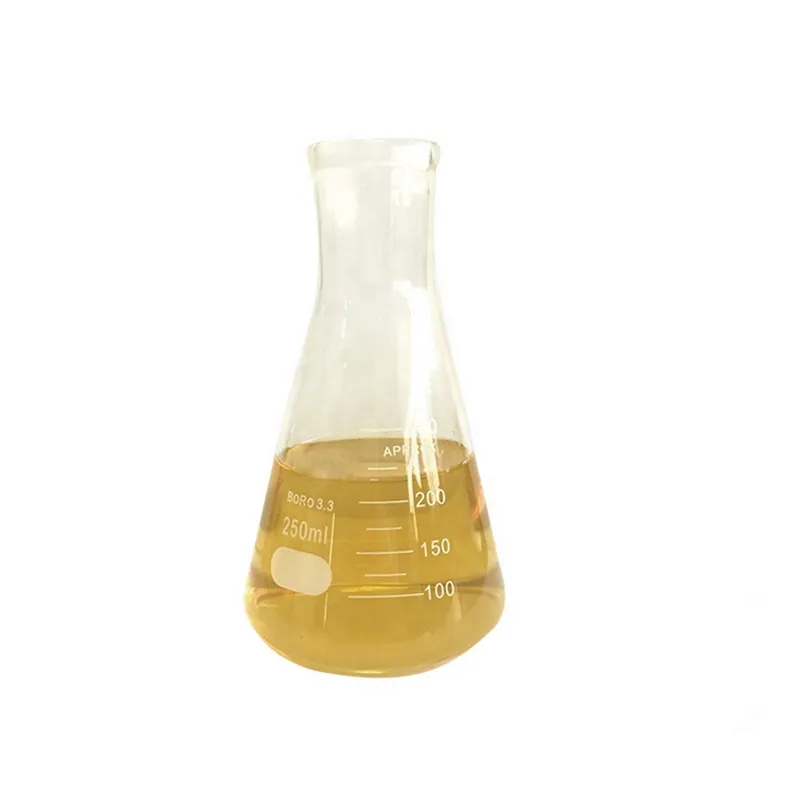
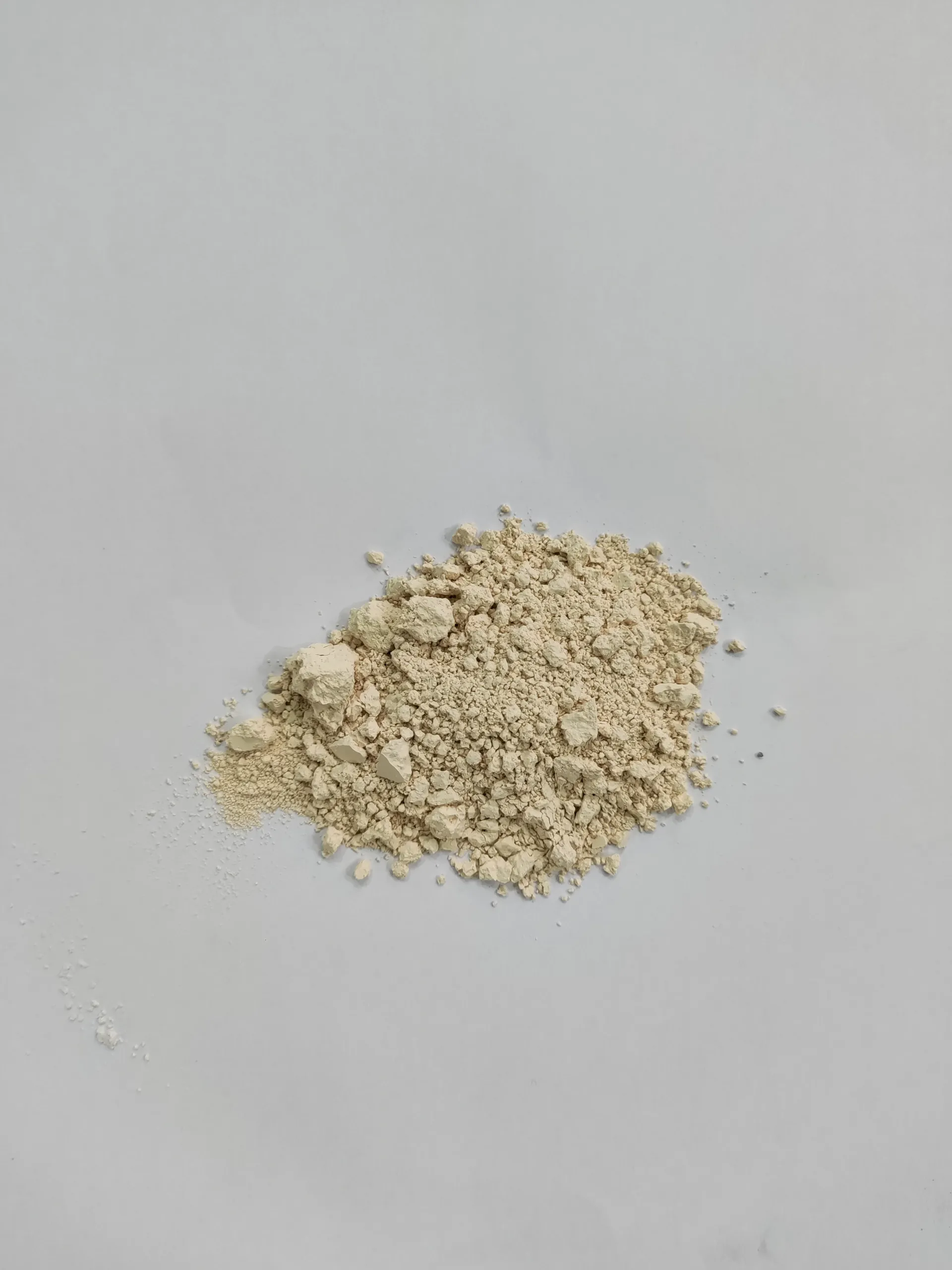
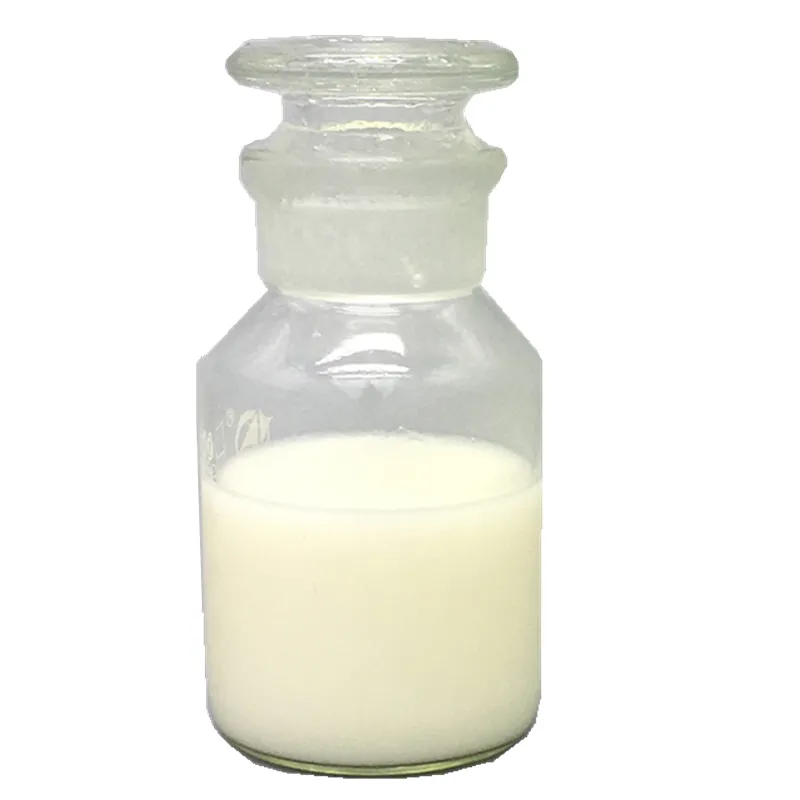
POMAIS supplies Triadimefon in two practical formulation directions. 25% WP is a wettable powder formulation for dry fungicide product channels. 25% EC is an emulsifiable concentrate formulation for liquid fungicide product channels.
This product should be positioned as a systemic DMI triazole fungicide, not as a contact-only protectant, bacterial disease product, viral disease product, or universal fungicide for all crop diseases.
POMAIS supports Triadimefon supply for importers, distributors, registration companies, agrochemical channels, and local crop protection partners who need stable formulation quality, packaging communication, product documents, batch quality control, and export coordination.
- Designed for Professional Buyers & Bulk Orders
- We support custom packaging, labeling, and formulation to meet your market needs.
- Export wholesale inquiries only.
- Please include destination country, business type (importer/distributor/registrant), and expected volume.
- Retail requests will not be processed.

About Triadimefon 25% WP and 25% EC Systemic Fungicide
| Item | Details |
|---|---|
| Active Ingredient | Triadimefon |
| Available Formulations | 25% WP, 25% EC |
| Product Type | Systemic Fungicide |
| Fungicide Class | Triazole / DMI Fungicide |
| FRAC Group | Group 3 |
| Mode of Action Context | Sterol biosynthesis inhibition / C14-demethylation inhibition |
| Main Disease Direction | Powdery mildew, rust diseases, and registered fungal diseases |
| Crop Direction | Cereals, vegetables, fruit crops, ornamentals, turf, and approved crop programs |
| Use Positioning | Preventive and early disease management where locally approved |
| Product Boundary | Not for bacterial diseases, viral diseases, or unsupported oomycete disease claims |
| Supply Support | Packaging communication, documents, batch QC, and export coordination |
What Is Triadimefon?
Triadimefon is a systemic triazole fungicide used in registered crop disease management programs.
Its strongest product direction is powdery mildew and rust disease management. It may also be positioned for selected smut diseases, leaf spot diseases, turf diseases, and ornamental disease programs where local registration and approved labels support use.
Triadimefon should not be written as a simple broad-spectrum contact fungicide. Its value comes from systemic activity, DMI mode of action, and its role in early fungal disease management.
The strongest product message is clear:
Triadimefon is a FRAC Group 3 systemic DMI fungicide for powdery mildew, rust, and approved fungal disease programs.
How Triadimefon Works
Triadimefon works by inhibiting sterol biosynthesis in fungal cells.
Sterols are important for normal fungal cell membrane development and fungal growth. As a DMI fungicide, Triadimefon interferes with the sterol biosynthesis pathway, especially the C14-demethylation process. This helps disrupt fungal development after infection or during early disease development where local labels allow use.
Triadimefon is systemic, which means it is not limited to a contact-only protective effect. It can support disease management within approved crop programs where systemic triazole activity is needed.
This product should still be used carefully. It should not be presented as a complete cure for severe disease infection or as a fungicide that can replace a planned disease management program.
Mode of Action: FRAC Group 3 DMI Fungicide
Triadimefon belongs to FRAC Group 3, the DMI fungicide group.
| Technical Point | Product Meaning |
|---|---|
| Active Ingredient | Triadimefon |
| Fungicide Class | Triazole / DMI |
| FRAC Group | Group 3 |
| Mode of Action | Sterol biosynthesis inhibition |
| Target Context | C14-demethylation / CYP51 pathway |
| Product Behavior | Systemic fungicide |
| Main Disease Direction | Powdery mildew and rust disease management |
This mode of action makes Triadimefon different from multi-site contact fungicides such as Mancozeb or Chlorothalonil.
Because Triadimefon is a single-site DMI fungicide, resistance management must be included in product communication. It should be used within a planned fungicide rotation program and not relied on repeatedly without mode-of-action rotation.
Main Use Direction: Powdery Mildew and Rust Disease Management
The main use direction for Triadimefon is powdery mildew and rust disease management.
Although Triadimefon can be described as a broad-spectrum systemic fungicide in some contexts, the page should not rely only on the word “broad-spectrum.” For procurement and registration communication, it is better to make the disease direction specific.
| Use Direction | Product Positioning |
|---|---|
| Powdery mildew management | Core disease direction where locally approved |
| Rust disease management | Important disease direction in cereals, turf, ornamentals, and other approved crops |
| Smut disease direction | Registration-dependent use direction |
| Leaf spot disease direction | Selected fungal diseases where label supports use |
| Preventive disease programs | Useful before severe disease development where approved |
| Early disease management | Fits early-stage fungal disease programs with systemic activity |
Triadimefon should not be promoted as a primary product for bacterial diseases, viral diseases, or unsupported oomycete diseases such as downy mildew, late blight, Phytophthora, or Pythium unless a local label specifically supports that claim.
Suitable Crop Directions
Triadimefon can serve several crop channels, but final crop scope must always follow local registration and approved labels.
Cereals and Field Crops
In cereal and field crop programs, Triadimefon may be positioned for powdery mildew, rust, and selected fungal disease management where local registration supports use.
Wheat, barley, oats, rye, sorghum, cotton, and other field crop directions may be relevant depending on the approved local label. Product communication should remain disease-specific and registration-based.
Fruit and Vegetable Crops
For fruit and vegetable crop programs, Triadimefon may be positioned for registered fungal diseases, especially powdery mildew direction where approved.
These markets require careful attention to crop scope, pre-harvest interval, residue requirements, spray timing, and destination-market standards. The product should not be promoted for all fruit or vegetable diseases without label support.
Ornamentals and Turf
Triadimefon also has market relevance in ornamental and turf disease programs where local registration supports use.
For ornamental crops, nursery plants, landscape plants, turfgrass, and related channels, systemic DMI activity can be useful in registered powdery mildew, rust, and other fungal disease programs. Crop safety, plant species sensitivity, and label restrictions should be reviewed carefully.
Trees and Shrubs
For trees and shrubs, Triadimefon may be positioned in registered ornamental or landscape disease programs.
This direction should remain label-dependent. Product communication should not imply general use on all trees, shrubs, or nursery species without local approval.
Target Disease Directions
Triadimefon 25% WP and 25% EC should be written by disease direction, not as a product that controls every disease.
| Disease Direction | Product Positioning |
|---|---|
| Powdery mildew | Core disease direction |
| Rust diseases | Core disease direction |
| Smut diseases | Registration-dependent direction |
| Leaf spot diseases | Selected fungal disease direction where approved |
| Turf diseases | Relevant only where local registration supports use |
| Ornamental diseases | Relevant to registered ornamental crop programs |
| Bacterial diseases | Not suitable |
| Viral diseases | Not suitable |
| Oomycete diseases | Not the main positioning unless locally approved |
The strongest disease message is powdery mildew and rust disease management with systemic DMI activity.
Final disease claims must follow local registration and approved labels.
Available Formulations: 25% WP and 25% EC
POMAIS supplies Triadimefon in two formulation directions: 25% WP and 25% EC.
| Formulation | Best-Fit Market Direction |
|---|---|
| Triadimefon 25% WP | Dry fungicide product channel, sachets, bags, cartons |
| Triadimefon 25% EC | Liquid fungicide product channel, bottles, drums, cartons |
The right formulation depends on local registration format, distributor preference, packaging plan, storage conditions, transport requirements, and market channel habits.
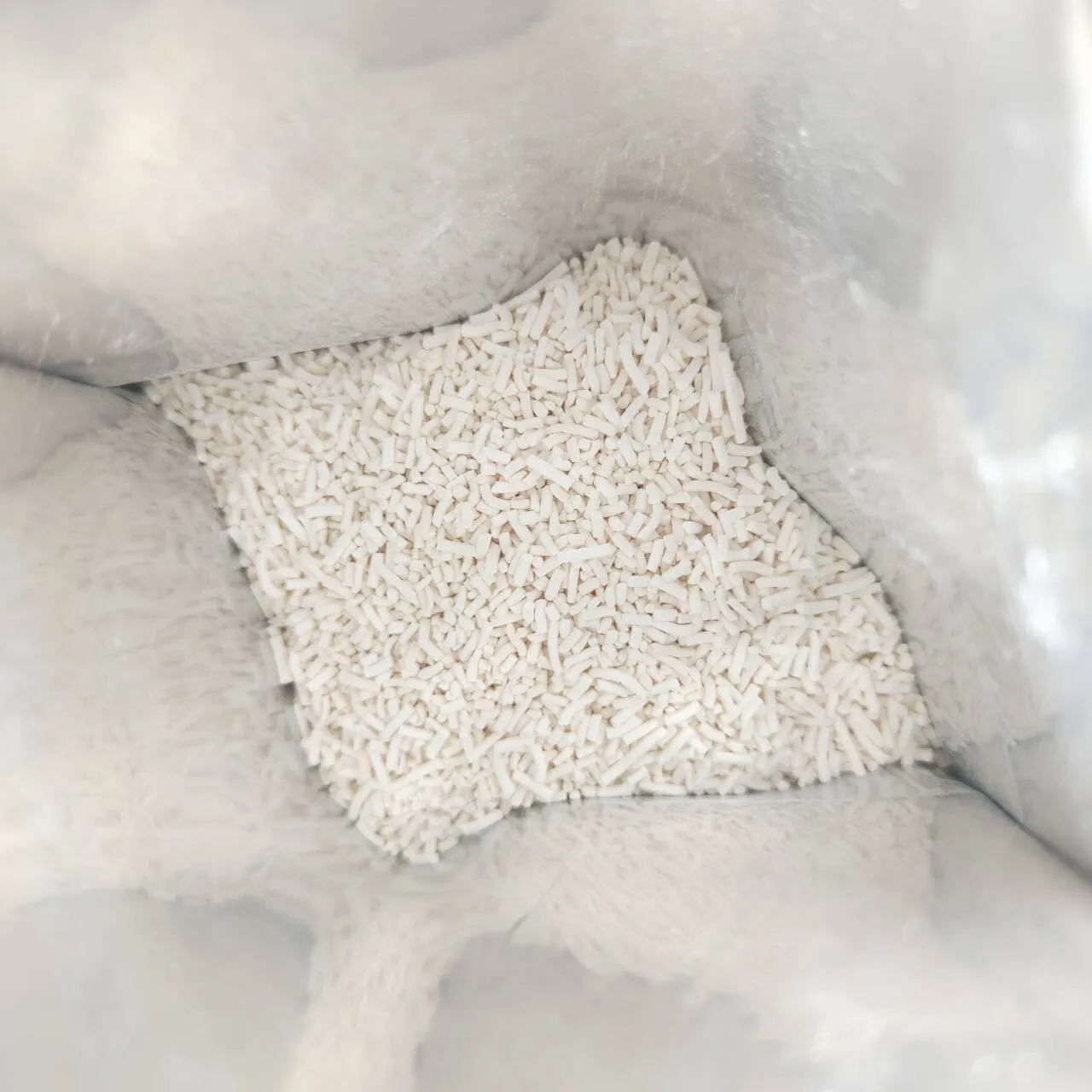
Triadimefon 25% WP
Triadimefon 25% WP is a wettable powder formulation.
WP means wettable powder. This formulation is mixed with water before use and is suitable for markets that prefer dry fungicide products, sachets, bags, cartons, and powder-based distribution channels.
For buyers, the value of 25% WP is practical dry formulation supply. It can fit markets where small packs, bag packaging, carton shipment, and dry storage formats are preferred.
Quality control for WP should focus on Triadimefon content, powder appearance, wettability, suspension performance, moisture control, caking prevention, bag sealing, carton protection, and batch consistency.
WP should not be described as fully soluble like SP or the same as WDG. Its correct formulation identity is wettable powder.
Triadimefon 25% EC
Triadimefon 25% EC is an emulsifiable concentrate formulation.
EC means emulsifiable concentrate. This formulation is suitable for markets that prefer liquid fungicide products, bottle packaging, drum supply, and liquid formulation distribution channels.
For buyers, the value of 25% EC is practical liquid product handling and established market recognition in many fungicide channels.
Quality control for EC should focus on Triadimefon content, liquid appearance, emulsion stability, solvent system stability, bottle or drum sealing, leakage control, carton protection, and storage stability.
EC should not be described as automatically safer, stronger, or better than WP. The choice between WP and EC should follow local registration, market preference, packaging plan, and distributor needs.
Choosing the Right Formulation
Triadimefon 25% WP and 25% EC should be selected according to the target market and distribution channel.
| Market Need | Recommended Option |
|---|---|
| Dry fungicide product line | 25% WP |
| Sachet, bag, or carton packaging | 25% WP |
| Powder formulation distribution channel | 25% WP |
| Liquid fungicide product line | 25% EC |
| Bottle or drum packaging | 25% EC |
| Emulsifiable concentrate market preference | 25% EC |
| Same active ingredient, different local channel | Choose according to registration and packaging plan |
For markets that prefer dry packs, 25% WP may be more suitable. For markets that prefer liquid fungicide products, 25% EC may be the better option.
Application Guidance
Use Triadimefon only where locally approved.
This product should be used only on registered crops and listed diseases. It is generally positioned for preventive use or early disease management where local label directions support use.
Final dose, dilution, spray interval, application frequency, crop stage, tank-mix direction, pre-harvest interval, and use restrictions must follow the approved local label.
Triadimefon should not be relied on as the only disease management tool under high disease pressure. It should be used as part of a planned fungicide program with suitable timing, good spray coverage, field monitoring, and resistance management.
No specific rate, timing, crop stage, PHI, or tank-mix instruction should be used without an approved local label.
Resistance Management
Resistance management is a core part of this product page.
Triadimefon belongs to FRAC Group 3, the DMI fungicide group. DMI fungicides are single-site fungicides, and repeated use of the same mode of action can increase resistance risk.
Recommended market positioning:
Use according to approved local label restrictions.
Do not rely on repeated DMI-only applications.
Rotate with fungicides from different FRAC groups where practical.
Use different modes of action in planned disease programs.
Avoid continuous use of the same fungicide class.
Monitor disease performance in the field.
Follow local fungicide resistance management guidance.
Triadimefon should not be described as resistance-proof. It should be used in a planned fungicide rotation program.
Crop Safety and Use Boundary
Crop safety and disease control performance depend on crop type, variety, disease pressure, application timing, spray coverage, weather, formulation choice, tank-mix partner, and approved local label use.
This product should not be used on crops or diseases not covered by local registration. It should not be promoted for bacterial disease control, viral disease control, or unsupported oomycete disease control.
For fruit, vegetable, ornamental, turf, and nursery crop programs, local partners should pay attention to crop sensitivity, label restrictions, residue requirements where applicable, and local field experience.
Responsible product communication should avoid absolute claims such as complete disease control, no resistance risk, all-crop safety, or guaranteed yield protection.
Registration and Residue Compliance
Before market promotion or field use, local partners should confirm registration and label requirements.
Final crop scope, disease claims, application method, application timing, spray interval, pre-harvest interval, MRL requirements, residue expectations, safety precautions, label language, and import documents must follow local registration and approved label requirements.
For food crops, PHI and MRL compliance are especially important. Export-oriented crop programs should confirm destination-market residue standards before use.
POMAIS supports qualified market partners with product documents and supply communication for local registration and distribution cooperation. Final registration, label approval, crop claims, disease claims, and field use directions must follow local regulations.
Storage and Transport
Store Triadimefon products in sealed original packaging under suitable storage conditions.
The products should be kept in a cool, dry, and ventilated place. Avoid direct sunlight, high temperature, moisture, freezing, leakage, package damage, and long-term exposure to unsuitable storage conditions.
For Triadimefon 25% WP, storage attention should focus on powder appearance, moisture control, caking prevention, active ingredient stability, bag sealing, and carton protection.
For Triadimefon 25% EC, storage attention should focus on liquid appearance, emulsion stability, solvent system stability, bottle or drum sealing, leakage control, and carton protection.
Transport and storage should follow SDS and local regulatory requirements.
Packaging Support
POMAIS supports packaging communication for Triadimefon 25% WP and 25% EC according to market needs and order requirements.
For 25% WP, packaging directions may include sachets, bags, cartons, export cartons, batch coding, carton marks, and multi-language label communication.
For 25% EC, packaging directions may include bottles, drums, cartons, export cartons, batch coding, carton marks, and multi-language label communication.
Packaging plans can be adjusted according to product specification, formulation type, registration direction, destination market, distribution channel, and shipment requirement.
Document Support
POMAIS can support procurement, import communication, registration preparation, and shipment coordination with relevant product documents.
Document support may include COA, SDS/MSDS, TDS, product specification, packing information, label reference, batch information, shipment documents, and registration support documents where applicable.
For Triadimefon 25% WP and 25% EC, formulation specification, active ingredient content, batch COA, physical-chemical reference information where available, packing information, and shipment documents can support procurement and registration review.
Quality Control
Quality control for Triadimefon products focuses on active ingredient content, formulation performance, packaging integrity, and shipment readiness.
For Triadimefon 25% WP, batch review should include Triadimefon content, powder appearance, wettability, suspension performance, moisture control, caking attention, bag sealing, carton inspection, batch record management, and shipment document review.
For Triadimefon 25% EC, batch review should include Triadimefon content, liquid appearance, emulsion stability, solvent system attention, bottle or drum sealing, leakage control, carton inspection, batch record management, and shipment document review.
Each batch should be checked according to product specification, packaging requirements, and export requirements before shipment.
For importers and distributors, stable formulation quality is important because both WP and EC products must maintain acceptable handling performance, packaging integrity, and field preparation performance during storage and distribution.
FAQ
Why Choose POMAIS
POMAIS supplies crop protection products for importers, distributors, registration companies, agrochemical channels, and local crop protection partners.
For Triadimefon 25% WP and 25% EC, POMAIS supports product specification communication, formulation selection, packaging planning, document preparation, batch quality control, and export coordination.
This supply model is suitable for partners who need clear product identity, practical formulation options, stable batch quality, and document support for local registration and distribution cooperation.
Partner with POMAIS for Triadimefon Supply
If you are sourcing Triadimefon 25% WP or 25% EC, POMAIS can support your project with product specification, packaging communication, document preparation, quality control, and export coordination.
Please share your destination country, target crop market, disease direction, registration plan, formulation preference, packaging request, and expected order volume. Our team will provide a suitable supply proposal based on your procurement needs.
Contact us!
We will reply to you within 24 hours on business days!