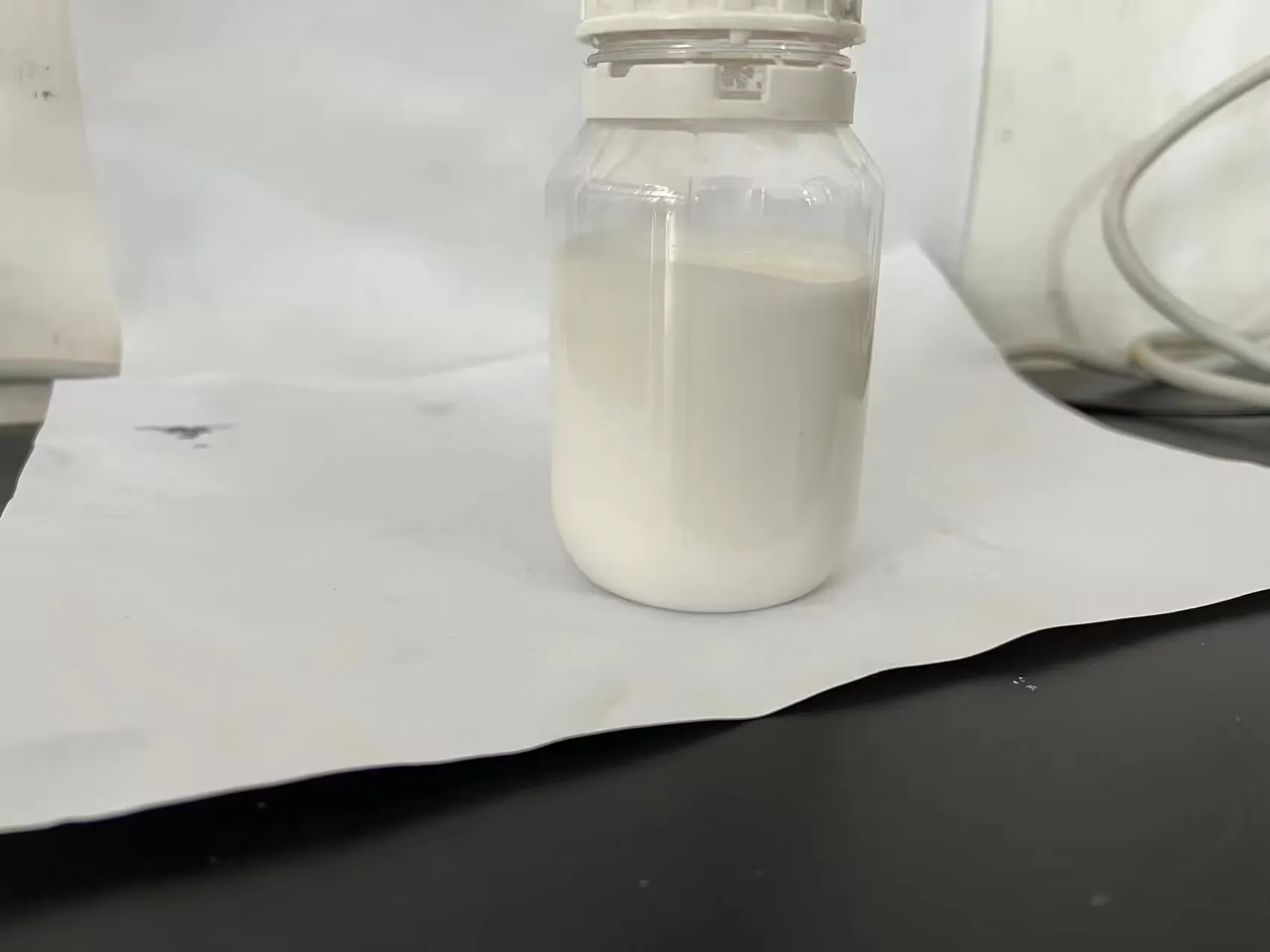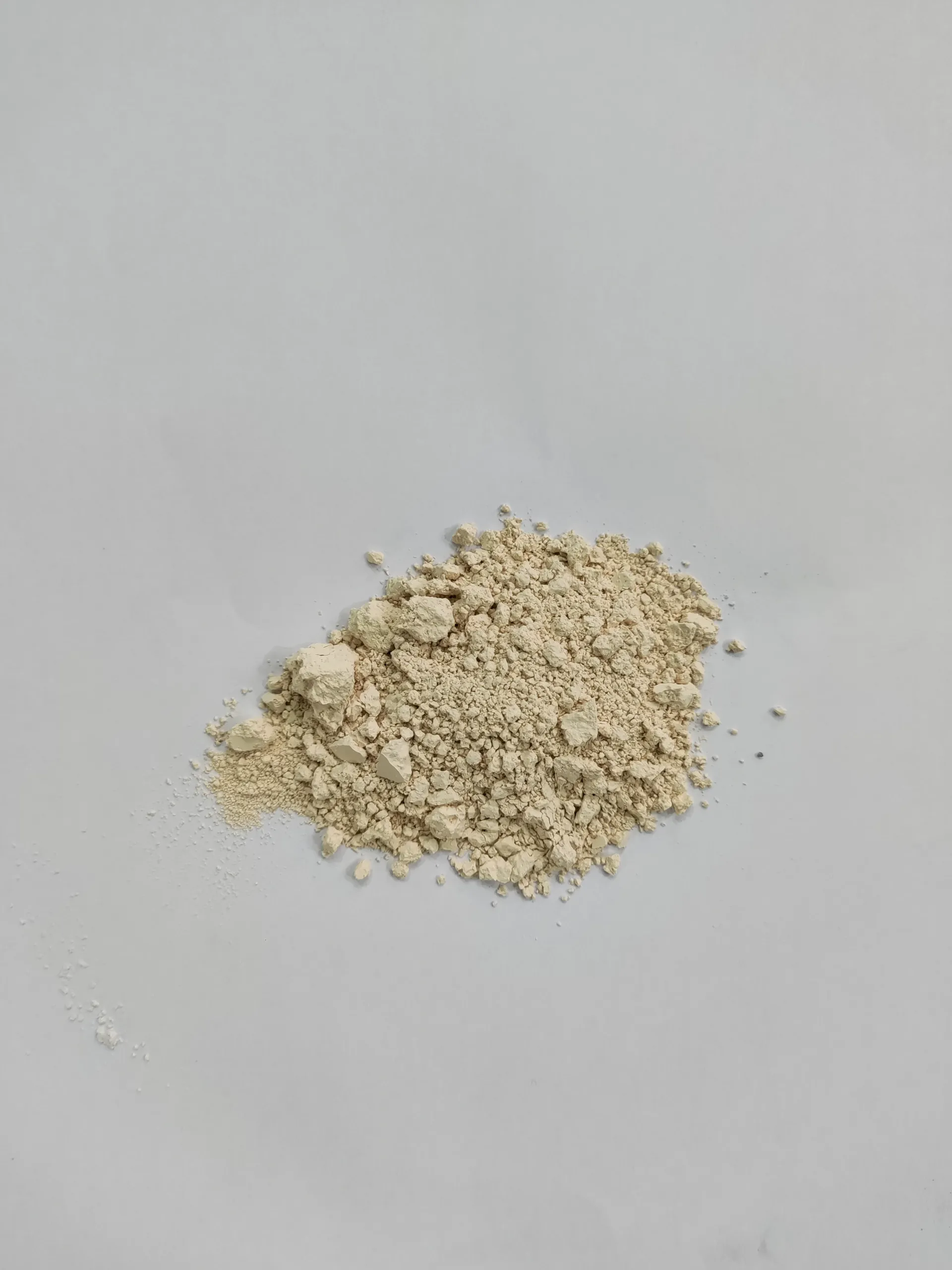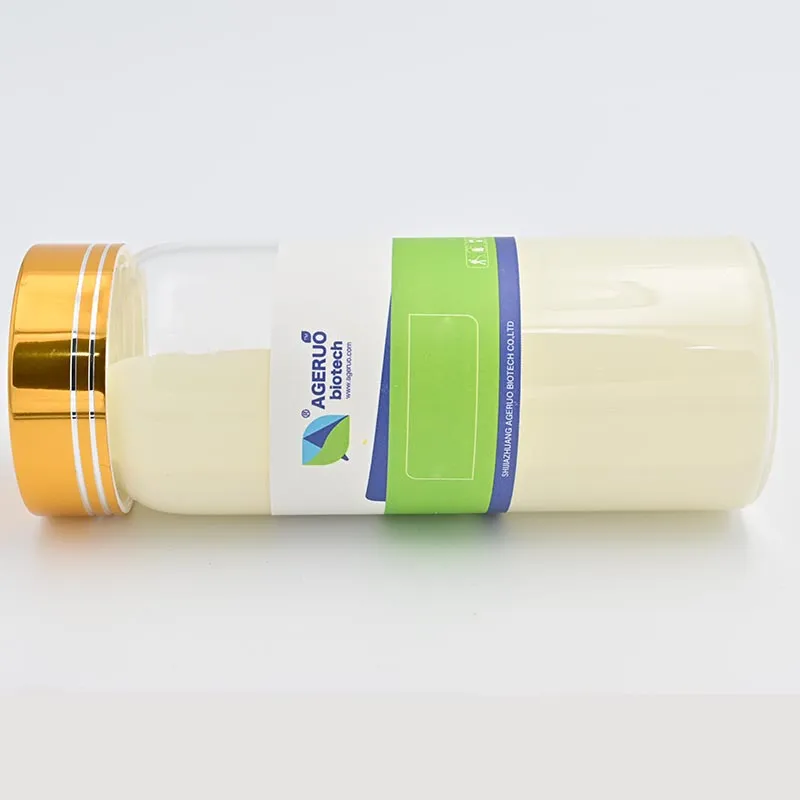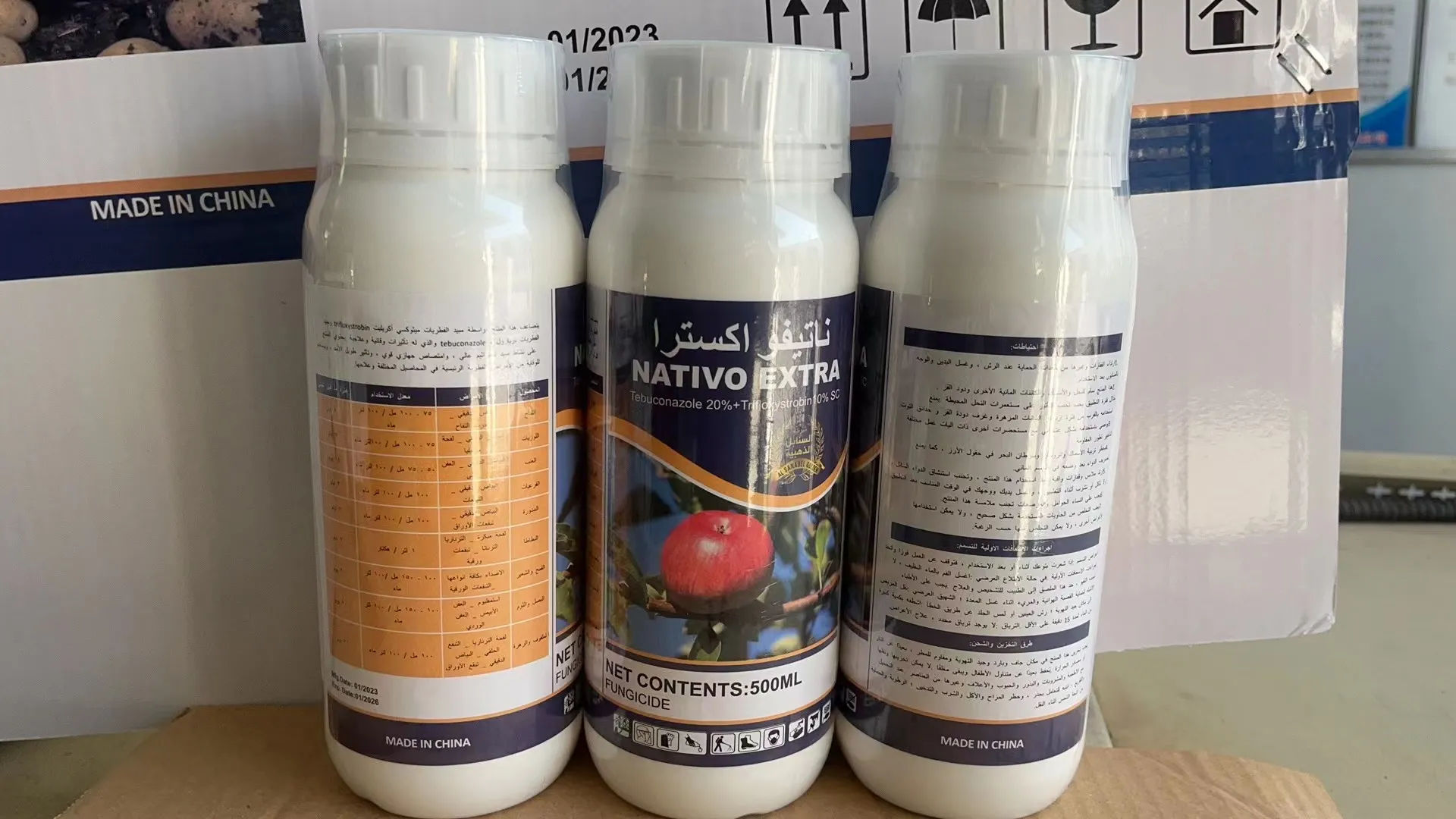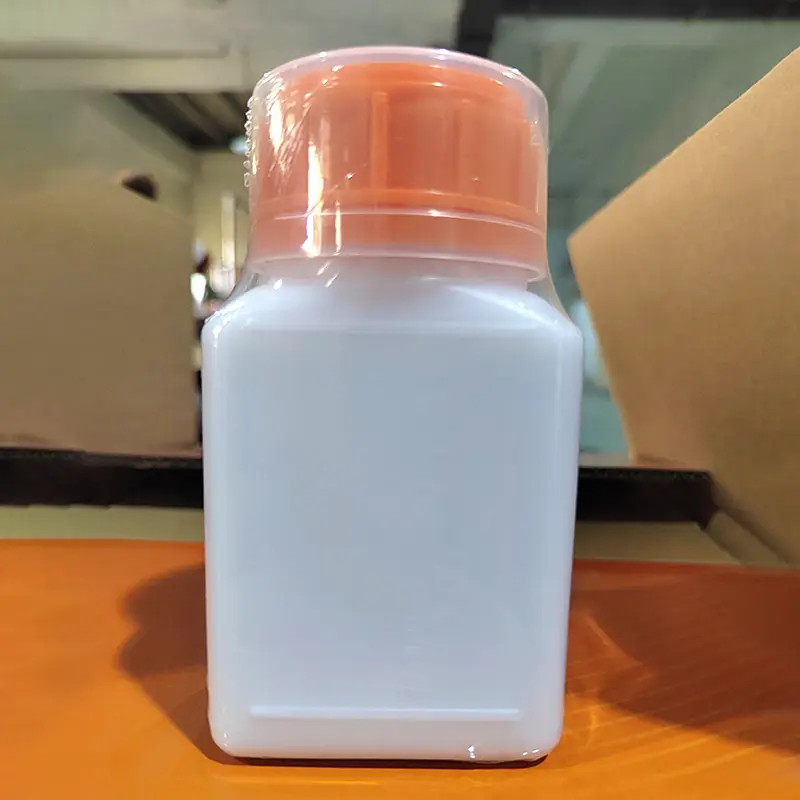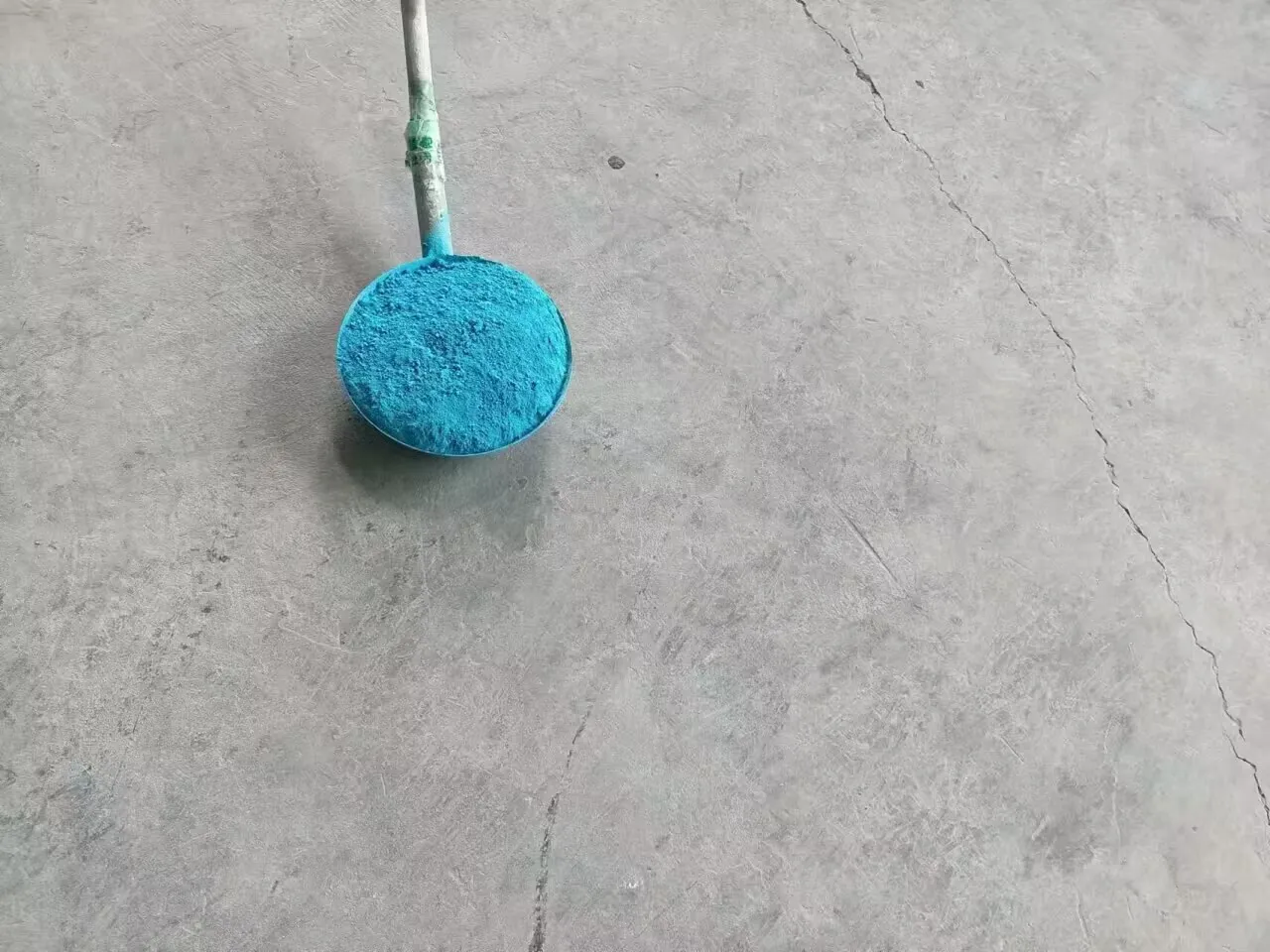
Thiram Fungicide 50% WP 80% WP 80% WDG
Thiram is a dithiocarbamate contact fungicide used in seed treatment and protective disease management programs where locally approved.
At POMAIS, we supply Thiram in three formulation options: 50% WP, 80% WP, and 80% WDG. These formulations use the same active ingredient, while serving different registration formats, packaging plans, seed treatment directions, and local market channels.
Thiram should be positioned as a protectant contact fungicide and seed treatment active ingredient. It should not be presented as a systemic curative fungicide or a universal disease control product.
We support agricultural importers, distributors, registration companies, crop protection channels, seed treatment product channels, and project buyers with Thiram formulation supply, private label packaging, export documents, and batch quality control.
- Designed for Professional Buyers & Bulk Orders
- We support custom packaging, labeling, and formulation to meet your market needs.
- Export wholesale inquiries only.
- Please include destination country, business type (importer/distributor/registrant), and expected volume.
- Retail requests will not be processed.

About Thiram Fungicide 50% WP 80% WP 80% WDG
| Item | Details |
|---|---|
| Active Ingredient | Thiram |
| Product Type | Protectant contact fungicide |
| Fungicide Group | FRAC M03, dithiocarbamates and relatives |
| Mode of Action | Multi-site contact activity |
| Available Formulations | 50% WP, 80% WP, 80% WDG |
| Main Use Direction | Seed treatment and protective disease management |
| Crop Direction | Seeds, vegetables, fruit crops, turf, and approved crop programs |
| Disease Direction | Seedborne fungi, soilborne fungi, damping-off, seed decay, seedling blight, and listed fungal diseases where approved |
| Supply Support | Private label packaging, documents, and batch quality support |
What Is Thiram?
Thiram is a dithiocarbamate fungicide active ingredient used in crop disease management and seed treatment programs.
Its main value is contact protection. In seed treatment programs, Thiram helps protect treated seeds against listed seedborne and soilborne fungal risks where locally approved. In approved crop disease programs, it supports protective coverage on treated plant surfaces.
Thiram is not a systemic fungicide. It should not be described as an internal plant protection product or a curative treatment for severe disease infection.
For seed treatment, vegetable crops, fruit crops, turf, and approved crop programs, Thiram can be positioned as part of a planned disease protection strategy according to local registration and approved label instructions.
How Thiram Works
Thiram works mainly by contact activity.
In seed treatment programs, it helps protect the treated seed surface against listed fungal risks during early crop establishment. In approved crop disease programs, it supports protective coverage on treated plant surfaces.
This working pattern is important for product positioning.
Thiram should be described as:
- a protectant contact fungicide
- a dithiocarbamate active ingredient
- a multi-site disease management product
- a seed treatment fungicide where approved
- a preventive disease management option
Thiram should not be described as:
- a systemic fungicide
- a curative fungicide for severe infection
- a product that guarantees seed emergence
- a product that guarantees yield increase
- a product for all seeds, crops, or fungal diseases
- a resistance-free fungicide
Final use direction must follow the approved local label.
Thiram Mode of Action
Thiram belongs to FRAC M03.
It is classified under dithiocarbamates and relatives. Its activity is based on multi-site contact action, which makes it different from single-site systemic fungicides.
For disease management planning, this gives Thiram value in preventive protection and resistance management programs. However, it should not be described as resistance-proof.
Thiram use should follow local resistance management guidance, approved seed treatment scope, approved crop programs, label instructions, and integrated disease management principles.
Main Use Direction: Seed Treatment and Protective Disease Programs
Thiram has two important positioning directions: seed treatment and protective disease management.
| Use Direction | Product Positioning |
|---|---|
| Seed treatment | Seedborne and soilborne fungal disease direction where approved |
| Seed decay programs | Protective seed treatment positioning |
| Damping-off / seedling blight | Early-stage disease management direction where approved |
| Vegetable crop programs | Protective disease management where registered |
| Fruit crop programs | Listed fungal disease protection where approved |
| Turf programs | Turf disease direction where locally registered |
| Approved crop programs | Final crop and disease scope must follow local label instructions |
Disease claims must be controlled carefully. Thiram should not be presented as a universal fungicide for all seeds, crops, or diseases.
Final seed treatment scope, crop scope, disease spectrum, timing, dose, application method, and handling requirements must follow local registration and approved label instructions.
Available Formulations: Thiram 50% WP, 80% WP and 80% WDG
POMAIS supplies Thiram in three main formulation options:
- Thiram 50% WP
- Thiram 80% WP
- Thiram 80% WDG
All three formulations use Thiram as the active ingredient. The main difference is active ingredient concentration, formulation type, packaging direction, and market positioning.
The right option depends on your target market, registration format, seed treatment direction, formulation preference, packaging plan, and local distribution channel.
Thiram 50% WP Formulation Features
Thiram 50% WP is a standard wettable powder formulation.
WP means wettable powder. This formulation is suitable for markets that need a mature powder product format, flexible sachet or bag supply, and private label powder packaging.
Key formulation value:
- 50% active ingredient content
- Standard wettable powder formulation
- Suitable for mature powder product channels
- Practical for sachets, bags, cartons, and export cartons
- Suitable for private label powder packaging
- Flexible for price-positioned product lines
- Clear specification for registration and procurement documents
For this formulation, we focus on powder appearance, wetting performance, suspension attention, moisture control, package sealing, and carton protection.
Thiram 50% WP should not be described as a low-end product. It is a standard formulation option for markets that prefer traditional wettable powder products.
Thiram 80% WP Formulation Features
Thiram 80% WP is a higher-loading wettable powder formulation.
It uses the same WP formulation type as Thiram 50% WP but provides higher active ingredient content. This makes it suitable for markets that need a specification-driven Thiram powder product.
Key formulation value:
- 80% active ingredient content
- Higher-loading wettable powder formulation
- Suitable for specification-driven markets
- Practical for sachets, bags, cartons, and export cartons
- Suitable for private label powder product lines
- Clear specification for registration and procurement comparison
For this formulation, we focus on powder appearance, wetting performance, suspension attention, moisture control, sealing quality, and carton protection.
Thiram 80% WP should not be described as automatically stronger or more effective than 50% WP. Field performance depends on approved label use, formulation quality, disease pressure, seed or crop condition, timing, and application program.
Thiram 80% WDG Formulation Features
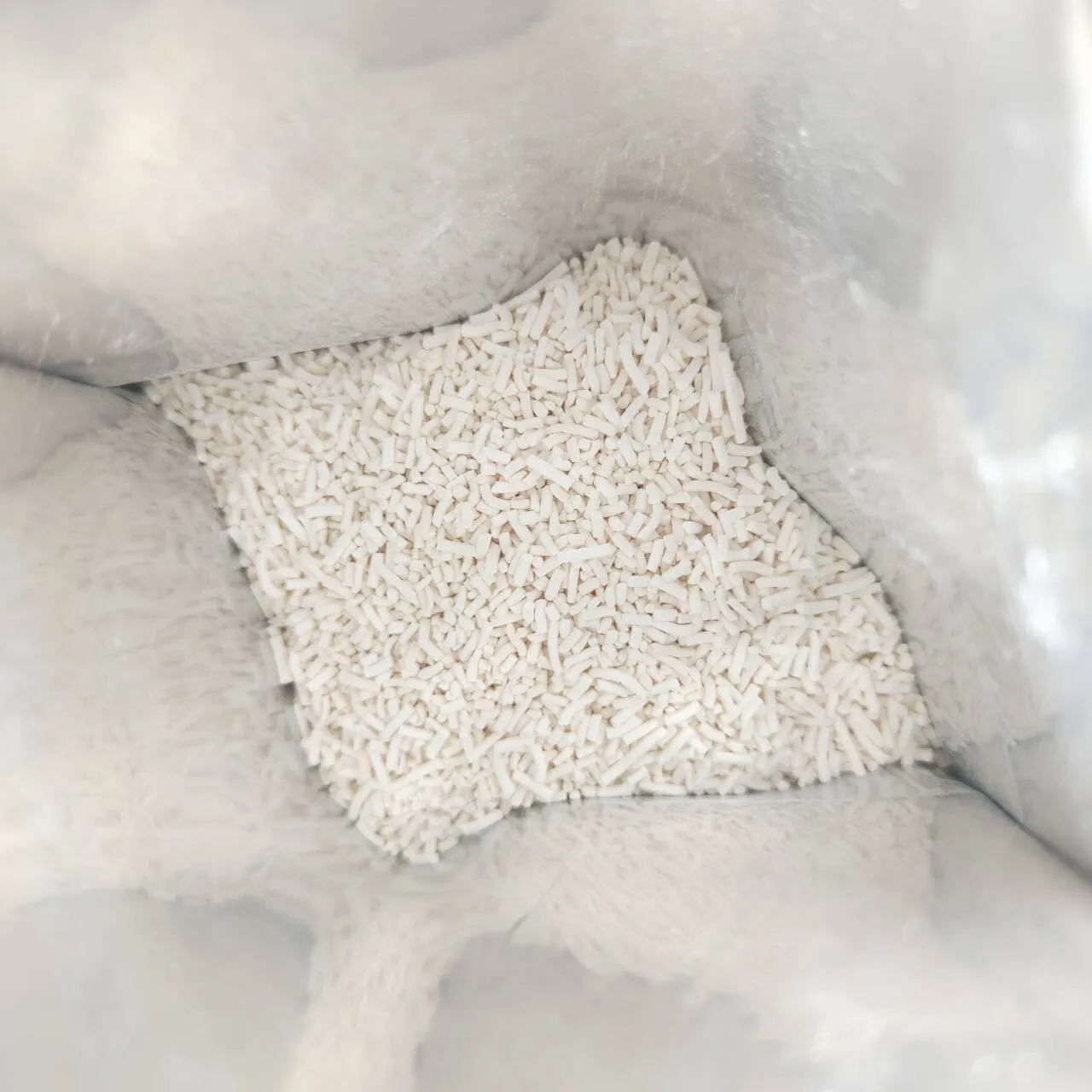
Thiram 80% WDG is a higher-loading water-dispersible granule formulation.
WDG means water-dispersible granule. This dry granule format is suitable for markets that prefer granule-style products and premium dry formulation positioning.
Key formulation value:
- 80% active ingredient content
- Water-dispersible granule formulation
- Dry granule product format
- Lower-dust positioning compared with traditional powder formats
- Suitable for sachets, bags, cartons, and export cartons
- Suitable for private label granule packaging
- Clear specification for registration and procurement comparison
For this formulation, we focus on granule appearance, dispersibility, moisture control, granule integrity, package sealing, and carton protection.
Thiram 80% WDG should not be described as dust-free, safer in all cases, or more effective than WP formulations. It is a different formulation choice for markets that prefer water-dispersible granule products.
Choosing the Right Thiram Formulation for Your Market
Thiram 50% WP, 80% WP, and 80% WDG should be selected according to market need, not by a simple “better or worse” judgment.
| Market Need | Suitable Option |
|---|---|
| Standard wettable powder product | Thiram 50% WP |
| Higher-loading WP specification | Thiram 80% WP |
| Water-dispersible granule format | Thiram 80% WDG |
| Mature powder distribution channel | Thiram 50% WP / 80% WP |
| Premium dry granule positioning | Thiram 80% WDG |
| Sachet, bag, or carton supply | All three formulations |
| Private label fungicide supply | All three formulations |
| Registration-driven specification choice | Depends on local registration format |
The right choice depends on your target market, registration format, formulation preference, packaging plan, seed treatment direction, and local distribution channel.
Application Guidance
Use Thiram only where locally approved.
General use principles:
- Follow the approved local label.
- Use only for registered seed treatment, crop, turf, or disease directions.
- Position Thiram mainly as a protectant contact fungicide.
- For seed treatment, follow approved seed treatment equipment, handling, and safety requirements.
- Do not use on seed, crops, or diseases not listed on the local label.
- Do not claim systemic or curative activity.
- Do not claim guaranteed germination, stand establishment, or yield increase.
- Tank mix and compatibility must follow approved label instructions.
- Use as part of an integrated disease management program.
No specific dose, seed treatment rate, dilution rate, mixing method, spray interval, application frequency, or crop stage operation should be used without an approved local label.
Crop Safety and Use Boundary
Crop safety and seed safety depend on seed type, crop species, variety, seed condition, disease pressure, application timing, formulation quality, treatment method, storage condition, and approved label use.
Use only where Thiram is locally approved. Registration status, seed treatment scope, crop scope, and disease claims may vary by destination market.
Thiram should be positioned clearly.
It is:
- a protectant contact fungicide
- a dithiocarbamate active ingredient
- a multi-site disease management product
- a seed treatment fungicide where approved
- available in WP and WDG dry formulations
It is not:
- a systemic fungicide
- a curative disease treatment for severe infection
- a universal fungicide for all seeds or crops
- a product that guarantees germination
- a product that can be used without label guidance
- a guarantee of complete disease control
Final seed scope, crop scope, target disease, treatment method, and use boundary must follow local registration and approved label instructions.
Resistance Management
Thiram belongs to FRAC M03 multi-site contact fungicides.
Multi-site fungicides can support resistance management programs when used correctly. Thiram may fit rotation or approved combination programs where allowed by local registration.
Recommended program principles:
- Avoid relying on one fungicide type throughout the program.
- Use registered rotation or combination programs where locally allowed.
- Follow local resistance management guidance.
- Combine fungicide use with seed quality control, crop hygiene, and field management.
- Monitor disease development and control performance.
- Follow the approved local label.
Thiram should not be described as resistance-proof or as a product that solves fungicide resistance alone.
Storage and Transport
Store Thiram formulations in sealed original packaging.
General storage principles:
- Keep in a cool, dry, and ventilated place.
- Avoid moisture, direct sunlight, and high temperature.
- Keep away from food, feed, seed, and incompatible materials.
- Keep packages tightly closed before use.
- Protect sachets, bags, cartons, and outer packing from damage.
- Avoid damp storage conditions.
- Follow SDS and local transport requirements.
For Thiram 50% WP and 80% WP, quality attention should include powder appearance, wetting performance, suspension attention, moisture control, dust awareness, package sealing, and carton protection.
For Thiram 80% WDG, quality attention should include granule appearance, dispersibility, moisture control, granule integrity, package sealing, and carton protection.
Packaging and Private Label Support
POMAIS supports private label packaging for Thiram 50% WP, 80% WP, and 80% WDG.
For Thiram WP formulations, packaging options may include:
- Sachets
- Bags
- Cartons
- Export cartons
- Private label powder packaging
For Thiram 80% WDG, packaging options may include:
- Sachets
- Bags
- Cartons
- Export cartons
- Private label granule packaging
Available support may include:
- Customized private label packaging
- Multi-language label design
- Seed treatment label direction where applicable
- Batch coding
- Carton marks
- Export packing
- Market-oriented pack size planning
- Label and carton design support
- Specification alignment for target markets
Packaging can be adjusted according to your target market, formulation preference, registration plan, seed treatment direction, and order requirements.
Document Support
POMAIS can provide document support for procurement, registration preparation, import communication, and shipment coordination.
Available documents may include:
- COA
- MSDS / SDS
- TDS
- Product specification
- Packing information
- Label reference
- Seed treatment label reference where applicable
- Batch information
- Shipment documents
We can align the final document format with your import process, registration direction, private label project, and destination-market requirements.
Quality Control
Quality control for Thiram formulations focuses on active ingredient content, formulation appearance, wetting or dispersibility performance, moisture control, packaging integrity, and shipment readiness.
For Thiram 50% WP and 80% WP, key control points include:
- Active ingredient content check
- Powder appearance review
- Wetting / suspension attention
- Moisture attention
- Dust control awareness
- Sachet or bag sealing inspection
- Carton inspection
- Batch record management
- Shipment document review
For Thiram 80% WDG, key control points include:
- Active ingredient content check
- Granule appearance review
- Dispersibility attention
- Moisture attention
- Granule integrity attention
- Bag sealing inspection
- Carton inspection
- Batch record management
- Shipment document review
Each batch should be checked according to product specification, packaging requirements, and export requirements before shipment.
Need Related Seed Treatment or Fungicide Products?
Thiram is suitable for seed treatment and protective disease management programs where a contact fungicide is required.
For a wider disease management portfolio, related products may be considered according to target crop, seed treatment direction, disease pressure, registration direction, and local market positioning.
Suggested internal links:
- fungicide formulations
- seed treatment fungicide products
- Captan contact fungicide
- dithiocarbamate fungicide products
- request a Thiram fungicide supply quote
FAQ
What is Thiram fungicide?
Thiram is a dithiocarbamate protectant contact fungicide used in seed treatment and protective disease management programs where locally approved.
Is Thiram systemic or contact?
Thiram is mainly positioned as a contact fungicide. It works on treated seed surfaces or treated plant surfaces and should not be described as a systemic fungicide.
What is the mode of action of Thiram?
Thiram belongs to FRAC M03 dithiocarbamates and relatives. It is a multi-site contact fungicide.
Is Thiram mainly used for seed treatment?
Seed treatment is an important direction for Thiram. It can also be positioned for approved protective crop disease programs depending on local registration and label instructions.
What diseases is Thiram positioned for?
Thiram is commonly positioned for seedborne fungi, soilborne fungi, seed decay, damping-off, seedling blight, and listed fungal diseases where approved. Final disease claims must follow local registration and approved label instructions.
What crops or seeds can Thiram be used on?
Use scope depends on local registration. Seed type, crop scope, turf use, and disease claims must follow the approved local label.
What is the difference between Thiram 50% WP, 80% WP and 80% WDG?
Thiram 50% WP is a standard wettable powder formulation. Thiram 80% WP is a higher-loading wettable powder formulation. Thiram 80% WDG is a higher-loading water-dispersible granule formulation.
Is Thiram 80% WDG better than Thiram 80% WP?
Not necessarily. Thiram 80% WDG is a granule formulation, while Thiram 80% WP is a powder formulation. The right choice depends on market positioning, registration format, packaging plan, and distribution channel.
Can Thiram support resistance management?
Thiram can support resistance management programs as a multi-site contact fungicide. However, it should not be described as resistance-proof. It should be used according to local resistance management guidance and approved labels.
Can POMAIS provide private label Thiram formulations?
Yes. POMAIS can support private label packaging for Thiram 50% WP, 80% WP, and 80% WDG, including sachets, bags, cartons, multi-language labels, batch coding, and export packing.
What documents can POMAIS provide?
POMAIS can support COA, MSDS/SDS, TDS, product specification, packing information, label reference, seed treatment label reference where applicable, batch information, and shipment documents.
Why Choose POMAIS
At POMAIS, we support professional buyers who need clear product specifications, stable formulation supply, private label packaging, and export-ready documentation.
For Thiram products, we can support 50% WP, 80% WP, and 80% WDG formulation supply. Our service covers formulation communication, packaging planning, document preparation, batch quality control, and export coordination.
Our supply support is suitable for agricultural importers, distributors, registration companies, seed treatment product channels, crop protection channels, and project-based agricultural procurement.
Partner with POMAIS for Thiram Fungicide Supply
If you are sourcing Thiram in 50% WP, 80% WP, or 80% WDG formulation, we can support your project with product specification, private label packaging, document preparation, quality control, and export coordination.
Please send your destination country, target crop market, seed treatment direction, disease direction, formulation preference, packaging request, and expected order volume. Our team will provide a suitable supply proposal based on your procurement needs.
Contact us!
We will reply to you within 24 hours on business days!