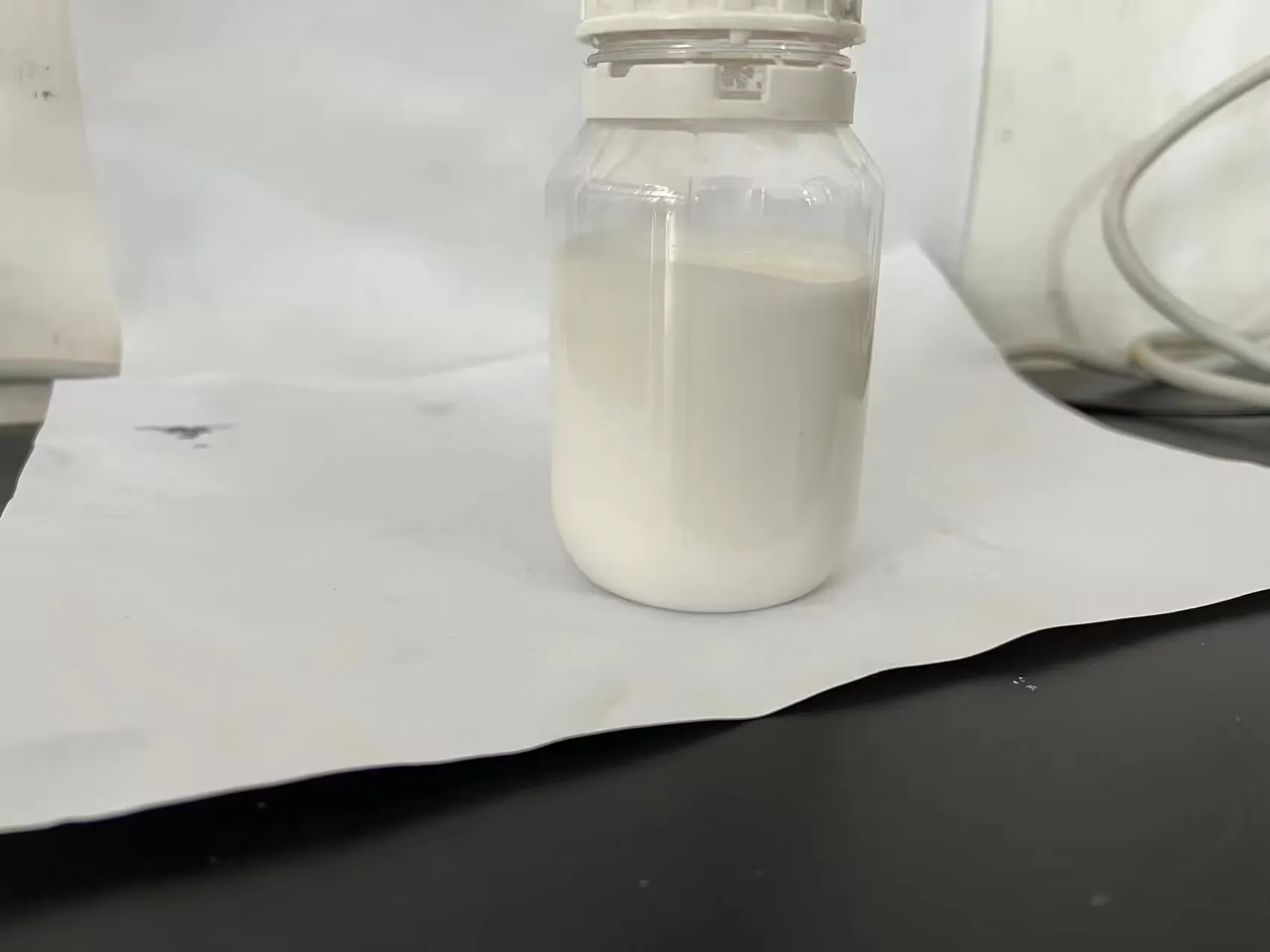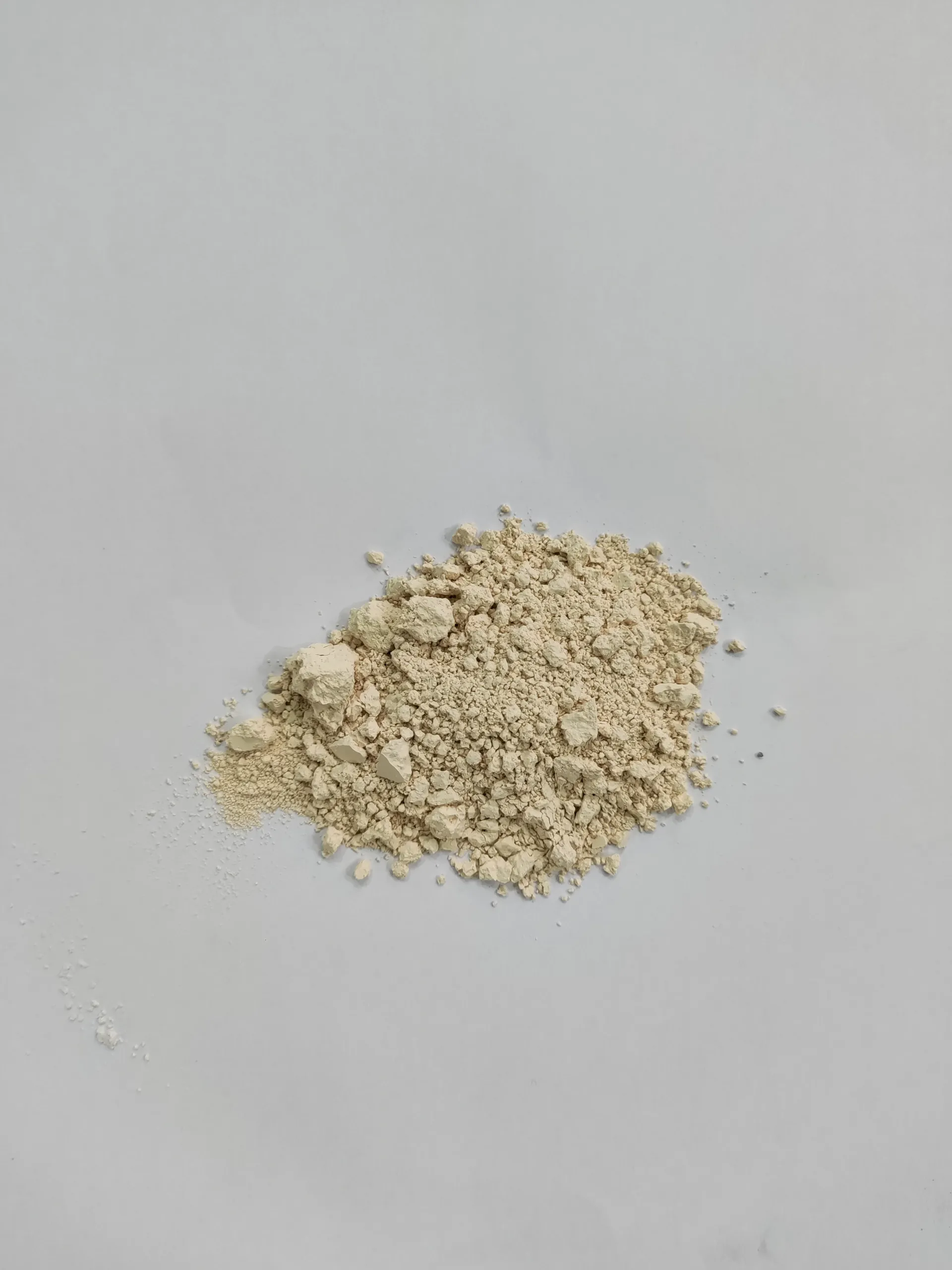


Boscalid 50% WDG SDHI Fungicide
Boscalid 50% WDG is a single-active SDHI fungicide for Botrytis, Sclerotinia / white mold, powdery mildew, leaf spot, and selected fungal disease programs where local registration supports use.
Boscalid belongs to FRAC Group 7, the SDHI fungicide group. It works by inhibiting succinate dehydrogenase in fungal respiration, affecting fungal energy production and helping suppress disease development in approved crop programs.
This product is supplied as a WDG water-dispersible granule formulation. It is suitable for markets that need a dry granule fungicide format with practical packaging, transport, storage, and field preparation value.
POMAIS supplies Boscalid 50% WDG for importers, distributors, registration companies, agrochemical channels, and local crop protection partners who need dry granule fungicide supply with packaging communication, product documents, batch quality control, and export coordination.
This product should not be described as a combination fungicide, QoI fungicide, DMI fungicide, bacterial disease product, viral disease product, or universal disease-control solution.
- Designed for Professional Buyers & Bulk Orders
- We support custom packaging, labeling, and formulation to meet your market needs.
- Export wholesale inquiries only.
- Please include destination country, business type (importer/distributor/registrant), and expected volume.
- Retail requests will not be processed.

About Boscalid 50% WDG SDHI Fungicide
| Item | Details |
|---|---|
| Active Ingredient | Boscalid |
| Content | 50% |
| Formulation | WDG, Water-Dispersible Granule |
| Product Type | Fungicide |
| Fungicide Class | SDHI / Carboxamide Fungicide |
| FRAC Group | Group 7 |
| Mode of Action Context | Succinate dehydrogenase inhibition / fungal respiration inhibition |
| Main Disease Direction | Botrytis, Sclerotinia / white mold, powdery mildew, leaf spots and registered fungal diseases |
| Crop Direction | Vegetables, grapes, berries, fruit crops, oilseed crops, ornamentals and approved crop programs |
| Use Positioning | Preventive and early disease management where locally approved |
| Product Boundary | Not for bacterial diseases, viral diseases, or unsupported oomycete disease claims |
| Supply Support | Packaging communication, documents, batch QC and export coordination |
What Is Boscalid 50% WDG?
Boscalid 50% WDG is a single-active fungicide formulation containing Boscalid as the active ingredient.
It belongs to the SDHI fungicide group and is positioned for registered fungal disease programs where Botrytis, Sclerotinia / white mold, powdery mildew, leaf spots, and selected foliar diseases are important market directions.
This product should be written as a Boscalid single-active fungicide, not as a Boscalid combination product. Its value comes from the FRAC Group 7 SDHI mode of action, WDG dry granule formulation, and its fit for disease programs that need preventive or early-stage fungicide positioning.
The strongest product message is clear:
Boscalid 50% WDG is a single-active FRAC Group 7 SDHI fungicide for Botrytis, white mold, powdery mildew and registered fungal disease programs.
How Boscalid Works
Boscalid works by inhibiting succinate dehydrogenase in fungal respiration.
Succinate dehydrogenase is part of fungal mitochondrial respiration. When this process is disrupted, fungal energy production is affected, which helps suppress fungal growth and disease development where the pathogen is sensitive and local labels support use.
Boscalid is commonly positioned for preventive and early disease management. It should not be promoted as a complete curative product for severe disease infection or as a replacement for a planned fungicide program.
Its performance depends on disease pressure, crop type, application timing, spray coverage, weather, formulation quality, resistance status, and approved local label use.
Mode of Action: FRAC Group 7 SDHI Fungicide
Boscalid belongs to FRAC Group 7, the SDHI fungicide group.
| Technical Point | Product Meaning |
|---|---|
| Active Ingredient | Boscalid |
| Fungicide Class | SDHI / Carboxamide Fungicide |
| FRAC Group | Group 7 |
| Mode of Action | Succinate dehydrogenase inhibition |
| Target Context | Mitochondrial respiration / Complex II |
| Product Behavior | Protectant activity, foliar absorption and translocation |
| Main Disease Direction | Botrytis, Sclerotinia / white mold, powdery mildew and leaf spot programs |
This mode of action makes Boscalid different from QoI / strobilurin fungicides, DMI / triazole fungicides, and multi-site contact fungicides.
Because Boscalid is a single-site SDHI fungicide, resistance management must be included in product communication. It should be used within a planned fungicide rotation program and not relied on repeatedly as a solo SDHI solution.
Main Use Direction: Botrytis, White Mold and Powdery Mildew Management
The main use direction for Boscalid 50% WDG is Botrytis, Sclerotinia / white mold, powdery mildew and selected foliar disease management.
Although Boscalid may fit several fungal disease programs, the product page should not rely only on the word “broad-spectrum.” For procurement and registration communication, the disease direction should be more specific.
| Use Direction | Product Positioning |
|---|---|
| Botrytis / gray mold | Important direction in grapes, berries, vegetables, ornamentals and protected crops |
| Sclerotinia / white mold | Core direction in suitable crop programs where approved |
| Powdery mildew | Relevant in grapes, vegetables, ornamentals and registered crop programs |
| Leaf spot diseases | Selected foliar disease direction where local labels support use |
| Alternaria-related diseases | Registration-dependent disease direction |
| Preventive disease programs | Best positioned before severe disease development |
| Early disease management | Use at early disease stages where local label supports use |
Boscalid 50% WDG should not be promoted as a product for bacterial diseases, viral diseases, or unsupported oomycete diseases such as downy mildew, late blight, Phytophthora, or Pythium unless a local label specifically supports that claim.
Suitable Crop Directions
Boscalid 50% WDG can serve several crop channels, but final crop scope must always follow local registration and approved labels.
Vegetables
For vegetable crop programs, Boscalid 50% WDG may be positioned for registered Botrytis, white mold, powdery mildew, leaf spot, and Alternaria-related disease directions.
Vegetable markets may include brassicas, beans, peas, carrots, bulb vegetables, leafy vegetables, greenhouse vegetables, and other approved crop programs. Final use must remain crop-specific and label-dependent.
Grapes and Berries
For grapes, berries, and strawberries, Boscalid 50% WDG may be positioned for Botrytis, powdery mildew, and other listed fungal diseases where local registration supports use.
These crops are quality-sensitive. Disease management is closely connected with fruit appearance, harvest quality, shelf value, residue compliance, and export-market requirements.
For grape and berry markets, PHI, MRL, spray timing, disease claims, and destination-market residue standards should be confirmed before promotion or field use.
Oilseed and Field Crops
For oilseed and field crop programs, Boscalid 50% WDG may be positioned for Sclerotinia / white mold and selected foliar disease programs where approved.
Oilseed rape, canola, soybean, peanut, and other approved field crop directions may be relevant depending on local registration. The product should be positioned within a fungicide rotation program, especially because SDHI resistance management is important.
Ornamentals and Protected Crops
For ornamentals, nursery crops, greenhouse vegetables, and protected crop programs, Boscalid 50% WDG may be positioned for Botrytis, powdery mildew, leaf spot and other registered disease directions.
Crop safety, species sensitivity, greenhouse humidity, ventilation, tank-mix compatibility, and label restrictions should be reviewed carefully in these markets.
Target Disease Directions
Boscalid 50% WDG should be written by disease direction, not as a product that controls every disease.
| Disease Direction | Product Positioning |
|---|---|
| Botrytis / gray mold | Key disease direction where approved |
| Sclerotinia / white mold | Core direction in suitable crop programs |
| Powdery mildew | Important direction in grapes, vegetables and ornamentals |
| Leaf spot diseases | Selected foliar disease direction where registered |
| Alternaria-related diseases | Registration-dependent disease direction |
| Monilinia-related diseases | Relevant only where local registration supports use |
| Downy mildew / late blight | Not the main positioning unless locally approved |
| Bacterial / viral diseases | Not suitable |
The strongest disease message is Boscalid 50% WDG for Botrytis, white mold, powdery mildew and registered fungal disease programs.
Final disease claims must follow local registration and approved labels.
WDG Formulation Features
WDG means water-dispersible granule.
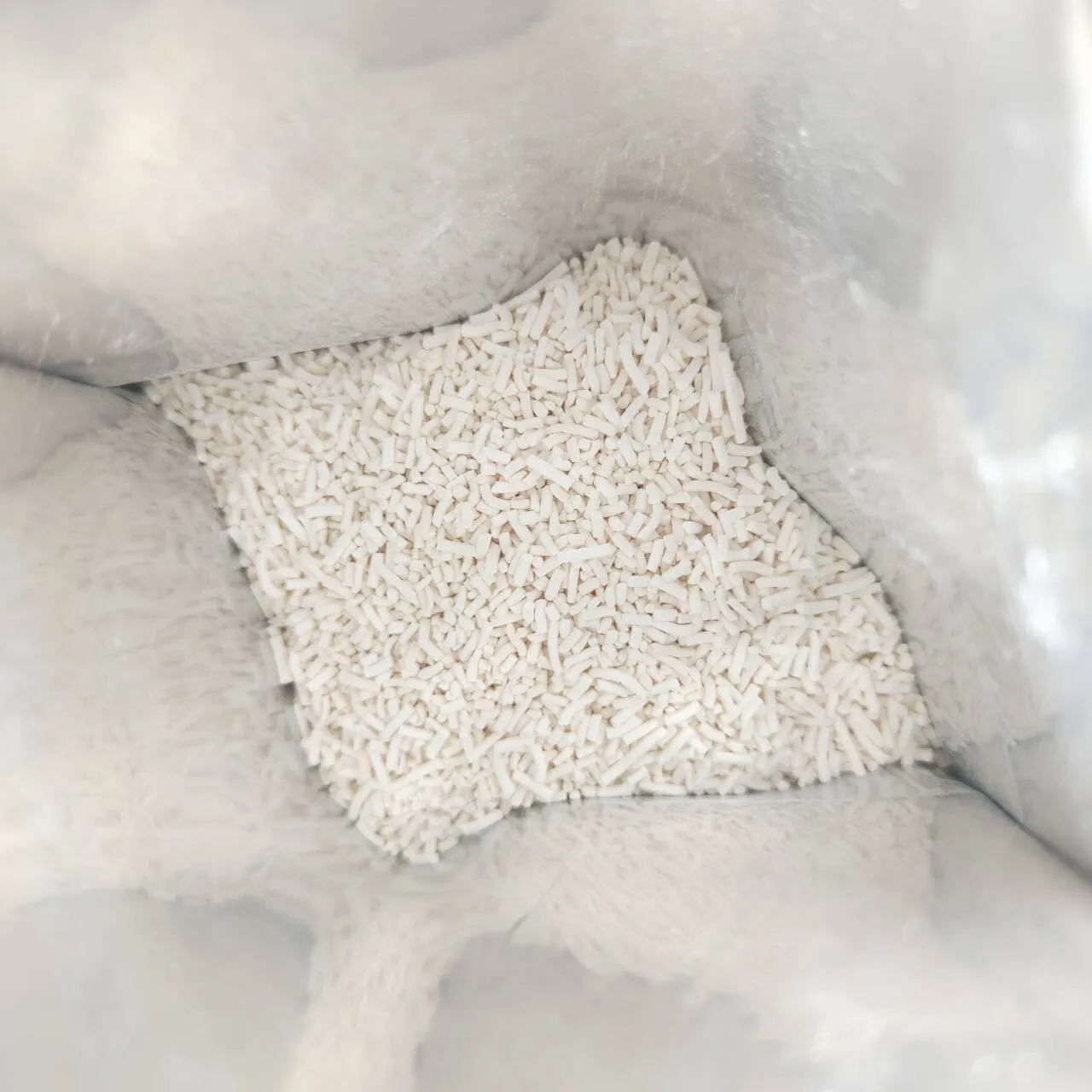
For buyers, Boscalid 50% WDG provides a dry granule fungicide format suitable for sachets, bags, cartons, export cartons, and dry formulation distribution channels.
WDG formulations are designed to disperse in water before application. Compared with traditional powder formulations, WDG products are often preferred in markets that need dry granule handling, compact transport, and practical field preparation.
Quality attention should focus on active ingredient content, granule appearance, dispersibility, suspension performance, moisture control, caking prevention, granule integrity, package sealing, and carton protection.
WDG should not be described as fully soluble like SP, completely dust-free, free from agitation requirements, or always better than SC. Its correct value is water-dispersible dry granule formulation for fungicide product channels.
Application Guidance
Use Boscalid 50% WDG only where locally approved.
This product should be used only on registered crops and listed diseases. It is generally positioned for preventive use or early disease management where local label directions support use.
Final dose, dilution, spray interval, application frequency, crop stage, tank-mix direction, pre-harvest interval, and use restrictions must follow the approved local label.
Boscalid 50% WDG should not be relied on as the only disease management tool under high disease pressure. It should be used as part of a planned fungicide program with suitable timing, good spray coverage, field monitoring, and resistance management.
No specific rate, timing, crop stage, PHI, or tank-mix instruction should be used without an approved local label.
Resistance Management
Resistance management is a core part of this product page.
Boscalid belongs to FRAC Group 7, the SDHI fungicide group. SDHI fungicides are single-site fungicides, and repeated use of the same mode of action can increase resistance risk.
Recommended market positioning:
Use according to approved local label restrictions.
Do not rely on repeated solo SDHI applications.
Rotate with fungicides from different FRAC groups where practical.
Use mixture partners with different modes of action where locally approved.
Limit total SDHI applications according to local resistance guidance.
Apply preventively or at early disease development where possible.
Monitor disease performance in the field.
Follow local fungicide resistance management guidance.
Boscalid 50% WDG should not be described as resistance-proof. It should be used in a planned fungicide rotation program.
Crop Safety and Use Boundary
Crop safety and disease control performance depend on crop type, variety, disease pressure, application timing, spray coverage, weather, tank-mix partner, formulation quality, and approved local label use.
This product should not be used on crops or diseases not covered by local registration. It should not be promoted for bacterial disease control, viral disease control, or unsupported oomycete disease control.
For fruit, vegetable, berry, grape, ornamental, greenhouse and nursery crop programs, local partners should pay attention to crop sensitivity, label restrictions, residue requirements where applicable, and local field experience.
Responsible product communication should avoid absolute claims such as complete disease control, no resistance risk, all-crop safety, or guaranteed yield protection.
Registration and Residue Compliance
Before market promotion or field use, local partners should confirm registration and label requirements.
Final crop scope, disease claims, application method, application timing, spray interval, pre-harvest interval, MRL requirements, residue expectations, safety precautions, label language, and import documents must follow local registration and approved label requirements.
For fruit, vegetable, berry and grape markets, PHI and MRL compliance are especially important. Export-oriented crop programs should confirm destination-market residue standards before use.
POMAIS supports qualified market partners with product documents and supply communication for local registration and distribution cooperation. Final registration, label approval, crop claims, disease claims, and field use directions must follow local regulations.
Storage and Transport
Store Boscalid 50% WDG in sealed original packaging under suitable storage conditions.
The product should be kept in a cool, dry, and ventilated place. Avoid moisture, direct sunlight, high temperature, package damage, caking, and damp storage conditions.
For WDG formulations, storage attention should focus on granule appearance, dispersibility, moisture control, caking prevention, active ingredient stability, bag sealing, carton protection, and shipment readiness.
Transport and storage should follow SDS and local regulatory requirements.
Packaging Support
POMAIS supports packaging communication for Boscalid 50% WDG according to market needs and order requirements.
Available packaging directions may include sachets, bags, cartons, export cartons, batch coding, carton marks, and multi-language label communication.
Packaging can be adjusted according to product specification, registration direction, destination market, crop channel, distribution plan, and shipment requirement.
This product is suitable for local partners who need a finished WDG fungicide with clear active ingredient content, FRAC Group 7 positioning, practical dry granule packaging, and export-ready supply coordination.
Document Support
POMAIS can support procurement, import communication, registration preparation, and shipment coordination with relevant product documents.
Document support may include COA, SDS/MSDS, TDS, product specification, packing information, label reference, batch information, shipment documents, and registration support documents where applicable.
For Boscalid 50% WDG, active ingredient specification, WDG formulation specification, Boscalid content report, dispersibility reference where available, physical-chemical reference information, packing information, and batch documents can support procurement and registration review.
Quality Control
Quality control for Boscalid 50% WDG focuses on active ingredient content and dry granule formulation performance.
Batch review should include Boscalid content, granule appearance, dispersibility, suspension performance, moisture control, caking attention, granule integrity where applicable, bag sealing, carton inspection, batch record management, and shipment document review.
Each batch should be checked according to product specification, packaging requirements, and export requirements before shipment.
For importers and distributors, stable WDG quality is important because dry granule products must maintain acceptable appearance, dispersibility, packaging integrity, and field preparation performance during storage and distribution.
Related Fungicide Products
Boscalid 50% WDG is suitable for markets that need a single-active SDHI fungicide for Botrytis, white mold, powdery mildew and selected disease programs.
For a wider fungicide portfolio, related products may be considered according to disease pressure, FRAC rotation plan, crop direction, formulation preference, and local registration status.
Suggested internal links:
fungicide formulations
Boscalid combination fungicide
SDHI and QoI fungicide products
Botrytis disease control fungicide
request fungicide product details
FAQ
Why Choose POMAIS
POMAIS supplies crop protection products for importers, distributors, registration companies, agrochemical channels, and local crop protection partners.
For Boscalid 50% WDG, POMAIS supports product specification communication, packaging planning, document preparation, batch quality control, and export coordination.
This supply model is suitable for partners who need clear product identity, practical WDG formulation packaging, stable batch quality, and document support for local registration and distribution cooperation.
Partner with POMAIS for Boscalid 50% WDG Supply
If you are sourcing Boscalid 50% WDG, POMAIS can support your project with product specification, packaging communication, document preparation, quality control, and export coordination.
Please share your destination country, target crop market, disease direction, registration plan, packaging request, and expected order volume. Our team will provide a suitable supply proposal based on your procurement needs.
Contact us!
We will reply to you within 24 hours on business days!