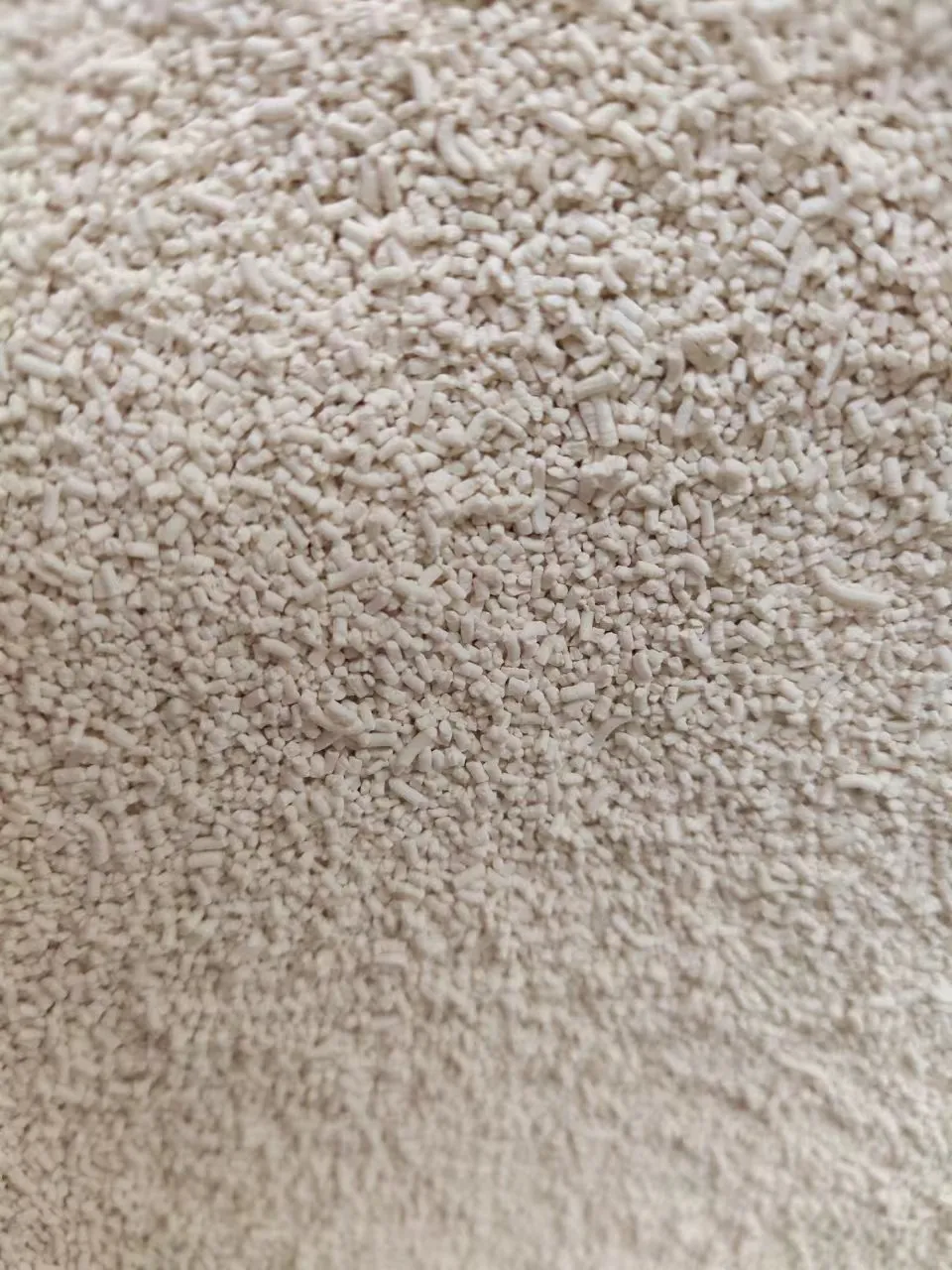
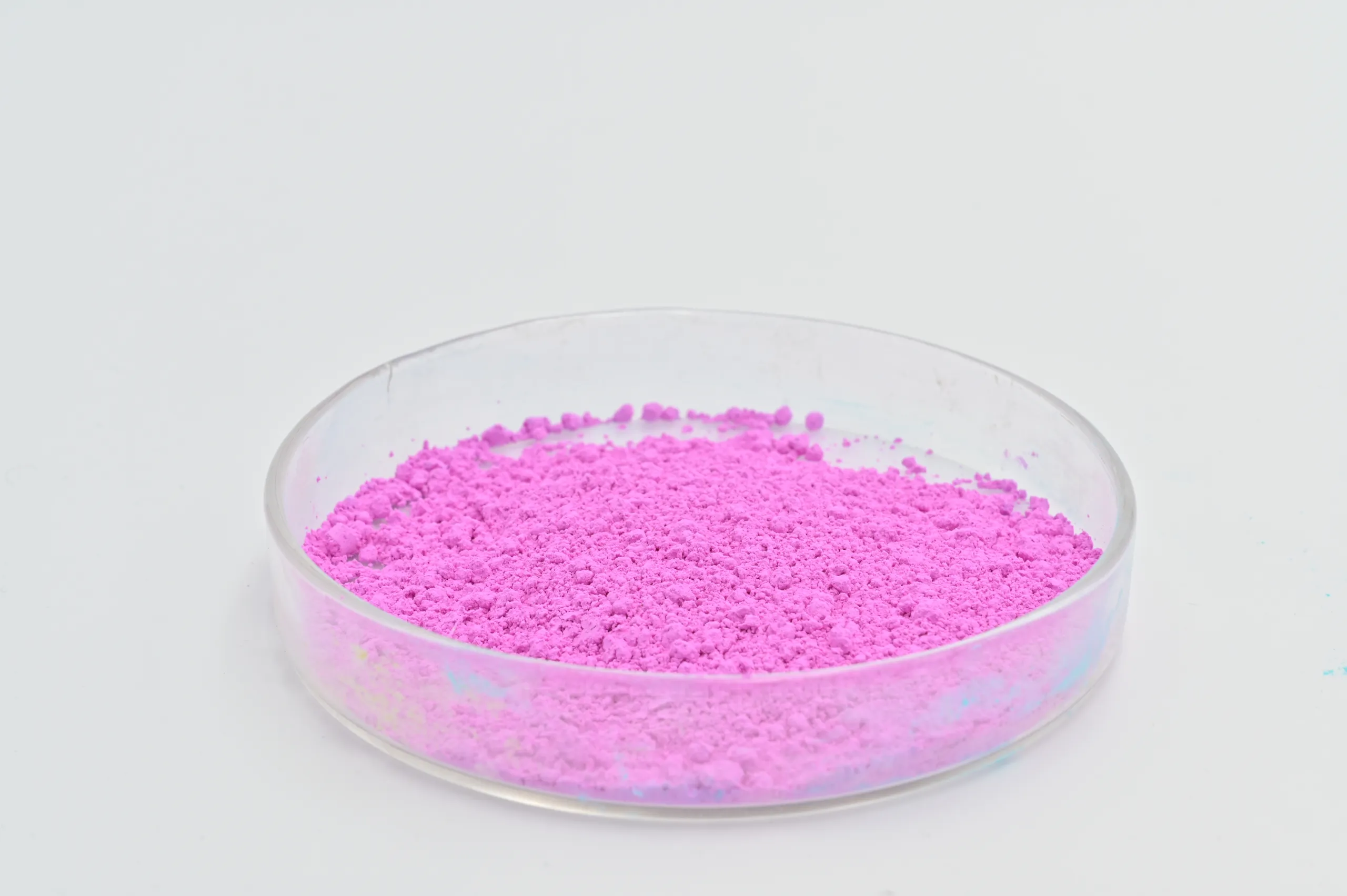
Beauveria bassiana 15 Billion Spores/g WP Bio-Insecticide
POMAIS Beauveria bassiana 15 Billion Spores/g WP is a microbial bio-insecticide containing spores of an entomopathogenic fungus for the biological management of approved insect and mite pests.
After contacting a susceptible pest, viable spores attach to the insect cuticle, germinate and penetrate the body surface. The fungus then develops inside the insect, causing gradual feeding reduction, weakness and mortality.
This wettable powder is positioned for importers, distributors, registration companies and biological crop protection brands. Product evaluation should include the strain identity, viable spore specification, germination rate, storage stability and target-pest bioassay data.
- Designed for Professional Buyers & Bulk Orders
- We support custom packaging, labeling, and formulation to meet your market needs.
- Export wholesale inquiries only.
- Please include destination country, business type (importer/distributor/registrant), and expected volume.
- Retail requests will not be processed.

About Beauveria bassiana 15 Billion Spores/g WP Bio-Insecticide
| Product Attribute | Specification |
|---|---|
| Product Name | Beauveria bassiana 15 Billion Spores/g WP |
| Microbial Species | Beauveria bassiana |
| Strain | Registration- and product-specific |
| Declared Spore Content | 15 billion spores/g |
| Scientific Expression | 1.5 × 10¹⁰ spores/g |
| Formulation | WP — Wettable Powder |
| Product Type | Microbial bio-insecticide |
| Biological Category | Entomopathogenic fungus / mycoinsecticide |
| IRAC Classification | UNF — Fungal biological agent |
| Primary Activity | Contact infection of susceptible insect pests |
| Main Pest Direction | Approved whiteflies, thrips, aphids, caterpillars, beetles and soil pests |
| Application Methods | Foliar spray, soil or root-zone treatment where registered |
| Standard MOQ | Normally 1,000 kg |
| Available Documents | COA, SDS, TDS, product specification and available microbial quality reports |
| Supply Type | Bulk B2B supply for registration, import and distribution |
The declared 15 billion spores/g should not automatically be interpreted as 15 billion viable spores/g. The minimum viable-spore count and germination rate must be confirmed by the product specification and batch COA.
Final crops, target pests, rates, intervals, storage requirements and application methods must follow the approved destination-market label.
What Is Beauveria bassiana 15 Billion Spores/g WP?
Beauveria bassiana is a naturally occurring entomopathogenic fungus capable of infecting susceptible insects.
The active component of this product consists of fungal spores rather than a conventional chemical insecticide molecule.
It is mainly positioned for:
- Biological insect control
- Integrated pest management
- Early pest-population suppression
- Greenhouse and open-field programs
- Foliar insect management
- Soil and root-zone pest treatment where registered
- Programs seeking to diversify insect-control methods
Beauveria bassiana is a fungus, but this product is not a crop-disease fungicide.
Its commercial purpose is to infect and control insect pests.
Buyers developing broader crop protection programs can review the POMAIS insecticide product portfolio.
What Does 15 Billion Spores per Gram Mean?
The specification indicates a declared concentration of:
1.5 × 10¹⁰ spores in each gram of formulated product
This number is an important product identity, but it does not provide a complete assessment of microbial quality.
Total Spore Count
Total spore count measures the number of spores detected in a defined product quantity.
It may include both viable and non-viable spores, depending on the test method.
Viable Spore Count
Viable spores are capable of germinating and contributing to biological infection.
A B2B product specification should ideally state:
- Minimum viable spores per gram
- Test method
- Release specification
- Expiry specification
- Acceptable batch variation
Some laboratories may express biological activity as viable conidia/g or CFU/g. These terms should not be treated as identical without reviewing the analytical method.
Germination Rate
The germination rate shows the percentage of tested spores that germinate under defined laboratory conditions.
It can be affected by:
- Strain
- Production process
- Drying conditions
- Moisture
- Storage temperature
- Product age
- Packaging quality
For microbial pesticides, viable spore count and germination rate are often more useful for procurement decisions than total spore count alone.
Strain Identity
The product should also identify the Beauveria bassiana strain used in production.
Different strains may differ in:
- Pest virulence
- Host range
- Environmental adaptation
- Speed of infection
- UV tolerance
- Storage stability
- Crop registration
- Non-target profile
Efficacy claims from another Beauveria bassiana strain should not be transferred automatically to this product.
How Does Beauveria bassiana Infect Insect Pests?
Spore Attachment
The infection process begins when viable fungal spores contact the external surface of a susceptible insect.
Spores may attach to:
- Cuticle
- Leg joints
- Mouthpart areas
- Membrane sections
- Other exposed body surfaces
Because the product works through contact infection, uniform application and direct exposure are important.
Spore Germination
Under suitable environmental conditions, attached spores absorb moisture and begin to germinate.
A germ tube develops from the spore and grows across the insect surface.
If conditions are too dry, too hot or otherwise unfavorable, germination may be delayed or reduced.
Cuticle Penetration
The fungus penetrates the insect cuticle through a combination of mechanical pressure and biological activity.
The process may involve enzymes associated with the breakdown of:
- Proteins
- Chitin
- Lipids
- Other cuticle components
This distinguishes Beauveria bassiana from insecticides that require ingestion or act directly on a specific nerve receptor.
Internal Colonization
After entering the insect body, the fungus develops within internal tissues and body fluids.
This disrupts normal functions such as:
- Feeding
- Movement
- Metabolism
- Water balance
- Tissue integrity
- Immune response
The infected pest gradually becomes less active and eventually dies.
External Sporulation
Under suitable humidity, white fungal growth may appear on the surface of a dead insect.
This characteristic appearance is sometimes described as white muscardine disease.
Visible sporulation is not required to confirm every successful infection. Environmental conditions may prevent external fungal growth even when mortality has occurred.
How Quickly Does Beauveria bassiana Work?
Beauveria bassiana is not an immediate knockdown insecticide.
The product requires time for:
- Spore attachment
- Germination
- Cuticle penetration
- Internal fungal development
- Pest mortality
Visible suppression may therefore take several days.
Performance depends on:
- Strain virulence
- Viable spore concentration
- Pest species
- Pest life stage
- Application coverage
- Temperature
- Humidity
- UV exposure
- Pest density
- Repeat treatment program
The product is generally more suitable for early pest management than emergency rescue of a severe outbreak.
Target Pest Directions
The following table describes common Beauveria bassiana market directions. Exact claims depend on the strain, registration and supporting efficacy data.
| Pest Group | Typical Direction | Product Positioning |
|---|---|---|
| Whiteflies | Registered greenhouse and field whitefly species | Foliar contact infection |
| Thrips | Exposed crop-specific thrips | Early population suppression |
| Aphids | Registered aphid species | Direct foliar contact |
| Leafhoppers and Planthoppers | Approved nymphs and adults | Crop-specific use |
| Mealybugs and Scale Crawlers | Exposed immature stages | Registration-dependent |
| Caterpillars | Young armyworms, borers and other approved larvae | Early larval treatment |
| Beetles and Weevils | Exposed adults or larvae | Foliar or soil direction |
| White Grubs | Approved root-feeding beetle larvae | Soil or root-zone application |
| Grasshoppers | Registered grasshopper species | Field application |
| Mites | Selected registered mite species | Strain- and label-specific |
The product should not be promoted as controlling every insect species known to be susceptible to Beauveria bassiana at the species level.
Whitefly, Thrips and Aphid Programs
Small sucking pests are important biological-control directions for Beauveria bassiana products.
Effective application should reach the areas where pests remain, including:
- Leaf undersides
- Young leaves
- Inner canopy foliage
- Growing points
- Colonies around stems or petioles
Adults, nymphs and other exposed stages may differ in susceptibility.
Monitoring should continue after application because newly emerged pests may not have been exposed to the original spray deposit.
Caterpillar and Beetle Programs
Beauveria bassiana may be positioned against selected caterpillars, beetles and weevils where the strain and label support these claims.
Young and exposed stages are generally more practical targets than large, concealed or heavily protected insects.
Control may be reduced when pests are:
- Inside stems
- Deep within fruit
- Protected under dense webbing
- Below inaccessible soil layers
- Already at a severe population level
Application timing should be based on pest monitoring and life-stage development.
Soil and White Grub Programs
Some Beauveria bassiana WP products are used in soil or root-zone programs against white grubs and other susceptible soil insects.
Potential application directions include:
- Root-zone drench
- Soil incorporation
- Treatment with carrier material
- Nursery-bed application
- Other registered soil methods
Soil performance may depend on:
- Moisture
- Temperature
- Organic matter
- Soil structure
- Spore distribution
- Pest depth
- Chemical residues
- Microbial competition
The product should not be promoted for all soil pests without strain-specific efficacy data.
Typical Crop and Application Systems
Greenhouse and Protected Crops
Potential crop directions include:
- Tomatoes
- Peppers
- Cucumbers
- Eggplants
- Ornamentals
- Nursery plants
Common pest directions may include whiteflies, thrips, aphids, mealybugs and selected mites.
Protected environments may provide more manageable temperature, humidity and coverage conditions, but greenhouse use still requires specific registration.
Field Vegetables
Potential directions include:
- Brassicas
- Cucurbits
- Legumes
- Leafy vegetables
- Solanaceous crops
- Allium crops
Target pests may include aphids, whiteflies, thrips, beetles and young caterpillars.
Field Crops
Potential crop directions may include:
- Maize
- Cotton
- Rice
- Soybean
- Peanuts
- Other registered crops
The approved pest spectrum depends on the strain and local label.
Orchard and Fruit Crops
Potential directions include:
- Citrus
- Grapes
- Berries
- Tropical fruits
- Other approved orchard crops
Common market directions may include thrips, whiteflies, mealybugs, scale crawlers, beetles and weevils.
Nursery and Soil Systems
Beauveria bassiana WP may also be considered for:
- Seedling media
- Nursery beds
- Root zones
- Ornamental production
- Forestry systems
- Soil pest programs
Each application system requires separate rate and handling instructions.
When Should the Product Be Applied?
At the Beginning of Infestation
The preferred timing is when target pests first appear and populations remain manageable.
Early application improves the probability that:
- Exposed pests contact viable spores
- Younger pest stages are treated
- Coverage reaches active colonies
- Repeat applications can be planned
- Population growth is interrupted before severe damage
Before Severe Outbreaks
Do not rely on Beauveria bassiana as the only emergency treatment when:
- Pest density is already very high
- Crop damage is advanced
- Multiple pest stages are hidden
- The canopy prevents adequate coverage
- Environmental conditions are unfavorable
- Immediate chemical knockdown is required
A compatible integrated program may be needed.
Based on Pest Monitoring
Treatment decisions should consider:
- Pest species
- Pest density
- Pest life stage
- Crop damage
- Beneficial insects
- Weather
- Previous treatments
- Local economic thresholds
Calendar-based application alone may lead to unnecessary or poorly timed treatments.
Foliar and Soil Application
Foliar Spray
For foliar pests, direct coverage is essential.
The spray should reach:
- Upper and lower leaf surfaces
- Inner canopy foliage
- Pest colonies
- Young shoots
- Feeding sites
- Other protected habitats
Beauveria bassiana does not move systemically through the plant to reach untreated insects.
Soil or Root-Zone Treatment
For registered soil pests, distribute the product evenly within the treatment zone.
Application should consider:
- Pest location
- Root-zone depth
- Soil moisture
- Irrigation timing
- Carrier material
- Soil temperature
- Organic matter
Avoid excessive runoff or uneven concentration.
Application Guidance
1. Confirm the Strain, Crop and Pest
Verify that the product strain and local label support the intended crop, pest and application method.
Do not transfer claims from another Beauveria bassiana product.
2. Apply Early
Begin treatment before pest populations become severe.
Younger, exposed and actively moving stages are often easier to contact.
3. Prepare the WP Suspension
WP means Wettable Powder.
The product disperses in water to form a spore suspension. It does not dissolve completely.
Where permitted:
- Fill the tank partly with clean water.
- Start gentle agitation.
- Prepare a premix if required.
- Add the measured product gradually.
- Complete filling with water.
- Maintain agitation during application.
4. Avoid Excessive Mechanical Stress
Use equipment and agitation settings suitable for a microbial formulation.
Follow the product-specific instructions for pumps, filters and nozzles.
5. Achieve Direct Coverage
Target the pest and its habitat rather than only the upper crop canopy.
Coverage is especially important because infection begins when viable spores contact the insect.
6. Use the Mixture Promptly
Do not keep the diluted suspension for extended periods unless the label specifically permits it.
Water contact, heat and contamination may reduce spore viability.
7. Follow the Registered Rate
Do not use one universal application rate.
The required product quantity depends on:
- Strain
- Pest
- Crop
- Infestation level
- Application method
- Spore viability
- Local registration
8. Repeat Only as Directed
Biological programs may require repeat applications because new pests can emerge after the first treatment.
Use the registered repeat interval rather than an assumed calendar schedule.
Environmental Conditions Affecting Performance
Humidity and Moisture
Spore germination requires suitable moisture conditions.
Low humidity or rapidly drying spray deposits may reduce infection success.
Temperature
Temperature affects:
- Spore germination
- Fungal growth
- Pest activity
- Infection speed
- Product stability
The optimal range depends on the strain and formulation.
Sunlight and UV Exposure
Strong ultraviolet exposure can reduce fungal spore viability on exposed surfaces.
Application timing and canopy placement should follow product-specific guidance.
Rainfall and Irrigation
Heavy rain shortly after treatment may remove spores from plant surfaces.
Irrigation may improve or reduce performance depending on the application system, timing and target pest.
Pest Life Stage
Different pest stages may differ in:
- Cuticle structure
- Exposure
- Mobility
- Habitat
- Susceptibility
The most responsive stage should be identified from strain-specific efficacy data.
WP Formulation and Microbial Quality Control
A microbial WP requires both physical formulation testing and biological activity testing.
Key Quality Parameters
| Quality Parameter | Buyer Relevance |
|---|---|
| Strain Identity | Confirms the registered microbial active ingredient |
| Total Spore Count | Confirms the declared 15 billion spores/g |
| Viable Spore Count | Measures biologically active spores |
| Germination Rate | Indicates the ability of spores to begin infection |
| Virulence Bioassay | Confirms activity against a reference pest |
| Microbial Contaminants | Controls unwanted bacteria and fungi |
| Moisture Content | Influences spore survival during storage |
| Wettability | Supports rapid tank preparation |
| Suspensibility | Maintains uniform spore concentration |
| Wet Sieve Residue | Helps reduce nozzle blockage |
| Particle Size | Influences mixing and equipment performance |
| pH | Supports formulation-quality assessment |
| Persistent Foam | Influences filling and spraying |
| Pack-Weight Accuracy | Supports correct product dosing |
| Storage Stability | Confirms biological activity during shelf life |
| Packaging Moisture Barrier | Protects spores from humidity |
Batch Release Testing
A microbial batch should not be released based only on product weight or total spore count.
Relevant release checks may include:
- Microbial identity
- Viable spore count
- Germination rate
- Moisture
- Contamination limits
- Biological activity
- Physical WP performance
End-of-Shelf-Life Specification
The expiry specification should confirm that sufficient biological activity remains at the end of the declared storage period.
This is particularly important in hot and humid destination markets.
Tank Mixing and Compatibility
Do not assume that Beauveria bassiana is compatible with every pesticide, fertilizer or disinfectant.
Fungicide Compatibility
Some fungicides may reduce:
- Spore viability
- Germination
- Mycelial growth
- Sporulation
- Field infectivity
Review product-specific compatibility data before mixing Beauveria bassiana with a fungicide.
Other Chemical Products
Compatibility may also be affected by:
- Strongly alkaline products
- Disinfectants
- Oxidizing materials
- Concentrated fertilizers
- Certain surfactants
- Water-treatment chemicals
Compatibility Testing
A physical jar test alone is not sufficient for a microbial pesticide.
A mixture may remain physically uniform while still reducing spore germination or biological activity.
Compatibility assessment may therefore require both:
- Physical testing
- Biological viability testing
Use only label-approved combinations.
IPM and Resistance Management
Beauveria bassiana has a complex biological infection process rather than a conventional single biochemical target.
This makes it useful in diversified integrated pest management programs.
Potential IPM roles include:
- Early biological intervention
- Rotation away from repeatedly used chemical groups
- Programs involving beneficial insects
- Greenhouse pest management
- Resistance-management support
- Reduced dependence on one chemical mode of action
However, the product should not be described as resistance-proof.
Effective IPM still requires:
- Pest monitoring
- Correct identification
- Treatment thresholds
- Crop sanitation
- Removal of heavily infested material
- Compatible biological control
- Responsible chemical use
- Evaluation of surviving populations
Safety and Non-Target Precautions
A biological product should not be described as harmless to every person or non-target organism.
Operator Protection
Handle the product according to the approved label and final SDS.
General precautions may include:
- Avoid inhaling WP dust.
- Wear the required protective clothing.
- Use gloves where specified.
- Protect the eyes during mixing.
- Use respiratory protection where required.
- Avoid skin contact.
- Wash after handling.
- Keep unprotected persons away from the mixing area.
Repeated exposure to microbial proteins may cause sensitization in susceptible individuals.
Pollinator Protection
Do not assume that every Beauveria bassiana strain is harmless to bees or commercial pollinators.
Follow strain-specific restrictions concerning:
- Flowering crops
- Foraging bees
- Managed pollinator colonies
- Application timing
- Direct spray exposure
Aquatic Protection
Prevent the product, spray suspension and equipment rinsate from entering:
- Rivers
- Streams
- Lakes
- Wells
- Fish ponds
- Irrigation canals
- Wetlands
- Drainage systems
Storage and Shelf Life
The active component is a living microorganism.
Storage conditions directly affect product quality.
Store the product:
- In its original sealed package
- Under the product-specific temperature requirement
- In a dry location
- Away from direct sunlight
- Away from excessive heat
- Away from moisture
- Away from food and animal feed
- Under the conditions stated in the label and SDS
Opened Packages
After opening:
- Reseal the package immediately.
- Prevent moisture entry.
- Avoid contamination.
- Follow the permitted use period.
- Do not combine old product with a new batch.
Shelf Life
The shelf life must be supported by strain- and formulation-specific stability data.
Do not assume that all Beauveria bassiana WP products remain active for the same period or under the same temperature conditions.
Beauveria bassiana and Other Microbial Insecticides
| Microbial Product Direction | Main Positioning |
|---|---|
| Beauveria bassiana WP | Contact fungal infection of approved foliar and soil pests |
| Metarhizium anisopliae Products | Entomopathogenic fungal products with separate strains and pest directions |
| Bacillus thuringiensis Products | Ingestion-based bacterial control of susceptible larvae |
| Purpureocillium lilacinum Products | Primarily biological nematode-management direction |
| Chemical Insecticides | Faster target-specific action depending on the mode of action |
The best product depends on:
- Target pest
- Pest life stage
- Crop
- Environmental conditions
- Required speed
- Application system
- Local registration
Microbial products should not be treated as interchangeable solely because they are biological pesticides.
Packaging, Quality Control and Documentation
POMAIS supplies Beauveria bassiana 15 Billion Spores/g WP for qualified importers, distributors, registration companies and biological crop protection brands.
Packaging Options
Potential commercial packaging may include:
- 100 g bags
- 250 g bags
- 500 g bags
- 1 kg bags
- 5 kg bags
- 10 kg bags
- 20 kg bags
- 25 kg bags
- Moisture-barrier laminated packaging
- Sealed plastic containers where suitable
- Multilingual labels
- Retail cartons
- Export cartons
- Batch and expiry coding
- Shipping marks
Final packaging should be selected according to moisture protection, storage stability and destination-market requirements.
Quality-Control Focus
Quality checks may include:
- Beauveria bassiana strain identity
- Total spore count
- Viable spore count
- Germination rate
- Reference-pest bioassay
- Microbial contaminant limits
- Moisture content
- Wettability
- Suspensibility
- Wet sieve residue
- Particle size
- pH
- Persistent foam
- Pack-weight accuracy
- Storage stability
- Packaging integrity
- Batch consistency
Available Documents
Commercial document support may include:
- COA — Certificate of Analysis
- SDS — Safety Data Sheet
- TDS — Technical Data Sheet
- Product Specification
- Strain Identification Report
- Viable Spore Test Report
- Germination Test Report
- Microbial Contaminant Report
- Available Bioassay Data
- Available Storage-Stability Data
- Packaging Specification
- Available Registration-Supporting Information
- Batch-Related Quality Documents
- Commercial and Shipping Documents
Frequently Asked Questions
Request Beauveria bassiana Product
To evaluate a Beauveria bassiana 15 Billion Spores/g WP purchasing or registration project, please provide:
- Destination country
- Company type
- Required quantity
- Preferred package size
- Target crops
- Target insect pests
- Intended application method
- Required strain information
- Required viable-spore specification
- Required germination standard
- Current registration status
- Required label language
- Required technical documents
- Expected purchasing schedule
We will review the strain identity, viable spore quality, germination standard, microbial purity, packaging stability and destination-market requirements before confirming the commercial proposal.
Beauveria bassiana 15 Billion Spores/g WP is supplied for professional B2B procurement, registration and wholesale distribution.
Contact us!
We will reply to you within 24 hours on business days!