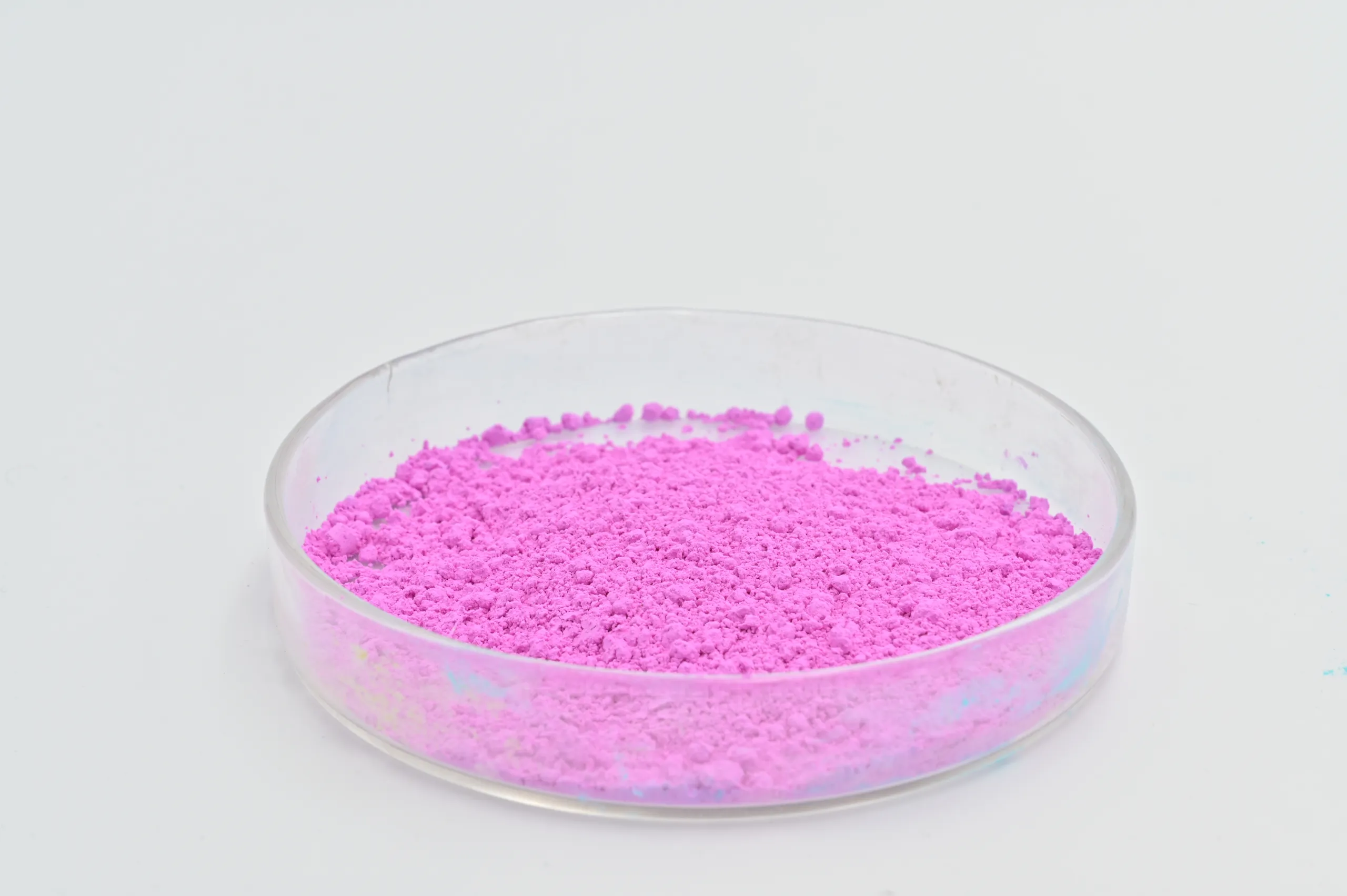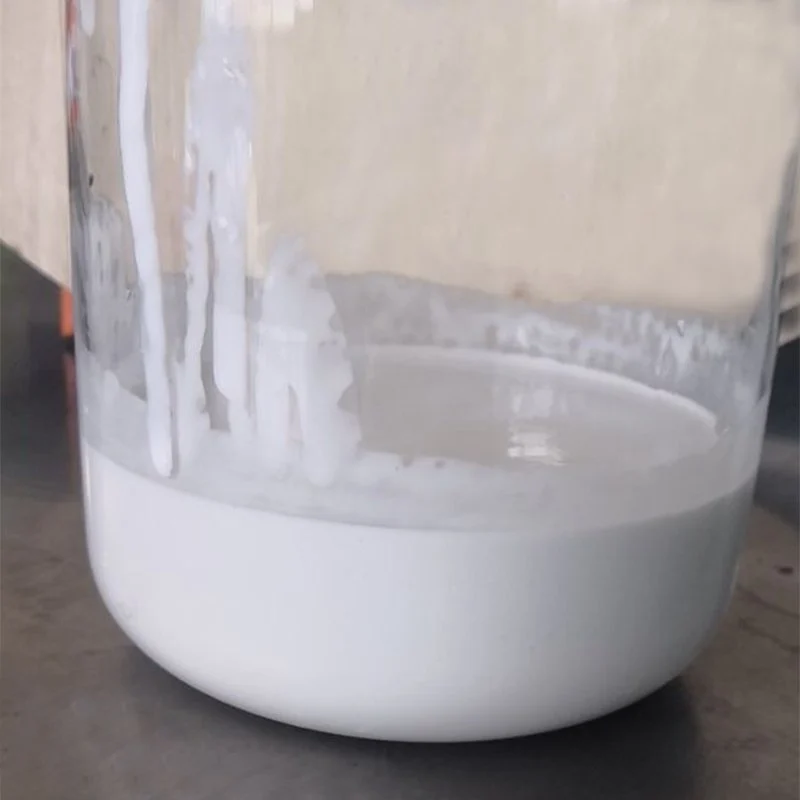
Etoxazole 20% SC Selective Miticide
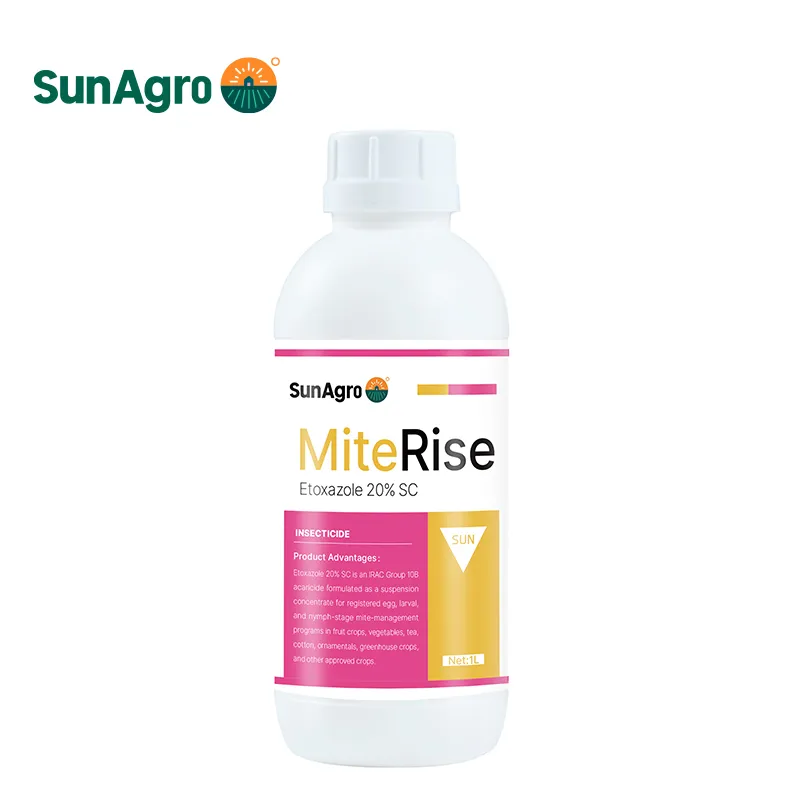
Etoxazole 20% SC is a selective mite growth inhibitor for spider mite eggs, larvae and nymphs in registered crop protection programs.
Etoxazole belongs to IRAC Group 10B. It interferes with CHS1-dependent mite development and prevents susceptible immature mites from completing normal growth. Adult mites are not its main direct knockdown target.
This product is best positioned for early intervention, when mite populations are still low and eggs or immature stages make up an important part of the population.
POMAIS supplies finished Etoxazole 20% SC for pesticide importers, distributors, registration companies, agricultural brands, orchard protection channels, greenhouse suppliers and professional crop protection programs.
- Designed for Professional Buyers & Bulk Orders
- We support custom packaging, labeling, and formulation to meet your market needs.
- Export wholesale inquiries only.
- Please include destination country, business type (importer/distributor/registrant), and expected volume.
- Retail requests will not be processed.

About Etoxazole 20% SC Selective Miticide
| Item | Details |
|---|---|
| Active Ingredient | Etoxazole |
| Content | 20% |
| Formulation | SC, Suspension Concentrate |
| Product Type | Selective Miticide / Acaricide |
| Chemical Class | Diphenyl Oxazoline |
| IRAC Group | Group 10B |
| Mode of Action | Mite growth inhibition affecting CHS1 |
| Main Life Stages | Eggs, larvae and nymphs |
| Adult Mite Position | Not the main direct knockdown target |
| Main Pest Direction | Tetranychidae spider mites |
| Crop Direction | Fruit, citrus, grapes, vegetables, berries, cotton and approved crops |
| Best Use Timing | Early population development or before local threshold |
| Packaging Direction | Bottles, drums and export cartons |
| Supply Support | Packaging, documents, batch QC and export coordination |
What Is Etoxazole 20% SC?
Etoxazole 20% SC is a single-active selective miticide in suspension concentrate formulation.
It is designed to control the early life stages of susceptible spider mites. Its main role is to reduce egg hatch, interrupt immature mite development and slow the growth of the next generation.
Etoxazole is not a general broad-spectrum insecticide.
It should not be promoted as:
- A fast adult mite knockdown product
- A product for every mite species
- A systemic miticide that moves through the whole plant
- A universal solution for heavy mite outbreaks
- A resistance-proof acaricide
Its clearest product identity is:
Etoxazole 20% SC is an IRAC Group 10B selective miticide for spider mite eggs and immature stages.
How Etoxazole Breaks the Mite Life Cycle
Spider mites pass through several development stages:
Egg → Larva → Nymph → Adult
Etoxazole acts mainly during the first three stages.
Eggs
Etoxazole has strong ovicidal positioning.
It can prevent susceptible mite eggs from hatching normally. Eggs laid by exposed adult females may also show reduced viability where supported by the registered product label.
This does not mean the adult female is directly killed.
Larvae
Newly hatched larvae are an important target stage.
Etoxazole interferes with normal development and prevents susceptible larvae from progressing through the mite life cycle.
Nymphs
Nymphal stages are also core targets.
The product affects mite development and molting, helping reduce the number of immature mites that reach the adult stage.
Adults
Adult mites are not the main direct target.
Etoxazole should not be described as providing rapid adult knockdown. When adult mites already dominate the population, another locally registered miticide with suitable activity against motile or adult stages may be required.
Mode of Action: IRAC Group 10B
Etoxazole belongs to IRAC Group 10B.
It is classified as a mite growth inhibitor affecting CHS1-related development.
| Technical Point | Product Meaning |
|---|---|
| Active Ingredient | Etoxazole |
| IRAC Group | Group 10B |
| Main Mechanism | Mite growth inhibition |
| Biological Process | CHS1-dependent chitin formation and development |
| Core Target | Eggs and immature mites |
| Adult Activity | Limited direct knockdown positioning |
| Main Program Role | Early lifecycle interruption |
Chitin-related development is important when mites hatch and molt.
By interfering with this process, Etoxazole prevents susceptible mites from completing normal development.
This explains why application timing matters. The product is more useful before adult mites become the dominant stage in the field.
Main Target: Spider Mite Eggs and Immature Stages
Etoxazole is mainly positioned for spider mites in the Tetranychidae family.
Relevant target directions may include:
- Two-spotted spider mite
- European red mite
- Pacific spider mite
- Carmine spider mite
- Strawberry spider mite
- McDaniel spider mite
- Banks grass mite
- Yellow spider mite
- Citrus red mite
- Other registered spider mite species
The exact mite spectrum depends on the crop, country and approved local label.
Two-spotted spider mite and European red mite are especially important product directions because they affect many orchard, vegetable, berry and field crop programs.
Spider Mites Are the Core Target—Not Every Mite
Etoxazole should not be promoted as controlling every mite species.
Its main value is selective control of spider mite eggs and immature stages.
The following groups should not be added automatically to the product claim:
- Rust mites
- Blister mites
- Cyclamen mites
- Broad mites
- Tarsonemid mites
- Other non-spider mite groups
Some of these mites may require products with different biological activity or a different registration scope.
Correct mite identification should come before product selection.
A buyer or distributor should confirm:
- The mite species
- The dominant life stage
- The crop
- Local resistance history
- Approved label claims
- Existing biological-control program
Suitable Crop Directions
Etoxazole 20% SC can serve several crop protection channels where local registration supports use.
Orchards and Pome Fruit
Apple, pear and other approved orchard crops are important Etoxazole directions.
Possible target mites may include:
- European red mite
- Two-spotted spider mite
- McDaniel spider mite
- Other registered orchard spider mites
Orchard programs should use monitoring to determine whether eggs and immature mites are increasing.
Dense foliage and leaf undersides require careful spray coverage.
Stone Fruit
Peach, plum, cherry, apricot and other approved stone fruit programs may use Etoxazole where registered.
Application timing, crop stage, PHI, MRL and mite species must follow the local label.
Citrus
Citrus is another important crop direction where local registration supports use.
Possible targets may include citrus red mite and other listed spider mites.
Etoxazole should not automatically be promoted for citrus rust mite unless the destination-market label clearly supports that use.
Grapes and Vines
Etoxazole may fit grape and vine mite-control programs where spider mite eggs and immature stages are the main concern.
Good canopy penetration and leaf-underside coverage are important.
Berries
Strawberry, caneberry and other approved berry crops may use Etoxazole for registered spider mites.
Berry programs should consider:
- Mite life stage
- Harvest timing
- PHI
- MRL
- Beneficial mite programs
- Greenhouse or open-field conditions
Vegetables and Greenhouse Crops
Relevant crop directions may include:
- Tomato
- Pepper
- Eggplant
- Cucumber
- Melon
- Squash
- Other approved vegetables
Greenhouse mite populations can develop quickly.
Frequent monitoring is important because Etoxazole performs best before adult mites dominate the population.
Cotton, Corn and Soybean
Etoxazole may be positioned for registered spider mite programs in cotton, corn, soybean and other field crops.
Field-crop use must follow the approved mite species, rate, application timing and maximum seasonal use.
Ornamentals and Nursery Crops
Etoxazole may be suitable for ornamentals and nursery plants where locally registered.
Crop sensitivity, variety, greenhouse conditions and biological-control compatibility should be checked before commercial use.
When Etoxazole 20% SC Fits Best
Etoxazole 20% SC is best positioned when:
- Mite populations are still low
- Eggs are present
- Larvae and nymphs are increasing
- Adult mites have not yet become dominant
- The program needs next-generation suppression
- A different IRAC group is needed for rotation
- Field monitoring identifies early population growth
- The crop program supports selective lifecycle control
The product should be used before severe leaf damage develops.
It is not best positioned as a rescue treatment after the crop already has:
- Heavy webbing
- High adult mite density
- Severe bronzing
- Extensive leaf damage
- Rapid population increase
- Known Group 10B resistance
What to Do When Adult Mites Are Already Dominant
Heavy adult mite pressure requires a different product-selection approach.
Etoxazole can still have value against eggs and immature stages, but it may not reduce visible adult mite numbers quickly enough when used alone.
In this situation, local crop protection programs may need:
- An approved miticide with activity against motile or adult mites
- A planned sequence using different IRAC groups
- A registered mixture where compatibility and crop safety are confirmed
- Follow-up monitoring after treatment
- Better spray coverage
- Removal of heavily infested plant material where practical
The final choice must follow the local label.
POMAIS should not recommend one universal tank mixture for every crop and country.
Etoxazole Compared With Other Miticide Directions
Different miticides serve different lifecycle and resistance-management roles.
| Miticide Direction | Main Practical Role |
|---|---|
| Etoxazole | Eggs and immature mite lifecycle suppression |
| Bifenazate | Often positioned for motile mites and adult-pressure programs |
| Pyridaben | Contact activity and faster reduction of active mite populations |
| Spirodiclofen | Lifecycle activity that may include eggs, immature mites and adult female effects |
| Cyflumetofen | Different mitochondrial mode of action for motile mite programs |
| Abamectin | Translaminar activity against certain motile mites where registered |
This table does not mean that one product is always better.
The correct choice depends on:
- Mite species
- Dominant life stage
- Crop
- Resistance history
- Weather
- Beneficial mites
- Local registration
- Required speed of control
SC Formulation Features
SC means suspension concentrate.
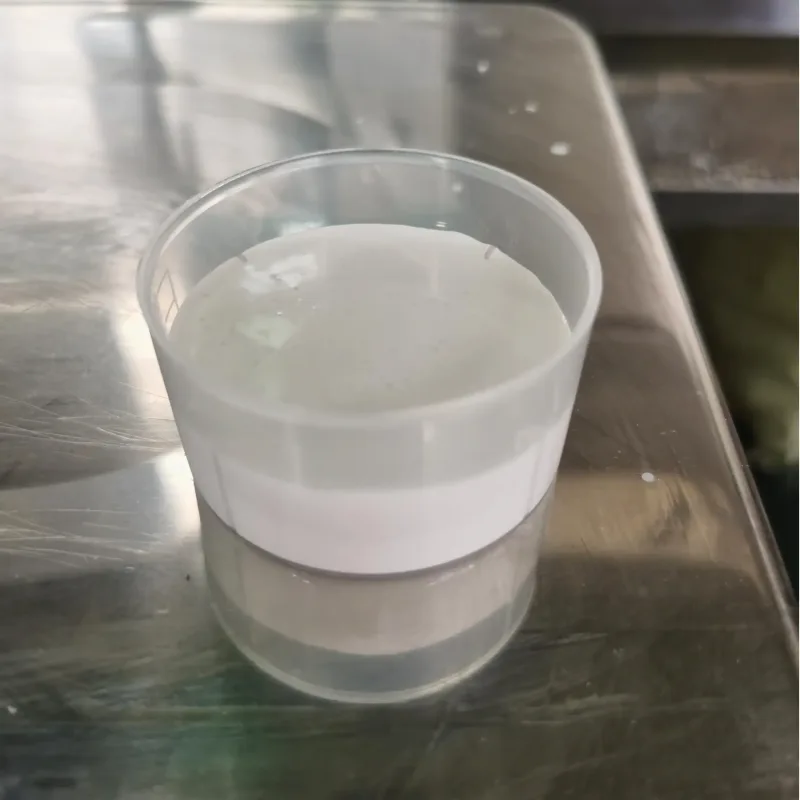
In an SC formulation, fine active ingredient particles are suspended in a liquid system. The product is diluted in water before application.
For buyers, important formulation characteristics include:
- Etoxazole content
- Liquid appearance
- Suspension stability
- Controlled sedimentation
- Good redispersibility
- Suitable viscosity
- Good pourability
- Particle-size control
- Heat-storage stability
- Low-temperature stability
- Bottle or drum compatibility
- Sealing and leakage control
SC does not mean the active ingredient is fully dissolved.
The product may require shaking or agitation according to the product specification and approved label.
Etoxazole 20% SC should not be promoted as never settling, fully soluble or requiring no mixing.
Why Choose Etoxazole 20% SC?
This formulation is suitable for markets that need:
- Selective spider mite management
- Strong egg-stage positioning
- Larval and nymphal control
- IRAC Group 10B rotation
- Early mite population suppression
- Orchard and citrus mite programs
- Greenhouse and vegetable mite programs
- A liquid suspension concentrate formulation
- Bottle or drum packaging
- Finished formulation supply for registration and distribution
Its strongest commercial value is clear lifecycle positioning.
Importers and distributors can place Etoxazole in a product line as an early-stage miticide rather than another general adult knockdown product.
Application Guidance
Use Etoxazole 20% SC only where locally approved.
Before application:
- Identify the mite species.
- Inspect leaves with a hand lens where needed.
- Check eggs, larvae, nymphs and adults separately.
- Determine which life stage dominates.
- Review previous miticide use.
- Confirm local resistance history.
- Check crop stage and plant health.
Etoxazole is generally best applied during early population development or near the local treatment threshold.
Do not wait until adult populations and webbing are severe.
Important application points include:
- Cover both sides of the leaf.
- Pay special attention to leaf undersides.
- Use enough water for the crop canopy.
- Calibrate spray equipment.
- Follow the approved application rate.
- Follow local spray intervals.
- Observe maximum seasonal applications.
- Follow PHI and re-entry requirements.
- Check tank-mix compatibility.
- Avoid application to stressed crops unless the label supports use.
There is no universal application rate for every crop or country.
Final dose, water volume, timing, application number and use restrictions must follow the destination-market label.
Why Leaf-Underside Coverage Matters
Spider mites often feed and reproduce on leaf undersides.
Eggs and immature mites can be difficult to reach in dense crop canopies.
Etoxazole has mainly contact-based lifecycle activity. It should not be treated as a strongly systemic product that automatically reaches every hidden mite.
Good coverage may require:
- Correct nozzle selection
- Suitable spray pressure
- Adequate water volume
- Proper travel speed
- Canopy penetration
- Attention to lower leaves
- Coverage of reproductive and vegetative plant surfaces where required
Poor coverage may leave part of the mite population untreated.
Resistance Management
Resistance management is essential for Etoxazole.
Etoxazole belongs to IRAC Group 10B.
Recommended stewardship includes:
- Do not treat successive mite generations only with Group 10B products.
- Rotate with miticides from different IRAC groups.
- Do not repeat the same Group 10B mixture throughout the season.
- Follow the maximum application number on the local label.
- Use the approved rate.
- Avoid underdosing.
- Apply at the correct mite stage.
- Monitor unexpected mite survival.
- Keep spray and field-performance records.
- Review local resistance history.
- Combine chemical control with monitoring and IPM practices.
Etoxazole should not be described as resistance-proof.
If mites survive a correctly timed and correctly applied treatment, the field should be reviewed before another Group 10B application is made.
IPM and Beneficial Mite Considerations
Etoxazole can fit selective mite-management programs, but compatibility with biological control must be evaluated carefully.
Predatory mites and beneficial insects may be important in orchards, greenhouses and berry crops.
Local users should confirm:
- Effects on predatory mite species
- Timing relative to beneficial releases
- Residual restrictions
- Greenhouse biological-control schedules
- Compatibility with other crop protection products
Do not claim that Etoxazole is safe for every beneficial organism.
The correct statement is:
Compatibility with predatory mites and beneficial insects depends on the local label, biological-control system and application program.
Crop Safety and Use Boundary
Crop safety and performance depend on:
- Crop species
- Variety
- Growth stage
- Temperature
- Plant stress
- Greenhouse conditions
- Spray coverage
- Application rate
- Tank-mix partner
- Formulation quality
- Local label use
Etoxazole 20% SC should not be promoted as:
- A product for every crop
- A product for every mite species
- A systemic whole-plant miticide
- A fast adult mite knockdown product
- A non-selective insecticide
- A guaranteed one-application solution
- A product with no resistance risk
Local field experience and approved registration should guide final use.
Environmental and Worker Protection
Use Etoxazole according to the approved label and SDS.
Important precautions include:
- Wear required personal protective equipment.
- Avoid unnecessary skin contact.
- Avoid inhaling spray mist.
- Prevent spray drift.
- Protect ponds, streams and drainage channels.
- Do not contaminate surface water.
- Manage rinse water correctly.
- Follow local buffer zones.
- Follow worker re-entry requirements.
- Dispose of empty containers according to local regulations.
Etoxazole can present risks to aquatic invertebrates.
Water protection is especially important during spraying, equipment cleaning and container disposal.
Registration and Residue Compliance
Before import, promotion or use, local partners should confirm:
- Product registration
- Approved crop
- Approved mite species
- Application rate
- Application timing
- Maximum application number
- PHI
- MRL
- Worker re-entry interval
- Export-crop residue requirements
- Aquatic protection restrictions
- Label language
- Import documents
- Packaging requirements
Fruit, vegetables, grapes and berries may enter export markets with strict residue standards.
Destination-market MRL requirements should be checked before use.
POMAIS supports product and document communication for registration and distribution cooperation.
Final claims and field directions remain subject to local authorities and approved labels.
Storage and Transport
Store Etoxazole 20% SC in sealed original packaging.
Keep it in a cool, dry and ventilated place.
Avoid:
- Direct sunlight
- Excessive heat
- Freezing
- Leakage
- Container damage
- Contamination
- Long storage under unsuitable conditions
Before use, inspect liquid appearance, sedimentation and redispersibility according to the product specification.
Transport and storage must follow SDS and local regulations.
Packaging and Market Preparation
POMAIS supports packaging preparation based on the destination market, product specification and order requirements.
Available directions may include:
- Bottles
- Drums
- Export cartons
- Batch coding
- Production-date coding
- Carton marks
- Multilingual label communication
- Destination-market packaging
- Formulation-compatible containers
Packaging details should be confirmed before production.
The selected container must maintain product integrity during storage and export transport.
Document and Registration Support
POMAIS can provide standard product and shipment documents according to market requirements.
Available documents may include:
- COA
- SDS/MSDS
- TDS
- Product specification
- Packing information
- Label reference
- Batch information
- Physical and chemical data where available
- Shipment documents
- Registration-related documents where applicable
Document requirements should be confirmed before order preparation.
Quality Control
Quality control for Etoxazole 20% SC focuses on active ingredient content and suspension concentrate performance.
Batch review may include:
- Etoxazole content
- Liquid appearance
- Suspension stability
- Sedimentation
- Redispersibility
- Viscosity
- pH where applicable
- Density where applicable
- Particle size where applicable
- Pourability
- Heat-storage stability
- Low-temperature stability
- Bottle or drum sealing
- Leakage inspection
- Carton inspection
- Batch traceability
- Shipment-document review
Each batch should meet the agreed product specification before shipment.
Stable SC quality is important because poor suspension performance can affect mixing, spray equipment and field application.
FAQ
Why Choose POMAIS
POMAIS supplies crop protection products for qualified importers, distributors, registration companies, agricultural brands, wholesalers and professional crop protection channels.
For Etoxazole 20% SC, we support:
- Clear product specifications
- Finished SC formulation supply
- Batch quality control
- Packaging preparation
- Product documentation
- Multilingual label communication
- Registration-related coordination
- Export shipment preparation
Our goal is to help buyers understand the product lifecycle position and select it for the correct mite-control program.
Request Etoxazole 20% SC
Please share:
- Destination country
- Target crop
- Main mite species
- Dominant mite life stage
- Registration status
- Required package size
- Expected order volume
We will review your requirements and prepare a suitable Etoxazole 20% SC supply proposal.
Contact us!
We will reply to you within 24 hours on business days!