Abamectin 2.5% + Fosthiazate 7.5% EW Nematicide
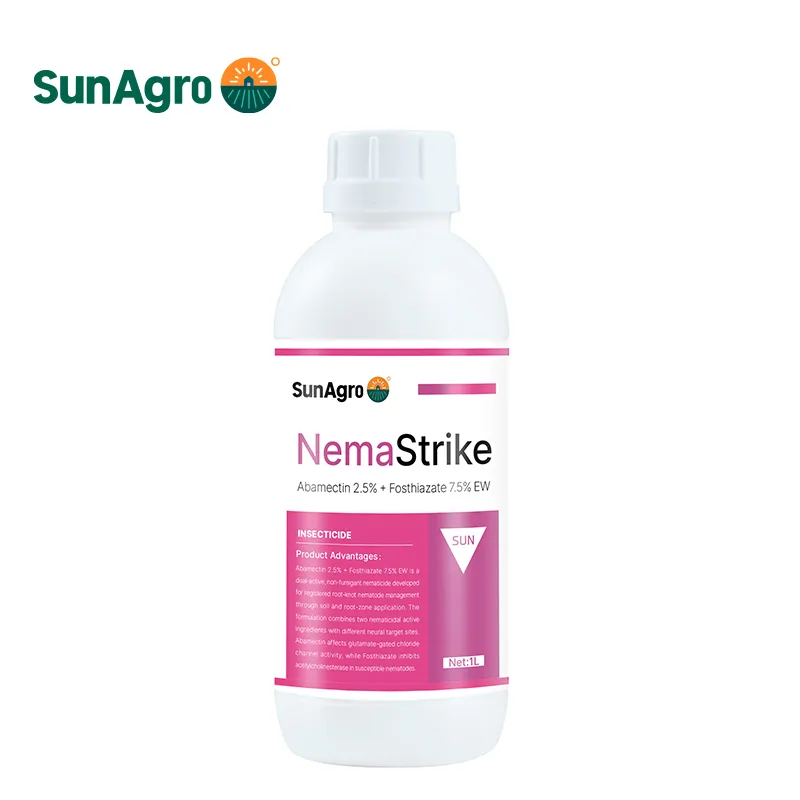
Abamectin 2.5% + Fosthiazate 7.5% EW is a dual-active, non-fumigant nematicide developed for registered root-knot nematode management through soil and root-zone application.
The formulation combines two nematicidal active ingredients with different neural target sites. Abamectin affects glutamate-gated chloride channel activity, while Fosthiazate inhibits acetylcholinesterase in susceptible nematodes.
We supply this finished EW formulation for agrochemical importers, registration companies, nematicide distributors, agricultural brands and professional protected-crop channels.
The final crop, nematode species, application method, rate and treatment timing must follow the approved destination-market label.
- Designed for Professional Buyers & Bulk Orders
- We support custom packaging, labeling, and formulation to meet your market needs.
- Export wholesale inquiries only.
- Please include destination country, business type (importer/distributor/registrant), and expected volume.
- Retail requests will not be processed.

About Abamectin 2.5% + Fosthiazate 7.5% EW Nematicide
| Item | Details |
|---|---|
| Active Ingredient 1 | Abamectin |
| Content | 2.5% |
| Nematicide MoA Classification | N-2 |
| Active Ingredient 2 | Fosthiazate |
| Content | 7.5% |
| Nematicide MoA Classification | N-1B |
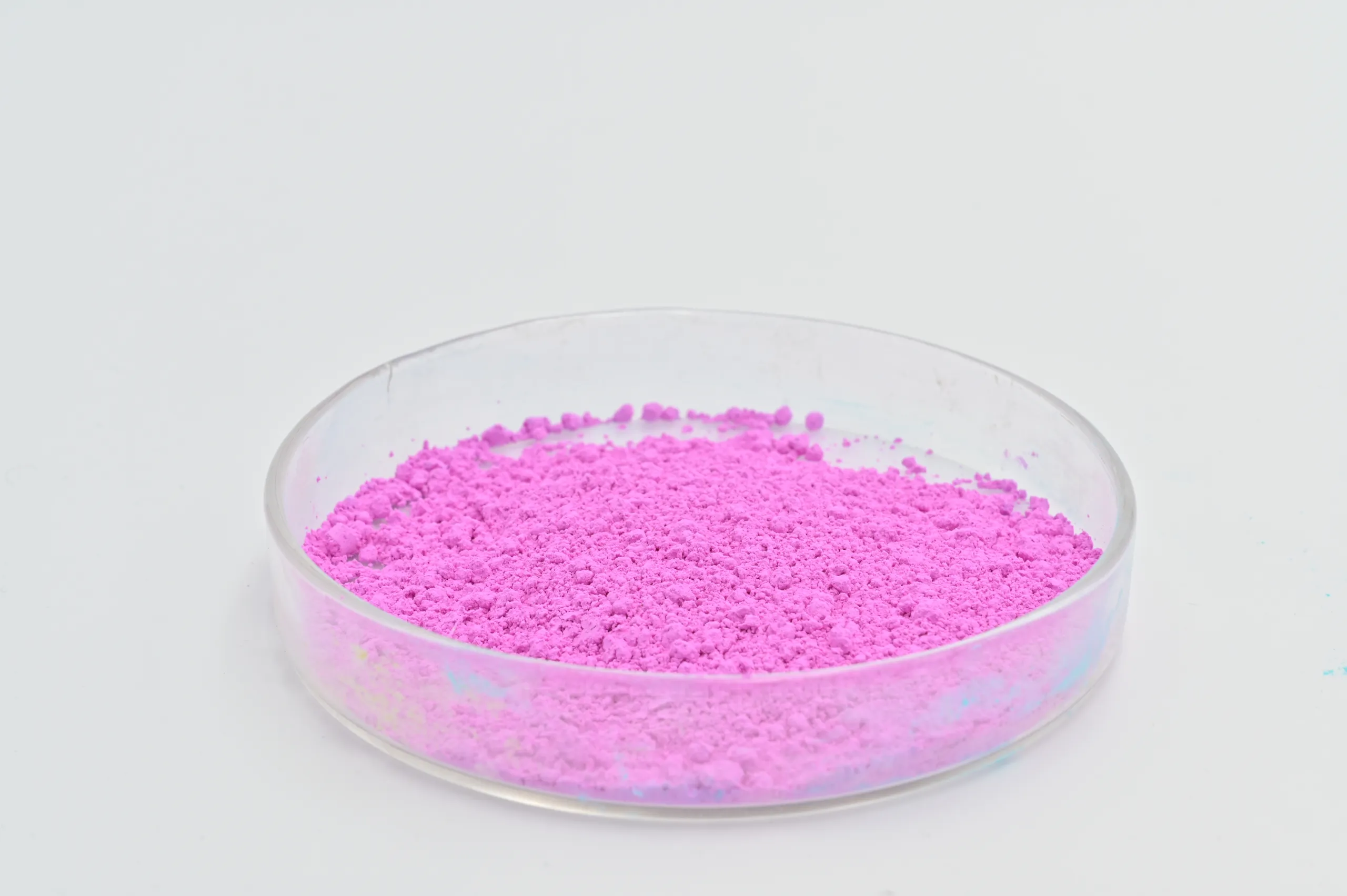
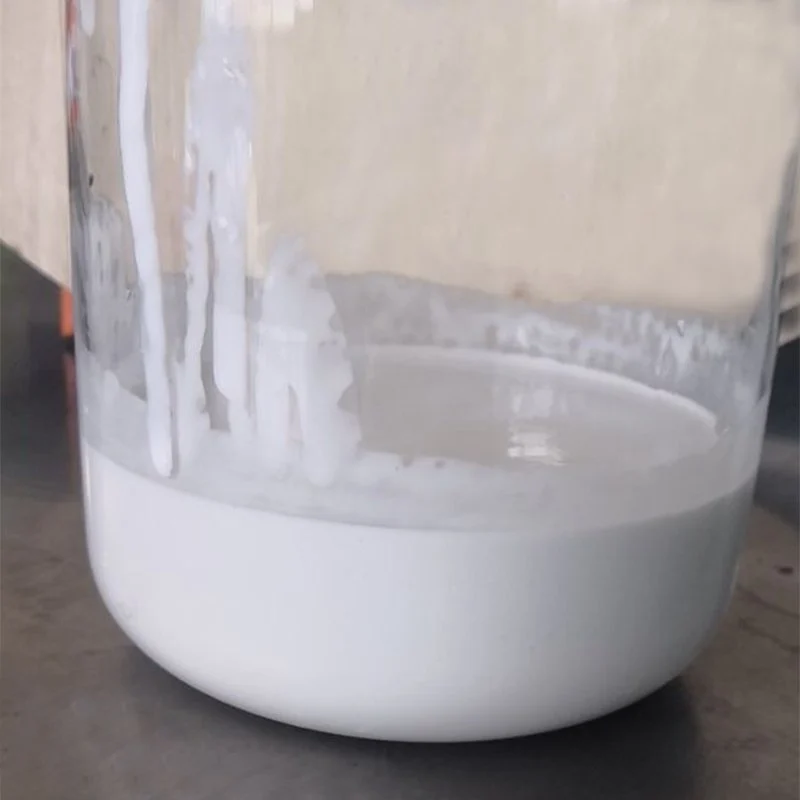
| Formulation | EW, Emulsion Oil in Water |
| Product Type | Compound Non-Fumigant Nematicide |
| Main Target Direction | Root-knot nematodes |
| Target Genus | Meloidogyne spp. where registered |
| Main Treatment Zone | Soil and active root zone |
| Application Direction | Root drench or other locally registered soil application |
| Main Crop Direction | Cucumber and other approved horticultural crops |
| Supply Support | Packaging, documents, EW quality control and export coordination |
The active ingredient content basis must follow the agreed product specification and registration documents.
What Is Abamectin 2.5% + Fosthiazate 7.5% EW?
Abamectin 2.5% + Fosthiazate 7.5% EW is an agricultural nematicide containing two active ingredients in an oil-in-water emulsion formulation.
Its primary purpose is to reduce root-knot nematode pressure in the treated root zone.
The product is mainly positioned for:
- Root-knot nematode management
- Root-zone soil treatment
- Protected vegetable production
- Intensive horticultural cropping
- Registered root-drench programs
- Non-fumigant nematicide portfolios
- Crop-specific soil nematode management
This product should not be positioned as a general foliar insecticide, miticide or soil fumigant.
Why Combine Abamectin and Fosthiazate?
Abamectin and Fosthiazate affect susceptible nematodes through different neural target sites.
The combination provides:
- Two nematicidal active ingredients in one formulation
- Different biochemical target sites
- A clear root-zone nematicide position
- An alternative to single-active formulations
- A finished liquid formulation for professional distribution
- A product direction suited to registered root-knot nematode programs
The formulation should not be described as synergistic unless product-specific laboratory or field data support that claim.
Two active ingredients also do not eliminate resistance risk.
Field performance still depends on:
- Correct nematode identification
- Nematode population pressure
- Crop stage
- Root condition
- Application timing
- Treatment concentration
- Root-zone distribution
- Soil moisture
- Soil texture
- Temperature
- Local susceptibility
How the Two Active Ingredients Work
The two active ingredients interfere with normal nematode nerve and muscle functions through different biochemical processes.
A simplified treatment pathway is:
Root-zone application → susceptible nematodes enter the treated soil zone → nerve and muscle functions are disrupted → movement and root invasion ability decline → root-knot pressure is reduced
The product must reach the active root zone to provide useful exposure.
It should not be promoted as killing every nematode egg or permanently removing nematodes from the soil.
Abamectin: N-2 Nematicide Direction
Abamectin belongs to the avermectin chemical group.
In nematode management, it affects glutamate-gated chloride channels in susceptible nematodes.
This disrupts normal nerve and muscle activity and may reduce:
- Nematode movement
- Root-location ability
- Root penetration
- Feeding activity
- Infection pressure around young roots
Abamectin is strongly associated with the treated soil zone.
Its value depends on placing the formulation close to the active roots and susceptible nematode stages.
The foliar translaminar properties commonly discussed for Abamectin insecticide or miticide products should not be used as the main positioning for this root-zone nematicide.
Fosthiazate: N-1B Nematicide Direction
Fosthiazate is an organophosphorus non-fumigant nematicide.
It inhibits acetylcholinesterase in susceptible nematodes, disrupting normal nerve signal regulation.
Its root-zone activity may contribute to reduced:
- Nematode movement
- Root penetration
- Feeding behaviour
- Infection establishment
- Reproduction pressure
Fosthiazate is not a soil fumigant.
Its field performance can be affected by soil moisture, temperature, texture, organic matter, application depth and the uniformity of product distribution.
Main Target: Root-Knot Nematodes
The clearest product target is the root-knot nematode group, commonly classified within the genus Meloidogyne.
Root-knot nematodes can:
- Invade young roots
- Establish permanent feeding sites
- Cause visible root galls
- Reduce water uptake
- Restrict nutrient absorption
- Weaken root development
- Reduce crop vigour
- Increase stress under intensive production
- Reproduce rapidly under favourable conditions
The infective second-stage juvenile, commonly called J2, is an important mobile stage in the root-knot nematode life cycle.
J2 nematodes move through the soil and enter susceptible roots. Once feeding sites are established, control becomes more difficult.
For this reason, the product should be used as part of an early root-zone management program rather than as a late rescue treatment after severe galling has developed.
Root-Knot Nematode Symptoms
Possible field symptoms include:
- Root galls
- Swollen or distorted roots
- Reduced fine-root development
- Uneven crop growth
- Midday wilting
- Nutrient-deficiency-like symptoms
- Weak plant establishment
- Reduced response to fertilizer
- Localized patches of poor growth
These symptoms are not exclusive to root-knot nematodes.
Soil and root diagnosis should be completed before selecting a nematicide program.
Registered Cucumber Direction
A registered use direction for this specification includes cucumber root-knot nematode management through root drench application.
This provides a clear commercial position for:
- Protected cucumber production
- Greenhouse vegetable programs
- Repeated cucumber cropping
- Root-knot nematode pressure in intensive soil systems
- Root-zone nematicide channels
The product should be applied according to the approved crop stage, concentration, treatment volume and application frequency.
A cucumber registration must not be treated as automatic approval for tomato, pepper, eggplant, melon or other crops.
Other Horticultural Crop Directions
Additional horticultural uses may be considered only where local registration supports them.
Possible market directions may include:
- Tomato
- Pepper
- Eggplant
- Melon
- Watermelon
- Other protected vegetables
- Ginger
- Banana
- Tuber crops
- Fruit-tree nurseries
These crops must not be presented as approved global uses without destination-market registration.
The crop, nematode species and application method must be confirmed separately.
Best-Fit Production Systems
Protected Vegetable Production
Root-knot nematodes can build rapidly in greenhouses and protected production systems where susceptible crops are grown repeatedly.
This product may fit programs involving:
- Intensive crop rotation
- Continuous vegetable production
- Warm root-zone conditions
- Repeated nematode pressure
- Limited opportunities for long fallow periods
- Registered root-drench application
High-Value Horticultural Crops
A root-zone nematicide may be relevant where root damage has a significant effect on crop establishment, production uniformity or harvest quality.
Use must still follow the registered crop and treatment method.
Repeated Cropping Systems
Repeated planting of susceptible crops can increase root-knot nematode populations.
A complete program may require:
- Crop rotation
- Resistant varieties
- Clean seedlings
- Weed-host control
- Soil sanitation
- Biological products
- Registered chemical nematicides
- Pre-plant soil treatment where necessary
The product should not be presented as a replacement for all other nematode-management measures.
Best Application Timing
Application timing should protect the active root zone before nematode damage becomes severe.
Depending on the approved label, suitable timing may relate to:
- Early crop establishment
- Young root development
- The beginning of nematode invasion
- Registered post-transplant treatment
- A defined preventive root-drench program
Treatment should not be delayed until:
- Heavy root galling is widespread
- Plants are severely stunted
- Root systems are extensively damaged
- Secondary root diseases have developed
- The nematode population is already extremely high
The product cannot repair destroyed root tissue.
It may help reduce further pressure where the nematode population, crop stage and label use remain suitable.
Root-Zone Distribution Determines Exposure
The formulation must reach the soil area where young roots and mobile nematodes are concentrated.
Important distribution factors include:
- Application volume
- Soil moisture
- Soil texture
- Root depth
- Plant spacing
- Irrigation pattern
- Application uniformity
- Drainage
- Surface runoff
- Deep leaching
Insufficient solution volume may leave parts of the root zone untreated.
Excessive water may move the active ingredients below the target zone or increase runoff risk.
The correct balance must follow the registered application method and local soil conditions.
Application Methods Are Not Interchangeable
Different soil-application methods use different rates, water volumes and equipment.
They should not be treated as equivalent.
Root Drench
Root drench application places the diluted product around the crop root zone.
Important controls include:
- Product concentration
- Solution volume per plant
- Crop stage
- Soil moisture
- Root condition
- Application uniformity
- Drainage
Root drench is not the same as foliar spraying.
The solution should not be concentrated against one small part of the root system unless the label specifically supports that method.
Drip Irrigation or Chemigation
Application through irrigation systems should only be used where the product label and local regulations permit it.
Important considerations include:
- Irrigation-system compatibility
- Injection timing
- Water volume
- Distribution uniformity
- Line pressure
- Flushing requirements
- Backflow protection
- Prevention of surface-water contamination
A root-drench rate should not be converted directly into a drip-irrigation rate.
Furrow or Planting-Zone Treatment
Furrow or planting-zone use may be permitted in certain registrations.
The application rate, treatment width, incorporation method and crop-safety conditions must follow the exact label.
Soil Conditions Affect Performance
Nematicide performance can vary between fields.
Important soil factors include:
- Moisture
- Temperature
- Texture
- Organic matter
- pH
- Compaction
- Drainage
- Irrigation frequency
- Root distribution
- Nematode density
Dry soil may limit product movement through the root zone.
Waterlogged soil may stress roots and produce uneven product distribution.
High organic matter or clay content may affect the availability and movement of the active ingredients.
Product quality alone cannot guarantee the same field result in every soil.
Nematode Pressure Affects Results
Low to moderate nematode pressure is generally easier to manage than a heavily infested root zone.
Where severe pressure already exists, the field program may need:
- Pre-plant soil treatment
- Resistant or tolerant varieties
- Rotation with non-host crops
- Removal of infected roots
- Control of weed hosts
- Clean transplant production
- Biological nematicides
- Additional registered chemical treatments
- Post-treatment population monitoring
One root-drench application should not be promoted as permanently eliminating root-knot nematodes.
What This Product Does Not Do
Abamectin 2.5% + Fosthiazate 7.5% EW is not:
- A foliar miticide product page
- A caterpillar insecticide
- An aphid or whitefly product
- A soil fumigant
- A biological nematicide
- A fertilizer
- A rooting hormone
- A plant-strengthening tonic
- A root-repair product
- A treatment for every nematode species
- Automatically approved for every vegetable
- A guaranteed nematode cure
- A resistance-proof product
Its correct identity is:
A dual-active, non-fumigant root-zone nematicide for registered root-knot nematode programs.
What Does EW Formulation Mean?
EW means emulsion, oil in water.
In an EW formulation, the oil-compatible liquid phase is dispersed as fine droplets within a continuous water phase.
The product is supplied as a liquid concentrate and diluted before application.
EW is different from:
- EC, emulsifiable concentrate
- SL, soluble concentrate
- SC, suspension concentrate
- ME, microemulsion
- CS, capsule suspension
- SE, suspo-emulsion
EW should not be described as:
- A completely dissolved solution
- A microemulsion
- A capsule formulation
- A solvent-free product
- A fully water-soluble product
- A formulation that never separates
- A formulation requiring no mixing
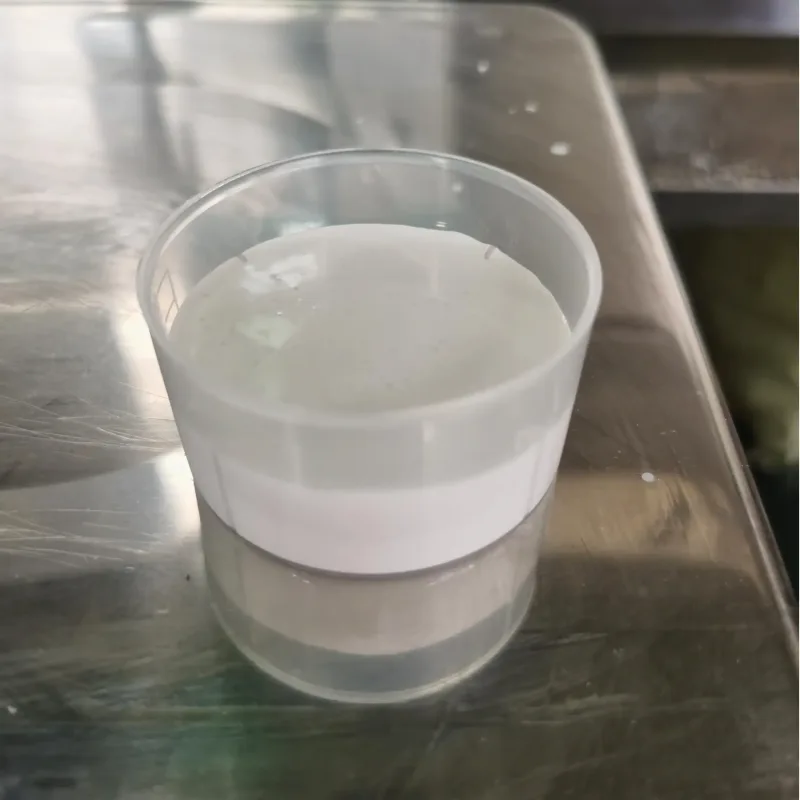
The exact liquid appearance must follow the agreed product specification.
EW Formulation Features
Important EW formulation characteristics include:
- Two active ingredients in one finished formulation
- Liquid handling
- Dilution before root-zone application
- Bottle and drum packaging
- Oil-in-water emulsion structure
- Emulsion stability
- Dilution stability
- Low-temperature stability
- Heat-storage stability
- Container compatibility
- Sealing performance
- Leakage control
Before application, the product should be mixed according to the approved instructions.
Visible separation, crystallization or abnormal thickening should be investigated before use.
EW Quality Control
Quality control must cover both active ingredient content and physical formulation stability.
Batch inspection may include:
- Abamectin content
- Fosthiazate content
- Active ingredient identity
- Liquid appearance
- Homogeneity
- pH
- Density
- Emulsion stability
- Dilution stability
- Re-emulsification where specified
- Persistent foam where applicable
- Low-temperature stability
- Heat-storage stability
- Creaming
- Layer separation
- Sediment
- Active ingredient crystallization
- Container compatibility
- Seal integrity
- Leakage inspection
- Batch traceability
Each batch should meet the agreed specification before shipment.
Abamectin + Fosthiazate Compared With Other Nematicides
| Product Direction | Main Practical Position |
|---|---|
| Abamectin 2.5% + Fosthiazate 7.5% EW | Dual-active non-fumigant nematicide with two neural target sites |
| Fosthiazate Single-Active Product | Organophosphorus nematicide based on one active ingredient |
| Abamectin Nematicide | Avermectin-based root-zone nematicide direction |
| Oligosaccharins + Fosthiazate | Nematicidal activity combined with plant-defence-related positioning |
| Microbial Nematicides | Living microorganisms used for biological nematode suppression |
| Metam Sodium or Dazomet | Pre-plant soil fumigants with broader soil-treatment activity |
No product is automatically suitable for every field.
Selection should consider:
- Nematode species
- Population level
- Crop
- Production system
- Application timing
- Soil conditions
- Required speed of control
- Residue strategy
- Local registration
Difference From Abamectin Foliar Products
Abamectin is also used in foliar insecticide and miticide products.
Those products may target:
- Mites
- Leafminers
- Thrips
- Other registered foliar pests
This combination page has a different product identity.
Abamectin 2.5% + Fosthiazate 7.5% EW is positioned for:
- Root-knot nematodes
- Soil and root-zone application
- Registered nematicide programs
- Protected horticultural production
The foliar use directions of an Abamectin EC product must not be transferred to this EW nematicide.
Difference From Fosthiazate 30% CS
Fosthiazate 30% CS is a single-active capsule suspension product.
Abamectin 2.5% + Fosthiazate 7.5% EW differs in:
- Active ingredient combination
- Nematicide target sites
- Formulation system
- Concentration
- Release behaviour
- Quality-control parameters
- Registered application directions
CS and EW formulations are not interchangeable.
Resistance Management
The formulation contains two active ingredients with different nematicidal target sites.
This can support a diversified treatment program, but it does not remove resistance risk.
Recommended resistance-management practices include:
- Confirm the nematode diagnosis.
- Use the approved rate.
- Avoid repeated underdosing.
- Do not rely on the same mixture every crop cycle.
- Rotate with different registered nematicide approaches.
- Use crop rotation where practical.
- Select resistant varieties where available.
- Control weed hosts.
- Use clean planting material.
- Monitor root galling after treatment.
- Record treatment history.
- Investigate unexpected survival or poor field response.
The product should not be described as preventing resistance.
Integrated Root-Knot Nematode Management
The strongest field programs combine product use with agronomic measures.
A complete program may include:
- Nematode testing
- Root inspection
- Resistant cultivars
- Crop rotation
- Clean nursery plants
- Soil sanitation
- Removal of infected roots
- Weed-host management
- Biological nematicides
- Chemical non-fumigant nematicides
- Pre-plant fumigation where justified
- Irrigation management
- Post-treatment monitoring
The product should not replace accurate diagnosis and field scouting.
Crop Safety
Crop safety depends on:
- Crop species
- Variety
- Growth stage
- Root condition
- Application concentration
- Solution volume
- Soil moisture
- Soil temperature
- Root-zone distribution
- Plant stress
- Previous soil treatments
- Tank-mix partners
Risk may increase when:
- Seedlings are weak
- Roots are damaged
- Plants are recently transplanted
- Soil is excessively dry
- Soil is waterlogged
- The solution is concentrated in one area
- High temperatures increase crop stress
- Application exceeds the approved rate
The product should not be described as safe for every seedling or every transplant stage.
Where crop response is uncertain, a limited local trial should be completed before full commercial application.
Tank Mixing and Compatibility
Do not assume automatic compatibility with:
- Fertilizers
- Micronutrients
- Fungicides
- Insecticides
- Biological products
- Rooting regulators
- Soil disinfectants
- Other nematicides
- Irrigation-water conditioners
Before a new mixture is used:
- Review all product labels.
- Confirm that the crop is registered.
- Check physical compatibility.
- Conduct a small mixing test.
- Confirm application timing.
- Evaluate crop safety.
- Apply the mixture promptly.
- Avoid unsupported combinations.
A physically stable mixture does not confirm biological compatibility or root safety.
Worker Protection
Fosthiazate is an organophosphorus active ingredient.
Product handling must follow the approved label and SDS.
Important precautions include:
- Wear required personal protective equipment.
- Avoid skin and eye contact.
- Avoid inhalation of mist or droplets.
- Use calibrated application equipment.
- Prevent splashing during dilution.
- Wash contaminated equipment correctly.
- Follow restricted-entry requirements.
- Keep the product away from food and feed.
- Store it away from children and unauthorized personnel.
- Dispose of containers according to local regulations.
Environmental Protection
Both active ingredients require careful environmental management.
Important precautions include:
- Prevent runoff into surface water.
- Do not contaminate ponds, rivers or drainage channels.
- Avoid discharge into aquaculture systems.
- Control root-drench solution volume.
- Prevent leakage during transport.
- Manage remaining treatment solution correctly.
- Do not clean equipment near water sources.
- Follow groundwater and buffer-zone requirements where applicable.
The product should not be described as environmentally harmless.
Registration and Residue Compliance
Before import, promotion or use, local partners should confirm:
- Active ingredient contents
- EW formulation approval
- Product registration
- Approved crop
- Approved nematode species
- Application method
- Crop stage
- Application rate
- Solution volume
- Treatment frequency
- Maximum seasonal applications
- Pre-harvest interval
- Maximum residue limits
- Restricted-entry interval
- Groundwater restrictions
- Aquatic protection requirements
- Label language
- Import documentation
- Packaging requirements
Claims from Abamectin-only or Fosthiazate-only products must not be transferred automatically to this combination.
Final use must follow the approved destination-market label.
Storage and Transport
Store Abamectin 2.5% + Fosthiazate 7.5% EW in sealed original containers.
Keep the product in a cool, dry and well-ventilated location.
Protect it from:
- Excessive heat
- Freezing
- Direct sunlight
- Container damage
- Leakage
- Contamination
- Long-term storage under unsuitable conditions
Before use, inspect:
- Liquid appearance
- Homogeneity
- Separation
- Creaming
- Sediment
- Crystallization
- Container seal
- Leakage
Storage and transport classification must follow the exact product SDS and destination-market regulations.
Packaging and Market Preparation
We support packaging preparation according to the product specification, destination market and order requirements.
Available packaging directions may include:
- Bottles
- Drums
- Export cartons
- Induction seals
- Inner protection
- Batch coding
- Production-date coding
- Carton marks
- Multilingual label communication
- Pallet protection
Packaging materials must remain compatible with the EW formulation throughout storage and transport.
Final package size should consider:
- Registration requirements
- Distribution channel
- Application method
- Market demand
- Order volume
- Shipment method
Document Support
Available technical and shipment documents may include:
- COA
- SDS/MSDS
- TDS
- Product specification
- Active ingredient information
- EW formulation information
- Physical and chemical data
- Packing information
- Label reference
- Batch information
- Registration-related documents
- Shipment documents
Document requirements should be confirmed before production.
FAQ
Why Choose POMAIS
POMAIS supplies nematicide formulations for importers, distributors, registration companies, agricultural brands and professional crop protection channels.
For Abamectin 2.5% + Fosthiazate 7.5% EW, we support:
- Clear dual-active specifications
- Finished EW formulation supply
- Dual-content quality control
- Emulsion stability testing
- Packaging preparation
- Product documentation
- Multilingual label communication
- Registration-related coordination
- Export shipment preparation
Our goal is to help buyers evaluate the product as a professional root-zone nematicide rather than as a general Abamectin insecticide.
Request Product
Please provide:
- Destination country
- Target crop
- Target nematode
- Registration status
- Intended application method
- Required package size
- Label language
- Expected order volume
- Required technical documents
We will review the requested specification and prepare a suitable Abamectin 2.5% + Fosthiazate 7.5% EW supply proposal.
Contact us!
We will reply to you within 24 hours on business days!