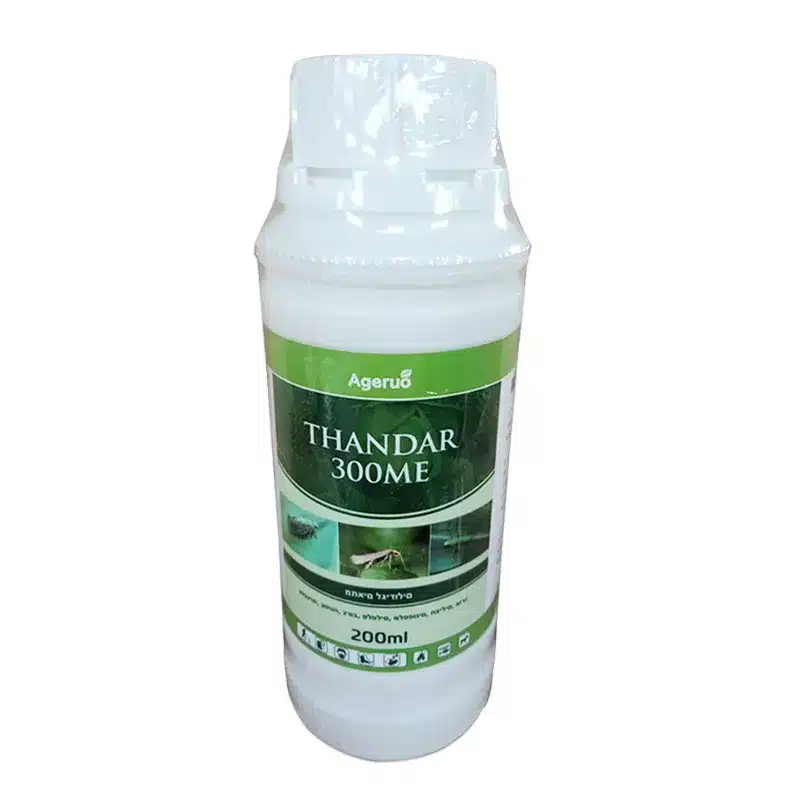
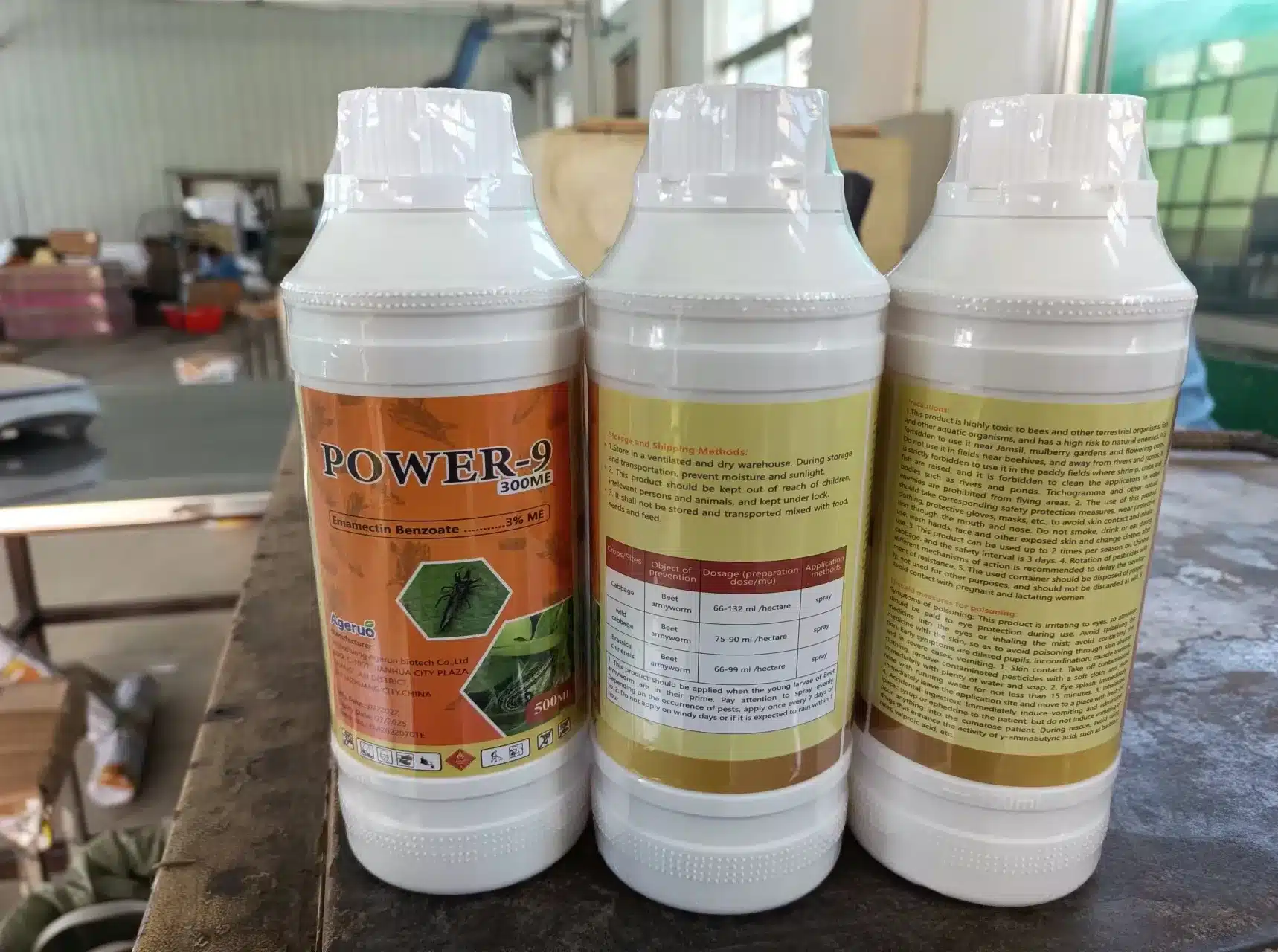
Emamectin Benzoate 2% ME Microemulsion Insecticide
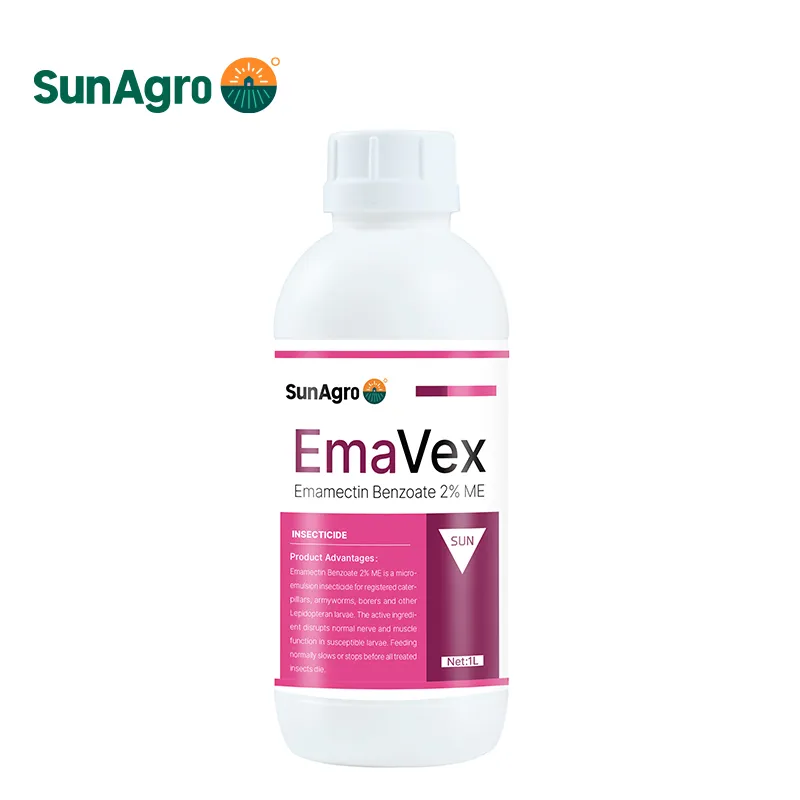
Emamectin Benzoate 2% ME is a microemulsion insecticide for registered caterpillars, armyworms, borers and other Lepidopteran larvae.
It belongs to IRAC Group 6. The active ingredient disrupts normal nerve and muscle function in susceptible larvae. Feeding normally slows or stops before all treated insects die.
This product is best positioned against young larvae before severe crop damage develops. Correct timing, leaf coverage and resistance rotation are important for reliable field performance.
POMAIS supplies finished Emamectin Benzoate 2% ME for agrochemical importers, distributors, registration companies, agricultural brands and professional crop protection channels.
- Designed for Professional Buyers & Bulk Orders
- We support custom packaging, labeling, and formulation to meet your market needs.
- Export wholesale inquiries only.
- Please include destination country, business type (importer/distributor/registrant), and expected volume.
- Retail requests will not be processed.

About Emamectin Benzoate 2% ME Microemulsion Insecticide
| Item | Details |
|---|---|
| Active Ingredient | Emamectin Benzoate |
| Content | 2% |
| Formulation | ME, Microemulsion |
| Product Type | Insecticide |
| Chemical Class | Avermectin |
| IRAC Group | Group 6 |
| Mode of Action | Glutamate-gated chloride channel allosteric modulation |
| Main Activity | Mainly stomach activity with contact and translaminar effects |
| Main Pest Direction | Lepidopteran larvae |
| Core Targets | Armyworms, diamondback moth, bollworms and borers where registered |
| Best Timing | Early larval stages before severe feeding damage |
| Main Crop Direction | Vegetables, rice, maize, cotton, legumes, fruit and approved specialty crops |
| Packaging Direction | Bottles, drums and export cartons |
| Supply Support | Product documents, packaging preparation, batch QC and export coordination |
What Is Emamectin Benzoate 2% ME?
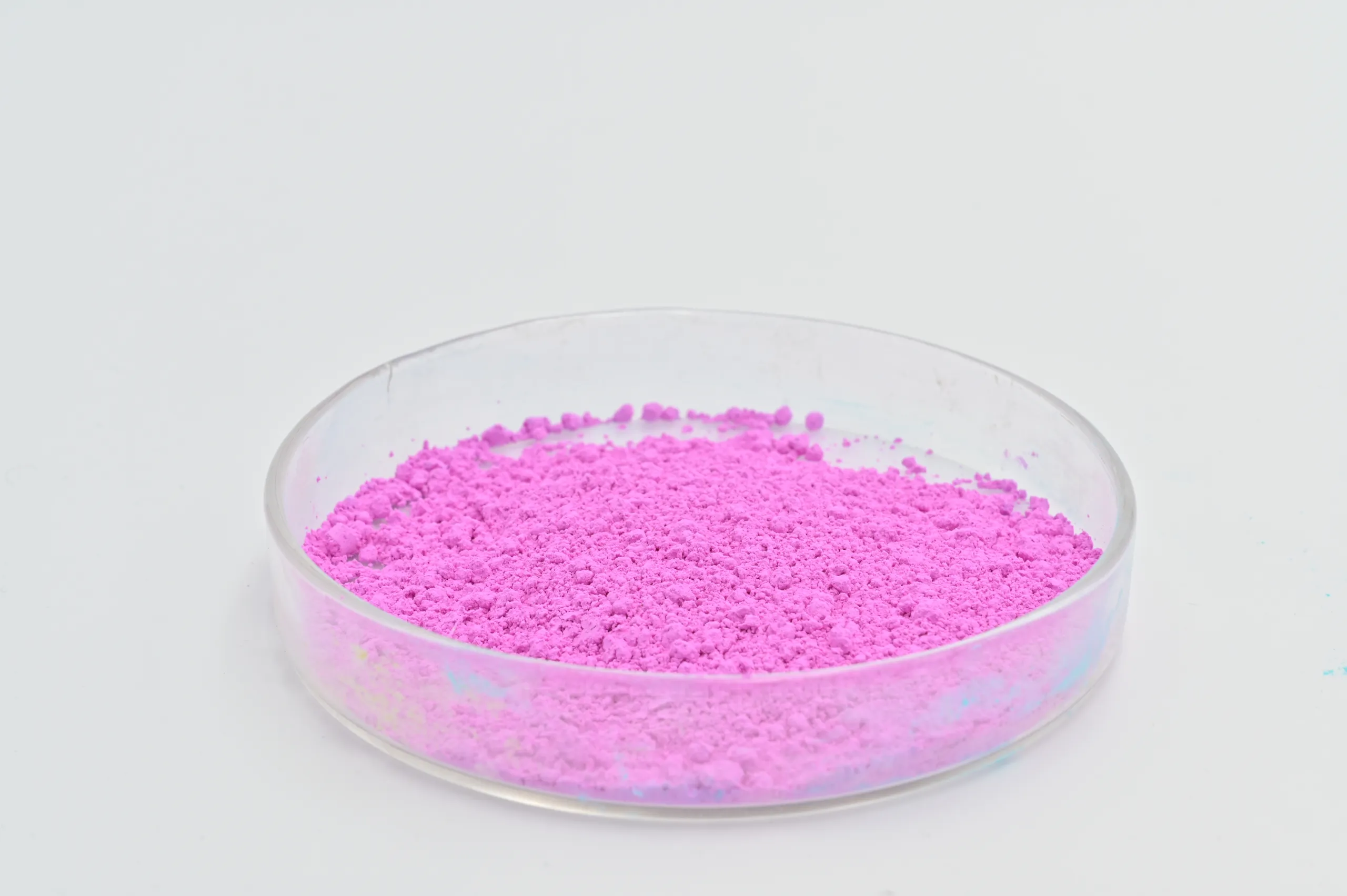
Emamectin Benzoate 2% ME is a liquid agricultural insecticide containing 2% Emamectin Benzoate in a microemulsion formulation.
Its main commercial role is the control of registered leaf-feeding and boring larvae.
The product is especially relevant to crop protection programs involving:
- Diamondback moth
- Beet armyworm
- Fall armyworm
- Cotton bollworm
- Pod borers
- Fruit borers
- Leafrollers
- Stem borers
- Rice borers
- Other registered caterpillar pests
This product should not be described as a universal insecticide for every pest group.
It is also different from:
- Emamectin Benzoate 5% WDG
- Emamectin Benzoate 5% SG
- Emamectin Benzoate EC formulations
- Tree-injection products
- Veterinary or aquaculture products
- Combination insecticides containing other active ingredients
How Emamectin Benzoate Works
Emamectin Benzoate belongs to IRAC Group 6.
It acts on glutamate-gated chloride channels in the insect nervous system.
A simple activity process is:
Larva feeds on treated tissue → nerve and muscle activity is disrupted → feeding stops → paralysis develops → the larva dies
The product acts mainly after larvae ingest treated plant material.
Contact exposure can also contribute to control.
Emamectin Benzoate has translaminar activity in treated leaves. It can enter leaf tissue and support protection within the treated leaf area.
However, it should not be described as a strongly systemic insecticide that moves throughout the entire plant.
Why Feeding Cessation Matters
Larvae may stop feeding before visible death occurs.
This is important because crop protection begins when feeding damage slows, not only when dead insects are counted.
After a correct application, users may still see living larvae for a period of time. This does not automatically mean the treatment has failed.
Field performance should be evaluated by checking:
- New feeding damage
- Larval movement
- Larval size
- Crop growing points
- Fresh leaf injury
- Survival after the expected assessment period
- Untreated or newly hatched larvae
The speed of visible control can be affected by:
- Larval age
- Temperature
- Application rate
- Spray coverage
- Crop canopy
- Resistance level
- Weather after application
The product should not be promoted as providing immediate knockdown of every larva.
Main Target: Lepidopteran Larvae
Emamectin Benzoate 2% ME is mainly positioned for larvae in the order Lepidoptera.
Diamondback Moth
Diamondback moth is an important pest in cabbage, cauliflower, broccoli and other Brassica crops.
Young larvae feed on leaf tissue and can develop resistance when the same insecticide groups are used repeatedly.
Emamectin Benzoate should be applied against registered early larval stages and rotated with other IRAC groups.
Beet Armyworm
Beet armyworm can damage vegetables, field crops and specialty crops.
Young larvae are normally easier to control than older larvae.
Applications should be timed before large larvae move deep into dense foliage or growing points.
Fall Armyworm
Fall armyworm is an important pest in maize and other registered crops.
Larvae can feed inside the maize whorl, making spray coverage more difficult.
Early scouting and application before larvae become large are essential.
Cotton Bollworm
Cotton bollworm and related Helicoverpa species can damage cotton, vegetables, legumes and fruiting structures.
Control should target young larvae before they enter buds, flowers, pods or fruit.
Stem and Rice Borers
Emamectin Benzoate may be used against registered rice borers, maize borers and other stem-boring larvae.
Timing is critical because larvae become more difficult to reach after they enter plant stems.
Fruit and Pod Borers
Fruit borers and pod borers should be targeted before larvae enter protected plant tissues.
Once larvae are inside fruit or pods, spray exposure may be limited.
Final pest claims must follow the approved destination-market label.
Crop and Market Directions
The crop range depends on local registration.
Brassica Vegetables
Possible registered directions may include:
- Diamondback moth
- Beet armyworm
- Cabbage caterpillars
- Other approved leaf-feeding larvae
Spray coverage should reach growing points, leaf undersides and dense foliage.
Rice Programs
Registered rice directions may include:
- Rice stem borers
- Rice leaf folders
- Other approved caterpillar pests
Application timing should follow pest monitoring and local rice-growth recommendations.
Maize and Cereal Programs
Possible registered targets may include:
- Fall armyworm
- Maize borers
- Other approved Lepidopteran larvae
Whorl coverage is especially important in maize programs.
Cotton and Legumes
Possible directions may include:
- Cotton bollworm
- Pod borers
- Leaf-feeding caterpillars
- Other registered larvae
Applications should be completed before larvae enter flowers, bolls or pods.
Fruit Crops
Registered fruit directions may include:
- Fruit borers
- Leafrollers
- Codling-type moth larvae
- Other approved caterpillar pests
Fruit programs must consider PHI, MRL and destination-market residue requirements.
Tuber and Specialty Crops
Emamectin Benzoate 2% ME may also fit registered programs in yam, taro or other specialty crops.
These crop claims should only be included where local registration supports them.
Best Application Timing
Application timing is one of the most important factors in Emamectin Benzoate performance.
The product normally fits best when:
- Eggs have recently hatched
- Young larvae are present
- Feeding damage is still limited
- Larvae remain exposed on leaves
- Pest populations have not reached severe levels
- Crop growing points can still be covered
Do not wait until:
- Large larvae dominate the population
- Severe defoliation has developed
- Larvae have entered stems, pods or fruit
- Heavy webbing or sheltering protects the pest
- The same IRAC group has already been used repeatedly
Field scouting should identify both the pest species and larval stage before treatment.
What This Product Does Not Mainly Control
Emamectin Benzoate 2% ME should not be positioned as the main product for:
- Aphids
- Whiteflies
- Scale insects
- Mealybugs
- Termites
- Soil grubs
- Nematodes
- All mite species
- Adult moths
- All beetles
- All sucking insects
- Aquaculture parasites
- Tree-injection pest programs
Some local labels may include additional pests. These claims should only be used when supported by the exact product registration.
What Does ME Formulation Mean?
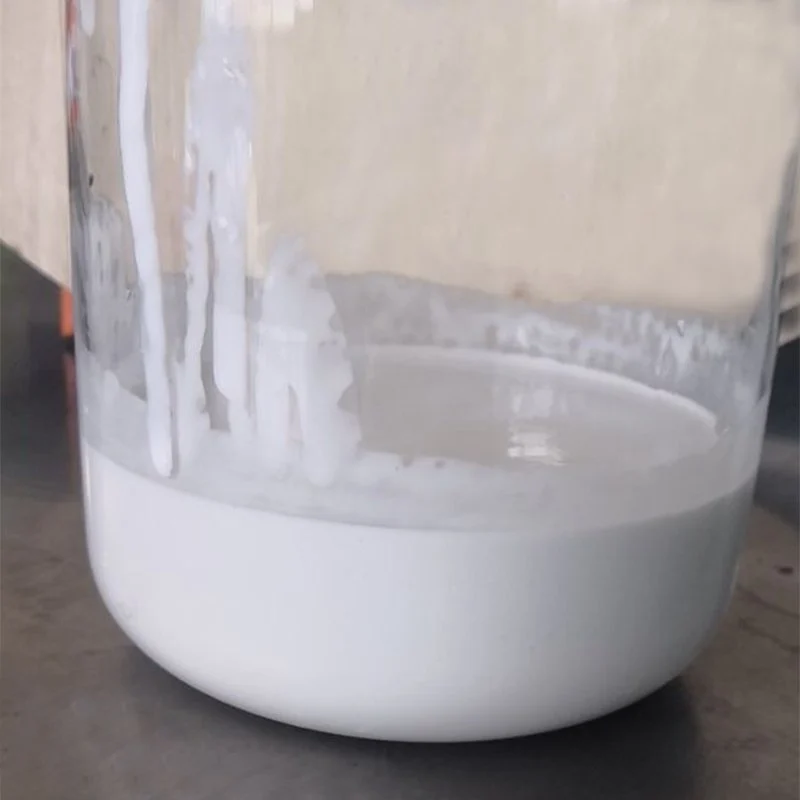
ME means microemulsion.
A microemulsion is a uniform liquid formulation containing both water-compatible and oil-compatible components.
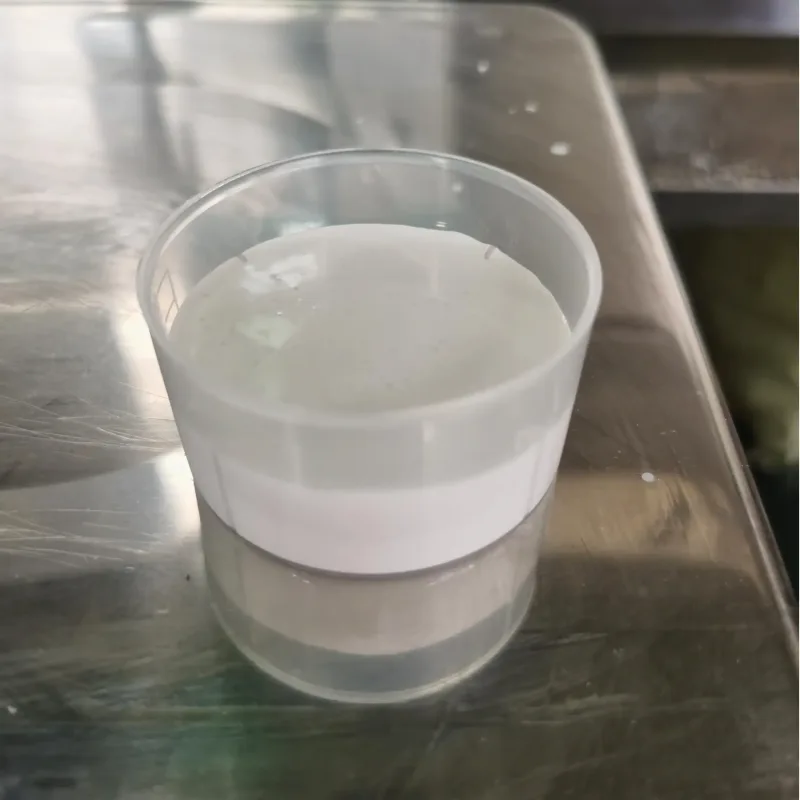
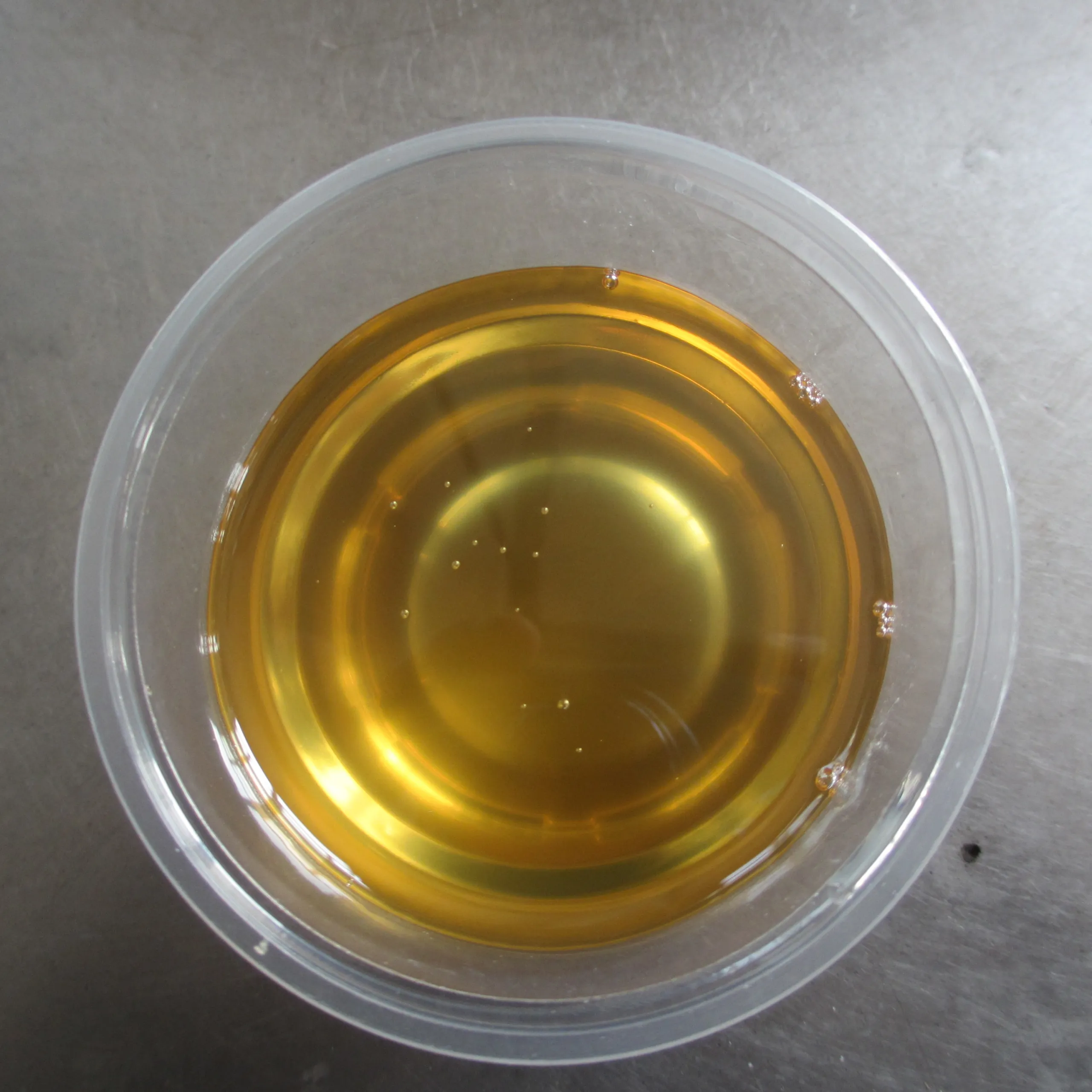
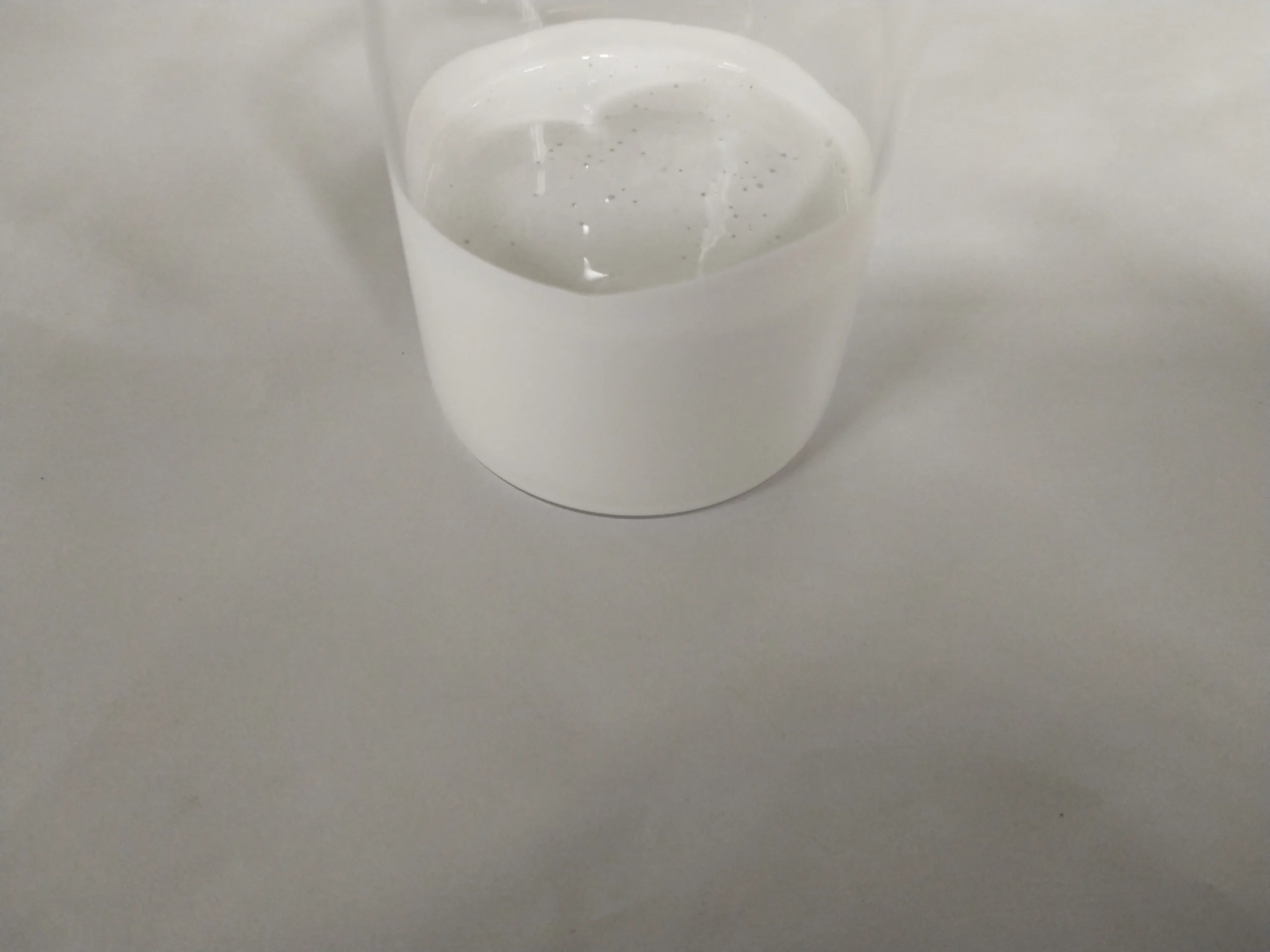
Depending on the product specification, the concentrate may appear:
- Clear
- Transparent
- Lightly coloured
- Slightly opalescent
The exact appearance must follow the agreed specification.
ME is different from:
- EC, emulsifiable concentrate
- SC, suspension concentrate
- EW, emulsion in water
- CS, capsule suspension
- SL, soluble concentrate
ME is not the same as a microcapsule formulation.
It should also not be described as a nano-formulation unless specific formulation data support that claim.
ME Formulation Features
For importers and distributors, important ME characteristics include:
- Emamectin Benzoate content
- Uniform liquid appearance
- Homogeneity
- Dilution behaviour
- Microemulsion stability
- pH where applicable
- Density
- Persistent foam where applicable
- Low-temperature stability
- Heat-storage stability
- Crystallization control
- Container compatibility
- Sealing performance
- Leakage control
The formulation is diluted with water before application.
The diluted spray mixture should be prepared and used according to the approved label.
Do not claim that ME:
- Contains no solvent
- Is always safer than EC
- Is always more effective than WDG
- Is completely water based
- Requires no mixing
- Never crystallizes
- Is suitable for every tank mixture
Emamectin Benzoate 2% ME Compared With Other Formulations
Different formulations serve different supply and distribution channels.
| Formulation | Main Procurement Position |
|---|---|
| Emamectin Benzoate 2% ME | Liquid microemulsion formulation for bottle and drum channels |
| Emamectin Benzoate 1.9% or 2% EC | Emulsifiable concentrate liquid formulation |
| Emamectin Benzoate 5% WDG | Higher-loading water-dispersible granule |
| Emamectin Benzoate 5% SG | Higher-loading soluble granule |
| Emamectin Benzoate SC | Suspension concentrate formulation |
| Emamectin Combination Products | Wider pest or lifecycle positioning based on the partner active ingredient |
A higher active ingredient percentage does not automatically mean better field control.
Final performance depends on:
- Applied active ingredient dose
- Pest species
- Larval stage
- Spray timing
- Coverage
- Weather
- Resistance status
- Local label use
Difference Between ME and EC
ME and EC are both liquid formulations, but they are different physical systems.
ME Formulation
A microemulsion is a uniform liquid system designed to form a stable diluted spray mixture.
Key buyer concerns include:
- Dilution stability
- Low-temperature behaviour
- Crystallization
- Package compatibility
- Liquid homogeneity
EC Formulation
An emulsifiable concentrate forms an emulsion when mixed with water.
Its quality control may focus on:
- Emulsion stability
- Solvent system
- Cold stability
- Heat stability
- Packaging compatibility
ME should not be described as automatically better than EC.
The correct choice depends on market registration, packaging requirements, formulation preference and distribution channel.
Application Guidance
Use Emamectin Benzoate 2% ME only where locally approved.
Before application:
- Identify the pest.
- Confirm the crop.
- Check the larval stage.
- Review previous insecticide applications.
- Confirm the approved rate.
- Calibrate spray equipment.
- Prepare the correct water volume.
- Check weather conditions.
- Confirm PHI and MRL requirements.
- Follow worker-protection instructions.
Important application principles include:
- Target young larvae.
- Apply before severe crop damage.
- Maintain even canopy coverage.
- Reach growing points where larvae feed.
- Cover leaf undersides where required.
- Follow the approved spray interval.
- Avoid unsupported dose reduction.
- Do not exceed the maximum application number.
- Check rain-related instructions on the local label.
- Record treatment dates and field performance.
There is no universal application rate for every crop and country.
Spray Coverage
Good spray coverage is important because larvae must contact or feed on treated plant tissue.
Coverage can be affected by:
- Nozzle type
- Spray pressure
- Water volume
- Travel speed
- Crop height
- Canopy density
- Leaf angle
- Growing-point structure
- Pest feeding location
For maize, spray should reach the whorl where permitted by the label.
For Brassica vegetables, coverage of growing points and leaf undersides may be important.
For fruiting crops, treatment should reach exposed feeding sites before larvae enter fruit or pods.
Tank Mixing and Compatibility
Tank mixing should only be used where the local label and compatibility information support it.
Before mixing with another product:
- Review both labels.
- Confirm crop registration.
- Check physical compatibility.
- Conduct a jar test where appropriate.
- Confirm application timing.
- Check pH and water quality.
- Avoid unsupported combinations.
- Use the mixture promptly.
Possible partners may include:
- Other insecticides
- Fungicides
- Adjuvants
- Foliar nutrients
- Biological products
A physically stable mixture does not guarantee crop safety or biological compatibility.
Resistance Management
Emamectin Benzoate belongs to IRAC Group 6.
Repeated use of the same mode of action can increase resistance pressure.
Recommended resistance-management practices include:
- Do not rely only on Group 6 insecticides.
- Rotate with products from different IRAC groups.
- Avoid treating successive pest generations only with Group 6.
- Use local spray windows where available.
- Apply the approved rate.
- Avoid underdosing.
- Target young larvae.
- Monitor unexpected survival.
- Keep field treatment records.
- Integrate cultural and biological controls where practical.
- Remove heavily infested plant material where appropriate.
Emamectin Benzoate should not be described as resistance-proof.
If control is lower than expected, review:
- Pest identification
- Larval stage
- Application rate
- Coverage
- Weather
- Spray equipment
- Product quality
- Local resistance history
Repeating the same Group 6 treatment without investigation may increase selection pressure.
Integrated Pest Management
Emamectin Benzoate 2% ME can be included in an IPM program where locally approved.
A complete program may include:
- Field scouting
- Pest thresholds
- Pheromone traps
- Egg-mass monitoring
- Removal of crop residues
- Weed-host management
- Biological control
- Resistant varieties
- Rotation of insecticide groups
- Accurate spray timing
The product should not replace pest monitoring.
Beneficial Insects and Pollinators
Do not assume that Emamectin Benzoate is harmless to all beneficial organisms.
Compatibility with:
- Bees
- Pollinators
- Parasitoids
- Predatory insects
- Beneficial mites
depends on application timing, exposure, crop stage, local label restrictions and the biological-control program.
Avoid application during active pollinator exposure where prohibited by the label.
Follow local flowering-crop and pollinator requirements.
Crop Safety and Use Boundary
Crop safety depends on:
- Crop species
- Variety
- Growth stage
- Rate
- Spray volume
- Weather
- Plant stress
- Tank-mix partner
- Formulation quality
- Local label use
Emamectin Benzoate 2% ME should not be promoted as:
- Safe on every crop
- Suitable for every pest
- A whole-plant systemic insecticide
- An immediate knockdown product
- A product with no resistance risk
- Harmless to every beneficial insect
- Suitable for unrestricted aquatic use
- A substitute for field scouting
Environmental and Worker Protection
Use the product according to the approved label and SDS.
Important precautions include:
- Wear required personal protective equipment.
- Avoid skin and eye contact.
- Avoid breathing spray mist.
- Prevent spray drift.
- Protect ponds, rivers and drainage systems.
- Avoid contamination of aquaculture areas.
- Prevent runoff into surface water.
- Follow local aquatic buffer zones.
- Manage rinse water correctly.
- Clean equipment in an approved area.
- Dispose of containers according to local regulations.
- Keep the product away from food, feed and children.
Emamectin Benzoate can present serious risks to aquatic organisms.
Water protection must remain an important part of product handling and application.
Registration and Residue Compliance
Before import, promotion or use, local partners should confirm:
- Product registration
- Active ingredient content
- ME formulation approval
- Approved crop
- Approved pest
- Target larval stage
- Application rate
- Spray interval
- Maximum seasonal applications
- PHI
- MRL
- Export-crop residue requirements
- Worker re-entry interval
- Pollinator restrictions
- Aquatic protection requirements
- Label language
- Import documents
- Packaging requirements
Claims from another concentration or formulation should not be transferred automatically to Emamectin Benzoate 2% ME.
Final use must follow the approved destination-market label.
Storage and Transport
Store Emamectin Benzoate 2% ME in sealed original containers.
Keep the product in a cool, dry and ventilated place.
Avoid:
- Freezing
- Excessive heat
- Direct sunlight
- Leakage
- Package damage
- Contamination
- Long storage under unsuitable conditions
Before use, inspect:
- Liquid appearance
- Homogeneity
- Separation
- Crystallization
- Container seal
- Leakage
Storage and transport must follow the SDS and local regulations.
Packaging and Market Preparation
POMAIS supports packaging preparation according to the destination market and order requirements.
Available directions may include:
- Bottles
- Drums
- Export cartons
- Induction seals
- Inner protection
- Batch coding
- Production-date coding
- Carton marks
- Multilingual label communication
- Destination-market packaging
The selected packaging must remain compatible with the ME formulation during storage and transport.
Package size should be confirmed according to:
- Registration plan
- Distribution channel
- Order volume
- Product specification
- Shipment method
- Local market demand
Document Support
Available product and shipment documents may include:
- COA
- SDS/MSDS
- TDS
- Product specification
- Formulation information
- Packing details
- Label reference
- Batch information
- Physical and chemical data where available
- Shipment documents
- Registration-related documents where applicable
Document requirements should be confirmed before production.
Quality Control
Quality control for Emamectin Benzoate 2% ME focuses on active ingredient content and microemulsion stability.
Batch review may include:
- Emamectin Benzoate content
- Active ingredient identity
- Liquid appearance
- Homogeneity
- Dilution behaviour
- Microemulsion stability
- pH where applicable
- Density
- Persistent foam where applicable
- Low-temperature stability
- Heat-storage stability
- Crystallization
- Container compatibility
- Container sealing
- Leakage inspection
- Carton inspection
- Batch traceability
- Shipment-document review
Each batch should meet the agreed product specification before shipment.
Stable ME quality is important because separation, crystallization or poor dilution behaviour can affect product handling and spray preparation.
Related Insecticide Products
Related product directions may include:
- Emamectin Benzoate 5% WDG
- Emamectin Benzoate 5% SG
- Emamectin Benzoate EC formulations
- Emamectin combination insecticides
- Fall armyworm control programs
- Diamondback moth insecticide options
- Rice borer control products
Product selection should follow the crop, pest, larval stage, formulation preference, resistance plan and local registration.
FAQ
Why Choose POMAIS
POMAIS supplies crop protection products for qualified importers, distributors, registration companies, agricultural brands, wholesalers and professional crop protection channels.
For Emamectin Benzoate 2% ME, we support:
- Clear product specifications
- Finished ME formulation supply
- Batch quality control
- Liquid packaging preparation
- Product documentation
- Multilingual label communication
- Registration-related coordination
- Export shipment preparation
Our goal is to help buyers understand the formulation clearly and position the product correctly for registered caterpillar and borer-control programs.
Request Emamectin Benzoate 2% ME
Please share:
- Destination country
- Target crop
- Target pest
- Registration status
- Required package size
- Label language
- Expected order volume
We will review the requested specification and prepare a suitable Emamectin Benzoate 2% ME supply proposal.
Contact us!
We will reply to you within 24 hours on business days!