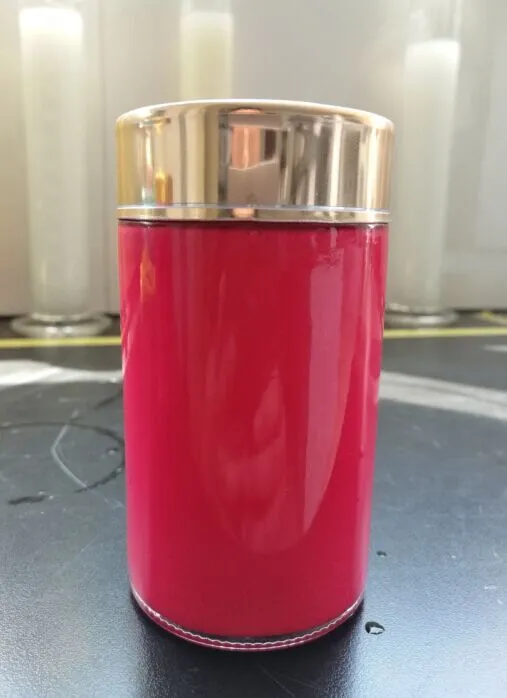
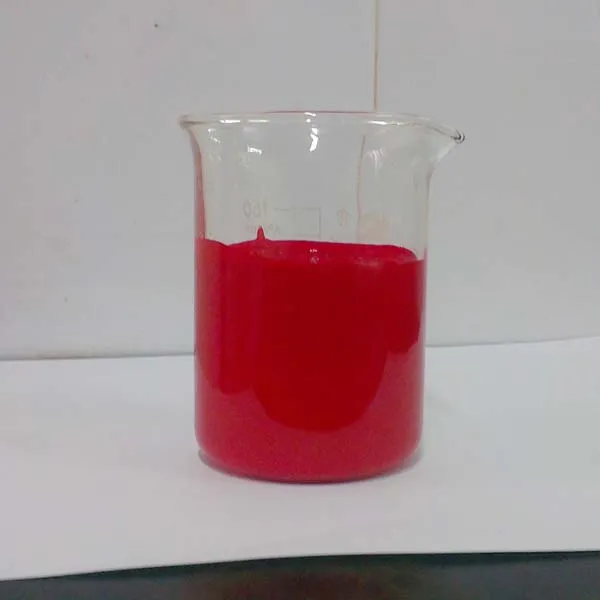
Fludioxonil 0.7% + Thifluzamide 1.3% + Clothianidin 20% FS
POMAIS Fludioxonil 0.7% + Thifluzamide 1.3% + Clothianidin 20% FS is a three-active seed treatment combining two fungicides with one systemic insecticide for planting-stage crop protection.
Fludioxonil protects the treated seed surface and immediate seed zone against approved seed- and soil-borne fungi. Thifluzamide adds FRAC Group 7 activity with strong positioning against Rhizoctonia diseases, while Clothianidin provides systemic early-season insect protection.
This 22% FS formulation is designed for professional seed treatment programs in wheat, peanut and other approved field crops. It is supplied for importers, distributors, registration companies and agricultural brands requiring consistent seed coating, low dust-off, technical documentation and bulk supply.
- Designed for Professional Buyers & Bulk Orders
- We support custom packaging, labeling, and formulation to meet your market needs.
- Export wholesale inquiries only.
- Please include destination country, business type (importer/distributor/registrant), and expected volume.
- Retail requests will not be processed.

About Fludioxonil 0.7% + Thifluzamide 1.3% + Clothianidin 20% FS
| Product Attribute | Specification |
|---|---|
| Product Name | Fludioxonil 0.7% + Thifluzamide 1.3% + Clothianidin 20% FS |
| Fludioxonil Content | 0.7% |
| Thifluzamide Content | 1.3% |
| Clothianidin Content | 20% |
| Total Active Content | 22% |
| Formulation | FS — Flowable Concentrate for Seed Treatment |
| Product Type | Fungicide + insecticide seed treatment |
| Fludioxonil FRAC Group | Group 12 |
| Thifluzamide FRAC Group | Group 7 |
| Clothianidin IRAC Group | Group 4A |
| Primary Disease Direction | Rhizoctonia and approved seed- or soil-borne fungal diseases |
| Primary Insect Direction | Aphids, white grubs, wireworms and other approved early-season pests |
| Main Crop Direction | Wheat, peanut and other approved field crops |
| Application | Pre-sowing seed treatment only where registered |
| Standard MOQ | Normally 1,000 L |
| Available Documents | COA, SDS, TDS, product specification and available registration-supporting information |
| Supply Type | Bulk B2B supply for registration, import and distribution |
Final crops, target pests, diseases, application rates, slurry volumes, treated-seed storage periods and planting restrictions must follow the approved destination-market label.
What Is Fludioxonil + Thifluzamide + Clothianidin FS?
This product combines two disease-control active ingredients with one insecticide in a fixed-ratio flowable seed treatment.
Its purpose is to protect the seed and developing seedling during the crop-establishment period.
The formulation is particularly relevant where planting-stage risks include:
- Rhizoctonia-related diseases
- Wheat sharp eyespot
- Seed rot
- Seedling blight caused by susceptible fungi
- Aphids
- White grubs
- Wireworms
- Other registered early-season insects
It should not be presented as a universal solution for every seed-borne disease, soil pathogen or insect pest.
It is also not intended to replace foliar fungicides or late-season insecticides.
Why Combine Three Active Ingredients?
Planting-stage crop loss can begin before seedlings emerge.
Seed and young roots may be exposed to soilborne pathogens while insects attack the seed, root zone or newly emerged plant.
This formulation addresses those two risk categories in one seed-treatment product.
Disease Protection
Fludioxonil and Thifluzamide provide complementary fungicidal activity.
Fludioxonil is concentrated around the treated seed surface and immediate seed zone, while Thifluzamide provides a different mode of action with strong relevance to susceptible Rhizoctonia pathogens.
Early Insect Protection
Clothianidin is absorbed by the developing plant and provides systemic activity against approved early-season insects.
Its role is separate from the two fungicides.
Combined Planting-Stage Protection
The three active ingredients should therefore be understood as:
Two fungicide modes of action plus one systemic insecticide for complementary planting-stage protection.
They do not all act on the same target.
The formulation should not be described as providing “three modes of action against every pest and disease.”
How Do the Three Active Ingredients Work?
Fludioxonil — FRAC Group 12 Seed-Surface Protection
Fludioxonil belongs to FRAC Group 12, the phenylpyrrole fungicides.
It interferes with fungal osmotic signal transduction and cellular regulation in susceptible pathogens.
In seed treatment, Fludioxonil is mainly valued for protective activity on:
- The treated seed coat
- Immediate seed surroundings
- Early germination zone
- Susceptible seed-borne fungi
- Selected soil-borne fungi
Its main role is to help reduce seed decay, seedling blight and other registered fungal infections during emergence.
Fludioxonil should not be described as a highly systemic fungicide moving throughout the entire seedling.
Thifluzamide — FRAC Group 7 SDHI Activity
Thifluzamide belongs to FRAC Group 7.
It is a succinate dehydrogenase inhibitor, or SDHI fungicide.
Thifluzamide interferes with mitochondrial Complex II in susceptible fungi. This disrupts cellular respiration and reduces the energy required for fungal growth and infection.
Its main value in this formulation is its activity against Rhizoctonia-related diseases.
Important positioning directions may include:
- Wheat sharp eyespot
- Rhizoctonia cerealis
- Rhizoctonia solani
- Rhizoctonia seedling diseases
- Other registered soil-borne fungal diseases
Thifluzamide gives this product a different disease profile from seed treatments built around Metalaxyl-M or DMI fungicides.
Clothianidin — IRAC Group 4A Systemic Insect Protection
Clothianidin is a neonicotinoid insecticide classified as IRAC Group 4A.
It acts on insect nicotinic acetylcholine receptors and disrupts normal nervous-system signaling.
When used as an approved seed treatment, Clothianidin may be absorbed by the developing seedling and provide early systemic protection.
Typical target directions may include:
- Aphids
- White grubs
- Wireworms
- Flea beetles
- Other approved soil insects
- Early-season sucking pests
The exact insect spectrum depends on the crop and local registration.
Combined Seed Protection Profile
The three active ingredients perform different tasks.
| Planting-Stage Risk | Main Active Contribution |
|---|---|
| Seed-surface fungal infection | Fludioxonil |
| Rhizoctonia disease pressure | Thifluzamide + complementary Fludioxonil activity |
| Aphids and early sucking pests | Clothianidin |
| White grubs and wireworms | Clothianidin |
| Combined disease and insect pressure | Three-active FS formulation |
This separation of functions is important for correct product positioning and resistance management.
Main Disease and Pest Directions
The following table describes typical market directions rather than a universal registration label.
| Protection Direction | Typical Target | Product Positioning |
|---|---|---|
| Wheat Sharp Eyespot | Rhizoctonia cerealis | Core Thifluzamide disease direction |
| Rhizoctonia Seedling Disease | Susceptible Rhizoctonia species | Seed and root-zone protection |
| Seed Rot | Registered seed-borne fungi | Primarily Fludioxonil |
| Seedling Blight | Approved fungal pathogens | Early crop-establishment protection |
| Aphids | Registered cereal aphids | Systemic Clothianidin protection |
| White Grubs | Approved scarab larvae | Soil-insect protection |
| Wireworms | Registered wireworm species | Seed and root-zone insect protection |
| Other Early Insects | Crop-specific pests | Registration-dependent |
Claims must be supported by the exact formulation registration and local efficacy data.
Wheat Seed Treatment
Wheat is one of the most relevant crop directions for this formulation.
The main value is the combination of fungal disease protection with early insect management.
Wheat Sharp Eyespot
Sharp eyespot caused by Rhizoctonia cerealis can infect seedlings and later damage the stem base.
Early infection may begin around the soil line before obvious field symptoms appear.
Thifluzamide provides the main Rhizoctonia-focused activity, while Fludioxonil contributes protective activity around the treated seed and immediate seed zone.
The product should be applied before sowing according to the registered seed-treatment rate.
Seed and Seedling Diseases
Fludioxonil may support protection against registered:
- Seed rot
- Seedling blight
- Seed-borne fungal infection
- Early soil-borne fungal infection
The exact pathogen list must be confirmed for the destination market.
Aphid Protection
Clothianidin can provide systemic early-season activity against approved cereal aphids.
Seed treatment may help protect young plants during establishment, but it should not be described as providing unlimited season-long aphid control.
Later infestations may require monitoring and a separate foliar treatment.
Other Early Insects
Depending on registration, wheat seed treatment may also be positioned against:
- Wireworms
- Flea beetles
- Other soil insects
- Other early-season sucking pests
Field monitoring remains necessary after emergence.
Peanut Seed Treatment
Peanut is another commercially relevant direction where the product is specifically registered.
Soilborne Disease Pressure
Potential disease directions may include:
- Rhizoctonia seedling disease
- Southern blight or white mold where registered
- Seed rot
- Other approved soilborne fungal diseases
Thifluzamide is particularly relevant where Rhizoctonia-type disease pressure is part of the seed-treatment objective.
White Grubs and Soil Insects
Clothianidin may provide early protection against registered:
- White grubs
- Wireworms
- Other soil-feeding insects
The exact pest spectrum and application rate depend on the local label.
Biological Inoculant Compatibility
Peanut seed may also receive Rhizobium or other biological inoculants.
Do not assume automatic compatibility between this FS product and microbial inoculants.
Compatibility should be evaluated for:
- Microbial survival
- Mixing order
- Drying time
- Seed germination
- Coating quality
- Time between treatment and planting
Where biological inoculants are important, product-specific compatibility data should be reviewed before commercial use.
What This Product Does Not Automatically Cover
A technically accurate product page should also make clear what is outside the core formulation profile.
Pythium and Phytophthora
The formulation does not contain a dedicated Oomycete active ingredient such as Metalaxyl-M.
Pythium and Phytophthora claims should therefore only be included where the exact registration supports them.
Importers needing an Oomycete-focused seed treatment can compare the POMAIS Fludioxonil + Metalaxyl-M + Thiamethoxam FS.
Bunt and Broad Cereal Seed Disease Programs
This product should not automatically be positioned as the primary bunt or Fusarium seed treatment.
Those disease programs may require different fungicide combinations.
For cereal programs emphasizing bunt and Fusarium together with early insect protection, see the POMAIS Difenoconazole + Thiamethoxam + Fludioxonil FS.
Foliar Diseases
This FS formulation is designed for pre-sowing seed treatment.
It should not be used as a foliar fungicide unless a separate registration specifically permits that use.
Late-Season Insects
Clothianidin seed treatment is positioned for early crop establishment.
It should not replace scouting or later pest-management decisions.
Plant Growth Regulation
This product is not a plant growth regulator.
Do not claim guaranteed improvements in germination, plant height, root development or yield without exact formulation data.
Professional Seed Treatment Process
Seed treatment performance depends on both formulation quality and correct application.
1. Confirm the Crop and Registration
Before treatment, verify:
- Registered crop
- Target diseases
- Target insects
- Product rate
- Seed quantity
- Allowed slurry volume
- Treated-seed handling requirements
2. Check Seed Quality
Use seed that meets the required standards for:
- Germination
- Vigor
- Moisture
- Physical integrity
- Purity
Do not use seed that is severely cracked, wet, overheated or already deteriorating.
3. Calibrate the Seed Treater
Commercial seed-treatment equipment should deliver the correct amount of product per unit of seed.
Calibration should be checked whenever:
- Seed size changes
- Seed lot changes
- Product viscosity changes
- Equipment is cleaned or adjusted
- Application rate changes
4. Prepare the Treatment Slurry
Where the label requires dilution, use clean water and the approved slurry volume.
Maintain agitation so that all three active ingredients remain uniformly distributed.
5. Achieve Consistent Coverage
Proper treatment should provide:
- Uniform seed coloration where colorant is used
- Consistent active ingredient loading
- Minimal untreated surfaces
- Limited excess wetness
- Good adhesion after drying
6. Dry the Treated Seed
Allow treated seed to dry according to the registered handling procedure.
Seed should remain sufficiently free-flowing for packaging, transport and planting.
7. Handle and Store Correctly
Treated seed should be clearly identified and separated from untreated seed.
It must not be used for food, feed or processing.
FS Formulation and Seed-Coating Performance
FS means Flowable Concentrate for Seed Treatment.
This formulation is specifically designed for controlled application to seed before planting.
It is not simply a conventional SC foliar formulation with a different label.
Seed Coverage
A professional FS formulation should spread evenly over the seed surface.
Uneven treatment can result in:
- Under-dosed seed
- Over-treated seed
- Variable disease protection
- Variable insect protection
- Increased crop-safety risk
Adhesion
After treatment and drying, the formulation should remain attached to the seed.
Good adhesion helps reduce:
- Product loss
- Contamination of handling equipment
- Uneven active ingredient loading
- Excess treated-seed dust
Dust-Off
Dust-off is an important commercial and stewardship parameter for treated seed.
The objective is to minimize, not claim to completely eliminate, dust released during:
- Packaging
- Transport
- Seed transfer
- Planting
- Equipment loading
A product should not be described as “dust-free” without appropriate testing.
Drying and Flowability
Treated seed should dry within the validated processing window and remain suitable for commercial handling.
Poor drying can result in:
- Seed clumping
- Blocked equipment
- Uneven planting
- Package contamination
- Coating damage
Key FS Quality Parameters
| Quality Parameter | Buyer Relevance |
|---|---|
| Fludioxonil Assay | Confirms the declared 0.7% content |
| Thifluzamide Assay | Confirms the declared 1.3% content |
| Clothianidin Assay | Confirms the declared 20% content |
| Content Uniformity | Maintains the correct three-active ratio |
| Physical Appearance | Identifies settling, separation or crystallization |
| Suspensibility | Supports uniform treatment slurry |
| Particle Size Distribution | Influences seed coverage and equipment performance |
| Wet Sieve Residue | Helps reduce tubing and nozzle blockage |
| Viscosity | Influences pumping and metering |
| Pourability | Reduces product remaining in the package |
| Redispersibility | Confirms recovery after storage |
| pH | Supports formulation stability |
| Persistent Foam | Influences seed-treatment equipment operation |
| Seed Adhesion | Measures coating retention |
| Dust-Off | Evaluates particulate release from treated seed |
| Drying Behavior | Supports commercial processing |
| Seed Flowability | Supports packaging and planting |
| Germination Compatibility | Confirms treatment does not exceed crop tolerance |
| Heat and Cold Stability | Supports international storage and shipping |
| Packaging Compatibility | Helps prevent leakage and seal failure |
For a three-active FS product, batch-to-batch content uniformity and seed-coating performance are critical procurement parameters.
Seed Safety and Germination Compatibility
Correct treatment should protect the crop without creating unacceptable effects on germination or establishment.
Seed-treatment safety may be influenced by:
- Product rate
- Slurry volume
- Seed moisture
- Seed vigor
- Seed damage
- Seed variety
- Storage after treatment
- Coating polymers
- Additional seed-treatment products
- Planting conditions
Avoid Over-Treatment
Using more product than the registered rate does not guarantee better protection.
Excess treatment may increase:
- Seed wetness
- Drying time
- Coating instability
- Crop-injury risk
- Active ingredient residues
- Dust-off after drying
Germination Testing
For new crop varieties, new seed lots or new treatment combinations, commercial programs should consider evaluating:
- Germination
- Seedling emergence
- Seedling vigor
- Root development
- Coating integrity
Do not claim that the formulation automatically improves germination or yield.
Treated-Seed Storage
Product shelf life and treated-seed storage life are different issues.
An FS formulation may remain stable in the original container while treated seed gradually changes during storage.
Important factors include:
- Seed moisture
- Storage temperature
- Seed respiration
- Treatment rate
- Coating polymer
- Packaging
- Storage duration
Where treated seed will be stored before planting, germination and vigor should be evaluated according to the crop and registration requirements.
Do not assume that treated seed can be stored indefinitely.
Resistance Management
This formulation involves both fungicide and insecticide resistance considerations.
Fungicide Resistance
Fludioxonil belongs to FRAC Group 12.
Thifluzamide belongs to FRAC Group 7.
Thifluzamide is an SDHI fungicide, so repeated Group 7 exposure should be considered in the overall crop disease-management program.
Other Group 7 active ingredients include:
- Fluxapyroxad
- Fluopyram
- Boscalid
- Penthiopyrad
- Other SDHIs
Changing from Thifluzamide seed treatment to another Group 7 fungicide should not automatically be treated as a completely new mode of action.
Later foliar fungicide programs should consider:
- Target pathogen
- Seed-treatment exposure
- Local sensitivity
- Total seasonal SDHI use
- Crop-specific FRAC recommendations
Insecticide Resistance
Clothianidin belongs to IRAC Group 4A.
Other Group 4A insecticides include:
- Imidacloprid
- Thiamethoxam
- Acetamiprid
- Dinotefuran
Changing only between these active ingredients does not provide a complete mode-of-action rotation.
Later insecticide programs should use effective alternative IRAC groups where required.
Integrated Management
Seed treatment should be combined with:
- Resistant or tolerant varieties where available
- Clean seed
- Crop rotation
- Field sanitation
- Pest monitoring
- Disease scouting
- Appropriate planting dates
- Responsible foliar pesticide programs
Treated Seed Safety and Handling
Treated seed is an agricultural input and requires controlled handling.
Do Not Use for Food or Feed
Treated seed must not be used for:
- Human food
- Animal feed
- Food processing
- Oil processing
- Unapproved purposes
Packages should be clearly marked according to local regulations.
Worker Protection
Operators should follow the final label and SDS during:
- Product mixing
- Commercial seed treatment
- Equipment cleaning
- Treated-seed packaging
- Seed transfer
- Planting
General precautions may include:
- Protective clothing
- Chemical-resistant gloves
- Eye protection
- Respiratory protection where specified
- Dust-control procedures
- Hand washing after handling
Environmental Precautions
Seed spilled during loading or planting should be collected where practical.
Do not leave treated seed exposed where birds, wildlife or livestock may consume it.
Dispose of excess treated seed according to local regulations.
Product Storage
Store the FS formulation:
- In its original sealed container
- In a cool and dry warehouse
- Away from direct sunlight
- Away from excessive heat
- Away from freezing where relevant
- Away from food and animal feed
- Away from children and unauthorized persons
- Under the conditions stated in the final SDS
Before shipment, inspect:
- Bottle condition
- Cap security
- Seal integrity
- Product homogeneity
- Label accuracy
- Batch coding
- Fill volume
- Carton strength
- Pallet stability
Comparison with Other Seed Treatment Directions
Different seed-treatment products should be selected according to the disease and insect complex rather than only total active ingredient content.
| Seed Treatment Direction | Best-Fit Positioning |
|---|---|
| Fludioxonil + Metalaxyl-M + Thiamethoxam FS | Oomycete diseases + seed fungi + early insects |
| Difenoconazole + Thiamethoxam + Fludioxonil FS | Bunt, Fusarium and early cereal insects |
| Fludioxonil + Thifluzamide + Clothianidin FS | Rhizoctonia, wheat sharp eyespot and early insects |
| Thiamethoxam FS | Insecticide-only seed treatment |
| Tebuconazole FS | Fungicide-only cereal seed treatment |
The best product depends on:
- Crop
- Dominant pathogen
- Insect pressure
- Local resistance
- Registration
- Required duration of early protection
- Existing seed-treatment program
Packaging, Quality Control and Documentation
POMAIS supplies Fludioxonil 0.7% + Thifluzamide 1.3% + Clothianidin 20% FS for qualified importers, distributors, registration companies and agricultural brands.
Packaging Options
Potential commercial packaging may include:
- 100 mL bottles
- 250 mL bottles
- 500 mL bottles
- 1 L bottles
- 5 L containers
- 10 L containers
- 20 L containers
- Larger commercial packaging where suitable
- Tamper-evident closures
- Multilingual labels
- Retail cartons
- Export cartons
- Batch and expiry coding
- Shipping marks
Final packaging depends on registration, treatment-equipment requirements and order quantity.
Quality-Control Focus
Commercial batch checks may include:
- Fludioxonil content
- Thifluzamide content
- Clothianidin content
- Three-active content uniformity
- Physical appearance
- Suspensibility
- Particle size
- Wet sieve residue
- Viscosity
- Pourability
- pH
- Persistent foam
- Redispersibility
- Seed adhesion
- Dust-off
- Drying behavior
- Seed flowability
- Germination compatibility
- Heat stability
- Cold stability
- Packaging compatibility
- Fill-volume accuracy
- Batch consistency
Available Documents
Document support may include:
- COA — Certificate of Analysis
- SDS — Safety Data Sheet
- TDS — Technical Data Sheet
- Product Specification
- Packaging Specification
- Available Seed-Coating Performance Data
- Available Germination Compatibility Data
- Available Efficacy Information
- Available Crop-Safety Information
- Available Storage-Stability Information
- Available Registration-Supporting Information
- Batch-Related Quality Documents
- Commercial and Shipping Documents
Frequently Asked Questions
What is Fludioxonil 0.7% + Thifluzamide 1.3% + Clothianidin 20% FS used for?
It is a pre-sowing seed treatment combining fungal disease protection with systemic early-season insect control.
Its main positioning includes Rhizoctonia-related disease, wheat sharp eyespot and approved early insect pests.
Is this an insecticide or a fungicide?
It is both.
Fludioxonil and Thifluzamide are fungicides, while Clothianidin is an insecticide.
What FRAC group is Fludioxonil?
Fludioxonil belongs to FRAC Group 12.
What FRAC group is Thifluzamide?
Thifluzamide belongs to FRAC Group 7 and is an SDHI fungicide.
What IRAC group is Clothianidin?
Clothianidin belongs to IRAC Group 4A.
Can it control wheat sharp eyespot?
Wheat sharp eyespot is an important Thifluzamide product direction where the exact formulation is registered for that use.
Can it control aphids?
Clothianidin may provide systemic early-season aphid protection where the crop and pest are included on the label.
It should not be described as providing unlimited season-long control.
Can it control white grubs?
White grubs may be an important Clothianidin seed-treatment direction where registered.
Is it suitable for peanut seed treatment?
It may be positioned for peanut seed treatment where the local registration includes peanut, the relevant diseases and target soil insects.
Does it control Pythium or Phytophthora?
These Oomycete diseases should not be claimed automatically.
The formulation does not contain an Oomycete-focused active ingredient such as Metalaxyl-M.
Can it be used as a foliar spray?
No general foliar use should be assumed.
FS means Flowable Concentrate for Seed Treatment and is designed for pre-sowing seed application.
What does FS mean?
FS means Flowable Concentrate for Seed Treatment.
It is a liquid formulation designed to coat seed uniformly before planting.
Does the product improve seed germination?
No universal improvement claim should be made.
Correctly treated seed should be evaluated for germination compatibility and seedling safety.
Can treated seed be stored?
Storage may be possible where supported by the crop, label and seed-treatment stability data.
Treated-seed storage life should not be assumed from the shelf life of the bottled product.
Can it be mixed with other seed treatments?
Only where compatibility has been confirmed.
The mixture should be evaluated for physical stability, seed coating, germination and biological performance.
Can it be mixed with Rhizobium inoculants?
Compatibility should be tested before use because chemical seed treatments may affect living inoculants.
Follow crop-specific inoculant and pesticide instructions.
What packaging is available?
Potential packaging includes 100 mL, 250 mL, 500 mL, 1 L, 5 L, 10 L and 20 L containers.
Final package sizes depend on registration and commercial requirements.
What is the minimum order quantity?
The standard minimum order quantity is normally 1,000 L.
Request Product Specifications
To evaluate a Fludioxonil 0.7% + Thifluzamide 1.3% + Clothianidin 20% FS purchasing or registration project, please provide:
- Destination country
- Company type
- Required quantity
- Preferred package size
- Target crop
- Target diseases
- Target insects
- Seed-treatment equipment
- Required slurry volume
- Current registration status
- Required label language
- Required technical documents
- Expected purchasing schedule
We will review the three-active specification, FS coating performance, seed compatibility, packaging feasibility and destination-market requirements before confirming the commercial proposal.
Fludioxonil 0.7% + Thifluzamide 1.3% + Clothianidin 20% FS is supplied for professional seed treatment, B2B procurement, registration and wholesale distribution.
Contact us!
We will reply to you within 24 hours on business days!