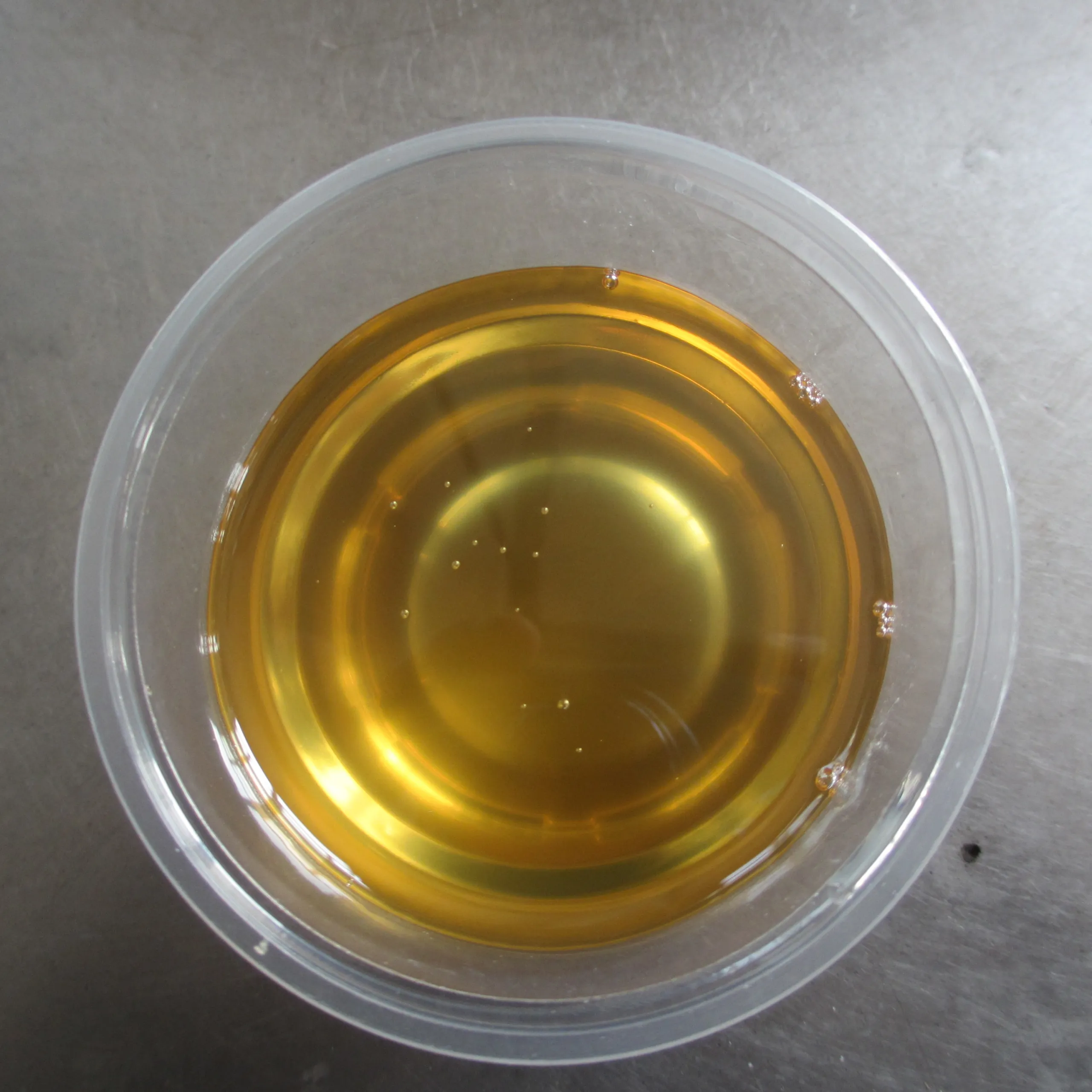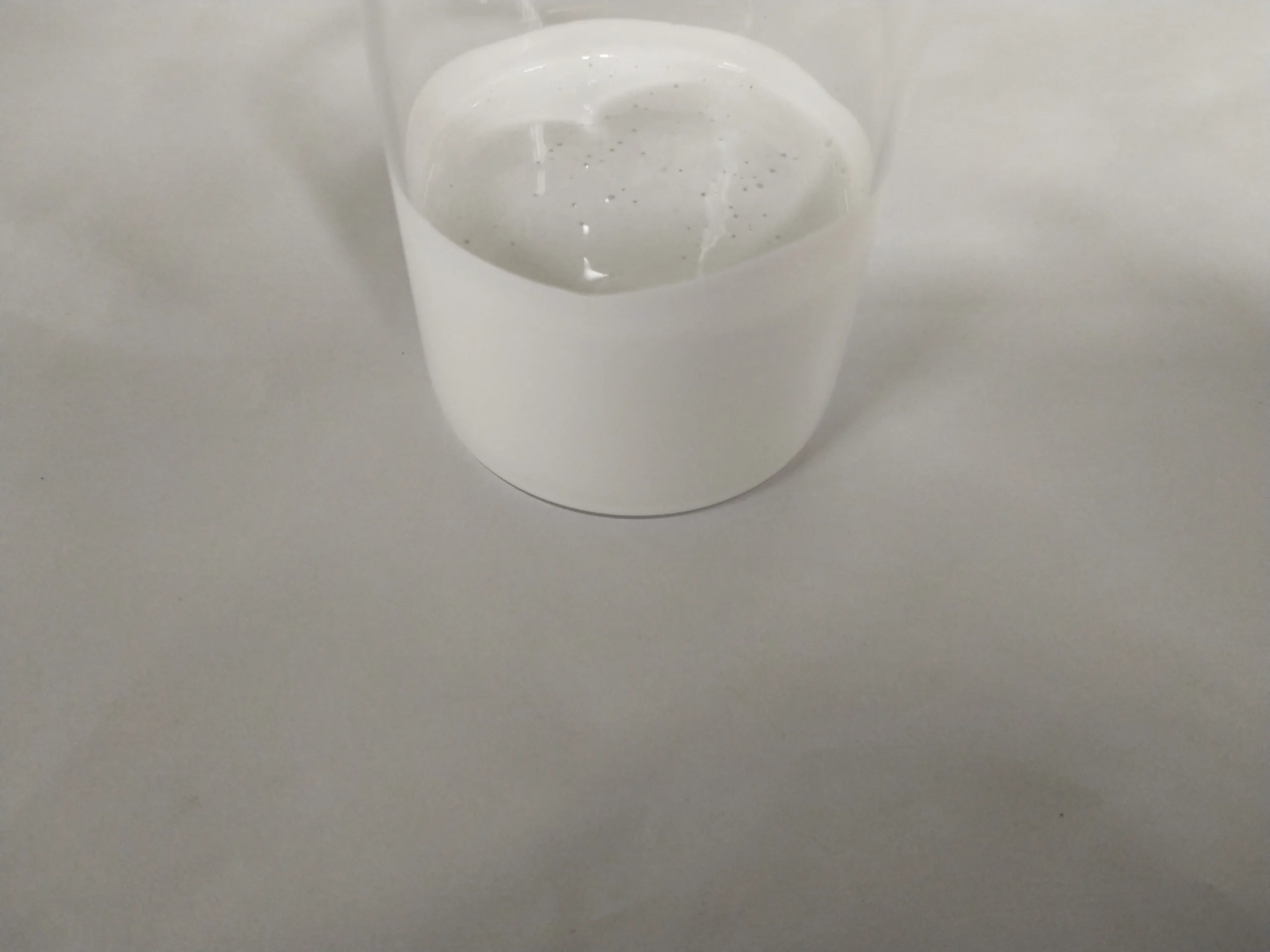

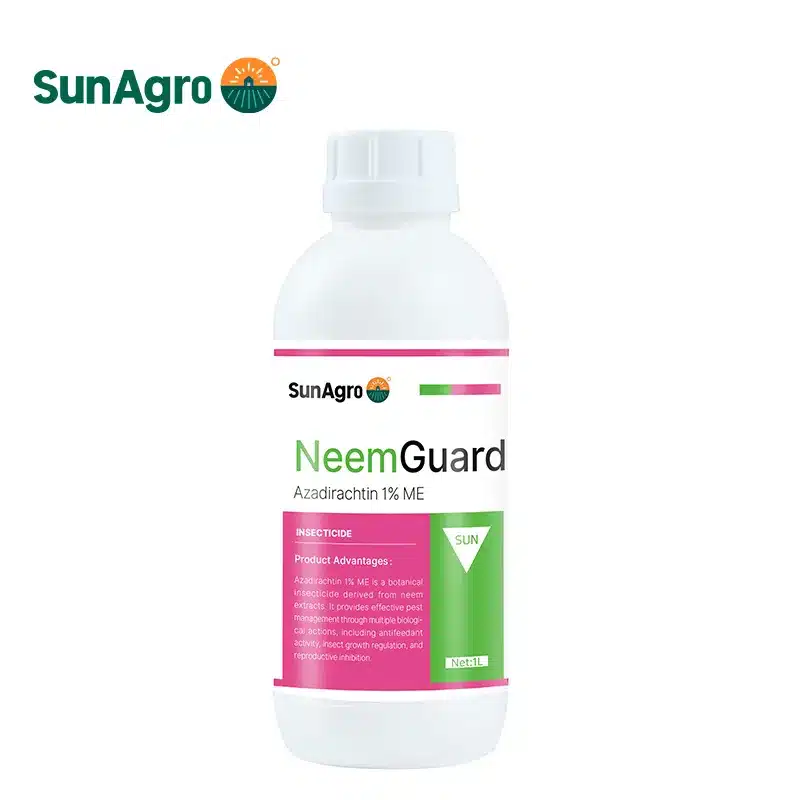
Azadirachtin Insecticide 0.3% EC and 1% ME
Azadirachtin is a neem-derived botanical insecticide used in crop-protection programs where growers need more than immediate knockdown. Its main value lies in disrupting insect feeding, development, molting, and other biological processes that influence pest population growth.
POMAIS supplies Azadirachtin 0.3% EC and 1% ME for agricultural importers, distributors, registration companies, and private-label pesticide brands.
The correct choice depends on active concentration, formulation system, local registration, target pests, crop program, packaging requirements, and cost per treated area.
Azadirachtin is particularly well suited to programs where treatment begins before pest populations become severe.
- Designed for Professional Buyers & Bulk Orders
- We support custom packaging, labeling, and formulation to meet your market needs.
- Export wholesale inquiries only.
- Please include destination country, business type (importer/distributor/registrant), and expected volume.
- Retail requests will not be processed.

About Azadirachtin Insecticide 0.3% EC and 1% ME
| Attribute | Product Information |
|---|---|
| Active Ingredient | Azadirachtin |
| Product Type | Botanical insecticide / bio-insecticide |
| Featured Concentrations | 0.3%, 1% |
| Featured Formulations | EC, ME |
| IRAC Classification | UN |
| Primary Activity | Feeding deterrence and disruption of insect development |
| Exposure | Contact and ingestion depending on pest and use |
| Main Positioning | Early-stage pest management and IPM programs |
| Target Pest Groups | Aphids, whiteflies, thrips, leafhoppers, larvae, selected beetles and mites |
| Crop Positioning | Vegetables, fruit, legumes, greenhouse crops, ornamentals and other registered crops |
| Documentation | COA, SDS/MSDS, TDS |
| OEM / Private Label | Available |
| Packaging | Customized according to destination-market requirements |
Exact crops, pests, application rates, intervals, and use directions depend on the registered product label in the destination market.
What Is Azadirachtin?
Azadirachtin is a biologically active compound derived from neem (Azadirachta indica).
It belongs to a different commercial category from conventional fast-knockdown insecticides such as many pyrethroids.
Instead of relying primarily on immediate neurotoxic knockdown, azadirachtin influences several insect behaviors and developmental processes.
This makes it particularly useful in:
- Integrated Pest Management programs
- Early pest intervention
- Repeated pest-pressure management
- Biological or reduced-conventional-input portfolios
- Greenhouse and horticultural programs
- Markets looking for botanical insecticide options
Azadirachtin should also be distinguished from crude or general neem oil products.
Neem oil contains a complex mixture of plant-derived substances, while azadirachtin refers to a specific biologically active neem compound formulated at a defined concentration.
How Does Azadirachtin Work?
Azadirachtin has several important biological effects on susceptible insects.
Its mode of action is not best described as one simple target-site mechanism.
Azadirachtin is currently placed by IRAC in the UN category, meaning a single definitive primary target protein has not been conclusively assigned.
For commercial pest management, its observed biological effects are more useful to understand.
Feeding Deterrence
One of azadirachtin’s most important effects is reducing insect feeding.
After exposure, susceptible insects may:
- Feed less
- Stop feeding earlier
- Cause less continued crop damage
- Show reduced development
This is commercially important because crop protection does not always require insects to fall from the plant immediately.
Reducing feeding can limit further damage while the population gradually declines.
Molting and Development Disruption
Azadirachtin can interfere with normal insect growth and molting.
This is especially relevant to immature stages such as:
- Larvae
- Nymphs
- Other developing insects
Affected insects may fail to develop normally or successfully complete the next life stage.
This is why azadirachtin often fits best when pest populations are detected early.
Repellency and Oviposition Deterrence
Depending on the pest and formulation, azadirachtin may also influence:
- Host acceptance
- Feeding behavior
- Egg-laying behavior
These effects can contribute to population suppression over time.
The practical result is:
Azadirachtin is generally better understood as a feeding-, development-, and population-management insecticide than as an instant knockdown product.
Which Pests Can Azadirachtin Target?
Azadirachtin can be used against several groups of agricultural pests where the exact formulation and crop use are registered.
| Pest Group | Typical Examples | Program Position |
|---|---|---|
| Sap-feeding insects | Aphids, whiteflies, leafhoppers | Feeding and population suppression |
| Thrips | Selected thrips species | Early-stage management |
| Lepidopteran larvae | Armyworms, loopers, cutworms, leafrollers | Best positioned against younger larval stages |
| Beetles and weevils | Selected registered species | Crop- and stage-specific |
| Mites | Selected mite programs | Product- and label-specific |
Azadirachtin should not be positioned as a universal solution against every species within these pest groups.
Performance depends on:
- Pest species
- Pest stage
- Population density
- Application timing
- Coverage
- Formulation
- Crop
- Local resistance and management history
For broader insect-management planning, see our Pest Solutions.
Which Crops Use Azadirachtin?
Azadirachtin products can fit a wide range of crop-protection programs depending on local registration.
Typical production systems may include:
- Vegetables
- Tomato and pepper
- Cucurbits
- Legumes
- Berries
- Citrus
- Pome fruits
- Stone fruits
- Nut crops
- Ornamentals
- Greenhouse crops
- Protected horticulture
This broad positioning makes azadirachtin particularly useful for distributors serving diversified horticultural markets.
However, crop lists should never be transferred from one azadirachtin product to another automatically.
A 0.3% EC registered on one crop does not mean every 1% ME product has the same crop label.
How Should Azadirachtin Be Positioned in an IPM Program?
Azadirachtin usually performs best as part of a planned pest-management program rather than a late rescue treatment against an overwhelming infestation.
Start at Early Pest Stages
Young larvae and nymphs are often better targets than mature insects.
Early treatment can help:
- Reduce feeding pressure
- Interrupt development
- Slow population growth
- Reduce the number of pests reaching reproductive stages
This is one reason regular scouting is important.
Do not wait until the crop is carrying a very high population and then expect azadirachtin to behave like a high-knockdown conventional insecticide.
Coverage Matters
Azadirachtin activity depends on pest exposure.
Foliar programs should therefore aim for suitable coverage of:
- Leaf surfaces
- Young growth
- Pest feeding areas
- Undersides of leaves where relevant
Coverage requirements depend on crop architecture and target pest.
Do Not Expect Pyrethroid-Like Knockdown
A common mistake is evaluating azadirachtin a few hours after treatment and concluding that it has failed because insects remain visible.
Visible survival immediately after treatment does not necessarily mean normal feeding and development are continuing.
The better evaluation is:
- Is feeding decreasing?
- Are immature stages developing normally?
- Is the population increasing or declining?
- Is new crop damage continuing?
Repeat Treatments Are Label-Specific
Some pest-management programs may require follow-up applications.
Do not use a universal interval such as:
every 5 days
or:
every 7 days.
Repeat treatment should follow:
- Exact product label
- Pest pressure
- Pest generation
- Crop
- Local registration
- Maximum seasonal use restrictions
Azadirachtin 0.3% EC vs 1% ME
This is one of the most important decisions for importers.
The difference should not be reduced to:
0.3% EC = basic
1% ME = premium
A more useful comparison is:
| Buyer Factor | Azadirachtin 0.3% EC | Azadirachtin 1% ME |
|---|---|---|
| Active Content | 0.3% | 1% |
| Formulation | Emulsifiable Concentrate | Microemulsion |
| Concentration Position | Lower-concentration liquid | Higher-concentration liquid |
| Registered Use Rate | Product-specific | Product-specific |
| Field Performance | Must be evaluated at registered use rate | Must be evaluated at registered use rate |
| Dilution Behavior | Depends on EC formulation quality | Depends on ME formulation quality |
| Physical Stability | Specification-controlled | Specification-controlled |
| Packaging Compatibility | Must match solvent/formulation system | Must match formulation system |
| Market Selection | Based on registration and customer demand | Based on registration and customer demand |
| Treatment Economics | Compare cost per treated area | Compare cost per treated area |
Does 1% ME Mean Better Insect Control?
Not automatically.
A higher active concentration does not guarantee better field control if:
- Application rates differ
- Pest timing is poor
- Coverage is inadequate
- Registration limits differ
- Formulation quality is inconsistent
Importers should compare products using:
registered use rate × active concentration × treatment frequency × formulation performance × cost per treated area
rather than concentration alone.
Why Might a Buyer Choose 0.3% EC?
Possible reasons include:
- Existing local registration
- Established distributor demand
- Familiar EC formulation
- Existing packaging specifications
- Competitive treatment economics
- Market preference for lower-concentration products
Why Might a Buyer Choose 1% ME?
Possible reasons include:
- Higher active concentration
- Existing ME registration
- Different formulation requirements
- Reduced shipment volume per unit of active ingredient
- Market demand for a different liquid formulation system
Neither should be described as universally superior.
Why Formulation Quality Matters
Azadirachtin is a biologically derived active ingredient, so formulation stability and batch consistency are important purchasing considerations.
A commercially acceptable product must remain within specification through:
- Production
- Filling
- Storage
- International transport
- Distributor warehousing
- Shelf life
Important formulation characteristics may include:
- Active-content stability
- Appearance
- pH
- Dilution behavior
- Emulsion or microemulsion stability
- Low-temperature stability
- Accelerated storage stability
- Packaging compatibility
The exact test items and specifications should match the product TDS and registration requirements.
Quality Control and Batch Documentation
For B2B buyers, “quality control” should mean measurable product specifications rather than a general statement about factory procedures.
Depending on the formulation specification, batch testing may include:
- Azadirachtin active-content assay
- Appearance
- pH
- Density where applicable
- Emulsion or dilution stability
- Physical stability
- Low-temperature stability
- Accelerated storage stability
- Packaging inspection
Final test items depend on the exact 0.3% EC or 1% ME specification.
POMAIS can provide standard commercial documentation such as:
- COA
- SDS / MSDS
- TDS
- Product specification
- Packaging information
- Registration-support documents according to project requirements
For registration projects, final specifications should be confirmed before commercial production.
Packaging and Private Label Supply
Azadirachtin products can be supplied for distributor brands and private-label pesticide programs.
Packaging should be selected according to:
- Destination country
- Distribution channel
- Product formulation
- Local registration
- Required pack size
- Label language
- Transport conditions
Private-label projects may include:
- Customized bottle or container selection
- Label artwork
- Multilingual labeling
- Outer carton design
- Batch coding
- Shipping-mark customization
Packaging compatibility should be verified with the actual formulation rather than selected only for appearance.
Safety, Pollinators and Storage
Azadirachtin is botanical, but bio does not mean risk-free.
The safety profile of a commercial pesticide depends on the complete formulation, not only the active ingredient.
Follow the Exact Product SDS
The final 0.3% EC or 1% ME product may contain different:
- Solvents
- Surfactants
- Emulsifiers
- Stabilizers
- Other formulation components
These can influence:
- Skin irritation
- Eye irritation
- Inhalation precautions
- PPE
- Transport classification
Always use the SDS and registered label for the exact formulation.
Pollinator Exposure Still Matters
Azadirachtin should not be marketed as automatically harmless to bees or other beneficial insects.
Pollinator risk depends on:
- Formulation
- Dose
- Timing
- Flowering status
- Direct exposure
- Local label restrictions
Avoid converting “botanical insecticide” into a universal “pollinator-safe” claim.
Storage
Store the product according to the approved formulation requirements.
Important considerations may include:
- Temperature
- Direct sunlight
- Container sealing
- Original packaging
- Moisture
- Shelf-life specification
Storage recommendations should match the actual TDS and label.
Is Azadirachtin the Same as Neem Oil?
No.
Both originate from neem, but they are not identical pesticide products.
Neem oil is a plant-derived oil containing a mixture of natural compounds.
Azadirachtin is a specific biologically active neem compound used at a defined concentration in formulated insecticides.
The distinction matters for professional buyers because:
- Active content is different
- Product specifications are different
- Registration may be different
- Application rates differ
- Quality-control requirements differ
Do not evaluate an azadirachtin formulation using specifications for general neem oil.
Can Azadirachtin Be Used in Organic Production?
Azadirachtin can have a role in some organic production systems, but this depends on the complete formulated product and the applicable certification standard.
Neem-derived azadirachtin may be permitted under certain organic frameworks, but that does not automatically mean every commercial EC or ME formulation is approved for certified organic production.
Before making an organic-use claim, confirm:
- Active ingredient status
- Inert ingredients
- Formulation
- Certification standard
- Destination country
- Approved input list where applicable
POMAIS should therefore position 0.3% EC and 1% ME as botanical insecticide products without automatically claiming that every formulation is certified organic.
What Should Buyers Not Expect From Azadirachtin?
Understanding product limitations improves market positioning.
Not an Instant Knockdown Pyrethroid
Azadirachtin should not be sold on the expectation of immediate visible insect mortality.
Not Automatically Organic-Certified
Botanical origin does not replace product-level certification.
Not the Same as Neem Oil
These are different commercial product entities.
Not Automatically Systemic
Do not make systemic-movement claims unless the exact formulation, registration, and technical data support them.
Not a Universal Long-Residual Product
Residual performance depends on:
- Formulation
- UV exposure
- Rainfall
- Crop
- Application
- Product specification
Do not promise a fixed protection period without supporting product data.
How Should Importers Evaluate an Azadirachtin Product?
A professional purchasing decision should cover more than the percentage on the label.
| Procurement Question | Why It Matters |
|---|---|
| Which country will register/import it? | Determines legal crop and pest claims |
| Which formulation is required? | 0.3% EC and 1% ME are different product systems |
| Which pests drive demand? | Determines commercial positioning |
| Which crops dominate the market? | Registration must match local use |
| What pest stages are targeted? | Azadirachtin performs best in planned early-stage programs |
| What QC specification is required? | Botanical active consistency matters |
| What packaging is needed? | Must match formulation and channel |
| Is private label required? | Determines artwork and production workflow |
| What documents are needed? | Registration and import requirements differ |
| What is the treatment cost? | Compare cost per treated area, not concentration alone |
Frequently Asked Questions
What is azadirachtin?
Azadirachtin is a biologically active insecticidal compound derived from neem.
Is azadirachtin the same as neem oil?
No. Azadirachtin is a specific neem-derived active compound, while neem oil is a broader plant-oil mixture.
What IRAC group is azadirachtin?
Azadirachtin is currently classified in IRAC’s UN category because a single definitive primary target site has not been conclusively assigned.
Does azadirachtin kill insects immediately?
Not usually in the same way as a fast-knockdown pyrethroid. Its value includes feeding deterrence, developmental disruption, and population suppression.
Does azadirachtin control aphids?
It can be used against susceptible aphids where the exact crop and product label includes that use.
Does azadirachtin control whiteflies?
Whiteflies are an important target group for registered azadirachtin products.
Does azadirachtin control thrips?
Azadirachtin can be positioned against selected thrips species where registered, particularly as part of an early-stage management program.
Does azadirachtin control caterpillars?
It can affect selected lepidopteran larvae, especially younger stages, where registered.
Does azadirachtin control mites?
Selected mite uses may exist depending on the product and local registration.
Is azadirachtin suitable for IPM?
Yes. Its feeding- and development-disruption characteristics can make it useful in integrated pest-management programs.
Can azadirachtin be used in organic farming?
It may fit some organic systems, but the complete formulated product must meet the relevant certification requirements.
What is the difference between Azadirachtin 0.3% EC and 1% ME?
They differ in active concentration and formulation system. The better choice depends on registration, specification, use rate, stability, packaging, and treatment economics.
Is 1% ME better than 0.3% EC?
Not automatically. Compare the exact registered product and cost per treated area rather than concentration alone.
Can POMAIS provide COA, SDS and TDS?
Yes. Standard commercial and technical documents can be supplied according to the product and project requirements.
Can Azadirachtin be supplied under a private label?
Yes. Packaging, label language, artwork, and other private-label requirements can be customized for suitable B2B projects.
Choose the Right Azadirachtin Formulation for Your Market
Azadirachtin 0.3% EC and 1% ME are designed for markets that need a botanical insecticide positioned around feeding deterrence, developmental disruption, and early-stage pest management.
The key purchasing decision is not:
Which concentration looks stronger?
It is:
Which formulation matches the destination-market registration, target pests, crop system, application economics, quality specification, packaging, and distribution channel?
For importers, distributors, registration companies, and private-label pesticide brands, POMAIS can support Azadirachtin projects with:
- 0.3% EC and 1% ME formulation options
- Technical specifications
- Batch documentation
- Customized packaging
- Multilingual labeling
- Private-label production
- Registration-oriented technical support
A strong Azadirachtin product should combine consistent formulation quality, correct biological positioning, clear registration claims, and a commercial specification that fits the target market.
Contact us!
We will reply to you within 24 hours on business days!