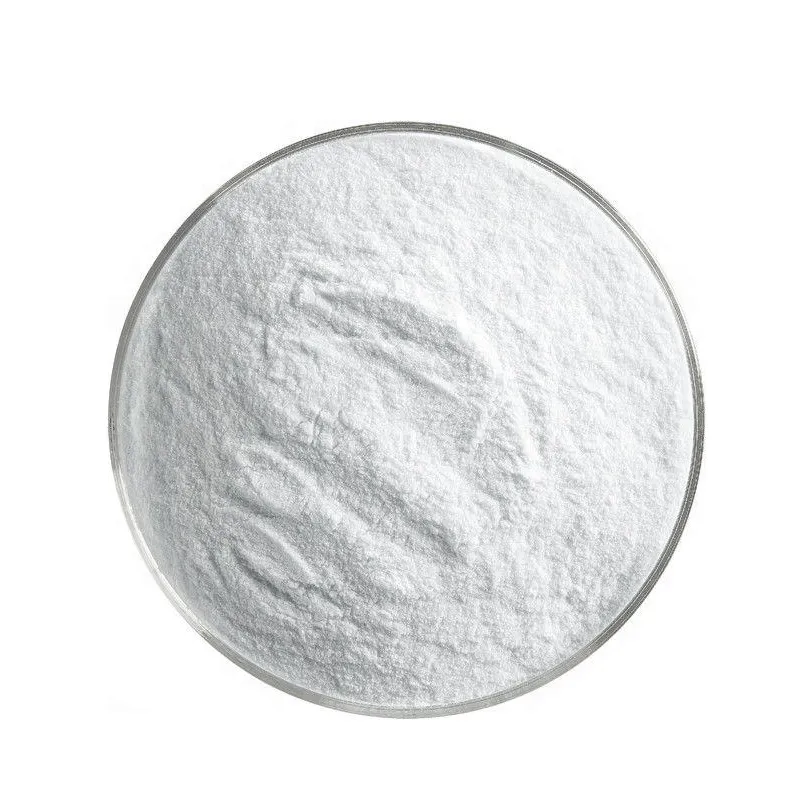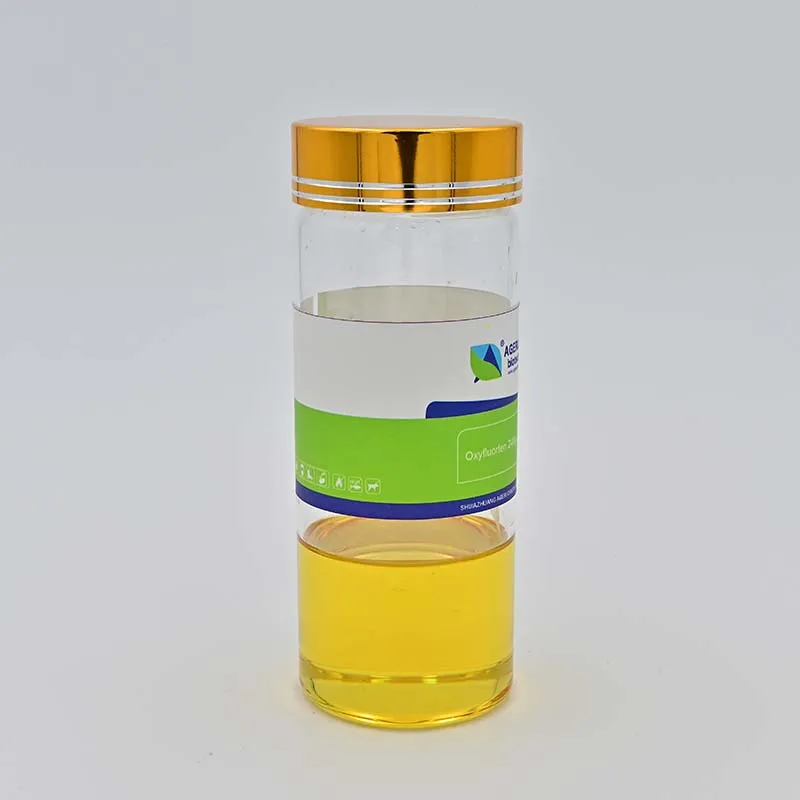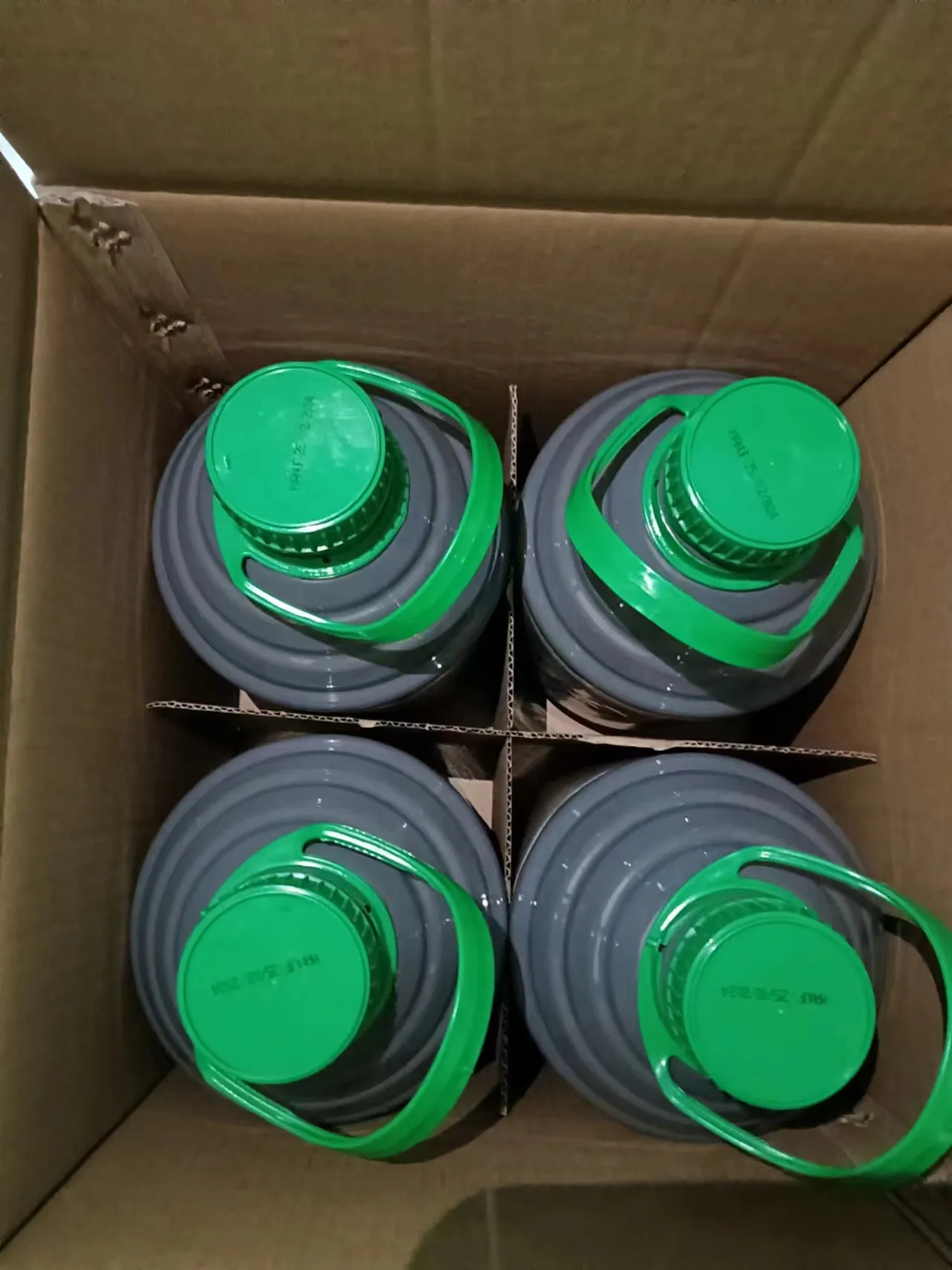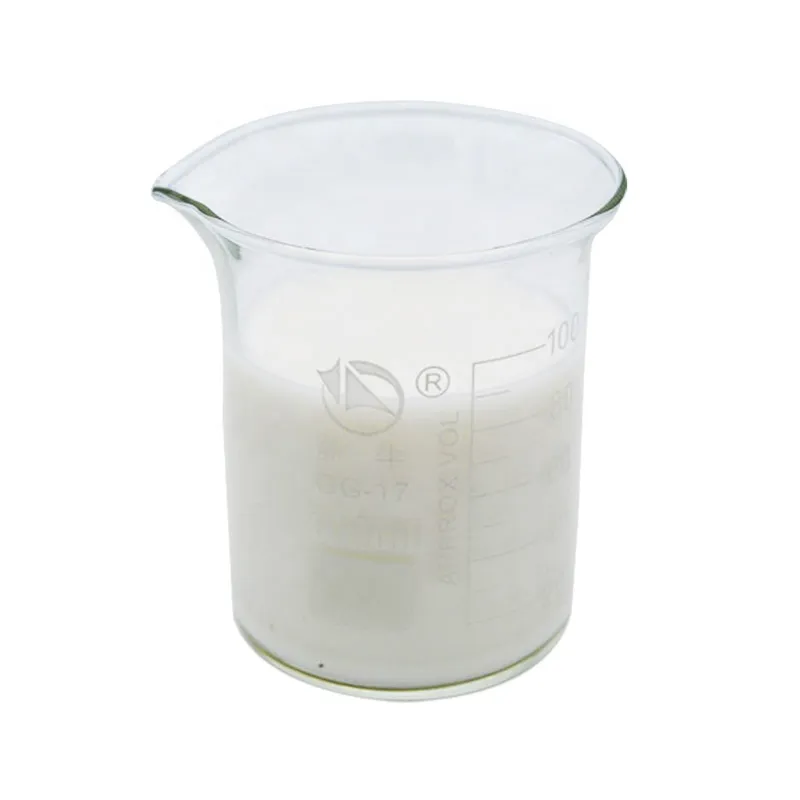
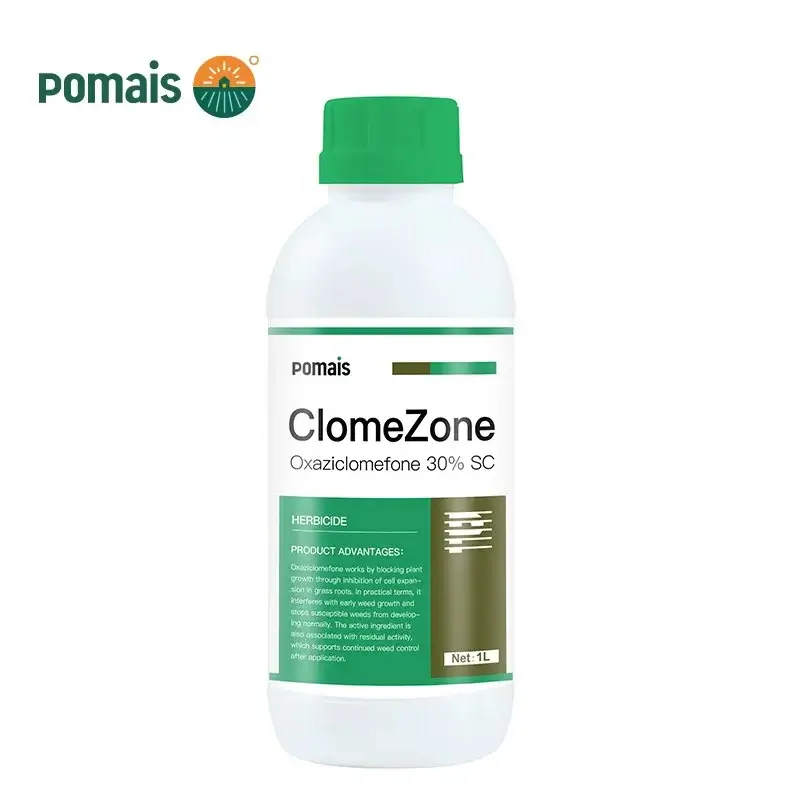
Oxaziclomefone 30% SC

Oxaziclomefone 30% SC is a selective rice herbicide for early weed control in paddy fields.

This product is mainly positioned for barnyardgrass-type weeds, annual grasses, annual sedges, and some broadleaf weeds during early weed development. It is suitable for registered rice weed-control programs where early intervention is needed before weed competition becomes serious.

Oxaziclomefone 30% SC is best positioned from pre-emergence to early post-emergence where local registration supports use. Its value is early weed suppression and residual weed-control support, not late rescue control for large established weeds.

POMAIS supplies this SC formulation for importers, distributors, registration companies, agrochemical channels, and local market partners who need finished rice herbicide supply with packaging, documents, batch quality control, and export coordination.

This product should not be described as a universal herbicide, a non-selective weed killer, or a rice herbicide suitable for all rice production systems without local label support.

  • Designed for Professional Buyers & Bulk Orders
  • We support custom packaging, labeling, and formulation to meet your market needs.
  • Export wholesale inquiries only.
  • Please include destination country, business type (importer/distributor/registrant), and expected volume.
  • Retail requests will not be processed.
pomais1

About Oxaziclomefone 30% SC

Item Details
Active Ingredient Oxaziclomefone
Content 30%
Formulation SC, Suspension Concentrate
Product Type Selective Rice Herbicide
Main Crop Direction Paddy rice / transplanted rice where approved
Main Weed Direction Barnyardgrass-type weeds, annual grasses, annual sedges, and some broadleaf weeds
Use Positioning Pre-emergence to early post-emergence weed control
Mode of Action Context Inhibits cell expansion in grass roots and supports residual activity
HRAC Context Often treated as unclassified / unknown in many references
Market Direction Early paddy-field weed control programs
Supply Support Packaging communication, documents, batch QC, and export coordination

What Is Oxaziclomefone 30% SC?

Oxaziclomefone 30% SC is a single-active selective herbicide for early weed management in paddy rice.

It is mainly used in rice-field programs where barnyardgrass-type weeds, annual grasses, annual sedges, and some broadleaf weeds need to be controlled before they become strong competitors. This makes the product suitable for early rice establishment stages where weed pressure can quickly affect crop growth.

This product should be positioned as an early-stage rice herbicide, not as a late-season rescue product. Large established weeds, unsupported crop systems, and unregistered weed claims should not be used as the main product message.

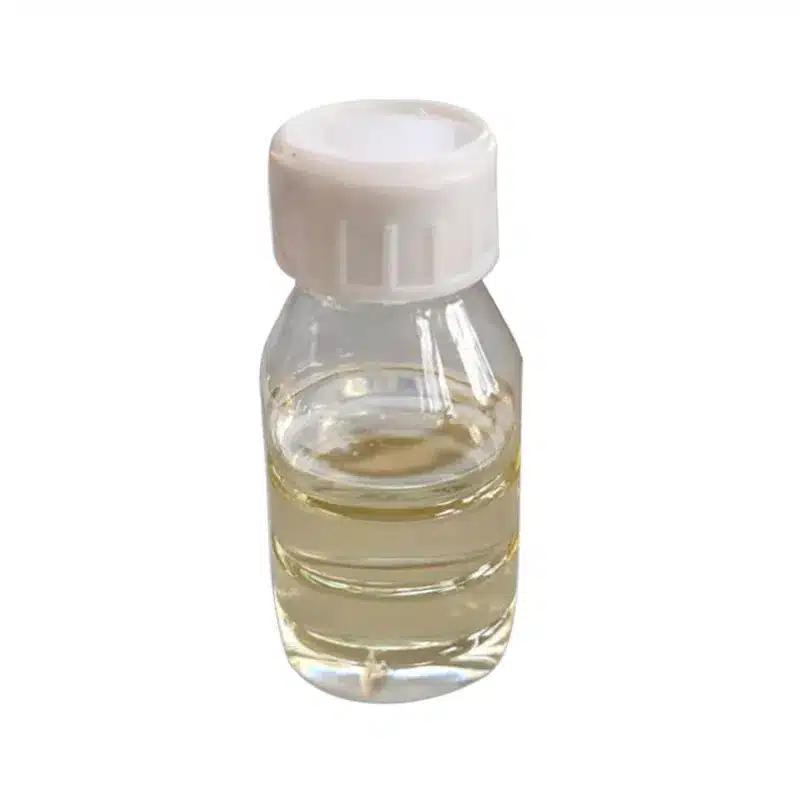
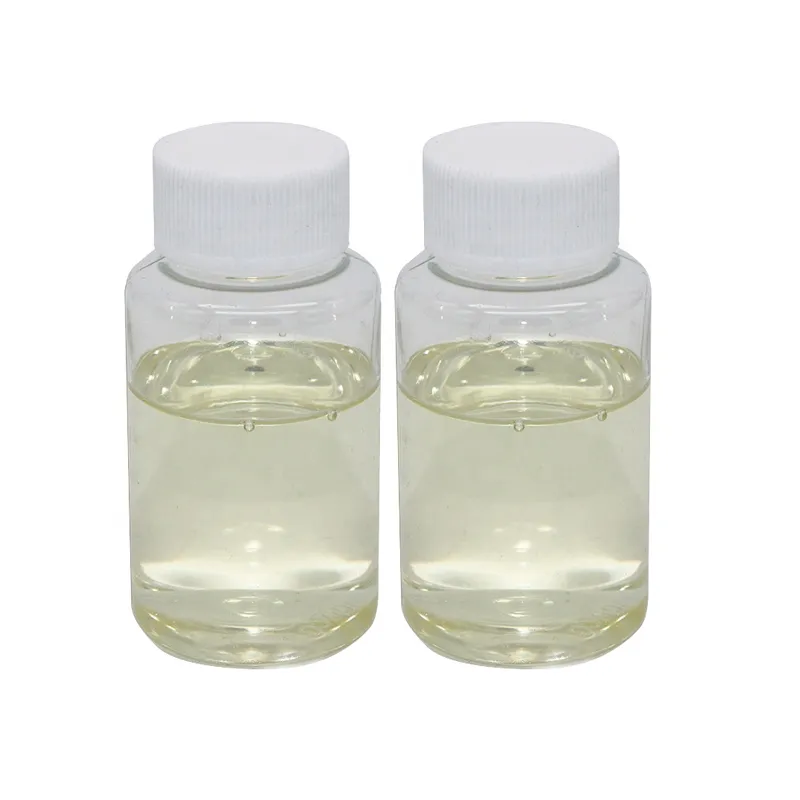
Oxaziclomefone 30% SC for early paddy rice weed control with barnyardgrass-type weed direction and SC liquid formulation supply.

How Oxaziclomefone Works

Oxaziclomefone blocks early weed growth by affecting cell expansion, especially in grass roots.

This makes timing important. The product is best positioned before weeds become large and competitive. In registered rice programs, it can support early weed suppression and residual control where local labels allow use.

Its performance depends on timing, weed stage, water management, soil condition, rice establishment, weather, formulation quality, and approved local use. It should not be promoted as a product that controls all weeds at all growth stages.

The key product logic is early action. Oxaziclomefone 30% SC helps local programs manage susceptible weeds during the early growth period, when rice fields need stable establishment and reduced weed competition.

Mode of Action: Cell Expansion Inhibition and Residual Activity

Oxaziclomefone has a different mode-of-action context from many common rice herbicide groups.

Technical Point Product Meaning
Active Ingredient Oxaziclomefone
Herbicide Role Selective rice herbicide
Mode of Action Context Inhibits cell expansion in grass roots
Activity Profile Early weed growth inhibition
Residual Effect Supports continued early weed suppression where label allows
HRAC Context Often treated as unclassified / unknown rather than a common numbered group
Best Timing Pre-emergence to early post-emergence where approved

This mode-of-action profile helps separate Oxaziclomefone 30% SC from common ALS, ACCase, synthetic auxin, or chloroacetamide rice herbicides.

However, it should not be described as resistance-proof. It should still be used within a planned rice herbicide program according to local label and resistance management guidance.

Main Use Direction: Early Weed Control in Paddy Rice

The main use direction is early weed control in paddy rice.

Oxaziclomefone 30% SC fits rice weed-control programs where weeds start developing during early crop establishment. It is best positioned before weed populations become large and difficult to manage.

Use Direction Product Positioning
Paddy rice Core crop direction where locally registered
Early weed control Best positioned before weeds become strong competitors
Barnyardgrass-type weeds Important market direction
Mixed early weed pressure Supports grasses, sedges, and some broadleaf weeds where approved
Residual weed control support Helps maintain cleaner fields during early establishment
Distributor product line Suitable for markets needing finished SC rice herbicide supply

This product should not be presented as a late rescue solution. Correct timing, stable water management, good field preparation, and approved local label use are important for performance.

Target Weed Directions

Oxaziclomefone 30% SC should be written by weed direction, not as a product that controls every paddy weed.

Weed Direction Product Positioning
Barnyardgrass-type weeds Key grass weed direction in paddy rice programs
Annual grasses Important early weed-control direction
Annual sedges Listed direction where local registration supports use
Some broadleaf weeds Registration-dependent support direction
Mixed early weed populations Practical value in early rice weed-control programs
Large established weeds Not the main positioning

The strongest message is not “controls all rice weeds.” The stronger message is early control of barnyardgrass-type weeds and mixed early weed pressure in registered paddy rice programs.

Final weed claims must follow local registration and approved labels.

SC Formulation Features

SC means suspension concentrate.

For buyers, the value of SC is practical liquid handling, market-friendly packaging, and finished-product supply for rice herbicide channels. It is suitable for bottles, drums, cartons, export cartons, and liquid herbicide distribution programs.

SC formulation quality should focus on active ingredient content, liquid appearance, suspension stability, sediment control, particle size where applicable, pH where applicable, bottle or drum sealing, leakage control, carton protection, and storage stability.

SC products should not be described as never settling or never requiring shaking. Final handling instructions should follow the approved local label.

This formulation direction is suitable for local partners who need a finished liquid rice herbicide with clear product identity, practical packaging options, and export-ready supply support.

Application Guidance

Use Oxaziclomefone 30% SC only where locally approved.

This product should be used only in registered paddy rice programs, approved crop stages, and listed weed directions. It is best positioned from pre-emergence to early post-emergence where local labels support use.

Final dose, timing, water management, application method, safety interval, tank-mix direction, and use restrictions must follow the approved local label.

Oxaziclomefone 30% SC should not be used as a late rescue herbicide for large established weeds. It should also not be applied to unsupported direct-seeded rice systems, stressed rice, non-registered rice varieties, or non-target crops unless local registration clearly allows that use.

Rice Crop Safety and Use Boundary

Rice crop safety depends on crop stage, rice establishment, water level, soil condition, temperature, seedling health, variety sensitivity, and approved local label use.

For paddy herbicides, field condition matters. Weak seedlings, poor crop establishment, dry patches, unstable water depth, excessive water movement, or unsuitable weather can affect crop safety and weed-control consistency.

This product should not be promoted as safe for all rice varieties, all rice systems, or all field conditions. Local partners should follow registered crop scope, label precautions, and field-use guidance.

Avoid drift or movement to sensitive non-target crops. Herbicide use should be managed carefully in fields connected to drainage channels, nearby crops, or sensitive water bodies.

Water Management and Field Conditions

Water management is part of paddy herbicide performance.

In rice fields, herbicide performance can be affected by field leveling, soil moisture, standing water, drainage condition, rainfall, runoff, weed emergence stage, and rice establishment.

Poor leveling may create dry patches or uneven water depth. Heavy runoff may reduce herbicide consistency. Delayed application may allow weeds to grow beyond the ideal control stage.

Oxaziclomefone 30% SC should be positioned within a local rice-field weed management program. Correct field preparation, stable water management, and approved application timing are important for consistent performance.

Resistance Management

Oxaziclomefone has a different mode-of-action context from many common rice herbicides, but this does not mean it should be used repeatedly without planning. Any herbicide program can face resistance pressure when one product or one mode of action is overused.

Recommended market positioning:

Use according to local label restrictions.
Avoid relying on one herbicide repeatedly across seasons.
Rotate or sequence with different effective herbicide programs where practical.
Control escaped weeds before seed set.
Combine herbicide use with water management, field sanitation, and crop competition.
Follow local herbicide resistance guidance.

This product should not be described as resistance-proof or as a guaranteed solution for all resistant weeds.

Registration and Market Compliance

Before market promotion or field use, local partners should confirm registration and label requirements.

Final crop scope, weed claims, application timing, water management, dose, safety precautions, environmental restrictions, tank-mix directions, and label language must follow local registration and approved label requirements.

For rice herbicide markets, registration review should pay attention to paddy rice scope, direct-seeded rice restrictions where relevant, target weeds, crop stage, water layer requirements, soil condition, environmental precautions, and local agronomic practice.

POMAIS supports qualified market partners with product documents and supply communication for local registration and distribution cooperation. Final registration, label approval, crop claims, weed claims, and field use directions must follow local regulations.

Storage and Transport

Store Oxaziclomefone 30% SC in sealed original packaging under suitable storage conditions.

The product should be kept in a cool, dry, and ventilated place. Avoid direct sunlight, high temperature, freezing, package damage, leakage, and long-term exposure to unsuitable storage conditions.

For SC formulations, storage attention should focus on liquid appearance, suspension stability, sediment control, active ingredient content, bottle or drum sealing, leakage control, carton protection, and SDS compliance.

Keep the product away from food, feed, seed, and incompatible materials. Transport and storage should follow SDS and local regulatory requirements.

Packaging Support

POMAIS supports packaging communication for Oxaziclomefone 30% SC according to market needs and order requirements.

Available packaging directions may include bottles, drums, cartons, export cartons, batch coding, carton marks, and multi-language label communication.

Packaging can be adjusted according to product specification, registration direction, destination market, rice herbicide channel, distribution plan, and shipment requirement.

This product is suitable for local partners who need a finished SC rice herbicide with clear active ingredient content, practical liquid formulation packaging, and export-ready supply coordination.

Document Support

POMAIS can support procurement, import communication, registration preparation, and shipment coordination with relevant product documents.

Document support may include COA, SDS/MSDS, TDS, product specification, packing information, label reference, batch information, shipment documents, and registration support documents where applicable.

For Oxaziclomefone 30% SC, active ingredient specification, SC formulation specification, physical-chemical reference information where available, packing information, and batch documents can support procurement and registration review.

Quality Control

Quality control for Oxaziclomefone 30% SC focuses on active ingredient content and suspension concentrate formulation performance.

Batch review should include Oxaziclomefone content, liquid appearance, suspension stability, sedimentation attention, pH attention where applicable, particle size attention where applicable, bottle or drum sealing, leakage control, carton inspection, batch record management, and shipment document review.

Each batch should be checked according to product specification, packaging requirements, and export requirements before shipment.

For importers and distributors, stable SC quality is important because liquid herbicide products must maintain acceptable appearance, suspension behavior, packaging integrity, and field preparation performance during storage and distribution.

FAQ

Oxaziclomefone 30% SC is used for early weed control in paddy rice, especially barnyardgrass-type weeds, annual grasses, annual sedges, and some broadleaf weeds where local registration supports use.

Yes. It is positioned as a selective rice herbicide for approved paddy rice programs.

Its main weed directions include barnyardgrass-type weeds, annual grasses, annual sedges, and listed broadleaf weeds where local labels support use.

It is best positioned from pre-emergence to early post-emergence where local registration allows use. Final timing must follow the approved local label.

No. It is an early-stage rice herbicide, not a late rescue herbicide for large established weeds.

Oxaziclomefone blocks early plant growth by inhibiting cell expansion, especially in grass roots. It is also associated with residual weed-control support where local labels allow use.

Oxaziclomefone is often treated as an unclassified or unknown herbicide mode-of-action context rather than a common numbered HRAC group. Local registration documents should be checked.

SC means suspension concentrate. It is a liquid formulation where the active ingredient is suspended in a formulation system.

Water level, field leveling, runoff, soil moisture, and weed emergence stage can affect rice herbicide performance and crop safety. Paddy herbicide use should follow local label and field management guidance.

Only if local registration and the approved label clearly allow that use. Otherwise, product positioning should remain within registered paddy rice programs.

No. It should not be described as resistance-proof. It should be used within a planned rice herbicide program according to local resistance management guidance.

Yes. POMAIS can support packaging communication, COA, SDS/MSDS, TDS, product specification, packing information, label reference, batch information, shipment documents, and registration support documents where applicable.

Why Choose POMAIS

POMAIS supplies crop protection products for importers, distributors, registration companies, agrochemical channels, and local market partners.

For Oxaziclomefone 30% SC, POMAIS supports product specification communication, packaging planning, document preparation, batch quality control, and export coordination.

This supply model is suitable for partners who need clear specifications, practical SC formulation packaging, stable batch quality, and document support for local registration and distribution cooperation.

Partner with POMAIS for Rice Herbicide Supply

If you are sourcing Oxaziclomefone 30% SC, POMAIS can support your project with product specification, packaging communication, document preparation, quality control, and export coordination.

Please share your destination country, rice production system, target weed direction, registration plan, packaging request, and expected order volume. Our team will provide a suitable supply proposal based on your procurement needs.

About Oxaziclomefone 30% SC

Item Details
Active Ingredient Oxaziclomefone
Content 30%
Formulation SC, Suspension Concentrate
Product Type Selective Rice Herbicide
Main Crop Direction Paddy rice / transplanted rice where approved
Main Weed Direction Barnyardgrass-type weeds, annual grasses, annual sedges, and some broadleaf weeds
Use Positioning Pre-emergence to early post-emergence weed control
Mode of Action Context Inhibits cell expansion in grass roots and supports residual activity
HRAC Context Often treated as unclassified / unknown in many references
Market Direction Early paddy-field weed control programs
Supply Support Packaging communication, documents, batch QC, and export coordination

What Is Oxaziclomefone 30% SC?

Oxaziclomefone 30% SC is a single-active selective herbicide for early weed management in paddy rice.

It is mainly used in rice-field programs where barnyardgrass-type weeds, annual grasses, annual sedges, and some broadleaf weeds need to be controlled before they become strong competitors. This makes the product suitable for early rice establishment stages where weed pressure can quickly affect crop growth.

This product should be positioned as an early-stage rice herbicide, not as a late-season rescue product. Large established weeds, unsupported crop systems, and unregistered weed claims should not be used as the main product message.

Oxaziclomefone 30% SC for early paddy rice weed control with barnyardgrass-type weed direction and SC liquid formulation supply.

How Oxaziclomefone Works

Oxaziclomefone blocks early weed growth by affecting cell expansion, especially in grass roots.

This makes timing important. The product is best positioned before weeds become large and competitive. In registered rice programs, it can support early weed suppression and residual control where local labels allow use.

Its performance depends on timing, weed stage, water management, soil condition, rice establishment, weather, formulation quality, and approved local use. It should not be promoted as a product that controls all weeds at all growth stages.

The key product logic is early action. Oxaziclomefone 30% SC helps local programs manage susceptible weeds during the early growth period, when rice fields need stable establishment and reduced weed competition.

Mode of Action: Cell Expansion Inhibition and Residual Activity

Oxaziclomefone has a different mode-of-action context from many common rice herbicide groups.

Technical Point Product Meaning
Active Ingredient Oxaziclomefone
Herbicide Role Selective rice herbicide
Mode of Action Context Inhibits cell expansion in grass roots
Activity Profile Early weed growth inhibition
Residual Effect Supports continued early weed suppression where label allows
HRAC Context Often treated as unclassified / unknown rather than a common numbered group
Best Timing Pre-emergence to early post-emergence where approved

This mode-of-action profile helps separate Oxaziclomefone 30% SC from common ALS, ACCase, synthetic auxin, or chloroacetamide rice herbicides.

However, it should not be described as resistance-proof. It should still be used within a planned rice herbicide program according to local label and resistance management guidance.

Main Use Direction: Early Weed Control in Paddy Rice

The main use direction is early weed control in paddy rice.

Oxaziclomefone 30% SC fits rice weed-control programs where weeds start developing during early crop establishment. It is best positioned before weed populations become large and difficult to manage.

Use Direction Product Positioning
Paddy rice Core crop direction where locally registered
Early weed control Best positioned before weeds become strong competitors
Barnyardgrass-type weeds Important market direction
Mixed early weed pressure Supports grasses, sedges, and some broadleaf weeds where approved
Residual weed control support Helps maintain cleaner fields during early establishment
Distributor product line Suitable for markets needing finished SC rice herbicide supply

This product should not be presented as a late rescue solution. Correct timing, stable water management, good field preparation, and approved local label use are important for performance.

Target Weed Directions

Oxaziclomefone 30% SC should be written by weed direction, not as a product that controls every paddy weed.

Weed Direction Product Positioning
Barnyardgrass-type weeds Key grass weed direction in paddy rice programs
Annual grasses Important early weed-control direction
Annual sedges Listed direction where local registration supports use
Some broadleaf weeds Registration-dependent support direction
Mixed early weed populations Practical value in early rice weed-control programs
Large established weeds Not the main positioning

The strongest message is not “controls all rice weeds.” The stronger message is early control of barnyardgrass-type weeds and mixed early weed pressure in registered paddy rice programs.

Final weed claims must follow local registration and approved labels.

SC Formulation Features

SC means suspension concentrate.

For buyers, the value of SC is practical liquid handling, market-friendly packaging, and finished-product supply for rice herbicide channels. It is suitable for bottles, drums, cartons, export cartons, and liquid herbicide distribution programs.

SC formulation quality should focus on active ingredient content, liquid appearance, suspension stability, sediment control, particle size where applicable, pH where applicable, bottle or drum sealing, leakage control, carton protection, and storage stability.

SC products should not be described as never settling or never requiring shaking. Final handling instructions should follow the approved local label.

This formulation direction is suitable for local partners who need a finished liquid rice herbicide with clear product identity, practical packaging options, and export-ready supply support.

Application Guidance

Use Oxaziclomefone 30% SC only where locally approved.

This product should be used only in registered paddy rice programs, approved crop stages, and listed weed directions. It is best positioned from pre-emergence to early post-emergence where local labels support use.

Final dose, timing, water management, application method, safety interval, tank-mix direction, and use restrictions must follow the approved local label.

Oxaziclomefone 30% SC should not be used as a late rescue herbicide for large established weeds. It should also not be applied to unsupported direct-seeded rice systems, stressed rice, non-registered rice varieties, or non-target crops unless local registration clearly allows that use.

Rice Crop Safety and Use Boundary

Rice crop safety depends on crop stage, rice establishment, water level, soil condition, temperature, seedling health, variety sensitivity, and approved local label use.

For paddy herbicides, field condition matters. Weak seedlings, poor crop establishment, dry patches, unstable water depth, excessive water movement, or unsuitable weather can affect crop safety and weed-control consistency.

This product should not be promoted as safe for all rice varieties, all rice systems, or all field conditions. Local partners should follow registered crop scope, label precautions, and field-use guidance.

Avoid drift or movement to sensitive non-target crops. Herbicide use should be managed carefully in fields connected to drainage channels, nearby crops, or sensitive water bodies.

Water Management and Field Conditions

Water management is part of paddy herbicide performance.

In rice fields, herbicide performance can be affected by field leveling, soil moisture, standing water, drainage condition, rainfall, runoff, weed emergence stage, and rice establishment.

Poor leveling may create dry patches or uneven water depth. Heavy runoff may reduce herbicide consistency. Delayed application may allow weeds to grow beyond the ideal control stage.

Oxaziclomefone 30% SC should be positioned within a local rice-field weed management program. Correct field preparation, stable water management, and approved application timing are important for consistent performance.

Resistance Management

Oxaziclomefone has a different mode-of-action context from many common rice herbicides, but this does not mean it should be used repeatedly without planning. Any herbicide program can face resistance pressure when one product or one mode of action is overused.

Recommended market positioning:

Use according to local label restrictions.
Avoid relying on one herbicide repeatedly across seasons.
Rotate or sequence with different effective herbicide programs where practical.
Control escaped weeds before seed set.
Combine herbicide use with water management, field sanitation, and crop competition.
Follow local herbicide resistance guidance.

This product should not be described as resistance-proof or as a guaranteed solution for all resistant weeds.

Registration and Market Compliance

Before market promotion or field use, local partners should confirm registration and label requirements.

Final crop scope, weed claims, application timing, water management, dose, safety precautions, environmental restrictions, tank-mix directions, and label language must follow local registration and approved label requirements.

For rice herbicide markets, registration review should pay attention to paddy rice scope, direct-seeded rice restrictions where relevant, target weeds, crop stage, water layer requirements, soil condition, environmental precautions, and local agronomic practice.

POMAIS supports qualified market partners with product documents and supply communication for local registration and distribution cooperation. Final registration, label approval, crop claims, weed claims, and field use directions must follow local regulations.

Storage and Transport

Store Oxaziclomefone 30% SC in sealed original packaging under suitable storage conditions.

The product should be kept in a cool, dry, and ventilated place. Avoid direct sunlight, high temperature, freezing, package damage, leakage, and long-term exposure to unsuitable storage conditions.

For SC formulations, storage attention should focus on liquid appearance, suspension stability, sediment control, active ingredient content, bottle or drum sealing, leakage control, carton protection, and SDS compliance.

Keep the product away from food, feed, seed, and incompatible materials. Transport and storage should follow SDS and local regulatory requirements.

Packaging Support

POMAIS supports packaging communication for Oxaziclomefone 30% SC according to market needs and order requirements.

Available packaging directions may include bottles, drums, cartons, export cartons, batch coding, carton marks, and multi-language label communication.

Packaging can be adjusted according to product specification, registration direction, destination market, rice herbicide channel, distribution plan, and shipment requirement.

This product is suitable for local partners who need a finished SC rice herbicide with clear active ingredient content, practical liquid formulation packaging, and export-ready supply coordination.

Document Support

POMAIS can support procurement, import communication, registration preparation, and shipment coordination with relevant product documents.

Document support may include COA, SDS/MSDS, TDS, product specification, packing information, label reference, batch information, shipment documents, and registration support documents where applicable.

For Oxaziclomefone 30% SC, active ingredient specification, SC formulation specification, physical-chemical reference information where available, packing information, and batch documents can support procurement and registration review.

Quality Control

Quality control for Oxaziclomefone 30% SC focuses on active ingredient content and suspension concentrate formulation performance.

Batch review should include Oxaziclomefone content, liquid appearance, suspension stability, sedimentation attention, pH attention where applicable, particle size attention where applicable, bottle or drum sealing, leakage control, carton inspection, batch record management, and shipment document review.

Each batch should be checked according to product specification, packaging requirements, and export requirements before shipment.

For importers and distributors, stable SC quality is important because liquid herbicide products must maintain acceptable appearance, suspension behavior, packaging integrity, and field preparation performance during storage and distribution.

FAQ

Oxaziclomefone 30% SC is used for early weed control in paddy rice, especially barnyardgrass-type weeds, annual grasses, annual sedges, and some broadleaf weeds where local registration supports use.

Yes. It is positioned as a selective rice herbicide for approved paddy rice programs.

Its main weed directions include barnyardgrass-type weeds, annual grasses, annual sedges, and listed broadleaf weeds where local labels support use.

It is best positioned from pre-emergence to early post-emergence where local registration allows use. Final timing must follow the approved local label.

No. It is an early-stage rice herbicide, not a late rescue herbicide for large established weeds.

Oxaziclomefone blocks early plant growth by inhibiting cell expansion, especially in grass roots. It is also associated with residual weed-control support where local labels allow use.

Oxaziclomefone is often treated as an unclassified or unknown herbicide mode-of-action context rather than a common numbered HRAC group. Local registration documents should be checked.

SC means suspension concentrate. It is a liquid formulation where the active ingredient is suspended in a formulation system.

Water level, field leveling, runoff, soil moisture, and weed emergence stage can affect rice herbicide performance and crop safety. Paddy herbicide use should follow local label and field management guidance.

Only if local registration and the approved label clearly allow that use. Otherwise, product positioning should remain within registered paddy rice programs.

No. It should not be described as resistance-proof. It should be used within a planned rice herbicide program according to local resistance management guidance.

Yes. POMAIS can support packaging communication, COA, SDS/MSDS, TDS, product specification, packing information, label reference, batch information, shipment documents, and registration support documents where applicable.

Why Choose POMAIS

POMAIS supplies crop protection products for importers, distributors, registration companies, agrochemical channels, and local market partners.

For Oxaziclomefone 30% SC, POMAIS supports product specification communication, packaging planning, document preparation, batch quality control, and export coordination.

This supply model is suitable for partners who need clear specifications, practical SC formulation packaging, stable batch quality, and document support for local registration and distribution cooperation.

Partner with POMAIS for Rice Herbicide Supply

If you are sourcing Oxaziclomefone 30% SC, POMAIS can support your project with product specification, packaging communication, document preparation, quality control, and export coordination.

Please share your destination country, rice production system, target weed direction, registration plan, packaging request, and expected order volume. Our team will provide a suitable supply proposal based on your procurement needs.

Contact us!

We will reply to you within 24 hours on business days!
Please note that our products are not sold to individual users!