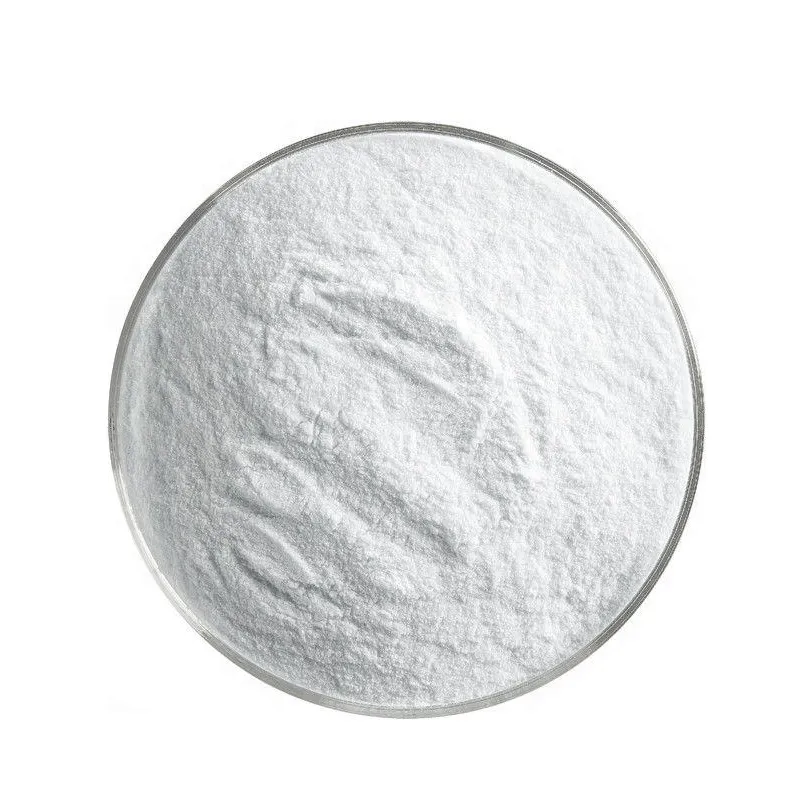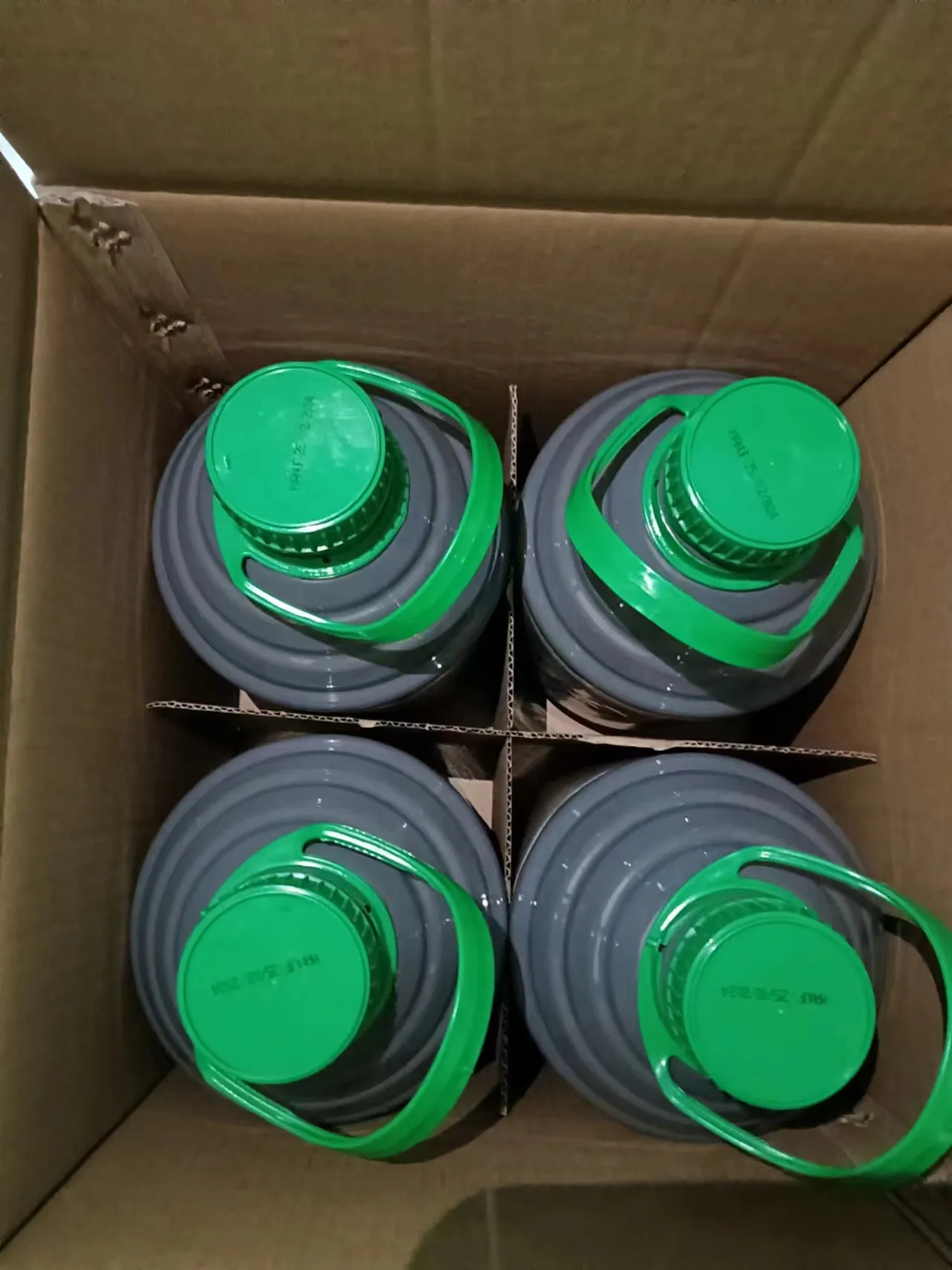
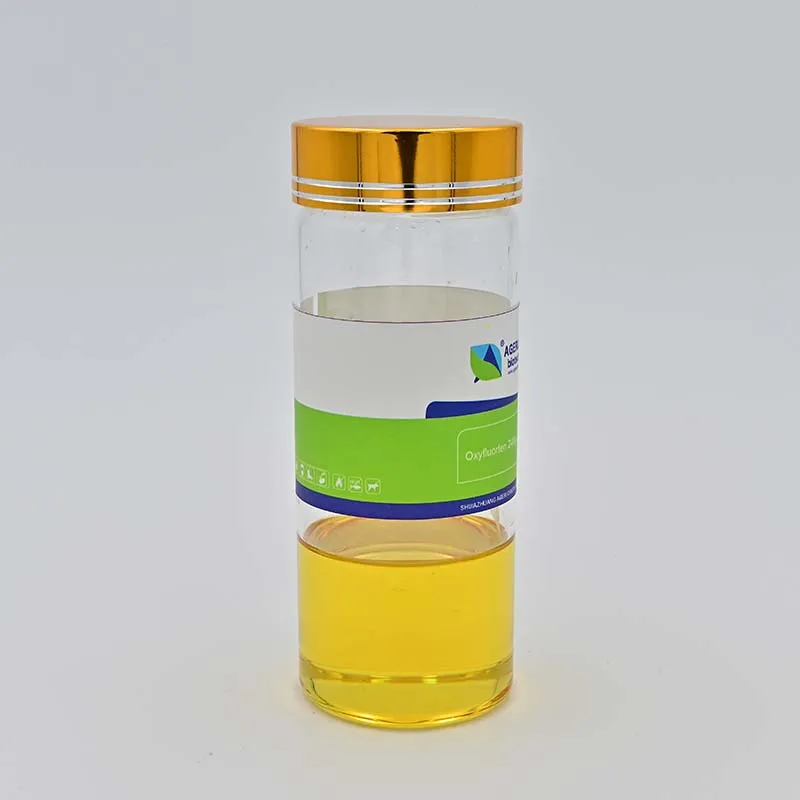
Propanil 360 g/L & 480 g/L EC Herbicide
POMAIS Propanil 360 g/L & 480 g/L EC Herbicide is a selective contact post-emergence herbicide developed primarily for early weed management in rice.
Propanil belongs to HRAC Group 5 and inhibits photosynthetic electron transport at Photosystem II. Its main commercial direction is the control of small, actively growing barnyardgrass and other approved annual grass and broadleaf weeds after emergence.
POMAIS supplies both 360 g/L EC and 480 g/L EC formulations for importers, distributors, registration companies and rice herbicide brands requiring different concentration, packaging and local registration options.
- Designed for Professional Buyers & Bulk Orders
- We support custom packaging, labeling, and formulation to meet your market needs.
- Export wholesale inquiries only.
- Please include destination country, business type (importer/distributor/registrant), and expected volume.
- Retail requests will not be processed.

About Propanil 360 g/L & 480 g/L EC Herbicide
| Product Attribute | Specification |
|---|---|
| Active Ingredient | Propanil |
| Available Formulations | 360 g/L EC, 480 g/L EC |
| Product Type | Selective contact post-emergence herbicide |
| HRAC / WSSA Group | Group 5 |
| Mode of Action | Photosystem II inhibition at the D1 Serine 264 binding site |
| Primary Activity | Foliar contact control of emerged weeds |
| Main Weed Direction | Barnyardgrass, annual grasses and approved broadleaf weeds |
| Main Crop Direction | Rice |
| Application Timing | Early post-emergence |
| Plant Movement | Limited translocation; primarily contact activity |
| Formulation | EC — Emulsifiable Concentrate |
| Standard MOQ | Normally 1,000 L |
| Available Documents | COA, SDS, TDS, product specification and available registration-supporting information |
| Supply Type | Bulk B2B supply for registration, import and distribution |
Final target weeds, application rates, rice growth stages, water-management instructions, insecticide separation intervals and seasonal limits must follow the approved destination-market label.
What Is Propanil Herbicide?
Propanil is a selective rice herbicide used after target weeds have emerged.
Unlike residual pre-emergence herbicides, it works mainly through direct contact with exposed weed foliage.
Its core positioning includes:
- Barnyardgrass control
- Other approved annual grass weeds
- Selected broadleaf weeds
- Selected aquatic weeds where registered
- Early post-emergence rice weed programs
- Sequential rice herbicide programs
Propanil should not be described as a systemic herbicide or a long-residual soil treatment.
Its best performance depends on treating small weeds with enough exposed foliage to receive the spray.
How Does Propanil Work?
Group 5 Photosystem II Inhibition
Propanil belongs to HRAC Group 5.
It inhibits Photosystem II by binding at the D1 protein Serine 264 site in susceptible weeds.
This interrupts normal photosynthetic electron transport.
As the process continues, susceptible weed tissue experiences:
- Reduced photosynthetic activity
- Energy disruption
- Chlorosis
- Membrane damage
- Leaf necrosis
- Tissue desiccation
- Plant death
Because the herbicide acts mainly on treated foliage, spray coverage is essential.
Contact Rather Than Systemic Activity
Propanil has limited movement within the weed.
It should therefore be understood as a contact post-emergence herbicide rather than a product that moves extensively from one treated leaf throughout the whole plant.
This means performance is influenced by:
- Weed size
- Leaf exposure
- Spray coverage
- Water depth
- Canopy density
- Weed growth condition
Large or tillered weeds may be more difficult to control because untreated plant tissue may remain active.
Why Is Propanil Selective to Rice?
Propanil can injure susceptible weeds while being tolerated by rice when used according to the registered label.
An important part of this selectivity is the ability of rice to metabolize and detoxify Propanil rapidly.
Rice contains enzyme systems, including aryl acylamidase activity, that can hydrolyze Propanil into less herbicidally active compounds.
Susceptible barnyardgrass generally cannot detoxify Propanil at the same rate.
This biochemical difference helps explain why Propanil can be selective in rice.
It also explains why certain insecticides can create serious crop-safety problems when used too close to a Propanil application.
What Weeds Does Propanil Control?
Barnyardgrass is the most important commercial weed direction for Propanil.
The exact weed spectrum varies by market and registration.
| Weed Group | Typical Direction | Product Positioning |
|---|---|---|
| Barnyardgrass | Echinochloa species | Core rice weed direction |
| Annual Grasses | Other approved small annual grasses | Early post-emergence foliar control |
| Broadleaf Weeds | Registered seedling broadleaf weeds | Contact foliar activity |
| Aquatic Broadleaf Weeds | Selected paddy weeds | Registration-dependent |
| Selected Sedges | Approved susceptible species | Crop- and label-specific |
| Mixed Young Weed Populations | Grass + broadleaf combinations | Early post-emergence program |
The product should not be promoted as controlling all sedges, perennial weeds or mature grass populations.
Barnyardgrass Management
Barnyardgrass is one of the most important competitive weeds in rice.
Propanil is most useful when barnyardgrass plants are:
- Small
- Fully emerged
- Actively growing
- Not heavily tillered
- Not submerged by standing water
- Within the registered treatment stage
As barnyardgrass becomes larger, control may become less consistent.
Repeated dependence on Propanil can also select resistant populations.
Field scouting should therefore consider both weed size and previous herbicide performance.
When Should Propanil Be Applied?
Early Post-Emergence Timing
Propanil should primarily be positioned as an early post-emergence herbicide.
Application should normally occur after target weeds emerge but before they become large or heavily tillered.
Suitable treatment conditions generally include:
- Active weed growth
- Exposed foliage
- Adequate soil moisture
- Rice within the approved stage
- No severe crop stress
Avoid Delayed Applications
Do not wait until:
- Barnyardgrass has produced multiple tillers
- Broadleaf weeds form dense canopies
- Weeds are partially protected by rice foliage
- Severe competition has already reduced rice growth
- Large weeds require rescue treatment
Some local registrations may allow later salvage treatments, but these should not be presented as the preferred use pattern.
Not a Pre-Emergence Herbicide
Propanil should not be positioned as a soil-residual pre-emergence product.
For buyers requiring residual early-season weed control before emergence, POMAIS offers other rice herbicide directions such as Oxadiazon.
Water Management Before and After Application
Water management is one of the most important factors affecting Propanil performance.
Because the product acts through foliage, target weeds need sufficient exposure above the water surface.
Before Application
Where the local label requires, reduce or drain standing water so that weeds are fully exposed.
Important objectives include:
- Exposing barnyardgrass foliage
- Exposing broadleaf weed surfaces
- Maintaining adequate soil moisture
- Avoiding severe rice stress
- Preventing excessive field drying
Partially submerged weeds may receive insufficient spray coverage.
During Application
Apply uniformly across the exposed weed canopy.
Avoid:
- Spray overlap
- Missed strips
- Uneven nozzle output
- Drift into sensitive crops
- Excessive application at field edges
After Application
Re-flooding or restoring field water should follow the exact registered interval.
Important principles include:
- Allow sufficient foliar absorption time
- Avoid premature water movement
- Maintain water according to the label
- Prevent treated water from entering sensitive fields
- Follow local drainage restrictions
There is no single global re-flooding interval or water depth suitable for every Propanil registration.
Critical Interaction with Organophosphate and Carbamate Insecticides
This is one of the most important crop-safety considerations for Propanil.
Certain organophosphate and carbamate insecticides can interfere with the enzymatic detoxification of Propanil in rice.
If these products are applied too close together, rice may lose part of its normal tolerance.
This can result in:
- Severe leaf burn
- Chlorosis
- Growth suppression
- Crop injury
- Stand reduction under severe conditions
Do Not Assume Tank-Mix Compatibility
Do not tank mix Propanil with organophosphate or carbamate insecticides unless the exact local label specifically permits the combination.
Observe the Required Separation Interval
Some registered Propanil labels require approximately a two-week separation between Propanil and certain organophosphate or carbamate insecticides.
The exact interval varies by product and market.
Always follow the most restrictive local label rather than using a universal interval.
Review Previous Insecticide Applications
Before applying Propanil, confirm:
- Which insecticide was previously used
- Its active ingredient
- Its IRAC or chemical class
- Application date
- Whether rice is showing stress
- Whether the registered separation interval has passed
This check should be part of normal Propanil stewardship.
Propanil 360 g/L vs 480 g/L EC
Both formulations contain the same active ingredient and have the same fundamental mode of action.
The main difference is concentration.
| Feature | Propanil 360 g/L EC | Propanil 480 g/L EC |
|---|---|---|
| Active Ingredient | Propanil | Propanil |
| Concentration | 360 g/L | 480 g/L |
| Formulation | EC | EC |
| HRAC Group | Group 5 | Group 5 |
| Main Use Direction | Rice post-emergence weed control | Rice post-emergence weed control |
| Mode of Action | PSII inhibition | PSII inhibition |
| Product Volume for Same AI Dose | Higher | Lower |
| Packaging Efficiency | Standard concentration | More concentrated |
| Main Buyer Logic | Existing registration / traditional market preference | Higher active loading / lower product volume |
The 480 g/L formulation should not be described as inherently more biologically effective.
When compared at equivalent active ingredient rates, the main commercial difference is the amount of formulated product required.
EC Formulation Features
EC means Emulsifiable Concentrate.
The active ingredient is dissolved or dispersed in an organic liquid system that forms an emulsion after mixing with water.
Main EC Handling Features
A well-developed Propanil EC formulation should provide:
- Convenient liquid measurement
- Rapid tank preparation
- Stable dilution
- Uniform foliar application
- Reliable packaging
- Consistent active ingredient concentration
Key Quality Parameters
| Quality Parameter | Buyer Relevance |
|---|---|
| Propanil Assay | Confirms the declared 360 or 480 g/L concentration |
| Appearance | Identifies precipitation, separation or contamination |
| Density | Supports filling and dosing accuracy |
| Emulsion Stability | Maintains uniform spray mixture |
| Re-Emulsification | Confirms recovery after standing |
| pH / Acidity | Supports formulation stability |
| Water Content | Influences EC storage quality |
| Persistent Foam | Affects mixing and tank filling |
| Low-Temperature Stability | Supports cold-region transport |
| Heat Stability | Supports warm-market storage |
| Packaging Compatibility | Confirms solvent compatibility with bottle and seal |
| Fill-Volume Accuracy | Supports commercial consistency |
For EC products, emulsion stability and packaging compatibility are important B2B quality parameters.
Application Guidance
1. Confirm the Rice System
Check whether the local label covers:
- Direct-seeded rice
- Transplanted rice
- Water-seeded rice
- Dry-seeded rice
- Other production systems
Do not transfer instructions between systems automatically.
2. Identify the Dominant Weeds
Confirm:
- Weed species
- Weed size
- Weed density
- Resistance history
- Previous herbicide use
Propanil should not be selected solely because weeds are present.
3. Adjust Field Water
Where required, lower or remove standing water so weed foliage is exposed.
Avoid severely stressing the rice crop.
4. Prepare the Spray Tank
Where permitted:
- Fill the tank partly with clean water.
- Start agitation.
- Measure the required Propanil EC.
- Add the product gradually.
- Add only approved tank-mix partners.
- Complete filling with water.
- Maintain agitation during application.
5. Apply Uniformly
Complete foliar coverage is particularly important for a contact herbicide.
Check:
- Nozzle condition
- Spray pressure
- Boom height
- Travel speed
- Field overlap
6. Follow the Registered Rate
Do not publish one global rate for both 360 g/L and 480 g/L products.
The required product volume depends on:
- Formulation concentration
- Weed stage
- Rice system
- Target weeds
- Destination-market registration
7. Restore Water According to the Label
Allow the registered absorption period before re-flooding.
Follow treated-water movement and discharge restrictions.
Rice Crop Safety
Rice normally tolerates Propanil when it is applied under approved conditions.
However, temporary crop response may occur.
Potential symptoms include:
- Leaf-tip burn
- Temporary yellowing
- Minor foliar injury
- Temporary growth suppression
Risk increases when rice is stressed.
Avoid Application to Stressed Rice
Use caution when rice is affected by:
- Extreme heat
- Drought
- Excessive flooding
- Salinity
- Nutrient deficiency
- Insect damage
- Disease
- Previous herbicide injury
Spray Overlap
Avoid excessive overlap at:
- Headlands
- Field entrances
- Turning areas
- Obstacles
- Irregular boundaries
Higher local exposure can increase crop injury.
Previous Insecticide Use
Always review organophosphate and carbamate insecticide use before treatment.
This is a critical part of rice crop safety.
Tank Mixing and Compatibility
Propanil is often used within broader rice weed programs, but compatibility should never be assumed.
Before tank mixing, check:
- Local registration
- Partner herbicide
- Weed spectrum
- Crop stage
- Water quality
- Mixing order
- Rice stress
- Insecticide history
Herbicide Partners
Mixtures may be used to broaden control toward:
- Additional grasses
- Sedges
- Broadleaf weeds
- Resistant weed populations
However, every mixture should be supported by the local label.
Insecticides
Do not mix with restricted organophosphate or carbamate insecticides.
Jar Testing
For unfamiliar mixtures, conduct a physical compatibility test using the intended water source.
Physical compatibility does not confirm crop safety.
Resistance Management
Propanil belongs to HRAC Group 5.
Repeated use can select less-sensitive or resistant weed populations.
Propanil-resistant barnyardgrass has been documented in rice-growing regions.
Resistance Warning Signs
Possible indicators include:
- Surviving weeds in normally treated areas
- Repeated failure on the same species
- Healthy survivors surrounded by controlled weeds
- Increasing field patches over several seasons
Do not automatically respond by increasing the dose.
Group 5 Rotation
Other Group 5 herbicides include active ingredients such as:
- Atrazine
- Diuron
- Metribuzin
- Simazine
- Other PSII Serine 264 inhibitors
These products may have very different crop uses, but they should not automatically be treated as different modes of action for resistance management.
Recommended Program Principles
- Treat small weeds.
- Use the complete registered rate.
- Avoid repeated Propanil-only programs.
- Rotate with effective herbicides outside Group 5.
- Use pre-emergence and post-emergence programs where approved.
- Control surviving weeds before seed production.
- Maintain field records.
- Integrate crop and water management.
- Investigate unexpected survivors.
Propanil in a Rice Weed-Control Program
Propanil is most useful as one part of a structured weed-management program.
| Herbicide Direction | Main Role |
|---|---|
| Oxadiazon | Pre-emergence residual weed control |
| Cyhalofop-Butyl | Post-emergence grass weed control |
| Quinclorac | Barnyardgrass + selected broadleaf weed direction |
| Bensulfuron-Methyl | Sedge + broadleaf weed control |
| Propanil | Contact early post-emergence grass and broadleaf control |
| Triple-Active Rice Herbicides | Complex mixed-weed programs |
The best product depends on:
- Weed species
- Weed stage
- Rice system
- Herbicide history
- Resistance status
- Water management
For a broader crop-specific program, buyers can review the POMAIS rice weed management solutions.
Environmental and Drift Precautions
Handle Propanil according to the approved local label and final SDS.
Prevent Drift
Avoid spray movement into:
- Sensitive crops
- Vegetable fields
- Orchards
- Nurseries
- Aquatic areas
- Non-target vegetation
Use appropriate:
- Nozzles
- Droplet size
- Boom height
- Wind limits
- Buffer zones
Treated Water
Do not allow treated paddy water to move into sensitive areas unless the label permits it.
Follow local restrictions on:
- Drainage
- Irrigation reuse
- Aquaculture
- Surface water
- Field discharge
Equipment Cleaning
Clean:
- Tank
- Hoses
- Filters
- Nozzles
- Pumps
after application.
Herbicide residues may injure sensitive crops treated later with the same equipment.
Storage and Transport
Store Propanil EC:
- In the original sealed container
- In a cool and dry warehouse
- Away from direct sunlight
- Away from excessive heat
- Away from freezing where relevant
- Away from food and animal feed
- Away from ignition sources where required
- Under the conditions stated in the final SDS
Before shipment, inspect:
- Bottle condition
- Cap security
- Seal integrity
- Leakage
- Product appearance
- Label accuracy
- Batch coding
- Fill volume
- Carton strength
- Pallet stability
Packaging, Quality Control and Documentation
POMAIS supplies Propanil 360 g/L EC and 480 g/L EC for qualified importers, distributors, registration companies and agricultural brands.
Packaging Options
Potential commercial packaging may include:
- 100 mL
- 250 mL
- 500 mL
- 1 L
- 5 L
- 10 L
- 20 L
- Larger commercial containers where suitable
- Tamper-evident closures
- Multilingual labels
- Retail cartons
- Export cartons
- Batch and expiry coding
- Shipping marks
Final packaging depends on registration, formulation compatibility and order requirements.
Quality-Control Focus
Commercial batch checks may include:
- Propanil content
- Product identity
- Physical appearance
- Density
- Emulsion stability
- Re-emulsification
- Acidity or pH
- Water content
- Persistent foam
- Low-temperature stability
- Heat stability
- Packaging compatibility
- Fill-volume accuracy
- Batch consistency
Available Documents
Document support may include:
- COA — Certificate of Analysis
- SDS — Safety Data Sheet
- TDS — Technical Data Sheet
- Product Specification
- Packaging Specification
- Available Efficacy Information
- Available Crop-Safety Information
- Available Stability Information
- Available Registration-Supporting Information
- Batch-Related Quality Documents
- Commercial and Shipping Documents
Frequently Asked Questions
What is Propanil used for?
Propanil is mainly used as a selective post-emergence rice herbicide against barnyardgrass and other approved annual weeds.
What HRAC group is Propanil?
Propanil belongs to HRAC Group 5.
Is Propanil a post-emergence herbicide?
Yes.
Its main positioning is early post-emergence treatment after weeds have emerged.
Is Propanil systemic or contact?
Propanil is primarily a contact herbicide with limited translocation.
How does Propanil work?
It inhibits photosynthetic electron transport at Photosystem II.
This causes chlorosis, necrosis and eventual death of susceptible weed tissue.
Why is Propanil selective to rice?
Rice can rapidly detoxify Propanil through metabolic enzyme systems.
Susceptible barnyardgrass generally cannot detoxify it as effectively.
Does Propanil control barnyardgrass?
Yes, barnyardgrass is one of the main Propanil weed directions where registered.
Best performance is expected on small, actively growing plants.
Can Propanil control broadleaf weeds?
It may control selected seedling broadleaf weeds where the local label includes them.
What weed stage is best for Propanil?
Small and actively growing weeds are generally the preferred target.
Control may decline as grass weeds become large or tillered.
Should a rice field be drained before application?
Many Propanil programs require standing water to be reduced or drained so target foliage is exposed.
Follow the exact local water-management instructions.
Can Propanil be mixed with insecticides?
Do not assume compatibility.
Certain organophosphate and carbamate insecticides can greatly increase rice injury.
Why must some insecticides be separated from Propanil?
They may interfere with the rice plant’s ability to detoxify Propanil.
This can increase crop injury.
Can Propanil control resistant barnyardgrass?
No universal resistant-weed claim should be made.
Confirmed or suspected Propanil-resistant populations may show poor control.
What is the difference between 360 g/L and 480 g/L EC?
Both contain the same active ingredient.
The 480 g/L formulation is more concentrated, so less product volume is needed to deliver the same active ingredient dose.
Does Propanil provide long soil residual control?
No.
Its primary value is foliar post-emergence activity rather than long-term soil residual control.
What does EC mean?
EC means Emulsifiable Concentrate.
The formulation forms an emulsion when mixed with water.
What packaging is available?
Potential package sizes include 100 mL, 250 mL, 500 mL, 1 L, 5 L, 10 L and 20 L.
Final sizes depend on registration and commercial requirements.
What is the minimum order quantity?
The standard minimum order quantity is normally 1,000 L.
Request Propanil Product Specifications
To evaluate a Propanil 360 g/L EC or 480 g/L EC purchasing or registration project, please provide:
- Destination country
- Required formulation
- Company type
- Required quantity
- Preferred package size
- Rice production system
- Target weed species
- Target weed growth stage
- Current registration status
- Required label language
- Required technical documents
- Expected purchasing schedule
We will review the formulation specification, rice-use requirements, EC quality, packaging feasibility and destination-market requirements before confirming the commercial proposal.
Propanil 360 g/L EC and 480 g/L EC are supplied for professional B2B procurement, registration and wholesale distribution.
Contact us!
We will reply to you within 24 hours on business days!