
Herbicide Manufacturer and Export Supplier
POMAIS supplies herbicide formulations for agrochemical importers, distributors, registration companies, wholesalers, and private-label brands in international markets.
Our portfolio covers pre-emergence and post-emergence herbicides, selective and non-selective products, single-active formulations, and combination herbicides for different crop and weed-management markets.
Available formulation options include SC, EC, SL, WP, WDG/WG, OD, SE, and GR. We also support private-label packaging, multilingual labels, technical documentation, and export preparation according to the confirmed product specification and destination-market requirements.
Browse Herbicide Directions
Herbicide selection starts with the crop, target weeds, application timing, and required selectivity. Use the directions below to narrow the product type before comparing individual formulations.
Herbicide Products
Browse available single-active and combination herbicides by active ingredient, concentration, formulation, and commercial specification. Product availability, crop and weed claims, packaging options, and technical documentation vary according to the selected specification and destination market.
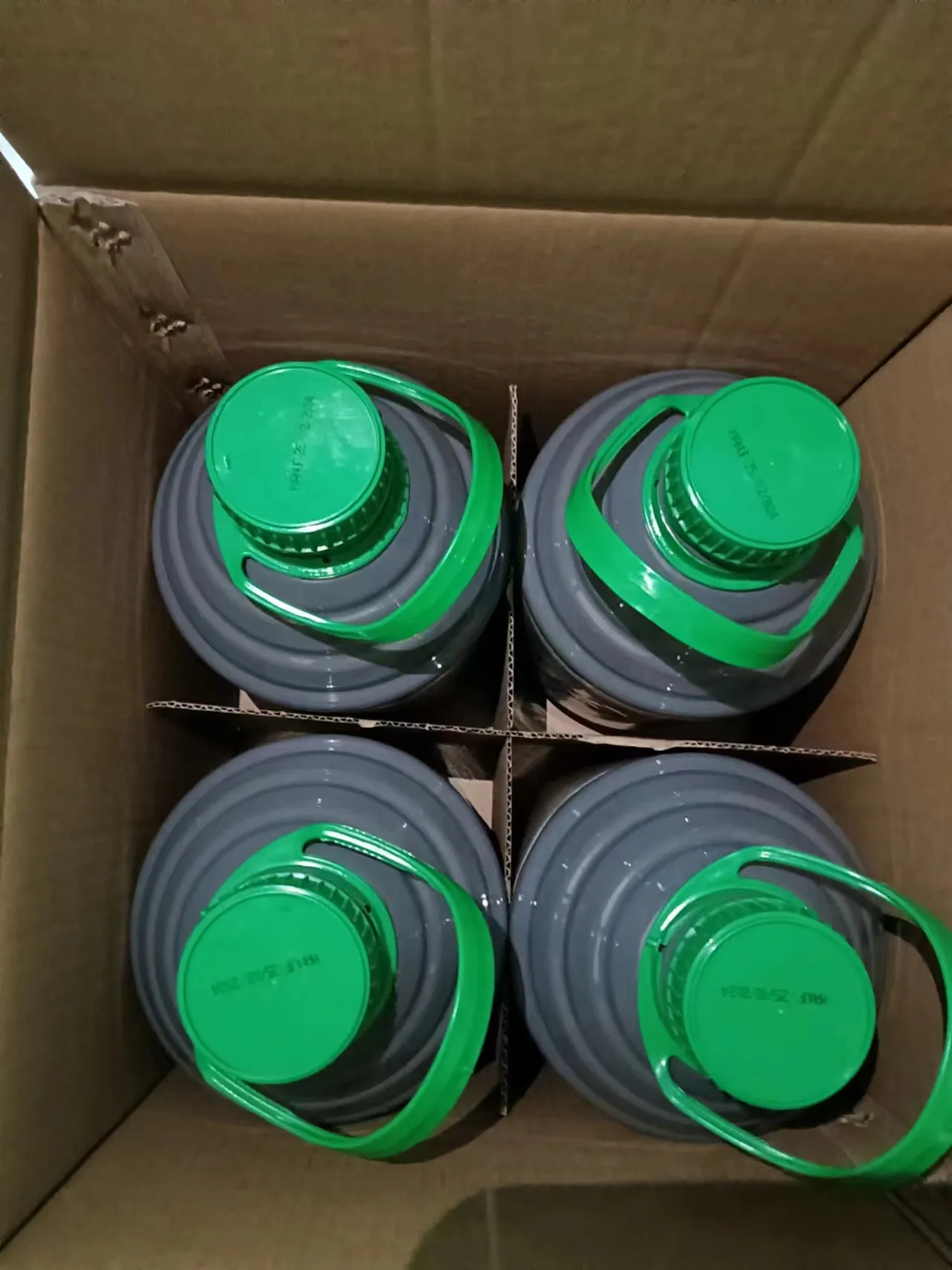
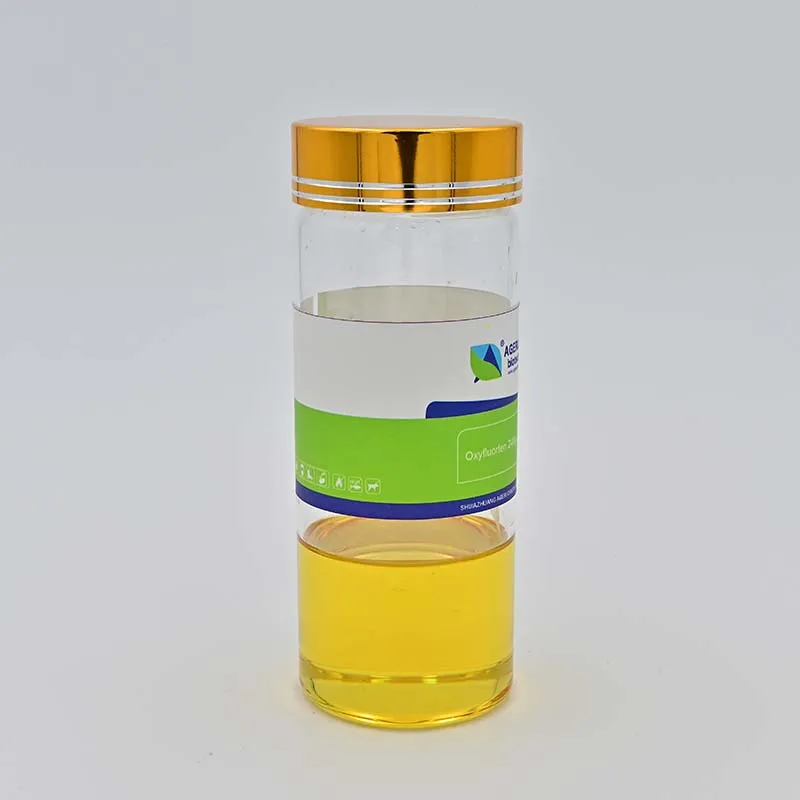

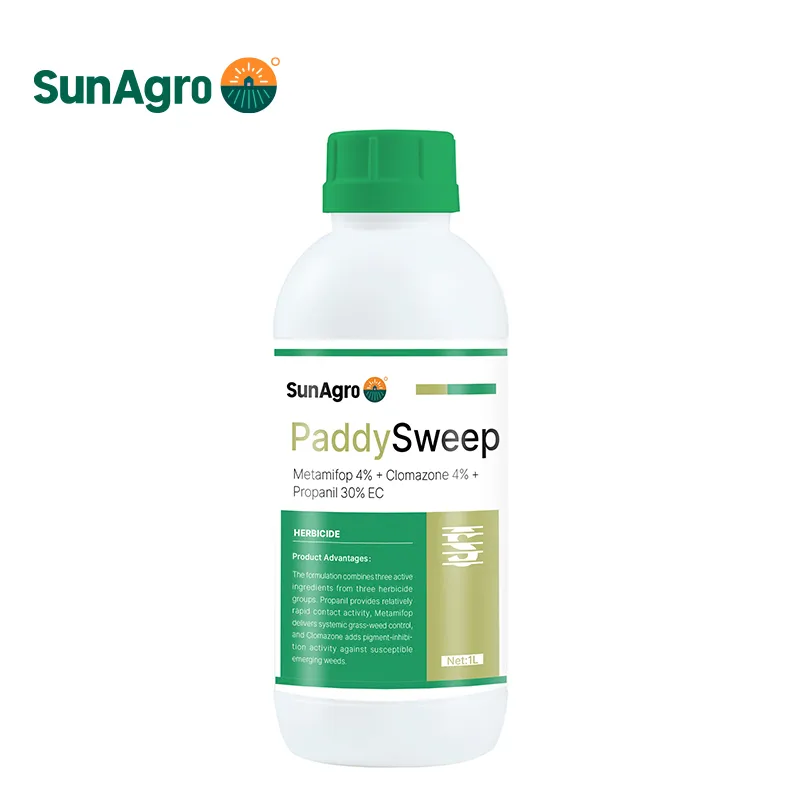
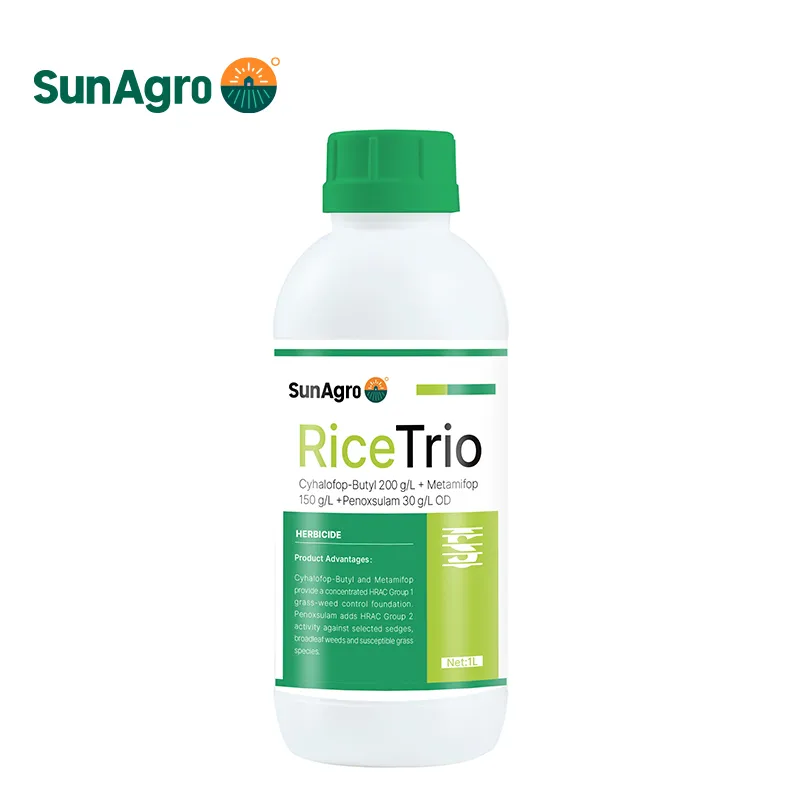
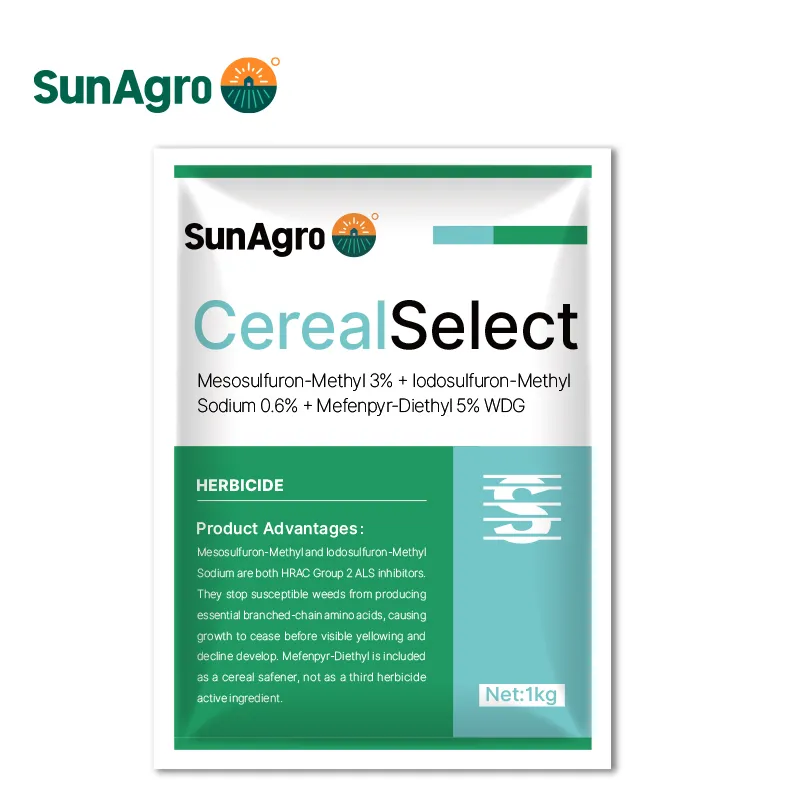
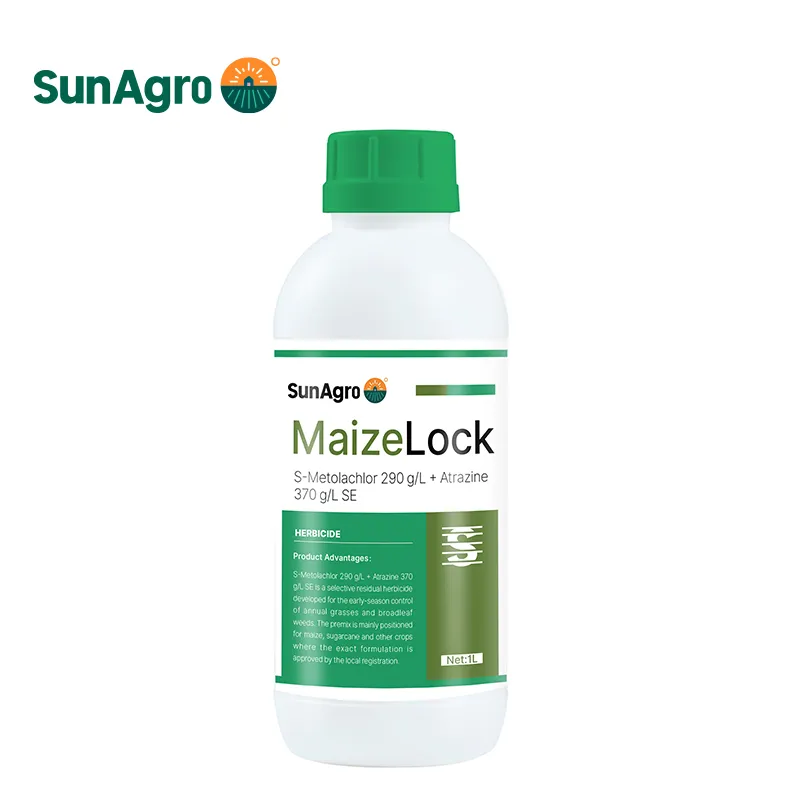
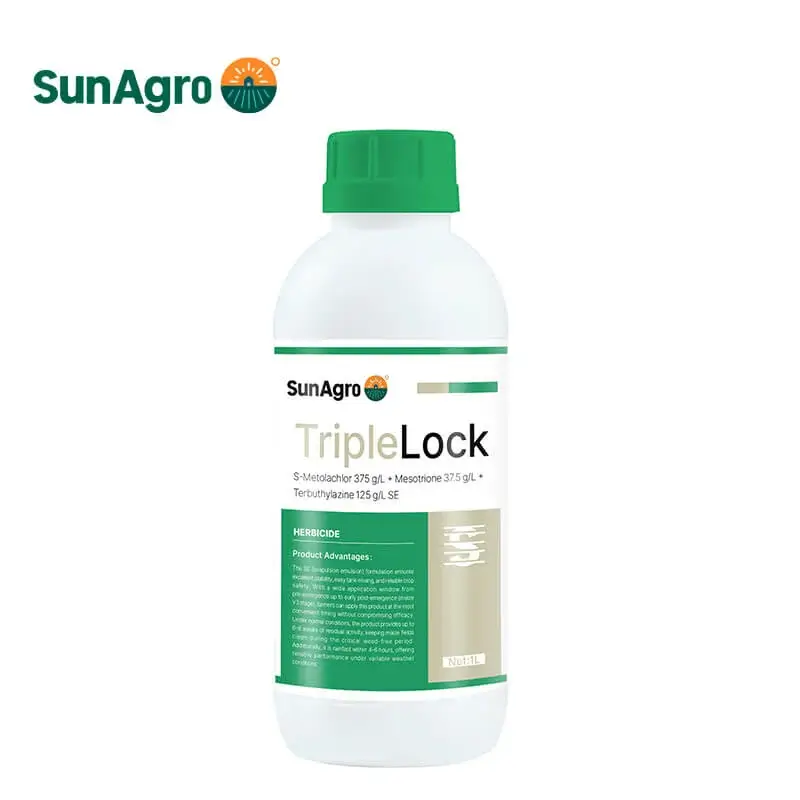
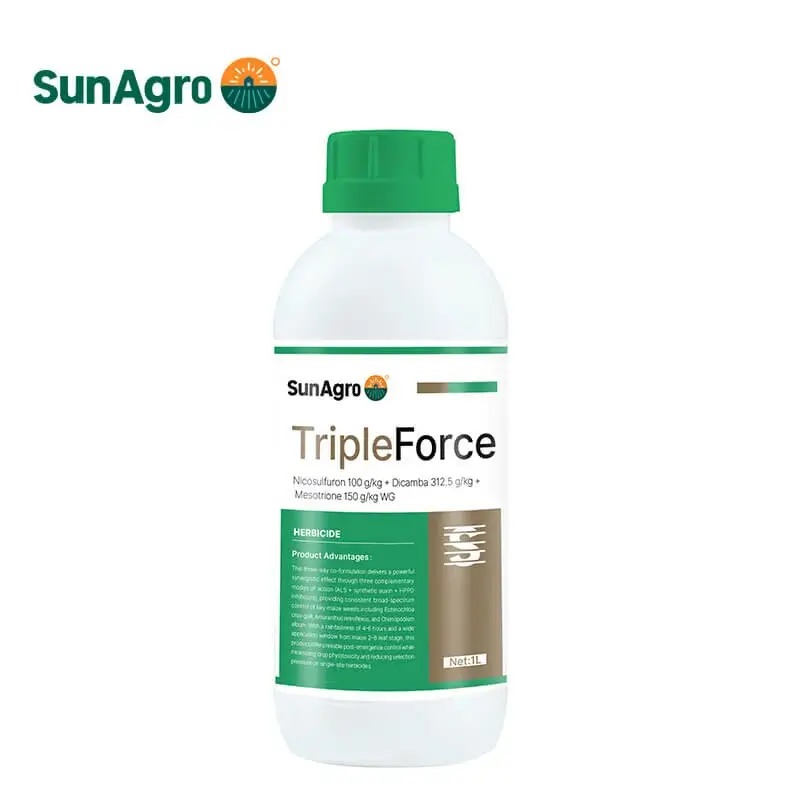

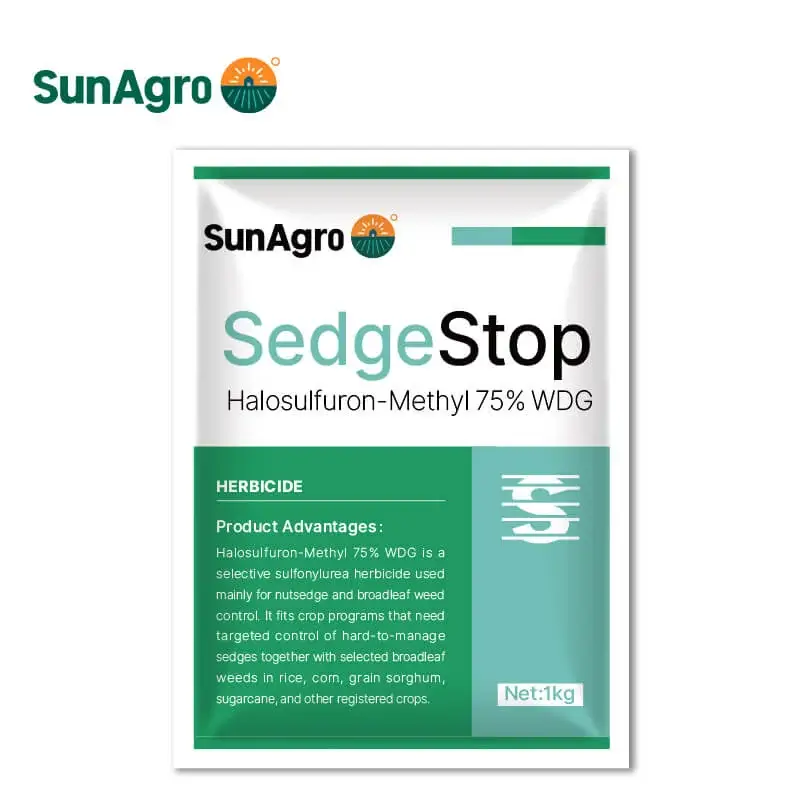
Herbicide Production and Private Label Support
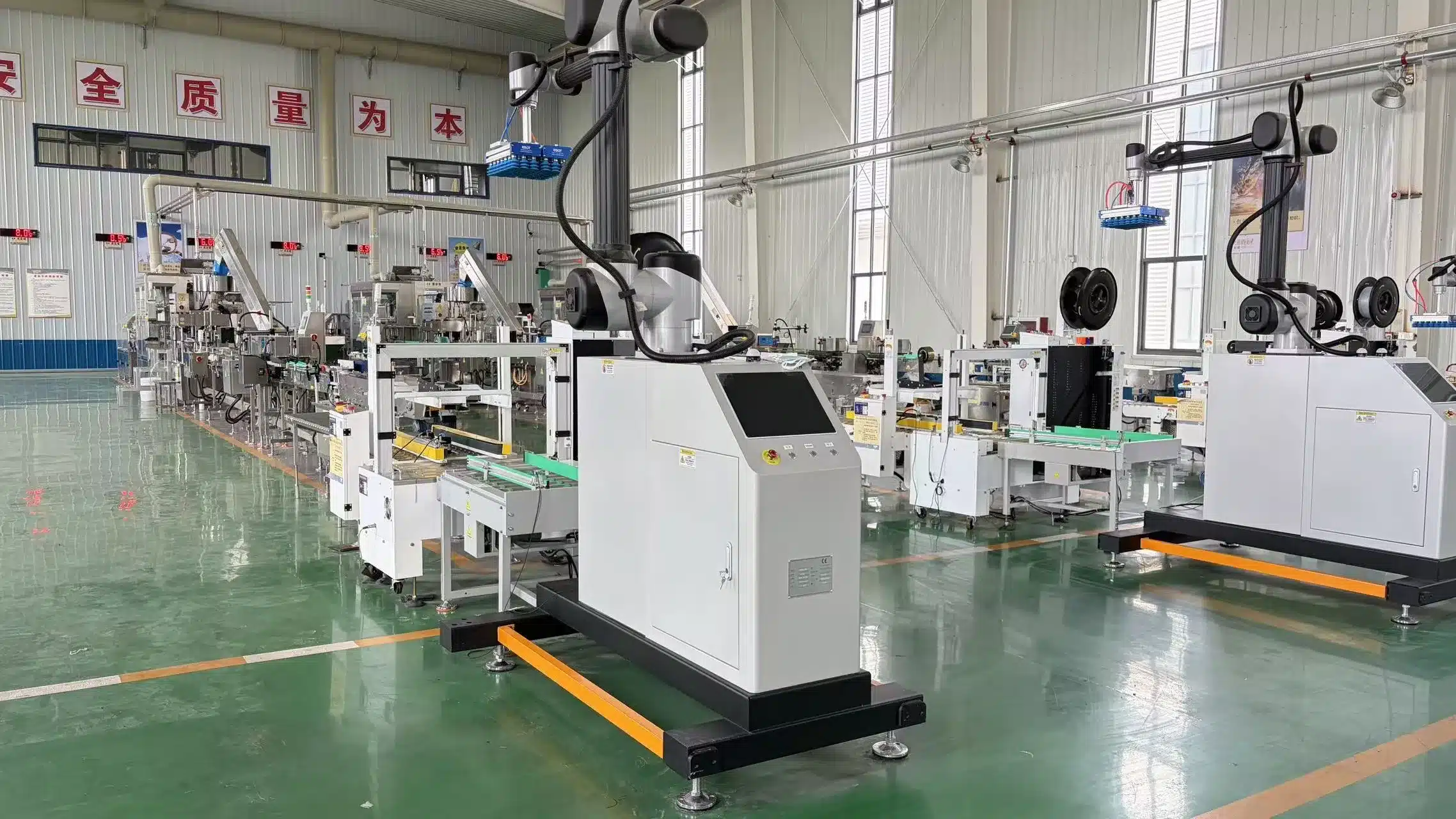
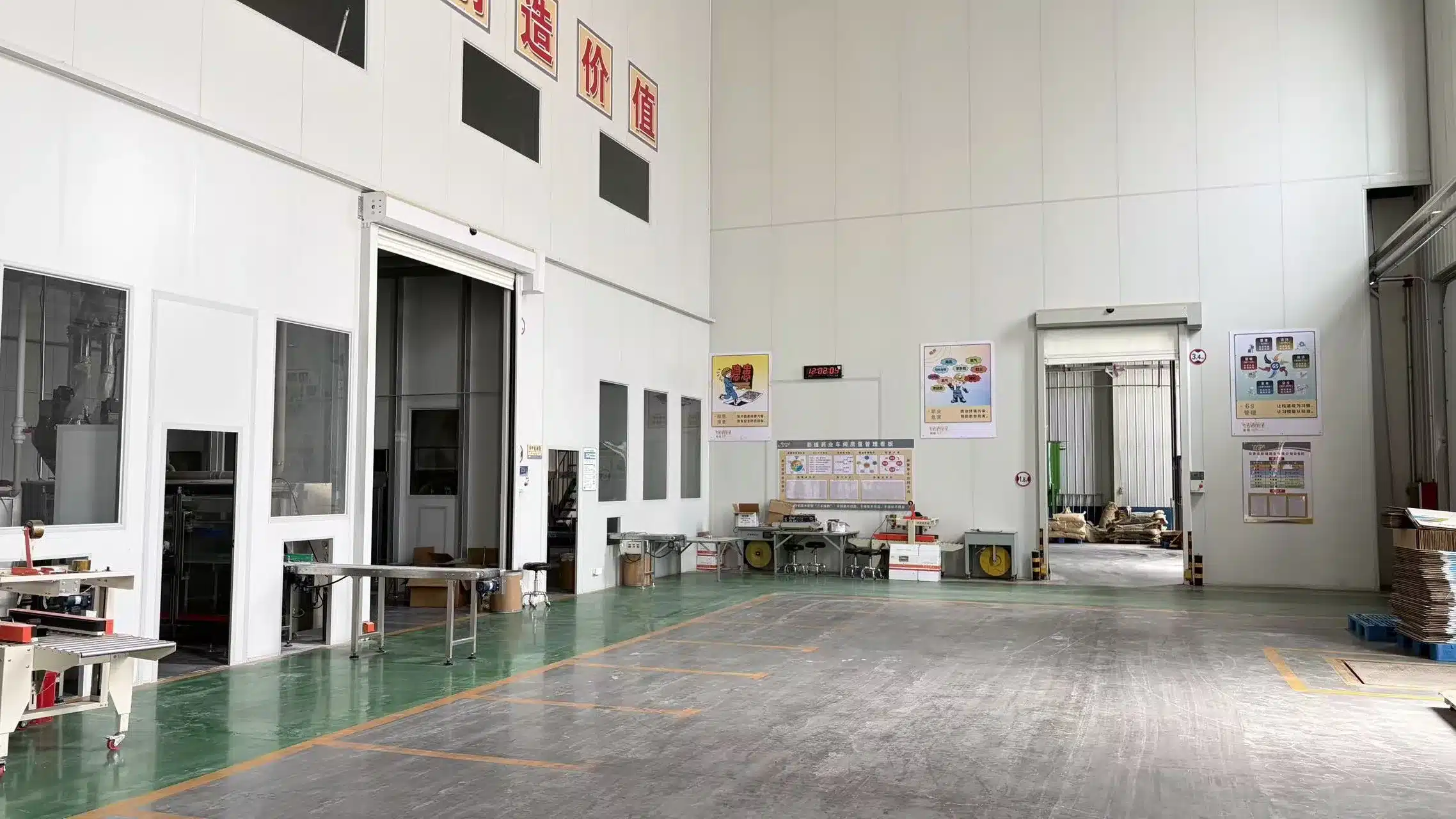
POMAIS supports commercial herbicide projects from confirmed specification through production, packaging, and export preparation.
Depending on the project, we can coordinate:
- Active ingredient, concentration, and formulation confirmation
- Single-active and combination herbicide specifications
- Bottle, bag, drum, and carton configuration
- Private-label packaging
- Multilingual label artwork
- Batch and packaging inspection before shipment
Production and packaging are carried out according to the confirmed commercial specification.
Herbicide Formulations
Formulation type affects product handling, packaging, application characteristics, and commercial positioning. It should not be treated as an efficacy or safety ranking.
| Formulation | Typical Commercial Direction |
|---|---|
| SC | Suspension concentrate products for suitable active ingredients |
| EC | Emulsifiable concentrate products for established liquid formulation markets |
| SL | Soluble liquid formulations |
| WP | Traditional wettable powder products |
| WDG / WG | Water-dispersible granular products |
| OD | Oil dispersion formulations for selected post-emergence herbicide portfolios |
| SE | Suspo-emulsion formulations for suitable combination products |
| GR | Granular products for selected soil-use applications |
The appropriate formulation depends on active ingredient properties, crop-use direction, formulation stability, application system, packaging, market preference, and registration requirements.
Herbicide Applications by Weed Direction
Herbicide portfolios should be matched to the weed spectrum, crop selectivity, application timing, and local registration rather than built around one universal product.
| Weed Direction | Commercial Selection Logic |
|---|---|
| Grass Weeds | Select chemistry according to crop selectivity, weed species, growth stage, and local registration |
| Broadleaf Weeds | Match active ingredient spectrum with crop and target broadleaf weed groups |
| Sedges | Use products specifically positioned and registered for sedge management |
| Mixed Weed Pressure | Evaluate spectrum, timing, and suitable single-active or combination formulations |
| Non-Crop Vegetation | Confirm permitted application sites and destination-market registration |
For weed identification, biology, and broader management strategy, explore our Weed Solutions.
Herbicide Mode of Action and Resistance Management
Herbicide selection should consider both weed spectrum and mode of action.
HRAC/WSSA mode-of-action groups help distinguish herbicide chemistry and support resistance-management decisions. Two products with different brand names may still rely on the same biochemical target and therefore may not represent a meaningful rotation.
Common herbicide directions include:
| Herbicide Direction | Typical Group Example |
|---|---|
| ACCase inhibitors | Group 1 |
| ALS inhibitors | Group 2 |
| Synthetic auxins | Group 4 |
| EPSPS inhibitors | Group 9 |
| PPO inhibitors | Group 14 |
| HPPD inhibitors | Group 27 |
A resistance-management program should consider the target weed, crop, mode-of-action group, existing resistance pressure, application timing, and approved local label.
Some selective herbicide systems may also contain safeners to support crop selectivity. These products should be evaluated as complete formulations rather than by herbicidal active ingredients alone.
Rotate effective modes of action, not simply product or brand names.