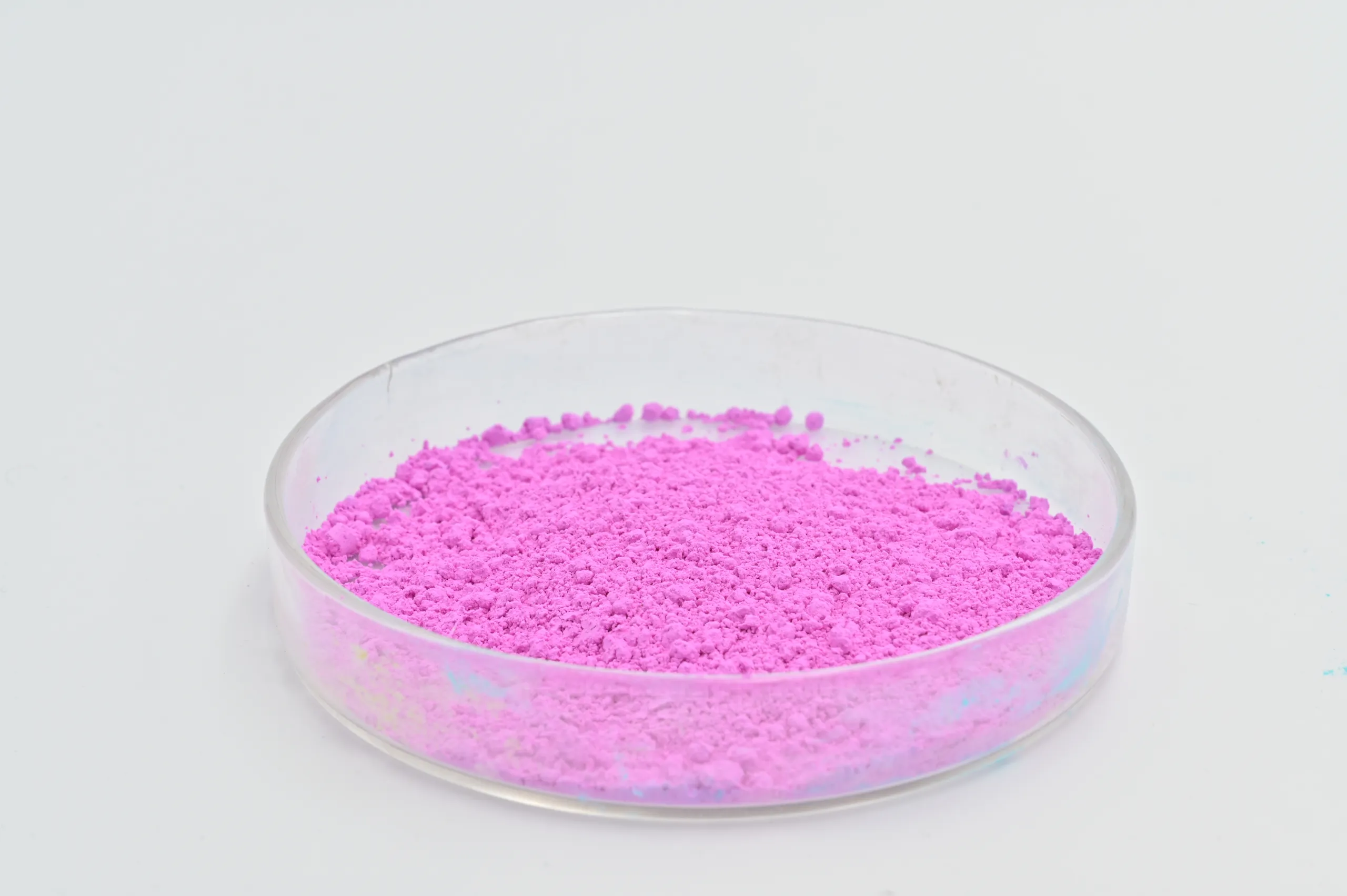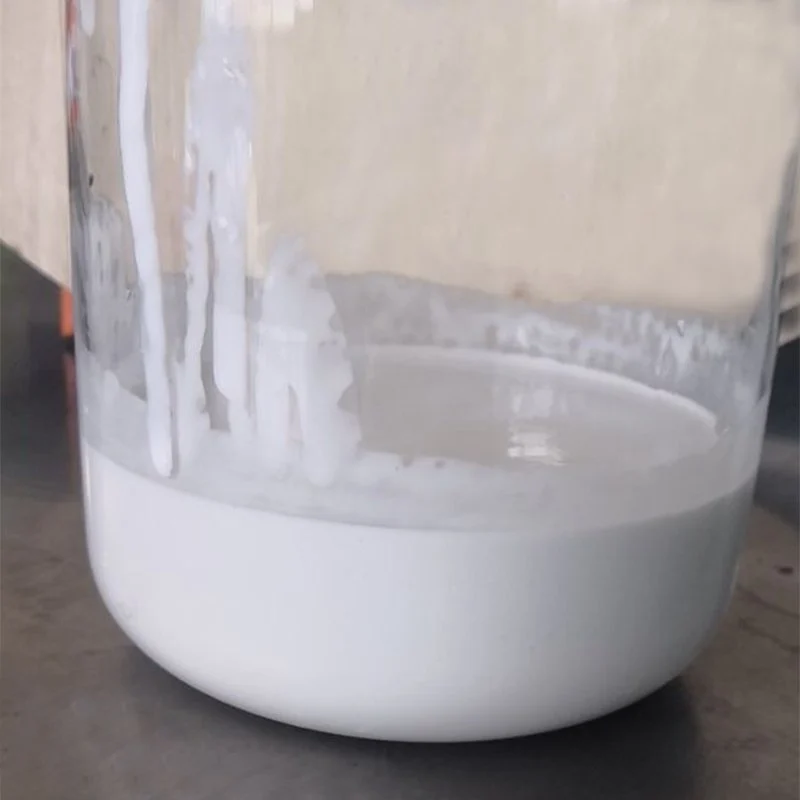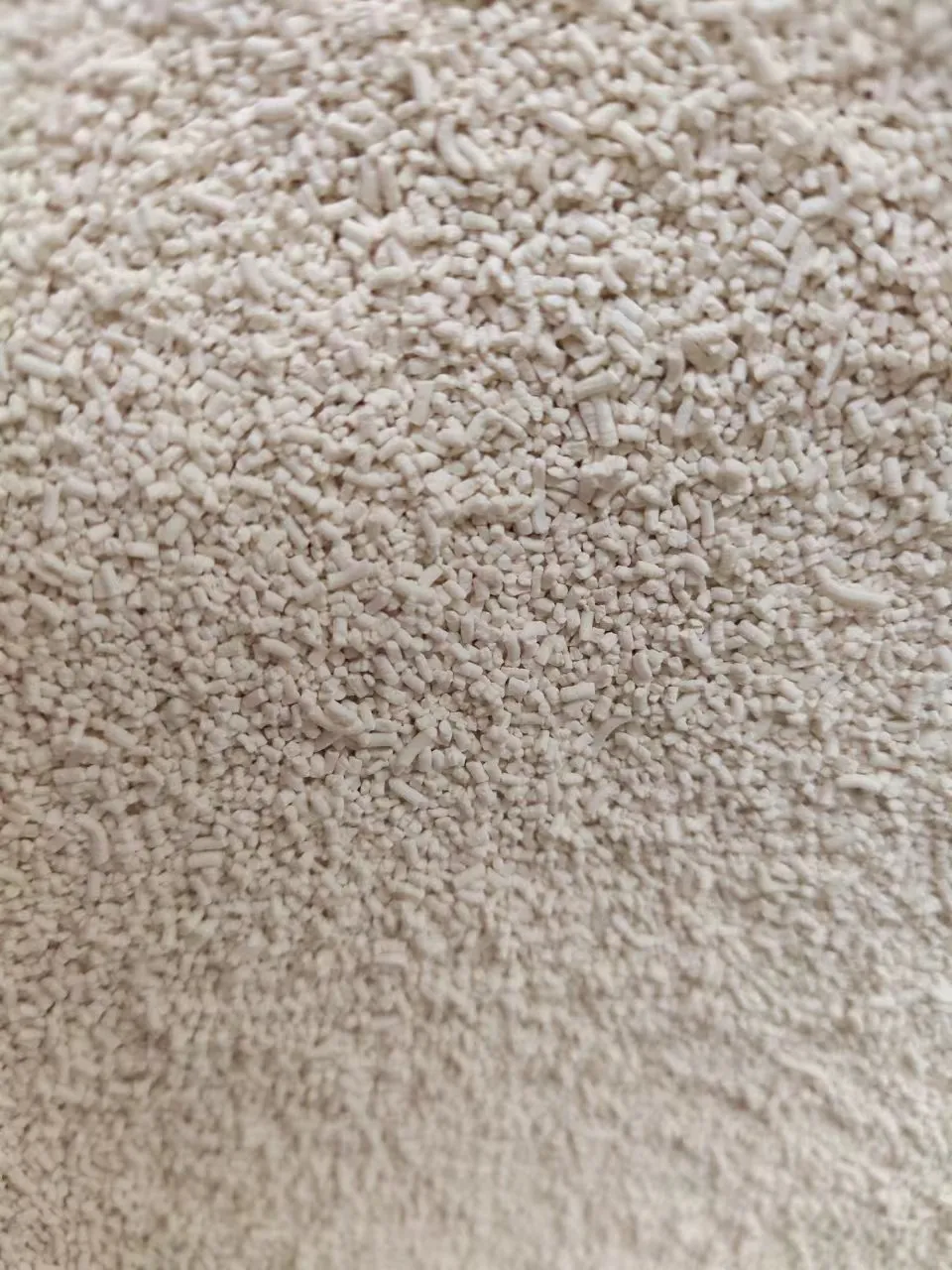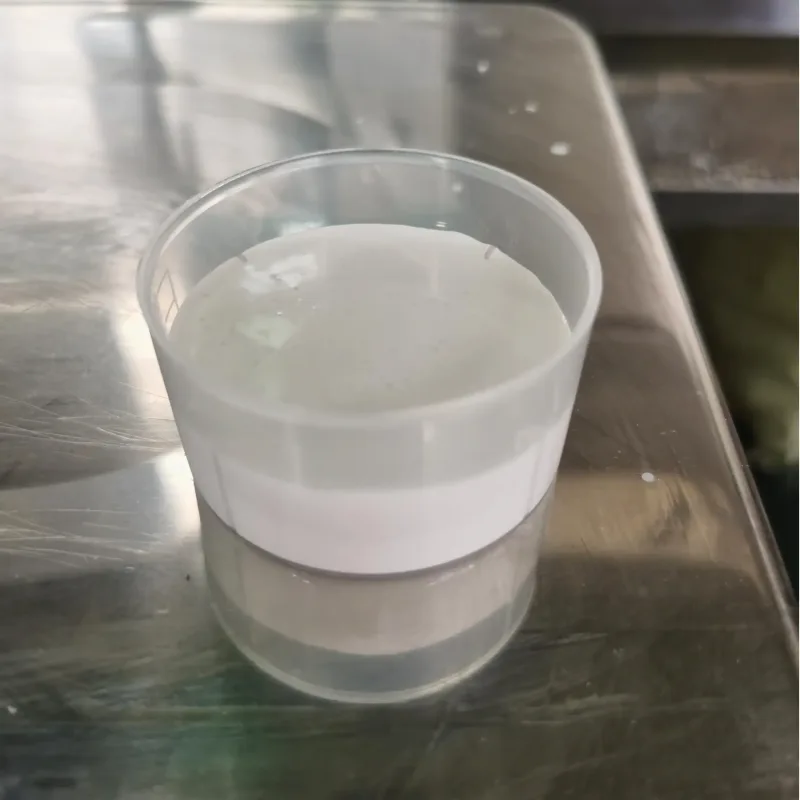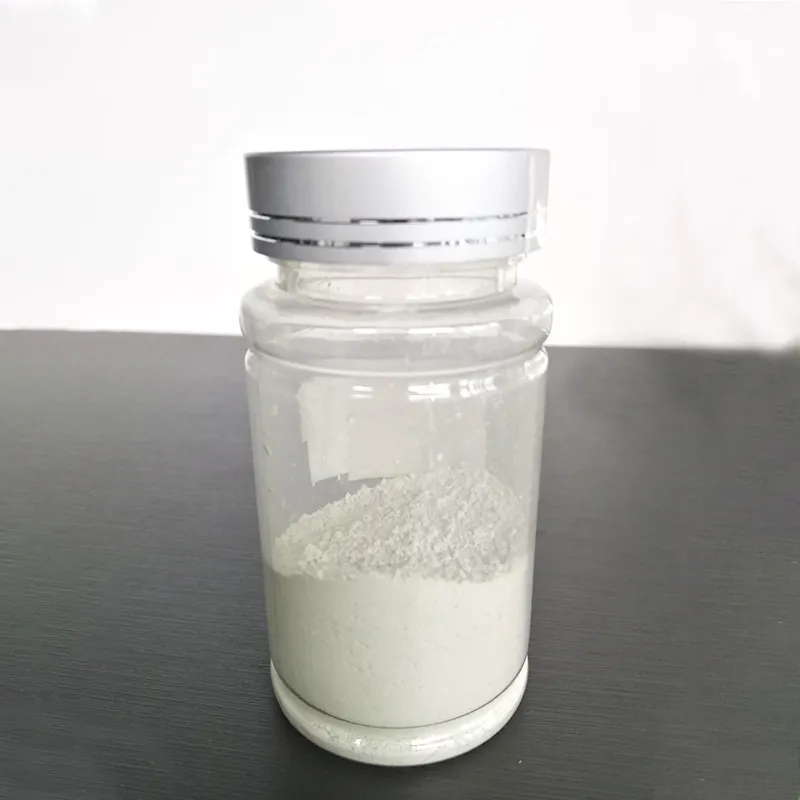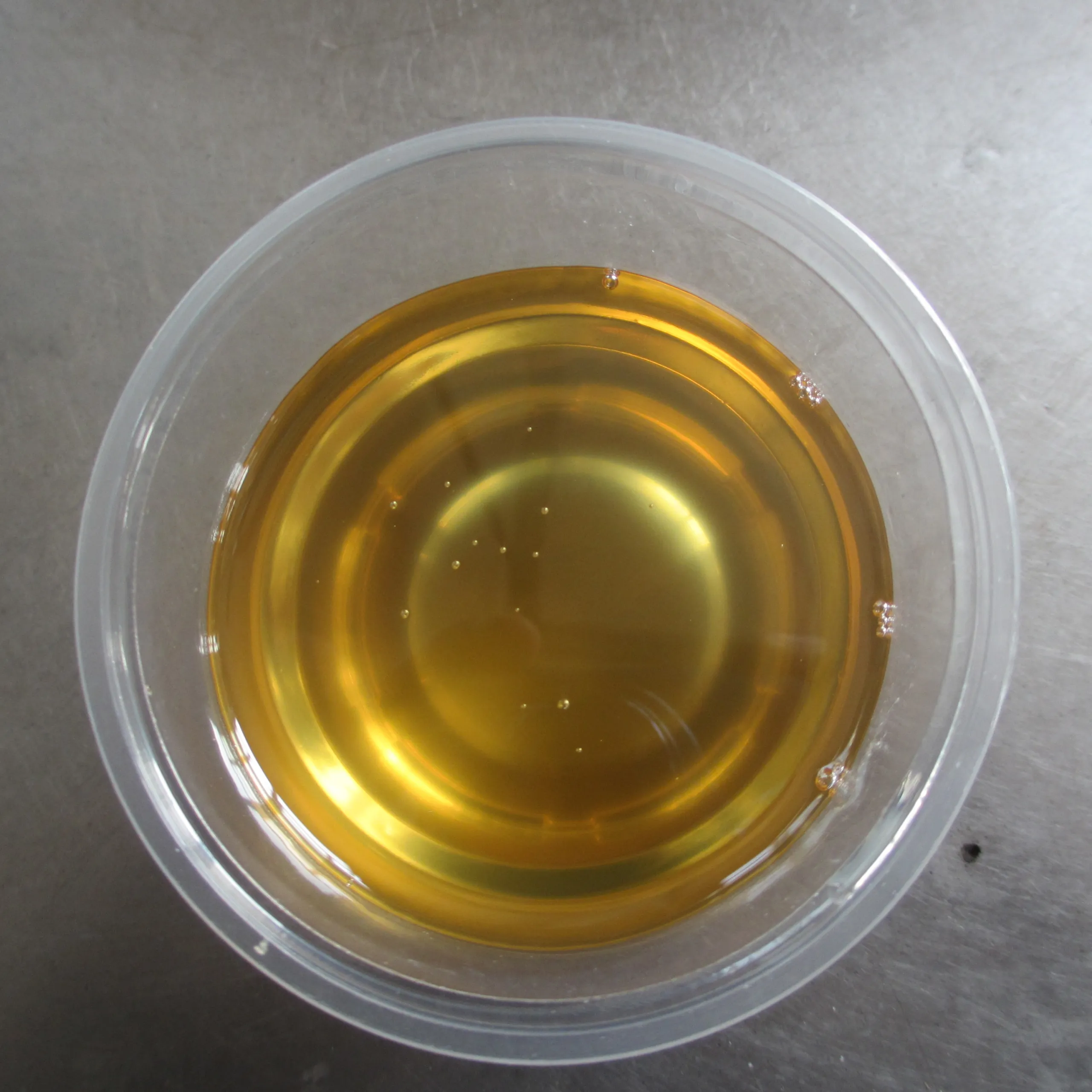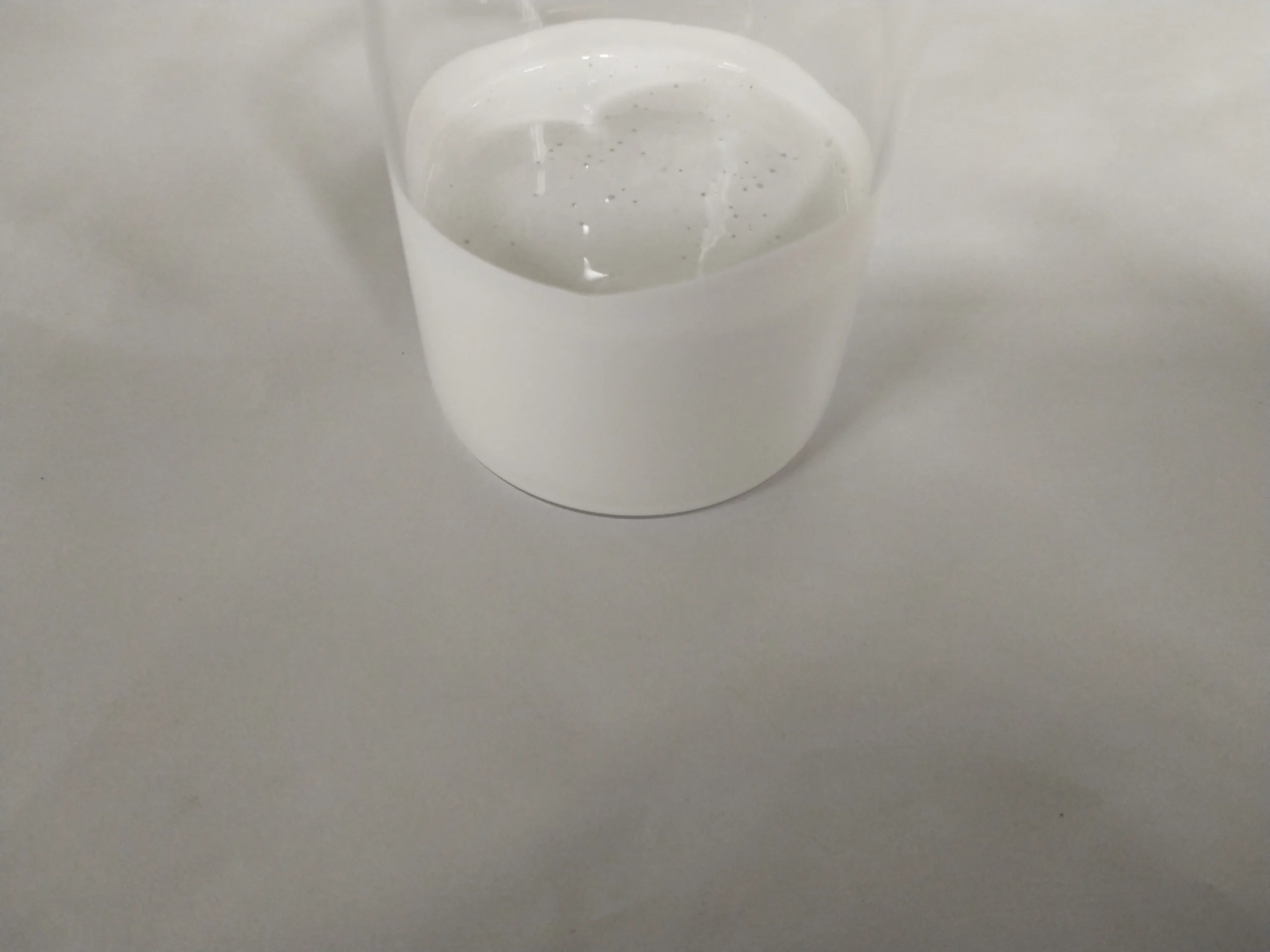
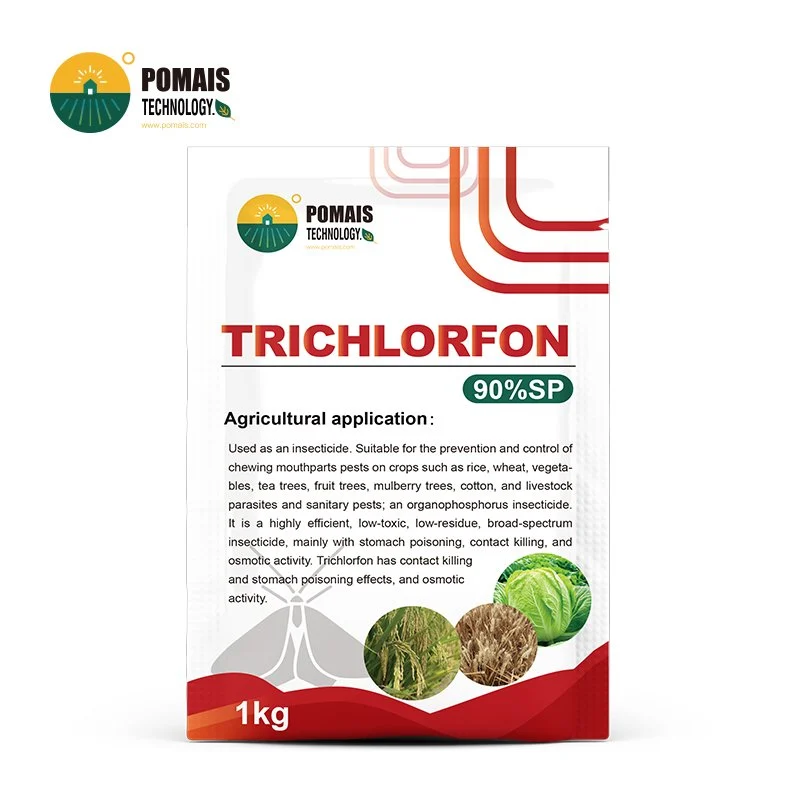
Trichlorfon Insecticide 30% EC, 80/90% SP and 97% TC
Trichlorfon is an organophosphate insecticide used in professional pest-control programs against susceptible insects, with important commercial positioning in white grub and turf-pest management as well as other locally registered applications.
POMAIS supplies Trichlorfon 30% EC, 80% SP, 90% SP, and 97% TC for agricultural distributors, turf-care suppliers, registration companies, formulators, and private-label pesticide brands.
Trichlorfon belongs to IRAC Group 1B and acts by inhibiting acetylcholinesterase in the insect nervous system. Its value lies mainly in relatively rapid control of susceptible pests rather than long-residual protection.
The correct commercial use depends on formulation, target pest, destination-market registration, and application environment.
- Designed for Professional Buyers & Bulk Orders
- We support custom packaging, labeling, and formulation to meet your market needs.
- Export wholesale inquiries only.
- Please include destination country, business type (importer/distributor/registrant), and expected volume.
- Retail requests will not be processed.

About Trichlorfon Insecticide 30% EC, 80/90% SP and 97% TC
| Attribute | Product Information |
|---|---|
| Active Ingredient | Trichlorfon |
| CAS Number | 52-68-6 |
| Molecular Formula | C4H8Cl3O4P |
| Insecticide Class | Organophosphate |
| IRAC Group | 1B |
| Mode of Action | Acetylcholinesterase inhibition |
| Main Activity | Contact and ingestion |
| Formulations | 30% EC, 80% SP, 90% SP, 97% TC |
| Core Commercial Position | White grubs, turf pests and other registered professional pest programs |
| TC Role | Formulation and registration projects |
| Documentation | COA, SDS/MSDS, TDS |
| OEM / Private Label | Available |
| Packaging | Formulation- and market-specific |
Exact pests, crops, turf uses, application rates, PHIs, REIs, intervals, and restrictions depend on the registered product label in the destination market.
What Is Trichlorfon?
Trichlorfon is a Group 1B organophosphate insecticide.
It should not be positioned simply as:
- A low-toxicity insecticide
- A long-residual surface treatment
- A universal agricultural pesticide
- A livestock product
- An aquaculture treatment
- A ready-to-use technical material
Its correct role depends strongly on the registered formulation and target market.
For a broader technical explanation of the active ingredient, see our guide to What Is Trichlorfon?.
How Does Trichlorfon Work?
Trichlorfon affects the insect nervous system.
IRAC Group 1B
Trichlorfon belongs to IRAC Group 1B, which includes organophosphate acetylcholinesterase inhibitors.
This classification is important for:
- Product positioning
- Resistance management
- Rotation planning
- Registration documentation
Acetylcholinesterase Inhibition
Acetylcholinesterase normally helps terminate nerve signals.
When this enzyme is inhibited, acetylcholine accumulates at nerve junctions.
Susceptible insects can develop:
- Continuous nerve stimulation
- Loss of coordinated movement
- Paralysis
- Death
This nerve-action mechanism is one reason Trichlorfon is generally associated with relatively rapid control of susceptible pests.
Contact and Ingestion Activity
Trichlorfon can act when susceptible insects:
- Contact treated areas
- Consume treated material
The relative importance of each pathway depends on:
- Pest
- Application system
- Formulation
- Use site
- Registered label
Trichlorfon should not be marketed as a strongly systemic, long-residual insecticide.
Which Pests Does Trichlorfon Control?
The pest spectrum depends on the destination market and formulation.
Its strongest professional positioning includes turf and soil-associated insect problems.
White Grubs
White grubs are one of the most important commercial targets for Trichlorfon.
These larvae feed on turf roots and can cause:
- Wilting
- Poor root anchorage
- Irregular brown areas
- Turf that lifts easily
- Secondary damage from birds or mammals digging for larvae
Trichlorfon is often positioned where active grub populations are already present and a relatively fast curative response is needed.
Mole Crickets
Certain registered Trichlorfon products may be used against mole crickets in turf and related professional systems.
Treatment success depends on:
- Pest stage
- Soil moisture
- Application timing
- Formulation
- Local label
Sod Webworms and Other Turf Pests
Depending on registration, Trichlorfon may also be positioned against selected:
- Sod webworms
- Caterpillar-type turf pests
- Other susceptible insects
Do not assume one formulation has every historical Trichlorfon use.
Why Is Trichlorfon Important for White Grub Control?
Trichlorfon occupies a different commercial position from many preventive grub insecticides.
Curative Positioning
Some grub-control products are applied before major larval feeding begins.
Trichlorfon is often used when susceptible grubs are already present and feeding.
This gives it a strong curative treatment position where registered.
Timing Still Matters
Curative does not mean growth stage is irrelevant.
Control can depend on:
- Grub species
- Larval stage
- Soil moisture
- Turf condition
- Application timing
- Product rate
Very large or late-stage larvae may respond differently from younger susceptible stages.
Water-In Requirements May Matter
For soil-active turf uses, irrigation after treatment may be required by some product labels to move the insecticide into the root zone.
This should never be converted into one universal irrigation volume or timing rule.
Follow the exact registered product instructions.
Trichlorfon Formulation Options
The four specifications on this page serve different commercial roles.
| Specification | Formulation | Main Product Role | Buyer Consideration |
|---|---|---|---|
| Trichlorfon 30% EC | Emulsifiable Concentrate | Liquid formulated product | Liquid handling, emulsion quality, packaging |
| Trichlorfon 80% SP | Soluble Powder | High-content dry formulation | Solubility, moisture protection, dry-pack market |
| Trichlorfon 90% SP | Soluble Powder | Higher-content dry formulation | Concentration, solubility, packaging, registration |
| Trichlorfon 97% TC | Technical Material | Formulation and registration projects | Assay, impurities, stability, downstream formulation |
Higher concentration does not automatically mean better field efficacy.
A fair comparison should consider:
- Registered use rate
- Target pest
- Formulation
- Application method
- Number of treatments
- Cost per treated area
- Market registration
Trichlorfon 30% EC
30% EC is a formulated liquid product.
Important buyer considerations include:
- Active-content consistency
- Emulsion quality
- Storage stability
- Solvent system
- Packaging compatibility
- Destination-market registration
The commercial advantage is mainly liquid formulation handling and established EC distribution channels.
It should not be compared with 80% or 90% SP by concentration alone.
Trichlorfon 80% SP and 90% SP
SP means Soluble Powder.
These high-content dry formulations are designed to dissolve in water according to their registered use instructions.
Important commercial considerations include:
- Active content
- Water solubility
- Moisture control
- Solution stability
- Packaging barrier
- Storage conditions
The difference between 80% and 90% SP should be evaluated by:
registration + use rate + pack size + formulation quality + cost per treated area
rather than simply assuming that 90% is always better.
What Is Trichlorfon 97% TC Used For?
Trichlorfon 97% TC is technical material.
It is intended mainly for:
- Formulation manufacturing
- Registration projects
- Local repacking or manufacturing where legally permitted
- Downstream EC or SP development
Trichlorfon 97% TC should not be presented as a ready-to-apply field, livestock, or aquaculture product.
Professional TC buyers should evaluate:
- Assay
- Moisture
- Appearance
- Relevant impurities or degradates
- Batch consistency
- Storage stability
- Formulation suitability
The final TC specification should match the downstream formulation and registration dossier.
Why Water pH Matters With Trichlorfon
Trichlorfon stability is an important technical issue.
Under alkaline conditions, Trichlorfon can degrade more rapidly and can form dichlorvos-related degradation products.
This means spray-water quality and formulation conditions matter.
The practical principle is:
avoid treating Trichlorfon as chemically stable under every water condition.
Professional users should follow:
- Product-label water-quality instructions
- Formulation specifications
- Mixing guidance
- Storage conditions
This page does not provide one universal pH adjustment rule because the correct procedure depends on the exact registered product.
Is Trichlorfon the Same as Dichlorvos?
No.
Trichlorfon and dichlorvos are different pesticide active ingredients.
However, they are chemically related, and Trichlorfon can form dichlorvos under certain degradation conditions.
This is important for:
- Storage stability
- Product specification
- Analytical testing
- Environmental behavior
- Registration documentation
Do not market them as interchangeable products.
What Should Trichlorfon Not Be Used For Without Specific Registration?
Historical uses of Trichlorfon should not be transferred automatically to modern agricultural products.
Livestock Use
Trichlorfon has been used in certain veterinary or livestock pest-control products in some markets.
That does not mean an agricultural EC, SP, or 97% TC product can be applied directly to animals.
Livestock use requires a dedicated registered end-use product.
Aquaculture
Trichlorfon has also appeared historically in some aquatic parasite-control programs.
However, aquatic use involves substantial:
- Species-specific safety issues
- Water chemistry
- Exposure control
- Aquatic-organism risk
- Regulatory requirements
Agricultural Trichlorfon products should not be promoted for fish ponds or aquaculture unless the exact formulation is registered for that use.
Public Health or Residential Use
Professional structural or public-health applications also require product-level registration.
Do not infer indoor, household, or mosquito use from the active ingredient alone.
Technical Material
97% TC is not a finished pesticide.
It should only be used for legitimate formulation and registration purposes.
Trichlorfon Resistance Management
Trichlorfon belongs to IRAC Group 1B.
Repeated reliance on Group 1B insecticides can increase resistance selection pressure.
A stronger resistance-management program includes:
- Correct pest identification
- Monitoring pest pressure
- Treating susceptible life stages
- Using effective registered rates
- Rotating with effective insecticides from different IRAC groups
- Avoiding repeated exposure across consecutive generations
- Integrating cultural and nonchemical tools where practical
Is Another Organophosphate a True Rotation?
Not necessarily.
Many other organophosphate insecticides are also Group 1B.
Therefore:
Trichlorfon → another Group 1B organophosphate is not a true IRAC-group rotation.
Changing active ingredient names does not always change the mode of action.
Why 30% EC Quality Matters
A stable EC formulation should maintain consistent performance through:
- Manufacturing
- Filling
- International shipping
- Warehouse storage
- Dilution
- Field use
Important QC parameters may include:
| EC QC Item | Buyer Concern |
|---|---|
| Active content | Confirms formulation strength |
| Appearance | Detects abnormal changes |
| Emulsion stability | Supports spray preparation |
| pH / acidity where applicable | Formulation consistency |
| Low-temperature stability | Export storage |
| Accelerated storage stability | Shelf-life evaluation |
| Packaging compatibility | Leakage and deformation risk |
Final specification limits should follow the actual product TDS and registration dossier.
Quality Control for Trichlorfon 80/90% SP
Soluble powder formulations require a different QC system.
Important test items may include:
| SP QC Item | Buyer Concern |
|---|---|
| Active content | Batch strength |
| Appearance | Product consistency |
| Water solubility | Field mixing performance |
| Solution stability | Spray preparation |
| Moisture | Storage and chemical stability |
| Insoluble matter | Mixing quality |
| pH | Product consistency |
| Storage stability | Shelf-life confidence |
| Packaging barrier | Moisture protection |
Dry packaging should provide suitable moisture protection because formulation stability can be affected by storage conditions.
Quality Control for Trichlorfon 97% TC
Technical material QC should focus on downstream formulation reliability.
Depending on the agreed specification, test items may include:
- Trichlorfon assay
- Appearance
- Moisture
- Relevant impurities or degradation products
- Batch consistency
- Storage stability
TC buyers should confirm analytical requirements before commercial production.
Safety and Worker Protection
Trichlorfon is an organophosphate insecticide and should not be described as “low-toxic” simply because it may degrade relatively quickly.
Its mechanism of action involves acetylcholinesterase inhibition, which also creates important occupational exposure considerations.
Professional programs should follow the exact product:
- Label
- SDS/MSDS
- PPE requirements
- REI
- Mixing/loading instructions
- Spill procedures
- Storage requirements
Safety classification depends on the final formulation and destination-market registration.
Environmental Considerations
Trichlorfon should not be marketed as environmentally harmless.
Water protection is particularly important.
Potential concerns can include:
- Runoff
- Surface-water exposure
- Aquatic invertebrates
- Non-target organisms
- Degradation products
Trichlorfon may degrade relatively rapidly under some environmental conditions, but faster degradation does not mean zero environmental risk.
Application near:
- Ponds
- Streams
- Drainage channels
- Irrigation water
- Aquatic habitats
must follow the local product label.
Packaging and Private Label Supply
POMAIS can supply Trichlorfon products for professional B2B projects.
30% EC Packaging
Liquid packaging can be customized according to:
- Destination market
- Pack-size demand
- Registration
- Transport
- Distributor channel
- Label language
80% / 90% SP Packaging
Dry soluble-powder packaging should prioritize:
- Moisture protection
- Seal integrity
- Product compatibility
- Export transport
97% TC Packaging
Technical material packaging should fit:
- Industrial formulation use
- Stability requirements
- International transport
- Registration documentation
Private-label support may include:
- Packaging selection
- Label artwork
- Multilingual labeling
- Outer cartons
- Batch coding
- Shipping marks
How Should Importers Evaluate a Trichlorfon Supplier?
A professional purchasing decision should go beyond active percentage.
| Procurement Question | Why It Matters |
|---|---|
| Which country will import it? | Registration determines legal uses |
| Which formulation is required? | EC, SP and TC serve different markets |
| Which pests drive demand? | White grub and turf demand may differ from agricultural demand |
| Is the market curative or preventive? | Trichlorfon is strongly positioned for active pest pressure |
| What water-quality conditions are common? | Stability may be affected |
| Which IRAC groups dominate locally? | Resistance planning matters |
| What QC specification is required? | Formulation stability affects reliability |
| Which pack sizes are needed? | Distribution channels differ |
| Which documents are required? | Import and registration needs vary |
| Is the buyer sourcing TC or end-use product? | Completely different commercial roles |
| What is cost per treated area? | Better comparison than price per kg or liter |
Frequently Asked Questions
What is Trichlorfon?
Trichlorfon is an organophosphate insecticide used against susceptible pests in registered professional pest-control programs.
What IRAC group is Trichlorfon?
Trichlorfon belongs to IRAC Group 1B.
How does Trichlorfon work?
It inhibits acetylcholinesterase, disrupting normal insect nerve signaling.
Is Trichlorfon an organophosphate?
Yes.
Is Trichlorfon systemic?
It should not be positioned as a strongly systemic, long-residual insecticide. Its primary commercial value is relatively rapid control of susceptible pests.
Does Trichlorfon kill white grubs?
Yes, white grubs are one of its most important turf targets where registered.
Is Trichlorfon preventive or curative for grubs?
It is commonly positioned as a relatively fast curative option when susceptible grubs are already present.
Does Trichlorfon control mole crickets?
Some registered products include mole-cricket control.
What is the difference between 30% EC and 80/90% SP?
They differ in active concentration, formulation type, handling, packaging, use rate, and registration.
Is 90% SP automatically better than 80% SP?
No. The correct comparison is based on registered use, formulation quality, treatment economics, and market demand.
What is Trichlorfon 97% TC used for?
It is technical material used for formulation and registration projects.
Can 97% TC be applied directly?
No. TC should not be presented as a ready-to-apply agricultural, livestock, or aquaculture product.
Does water pH affect Trichlorfon?
Yes. Trichlorfon stability can decrease under alkaline conditions.
Is Trichlorfon the same as Dichlorvos?
No. They are separate active ingredients, although Trichlorfon can form dichlorvos under certain degradation conditions.
Can Trichlorfon be used on livestock?
Only where a specific registered veterinary or livestock end-use product permits it.
Can Trichlorfon be used in aquaculture?
Only where the exact formulation is specifically registered for the aquatic species and use system.
Is Trichlorfon low toxic?
It should not be described with a universal “low-toxic” claim. Safety depends on the final formulation, exposure route, label, and professional handling requirements.
What QC tests matter for Trichlorfon?
The key tests differ by formulation. EC, SP, and TC require different quality-control parameters.
Can POMAIS provide private-label Trichlorfon?
Yes. Suitable B2B projects can include customized packaging, multilingual labels, technical documentation, and private-label production.
Choose Trichlorfon by Pest, Formulation and Registration
Trichlorfon should not be positioned as a universal organophosphate for every agricultural, animal, aquatic, and household pest.
Its commercial identity is clearer when buyers evaluate:
Trichlorfon → IRAC Group 1B → acetylcholinesterase inhibition → relatively fast pest control → white grub and registered professional uses → correct EC/SP/TC formulation → resistance management → safety and water protection → formulation QC.
The four specifications serve different purposes:
30% EC
Liquid formulated insecticide for registered end-use markets.
80% SP
High-content soluble powder for registered commercial channels.
90% SP
Higher-concentration soluble powder for markets requiring that specification.
97% TC
Technical material for formulation and registration projects.
For importers, distributors, registration companies, and private-label pesticide brands, POMAIS can support Trichlorfon projects with:
- Product specifications
- Batch quality control
- COA, SDS/MSDS and TDS
- Customized packaging
- Multilingual labeling
- Private-label production
- Registration-oriented documentation
The correct procurement question is not:
How many different pests can Trichlorfon be used against?
It is:
Which Trichlorfon formulation matches the target pest, registered use, application system, resistance plan, safety requirements, QC specification, and commercial channel in the destination market?
Contact us!
We will reply to you within 24 hours on business days!