
Cyromazine Insect Growth Regulator
Cyromazine is a selective insect growth regulator used primarily against dipteran larvae. It is widely positioned for agricultural leafminer control, fly-larvae management in livestock environments and approved public-health applications.
As an IRAC Group 17 moulting disruptor, Cyromazine acts mainly on immature insect stages. It interferes with normal larval development, moulting, pupation and adult emergence. It is not designed to provide rapid knockdown of adult flies.
We supply Cyromazine in multiple concentrations and formulation systems to support different registration categories, application methods and distribution channels. Available options include technical material, wettable powder, soluble powder, water-dispersible granules, suspension concentrate, soluble concentrate, granules and selected veterinary premix products.
- Designed for Professional Buyers & Bulk Orders
- We support custom packaging, labeling, and formulation to meet your market needs.
- Export wholesale inquiries only.
- Please include destination country, business type (importer/distributor/registrant), and expected volume.
- Retail requests will not be processed.

About Cyromazine Insect Growth Regulator
| Product Attribute | Specification |
|---|---|
| Active Ingredient | Cyromazine |
| CAS Number | 66215-27-8 |
| Molecular Formula | C₆H₁₀N₆ |
| Chemical Type | Triazine-derived insect growth regulator |
| Product Type | Selective larval insecticide |
| IRAC Classification | Group 17 |
| Main Target Stage | Larvae and developing immature stages |
| Main Agricultural Target | Leafminer larvae |
| Main Hygiene Target | Fly larvae in breeding substrates |
| Adult Fly Knockdown | No rapid adult knockdown |
| Application Categories | Agriculture, livestock hygiene, public health and registered veterinary use |
| Available Formulations | TC, WP, SP, WDG, SC, SL, GR and premix |
| Typical Shelf Life | 2 years under recommended storage conditions |
Final product specifications, application claims, packaging and supporting documents must be matched to the intended market and registration category.
Main Functions
Mode of Action
Target Pests
Suitable Applications
Agricultural Crop Protection
Agricultural Cyromazine products are mainly used for leafminer and other registered dipteran larval control.
Potential crop groups include:
- Cucumbers
- Beans
- Tomatoes
- Leafy vegetables
- Melons
- Potatoes
- Flowers
- Ornamental plants
- Protected crops
- Selected specialty crops
The most suitable formulation depends on the local label, application equipment, crop canopy and market preference.
Common agricultural specifications include:
- Cyromazine 50% WP
- Cyromazine 75% WP
- Cyromazine 50% SP
- Cyromazine 70% WDG
- Cyromazine 80% WDG
- Selected SC and SL products
For leafminer control, timing is more important than applying a high dose after severe damage has occurred.
Treatment should generally target:
- Initial adult activity
- First fresh mines
- Early larval stages
- Local economic thresholds
Uniform canopy coverage is important, especially on crops with dense foliage.
Livestock Hygiene
Fly breeding in poultry and livestock production is closely connected to manure moisture, bedding management and organic waste accumulation.
Cyromazine environmental products may be used in registered programs covering:
- Poultry houses
- Layer and broiler facilities
- Cattle housing
- Dairy operations
- Pig housing
- Calf pens
- Manure storage areas
- Wet bedding
- Farm waste collection zones
Environmental products are applied to the breeding substrate, not directly to animals.
Effective livestock fly management also requires:
- Regular manure removal
- Repair of leaking drinkers
- Reduction of wet feed accumulation
- Improved ventilation
- Bedding replacement
- Adult fly monitoring
- Rotation between larvicide modes of action
Public Sanitation
Cyromazine may also be included in approved public-health programs targeting fly larvae in organic breeding material.
Potential use sites may include:
- Refuse collection areas
- Waste transfer facilities
- Composting sites
- Public toilets
- Organic waste storage zones
- Other label-approved sanitation sites
Application should be directed at moist breeding material where larvae are actively developing.
Cyromazine should not automatically be promoted for:
- Open-water treatment
- Aquaculture environments
- Unrestricted sewage treatment
- General mosquito control
- Direct application to animals
- Food-contact surfaces
Any additional use must be supported by the locally approved label.
Veterinary and Feed-Through Programs
In some markets, Cyromazine is registered as a veterinary premix or water-soluble product for feed-through fly management.
After administration, a portion of the active ingredient or active residue reaches the manure, where it affects fly larvae developing in the waste material.
These products require specific controls covering:
- Veterinary or feed registration
- Approved excipients
- Species-specific directions
- Feed mixing uniformity
- Residue management
- Withdrawal periods
- Manufacturing standards
Agricultural WP, SC, WDG or TC products must not be added to animal feed or drinking water.
The active ingredient may be the same, but the formulation standard, impurities, carriers, regulatory category and residue requirements are different.
Available Formulations
We can evaluate a range of Cyromazine specifications according to the buyer’s market, registration status and application requirements.
| Formulation | Common Specifications | Main Positioning |
|---|---|---|
| Technical Material | 90%, 95%, 98%, 99% TC | Production of registered formulations |
| Wettable Powder | 50%, 75% WP | Agricultural leafminer control |
| Soluble Powder | 50%, 75% SP | Agricultural or specialized registered use |
| Water-Dispersible Granules | 70%, 80% WDG | Concentrated, lower-dust agricultural product |
| Suspension Concentrate | 10%, 20%, 30% SC | Registered crop or hygiene application |
| Soluble Concentrate | 10% SL | Convenient liquid dilution |
| Granules | 1.5% GR and selected specifications | Soil, substrate or specialty use |
| Premix | 1%, 10% and registered specifications | Veterinary feed-through programs |
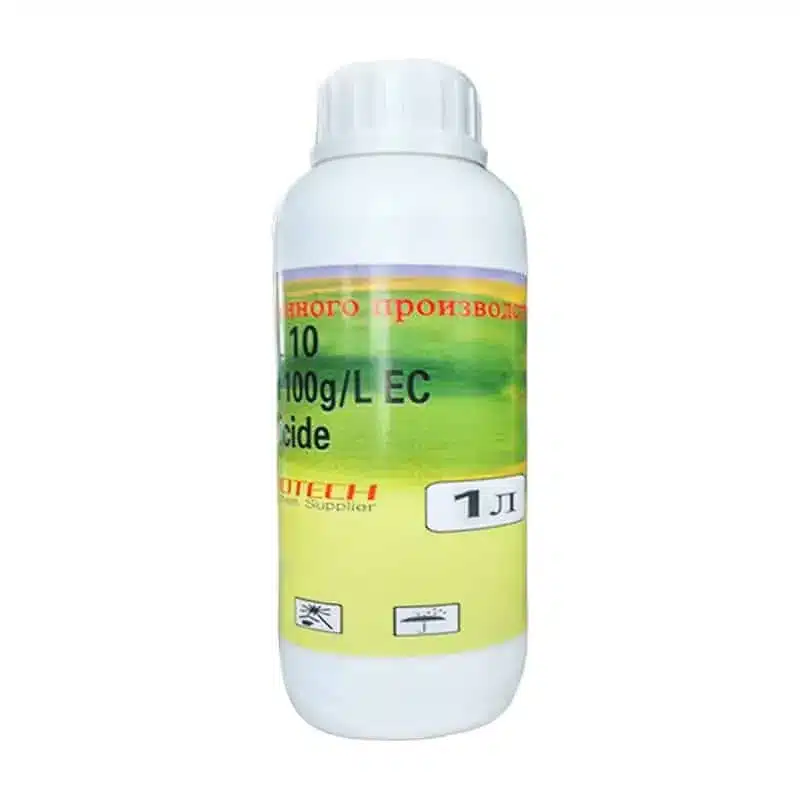
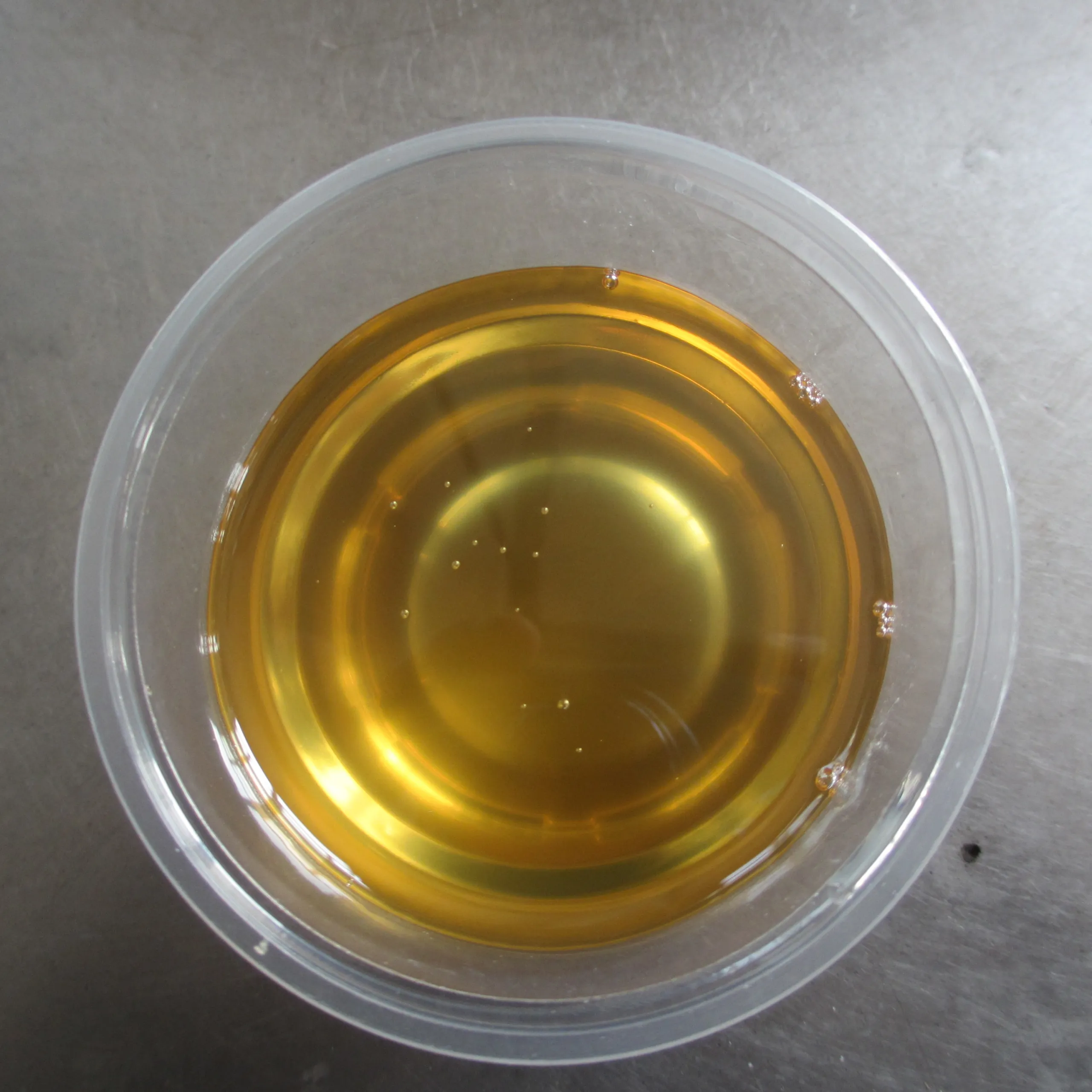
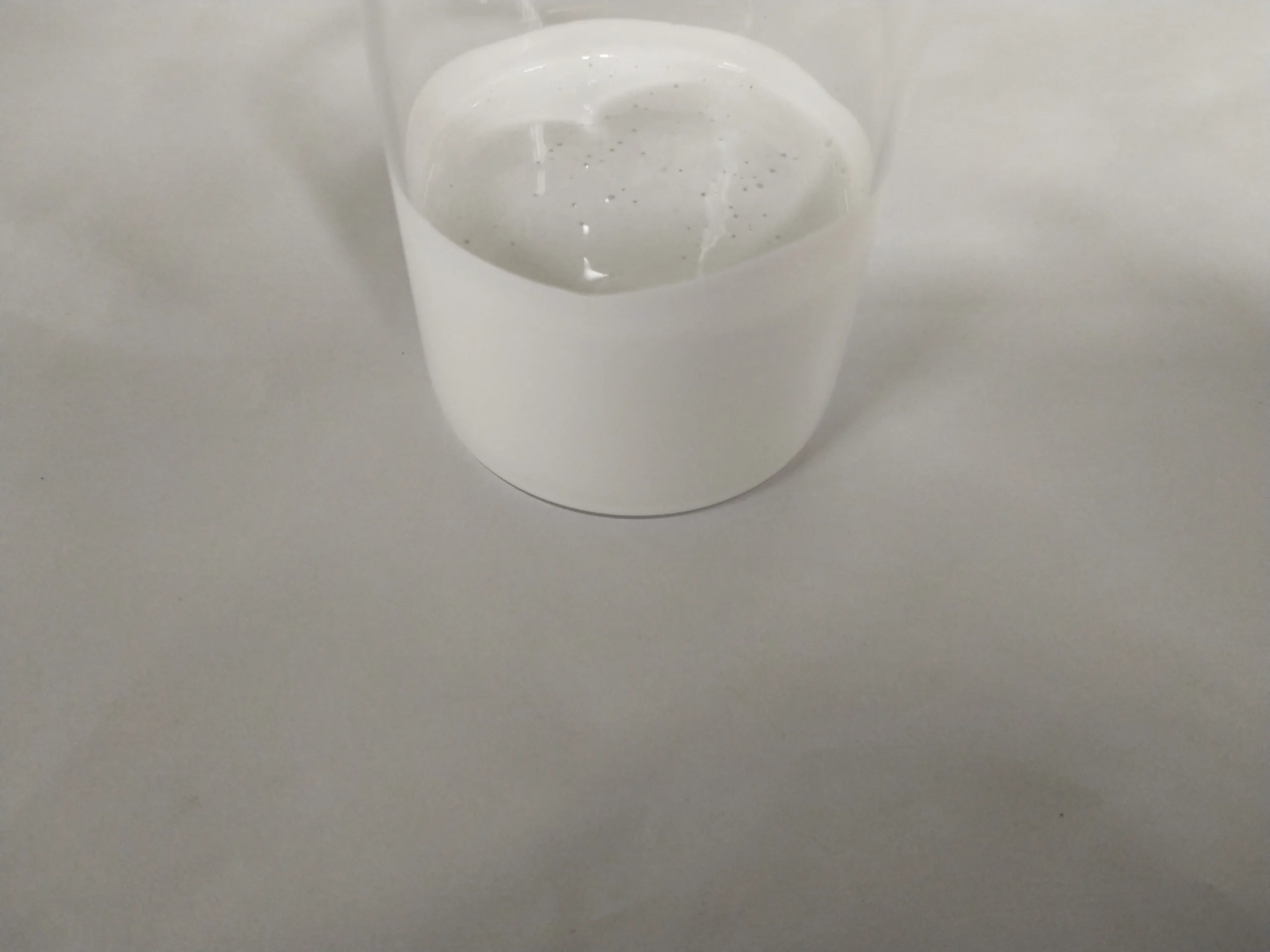
Cyromazine 30% SC
Cyromazine 30% SC is a liquid suspension concentrate containing fine active ingredient particles dispersed in a carrier system.
Its main practical advantages include:
- Convenient liquid measurement
- No powder dust during mixing
- Easy dilution
- Suitability for professional spray equipment
- Flexible positioning for registered crop or hygiene uses
Important SC quality indicators include:
- Particle-size control
- Suspension stability
- Pourability
- Redispersibility
- Dilution stability
- Low-temperature stability
- Accelerated heat-storage stability
Cyromazine 30% SC should not automatically be described as a public-health product. Its legal use depends on the approved registration and label.
Cyromazine 50% WP
Cyromazine 50% WP is a standard-concentration wettable powder commonly positioned for agricultural leafminer control.
It offers:
- Established WP market acceptance
- Efficient solid-product transportation
- Flexible retail and professional packaging
- Familiar mixing procedures for agricultural channels
- A moderate active ingredient concentration
The product should be pre-mixed correctly and kept under agitation during spraying to maintain uniform distribution.
Cyromazine 75% WP
Cyromazine 75% WP provides a higher active ingredient concentration than the 50% WP specification.
Its commercial advantages may include:
- Higher active ingredient loading
- Lower product weight for an equivalent amount of active ingredient
- Efficient storage and transport
- Concentrated professional positioning
- Compatibility with markets already familiar with high-load WP products
Selection between 50% WP and 75% WP should be based on the local registration, dosage structure, packaging preference and competitive market position.
A higher concentration does not automatically mean better field performance. The registered application rate and formulation quality remain critical.
Cyromazine Formulation Selection
The correct Cyromazine product should be selected according to the intended use, not only the active ingredient concentration.
| Buyer Requirement | Recommended Product Direction |
|---|---|
| Agricultural leafminer control | WP, SP, WDG or registered SC |
| Concentrated agricultural product | 75% WP, 70% WDG or 80% WDG |
| Lower-dust solid formulation | WDG |
| Convenient liquid measurement | SC or SL |
| Manure and bedding treatment | Registered hygiene SC, SP or specialized larvicide |
| Soil or growing-substrate use | Registered GR or soil-use formulation |
| Feed-through livestock program | Veterinary premix or approved veterinary soluble product |
| Local formulation production | Registered technical material |
| New registration project | Specification selected according to local regulatory requirements |
Agricultural Products
Agricultural Cyromazine formulations are designed for crop, soil or growing-media applications.
Their formulation systems may contain:
- Wetting agents
- Dispersants
- Suspension aids
- Anti-caking agents
- Solvents or liquid carriers
- Agricultural surfactants
They must not be assumed suitable for animal feed or drinking water.
Public-Health Products
Public-health Cyromazine products are formulated and registered for environmental treatment of fly-breeding material.
The approved use sites, rates and precautions may differ from agricultural labels.
A crop-protection label does not automatically authorize use in manure, waste facilities or public sanitation sites.
Veterinary Products
Veterinary and feed-grade products require a separate standard.
Key controls may include:
- Suitable carriers
- Mixing uniformity
- Species-specific dosing
- Residue limits
- Withdrawal periods
- Feed or veterinary manufacturing requirements
Only registered veterinary products should be administered through feed or water.
Technical Material
Cyromazine technical material is intended primarily for industrial formulation.
It is normally supplied to:
- Formulation manufacturers
- Registration holders
- Qualified importers
- Industrial processing companies
Technical material should not be promoted as a ready-to-use field product without an approved end-use registration and label.
Application Guidance
Agricultural Application Timing
For leafminer management, Cyromazine should be applied during early infestation.
Recommended decision points include:
- Detection of adult leafminer activity
- Appearance of the first fresh mines
- Presence of early larval stages
- Local threshold recommendations
- Known seasonal pest pressure
Do not wait until most leaves are heavily mined.
Existing damage will remain visible after treatment. Field evaluation should focus on the number of new mines and the reduction in larval development.
Spray Coverage
Agricultural spray performance depends on uniform coverage.
Professional users should consider:
- Crop canopy density
- Leaf orientation
- Spray volume
- Nozzle selection
- Water quality
- Agitation
- Weather conditions
Both sides of the leaf may require attention, especially in dense vegetable and ornamental crops.
Manure and Breeding-Substrate Treatment
For hygiene applications, treatment should focus on the sites where larvae are actively developing.
Typical target zones include:
- Moist manure
- Wet bedding
- Spilled feed mixed with manure
- Organic waste
- Manure edges
- Areas around leaking drinkers
- Decomposing plant material
Applying the product only to clean walls or dry floors will not control larvae developing deeper in organic matter.
Integrated Fly Management
Cyromazine performs best when combined with operational hygiene measures.
A practical program may include:
- Frequent manure removal
- Reduction of excess moisture
- Repair of water leaks
- Waste-management schedules
- Fly monitoring
- Adult fly baits
- Traps
- Physical exclusion
- Rotation of larvicides
The objective is to reduce both the current adult population and the next developing generation.
Application Rates
Application rates vary according to:
- Formulation
- Active ingredient content
- Crop
- Pest species
- Breeding substrate
- Application equipment
- Registration label
- Local resistance conditions
Application rates, treatment intervals and permitted use sites must follow the locally approved product label.
Formulation Features
WP Formulations
Wettable powders form a suspension after mixing with water.
Their commercial strengths include:
- High active ingredient loading
- Efficient packaging
- Familiar agricultural handling
- Flexible pack-size options
- Good transportation efficiency
Operational requirements include:
- Controlled powder handling
- Correct pre-mixing
- Continuous agitation
- Appropriate PPE
- Clean spray filters and nozzles
SP Formulations
Soluble powder products are designed to dissolve more completely in water than conventional WP products.
A well-developed SP formulation may offer:
- Faster tank preparation
- Reduced sediment
- Uniform active ingredient distribution
- Convenient use in suitable water conditions
Agricultural SP and veterinary soluble products must be treated as separate product categories.
WDG Formulations
Water-dispersible granules break apart and disperse after being added to water.
Their advantages may include:
- Lower airborne dust
- Easier weighing
- Concentrated active loading
- Cleaner handling
- Efficient storage
- Reduced powder exposure
Important quality indicators include wetting, disintegration, suspensibility and granule integrity.
SC Formulations
Suspension concentrates provide a liquid alternative to WP and WDG formulations.
Their main advantages include:
- Easy liquid measurement
- Reduced dust exposure
- Convenient tank mixing
- Suitability for automated dosing systems
- Flexible professional packaging
SC performance depends heavily on particle size and physical stability.
SL Formulations
Soluble concentrate products are diluted directly with water.
They are suitable where the market prefers:
- Lower-concentration liquid products
- Simple measurement
- Fast dilution
- Reduced solid residues
The formulation must remain chemically and physically stable under expected storage and water conditions.
GR Formulations
Granular products support direct placement in soil, growing media or selected substrates.
Key quality considerations include:
- Granule size
- Active ingredient uniformity
- Dust level
- Mechanical strength
- Distribution consistency
- Release behaviour
GR products should only be positioned for uses supported by their registration.
Premix Products
Cyromazine premix products require reliable distribution of a low active ingredient concentration throughout feed.
Key requirements include:
- Homogeneous mixing
- Suitable feed-grade carrier
- Batch consistency
- Veterinary product standards
- Clear species instructions
- Residue and withdrawal controls
Agricultural formulations cannot be substituted for a premix product.
Technical Material
Technical material quality is evaluated through:
- Active ingredient purity
- Impurity profile
- Moisture
- Appearance
- Chemical stability
- Packaging compatibility
- Storage performance
The selected purity should match the intended formulation and registration specification.
Quality Control
We evaluate Cyromazine products through formulation-specific quality parameters rather than relying only on active ingredient content.
Solid Formulation Control
For WP, SP, WDG and GR products, important controls may include:
- Active ingredient content
- Moisture
- pH
- Wetting time
- Suspensibility
- Solubility
- Particle-size distribution
- Disintegration time
- Dust level
- Granule integrity
- Accelerated storage stability
Liquid Formulation Control
For SC and SL products, testing may include:
- Active ingredient content
- Appearance
- pH
- Particle size
- Pourability
- Suspension stability
- Redispersibility
- Persistent foam
- Dilution stability
- Low-temperature stability
- Accelerated heat-storage stability
Packaging Compatibility
Packaging must be compatible with the final formulation throughout storage and transport.
Evaluation may cover:
- Leakage
- Sealing performance
- Moisture protection
- Container deformation
- Label adhesion
- Chemical compatibility
- Transport durability
Batch control focuses on active ingredient content, physical stability, dilution performance and packaging compatibility.
Product Advantages
Multiple Formulation Options
We can evaluate solid, liquid, granular, technical and selected veterinary specifications for different market channels.
This helps importers avoid forcing one formulation into an unsuitable application.
Targeted Larval Control
Cyromazine is specifically positioned for immature dipteran stages.
Its value comes from interrupting pest development before a new adult generation is established.
Agricultural and Hygiene Market Coverage
The active ingredient has established application value in crop protection and fly-larvae management.
Each application category must still be handled through the correct formulation and registration pathway.
Flexible Concentration Selection
Available concentrations allow buyers to consider:
- Standard market specifications
- High-concentration products
- Liquid product lines
- Lower-dust formulations
- Industrial formulation projects
- Veterinary channels
Practical Registration and Export Support
We support qualified importers, distributors and registration partners with product specifications, available technical files, packaging evaluation and batch documentation.
The exact support scope depends on the selected formulation and target country.
Safety and Resistance Management
Operator Safety
Users should follow the approved label and Safety Data Sheet.
General precautions include:
- Wear protective clothing and gloves.
- Use eye protection during mixing and application.
- Avoid inhaling powder or spray mist.
- Do not eat, drink or smoke while handling the product.
- Wash exposed skin after use.
- Clean equipment according to the approved procedure.
- Keep unauthorized personnel away from the treatment area.
Environmental Protection
Cyromazine products should not be allowed to contaminate:
- Rivers
- Ponds
- Reservoirs
- Irrigation channels
- Drinking-water systems
- Aquatic production areas
Do not clean application equipment in open water.
Environmental precautions for fish, aquatic organisms, bees, silkworms and other non-target species must follow the approved product label.
Food, Feed and Animal Protection
Agricultural products must be kept separate from:
- Food
- Animal feed
- Drinking water
- Veterinary medicines
- Feed ingredients
Do not apply agricultural formulations directly to animals or mix them into feed.
Veterinary products must follow the approved species, dose and withdrawal instructions.
Resistance Management
To protect product performance:
- Rotate Cyromazine with different IRAC groups.
- Avoid repeated Group 17 applications throughout the season.
- Use registered application rates.
- Apply during susceptible larval stages.
- Combine treatment with monitoring and sanitation.
- Remove heavily infested plant material where practical.
- Do not rely on Cyromazine as the only control measure.
- Follow local limits on application frequency.
Storage and Transport
Store Cyromazine products in tightly closed original packaging.
Recommended storage conditions include:
- Cool environment
- Dry environment
- Good ventilation
- Protection from direct sunlight
- Protection from excessive heat
- Protection from moisture
- Separation from food and feed
- Restricted access for children and unauthorized personnel
Powder products should be handled carefully to minimize dust generation.
Technical material should be kept away from heat, ignition sources and conditions that may create excessive airborne dust.
Transport classification must be confirmed according to the final formulation, concentration, packaging and SDS.
Packaging Options
Packaging is selected according to formulation compatibility, registration requirements, distribution channel and order volume.
Solid Product Packaging
Possible options include:
- Laminated pouches
- Aluminium foil bags
- Plastic jars
- Composite bags
- Fibre drums
- Industrial bags
- Lined industrial drums
Liquid Product Packaging
Possible options include:
- HDPE bottles
- Fluorinated bottles where required
- Jerry cans
- Plastic drums
- Larger industrial containers where suitable
Packaging Selection Factors
Before confirming a pack format, we evaluate:
- Formulation compatibility
- Moisture protection
- Sealing requirements
- Label dimensions
- Transport method
- Retail or professional positioning
- Local registration requirements
- Required order volume
Not every packaging option is suitable for every Cyromazine formulation.
Registration, Document and Supply Support
We supply Cyromazine products to qualified importers, distributors, registration companies and local crop-protection partners.
Available project materials may include:
- Certificate of Analysis
- Safety Data Sheet
- Technical Data Sheet
- Product specification
- Formulation information
- Sample label
- Packaging proposal
- Batch quality-control records
- Technical material specification
- Registration document availability review
- Multilingual label adaptation
Document availability depends on:
- Selected formulation
- Active ingredient concentration
- Target country
- Registration category
- Intended use
- Project volume
- Existing data ownership and authorization
We do not treat agricultural, public-health and veterinary projects as the same product request. The intended category must be confirmed before the specification and document package are evaluated.
Frequently Asked Questions
Request Cyromazine
Tell us your target market, intended application, preferred formulation, required concentration, packaging format and estimated annual demand.
We will review the appropriate Cyromazine specification and available supporting documents for your agricultural, public-health, livestock-hygiene or formulation project.
Contact us!
We will reply to you within 24 hours on business days!