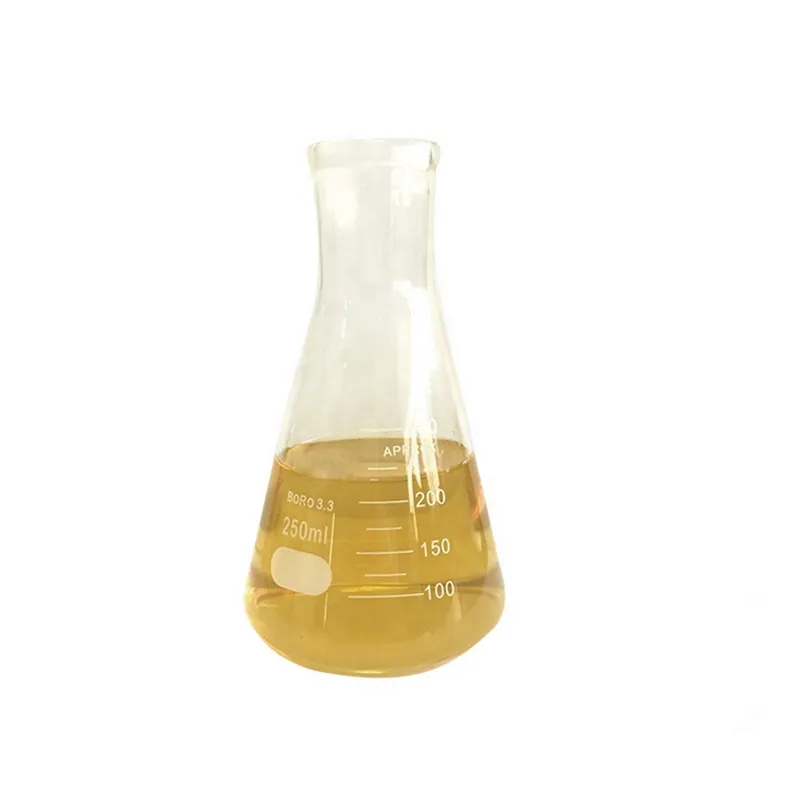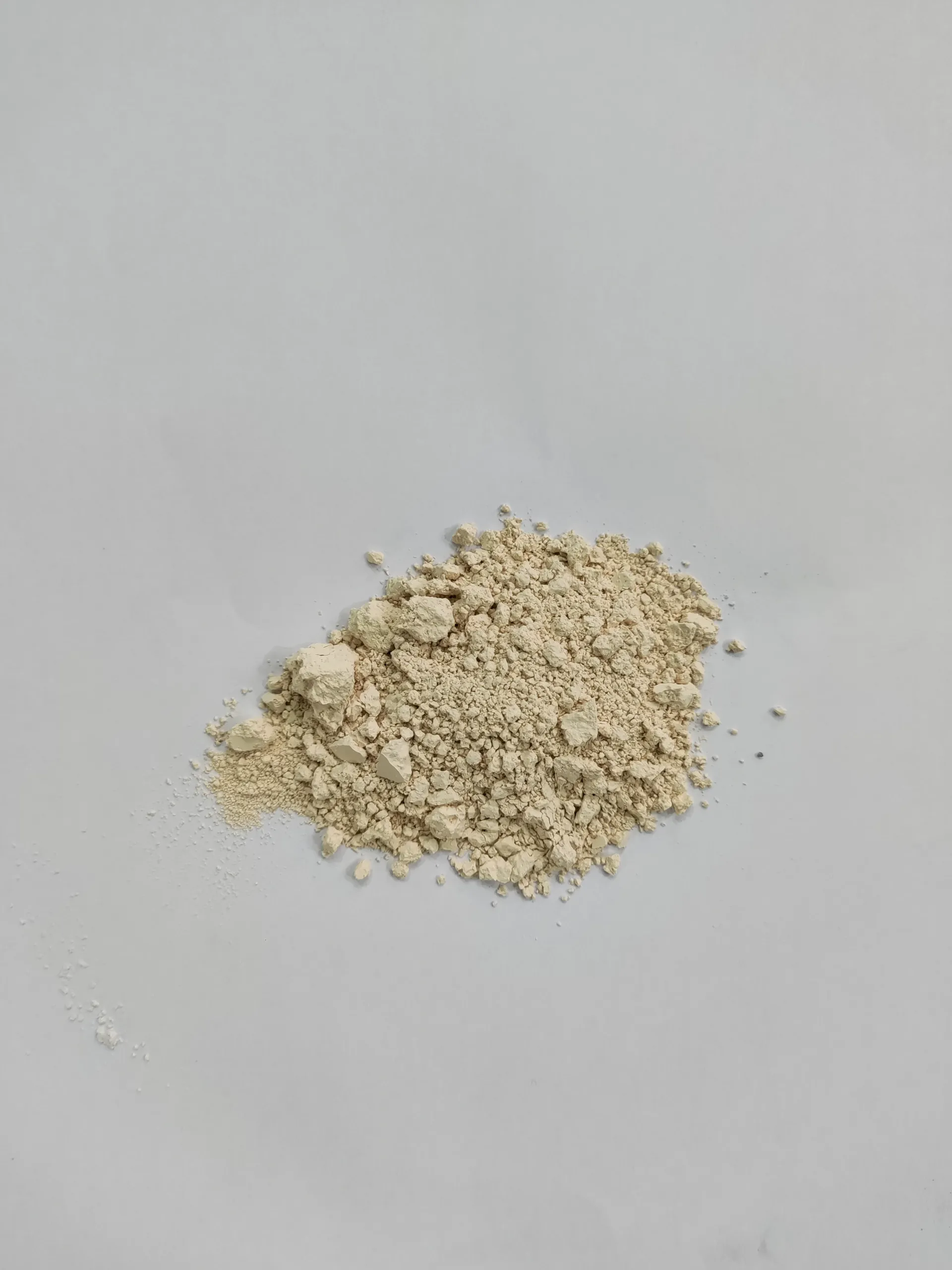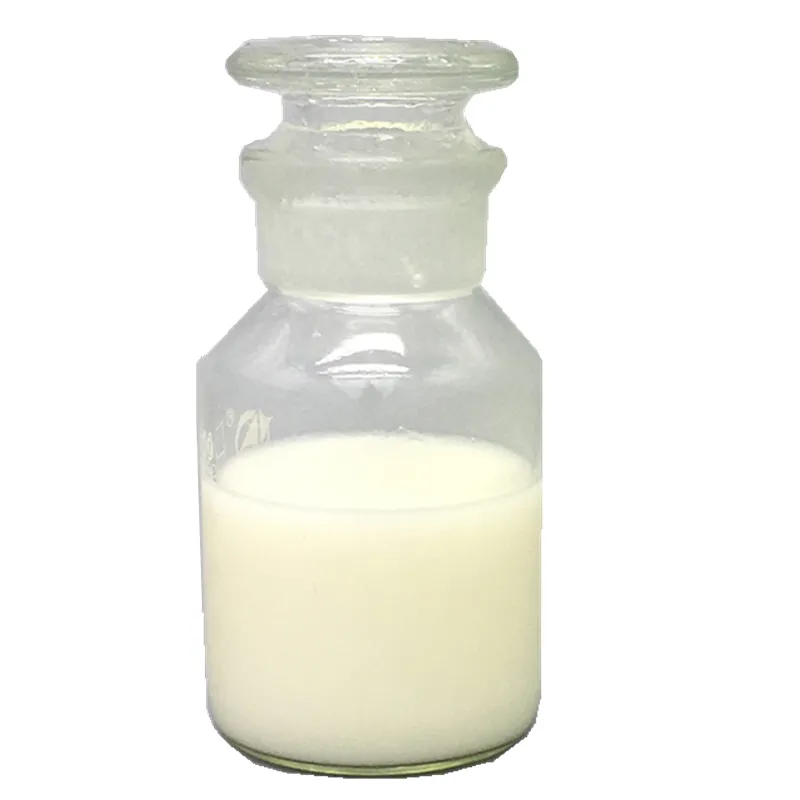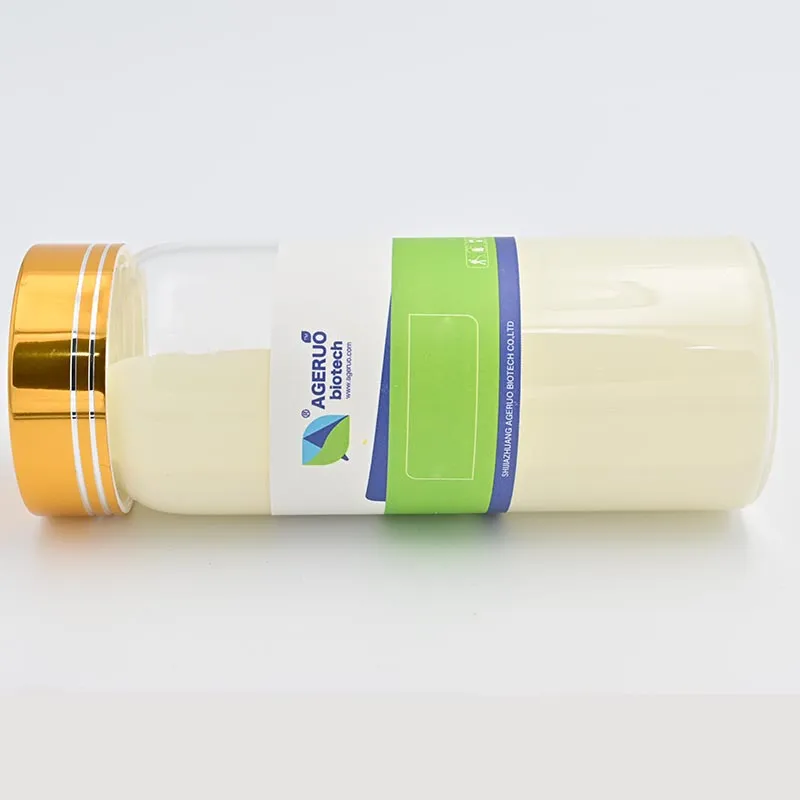
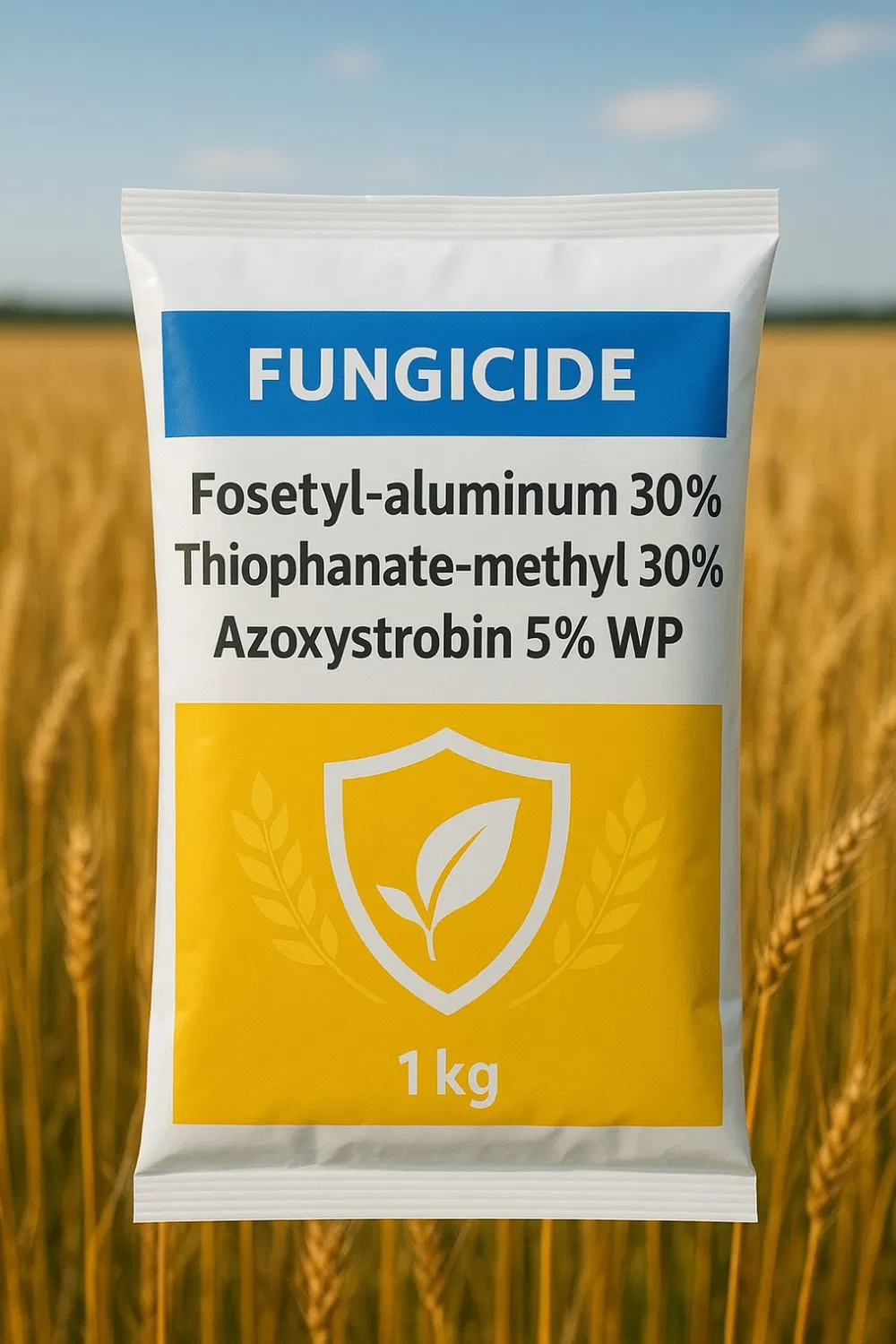
Fosetyl-aluminum 30% + Thiophanate-methyl 30% + Azoxystrobin 5% WP
POMAIS Fosetyl-Aluminum 30% + Thiophanate-Methyl 30% + Azoxystrobin 5% WP is a triple-active fungicide for preventive and early-stage disease management in approved agricultural crops.
The formulation combines three biological activity profiles. Fosetyl-Aluminum provides systemic phosphonate activity, Thiophanate-Methyl inhibits fungal cell division, and Azoxystrobin blocks mitochondrial respiration.
With a total active ingredient content of 65%, this WP formulation is supplied for agrochemical importers, distributors, registration companies and crop protection brands requiring a broad fungicide product for mixed disease programs.
- Designed for Professional Buyers & Bulk Orders
- We support custom packaging, labeling, and formulation to meet your market needs.
- Export wholesale inquiries only.
- Please include destination country, business type (importer/distributor/registrant), and expected volume.
- Retail requests will not be processed.

About Fosetyl-aluminum 30% + Thiophanate-methyl 30% + Azoxystrobin 5% WP
| Product Attribute | Specification |
|---|---|
| Product Name | Fosetyl-Aluminum 30% + Thiophanate-Methyl 30% + Azoxystrobin 5% WP |
| Fosetyl-Aluminum Content | 30% |
| Thiophanate-Methyl Content | 30% |
| Azoxystrobin Content | 5% |
| Total Active Ingredient Content | 65% |
| Formulation | WP — Wettable Powder |
| Product Type | Triple-active fungicide |
| Fosetyl-Aluminum FRAC Group | P07 |
| Thiophanate-Methyl FRAC Group | Group 1 |
| Azoxystrobin FRAC Group | Group 11 |
| Primary Activity | Preventive and early-stage disease management |
| Main Disease Direction | Approved Oomycete and foliar fungal diseases |
| Application Method | Foliar spray and other label-approved methods |
| Standard MOQ | Normally 1,000 kg |
| Available Documents | COA, SDS, TDS and product specification |
| Supply Type | Bulk B2B supply for registration, import and distribution |
Final crops, diseases, application rates, spray intervals, PHI, REI and seasonal-use limits must follow the approved destination-market label.
What Is This Triple-Active Fungicide?
This product combines Fosetyl-Aluminum, Thiophanate-Methyl and Azoxystrobin in one wettable powder formulation.
The three components provide different disease-management functions:
- Systemic phosphonate activity
- Inhibition of fungal cell division
- Inhibition of mitochondrial respiration
- Preventive protection
- Early infection suppression
- Broader positioning than a single-active fungicide
The product is not a universal treatment for every fungal disease.
Its final crop and disease claims must match the exact registration and local label.
For wider product selection, buyers can review the POMAIS fungicide product portfolio.
How Do the Three Active Ingredients Work?
Fosetyl-Aluminum Systemic Activity
Fosetyl-Aluminum belongs to FRAC Group P07.
After absorption, it can move within the plant and support protection in treated tissues. It is particularly relevant to approved disease programs involving Oomycete pathogens.
Its activity may include:
- Direct effects on susceptible pathogens
- Support for plant defense responses
- Upward and downward movement where supported by crop and application conditions
- Preventive protection against approved diseases
Fosetyl-Aluminum should not be described as controlling every root, stem or leaf disease.
Thiophanate-Methyl Mitosis Inhibition
Thiophanate-Methyl belongs to FRAC Group 1 and the MBC fungicide group.
It interferes with microtubule formation and fungal mitosis. This prevents susceptible fungal cells from dividing normally.
Thiophanate-Methyl may provide:
- Systemic activity
- Preventive protection
- Early-stage disease suppression
- Activity against selected registered foliar and tissue diseases
Resistance to MBC fungicides is already established in several pathogen groups. It should not be relied upon where Group 1 resistance is confirmed.
Azoxystrobin Respiratory Inhibition
Azoxystrobin belongs to FRAC Group 11.
It inhibits mitochondrial respiration at the Complex III Qo site. This reduces the energy required for spore germination and early fungal growth.
Azoxystrobin is mainly valued for:
- Preventive protection
- Activity against susceptible foliar pathogens
- Early infection suppression
- Broad crop-market relevance
- Translaminar and locally systemic movement
It is a single-site fungicide with a high resistance risk.
Combined Disease-Control Profile
The three active ingredients provide complementary activity:
Fosetyl-Aluminum supports systemic phosphonate and Oomycete positioning → Thiophanate-Methyl inhibits fungal cell division → Azoxystrobin blocks mitochondrial energy production
The premix may provide broader disease-program flexibility than a single-active product.
However, repeated application still creates resistance pressure on FRAC Groups 1 and 11.
Typical Crop and Disease Directions
The following table describes common product-positioning directions. It is not a universal registration label.
| Crop Direction | Typical Disease Direction | Product Positioning |
|---|---|---|
| Vegetables | Approved leaf spots, rots and Oomycete diseases | Preventive and early-stage treatment |
| Fruit Crops | Registered anthracnose, leaf and fruit diseases | Crop-specific disease programs |
| Grapes and Vines | Approved foliar and Oomycete diseases | Preventive canopy protection |
| Field Crops | Label-listed leaf, stem and root-zone diseases | Program-based application |
| Ornamentals | Approved foliar and root diseases | Variety and label confirmation required |
| Protected Crops | Registered greenhouse diseases | Separate protected-crop approval required |
Potential disease directions may include:
- Downy mildew
- Phytophthora-related diseases
- Anthracnose
- Powdery mildew
- Leaf spots
- Blights
- Stem and root diseases
- Other label-approved fungal diseases
Exact efficacy depends on the pathogen, crop, timing, resistance status and application method.
When Should the Product Be Applied?
Preventive Application
The preferred timing is before disease becomes established.
Treatment may be considered when:
- Weather favors infection
- Disease has appeared in nearby fields
- The crop is entering a susceptible stage
- Field history indicates recurring disease pressure
- Disease forecasting identifies a high-risk period
Early Disease Development
Where the label permits, the product may also be used at the earliest stage of infection.
Do not wait until:
- Symptoms are widespread
- Large areas of tissue are damaged
- Multiple infection cycles have occurred
- The pathogen population is known to be resistant
Fungicides cannot restore tissue already destroyed by disease.
Spray Interval
Spray intervals depend on:
- Crop
- Disease
- Weather
- Application rate
- Disease pressure
- Crop growth
- Local resistance-management requirements
There is no one interval suitable for every market.
Application Guidance
1. Confirm the Crop and Disease
Before application, verify:
- Registered crop
- Correct disease diagnosis
- Crop growth stage
- Disease-development stage
- Local resistance history
- PHI and REI
A bacterial, viral or physiological disorder will not be controlled by a fungicide.
2. Apply Preventively or Early
The product should be integrated before severe disease develops.
This is especially important for Azoxystrobin because FRAC Group 11 fungicides perform best when used preventively.
3. Prepare the WP Correctly
WP means Wettable Powder.
The product disperses in water to form a suspension. It does not dissolve completely.
Where permitted by the label:
- Fill the spray tank partly with clean water.
- Start agitation.
- Prepare a slurry or premix where required.
- Add the measured product slowly.
- Complete filling with water.
- Maintain agitation during application.
4. Achieve Uniform Coverage
Coverage is important for preventive disease protection.
The spray should reach:
- Upper and lower leaf surfaces
- Inner canopy foliage
- Young leaves
- Disease-prone stems or fruit surfaces
- Dense crop areas
5. Follow the Registered Rate
Do not apply one global rate across all crops and diseases.
The application rate, water volume and maximum number of treatments must come from the exact local label.
6. Respect PHI and REI
Pre-harvest and re-entry intervals are product- and market-specific.
Do not transfer intervals from another formulation or country.
WP Formulation Features
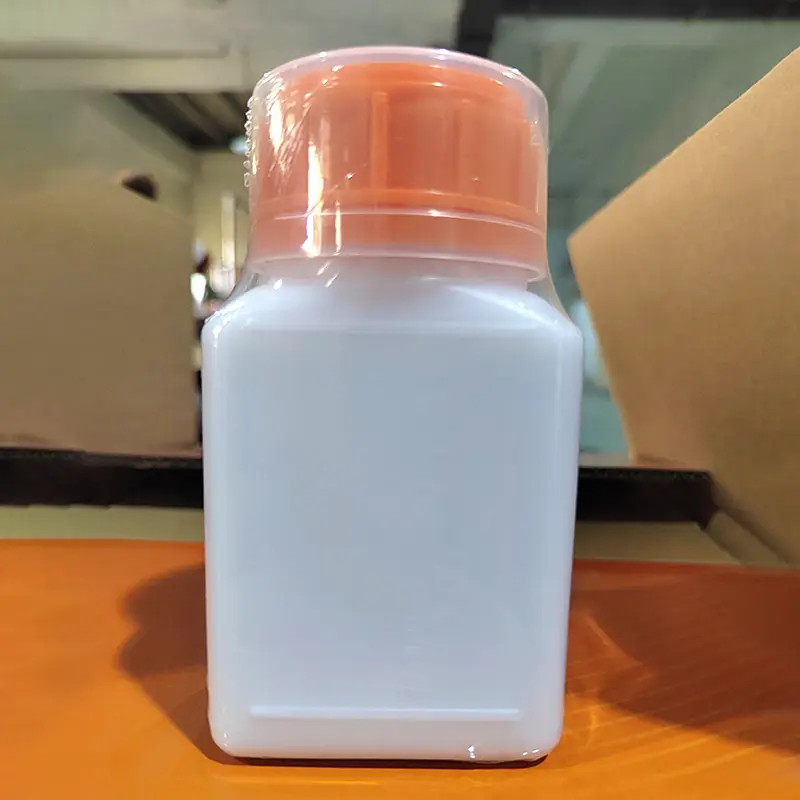
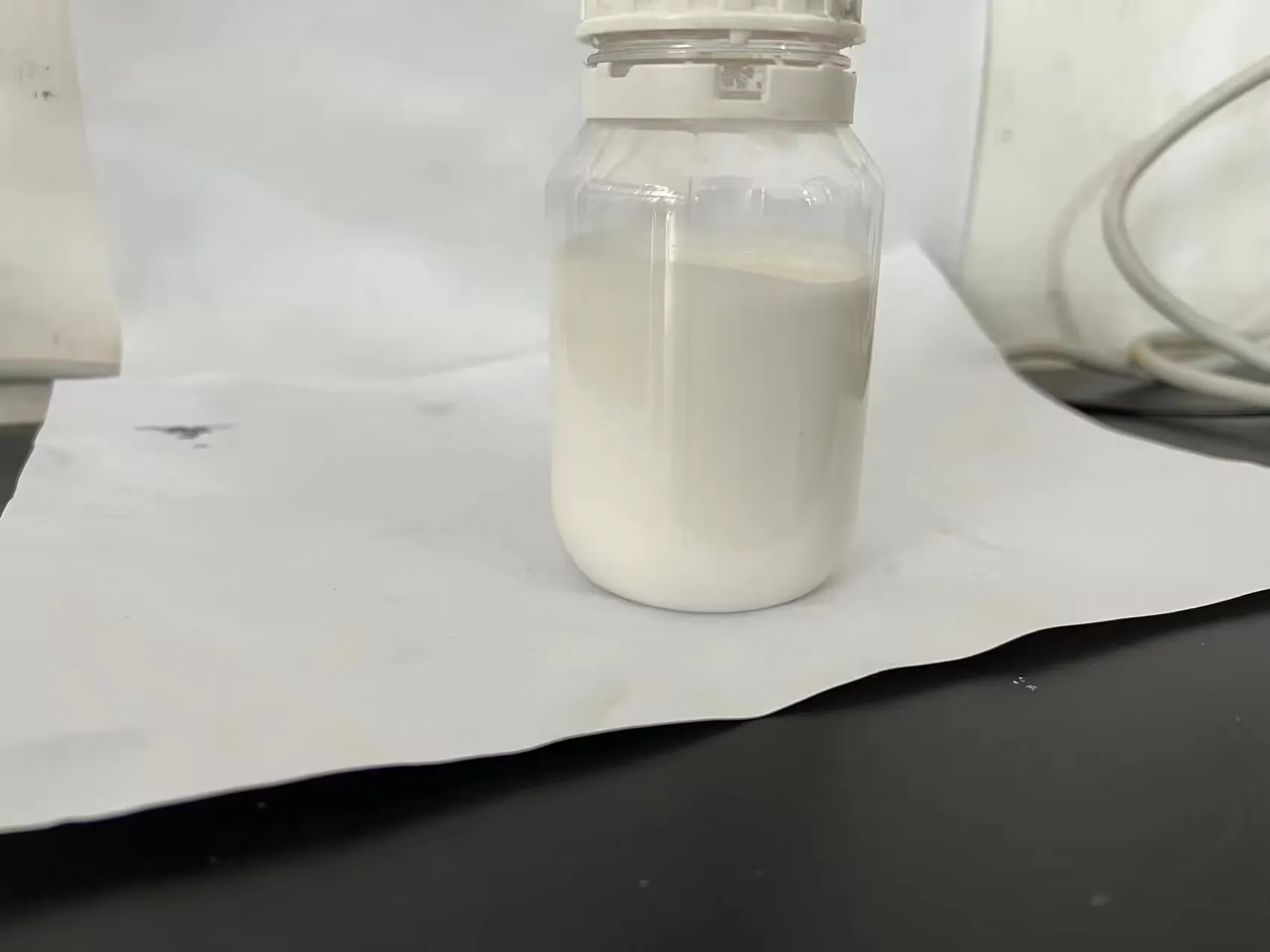
Fosetyl-Aluminum 30% + Thiophanate-Methyl 30% + Azoxystrobin 5% WP is a high-active-content wettable powder.
A stable WP should wet quickly, disperse evenly and remain suspended during application.
Main Quality Parameters
| Quality Parameter | Buyer Relevance |
|---|---|
| Three-Active Assay | Confirms all declared active ingredient contents |
| Content Uniformity | Maintains the correct active ratio |
| Wettability | Supports efficient tank mixing |
| Suspensibility | Maintains uniform spray concentration |
| Wet Sieve Residue | Helps reduce nozzle blockage |
| Particle Size | Influences dispersion and coverage |
| Moisture Content | Affects storage and caking |
| Persistent Foam | Influences tank filling |
| Storage Stability | Supports commercial shelf life |
| Pack-Weight Accuracy | Supports correct field application |
Agitation Requirements
The diluted spray suspension may settle if agitation stops.
Maintain agitation:
- During tank filling
- During transport to the field
- Throughout application
- After spray interruptions
Moisture Protection
WP products should be protected from humidity.
Moisture exposure can cause:
- Caking
- Poor flow
- Slower wetting
- Packaging damage
- Reduced handling quality
Moisture-resistant packaging is therefore important.
Resistance Management
This product combines three FRAC classifications:
- Fosetyl-Aluminum: P07
- Thiophanate-Methyl: Group 1
- Azoxystrobin: Group 11
The premix offers three activity profiles, but it should not be described as resistance-proof.
FRAC Group 1 Risk
Thiophanate-Methyl belongs to the MBC group.
Pathogens resistant to other MBC fungicides may also be resistant to Thiophanate-Methyl.
Changing between Thiophanate-Methyl and another Group 1 fungicide is not an effective mode-of-action rotation.
FRAC Group 11 Risk
Azoxystrobin belongs to the QoI group.
Cross-resistance may occur between Group 11 fungicides such as:
- Azoxystrobin
- Pyraclostrobin
- Trifloxystrobin
- Kresoxim-Methyl
- Other QoI fungicides
Rotating only between Group 11 active ingredients does not provide a meaningful change in mode of action.
Recommended Program Principles
- Apply preventively.
- Use the complete registered rate.
- Avoid repeated consecutive applications.
- Rotate with effective fungicides outside Groups 1 and 11.
- Follow crop-specific FRAC guidance.
- Integrate sanitation and resistant varieties where available.
- Monitor disease response after treatment.
- Investigate unexpected survival or disease development.
The premix should not be applied repeatedly throughout the season without considering total Group 1 and Group 11 exposure.
Tank Mixing and Compatibility
Do not assume compatibility with every pesticide, fertilizer or adjuvant.
Tank-mix performance may depend on:
- Water hardness
- Water pH
- Partner formulation
- Mixing order
- Fertilizer salts
- Tank temperature
- Number of products in the mixture
Conduct a small jar test before preparing an unfamiliar mixture.
Observe for:
- Sediment
- Separation
- Gel formation
- Heat
- Excessive foam
- Irregular suspension
Physical compatibility does not guarantee crop safety or biological performance.
Follow the most restrictive label in the tank mixture.
Crop Safety and Use Precautions
Use only on registered crops and varieties.
Crop response may be influenced by:
- Excessive rate
- Spray overlap
- High temperature
- Water stress
- Sensitive varieties
- Unapproved tank mixtures
- Incorrect application timing
- Greenhouse conditions
Protected-crop use requires specific approval.
An outdoor registration should not be assumed to cover greenhouse production.
Safety, Storage and Environmental Precautions
Operator Protection
Handle the product according to the final SDS and approved label.
General precautions include:
- Wear the required protective clothing.
- Avoid inhaling WP dust.
- Use chemical-resistant gloves where specified.
- Protect the eyes during mixing.
- Avoid skin contact.
- Do not eat, drink or smoke during handling.
- Wash exposed skin after use.
- Follow the registered re-entry interval.
Environmental Protection
Prevent the product from entering:
- Rivers
- Streams
- Lakes
- Wells
- Irrigation canals
- Fish ponds
- Wetlands
- Drainage systems
Avoid spray drift and runoff into non-target areas.
Storage
Store the product:
- In its original sealed packaging
- In a cool and dry warehouse
- Away from direct sunlight
- Away from moisture
- Away from food and animal feed
- Away from children and unauthorized persons
- Under the conditions stated in the SDS
Container Disposal
Do not reuse empty pesticide packaging.
Dispose of packaging, spills and unused product according to local regulations.
Packaging, Quality Control and Documentation
POMAIS supplies this product for qualified importers, distributors, registration companies and crop protection brands.
Packaging Options
Commercial packaging may include:
- 1 kg bags
- 5 kg bags
- 10 kg bags
- 25 kg bags
- Moisture-resistant inner liners
- Plastic containers where suitable
- Multilingual labels
- Retail and export cartons
- Batch and expiry coding
- Shipping marks
Final packaging depends on registration, order quantity and filling feasibility.
Quality-Control Focus
Quality checks may include:
- Fosetyl-Aluminum content
- Thiophanate-Methyl content
- Azoxystrobin content
- Content uniformity
- Physical appearance
- Wettability
- Suspensibility
- Wet sieve residue
- Moisture
- Particle size
- Persistent foam
- Storage stability
- Pack-weight accuracy
- Seal integrity
- Batch consistency
Available Documents
Commercial document support may include:
- COA — Certificate of Analysis
- SDS — Safety Data Sheet
- TDS — Technical Data Sheet
- Product Specification
- Packaging Specification
- Available stability information
- Available registration-supporting information
- Batch-related quality documents
- Commercial and shipping documents
Frequently Asked Questions
Request Product Specifications
To evaluate a Fosetyl-Aluminum 30% + Thiophanate-Methyl 30% + Azoxystrobin 5% WP project, please provide:
- Destination country
- Company type
- Required quantity
- Preferred package size
- Target crops
- Target diseases
- Current registration status
- Required label language
- Required technical documents
- Expected purchasing schedule
We will review formulation specifications, packaging feasibility, technical documents and destination-market requirements before confirming the commercial proposal.
This product is supplied for professional B2B procurement, registration and wholesale distribution.
Contact us!
We will reply to you within 24 hours on business days!