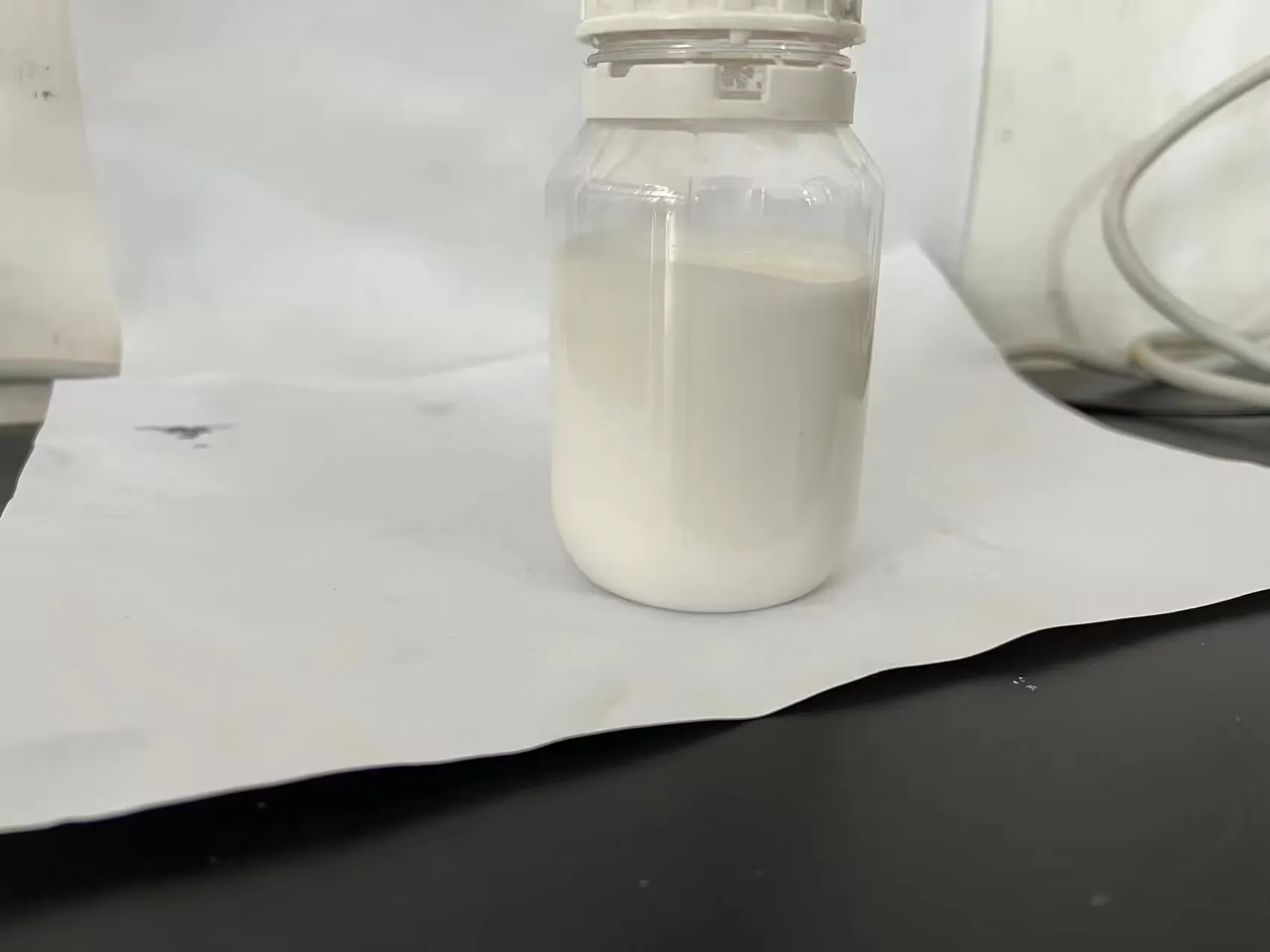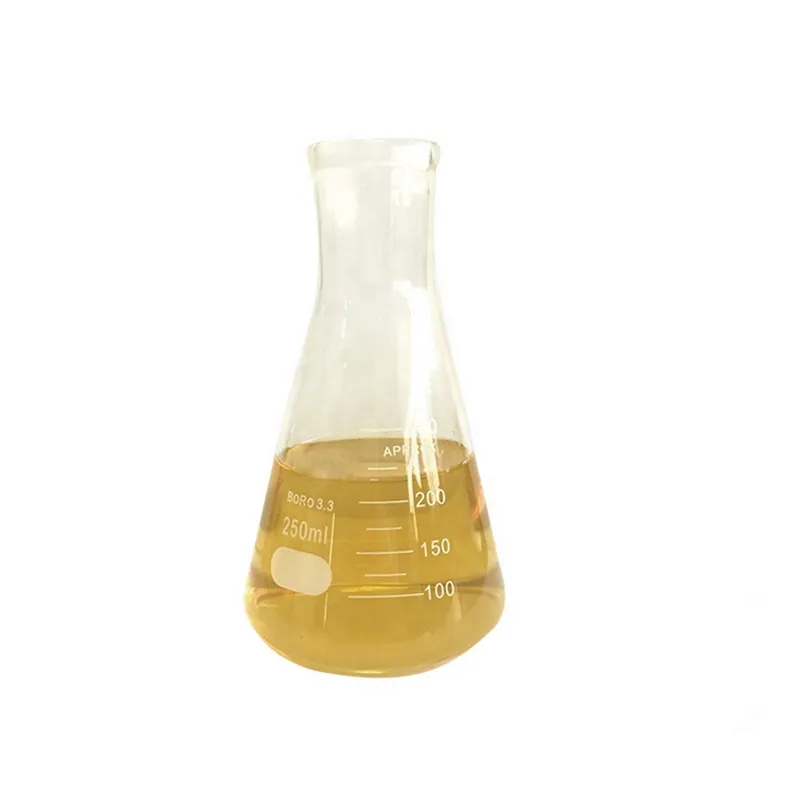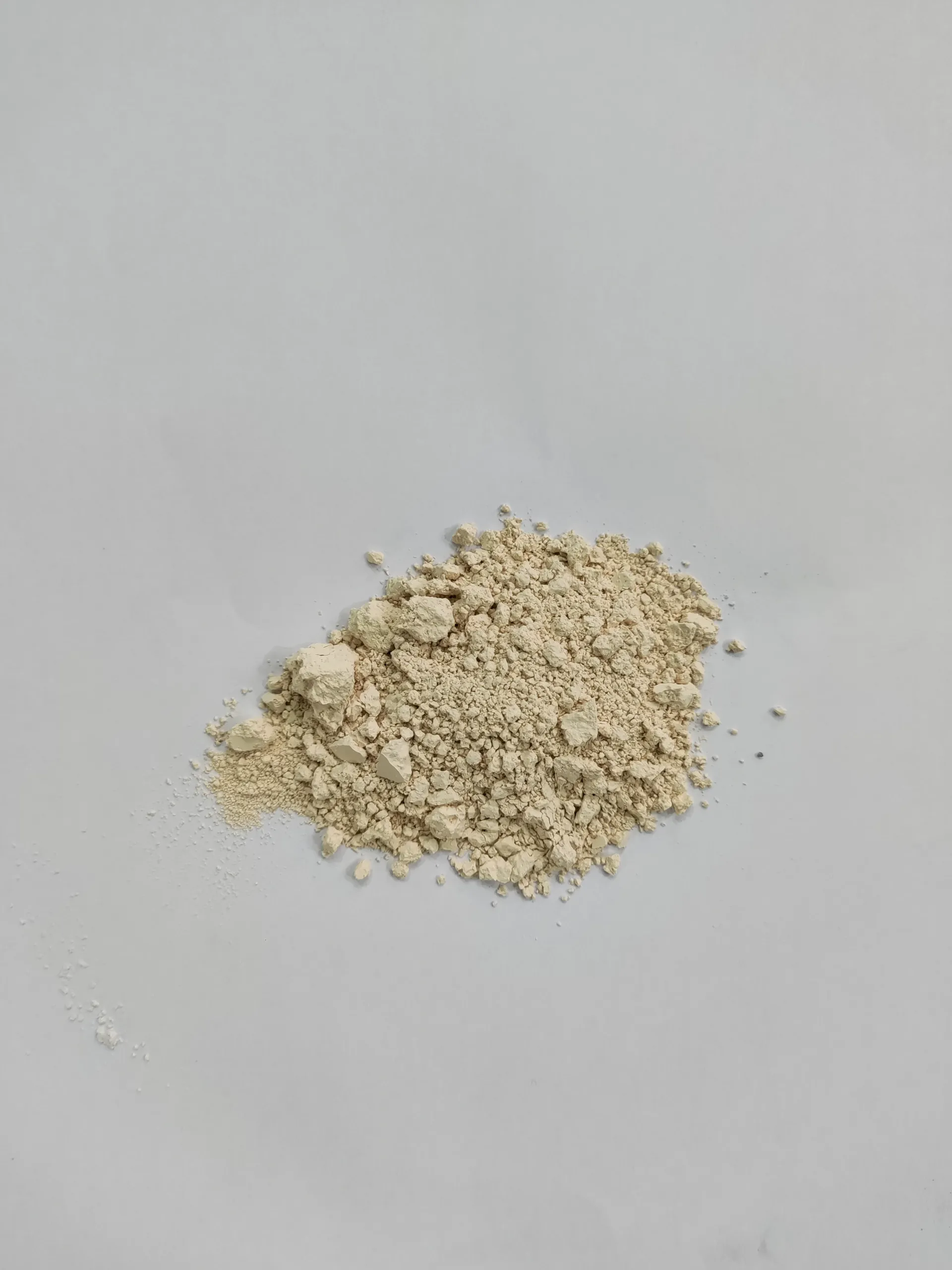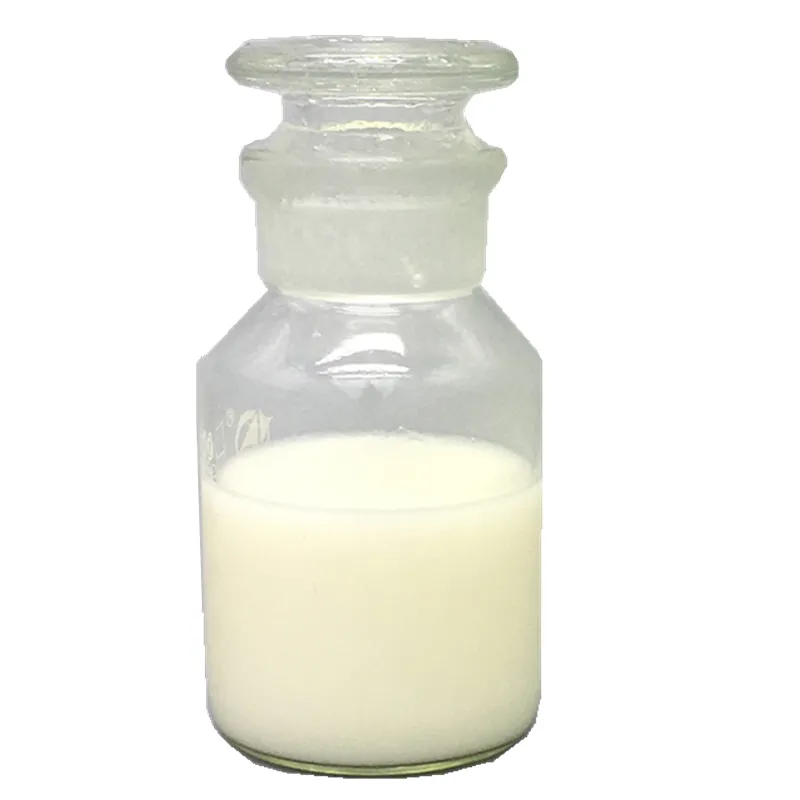
Fluazinam 40% SC Contact Fungicide

Fluazinam 40% SC is a preventive contact fungicide for potato late blight, tuber blight, Sclerotinia, white mold and other registered crop disease programs.

Fluazinam belongs to FRAC Group 29. It works by disrupting fungal energy production. It has limited movement inside plant tissues, so correct spray timing and good surface coverage are important.

We supply Fluazinam 40% SC for pesticide importers, distributors, registration companies, agricultural brands, professional crop protection channels and project buyers.

The product is available as a finished suspension concentrate with packaging preparation, technical documents, batch quality control and export coordination.

  • Designed for Professional Buyers & Bulk Orders
  • We support custom packaging, labeling, and formulation to meet your market needs.
  • Export wholesale inquiries only.
  • Please include destination country, business type (importer/distributor/registrant), and expected volume.
  • Retail requests will not be processed.
pomais1

About Fluazinam 40% SC Contact Fungicide

Item Details
Active Ingredient Fluazinam
Content 40%
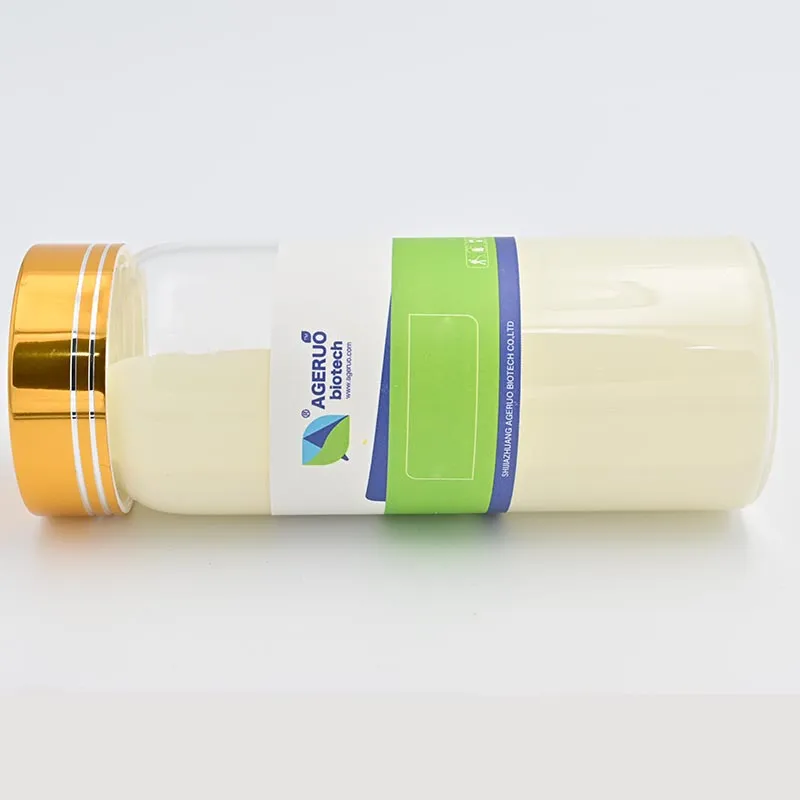
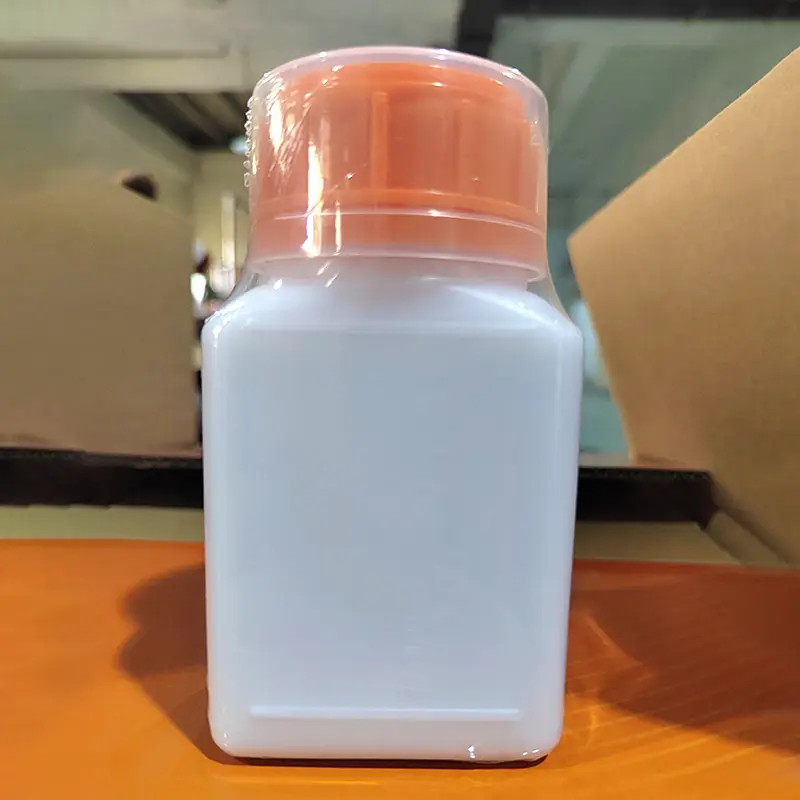
Formulation SC, Suspension Concentrate
Product Type Contact Protectant Fungicide
FRAC Group Group 29
Mode of Action Oxidative phosphorylation uncoupling
Plant Movement Mainly contact activity with limited internal movement
Main Disease Direction Potato late blight, tuber blight, Sclerotinia and white mold
Additional Direction Registered Botrytis, downy mildew, scab and soil-related disease programs
Use Positioning Preventive application before severe infection
Packaging Direction Bottles, drums and export cartons
Buyer Direction Importers, distributors, registration companies and crop protection channels

What Is Fluazinam 40% SC?

Fluazinam 40% SC is a single-active fungicide in suspension concentrate formulation.

It is mainly used as a contact protectant fungicide. The product stays mainly on treated plant surfaces and helps prevent sensitive fungal pathogens from establishing infection.

Fluazinam is not a strong systemic fungicide. It should not be promoted as a curative solution for severe internal infection.

Its main value is early protection in planned disease control programs.

The clearest product positioning is:

Fluazinam 40% SC is a FRAC Group 29 preventive contact fungicide for potato late blight, white mold and other registered diseases.

How Fluazinam Works

Fluazinam works by disturbing the energy production process inside sensitive fungal cells.

It acts as an oxidative phosphorylation uncoupler. This reduces the usable energy needed for fungal development.

Fluazinam can help inhibit:

  • Spore germination
  • Early infection development
  • Formation of infection structures
  • Disease establishment on treated surfaces

Because Fluazinam has limited movement inside the plant, spray coverage is important.

Leaves, stems and other target surfaces should receive even coverage according to the approved local label.

Fluazinam should be used before infection or during high disease-risk conditions. It is not best positioned as a rescue treatment after disease has spread widely.

Mode of Action: FRAC Group 29

Fluazinam belongs to FRAC Group 29.

Technical Point Product Meaning
Active Ingredient Fluazinam
FRAC Group Group 29
Mode of Action Oxidative phosphorylation uncoupling
Product Behavior Contact and preventive
Plant Mobility Limited internal movement
Main Timing Before infection or during early disease risk
Main Requirement Good spray coverage

FRAC Group 29 is different from the multi-site M groups used for fungicides such as Captan, Mancozeb or Chlorothalonil.

Fluazinam should therefore be described as a Group 29 contact fungicide, not as an M-group fungicide.

Main Use Direction: Potato Late Blight

Potato late blight is one of the most important directions for Fluazinam 40% SC.

Late blight is caused by Phytophthora infestans. The disease can develop quickly under cool, wet and humid conditions.

Fluazinam is mainly positioned before serious infection develops.

It can fit potato disease programs that require:

  • Preventive leaf protection
  • A different FRAC group for rotation
  • Strong surface coverage
  • Protection during high late blight risk
  • Tuber blight risk management where locally registered

Correct timing is important. Fluazinam should not be treated as a late rescue product after extensive leaf infection has already developed.

Spray interval, application rate, water volume and final use timing must follow the approved local label.

Tuber Blight Protection

Fluazinam may also be positioned for tuber blight risk management where local registration supports use.

Tuber blight protection is not based only on one spray.

The final program may depend on:

  • Foliar disease control
  • Spray timing
  • Canopy protection
  • Rainfall
  • Soil cracking
  • Tuber development stage
  • Local late blight pressure
  • Approved harvest interval

The page should not claim guaranteed tuber protection.

A more accurate message is that Fluazinam can support tuber blight management within a complete potato disease program where registered.

Sclerotinia and White Mold Programs

Fluazinam 40% SC may also be used in registered Sclerotinia and white mold programs.

Relevant crop directions may include:

  • Potatoes
  • Peanuts
  • Soybeans
  • Legumes
  • Selected vegetable crops
  • Other approved crops

White mold control depends strongly on application timing.

The product is normally better positioned before widespread infection, according to local flowering, canopy or disease-risk recommendations.

Fluazinam should not be promoted as a complete rescue treatment after white mold is already severe throughout the field.

Final crop, disease, timing and rate claims must follow local registration.

Other Registered Crop Directions

Fluazinam has several possible crop and disease directions, but not every use is registered in every country.

Grapes and Vines

Fluazinam may be positioned for registered gray mold or downy mildew programs.

The final use depends on local crop registration, disease claims, spray timing and residue requirements.

Apples and Selected Fruit Crops

In some markets, Fluazinam may be used for scab, Alternaria-related diseases or other approved fungal disease programs.

Fruit crop programs must consider PHI, MRL and export-market residue requirements.

Peanuts and Legumes

Fluazinam may fit registered Sclerotinia, white mold or related disease programs.

Application timing and crop canopy coverage are important.

Crucifer Crops

Fluazinam may be registered for clubroot control in some markets.

Clubroot use may require soil-directed application. It should not be treated as the same use method as foliar late blight spraying.

Turf and Ornamentals

Some markets register Fluazinam for turf or ornamental disease programs.

For POMAIS, the main page direction remains agricultural crop protection rather than golf course or turf retail use.

Foliar and Soil Applications Are Different

Fluazinam may appear in both foliar disease and soil-related disease programs.

These uses are not interchangeable.

Foliar applications may be used for diseases such as:

  • Potato late blight
  • Botrytis
  • Downy mildew
  • Scab
  • White mold

Soil-directed uses may be relevant to:

  • Clubroot
  • Powdery scab
  • Selected soil-borne disease programs

A foliar spray rate must not be copied into a soil treatment program.

Soil treatment rates must not be copied into foliar use.

The application equipment, water volume, timing, crop safety requirements and approved directions can be different.

All use instructions must follow the local product label.

Where Fluazinam Fits in a Fungicide Program

Fluazinam 40% SC is best used as part of a planned fungicide program.

Fungicide Direction Practical Role
Fluazinam 40% SC Contact preventive protection, FRAC Group 29
Systemic fungicides Internal or locally systemic disease control, depending on the active ingredient
M-group protectants Multi-site surface protection with a different FRAC classification
Combination fungicides Broader program positioning based on the partner active ingredients

Fluazinam can provide a different FRAC group for rotation.

However, it does not replace systemic fungicides in every disease situation.

The correct product choice depends on:

  • Crop
  • Pathogen
  • Disease stage
  • Weather
  • Resistance history
  • Spray program
  • Local registration

SC Formulation Features

SC means suspension concentrate.

Fluazinam particles are suspended in a liquid formulation. The product is diluted in water before application.

For buyers, important SC quality points include:

  • Fluazinam content
  • Liquid appearance
  • Suspension stability
  • Controlled sedimentation
  • Good redispersibility
  • Suitable viscosity
  • Good pourability
  • Particle-size control
  • Bottle and drum sealing
  • Leakage control
  • Heat-storage stability
  • Low-temperature stability

SC does not mean that the active ingredient is fully dissolved.

The product may require shaking or agitation according to the formulation specification and approved label.

Fluazinam 40% SC should not be promoted as never settling or never requiring mixing.

Why Choose Fluazinam 40% SC?

This formulation is suitable for crop protection markets that need:

  • A FRAC Group 29 fungicide
  • Contact preventive protection
  • Potato late blight positioning
  • Tuber blight program support
  • Sclerotinia and white mold direction
  • A liquid suspension concentrate
  • Bottle or drum packaging
  • A different fungicide group for rotation
  • Finished formulation supply for registration and distribution

Fluazinam 40% SC should not be described as a universal fungicide for every crop disease.

Its strongest value comes from clear preventive positioning and correct disease-program use.

Application Guidance

Use Fluazinam 40% SC only where locally approved.

The product is normally positioned before infection or during early disease-risk periods.

For better disease protection:

  • Follow local disease forecasting where available.
  • Apply before severe infection develops.
  • Maintain even spray coverage.
  • Consider crop canopy density.
  • Follow approved water volume.
  • Follow local rainfall and reapplication guidance.
  • Use only on registered crops.
  • Use only for approved diseases.
  • Check tank-mix compatibility before use.
  • Follow the approved PHI and spray interval.

No global application rate should be used for every country.

Final rate, timing, crop stage, application method and number of applications must follow the destination-market label.

Resistance Management

Fluazinam belongs to FRAC Group 29.

Its resistance risk is generally considered lower than that of many single-site systemic fungicides, but low risk does not mean zero risk.

Reduced sensitivity has been reported in some pathogen populations.

Recommended resistance management includes:

  • Do not rely only on Fluazinam throughout the season.
  • Rotate with fungicides from different FRAC groups.
  • Follow the maximum number of applications on the local label.
  • Use the correct preventive timing.
  • Monitor field performance.
  • Review local late blight sensitivity history.
  • Use integrated disease management where practical.
  • Avoid unsupported “no resistance” claims.

Fluazinam 40% SC should not be described as resistance-proof.

Crop Safety and Use Boundary

Crop safety depends on:

  • Crop species
  • Variety
  • Application rate
  • Spray timing
  • Weather
  • Plant stress
  • Tank-mix partner
  • Formulation quality
  • Local label requirements

Fluazinam should not be positioned as:

  • A systemic curative fungicide
  • A bacterial disease treatment
  • A viral disease treatment
  • A universal powdery mildew product
  • A universal rust fungicide
  • A product for all foliar and soil uses at the same rate

Local field experience and approved registration should guide final use.

Environmental and Worker Protection

Fluazinam products must be handled according to the approved label and SDS.

Important precautions include:

  • Wear the required personal protective equipment.
  • Avoid unnecessary skin contact.
  • Avoid inhaling spray mist.
  • Prevent spray drift.
  • Protect ponds, streams and drainage channels.
  • Do not contaminate surface water.
  • Follow local buffer-zone requirements.
  • Manage rinse water correctly.
  • Dispose of empty containers according to local regulations.
  • Follow worker re-entry requirements.

Fluazinam can present risks to aquatic organisms, so water protection is especially important.

Registration and Residue Compliance

Before importing, promoting or using Fluazinam 40% SC, local partners should confirm:

  • Product registration
  • Approved crops
  • Approved diseases
  • Foliar or soil treatment method
  • Application rate
  • Spray interval
  • Maximum application number
  • PHI
  • MRL
  • Export-crop residue requirements
  • Worker safety statements
  • Environmental restrictions
  • Label language
  • Import documents
  • Packaging requirements

For potatoes, fruit crops and vegetables, destination-market MRL requirements should be checked before use.

POMAIS supports product and document communication for local registration and distribution cooperation.

Final registration approval and field-use claims remain subject to local authorities.

Storage and Transport

Store Fluazinam 40% SC in sealed original containers.

Keep the product in a cool, dry and ventilated place.

Avoid:

  • Direct sunlight
  • Excessive heat
  • Freezing
  • Leakage
  • Package damage
  • Contamination
  • Long storage under unsuitable conditions

Before use, check liquid appearance, sedimentation and redispersibility according to the product specification.

Transport and storage must follow SDS and local regulations.

Packaging and Market Preparation

We support packaging preparation according to product specification, order volume and destination-market requirements.

Available packaging directions may include:

  • Bottles
  • Drums
  • Export cartons
  • Batch coding
  • Production-date coding
  • Carton marks
  • Multilingual label communication
  • Destination-market pack planning

The container should be suitable for the SC formulation and transport conditions.

Packaging details should be confirmed before production.

Document and Registration Support

POMAIS can provide standard product and shipment documents according to order requirements.

Available documents may include:

  • COA
  • SDS/MSDS
  • TDS
  • Product specification
  • Packing information
  • Label reference
  • Batch information
  • Physical and chemical data where available
  • Shipment documents
  • Registration-related documents where applicable

Document requirements should be confirmed before order preparation.

Quality Control

Quality control for Fluazinam 40% SC focuses on active ingredient content and suspension concentrate performance.

Batch review may include:

  • Fluazinam content
  • Liquid appearance
  • Suspension stability
  • Particle size where applicable
  • Viscosity
  • pH where applicable
  • Density where applicable
  • Sedimentation
  • Redispersibility
  • Pourability
  • Heat-storage stability
  • Low-temperature stability
  • Bottle or drum sealing
  • Leakage inspection
  • Carton inspection
  • Batch traceability
  • Shipment document review

Each batch should meet the agreed specification before shipment.

Stable SC quality is important because poor suspension performance can affect mixing, spraying and product handling.

FAQ

Fluazinam 40% SC is a suspension concentrate contact fungicide used for preventive control of registered crop diseases.

Fluazinam is mainly a contact fungicide with limited movement inside plant tissues.

Fluazinam belongs to FRAC Group 29.

It disrupts fungal energy production through oxidative phosphorylation uncoupling.

Its main directions include potato late blight, tuber blight, Sclerotinia, white mold and other registered fungal diseases.

Yes, where locally registered. It is mainly positioned for preventive application before severe late blight infection.

It may support tuber blight management where local registration supports use. Final performance depends on the full potato disease program.

It may be used for Sclerotinia and white mold programs where locally approved.

It may be registered for clubroot in some markets. Clubroot programs may require soil-directed application.

No. Foliar and soil-directed uses may require different rates, equipment, timing and application methods.

Fluazinam is mainly preventive. It should not be promoted as a strong systemic curative fungicide.

Resistance risk is generally considered low, but it is not zero. Fluazinam should be rotated with other FRAC groups.

SC means suspension concentrate. The active ingredient is suspended in a liquid formulation.

Agitation or shaking may be required according to the product specification and approved label.

Only where the local label and compatibility information support the mixture.

No. Fluazinam is a fungicide and should not be promoted for bacterial or viral diseases.

Yes. We can support COA, SDS/MSDS, TDS, product specifications, packing information and shipment documents where applicable.

Yes. Packaging can include bottles, drums and export cartons according to order and market requirements.

Why Choose POMAIS

POMAIS supplies crop protection products for qualified importers, distributors, registration companies, agricultural brands and professional crop protection channels.

For Fluazinam 40% SC, we support:

  • Clear product specifications
  • Finished SC formulation supply
  • Batch quality control
  • Packaging preparation
  • Product documentation
  • Multilingual label communication
  • Registration-related coordination
  • Export shipment preparation

Our goal is to help buyers evaluate the product clearly and prepare it correctly for their target market.

Request Fluazinam 40% SC

Please share:

  • Destination country
  • Target crop
  • Main disease
  • Registration status
  • Required package size
  • Expected order volume

We will review your requirements and prepare a suitable Fluazinam 40% SC supply proposal.

About Fluazinam 40% SC Contact Fungicide

Item Details
Active Ingredient Fluazinam
Content 40%
Formulation SC, Suspension Concentrate
Product Type Contact Protectant Fungicide
FRAC Group Group 29
Mode of Action Oxidative phosphorylation uncoupling
Plant Movement Mainly contact activity with limited internal movement
Main Disease Direction Potato late blight, tuber blight, Sclerotinia and white mold
Additional Direction Registered Botrytis, downy mildew, scab and soil-related disease programs
Use Positioning Preventive application before severe infection
Packaging Direction Bottles, drums and export cartons
Buyer Direction Importers, distributors, registration companies and crop protection channels

What Is Fluazinam 40% SC?

Fluazinam 40% SC is a single-active fungicide in suspension concentrate formulation.

It is mainly used as a contact protectant fungicide. The product stays mainly on treated plant surfaces and helps prevent sensitive fungal pathogens from establishing infection.

Fluazinam is not a strong systemic fungicide. It should not be promoted as a curative solution for severe internal infection.

Its main value is early protection in planned disease control programs.

The clearest product positioning is:

Fluazinam 40% SC is a FRAC Group 29 preventive contact fungicide for potato late blight, white mold and other registered diseases.

How Fluazinam Works

Fluazinam works by disturbing the energy production process inside sensitive fungal cells.

It acts as an oxidative phosphorylation uncoupler. This reduces the usable energy needed for fungal development.

Fluazinam can help inhibit:

  • Spore germination
  • Early infection development
  • Formation of infection structures
  • Disease establishment on treated surfaces

Because Fluazinam has limited movement inside the plant, spray coverage is important.

Leaves, stems and other target surfaces should receive even coverage according to the approved local label.

Fluazinam should be used before infection or during high disease-risk conditions. It is not best positioned as a rescue treatment after disease has spread widely.

Mode of Action: FRAC Group 29

Fluazinam belongs to FRAC Group 29.

Technical Point Product Meaning
Active Ingredient Fluazinam
FRAC Group Group 29
Mode of Action Oxidative phosphorylation uncoupling
Product Behavior Contact and preventive
Plant Mobility Limited internal movement
Main Timing Before infection or during early disease risk
Main Requirement Good spray coverage

FRAC Group 29 is different from the multi-site M groups used for fungicides such as Captan, Mancozeb or Chlorothalonil.

Fluazinam should therefore be described as a Group 29 contact fungicide, not as an M-group fungicide.

Main Use Direction: Potato Late Blight

Potato late blight is one of the most important directions for Fluazinam 40% SC.

Late blight is caused by Phytophthora infestans. The disease can develop quickly under cool, wet and humid conditions.

Fluazinam is mainly positioned before serious infection develops.

It can fit potato disease programs that require:

  • Preventive leaf protection
  • A different FRAC group for rotation
  • Strong surface coverage
  • Protection during high late blight risk
  • Tuber blight risk management where locally registered

Correct timing is important. Fluazinam should not be treated as a late rescue product after extensive leaf infection has already developed.

Spray interval, application rate, water volume and final use timing must follow the approved local label.

Tuber Blight Protection

Fluazinam may also be positioned for tuber blight risk management where local registration supports use.

Tuber blight protection is not based only on one spray.

The final program may depend on:

  • Foliar disease control
  • Spray timing
  • Canopy protection
  • Rainfall
  • Soil cracking
  • Tuber development stage
  • Local late blight pressure
  • Approved harvest interval

The page should not claim guaranteed tuber protection.

A more accurate message is that Fluazinam can support tuber blight management within a complete potato disease program where registered.

Sclerotinia and White Mold Programs

Fluazinam 40% SC may also be used in registered Sclerotinia and white mold programs.

Relevant crop directions may include:

  • Potatoes
  • Peanuts
  • Soybeans
  • Legumes
  • Selected vegetable crops
  • Other approved crops

White mold control depends strongly on application timing.

The product is normally better positioned before widespread infection, according to local flowering, canopy or disease-risk recommendations.

Fluazinam should not be promoted as a complete rescue treatment after white mold is already severe throughout the field.

Final crop, disease, timing and rate claims must follow local registration.

Other Registered Crop Directions

Fluazinam has several possible crop and disease directions, but not every use is registered in every country.

Grapes and Vines

Fluazinam may be positioned for registered gray mold or downy mildew programs.

The final use depends on local crop registration, disease claims, spray timing and residue requirements.

Apples and Selected Fruit Crops

In some markets, Fluazinam may be used for scab, Alternaria-related diseases or other approved fungal disease programs.

Fruit crop programs must consider PHI, MRL and export-market residue requirements.

Peanuts and Legumes

Fluazinam may fit registered Sclerotinia, white mold or related disease programs.

Application timing and crop canopy coverage are important.

Crucifer Crops

Fluazinam may be registered for clubroot control in some markets.

Clubroot use may require soil-directed application. It should not be treated as the same use method as foliar late blight spraying.

Turf and Ornamentals

Some markets register Fluazinam for turf or ornamental disease programs.

For POMAIS, the main page direction remains agricultural crop protection rather than golf course or turf retail use.

Foliar and Soil Applications Are Different

Fluazinam may appear in both foliar disease and soil-related disease programs.

These uses are not interchangeable.

Foliar applications may be used for diseases such as:

  • Potato late blight
  • Botrytis
  • Downy mildew
  • Scab
  • White mold

Soil-directed uses may be relevant to:

  • Clubroot
  • Powdery scab
  • Selected soil-borne disease programs

A foliar spray rate must not be copied into a soil treatment program.

Soil treatment rates must not be copied into foliar use.

The application equipment, water volume, timing, crop safety requirements and approved directions can be different.

All use instructions must follow the local product label.

Where Fluazinam Fits in a Fungicide Program

Fluazinam 40% SC is best used as part of a planned fungicide program.

Fungicide Direction Practical Role
Fluazinam 40% SC Contact preventive protection, FRAC Group 29
Systemic fungicides Internal or locally systemic disease control, depending on the active ingredient
M-group protectants Multi-site surface protection with a different FRAC classification
Combination fungicides Broader program positioning based on the partner active ingredients

Fluazinam can provide a different FRAC group for rotation.

However, it does not replace systemic fungicides in every disease situation.

The correct product choice depends on:

  • Crop
  • Pathogen
  • Disease stage
  • Weather
  • Resistance history
  • Spray program
  • Local registration

SC Formulation Features

SC means suspension concentrate.

Fluazinam particles are suspended in a liquid formulation. The product is diluted in water before application.

For buyers, important SC quality points include:

  • Fluazinam content
  • Liquid appearance
  • Suspension stability
  • Controlled sedimentation
  • Good redispersibility
  • Suitable viscosity
  • Good pourability
  • Particle-size control
  • Bottle and drum sealing
  • Leakage control
  • Heat-storage stability
  • Low-temperature stability

SC does not mean that the active ingredient is fully dissolved.

The product may require shaking or agitation according to the formulation specification and approved label.

Fluazinam 40% SC should not be promoted as never settling or never requiring mixing.

Why Choose Fluazinam 40% SC?

This formulation is suitable for crop protection markets that need:

  • A FRAC Group 29 fungicide
  • Contact preventive protection
  • Potato late blight positioning
  • Tuber blight program support
  • Sclerotinia and white mold direction
  • A liquid suspension concentrate
  • Bottle or drum packaging
  • A different fungicide group for rotation
  • Finished formulation supply for registration and distribution

Fluazinam 40% SC should not be described as a universal fungicide for every crop disease.

Its strongest value comes from clear preventive positioning and correct disease-program use.

Application Guidance

Use Fluazinam 40% SC only where locally approved.

The product is normally positioned before infection or during early disease-risk periods.

For better disease protection:

  • Follow local disease forecasting where available.
  • Apply before severe infection develops.
  • Maintain even spray coverage.
  • Consider crop canopy density.
  • Follow approved water volume.
  • Follow local rainfall and reapplication guidance.
  • Use only on registered crops.
  • Use only for approved diseases.
  • Check tank-mix compatibility before use.
  • Follow the approved PHI and spray interval.

No global application rate should be used for every country.

Final rate, timing, crop stage, application method and number of applications must follow the destination-market label.

Resistance Management

Fluazinam belongs to FRAC Group 29.

Its resistance risk is generally considered lower than that of many single-site systemic fungicides, but low risk does not mean zero risk.

Reduced sensitivity has been reported in some pathogen populations.

Recommended resistance management includes:

  • Do not rely only on Fluazinam throughout the season.
  • Rotate with fungicides from different FRAC groups.
  • Follow the maximum number of applications on the local label.
  • Use the correct preventive timing.
  • Monitor field performance.
  • Review local late blight sensitivity history.
  • Use integrated disease management where practical.
  • Avoid unsupported “no resistance” claims.

Fluazinam 40% SC should not be described as resistance-proof.

Crop Safety and Use Boundary

Crop safety depends on:

  • Crop species
  • Variety
  • Application rate
  • Spray timing
  • Weather
  • Plant stress
  • Tank-mix partner
  • Formulation quality
  • Local label requirements

Fluazinam should not be positioned as:

  • A systemic curative fungicide
  • A bacterial disease treatment
  • A viral disease treatment
  • A universal powdery mildew product
  • A universal rust fungicide
  • A product for all foliar and soil uses at the same rate

Local field experience and approved registration should guide final use.

Environmental and Worker Protection

Fluazinam products must be handled according to the approved label and SDS.

Important precautions include:

  • Wear the required personal protective equipment.
  • Avoid unnecessary skin contact.
  • Avoid inhaling spray mist.
  • Prevent spray drift.
  • Protect ponds, streams and drainage channels.
  • Do not contaminate surface water.
  • Follow local buffer-zone requirements.
  • Manage rinse water correctly.
  • Dispose of empty containers according to local regulations.
  • Follow worker re-entry requirements.

Fluazinam can present risks to aquatic organisms, so water protection is especially important.

Registration and Residue Compliance

Before importing, promoting or using Fluazinam 40% SC, local partners should confirm:

  • Product registration
  • Approved crops
  • Approved diseases
  • Foliar or soil treatment method
  • Application rate
  • Spray interval
  • Maximum application number
  • PHI
  • MRL
  • Export-crop residue requirements
  • Worker safety statements
  • Environmental restrictions
  • Label language
  • Import documents
  • Packaging requirements

For potatoes, fruit crops and vegetables, destination-market MRL requirements should be checked before use.

POMAIS supports product and document communication for local registration and distribution cooperation.

Final registration approval and field-use claims remain subject to local authorities.

Storage and Transport

Store Fluazinam 40% SC in sealed original containers.

Keep the product in a cool, dry and ventilated place.

Avoid:

  • Direct sunlight
  • Excessive heat
  • Freezing
  • Leakage
  • Package damage
  • Contamination
  • Long storage under unsuitable conditions

Before use, check liquid appearance, sedimentation and redispersibility according to the product specification.

Transport and storage must follow SDS and local regulations.

Packaging and Market Preparation

We support packaging preparation according to product specification, order volume and destination-market requirements.

Available packaging directions may include:

  • Bottles
  • Drums
  • Export cartons
  • Batch coding
  • Production-date coding
  • Carton marks
  • Multilingual label communication
  • Destination-market pack planning

The container should be suitable for the SC formulation and transport conditions.

Packaging details should be confirmed before production.

Document and Registration Support

POMAIS can provide standard product and shipment documents according to order requirements.

Available documents may include:

  • COA
  • SDS/MSDS
  • TDS
  • Product specification
  • Packing information
  • Label reference
  • Batch information
  • Physical and chemical data where available
  • Shipment documents
  • Registration-related documents where applicable

Document requirements should be confirmed before order preparation.

Quality Control

Quality control for Fluazinam 40% SC focuses on active ingredient content and suspension concentrate performance.

Batch review may include:

  • Fluazinam content
  • Liquid appearance
  • Suspension stability
  • Particle size where applicable
  • Viscosity
  • pH where applicable
  • Density where applicable
  • Sedimentation
  • Redispersibility
  • Pourability
  • Heat-storage stability
  • Low-temperature stability
  • Bottle or drum sealing
  • Leakage inspection
  • Carton inspection
  • Batch traceability
  • Shipment document review

Each batch should meet the agreed specification before shipment.

Stable SC quality is important because poor suspension performance can affect mixing, spraying and product handling.

FAQ

Fluazinam 40% SC is a suspension concentrate contact fungicide used for preventive control of registered crop diseases.

Fluazinam is mainly a contact fungicide with limited movement inside plant tissues.

Fluazinam belongs to FRAC Group 29.

It disrupts fungal energy production through oxidative phosphorylation uncoupling.

Its main directions include potato late blight, tuber blight, Sclerotinia, white mold and other registered fungal diseases.

Yes, where locally registered. It is mainly positioned for preventive application before severe late blight infection.

It may support tuber blight management where local registration supports use. Final performance depends on the full potato disease program.

It may be used for Sclerotinia and white mold programs where locally approved.

It may be registered for clubroot in some markets. Clubroot programs may require soil-directed application.

No. Foliar and soil-directed uses may require different rates, equipment, timing and application methods.

Fluazinam is mainly preventive. It should not be promoted as a strong systemic curative fungicide.

Resistance risk is generally considered low, but it is not zero. Fluazinam should be rotated with other FRAC groups.

SC means suspension concentrate. The active ingredient is suspended in a liquid formulation.

Agitation or shaking may be required according to the product specification and approved label.

Only where the local label and compatibility information support the mixture.

No. Fluazinam is a fungicide and should not be promoted for bacterial or viral diseases.

Yes. We can support COA, SDS/MSDS, TDS, product specifications, packing information and shipment documents where applicable.

Yes. Packaging can include bottles, drums and export cartons according to order and market requirements.

Why Choose POMAIS

POMAIS supplies crop protection products for qualified importers, distributors, registration companies, agricultural brands and professional crop protection channels.

For Fluazinam 40% SC, we support:

  • Clear product specifications
  • Finished SC formulation supply
  • Batch quality control
  • Packaging preparation
  • Product documentation
  • Multilingual label communication
  • Registration-related coordination
  • Export shipment preparation

Our goal is to help buyers evaluate the product clearly and prepare it correctly for their target market.

Request Fluazinam 40% SC

Please share:

  • Destination country
  • Target crop
  • Main disease
  • Registration status
  • Required package size
  • Expected order volume

We will review your requirements and prepare a suitable Fluazinam 40% SC supply proposal.

Contact us!

We will reply to you within 24 hours on business days!

Please note that our products are not sold to individual users!