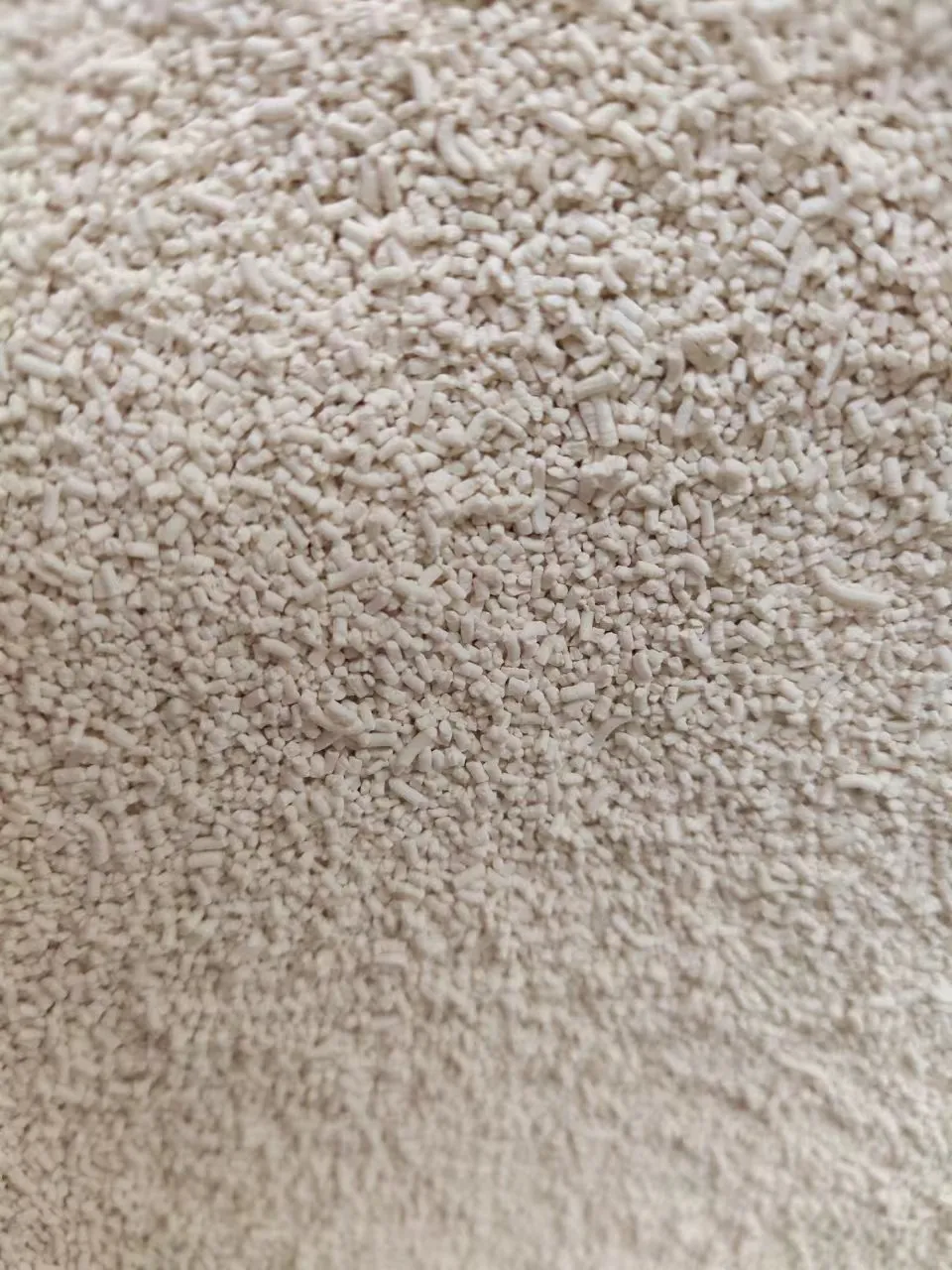
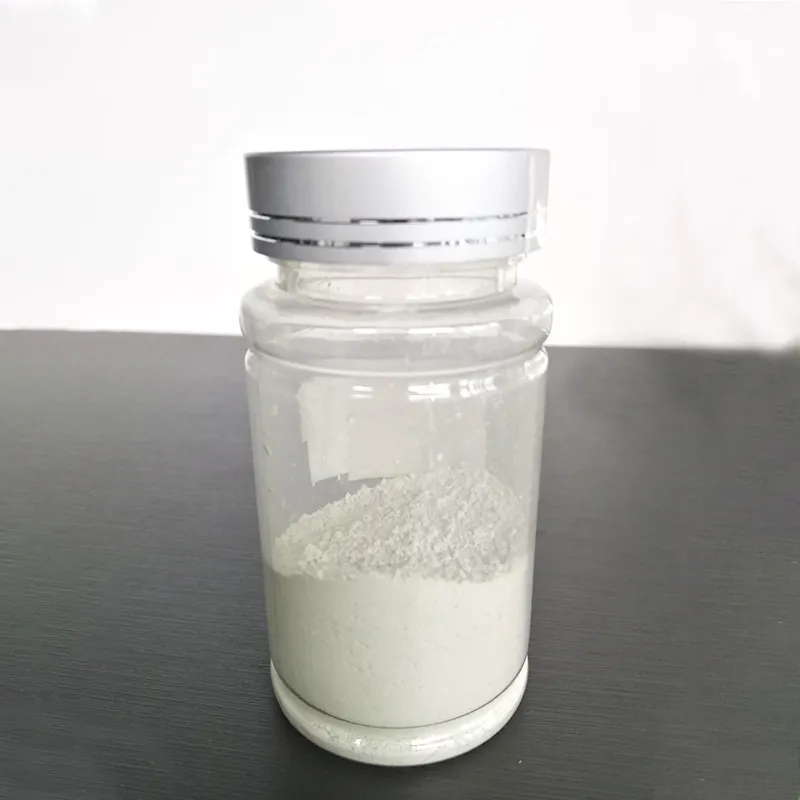
Clothianidin 50% + Deltamethrin 6.25% WP Insecticide
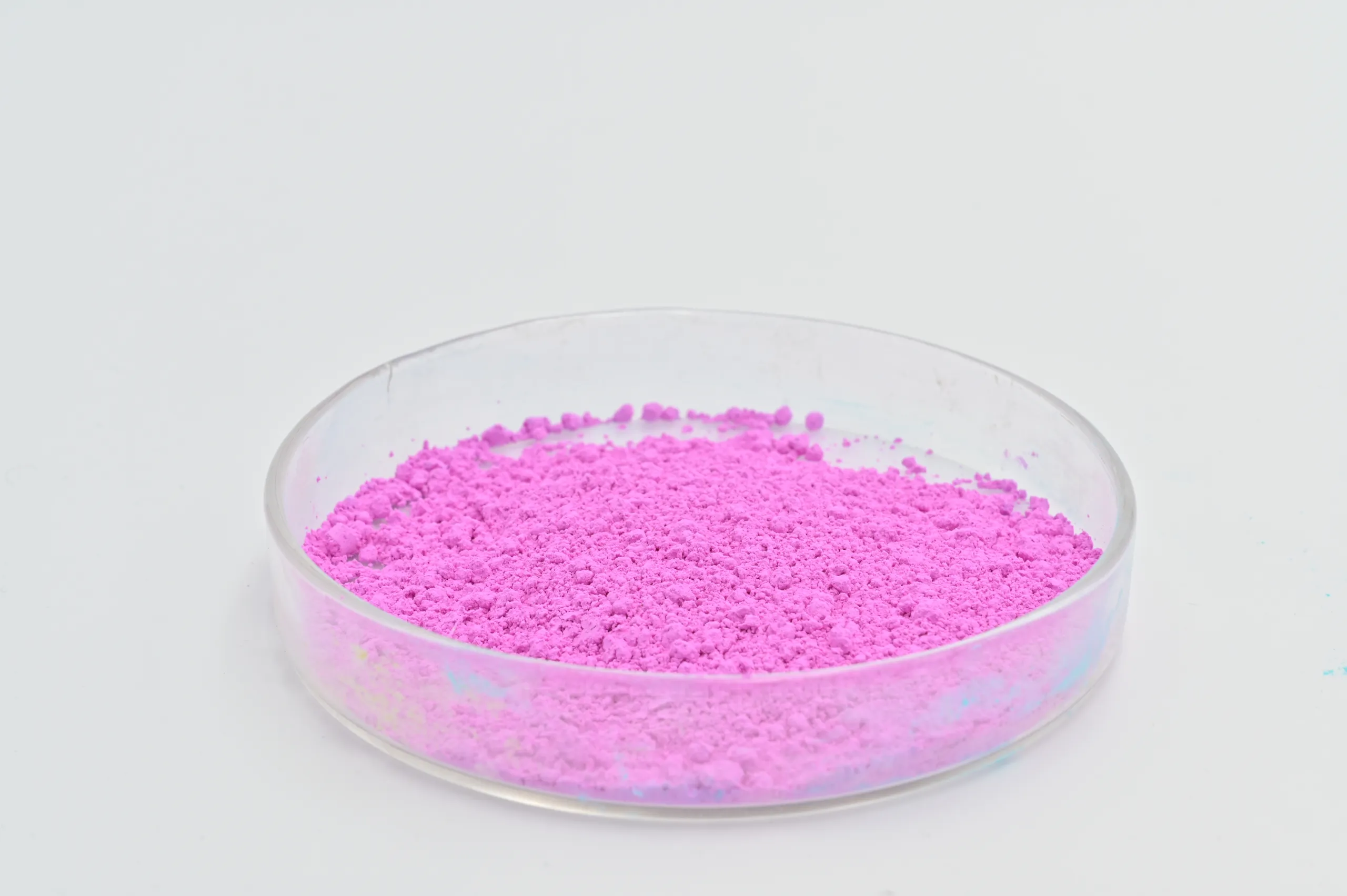
POMAIS Clothianidin 50% + Deltamethrin 6.25% WP is a dual-active insecticide developed for the management of approved sucking and chewing pests in agricultural crops.
Clothianidin provides systemic and ingestion activity against susceptible sap-feeding insects. Deltamethrin adds rapid contact and stomach action against selected chewing pests and exposed insect populations.
The product combines IRAC Group 4A and Group 3A activity in a wettable powder formulation. It is supplied for agrochemical importers, distributors, registration companies and crop protection brands.
- Designed for Professional Buyers & Bulk Orders
- We support custom packaging, labeling, and formulation to meet your market needs.
- Export wholesale inquiries only.
- Please include destination country, business type (importer/distributor/registrant), and expected volume.
- Retail requests will not be processed.

About Clothianidin 50% + Deltamethrin 6.25% WP Insecticide
| Product Attribute | Specification |
|---|---|
| Product Name | Clothianidin 50% + Deltamethrin 6.25% WP |
| Active Ingredient 1 | Clothianidin |
| Clothianidin Content | 50% |
| Active Ingredient 2 | Deltamethrin |
| Deltamethrin Content | 6.25% |
| Formulation | WP — Wettable Powder |
| Product Type | Dual-mode insecticide |
| Clothianidin IRAC Group | Group 4A |
| Deltamethrin IRAC Group | Group 3A |
| Main Pest Direction | Sucking pests and selected chewing pests |
| Primary Application | Foliar spray where registered |
| Standard MOQ | Normally 1,000 kg |
| Available Documents | COA, SDS, TDS and product specification |
| Supply Type | Bulk B2B supply for import, registration and distribution |
Final crops, pests, application rates, spray intervals, pre-harvest intervals and seasonal-use limits must follow the approved destination-market label.
How Do the Two Active Ingredients Work?
Clothianidin Systemic Activity
Clothianidin belongs to IRAC Group 4A.
It acts on nicotinic acetylcholine receptors in the insect nervous system. Normal nerve transmission is disrupted, leading to feeding cessation, paralysis and death in susceptible pests.
Clothianidin can be absorbed by treated plant tissue and provides systemic or locally systemic activity depending on the crop, application method and label.
Its main commercial direction includes susceptible:
- Aphids
- Whiteflies
- Leafhoppers
- Planthoppers
- Thrips
- Other registered sucking pests
Deltamethrin Contact Activity
Deltamethrin belongs to IRAC Group 3A.
It affects voltage-gated sodium channels in insect nerve cells. This causes continuous nerve stimulation, loss of coordination, paralysis and death.
Deltamethrin provides relatively rapid contact and stomach activity against exposed pests.
Its typical market direction may include:
- Caterpillars
- Borers
- Beetles
- Leaf-feeding larvae
- Other registered chewing pests
Combined Pest-Control Profile
The two active ingredients provide complementary activity:
Clothianidin supports systemic control of susceptible sucking pests, while Deltamethrin provides faster contact activity against exposed sucking and chewing insects.
This combination may be useful where more than one pest group occurs in the same crop.
It should not be presented as controlling every insect species or overcoming all resistant populations.
Target Pest Directions
| Pest Group | Typical Pest Direction | Main Active Contribution |
|---|---|---|
| Sucking Pests | Aphids, whiteflies, leafhoppers and planthoppers | Mainly Clothianidin |
| Thrips | Registered thrips species | Clothianidin with Deltamethrin support |
| Chewing Pests | Caterpillars, borers and selected beetles | Mainly Deltamethrin |
| Mixed Infestations | Fields containing both sucking and chewing pests | Combined activity |
| Resistant Populations | Group 4A- or Group 3A-resistant pests | Control may be reduced |
Exact pest claims must be confirmed by the approved local label.
Typical Crop Directions
Clothianidin + Deltamethrin products may be positioned in registered programs for crops such as:
- Rice
- Cotton
- Maize
- Vegetables
- Fruit crops
- Other commercial crops
The crop list differs by country and product registration.
A label for one crop or pest should not be extended automatically to another use.
For broader product selection, buyers can review our insecticide product portfolio.
When Should the Product Be Applied?
Apply when monitoring shows that the target pest population has reached the locally recommended treatment threshold.
Early treatment is generally more reliable when:
- Pest populations are still manageable
- Young larvae are present
- Sucking pests are actively feeding
- Spray coverage can reach the target area
- The crop is not under severe stress
Do not rely only on calendar-based spraying.
Field scouting and correct pest identification should guide treatment decisions.
Application Guidance
1. Confirm the Registered Crop and Pest
Before application, verify:
- Crop
- Pest species
- Pest growth stage
- Crop growth stage
- Local resistance status
- Pollinator activity
- PHI and REI requirements
2. Prepare the WP Correctly
WP means Wettable Powder.
The product disperses in water to form a suspension. It does not dissolve completely like a soluble powder.
Where permitted by the label:
- Fill the tank partly with clean water.
- Start agitation.
- Prepare a slurry or premix where required.
- Add the measured product slowly.
- Complete filling with water.
- Maintain agitation during application.
3. Apply with Uniform Coverage
Coverage is important for Deltamethrin contact activity.
Direct the spray toward:
- Lower leaf surfaces
- Inner canopy areas
- Pest colonies
- Young leaves
- Feeding sites
- Exposed larvae
4. Avoid Spray Overlap
Overlap may increase crop exposure and residue levels.
Use calibrated equipment and maintain consistent spray speed.
5. Follow the Registered Rate
Application rate, water volume, repeat interval and maximum seasonal use are label-specific.
Do not use a universal rate across different crops or countries.
WP Formulation Features
A WP formulation contains finely divided active ingredients combined with wetting, dispersing and stabilizing components.
After mixing with water, the formulation should remain evenly suspended during spraying.
Main WP Quality Parameters
| Quality Parameter | Buyer Relevance |
|---|---|
| Clothianidin Content | Confirms the declared 50% specification |
| Deltamethrin Content | Confirms the declared 6.25% specification |
| Content Uniformity | Maintains the correct active ratio |
| Wettability | Supports rapid mixing with water |
| Suspensibility | Maintains uniform spray concentration |
| Wet Sieve Residue | Helps reduce nozzle blockage |
| Moisture Content | Influences storage and caking |
| Particle Size | Affects suspension and spray performance |
| Persistent Foam | Influences tank filling |
| Packaging Moisture Barrier | Protects the powder during storage |
Agitation Requirements
The diluted spray suspension may settle if left without movement.
Agitation should continue during:
- Tank filling
- Transport to the field
- Application
- Operational interruptions
Dust Control
WP products may produce dust during handling.
Operators should avoid inhaling powder when:
- Opening packaging
- Measuring the product
- Preparing the premix
- Cleaning spills
Use the protective equipment specified on the final label and SDS.
Resistance Management
The formulation combines two insecticide groups:
- Clothianidin: IRAC Group 4A
- Deltamethrin: IRAC Group 3A
The combination can support resistance-management planning, but it does not prevent resistance automatically.
Important Resistance Boundaries
- Group 4A-resistant sucking pests may respond poorly to Clothianidin.
- Group 3A-resistant insects may respond poorly to Deltamethrin.
- Repeated use of the same premix increases selection pressure on both groups.
- A mixture is effective for resistance management only when both active ingredients control the target pest.
Recommended Program Principles
- Treat only when justified by pest monitoring.
- Use the complete registered rate.
- Avoid repeated consecutive applications.
- Rotate with effective insecticides outside Groups 4A and 3A.
- Control surviving pests before reproduction.
- Protect beneficial insects where possible.
- Integrate cultural and biological control.
- Investigate unexpected control failure.
Pollinator and Environmental Precautions
Both active ingredients require careful environmental management.
Protect Bees and Pollinators
Avoid application when bees are actively visiting flowering crops or weeds.
Follow local restrictions concerning:
- Blooming crops
- Flowering weeds
- Application timing
- Notification of beekeepers
- Drift into nearby flowering areas
Protect Surface Water
Prevent spray, runoff and equipment rinsate from entering:
- Rivers
- Streams
- Lakes
- Fish ponds
- Wells
- Irrigation canals
- Wetlands
Prevent Spray Drift
Use appropriate:
- Nozzles
- Droplet size
- Wind limits
- Boom height
- Buffer zones
Deltamethrin may be highly hazardous to aquatic organisms, while Clothianidin can present risks to pollinators and non-target insects.
Crop Safety and Use Precautions
Use only on crops included on the registered label.
Crop response may be affected by:
- Excessive rate
- Spray overlap
- High temperature
- Drought stress
- Waterlogging
- Sensitive varieties
- Unapproved tank mixtures
- Incorrect application timing
The product should not be promoted as safe for every crop or variety.
Tank Mixing and Compatibility
Do not assume compatibility with every pesticide, fertilizer or adjuvant.
Compatibility may depend on:
- Water hardness
- Water pH
- Partner formulation
- Mixing order
- Fertilizer salts
- Tank temperature
Conduct a small compatibility test for unfamiliar mixtures.
Physical compatibility does not confirm crop safety or pest-control performance.
Follow the most restrictive label in the mixture.
Safety and Operator Protection
Handle the product according to the approved label and final SDS.
General precautions include:
- Wear the required protective clothing.
- Use chemical-resistant gloves where specified.
- Avoid inhaling WP dust.
- Avoid skin and eye contact.
- Do not eat, drink or smoke while handling.
- Wash exposed skin after use.
- Remove contaminated clothing.
- Follow the approved re-entry interval.
- Do not reuse empty packaging.
First-aid measures must follow the final product label and SDS.
Storage and Transport
Store the product:
- In its original sealed packaging
- In a cool and dry warehouse
- Away from direct sunlight
- Away from moisture
- Away from food and animal feed
- Away from children and unauthorized persons
- Under the conditions stated in the SDS
Inspect packaging before shipment for:
- Broken seals
- Moisture entry
- Bag or container damage
- Label accuracy
- Batch coding
- Pack-weight accuracy
- Carton condition
Packaging and Documentation Support
POMAIS supplies this product for qualified B2B purchasing and registration projects.
Packaging Options
Commercial packaging may include:
- Moisture-resistant sachets
- Laminated bags
- Plastic containers
- Multilingual labels
- Retail cartons
- Master cartons
- Batch and expiry coding
- Shipping marks
- Pallet planning
Final package size depends on:
- Destination-market registration
- Required field rate
- Distributor preference
- Order quantity
- Filling feasibility
Available Documents
Commercial document support may include:
- COA — Certificate of Analysis
- SDS — Safety Data Sheet
- TDS — Technical Data Sheet
- Product Specification
- Packaging Specification
- Available stability information
- Available registration-supporting information
- Batch-related quality documents
- Commercial and shipping documents
Frequently Asked Questions
Request Product Specifications
To evaluate a Clothianidin 50% + Deltamethrin 6.25% WP project, please provide:
- Destination country
- Company type
- Required quantity
- Preferred package size
- Target crops
- Target pests
- Current registration status
- Required label language
- Required technical documents
- Expected purchasing schedule
We will review the product specification, packaging feasibility, documentation and destination-market requirements before confirming the commercial proposal.
Clothianidin 50% + Deltamethrin 6.25% WP is supplied for professional B2B procurement, registration and wholesale distribution.
Contact us!
We will reply to you within 24 hours on business days!