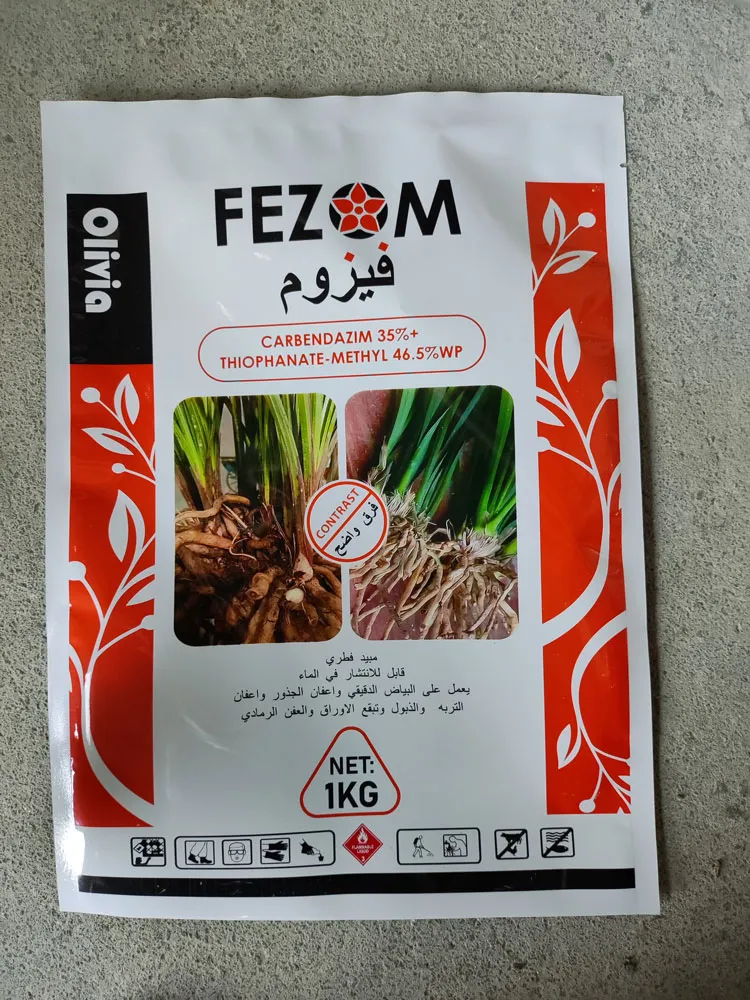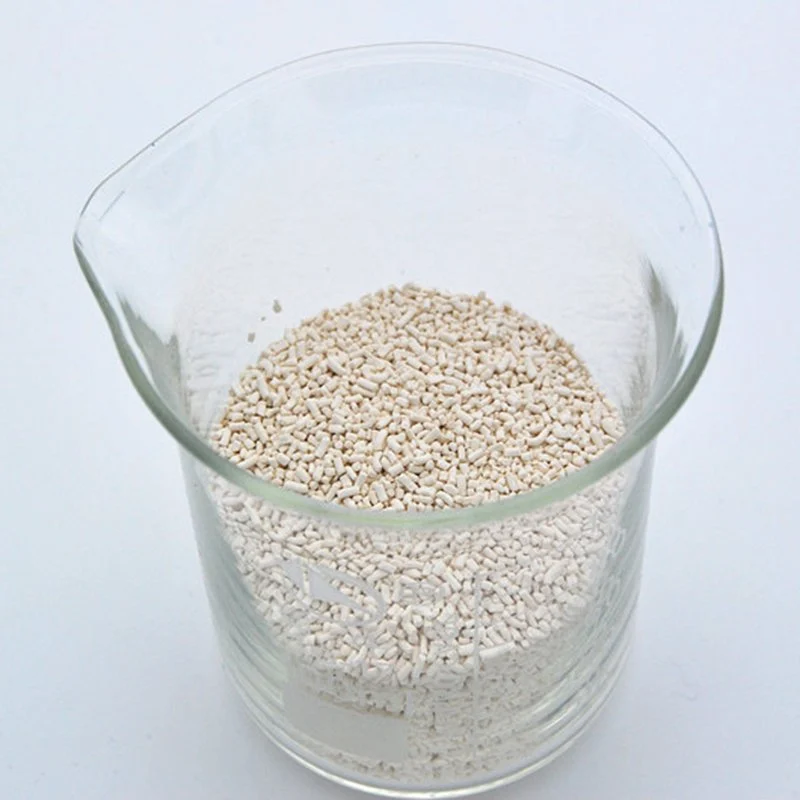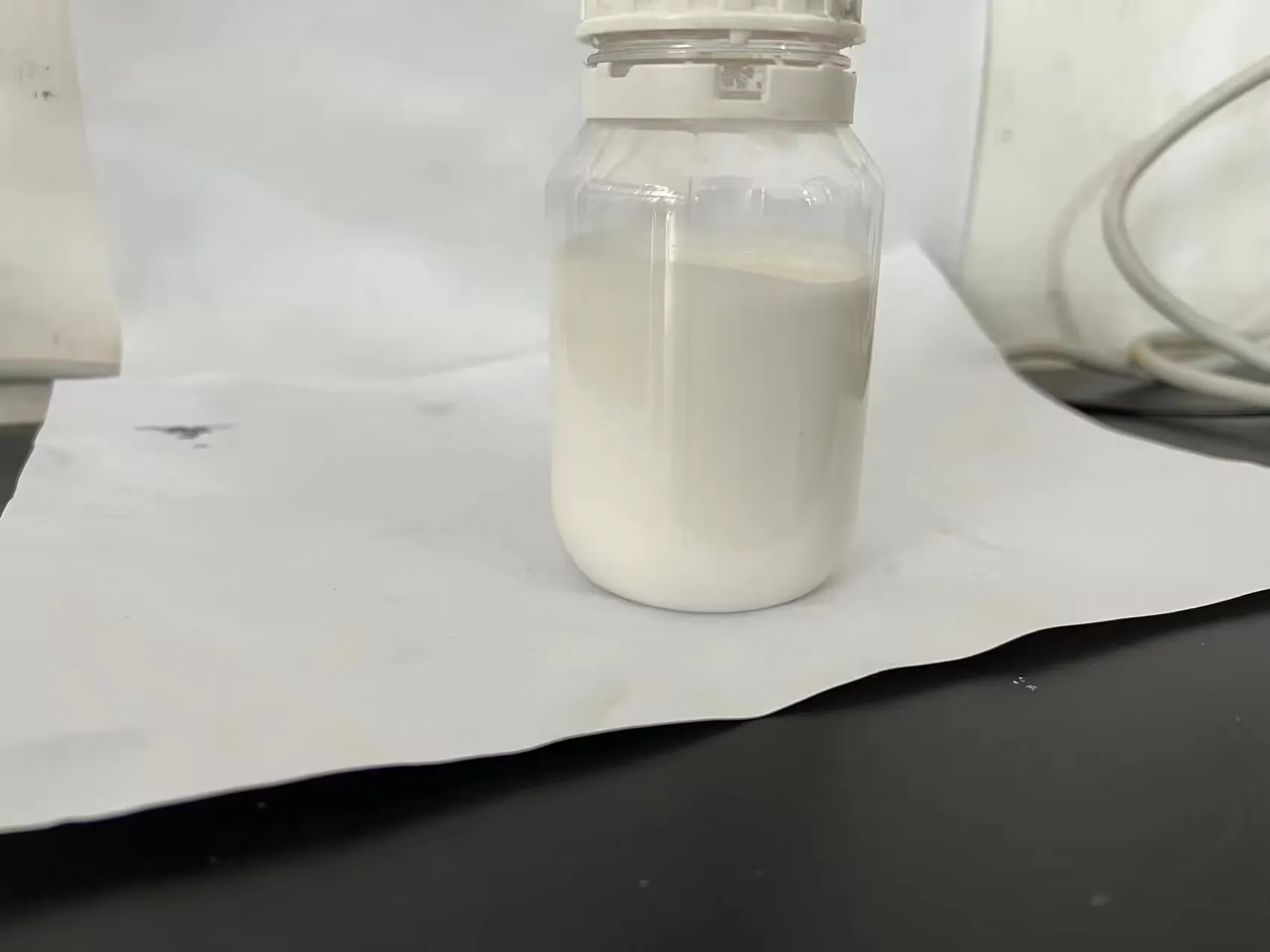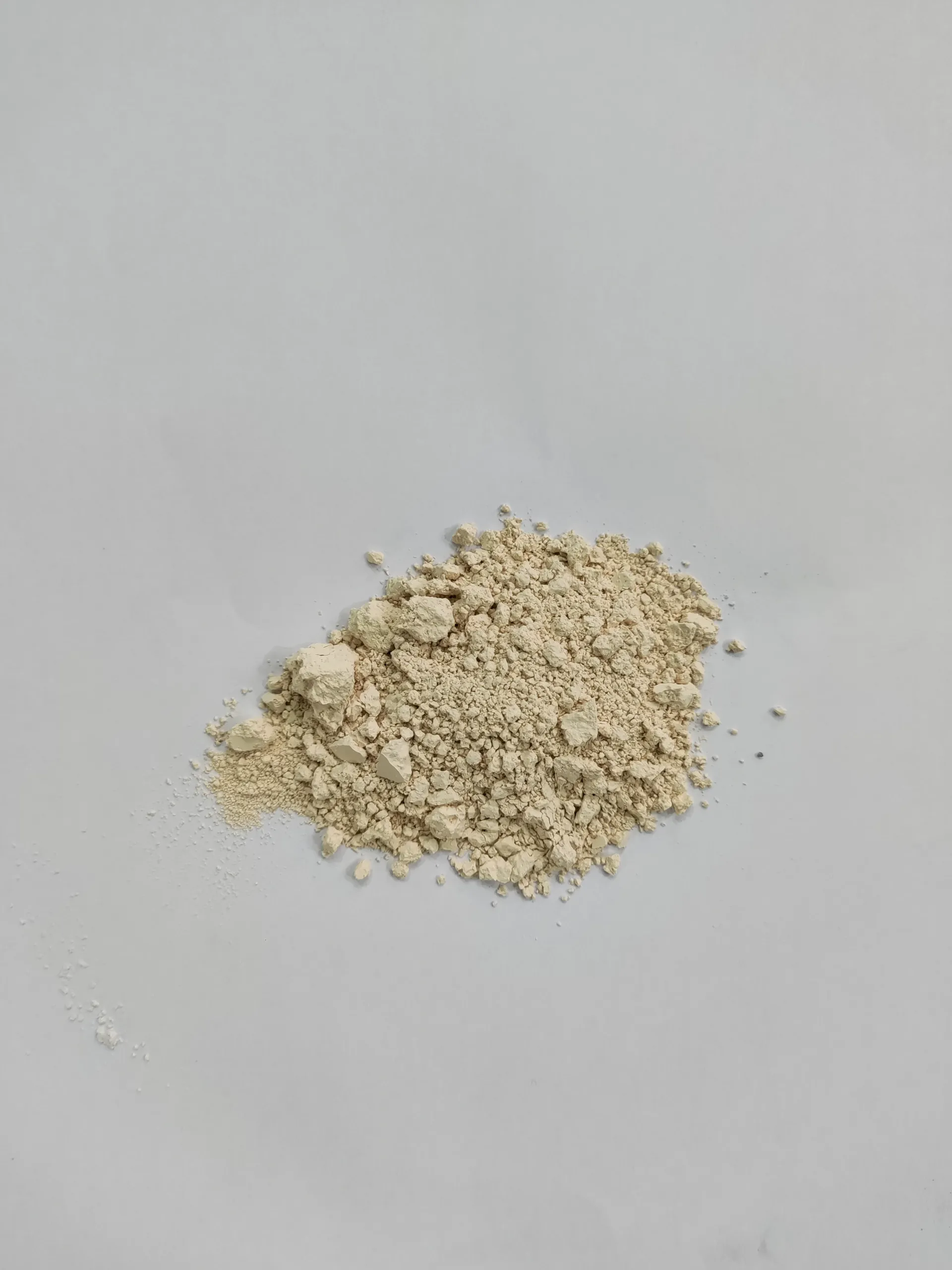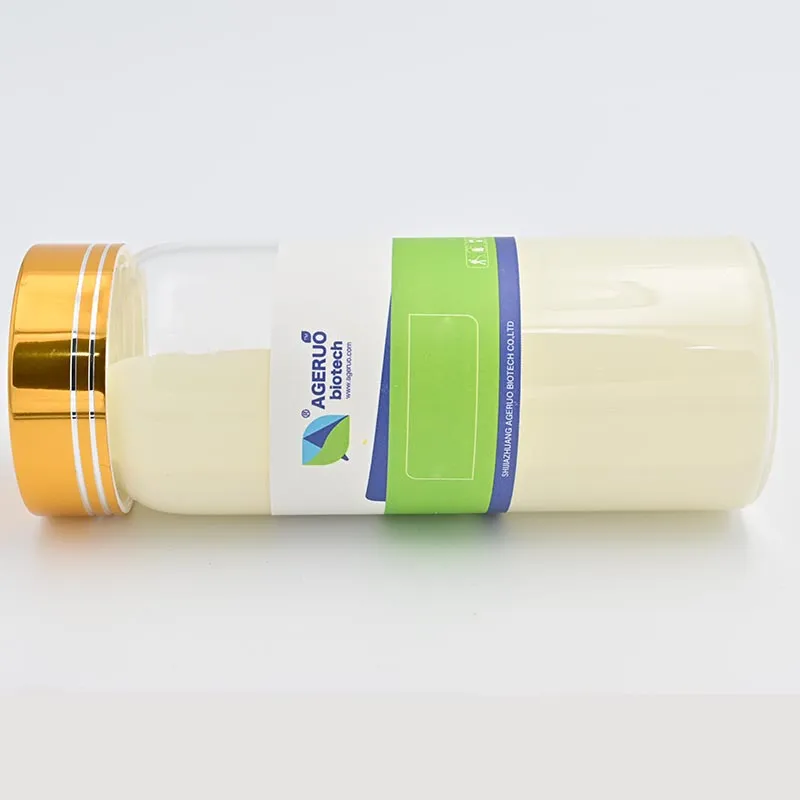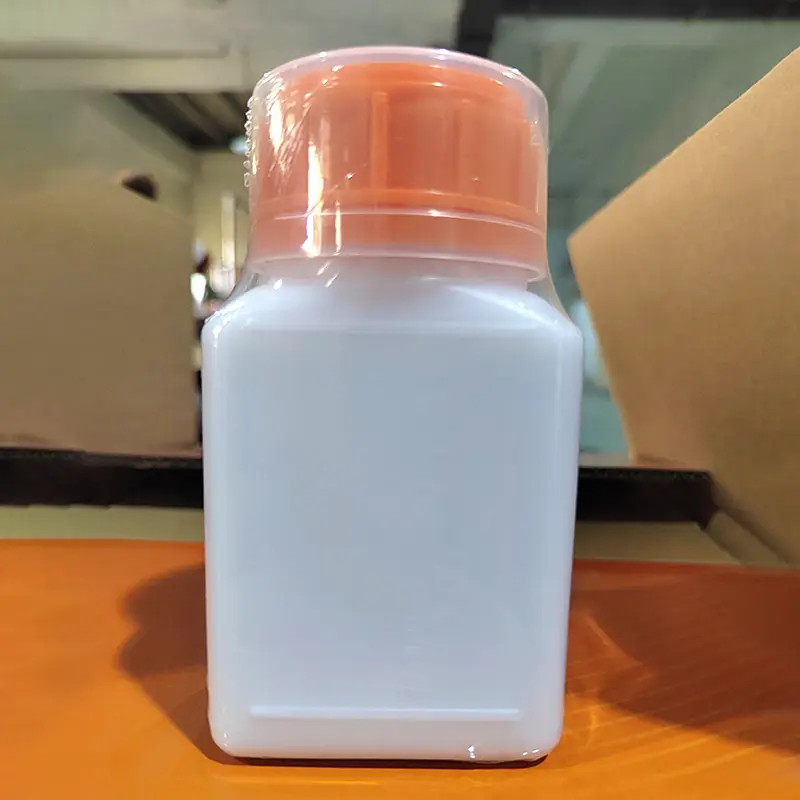
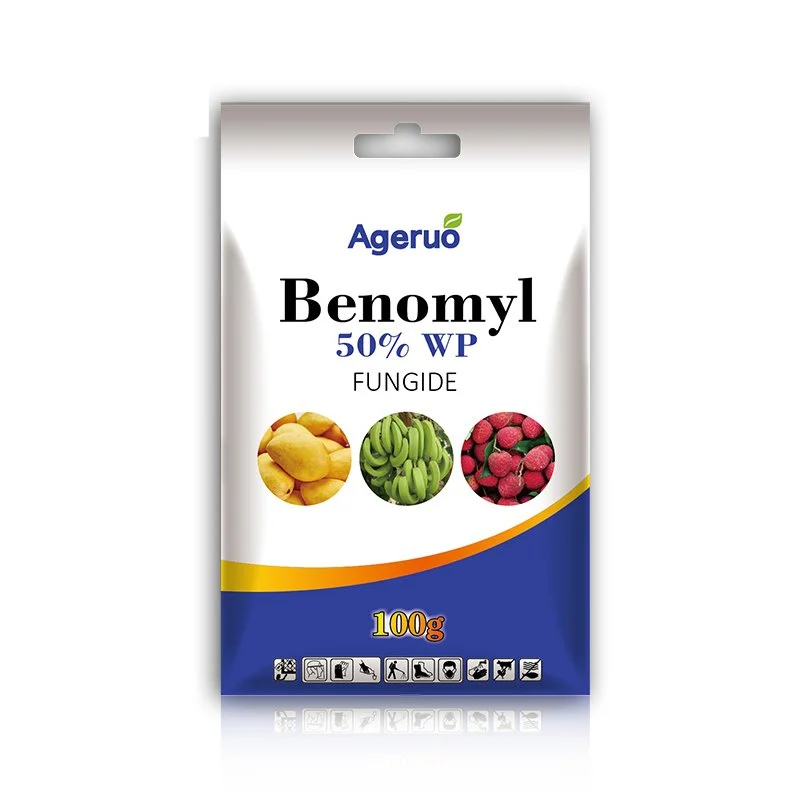
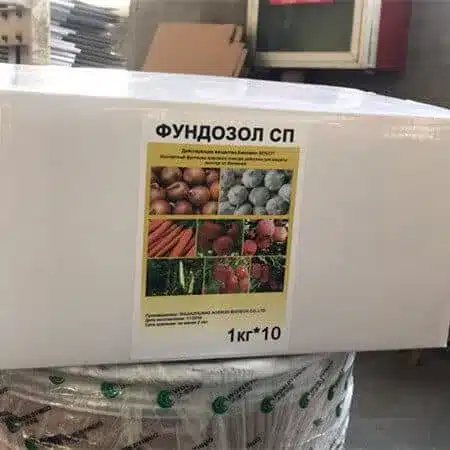
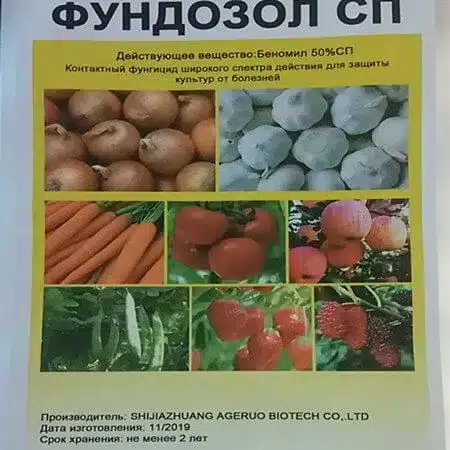
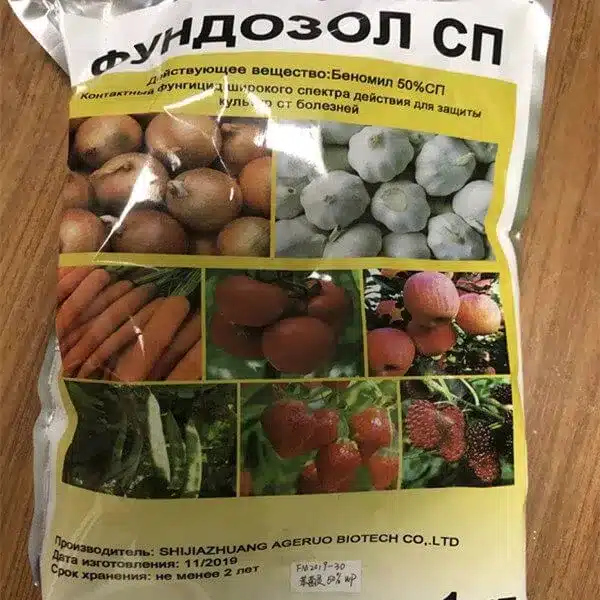
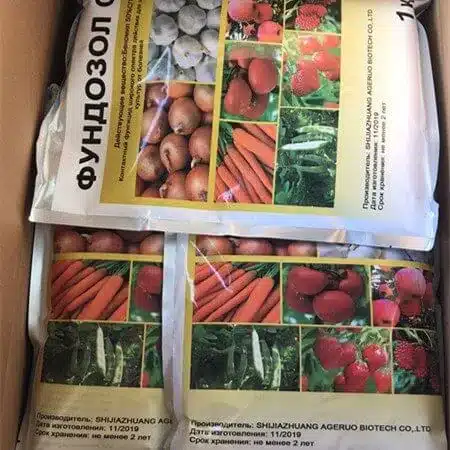
Benomyl 50% WP Systemic Fungicide
POMAIS Benomyl 50% WP is a systemic benzimidazole fungicide classified in FRAC Group 1. It is formulated as a wettable powder for professional fungal disease-management programs in markets where Benomyl remains legally registered or eligible for registration.
Benomyl interferes with β-tubulin assembly and normal mitotic cell division in susceptible fungi. This limits continued germ-tube development, cellular multiplication and mycelial growth. Its historical disease spectrum includes powdery mildew, anthracnose, scab and selected foliar or fruit diseases, subject to local registration and pathogen sensitivity.
POMAIS supplies Benomyl 50% WP for qualified importers, distributors and registration partners requiring a FRAC 1 fungicide with WP formulation, commercial packaging and technical-document support.
- Designed for Professional Buyers & Bulk Orders
- We support custom packaging, labeling, and formulation to meet your market needs.
- Export wholesale inquiries only.
- Please include destination country, business type (importer/distributor/registrant), and expected volume.
- Retail requests will not be processed.

About Benomyl 50% WP Systemic Fungicide
| Product Attribute | Specification |
|---|---|
| Product Name | Benomyl 50% WP |
| Active Ingredient | Benomyl |
| Content | 50% |
| Formulation | WP — Wettable Powder |
| Product Type | Systemic fungicide |
| Chemical Group | Benzimidazole / MBC fungicide |
| FRAC Code | Group 1 |
| Target Site | β-tubulin assembly |
| Main Biological Process | Mitosis / fungal cell division |
| Resistance Risk | High |
| Disease Positioning | Susceptible fungal pathogens where registered |
| Application Direction | Foliar and other approved uses |
| Standard MOQ | Normally 1,000 kg |
| Supply Direction | B2B import, distribution and registration cooperation |
| Document Support | COA, SDS, TDS, product specification and available registration information |
Final crops, pathogens, application rates, treatment intervals, pre-harvest intervals and residue requirements must follow the approved destination-market label.
What Is Benomyl 50% WP?
Benomyl is a systemic fungicide from the benzimidazole group.
It belongs to the methyl benzimidazole carbamate, or MBC, fungicide family and is classified as FRAC Group 1.
Historically, Benomyl has been used against a relatively broad range of susceptible fungal pathogens in fruit, vegetable, field crop and ornamental disease programs.
However, modern product positioning must consider two important factors:
- Resistance to MBC fungicides is common in a number of fungal populations.
- Benomyl regulatory status differs significantly between countries.
For this reason, Benomyl 50% WP should not be promoted as a universal fungicide for unrestricted worldwide use.
The correct positioning is:
A systemic FRAC 1 fungicide for susceptible fungal pathogens in markets where Benomyl remains legally registered or suitable for local registration.
How Does Benomyl Work?
FRAC Group 1 β-Tubulin Inhibition
Benomyl belongs to FRAC Group 1.
Its fungicidal activity is associated with interference in β-tubulin assembly.
Tubulin is required for the formation of microtubules, which play an essential role during mitosis and normal fungal cell division.
When this process is disrupted, susceptible fungi cannot continue normal cellular multiplication.
The result may include:
- Restricted germ-tube development
- Reduced hyphal extension
- Inhibition of fungal cell division
- Reduced mycelial development
- Suppression of further infection progress
Benomyl should not simply be described as “preventing all spores from germinating.”
The more accurate description is that it interferes with the cell-division processes required for continued fungal development.
Systemic Fungicide Activity
Benomyl has systemic activity after application to approved crops.
This distinguishes it from fungicides that remain primarily on the treated plant surface.
Systemic behavior can support disease management where susceptible pathogens have begun to establish within plant tissue.
However, systemic activity does not remove the need for:
- Correct application timing
- Uniform spray coverage
- Susceptible pathogen populations
- Approved crop use
- Resistance management
Benomyl should not be expected to restore tissue that has already been severely damaged by disease.
What Diseases Is Benomyl Used For?
Benomyl has historically been used against a range of susceptible fungal pathogens.
The exact disease spectrum must be confirmed according to local registration.
Potential registered directions may include:
| Disease Direction | Product Positioning |
|---|---|
| Powdery Mildew | Important historical disease direction |
| Anthracnose | Crop- and pathogen-specific |
| Scab | Selected fruit programs where registered |
| Leaf Spots | Selected susceptible fungal pathogens |
| Fruit Rots | Registration- and pathogen-dependent |
| Botrytis-Related Diseases | Only where susceptibility and registration support use |
| Other Fungal Diseases | Market-specific |
POMAIS does not recommend treating this table as a universal disease label.
Pathogen sensitivity and registration history must be considered before selecting Benomyl.
Buyers developing a broader fungicide program can also review POMAIS crop disease management solutions.
Powdery Mildew, Anthracnose and Other Key Directions
Powdery Mildew
Powdery mildew is one of the traditional fungal disease directions associated with Benomyl.
Where the pathogen remains susceptible and the product is legally registered, Benomyl may be used within a planned disease-management program.
Application should not rely on repeated FRAC 1 treatments throughout the season.
Anthracnose
Benomyl has also been used historically against susceptible anthracnose pathogens in selected crops.
Performance depends on:
- Crop species
- Pathogen species
- Disease pressure
- Application timing
- Resistance status
- Local registration
The term “anthracnose” covers diseases caused by different fungal species, so one Benomyl claim should not automatically be transferred across every crop.
Scab and Selected Foliar Diseases
Selected registrations have historically included scab and other fungal leaf or fruit diseases.
These should remain secondary disease directions on the product page.
A product specification does not replace a registered crop-and-disease label.
What Benomyl Does Not Control
Correct disease identification is important before choosing a fungicide.
Benomyl is an MBC fungicide and should not be positioned as an Oomycete fungicide.
Oomycete Diseases Are Not the Core Target
Benomyl should not be selected as the primary treatment for diseases caused by pathogens such as:
- Phytophthora
- Pythium
- Downy mildew pathogens
- Other Oomycetes
This means it should not automatically be positioned for:
- Late blight
- Downy mildew
- Pythium damping-off
- Phytophthora root or fruit diseases
These disease groups generally require fungicides with appropriate Oomycete activity.
Resistance Can Also Limit Performance
A pathogen that is normally within the historical Benomyl spectrum may still respond poorly if the local population has developed MBC resistance.
Disease name alone is therefore not enough to predict performance.
Benomyl and Carbendazim: What Is the Relationship?
Benomyl and Carbendazim are closely related from both chemical and resistance-management perspectives.
After application, Benomyl can convert to Carbendazim, which is also an MBC fungicide.
Both belong to:
FRAC Group 1
and both ultimately interfere with fungal β-tubulin and mitotic cell division.
This relationship is important because changing from Benomyl to Carbendazim should not automatically be treated as a different fungicide mode of action.
Buyers who need a more detailed technical comparison can review POMAIS’ guide to the Benomyl and Carbendazim relationship.
Application Guidance
Benomyl 50% WP should not be assigned one global application rate.
Correct use depends on:
- Country registration
- Crop
- Target pathogen
- Disease pressure
- Application method
- Treatment timing
- Residue requirements
1. Confirm Legal Registration
Before application or import, confirm that Benomyl remains approved for the intended crop and use pattern.
2. Identify the Pathogen
Determine whether the disease is:
- A susceptible true fungal pathogen
- An Oomycete disease
- A pathogen population with suspected MBC resistance
3. Review Fungicide History
Repeated historical use of:
- Benomyl
- Carbendazim
- Thiophanate-Methyl
- Other related MBC fungicides
may indicate increased resistance risk.
4. Position the Treatment Correctly
Where registered, Benomyl should generally be used within a planned disease-management program rather than as a repeated standalone rescue treatment.
5. Prepare the WP Correctly
Maintain adequate tank agitation so that the wettable powder remains uniformly suspended.
6. Follow the Registered Rate
Use the crop- and pathogen-specific label rate.
Do not apply one universal g/ha or dilution ratio across all crops.
7. Observe PHI and Residue Requirements
Pre-harvest intervals and MRL requirements are market-specific.
Export crop programs should verify destination-market residue requirements before treatment.
Resistance Management
Resistance management is one of the most important considerations when using Benomyl.
Benomyl belongs to FRAC Group 1, a fungicide group with a high resistance risk.
Resistance to MBC fungicides has been documented in many fungal species after repeated use.
Cross-Resistance Within FRAC Group 1
Related MBC fungicides may include:
- Benomyl
- Carbendazim
- Thiabendazole
- Thiophanate-Methyl and related MBC chemistry
Switching between these products should not automatically be treated as a complete mode-of-action rotation.
What Repeated FRAC 1 Use Can Do
Heavy reliance on the same mode of action can select fungal populations that are less sensitive or resistant.
This may lead to:
- Reduced field performance
- Surviving infections
- Shortened control duration
- Repeated treatment failure
Resistance-Management Principles
Where locally registered and agronomically appropriate:
- Avoid repeated Benomyl-only programs.
- Rotate with effective fungicides outside FRAC Group 1.
- Use approved mixtures containing effective non-cross-resistant partners.
- Apply at the correct disease stage.
- Avoid relying on higher rates to overcome resistance.
- Monitor unexpected survivors.
- Review previous MBC performance in the target production area.
- Integrate cultural disease-management practices.
- Follow local limits on FRAC 1 applications.
POMAIS does not recommend describing Benomyl as resistance-proof or as controlling MBC-resistant fungal populations without specific supporting data.
Benomyl 50% WP Formulation
WP means Wettable Powder.
The powder is designed to wet, disperse and remain suspended in water during spray preparation.
It does not form a true solution.
Main WP Characteristics
A properly developed Benomyl 50% WP formulation should provide:
- Consistent active ingredient concentration
- Rapid wetting
- Good suspensibility
- Controlled particle size
- Low wet-sieve residue
- Practical tank preparation
- Stable dry storage when protected from moisture
Maintaining Suspension
Because WP formulations form a suspension, agitation is important.
If the spray mixture remains static for an extended period:
- Particles may settle
- Concentration may become uneven
- Filters or nozzles may be affected
- Field application may become inconsistent
Follow the product label for spray-tank preparation and agitation.
Quality Control for Benomyl 50% WP
For professional buyers, a Benomyl WP should be evaluated beyond the “50%” declaration.
| Quality Parameter | Buyer Relevance |
|---|---|
| Benomyl Assay | Confirms the declared 50% content |
| Moisture | Influences storage stability and caking |
| Wetting Time | Indicates how quickly powder wets in spray water |
| Suspensibility | Supports uniform active concentration during spraying |
| Wet Sieve Residue | Helps reduce nozzle and filter blockage |
| Particle Size | Influences suspension and spray behavior |
| pH | Supports formulation-quality assessment |
| Persistent Foam | Influences tank preparation |
| Bulk Density | Affects packaging and measuring |
| Flowability | Supports practical handling |
| Heat Stability | Important for warm-market storage |
| Packaging Moisture Barrier | Protects the WP during transport and storage |
| Pack-Weight Accuracy | Supports commercial batch consistency |
For Benomyl 50% WP, assay, suspensibility, moisture and wetting performance are important supplier-evaluation parameters.
Any specific QC limits published on the final page should come from the actual POMAIS product specification.
Regulatory and Market Suitability
Benomyl regulatory status varies significantly between countries.
It should not be marketed as a fungicide that can be imported or registered in every market.
Some major agricultural markets have withdrawn or no longer approve Benomyl.
Therefore, before starting a purchasing or registration project, buyers should confirm:
- Active ingredient legal status
- Import eligibility
- Product registration status
- Approved crops
- Approved diseases
- MRL requirements
- Residue tolerances
- Environmental restrictions
- Local registration-data requirements
POMAIS should only proceed with a Benomyl project where the intended market permits the active ingredient or where a legitimate registration route remains available.
This review is especially important before:
- Preparing labels
- Selecting package sizes
- Producing commercial batches
- Shipping samples
- Starting registration work
Crop Safety and Tank-Mix Considerations
Benomyl should only be used on crops and at rates supported by the approved label.
Crop safety may depend on:
- Crop species
- Variety
- Growth stage
- Application rate
- Environmental conditions
- Tank-mix partners
Do not describe Benomyl as universally safe for all crops.
Tank Mixing
Compatibility with other pesticides should not be assumed.
Before tank mixing:
- Check registration.
- Confirm physical compatibility.
- Review crop safety.
- Verify the correct mixing order.
- Consider water quality.
- Confirm that the resistance-management logic is appropriate.
A physically stable mixture does not automatically guarantee biological compatibility.
Storage, Packaging and B2B Supply
POMAIS supplies Benomyl 50% WP for qualified importers, agricultural distributors and registration partners in markets where commercial use is legally permitted.
Packaging Options
Potential commercial packaging may include:
- 100 g
- 250 g
- 500 g
- 1 kg
- 5 kg
- 10 kg
- 20 kg
- 25 kg
- Other market-specific packaging
Project options may include:
- Multilingual labels
- Moisture-resistant inner packaging
- Retail cartons
- Export cartons
- Batch coding
- Shipping marks
- Distributor-brand packaging
Final packaging depends on:
- Registration
- Order quantity
- Local application rate
- Moisture-protection requirements
- Shipping conditions
Available Documents
Project documentation may include:
- COA — Certificate of Analysis
- SDS — Safety Data Sheet
- TDS — Technical Data Sheet
- Product Specification
- Packaging Specification
- Available Stability Information
- Available Efficacy Information
- Available Crop-Safety Information
- Available Registration-Supporting Information
- Batch-Related Quality Documents
- Commercial and Export Documents
Availability depends on the specific market and project requirements.
Frequently Asked Questions
What is Benomyl 50% WP?
Benomyl 50% WP is a wettable-powder systemic fungicide containing 50% Benomyl.
It belongs to FRAC Group 1.
What is Benomyl fungicide used for?
Historically, Benomyl has been used against susceptible fungal diseases including powdery mildew, anthracnose, scab and selected leaf or fruit diseases.
Exact uses depend on current local registration.
Is Benomyl systemic?
Yes.
Benomyl is generally classified as a systemic fungicide.
What FRAC group is Benomyl?
Benomyl belongs to FRAC Group 1.
What type of fungicide is Benomyl?
It is a benzimidazole / MBC fungicide.
How does Benomyl work?
Benomyl interferes with β-tubulin assembly and normal mitotic cell division in susceptible fungi.
Does Benomyl stop fungal spores from germinating?
It is more accurate to say that Benomyl interferes with the cell-division processes required for continued germ-tube development and fungal growth.
Does Benomyl control powdery mildew?
Powdery mildew is an important historical disease direction where the pathogen remains susceptible and the use is locally registered.
Can Benomyl control anthracnose?
Selected anthracnose diseases have historically been included in Benomyl programs.
Performance depends on pathogen species, resistance status and local registration.
Does Benomyl control downy mildew?
Benomyl should not be positioned as a primary Oomycete fungicide.
Downy mildew normally requires a fungicide with appropriate activity against Oomycete pathogens.
Does Benomyl control Phytophthora?
Benomyl is not the normal fungicide choice for Phytophthora diseases.
What is the relationship between Benomyl and Carbendazim?
Benomyl can convert to Carbendazim, and both belong to the FRAC Group 1 MBC fungicide group.
Can Benomyl be rotated with Carbendazim?
Changing from Benomyl to Carbendazim should not automatically be treated as a different mode-of-action rotation because both belong to FRAC Group 1.
Is resistance to Benomyl common?
Resistance to MBC fungicides has been reported in many fungal populations.
Local resistance history should therefore be reviewed before use.
Can I increase the rate if Benomyl no longer works well?
Reduced performance should first be investigated as a possible resistance or application issue.
Increasing the dose should not be used as a substitute for resistance management.
What does WP mean?
WP means Wettable Powder.
The product disperses in water to form a spray suspension and normally requires agitation.
What is the PHI for Benomyl?
There is no single global PHI.
The pre-harvest interval must follow the approved crop-specific label in the destination market.
Is Benomyl registered in every country?
No.
Benomyl regulatory status differs significantly between markets, and some countries no longer approve it.
What documents can POMAIS provide?
Depending on the project, support may include COA, SDS, TDS, formulation specifications, packaging information and available registration-supporting documents.
Request Benomyl 50% WP Specifications
For a Benomyl 50% WP purchasing, registration or distribution project, please provide:
- Destination country
- Company type
- Required quantity
- Preferred package size
- Target crops
- Target fungal diseases
- Previous MBC fungicide use
- Known resistance history
- Current Benomyl registration status
- Required label language
- Required technical documents
- Expected purchasing schedule
POMAIS will first review the destination-market regulatory status, intended crop and disease use, resistance considerations, WP formulation requirements and packaging plan before confirming commercial feasibility.
Benomyl 50% WP is supplied for professional fungal disease management in markets where the active ingredient remains legally permitted, with B2B procurement, formulation quality and registration requirements reviewed before supply.
Contact us!
We will reply to you within 24 hours on business days!