
What are the main plant protection challenges facing soya production?
Plant protection needs in soya fields are not limited to pests and diseases. Weeds may compete with seedlings for light, water and nutrients in the early stages; root diseases may affect emergence and plant establishment; whilst foliar diseases and pests may affect leaf function, pod development and seed formation during both the vegetative and reproductive growth stages.
| Risk category | Main targets | Issues requiring attention |
|---|---|---|
| Foliar diseases | Asian Soya Bean Rust, Frogeye Leaf Spot, Septoria Brown Spot | Leaf damage, disease spread and late-stage seed formation |
| Diseases during flowering and canopy stage | White Mould / Sclerotinia Stem Rot | Risk of infection during flowering, canopy humidity and field history |
| Root and seedling diseases | Phytophthora root rot, Pythium damping-off, Rhizoctonia root rot | Uneven emergence, root damage and failure to establish |
| Sucking pests | Soybean Aphid, Stink Bugs | Plant growth, damage to pods and seeds |
| Leaf-feeding pests | Caterpillars, Defoliating Beetles | Leaf loss and functional leaf area during critical growth stages |
| Mites | Spider Mites | Population growth and leaf chlorosis under drought and high-temperature conditions |
| Weeds | Regional weeds such as Palmer Amaranth, Waterhemp and Foxtail | Early competition, harvest interference and herbicide resistance |
There are marked differences between soya bean production systems in different regions. For example, in some American growing regions, particular attention needs to be paid to resistant broadleaf weeds, whilst in certain high-humidity areas, greater focus may be placed on soya bean rust or sclerotinia rot. The above list serves to define the core content of this page and does not imply that all pests, diseases and weeds carry the same level of importance in every market.
Pest and Weed Management Strategies for Soybean Growth Stages
Soybean pest and weed management should be guided by the crop’s growth stages; however, the specific treatment approach for each stage must be determined in conjunction with field monitoring, variety, climate and local product labels. Codes such as VE, VC, V1, R1, R3 and R5 assist technicians and procurement staff in accurately communicating the optimal treatment windows.
| Growth Stages | Key Risks | Management Priorities |
|---|---|---|
| Pre-planting to Planting | Soil weeds, seed-borne and soil-borne diseases | Field weed surveys, seed quality, sowing conditions and evaluation of seed treatments |
| Emergence stage (VE–VC) | Uneven emergence, root diseases, early-season weeds | Check emergence rate, root health and competition from early-season weeds |
| Vegetative growth stage (V1–Vn) | Grass and broadleaf weeds, some early-season pests | Select appropriate management strategies based on weed species, growth stage and product labelling |
| Flowering stage (R1–R2) | Risk of white mould, certain foliar diseases and pests | Assess risk by considering weather conditions, canopy density, disease history and field monitoring |
| Pod-setting stage (R3–R4) | Foliar diseases, leafhoppers and leaf-feeding pests | Monitor pod formation, disease progression and the actual extent of pest damage |
| Grain-filling stage (R5–R6) | Soya rust, grey leaf spot, and certain leaf- and pod-feeding pests | Assess leaf function, pest and disease pressure, the application window and harvest restrictions |
| Maturity stage (R7–R8) | Late-season pests and diseases, harvest preparations | Verify harvest plans, pre-harvest intervals (PHI), residue requirements and field management arrangements |
Pre-sowing and emergence stage
The focus of early management is on establishing a uniform, healthy plant population. Prior to sowing, survey major weed species and the risk of resistance, whilst assessing seed quality, soil moisture, drainage conditions and the history of root diseases.
Seed treatment may form part of the management strategy for certain diseases and early-season pests; however, the decision on whether to use it and which active ingredient to select should be based on actual risks, product registration and seed treatment conditions.
Vegetative Growth Stage
During the vegetative growth stage, attention should focus on weed competition, plant growth status and early-season pests. Weed control should be tailored to weed species, size, density and the stage of soybean growth, rather than being scheduled solely according to a fixed number of days after sowing.
For diseases and pests, the actual risk should be assessed before deciding whether further intervention is required. Premature or unnecessary applications not only increase costs but may also lead to crop phytotoxicity and exacerbate the pressure of managing resistance.
Flowering and Pod-setting Stage
Upon entering the reproductive growth stage, management priorities gradually shift towards foliar diseases, flowering-related diseases and pests that may affect pods and seeds.
The risk of white mould is linked to the flowering stage, canopy moisture, variety susceptibility and the field’s history of disease. Management of soya bean rust must be tailored to regional prevalence risks and actual disease monitoring; not all diseases should be treated within the same application window.
Grain Formation and Maturation Stage
During this stage, attention should be paid to leaf health, grain formation and actual pest and disease pressure. At the same time, the pre-harvest interval (PHI) of the product and the maximum residue limits (MRLs) for the target market should be checked in advance to ensure that the application plan aligns with the harvest schedule.
Soybean Disease Management
The control of soybean diseases should be formulated based on the type of pathogen, conditions of occurrence, plant growth stage and local registration status. Different diseases require different management measures; one should not assume that a particular fungicide is suitable for all soybean diseases merely because the disease names are similar or the product possesses broad-spectrum fungicidal activity.
Asian Soybean Rust
Asian Soybean Rust is caused by Phakopsora pachyrhizi and primarily affects soybean leaves. Disease development may be influenced by temperature, leaf wetness duration, rainfall and regional pathogen spread.
Key management points include:
- Monitor disease early warning systems and field monitoring results in target production areas.
- Assess the soybean growth stage, variety characteristics and actual disease risk.
- Select fungicides with appropriate control uses based on local registrations.
- Check the FRAC mode of action groups and formulate a reasonable rotation plan.
- Avoid treating a product’s ability to control disease after visible symptoms have already appeared as the sole criterion for product selection.
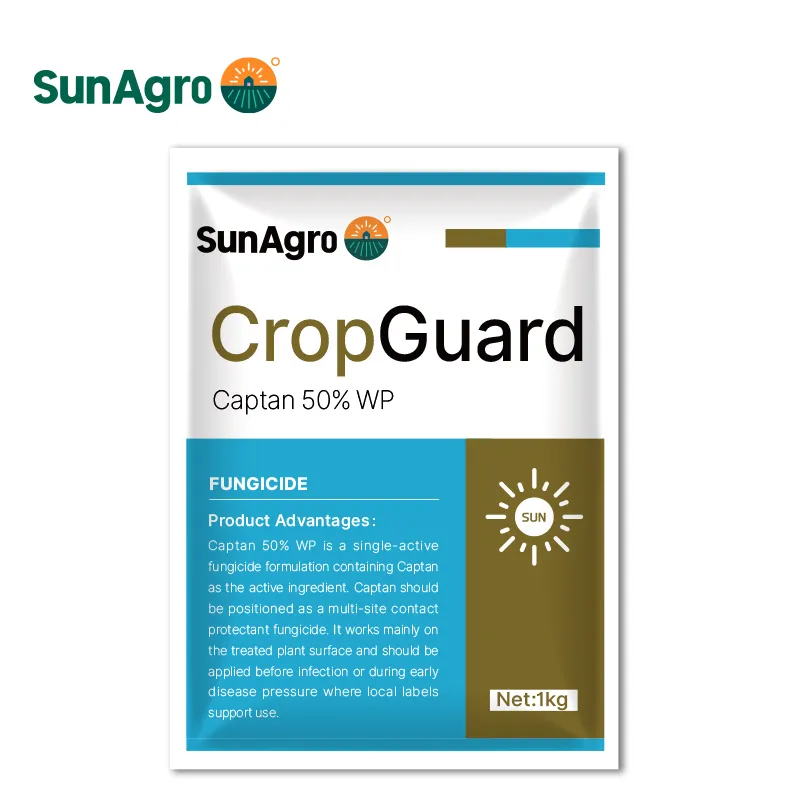
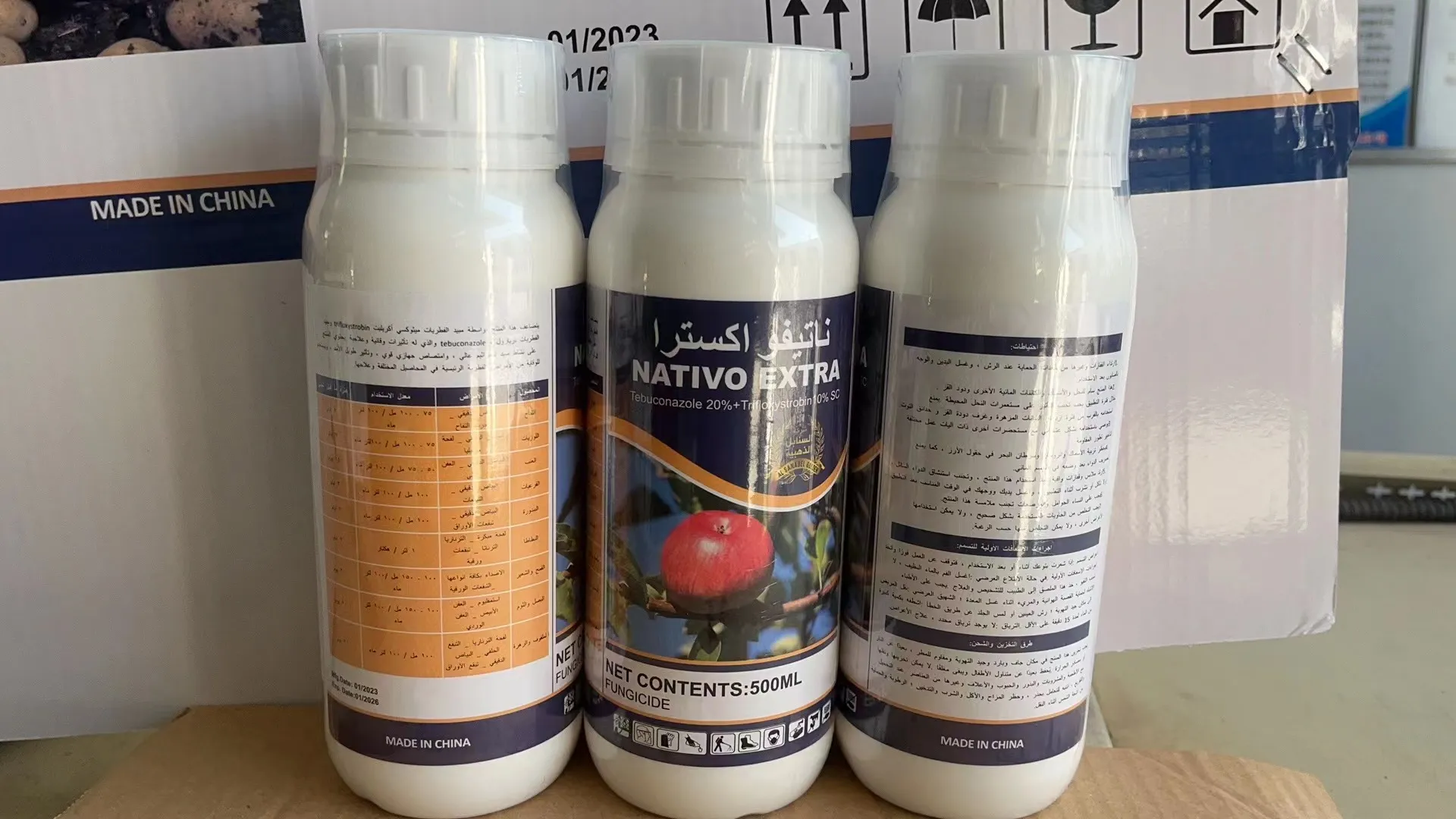
The selection of fungicides should be based on registrations in the target market and actual disease management recommendations. The suitability of different active ingredients for soybean rust and the associated risk of resistance vary; they cannot be uniformly recommended simply because they are classified as broad-spectrum fungicides.
Frogeye Leaf Spot (soybean grey spot)
Frogeye Leaf Spot is caused by Cercospora sojina and primarily manifests as leaf lesions; in severe cases, it may affect the effective leaf area and the normal growth of the plant.
Management strategies should take into account variety resistance, disease history, weather conditions and field monitoring. In production areas where there is a risk of fungicide resistance, attention should also be paid to rotating FRAC modes of action to avoid long-term reliance on a single mode of action.
When evaluating relevant products, it is necessary to verify their intended use on soya beans, target diseases, active ingredients, formulation and local registration status. One should not assume that a fungicide is equally effective against Frogeye Leaf Spot simply because it is suitable for other foliar diseases.
White Mould (Sclerotinia Stem Rot)
White Mould, also known as Sclerotinia Stem Rot, is caused by Sclerotinia sclerotiorum. Under favourable conditions, the disease may affect the stems and plant health, resulting in significant yield losses.
Management of this disease requires particular attention to the flowering stage and canopy conditions. Field disease history, variety susceptibility, plant density, humidity and weather conditions all influence risk assessment.
Key management strategies include:
- Prioritise the assessment of fields with a history of the disease.
- Assess risk based on variety characteristics and canopy humidity.
- Where permitted by local labelling regulations, evaluate fungicides based on the applicable control window.
- Combine chemical control with variety selection, cultural management and field monitoring.
In some production areas, the key control window for sclerotinia rot is R1–R3; however, this is not a uniform application timing applicable to all regions and all products. Specific measures should be based on local technical advice and approved labelling.
Root and Seedling Diseases
Root and seedling diseases in soya beans include Phytophthora root rot, Pythium damping-off and Rhizoctonia root rot, amongst others. Different pathogens may cause seed rot, seedling death, root damage or stunted plant growth.
Early management should take into account seed quality, soil drainage, sowing conditions, variety resistance and local disease history.
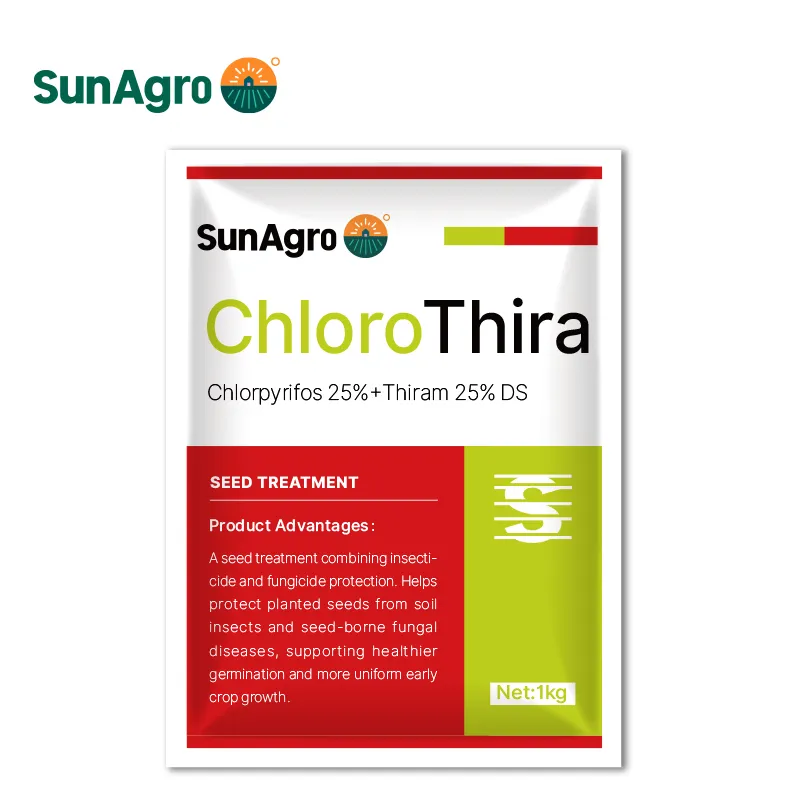
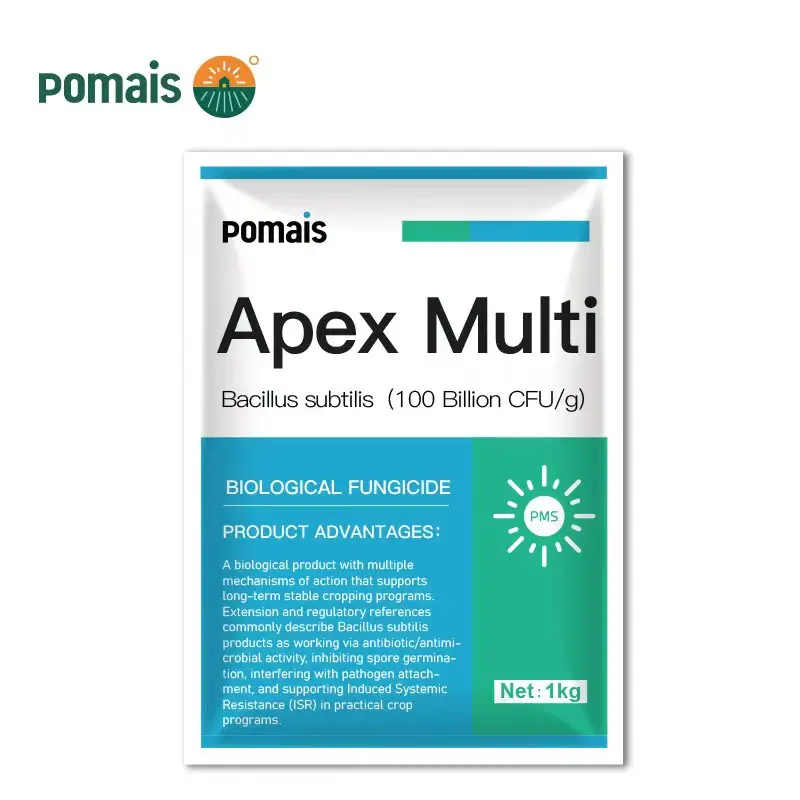
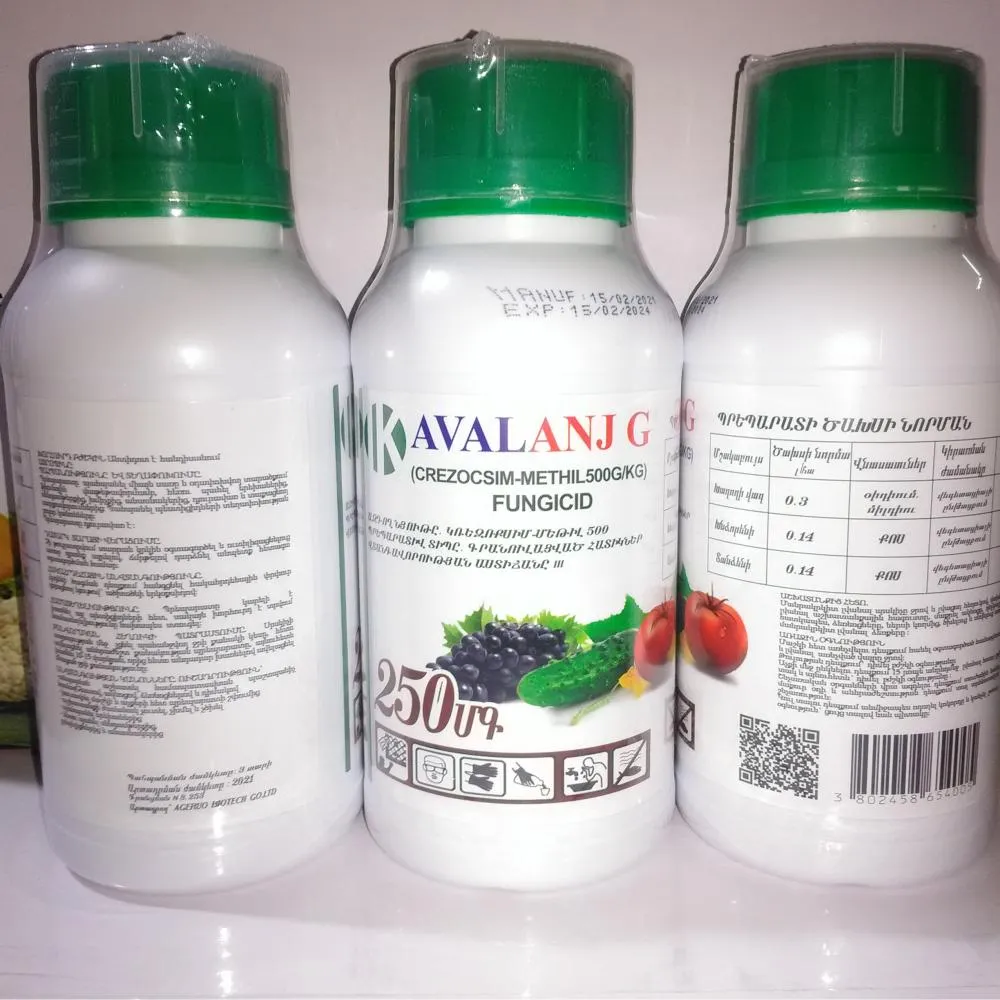
Seed treatment products can help manage specific seed-borne or soil-borne diseases under certain conditions, but different active ingredients target different pathogens. When purchasing, verify the specific product’s pathogen spectrum, crop range, treatment method and local registration; not all FS formulation products should be regarded as interchangeable.
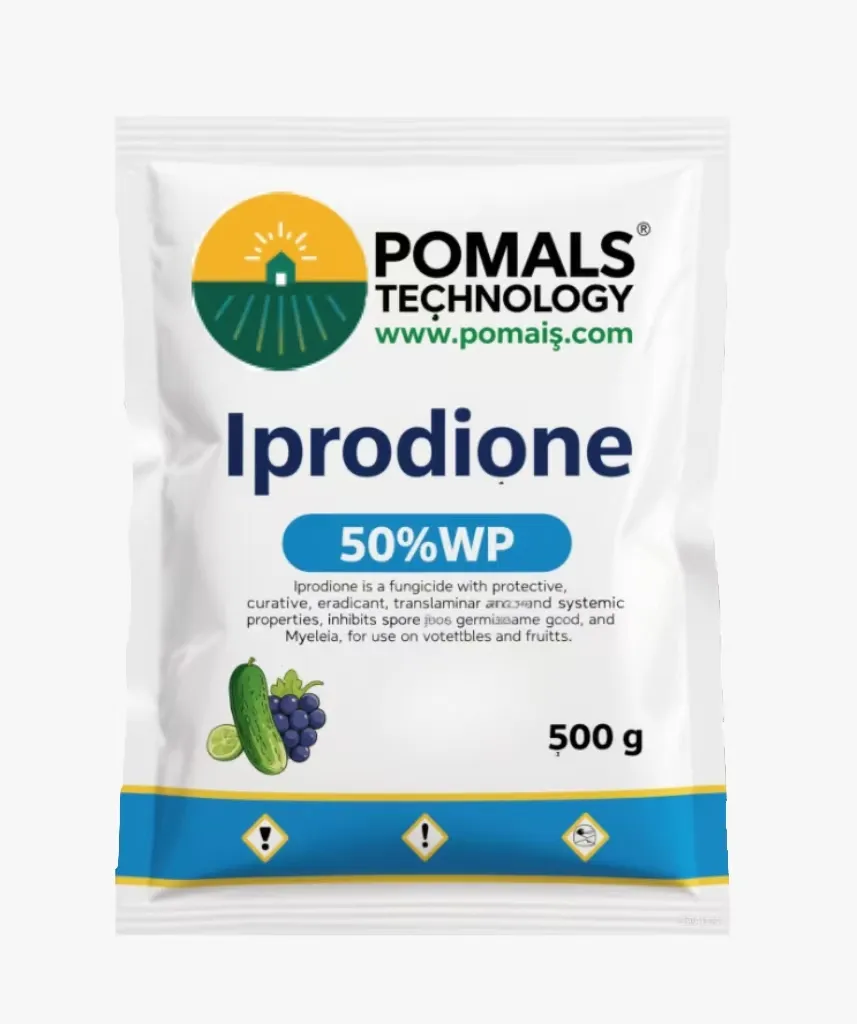
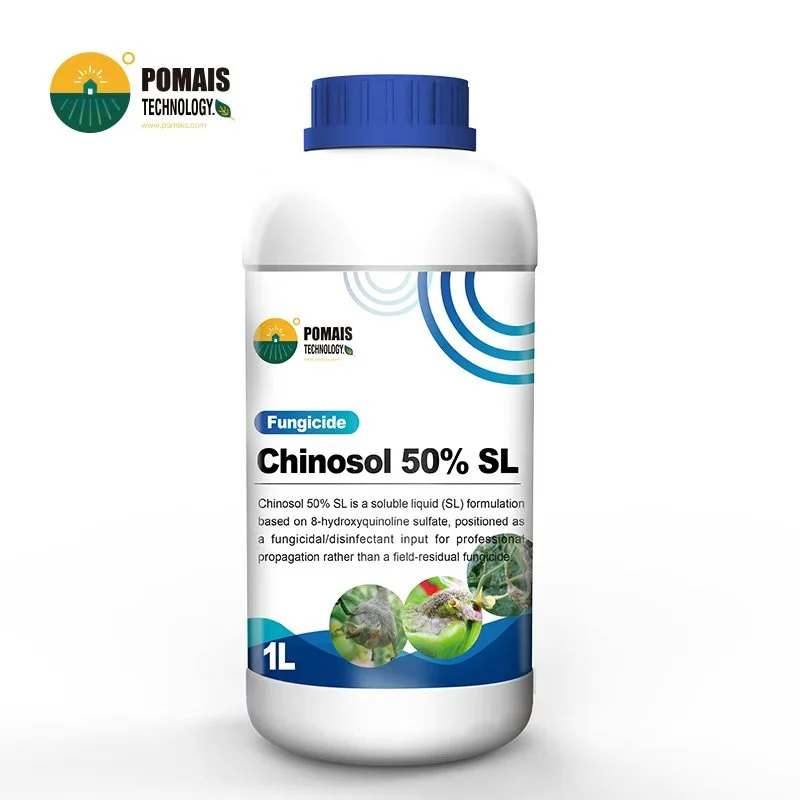
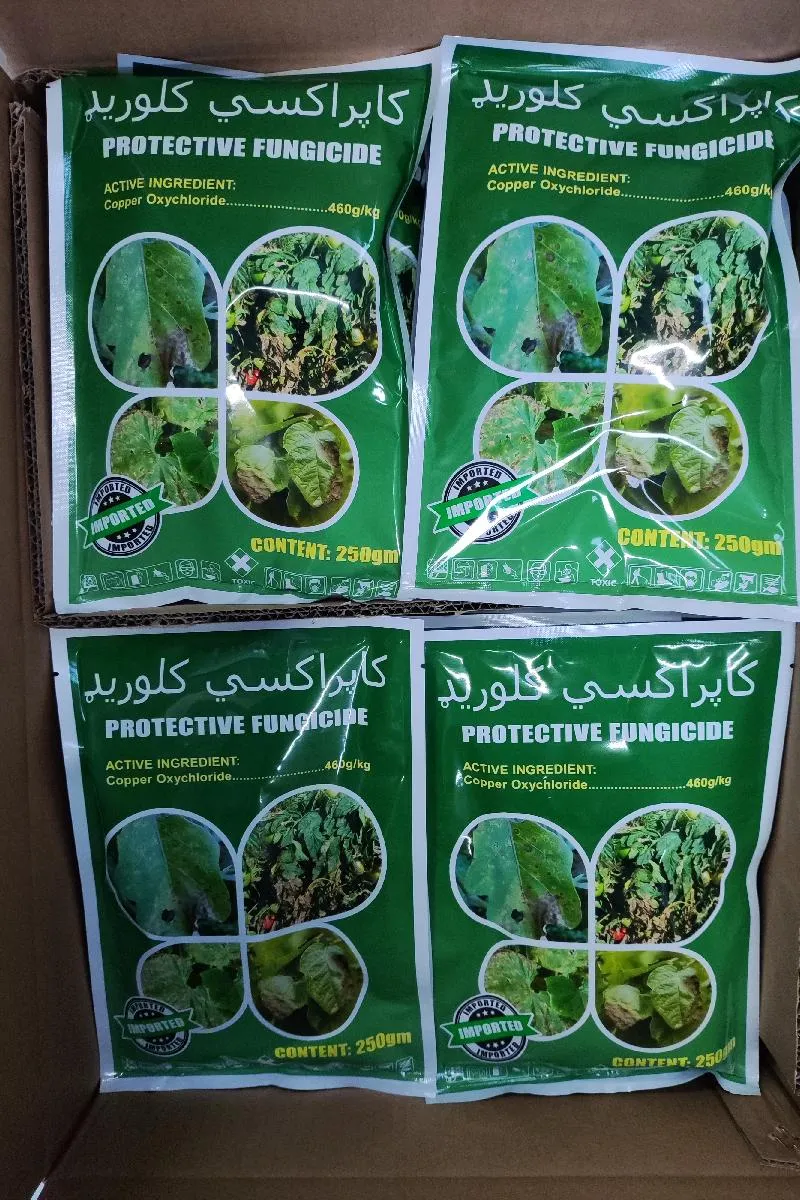
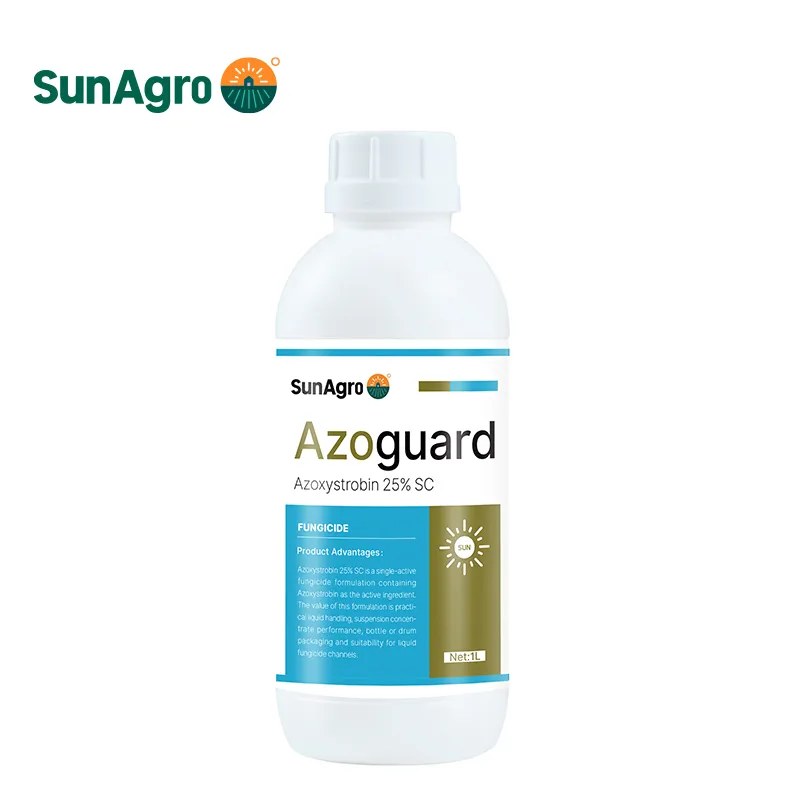
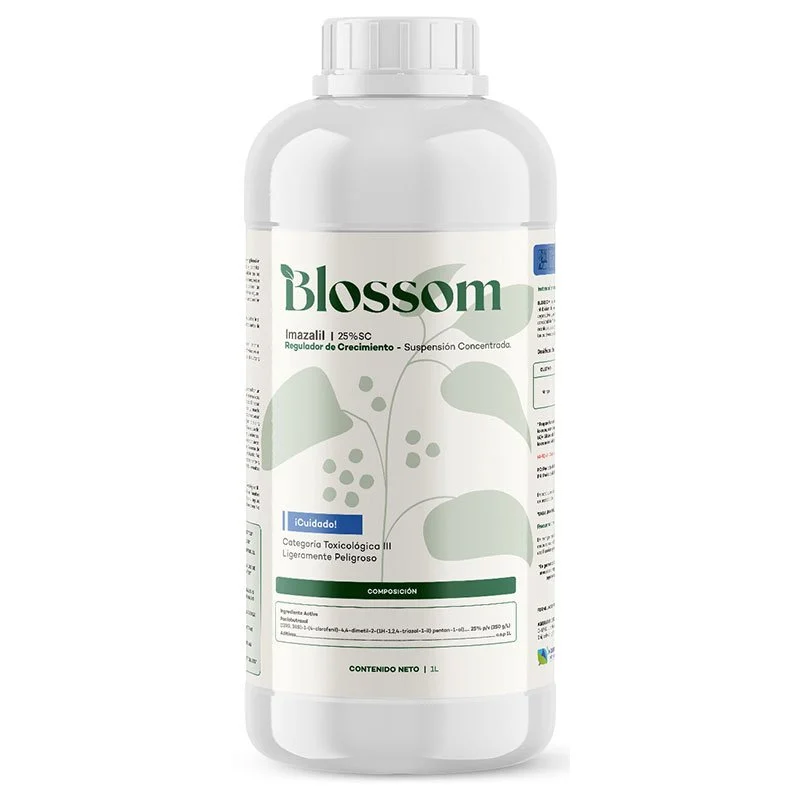
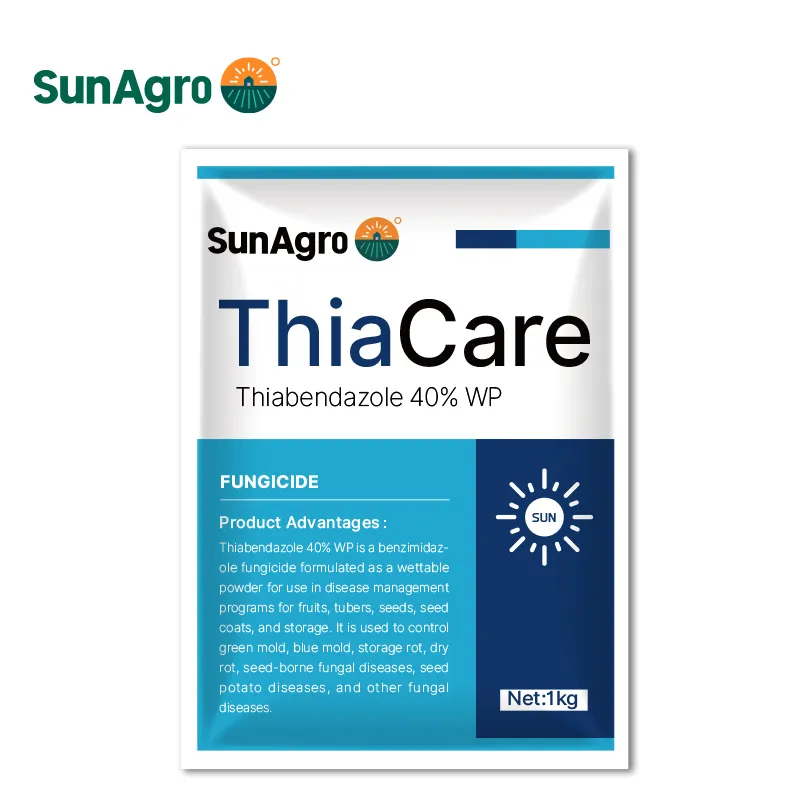
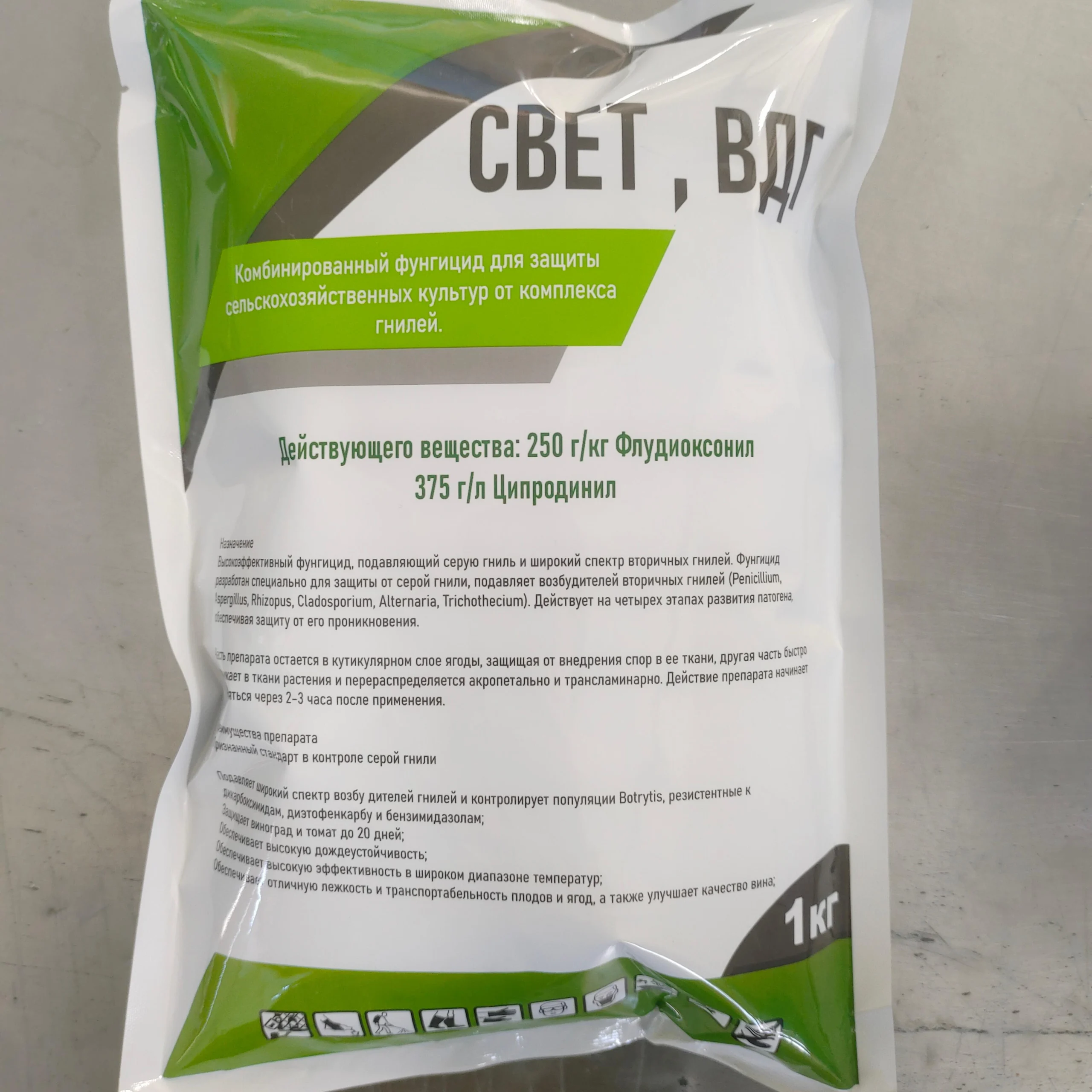
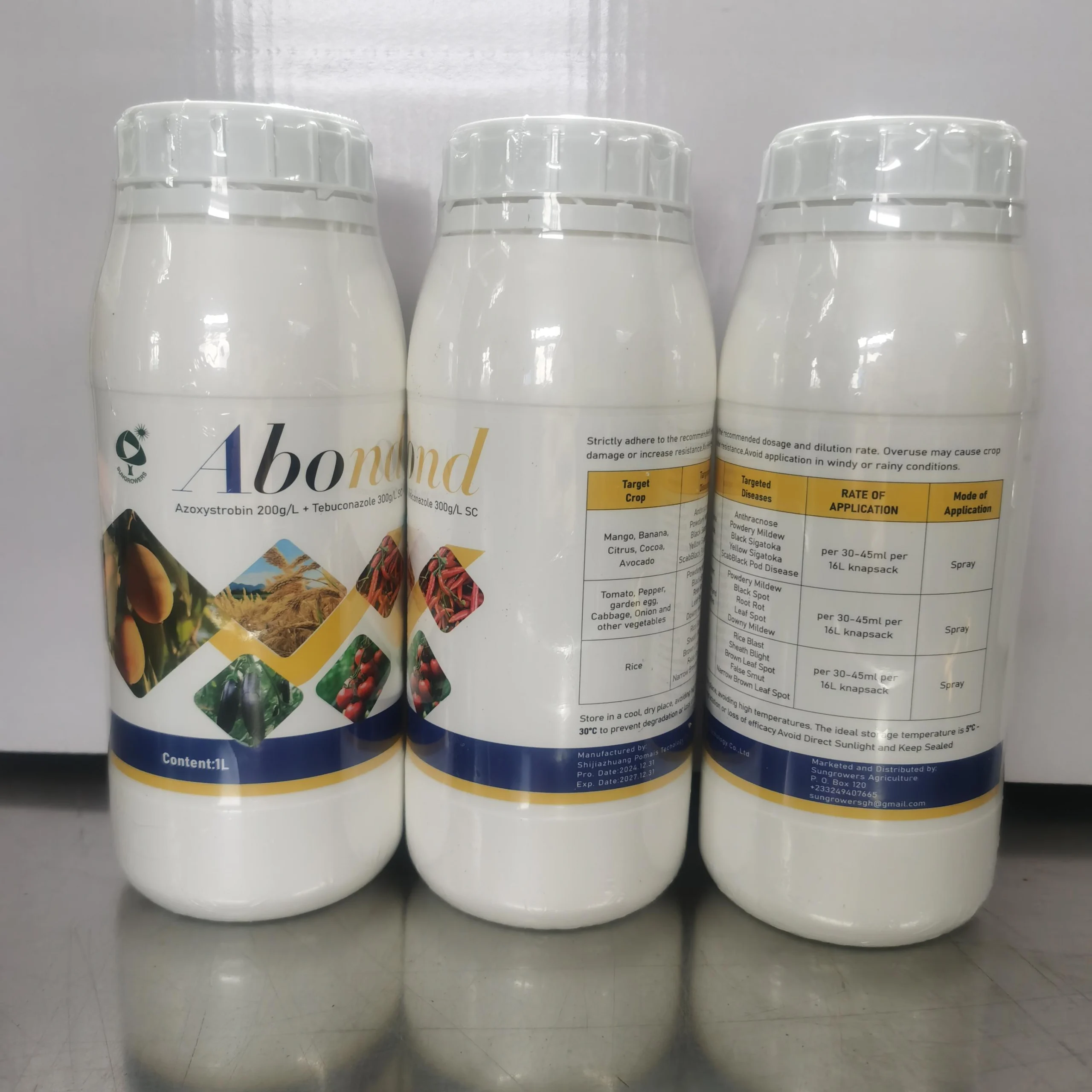
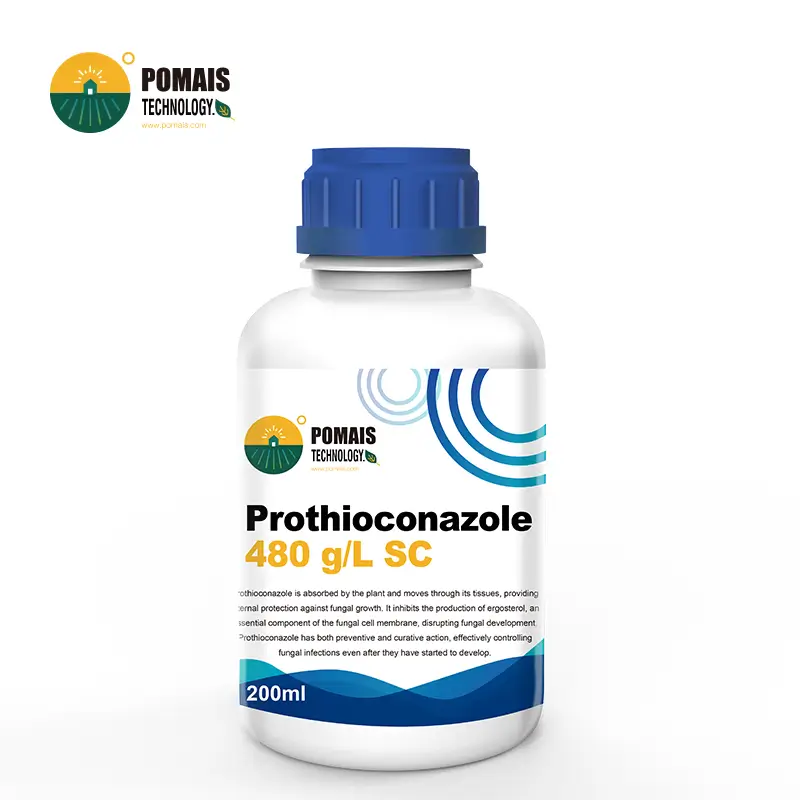
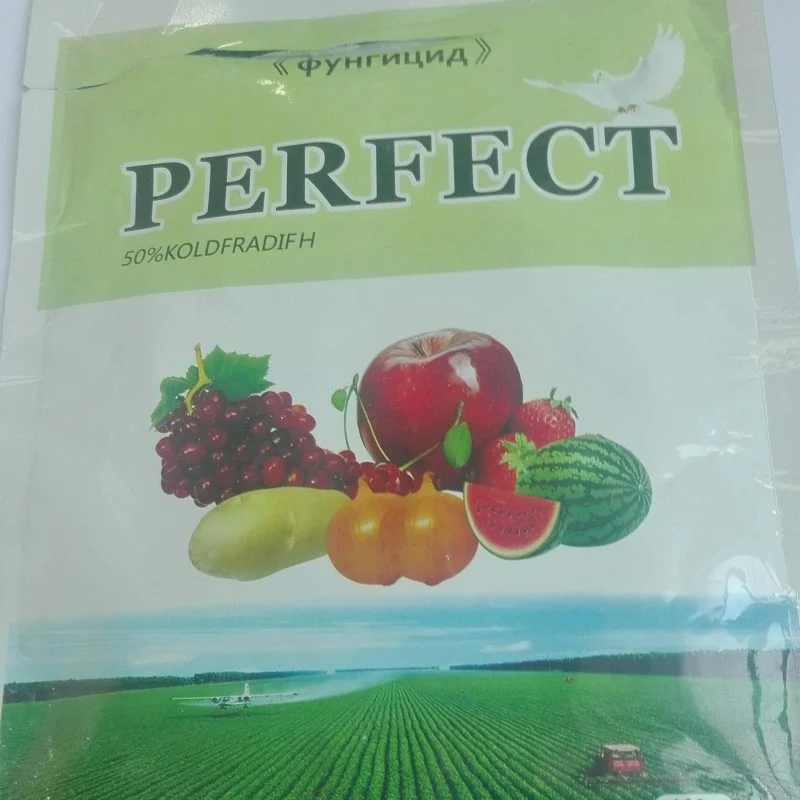
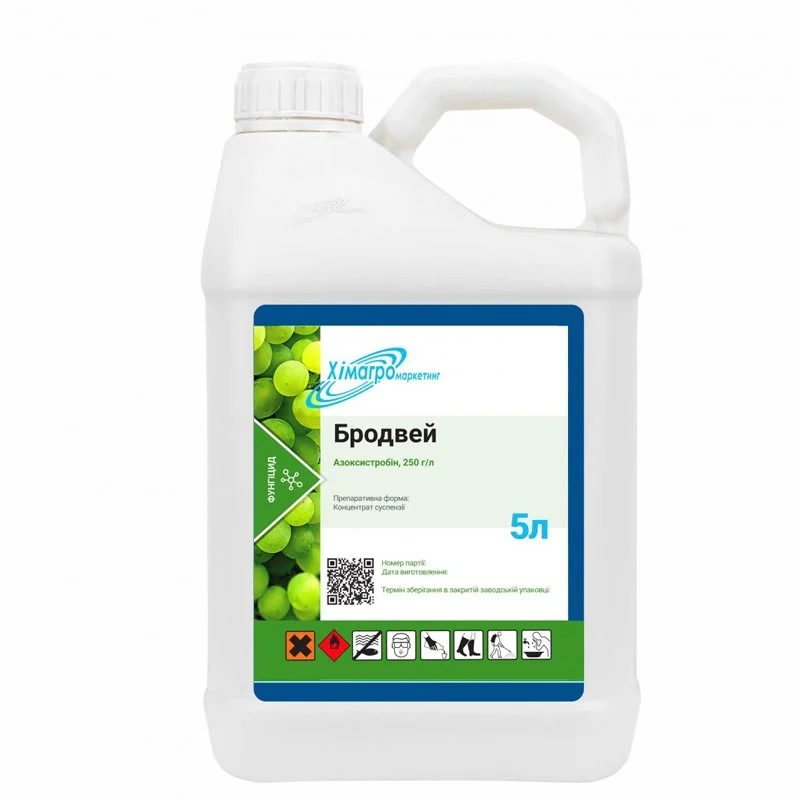
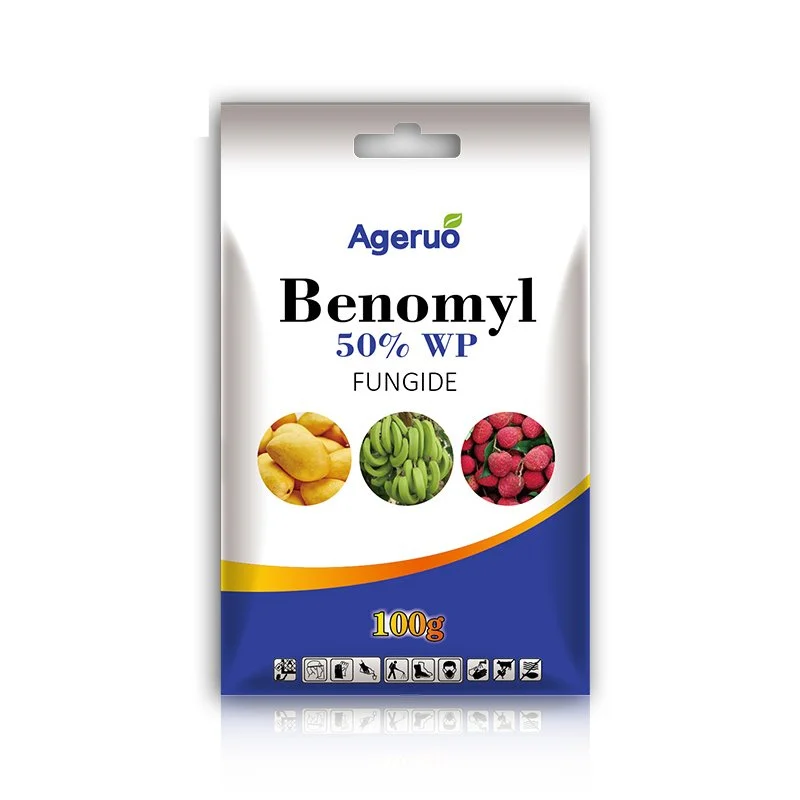
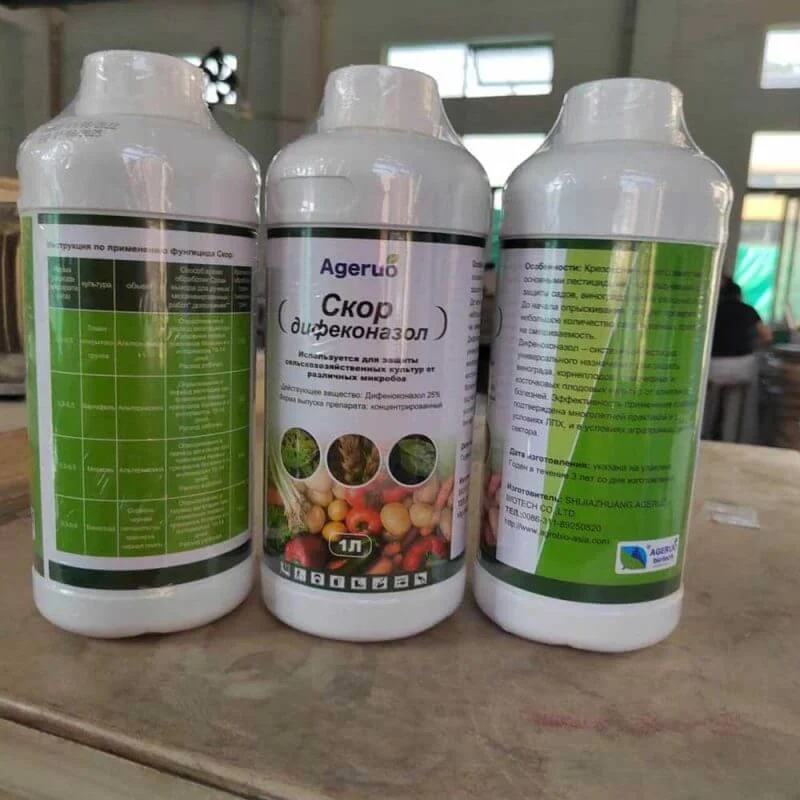
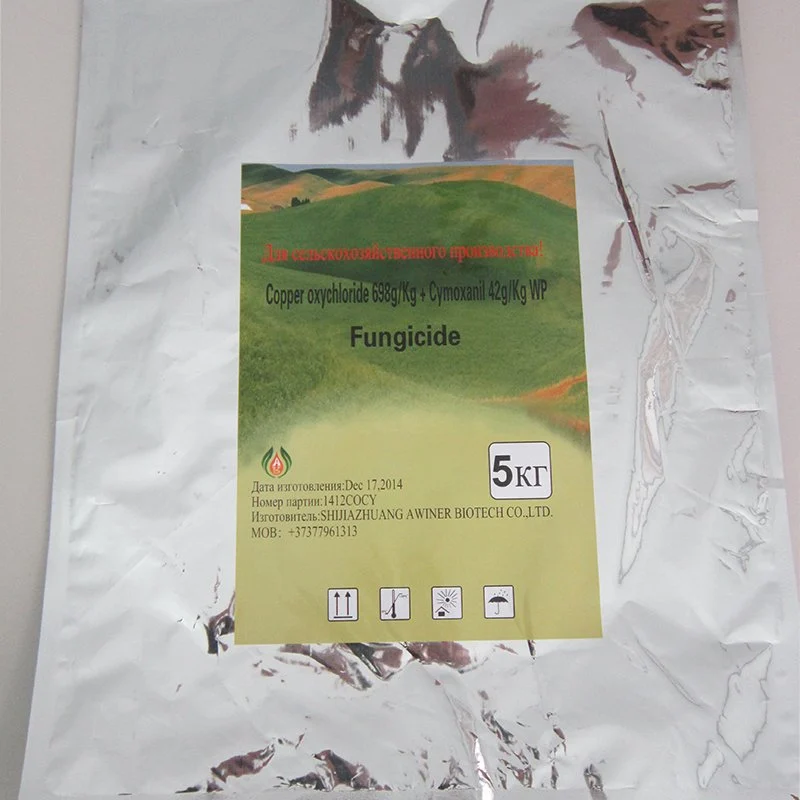
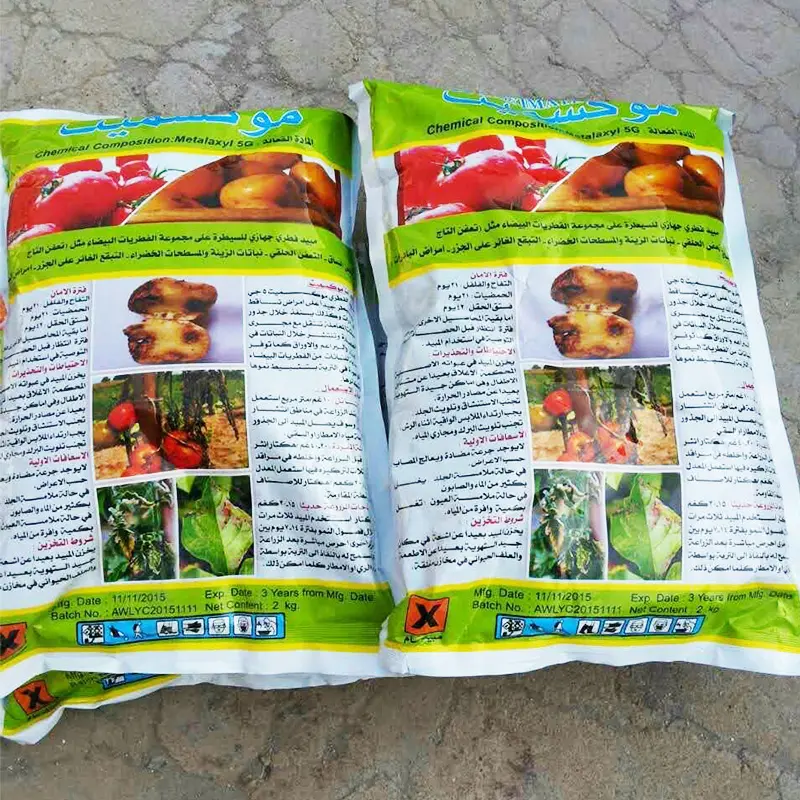
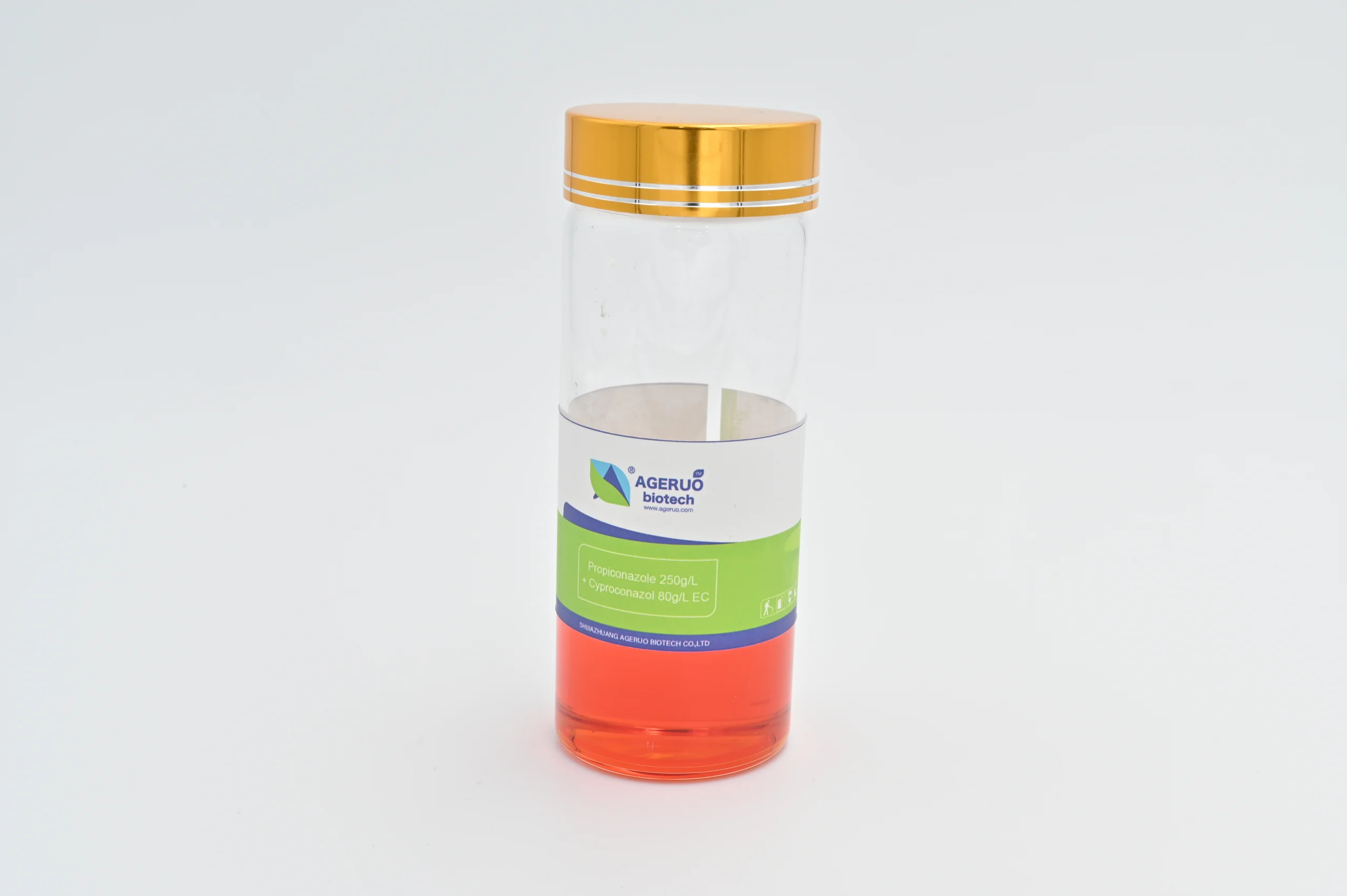
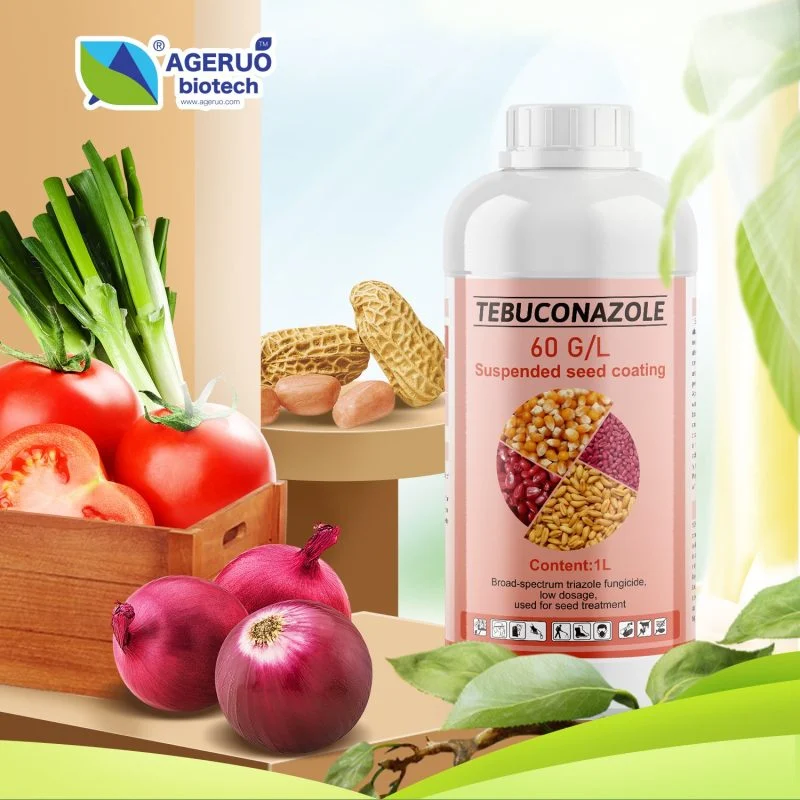
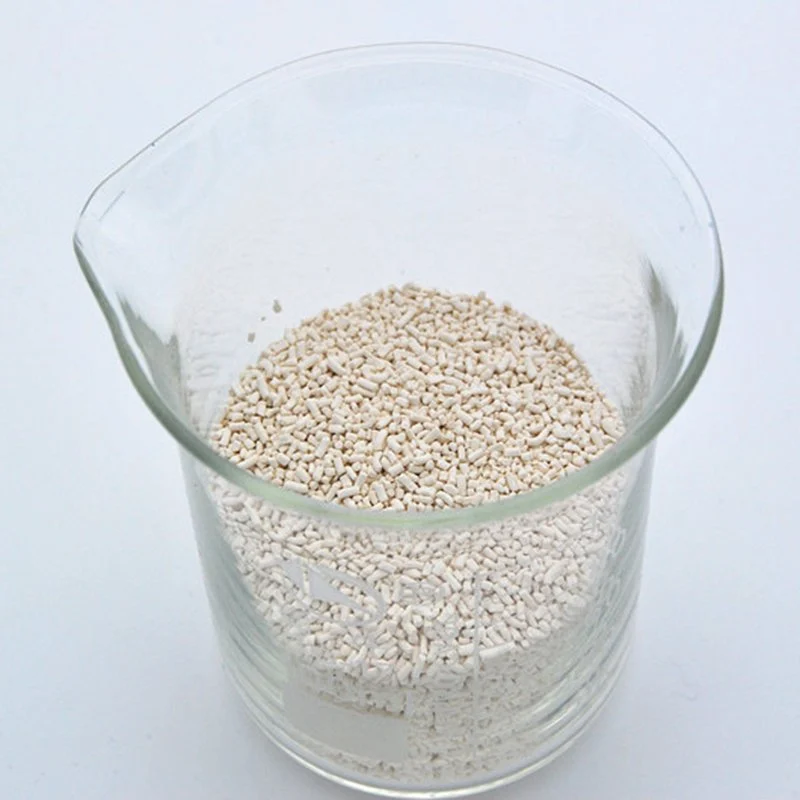
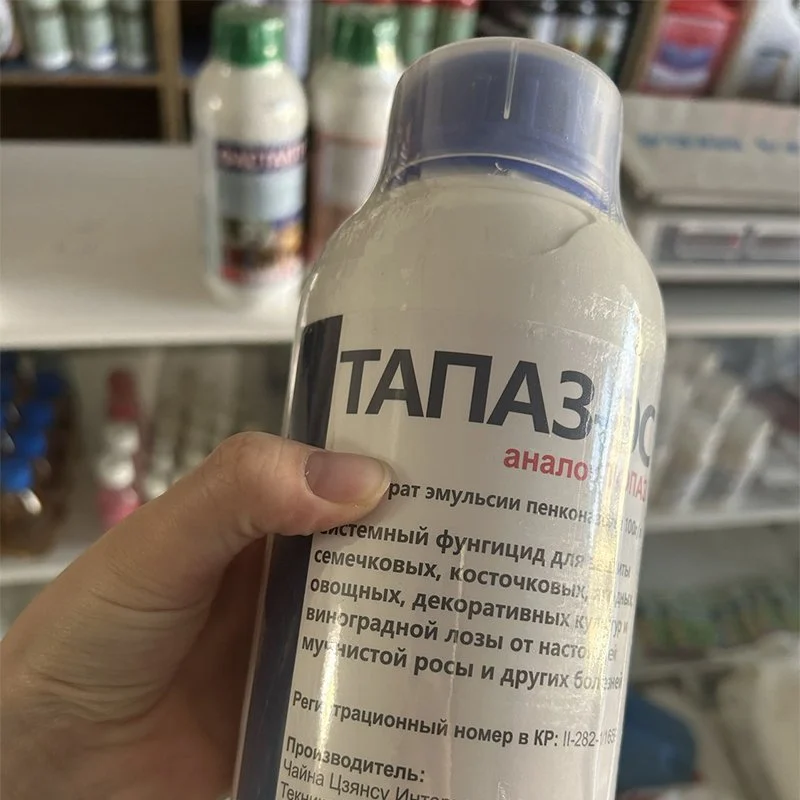
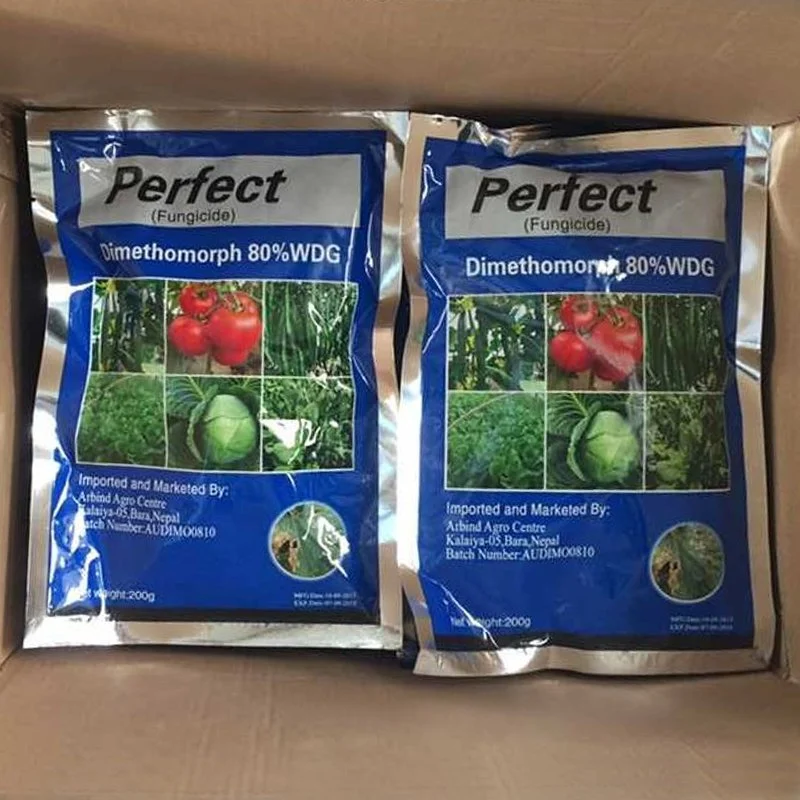
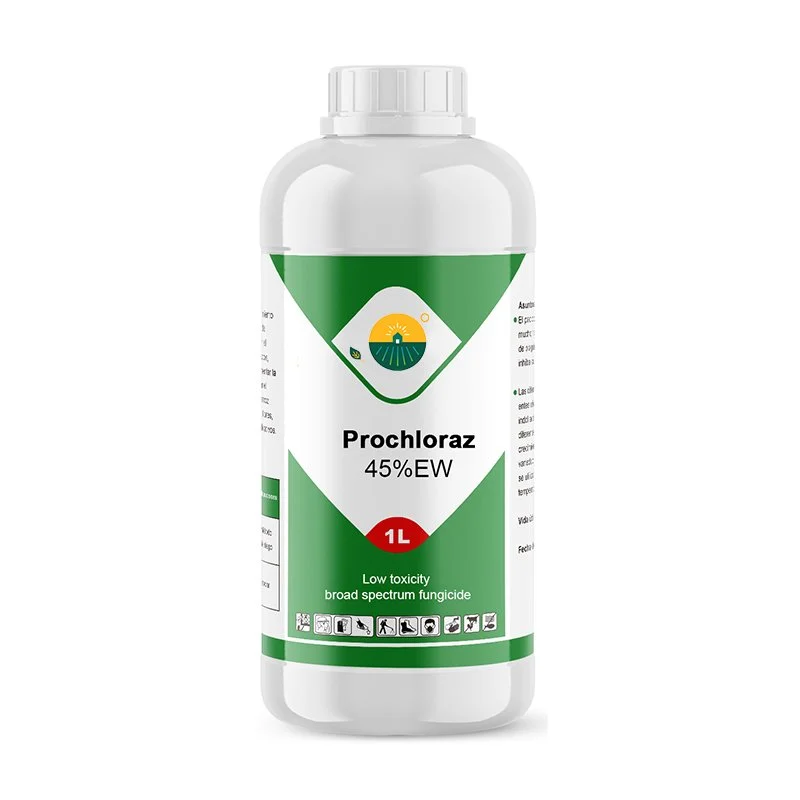
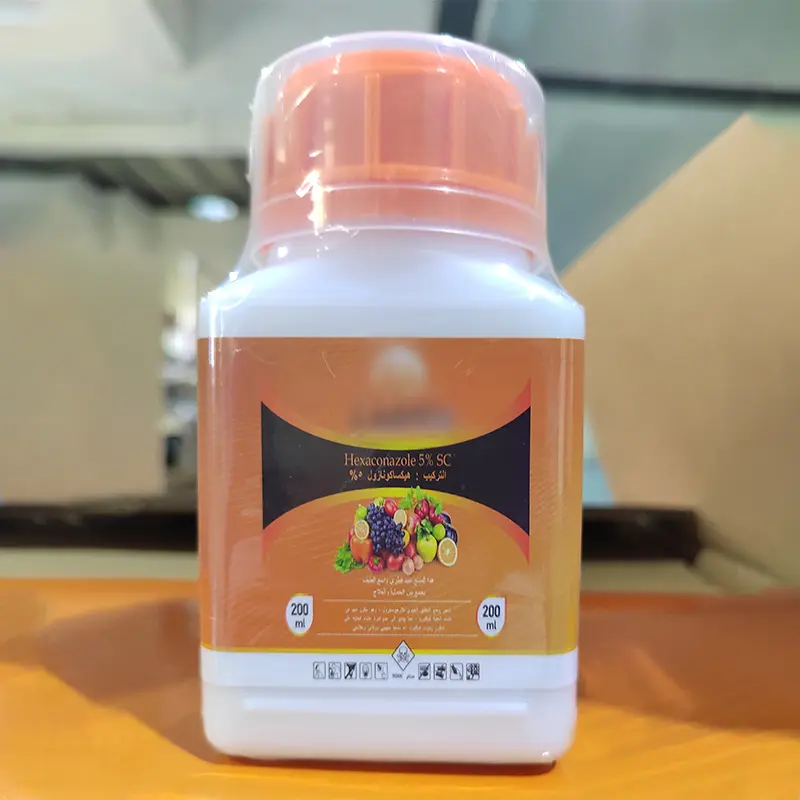
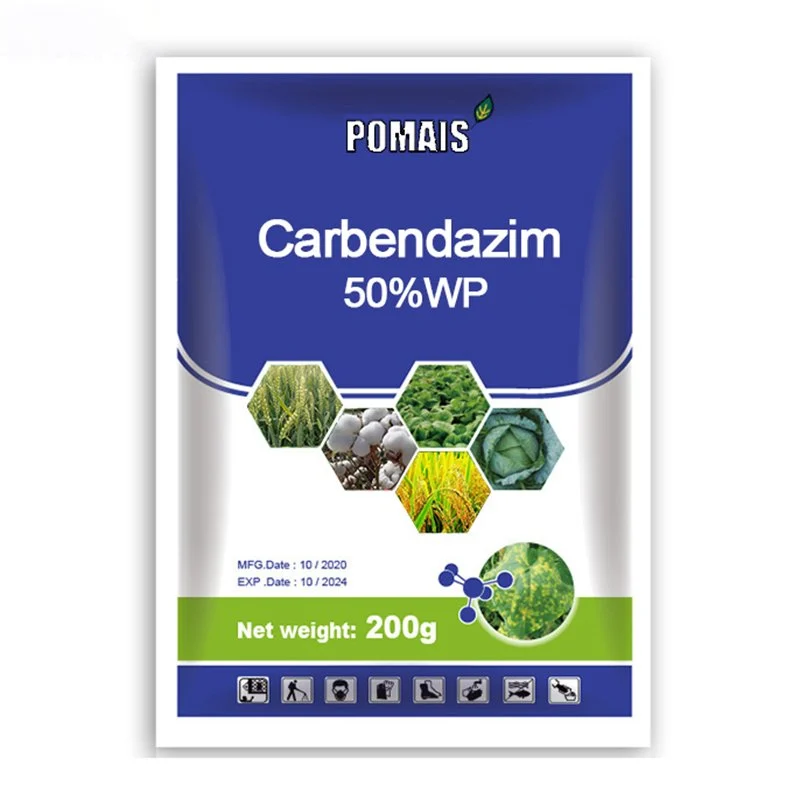
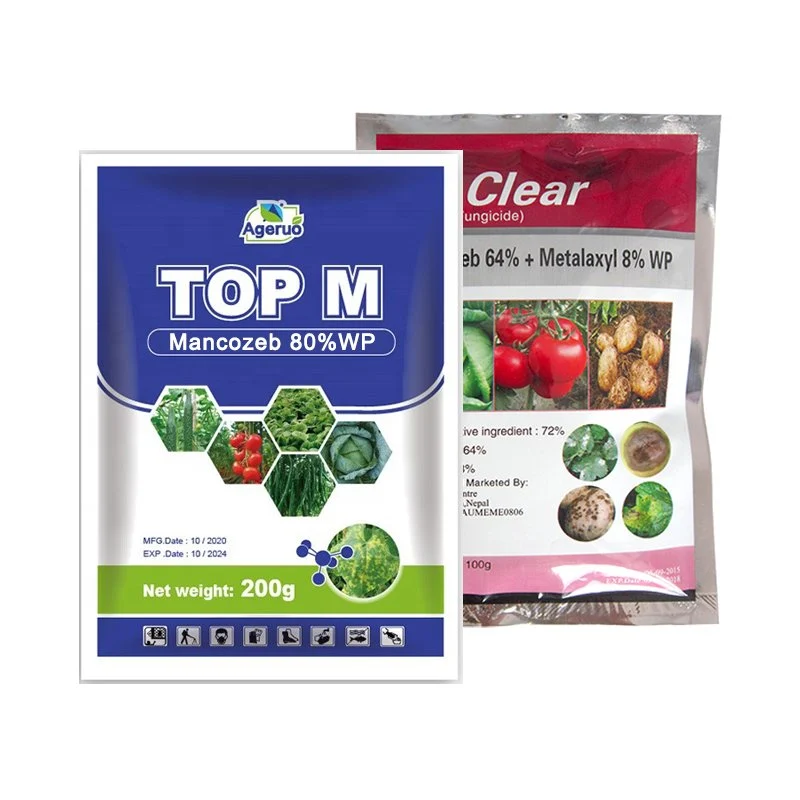
More Fungicides
















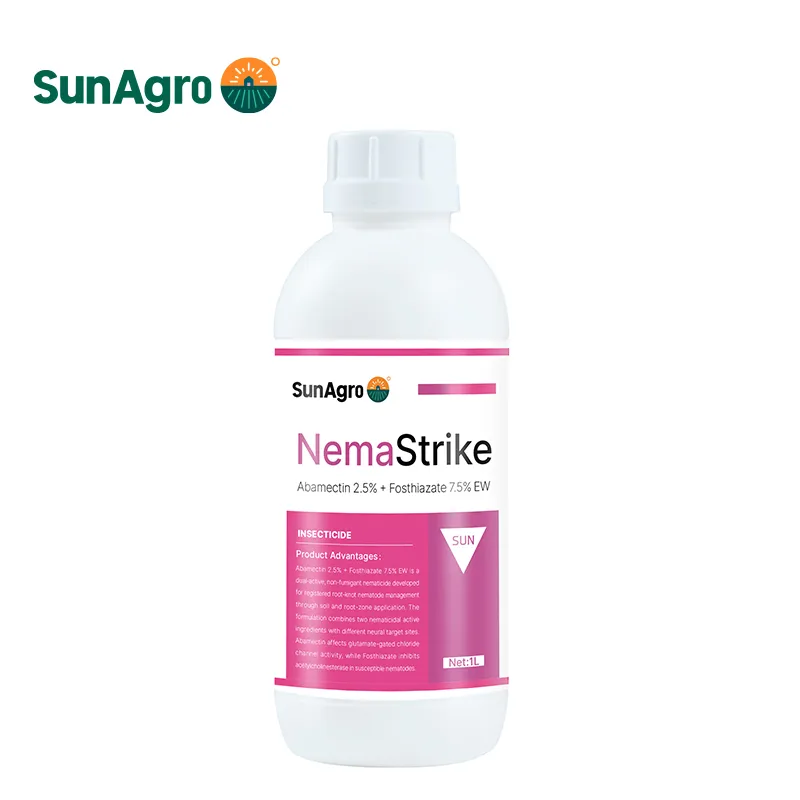
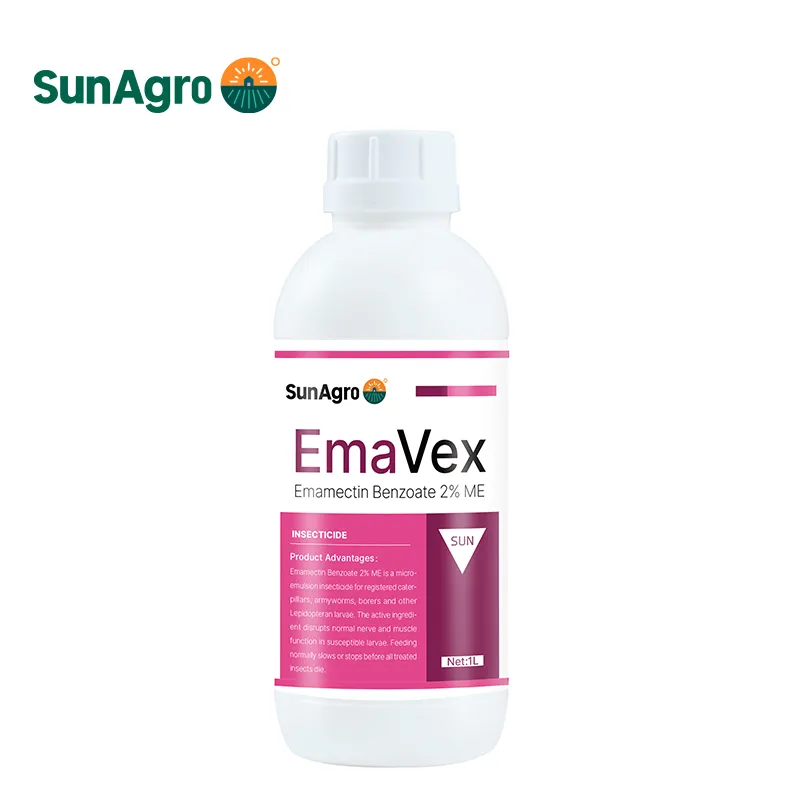
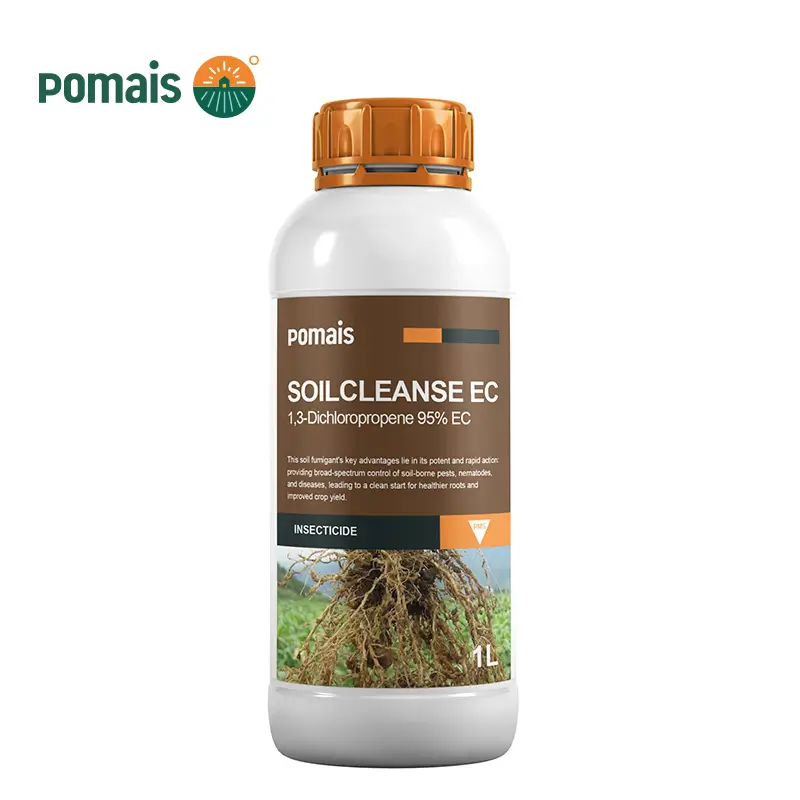
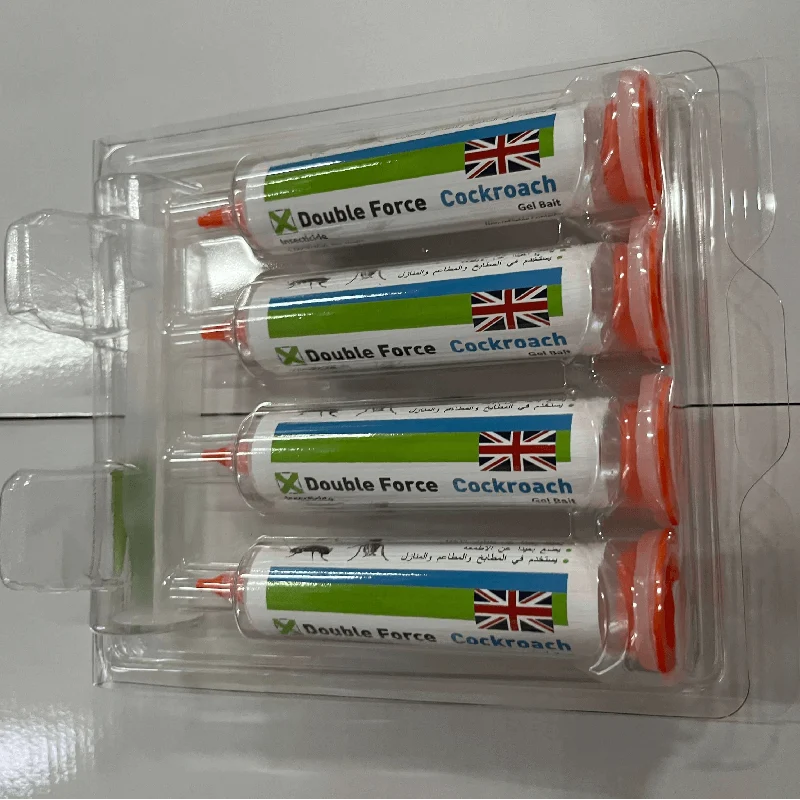
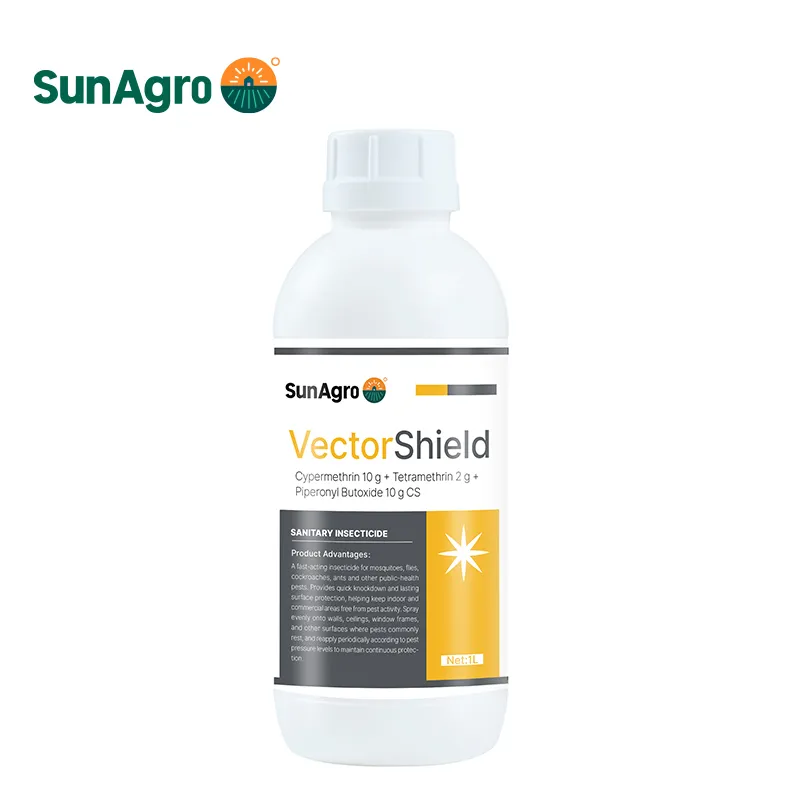
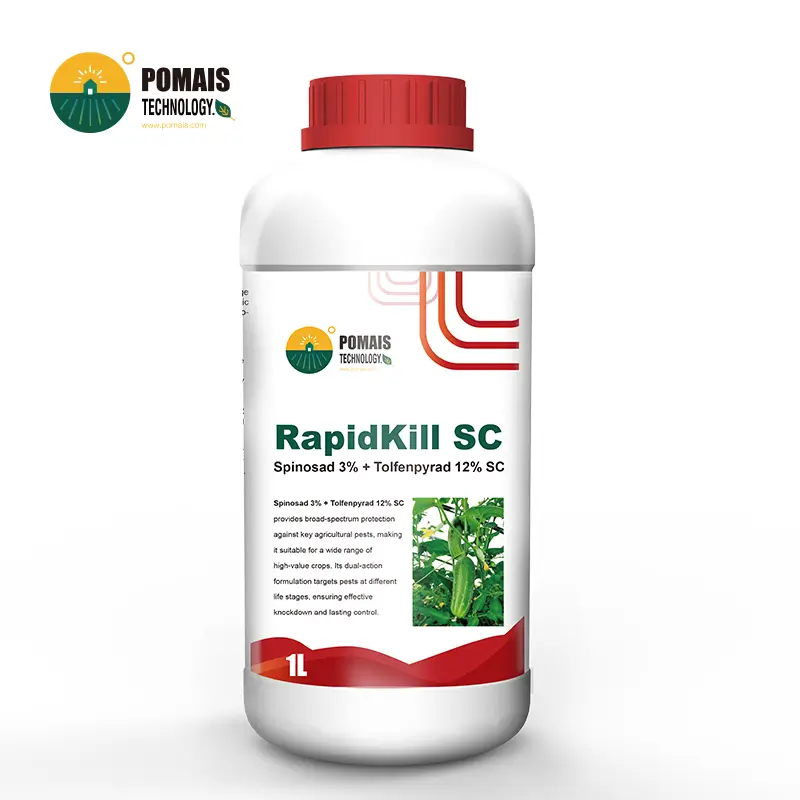
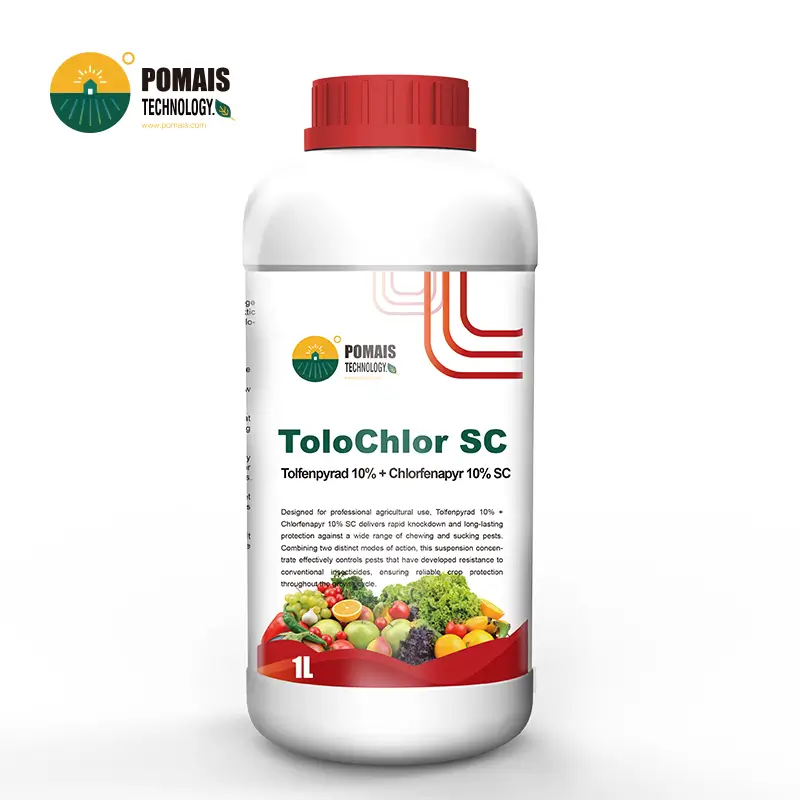
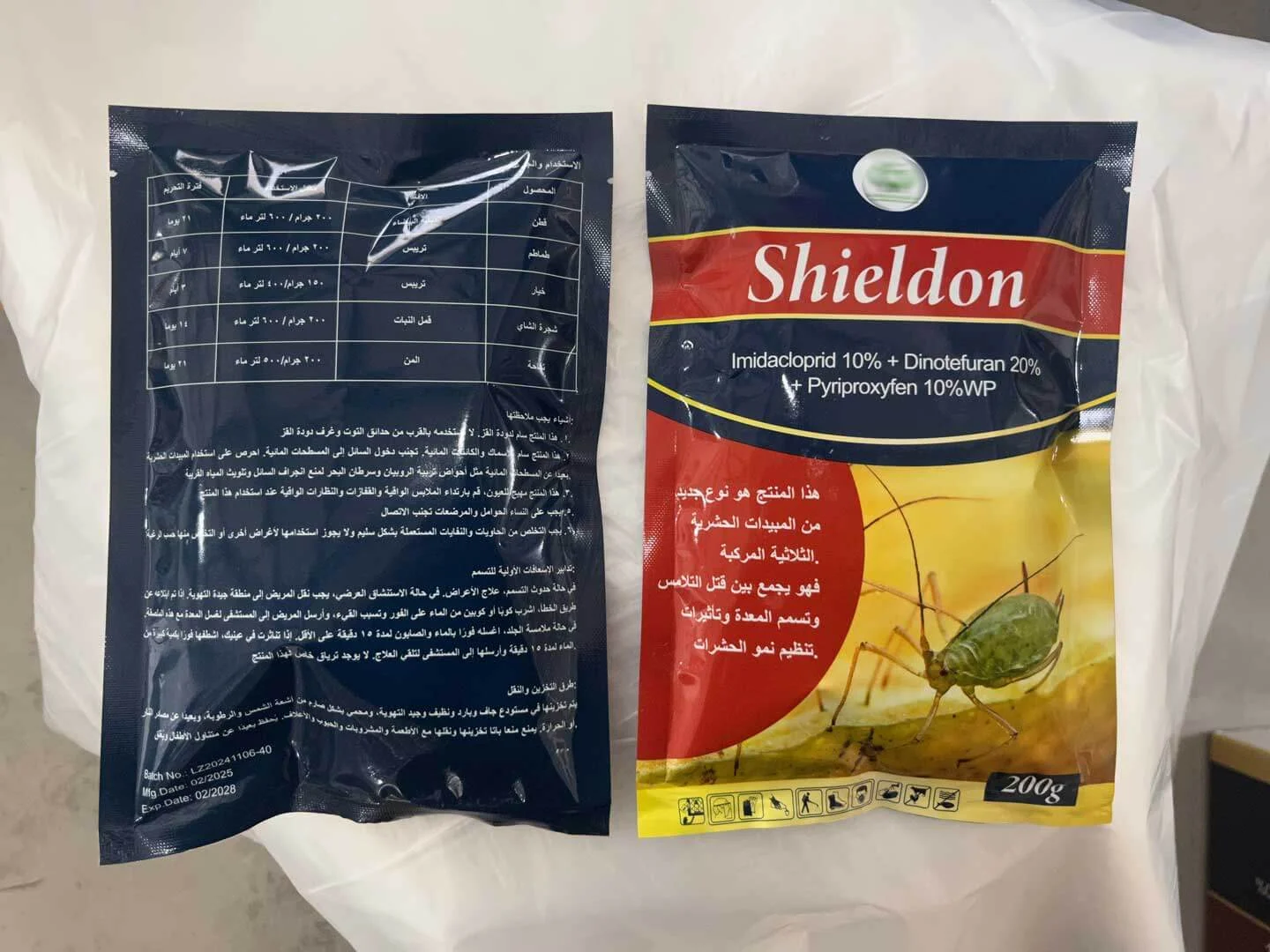
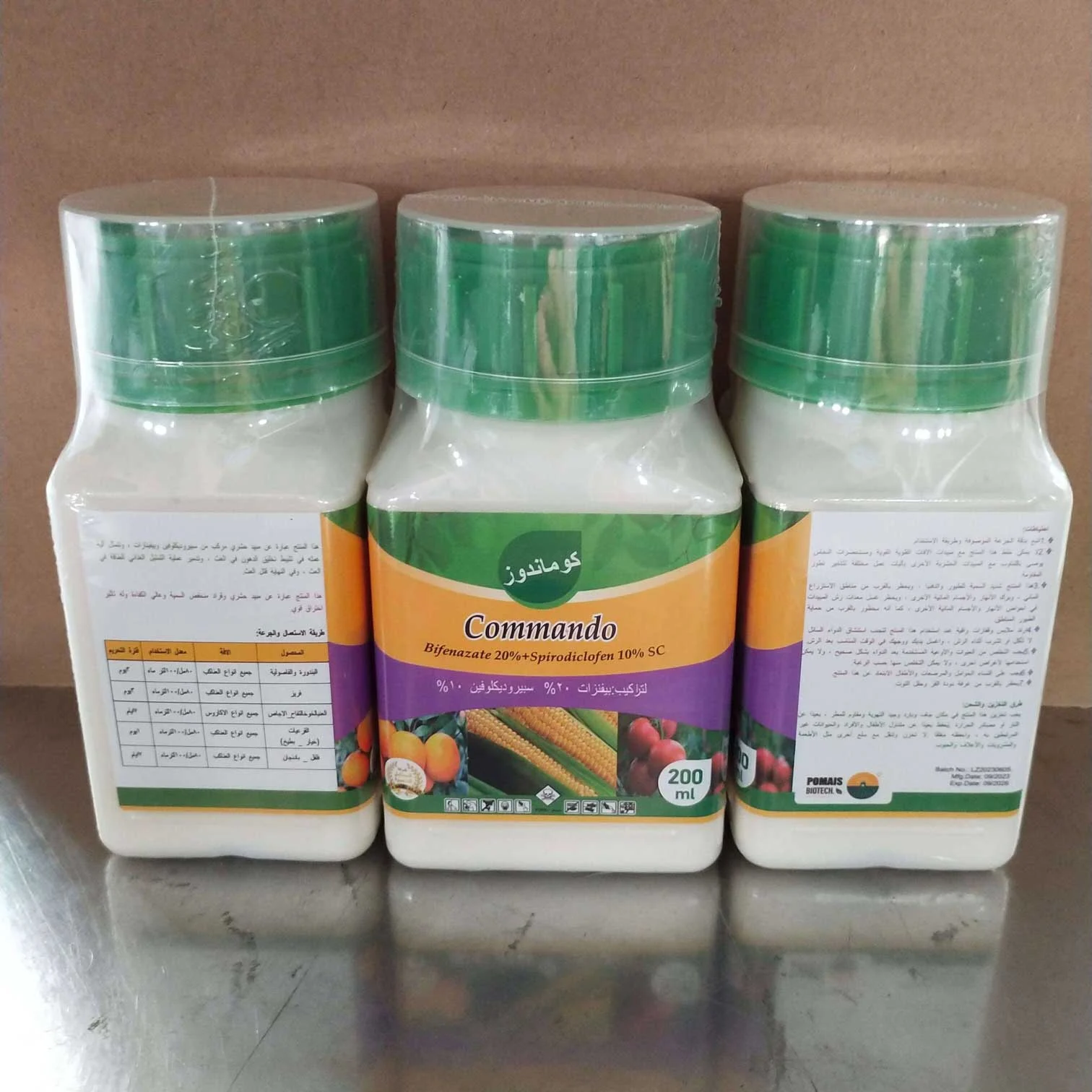
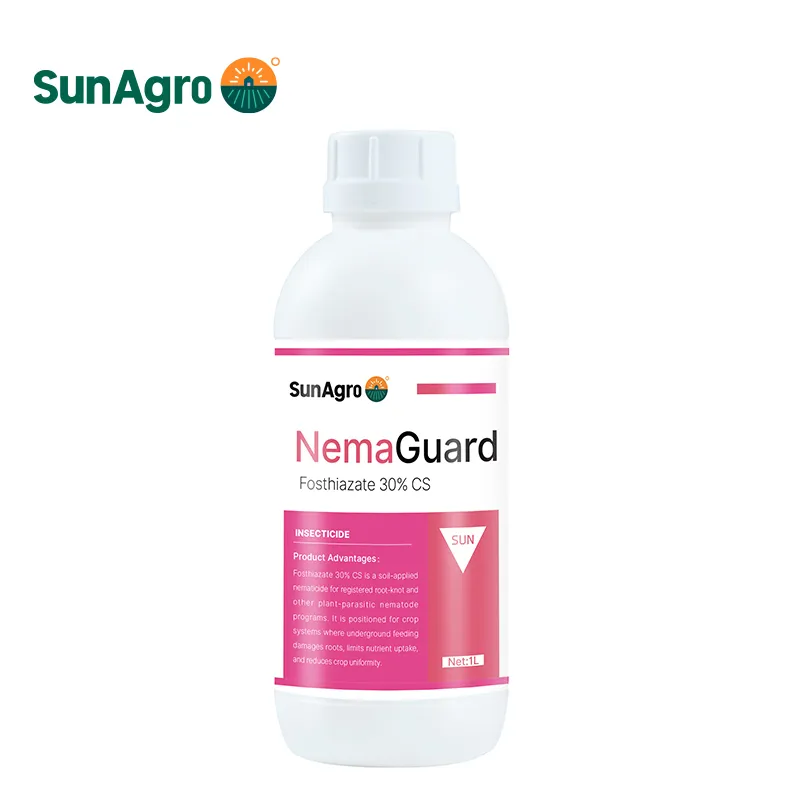
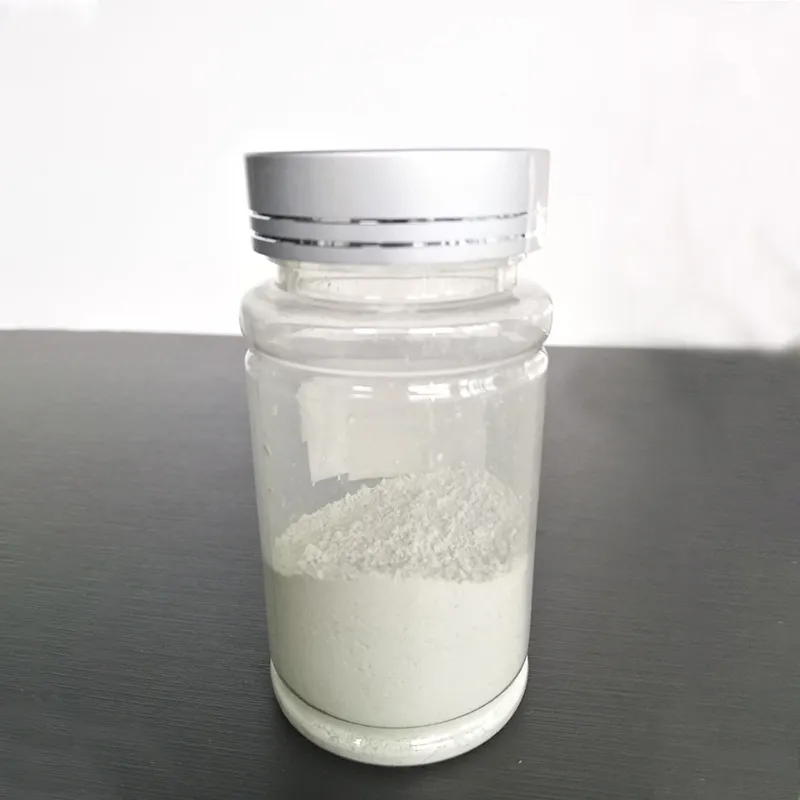
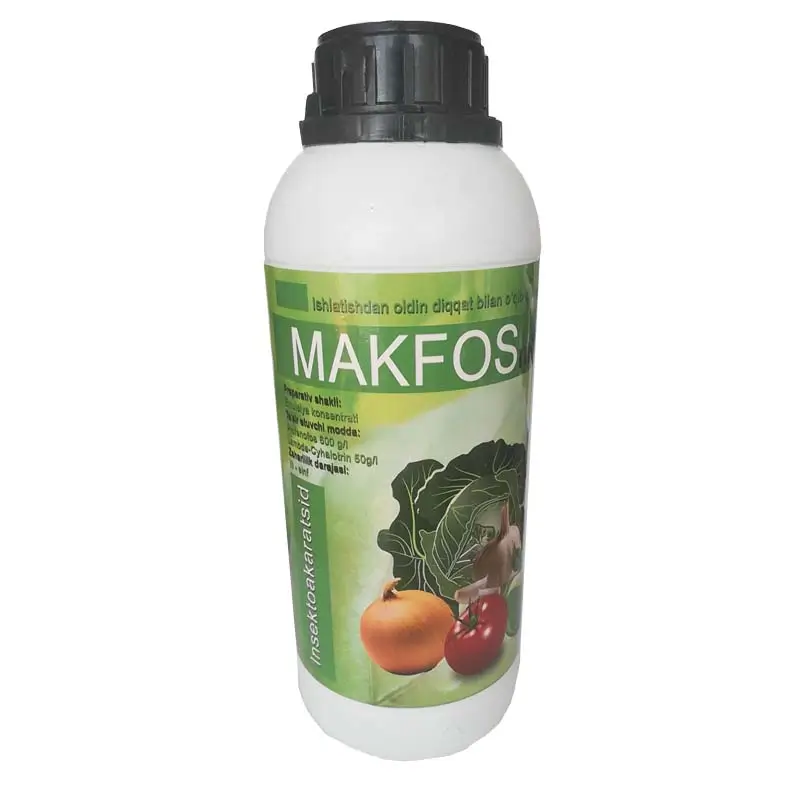
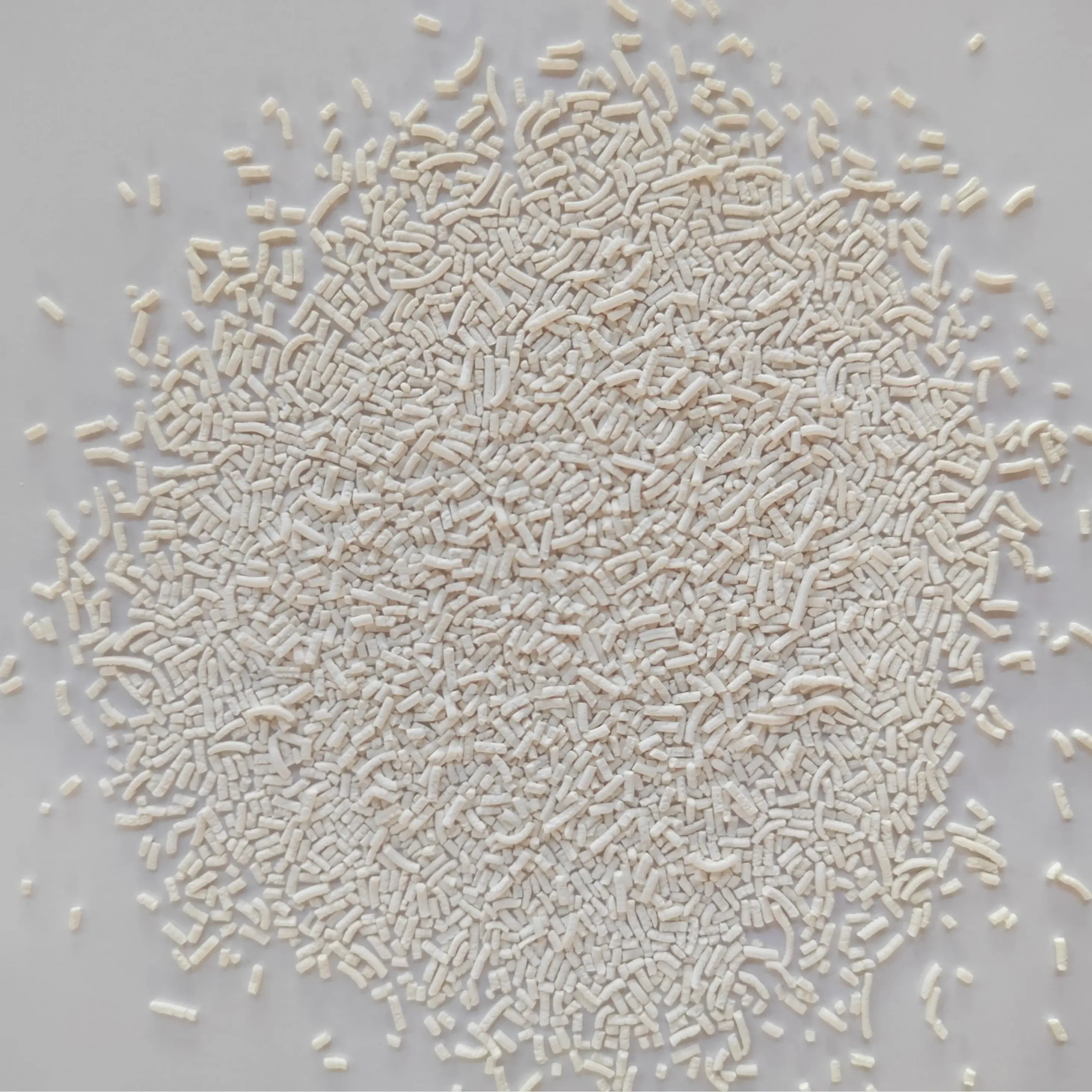
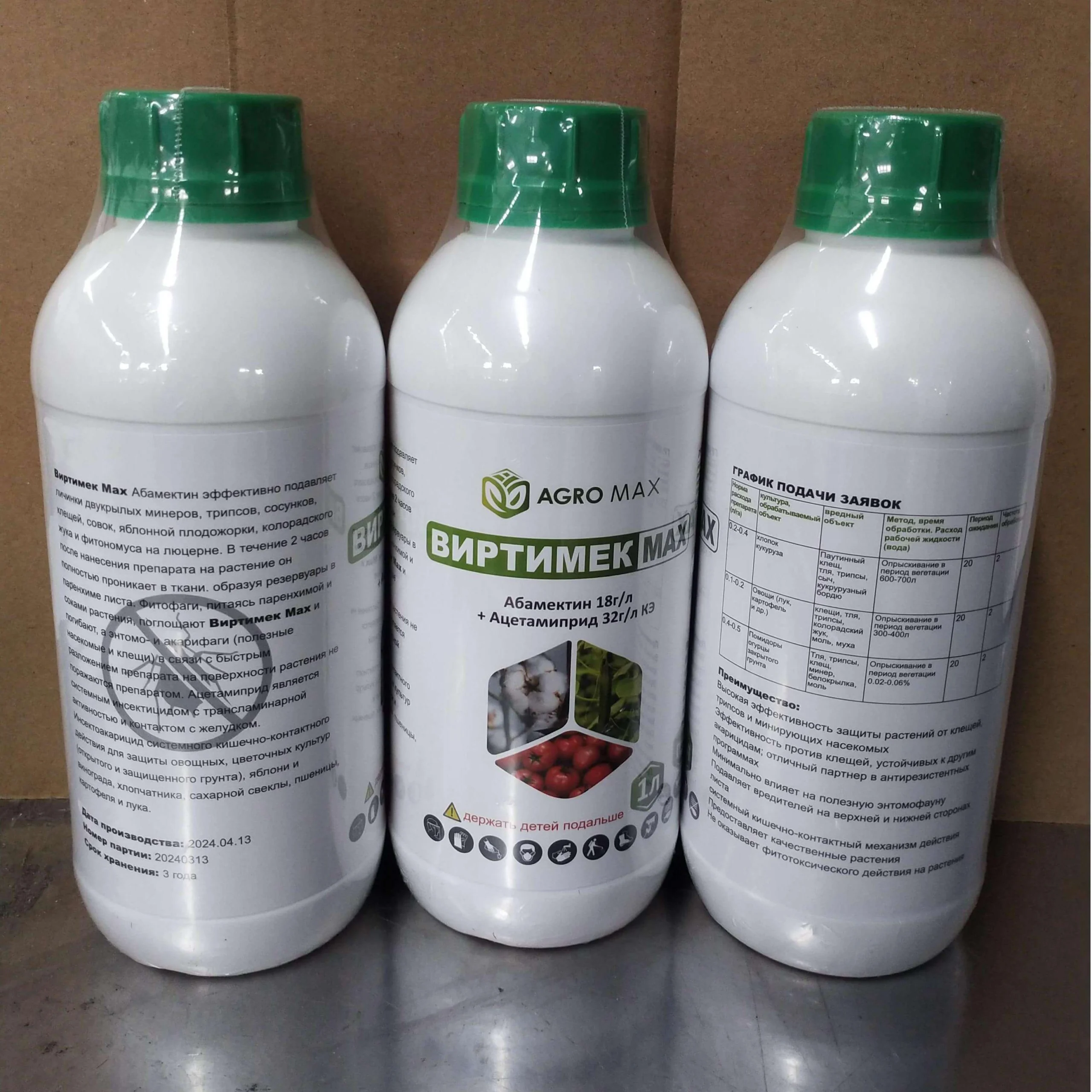
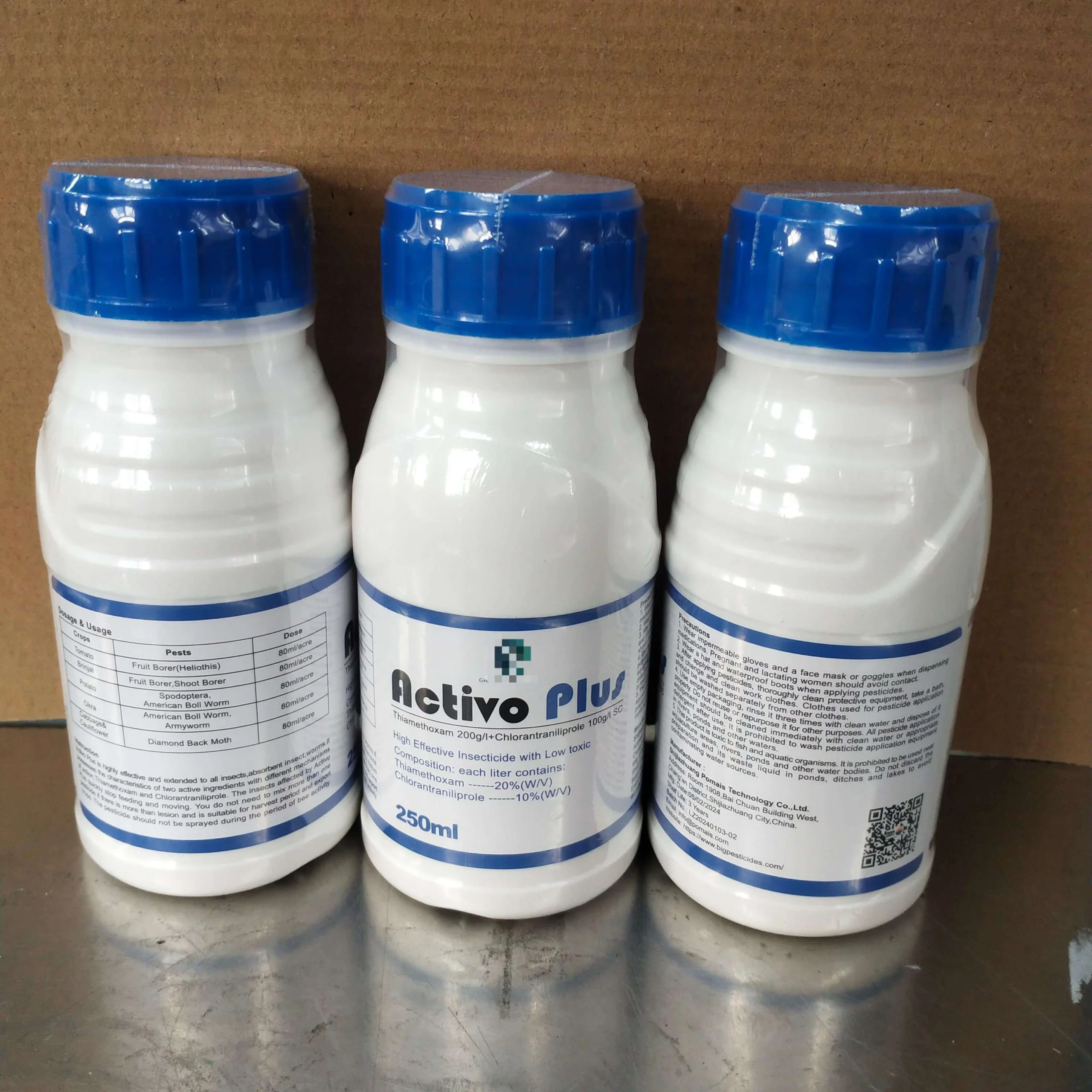
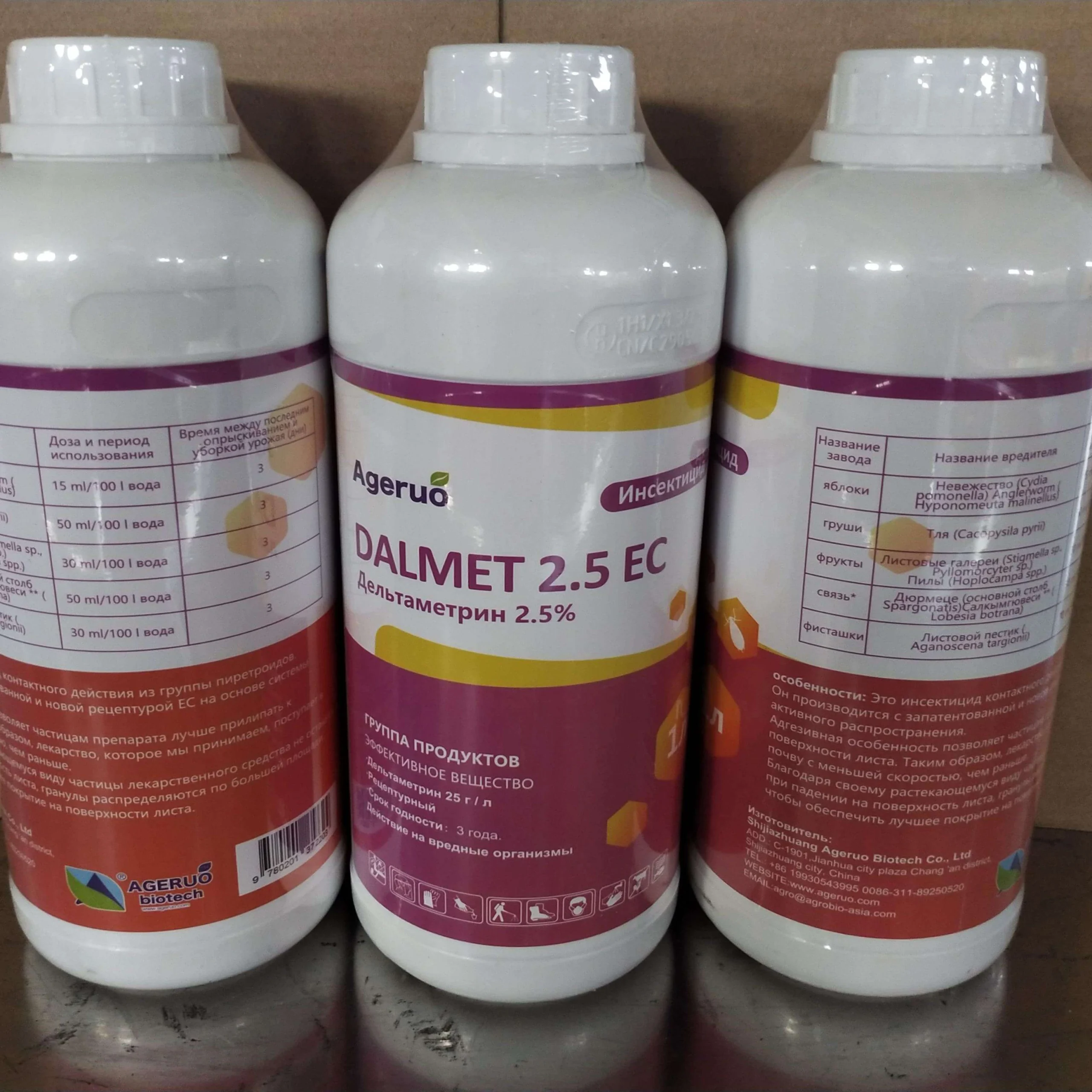
Soybean Insect and Mite Management
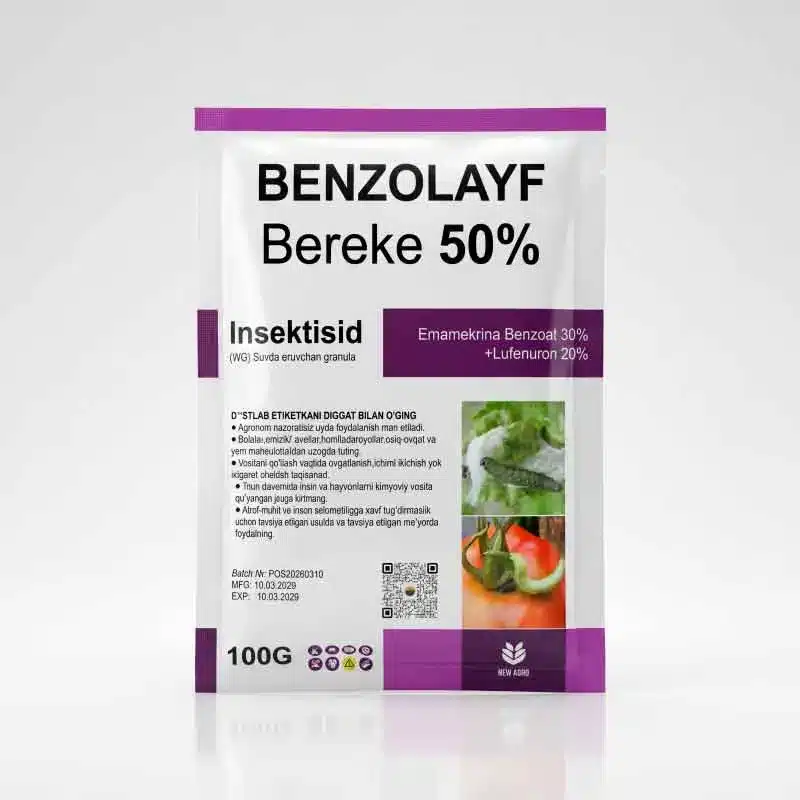
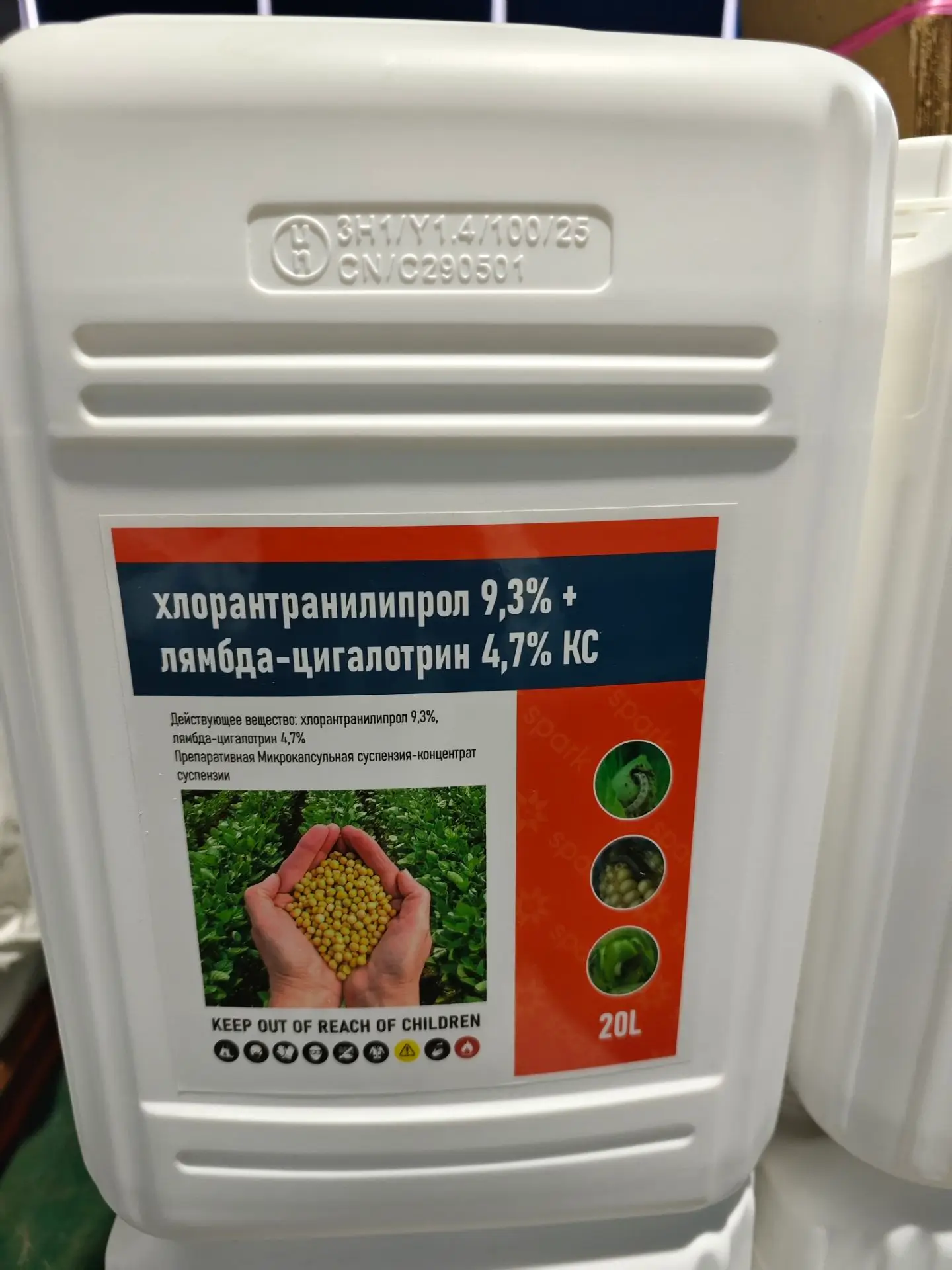
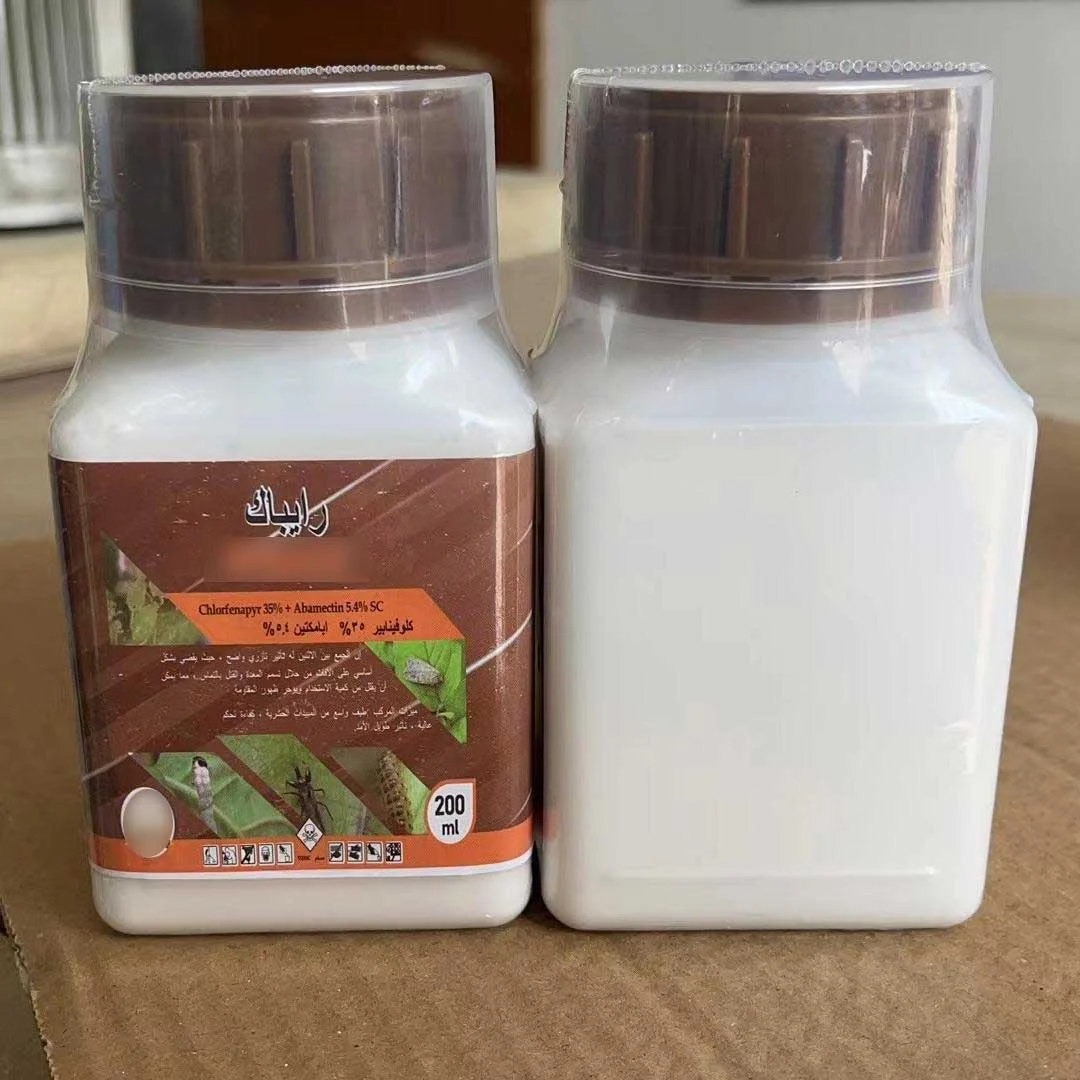
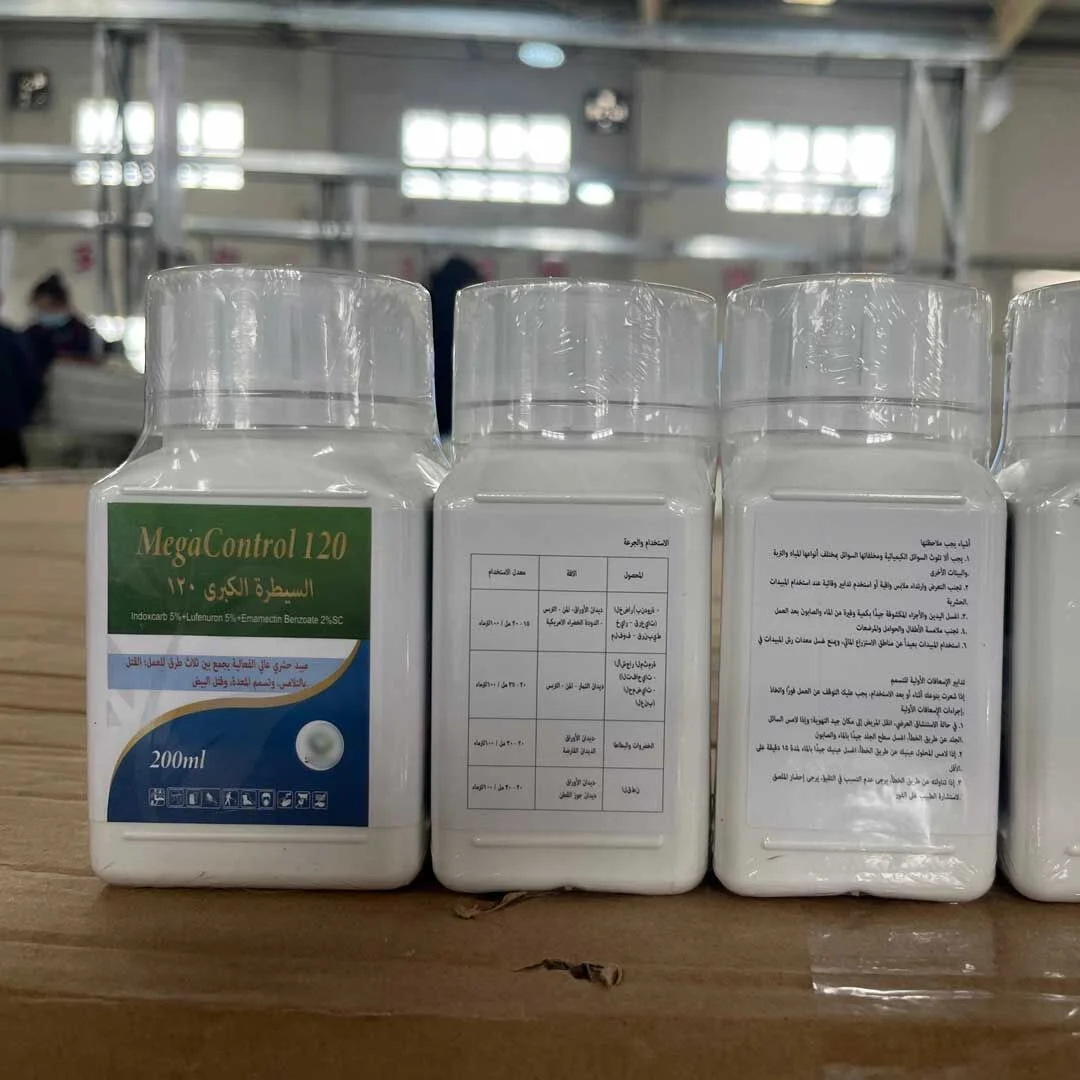
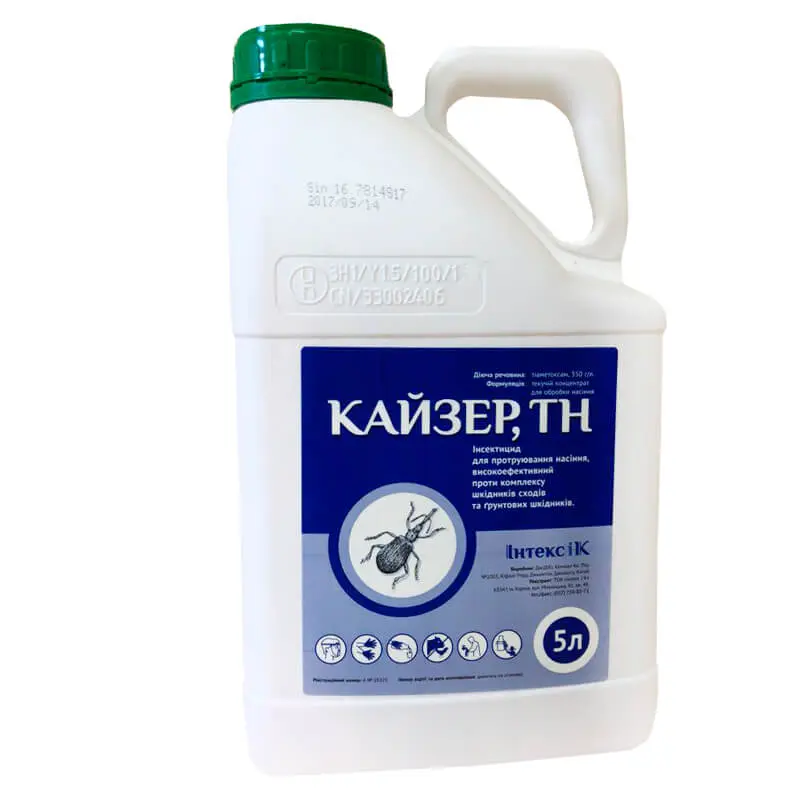
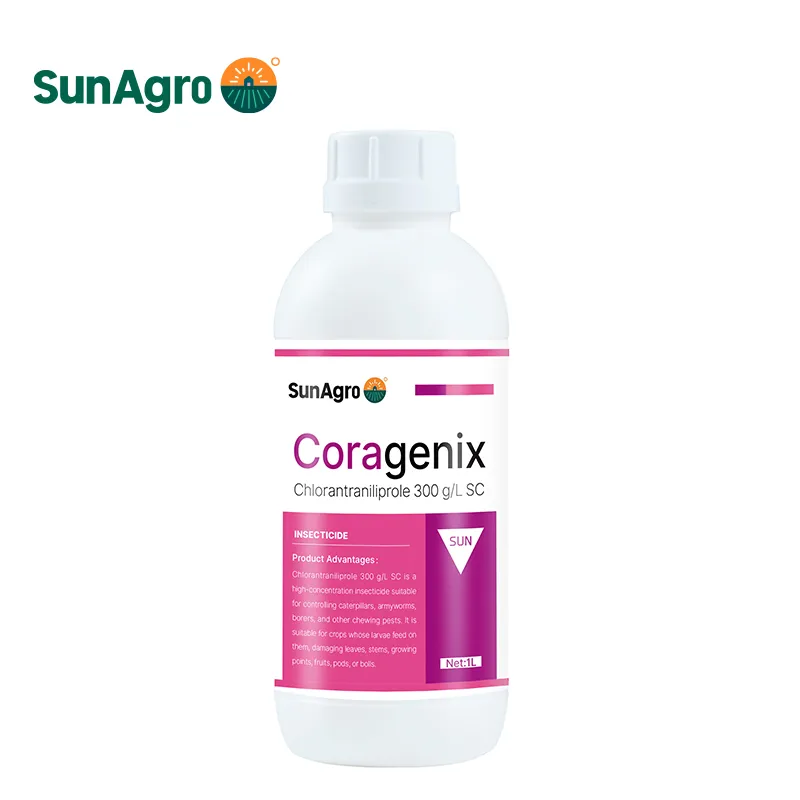
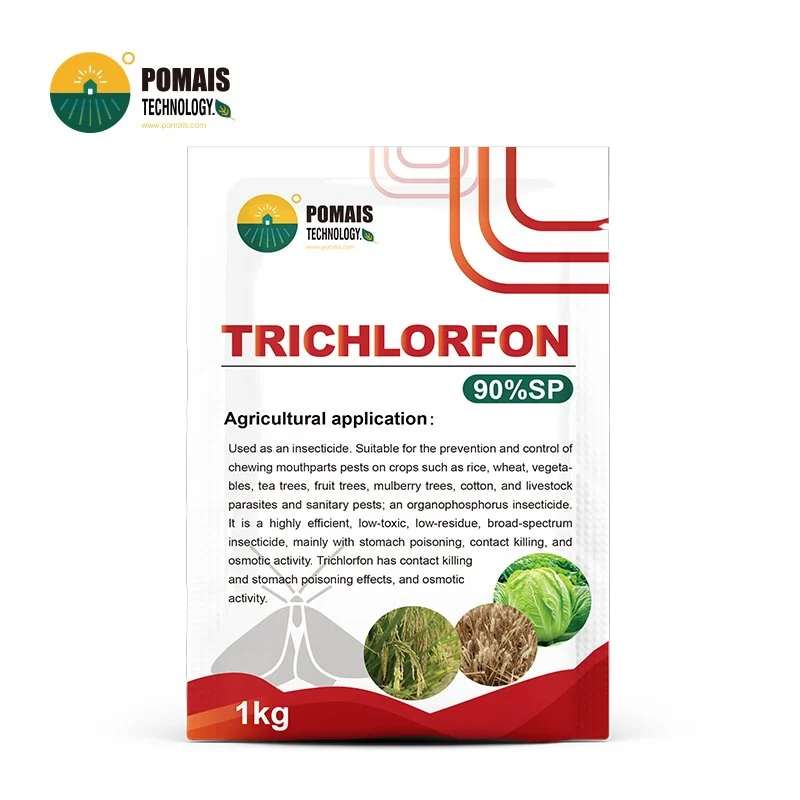
Soybean insect management requires assessment based on pest species, life stage, population density, crop growth stage and actual damage. A high pest population does not necessarily mean that immediate application of pesticides is required; decisions should be made in accordance with applicable economic thresholds and local plant protection recommendations.
| Pest Category | Target Organism | Management Priorities |
|---|---|---|
| Sap-sucking Pests | Soybean Aphid | Monitor population growth, plant condition and local control thresholds |
| Pod-related pests | Stink Bugs | Monitor pod set, seed formation and actual damage |
| Leaf-feeding pests | Caterpillars, Defoliating Beetles | Assess the extent of leaf loss and the growth stage of the soya beans |
| Mites | Spider Mites | Monitor population changes and leaf symptoms under high-temperature and drought conditions |
How to select insecticides for soya beans?
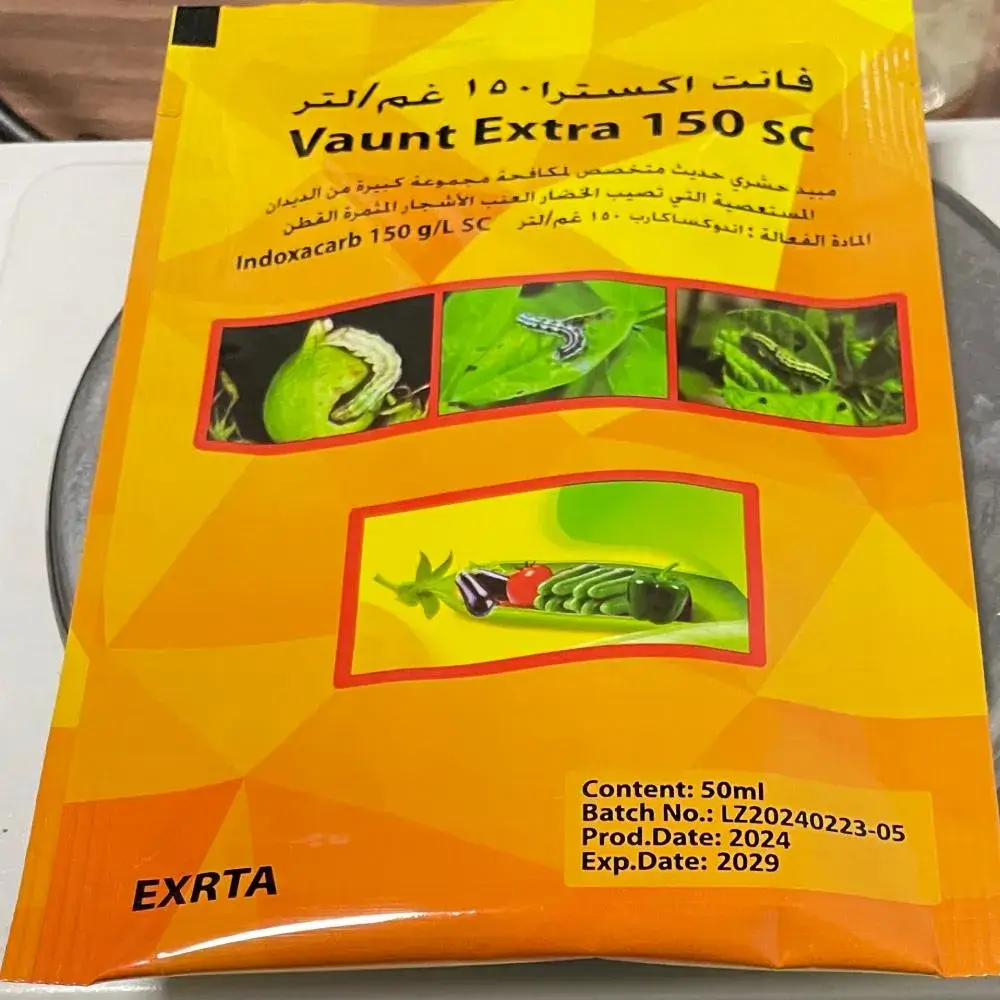
Insecticide selection should be based on the target pests, rather than simply filtering by insecticide category. It is necessary to clarify the pest name, primary life stage, occurrence stage and the target pests covered by the product label.
When purchasing, one should also verify the active ingredient, formulation, IRAC group and local registration conditions. For pests where there is a potential risk of resistance, rotate products with different modes of action in accordance with the actual control programme, whilst also considering the protection of natural enemies and integrated pest management measures.
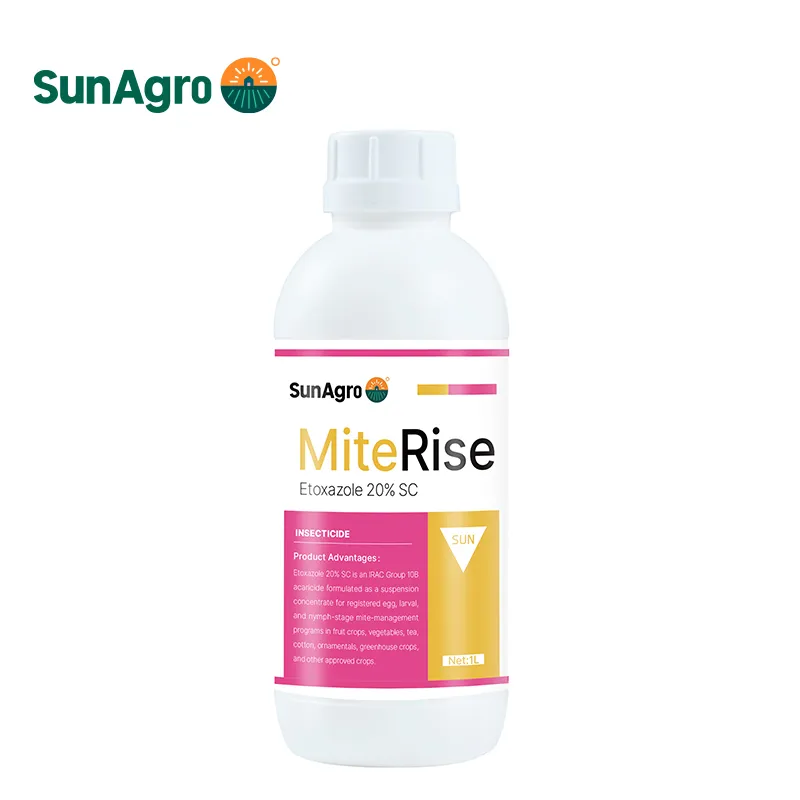
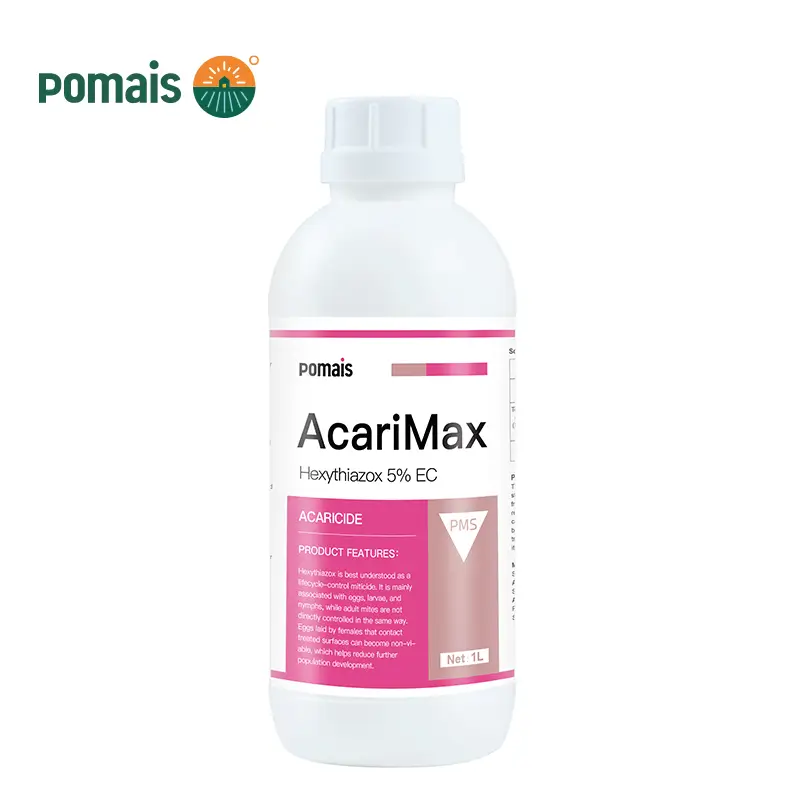
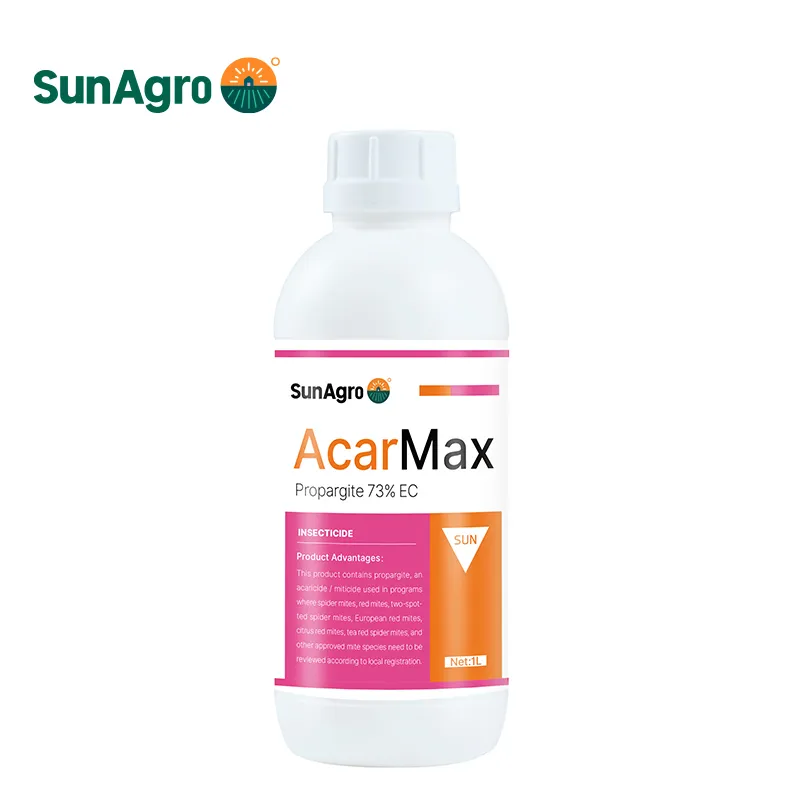
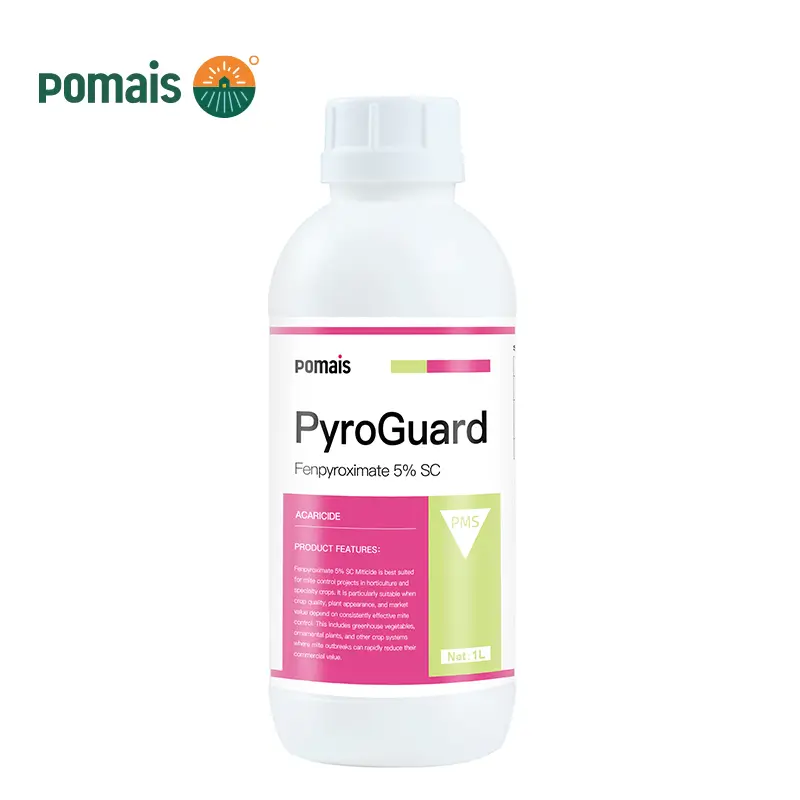
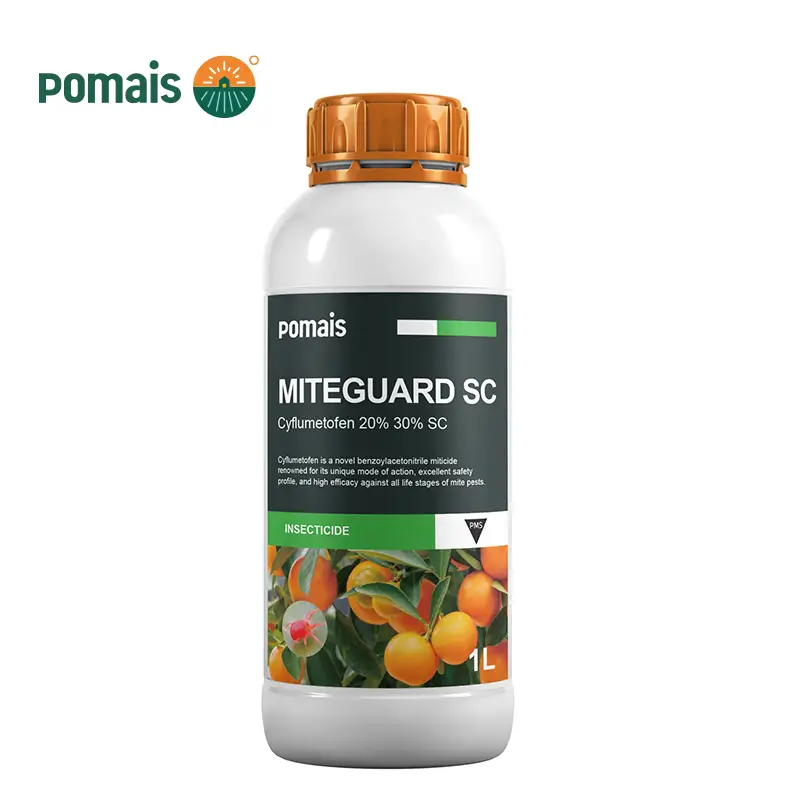
Why should mite management not be overlooked?
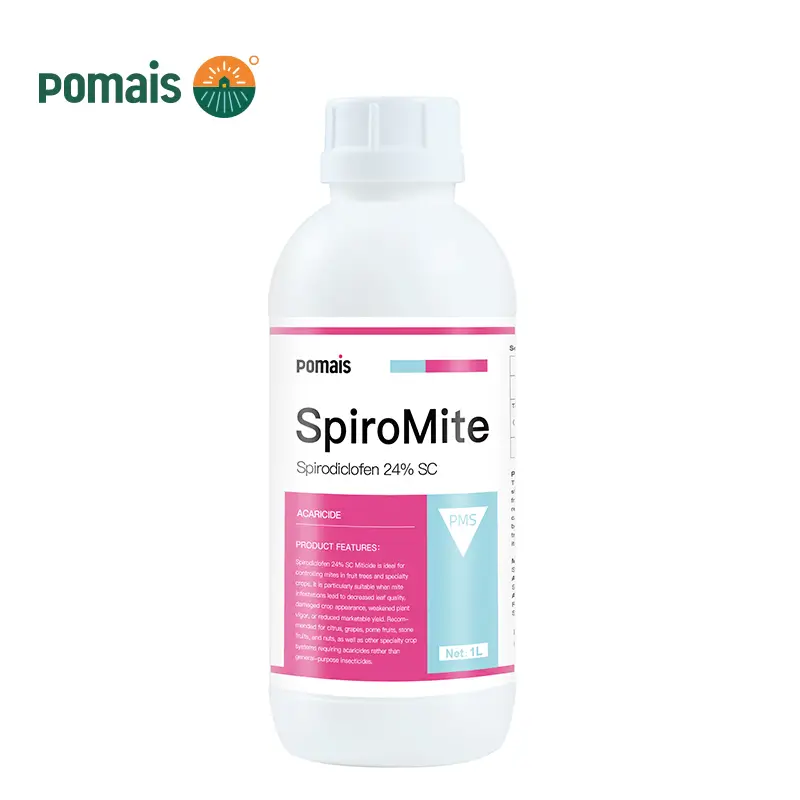
Spider mites may proliferate rapidly in certain high-temperature, arid environments, causing leaf chlorosis and reduced photosynthesis.
As mites have different biological characteristics to insects, it cannot be assumed that standard insecticides will possess the same acaricidal activity. When selecting products, verify the target mite species, the product’s scope of application and the corresponding resistance management requirements.
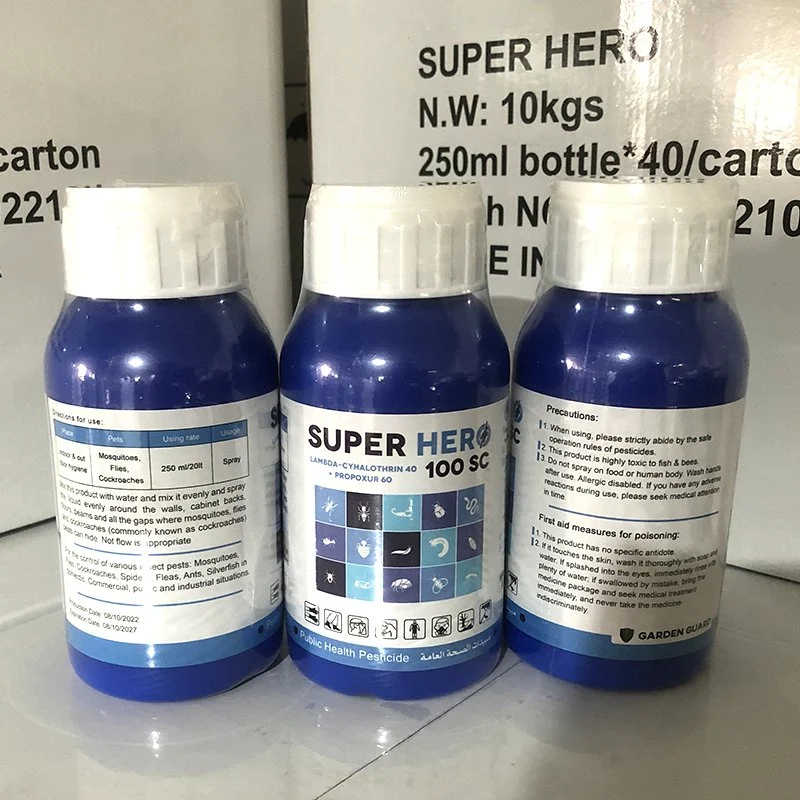
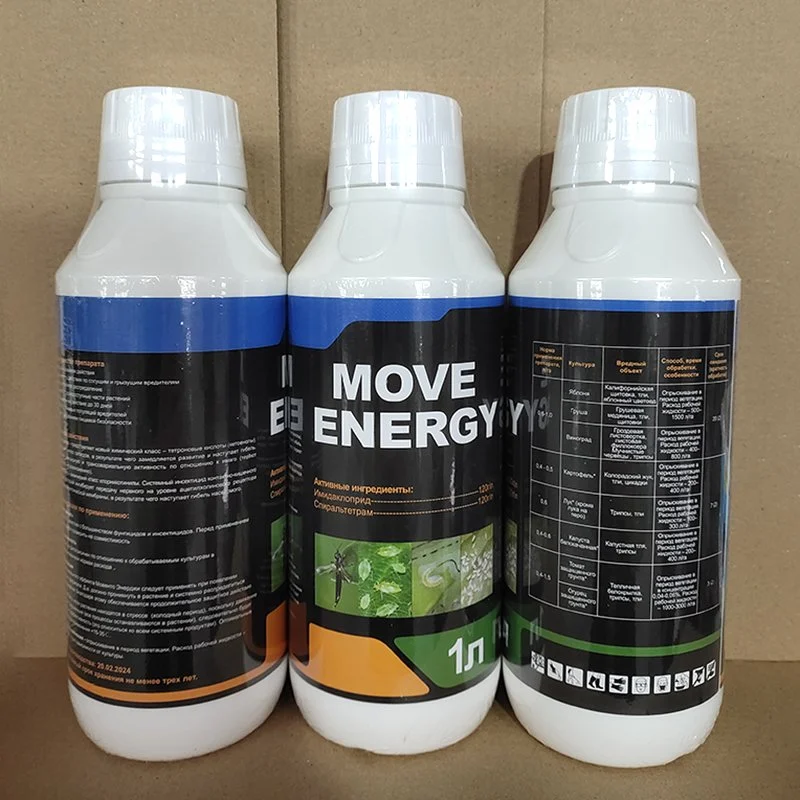
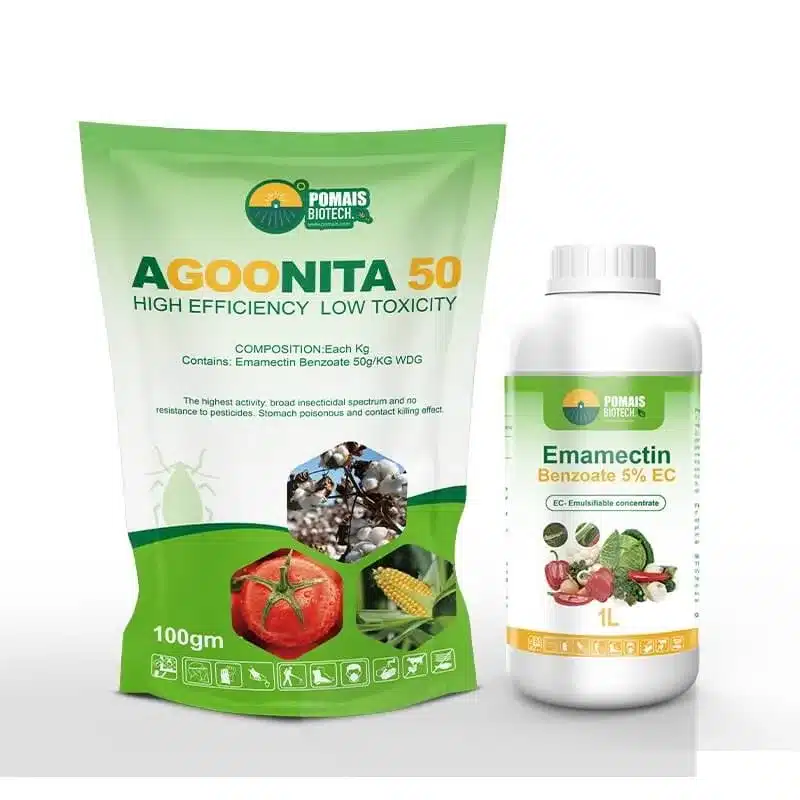
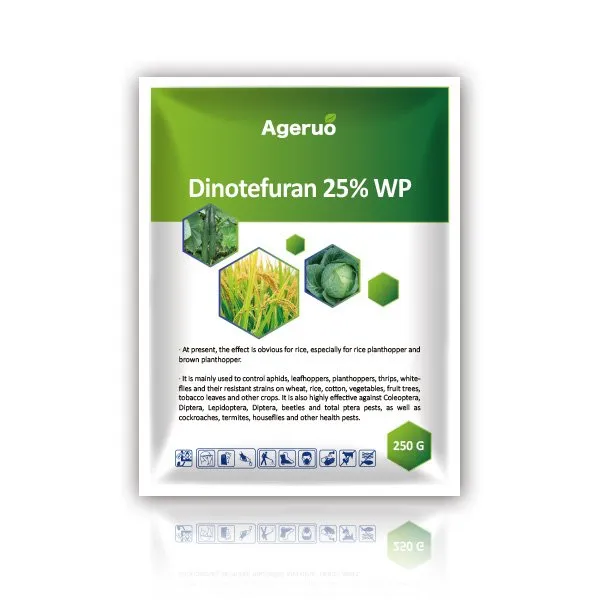
More Insecticides























Soybean Weed Management
Weed management is one of the core components of a soybean plant protection programme. Early weed competition may affect plant establishment and subsequent growth, whilst certain resistant weeds can also increase the difficulty of subsequent management.
Weed management programmes should be formulated taking into account the dominant weeds in the field, soil conditions, sowing methods, crop growth stages and the mode of action of herbicides.
| Weed categories | Target species | Key management considerations |
|---|---|---|
| Resistant broadleaf weeds | Palmer amaranth, waterhemp | Seamless integration of pre-emergence and post-emergence strategies, resistance management and field monitoring |
| Other broadleaf weeds | Ragweed, morning glory | Select appropriate products based on weed species, size and label instructions |
| Gramineae weeds | Foxtail, Barnyardgrass, etc. | Selective post-emergence control and weed growth stages |
| Perennial weeds | Determine based on the predominant species in the target market | Develop a continuous management programme based on the characteristics of perennial weeds |
Pre-emergence and soil-applied herbicides
Pre-emergence herbicides may form part of a soya bean weed management programme; specific selection should be based on dominant weeds, soil conditions, product labels and local registrations.
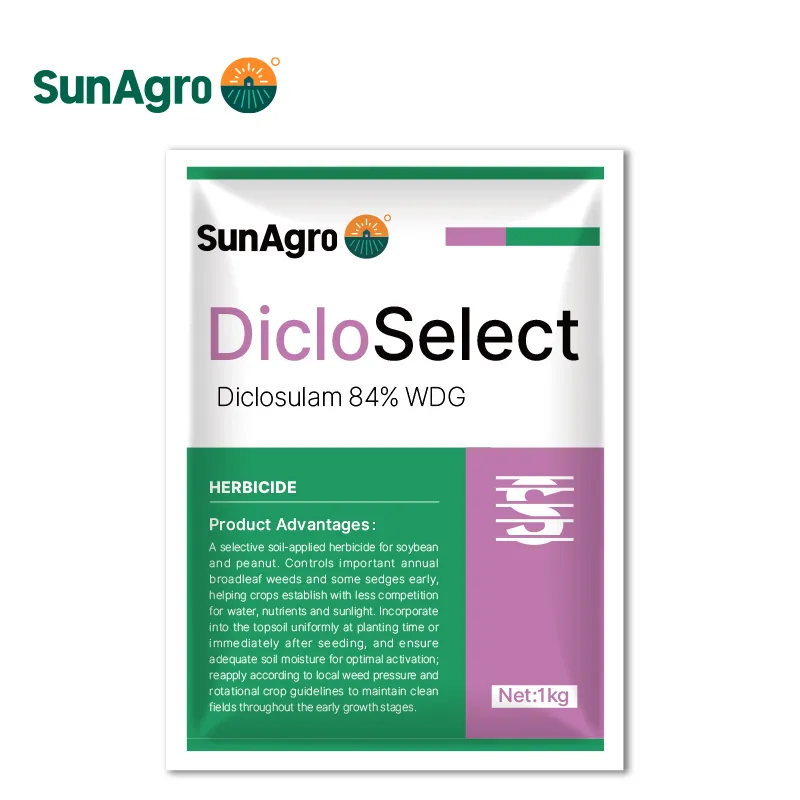
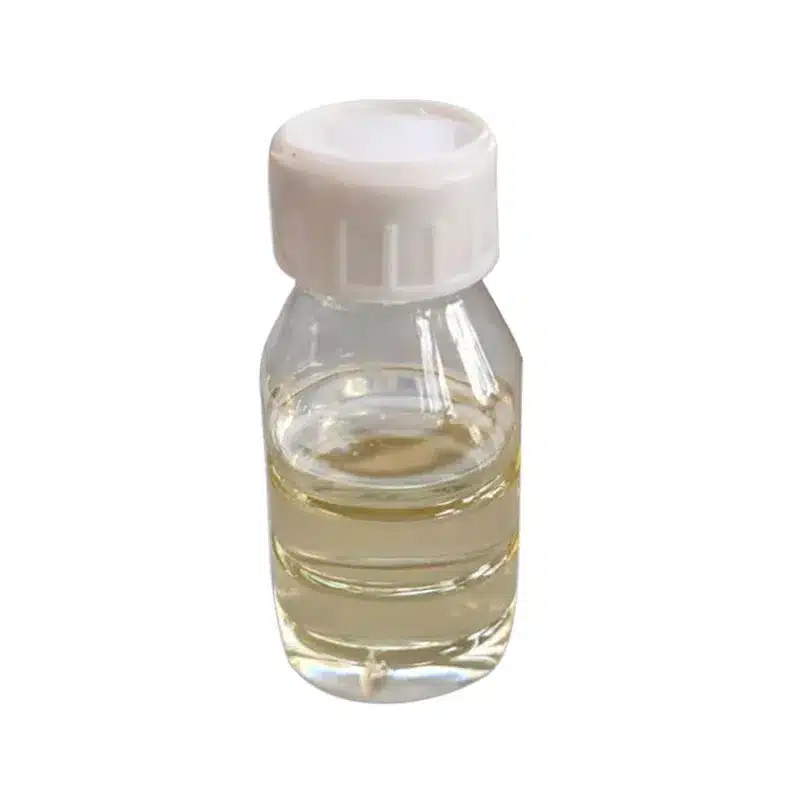
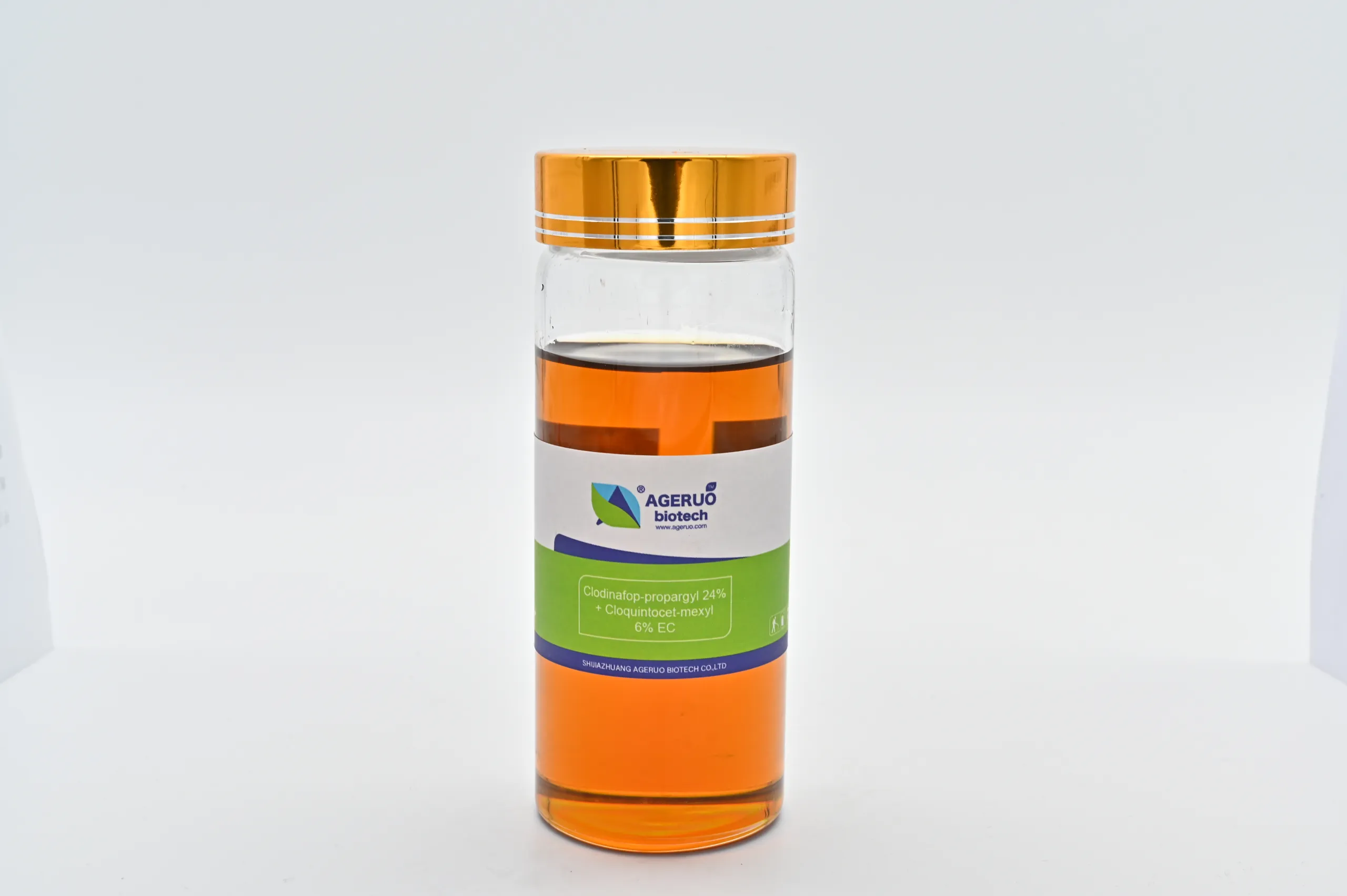
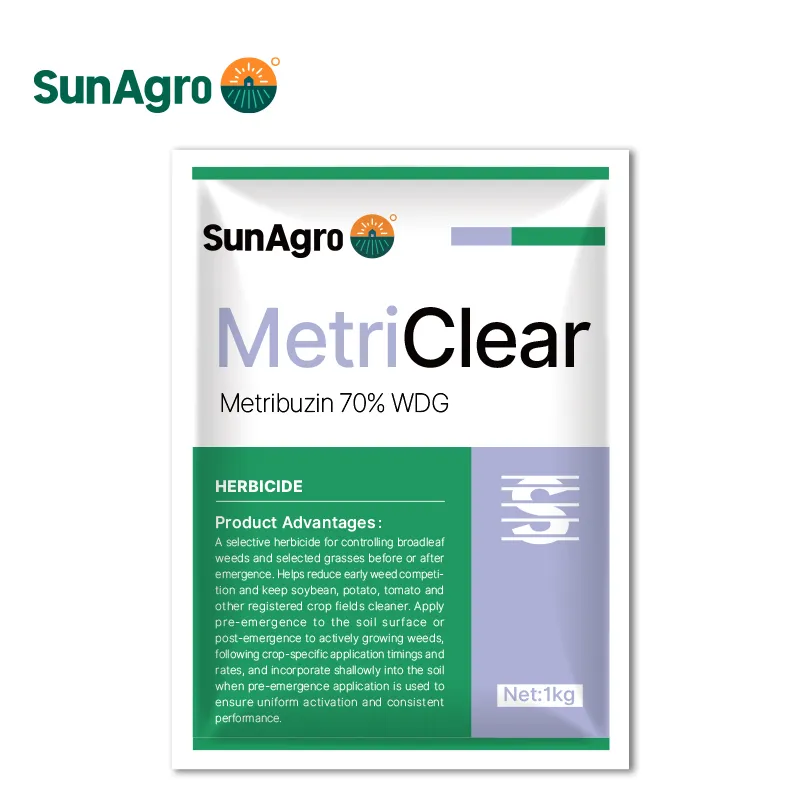
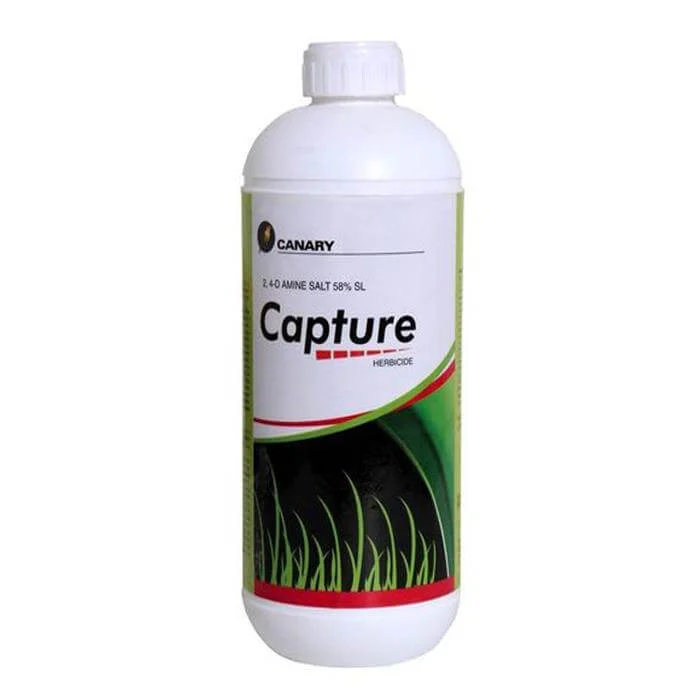
POMAIS’s Diclosulam 84% WDG Herbicide product information lists soya beans and peanuts as relevant crop uses. Diclosulam is an ALS inhibitor (HRAC Group 2) and may be considered as a candidate for evaluation as a weed control product for soya beans.
Its actual target weeds, application timing, soil conditions, crop safety and rotation restrictions must be determined in accordance with the label approved in the target country. It should not be regarded as a universal solution applicable to all soya bean weeds.
Post-emergence management of grass weeds
In soya bean fields, grass weeds require separate management from broadleaf weeds. Selective post-emergence herbicides can be effective against specific grass weeds, but actual efficacy depends on weed species, leaf stage, environmental conditions and application coverage.
POMAIS’s Clethodim Herbicide product information lists its uses in soya beans and its efficacy against grass weeds. Clethodim is an ACCase inhibitor (HRAC Group 1) and is suitable for further evaluation of product supply requirements in relevant markets.
Prior to use, the soya bean variety, target weeds, product formulation, application window and local registration status should be confirmed. For weeds that have already developed resistance to ACCase inhibitors, the problem cannot be resolved simply by increasing the frequency of application of similar products.
How to manage resistant weeds?
The management of resistant weeds requires a comprehensive consideration of active ingredients, modes of action, weed growth stages, field monitoring and combinations of different management measures.
It is recommended to establish a tiered management programme based on target weeds, including the appropriate selection of pre-emergence and post-emergence products, adherence to label requirements, monitoring of control efficacy, and the adoption of suitable non-chemical management measures according to actual conditions.
If different commercial products belong to the same HRAC group, they should not be regarded as fulfilling mechanism rotation simply because they have different product names.
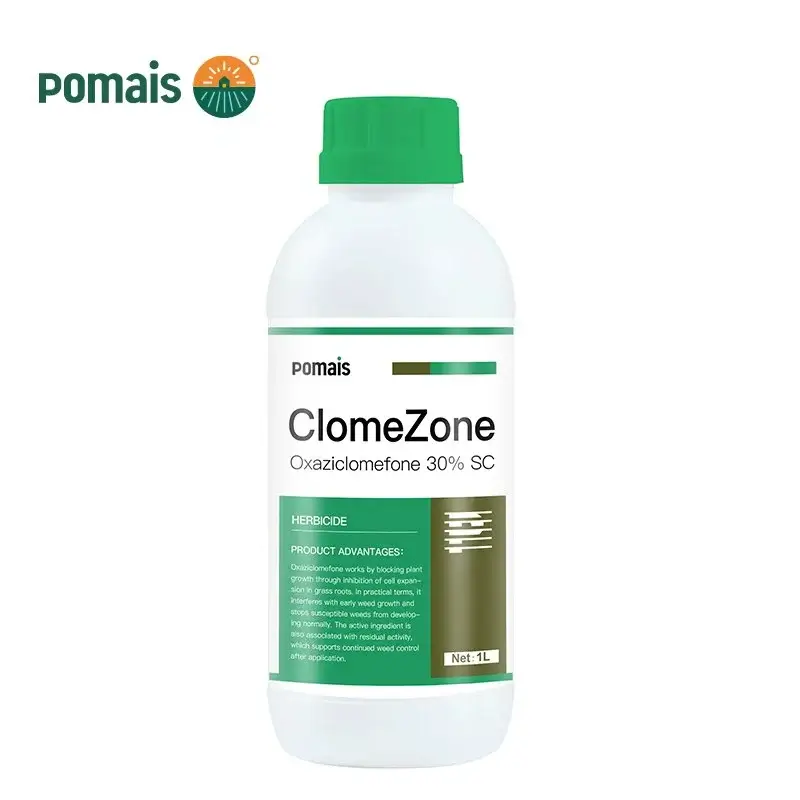
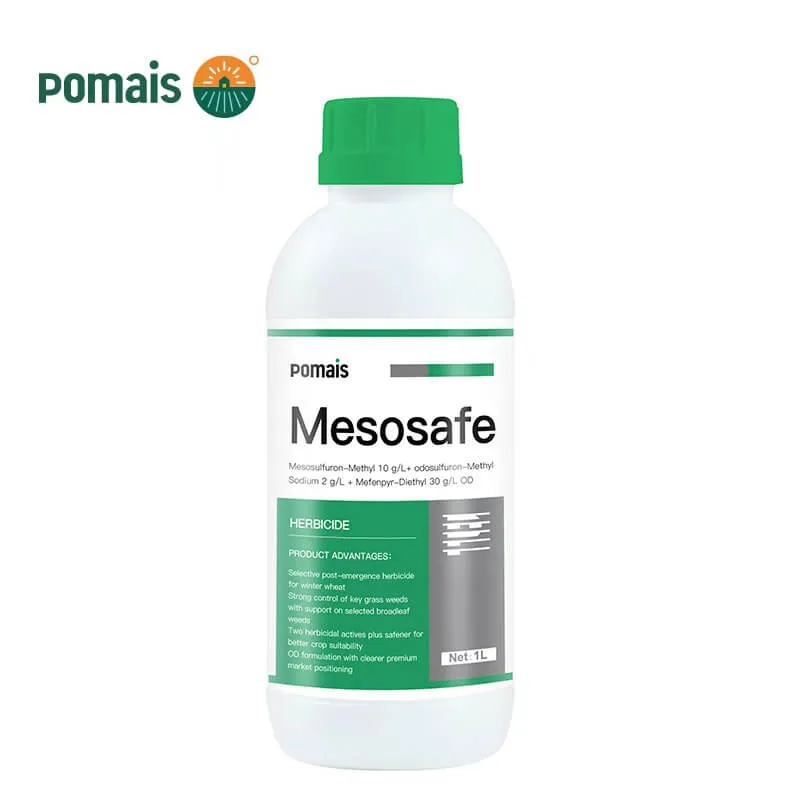
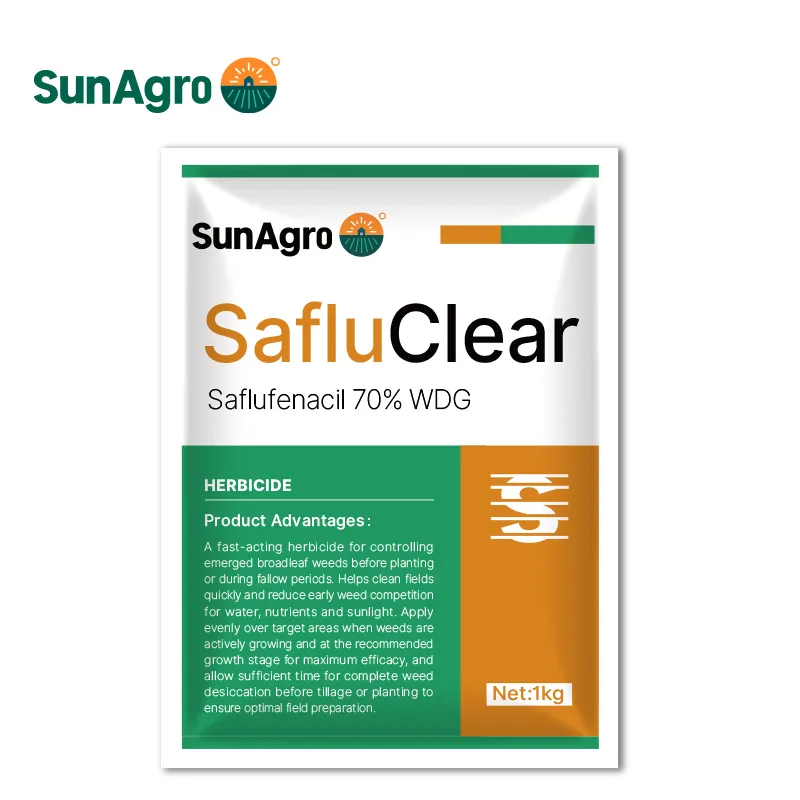
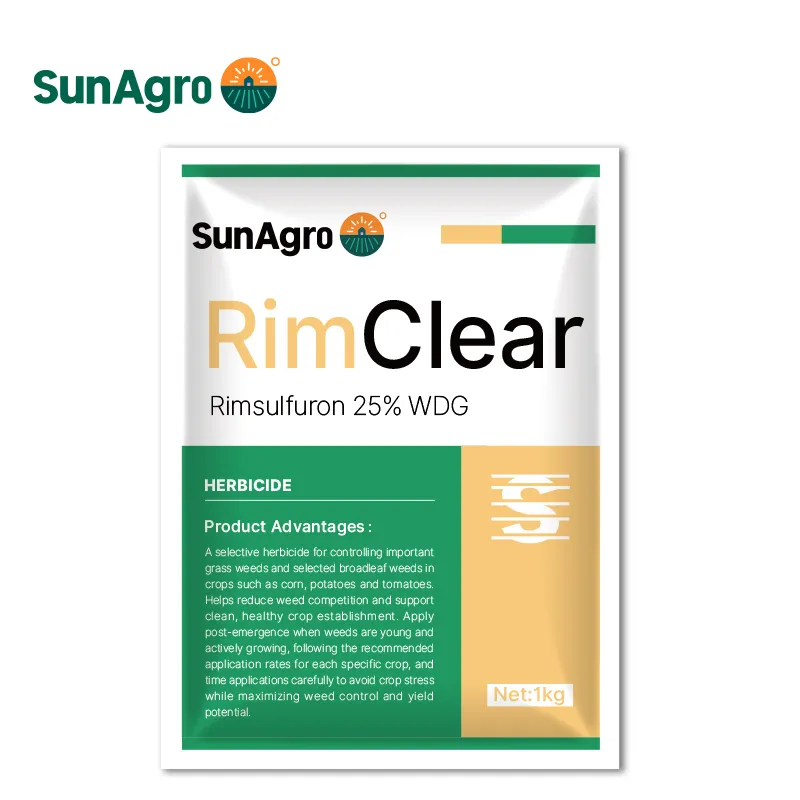
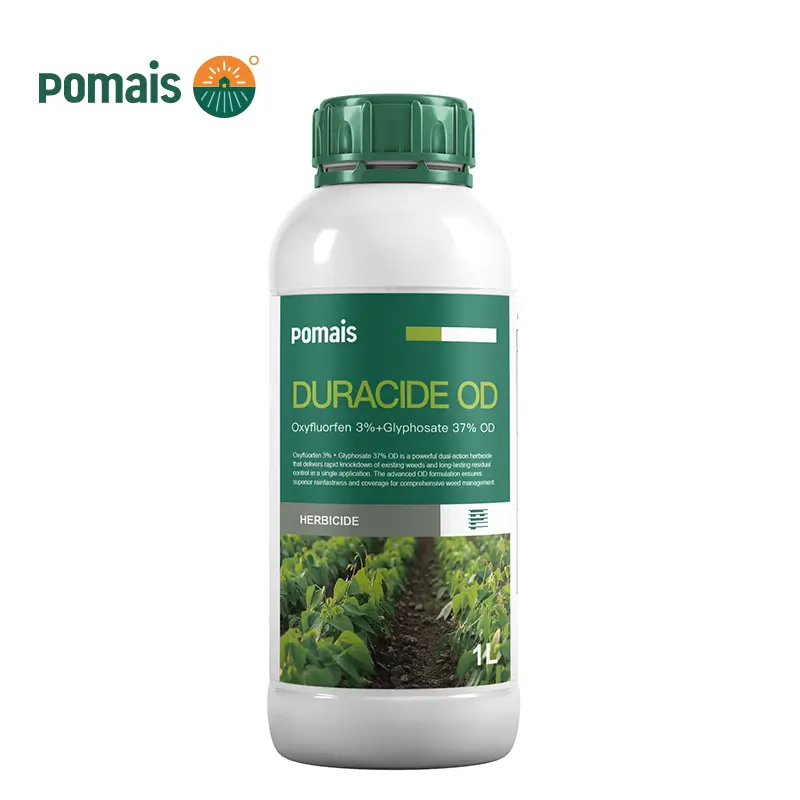
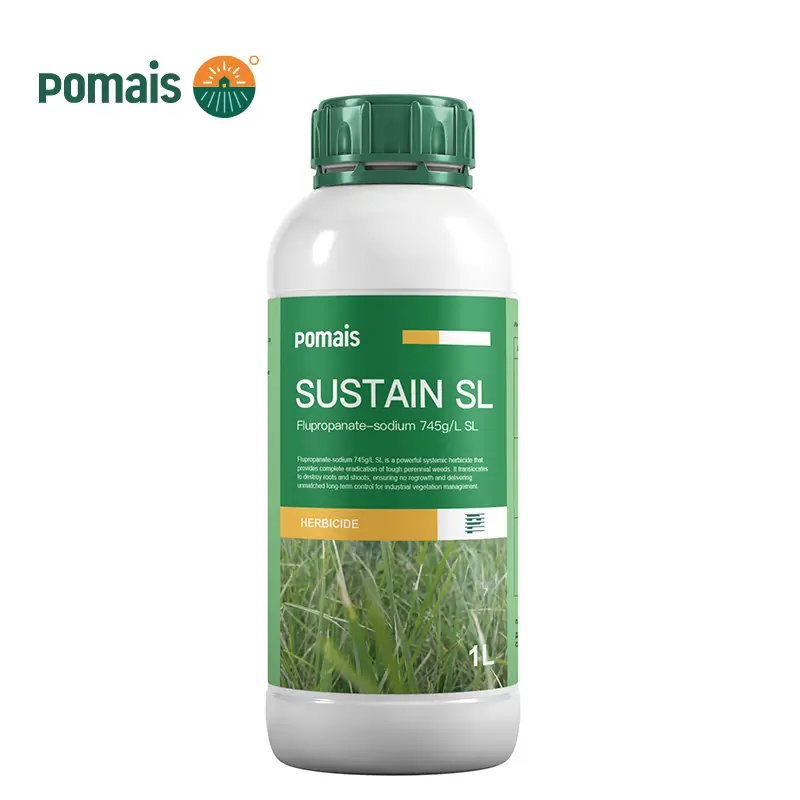
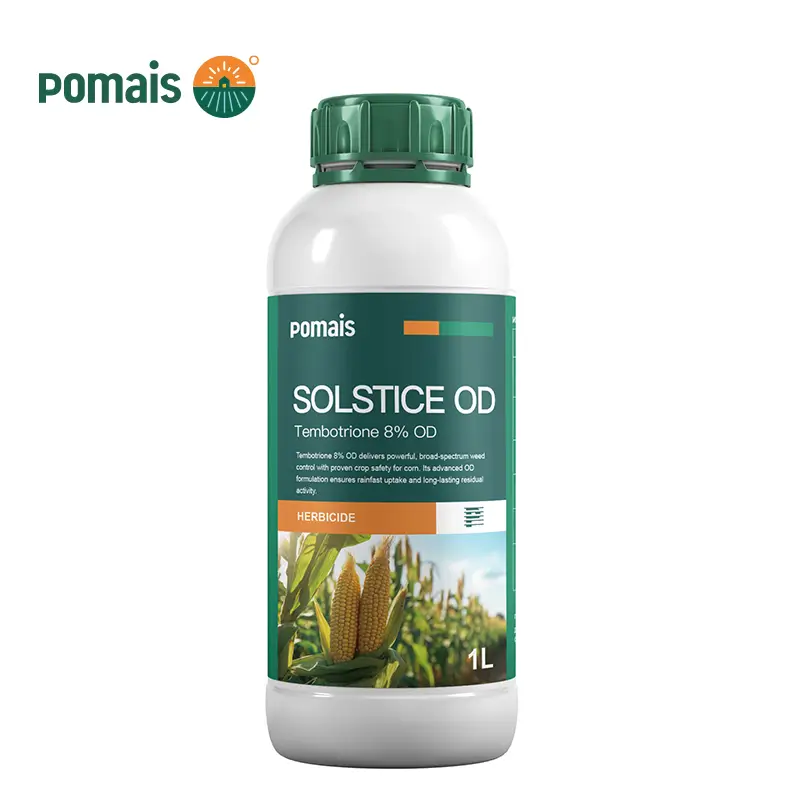
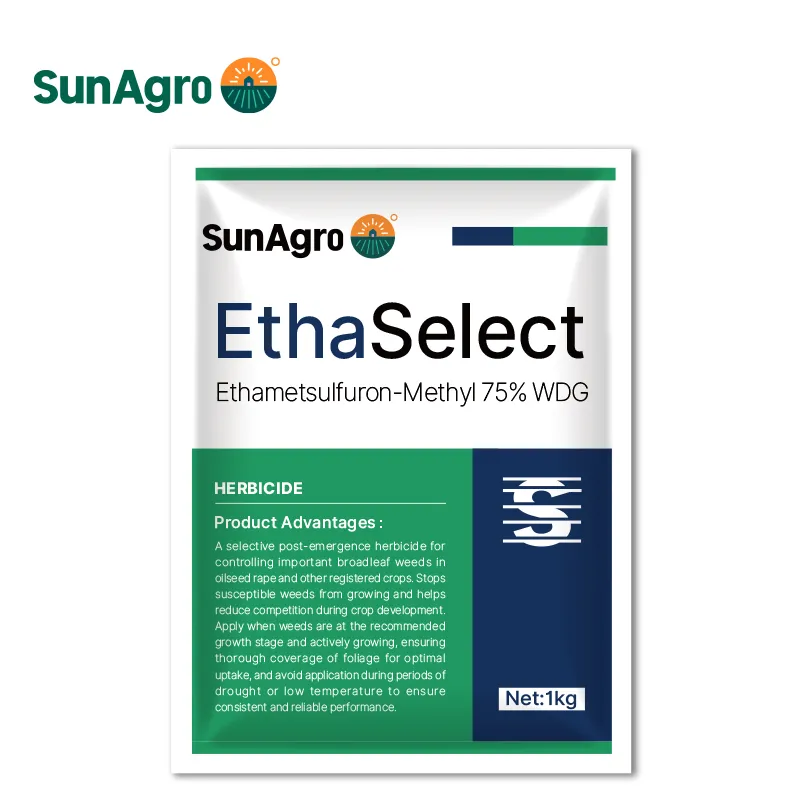
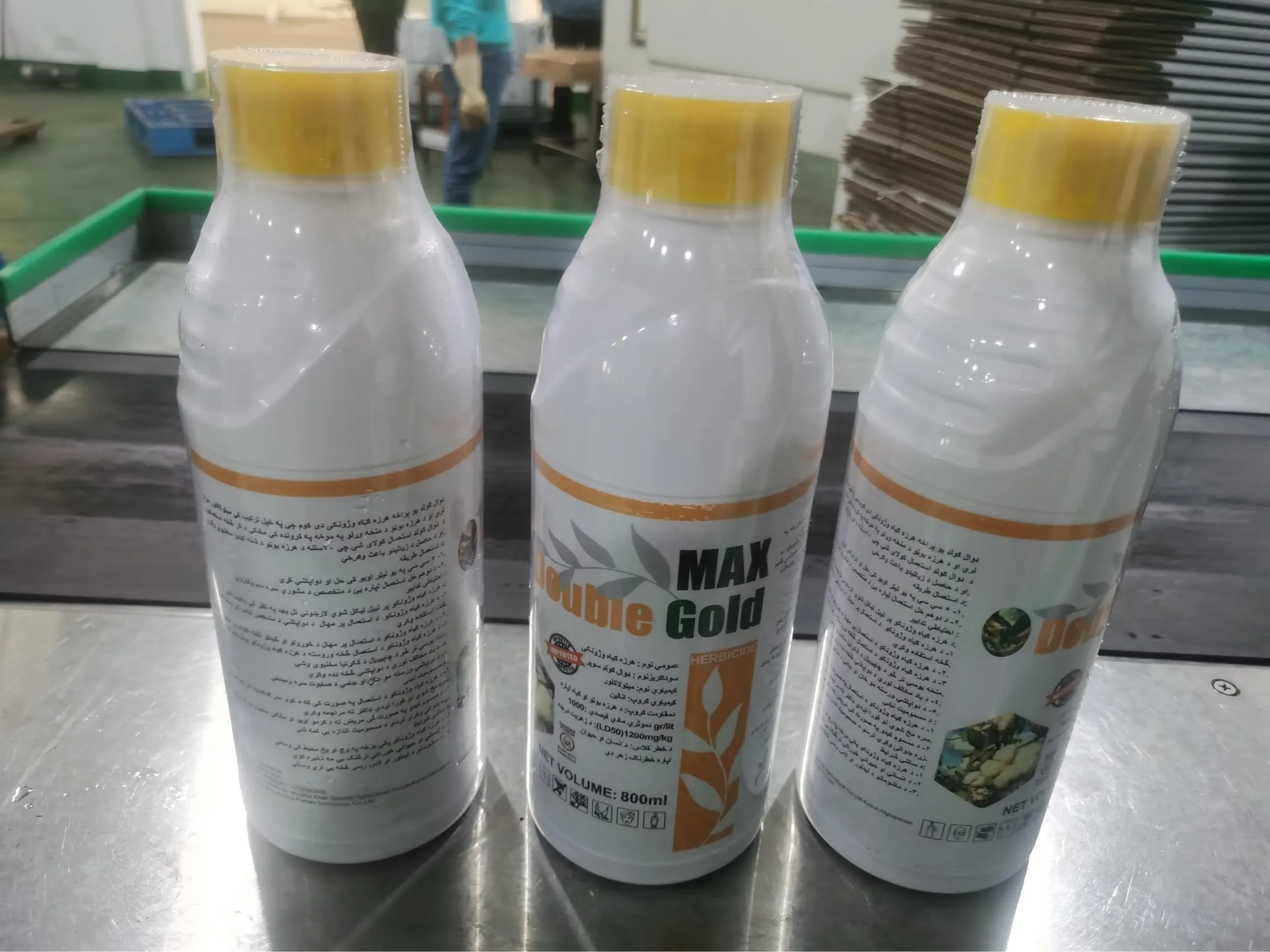
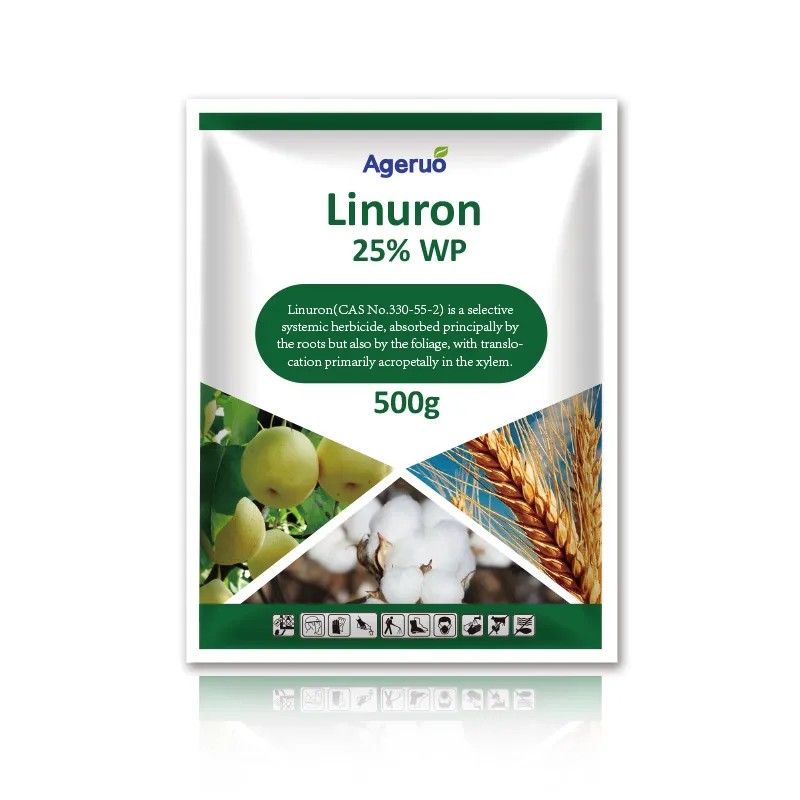
More Herbicides









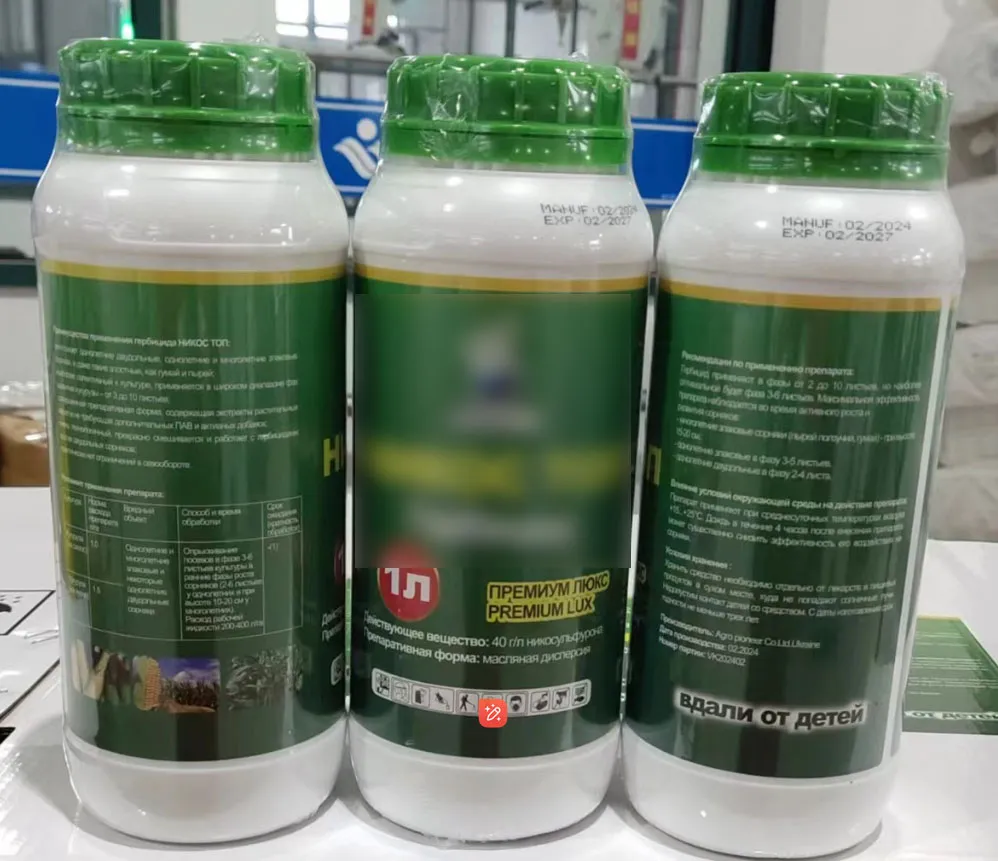
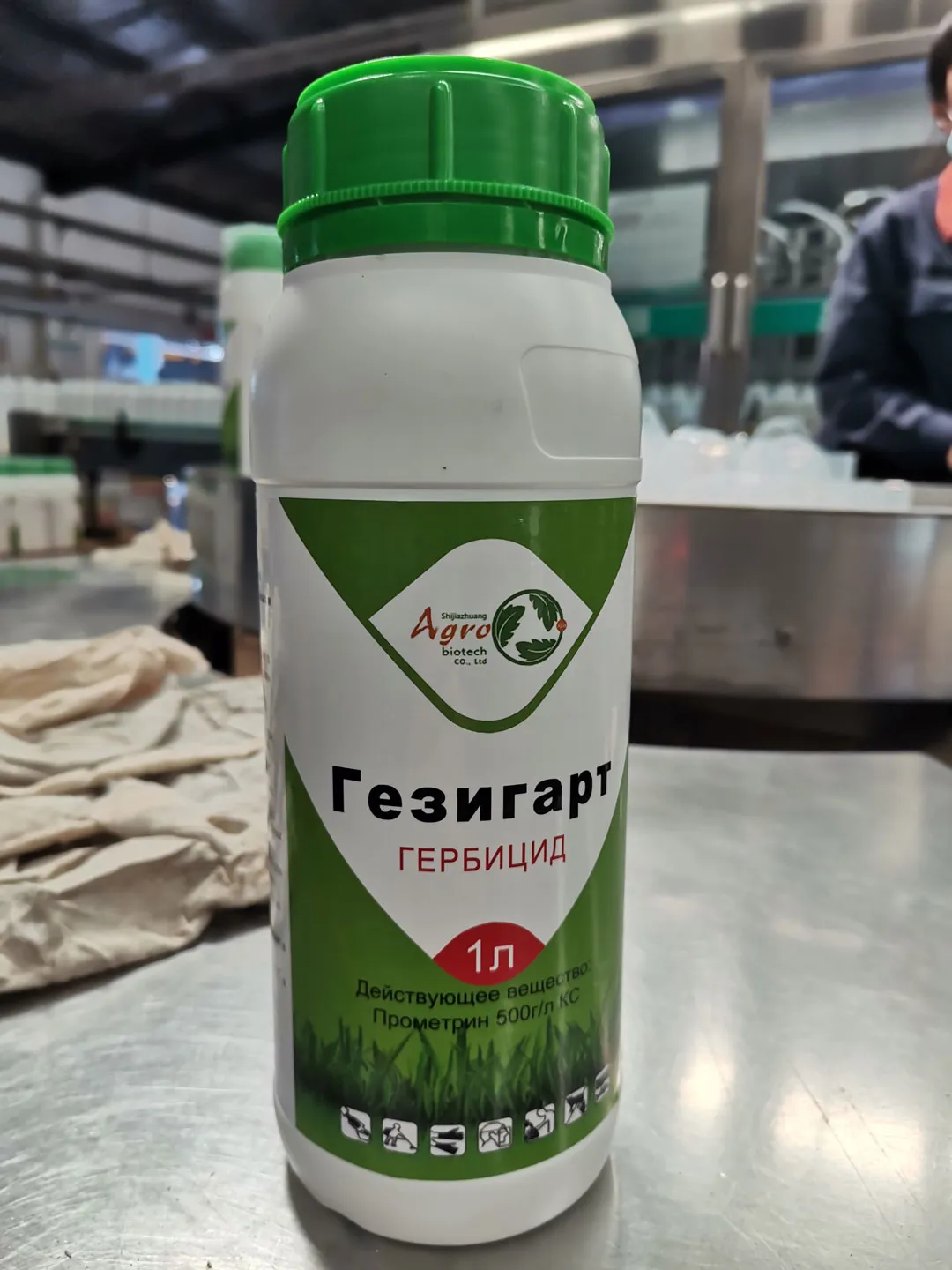
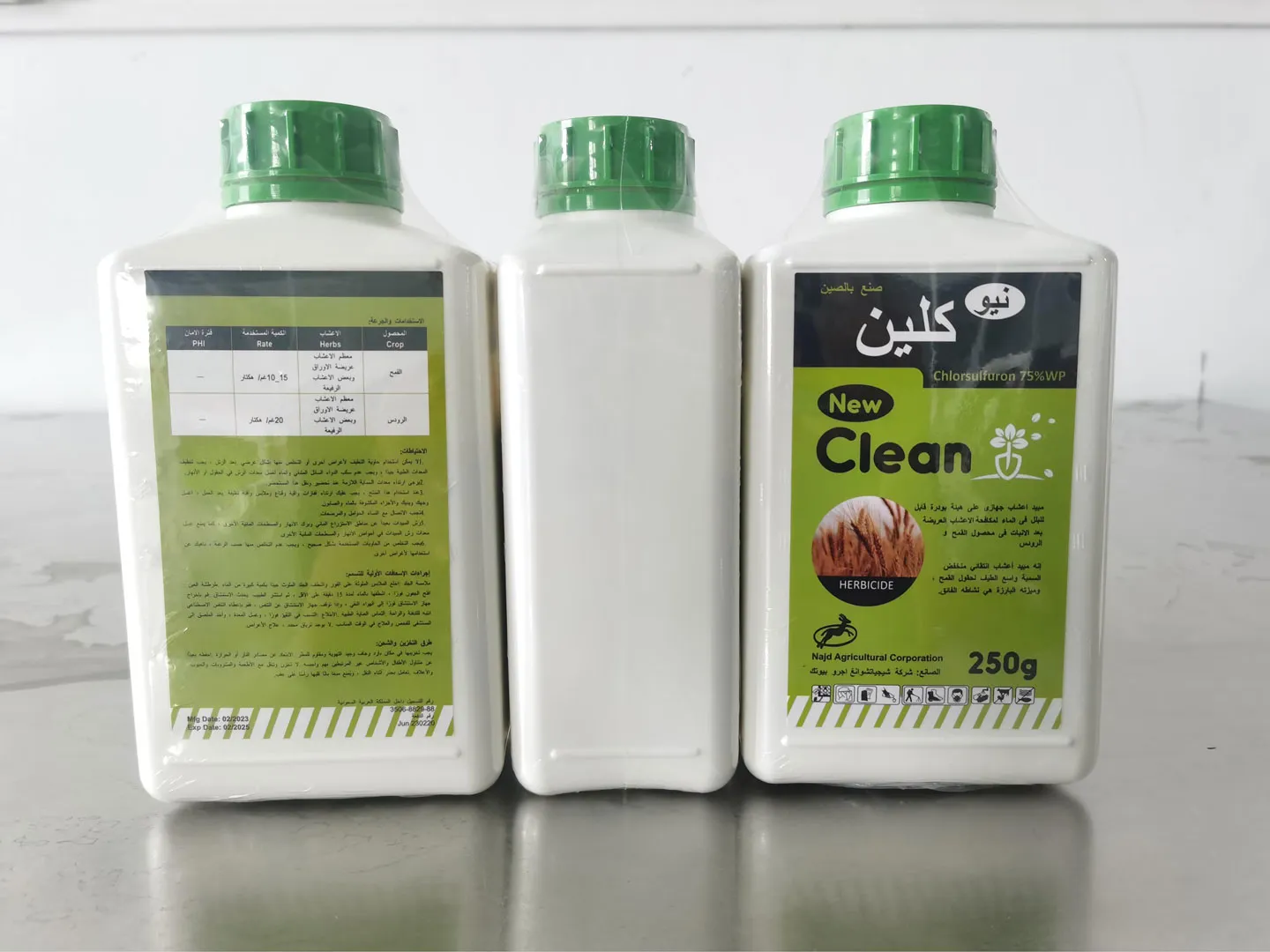
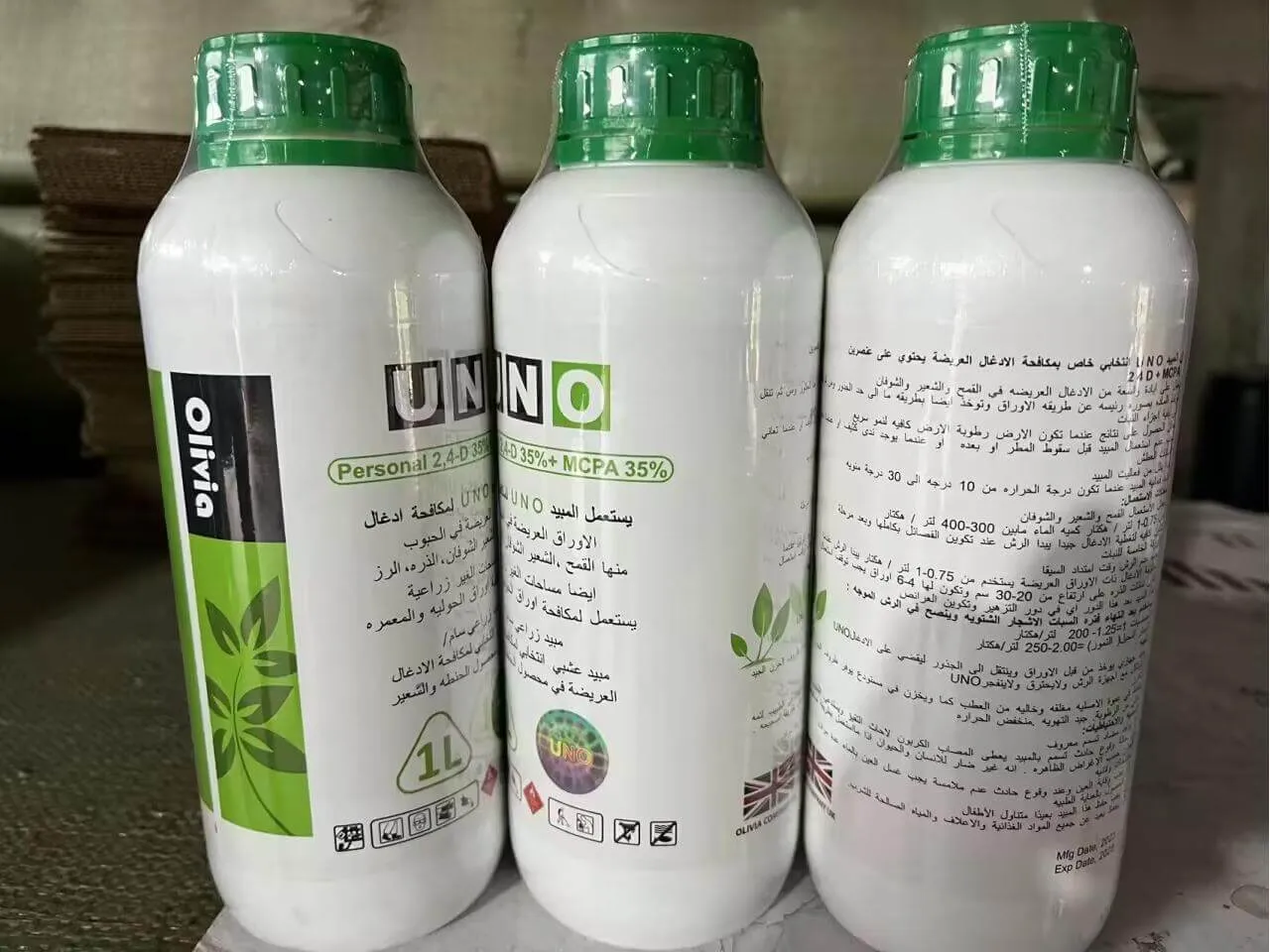
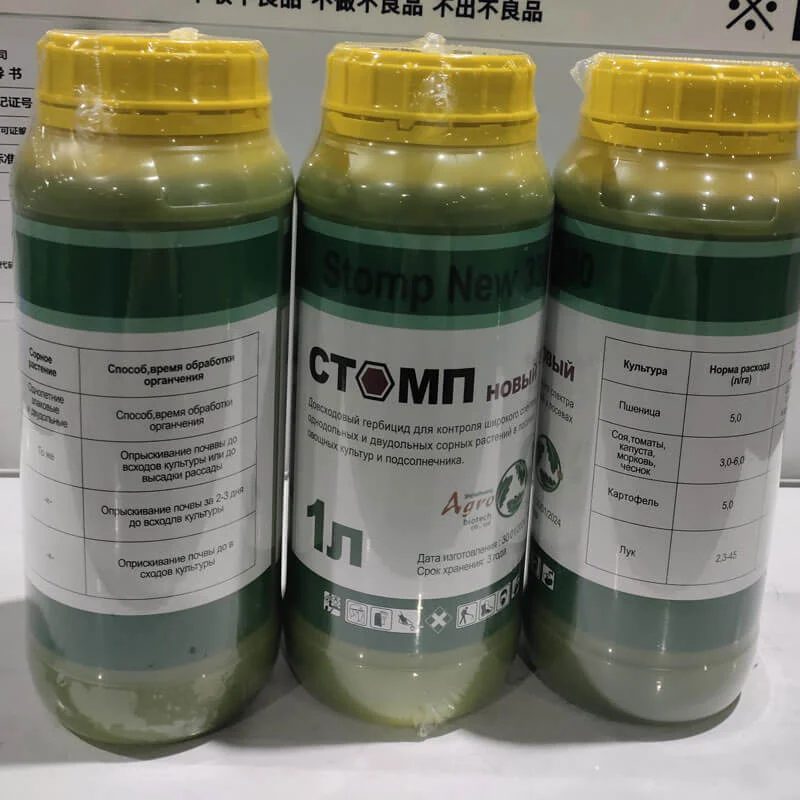
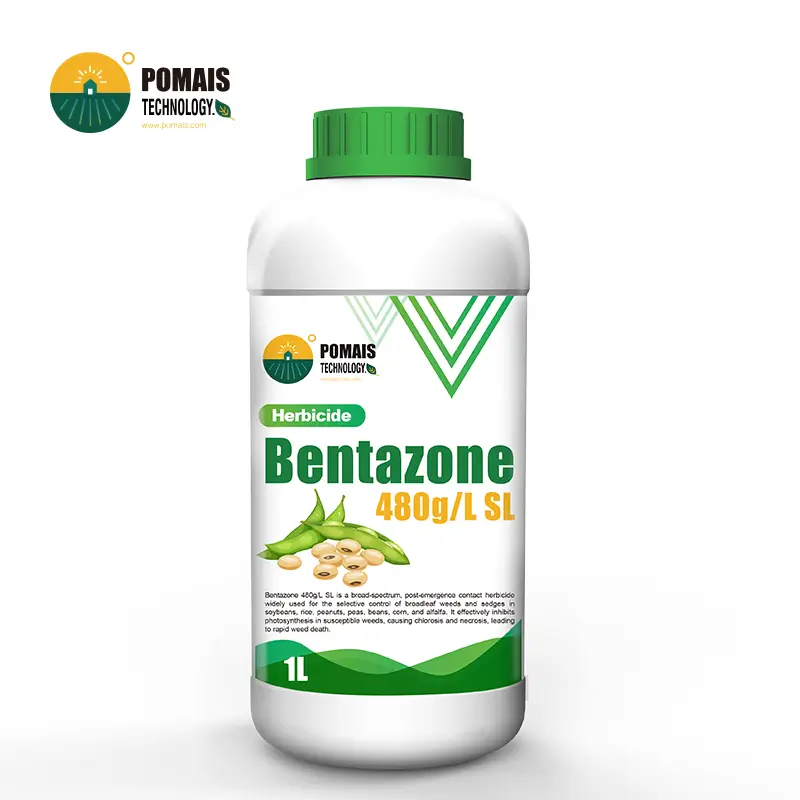






Soybean Seed Treatment Solutions
Seed treatment provides a means of managing specific risks to seeds and seedlings prior to sowing; however, not all soya fields require the same seed treatment combination.
The selection of seed treatment products should be based on target pathogens, early-season pests, seed quality, sowing conditions and local registrations. Different active ingredients may target different organisms; therefore, it is necessary to clarify whether the product is intended for the management of seed-borne diseases, soil-borne diseases or early-season pests.
| Evaluation Criteria | Points to Confirm Before Purchase |
|---|---|
| Target Organisms | Specific pathogens, pests or early-stage risks requiring management |
| Active ingredient | Concentration, mode of action and scope of application |
| Formulation | FS, WS, DS or other approved seed treatment formulations |
| Treatment quality | Coating uniformity, adhesion, flowability and seed compatibility |
| Crop safety | Safety data for soya bean seeds and seedlings |
| Compliance requirements | Crop registration, treatment rates, labelling and management requirements for treated seeds |
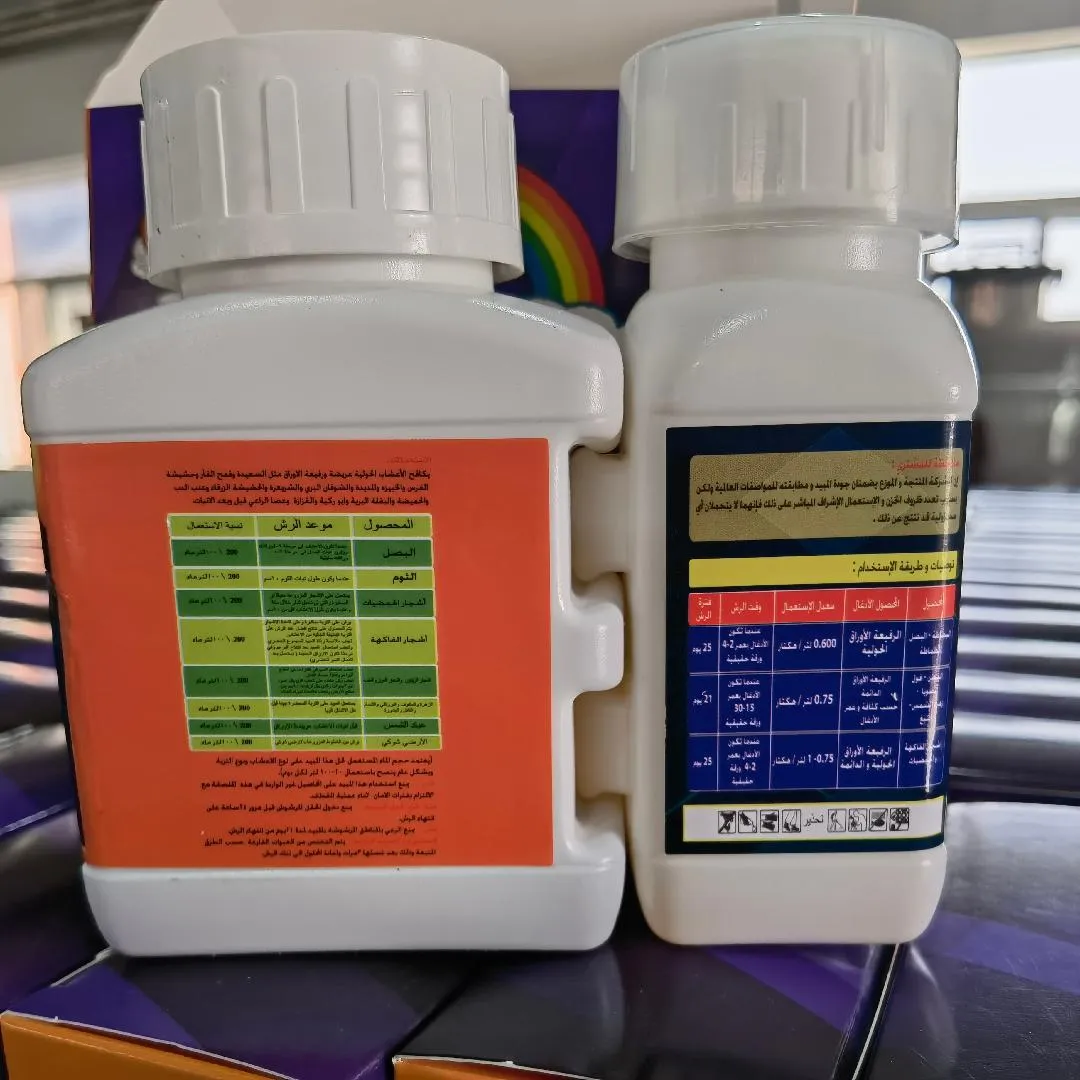
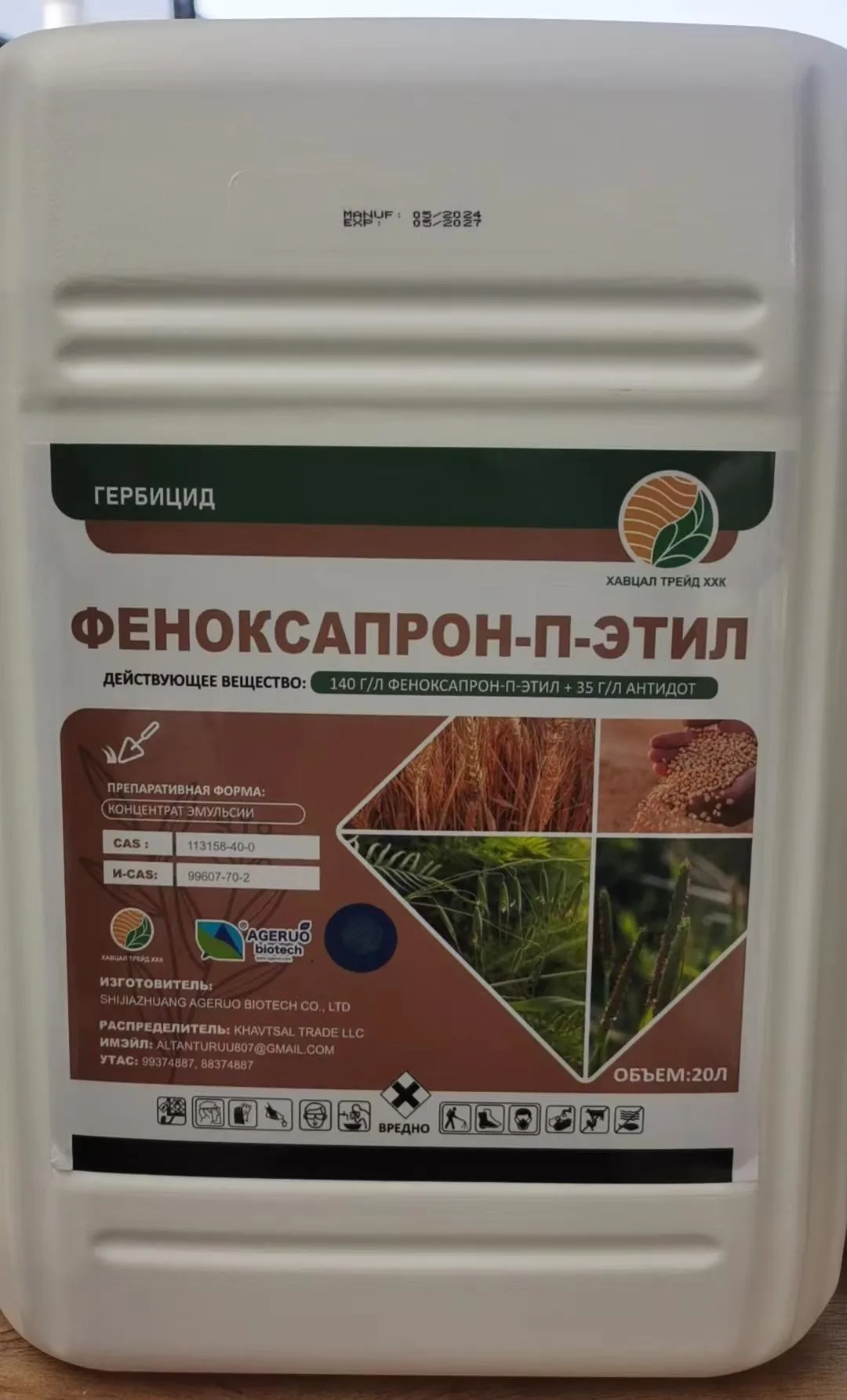
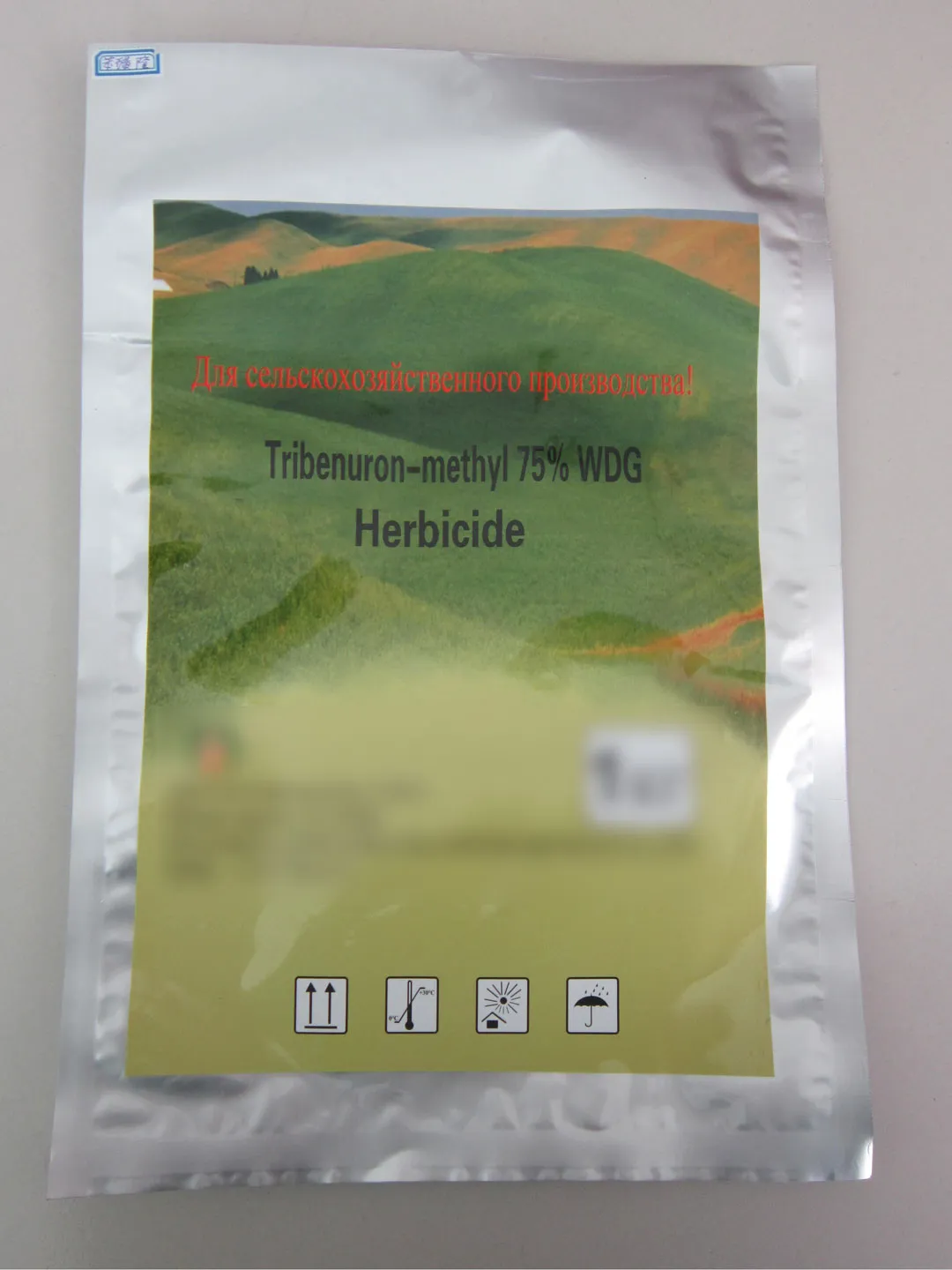
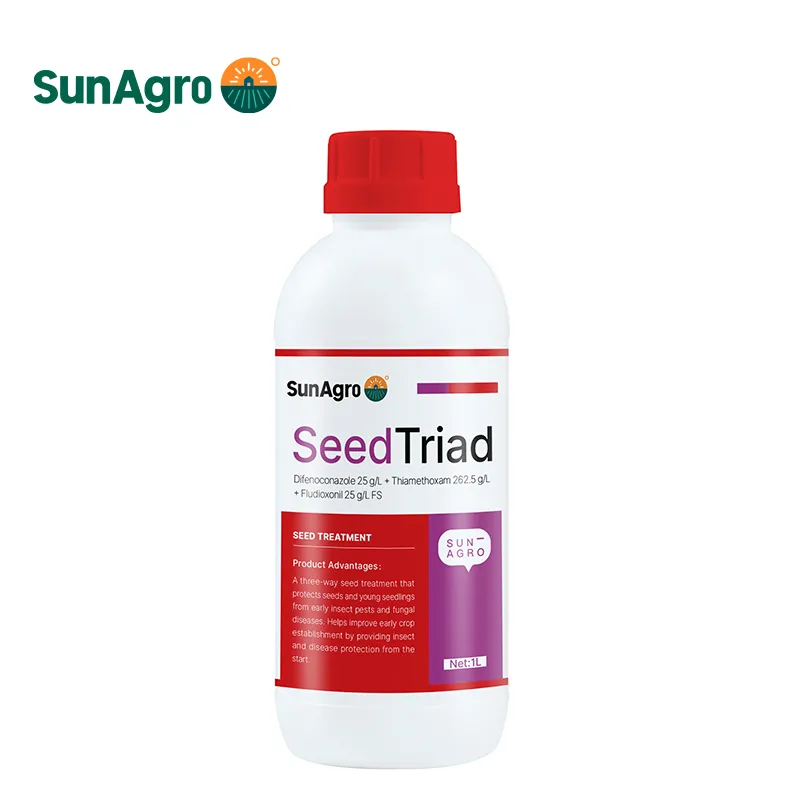
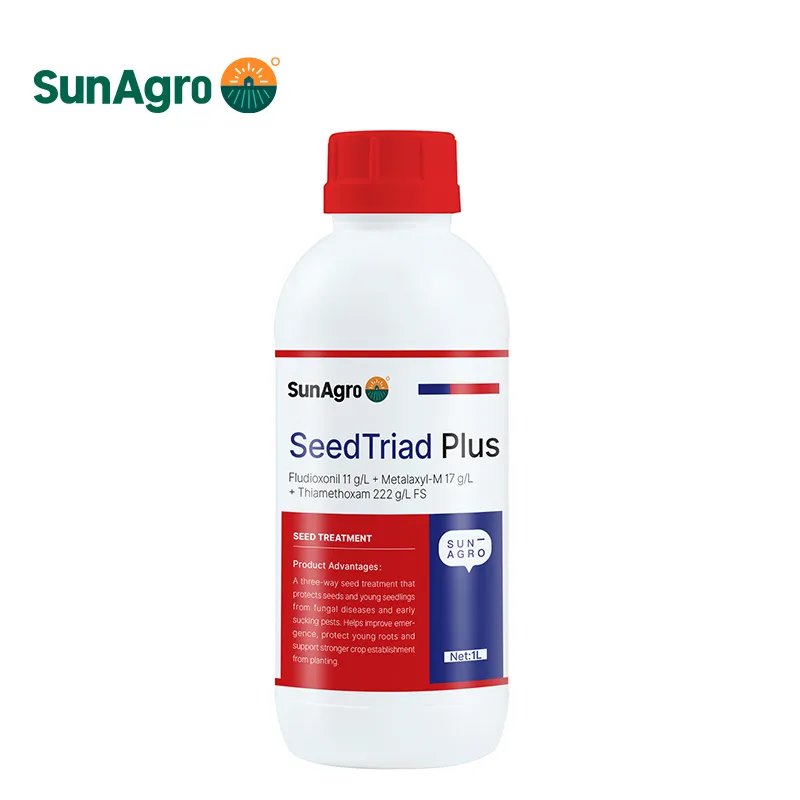
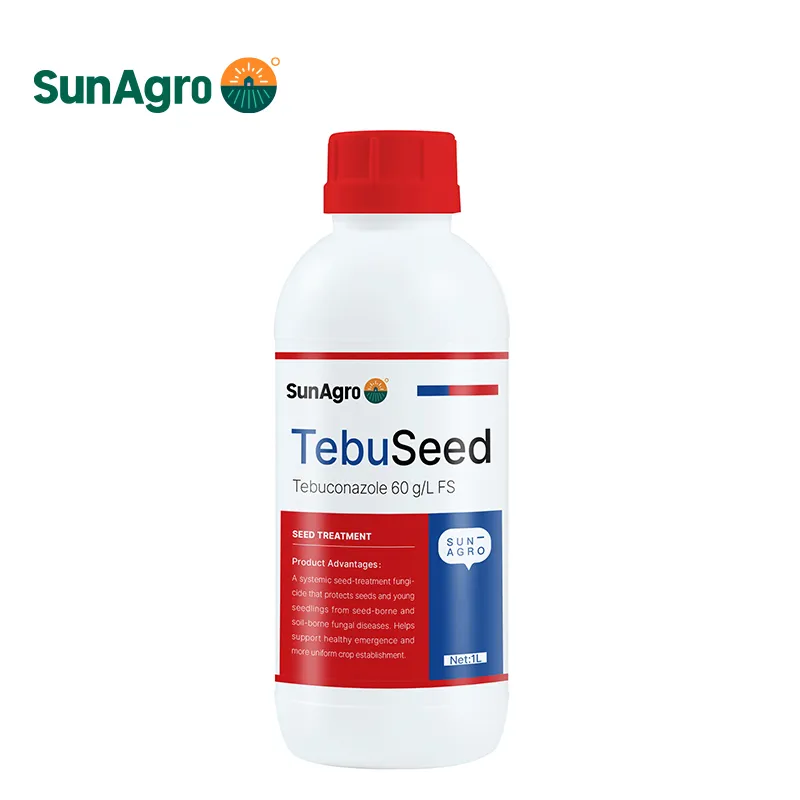
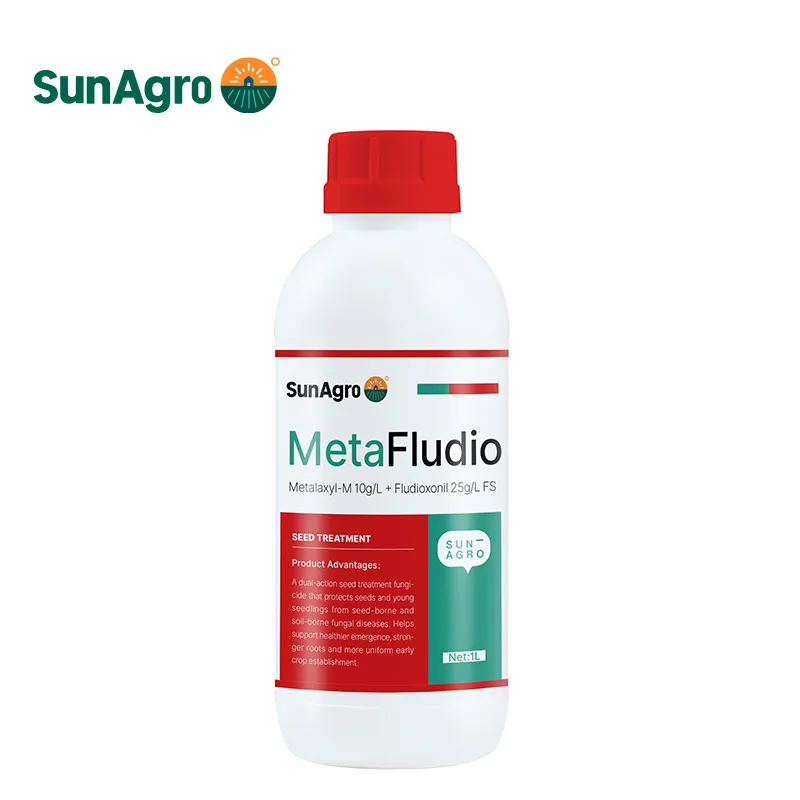
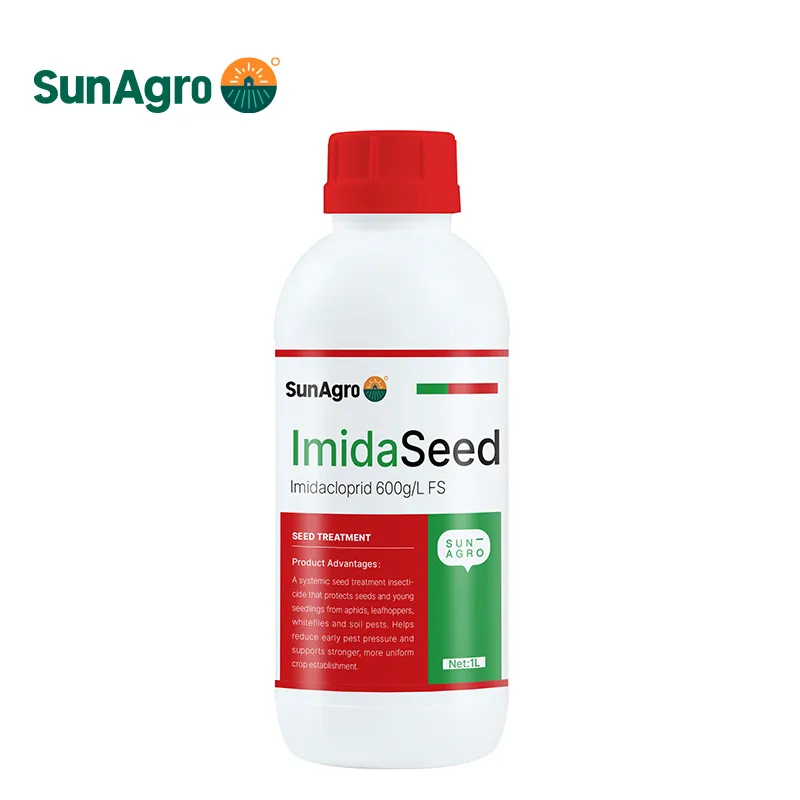
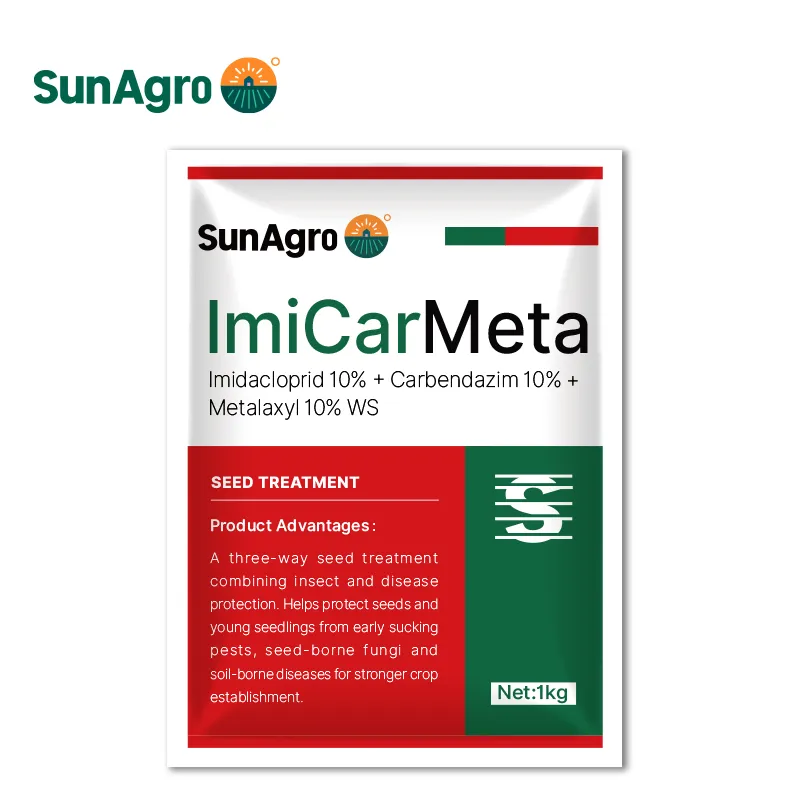
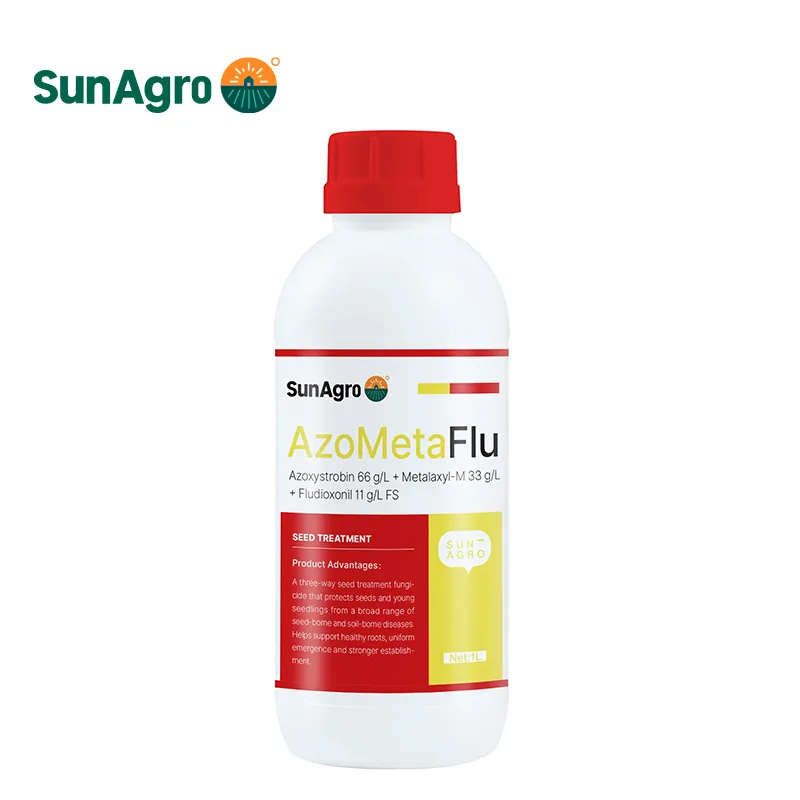
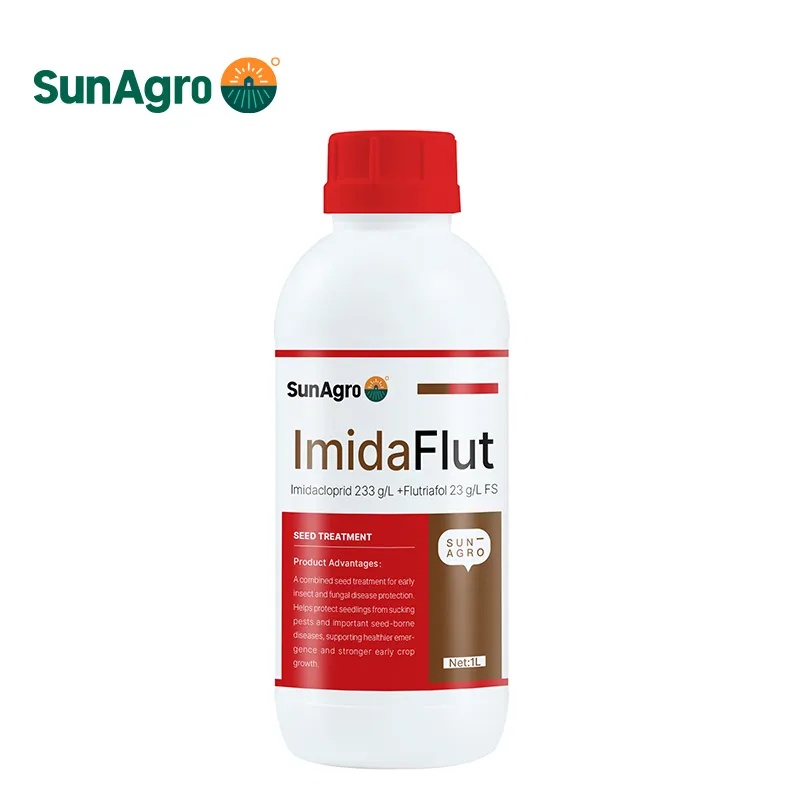
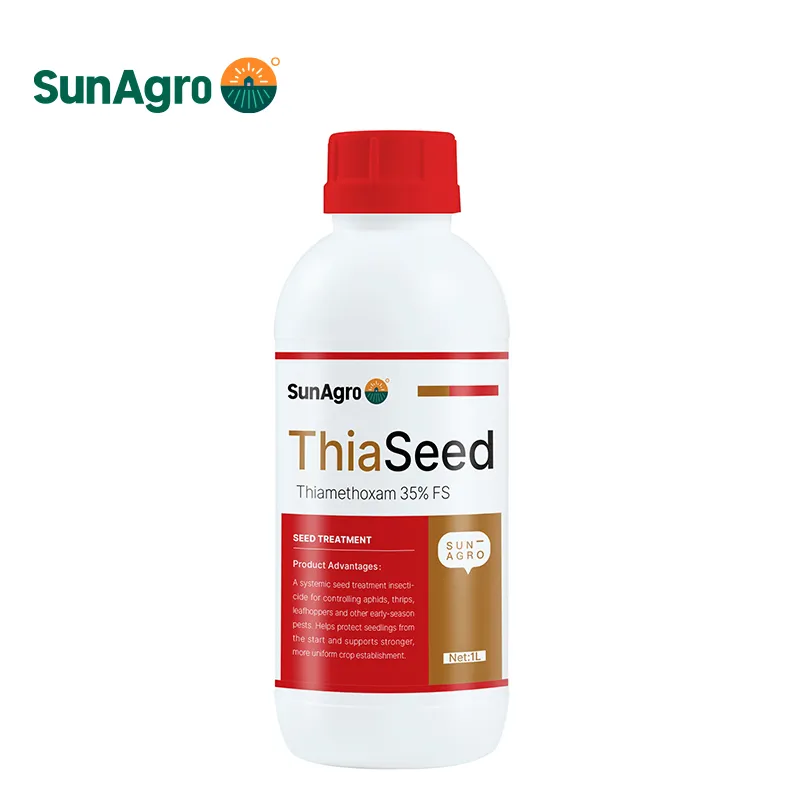
POMAIS offers various types of Seed Treatment Products, including fungicide seed treatments, insecticide seed treatments and certain formulated products. To determine whether a specific product is suitable for soya beans, the crop scope, target pathogens or pests, method of application and target market registration must be verified on a case-by-case basis.
For importers and registration companies, seed treatment products must also be assessed to ensure that formulation stability, coating processes, packaging specifications and technical documentation comply with commercial project requirements. It is not possible to determine that a product is suitable for soya bean seeds based solely on the combination of active ingredients.
More Seed Treatment
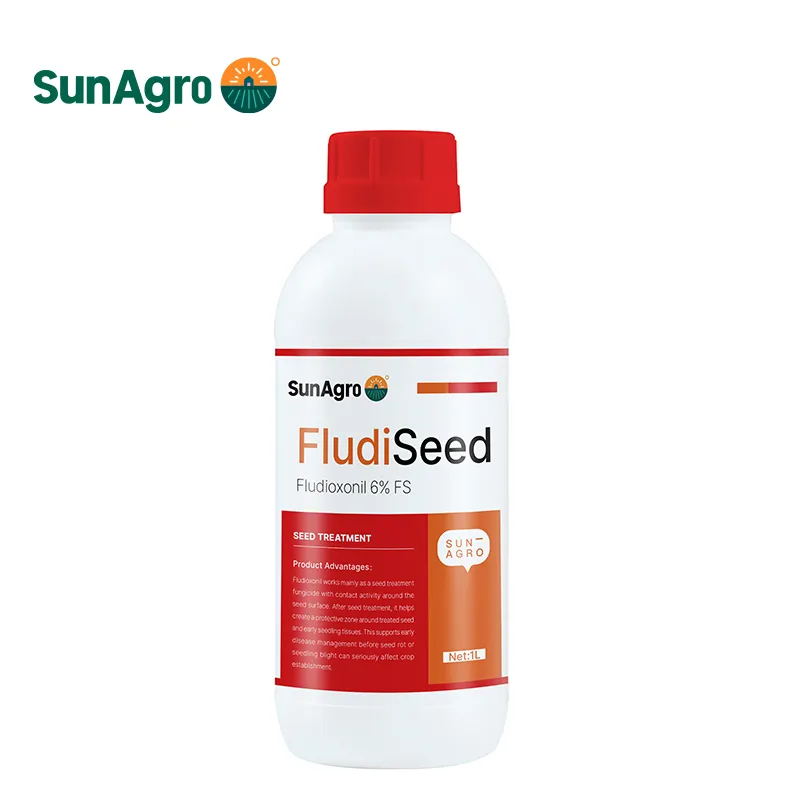
How to establish a plant protection product portfolio suitable for the soya bean market?
For pesticide importers, distributors and registration companies, the soya bean product portfolio should be based on the major local pests, diseases and weeds, with priorities then determined according to product registration status, mode of action, market demand and supply conditions.
| Product portfolio hierarchy | Key product directions | Key Procurement Evaluation Points |
|---|---|---|
| Core herbicide portfolio | Pre-emergence and post-emergence weed management | Major weeds, resistance status, crop safety and registration |
| Seed treatment portfolio | Seed-borne or soil-borne diseases, early-stage pest management | Target pathogens or pests, formulation and treatment quality |
| Disease management portfolio | Soya bean rust, grey leaf spot, sclerotinia rot, etc. | Target diseases, FRAC groups, disease pressure and registration |
| Insect and mite management combinations | Aphids, leafhoppers, leaf-feeding pests and leaf mites | Target insect species, IRAC groups, field thresholds and local regulations |
The appropriate scope of product portfolios may vary significantly across different markets. Certain markets may have a greater need for products to manage resistant weeds, whilst others may focus more on soya bean diseases or seed treatment.
Before procurement, it is advisable to clarify:
- Target countries and local registration status.
- Major soya bean growing regions and production systems.
- Prevalent pests, diseases and weeds, and key resistance issues.
- Target active ingredients, concentrations and formulation types.
- Estimated procurement volumes, packaging specifications and documentation requirements.
- Areas requiring supplementation within the existing product portfolio.
POMAIS’s Crop Protection Products catalogue can serve as a starting point for initial screening. For products whose suitability for soya has not yet been verified, technical and registration reviews must be completed before they are included in the official list of recommendations.
Resistance and Residue Management in Soya Crop Protection
Soya crop protection programmes must take into account not only control efficacy but also long-term resistance management, crop safety, environmental risks and pesticide residue requirements.
Mode of Action Management
- Rotation programmes for fungicides should be developed based on specific diseases, FRAC classifications and local resistance patterns.
- Insecticides should be selected based on target pests, IRAC classifications and actual control requirements.
- For herbicides, attention should be paid to HRAC mode-of-action groups to avoid long-term reliance on a single mode of action to control the same class of weeds.
- Different trade names do not necessarily indicate different modes of action.
Harvest and Residue Management
PHI (Pre-Harvest Interval) is the mandatory safety interval that must be observed between the final application and harvest. MRL (Maximum Residue Limit) is the statutory limit for pesticide residues in food or agricultural produce.
Importers, distributors and registration companies should verify the relevant requirements of the target country and applicable sales markets when assessing products. Approval of a usage method in one country does not imply that the product automatically complies with registration and residue requirements in other countries.
Product Usage Compliance
Product use must strictly adhere to the crops, targets, application rates, timing of application, number of applications and other restrictions specified on the approved label. General technical advice must not be treated as a substitute for the application instructions on the locally approved label.
Frequently Asked Questions
Plan your soya plant protection product portfolio
For pesticide importers, distributors and registration companies planning to enter or expand within the soya plant protection market, it is recommended to first identify the major pests, diseases and weeds in the target country, and then screen for suitable products based on active ingredients, formulation types, registration status and procurement requirements.
POMAIS can assist in screening existing product options based on the target market, product specifications and procurement requirements provided by the client, and further verify relevant technical data, supply conditions and available product documentation.
To assess your soya plant protection product portfolio, please provide the following information:
- Target country or region.
- Major soya-growing regions and production systems.
- Diseases, pests or weeds requiring priority coverage.
- Target active ingredients, concentrations or formulation types.
- Estimated procurement volumes and local registration status.
This information helps to identify product directions that better meet local needs, minimise product duplication, and provides a basis for subsequent registration assessments, product selection and procurement discussions.