
What are the main risks in grape production?
Grape plant protection must simultaneously consider pathogen infection, insect infestations, grape cluster development, and vineyard management. Since rainfall, humidity, temperature, grape varieties, and cultivation methods vary across different production regions, the primary targets for control and their occurrence times will also differ.
| Risk Categories | Primary Targets | Potential Impacts |
|---|---|---|
| Major Diseases | Downy Mildew, Powdery Mildew, Botrytis Bunch Rot | Damage to leaves, inflorescences, and berries; bunch rot |
| Other fruit diseases | Anthracnose, Black Rot, White Rot | Lesions on berries, shriveling, rot, and reduced market value |
| Sucking Pests | Mealybugs, Leafhoppers | Impacted plant growth; some pests may also transmit viruses |
| Chewing Pests | Grape Berry Moth and other regional pests | Damage to inflorescences and berries; wounds may increase the risk of rot |
| Mites | Spider Mites | Leaf chlorosis, reduced photosynthesis |
| Vineyard Weeds | Annual and perennial weeds | Compete for water and nutrients, increasing vineyard management costs |
Disease identification should be based on symptoms, weather conditions, and necessary pathogen diagnosis. It is particularly important to distinguish between Downy Mildew and Powdery Mildew, as their pathobiology and effective pesticide classes differ; a single, undifferentiated list of pesticides cannot be used for both.
Grape Growth Stage Plant Protection Plan
Grape plant protection should be organized around phenological changes for monitoring and control. The stage table below is used to plan management tasks; it does not imply that pesticide application is required at every stage.
| Growth Stage | Key Risks | Management Approach |
|---|---|---|
| Budbreak to Pre-Bloom | Early foliar diseases, overwintering pathogens, early insect pests | Inspect canes and new leaves; remove diseased plant debris; assess early disease risk |
| Bloom to Fruit Set | Powdery mildew, downy mildew, Botrytis, and certain insect pests | Focus on protecting inflorescences and young berries; determine whether to apply control measures based on weather conditions and disease pressure |
| Young Berry Development | Downy mildew, powdery mildew, fruit diseases, and bunch pests | Focus monitoring on young berries, leaves, and grape clusters to ensure control measures comply with label instructions |
| Bunch Closure | Risk of internal bunch diseases, Botrytis, and certain berry pests | Assess rot risk based on variety, bunch density, ventilation, and humidity |
| Veraison | Botrytis, sour rot, and late-season pests | Protect berry quality; assess residue requirements and harvest timing in advance |
| Ripening to Harvest | Bunch rot, fruit contamination, and pesticide residues | Monitor diseases and pests; verify PHI, MRL, and harvest plans |
| Post-Harvest Management | Vineyard plant debris, canopy diseases, and weeds | Maintain vineyard sanitation, manage plant debris, and assess risks for the next season |
How to Understand Key Control Windows for Grapes?
The period from pre-bloom to fruit set typically requires special attention, as flower clusters and young fruits are particularly susceptible to certain diseases. Once the grapes enter the early fruit development and cluster closure stages, cluster structure, canopy ventilation, and humidity will influence disease risk.
From color change through harvest, equal emphasis must be placed on fruit quality and residue management. Even if a particular pesticide is effective when applied early in the season, this does not imply it remains suitable for use as harvest approaches.
Specific application timing, frequency, intervals, and pre-harvest intervals should be based on the product label approved in the target country.
Grape Downy Mildew Management (Downy Mildew)
Downy mildew is caused by the oomycete Plasmopara viticola. Under favorable temperature and humidity conditions, the disease can spread rapidly, causing damage to leaves, flower clusters, and young fruits.
Management priorities include monitoring weather conditions and field symptoms, reducing moisture levels in the vineyard that favor disease development, and scheduling protective applications or fungicides with appropriate modes of action based on disease risk.
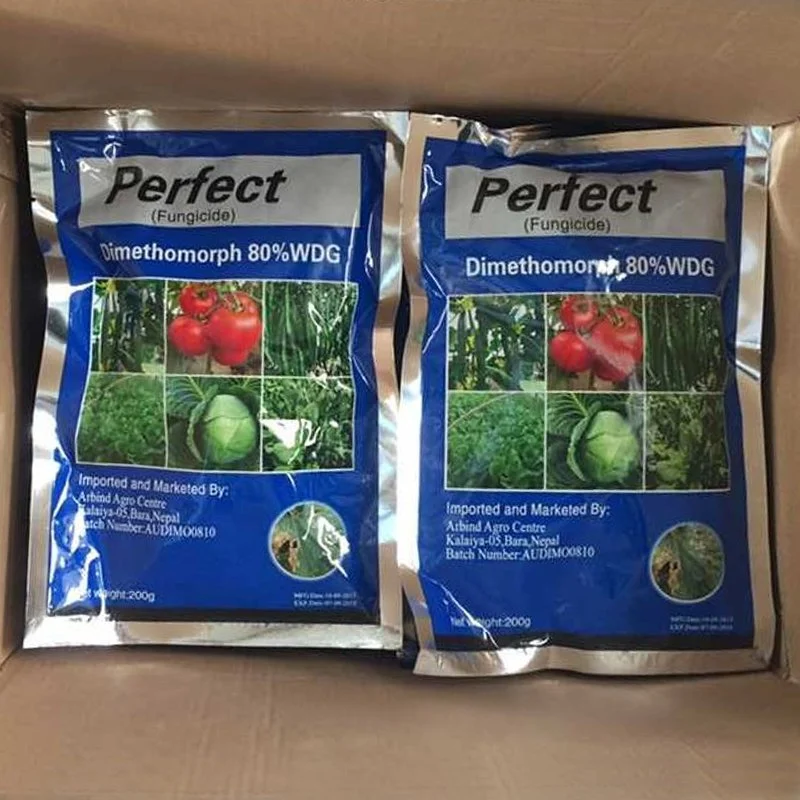
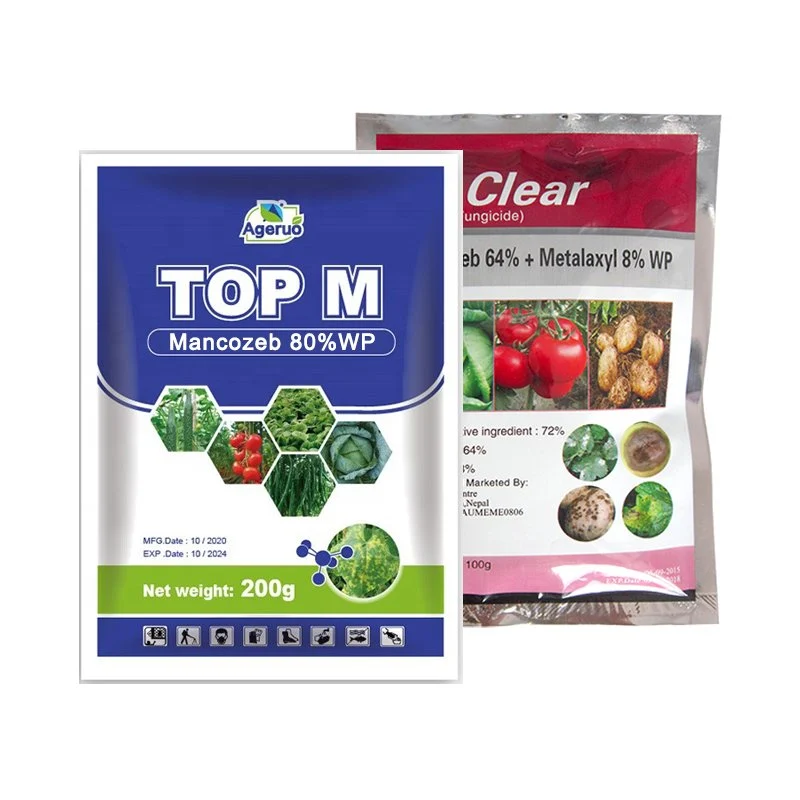
Recommended active ingredients include Mancozeb, Propineb, Dimethomorph, and Mandipropamid. Since the modes of action, registration scopes, and usage restrictions vary among these active ingredients, selections should be made in accordance with local labels and FRAC classifications.
POMAIS’s existing Dimethomorph Fungicide product profile includes application guidelines for downy mildew on grapes and can serve as a starting point for evaluating related products.
Management strategies should also note the following:
- Do not use downy mildew fungicides as a general-purpose solution for powdery mildew.
- Implement rotation based on product modes of action to avoid continuous reliance on the same FRAC group.
- Adjust management plans based on rainfall, canopy density, disease history, and spray coverage.
- The scope of use, application conditions, and safety restrictions for protective fungicides must be based on the label.
Grape Powdery Mildew Management
The pathogen responsible for powdery mildew is Erysiphe necator. The disease can occur on leaves, new shoots, inflorescences, and berries, and affects the normal development of the vine and berry quality.
Management of powdery mildew should not rely solely on the presence of visible symptoms on leaves; it is also necessary to consider variety susceptibility, historical disease pressure, weather conditions, and canopy growth to determine whether the vineyard has entered a high-risk phase.
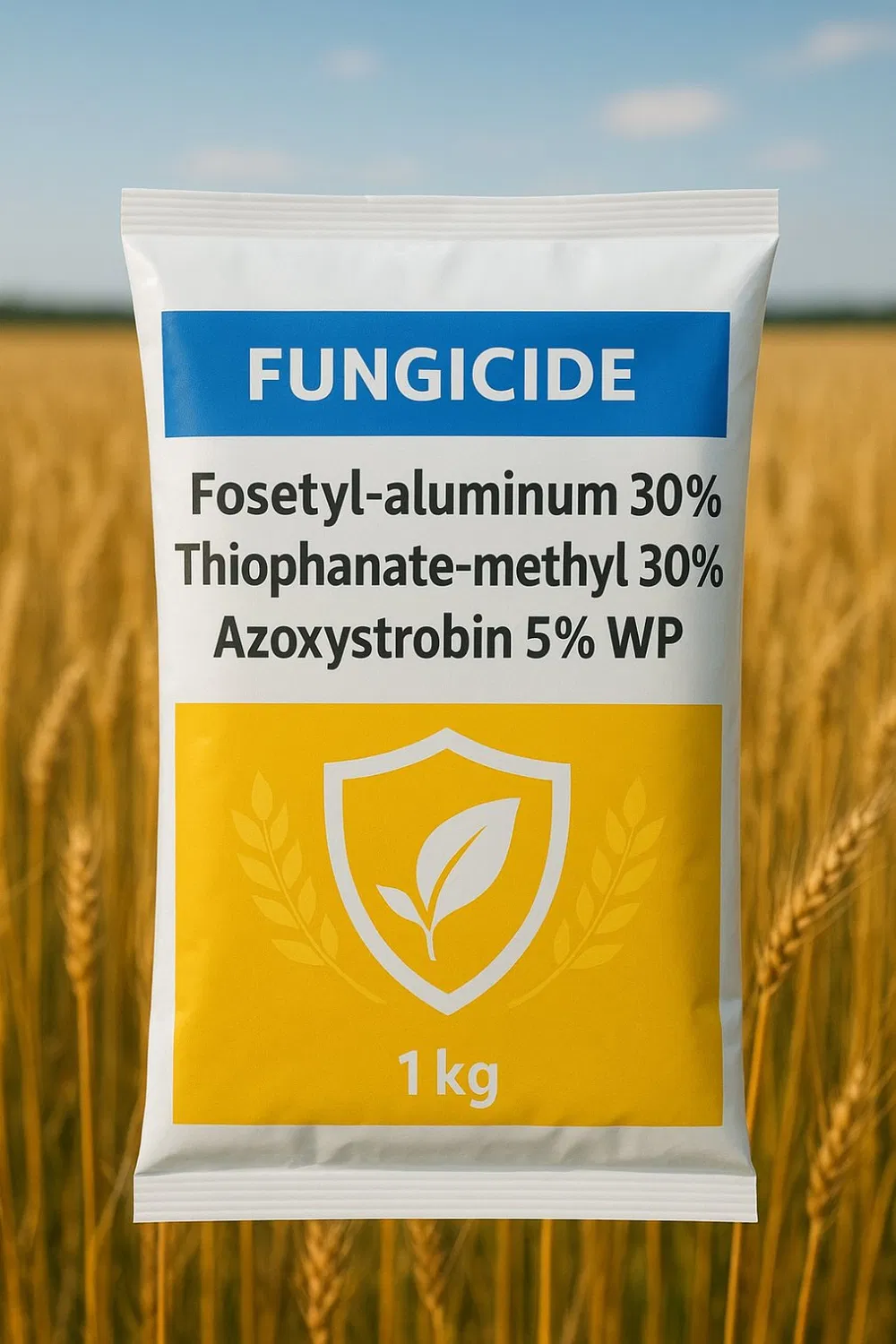
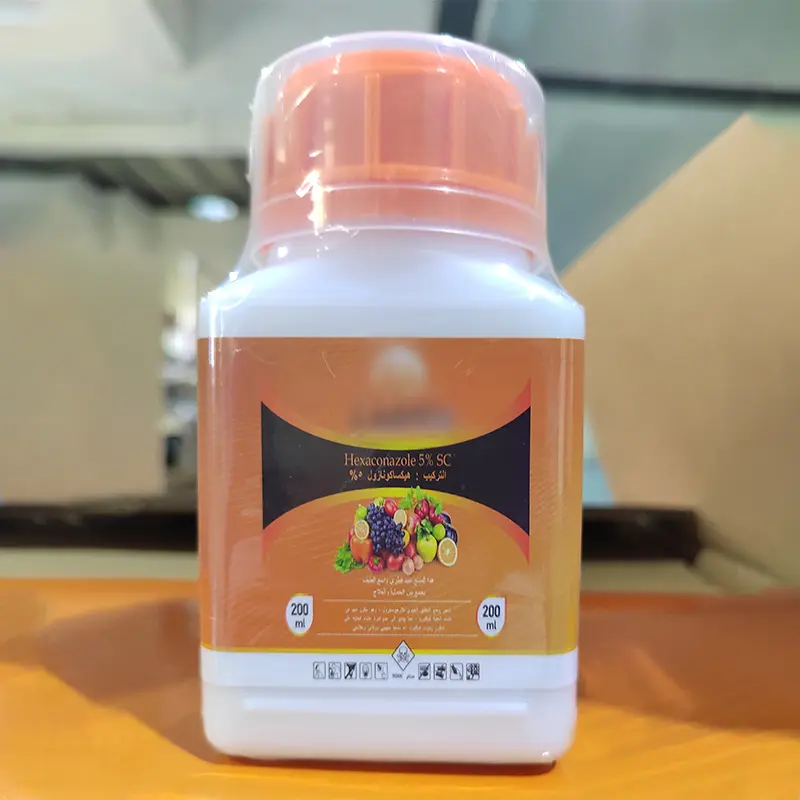
Recommended pesticides include hexaconazole, penconazole, thiophanate-methyl, and pyraclostrobin. Since different fungicides have varying scopes of application and modes of action, one should verify the active ingredient, FRAC group, and local registration status when making a selection.
POMAIS’s Penconazole 10% EC Fungicide product information includes application details for grape powdery mildew and can be used to assess corresponding product supply needs.
Powdery mildew management should also focus on the following:
- Avoid prolonged, consecutive use of fungicides with the same mode of action.
- Evaluate spray quality based on canopy structure and leaf coverage.
- Do not simply mix fungicides intended for different diseases; check labels and compatibility before mixing.
- Assess end uses and market requirements separately for table grapes and wine grapes.
Grape Botrytis Bunch Rot Management
Botrytis Bunch Rot, primarily associated with Botrytis cinerea, is one of the diseases requiring special attention in grape cluster management. High humidity, poor internal airflow within the cluster, berry damage, and favorable infection conditions can all increase the risk of Botrytis Bunch Rot.
Management focuses not only on the selection of fungicides but also on canopy management, removal of diseased plant debris, monitoring bunch health, and minimizing berry damage caused by mechanical injury and other pests.
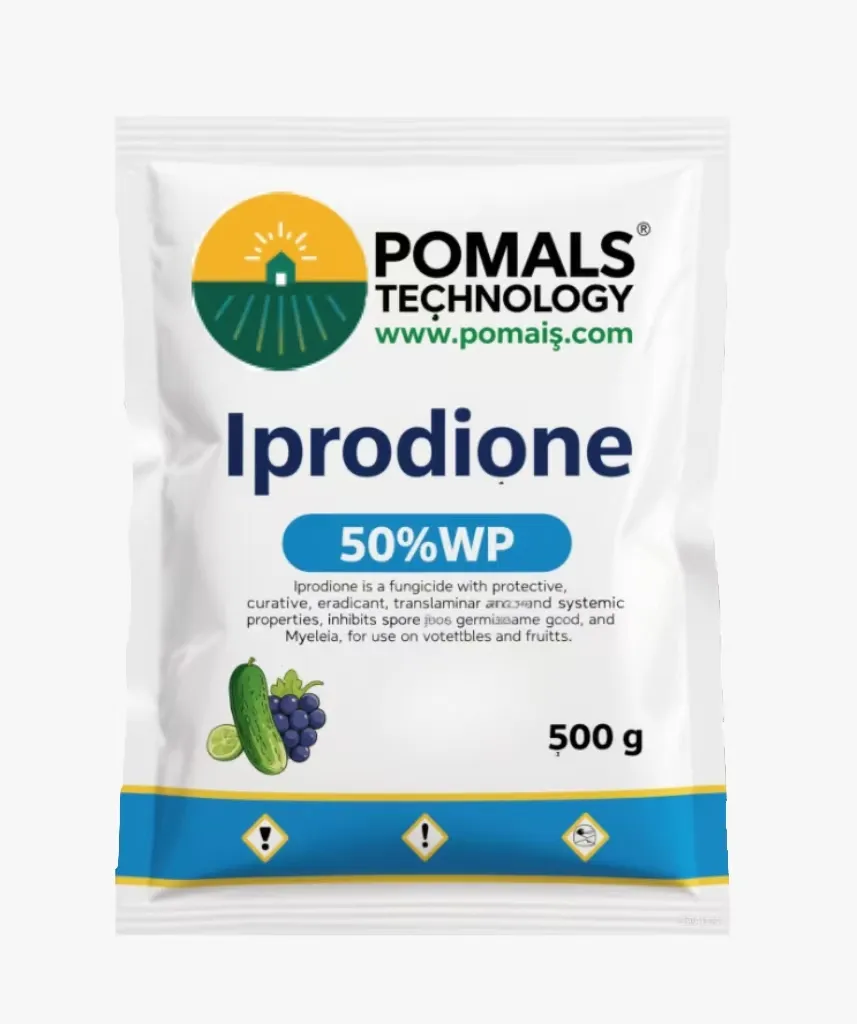
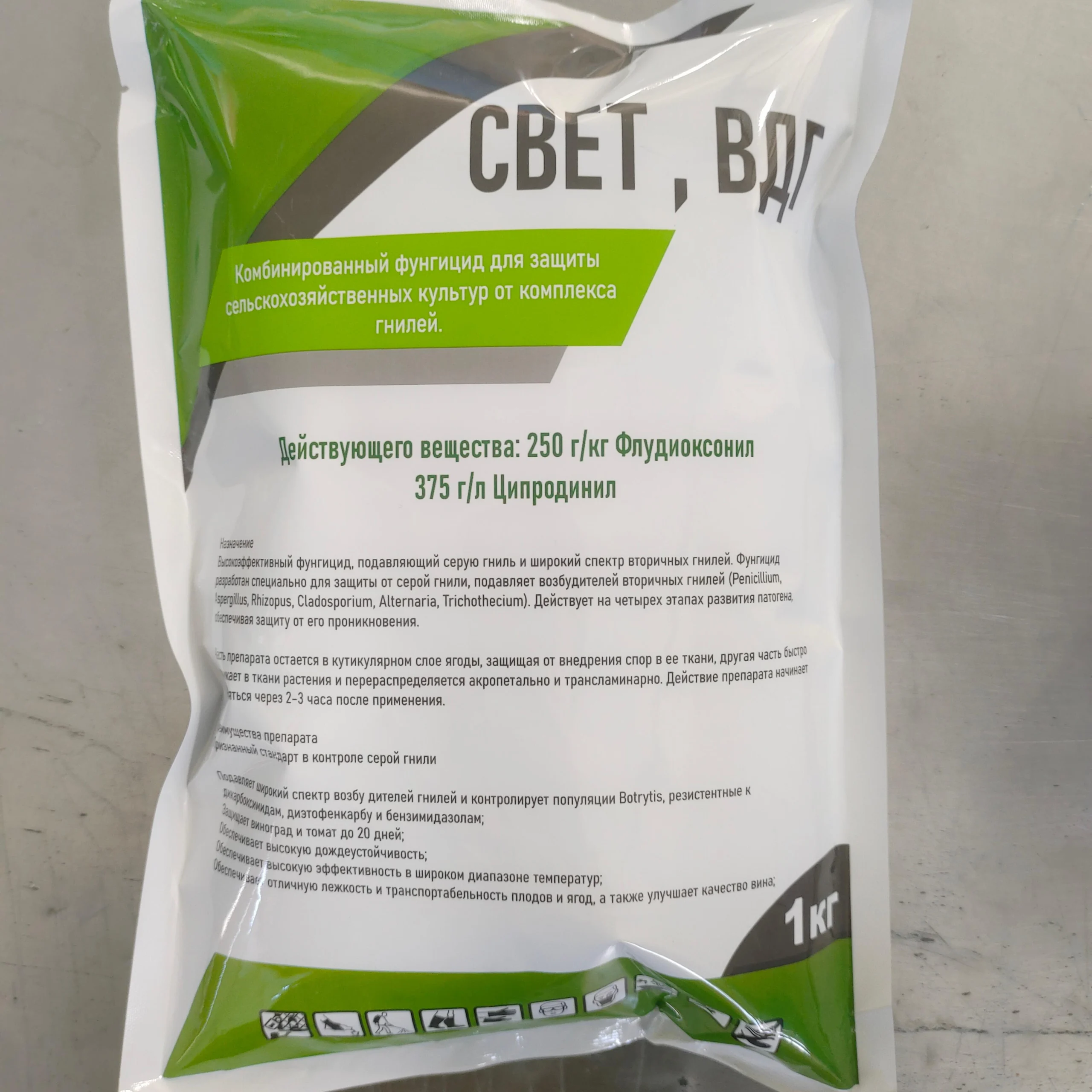
Recommended active ingredients include procymidone, cyprodinil, boscalid, and iprodione; however, these should not be considered a universal solution approved for use in all grape-growing regions.
POMAIS’s existing Cyprodinil 75% WDG Fungicide product information covers Botrytis control in grapes and berry crops and can serve as a reference for product evaluation.
Botrytis control programs should specifically verify:
- Whether the product is registered for use on grapes and the corresponding diseases in the target country.
- FRAC group, restrictions on consecutive applications, and rotation requirements.
- Pre-harvest safety interval and residue limits for table and wine grapes.
- Grape cluster growth stage, humidity, and actual disease pressure.
Management of Black Spot, Anthracnose, Black Rot, and White Rot
In addition to the three priority diseases, grapes may also be affected by black spot, anthracnose, black rot, and white rot. The prevalence of these diseases varies across different growing regions; management priorities should be determined based on local disease history and field diagnosis.
| Disease | Recommended Pesticides | Management Priorities |
|---|---|---|
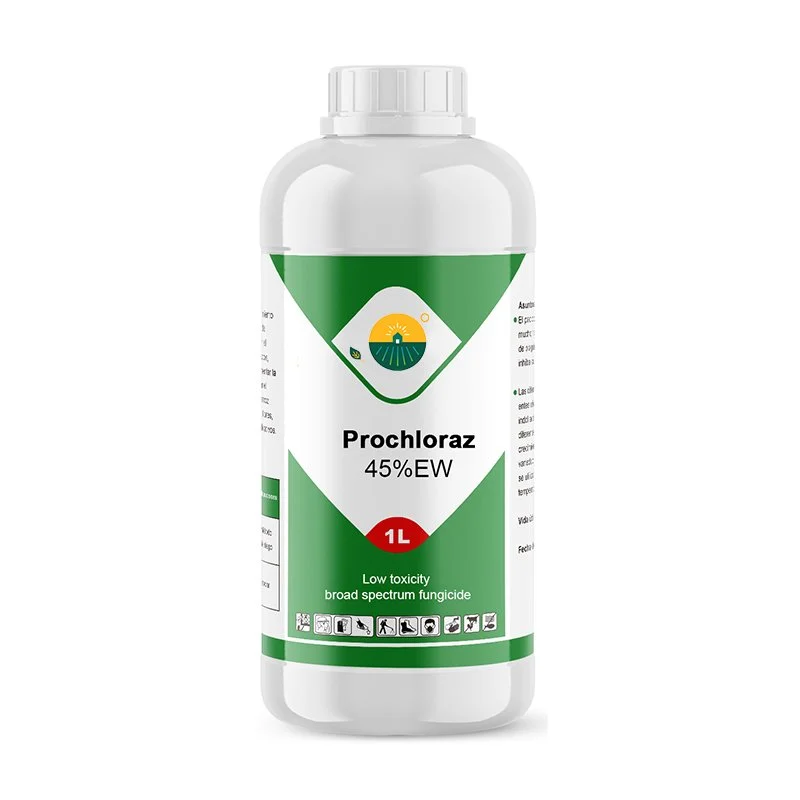
| Black Spot (Grape Anthracnose / Black Spot; confirm based on local disease name) | Reference candidate pesticides: Chlorothalonil, Mancozeb, Prochloraz, Flusilazole, etc. | Verify the pathogen and local registration; focus on new shoots, leaves, and young fruit |
| Anthracnose | Reference candidate fungicides: Difenoconazole, Prochloraz, Myclobutanil, Flusilazole, etc. | Diagnose based on symptoms and pathogen identification to avoid confusion with other diseases |
| Black Rot | Select appropriate fungicides based on local registrations | Monitor symptoms on leaves and berries, and manage diseased plant debris |
| White Rot | Reference candidate fungicides: Mancozeb, Thiram, Tebuconazole, etc. | Verify disease diagnosis, label instructions, and harvest restrictions |
The pesticides listed in the table are suggested options; this does not imply that each pesticide is registered for the corresponding disease in all grape-growing regions. In particular, the terminology used for diseases such as black rot and anthracnose may vary by region; therefore, the actual pathogen and applicable label should be confirmed before formally selecting a pesticide.
For these diseases, vineyard sanitation, removal of diseased plant material, canopy management, and timely monitoring are equally important. One should not rely solely on chemical control, nor should one assume that because a particular pesticide is effective against one disease, it can control all fruit diseases.
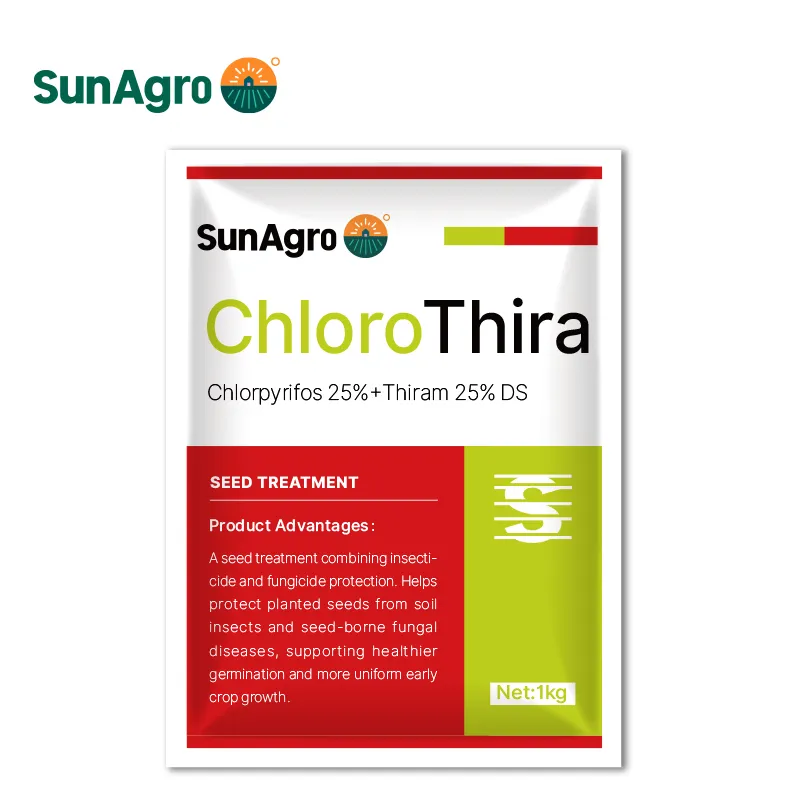
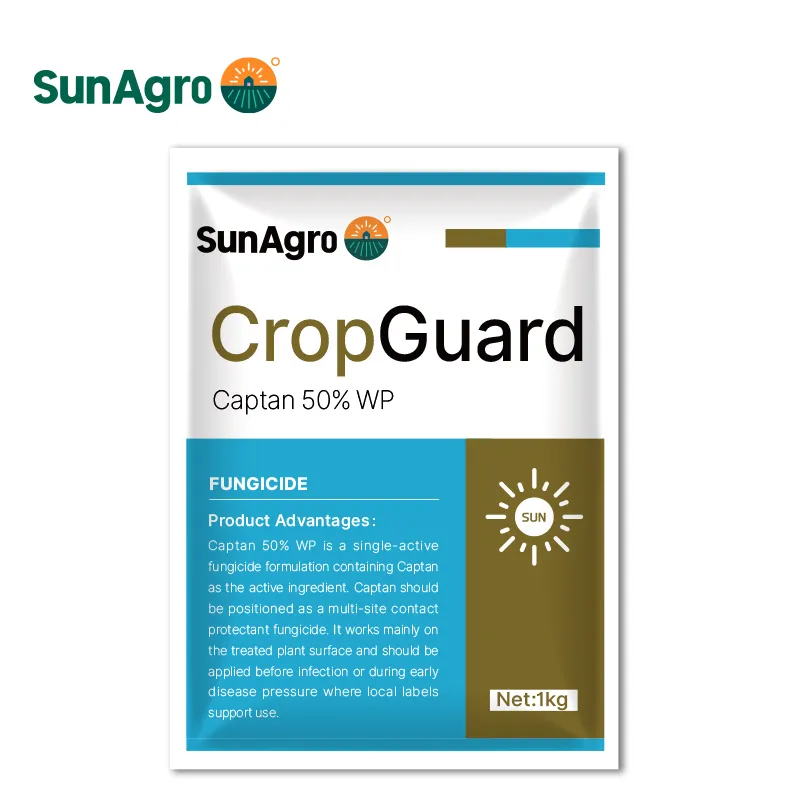
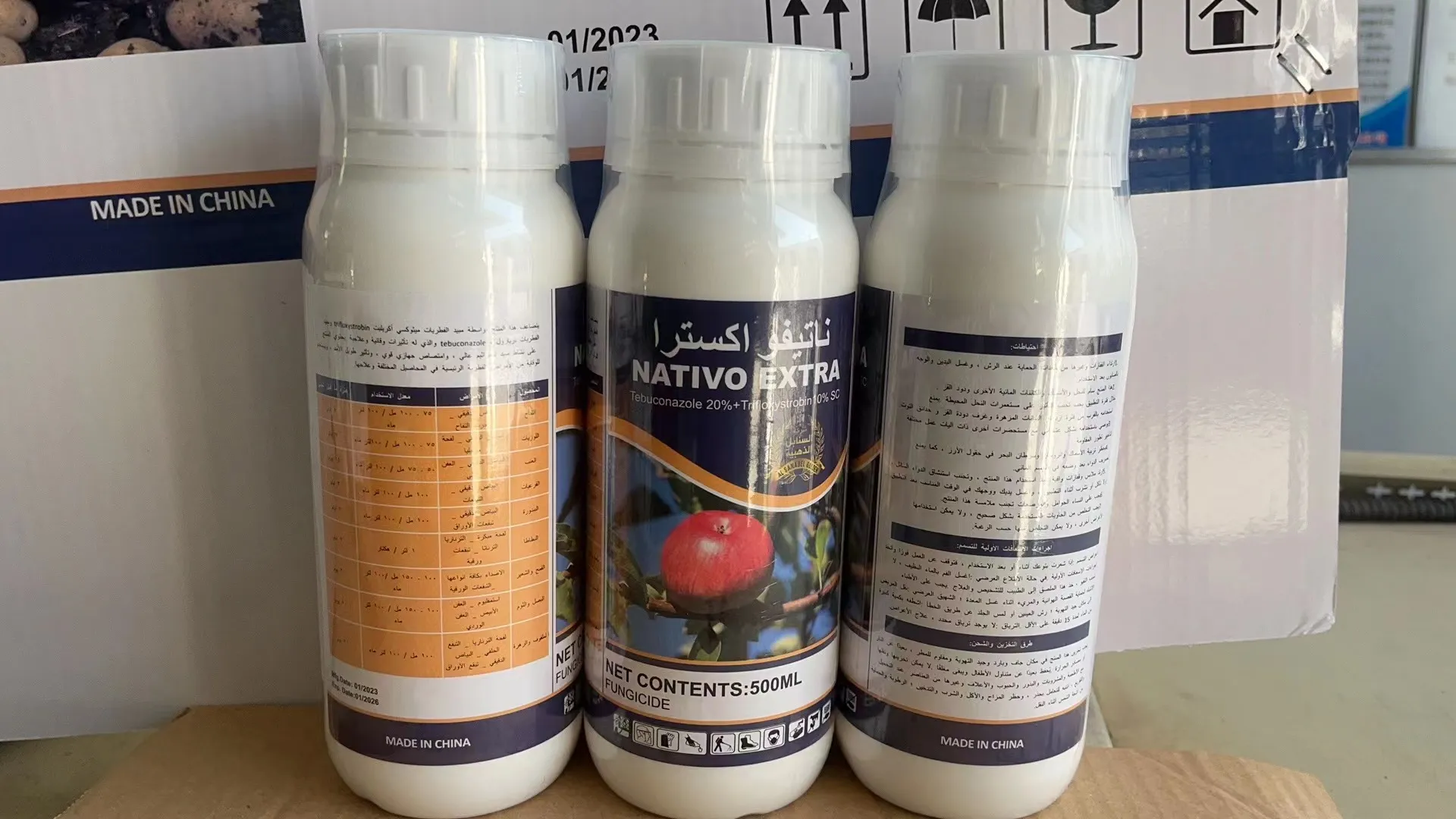
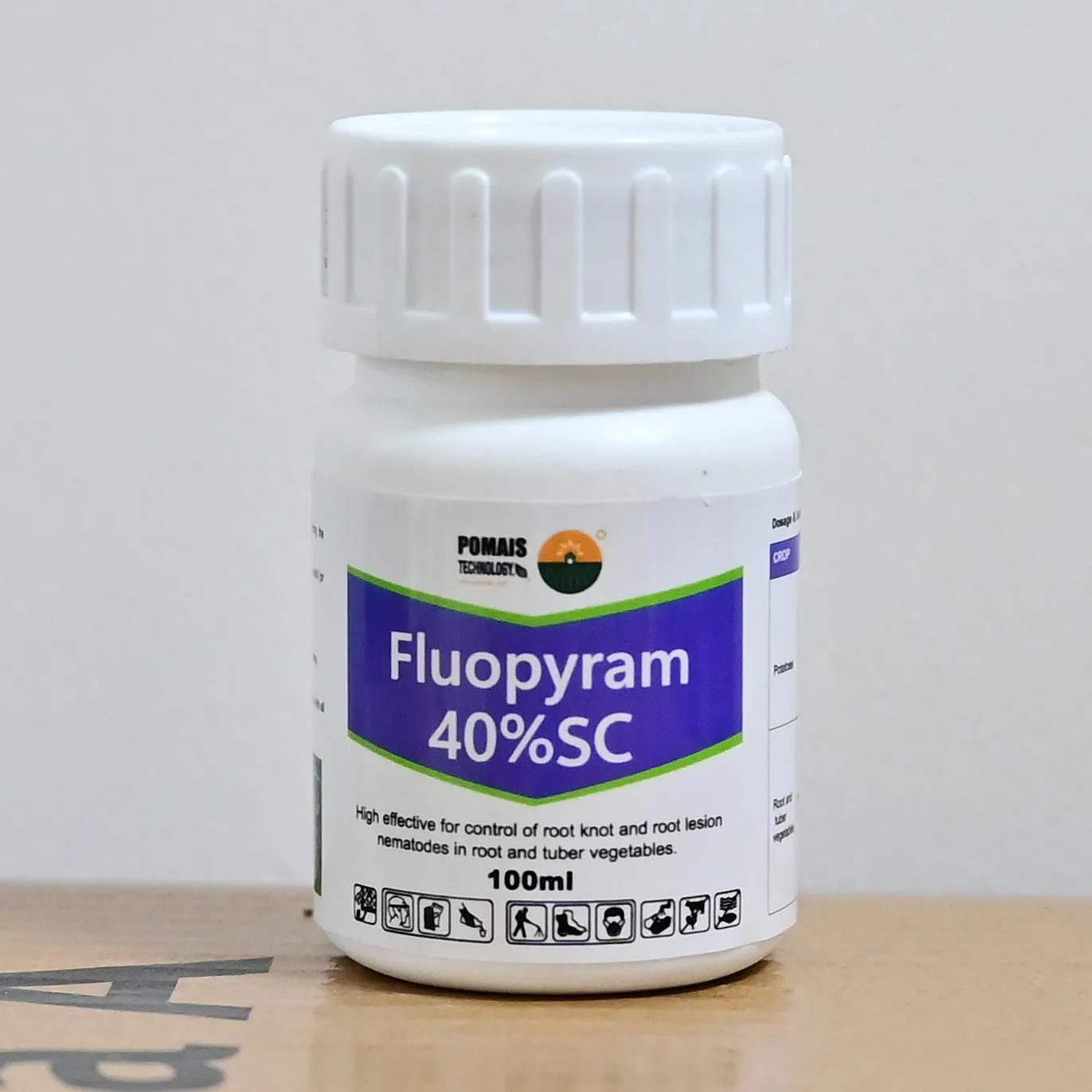
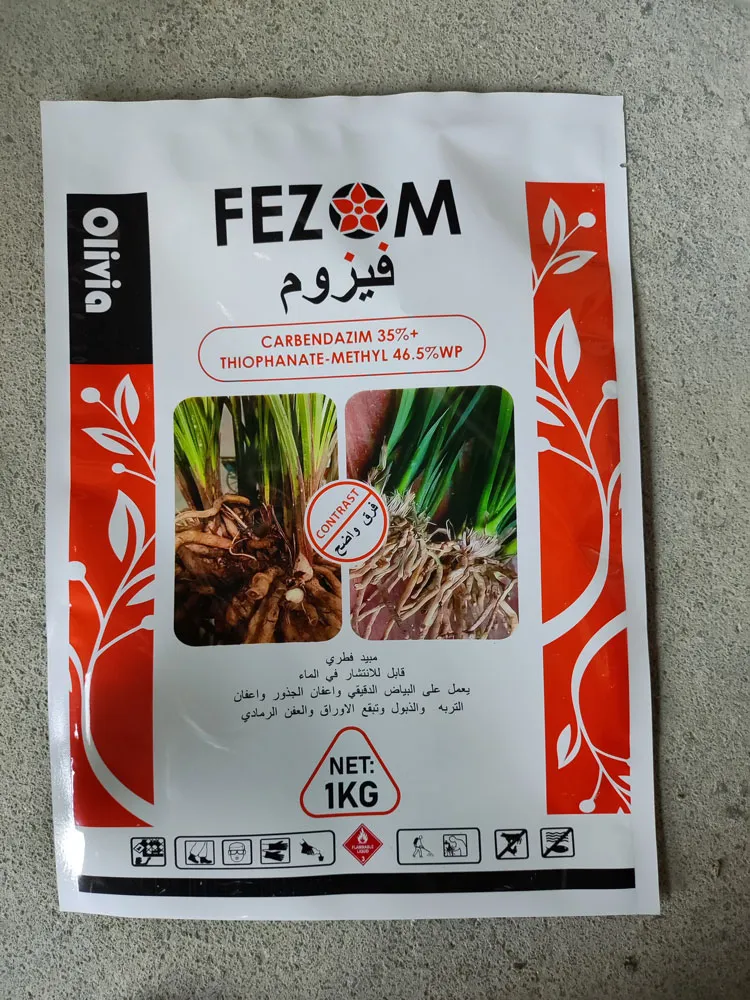
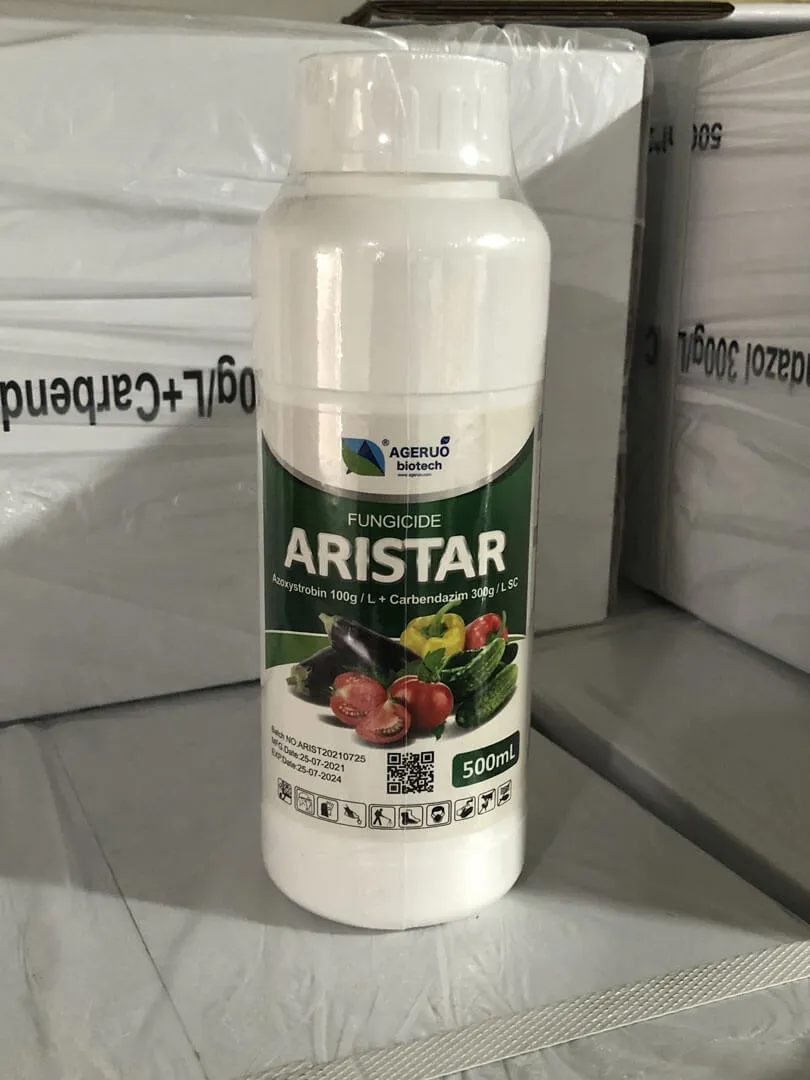
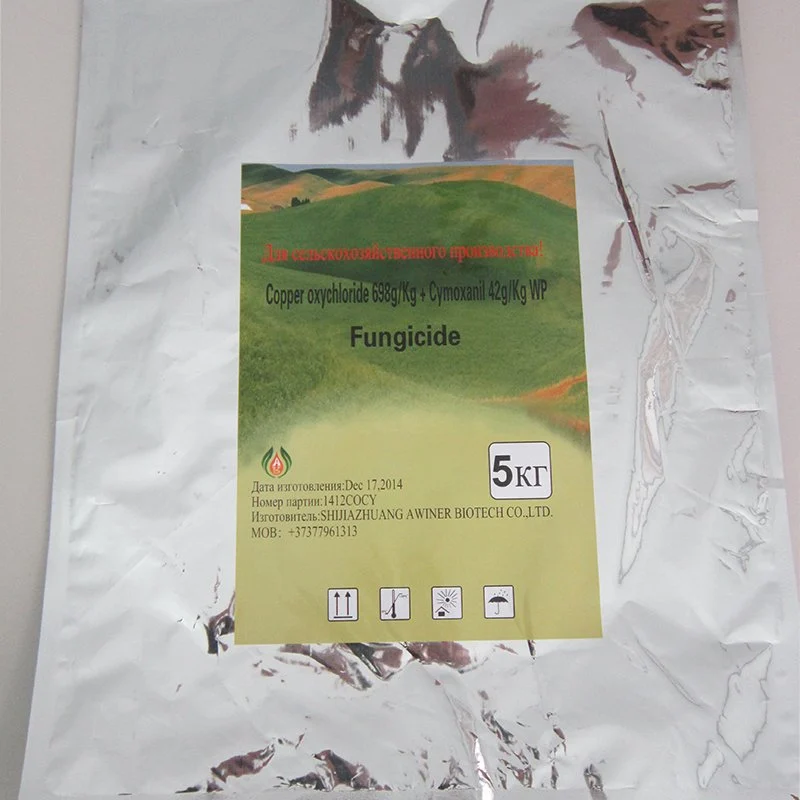
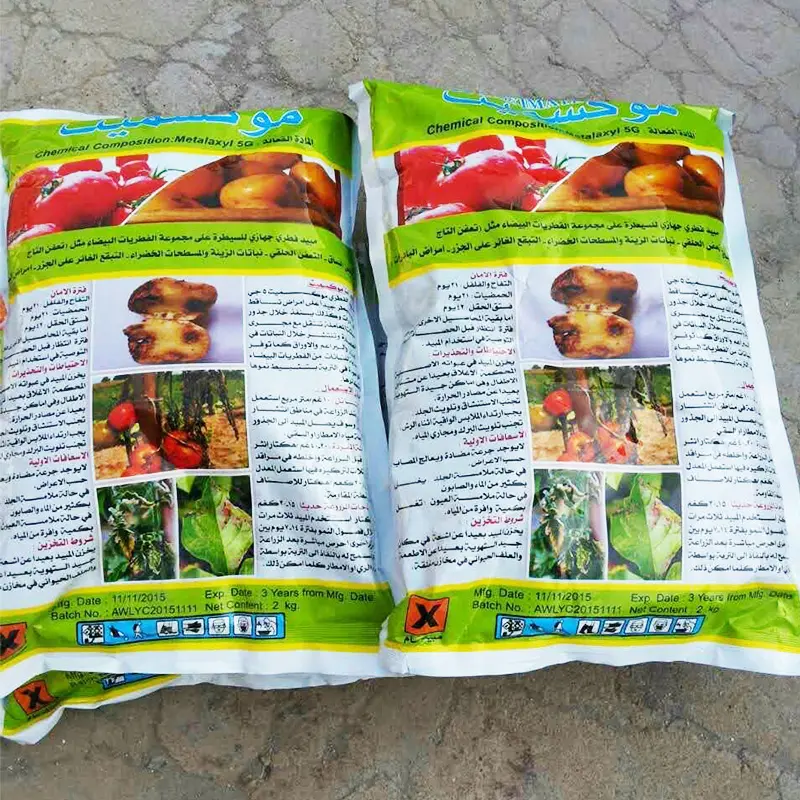
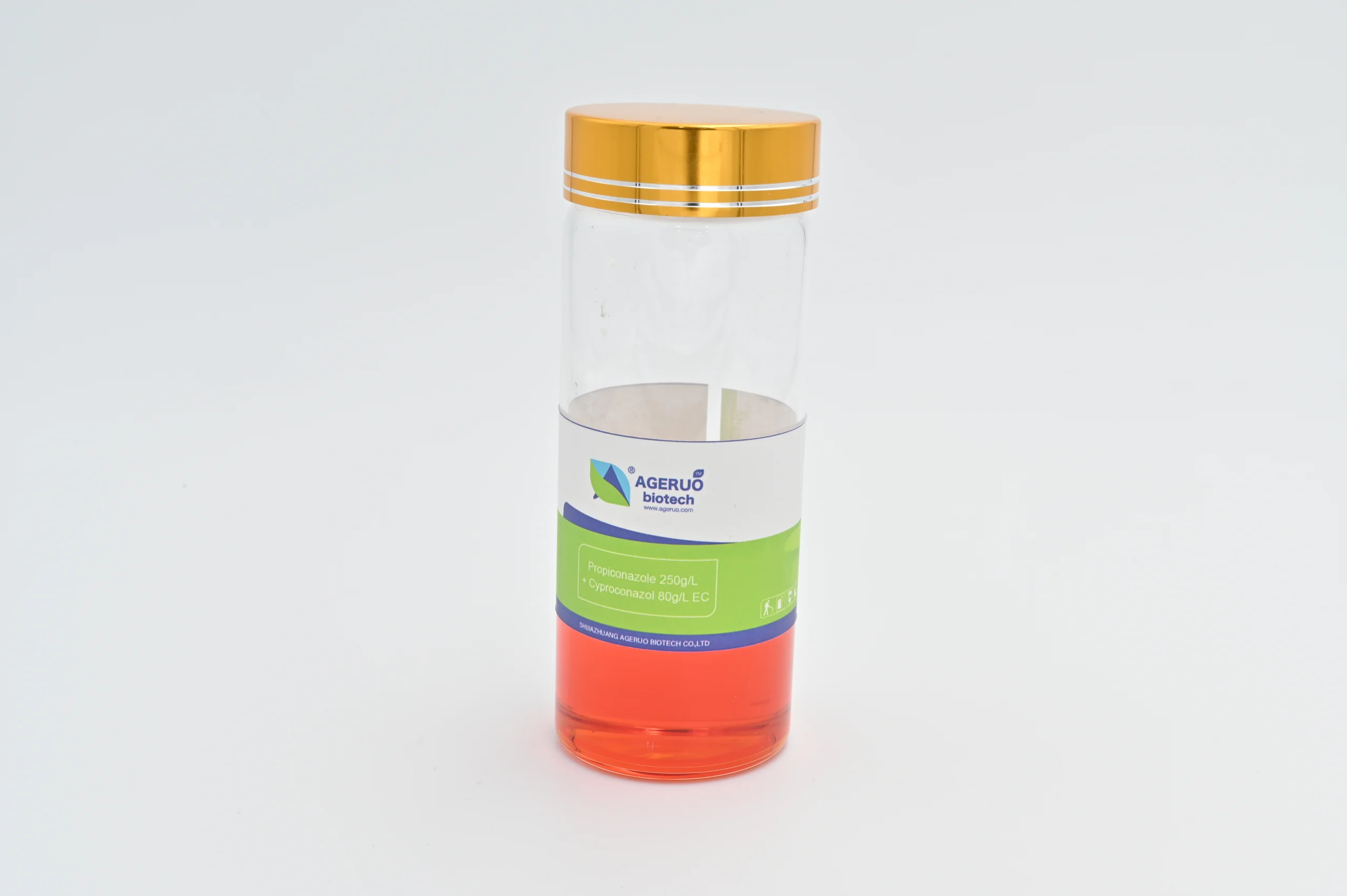
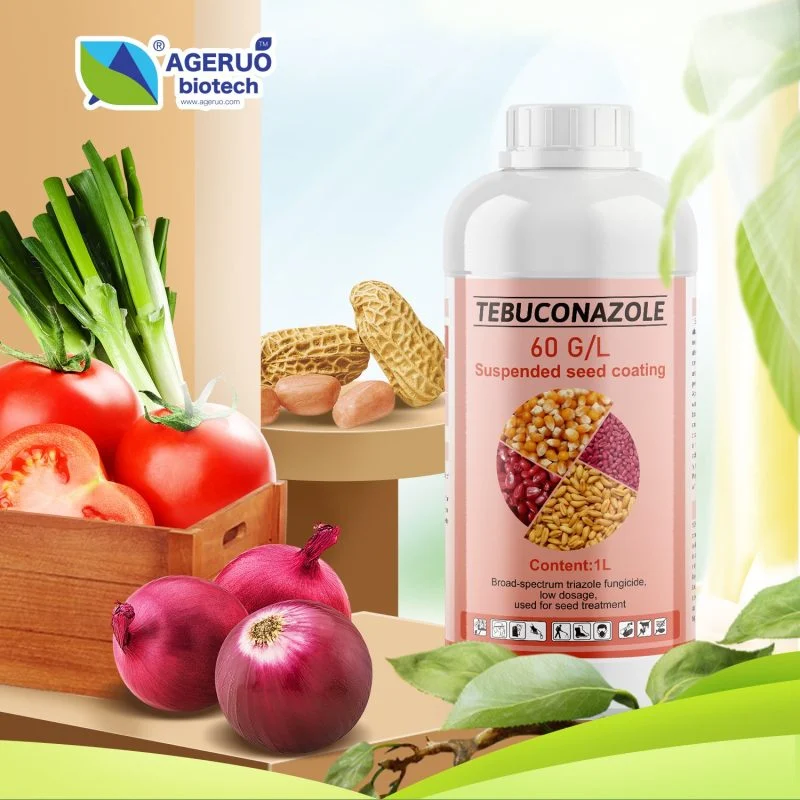
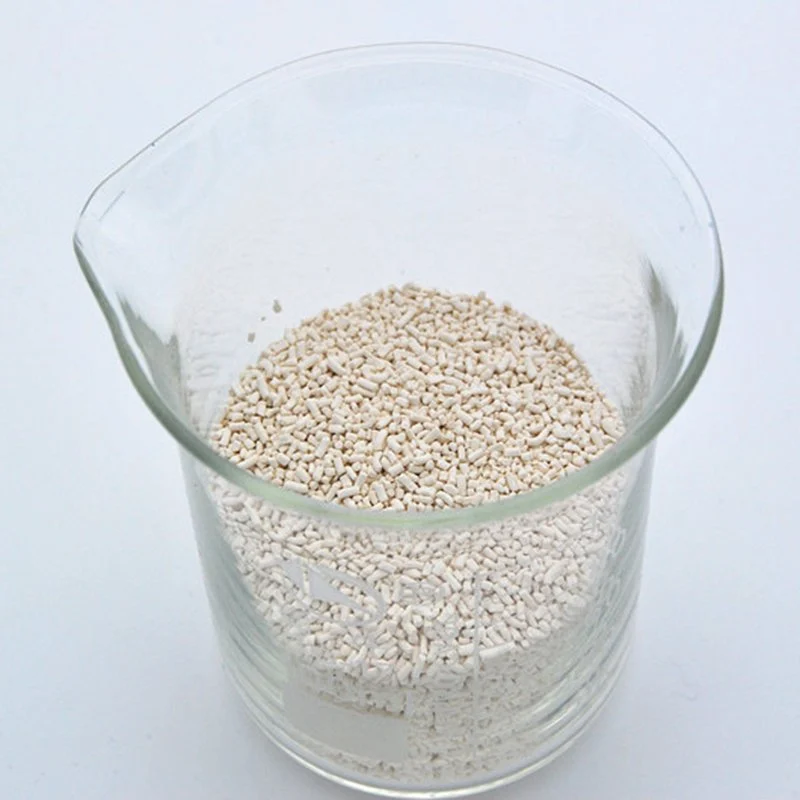
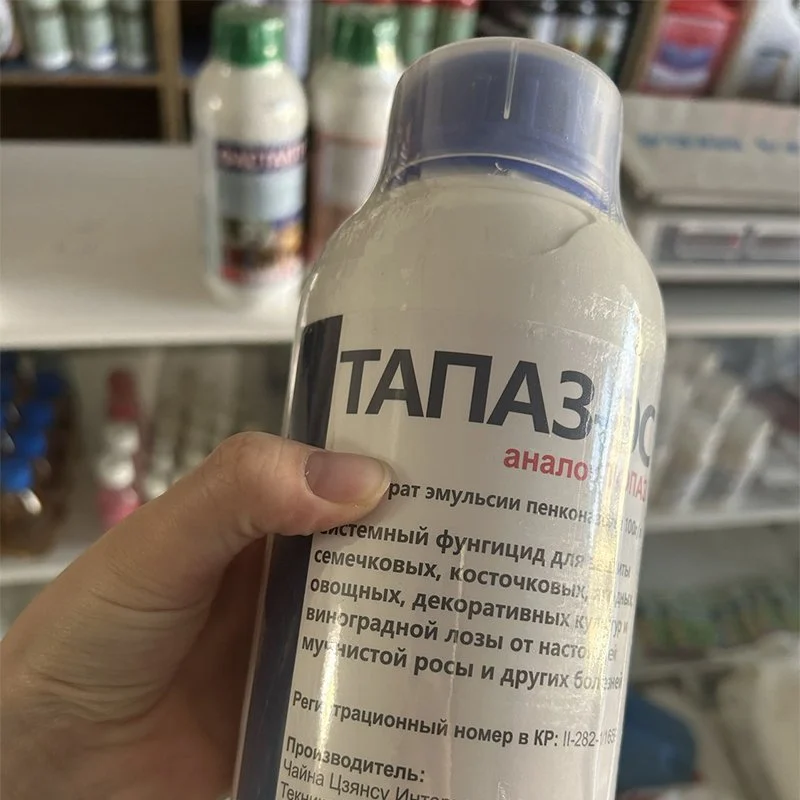
More Fungicides
















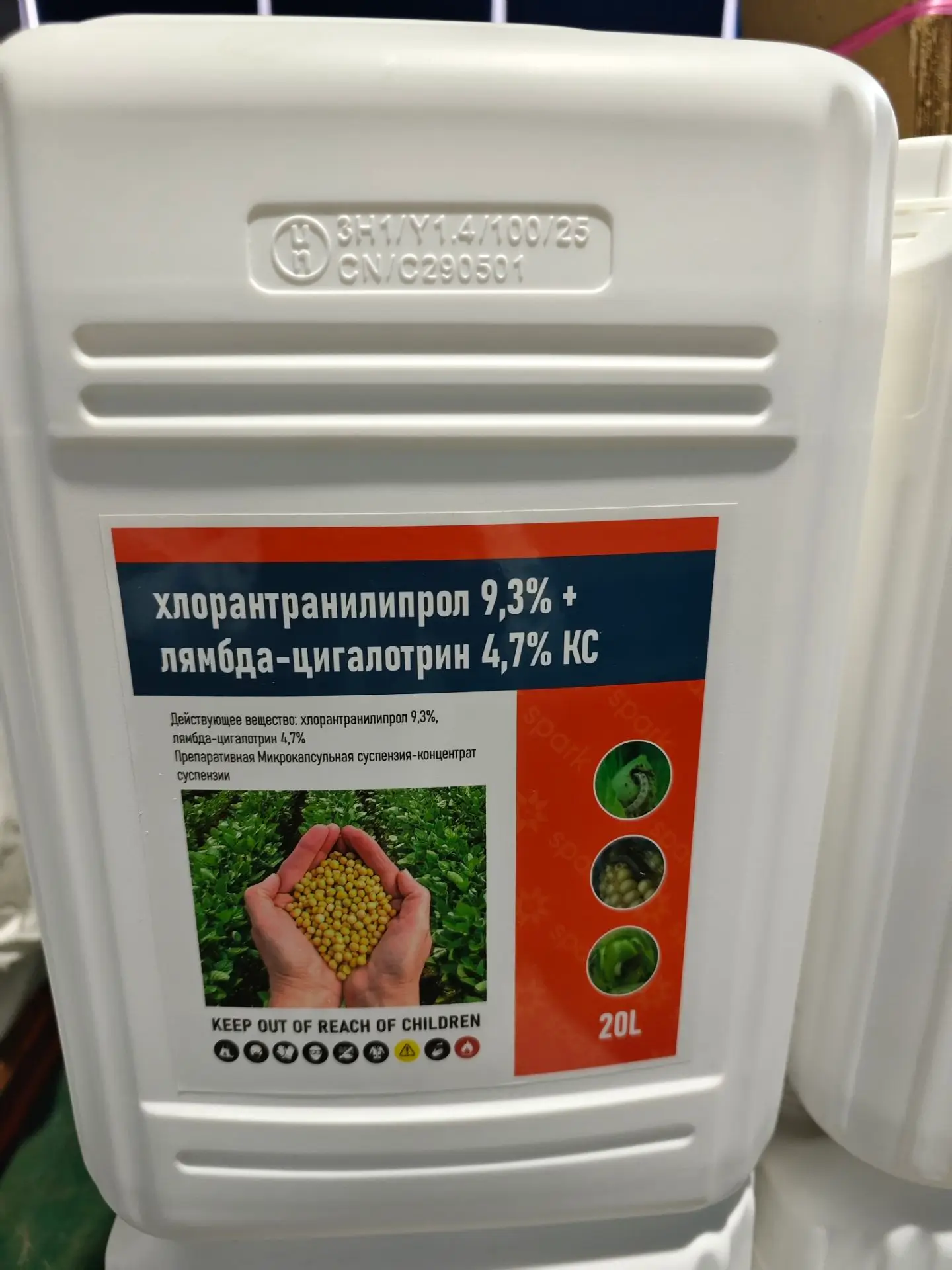
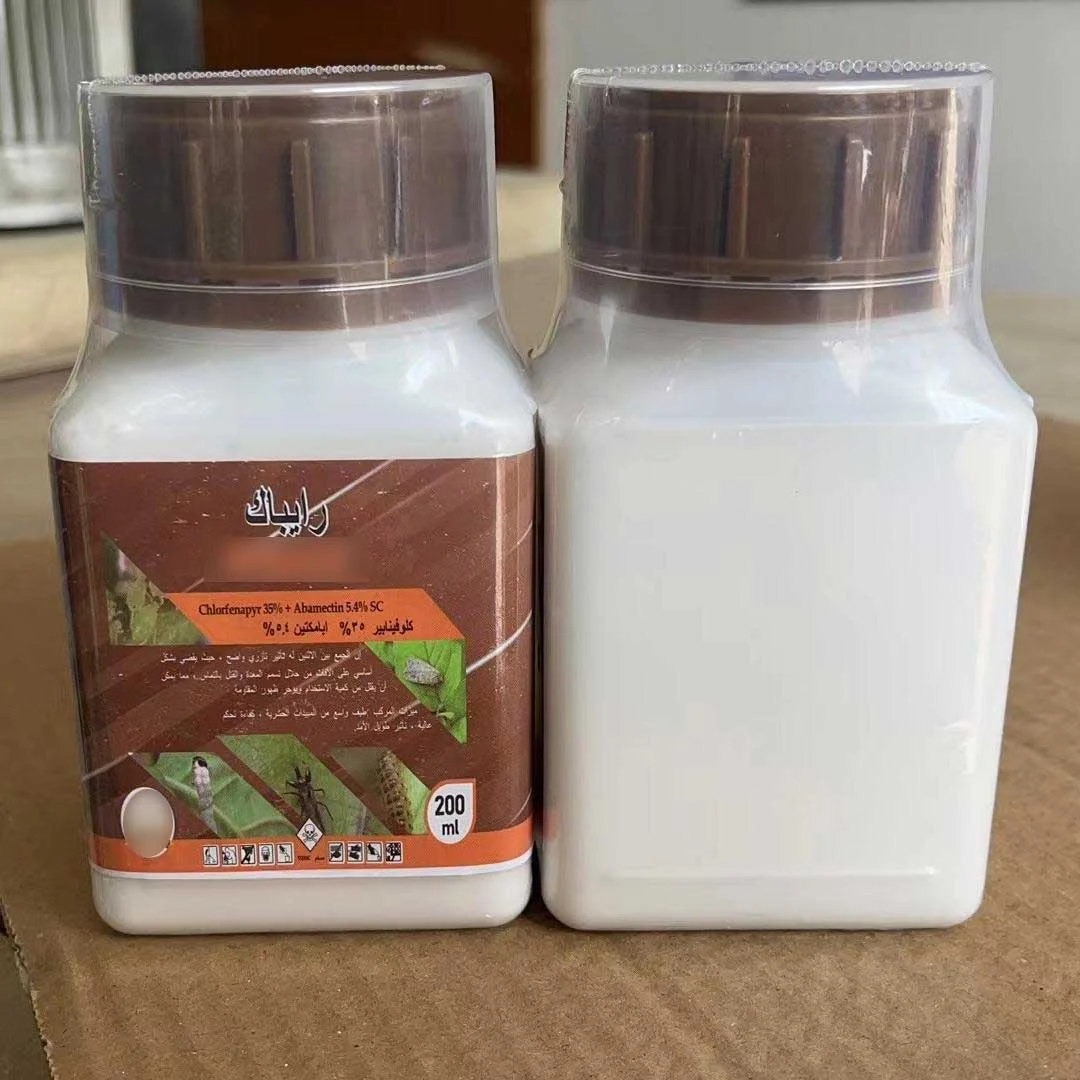
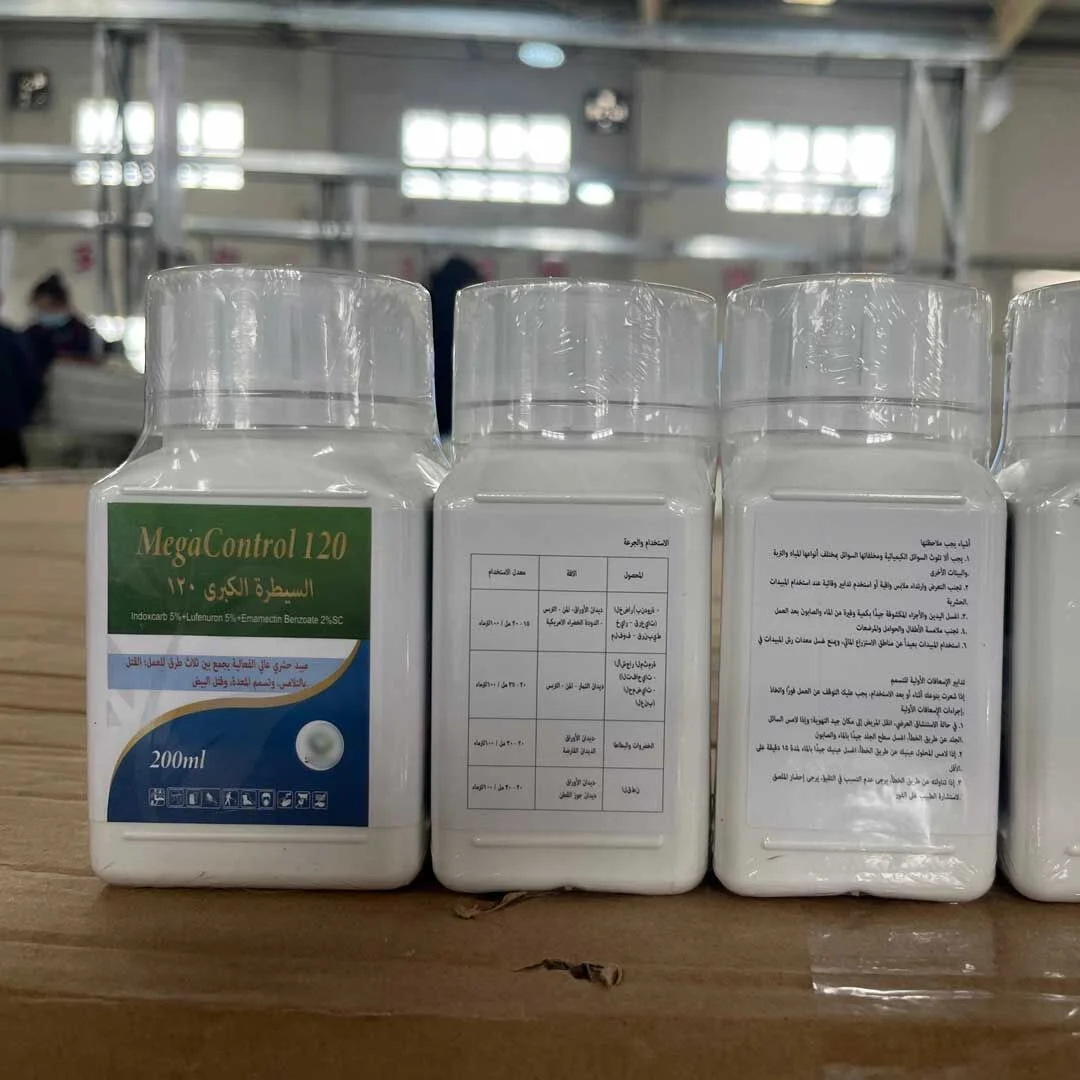
Grape Insect and Mite Management
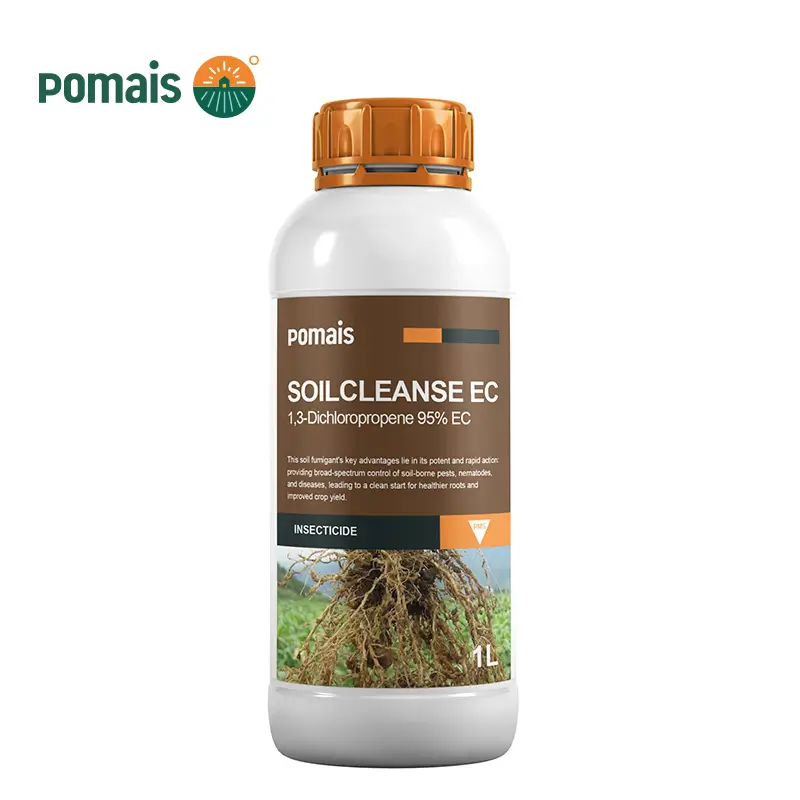
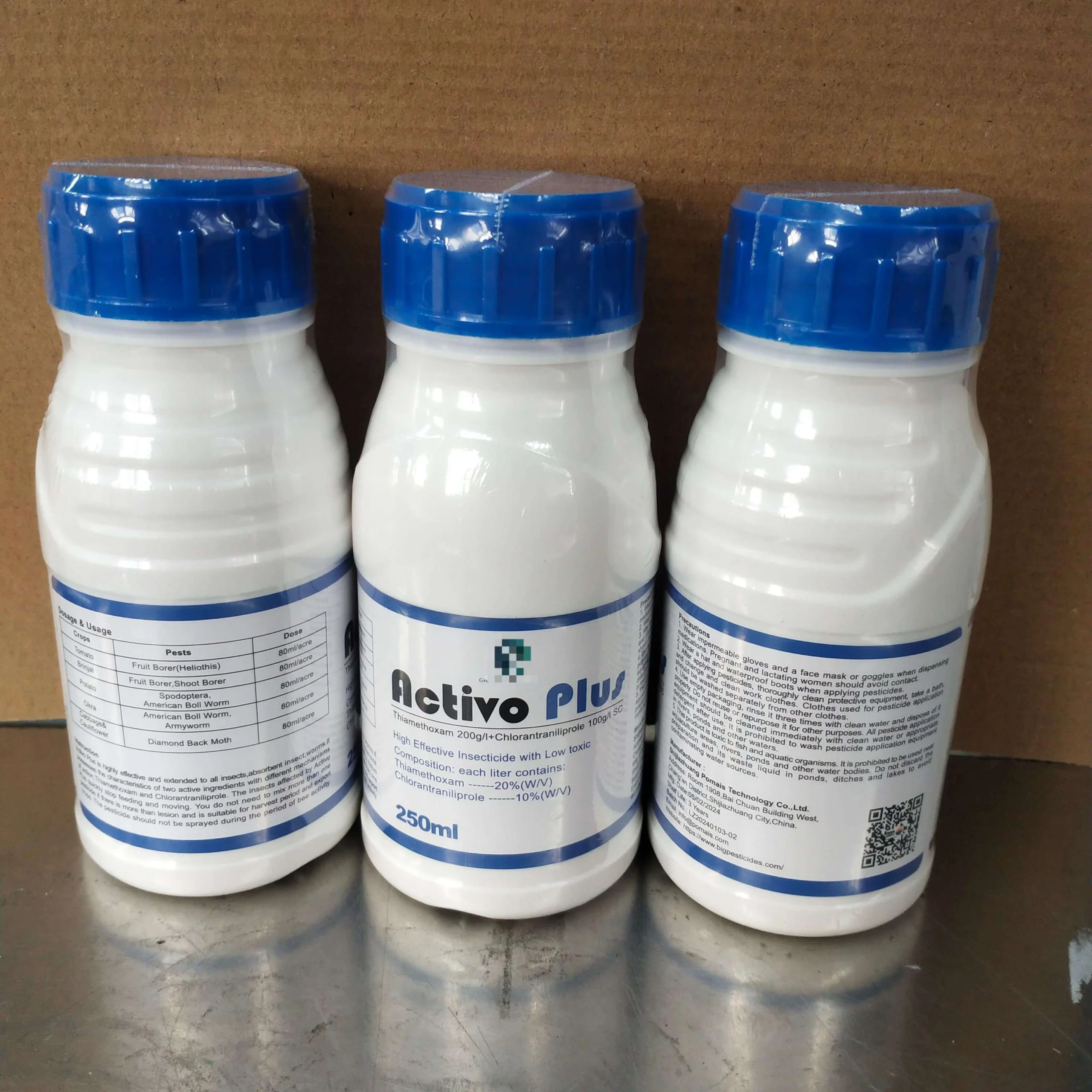
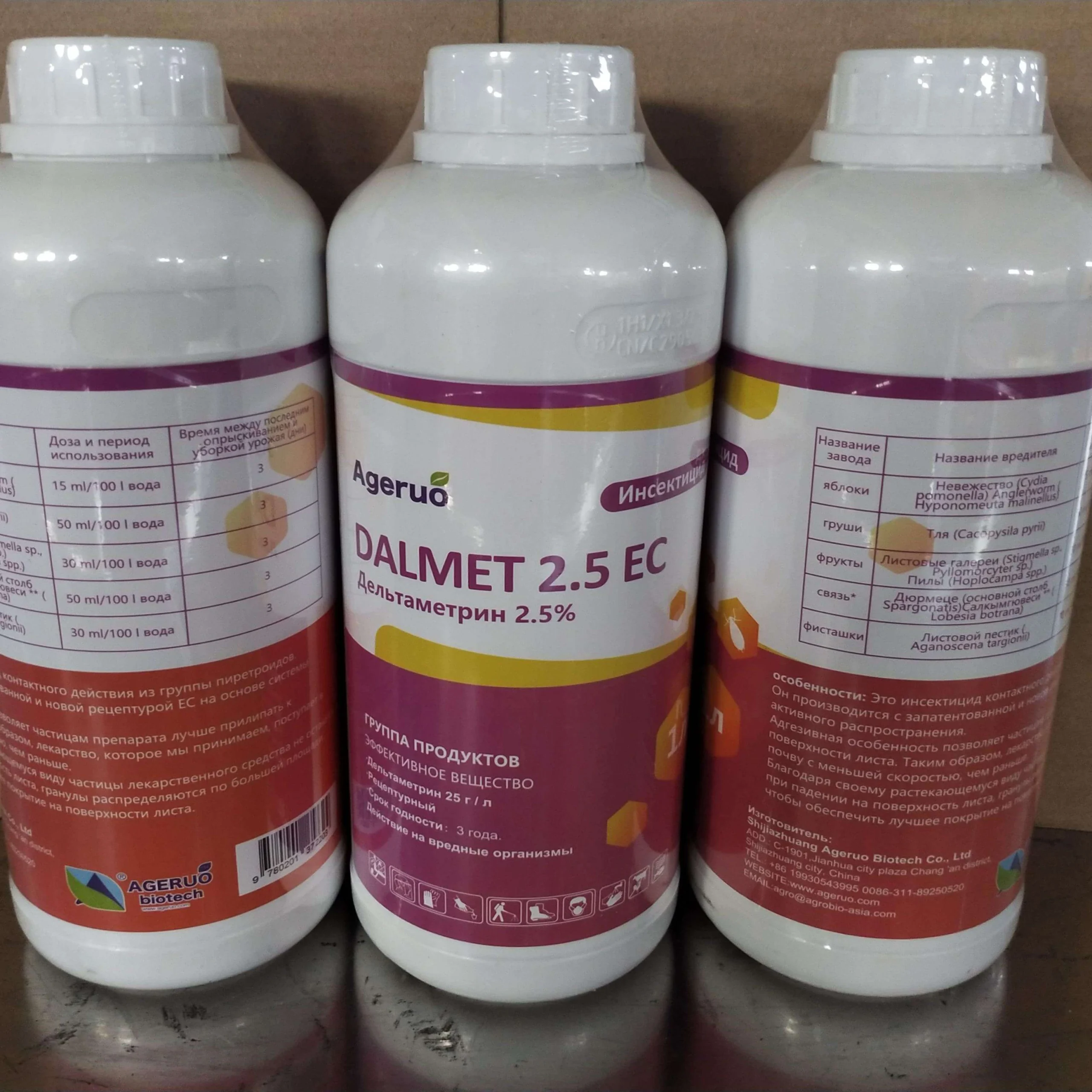
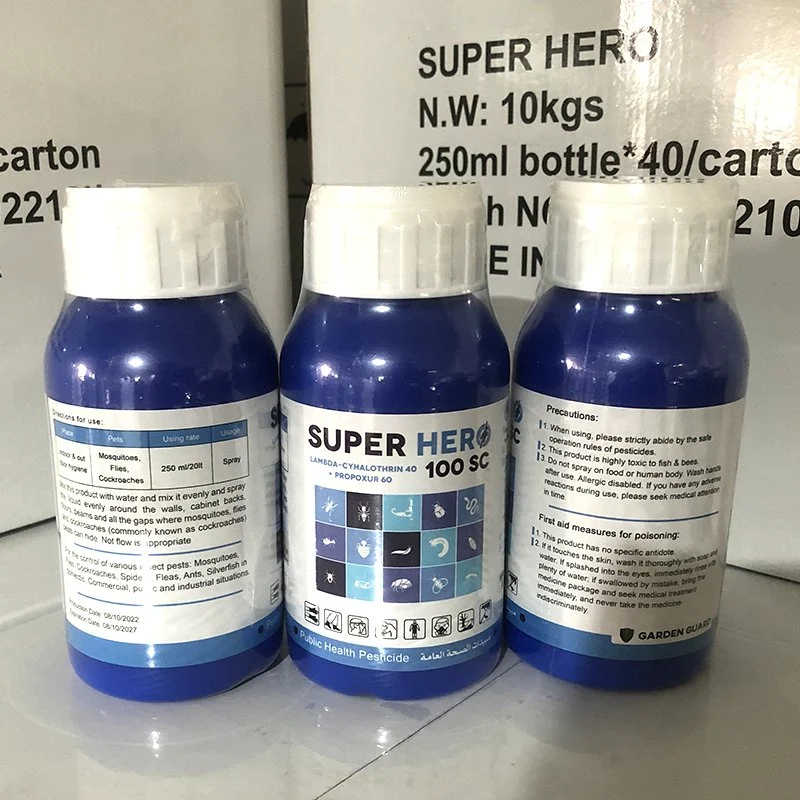
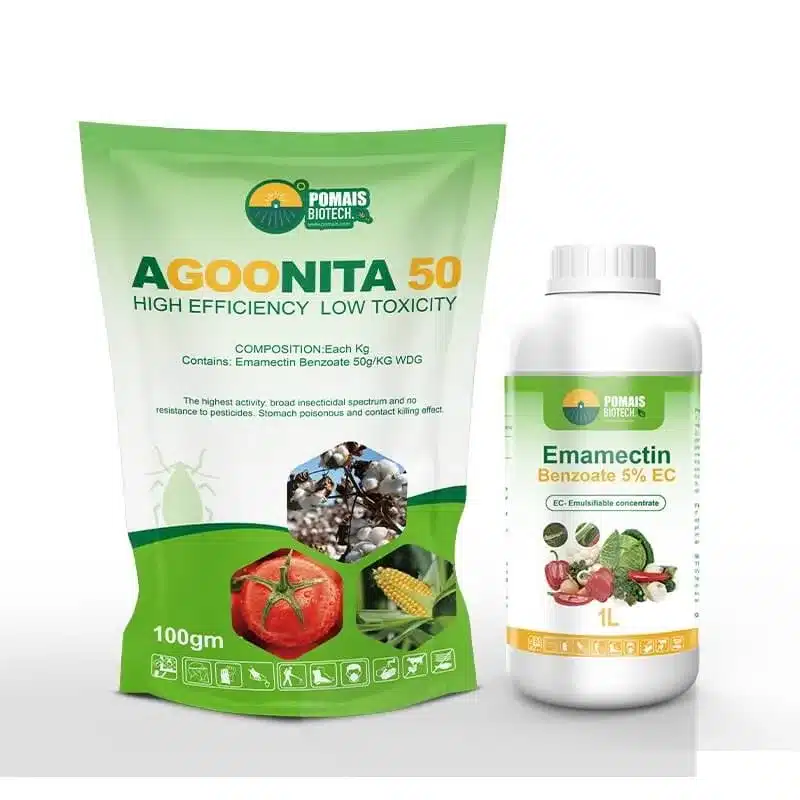
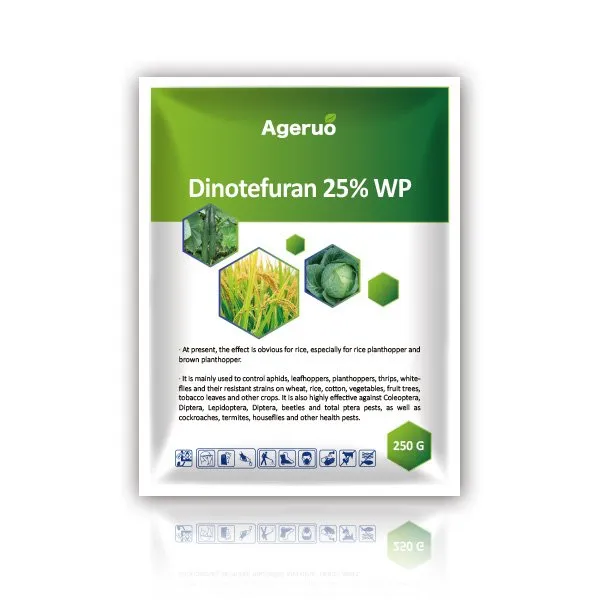
Grape insect management should be based on the specific insect species, life stage, population density, and risk of fruit damage. Different pests cause damage in different ways; therefore, not all insect pests can be addressed with a single control strategy.
| Pest Categories | Representative Targets | Key Management Focuses |
|---|---|---|
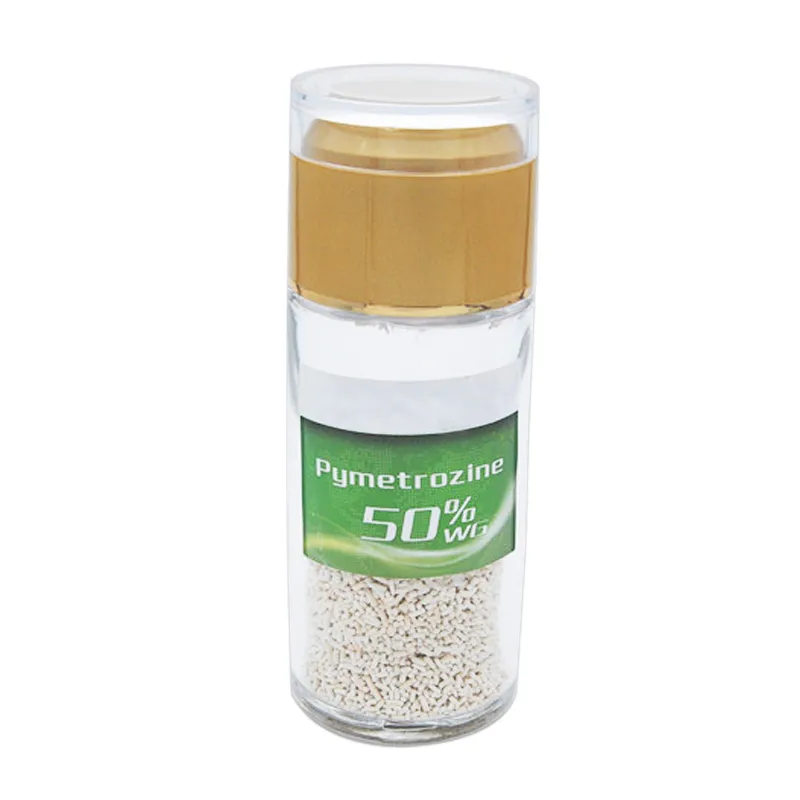
| Sap-Sucking Pests | Mealybugs, Leafhoppers | Monitor pest density; monitor plant growth, grape cluster contamination, and the risk of virus transmission |
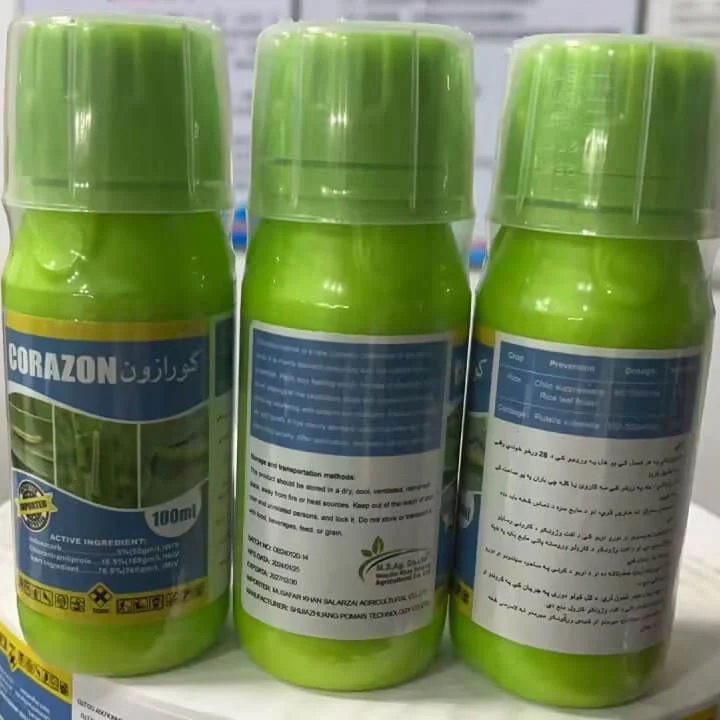
| Grape Cluster Pests | Grape Berry Moth and other regional pests | Monitor eggs, larvae, and berry damage; determine control measures based on the stage of infestation |
| Thrips | Thrips | Monitor damage to inflorescences and young berries; assess actual pest levels |
| Leaf Mites | Spider Mites | Monitor leaf chlorosis and changes in mite populations to avoid unnecessary repeat applications |
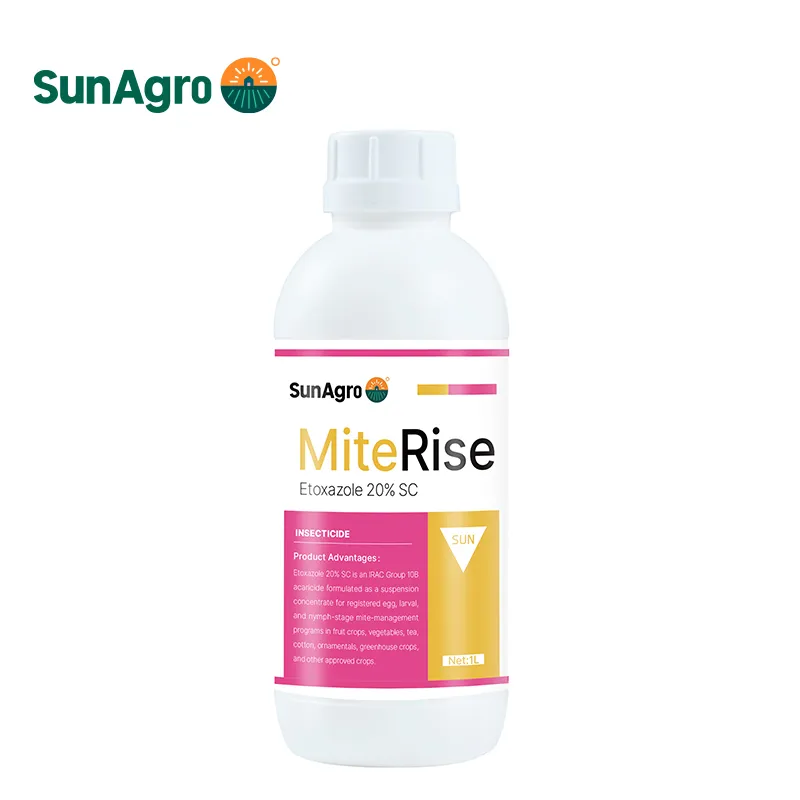
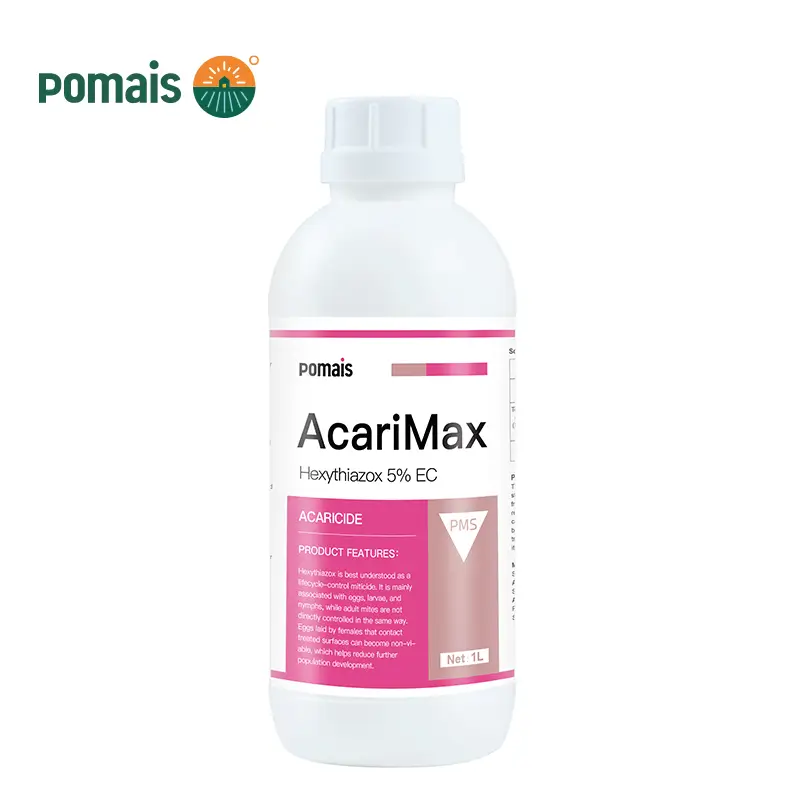
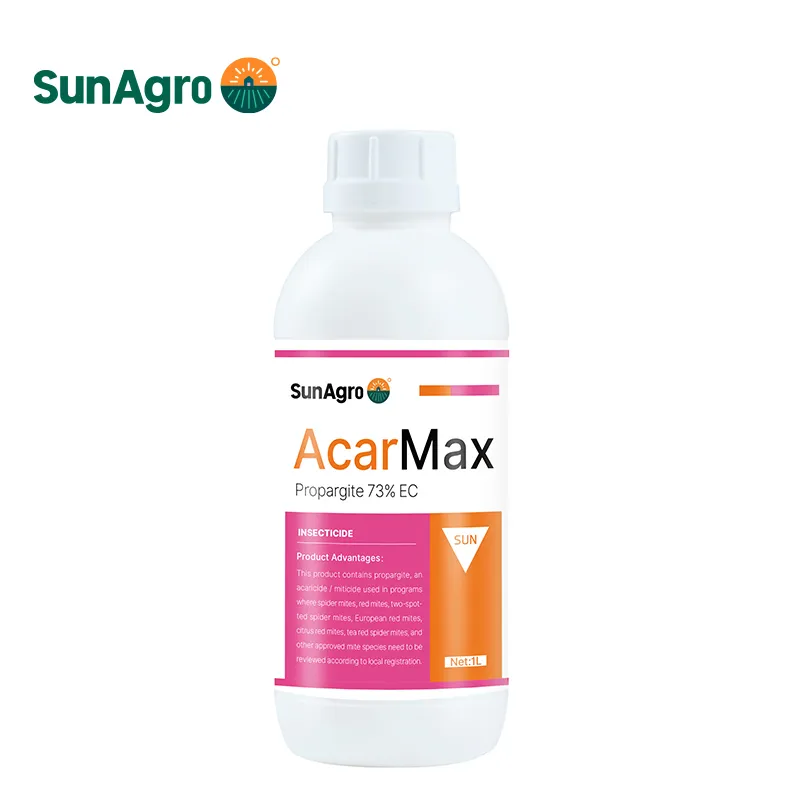
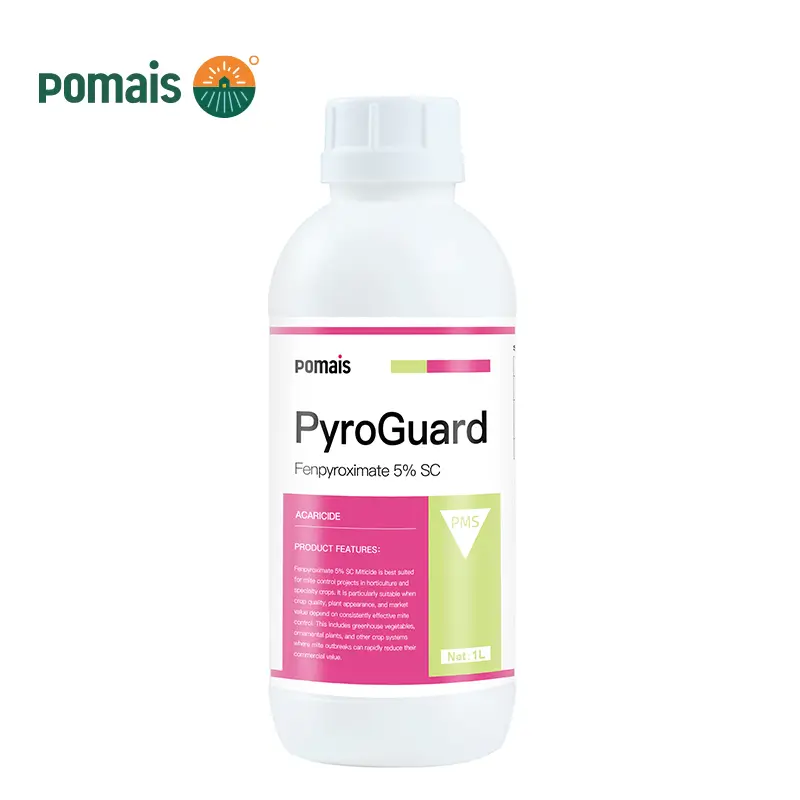
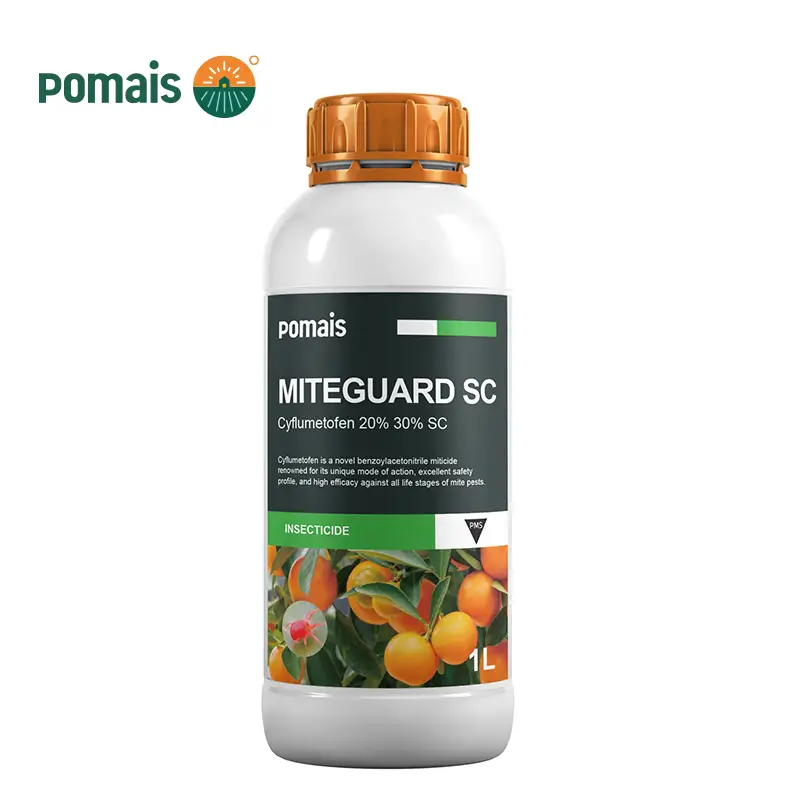
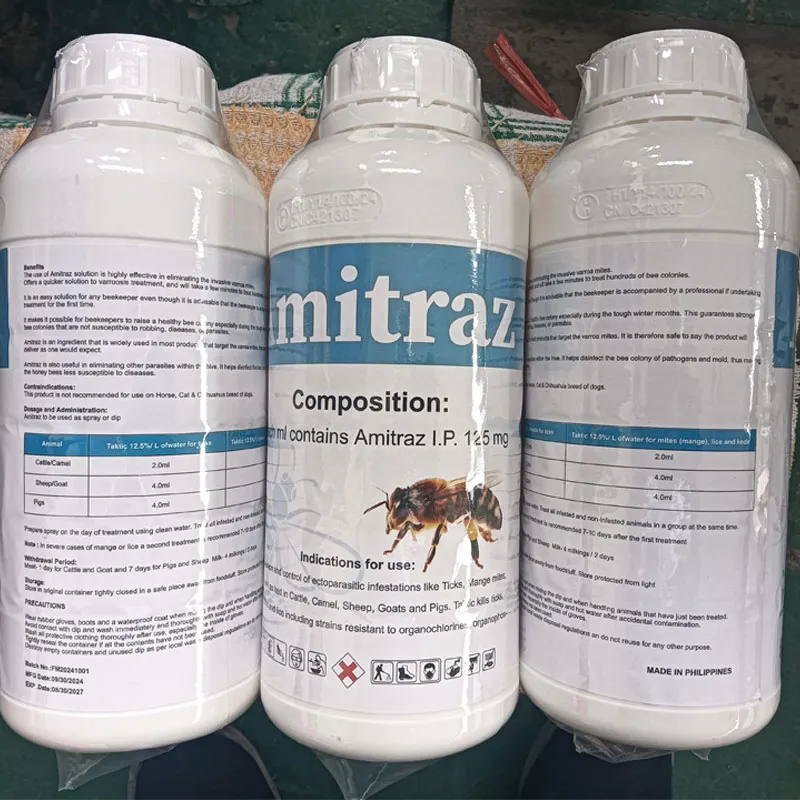
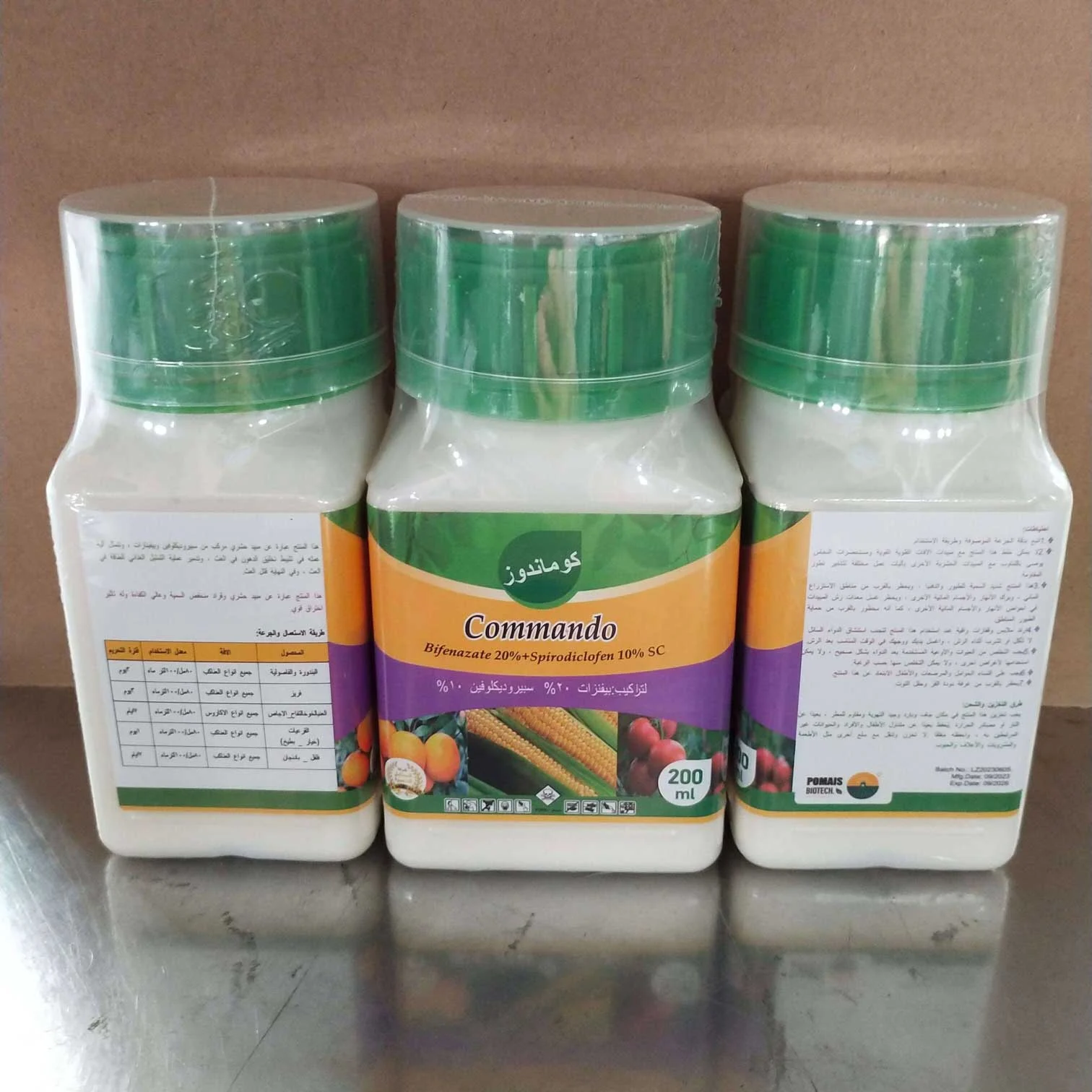
For mite management, select products with appropriate activity based on the target mite species and life stage, while considering the protection of natural enemies and the risk of resistance.
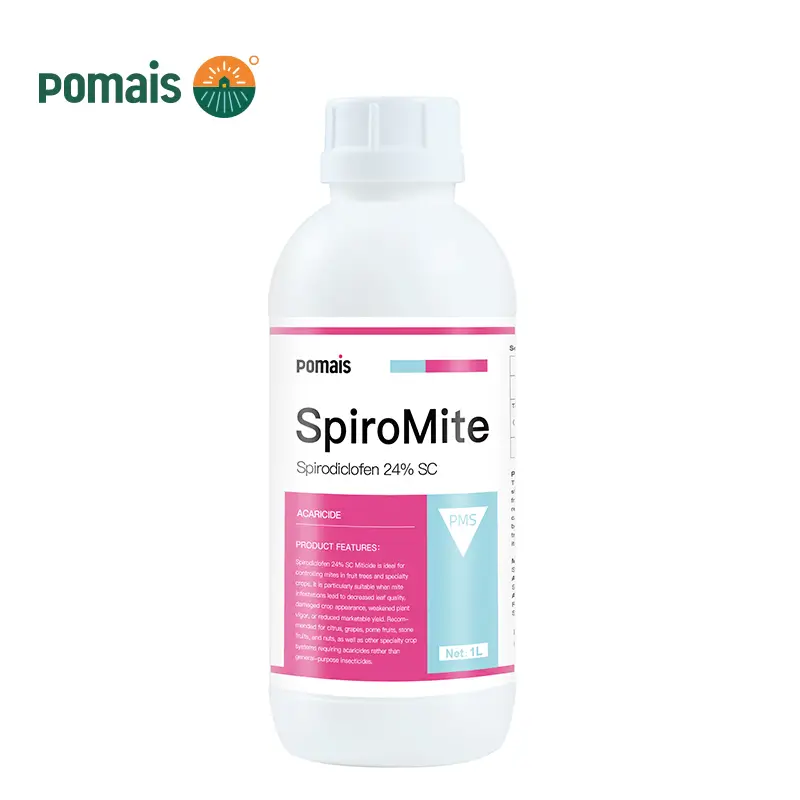
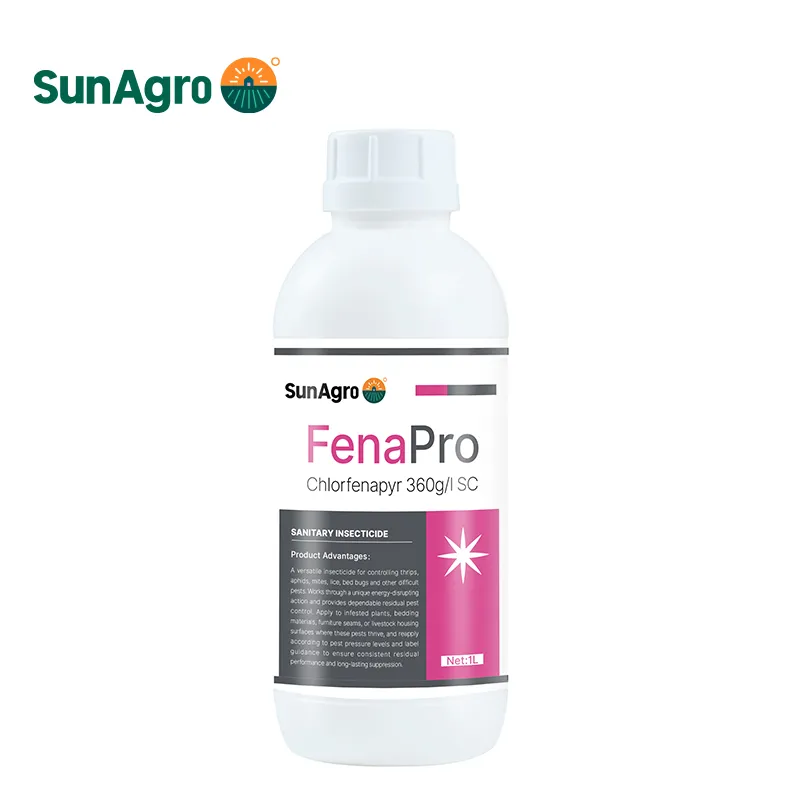
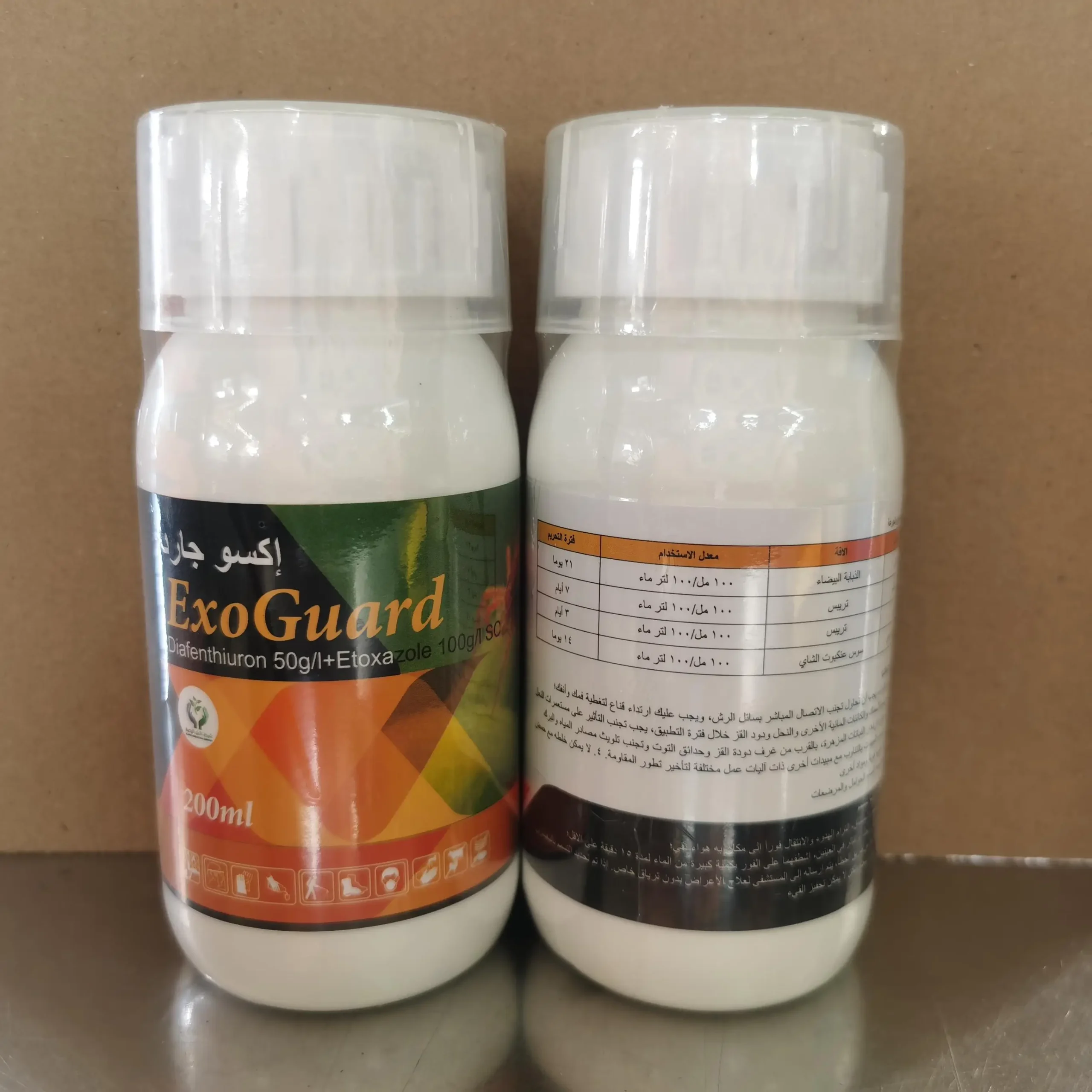
POMAIS’s Spirodiclofen 24% SC Miticide product information includes guidelines for mite management in grapes. Specific target mite species, application methods, and registration status must still be confirmed based on the label for the target market.
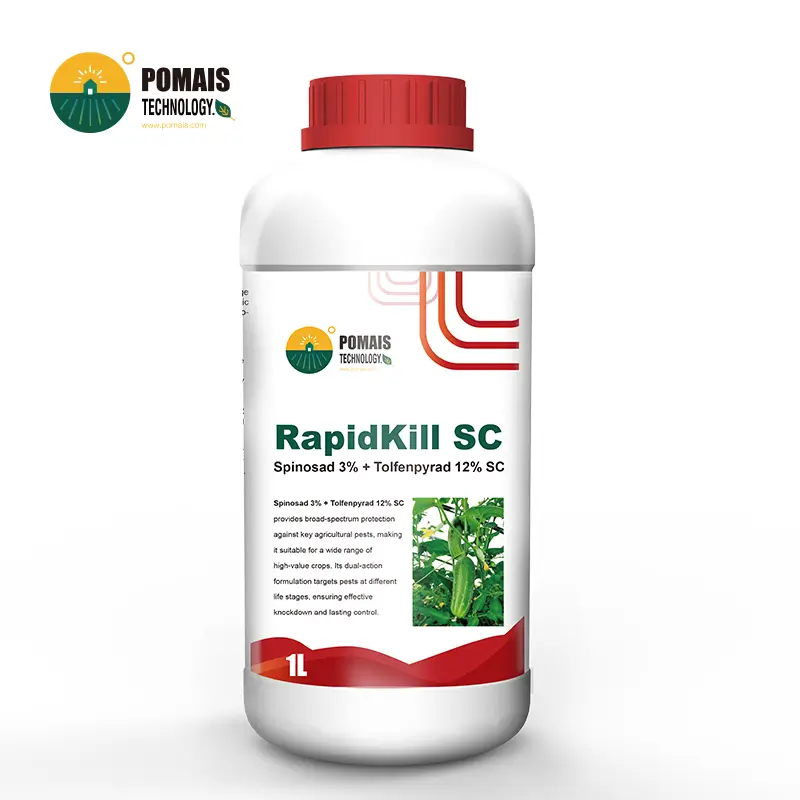
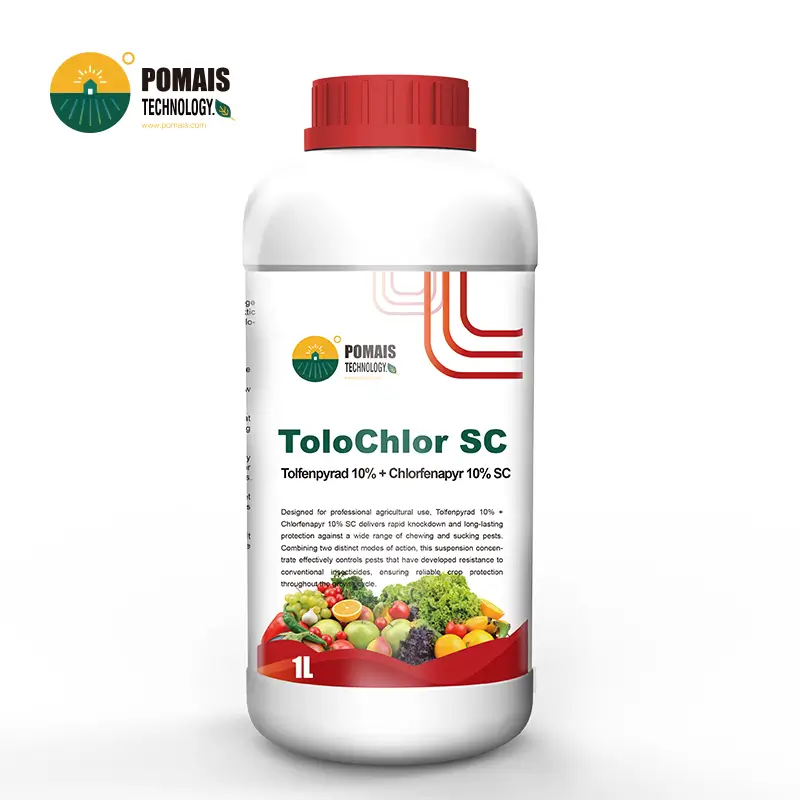
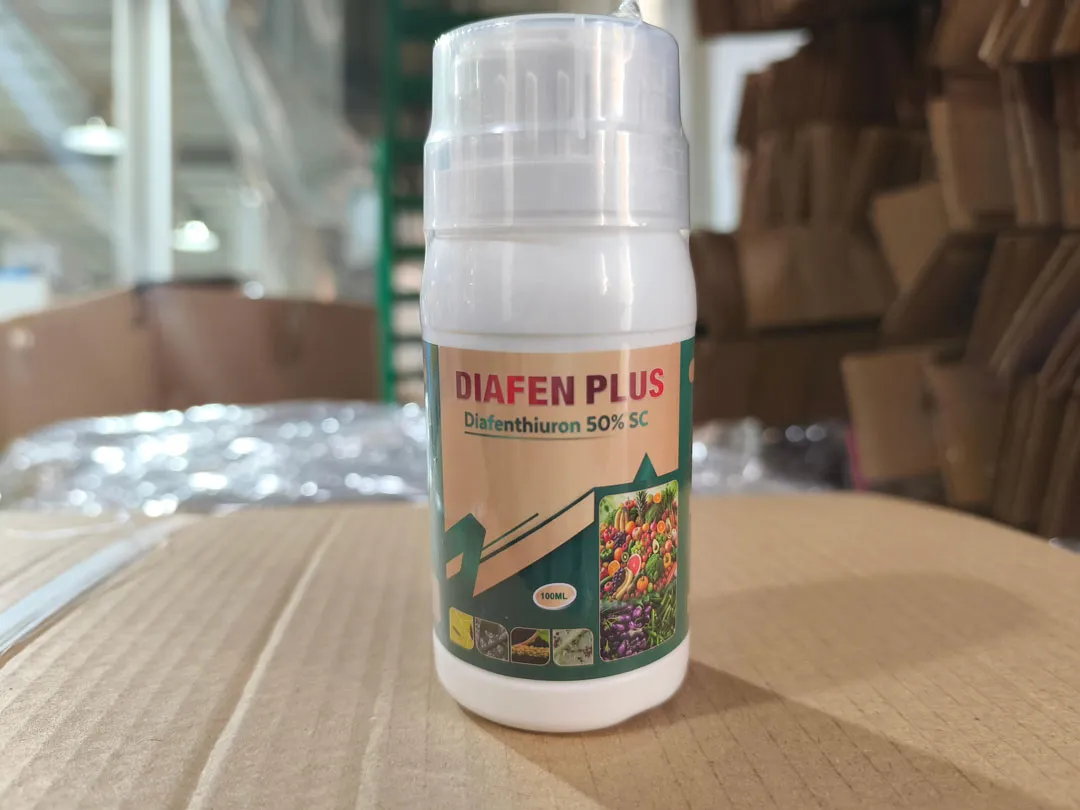
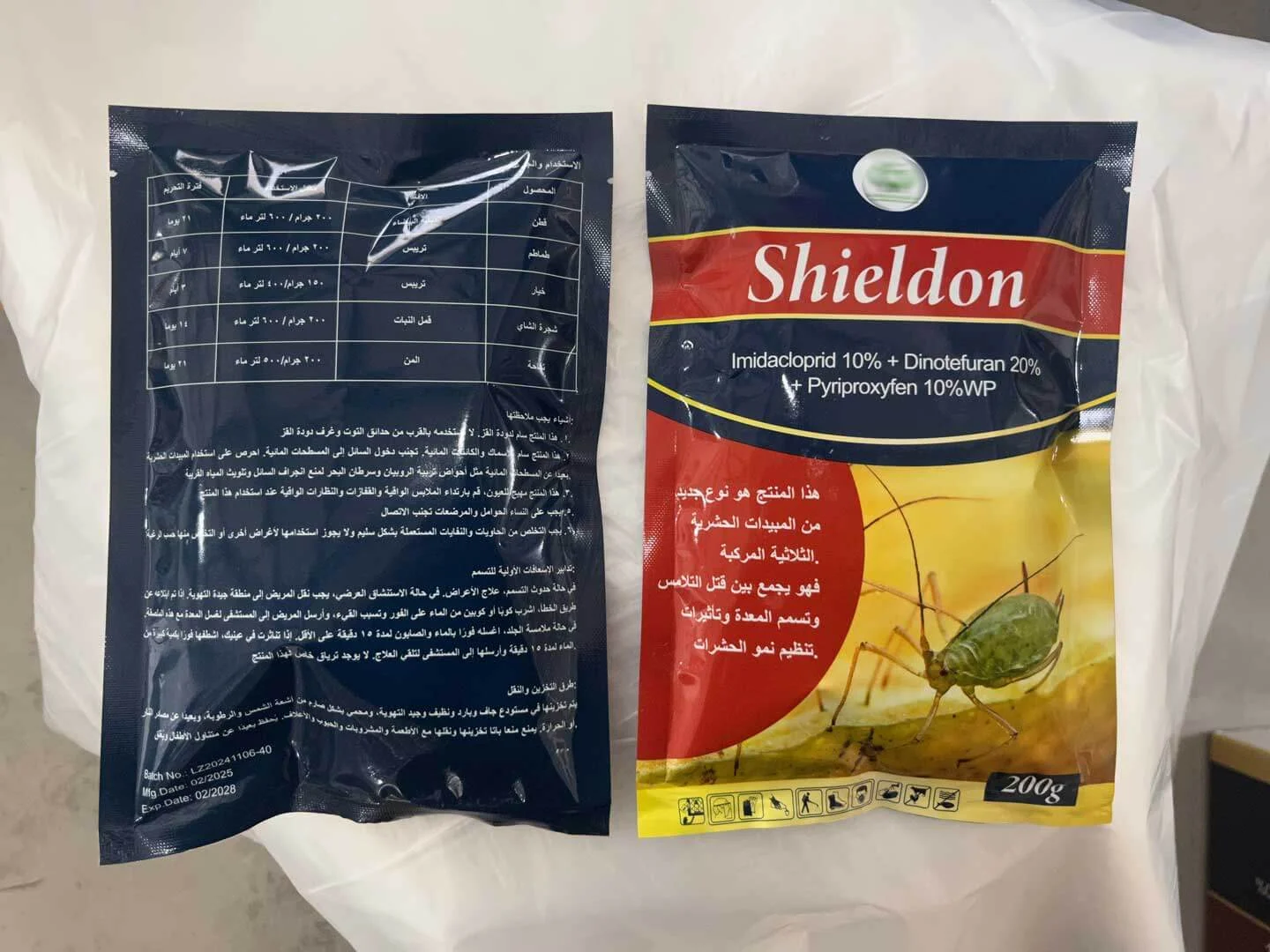
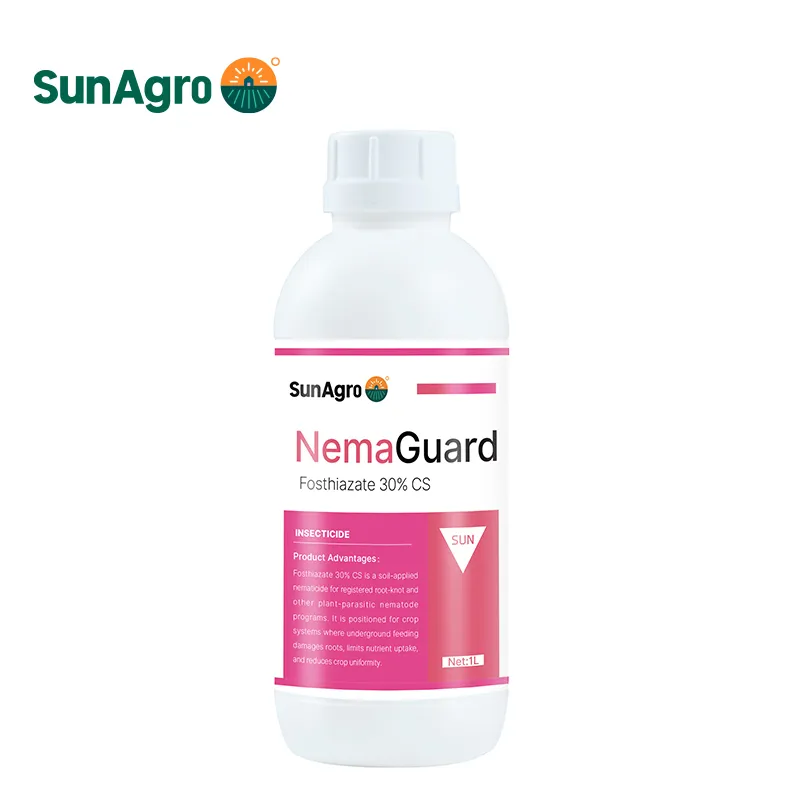
Pest management should follow the principles of Integrated Pest Management (IPM). First, determine whether intervention is necessary through monitoring; then, select the appropriate IRAC group based on the pest species, and combine chemical control with vineyard management practices.
More Insecticides











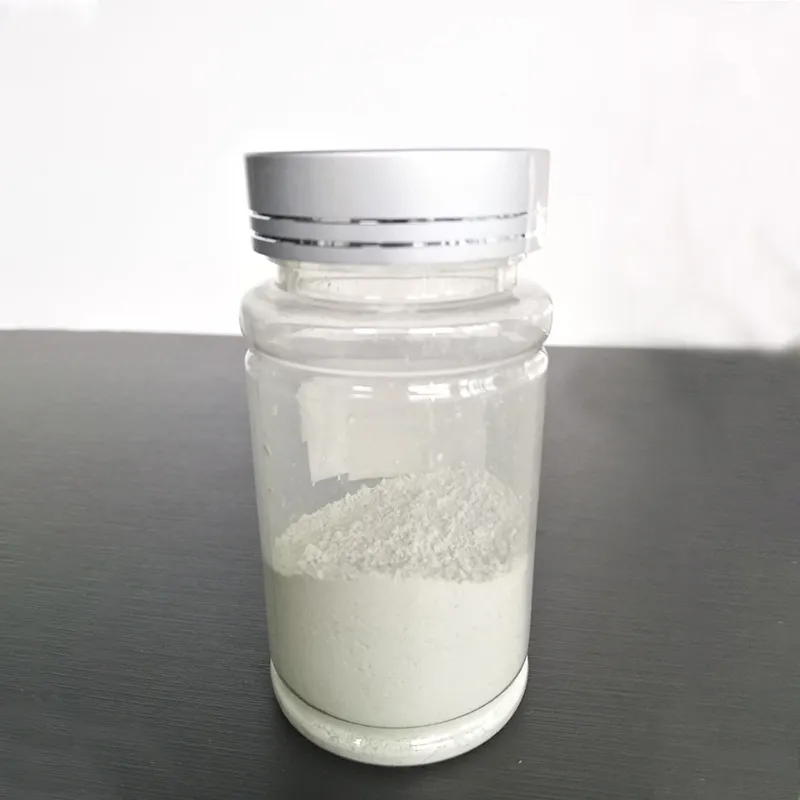
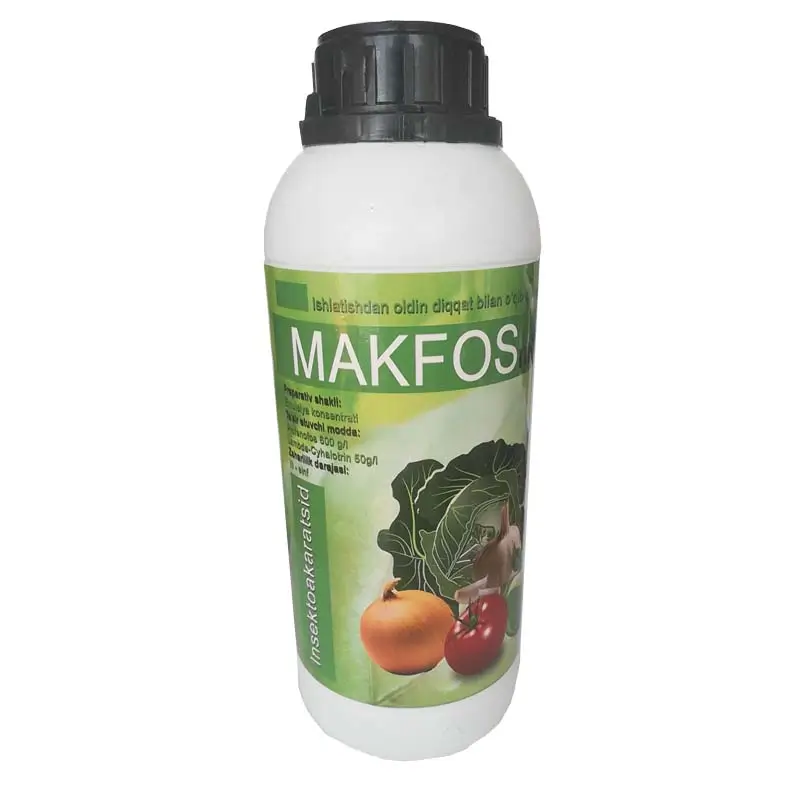
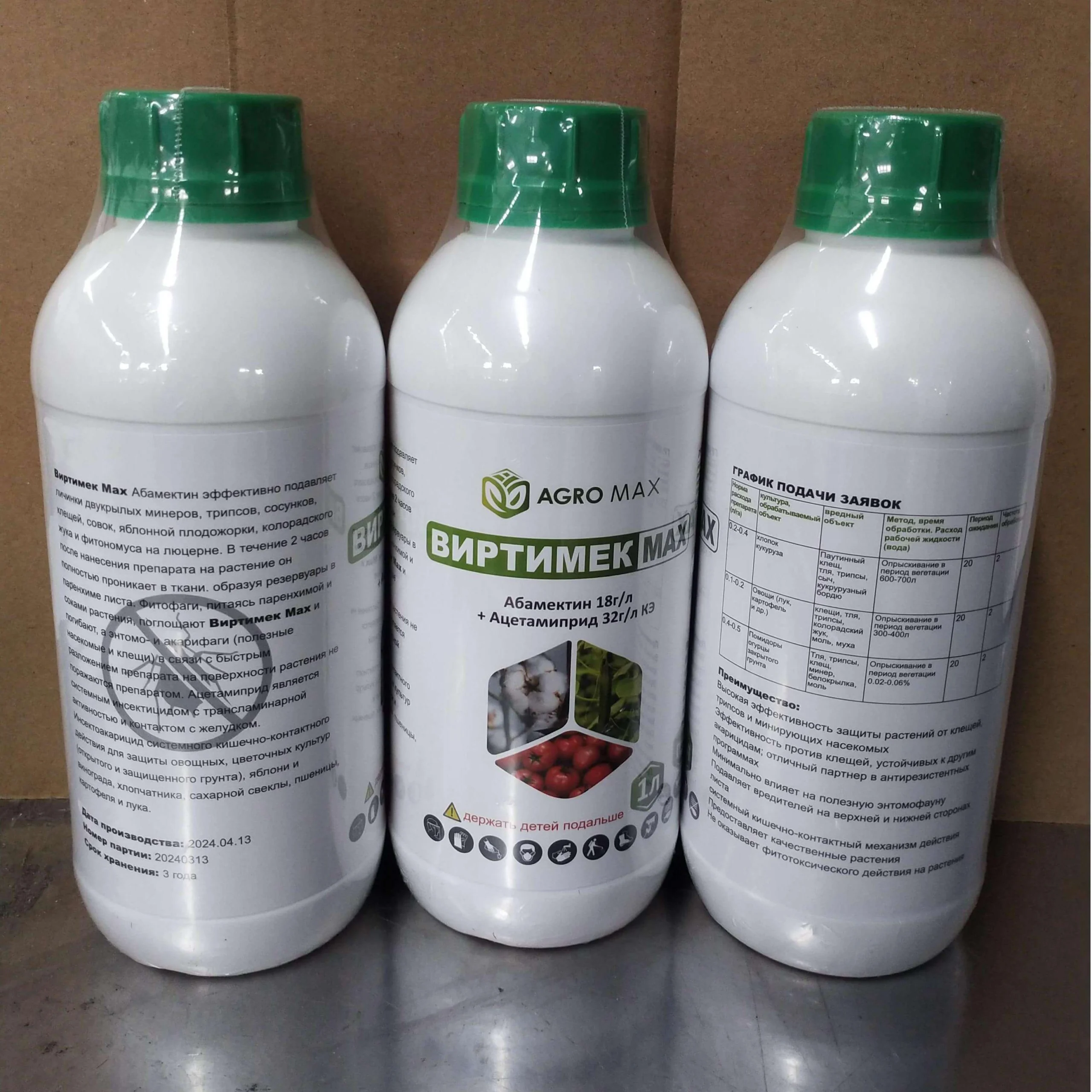












Vineyard Weed Management
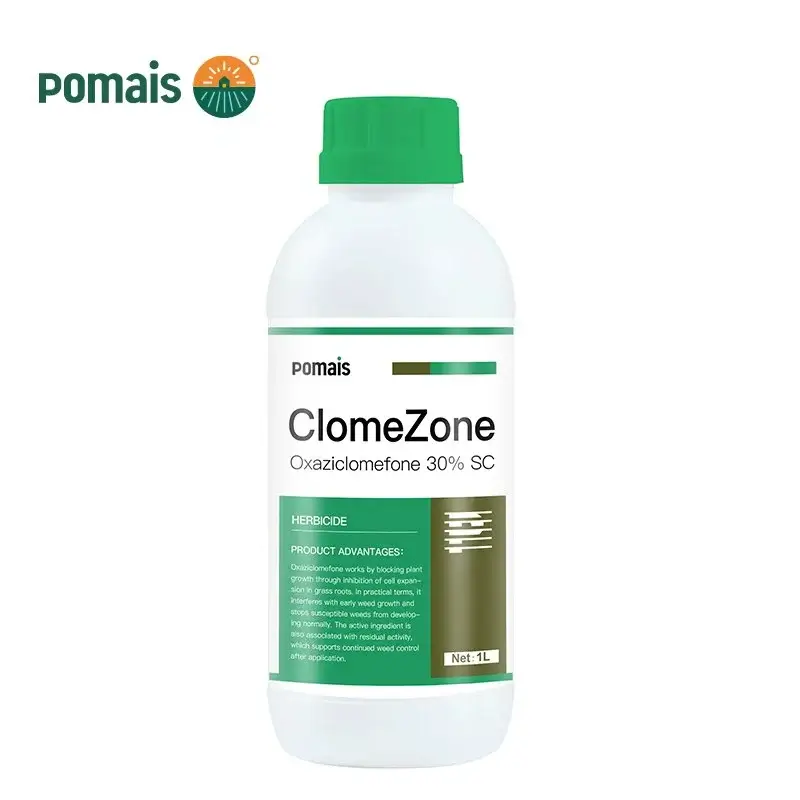
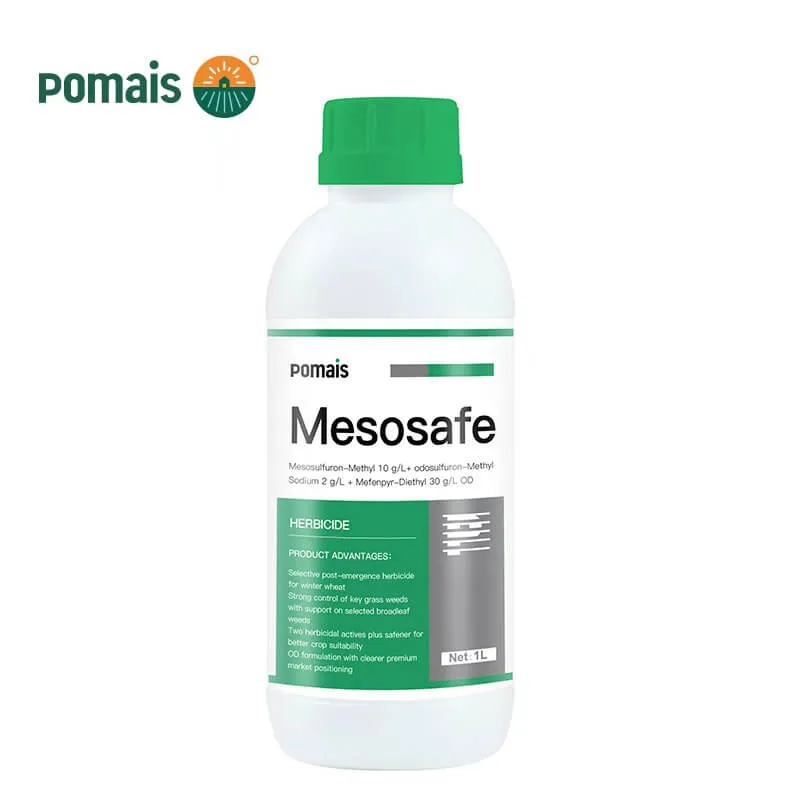
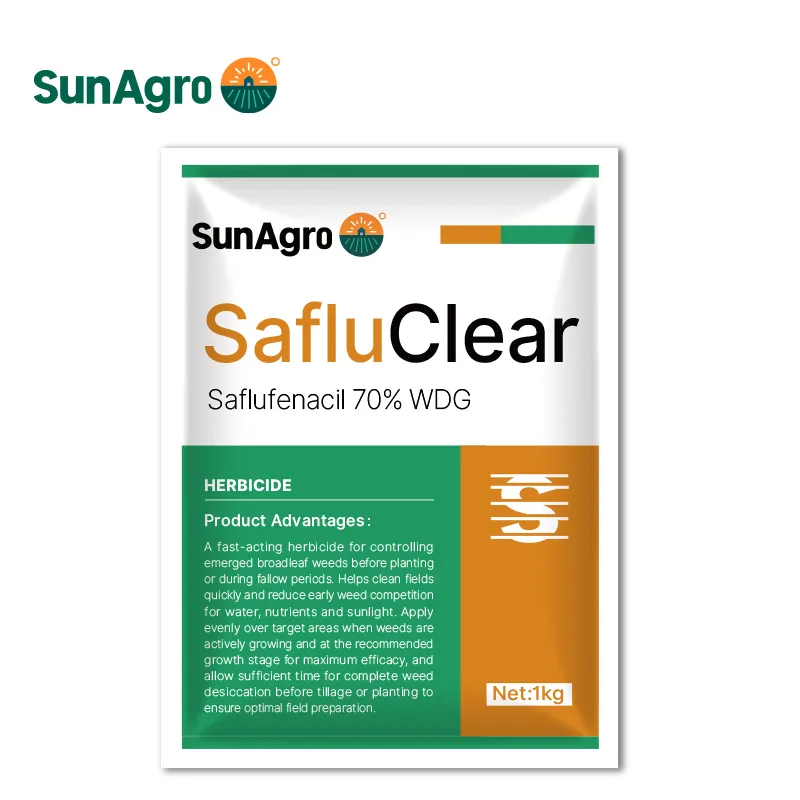
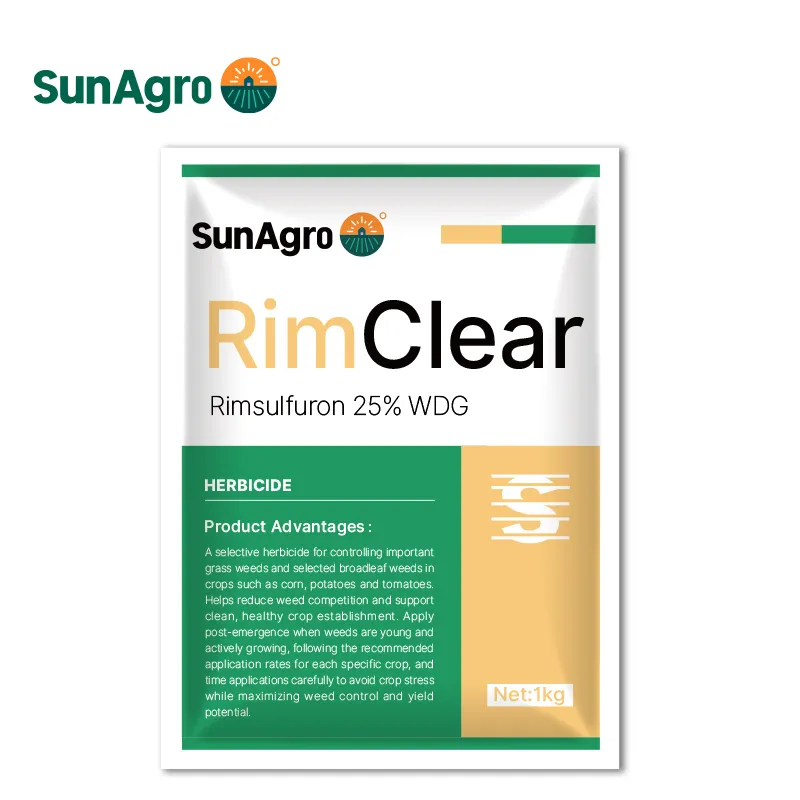
Vineyard weeds compete with grapevines for water and nutrients and increase vineyard management costs. The selection of weed management strategies is influenced by vine age, inter-row cover methods, soil conditions, and irrigation systems.
Common management practices include mechanical or manual weeding, inter-row vegetation management, and targeted herbicide applications where permitted by local labels.
When selecting a weed control strategy, key considerations include:
- Risk of phytotoxicity to grapevines and their root systems.
- Soil texture, rainfall, irrigation, and potential leaching risks.
- Weed species, growth stages, and control objectives.
- Product registration for use in vineyards in the target country.
- Impacts on adjacent crops, soil, and non-target plants.
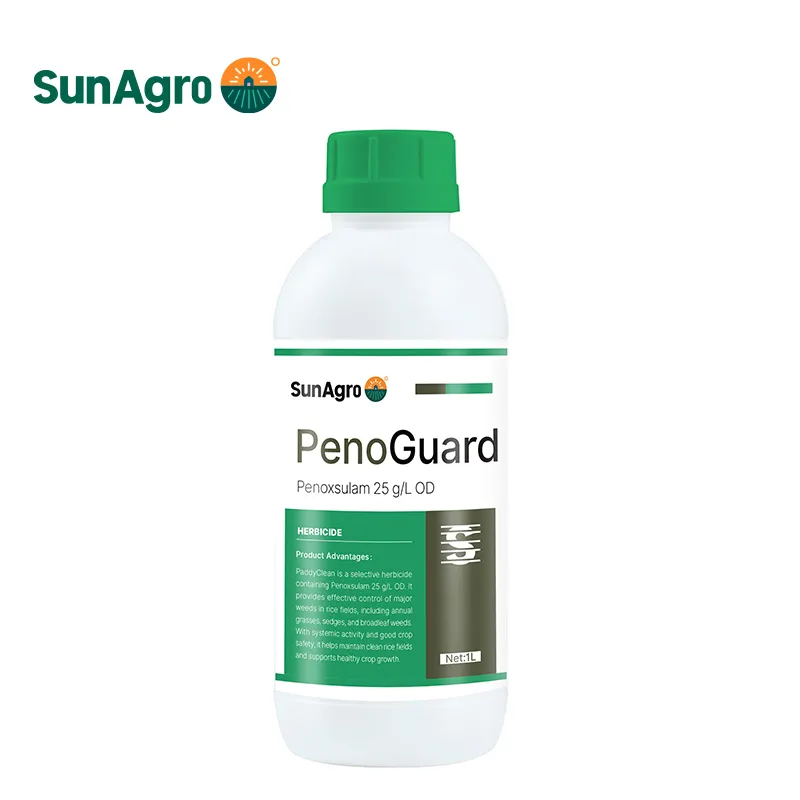
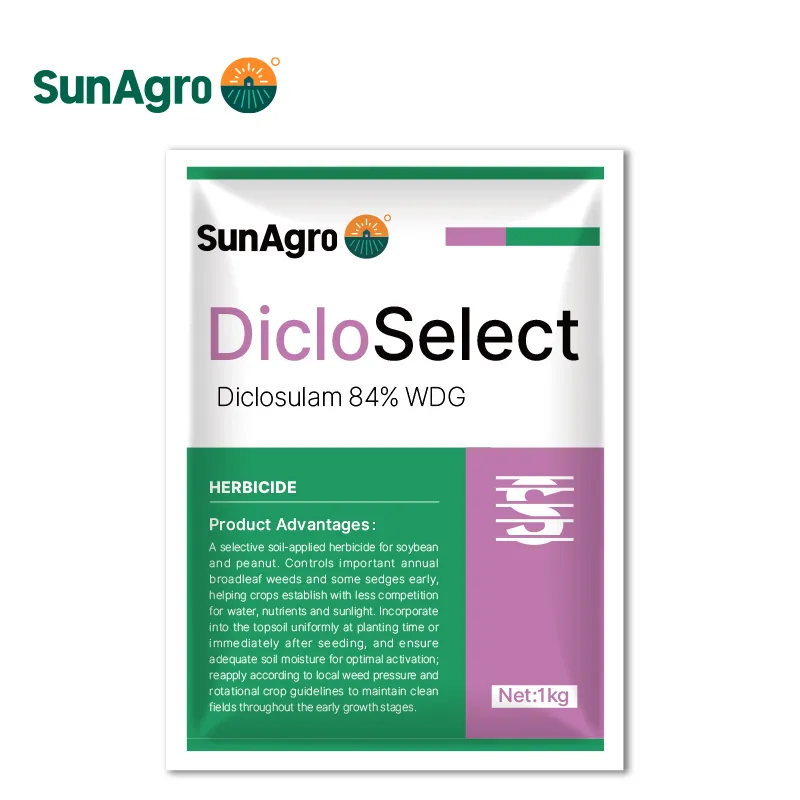
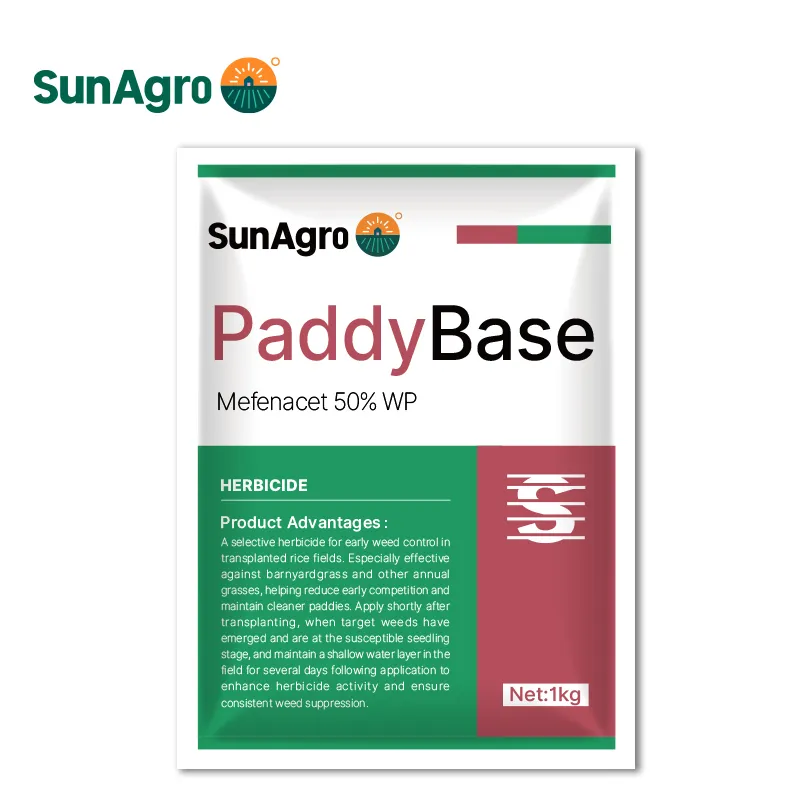
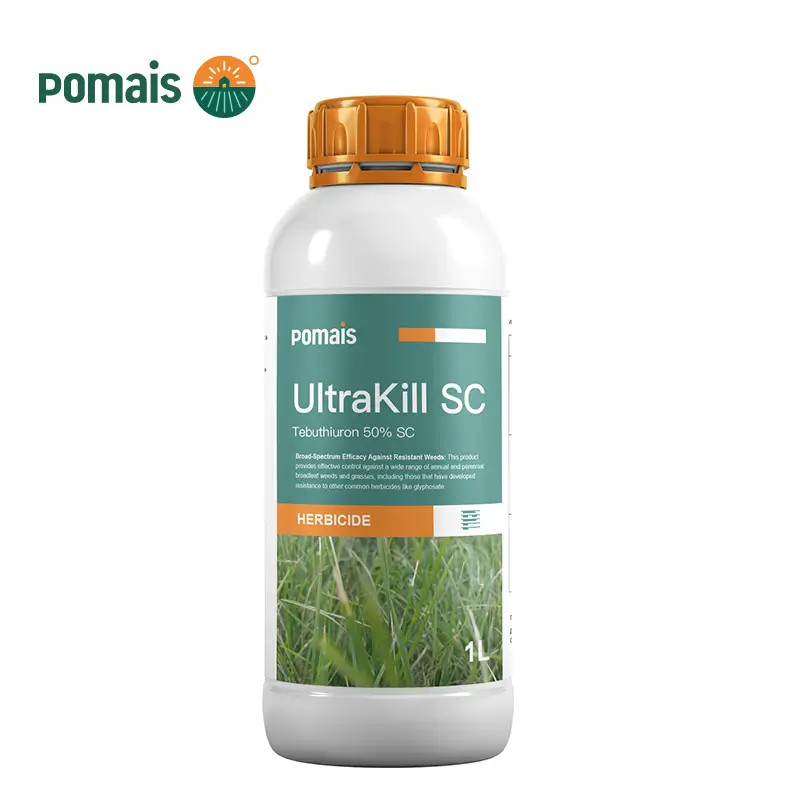
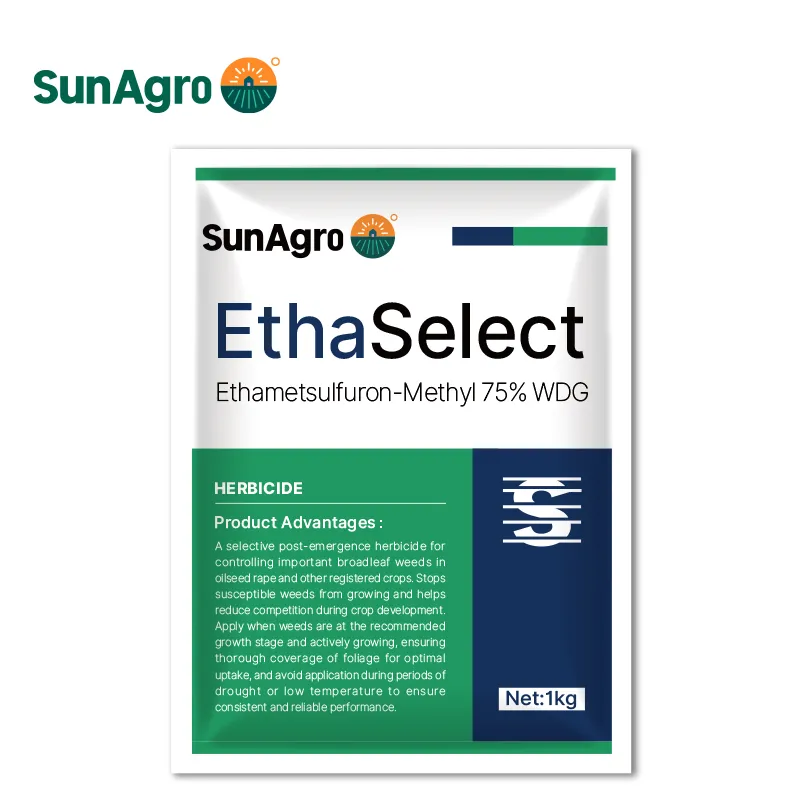
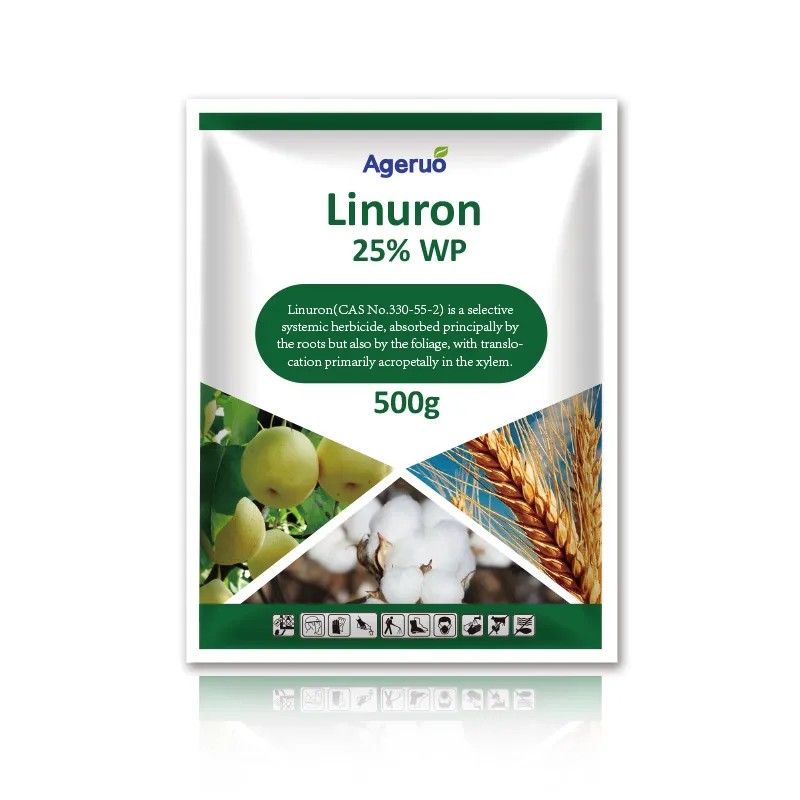
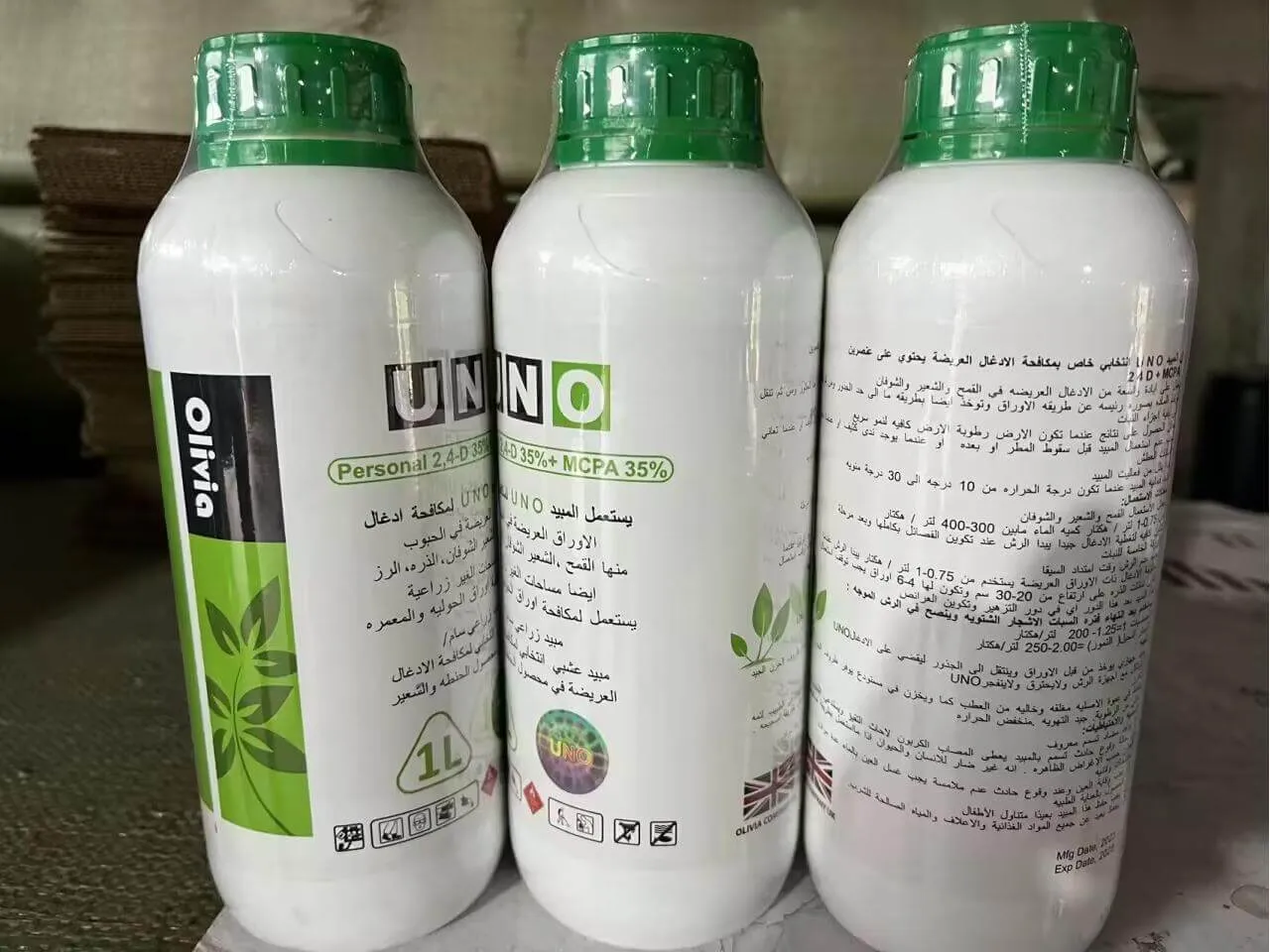
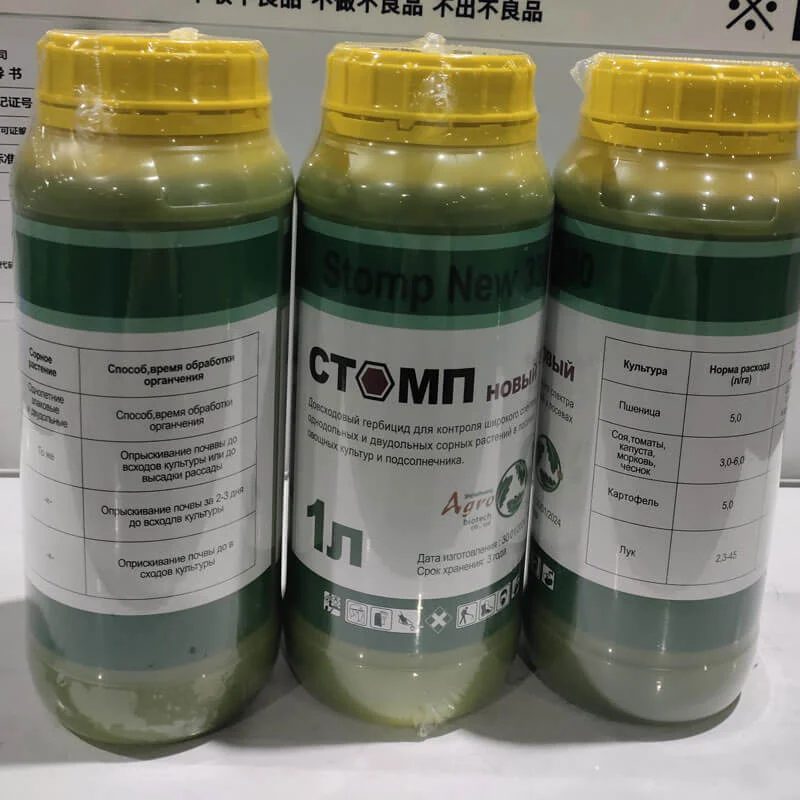
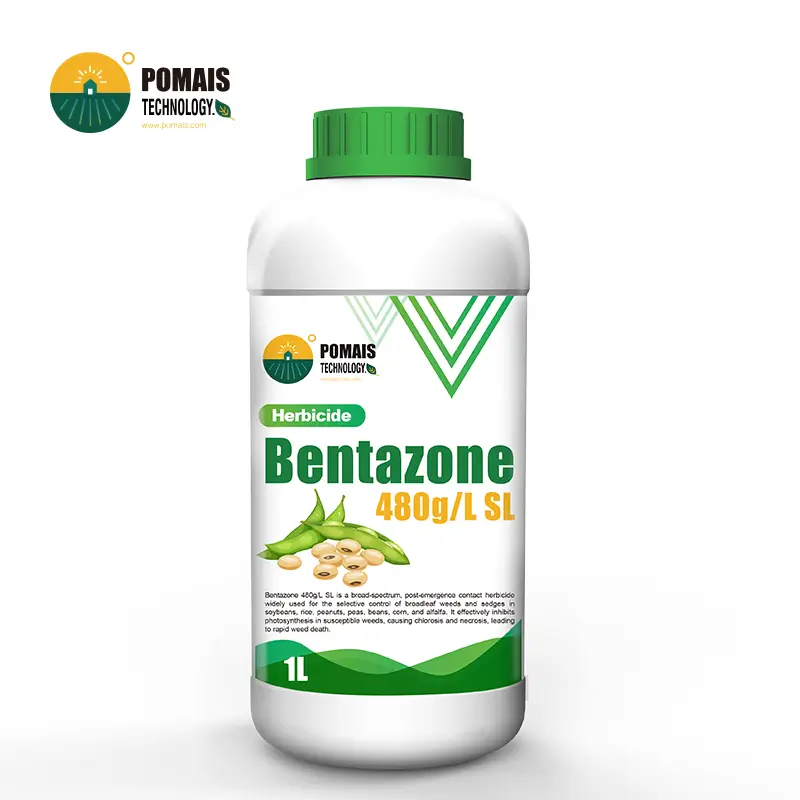
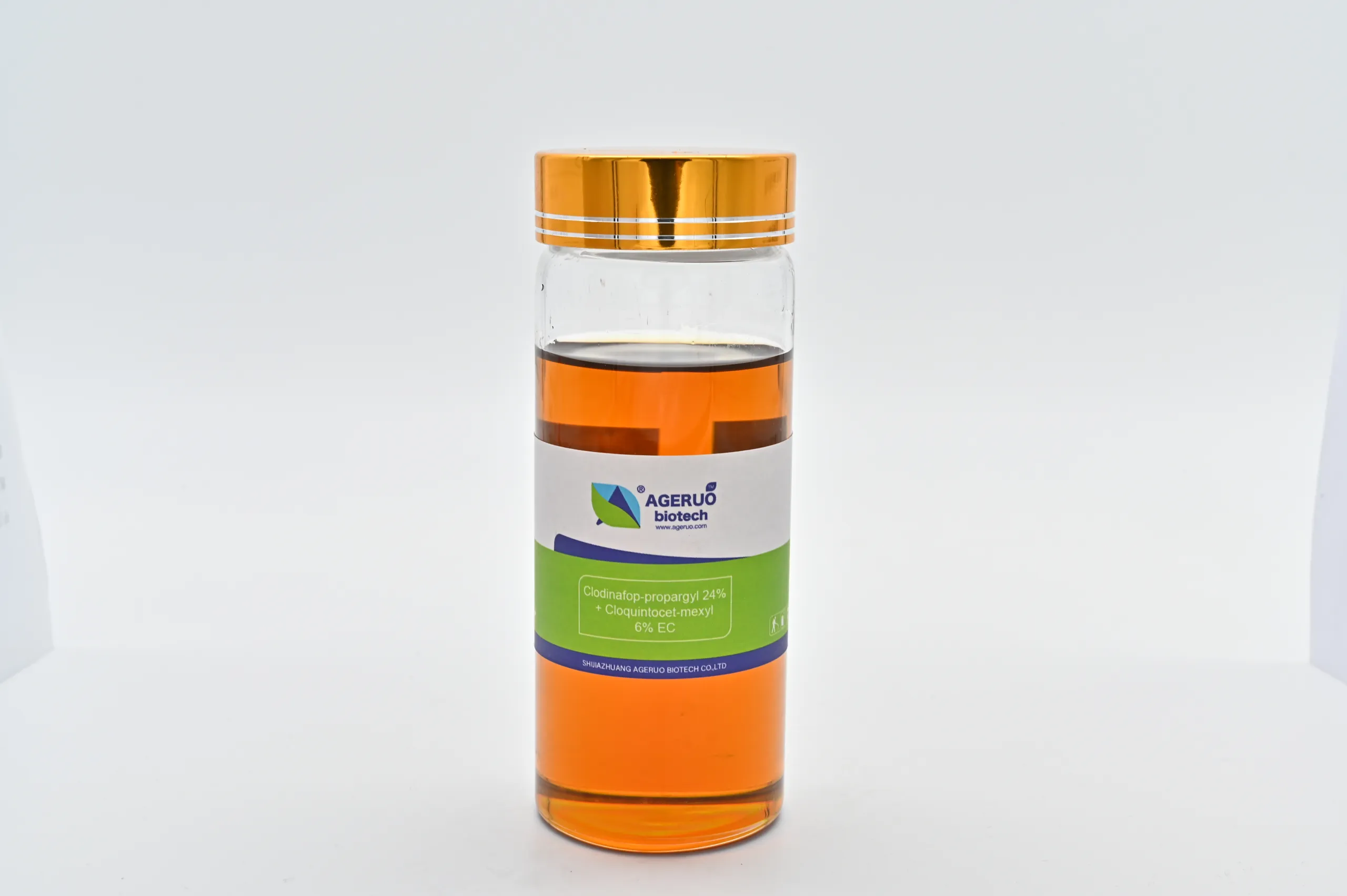
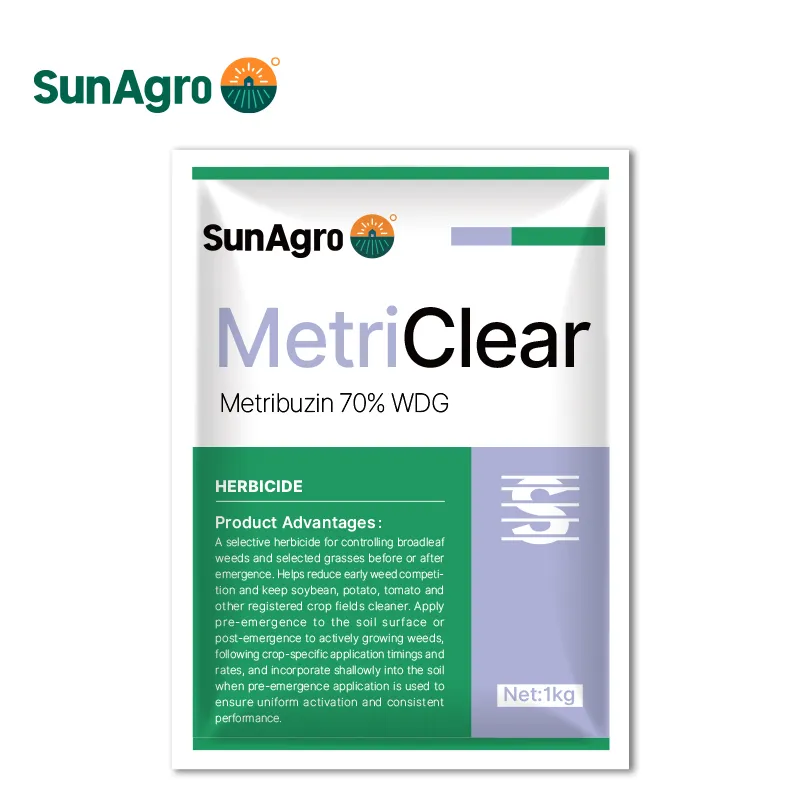
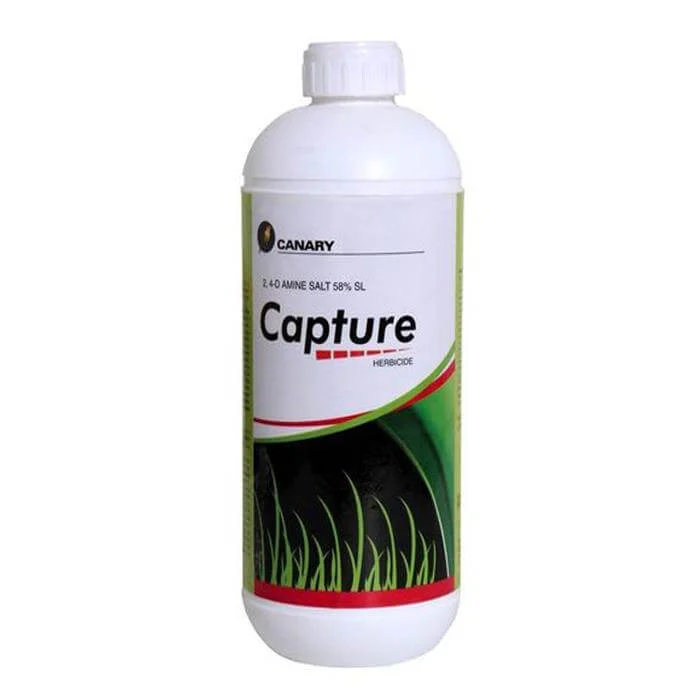
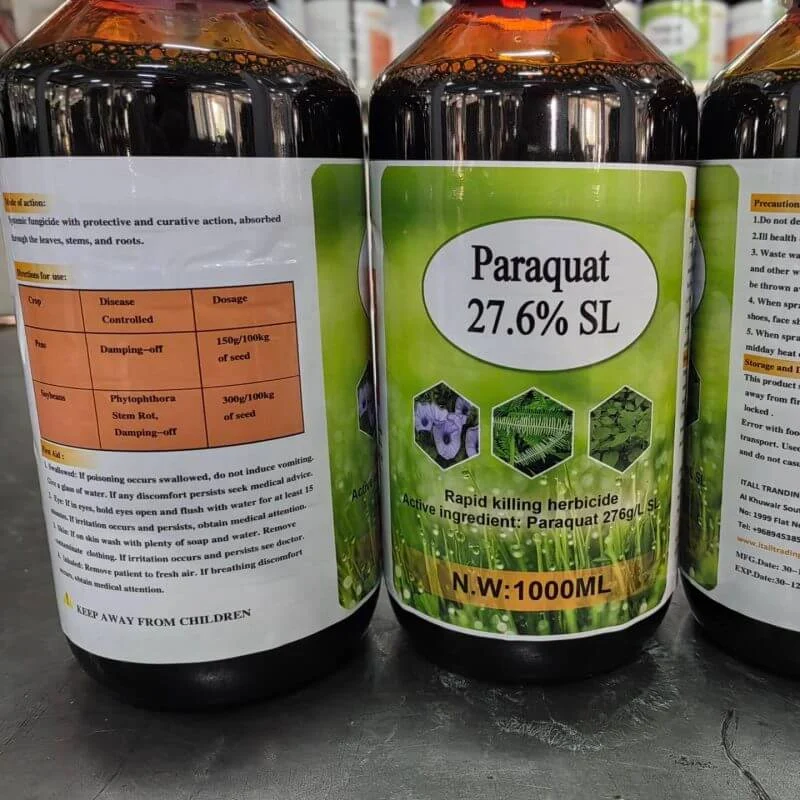
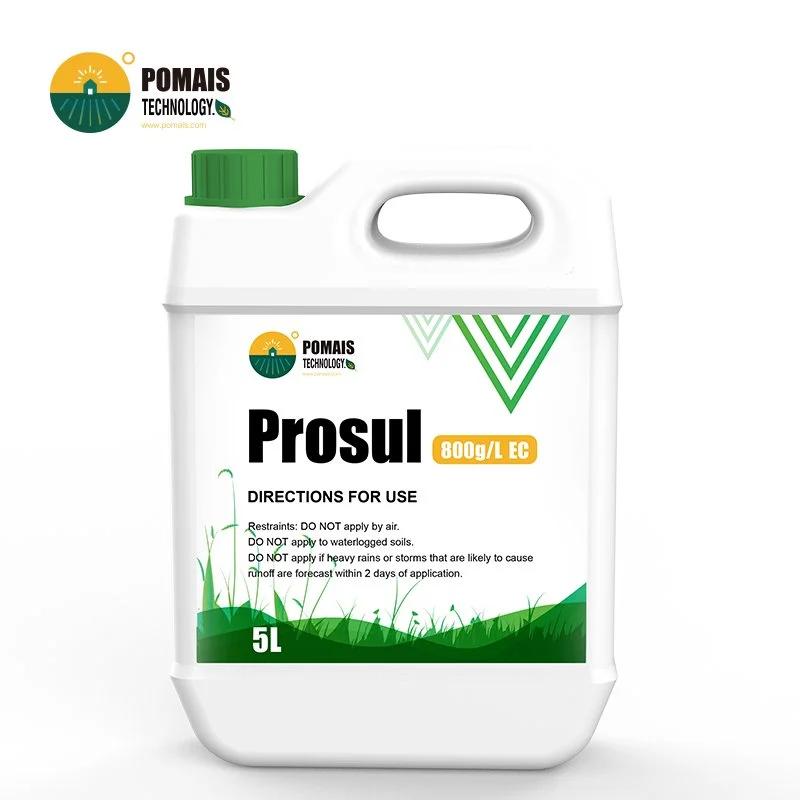
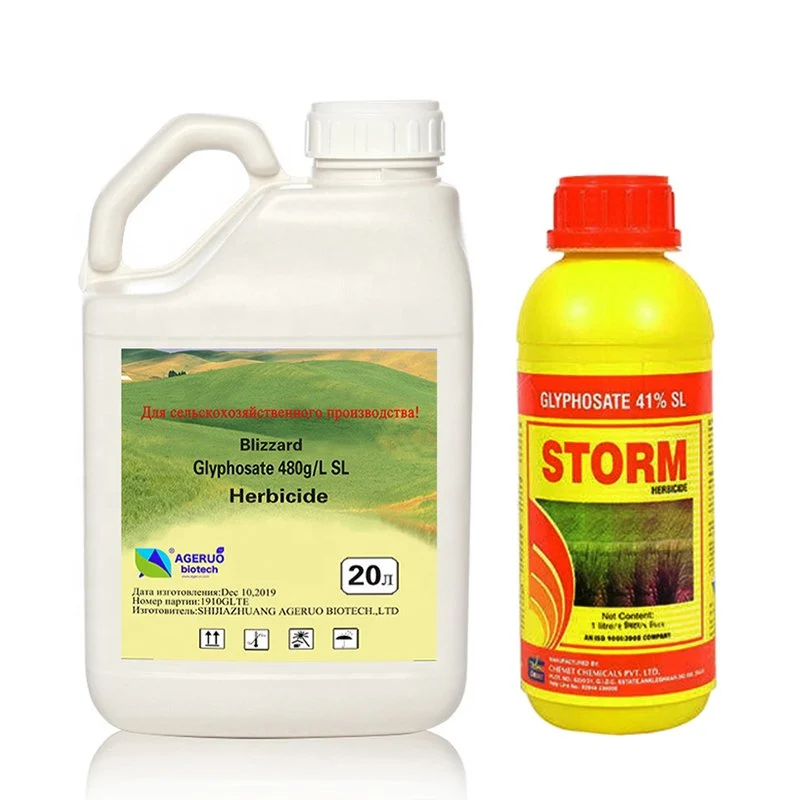
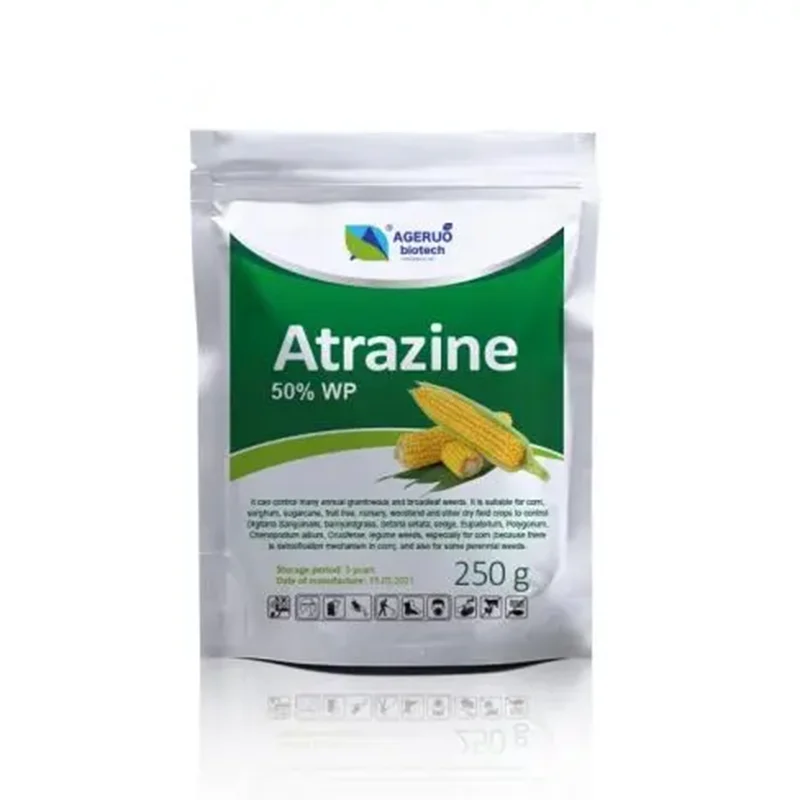
Although Atrazine appears in the reference data, it should not be directly classified as a general-purpose herbicide for vineyards. Before formal recommendation, it is essential to verify the registration status in the target country, label restrictions, vine age, and the risk of root exposure; if clear evidence is lacking, the product should be excluded from the recommended list.
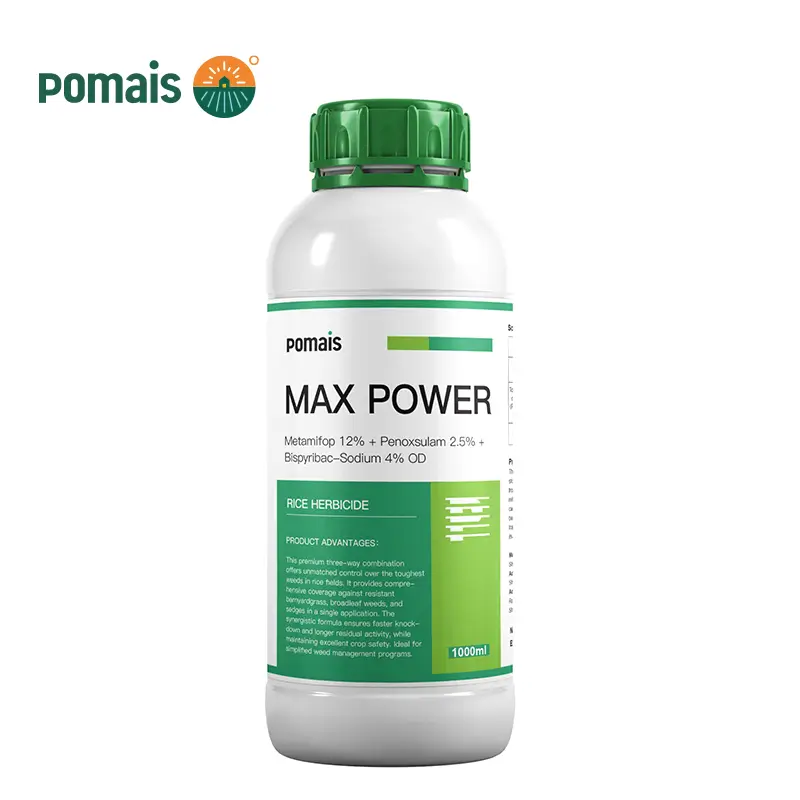
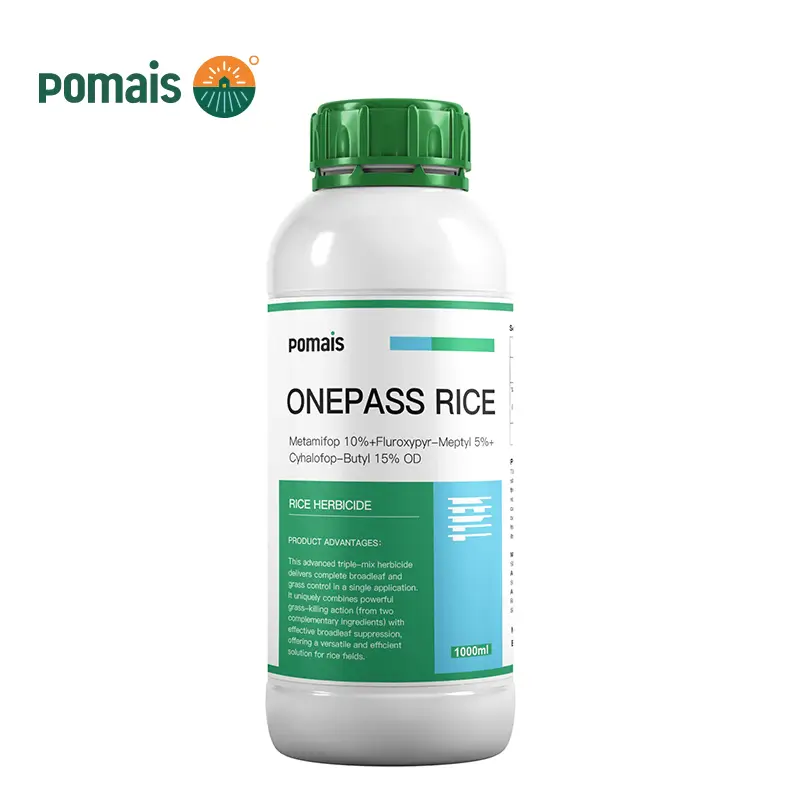
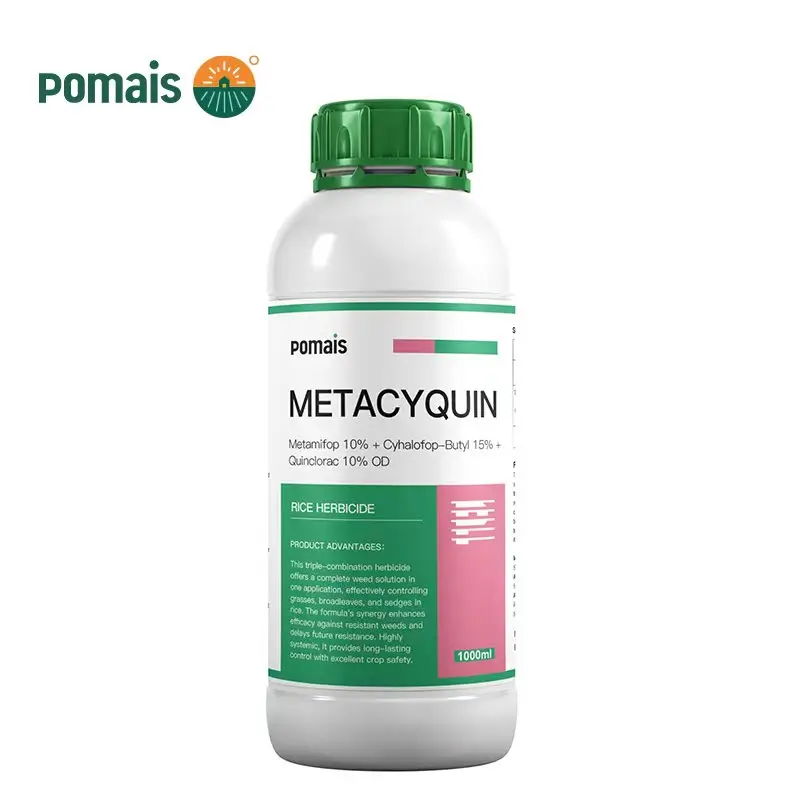
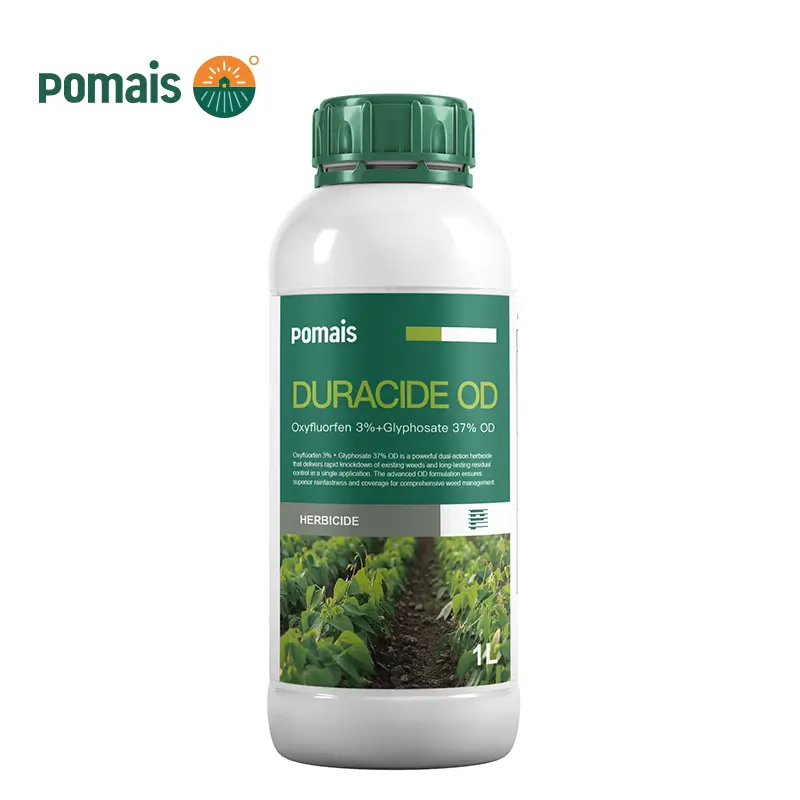
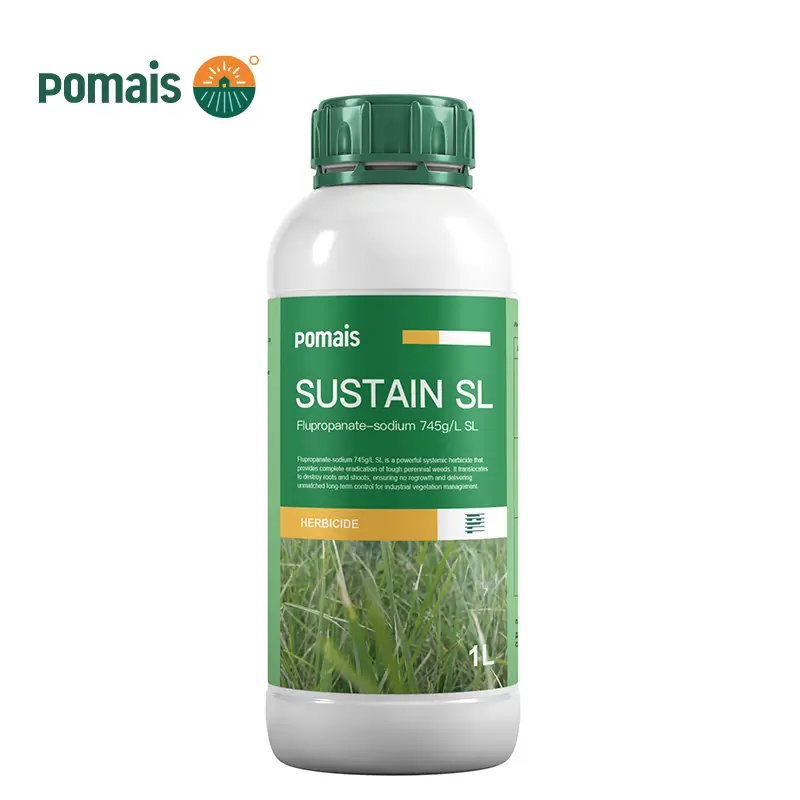
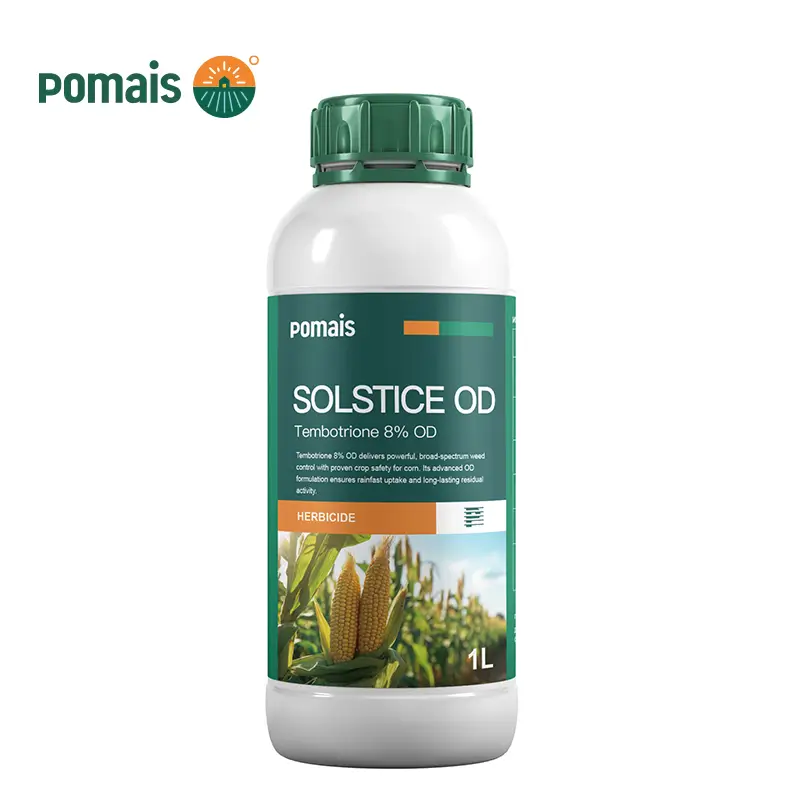
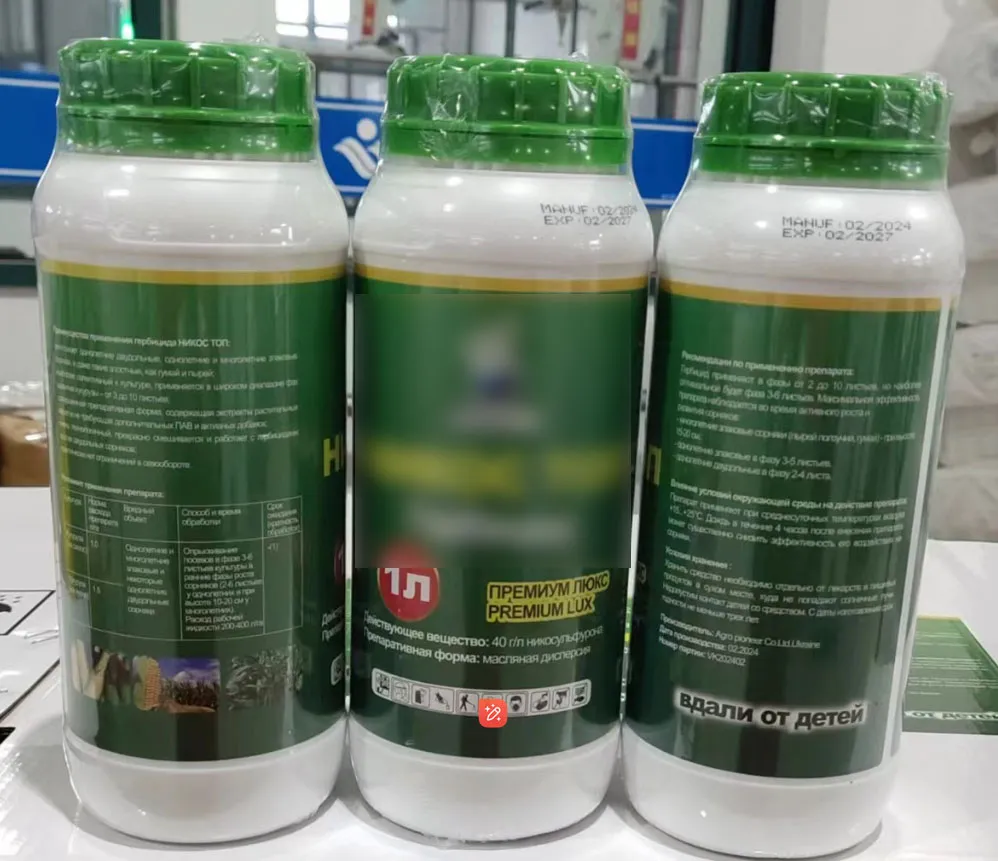
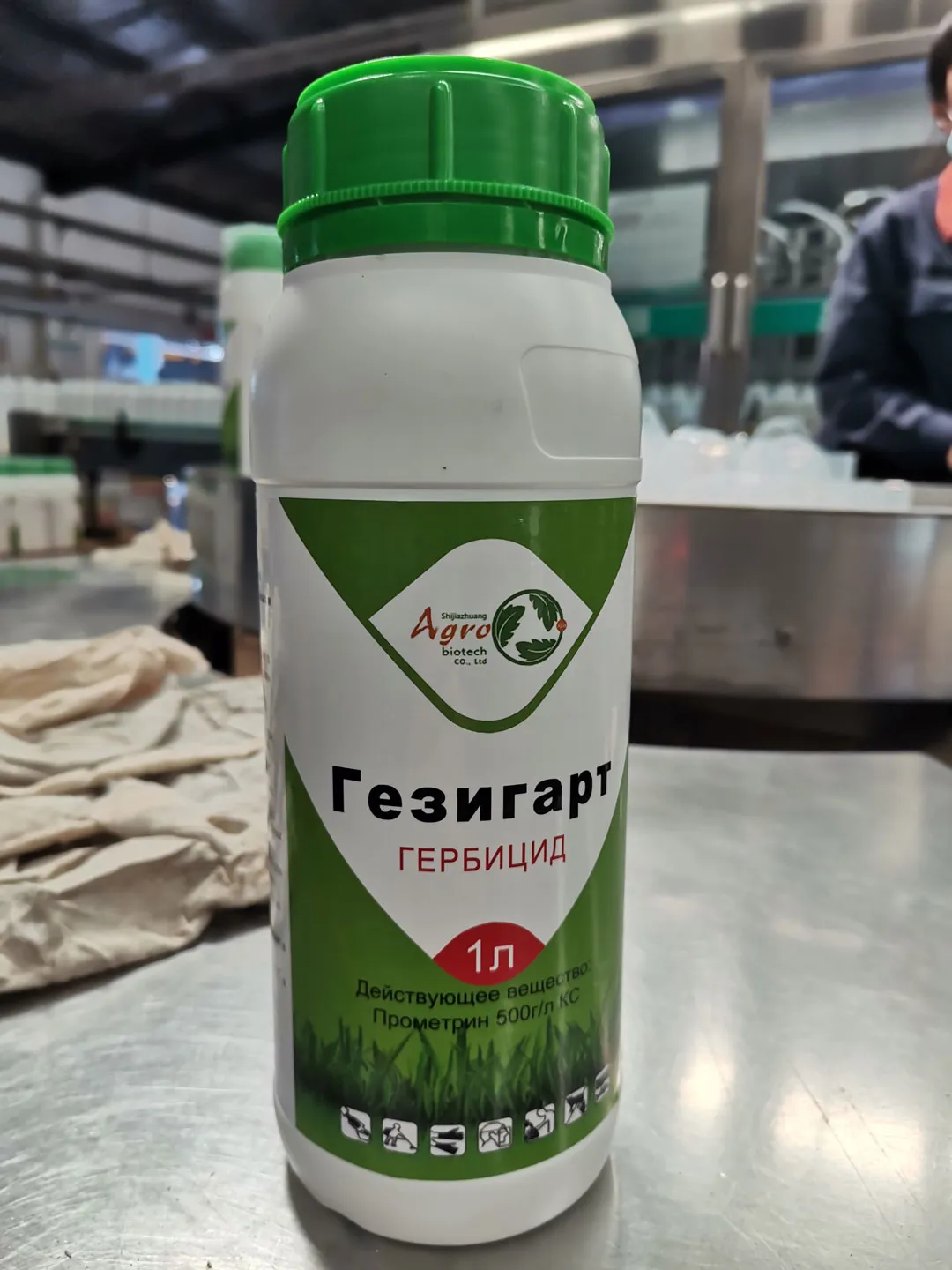
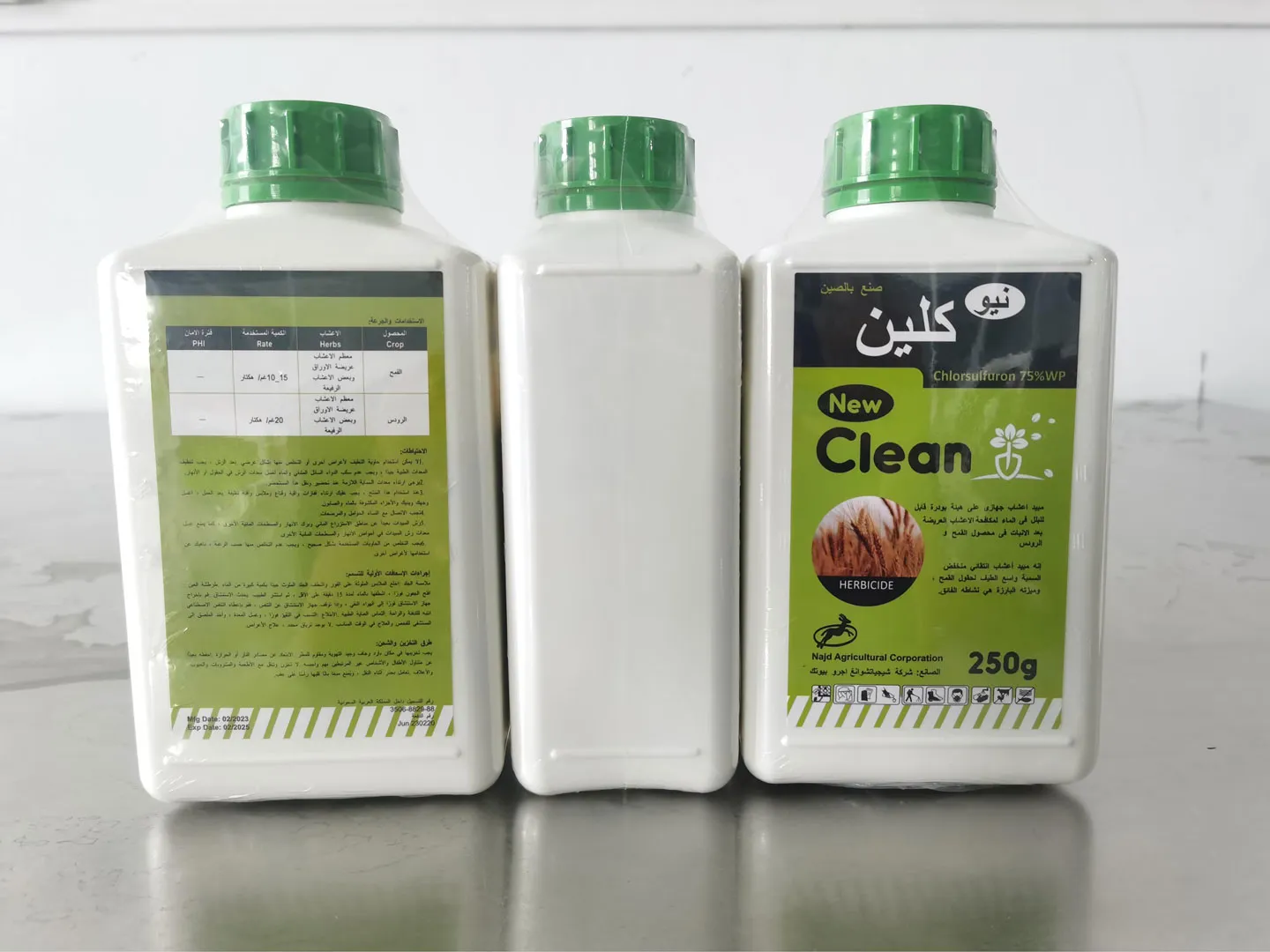
More Herbicides















How to Build a Product Portfolio Suitable for the Grape Market?
For pesticide importers and distributors, expanding a grape product portfolio should not be based solely on the number of active ingredients. A more reasonable approach is to first identify the major diseases in the target market, then prioritize products based on registration requirements, modes of action, formulation needs, and sales channels.
| Product Portfolio Levels | Key Directions | Procurement Evaluation Focus |
|---|---|---|
| Core Fungicide Portfolio | Downy Mildew, Powdery Mildew, Botrytis Bunch Rot | Coverage of major diseases, mode of action, registration status, and residue limits |
| Expanded Fungicide Portfolio | Anthracnose, Black Rot, White Rot, etc. | Regional disease incidence, product differentiation, and label coverage |
| Insect and Mite Portfolio | Mealybugs, Leafhoppers, Spider Mites, etc. | Target insect species, IRAC groups, protection of natural enemies, and resistance management |
| Weed Management Portfolio | Weed Management Between and Within Vineyard Rows | Application Methods, Risk of Phytotoxicity, Environmental Restrictions, and Scope of Registration |
The specific scope of the product portfolio should be determined based on local market demand. While certain diseases may require a rotation of products with multiple modes of action, this does not mean that every distributor must stock all relevant products.
Prior to procurement, confirm the active ingredient content, formulation, packaging specifications, quality documentation, supply terms, and local registration requirements. Review the available product range at POMAIS Crop Protection Products and then screen candidate products based on the target country and specific pests and diseases.
What are the differences in crop protection needs between table grapes and wine grapes?
Table grapes and wine grapes may face similar diseases and pests, but product selection and quality management objectives are not entirely the same.
| Comparison Criteria | Table Grapes | Wine Grapes |
|---|---|---|
| Primary Commercial Objectives | Appearance, berry integrity, cluster quality, and transport performance | Grape health, raw material quality, and winemaking requirements |
| Botrytis Control | Focus on cluster rot, berry surface condition, and postharvest quality | Rot must also be addressed, while evaluating raw material quality requirements |
| Pesticide Residues | Focus on MRLs and PHIs for target markets | Focus on applicable regulations and the procurement standards of wineries and processing facilities |
| Product Selection | Emphasize fruit appearance, harvest window, and registration requirements | Emphasize disease control, residue limits, and production system requirements |
| Procurement Planning | Consider fresh fruit sales seasons and post-harvest logistics | Coordinate with grape harvest periods and winemaking supply chain arrangements |
Both types of grapes must comply with locally approved product labels and pesticide residue requirements. One cannot infer, based solely on end use, that a particular pesticide is suitable for one type of grape but not the other.
Resistance and Residue Management in Grape Plant Protection
Grape disease and pest management requires attention to mode-of-action rotation, not merely changing trade names. Different products may contain the same active ingredient or belong to the same FRAC or IRAC mode-of-action group.
When formulating a product portfolio, the following principles should be considered:
- FRAC Management: Rotate fungicides based on target diseases, modes of action, and label requirements to avoid continuous reliance on a single mode of action.
- IRAC Management: Develop control strategies based on specific pest and mite species; do not automatically assume that different trade names represent different modes of action.
- PHI: Verify the pre-harvest safety interval to ensure that the application schedule aligns with the actual harvest date.
- MRL: Confirm the requirements for grape and corresponding pesticide residues in the target sales or export markets.
- Label Compliance: Verify the crop, target, dosage, number of applications, application intervals, and other restrictions.
It is important to note that meeting the registration requirements of one country does not automatically mean the product can be used in other countries or meets the residue standards of all export markets. Importers and distributors should complete the necessary verifications before purchasing and promoting the product.
Frequently Asked Questions
Product Partnerships for the Grape Crop Protection Market
For pesticide importers, distributors, and registration companies planning to expand into the grape crop protection market, it is recommended to start by identifying the major local diseases and pests, clarify the control areas that the product portfolio needs to cover, and then evaluate specific active ingredients, formulations, and supply conditions.
Based on the target market, product specifications, and procurement needs provided by the client, POMAIS can assist in screening existing product options and further verify the corresponding technical data, product specifications, and supply terms.
If you are planning a grape crop protection product portfolio, please prepare the following information:
- Target import country or region.
- Major production types, such as table grapes or wine grapes.
- Diseases, pests, or weeds that require priority coverage.
- Target active ingredients, concentrations, or formulations.
- Estimated purchase quantities and local registration status.
Product selection and supply arrangements are subject to the final confirmed product specifications, target market requirements, and applicable regulations.