
What are the major plant protection challenges in chili pepper production?
Plant protection for chili peppers involves not only ensuring plant health but also considering flower and fruit development, fruit appearance, market grade, and conditions for continuous harvesting. Since different pests and diseases have varying impacts on production, it is essential to first identify the primary risks before determining appropriate product selection and management strategies.
| Risk Categories | Primary Targets | Key Concerns |
|---|---|---|
| Root and Stem Diseases | Phytophthora Blight, Fusarium Wilt | Root damage, stem lesions, plant wilting |
| Foliar Diseases | Bacterial Spot, Powdery Mildew | Leaf lesions, reduced leaf function, and leaf drop |
| Fruit Diseases | Anthracnose, Botrytis Gray Mold | Fruit lesions, rot, and reduced market quality |
| Diseases during the seedling stage | Damping-Off, Rhizoctonia Root Rot | Uneven emergence, seedling death, and root damage |
| Sucking Pests | Thrips, Whiteflies, Aphids | Sap-sucking damage, impaired plant growth, and transmission of certain viruses |
| Mites | Spider Mites, Broad Mites | Leaf chlorosis, deformed young leaves, and damage to growth points |
| Fruit Pests | Pepper Weevil, Fruit Borers | Damage to flower buds, fruits, and marketable fruits |
| Weeds | Broadleaf Weeds, Grass Weeds, Sedges | Early competition, increased field management costs, and harvest disruptions |
The risks faced by greenhouse peppers may differ from those of field-grown peppers. Greenhouse production typically requires a focus on thrips, whiteflies, mites, and diseases in high-humidity canopy environments; field production, on the other hand, may be more affected by rainfall, soil waterlogging, the spread of field-borne pathogens, and weed communities.
These risk classifications are intended to establish a management framework and do not imply that all pests, diseases, and weeds carry the same level of importance in every country or under every cropping system.
Pest and Disease Management Plan for the Entire Growth Cycle of Bell Peppers
Pest and disease management needs for bell peppers vary by growth stage.
It is recommended to organize management tasks according to stages such as seedling production, transplanting and establishment, vegetative growth, flowering and fruit set, fruit development, and harvest, and to determine whether intervention is necessary based on field monitoring and actual risks.
| Growth Stage | Major Risks | Management Priorities |
|---|---|---|
| Seedling Stage | Damping-off, seedling diseases, early-season pests | Seedling health, growing medium hygiene, water management |
| Transplanting and Establishment Stage | Root diseases, missing plants, early-season weeds, thrips | Check for establishment, root health, and early pest infestations |
| Vegetative Growth Stage | Foliar diseases, whiteflies, aphids, mites | Monitor leaf symptoms, pest density, and weed competition |
| Flowering Stage | Thrips, certain diseases, virus vectors | Flower monitoring, pollinator protection, and disease risk assessment |
| Fruit Set and Development Stage | Anthracnose, Phytophthora Blight, Fruit Borers | Focus on fruit health, lesions, rot, and insect damage |
| Continuous Harvest Period | Fruit diseases, late-season pests, and pesticide residues | Harvest intervals, PHI, MRL, and fruit market quality |
Before Seedling Rearing and Transplanting
The goal of the seedling stage is to establish a healthy, uniform plant population. Attention should be paid to seedling sources, growing media, irrigation water, and the risk of seedling-stage diseases. If uneven emergence or seedling death occurs, distinguish first between disease, environmental factors, seed quality, and other possible causes.Seed treatment can be part of a management strategy for seed-borne or early-season diseases; however, the specific need for treatment and the choice of active ingredients should be determined based on target pathogens, seed quality, and local registration status.
Transplanting and Vegetative Growth Stage
After transplanting, attention should be paid to seedling establishment, root growth, early weed competition, and sucking pests. Thrips, whiteflies, and aphids may not only directly affect plants but also pose a risk of virus transmission.Management strategies should incorporate field monitoring, weed species, plant vigor, and specific product labels. Widespread spraying should not be scheduled based solely on the detection of a small number of pests, nor should all instances of plant wilting be directly attributed to disease.
Flowering and Fruit Set Stage
During the flowering and fruit-setting stages, attention should be paid to floral pests, certain foliar diseases, and risks affecting fruit set. When using insecticides, the impact on bees and other pollinating insects must be assessed, and the application timing and restrictions specified on local product labels must be followed.At the same time, disease risk should be assessed based on temperature, humidity, rainfall, plant density, and the field’s disease history, rather than implementing a fixed preventive application schedule for all chili fields.
Fruit Development and Continuous Harvesting Period
Once the fruit development and harvesting stages begin, management focuses shift to fruit spots, rot, insect damage, and market quality. For continuously harvested peppers, the interval between the last application and harvest must also be strictly managed.Product selection must take into account the PHI, MRL, and requirements of the target market. One cannot assume that just because a product is approved for use on peppers, it is suitable for all fresh, processed, or export markets.
Pepper Disease Management
Pepper diseases can affect the roots, stems, leaves, and fruits. There are significant differences in the pathogen types, transmission methods, and appropriate management measures for different diseases; therefore, diagnosis must be based on the specific disease present, rather than the uniform use of a single fungicide.
Phytophthora Blight (Pepper Blight)
Phytophthora blight is typically caused by Phytophthora capsici and can affect the roots, stems, leaves, and fruits of peppers. Under favorable temperature and humidity conditions, the disease can spread rapidly; particular attention should be paid to poor drainage, soil waterlogging, and the risk of transmission via irrigation water.Key management strategies include:
- Assess the field’s history of blight outbreaks and drainage conditions.
- Avoid unnecessary waterlogging and improper irrigation.
- Select varieties suited to local disease pressure, and combine this with crop rotation and field sanitation.
- Evaluate applicable oomycete disease management products based on pathogen type, product labels, and local registrations.
- Continuously monitor symptoms on roots, stem bases, and fruits to avoid confusing wilt caused by other factors with late blight.
Phytophthora belongs to the oomycetes rather than typical fungi. When selecting products, verify that they are approved for the target disease and pay attention to FRAC mode of action and resistance management requirements.
Bacterial Spot (Bacterial Spot of Pepper)
Bacterial Spot is a bacterial disease requiring special attention in pepper production; it can affect leaves and fruits and, under favorable conditions, cause significant marketability issues.Management strategies include:
- Focus on healthy seedlings and seed sources.
- Improve field sanitation to reduce the risk of pathogen spread via plant debris and handling practices.
- Select suitable resistant varieties based on local conditions.
- Avoid unnecessary prolonged leaf wetness and improper irrigation as much as possible.
- Evaluate applicable bacterial disease management measures based on product labels.
Some copper-based products may be used in specific approved protocols, but actual effectiveness is influenced by pathogen susceptibility, resistance, and environmental conditions. Not all general-purpose fungicides can be considered effective solutions for bacterial diseases, nor can specific products be recommended without label support.
Anthracnose (Pepper Anthracnose)
Anthracnose is one of the pepper fruit diseases of concern; it can cause lesions and rot on the fruit, affecting marketability and postharvest quality.Management priorities include:
- Monitor for abnormal lesions on fruits and promptly distinguish between disease and mechanical damage.
- Monitor rainfall, humidity, and the field’s disease history.
- Reduce ongoing disease pressure caused by diseased fruits and infected plant debris.
- Verify applicable fungicides and their target diseases based on local registrations.
- Integrate field management with sanitation practices during harvesting, sorting, storage, and transportation.
Control of anthracnose cannot rely solely on pre-harvest applications. Healthy seedlings, disease monitoring, field sanitation, and control measures that comply with label requirements are equally important.
Damping-Off and Root Diseases
Damping-off and other root diseases can cause uneven emergence, seedling death, root damage, or stunted plant growth in chili peppers. These diseases may be caused by Pythium, Rhizoctonia, and other soil-borne pathogens.Management should focus on the seedling environment, growing medium hygiene, drainage, seedling quality, and sowing conditions. Seed treatments or other product measures should be selected based on confirmed or clearly identified target pathogens.Different pathogens exhibit varying sensitivities to active ingredients; therefore, a product should not be assumed to be suitable for all early-stage diseases of chili pepper seedlings simply because it belongs to the FS formulation or is described as having a broad spectrum of activity.
Powdery Mildew and Other Foliar Diseases
Peppers may also be susceptible to powdery mildew, Botrytis gray mold, and other foliar or tissue diseases. The conditions for the occurrence of these diseases and the key control measures vary.For foliar diseases, diagnosis should be based on a combination of symptoms, environmental conditions, and disease history. When selecting fungicides, verify the target disease, active ingredient, formulation, and local registration, and develop a resistance management plan based on FRAC classification.Viral diseases require a different management approach, focusing on healthy seedlings, virus vectors, field sanitation, and appropriate integrated pest management measures. Conventional fungicides cannot directly address viral infections.
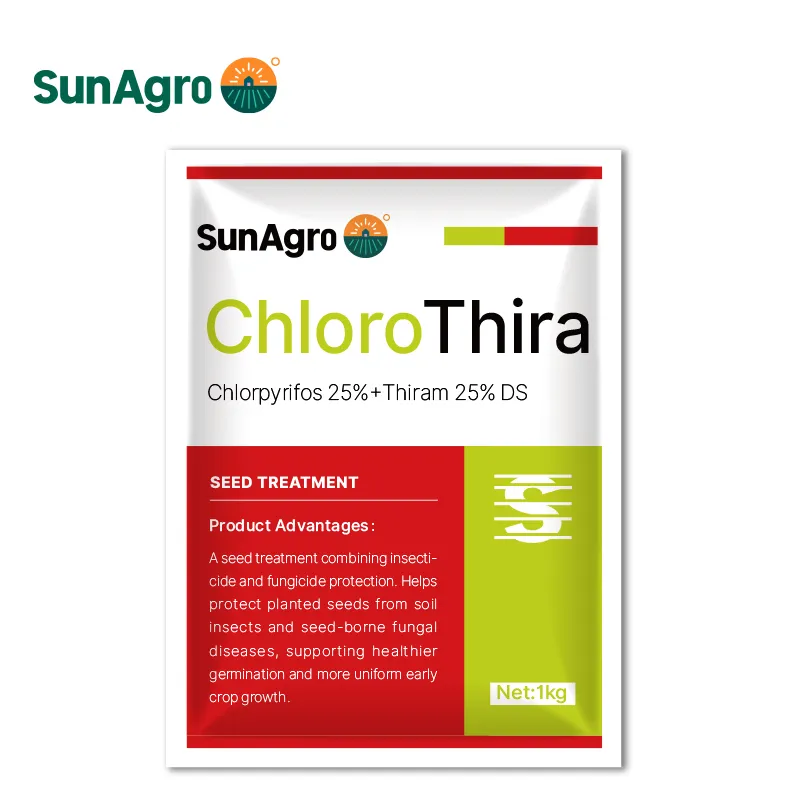
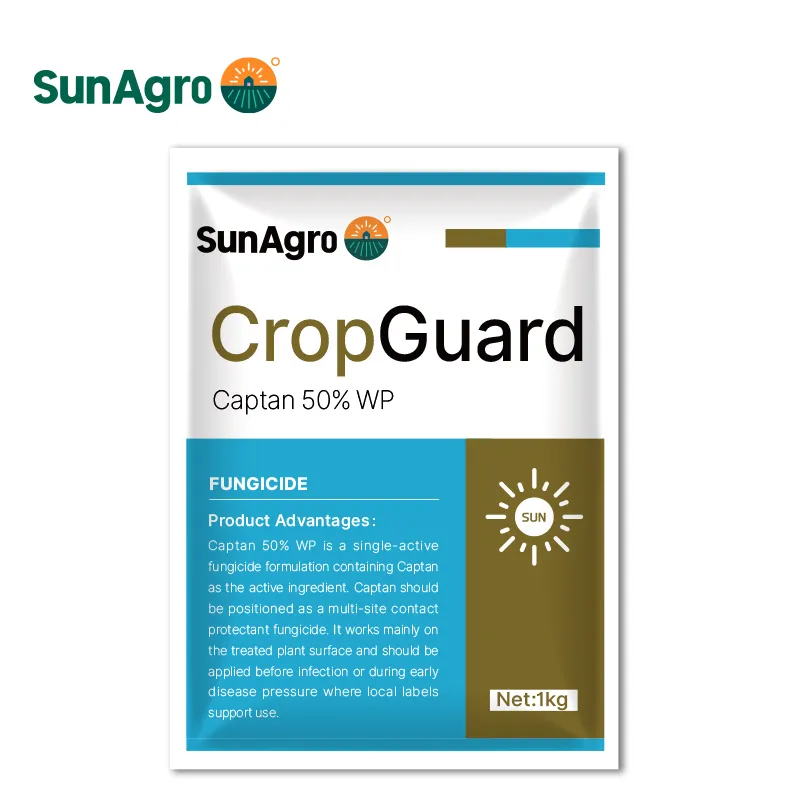
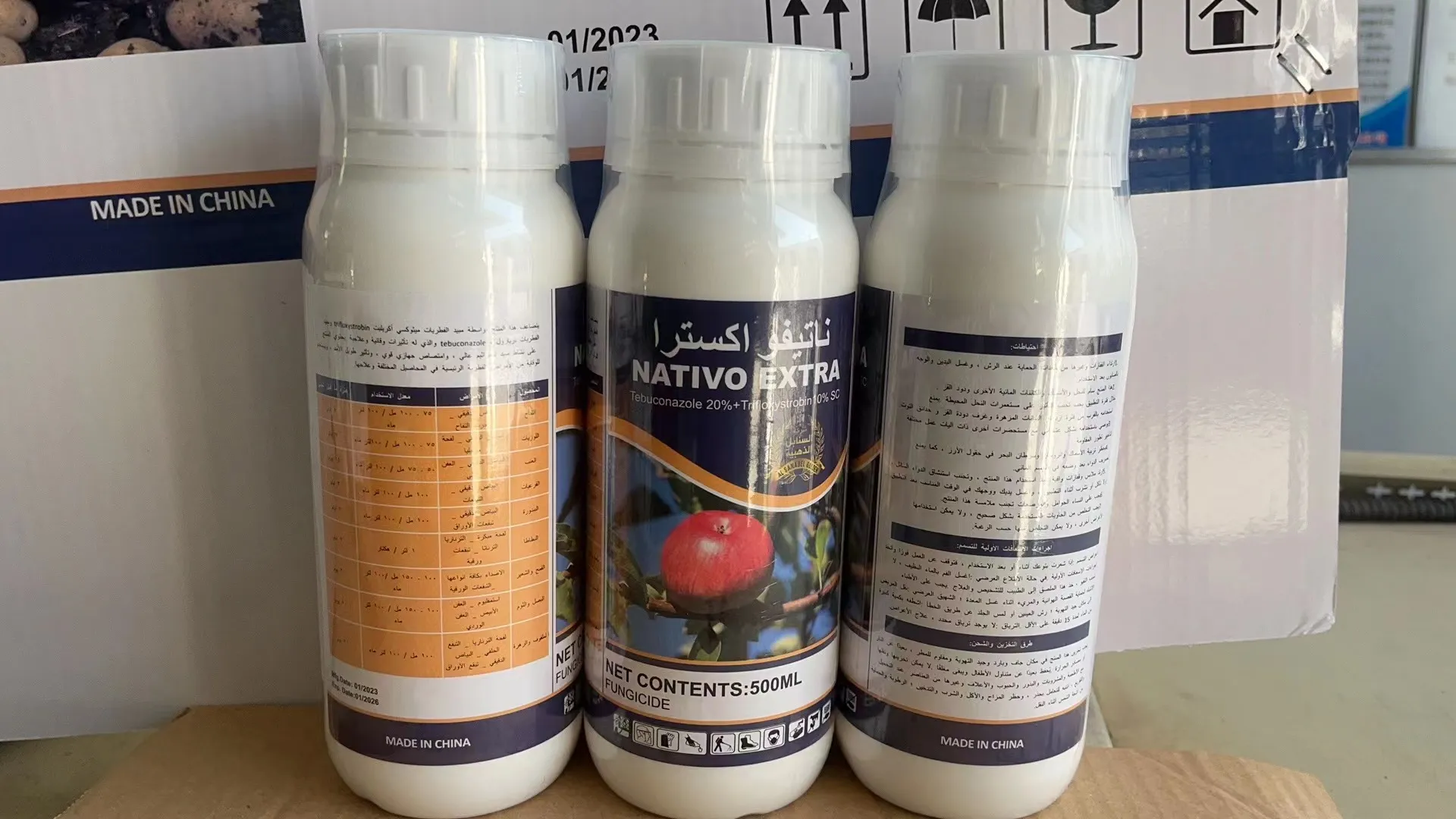
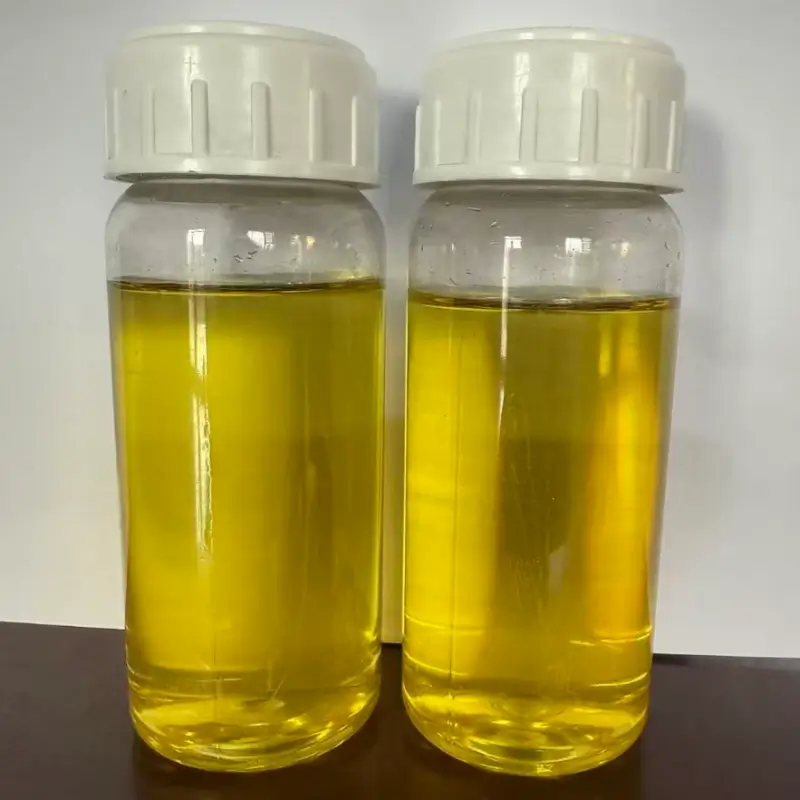
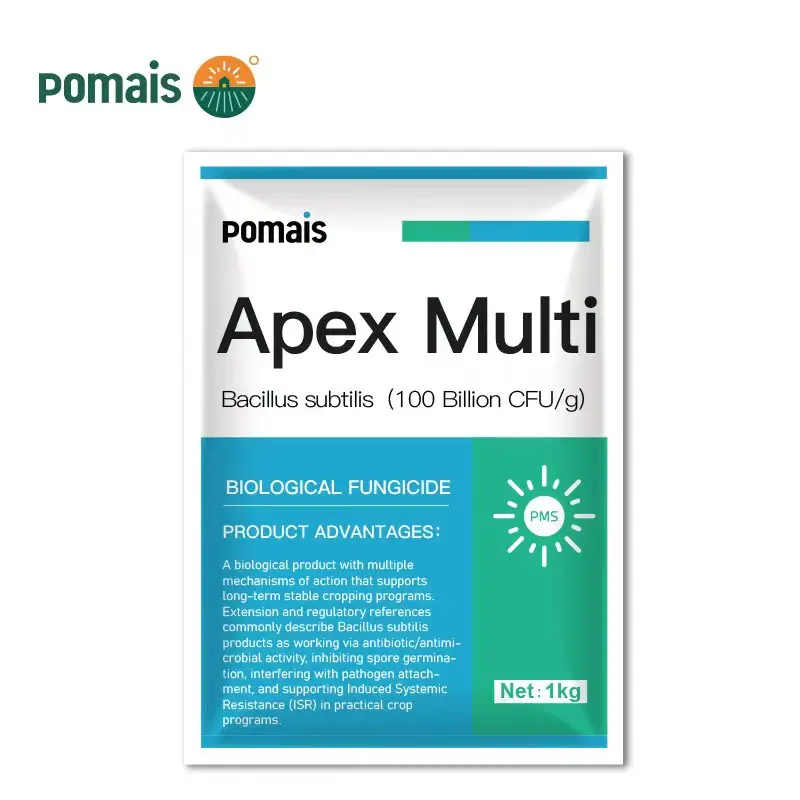
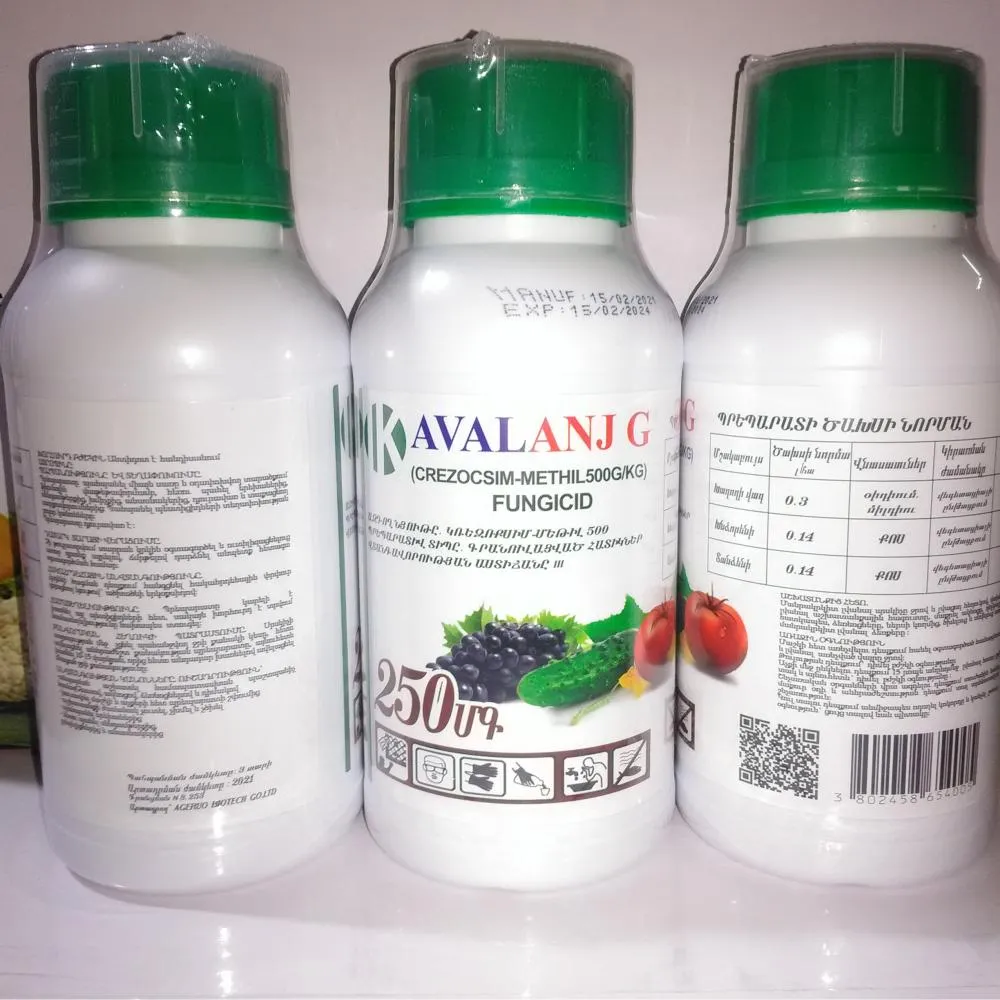
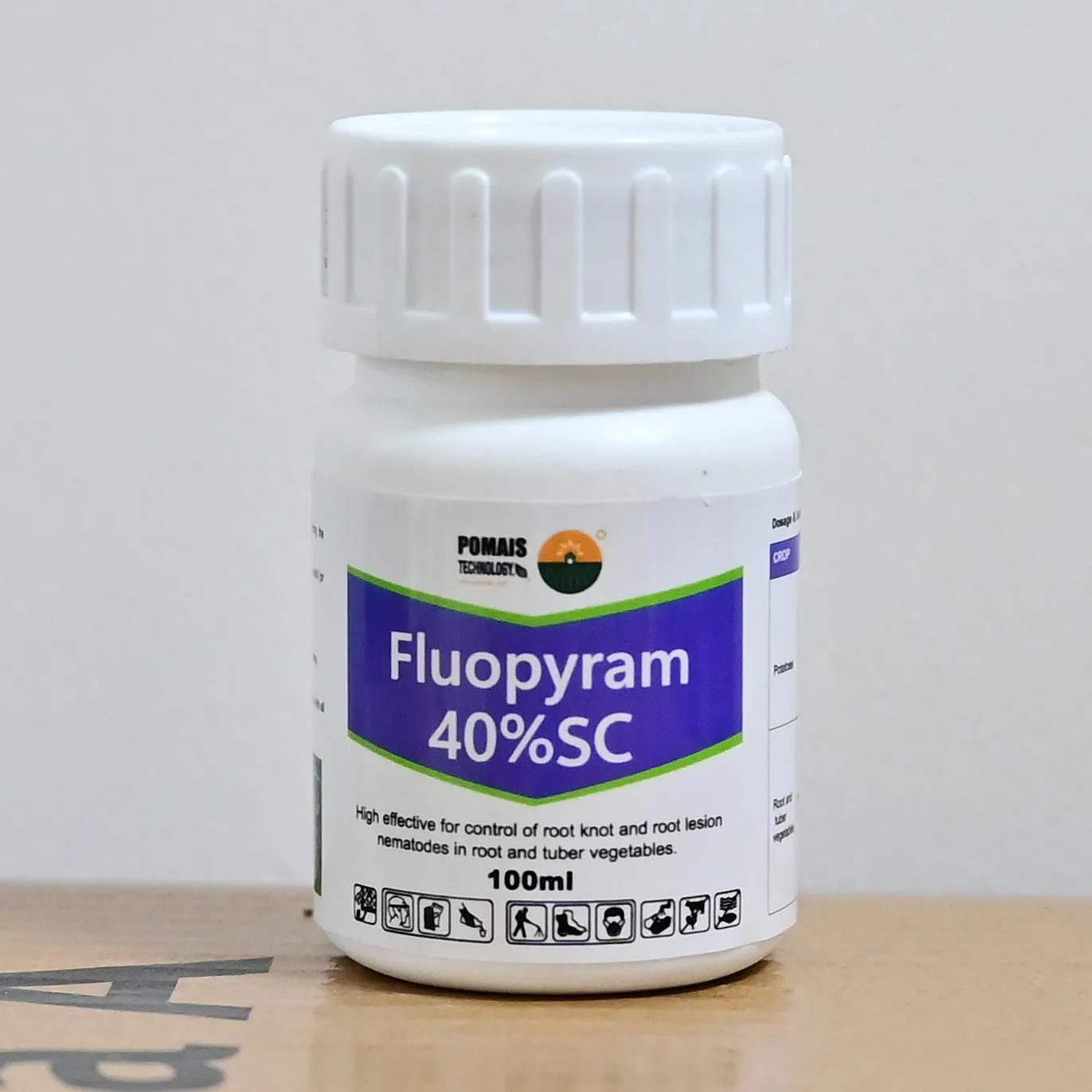
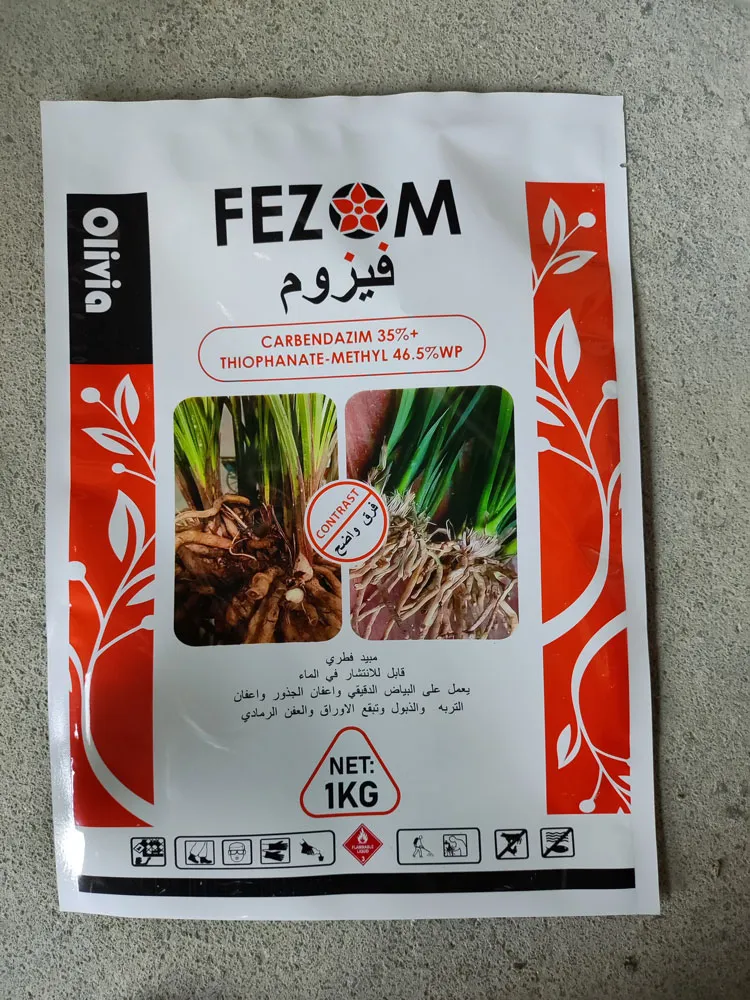
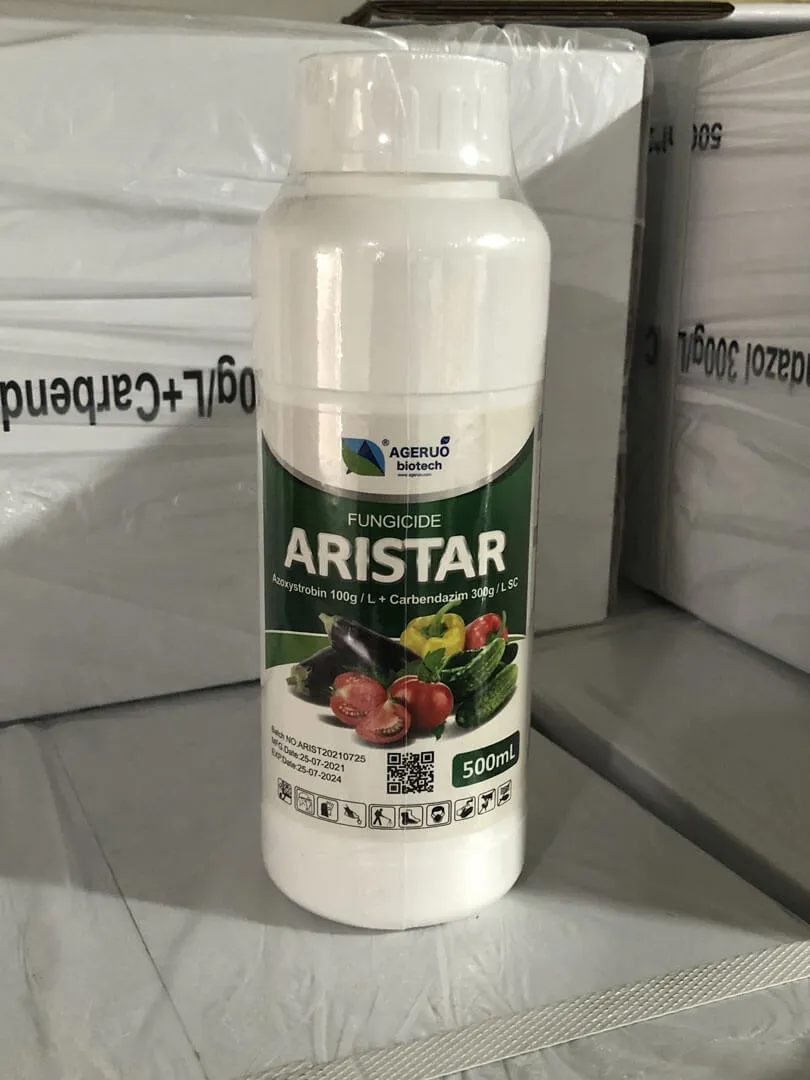
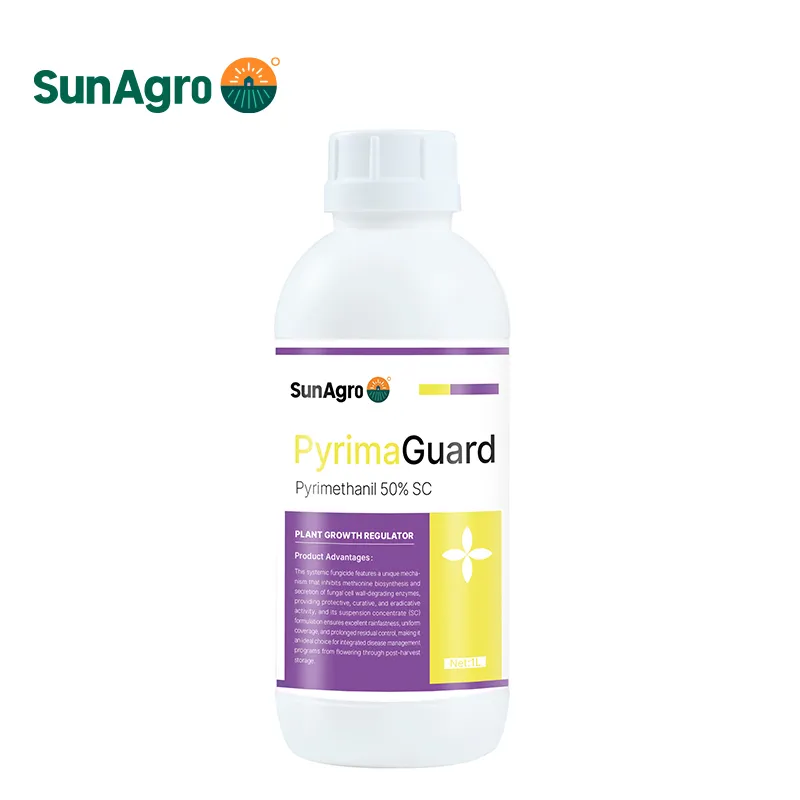
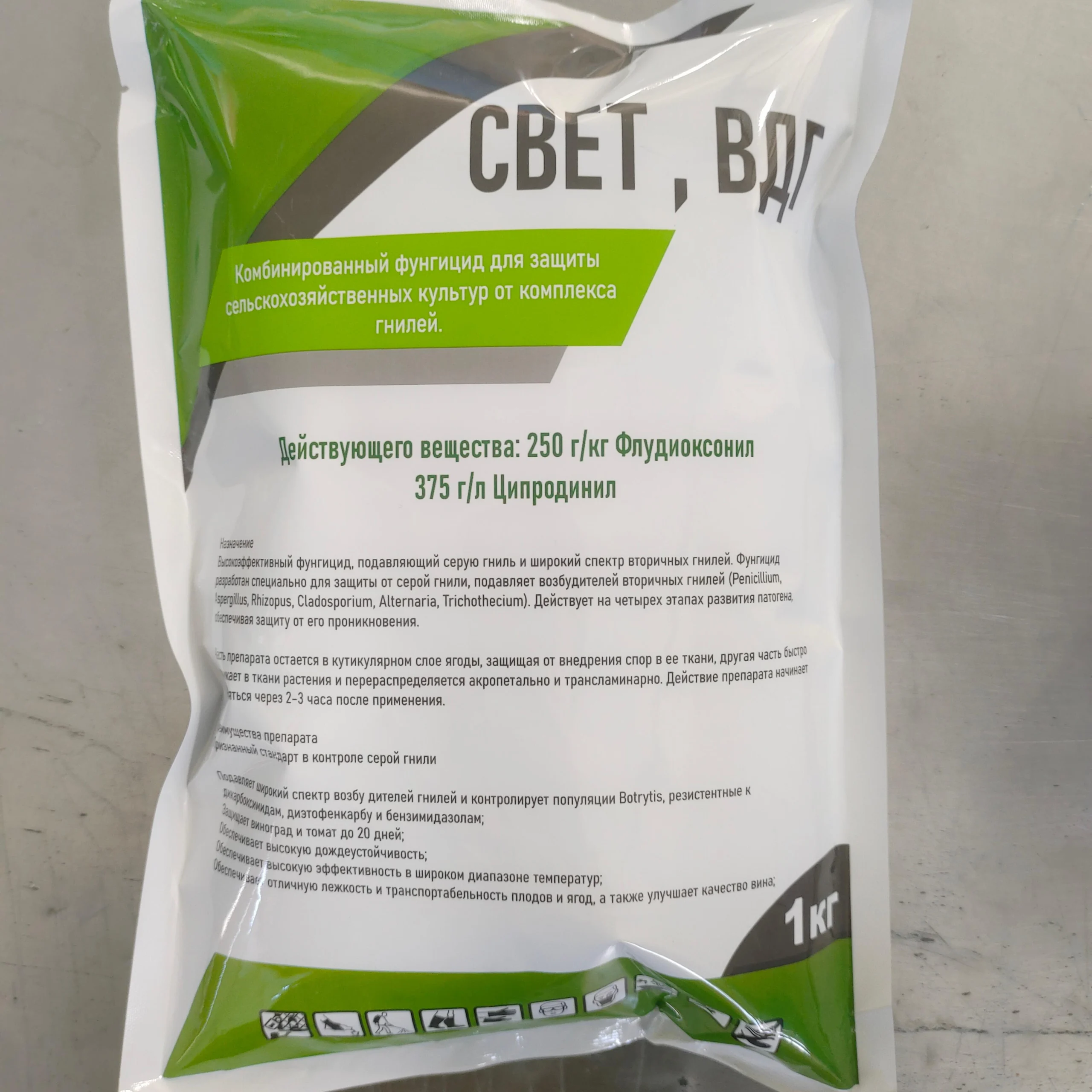
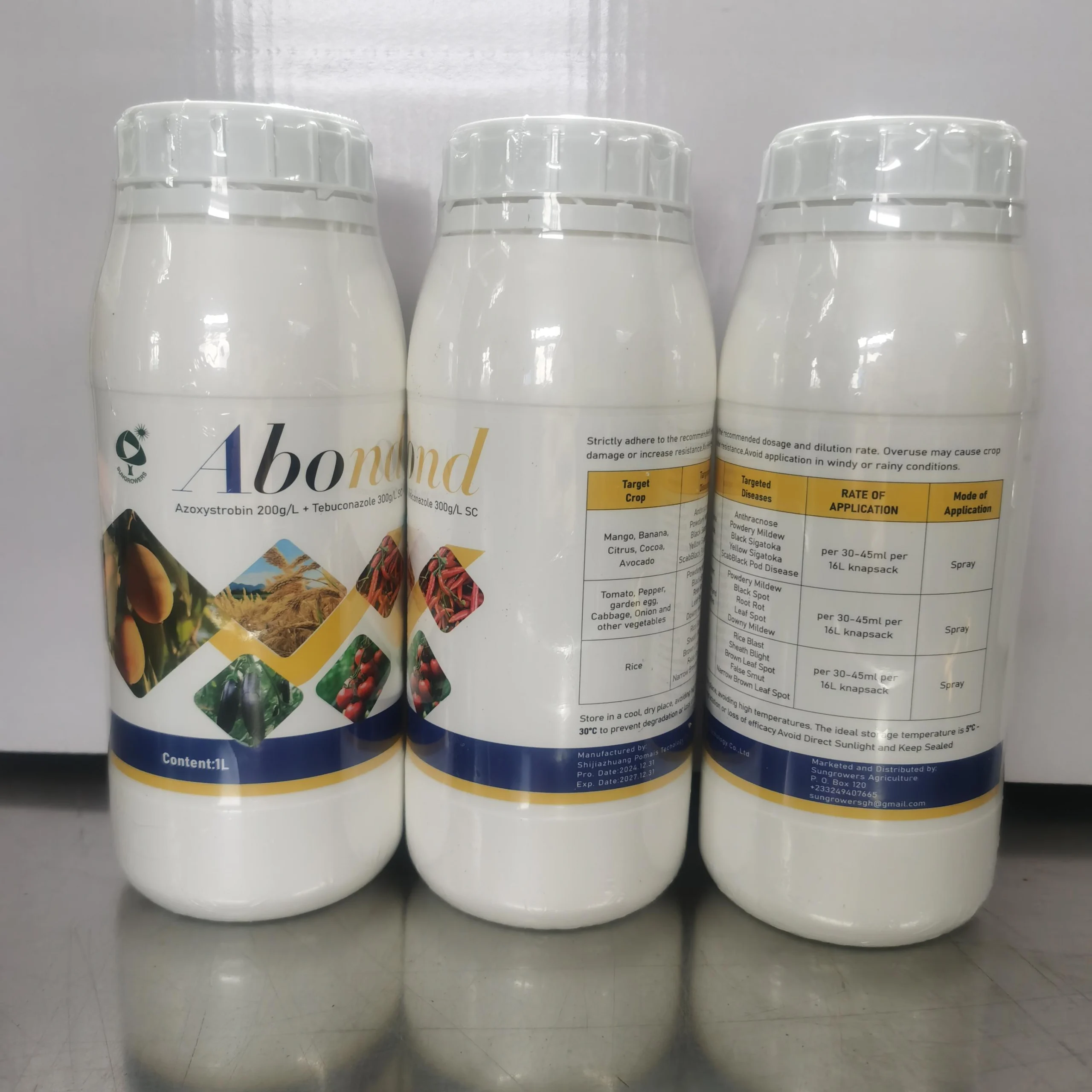
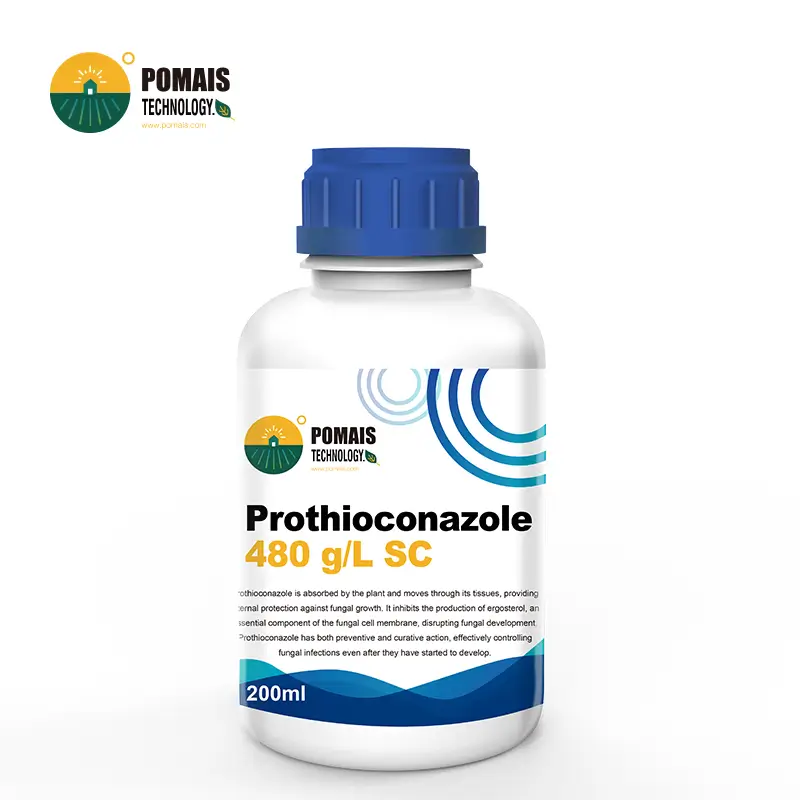
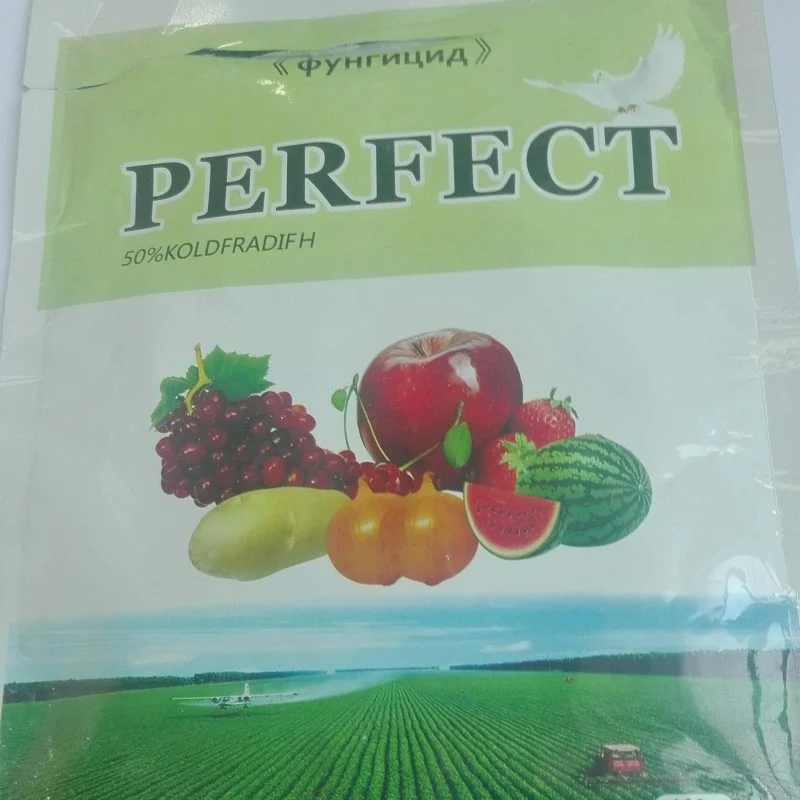
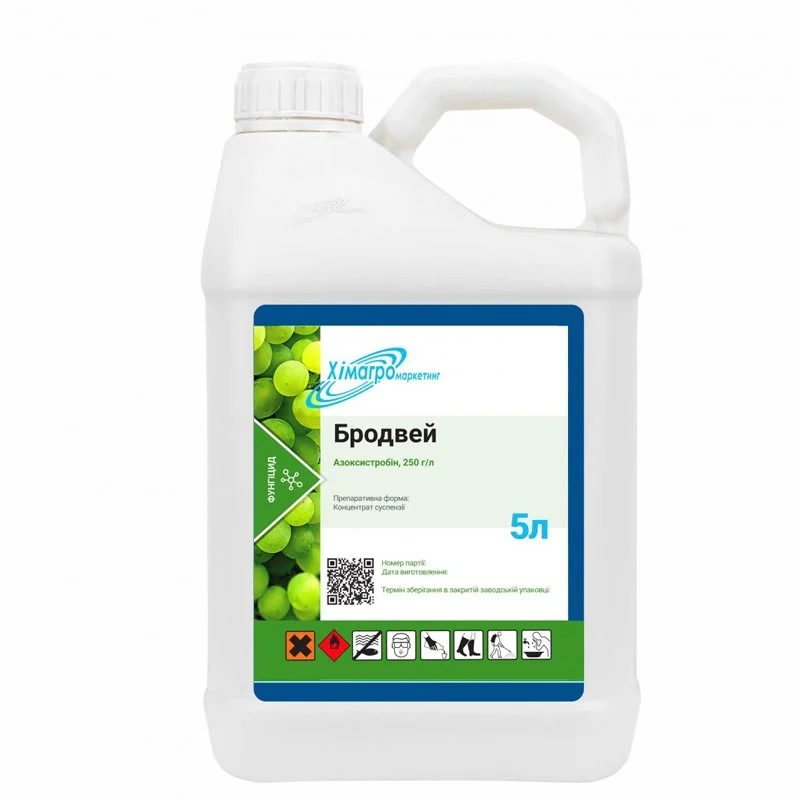
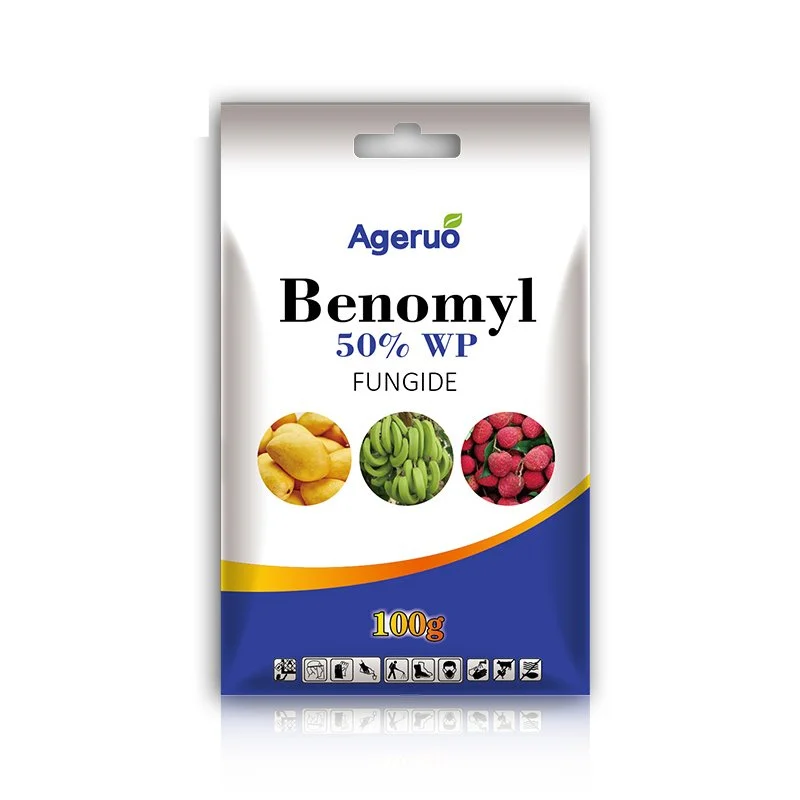
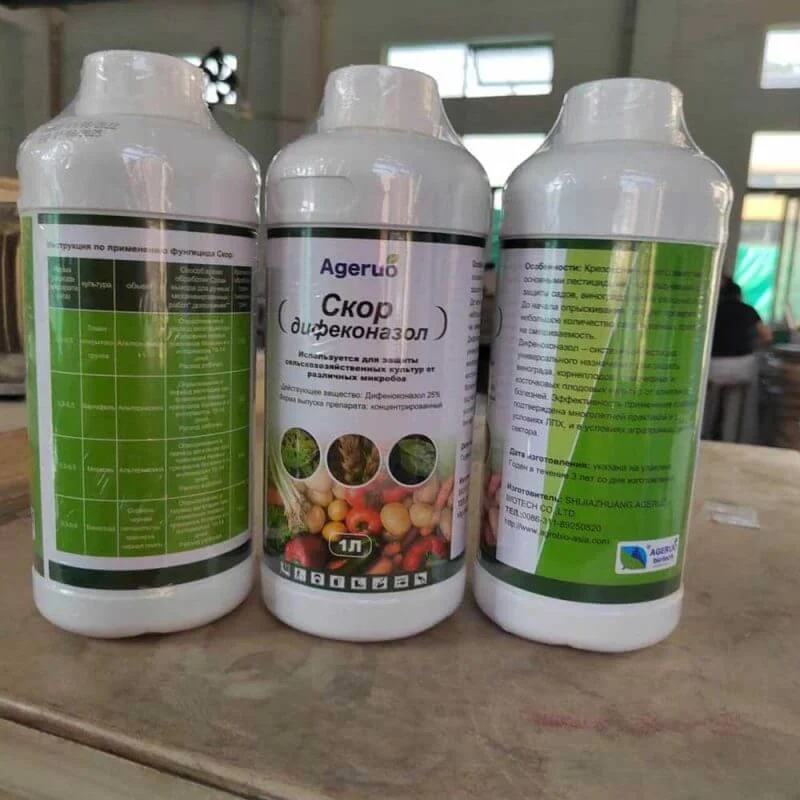
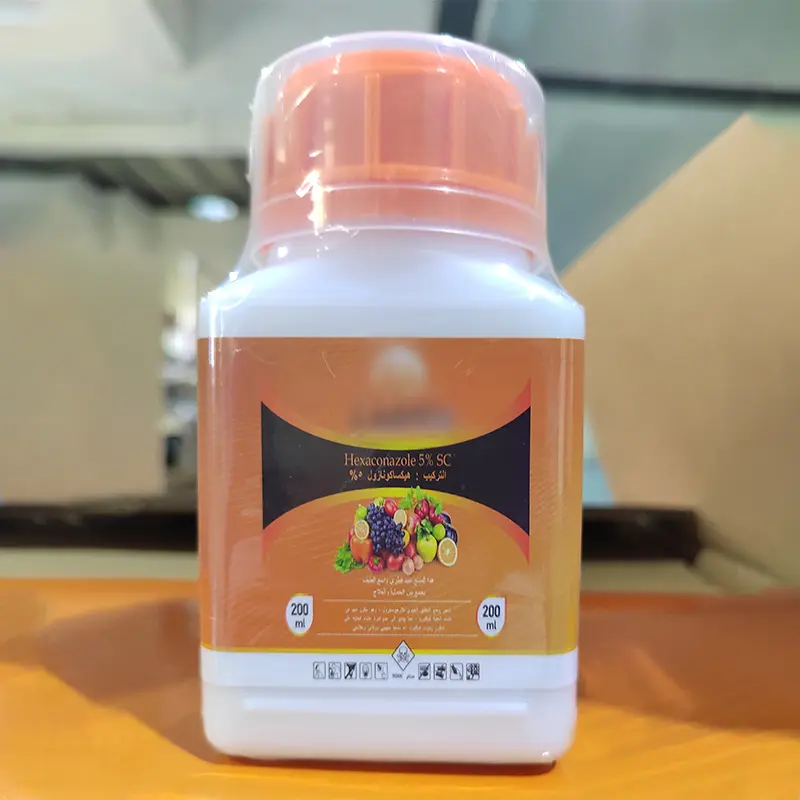
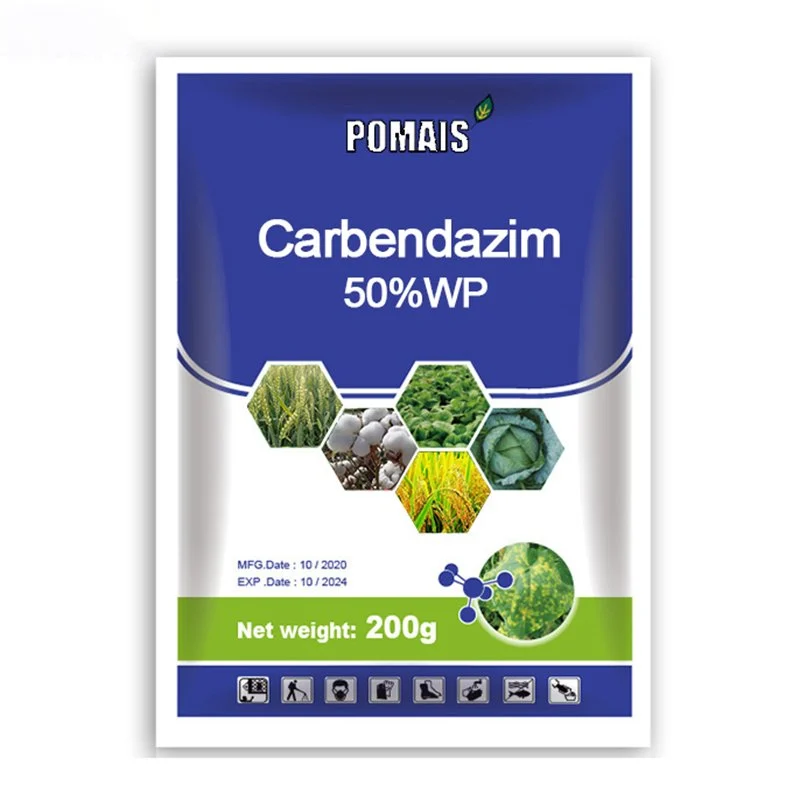
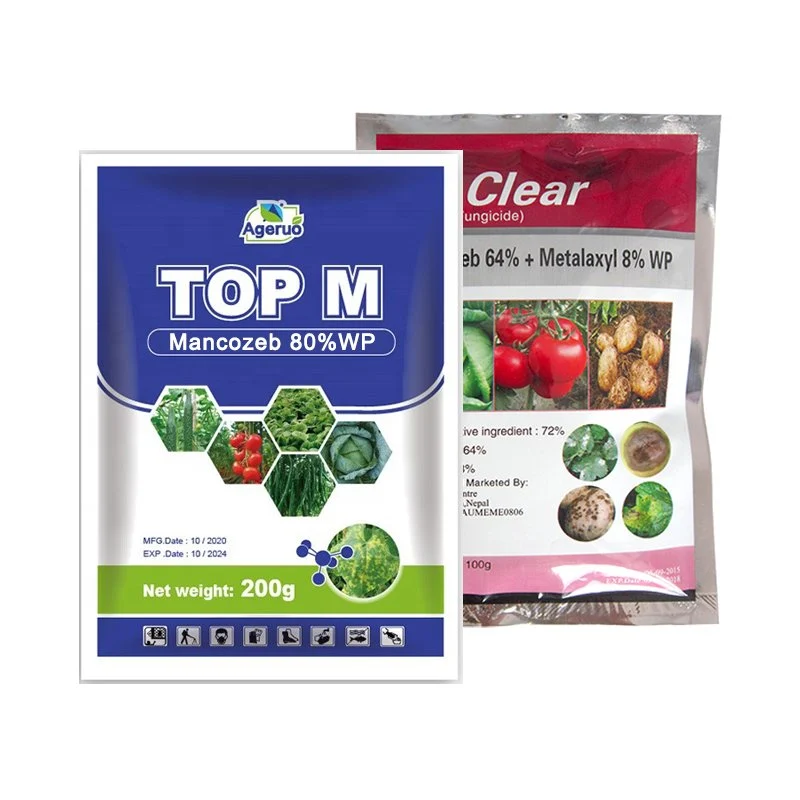
More Fungicides
















Pepper Insect and Mite Management
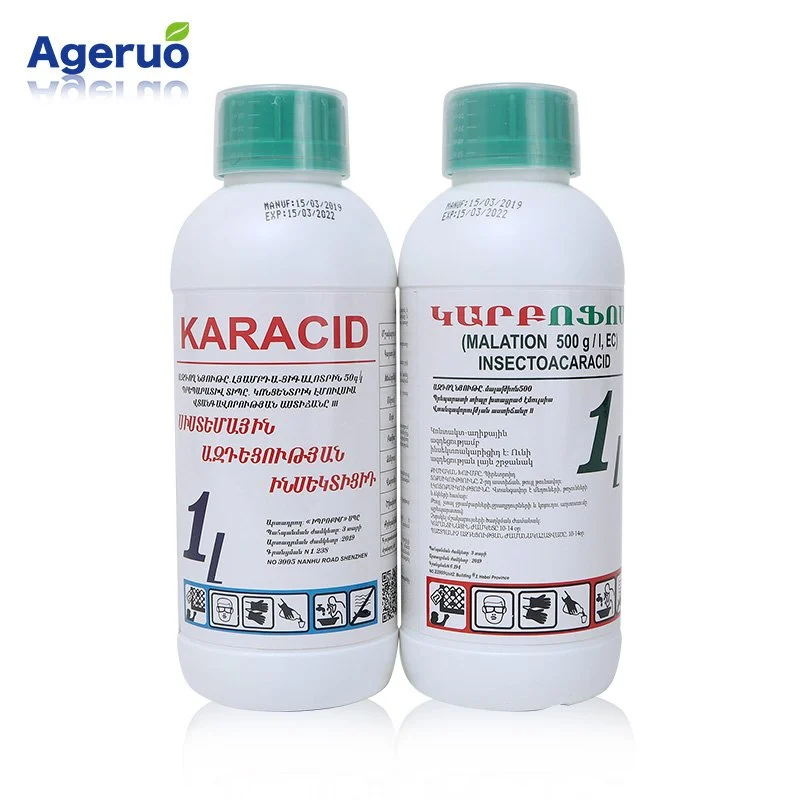
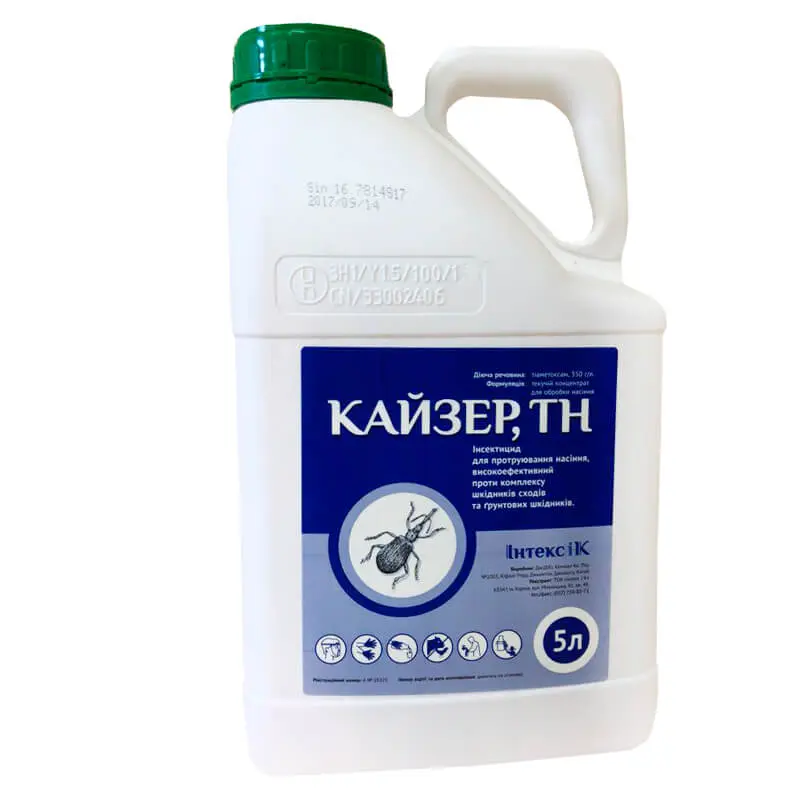
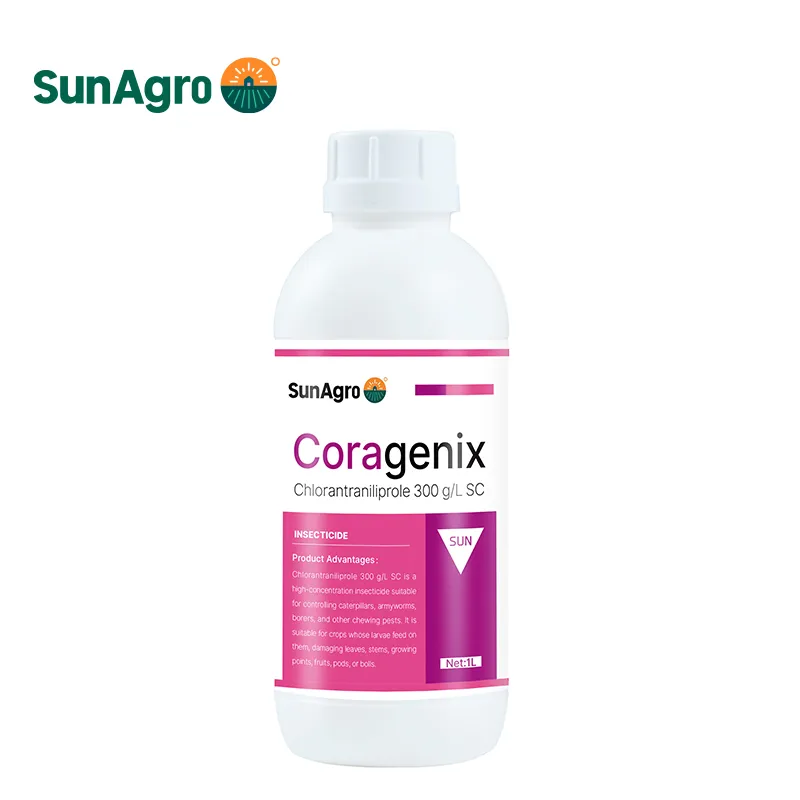
Pepper insect management should be tailored based on pest species, life stage, population density, crop growth stage, and actual damage severity. For both greenhouse and field production, continuous monitoring is often more important than simply increasing the frequency of pesticide applications.
| Pest Category | Target Organisms | Management Priorities |
|---|---|---|
| Thrips | Thrips | Monitor flowers and young leaves to assess the risk of virus transmission |
| Whiteflies | Whiteflies | Monitor the undersides of leaves, population growth, and the risk of virus transmission |
| Aphids | Aphids | Monitor new shoots, leaves, and the presence of natural enemies |
| Leaf Mites and Broad Mites | Spider Mites, Broad Mites | Monitor leaf chlorosis, deformities, and damage to growing points |
| Fruit Pests | Pepper Weevil, Fruit Borers | Monitor flower buds, fruits, and damage caused by larvae |
| Seedling Pests | Cutworms, etc. | Check for missing seedlings, damage to the base of stems, and early plant death |
Thrips, Whiteflies, and Aphids
These sucking pests can directly affect pepper growth, and some species may also transmit viruses. Management strategies should consider pest population density, plant symptoms, seedling health, and field sanitation.Regarding virus vectors, note that controlling vector insects does not eliminate all risks of virus transmission in the field. Therefore, healthy seedlings, timely removal of severely infected plants, and proper cultural practices are equally important.When selecting an insecticide, verify the target pests, active ingredients, IRAC mode-of-action group, and local registration status. Different pests may have varying sensitivities to the same active ingredient; therefore, a one-size-fits-all recommendation based solely on a product’s “broad-spectrum” description is not appropriate.
Spider Mites and Broad Mites
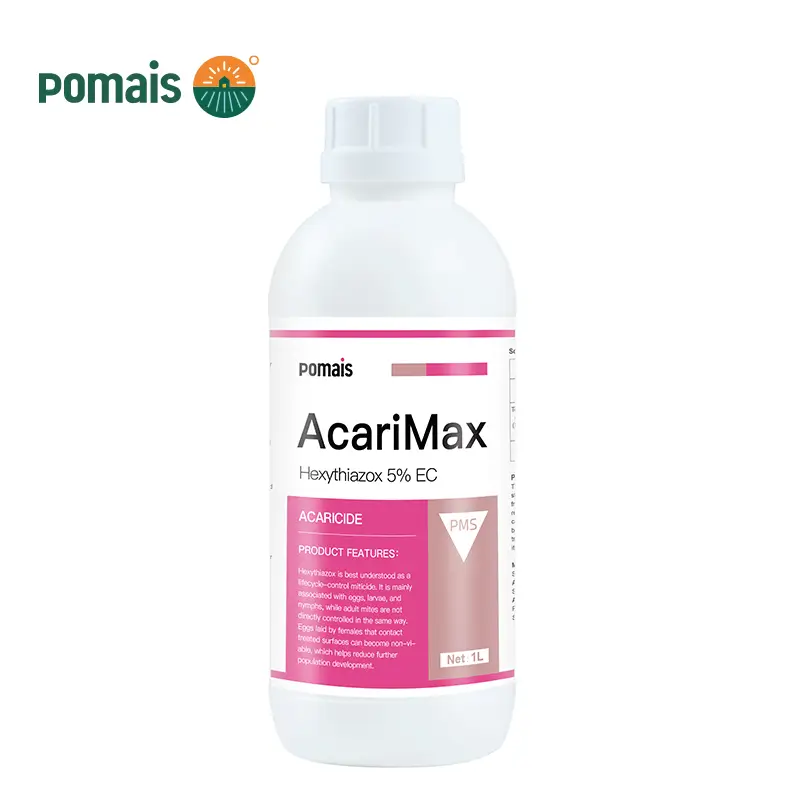
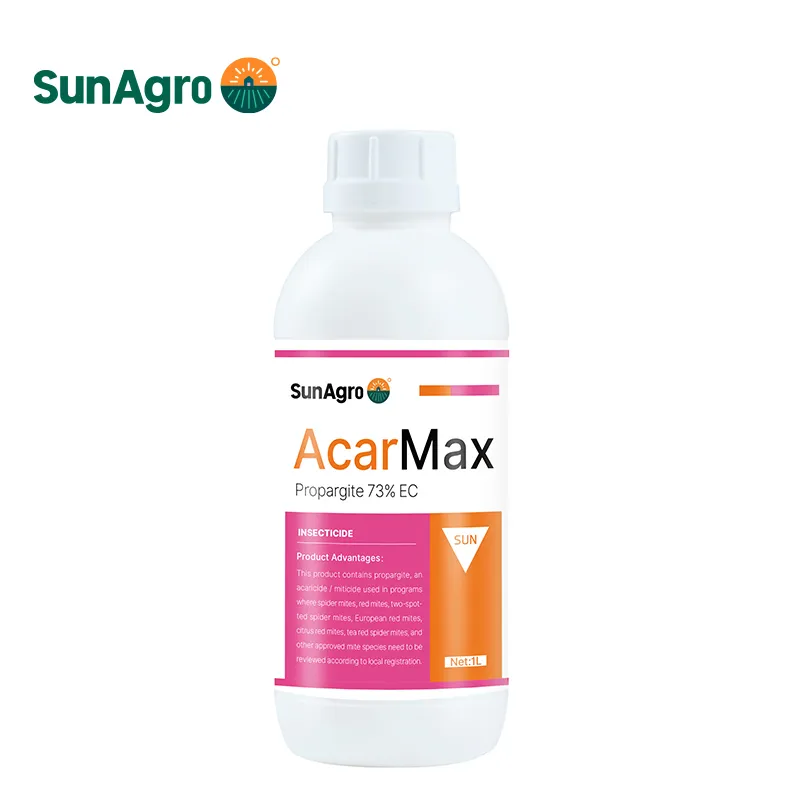
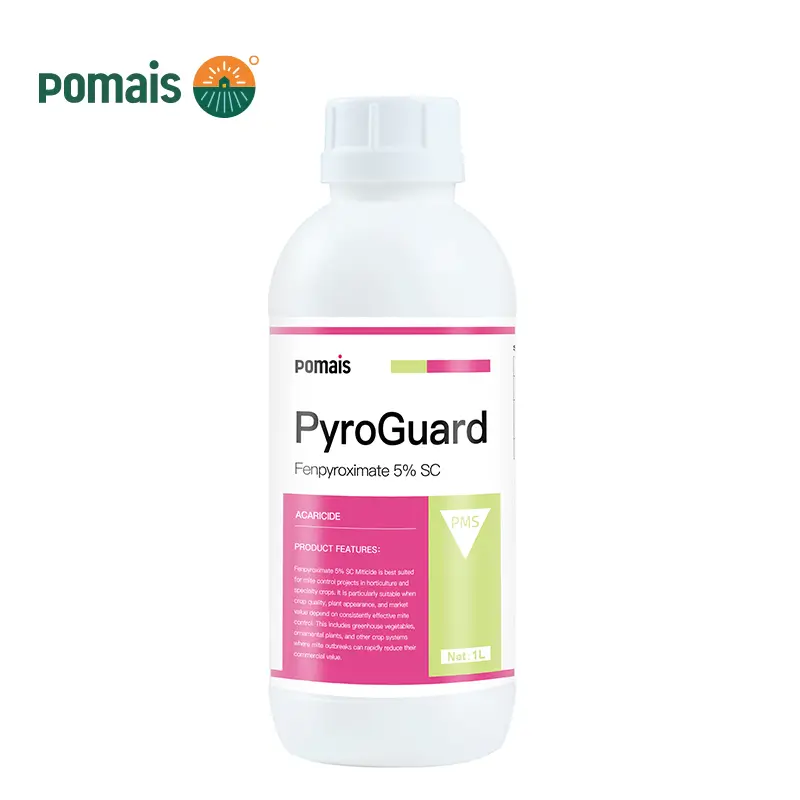
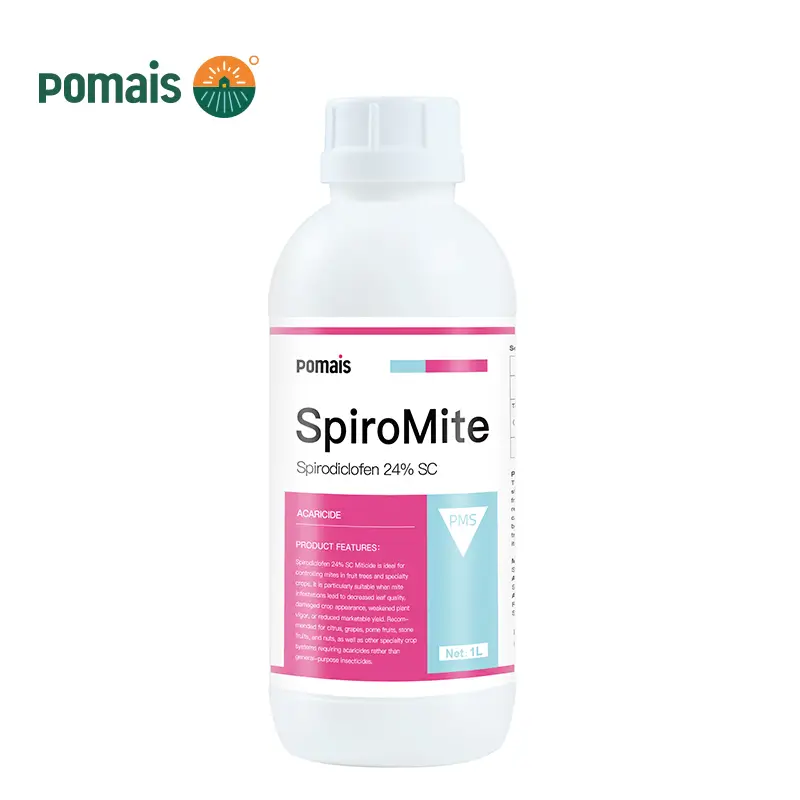
Mites can cause leaf chlorosis, leaf deformation, damage to growth points, and reduced plant vigor. Some symptoms can easily be confused with nutritional imbalances, pesticide damage, or other diseases; therefore, the pest type must be identified first.Conventional insecticides do not necessarily possess the same acaricidal activity. Product selection should be based on the specific mite species, label instructions, and resistance risks, while taking care to protect natural enemies and other non-target organisms.
Pepper Weevil and Fruit Borers
The pepper weevil and certain fruit-boring pests may damage flower buds and fruits or interfere with normal fruit set. The specific importance of these pests varies by region; therefore, priorities should be determined based on target markets and field surveys.Management strategies should integrate pest identification, life cycle stages, population monitoring, and local technical recommendations.
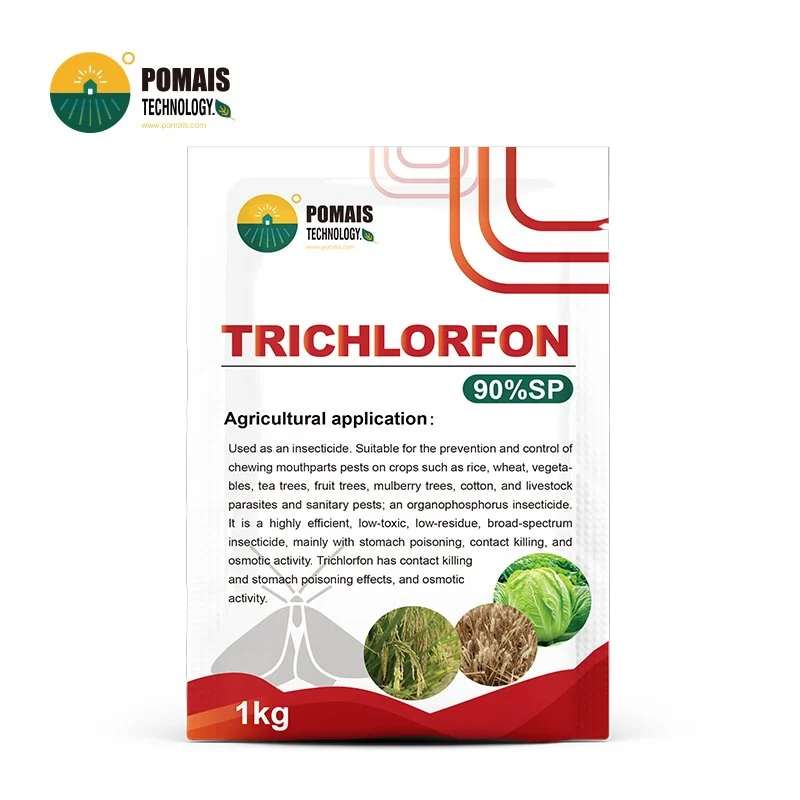
For fruit pests, verify that the product is explicitly registered for use on peppers and against the corresponding target pests, and observe the pre-harvest interval (PHI) under continuous harvesting conditions.
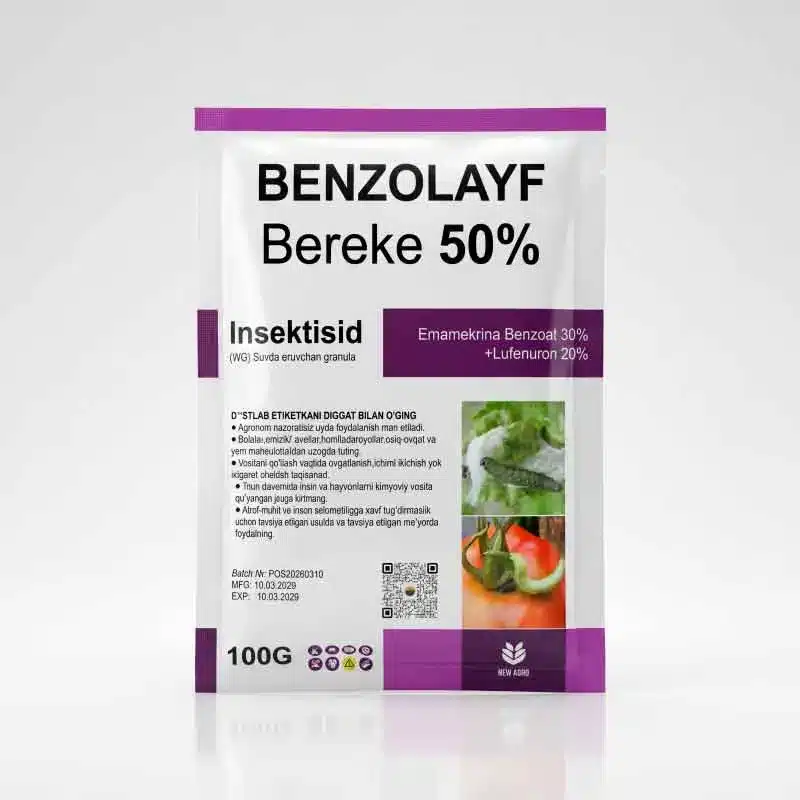
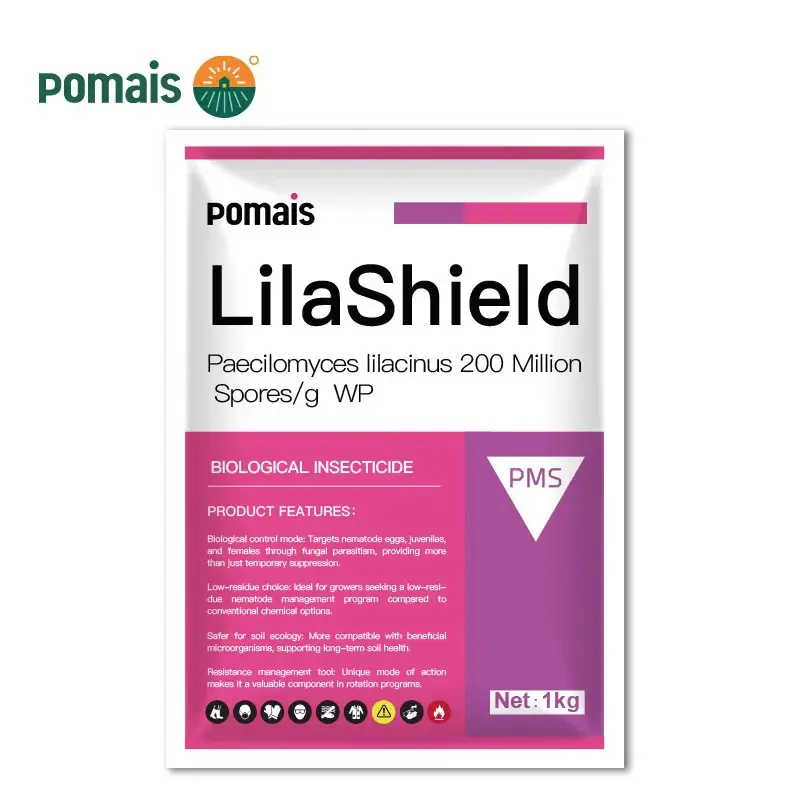
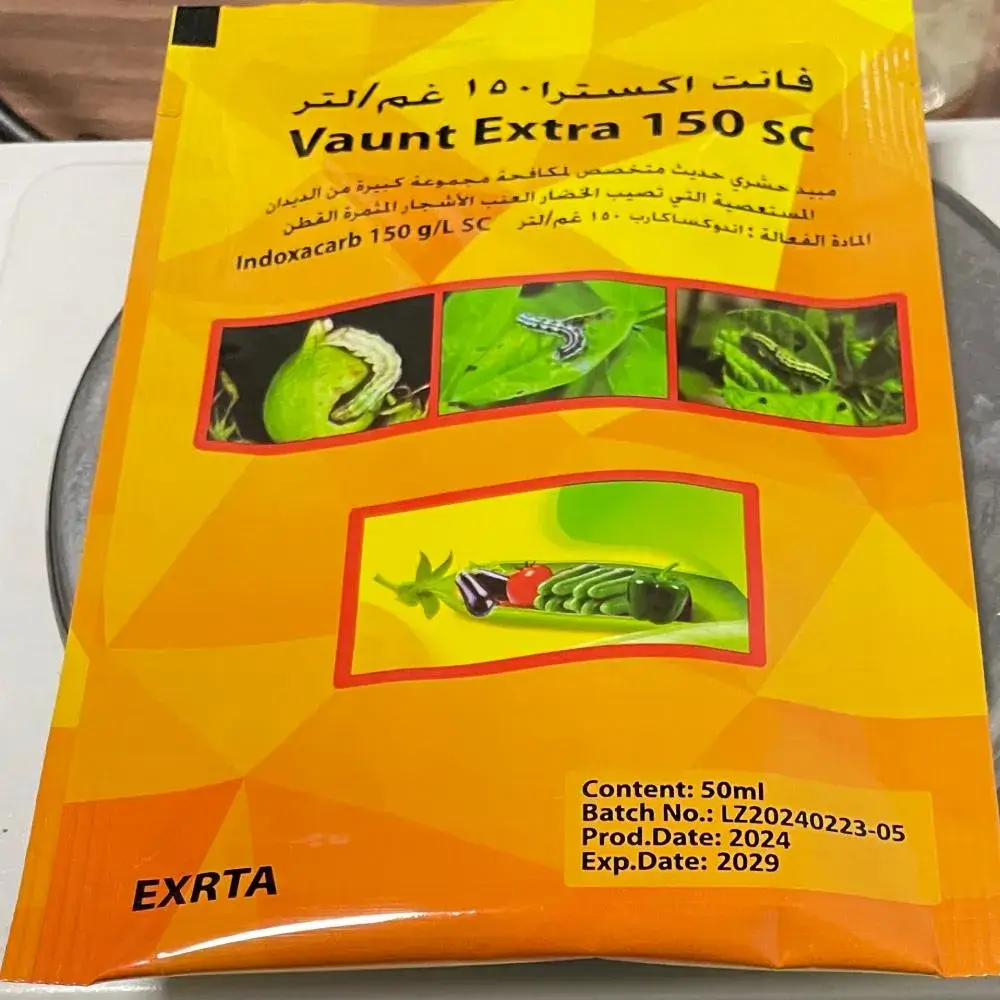
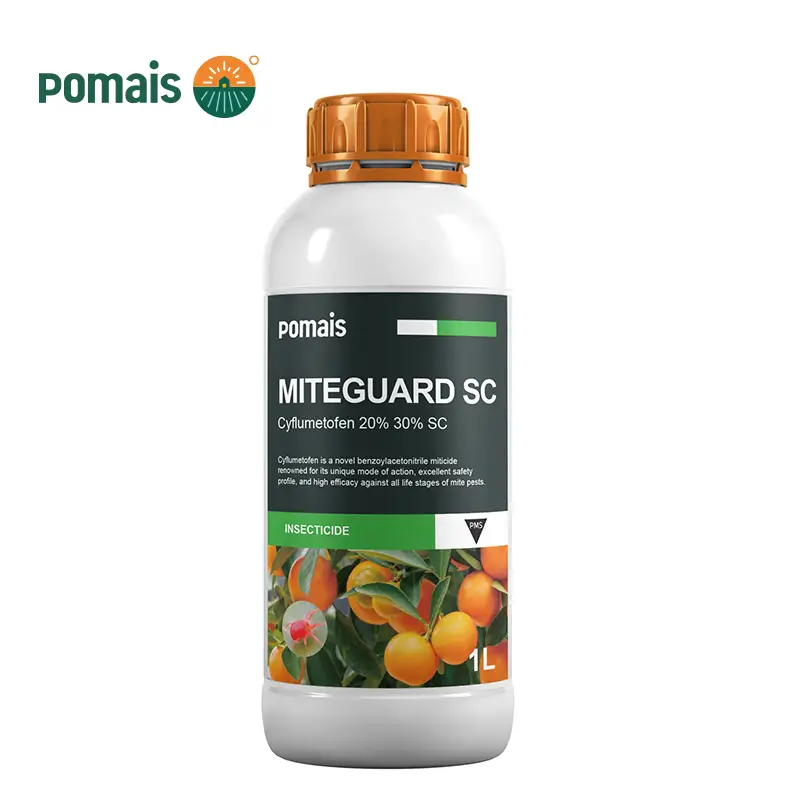
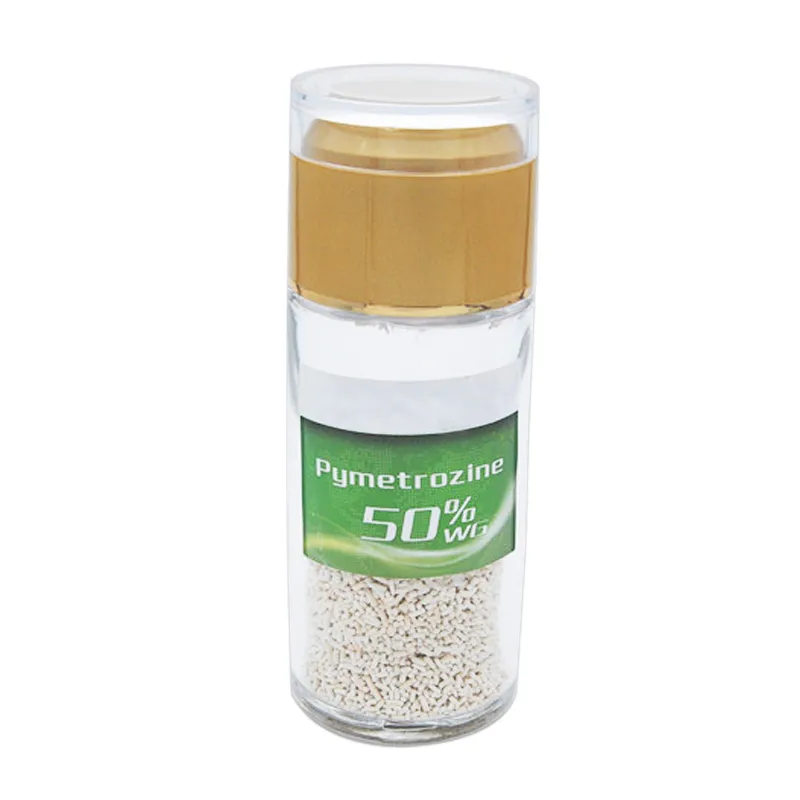
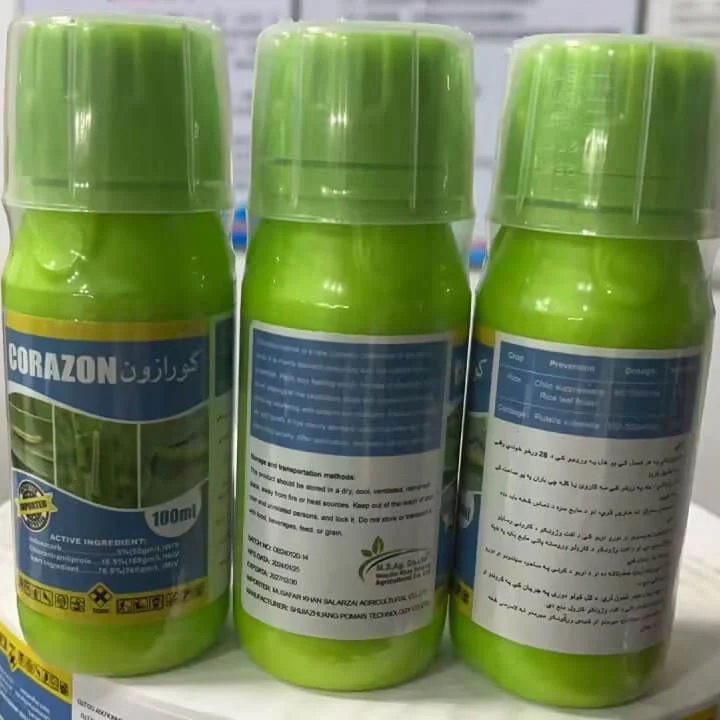
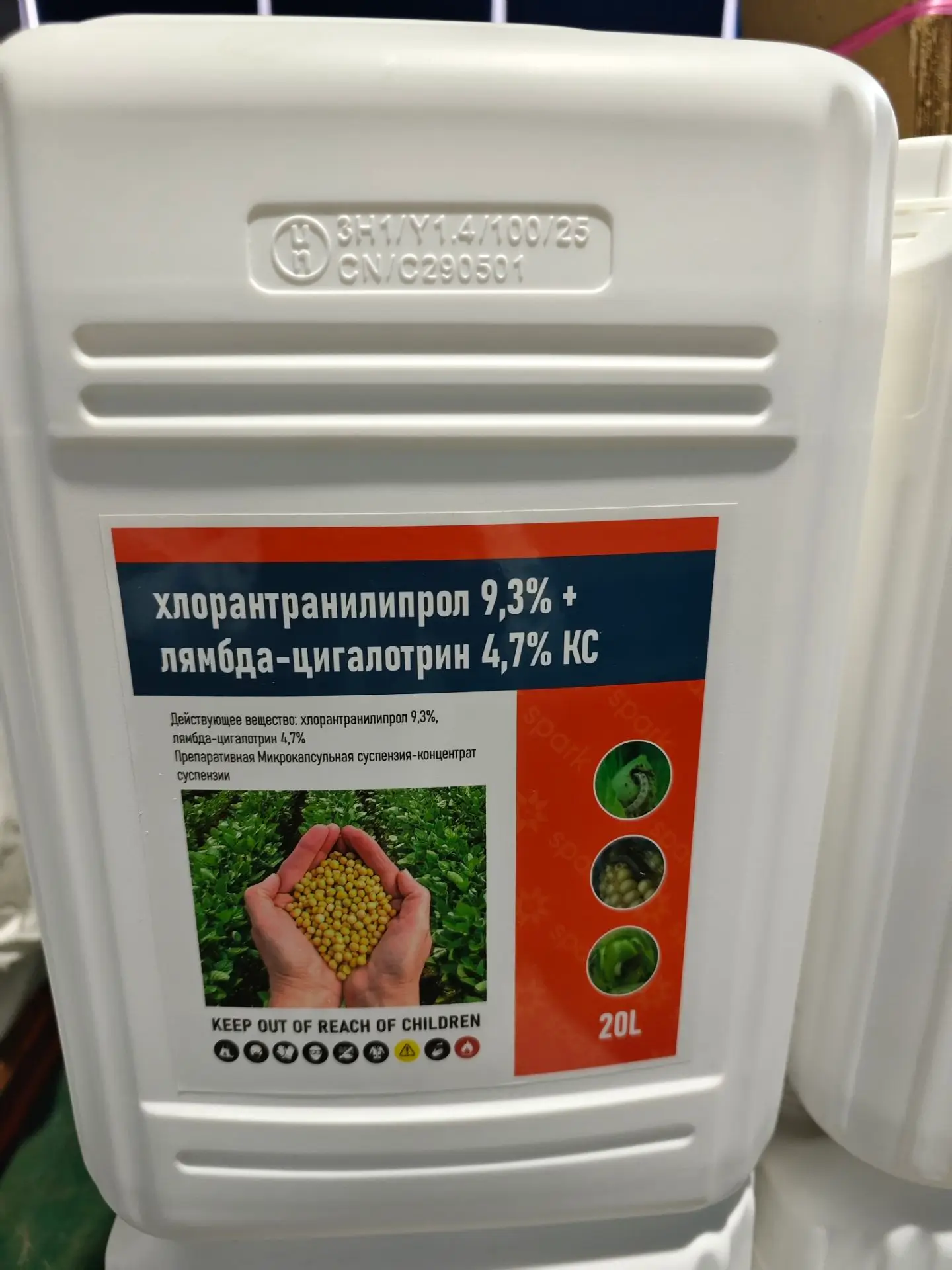
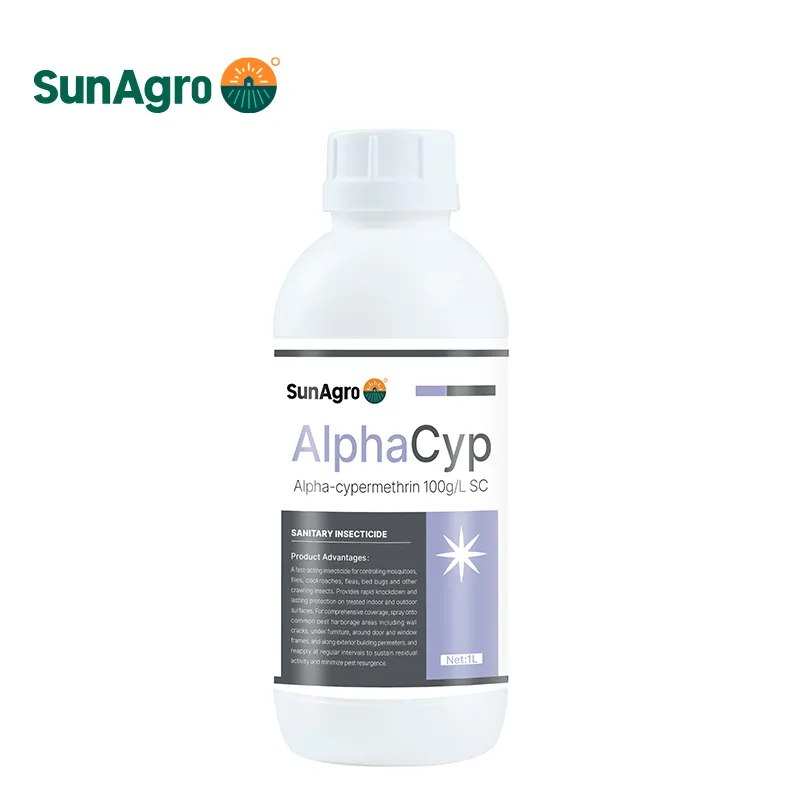
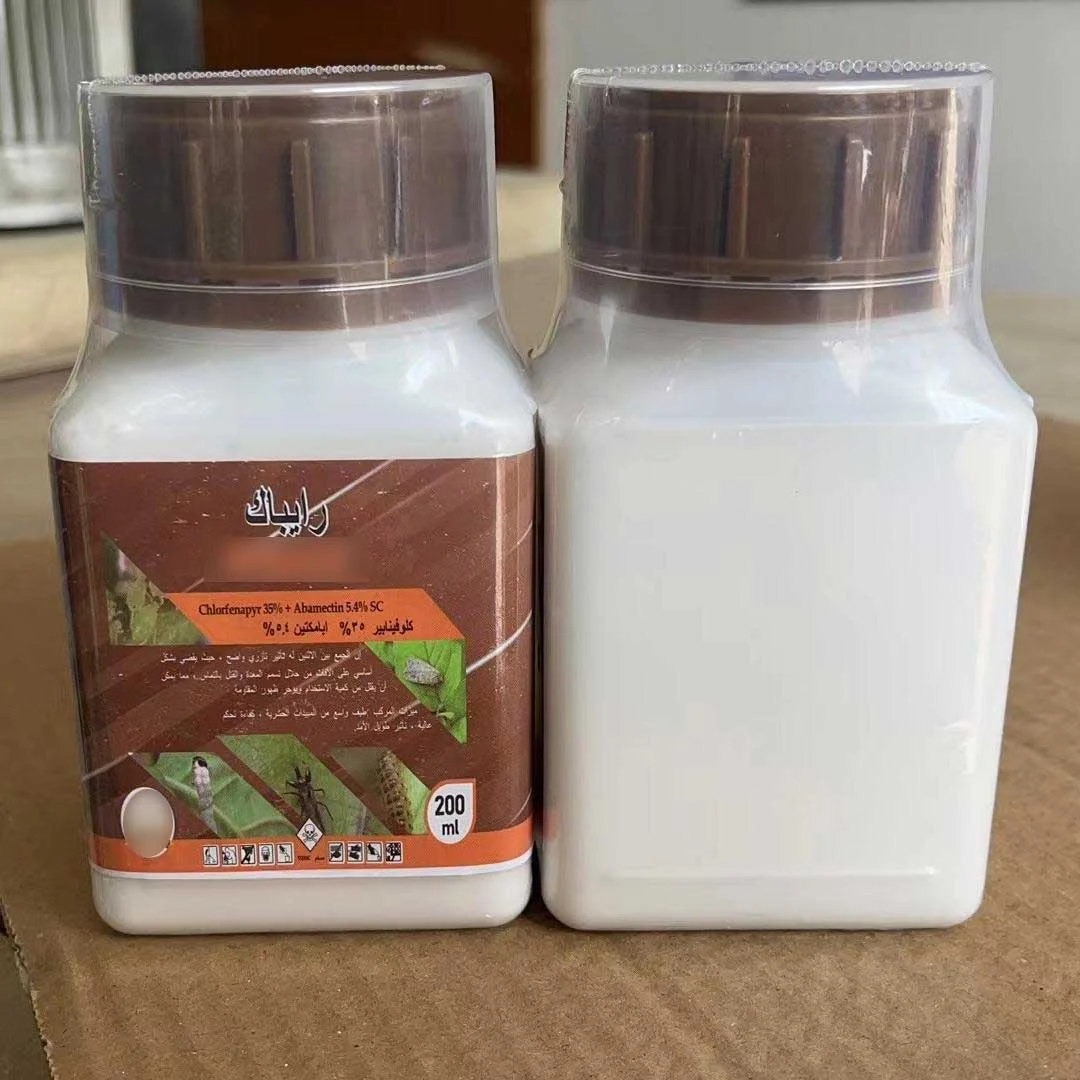
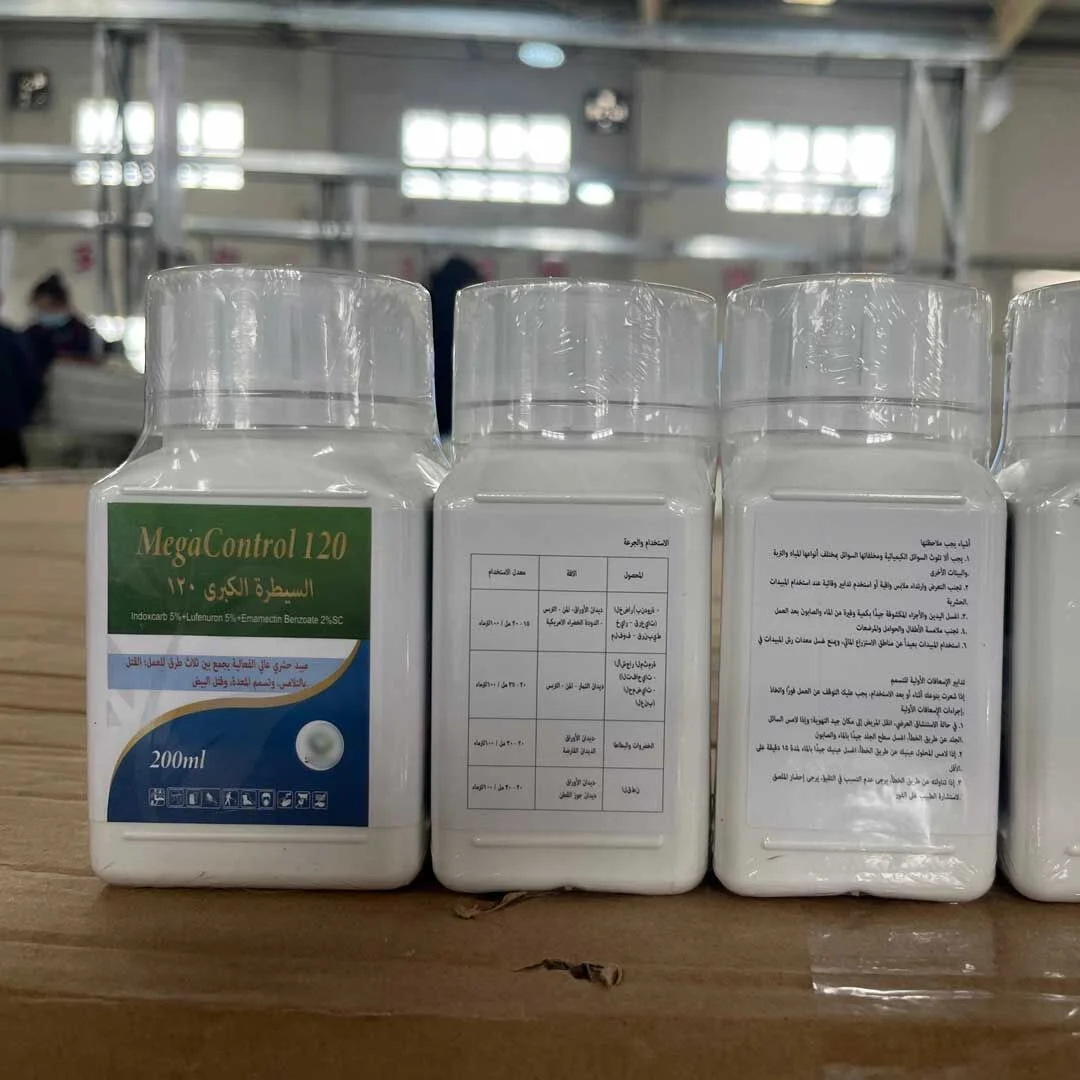
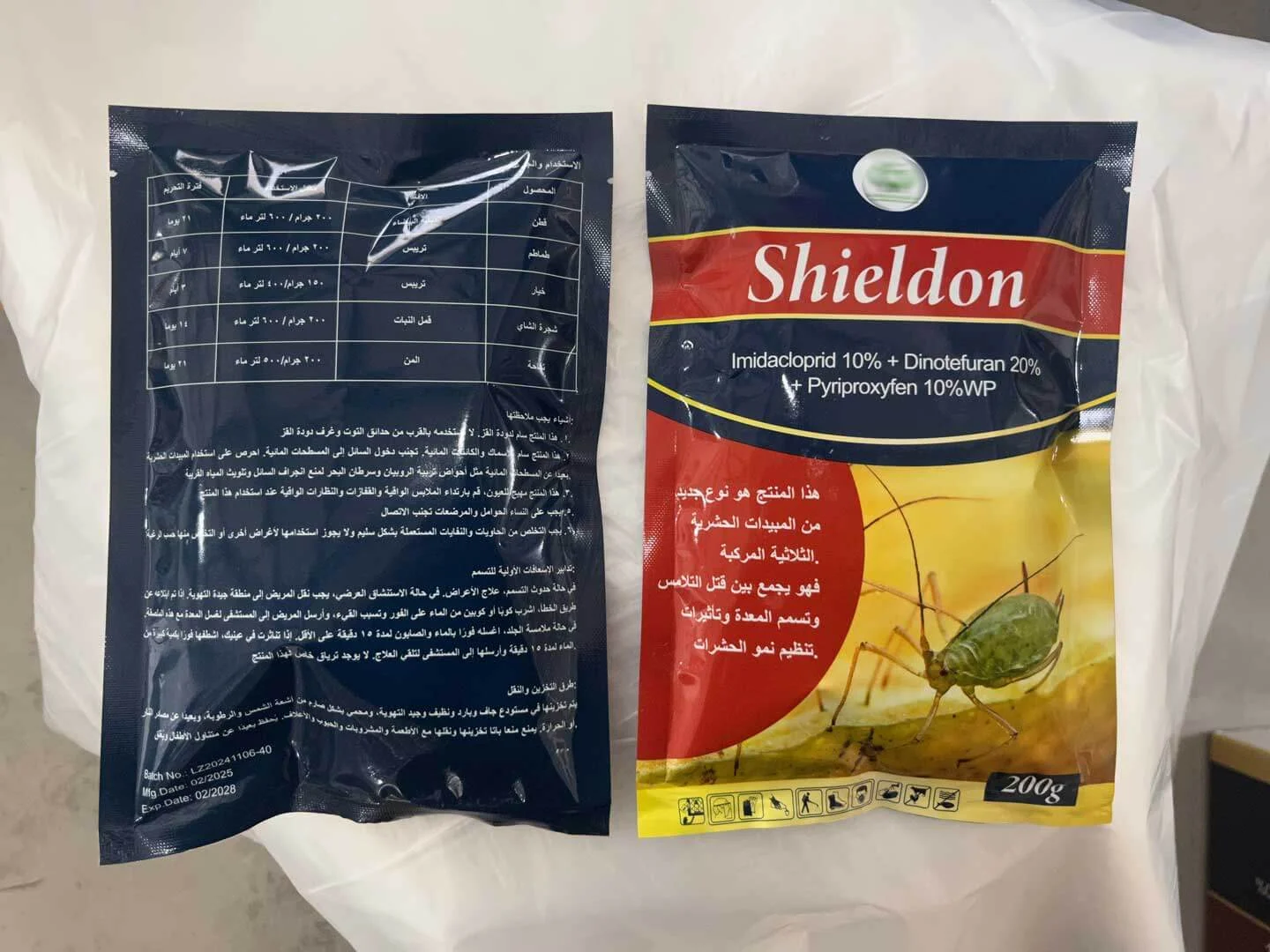
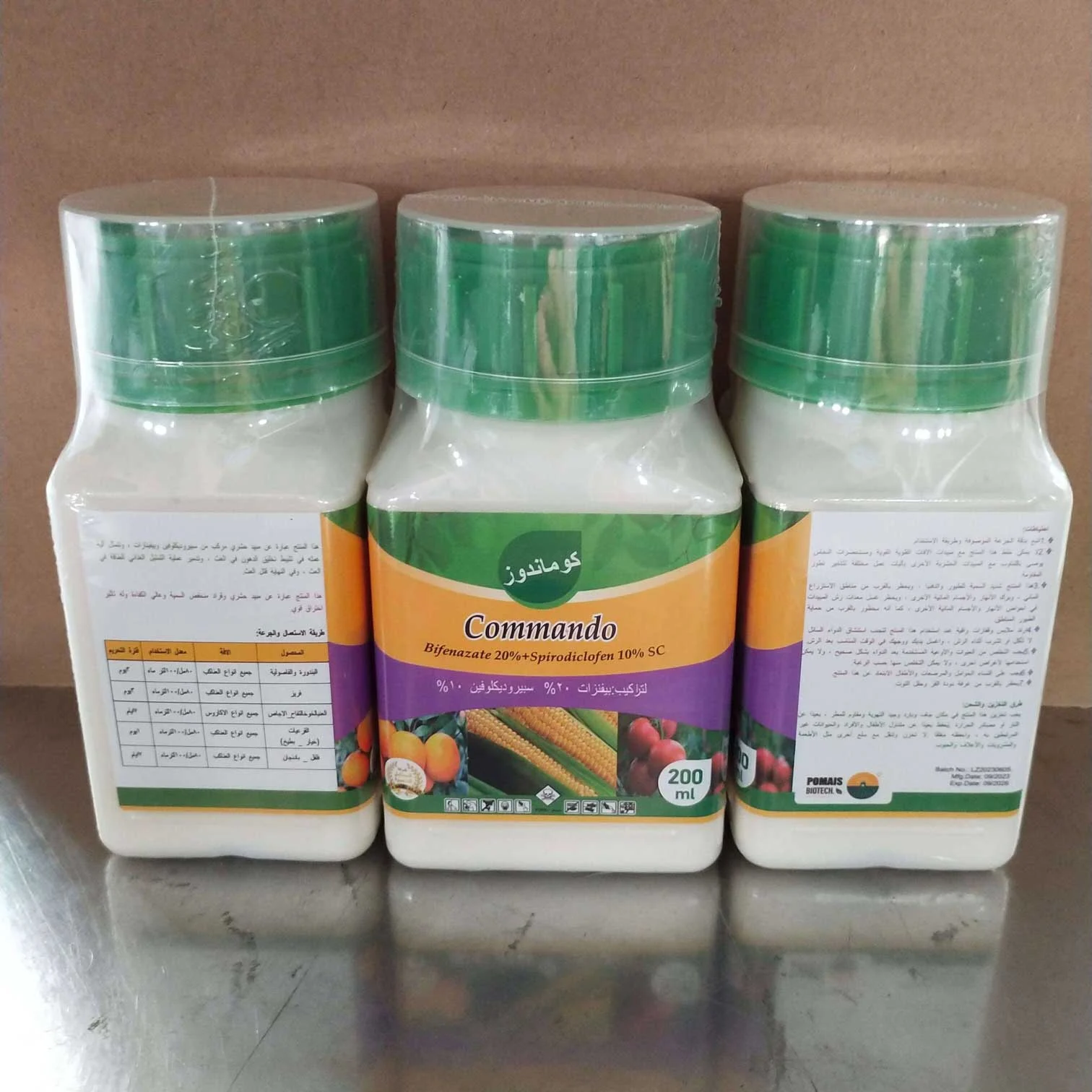
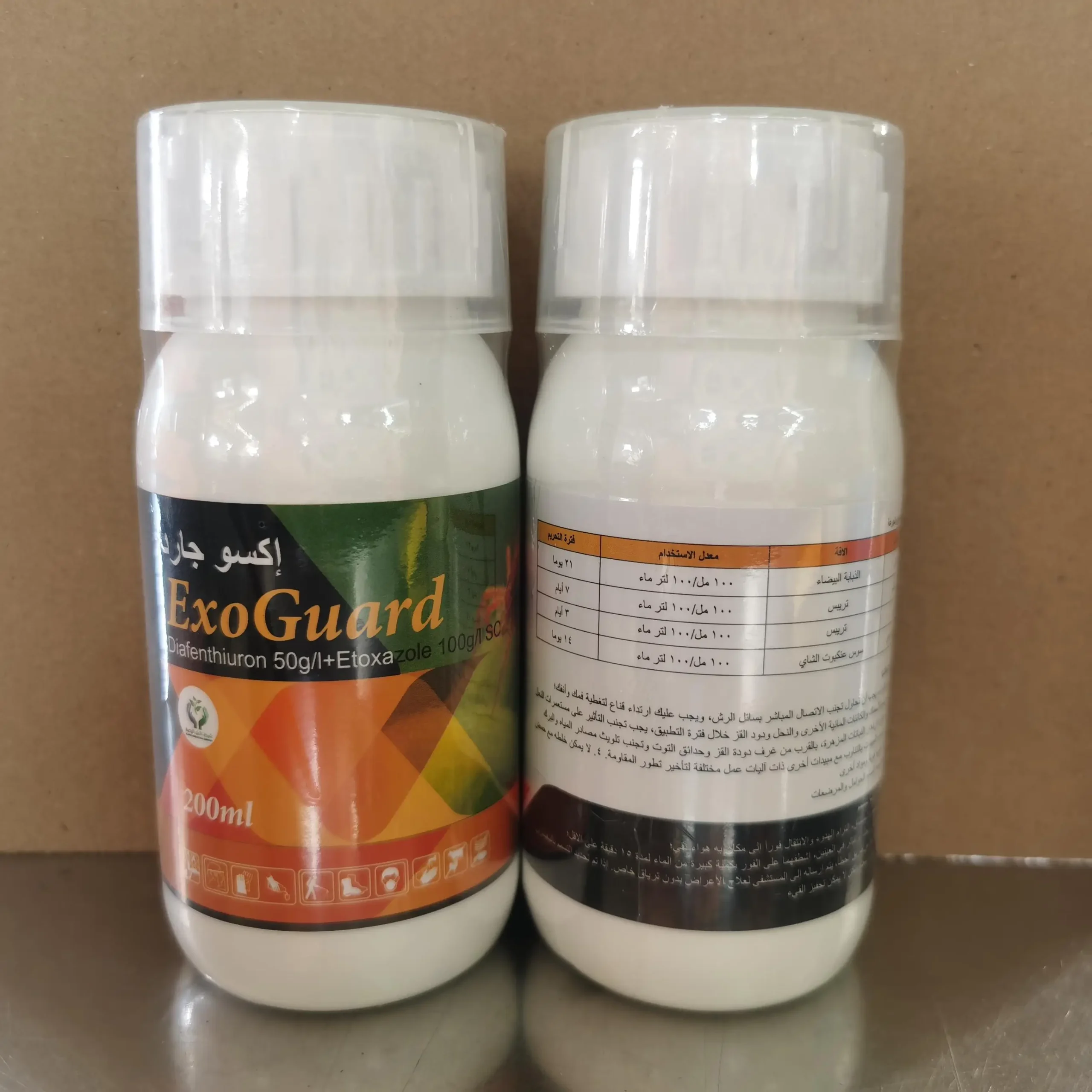
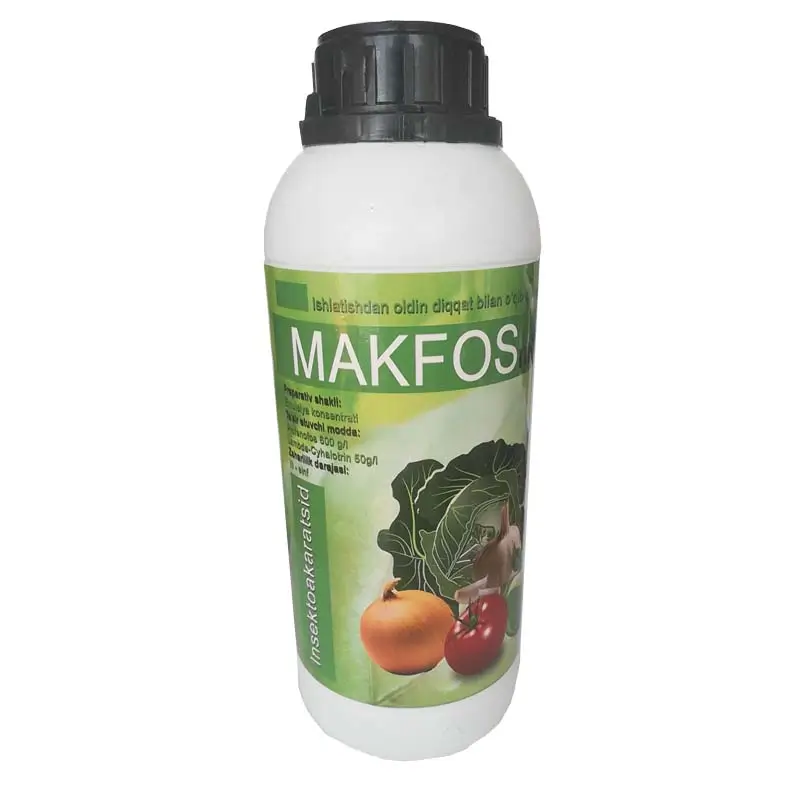
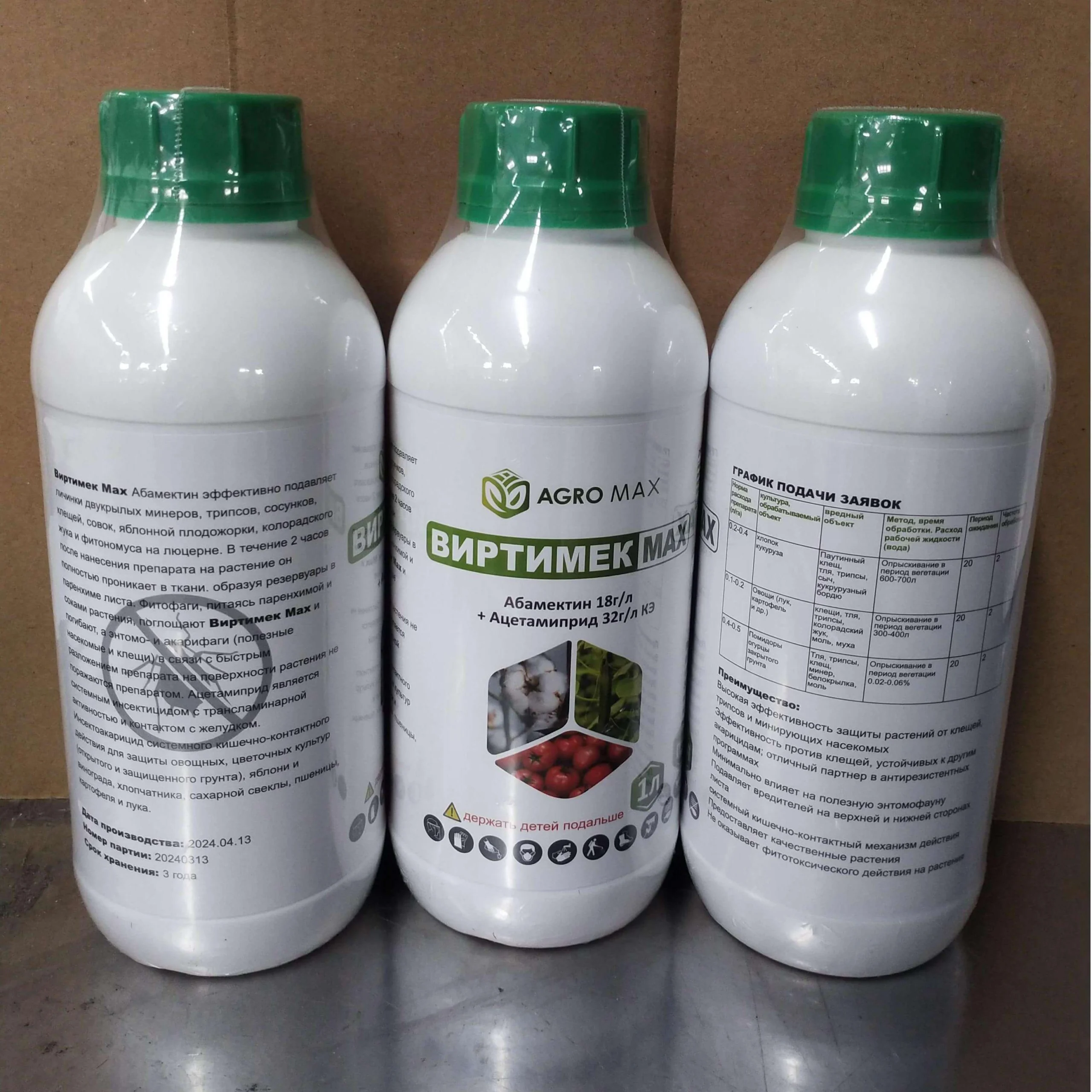
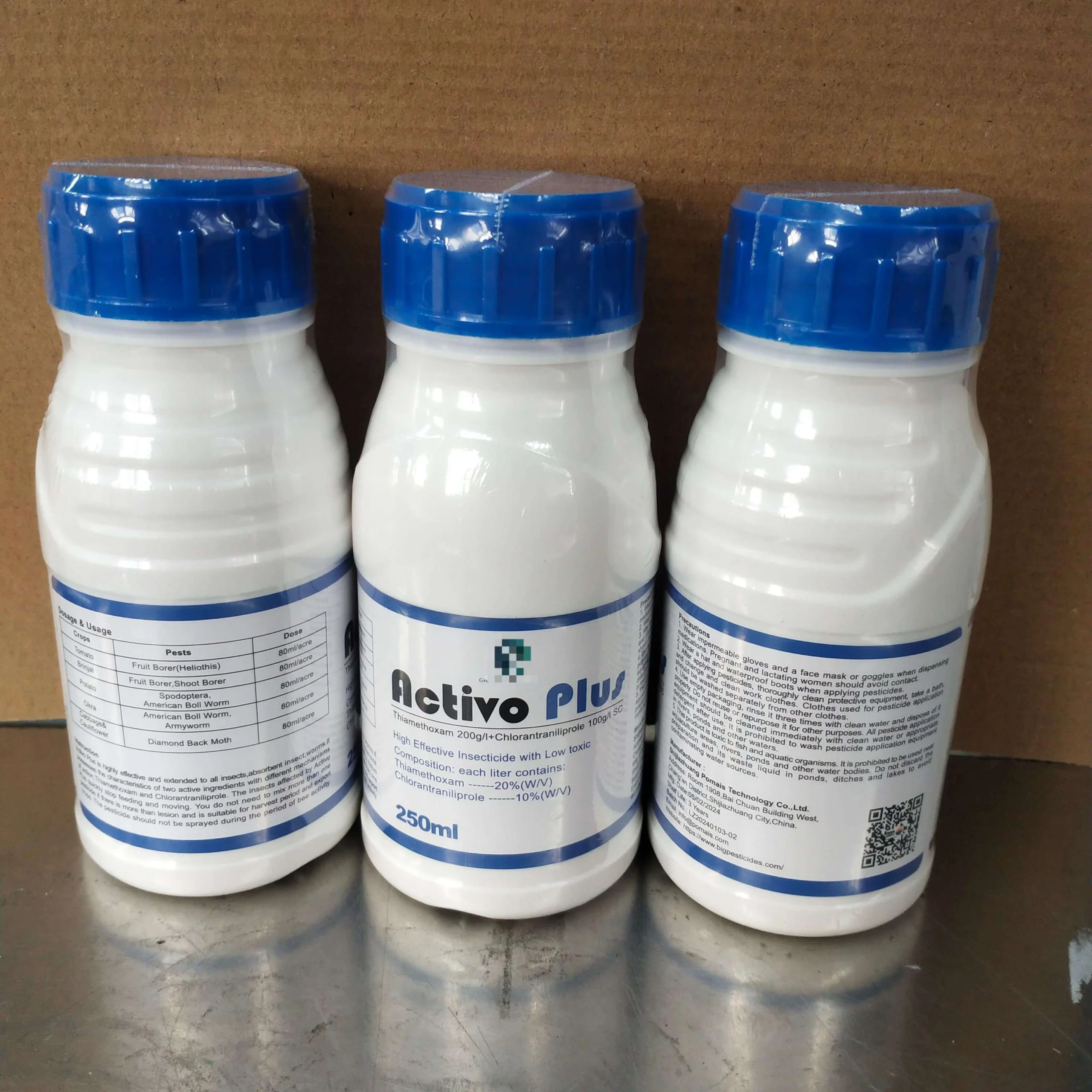
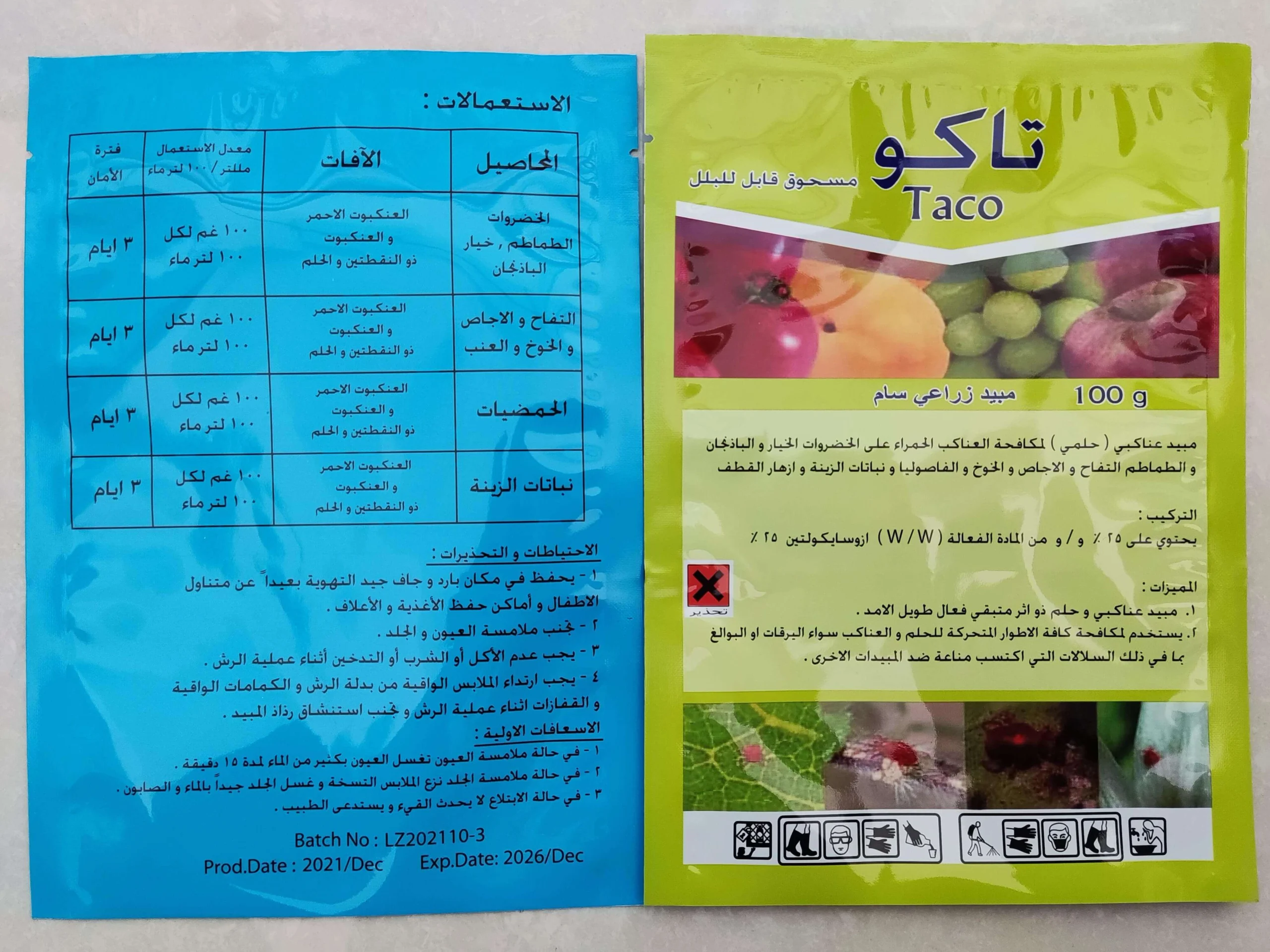
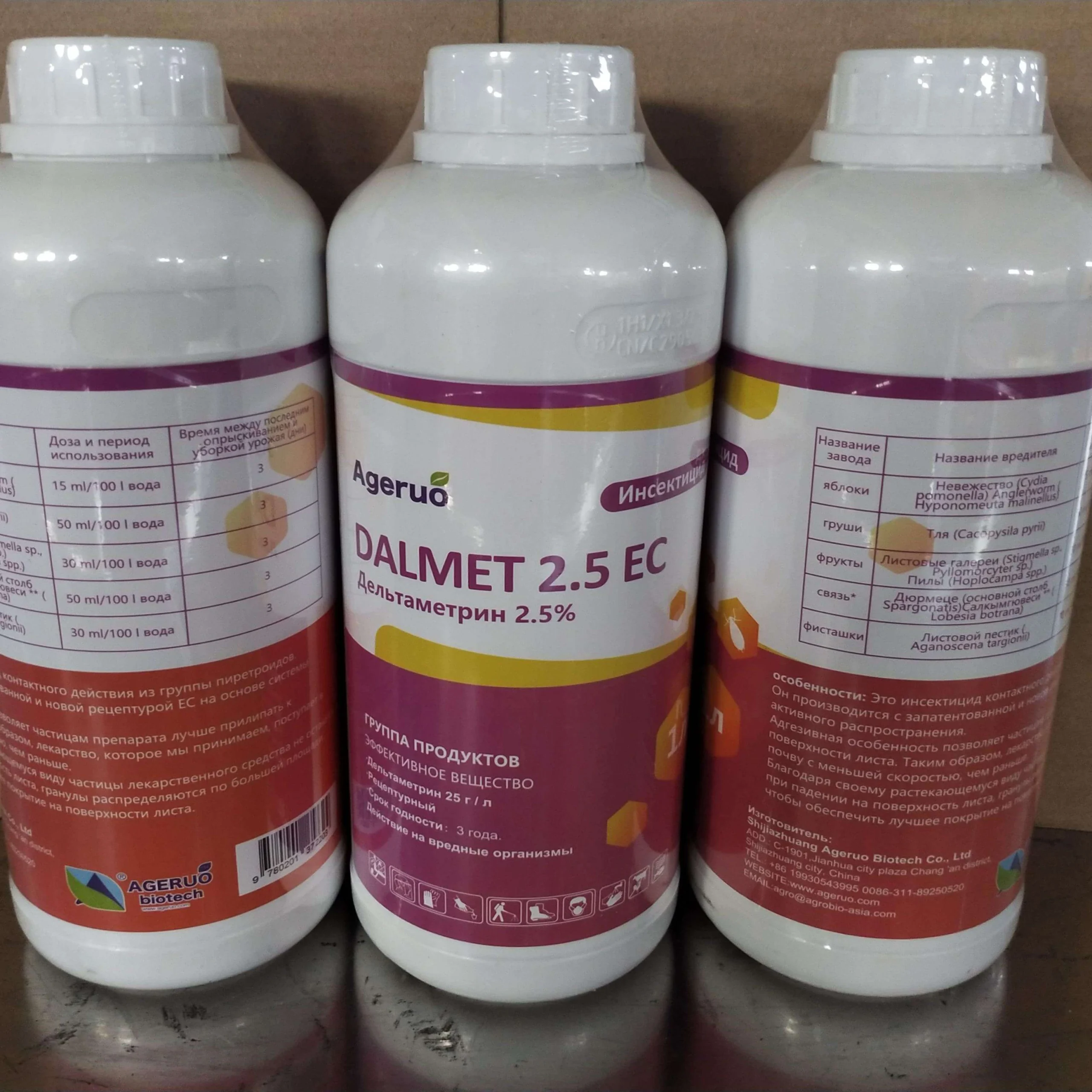
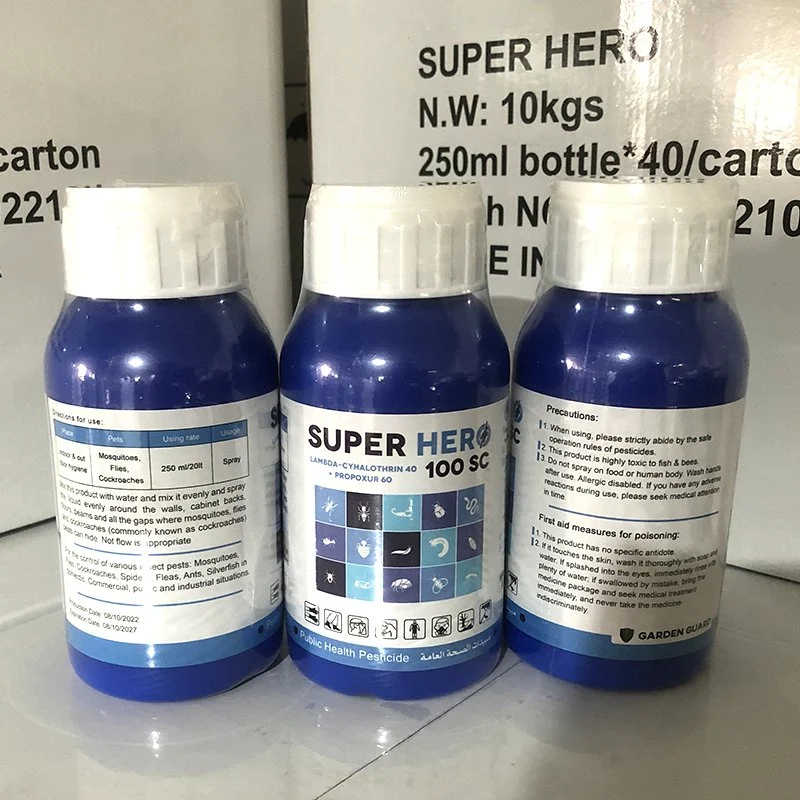
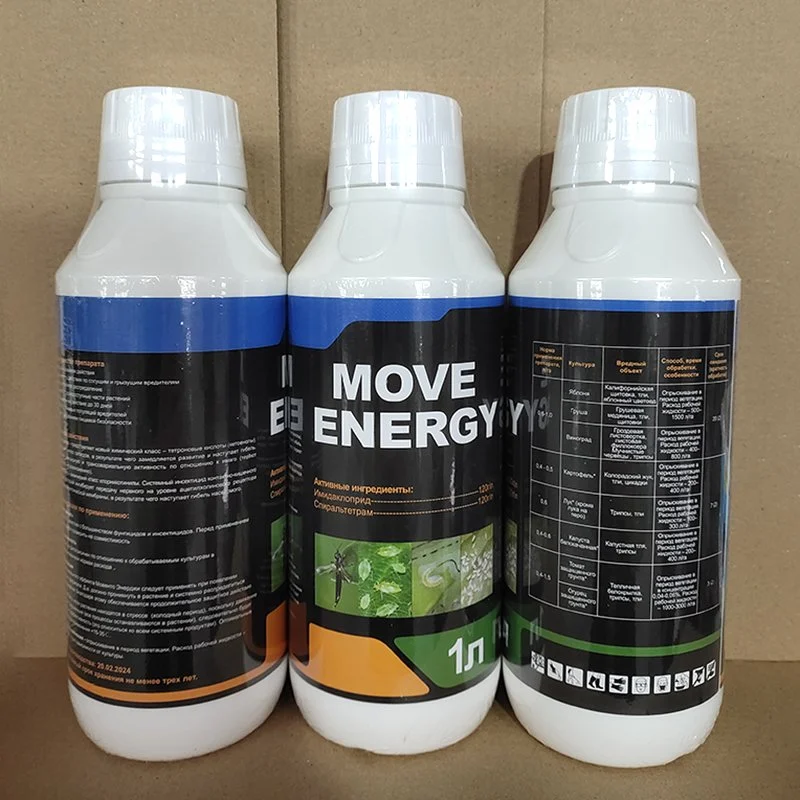
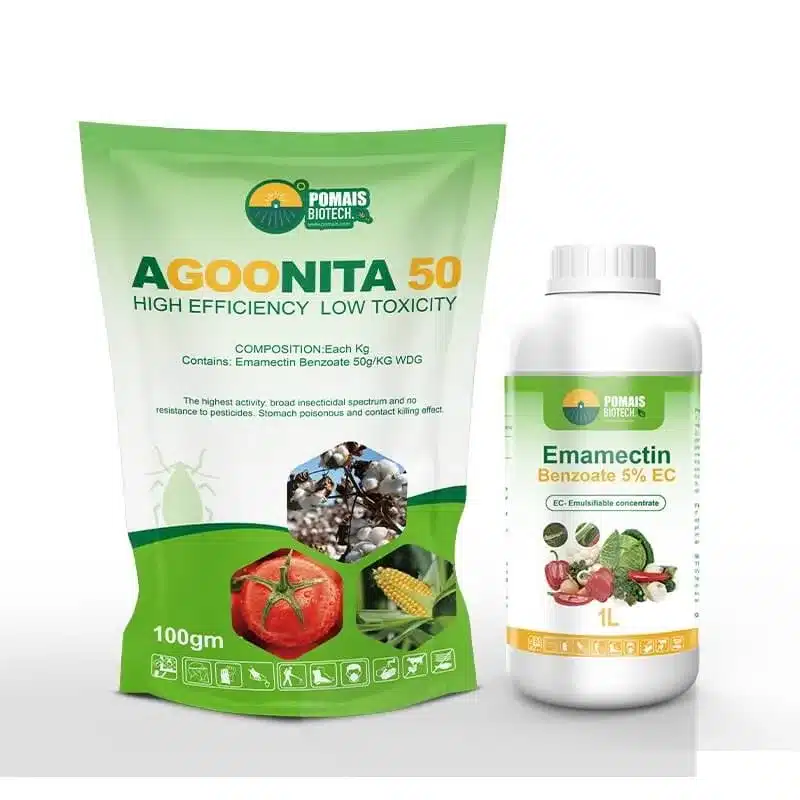
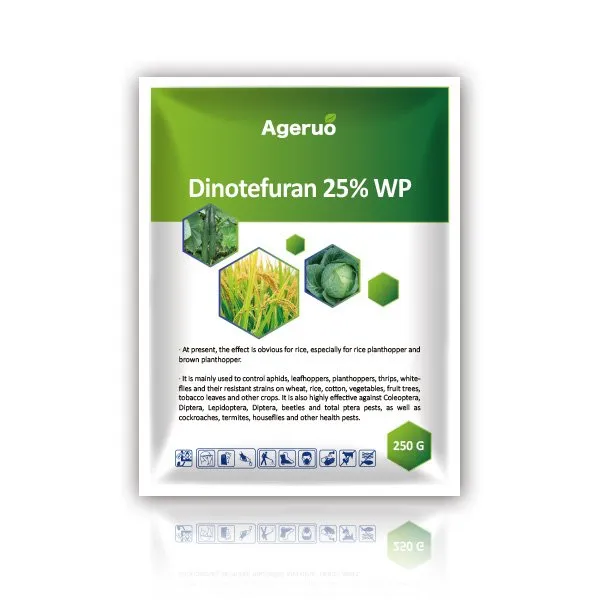
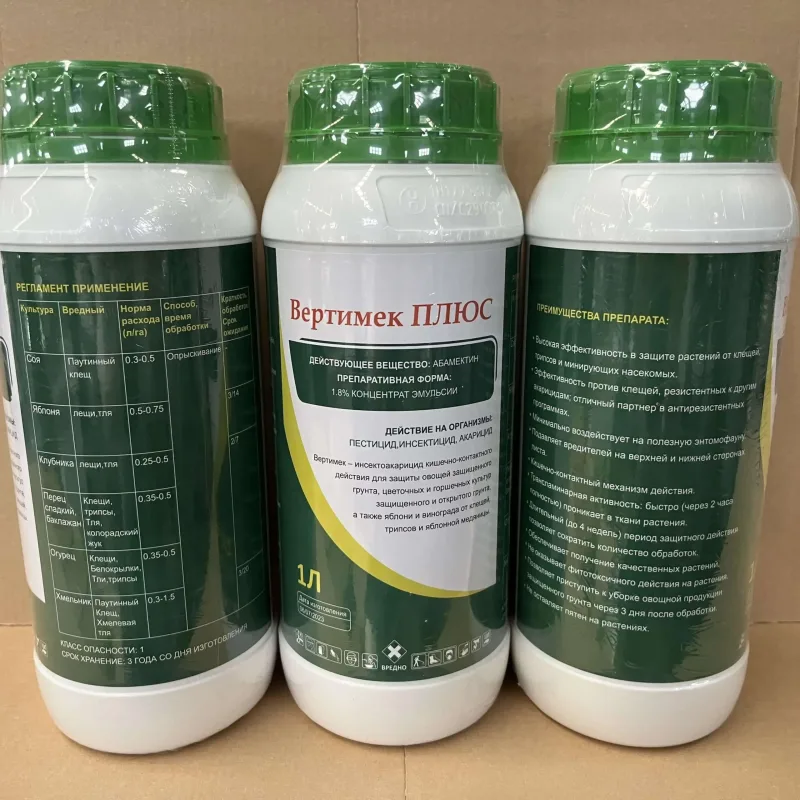
More Insecticides

























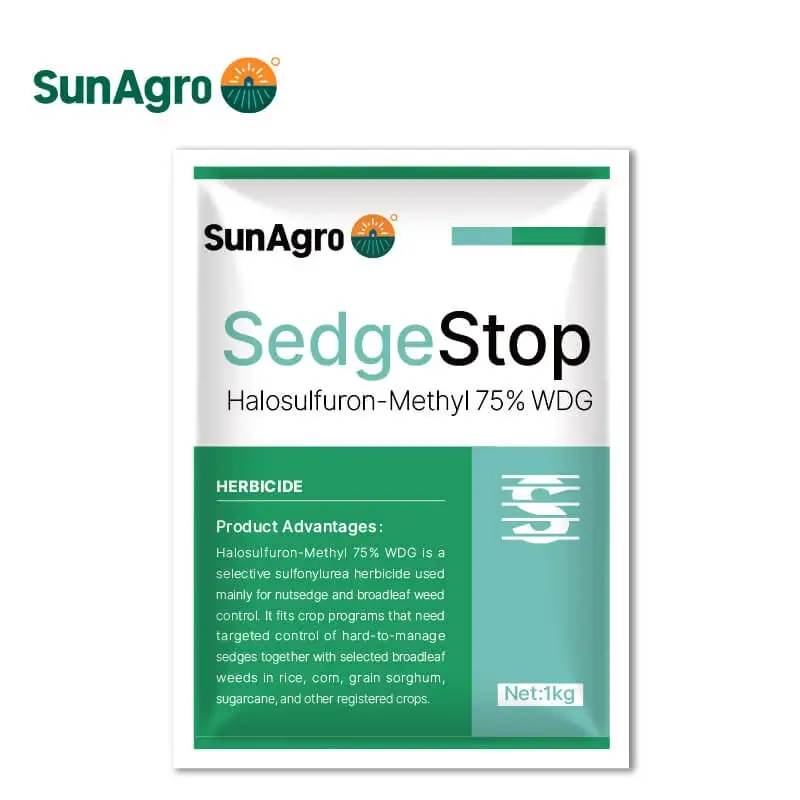
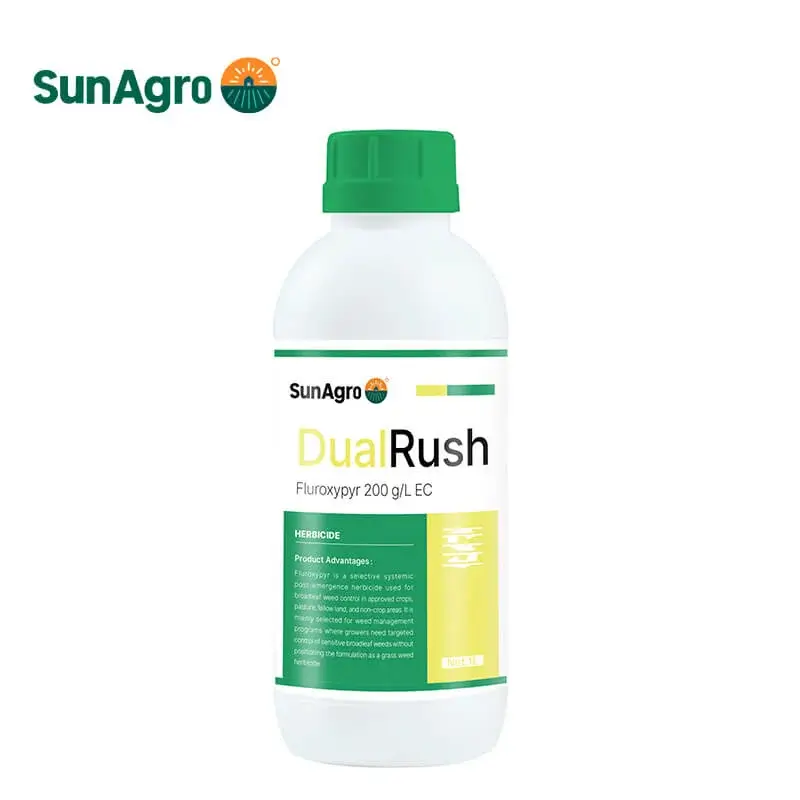
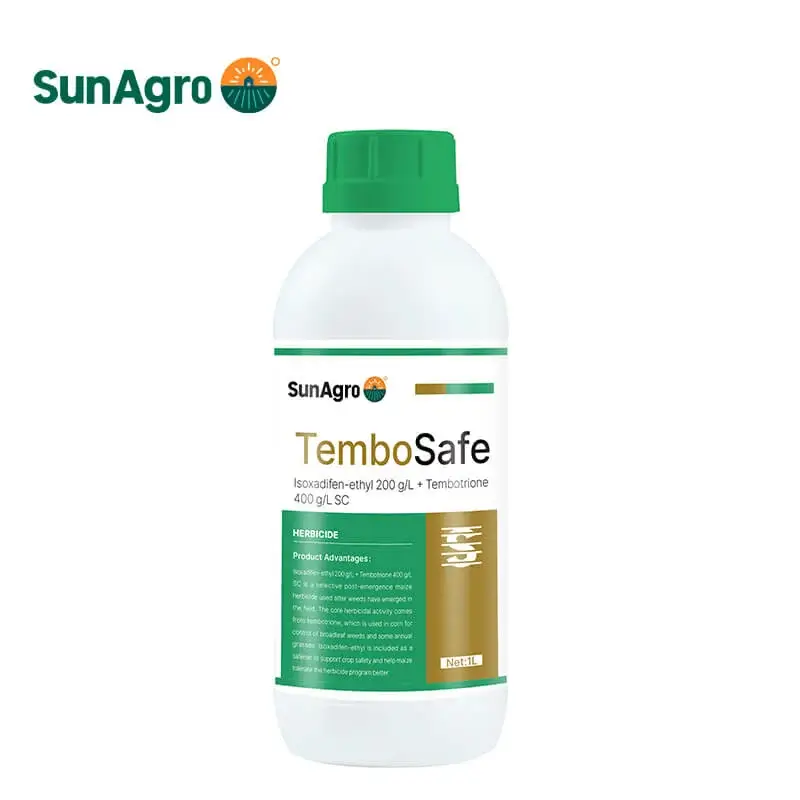
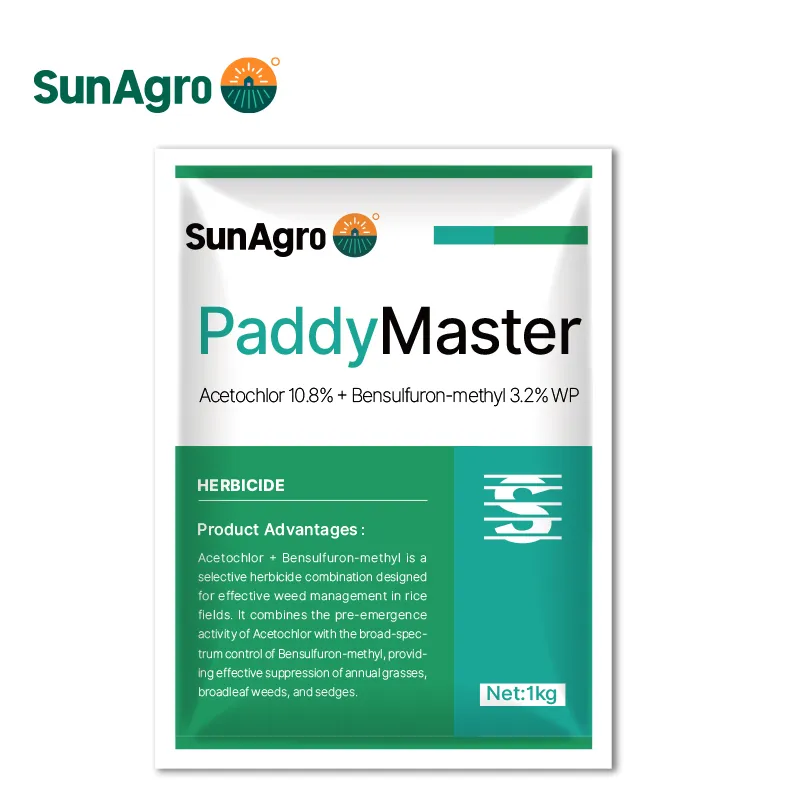
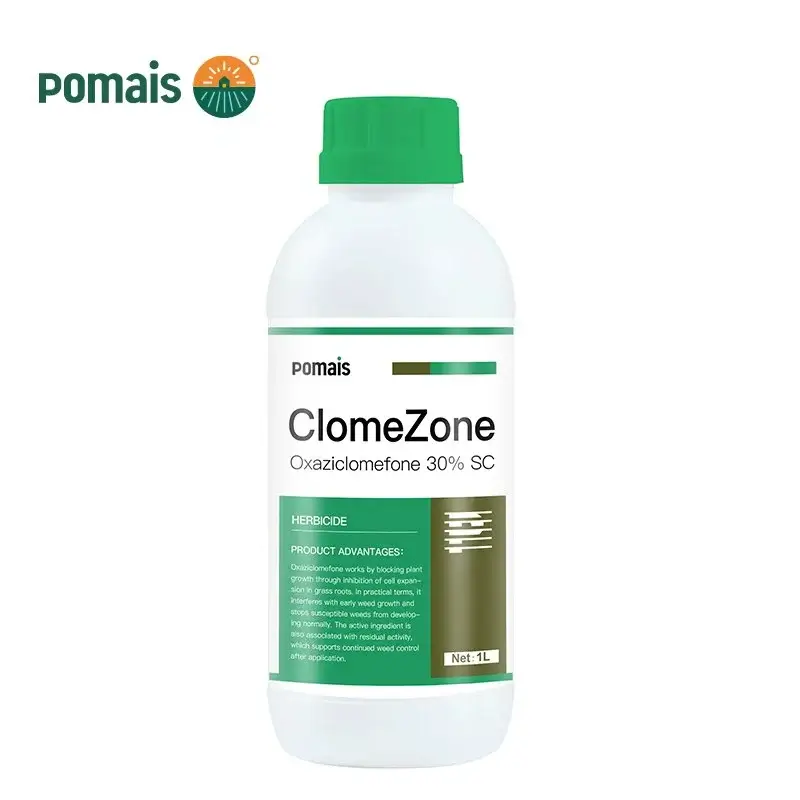
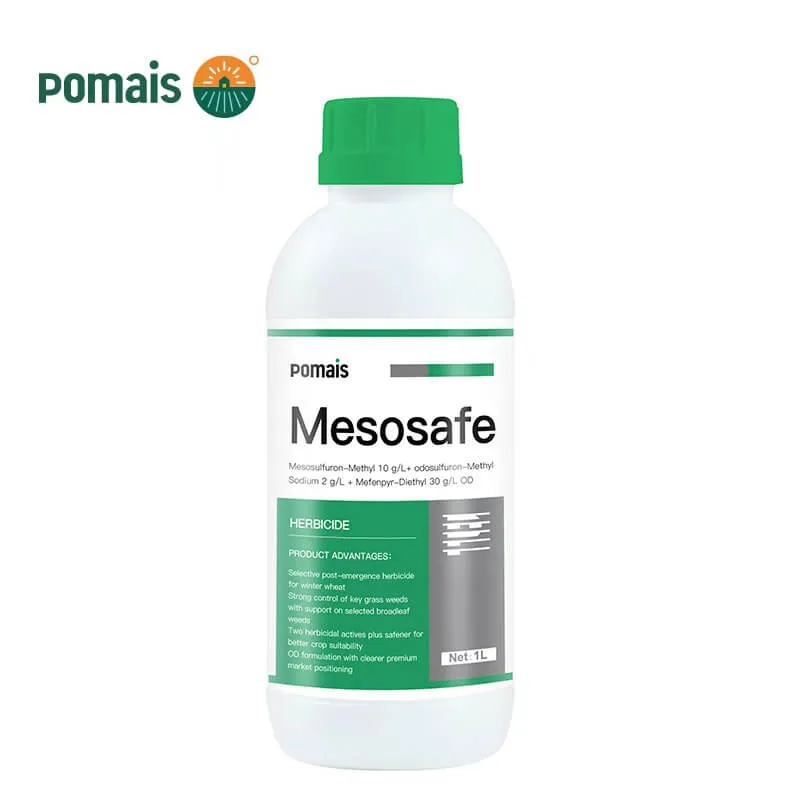
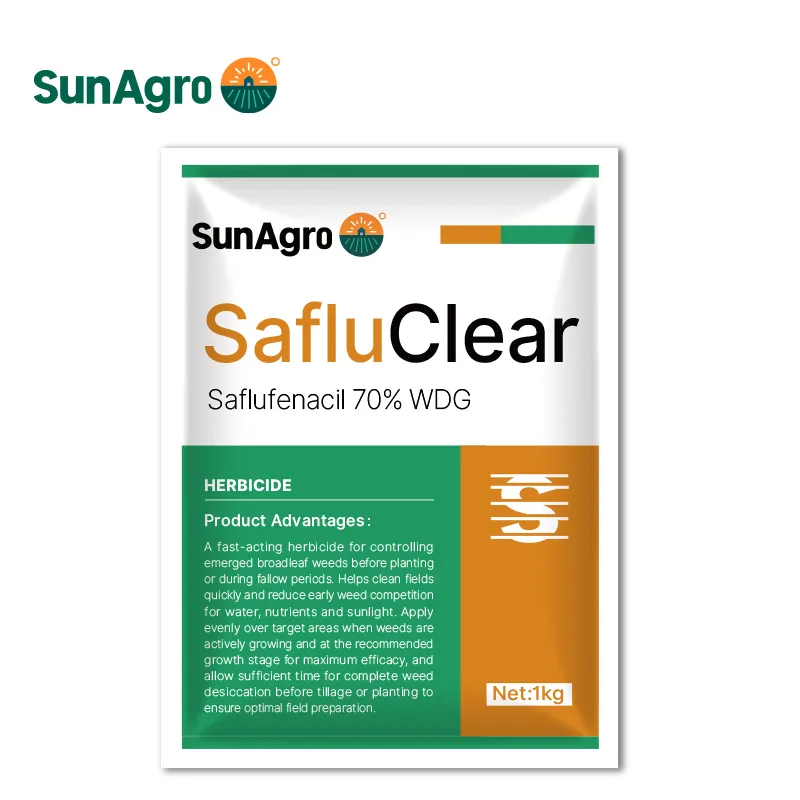
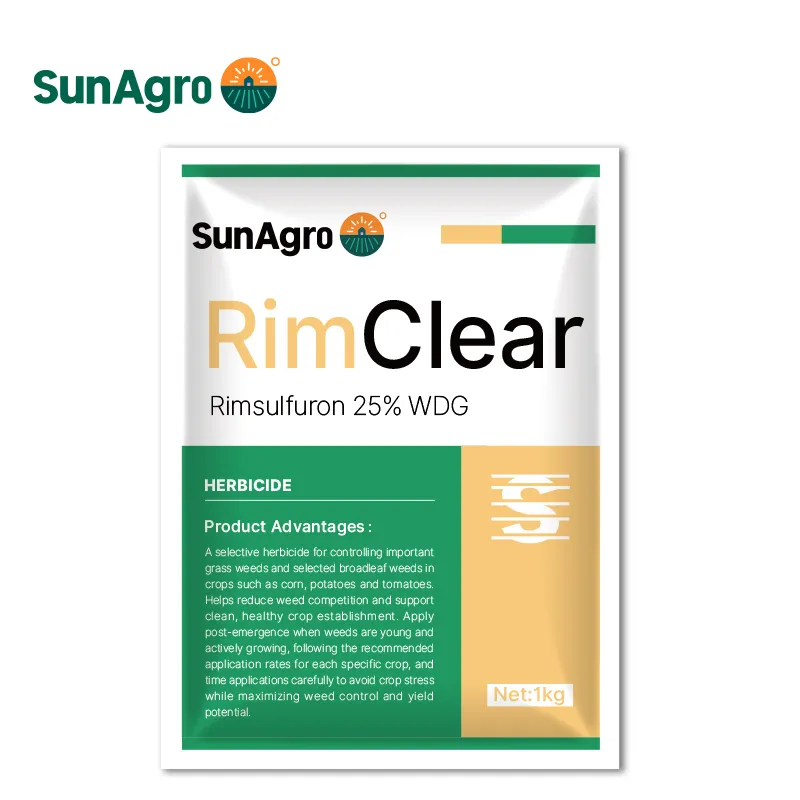
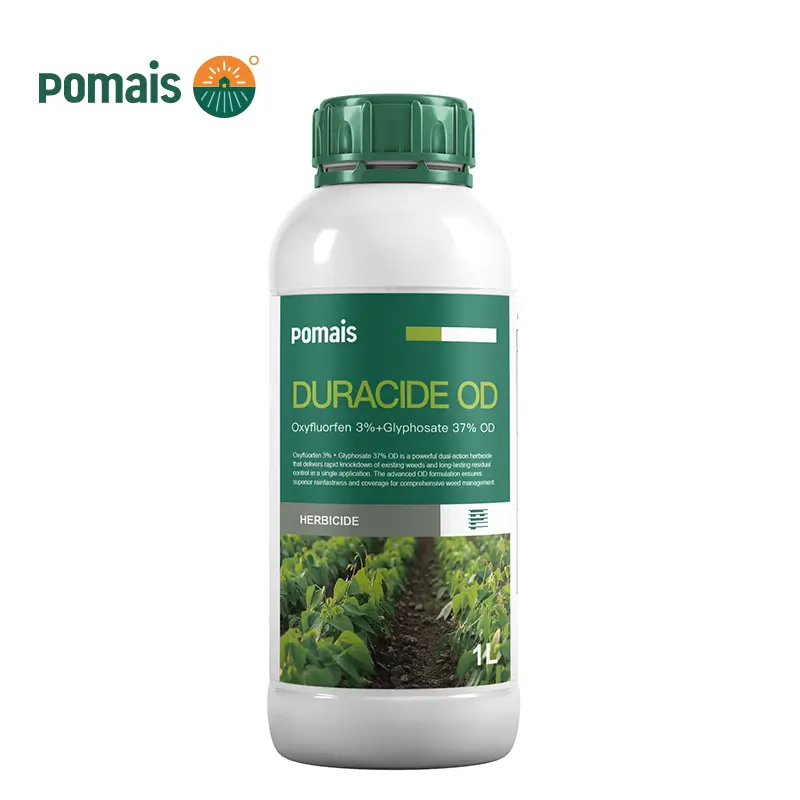
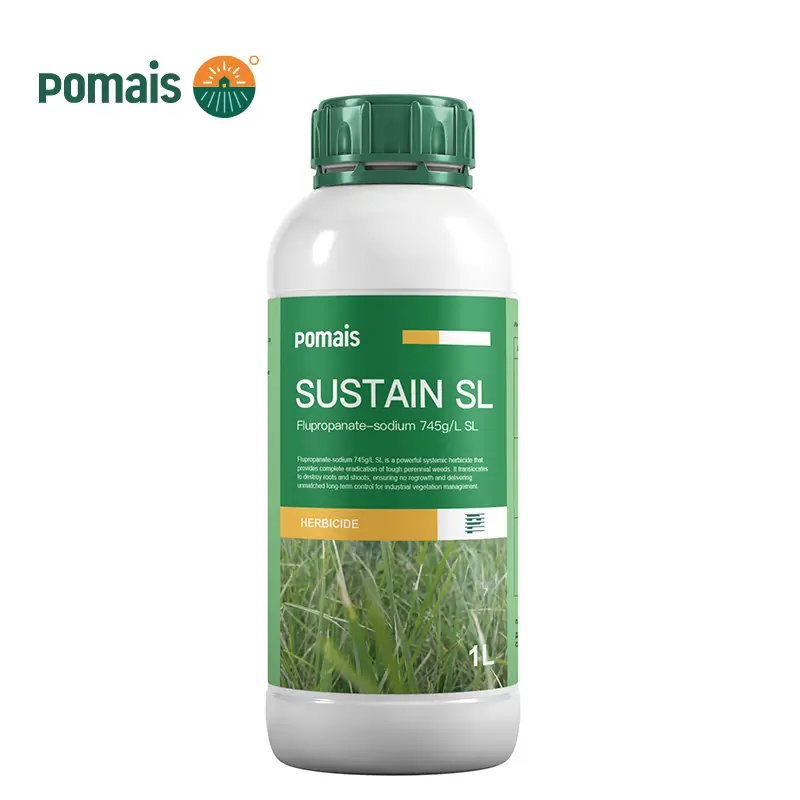
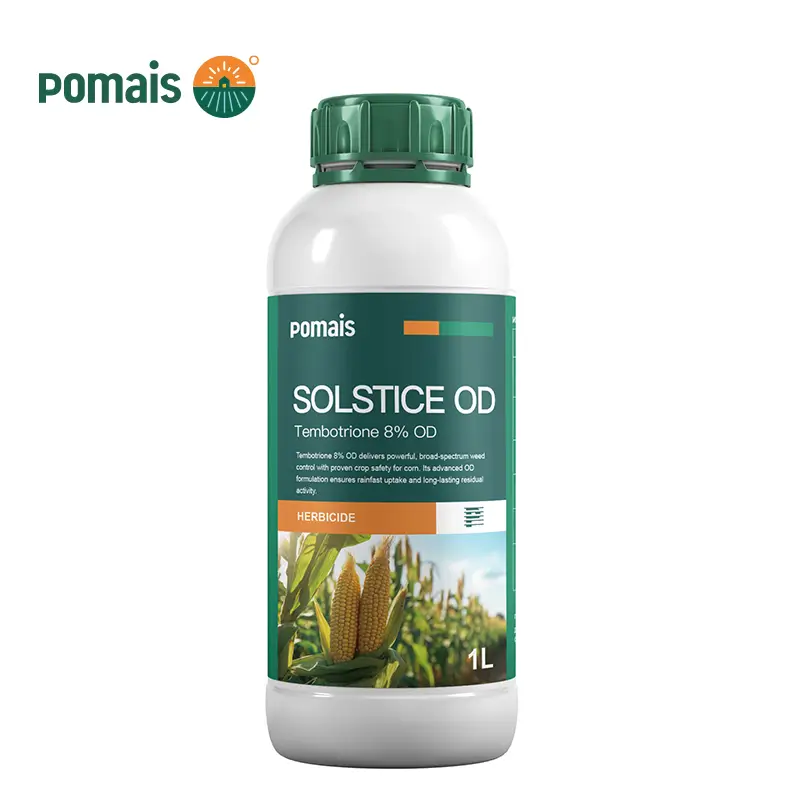
Pepper Weed Management
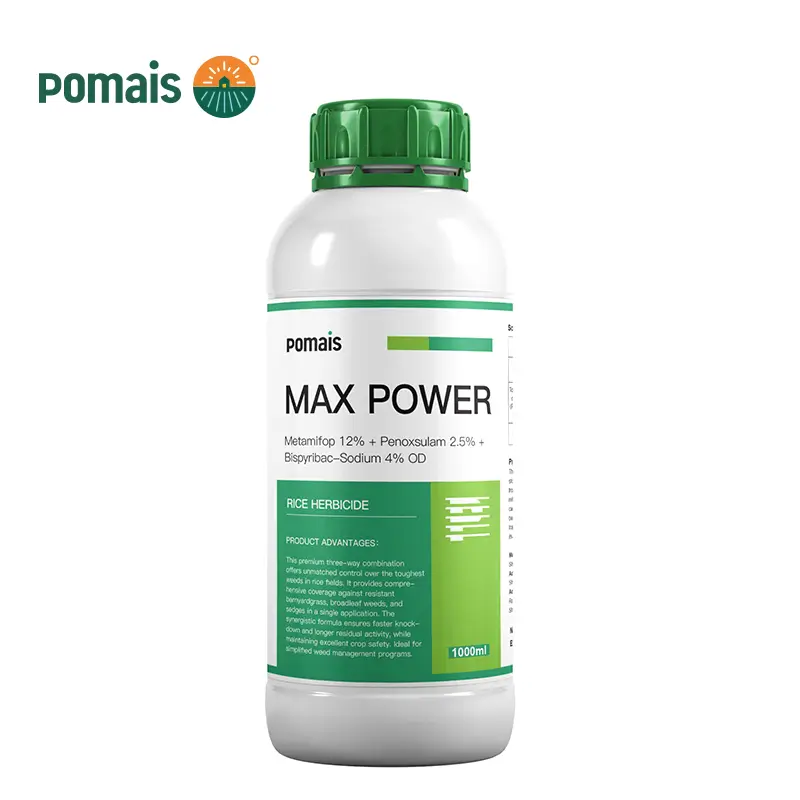
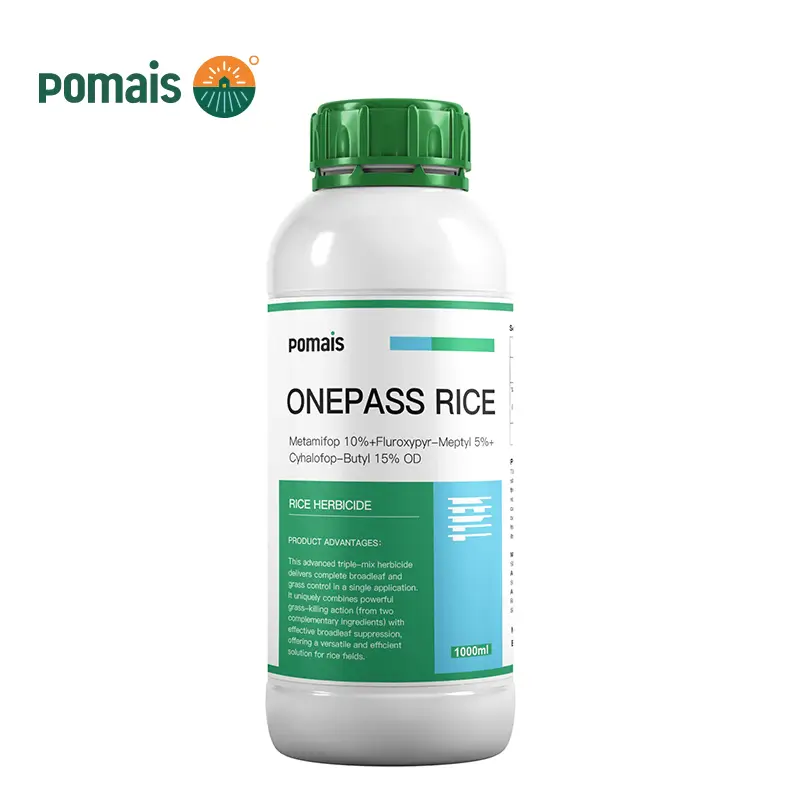
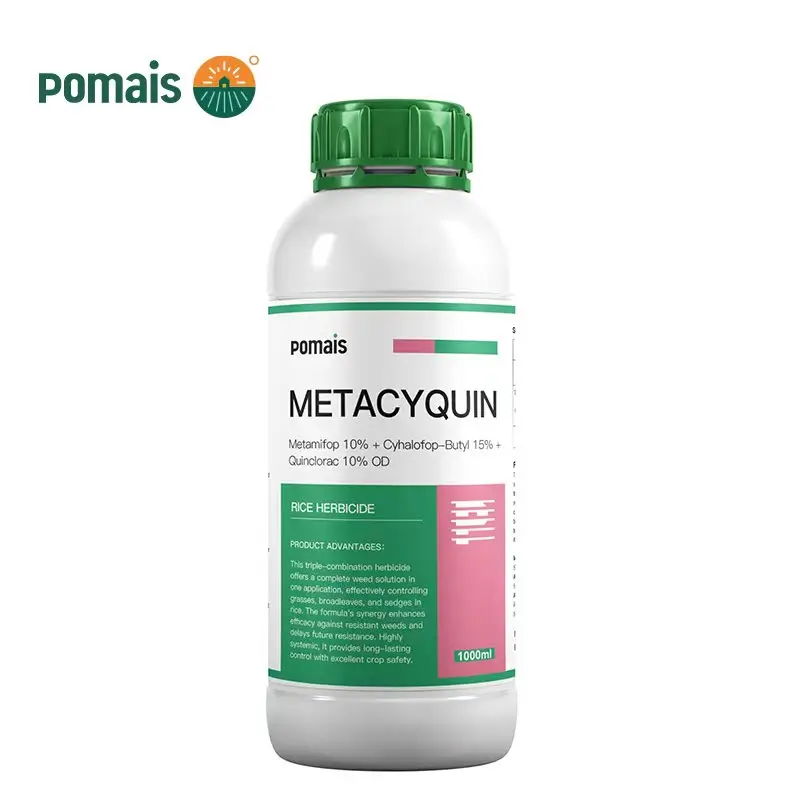
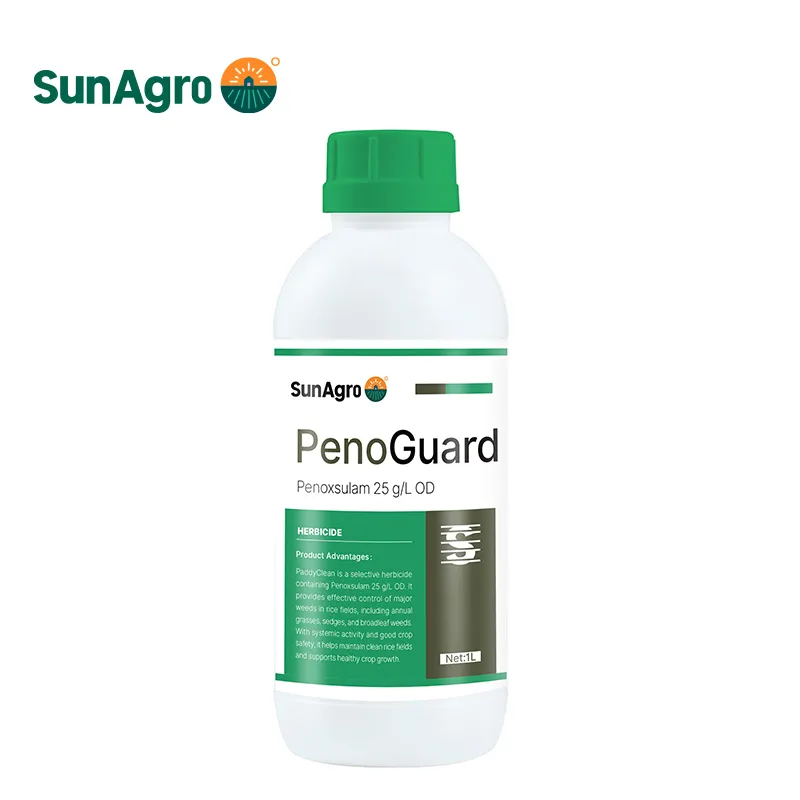
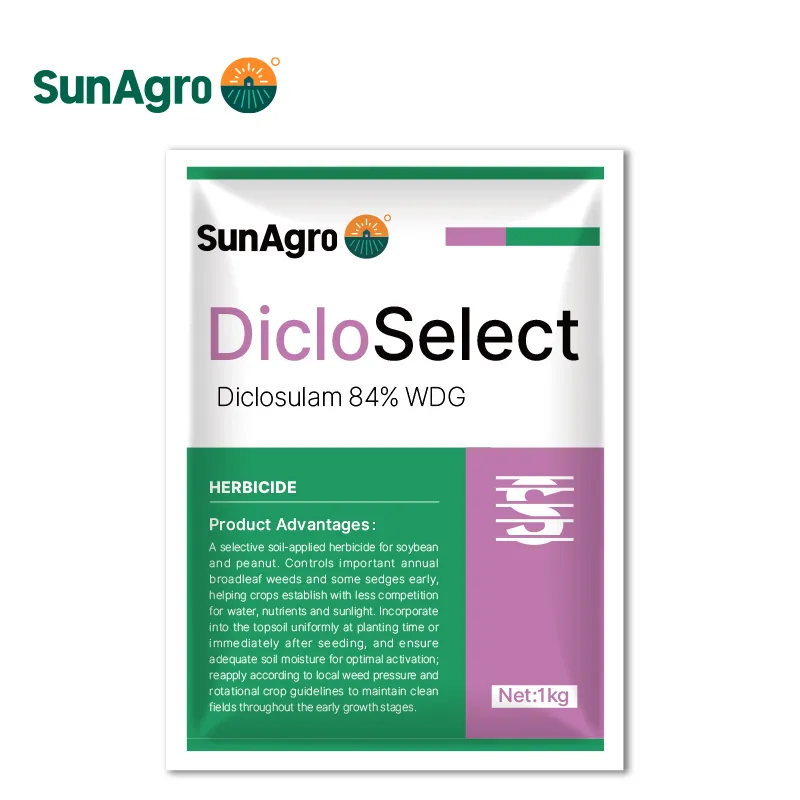
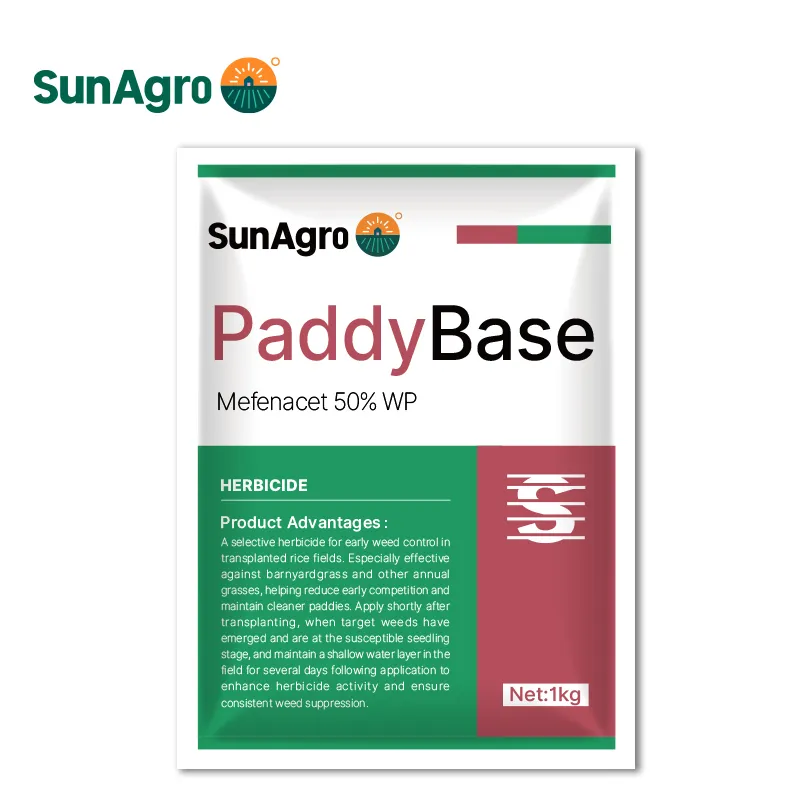
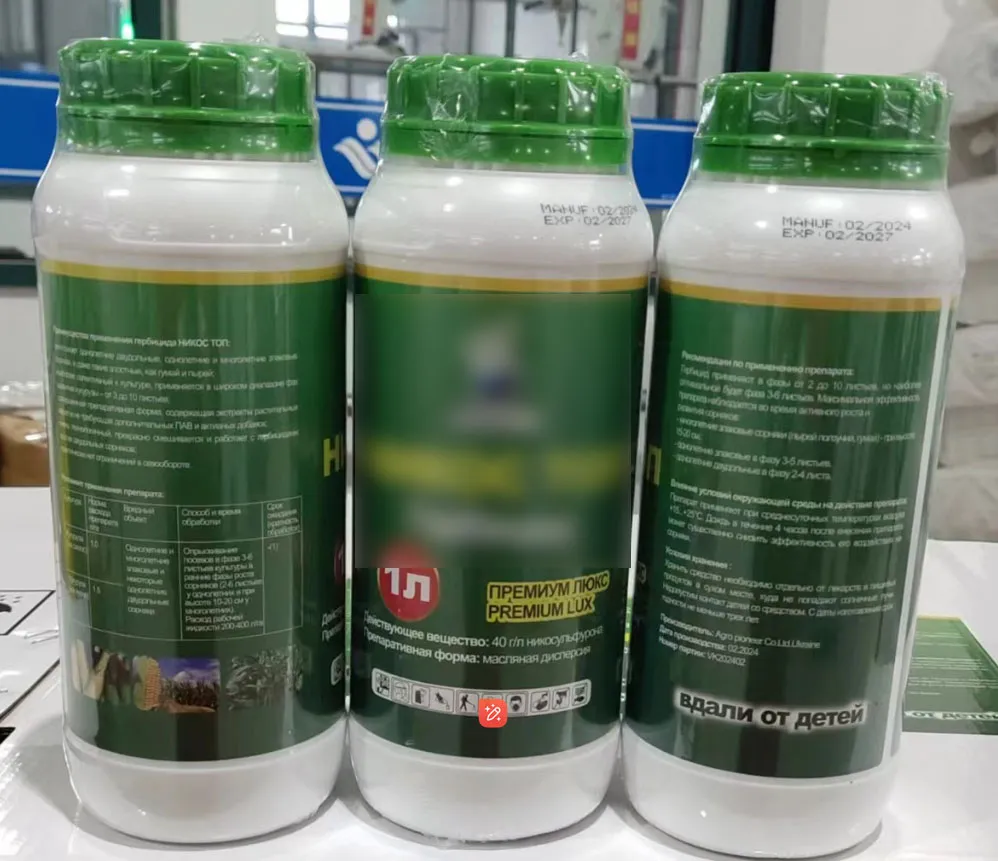
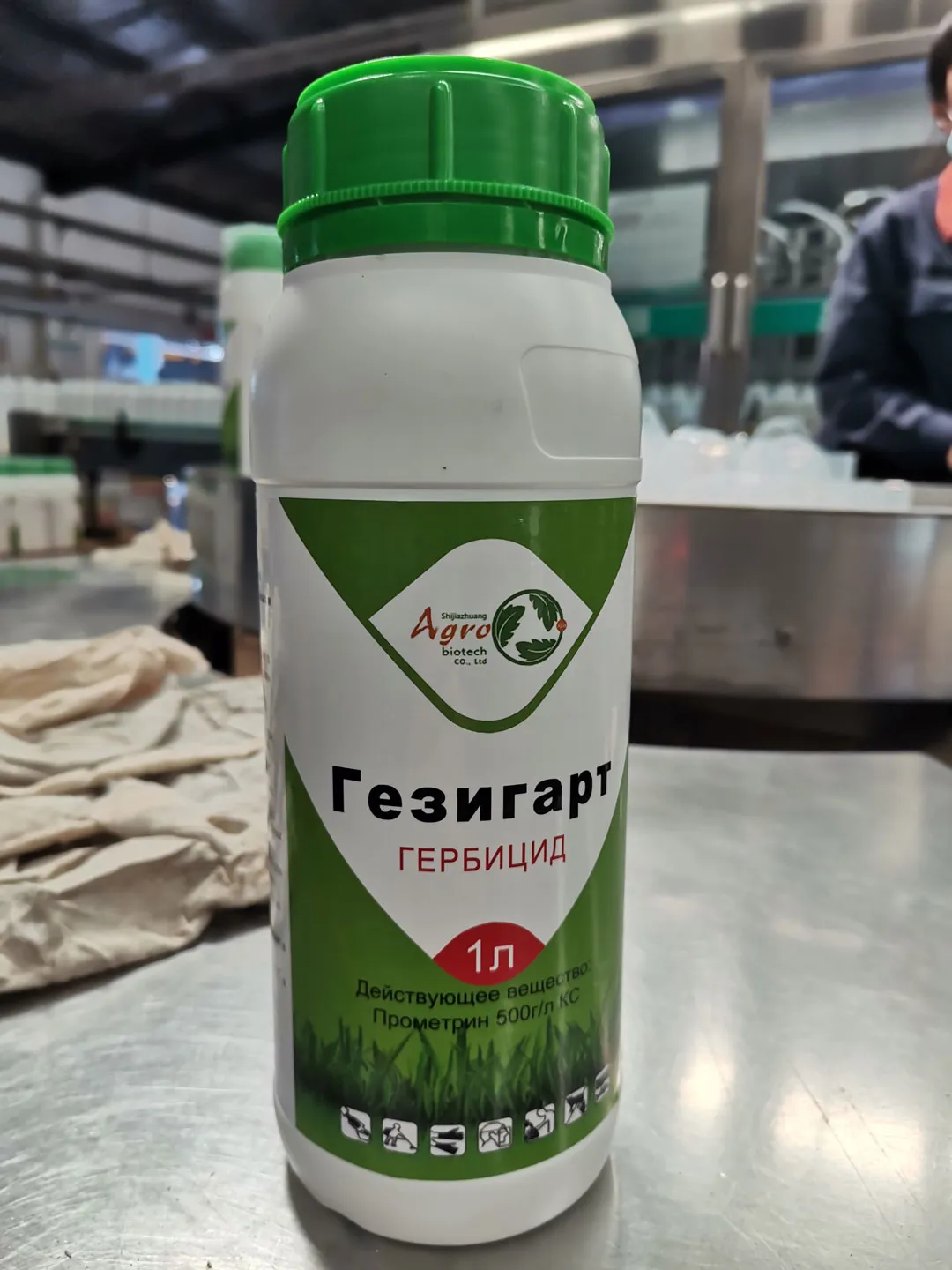
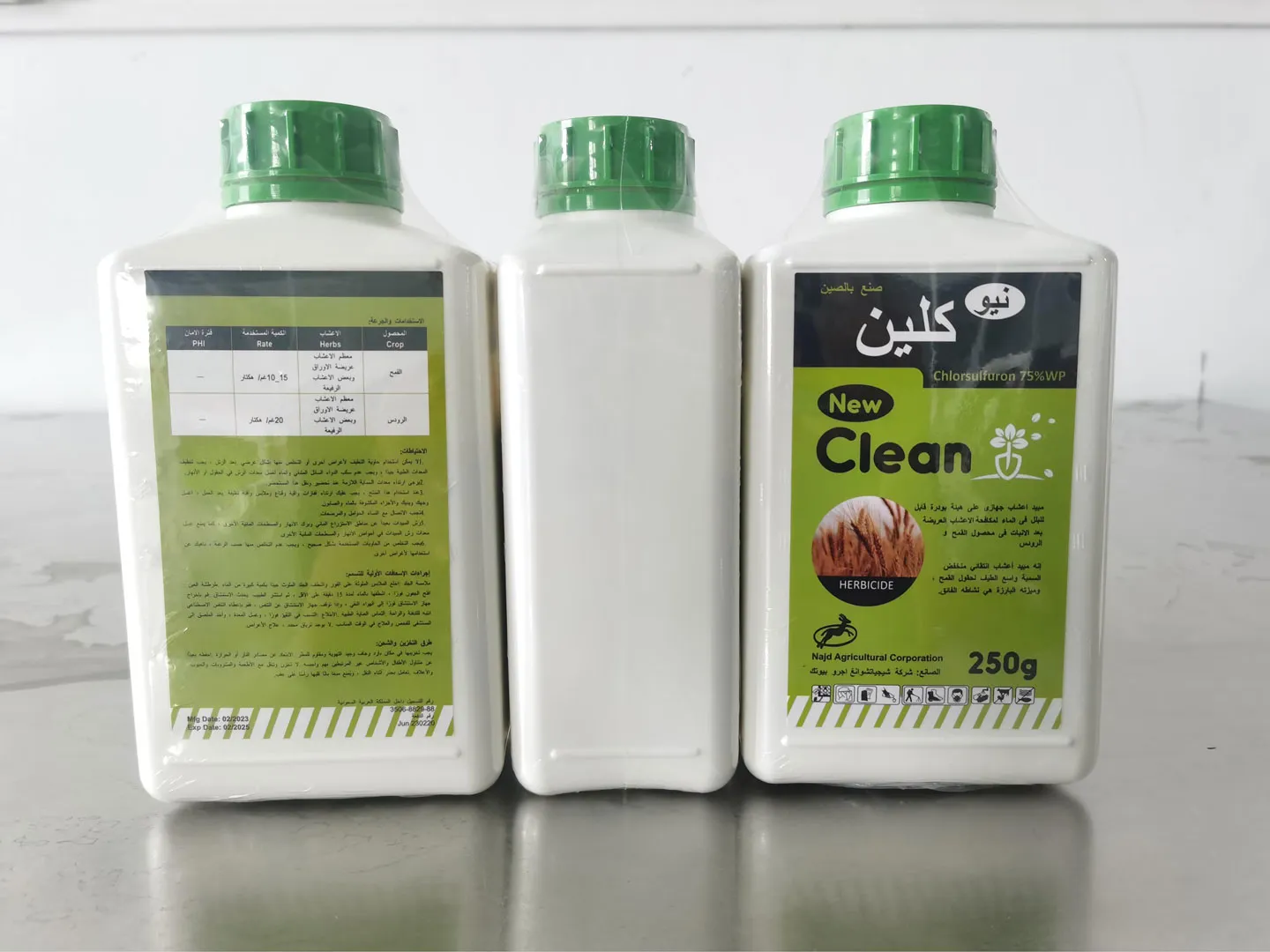
Weeds may compete with the crop for water, nutrients, and light during the establishment and early growth stages of peppers, and may complicate subsequent field management. Weed management practices may vary depending on whether the peppers are transplanted into open fields, direct-seeded, grown under mulch, or produced in greenhouses.
| Weed Categories | Representative Types | Management Priorities |
|---|---|---|
| Broadleaf Weeds | Broadleaf Weeds | Select management measures based on dominant weeds and crop growth stage |
| Grass Weeds | Grass Weeds | Consider weed species, leaf stage, and selective herbicides |
| Sedges | Sedges | Verify specific species and applicable products |
| Mixed Weed Populations | Mixed Weed Populations | Evaluate the complementarity of different management measures |
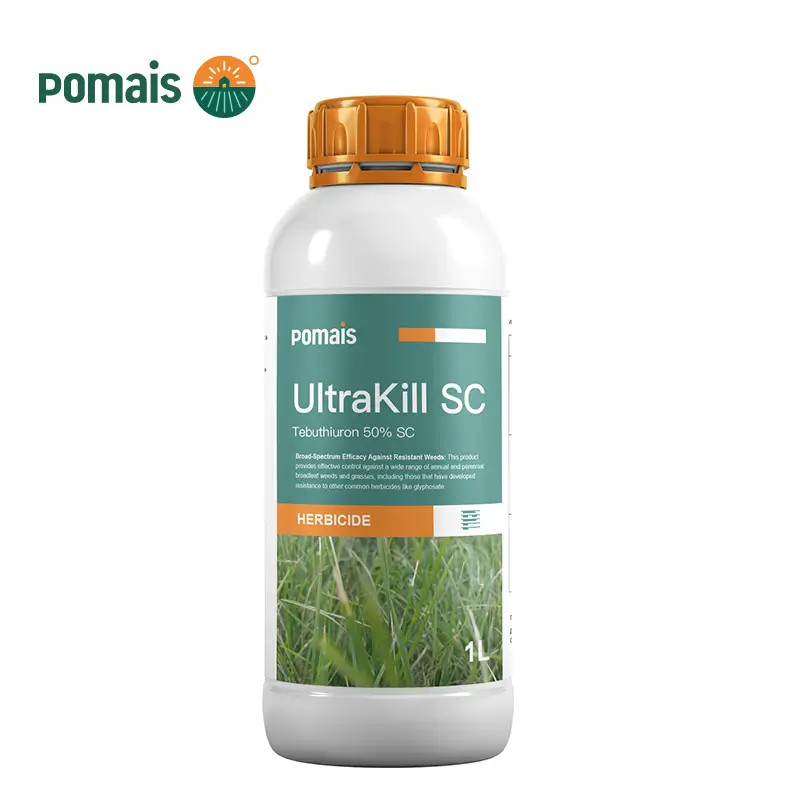
| Resistant Weeds | Herbicide-Resistant Weeds | Develop an integrated management plan based on HRAC classification |
Pre-emergence and Pre-transplant Weed Management
Before sowing or transplanting chili peppers, survey the field for major weeds, soil conditions, and past management records. Products used before emergence or before transplanting must be explicitly approved for the corresponding cropping system; application methods for other crops cannot be directly applied to chili peppers.Soil treatment, mechanical weeding, mulching, and proper crop rotation can be part of a weed management plan. Specific combinations should be developed based on local production conditions and available measures.
Post-Emergence Weed Management and Crop Safety
Peppers exhibit varying tolerances to different herbicides. When selecting a product, it is essential to confirm whether the crop is at a growth stage permitted by the label and whether the product is likely to cause phytotoxicity to the leaves, stems, or roots.Before purchasing or promoting a product, verify the following:
- Target weeds and their growth stages.
- Whether peppers are an approved target crop.
- Product formulation, application method, and crop safety.
- Permitted application periods and other label restrictions.
- Whether resistant weeds are present and the corresponding management requirements.
One should not assume that a herbicide is suitable for peppers simply because it is suitable for other vegetables or has broad-spectrum weed control properties.
How to Manage Resistant Weeds?
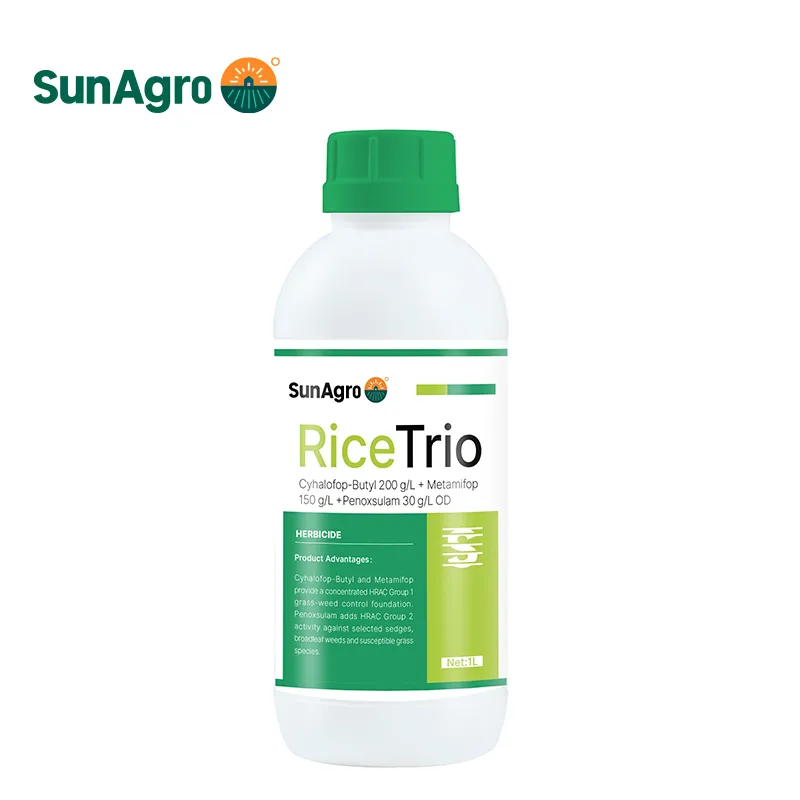
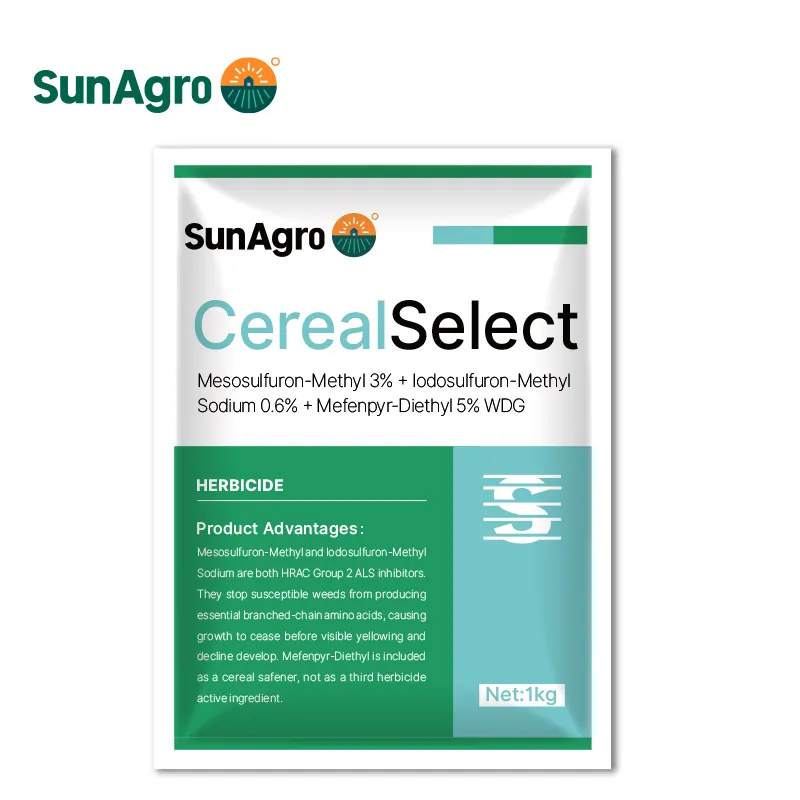
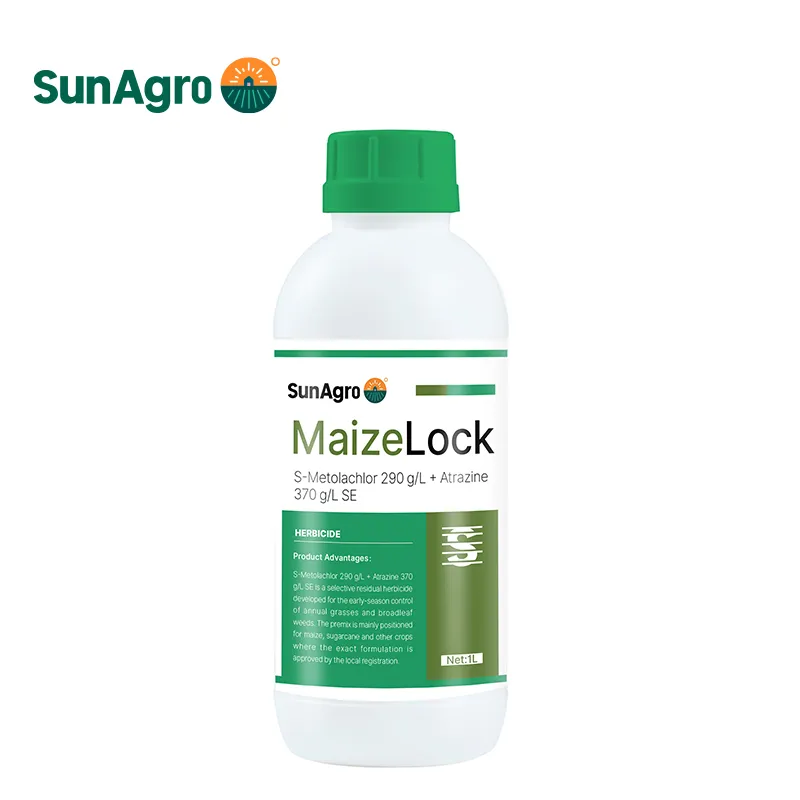
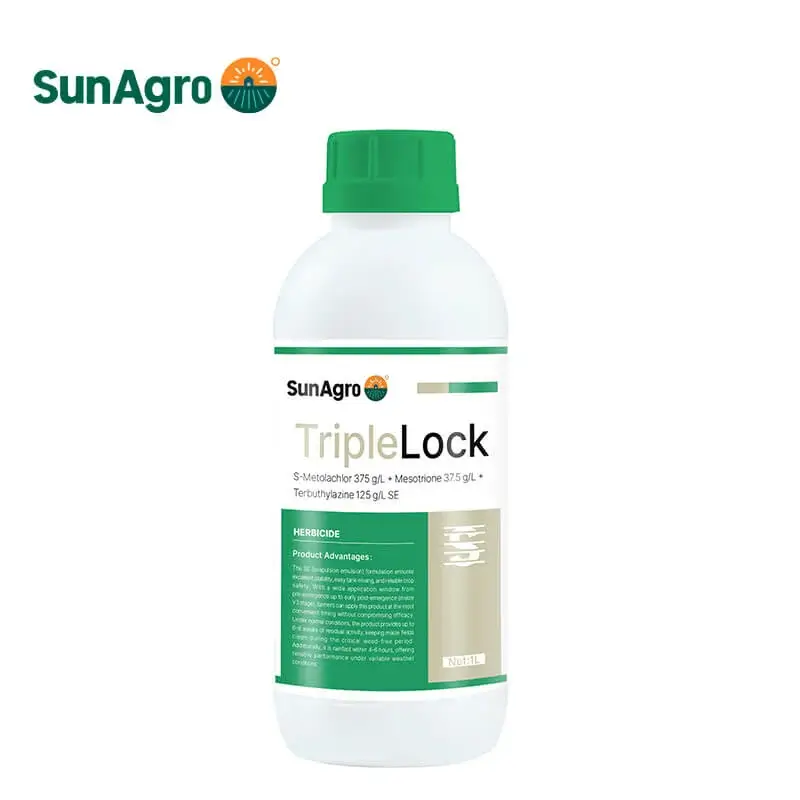
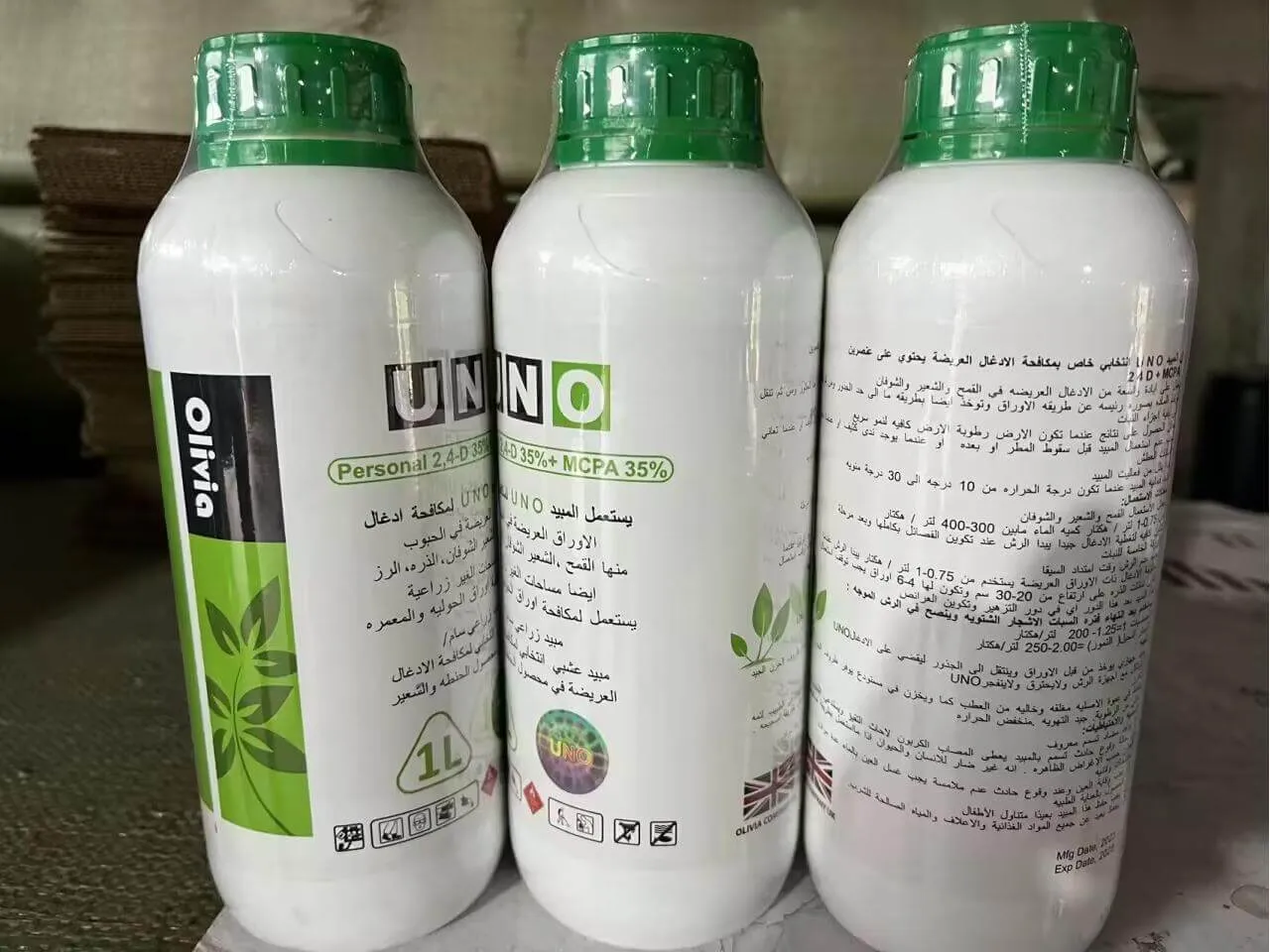
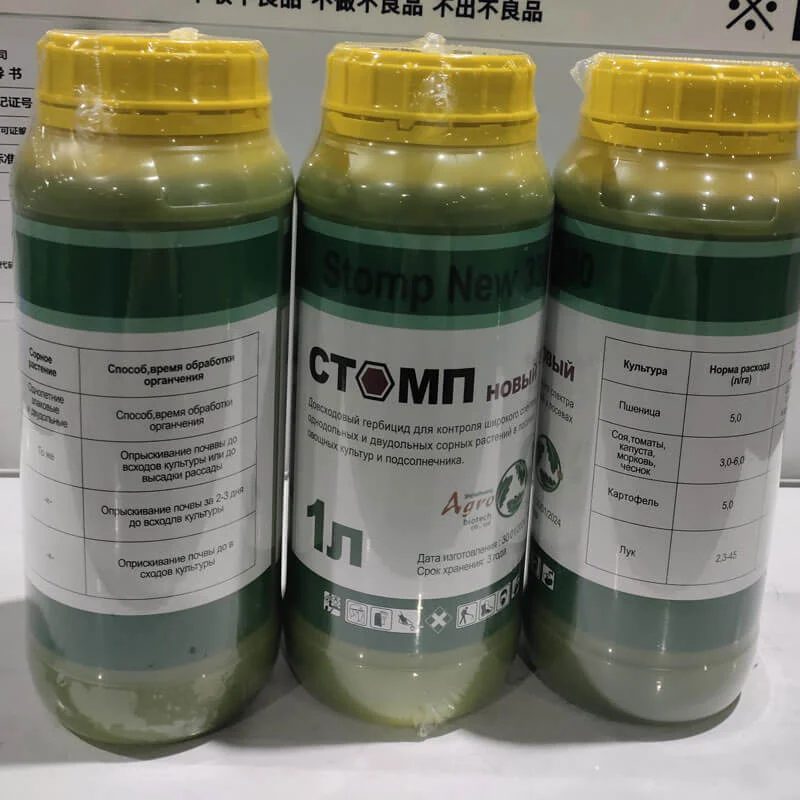
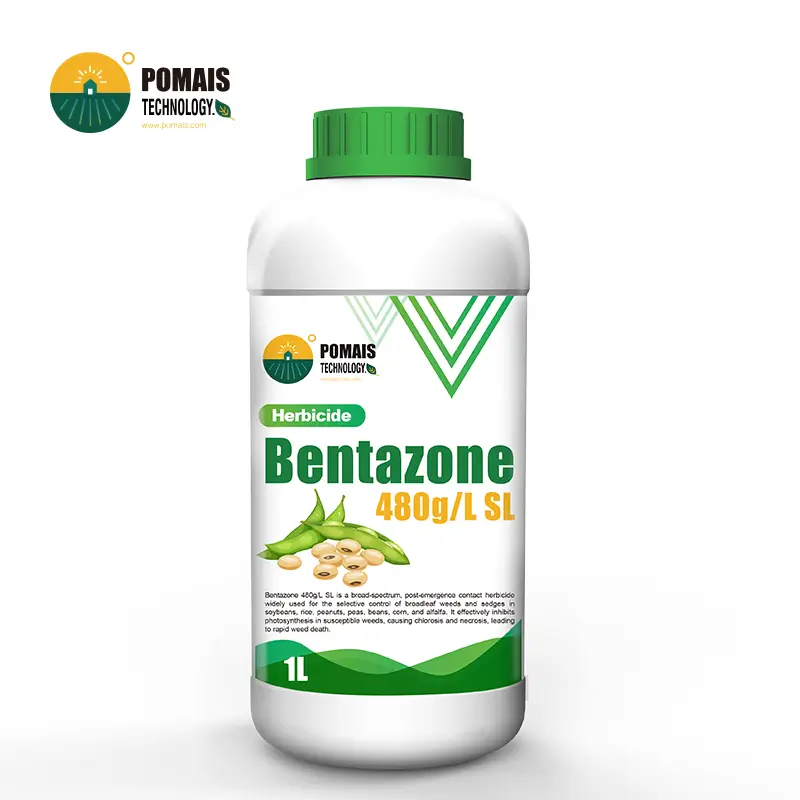
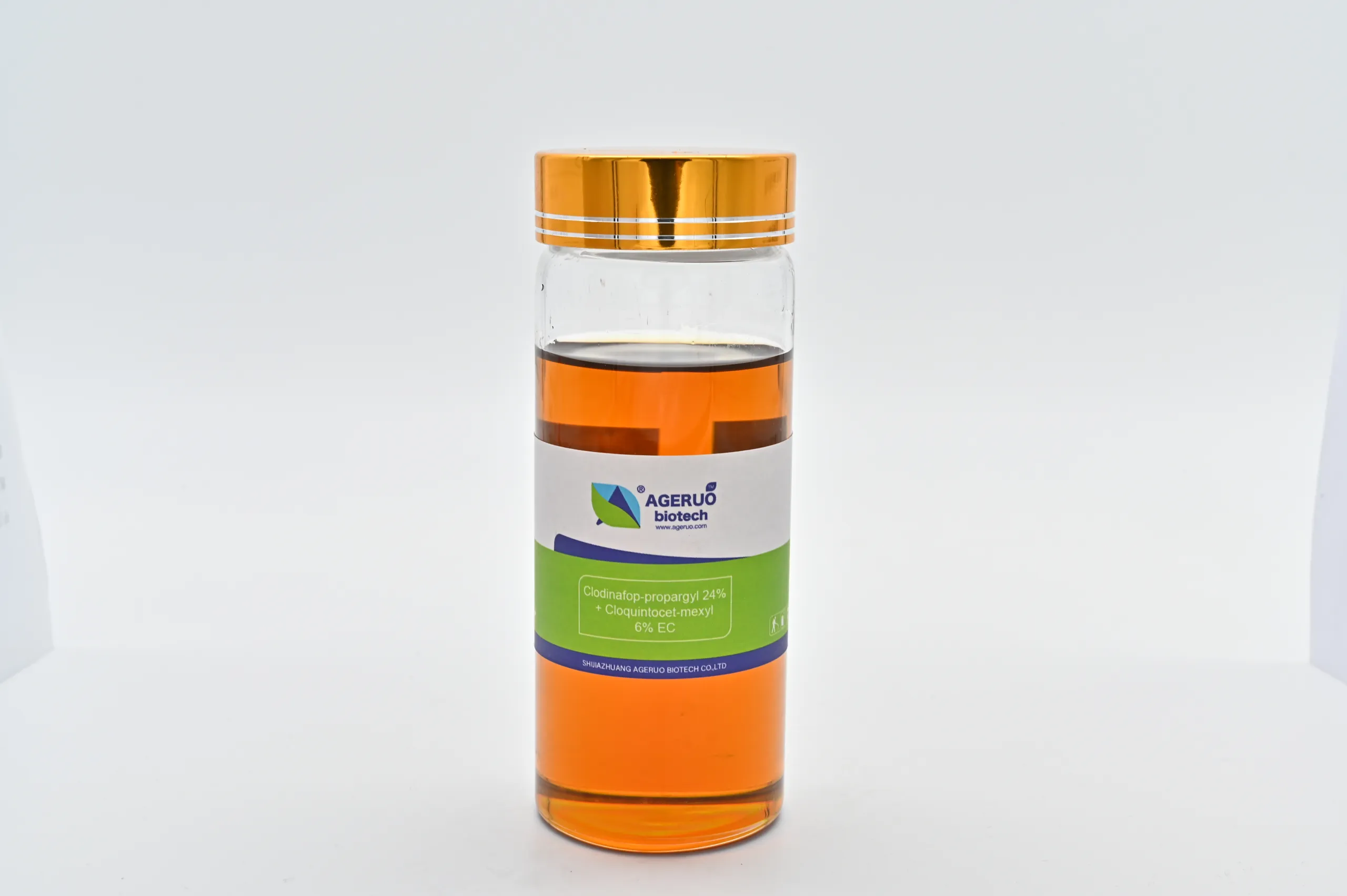
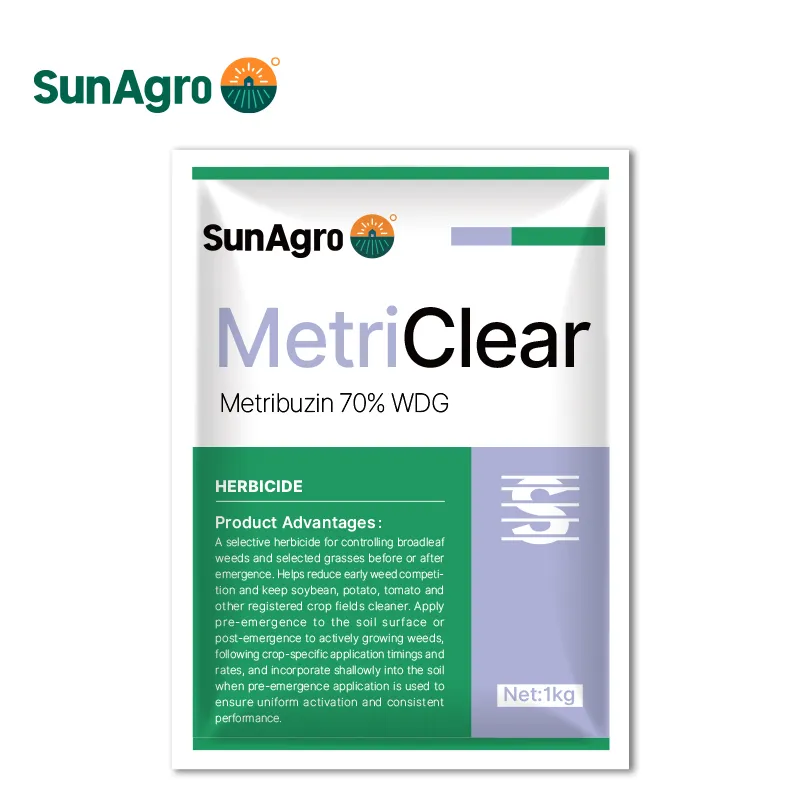
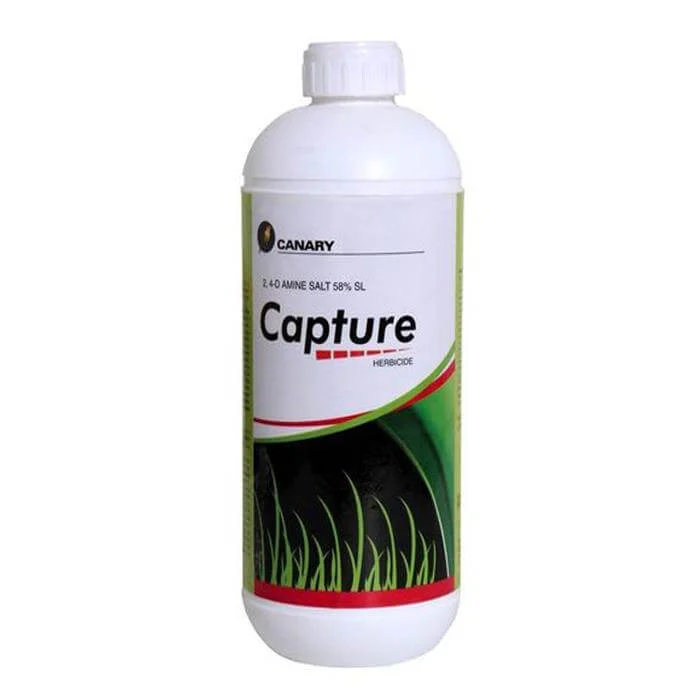
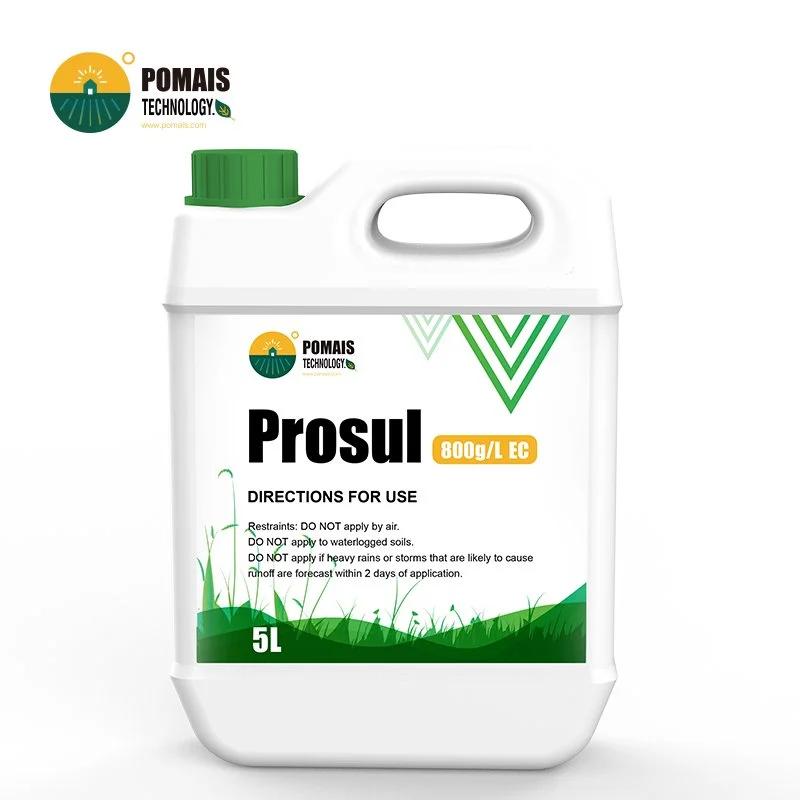
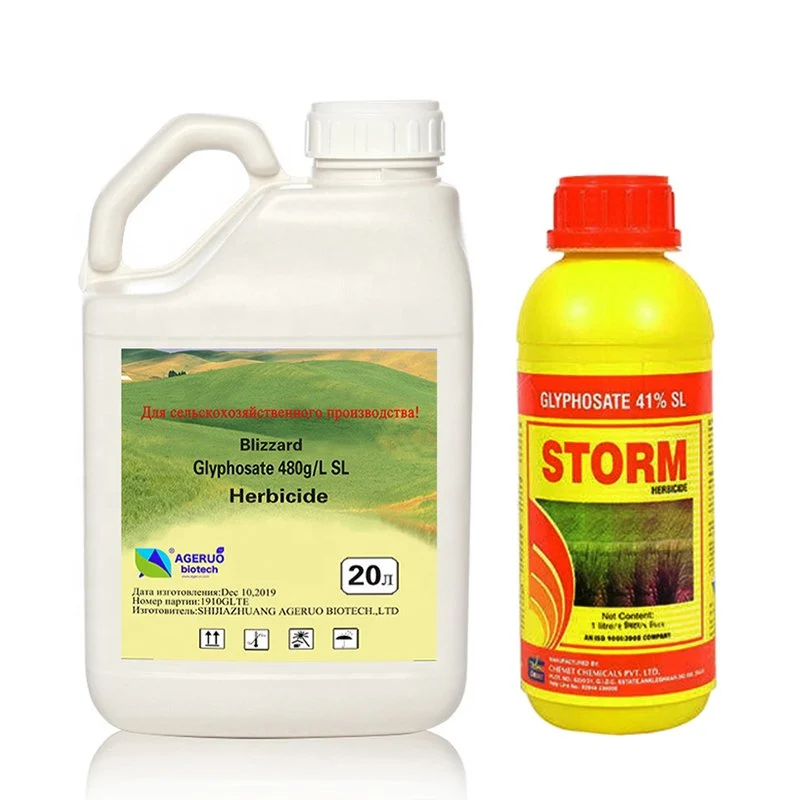
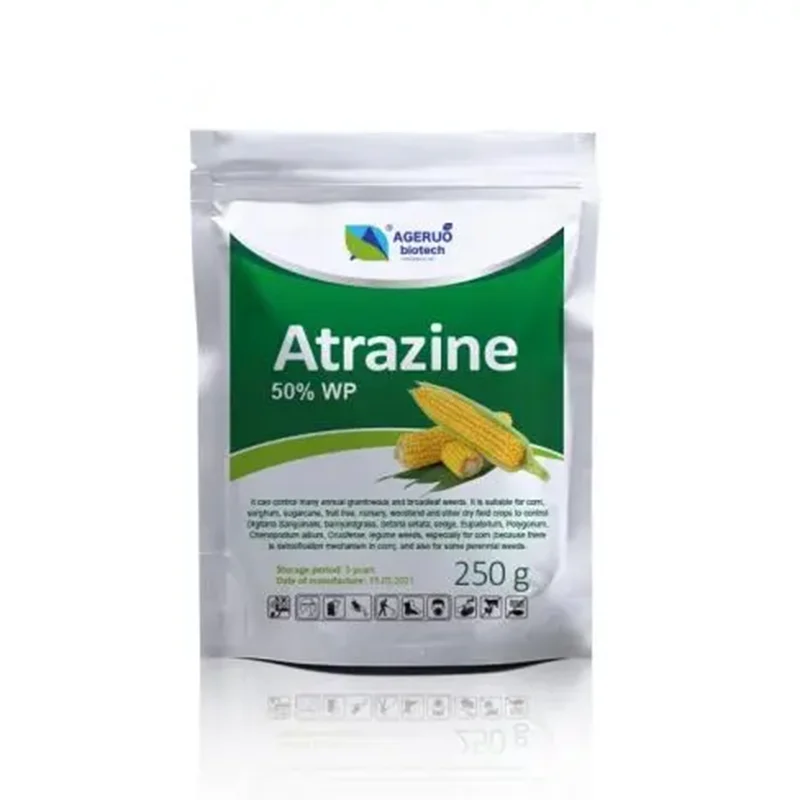
Resistant weed management should combine field monitoring, various management measures, active ingredients, and HRAC mode-of-action groups. Long-term reliance on a single mode of action may increase selection pressure for resistance.Different trade names do not necessarily indicate different modes of action. When establishing a product portfolio, verify the active ingredients and their HRAC classifications, and select an appropriate management strategy based on local weed species and resistance status.
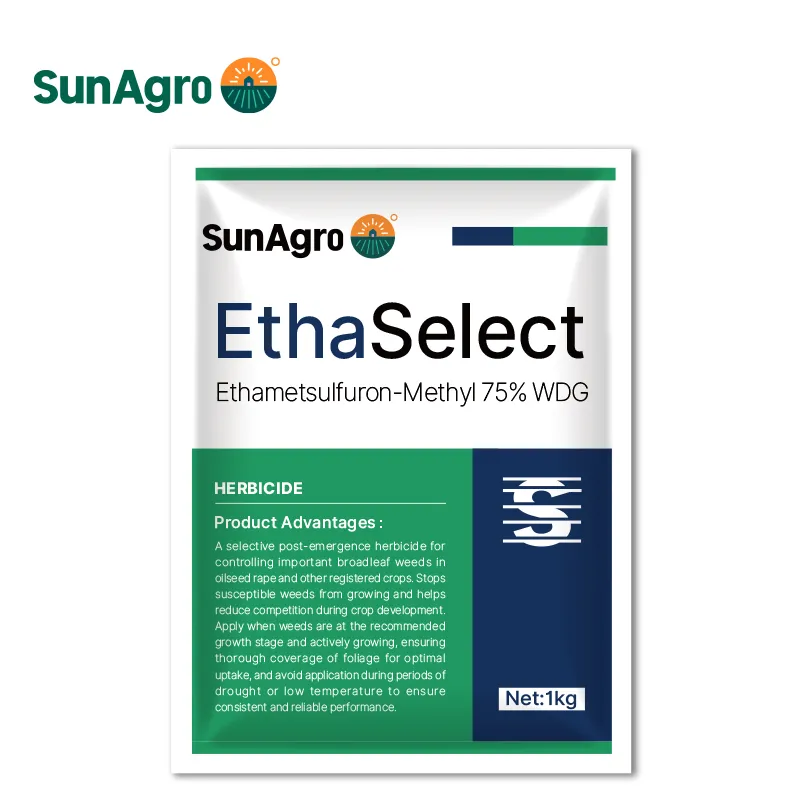
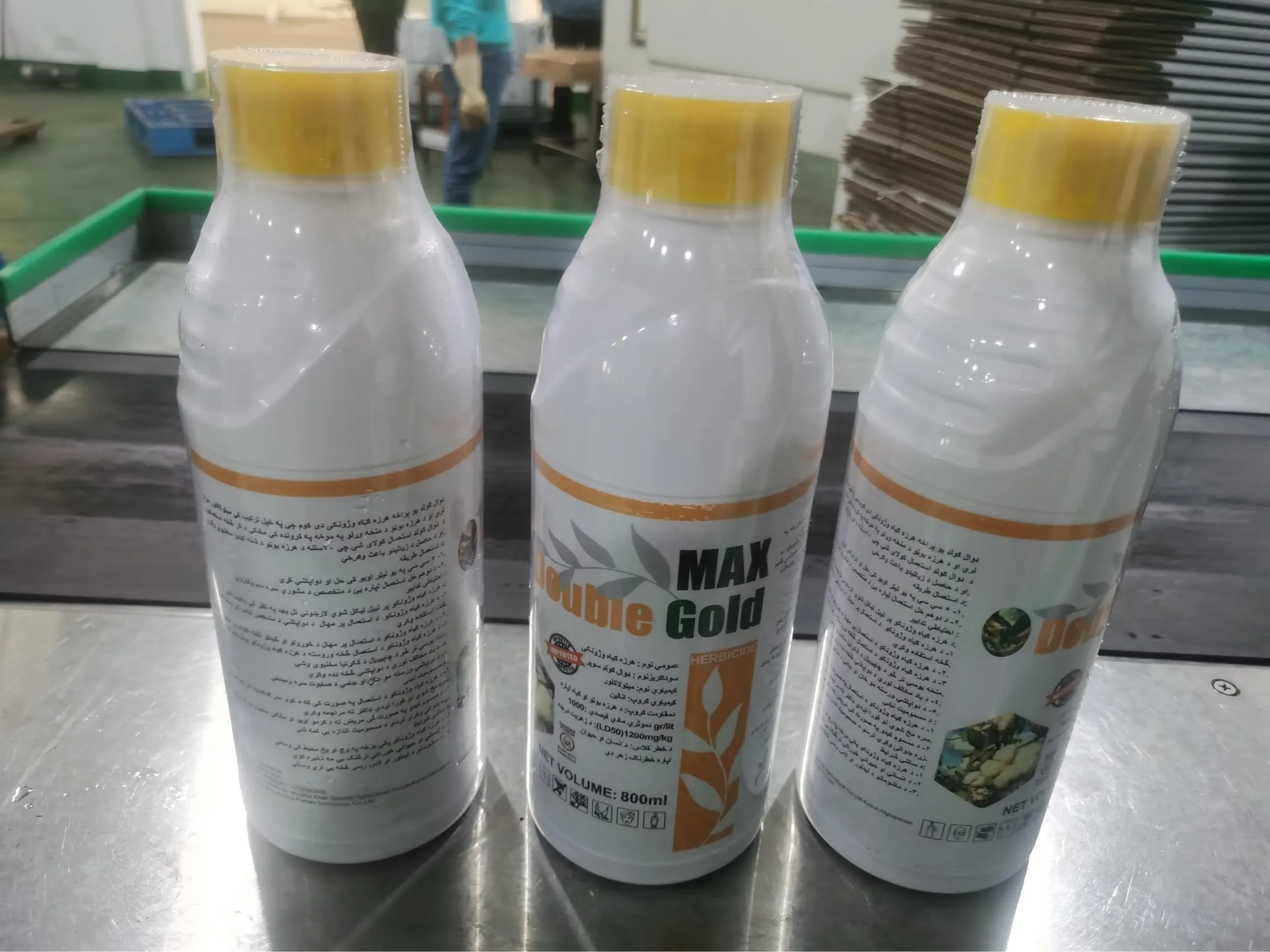
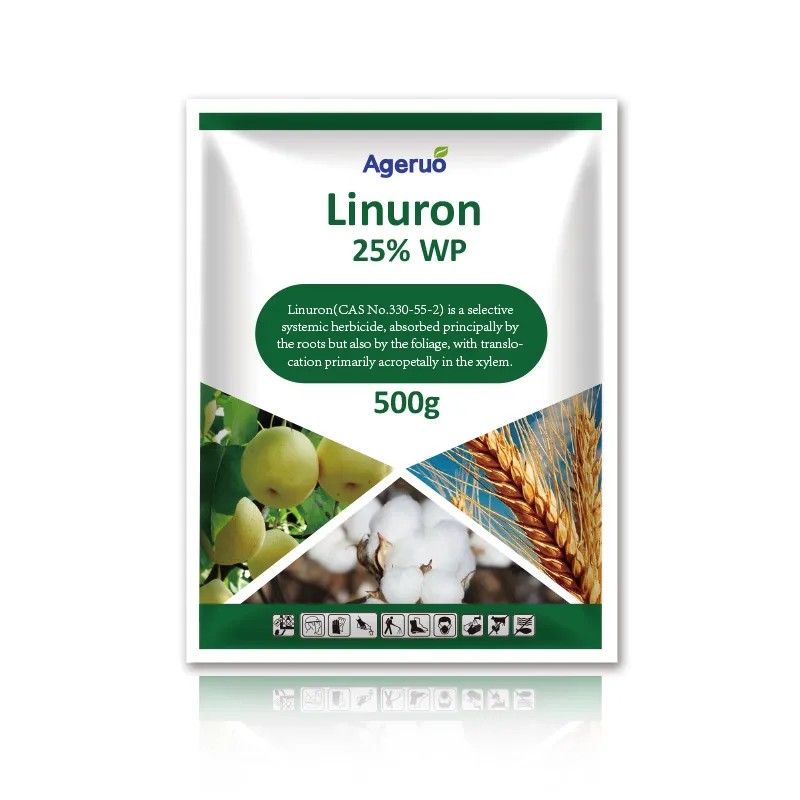
More Herbicides

















Pepper Seed Treatment and Seedling Protection
Pepper seed treatment and seedling protection should be evaluated based on target pathogens, seed quality, seedling-rearing conditions, and local registrations. Seed treatment does not replace pest and disease management throughout the entire growing season, nor does it guarantee the elimination of all risks of soil-borne diseases.
| Evaluation Criteria | Items to Confirm Before Purchase |
|---|---|
| Target Organisms | Specific Pathogens or Early-Stage Pests |
| Active Ingredients | Concentration, Mode of Action, and Scope of Application |
| Formulation | FS, WS, DS, or other approved treatment methods |
| Seedling Safety | Safety data for chili pepper seeds and seedlings |
| Treatment Quality | Coating uniformity, adhesion, and seed compatibility |
| Registration and Documentation | Crop Scope, Treatment Rates, Label Information, and Related Technical Data |
For seedling-rearing and transplanting systems, special attention should also be paid to growing medium hygiene, irrigation management, temperature and humidity, and the history of root diseases. If abnormalities occur during the seedling stage, diagnose the disease and environmental factors first before deciding whether to use the corresponding product.POMAIS seed treatment products may be included in the candidate product pool; however, only those explicitly designated for use on peppers and registered for the target market will be included in the official recommendation list.
More Herbicides
Differences in Plant Protection for Field-Grown and Greenhouse-Grown Peppers
There are differences in pest and disease pressure, application conditions, and management practices between field and greenhouse production. When developing a plant protection program, the customer’s primary cultivation system should be confirmed first.
| Management Dimensions | Field-Grown Bell Peppers | Greenhouse-Grown Bell Peppers |
|---|---|---|
| Moisture and Environment | Significant impact from rainfall, waterlogging, and field soil conditions | Irrigation, ventilation, humidity, and canopy management are more controllable |
| Disease Risk | Focus on late blight, foliar diseases, and field-borne transmission | Focus on high-humidity canopies, insufficient ventilation, and specific diseases |
| Pest Management | Consider field pest populations and regional pest outbreaks | Prioritize continuous monitoring of thrips, whiteflies, aphids, and mites |
| Weed Management | Consider inter-row weeds and soil management | Focus on weeds on the greenhouse floor, between rows, and in surrounding areas |
| Application and Residues | Schedule based on open-field production and harvest plans | Take into account enclosed spaces, operational safety, and continuous harvesting requirements |
The differences outlined above represent a general management framework and do not imply that a particular pest or disease will occur exclusively in one type of cultivation system. Specific plans must still be determined based on local environmental conditions, pest and disease history, and product labels.
How to Build a Plant Protection Product Portfolio Suitable for the Bell Pepper Market?
For pesticide importers, distributors, and registration companies, the bell pepper product portfolio should be based on actual local cultivation needs, with procurement priorities determined according to product specifications, active ingredients, modes of action, and registration status.
| Product Portfolio Direction | Key Requirements | Key Procurement Evaluation Points |
|---|---|---|
| Fungicide Portfolio | Late blight, foliar diseases, fruit diseases | Target diseases, pathogen types, FRAC groups, and registrations |
| Insecticide Portfolio | Thrips, whiteflies, aphids, and fruit pests | Target insect species, IRAC groups, resistance, and off-target risks |
| Acaricide Portfolio | Spider Mites, Broad Mites | Target mite species, acaricidal activity, and registration |
| Herbicide Combinations | Broadleaf, grass, and sedge weeds | Crop selectivity, weed spectrum, and HRAC classification |
| Seed and Seedling Protection | Specific Seed-Borne, Soil-Borne Diseases, and Early-Stage Risks | Target Pathogens, Application Methods, Seed and Seedling Safety |
| Integrated Pest Management Products | Plant Protection Needs at Different Production Stages | Product Complementarity, Local Regulations, and Supply Conditions |
Among the existing product data in POMAIS, the following products may serve as entry points for further review; however, specific product uses must still be verified against the labels in the target countries:
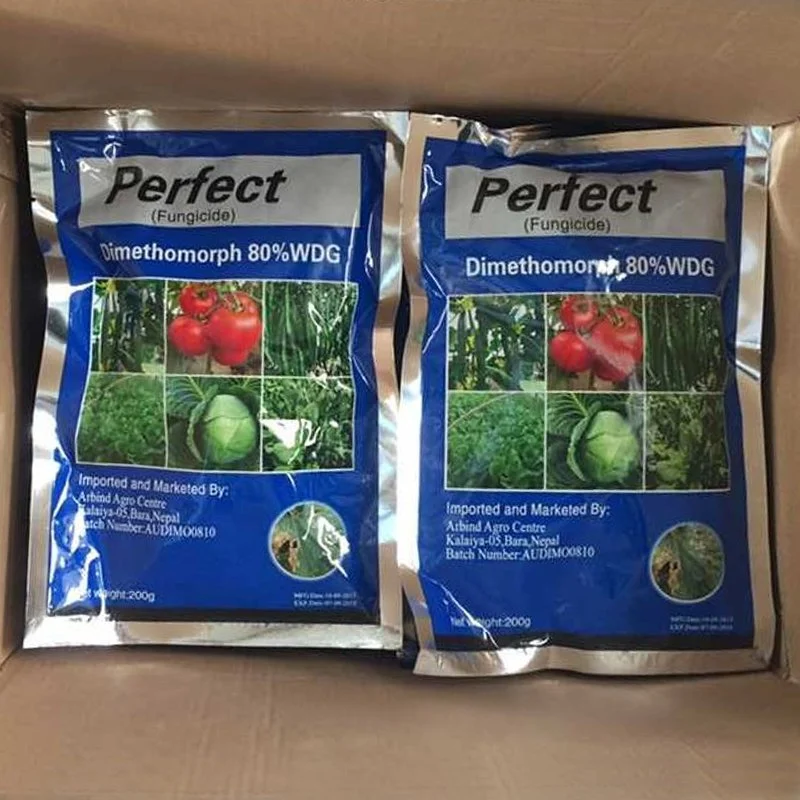
- Dimethomorph Fungicide
- Metalaxyl-M 37.5 g/L + Chlorothalonil 500 g/L SC
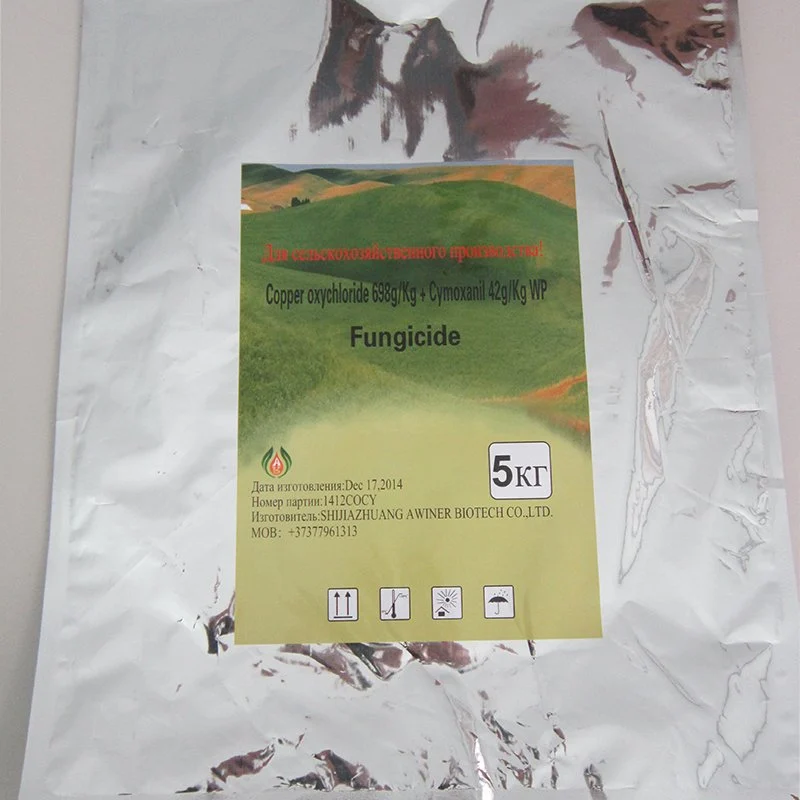
- Cymoxanil 42 g/kg + Copper Oxychloride 689.5 g/kg WP
- Chlorfenapyr 40% + Abamectin 6% SC
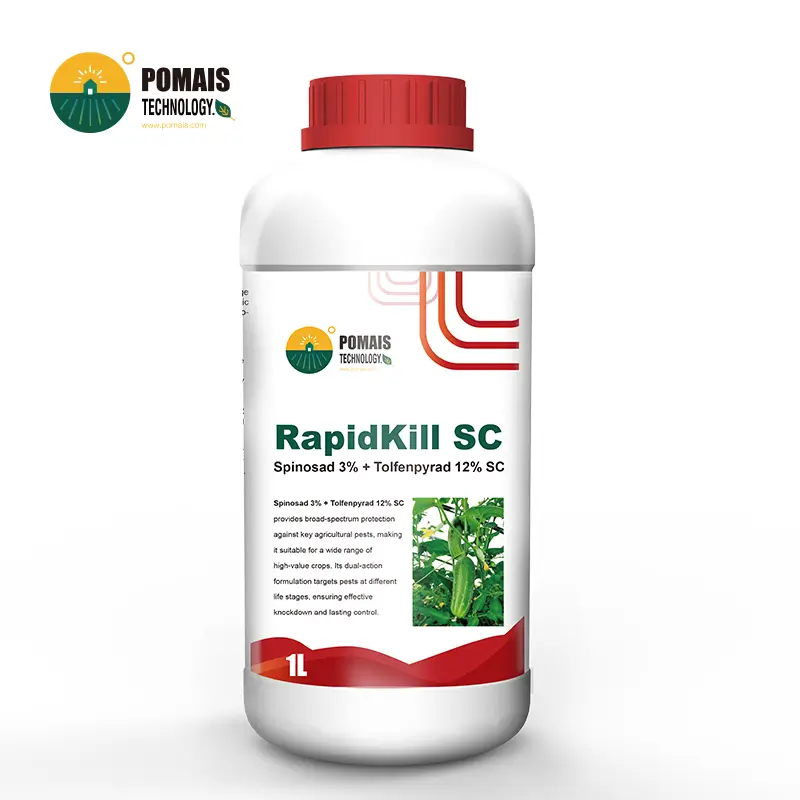
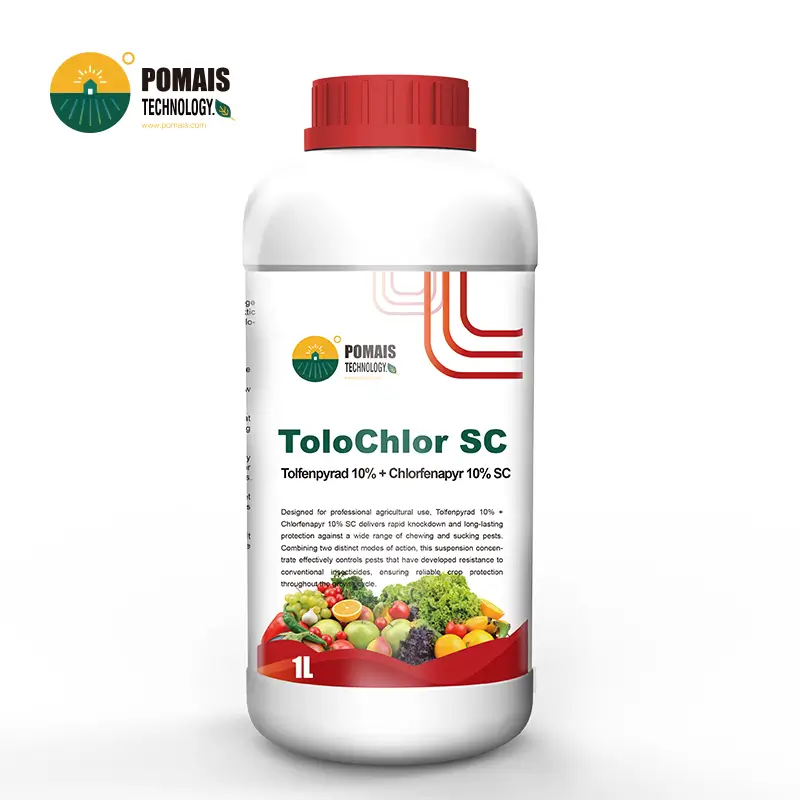
- Spinosad 3% + Tolfenpyrad 12% SC
These links are provided for product information verification and preliminary screening; they do not imply that all products have been confirmed to be suitable for all pepper pests and diseases or for all target markets.Before purchasing, it is recommended to clarify the following:
- Target import country or region.
- Primary chili pepper varieties and cultivation methods.
- Diseases, pests, or weeds that require priority control.
- Target active ingredients, concentrations, and formulation types.
- Estimated purchase quantities, packaging specifications, and quality documentation requirements.
- Registration status and residue requirements in target markets.
This information helps screen for products that better meet local needs, reduces redundant product selection, and provides a basis for subsequent registration evaluations, technical discussions, and procurement decisions.
Resistance and Residue Management in Pepper Plant Protection
Pepper plant protection requires not only consideration of control efficacy but also attention to resistance management, crop safety, pollinator protection, and fruit residue requirements.
FRAC: Fungicide Mode of Action Classification
Develop a reasonable rotation plan based on the specific disease, active ingredient, and FRAC group. Different trade names do not necessarily indicate different modes of action. For bacterial and viral diseases, management methods tailored to the specific pathogen type must be adopted; not all issues can be addressed solely with general-purpose fungicides.
IRAC: Insecticide Mode of Action Management
Select products based on the target pest, life stage, and resistance status. For pests such as thrips and whiteflies that may transmit viruses, integrate vector monitoring and field sanitation management, while also considering the protection of natural enemies and other non-target organisms.
HRAC: Herbicide Mode of Action Management
Develop a plan based on dominant weeds, crop selectivity, product registration, and resistance status. Do not rely solely on product names to determine whether an effective rotation of modes of action has been achieved.
PHI and MRL: Harvest and Residue Management
PHI (Pre-Harvest Interval) is the mandatory safety interval that must be observed between the last application and harvest. MRL (Maximum Residue Limit) is the statutory limit for pesticide residues in agricultural products.
PHI management is particularly important for chili peppers harvested in successive crops. Importers and registrants should verify the relevant requirements of the target country and applicable sales markets to ensure that product use, application methods, and residue conditions are compatible.
All products must be used in accordance with the approved label regarding crops, target pests, application rates, timing of application, number of applications, and other restrictions. General plant protection recommendations are not a substitute for locally approved labels.
Frequently Asked Questions
Plan Your Pepper Crop Protection Product Portfolio
For pesticide importers, distributors, and registration companies planning to enter or expand in the pepper crop protection market, we recommend first identifying the major pests, diseases, and weeds in the target country, then screening suitable products based on active ingredients, formulation types, registration status, and procurement needs.
POMAIS can assist in screening existing product options based on the target market, product specifications, and procurement needs provided by the client, and further verify relevant technical data, supply conditions, and available product documentation.
To evaluate a chili pepper crop protection product portfolio, please prepare the following information:
- Target country or region.
- Major chili pepper varieties and production methods (open-field or greenhouse).
- Diseases, pests, or weeds that require priority control.
- Target active ingredients, concentrations, or formulations.
- Estimated purchase volume and local registration status.
This information helps clarify actual local market needs, reduce product duplication, and provides a basis for subsequent registration evaluations, product selection, and procurement communications.