
Key Rice Production Challenges
Rice crops face different protection challenges throughout the growing season. Effective programs should consider weed spectrum, disease pressure, insect population, crop stage, and local registration requirements.
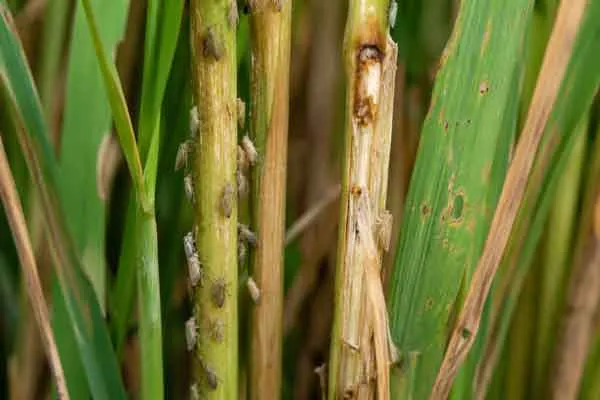
Insect Pressure
Common challenges:
- Planthoppers
- Stem borers
- Leaf folders
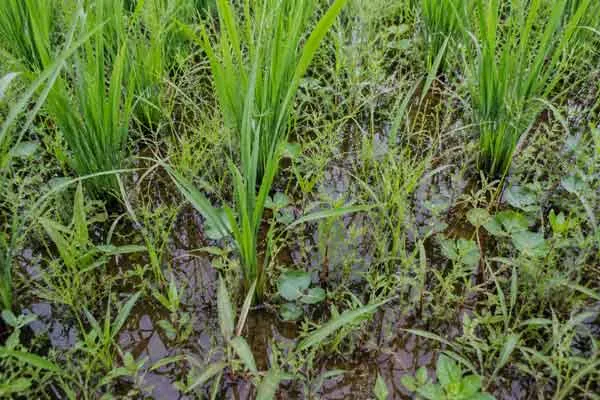
Weed Pressure
Common challenges:
- Barnyardgrass
- Sedges
- Broadleaf weeds
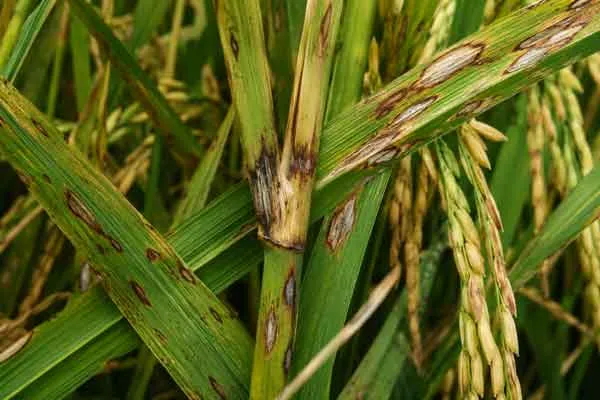
Disease Pressure
Common challenges:
- Rice blast
- Sheath blight
- Brown spot
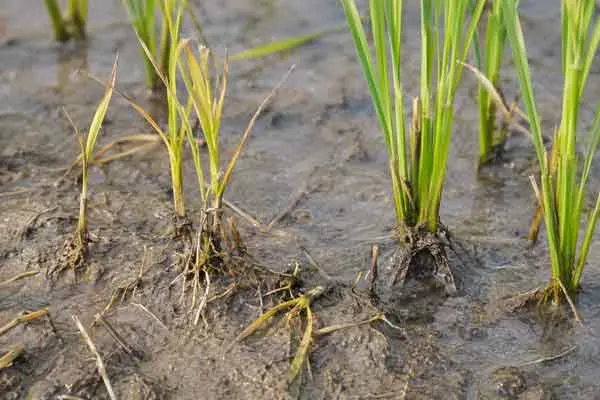
Early Crop Establishment
Common challenges:
- Seed-borne disease
- Soil pests
- Root development
Browse Rice Protection Directions
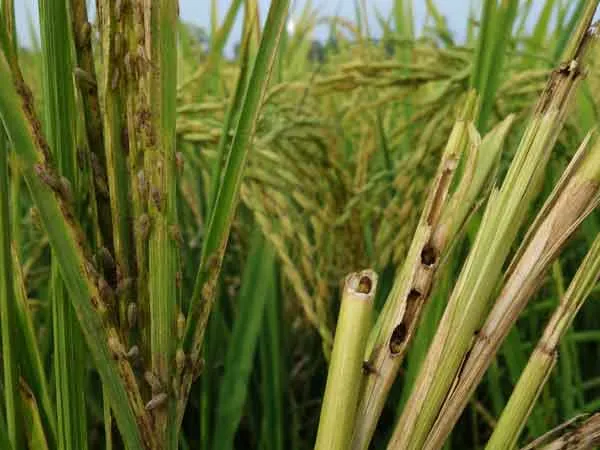
Rice Insecticide Solutions
Rice insect pests can damage plants during different growth stages.
Focus areas:
- Planthoppers
- Stem borers
- Leaf folders
- Caterpillars
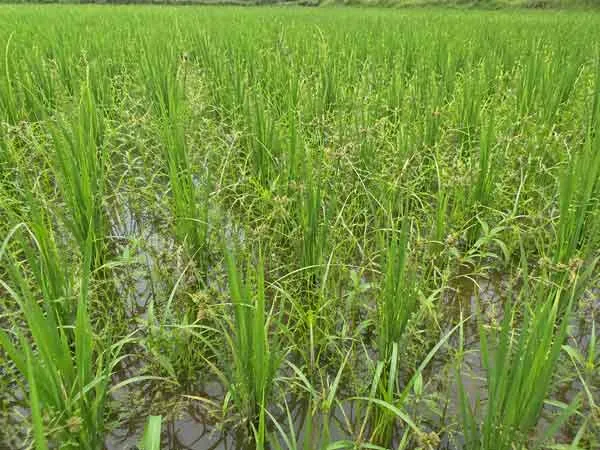
Rice Herbicide Solutions
Rice weed management depends on weed species, application timing, water management, and crop stage.
Focus areas:
- Grass weeds
- Sedges
- Broadleaf weeds
- Resistance management
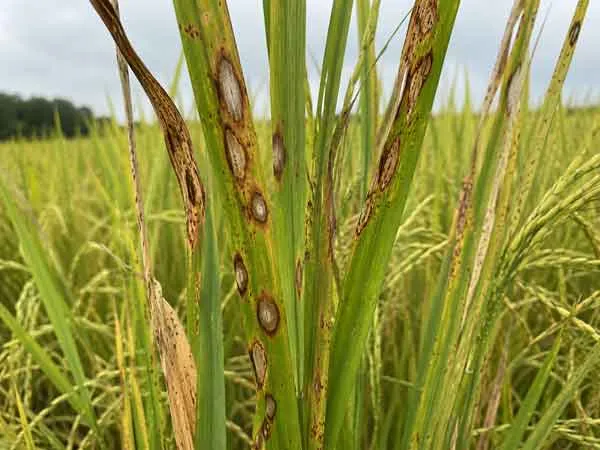
Rice Fungicide Solutions
Rice diseases can affect leaves, stems, panicles, and grain quality.
Focus areas:
- Blast management
- Sheath blight management
- Foliar disease protection
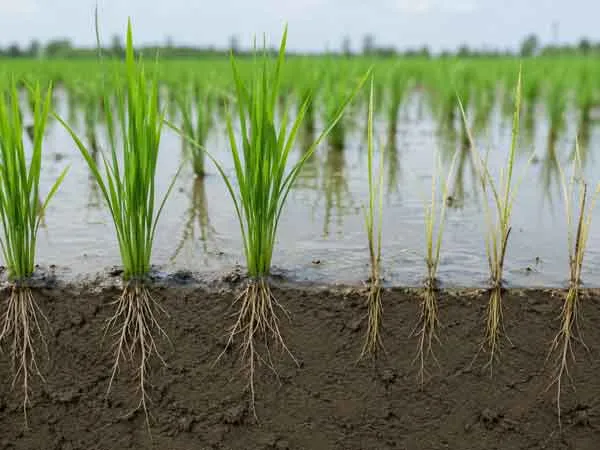
Rice Seed & Soil Protection
Early crop establishment influences later crop performance.
Focus areas:
- Seed treatment
- Soil pests
- Root-zone protection
Rice Crop Stage Protection Program
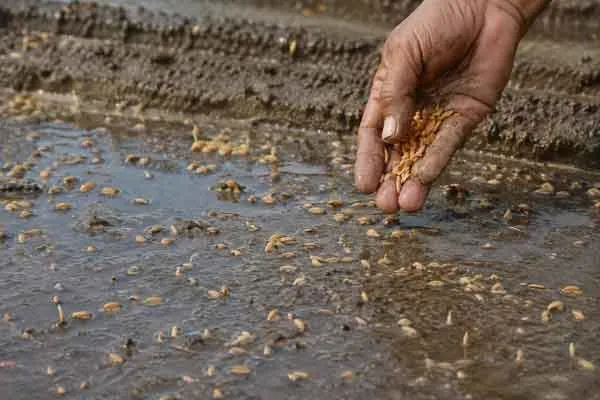
Seed and Planting
- Seed treatment
- Seed-borne disease
- Early insect protection
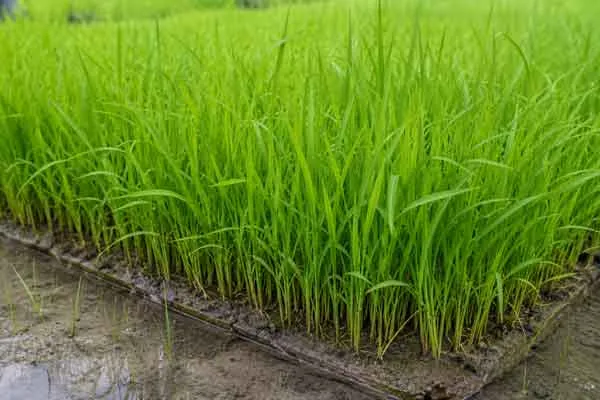
Nursery Stage
- Seedling health
- Early disease pressure
- Root development
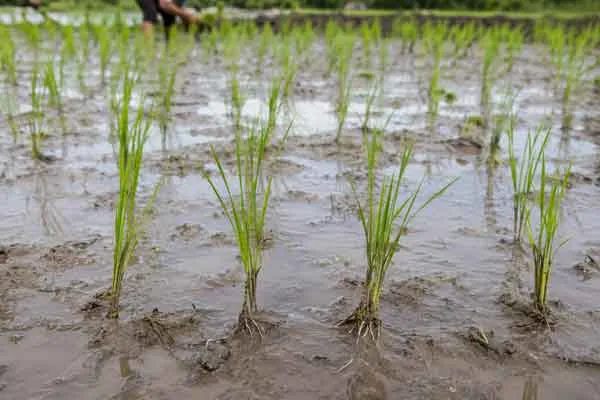
Transplanting / Establishment
- Early weeds
- Soil pests
- Crop establishment
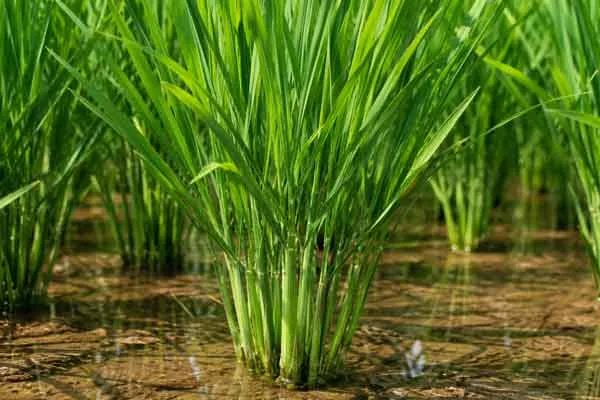
Tillering Stage
- Weed competition
- Planthoppers
- Leaf diseases
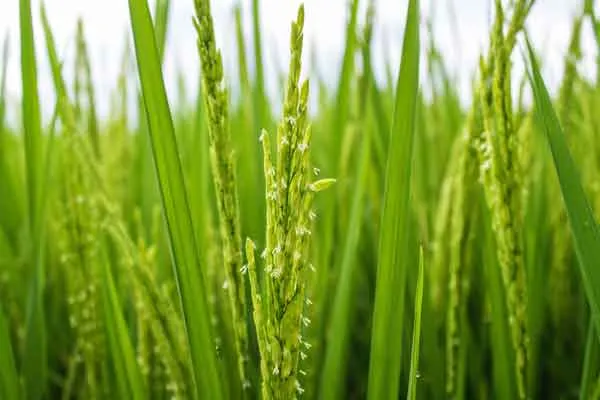
Panicle Initiation and Flowering
- Disease timing
- Insect pressure
- Crop protection before yield formation
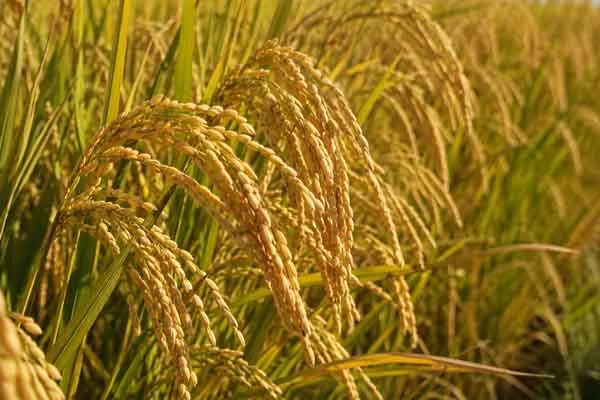
Pre-Harvest
- PHI
- Residue requirements
- Late disease management
Build a Rice Portfolio Around Market Roles
Importers should avoid building a rice portfolio consisting of multiple products with almost identical positioning.
Key Rice Pests, Diseases, and Product Options
Pest and disease management strategies for rice should be tailored to specific targets. Disease management must take into account the pathogen, weather conditions, and crop growth stage; pest management should be based on monitoring and actual damage; and herbicides should be selected based on the weed spectrum, rice cultivation practices, and crop safety.
| Target Organisms | Major Damage | Management Priorities | Product or Active Ingredient Recommendations |
|---|---|---|---|
| Rice Blast | Damage to leaves, nodes, and panicle necks | Disease-resistant varieties, field monitoring, and timely disease management | Fungicides such as Tricyclazole with appropriate registered uses |
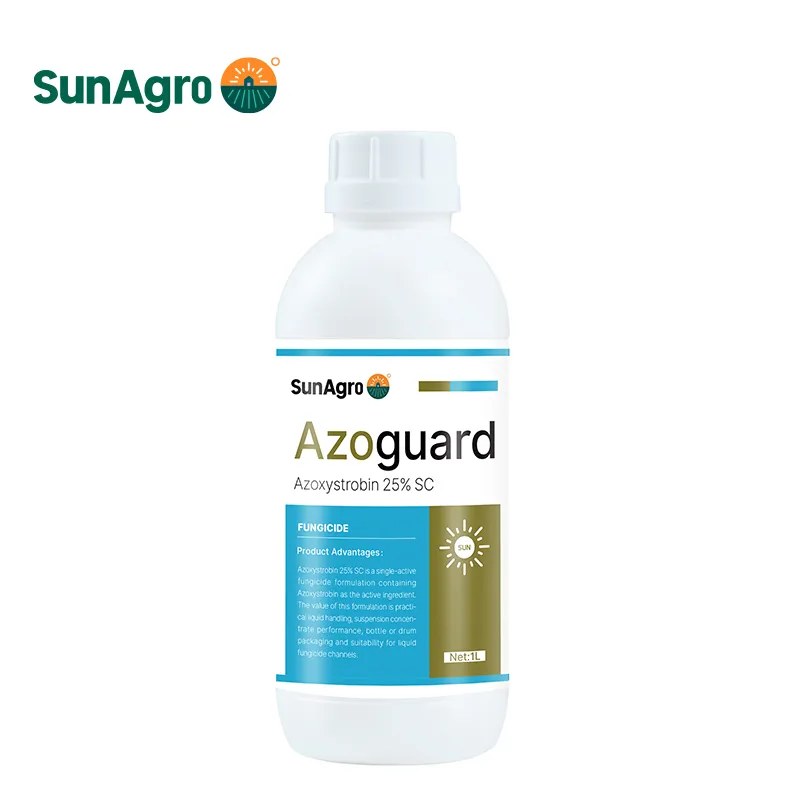
| Sheath Blight | Spread of lesions on leaf sheaths and leaves | Control excessive canopy density; monitor disease progression | Appropriate fungicides such as Validamycin and Azoxystrobin |
| Brown Spot | Damage to leaves and some seed tissues | Seed health, field management, and disease monitoring | Select appropriate fungicides based on disease diagnosis |
| Bacterial Leaf Blight | Leaf yellowing and wilting of leaf margins | Disease-resistant varieties, proper fertilization, and field sanitation | Focus on disease-resistant varieties and integrated pest management |
| Brown Planthopper | Sap-sucking damage; severe cases result in planthopper burn | Monitor pest populations, protect natural enemies, and make decisions based on control thresholds | Select insecticides registered locally and effective against the target planthoppers |
| Stem Borers | Heart rot and white panicles | Monitor eggs, larvae, and damaged plants | Select appropriate insecticides based on the specific stem borer species |
| Rice Leaf Folder | Leaves curl lengthwise; leaf tissue is damaged | Monitor larvae and leaf damage | Select an appropriate insecticide based on the larval stage |
| Barnyardgrass | Competes for nutrients, water, and light | Early identification and timely weed control | Rice herbicides such as Cyhalofop-Butyl and Penoxsulam |
| Leptochloa (weeds of the genus Leptochloa) | Competes with rice and affects field management | Identify weed species and growth stages | Evaluate suitable products such as Cyhalofop-Butyl |
| Sedges and Broadleaf Weeds | Compete with rice; some species persist | Develop an integrated weed control plan based on the weed profile | Appropriate herbicides such as Bensulfuron-Methyl and Bispyribac-Sodium |
The active ingredients listed above represent control strategies; this does not imply that all products are suitable for all rice-growing regions. Specific products should be selected based on registrations in the target country, crop use, and approved labels.
Rice Disease Management
Rice disease management should be based on the accurate identification of pathogens and key infection stages. Since the sites of infection, modes of transmission, and optimal management windows vary among different diseases, no single fungicide can be considered a universal solution for all rice diseases.
Rice Blast Management
Rice blast is caused by Magnaporthe oryzae and can infect leaves, nodes, and the panicle neck. Leaf blast may impair leaf function, while panicle neck blast may affect grain formation and grain filling.
Management priorities include:
- Selecting disease-resistant varieties suited to local disease pressure.
- Monitoring infection risk based on rainfall, humidity, and field disease history.
- Manage nitrogen fertilizer application appropriately to avoid excessive nitrogen application.
- Increase inspections of susceptible areas such as leaves, nodes, and panicle necks.
- Select fungicides with appropriate registered uses based on disease risk.
Tricyclazole and Isoprothiolane are active ingredients worth evaluating for rice blast management. Specific product selection should consider target market registrations, disease stages, and local resistance management recommendations.
Rice blast management should not rely solely on pesticide application. Disease-resistant varieties, proper fertilization, and field monitoring are equally important.
Sheath Blight Management
Sheath Blight is primarily caused by Rhizoctonia solani. The disease typically begins with elliptical or irregular lesions on leaf sheaths near the water surface, which may subsequently spread upward, affecting leaf function and plant growth.
High temperatures, high humidity, dense canopies, and high nitrogen fertilizer application may increase the risk of the disease.
Key management measures include:
- Monitor lower leaf sheaths and the spread of lesions.
- Implement field management practices based on planting density and variety characteristics.
- Manage nitrogen fertilizer application appropriately to avoid unnecessary over-application.
- When disease risk is high, evaluate suitable fungicides based on local technical recommendations.
- Develop a reasonable resistance management plan based on the FRAC mode-of-action classification.
Validamycin, Azoxystrobin, and Propiconazole are active ingredients that can be further evaluated for brown spot management based on local registrations. Specific products should be matched to the target disease, application timing, and product label.
Brown Spot Management
Brown Spot (rice brown spot disease) can affect leaves and may also be associated with grain quality issues. The severity of the disease is influenced by factors such as seed health, plant nutritional status, environmental conditions, and the field’s disease history.
Management efforts should focus on the following:
- Use healthy seeds and improve seed quality management.
- Assess risk based on field symptoms and disease history.
- Manage fertilizer and water conditions appropriately to reduce nutritional imbalances in plants.
- Select appropriate management measures based on disease diagnosis and local plant protection recommendations.
For brown spot disease, the pathogen should not be identified solely based on the appearance of brown spots on leaves. It is necessary to differentiate it from rice blast and other leaf diseases before determining whether fungicides are needed.
Bacterial Leaf Blight Management
Bacterial Leaf Blight (rice bacterial leaf blight) is caused by Xanthomonas oryzae pv. oryzae, a bacterial pathogen. Infected leaves may develop water-soaked lesions, which subsequently spread along the leaf margins or across the leaf, causing yellowing and wilting.
Since this disease is caused by bacteria, fungicide treatment strategies designed for fungal diseases cannot be simply applied.
Key management practices include:
- Select disease-resistant varieties suited to local disease pressure.
- Use healthy seeds and vigorous seedlings.
- Manage nitrogen fertilizer appropriately to avoid unnecessary over-application.
- Minimize the risk of transmission from diseased plant debris and field operations.
- Develop integrated management strategies based on local agricultural technical recommendations.
Copper-based formulations may be used in some regions to manage specific bacterial diseases, but their effectiveness depends on the pathogen population, resistance, and the specific product. They should be evaluated based on local registrations and technical data and should not be described as a solution capable of completely eradicating bacterial leaf blight.
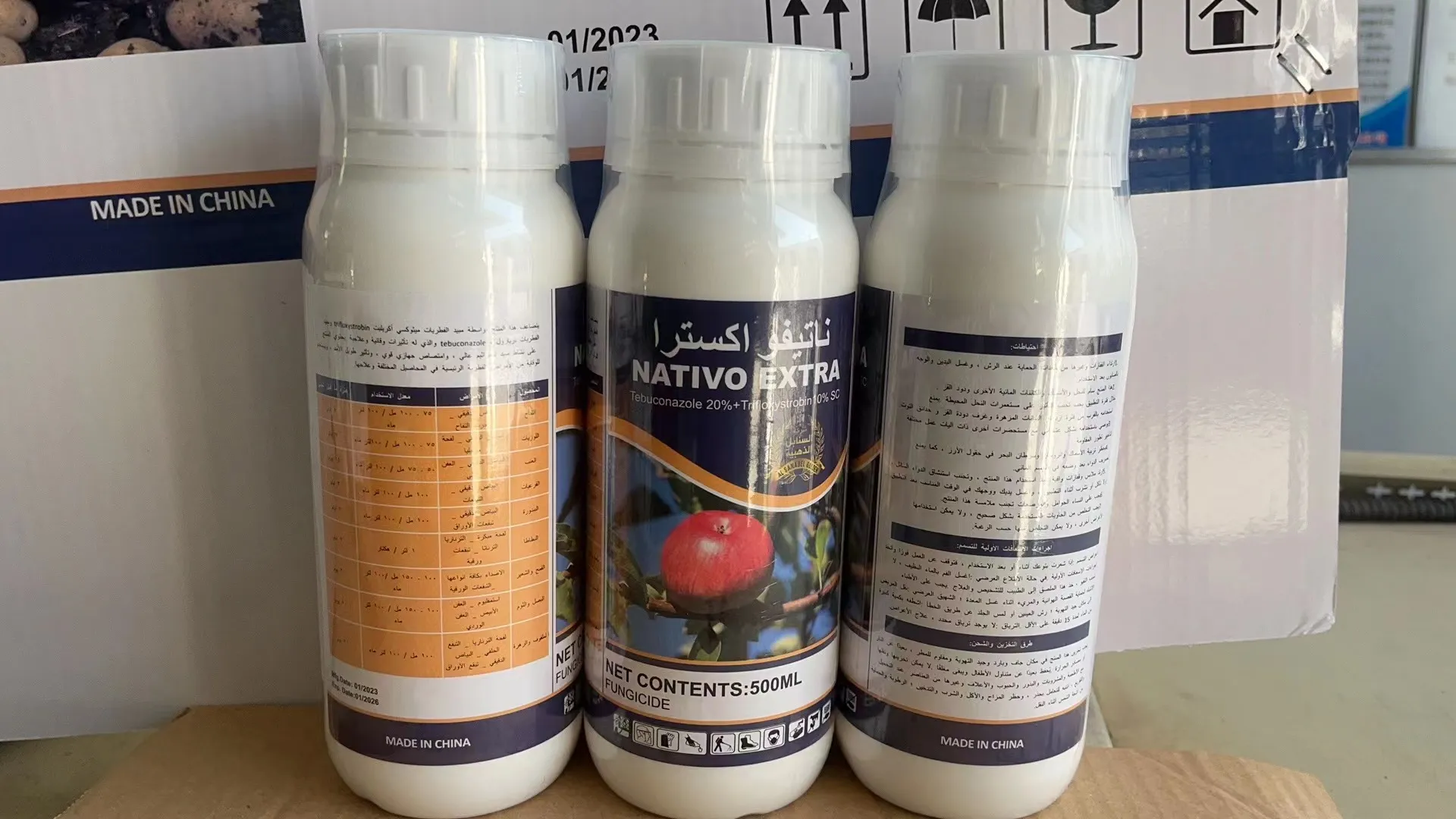
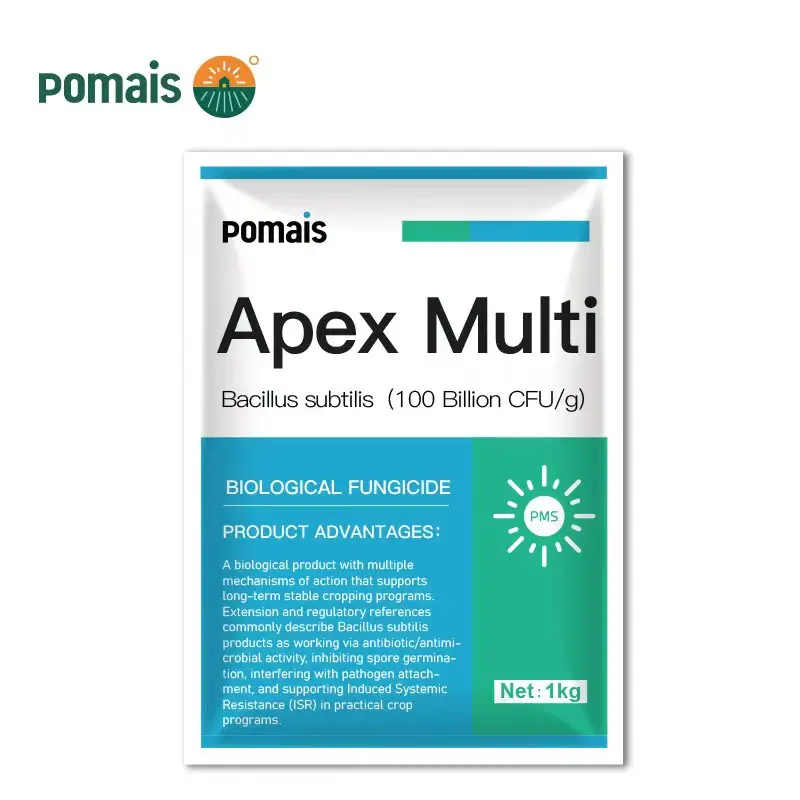
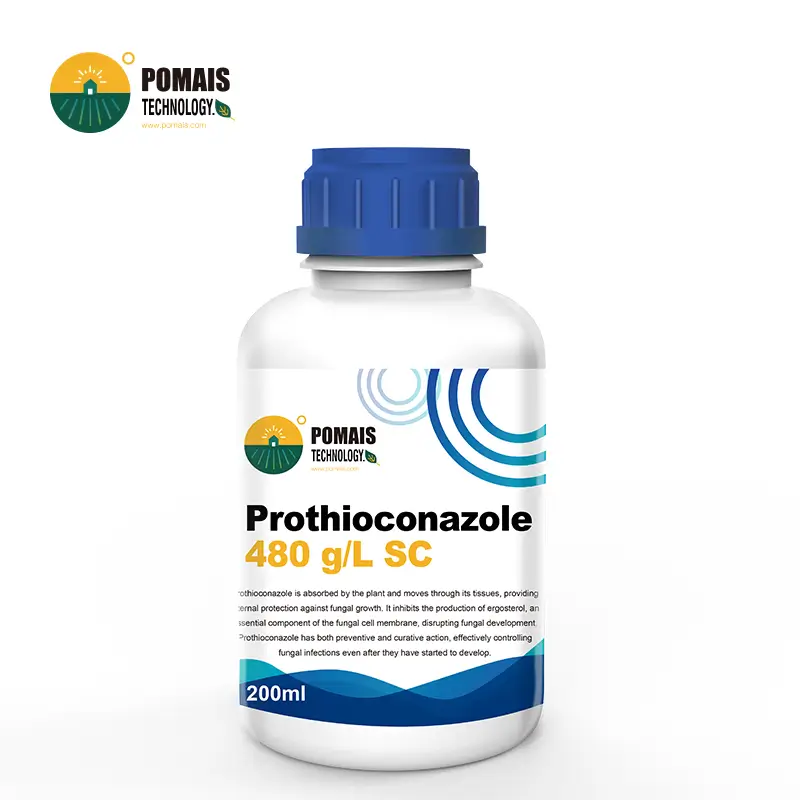
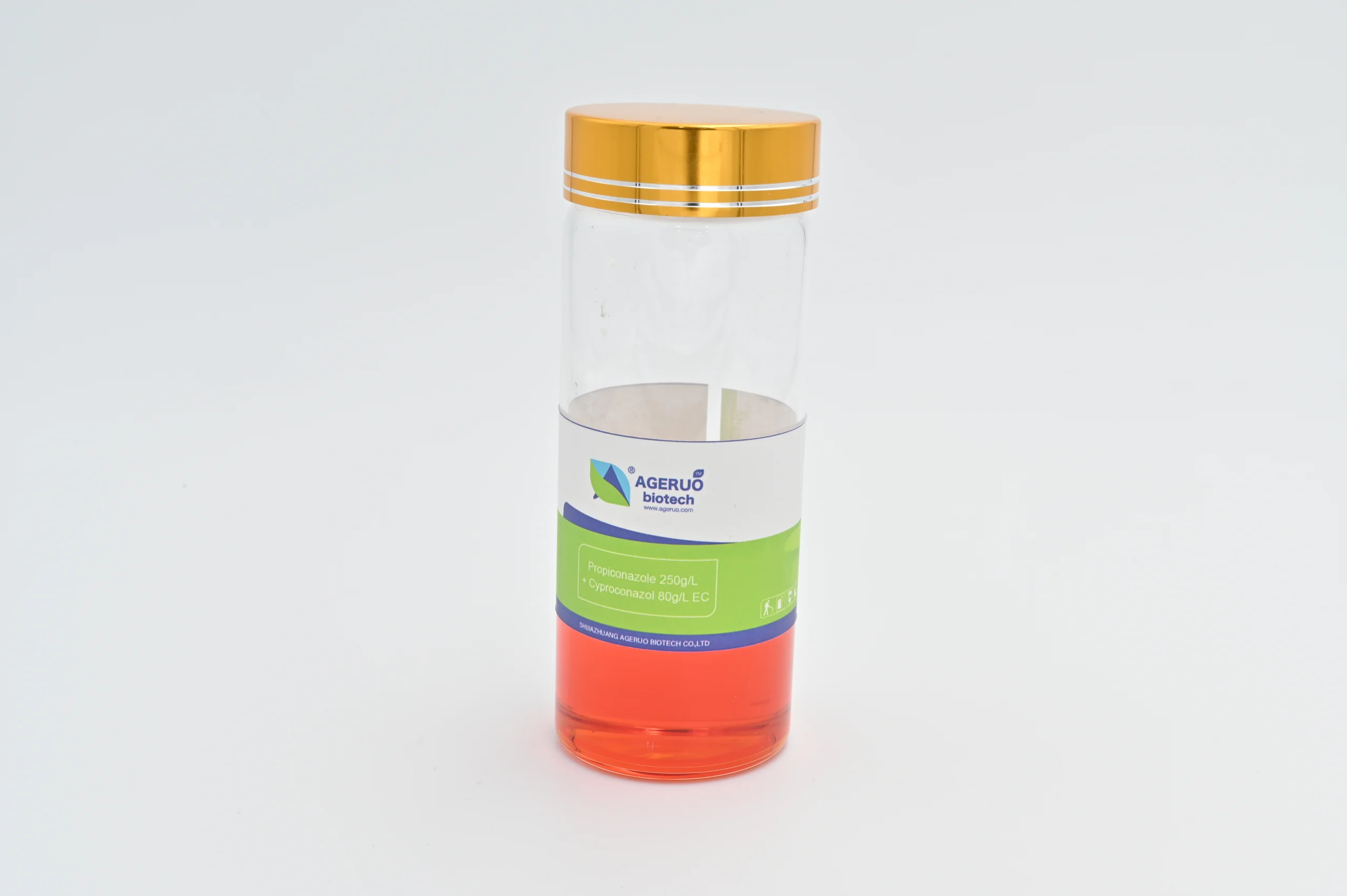
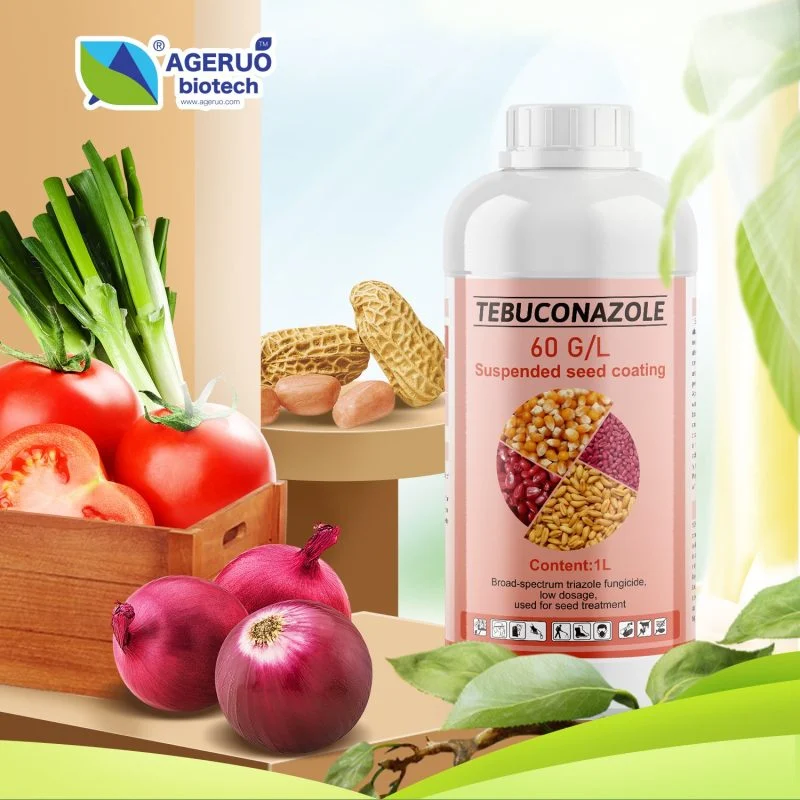
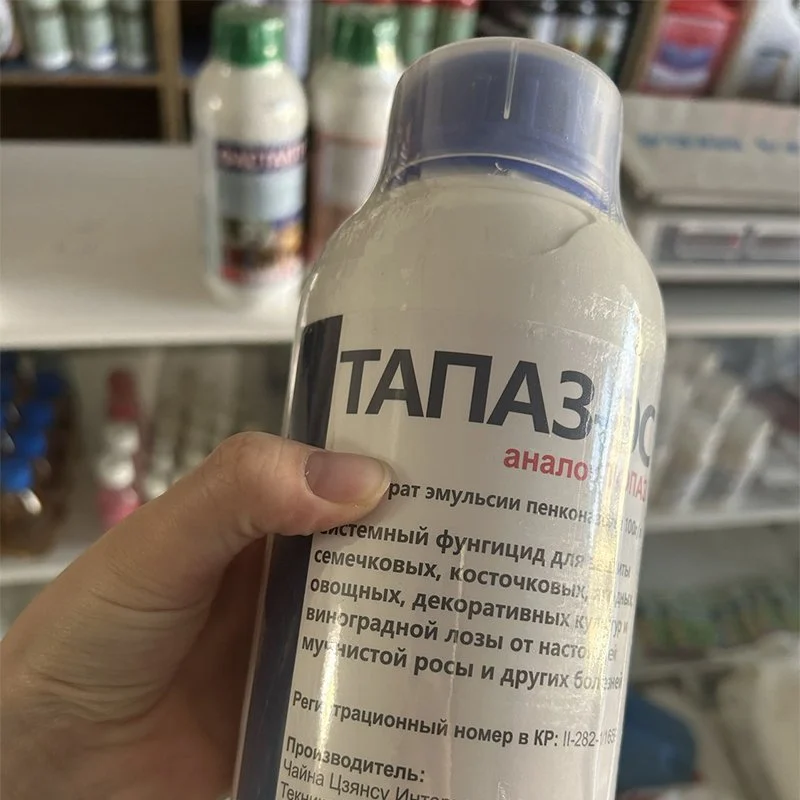
More Fungicides
















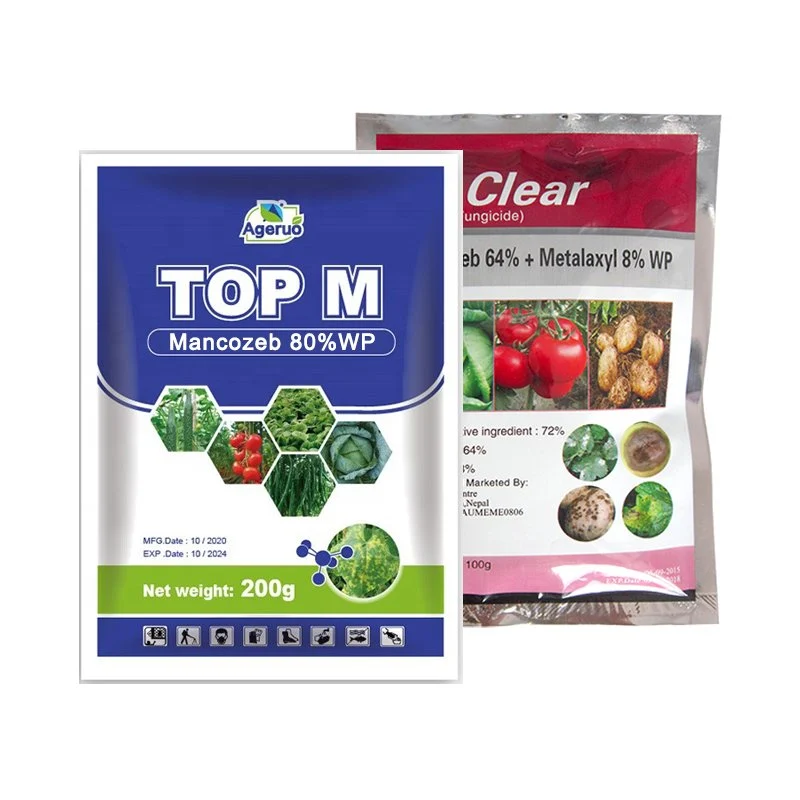
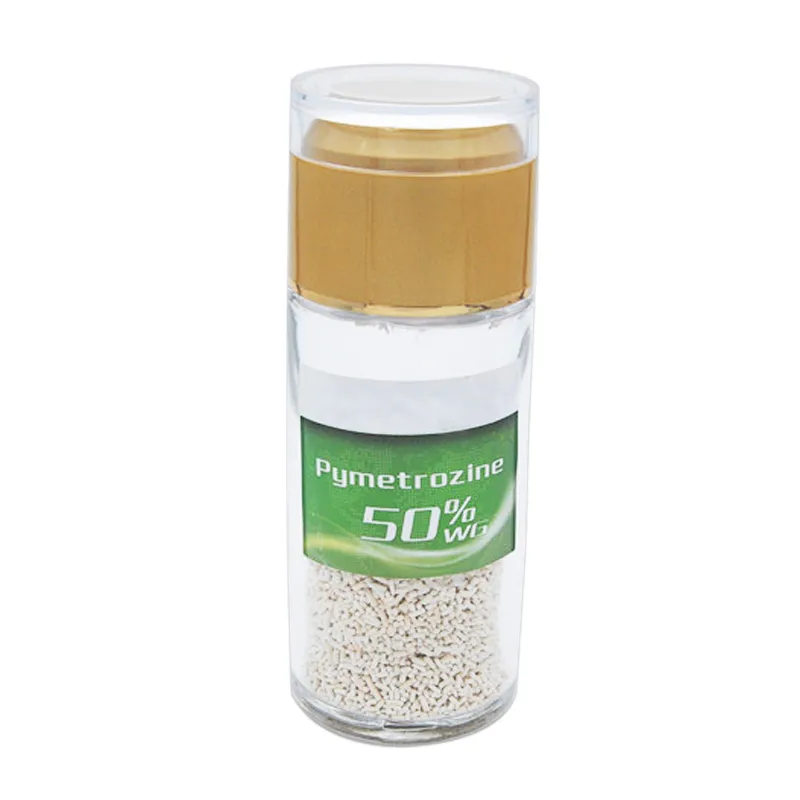
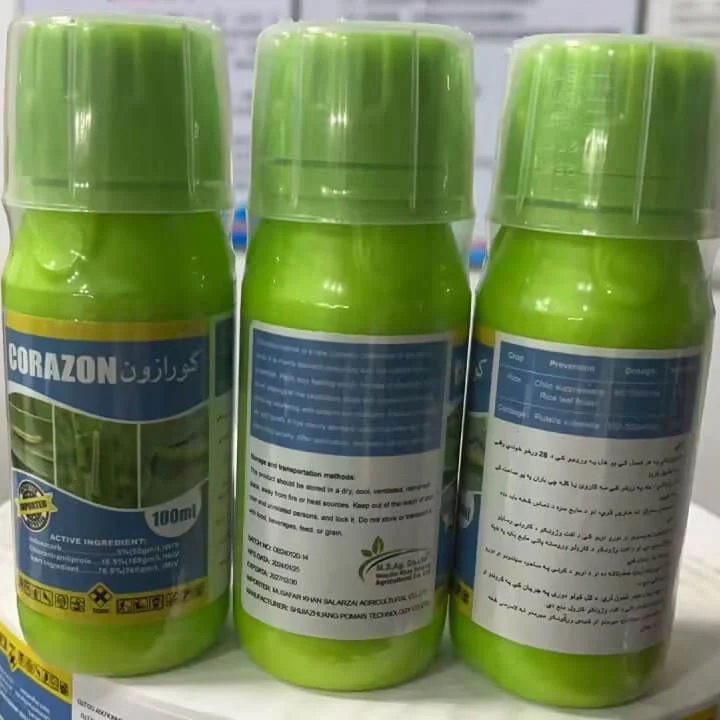
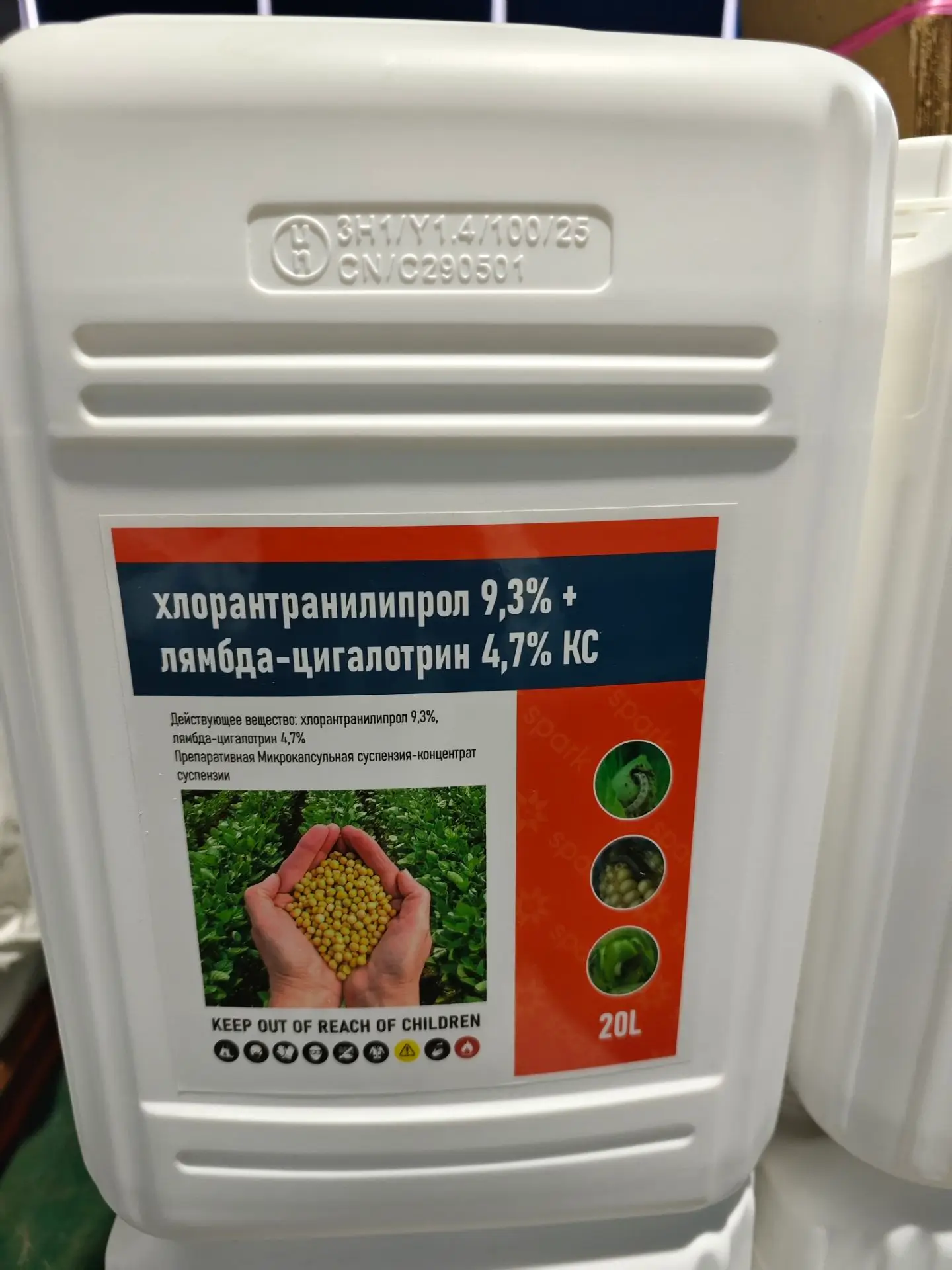
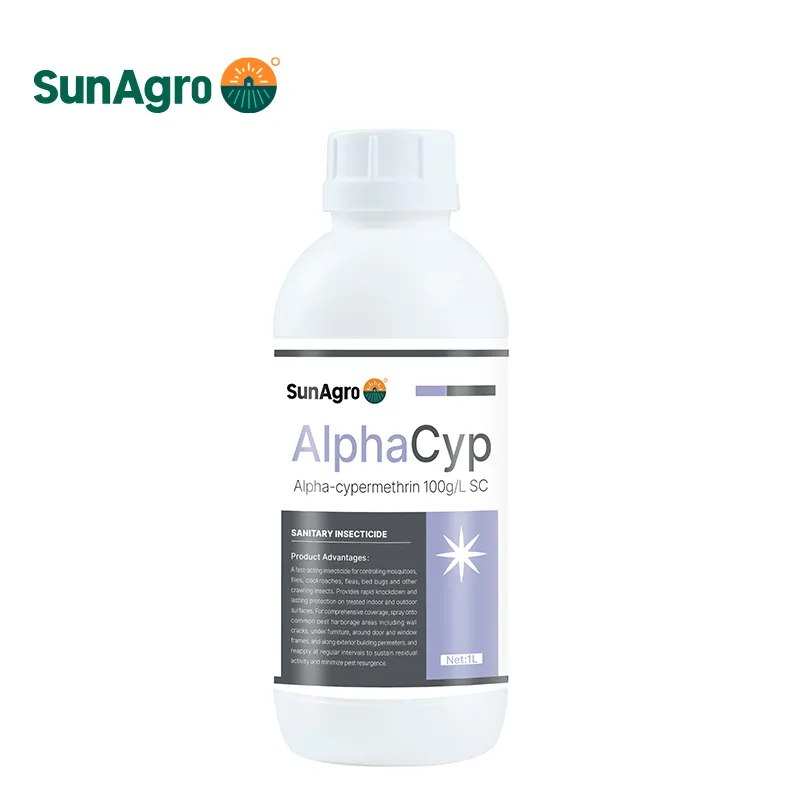
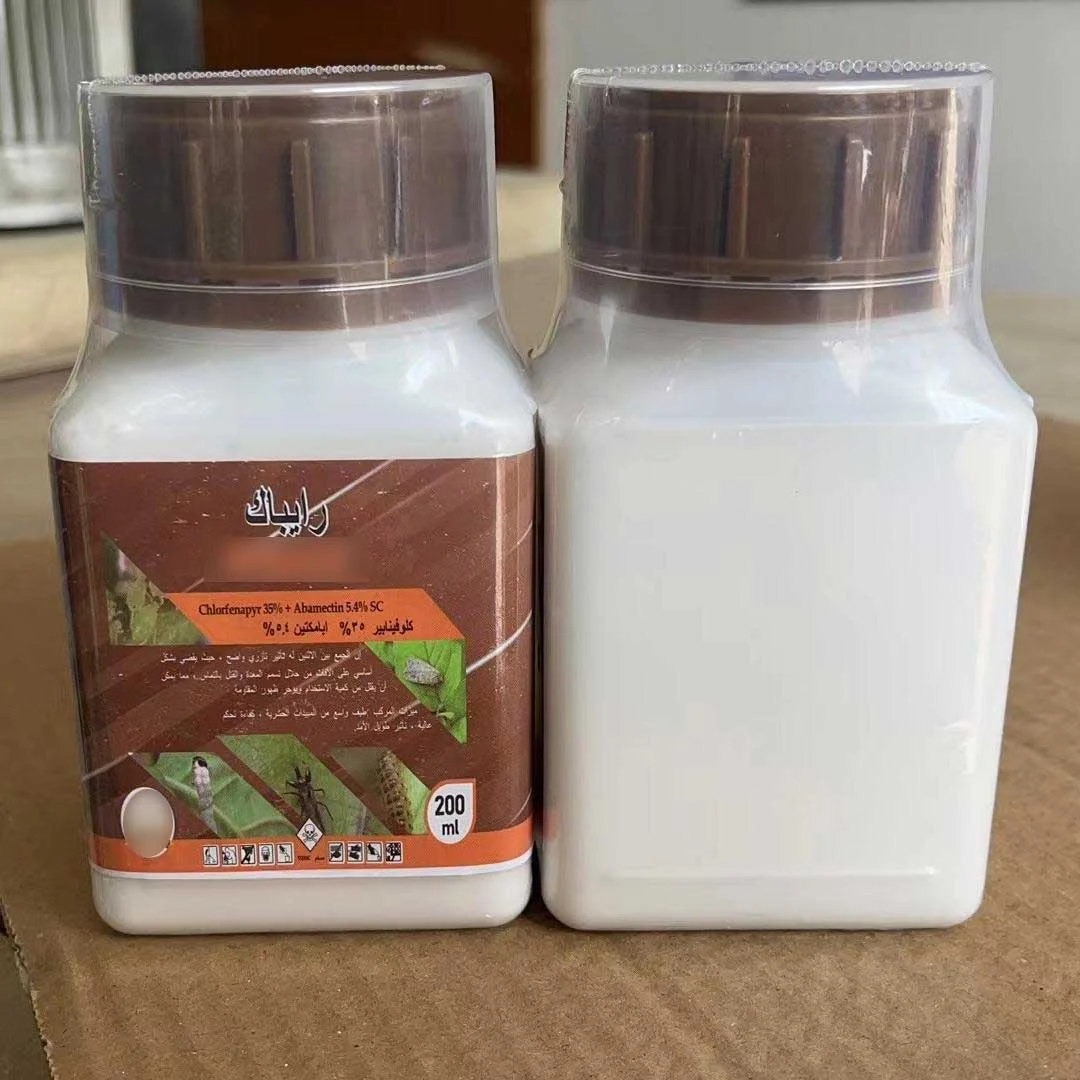
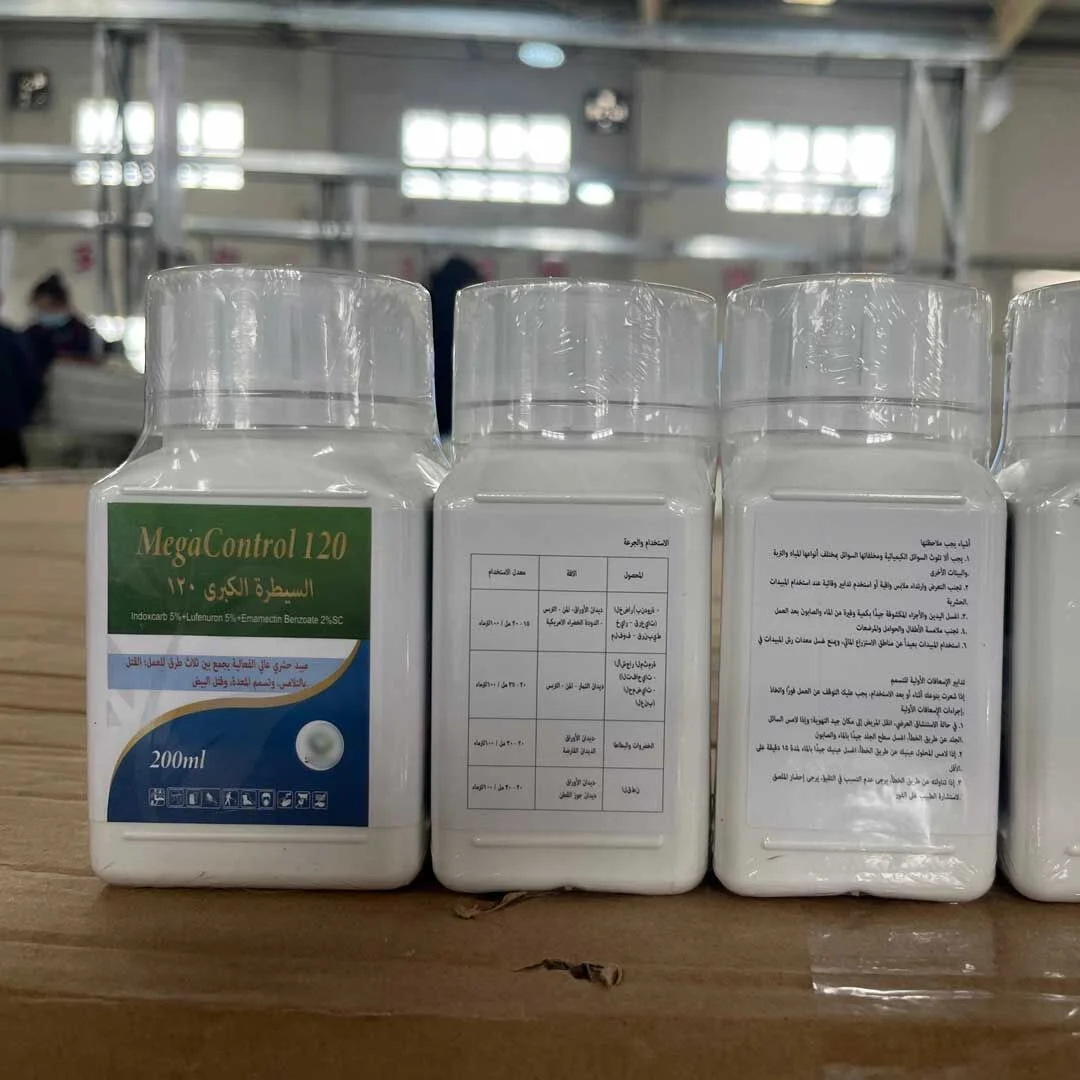
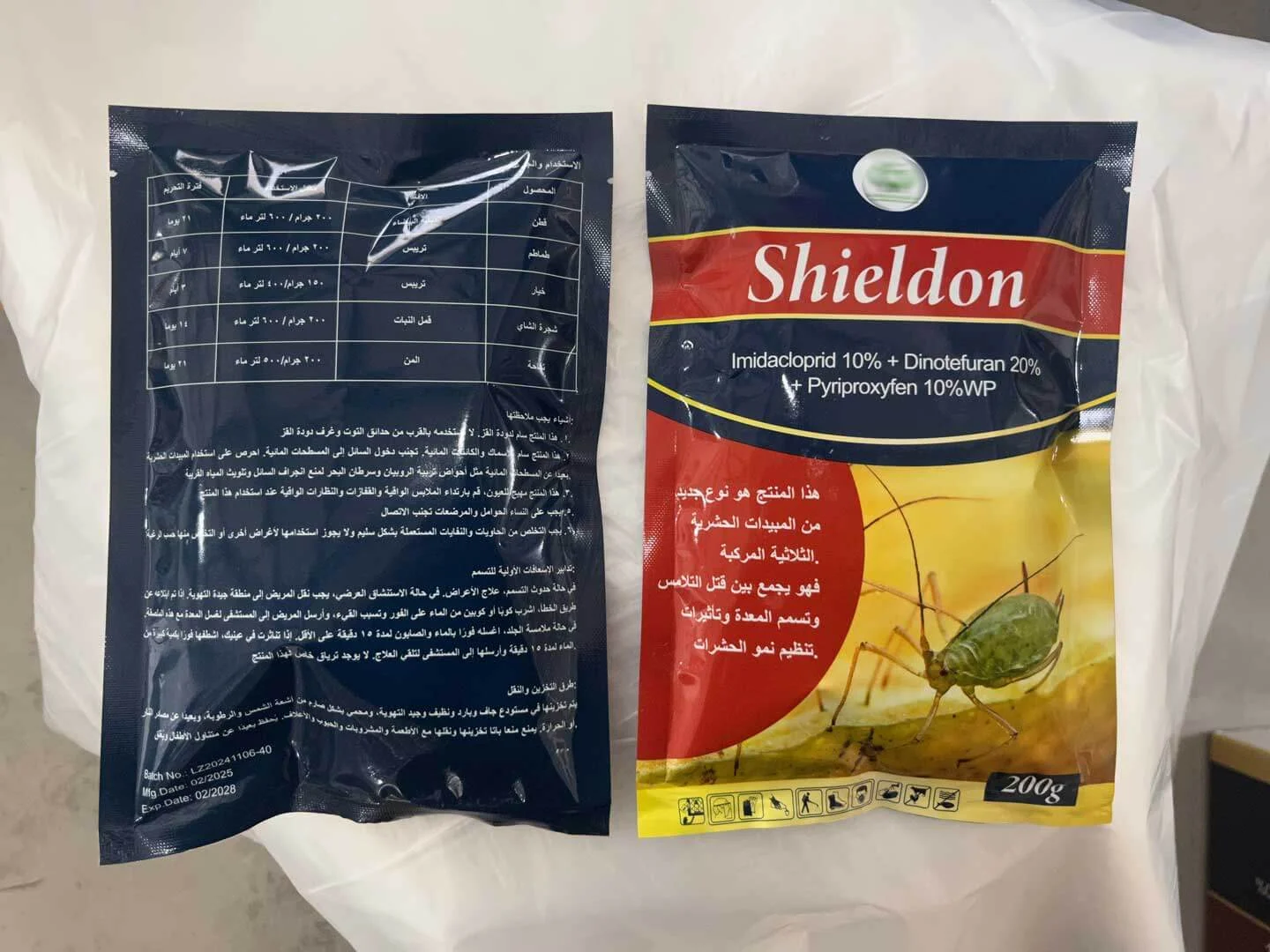
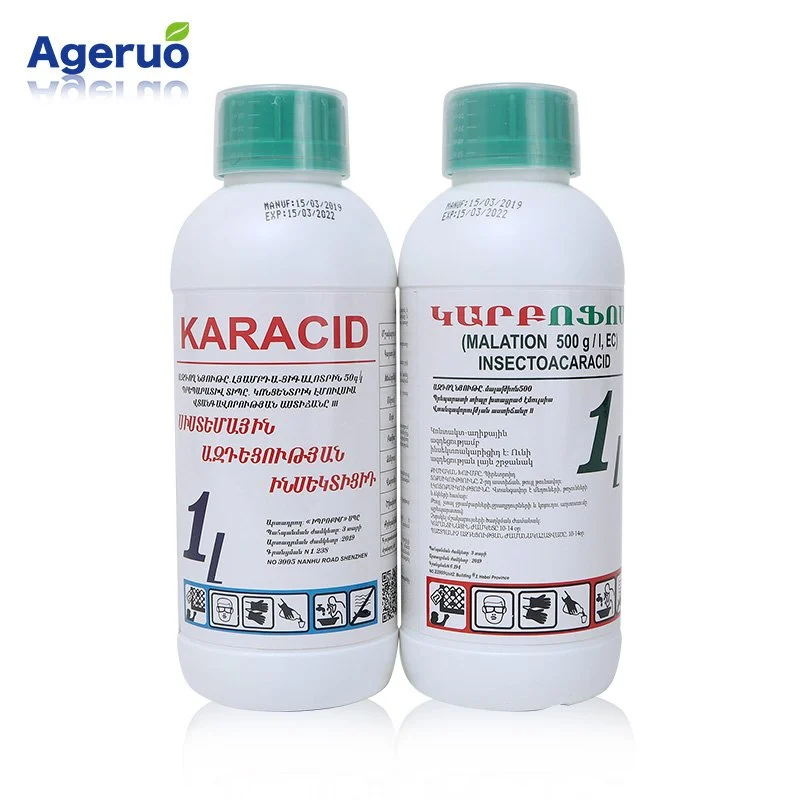
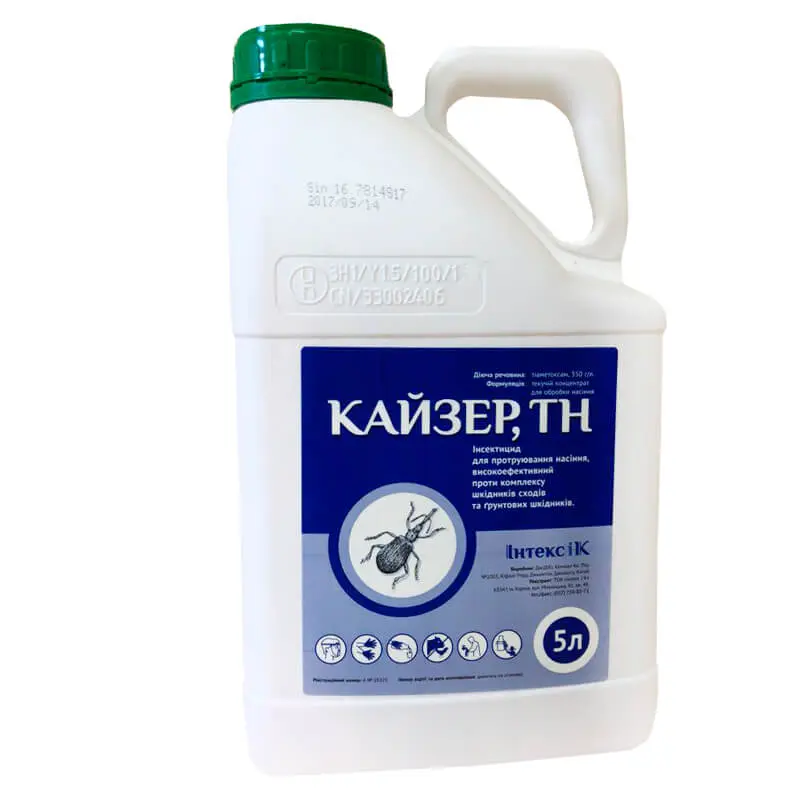
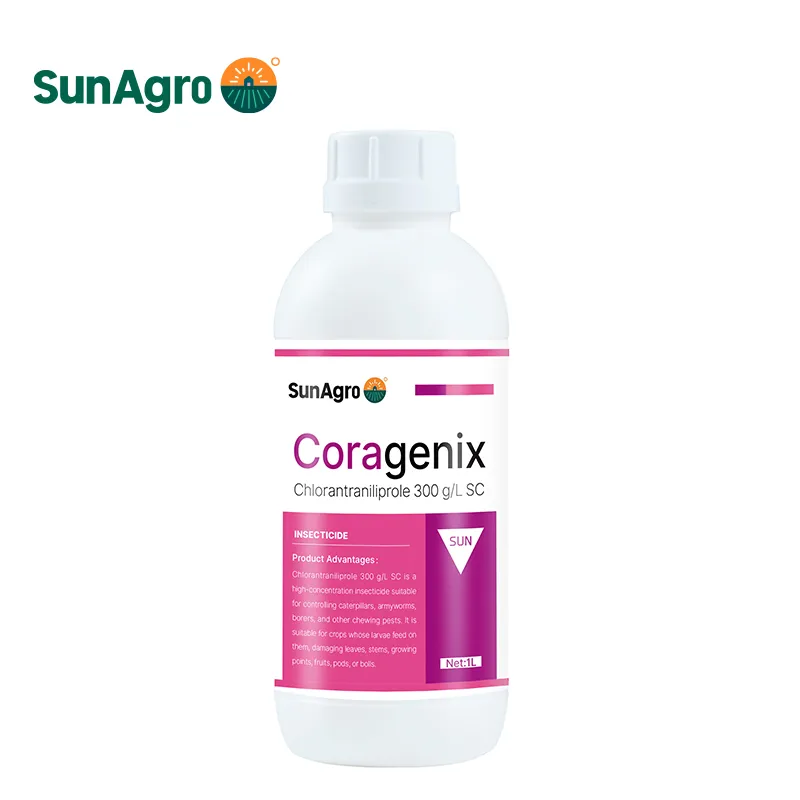
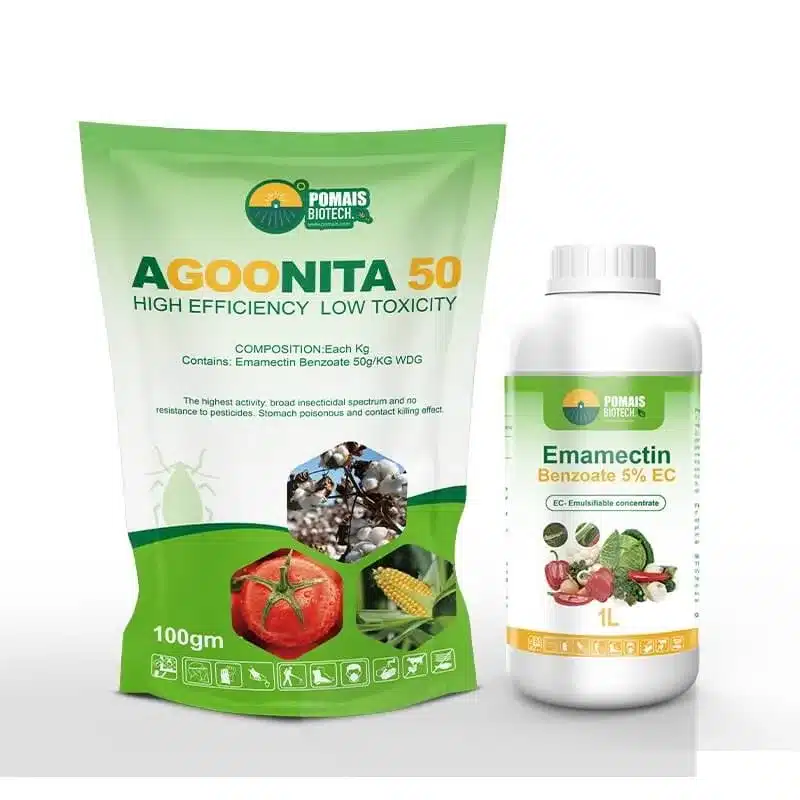
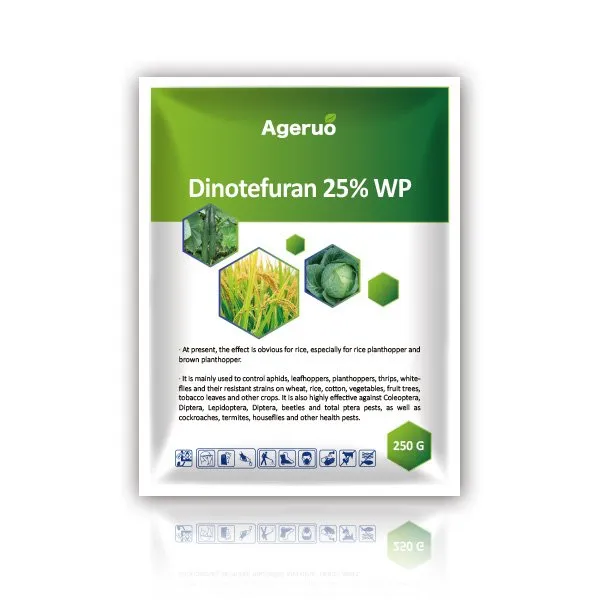
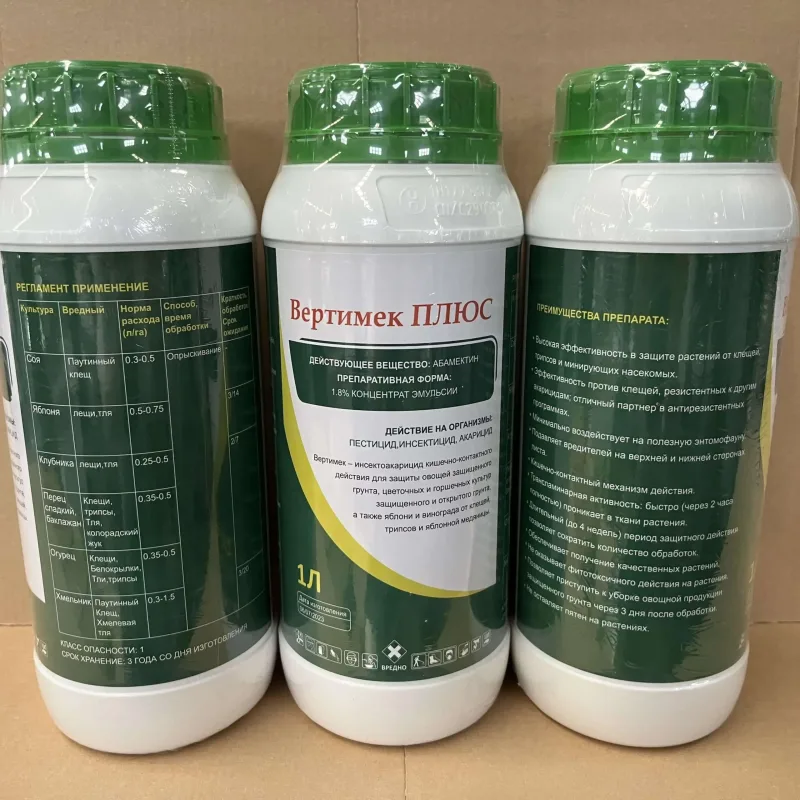
Rice Insect Pest Management
The occurrence of rice insect pests is related to rice cultivation practices, climate, planting frequency, and field ecological conditions. Effective pest management should integrate field surveys, pest population dynamics, natural enemies, and economic control thresholds, rather than relying on fixed schedules for insecticide application based solely on crop growth stages.
| Pests | Major Damage | Key Management Measures |
|---|---|---|
| Brown Planthopper | Saps plant sap; severe infestations cause planthopper burn | Monitor population levels at the base of plants, protect natural enemies, and make decisions based on control thresholds |
| White-backed Planthopper | Sap-sucking damage; affects plant growth | Monitor based on population changes and local occurrence patterns |
| Stem Borers (Stem Borers) | Heart rot, white panicles, and stem damage | Monitor eggs, larvae, and damaged plants |
| Rice Leaf Folder | Longitudinal leaf rolling and damage to leaf tissue | Inspect curled leaves and larval numbers to assess actual damage |
| Rice Green Leafhoppers | Sap-sucking damage; some species are associated with virus transmission | Monitor populations and develop management plans in conjunction with disease risk |
Brown Planthopper Management
Brown planthoppers primarily feed on sap at the base of rice plants. As populations continue to grow, they can cause plant yellowing, wilting, and “planthopper burn,” which may reduce yields.
Management efforts should focus on:
- Regularly inspect the base of rice plants for planthopper populations.
- Determine whether pesticide application is necessary based on field population trends and local economic control thresholds.
- Protect natural enemies such as spiders and parasitic wasps.
- Avoid unnecessary early application of broad-spectrum insecticides.
- Select insecticides with appropriate registered uses and rationally rotate IRAC modes of action.
Some broad-spectrum insecticides may reduce the population of natural enemies and, under certain conditions, contribute to a resurgence of brown planthoppers. Therefore, not all active ingredients with insecticidal activity can be listed as priority recommendations for brown planthopper control.
Stem Borer Management
Stem borers can cause damage at various growth stages of rice. Once larvae penetrate the stems, “wilted hearts” may appear during the vegetative growth stage, while “white panicles” may occur during the reproductive growth stage.
Management should focus on:
- Monitoring adults and eggs based on local pest species and occurrence patterns.
- Inspecting fields for wilted hearts and white panicles to assess the extent of damage.
- Determine the need for pesticide application based on the insect’s age, development stage, and local control thresholds.
- Select insecticides registered for use against the specific stem borer species.
Outbreak patterns and control windows may vary among different stem borer species; therefore, a single timeline cannot be directly applied to all rice-growing regions.
Rice Leaf Folder Management
Rice Leaf Folder (Oryza torquata) larvae roll up leaves and feed on leaf tissue, impairing photosynthetic function.
Management should involve inspecting the number of rolled leaves, larval activity, and the crop’s growth stage. A small number of damaged leaves does not necessarily indicate an immediate need for pesticide application; control decisions should be based on local technical recommendations and actual damage levels.
When using insecticides, prioritize confirming the target pest, appropriate larval stage, product label, and IRAC mode of action to avoid repeated use of products with the same mode of action.
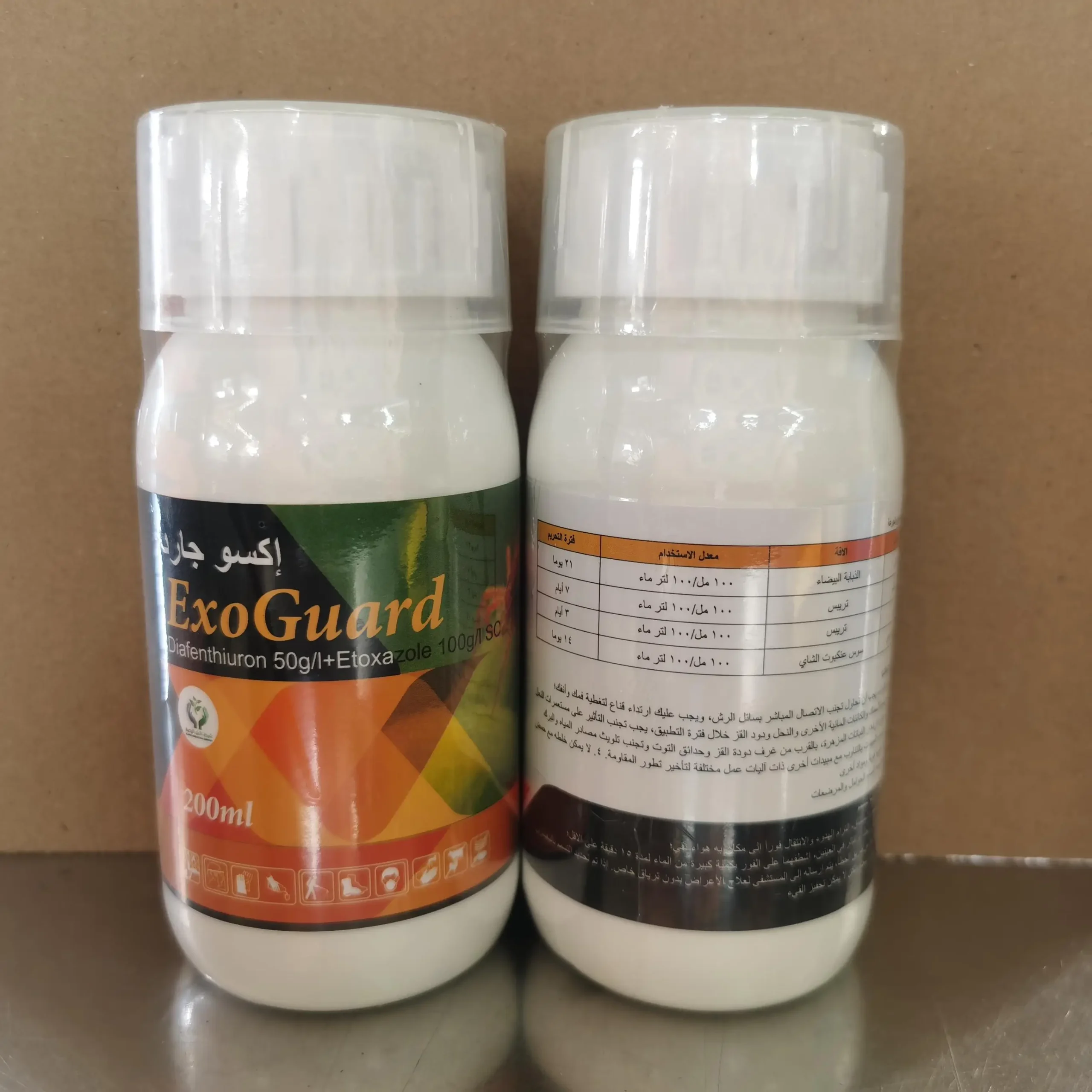
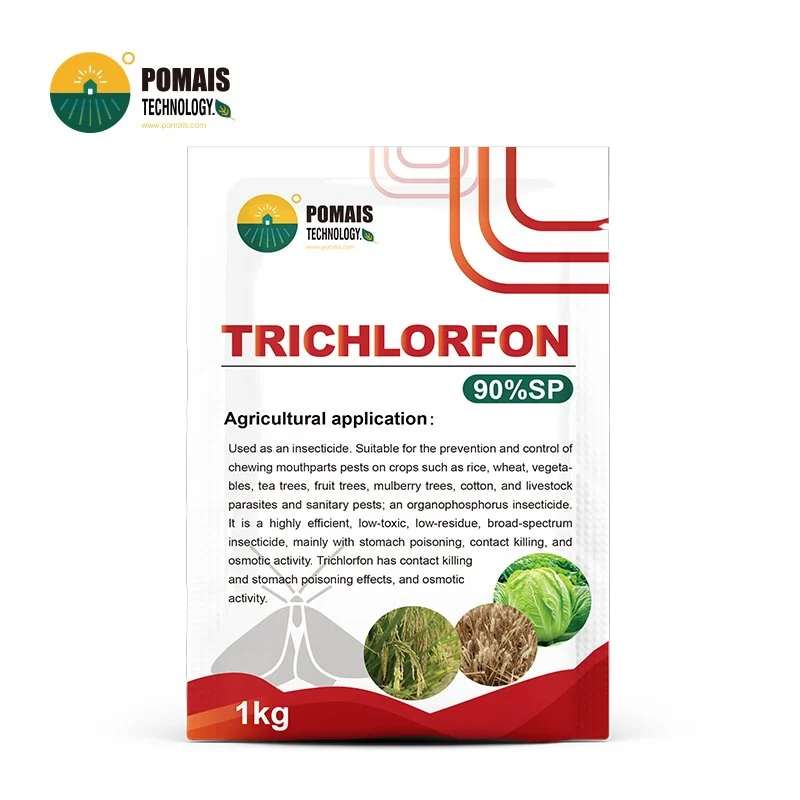
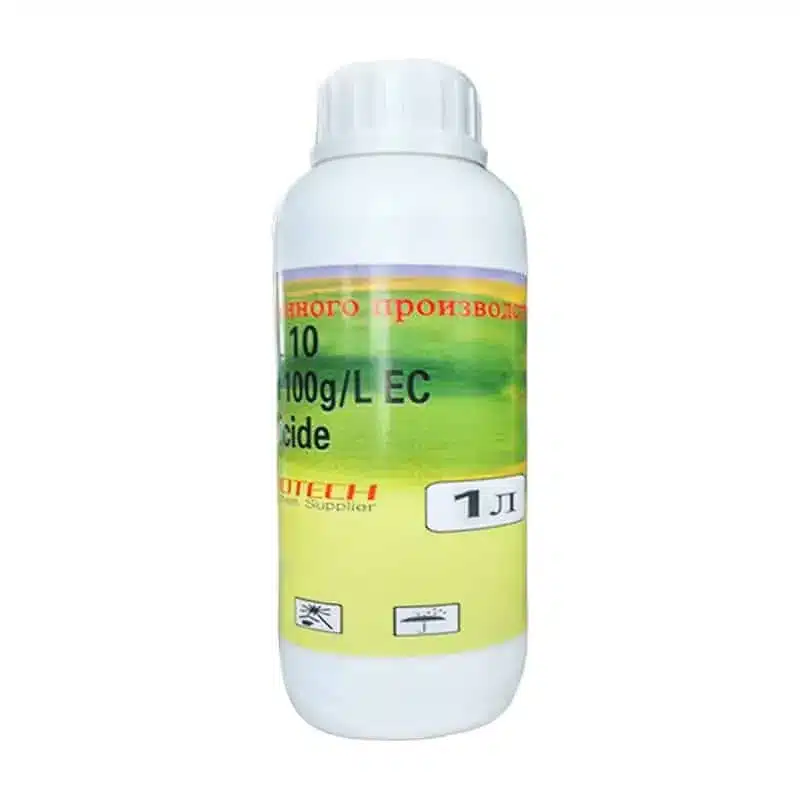
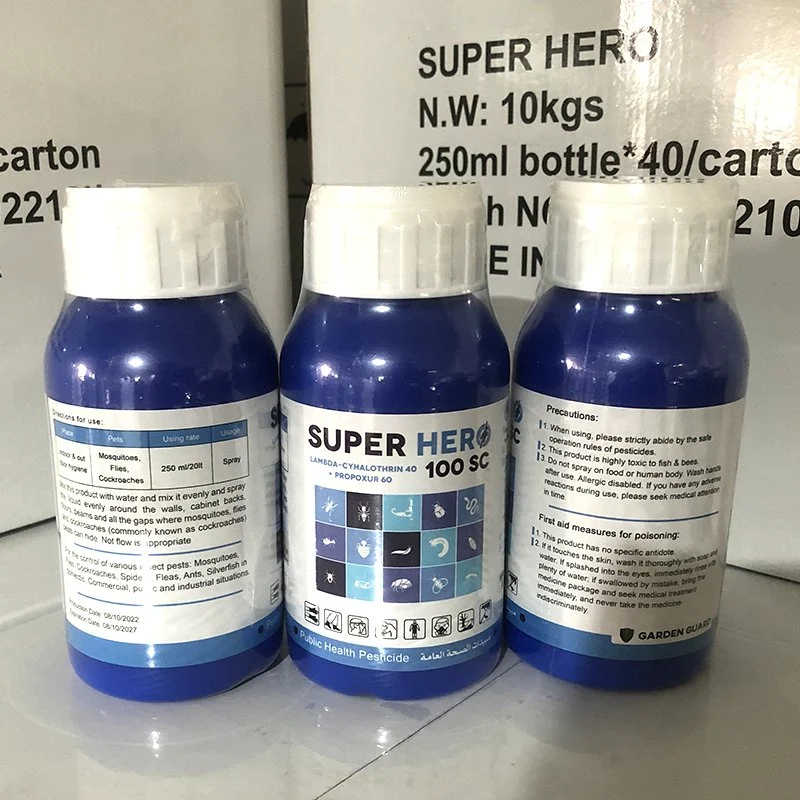
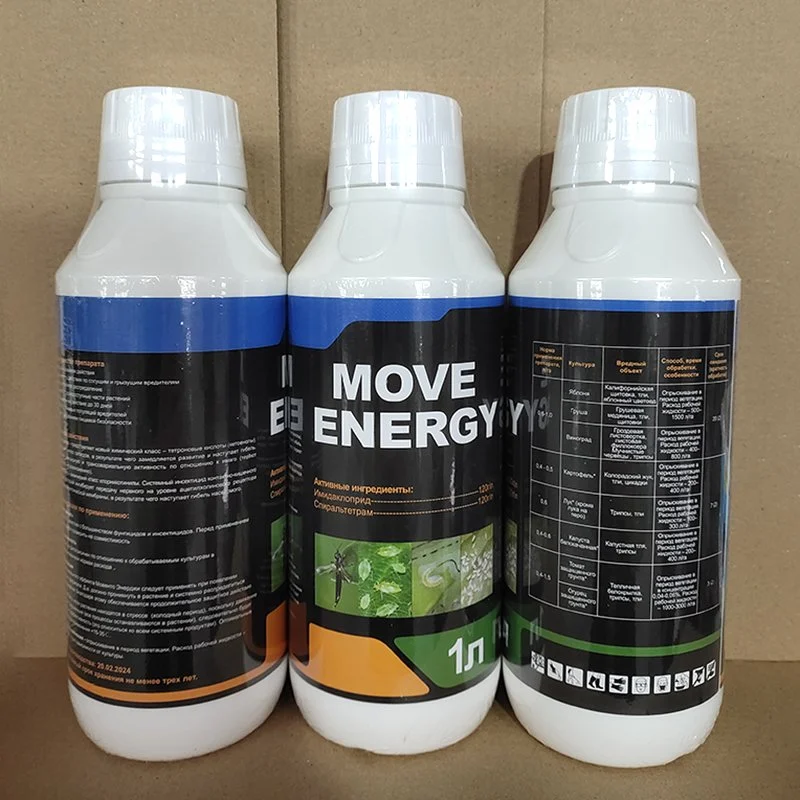
More Insecticides
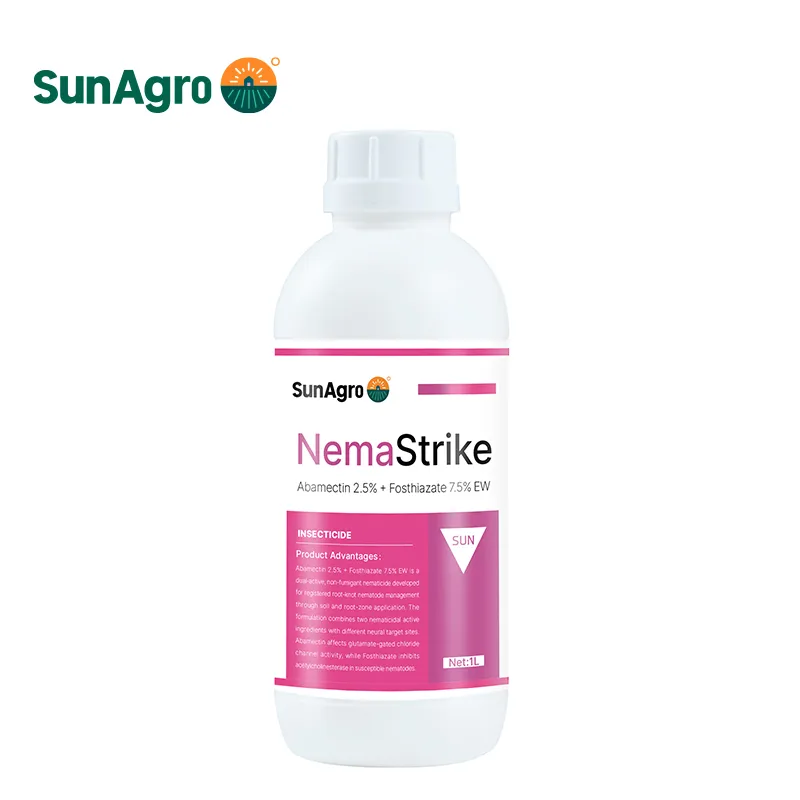























Rice Weed Management
Weed management is a critical component of rice plant protection. Weed species, emergence times, and control windows vary across different rice production systems; therefore, identify the primary weeds in the field before selecting an appropriate herbicide.
Barnyardgrass Control
Barnyardgrass is a common grassy weed in rice fields that competes with rice for water, nutrients, and light during the early growth stages. Since some barnyardgrass species resemble rice in appearance, timely identification and appropriate control are crucial.
POMAIS offers a variety of herbicides suitable for rice weed management, including:
Cyhalofop-Butyl 30% OD
| Product Specifications | Specifications |
|---|---|
| Active Ingredients | Cyhalofop-Butyl |
| Concentration | 30% |
| Formulation | OD (Oil-Dispersible) |
| HRAC Classification | Group 1 |
| Product Positioning | Selective Post-Emergence Grass Weed Control |
Cyhalofop-Butyl is an ACCase inhibitor primarily used for the control of grass weeds within the scope of its registration. Target weeds include certain barnyard grasses and other susceptible grass weeds.
This product should not be used as a universal solution for broadleaf weeds or all sedges. Actual target weeds and application timing must comply with the approved label for the target market.
Mixed Weed Management
When grass weeds, sedges, and broadleaf weeds coexist in rice fields, select an appropriate single-ingredient or mixed formulation based on the weed profile.
POMAIS offers the following product lines:
Bispyribac-Sodium 50 g/L + Cyhalofop-Butyl 150 g/L OD
This formulated product combines two different modes of action:
- Bispyribac-Sodium: HRAC Group 2, ALS inhibitor.
- Cyhalofop-Butyl: HRAC Group 1, ACCase inhibitor.
The product is primarily intended for post-emergence weed control in rice fields dominated by grass weeds, with some registered sedge and broadleaf weeds present.
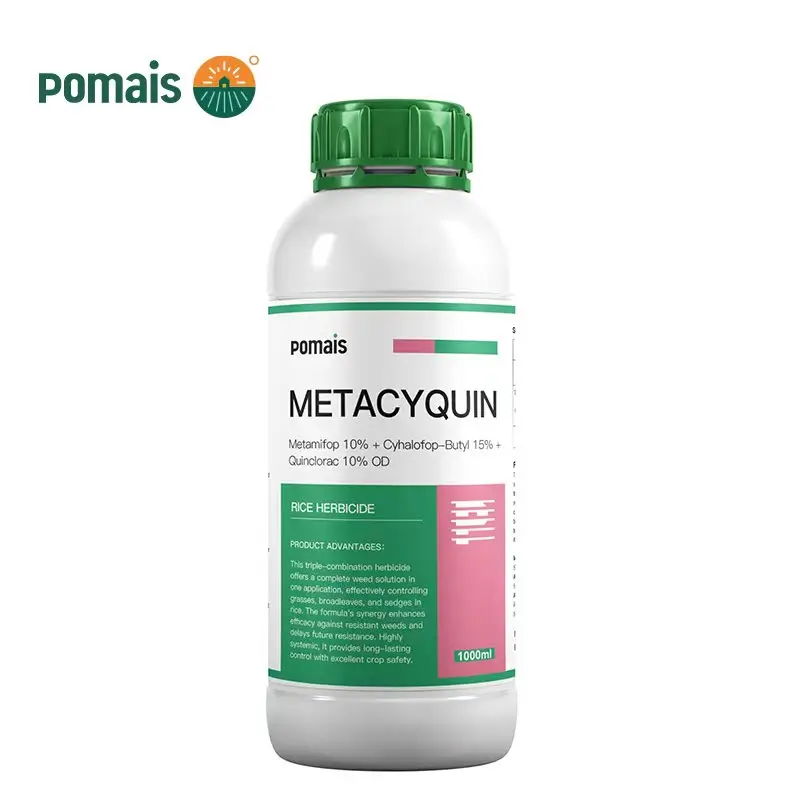
Cyhalofop-Butyl 250 g/L + Quinclorac 120 g/L + Bensulfuron-Methyl 130 g/L OD
| Product Specifications | Specifications |
|---|---|
| Active Ingredients | Cyhalofop-Butyl + Quinclorac + Bensulfuron-Methyl |
| Concentration | 250 g/L + 120 g/L + 130 g/L |
| Formulation | OD (Oil-Dispersible) |
| Product Type | Triple-component rice herbicide |
| Mode of Action | HRAC Groups 1, 4, and 2 |
| Primary Applications | Grasses, sedges, and broadleaf weeds within the approved registration scope |
This product combines three active ingredients into a single formulation, making it suitable for managing rice fields where multiple weed types occur simultaneously. The contribution of each active ingredient to the control of different weed types varies; therefore, it cannot be inferred that all weeds will be controlled equally.
Penoxsulam-Based Rice Weed Management
Penoxsulam is another important active ingredient in rice herbicides, classified under HRAC Group 2, which inhibits ALS to affect the growth of susceptible weeds.
Provided by POMAIS:
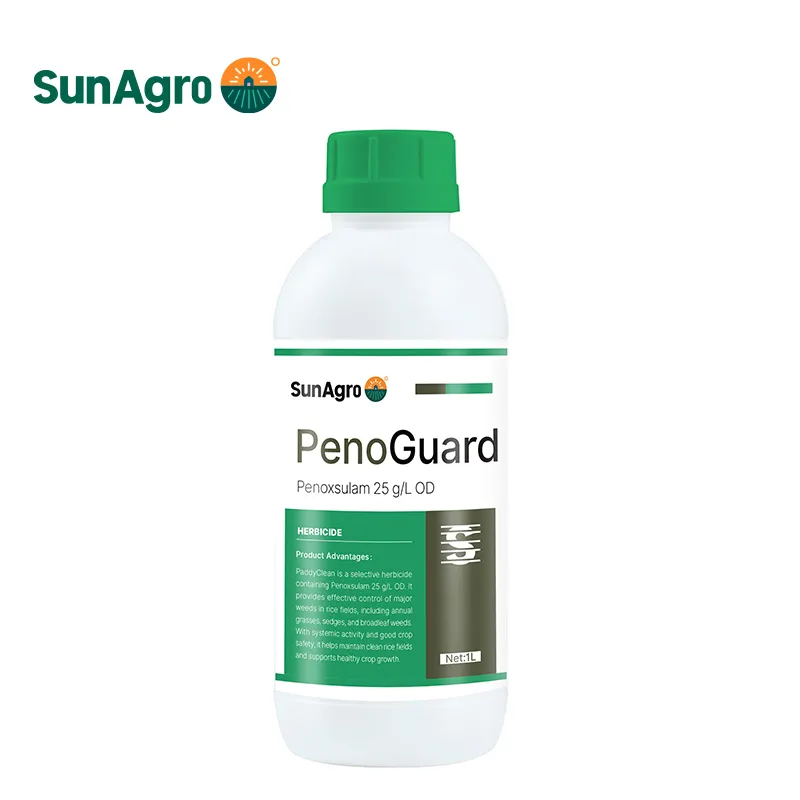
Penoxsulam 25 g/L OD
| Product Specifications | Specifications |
|---|---|
| Active Ingredient | Penoxsulam |
| Concentration | 25 g/L |
| Formulation | OD (Oil Dispersible) |
| HRAC Classification | Group 2 |
| Product Positioning | Selective Rice Herbicide |
Penoxsulam can be used to evaluate the need for controlling corresponding annual grasses, broadleaf weeds, and certain sedges in rice fields. The actual control spectrum depends on weed species, resistance status, and target market labeling.
Weed Resistance Management
Long-term, repeated use of herbicides with the same mode of action may increase selection pressure for resistant weeds.
Resistance management in rice fields should focus on:
- Identifying major weed species and growth stages.
- Selecting active ingredients and formulations based on local registrations.
- Avoiding long-term reliance on a single mode of action.
- Combine with appropriate pre-emergence and post-emergence management measures.
- Reduce weed seed production and seed dispersal.
- Clean agricultural equipment to prevent the spread of weed seeds between fields.
- Record application results and promptly investigate any unusually surviving weeds.
The fact that a mixed formulation contains active ingredients with different modes of action does not mean that the risk of resistance can be completely eliminated. A mixed formulation can only provide effective support for resistance management when each active ingredient demonstrates actual activity against the target weeds.
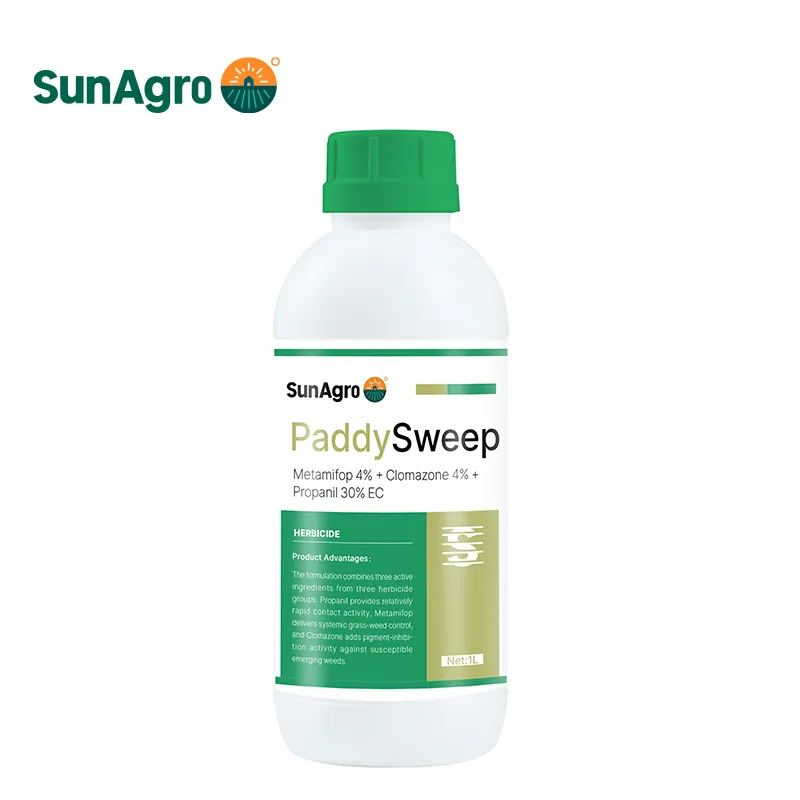
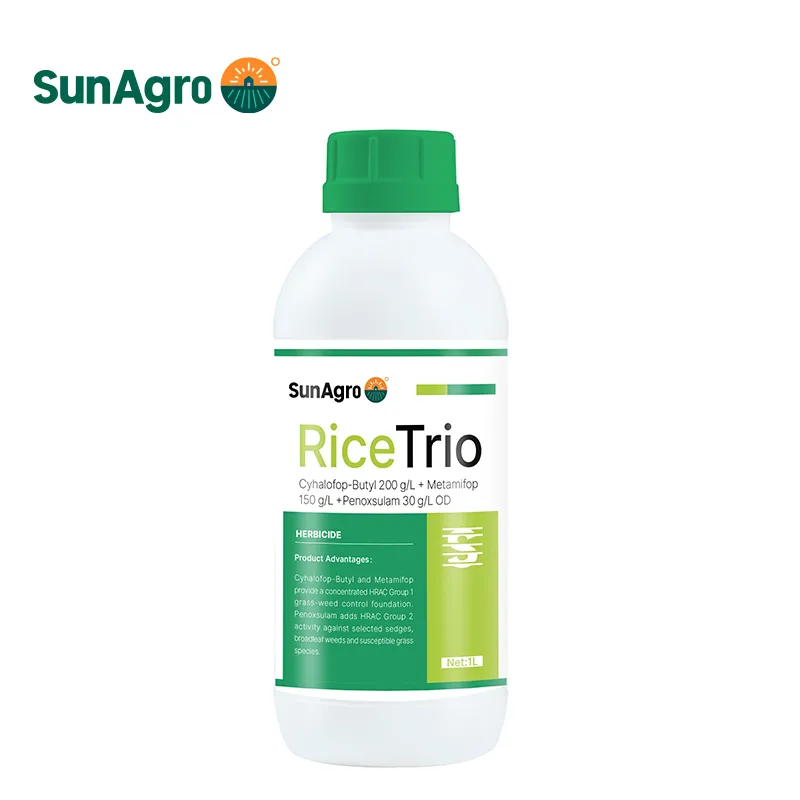
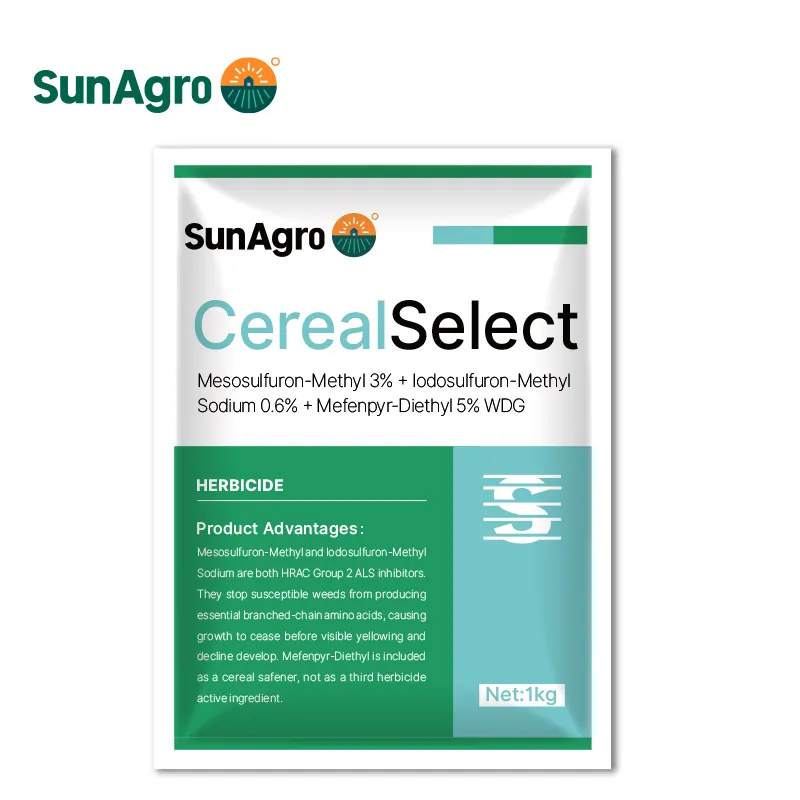
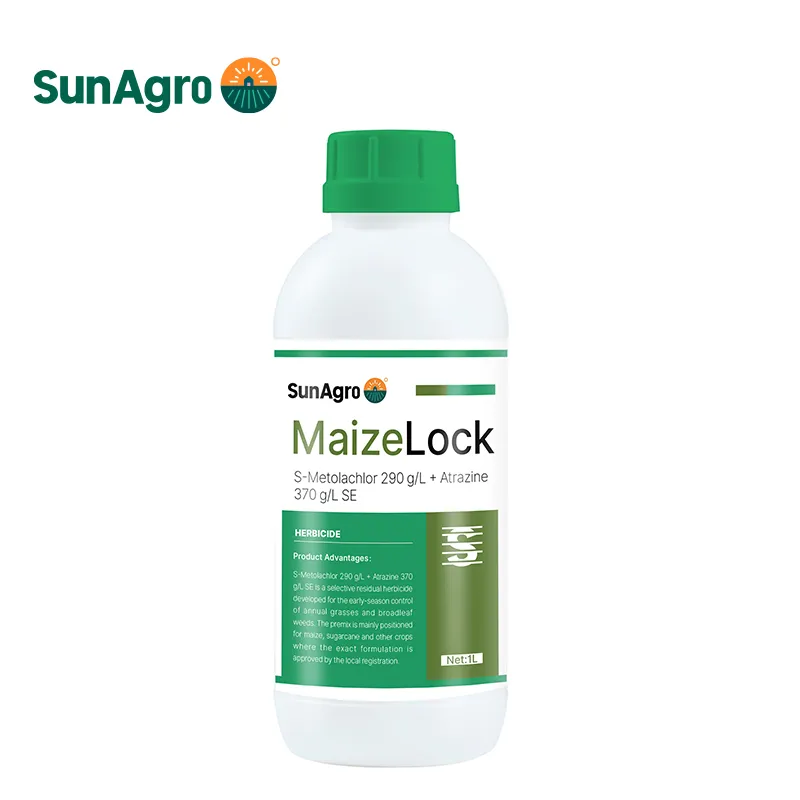
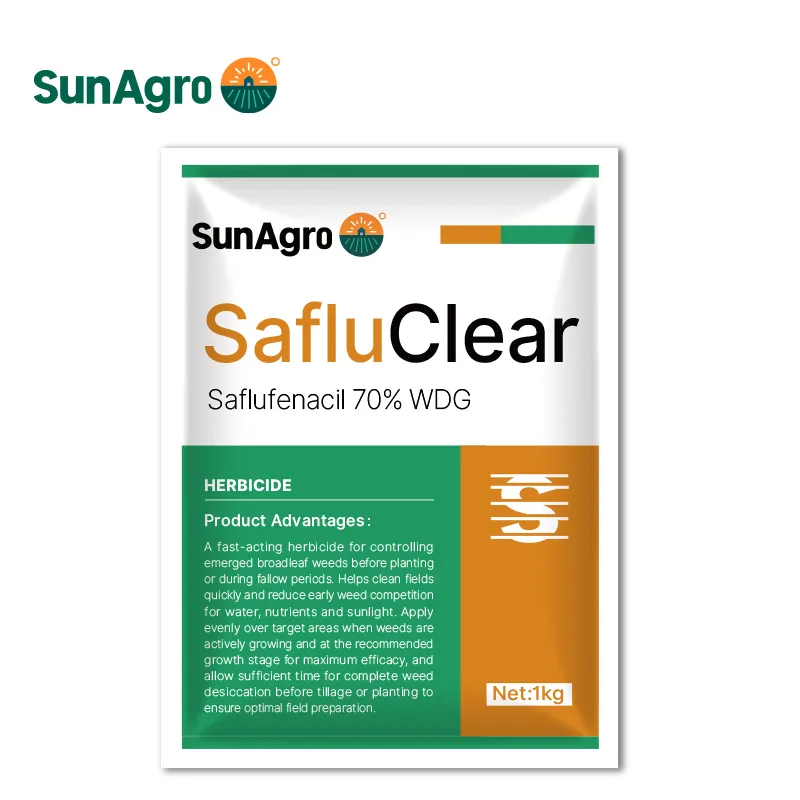
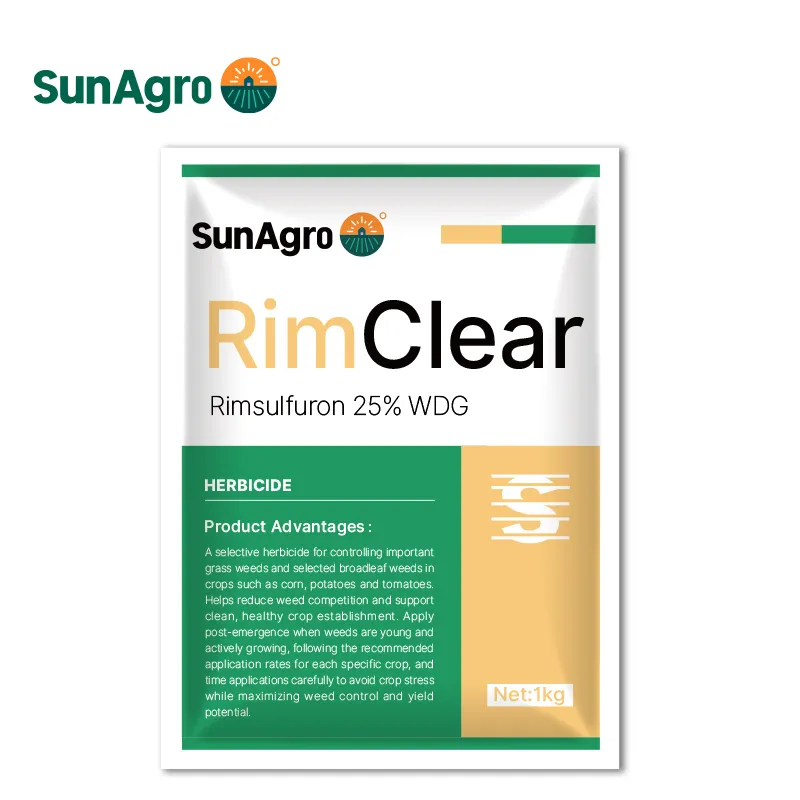
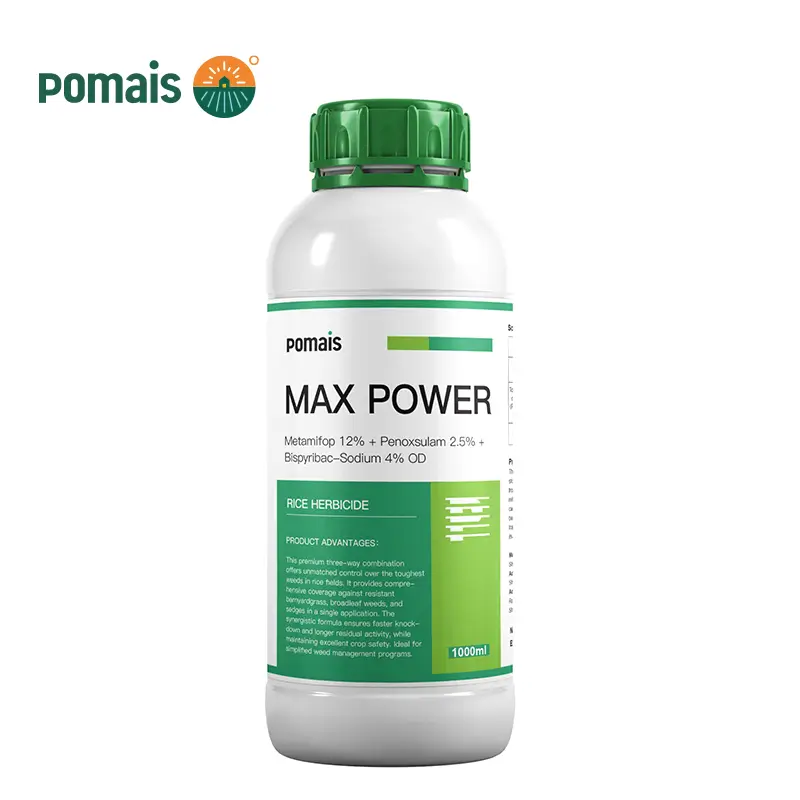
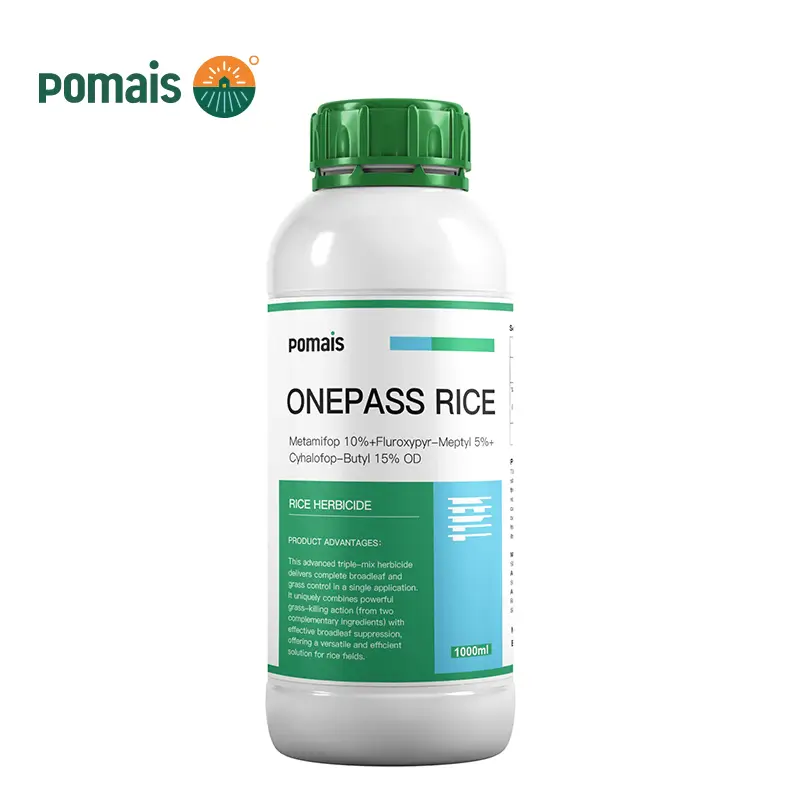
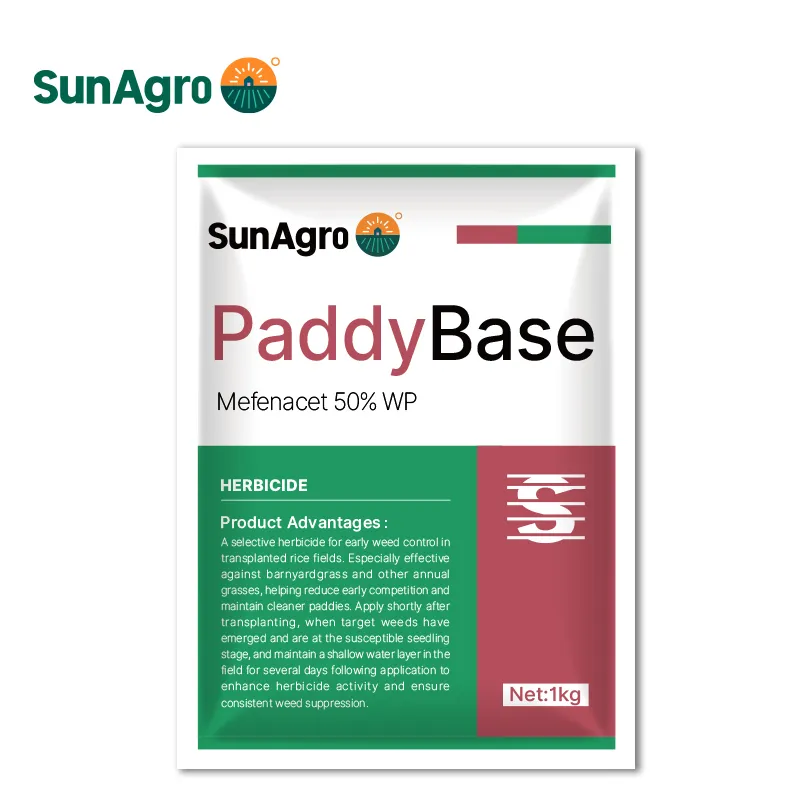
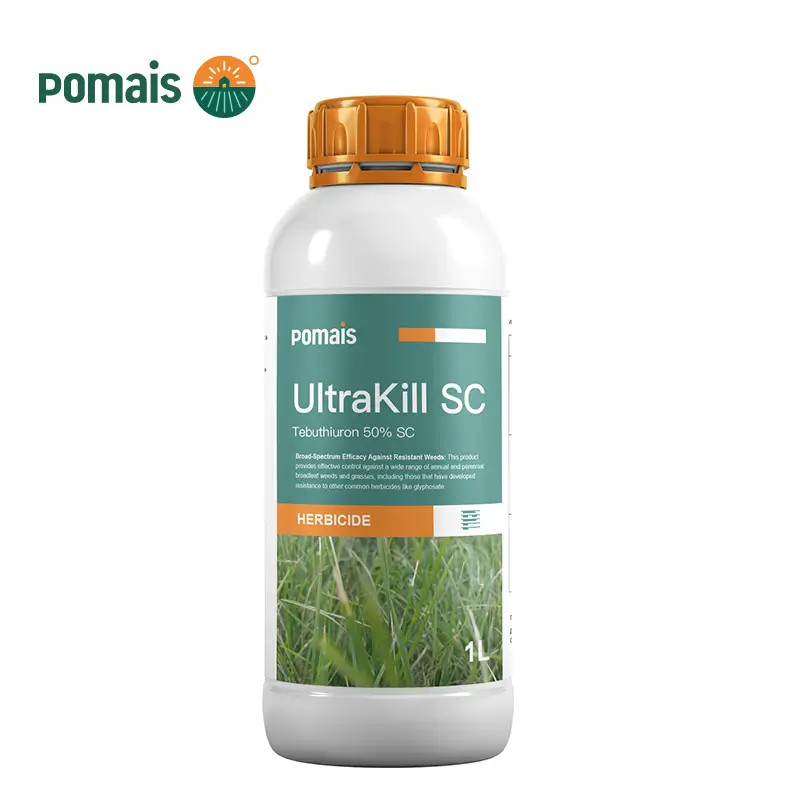
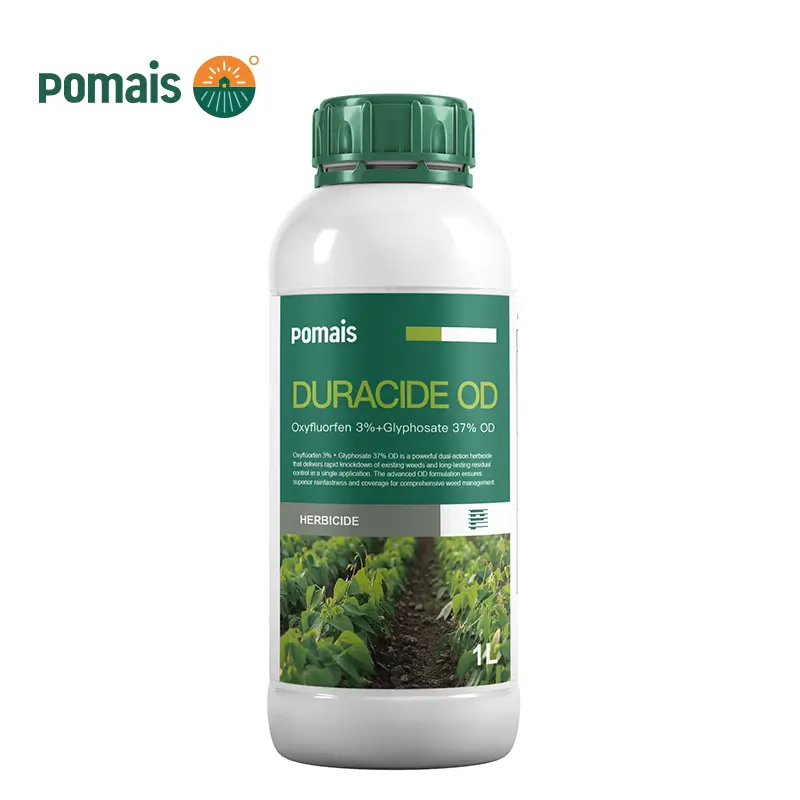
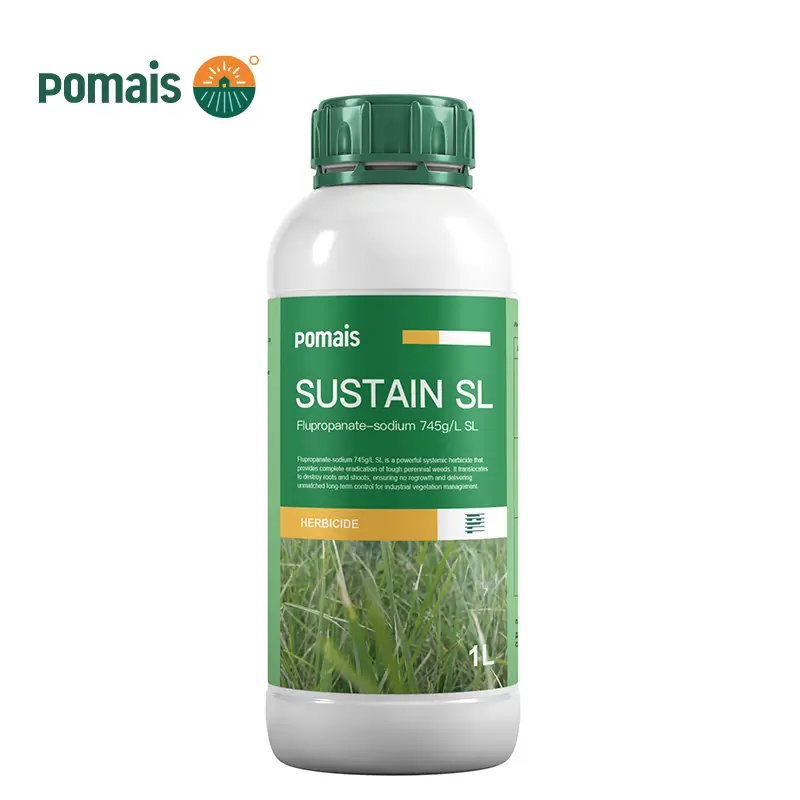
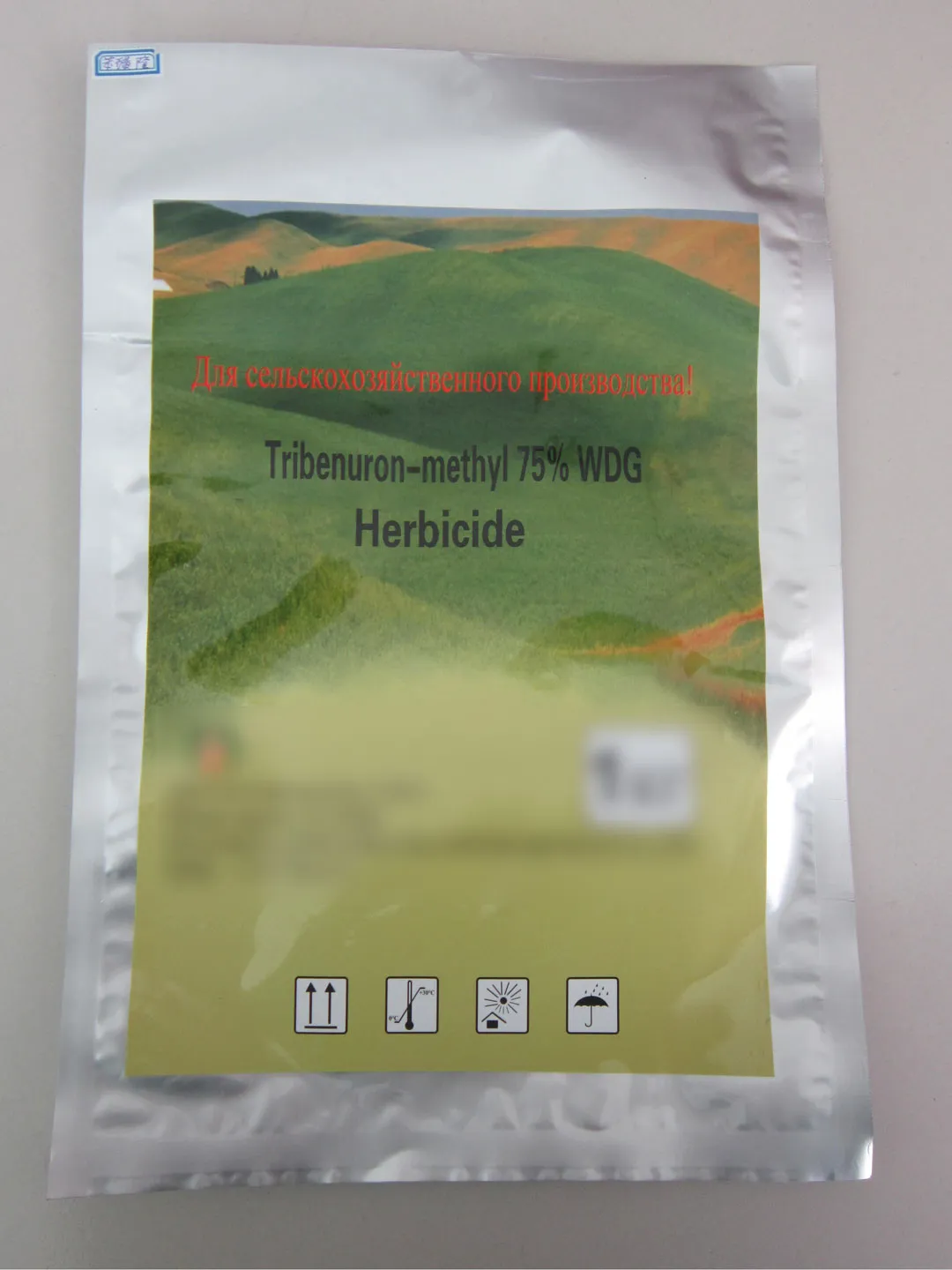
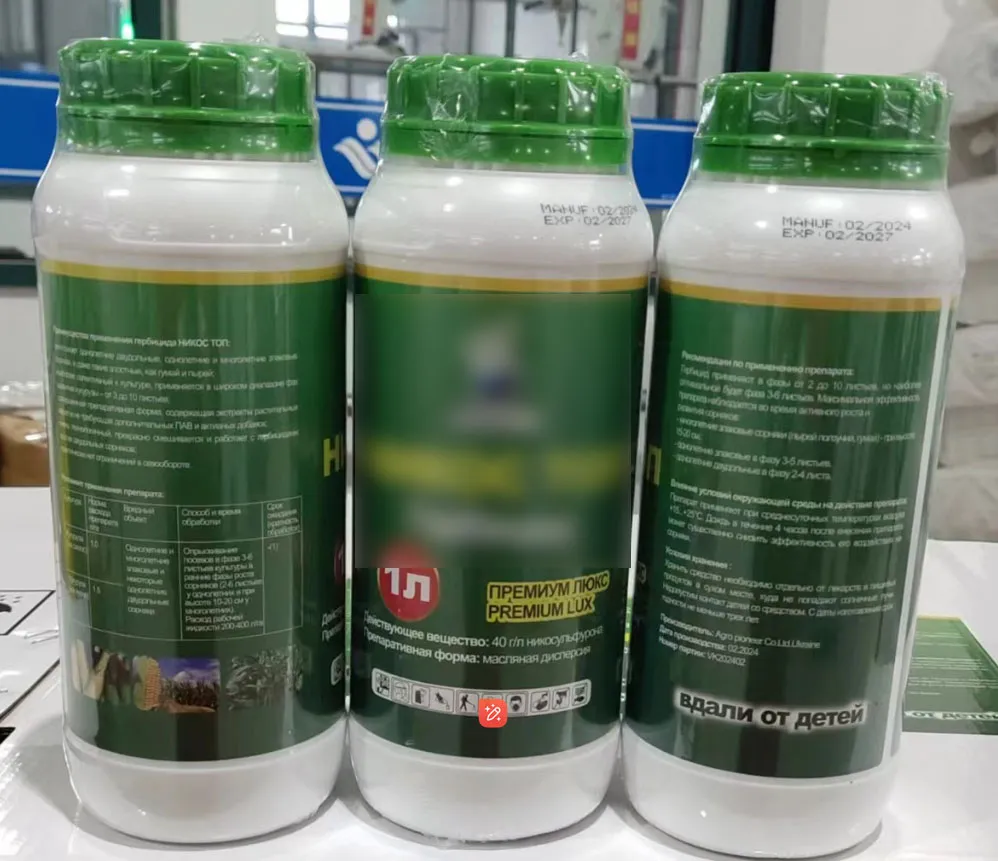
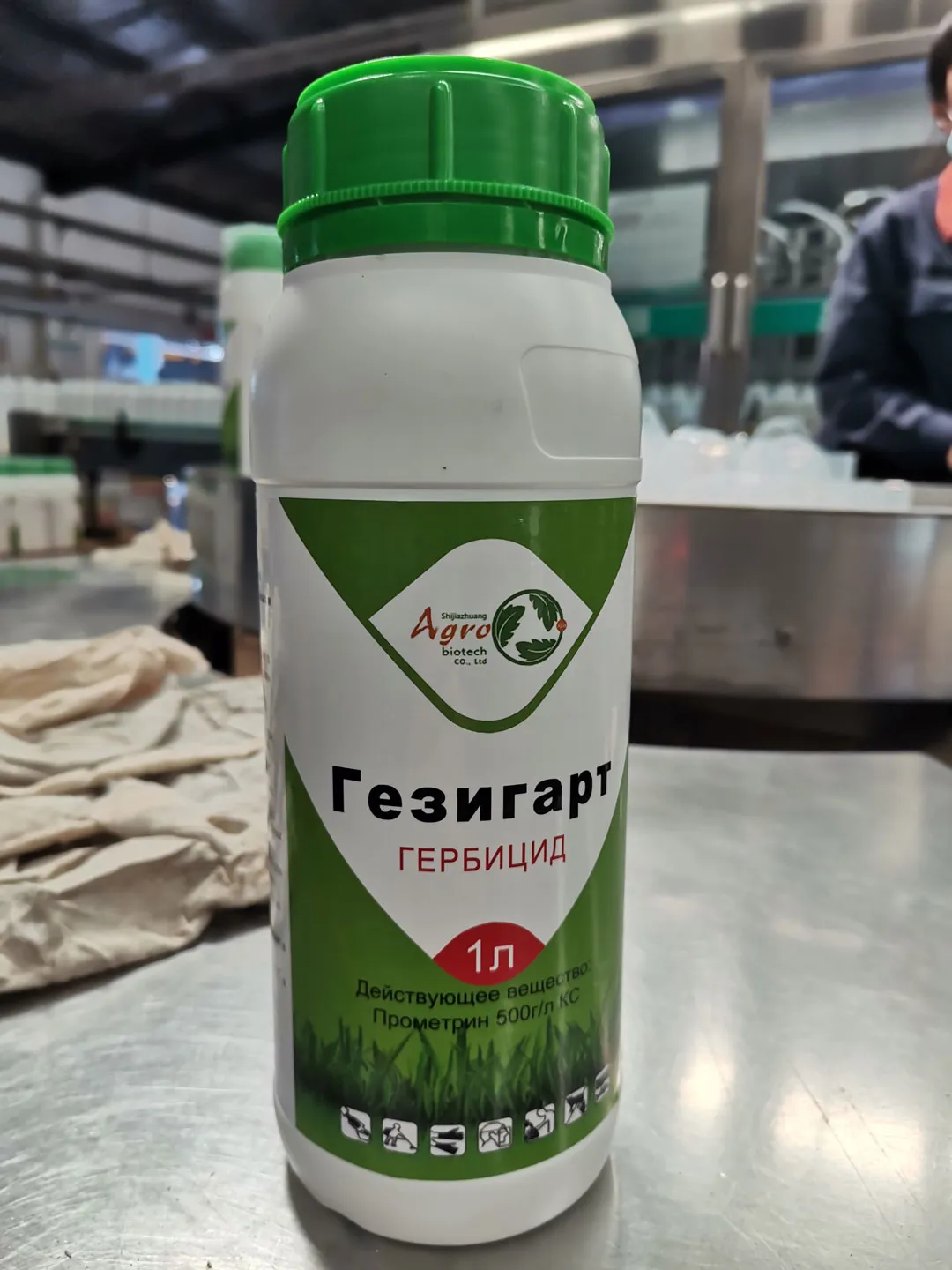
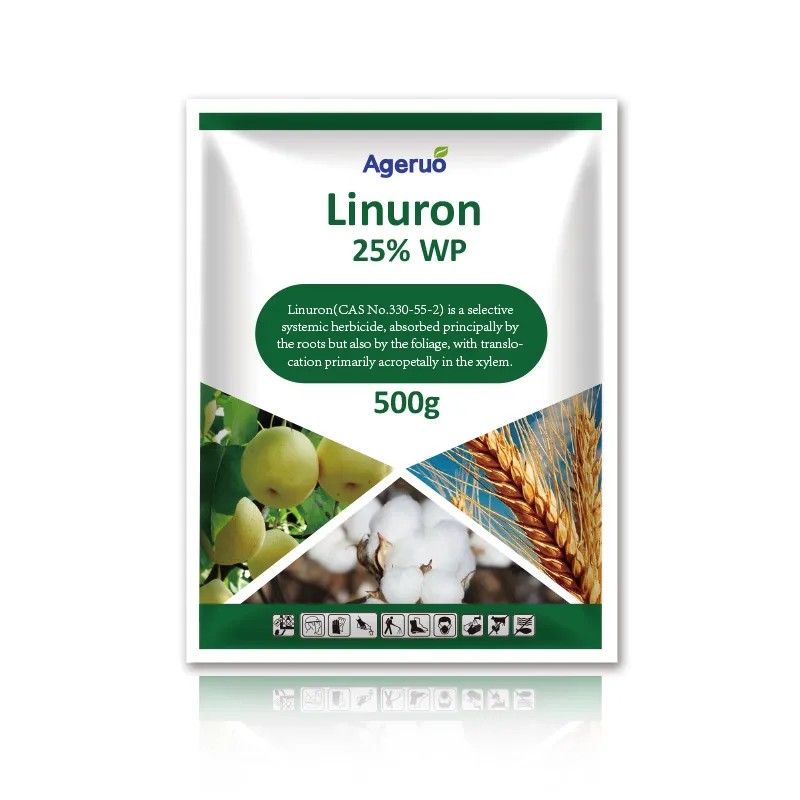
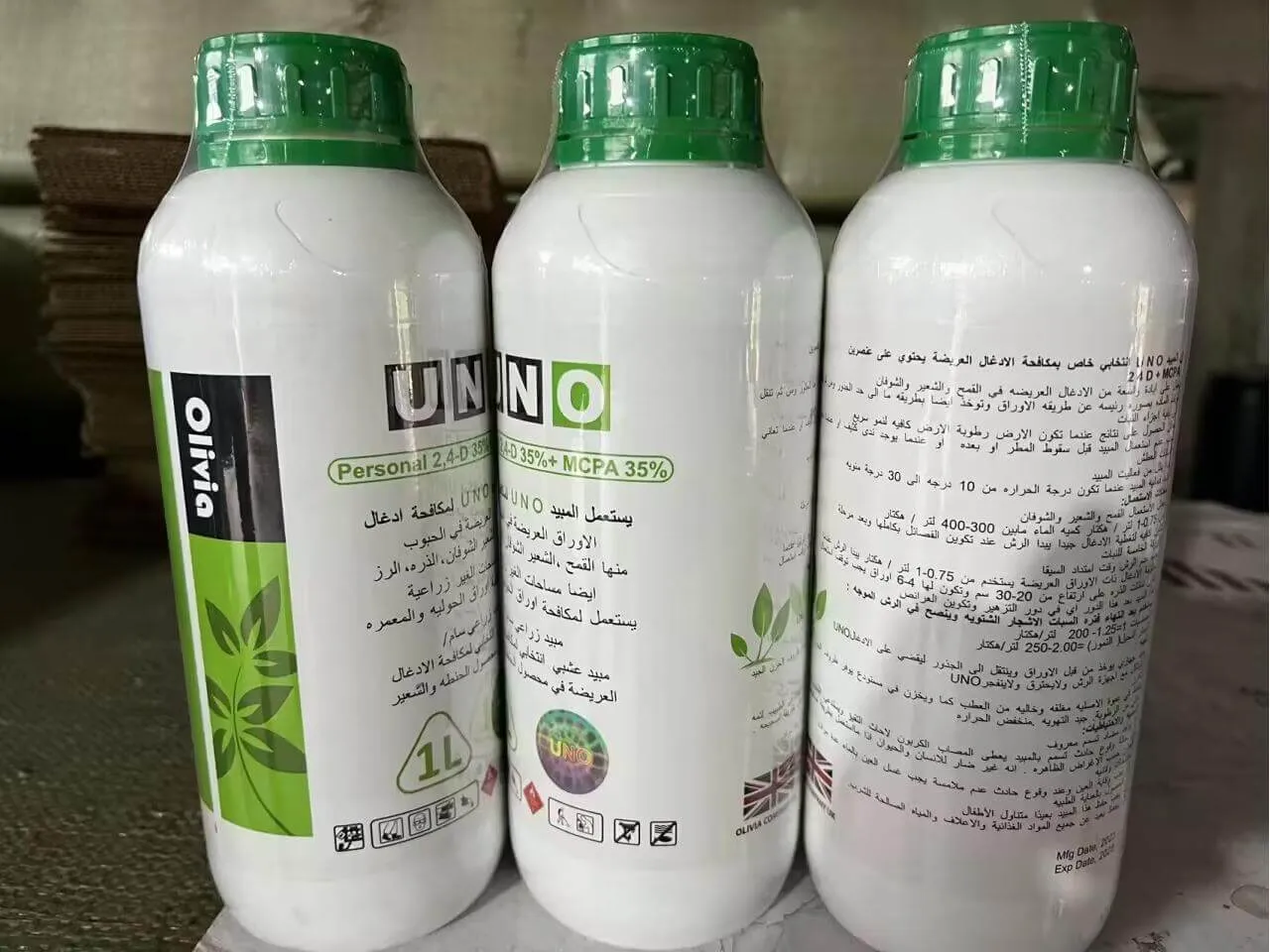
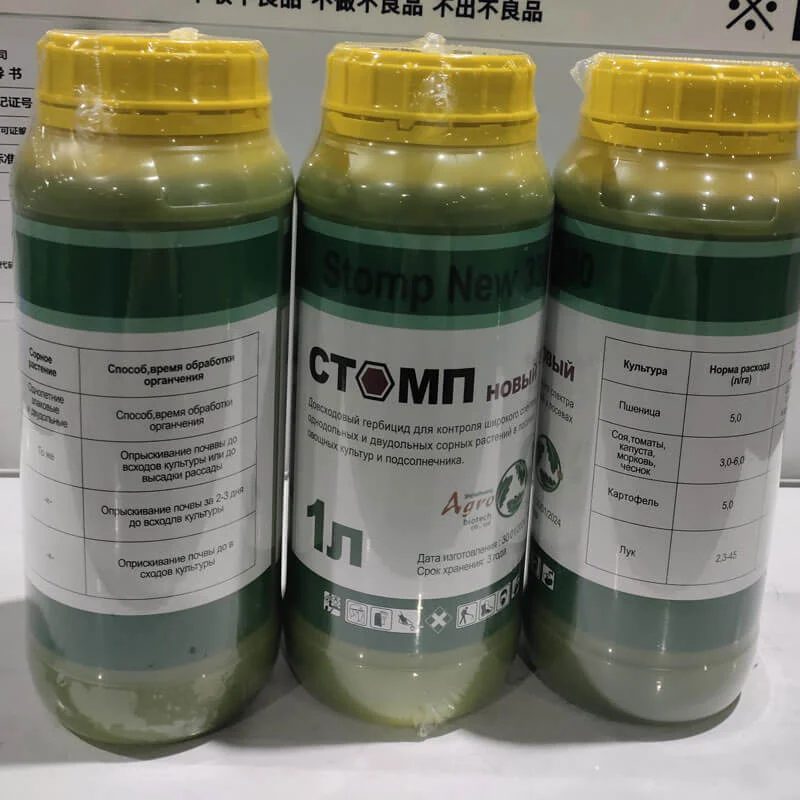
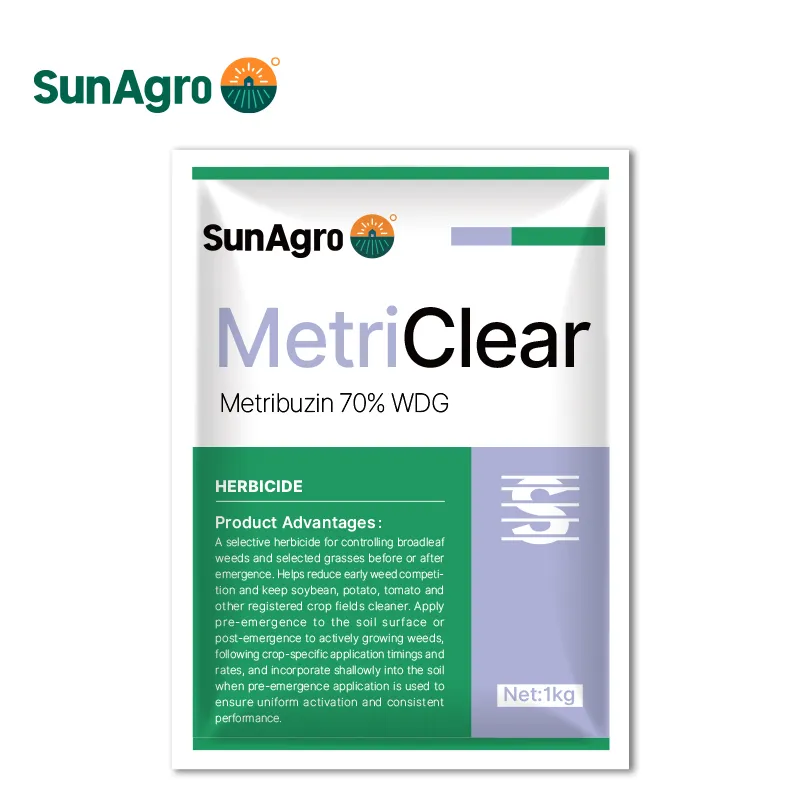
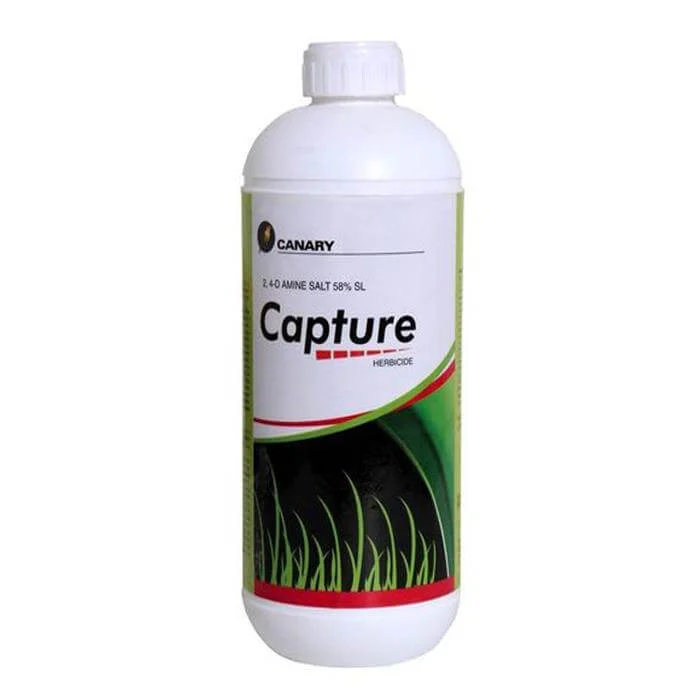
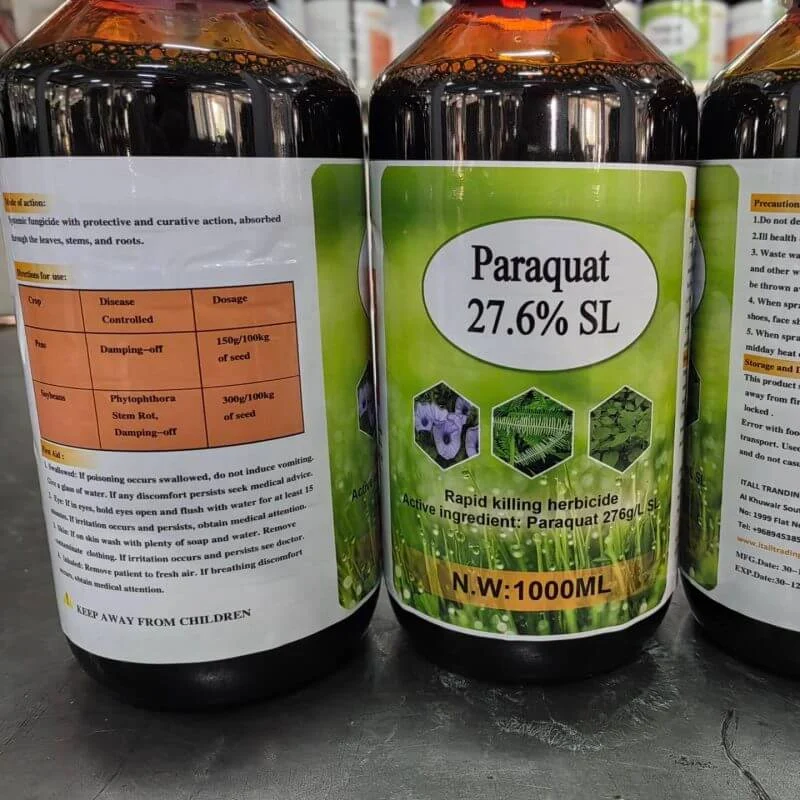
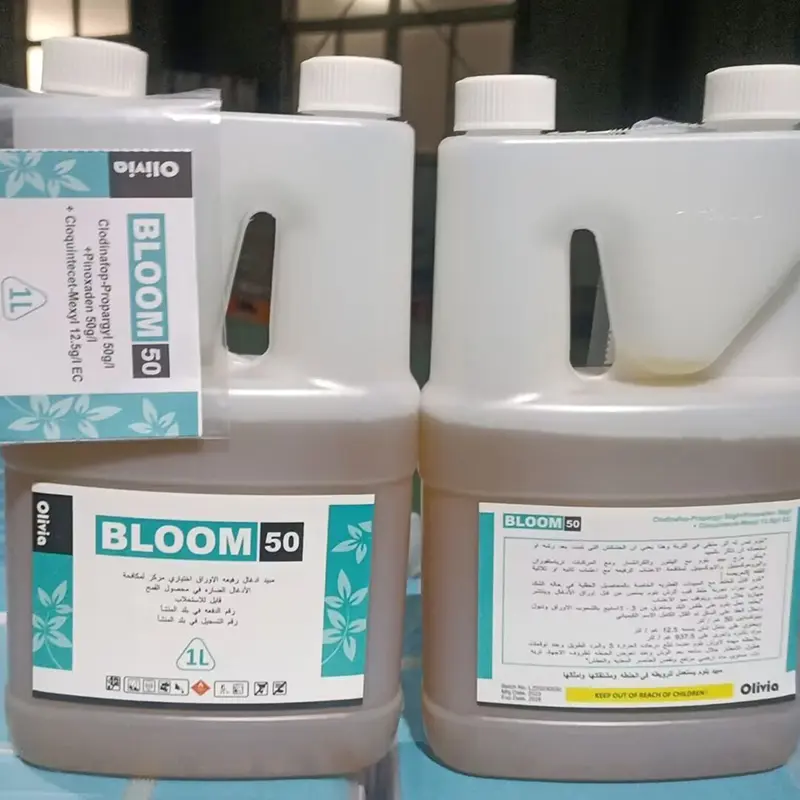
More Herbicides















Rice Crop Protection by Growth Stage
The primary risks vary across different growth stages of rice. The growth stage management table is used to identify priorities for field monitoring and does not imply that pesticide application is required at every stage.
| Growth Stage | Key Focus Areas | Management Approach |
|---|---|---|
| Sowing and Seedling Stage | Seed health, seedling diseases, early-season weeds | Focus on seed quality, seedbed hygiene, and emergence |
| After transplanting or emergence | Echinochloa, other early-season weeds, and seedling-stage pests | Select management measures based on rice cultivation practices and weed growth stages |
| Tillering stage | Brown planthoppers, rice leaf rollers, sheath blight, and weeds | Strengthen monitoring of pest populations and diseases to assess actual control needs |
| Jointing stage | Rice borers, sheath blight, and other leaf sheath diseases | Monitor the development of stems, leaf sheaths, and diseases |
| From panicle initiation to heading | Rice blast, stem borers, and panicle diseases | Monitor based on weather conditions, variety, and field disease history |
| From heading to grain-filling stage | Neck blight, certain panicle diseases, and late-season pests | Assess disease risk and pre-harvest management requirements |
| Maturity stage | Grain quality, late-season diseases, and harvest preparation | Verify the PHI on the harvest plan and product label |
Specific application windows should be determined based on local climate, variety, pest and disease pressure, and approved labels; application timings for one region should not be directly applied to other rice-growing areas.
Resistance, Water Management, and Residue Requirements
Rice plant protection strategies must balance control efficacy, resistance management, field moisture conditions, and harvest requirements.
FRAC: Fungicide Resistance Management
For rice blast, sheath blight, and other rice diseases, fungicides should be selected based on the pathogen, the product’s mode of action, and local technical recommendations. Different diseases require different management strategies; products should not be selected solely based on the “broad-spectrum fungicide” category.
IRAC: Insecticide Resistance Management
For pests such as rice leafhoppers and stem borers, products should be selected based on the specific pest species and control needs. Protecting natural enemies, avoiding unnecessary broad-spectrum applications, and rationally scheduling products according to IRAC mode of action are integral components of long-term pest management.
HRAC: Herbicide Resistance Management
Cyhalofop-butyl belongs to HRAC Group 1; bispyribac-sodium and penoxsulam belong to Group 2; quinclorac and bensulfuron-methyl are classified under different modes of action.
Product rotation should be based on target weeds, the actual efficacy of each active ingredient, and local resistance patterns, rather than determining whether rotation has been completed solely based on differences in product names.
Moisture Management and Pre-Harvest Requirements
Water levels, drainage, and the timing of re-watering may affect herbicide efficacy, crop safety, and the movement of the herbicide in the field. Follow the moisture management requirements specified on the product label before and after application.
PHI (Pre-Harvest Interval) is the mandatory safety interval that must be observed between the last application and harvest. MRL (Maximum Residue Limit) is the statutory limit for pesticide residues in agricultural products.
For rice intended for export, verify product registration, usage restrictions, harvest intervals, and relevant documentation in accordance with the residue requirements of the target market.
Frequently Asked Questions
What are the main diseases affecting rice?
In rice production, special attention should be given to Rice Blast, Sheath Blight, Brown Spot, and Bacterial Leaf Blight. The actual focus of disease management depends on local climate, variety, cropping systems, and field disease history.
How should brown planthoppers be managed?
Management strategies should be developed based on field monitoring, economic control thresholds, resistant varieties, and the protection of natural enemies. The detection of small numbers of pests does not necessarily mean that immediate pesticide application is required, and not all broad-spectrum insecticides should be considered the first choice.
Which herbicides can be considered for barnyardgrass in rice?
Cyhalofop-butyl is an important and effective active ingredient for managing certain grassy weeds in rice fields. Specific products should be selected based on the type of barnyardgrass, its growth stage, local resistance status, and approved labels.
How should mixed weed populations be managed in rice fields?
First, identify the composition of grass weeds, sedges, and broadleaf weeds, then select a single-ingredient or mixed formulation that matches the target weed spectrum. POMAIS offers product lines such as Bispyribac-Sodium + Cyhalofop-Butyl OD and Cyhalofop-Butyl + Quinclorac + Bensulfuron-Methyl OD, which can be used to address specific mixed weed management needs.
Can rice herbicides be used in all rice production systems?
No. Safety and application windows may vary for direct-seeded rice, transplanted rice, and crops under different water management systems. Always refer to the approved label for the specific product in the target market.
What should importers consider when selecting rice crop protection products?
Importers and distributors should focus on evaluating the target country, major pests, diseases, and weeds; active ingredients; concentrations; formulation types; modes of action; local registrations; technical documentation; and anticipated purchase volumes. Building a product portfolio around specific target pests and diseases is more beneficial for procurement decisions than simply increasing the number of products.
Plan Your Rice Crop Protection Portfolio
For pesticide importers, distributors, and registration companies planning to enter or expand in the rice crop protection market, it is recommended to start by identifying the major pests, diseases, and weeds in the target country, and then screen for suitable products based on active ingredients, formulation types, product specifications, and registration requirements.
POMAIS offers a variety of rice herbicide product options, including Cyhalofop-Butyl 30% OD, Penoxsulam 25 g/L OD, Bispyribac-Sodium 50 g/L + Cyhalofop-Butyl 150 g/L OD, and Cyhalofop-Butyl 250 g/L + Quinclorac 120 g/L + Bensulfuron-Methyl 130 g/L OD.
For further evaluation of rice crop protection products, please provide the target country or region, whether direct-seeding or transplanting is used, major pests, diseases, and weeds, target active ingredients or formulations, and the anticipated purchase volume, so that we can evaluate product combinations more effectively.