
Field Bindweed Control: Quinclorac vs Picloram
Field bindweed is difficult to control because it is a deep-rooted perennial weed. A single treatment rarely solves the problem completely.
Quinclorac is usually a better fit for selective post-emergence suppression where the product label allows use, such as certain turf or crop systems.
Picloram is often stronger for deep-rooted perennial weeds in labeled pasture, rangeland or non-crop areas. But it has higher soil persistence and greater risk to non-target broadleaf plants.
The simple answer is clear: quinclorac is often easier to manage in selective use situations, while picloram can be stronger but requires stricter risk control.
Quick Answer: Quinclorac vs Picloram
| Question | Quinclorac | Picloram |
|---|---|---|
| Best fit | Selective suppression where labeled | Long-term perennial weed control where labeled |
| Main strength | Useful post-emergence activity | Strong systemic activity on deep-rooted weeds |
| Main concern | May need follow-up management | Soil persistence and non-target plant injury |
| Use area | Turf and certain crop systems | Pasture, rangeland and non-crop areas |
| Risk level | Label-dependent | Higher risk near sensitive plants |
| Simple choice | Better where selectivity matters | Better where long-term bindweed suppression is needed |
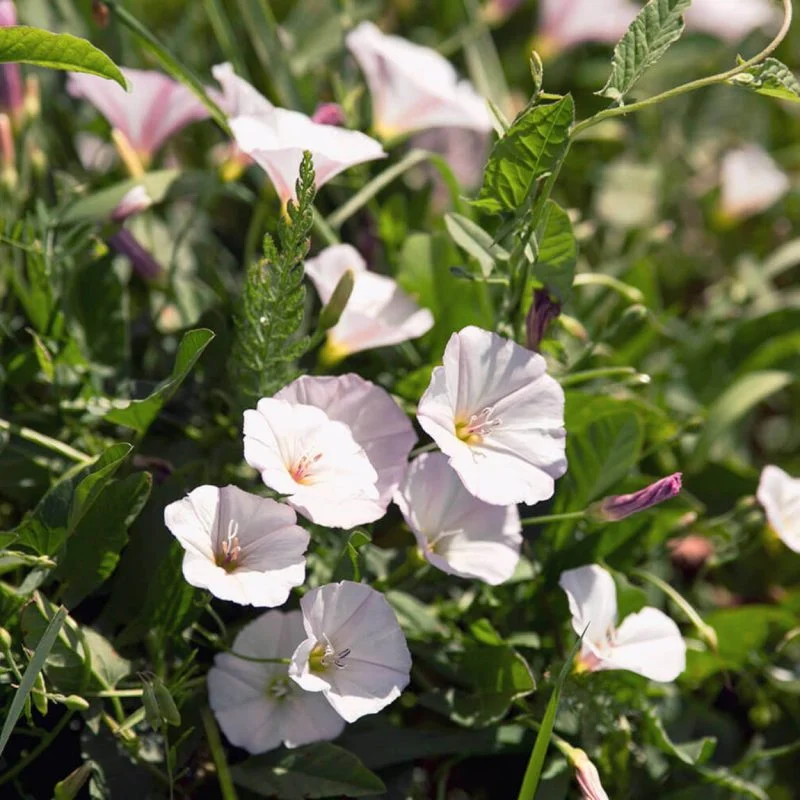


Why Field Bindweed Is Hard to Control
Field bindweed is not a simple annual weed. It has a deep root system and can regrow after top growth is damaged.
This is why visible leaf injury does not always mean full control. The underground root system can survive and produce new shoots.
Key problems include:
- Deep perennial roots
- Strong regrowth ability
- Spread through roots and seed
- Repeated emergence
- Long-term field persistence
- Difficult control in mixed cropping or sensitive sites
For field bindweed, the real goal is often suppression and long-term reduction, not instant removal.
How Quinclorac Works on Field Bindweed
Quinclorac is a selective post-emergence herbicide. It is often used where the label allows control or suppression of certain broadleaf and grassy weeds.
For field bindweed, quinclorac may help suppress actively growing plants. It is usually more practical where crop or turf selectivity is important.
Its main value is:
- Post-emergence activity
- Selective use where labeled
- Useful suppression of active growth
- Lower persistence concern compared with picloram
- Easier fit in some managed turf or crop systems
However, quinclorac may not fully solve heavy field bindweed problems by itself. Deep roots and regrowth can still require follow-up management.


How Picloram Works on Field Bindweed
Picloram is a systemic herbicide used for difficult perennial broadleaf weeds where the label allows it.
For field bindweed, picloram can be stronger because it moves inside the plant and can help suppress underground growth. This makes it more suitable for long-term perennial weed pressure.
Its main value is:
- Strong systemic activity
- Better fit for deep-rooted perennial weeds
- Useful in labeled pasture, rangeland or non-crop settings
- Longer residual activity
- Stronger long-term suppression potential
But picloram also has higher risk. It can remain active in soil and may injure sensitive broadleaf plants. It should not be used casually near gardens, trees, vegetables, ornamentals or sensitive crops.
Key Differences Between Quinclorac and Picloram
| Comparison Point | Quinclorac | Picloram |
|---|---|---|
| Herbicide type | Selective post-emergence herbicide | Systemic herbicide for difficult broadleaf weeds |
| Field bindweed role | Suppression where labeled | Stronger long-term suppression where labeled |
| Root impact | Moderate | Stronger |
| Soil persistence | Lower concern | Higher concern |
| Non-target plant risk | Lower than picloram, still label-dependent | Higher, especially for broadleaf plants |
| Best use situation | Selective systems | Pasture, rangeland, non-crop or difficult perennial weed areas |
| Main limitation | May not control deep roots fully | Higher residual and drift risk |
Which One Should You Choose?
Choose quinclorac when the site needs a more selective option and the label supports use for that crop, turf or weed situation.
Choose picloram when the main problem is deep-rooted field bindweed in a labeled site where stronger long-term suppression is needed.
| Situation | Better Fit |
|---|---|
| Field bindweed in labeled turf | Quinclorac may fit |
| Bindweed in labeled crop systems | Quinclorac may fit, depending on the label |
| Deep-rooted bindweed in pasture or rangeland | Picloram may fit |
| Bindweed in non-crop areas | Picloram may fit where allowed |
| Near vegetables or ornamentals | Use extra caution with picloram |
| Near trees or sensitive broadleaf plants | Picloram may be too risky |
| Need lower soil persistence | Quinclorac may be easier to manage |
| Need stronger root suppression | Picloram may be stronger where allowed |
| Label is unclear | Do not use either until confirmed |
The best choice depends on the site, label, nearby plants, soil risk and long-term control goal.
Main Safety and Use Limits
Both herbicides must be used only under approved local label conditions.
For quinclorac, the main concern is crop or turf fit. It should only be used where the crop, turf species, weed target and timing are supported by the label.
For picloram, the main concern is persistence and movement risk. It may affect sensitive broadleaf plants through soil activity, drift or unintended movement.
Important limits include:
- Approved crop or use site
- Target weed listing
- Nearby sensitive plants
- Soil persistence
- Drift risk
- Water protection
- Crop rotation restrictions
- Grazing or pasture restrictions
- Local registration
- Applicator requirements
Picloram needs special caution because its residual activity can be useful for difficult weeds but risky for nearby non-target plants.
Why Picloram Needs More Caution
Picloram can be effective, but it is not a simple general-use herbicide. Its strength is also its risk.
It may create problems when used near:
- Vegetables
- Fruit trees
- Ornamentals
- Broadleaf crops
- Gardens
- Shelterbelts
- Sensitive landscape plants
- Water-sensitive areas
- Areas planned for crop rotation
If the site has many valuable broadleaf plants nearby, picloram may not be the best choice.
Why Quinclorac May Need Follow-Up Control
Quinclorac can help suppress field bindweed, but deep roots can make regrowth possible.
This means quinclorac may fit better as part of a longer control plan, not as a one-time cure.
Quinclorac performance can be limited by:
- Heavy bindweed pressure
- Mature perennial roots
- Poor timing
- Weak plant uptake
- Regrowth from root reserves
- Site or crop label restrictions
It may be easier to manage than picloram in some selective systems, but it may not provide the same long-term root suppression.


FAQ About Quinclorac vs Picloram for Field Bindweed
Does quinclorac kill field bindweed?
Quinclorac may suppress field bindweed where label-approved. Heavy or established bindweed may regrow from deep roots.
Is picloram better than quinclorac for field bindweed?
Picloram is often stronger for deep-rooted perennial bindweed, but it has higher soil persistence and non-target plant risk.
Which herbicide is safer near trees and ornamentals?
Quinclorac is often easier to manage, but the label still matters. Picloram needs extra caution near sensitive broadleaf plants.
Can picloram be used in lawns?
Picloram is not a casual lawn herbicide. Use depends on the exact label and local regulation.
Why is field bindweed so hard to control?
Field bindweed has a deep perennial root system. It can regrow even after top growth is damaged.
Which one should I choose for long-term control?
Picloram may provide stronger long-term suppression where it is label-approved. Quinclorac may be better where selectivity and lower persistence are important.
Practical Summary
Quinclorac and picloram can both be discussed for field bindweed control, but they fit different situations.
Quinclorac is usually more practical where selective post-emergence suppression is needed in labeled turf or crop systems.
Picloram can be stronger for deep-rooted field bindweed in labeled pasture, rangeland or non-crop areas, but it has higher soil persistence and greater non-target plant risk.
The best decision is not simply which herbicide is stronger. The best decision depends on label approval, site type, sensitive plants, persistence risk and long-term control needs.
Hot Products
Hot news
Recommended news