
Can glyphosate be sprayed after it rains?
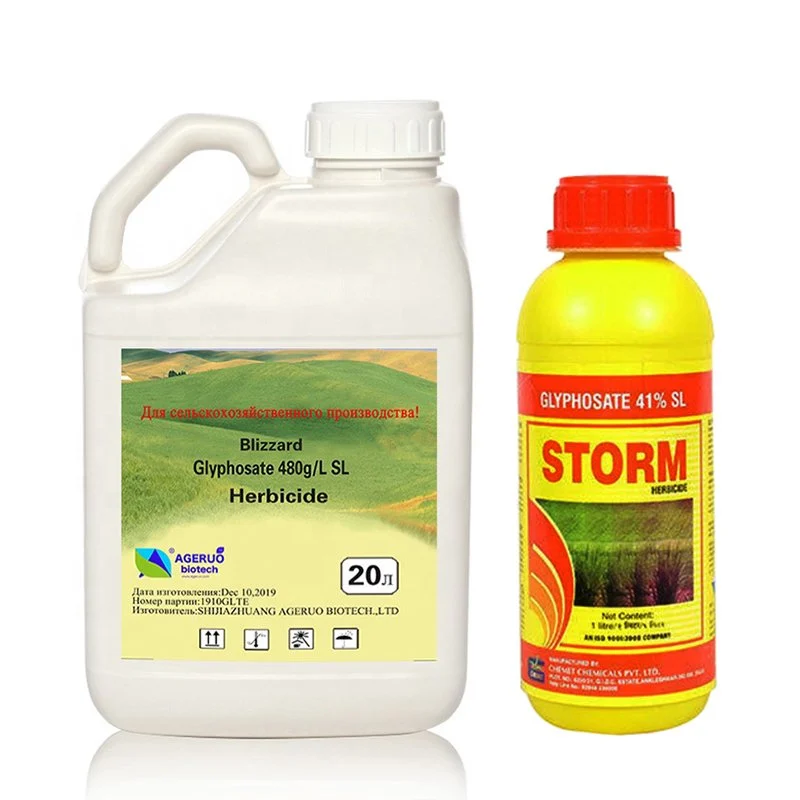
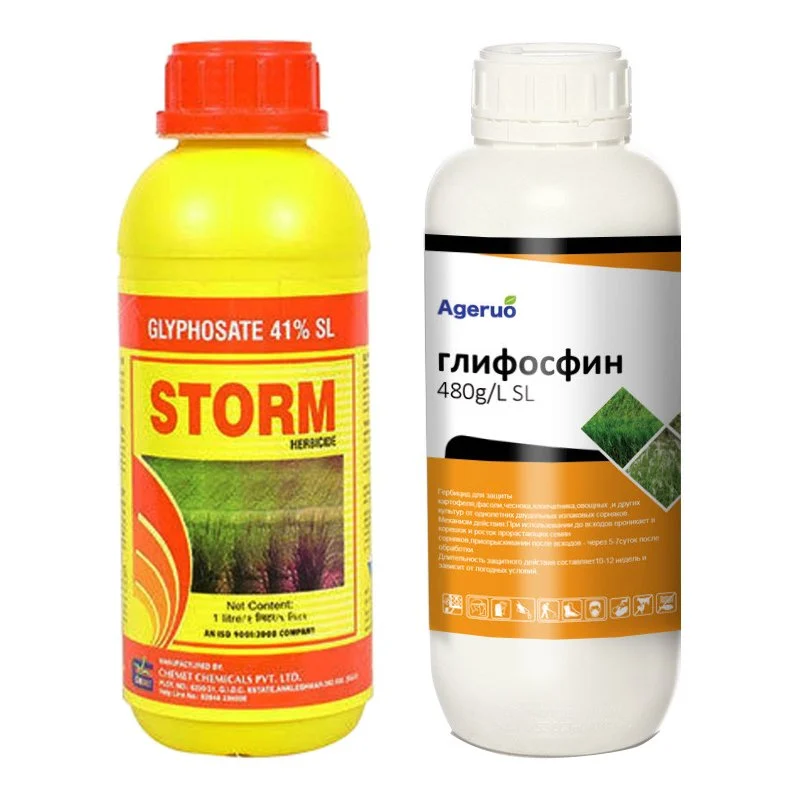
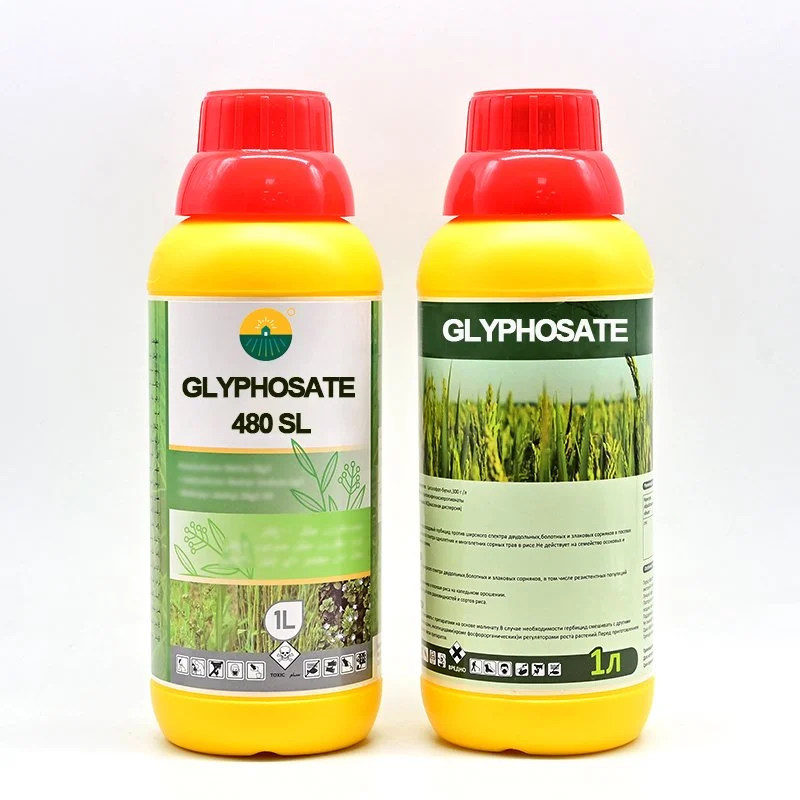
Glyphosate is a herbicide widely used in agriculture, horticulture, and landscape management. Its effectiveness is closely related to the timing of application, the environmental conditions, and adherence to proper operating procedures. Many people ask whether glyphosate can be applied after rain. To answer this question, it is necessary to understand the properties of glyphosate and how rainfall affects its performance.
How Rainfall Affects the Use of Glyphosate
Glyphosate works by being absorbed through plant leaves and transported into the plant’s tissues. Rainfall affects its effectiveness in the following ways:
Wet Leaves Reduce Absorption Rates
After rain, leaves may still be wet, which dilutes the glyphosate and reduces its absorption rate. For best results, it is recommended to wait until the leaves are dry before applying glyphosate.
Dilution and Runoff
If glyphosate is sprayed too soon after rain, excess moisture on the leaves may cause the herbicide to run off, thereby reducing its effectiveness and potentially contaminating nearby soil or water sources.
Impact of Residual Rainfall
If glyphosate has already been absorbed, light rain after application may not significantly affect its effectiveness; however, if heavy rain occurs shortly after spraying, it may wash the herbicide off the leaves before absorption is complete.
How long should you wait after rain before spraying glyphosate?
The waiting time depends on environmental conditions and plant characteristics:
Leaf Drying Time
Wait 2 to 4 hours after rain until the leaves are completely dry before spraying.
Under humid conditions, it may take longer for the leaves to dry.
Weather Forecast Considerations
If more rain is expected within 6 hours of spraying, postpone the application to prevent the glyphosate from being washed away.
When is the best time to apply glyphosate?
Dry conditions: Glyphosate is most effective when applied in dry weather.
Vigorous weeds: Apply glyphosate when weeds are thriving and in an active growth stage to ensure better absorption.
Early morning or evening: Choose times of the day when temperatures are lower to reduce evaporation and maximize herbicide absorption.
What Should You Do If It Rains After Spraying?
Glyphosate has a rainfast period—the time required for the herbicide to be absorbed by the plants and become resistant to rain wash-off:
Standard Rainfast Period
Most glyphosate formulations require a rainfast period of 2 to 6 hours. Refer to the product label for specific details.
Application After Rain
If heavy rain occurs shortly after application, consider reapplying glyphosate to ensure adequate weed control.
Best Practices for Applying Glyphosate After Rain
Ensure leaves are dry: Avoid applying glyphosate when leaves are wet.
Check the weather forecast: Plan to apply the herbicide during a dry period when no rain is expected for at least 6 hours.
Use a surfactant: Adding a surfactant improves glyphosate’s adhesion to leaves, especially in humid or rainy conditions.
Re-application strategy: If glyphosate is washed off by rain during the rainfast period, assess weed coverage and reapply if necessary.
Conclusion: Can glyphosate be sprayed after rain?
Yes! Glyphosate can be applied after rain, but the key is choosing the right time and conditions. Be sure to wait until the plant foliage is completely dry before spraying, and ensure there will be no rain for several hours after application. Following these guidelines will enhance glyphosate’s effectiveness, leading to better weed control results.
Hot Products
Hot news
Recommended news