Metalaxyl Fungicide: Mode of Action, Uses and Resistance Management
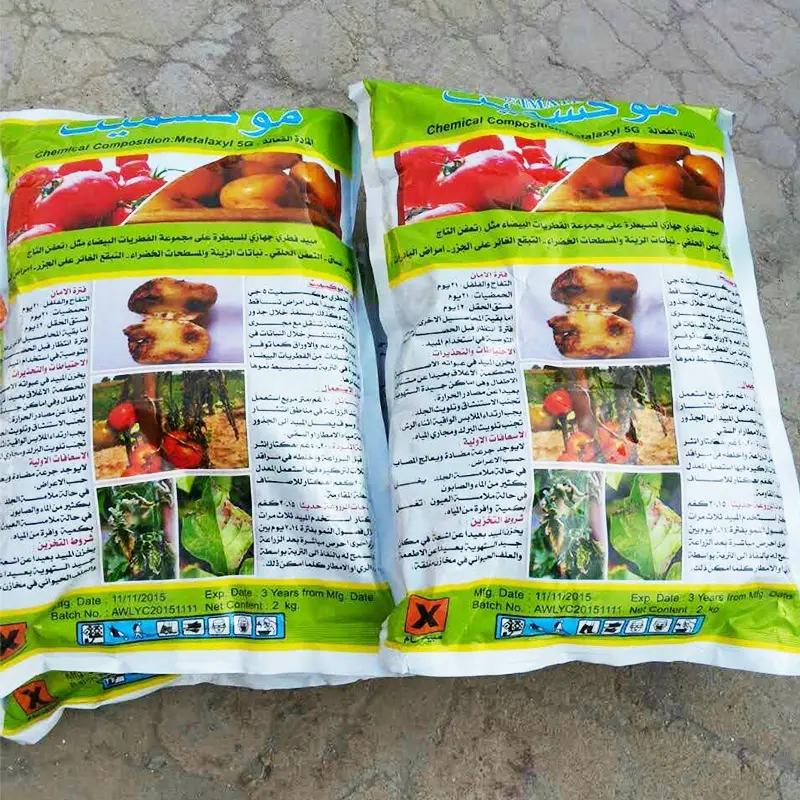
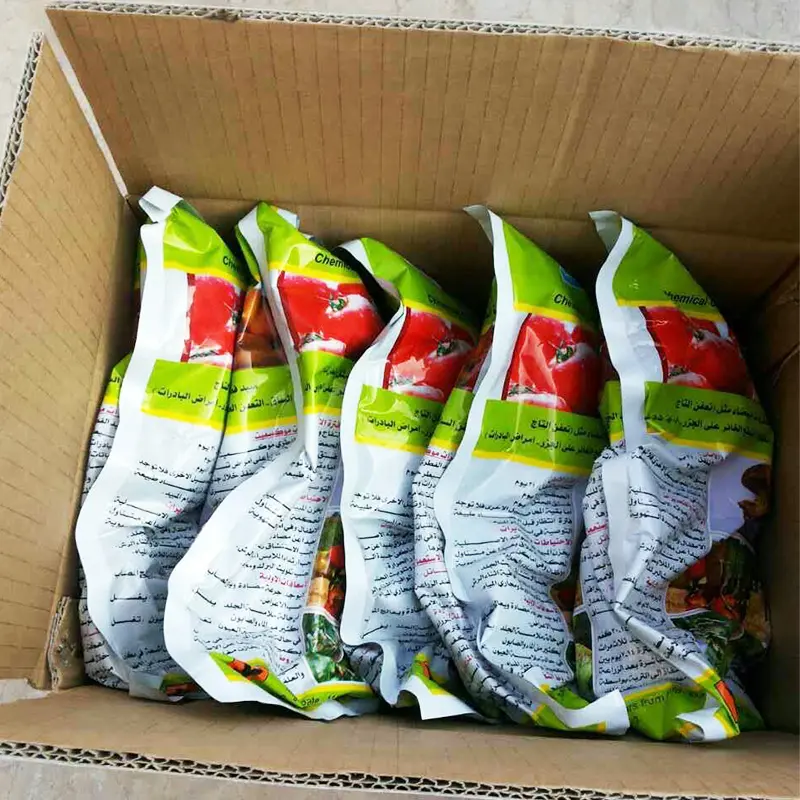
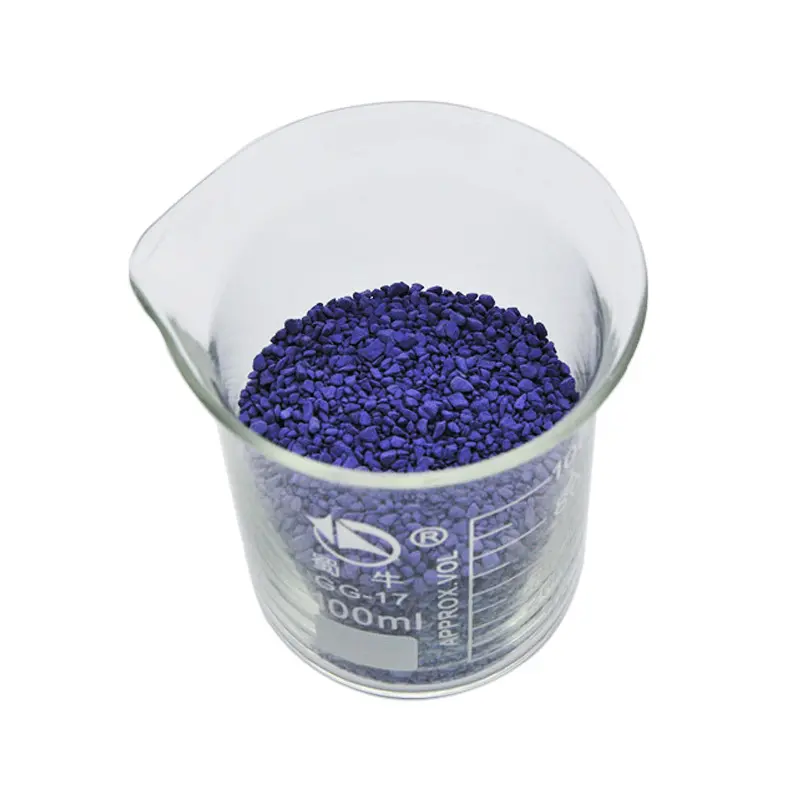
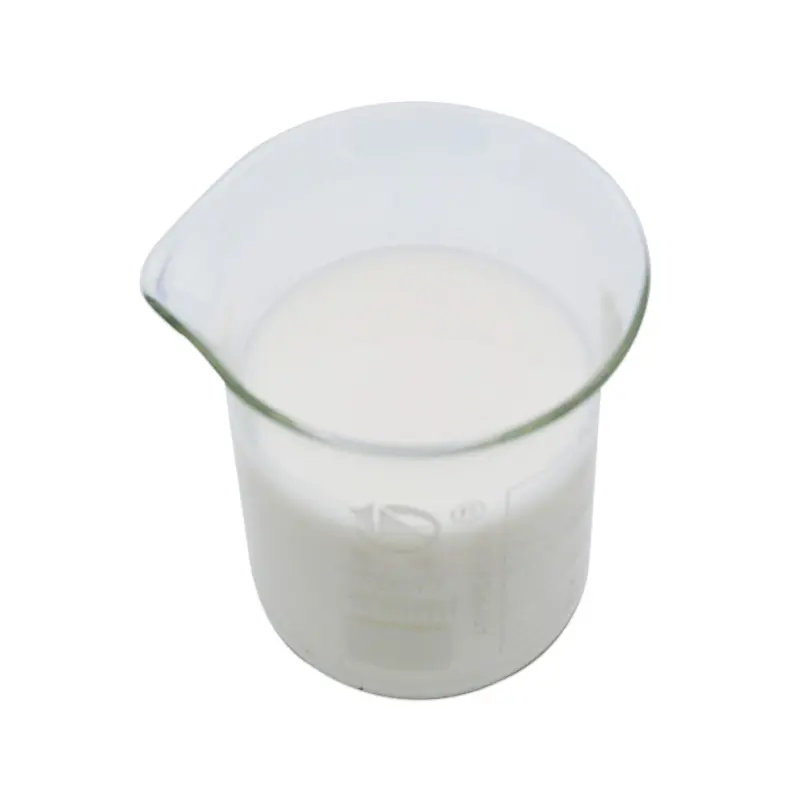
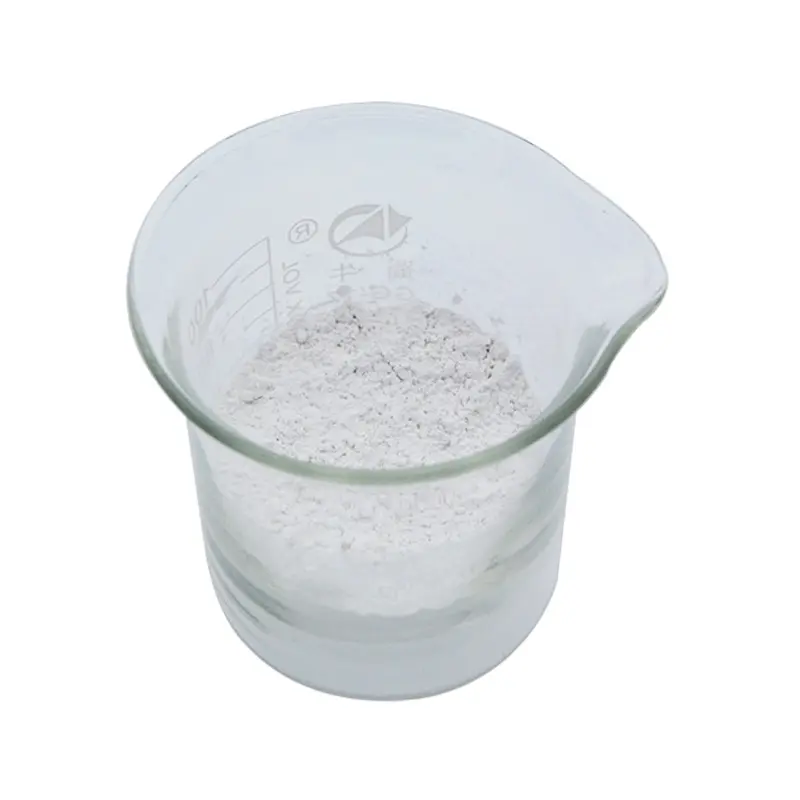
Metalaxyl is a systemic phenylamide fungicide mainly used for controlling diseases caused by oomycete pathogens, including Phytophthora and Pythium species. It belongs to FRAC Group 4 and is widely recognized for its specific activity against pathogens that cannot be effectively managed by many conventional fungicide groups.
Understanding Metalaxyl requires more than knowing its disease targets. Its performance depends on pathogen sensitivity, application timing, formulation quality, and resistance-management practices. For agricultural companies looking for reliable supply options, POMAIS provides Metalaxyl fungicide products with formulation and export support.
What Is Metalaxyl Fungicide?
Metalaxyl is a systemic fungicide belonging to the phenylamide chemical group. It was developed mainly for the management of oomycete diseases, a group of plant pathogens that are biologically different from true fungi.
Chemical Classification and FRAC Group
| Attribute | Information |
|---|---|
| Active Ingredient | Metalaxyl |
| Chemical Group | Phenylamide |
| FRAC Group | Group 4 |
| Fungicide Type | Systemic fungicide |
| Main Target | Oomycete pathogens |
Metalaxyl is mainly associated with pathogens such as Phytophthora, Pythium, and certain downy mildew organisms. It should not be considered a broad-spectrum fungicide for all plant diseases.
Systemic Fungicide Characteristics
Unlike contact fungicides that mainly remain on the plant surface, Metalaxyl can move within plant tissues after absorption.
This systemic activity provides value in situations where early pathogen development needs to be suppressed. However, systemic movement does not eliminate the importance of disease identification, application timing, or resistance management.
How Does Metalaxyl Work?
Mode of Action Against Oomycete Pathogens
Metalaxyl has a specific mode of action related to RNA synthesis processes in susceptible oomycete pathogens.
By affecting pathogen development, Metalaxyl can interfere with:
- Mycelial growth
- Spore production
- Pathogen reproduction
- Disease establishment
This specific activity explains why Metalaxyl performs strongly against certain oomycete diseases but provides limited value against unrelated fungal pathogens such as powdery mildew or many leaf-spot diseases.
What Diseases Does Metalaxyl Control?
Metalaxyl is mainly positioned for diseases caused by susceptible oomycete pathogens. The target disease should always be confirmed before selecting a fungicide program.
Phytophthora Diseases
Phytophthora species cause important agricultural diseases, including late blight, root rot, crown rot, and fruit infection problems.
Metalaxyl may be included in management programs where susceptible Phytophthora populations exist and local registration supports its use.
Pythium Diseases
Pythium species are commonly associated with soil-related disease problems, especially during early plant establishment.
Metalaxyl has historically been used against susceptible Pythium populations in situations involving damping-off and root-zone disease pressure.
Downy Mildew Diseases
Downy mildew diseases are caused by different oomycete pathogens depending on the crop. Metalaxyl can provide activity against certain downy mildew pathogens where sensitivity remains.
Because pathogen sensitivity can vary between regions, product selection should always consider local disease conditions and resistance status.
Metalaxyl Applications and Formulations
Agricultural Application Methods
Metalaxyl formulations can be used in different agricultural situations depending on crop requirements and registered applications.
Common application approaches include:
- Soil application
- Seed treatment combinations
- Transplant protection
- Foliar disease programs
The correct application method depends on the target pathogen, crop stage, formulation characteristics, and local label requirements.
Metalaxyl Technical Material and Formulated Products
Metalaxyl technical material is used as the manufacturing base for formulated agricultural products.
Important quality factors include:
- Active ingredient content
- Impurity profile
- Batch consistency
- Formulation stability
- Technical documentation
| Formulation | Common Characteristics |
|---|---|
| WP | Water dispersible powder formulation |
| WG / WDG | Granular formulation with improved handling |
| EC | Liquid formulation system |
| Combination Products | Multiple active ingredients for broader positioning |
Metalaxyl Resistance and Proper Fungicide Use
Why Resistance Management Matters
Because Metalaxyl has a specific mode of action, repeated use can create selection pressure on pathogen populations.
Reduced sensitivity has been reported in some oomycete pathogens, making responsible fungicide use an important part of long-term disease management.
Good practice includes:
- Rotating fungicide groups
- Avoiding unnecessary repeated applications
- Using effective partner products
- Following local resistance recommendations
For broader guidance, see our fungicide resistance management information.
Metalaxyl Compared With Other Fungicide Groups
Metalaxyl has a unique position because of its activity against oomycete pathogens. It should be selected according to pathogen biology rather than simply crop symptoms.
| Fungicide Type | Main Characteristics |
|---|---|
| Metalaxyl | Systemic activity against selected oomycete pathogens |
| Multi-site Fungicides | Protective surface activity with multiple target sites |
| DMI Fungicides | Different mode of action for many fungal pathogens |
| SDHI Fungicides | Different biochemical target for disease management |
The most important decision is identifying the pathogen before selecting the fungicide group.
Frequently Asked Questions About Metalaxyl Fungicide
Is Metalaxyl a systemic fungicide?
Yes. Metalaxyl is a systemic phenylamide fungicide with activity against selected oomycete pathogens.
What FRAC group is Metalaxyl?
Metalaxyl belongs to FRAC Group 4.
What diseases does Metalaxyl control?
Metalaxyl is mainly used against susceptible Phytophthora, Pythium, and certain downy mildew pathogens.
Is Metalaxyl effective against powdery mildew?
No. Powdery mildew pathogens are true fungi and generally require different fungicide groups.
Why should Metalaxyl be rotated with other fungicides?
Because Metalaxyl has a specific mode of action, repeated use can increase resistance-selection pressure.
Contact POMAIS for Metalaxyl Fungicide Supply
POMAIS supplies Metalaxyl formulations and related fungicide products for global agricultural markets.
We support customers with formulation selection, technical documentation, quality control, customized packaging, and export cooperation.
Learn more about our Metalaxyl fungicide supply solutions or contact our team for product information.
Hot Products
Hot news
Recommended news