
Comprehensive Guide to Lambda-Cyhalothrin
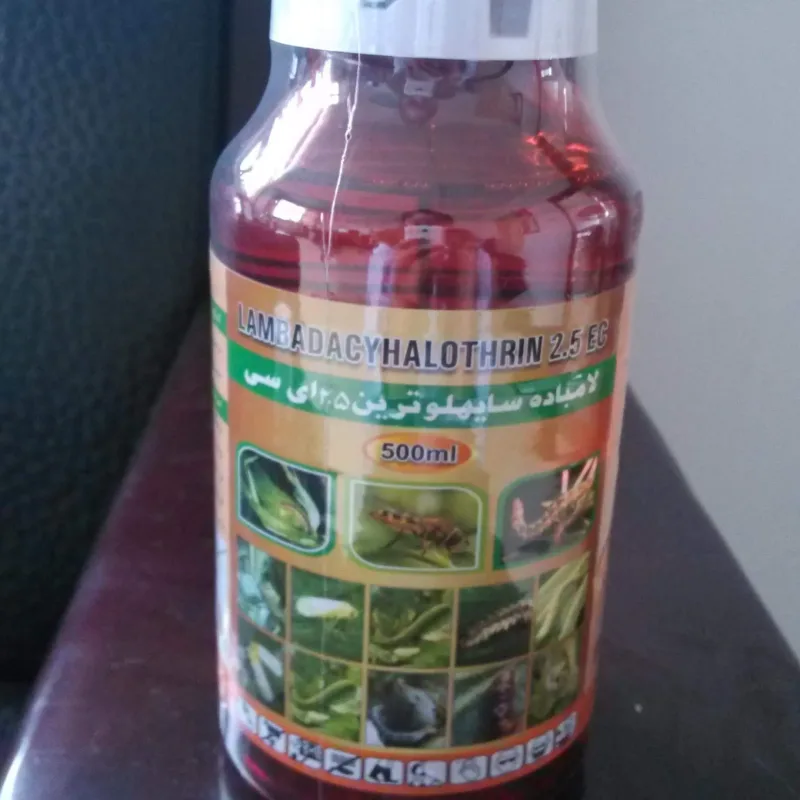
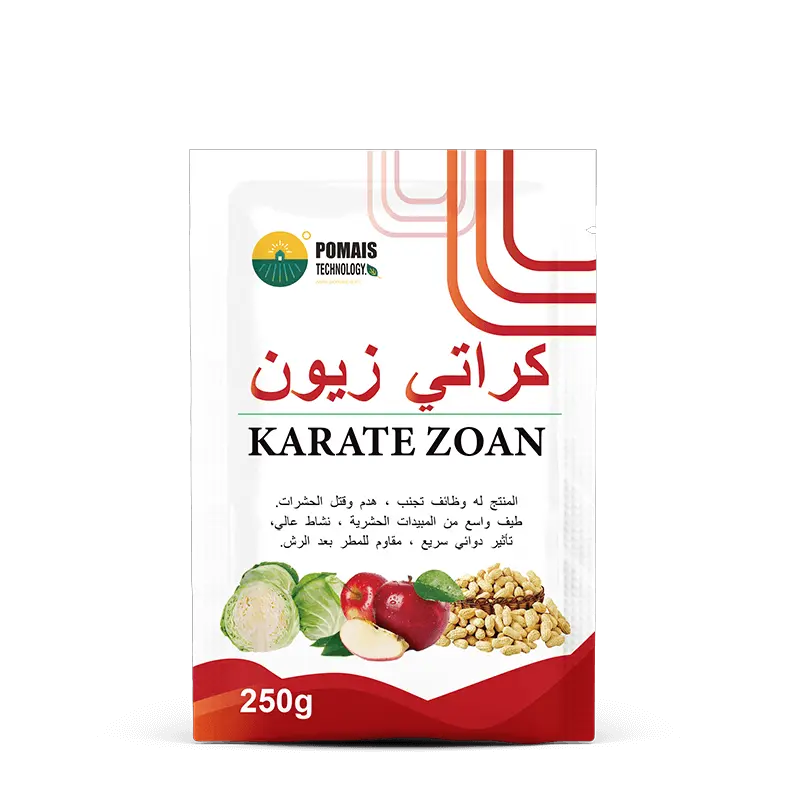
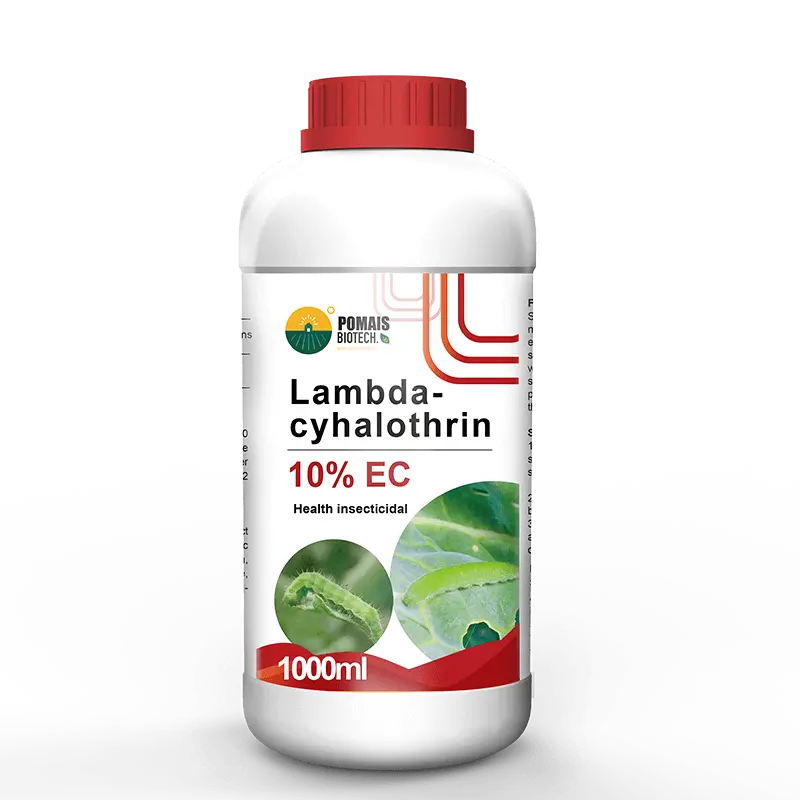
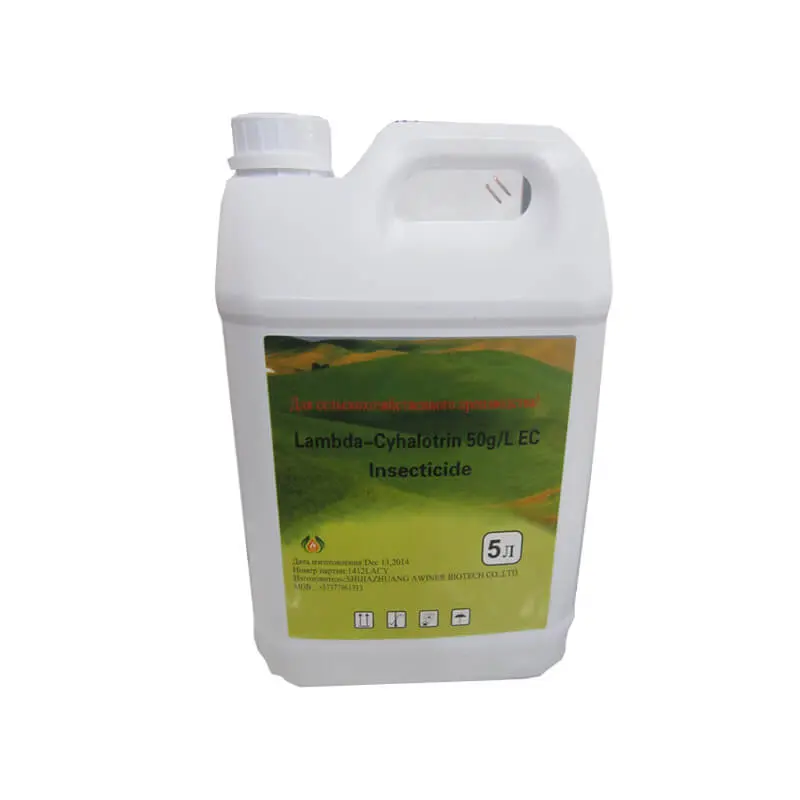


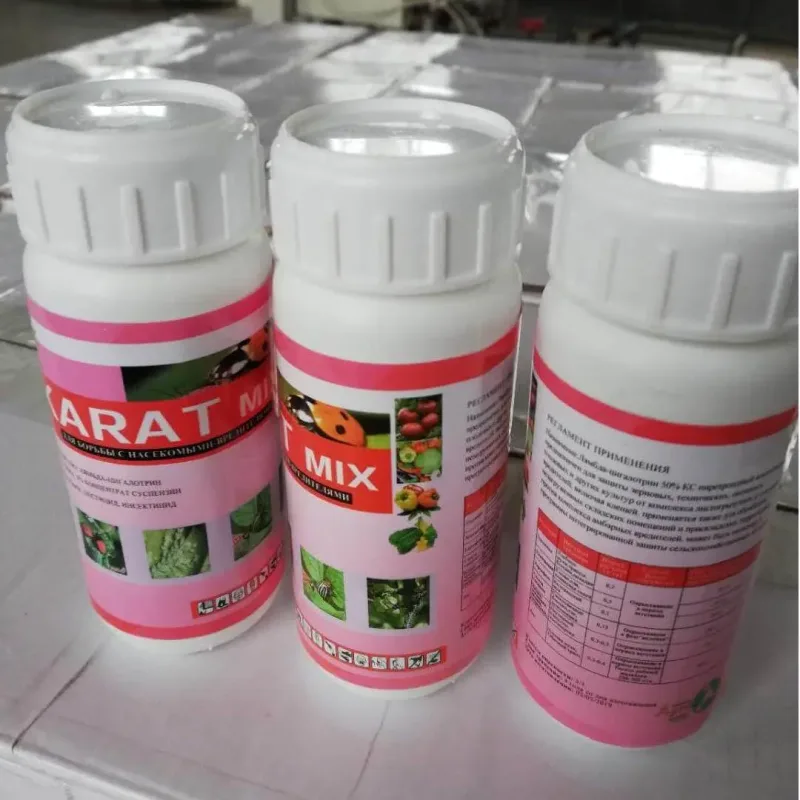
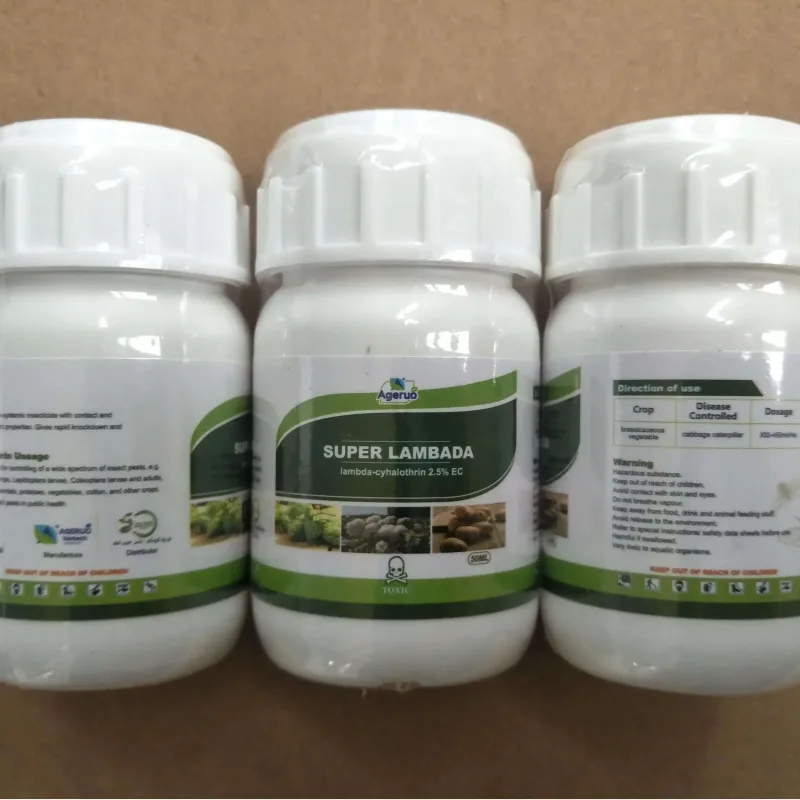
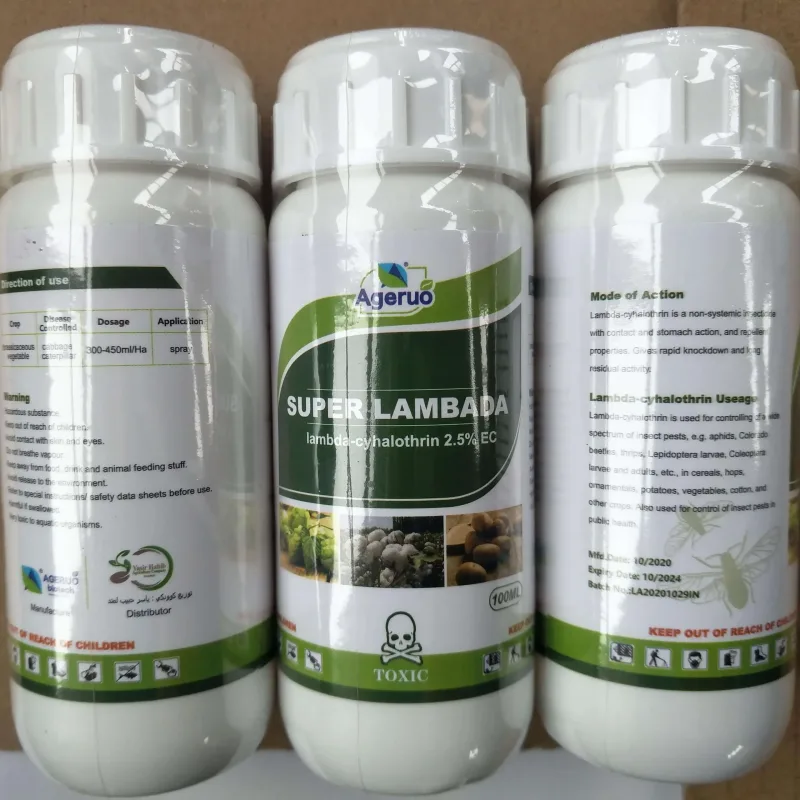
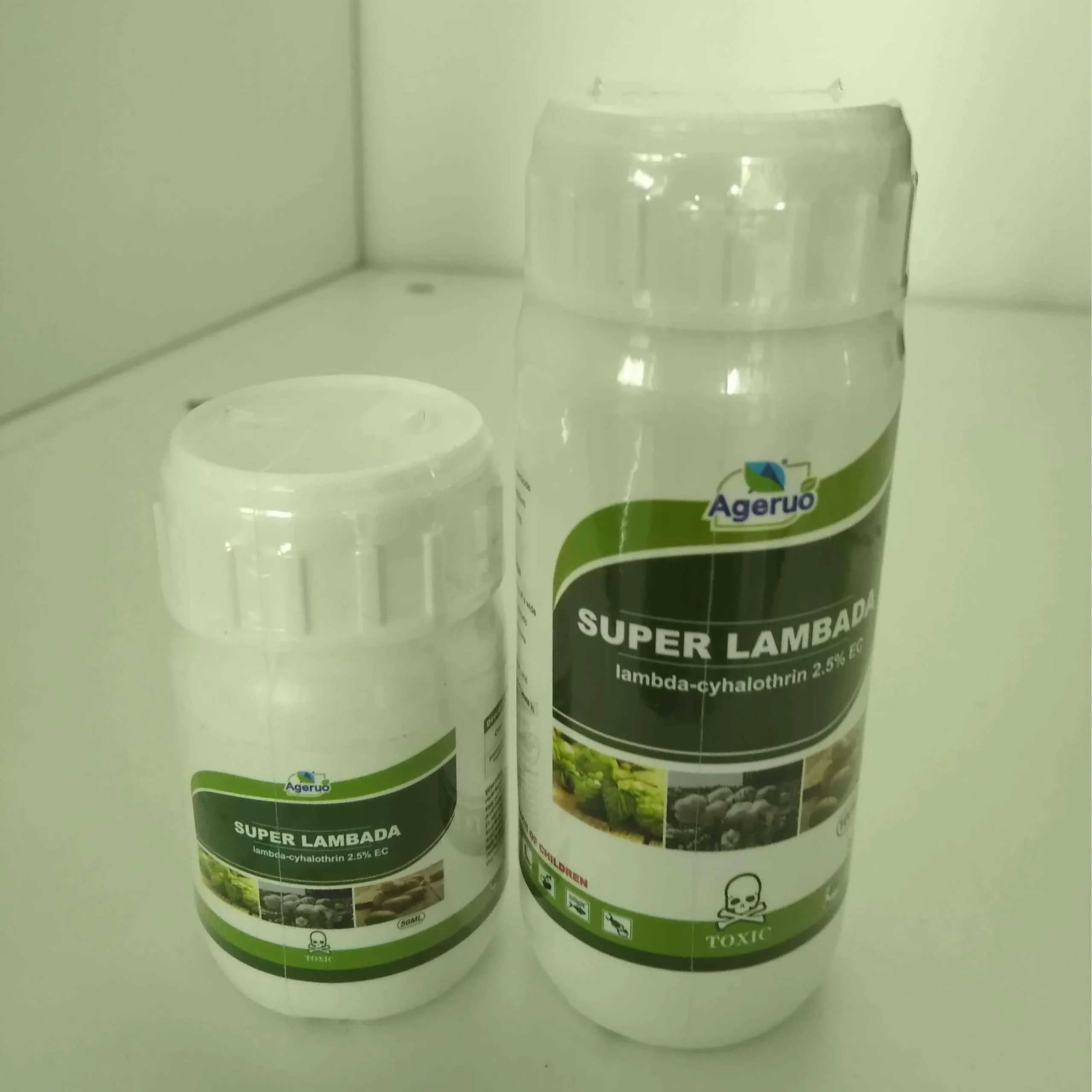
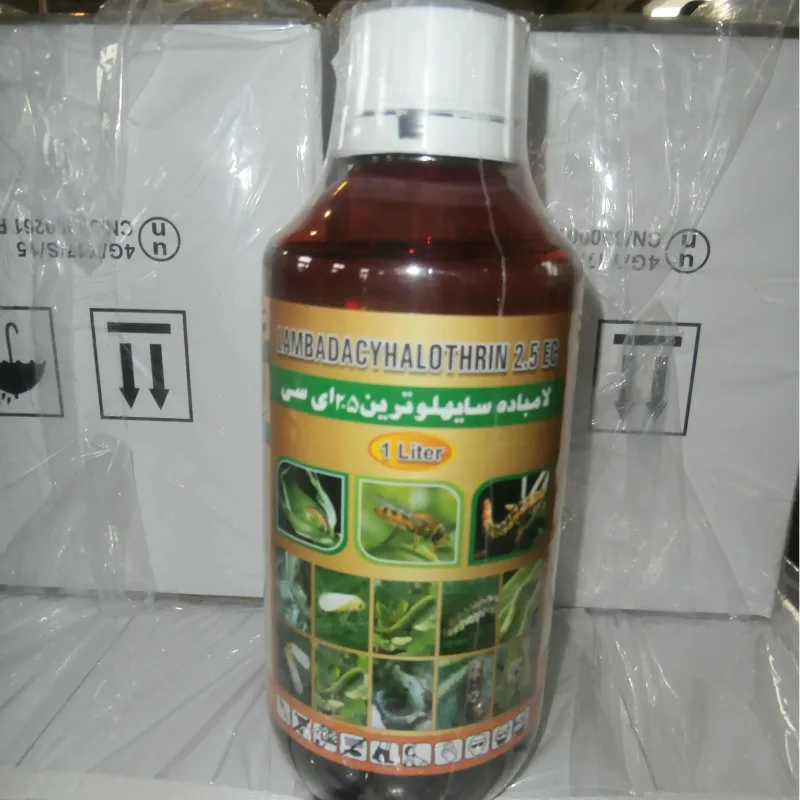
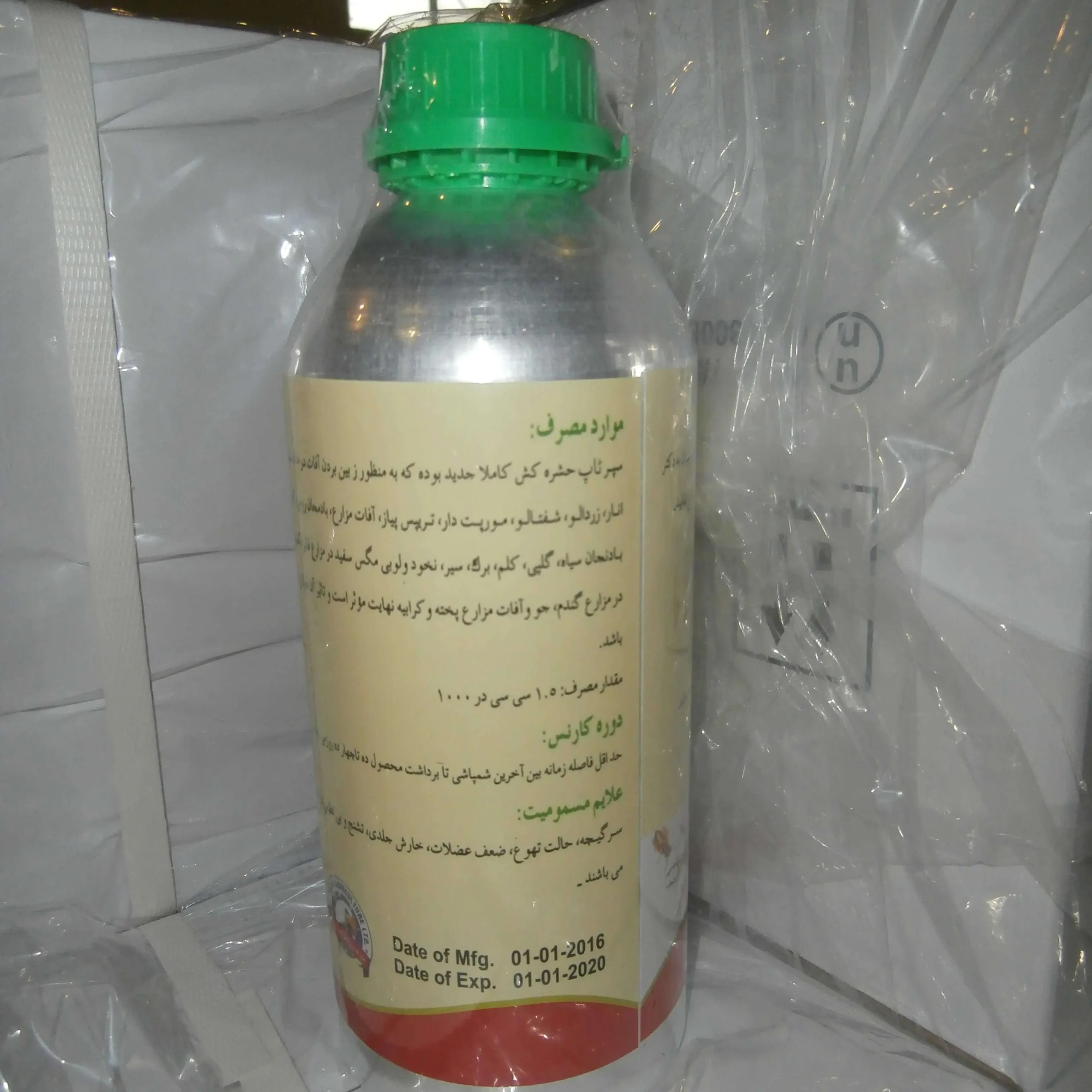
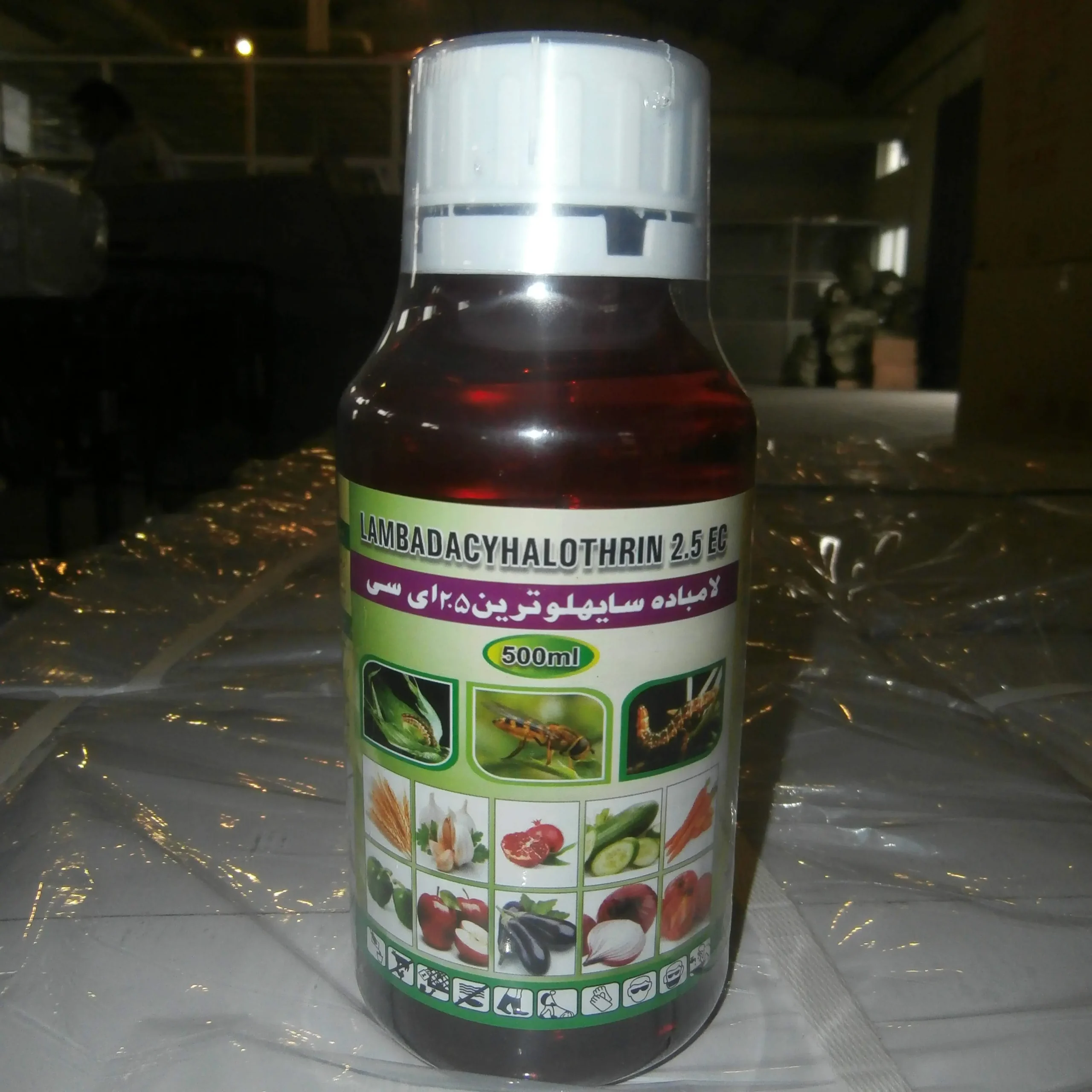
Lambda-Cyhalothrin is a synthetic pyrethroid insecticide used in registered agricultural, structural, and public-health pest-control programs.
It is a non-systemic insecticide with contact and ingestion activity. Its performance depends on the target pest contacting or consuming treated deposits rather than the active ingredient moving throughout the plant.
This guide explains what Lambda-Cyhalothrin is used for, how it affects insect nerves, whether it is systemic or contact, how long treated deposits may remain effective, and how Lambda-Cyhalothrin 2.5 EC differs from Lambda-Cyhalothrin 5 EC.
Summary: Key Points About Lambda-Cyhalothrin
| Feature | Details |
|---|---|
| Chemical class | Synthetic pyrethroid |
| IRAC group | Group 3A |
| Mode of action | Sodium channel modulation |
| Main activity | Contact and ingestion |
| Systemic or contact | Non-systemic insecticide |
| Main use direction | Registered agricultural and professional pest-control programs |
| 2.5 EC vs 5 EC | Different active ingredient concentrations |
| Repellent position | Not primarily selected as a repellent |
| Residual performance | Depends on formulation, rate, surface, weather, and coverage |
| Skin contact | Follow the exact product label and first-aid instructions |
| Resistance concern | Avoid repeated dependence on IRAC Group 3A |
What Is Lambda-Cyhalothrin Used For?
Lambda-Cyhalothrin is used against a range of chewing and sucking insect pests where the crop, pest, treatment site, and formulation are approved on the local product label.
Agricultural directions may include selected programs for:
- Caterpillars
- Armyworms
- Cutworms
- Aphids
- Leafhoppers
- Whiteflies
- Thrips
- Beetles
- Borers
- Other registered crop pests
Lambda-Cyhalothrin may also appear in separately registered products for mosquitoes, flies, ants, cockroaches, termites, and other professional pest-control targets.
An agricultural foliar formulation should not automatically be used in a residential, livestock, food-handling, or public-health setting. Each product label determines where and how that formulation can be applied.
Pyrethroid products are used across agricultural and non-agricultural pest-control programs, but individual active ingredients and formulations have different approved sites and restrictions.
Professional buyers can review available Lambda-Cyhalothrin insecticide formulations for market-specific product development.
How Does Lambda-Cyhalothrin Work?
Lambda-Cyhalothrin belongs to IRAC Group 3A.
Group 3A includes pyrethroids and pyrethrins that act as sodium channel modulators. Lambda-Cyhalothrin interferes with the normal opening and closing of voltage-gated sodium channels in insect nerve cells.
The process can be summarized as follows:
- The insect contacts or consumes a treated deposit.
- Lambda-Cyhalothrin affects sodium channel function.
- Normal nerve signals become disrupted.
- Repeated nerve firing and hyperexcitation develop.
- The insect loses coordination.
- Knockdown, paralysis, and death may follow.
Lambda-Cyhalothrin is known for rapid visible knockdown against susceptible exposed pests.
However, fast knockdown is not the same as complete population control. Final performance still depends on:
- Pest susceptibility
- Delivered dose
- Pest life stage
- Spray coverage
- Exposure time
- Formulation
- Weather
- Local pyrethroid resistance
Lambda-Cyhalothrin Uses in Agriculture
Lambda-Cyhalothrin is used in selected crop-protection programs where rapid contact activity and broad insect coverage are required.
| Crop Direction | Representative Pest Direction |
|---|---|
| Cereals | Aphids, leafhoppers, armyworms, cutworms, and registered borers |
| Corn | Cutworms, armyworms, borers, beetles, and selected sucking pests |
| Vegetables | Caterpillars, aphids, whiteflies, thrips, and beetles where approved |
| Oilseeds | Aphids, beetles, and lepidopteran larvae |
| Cotton | Bollworms, armyworms, aphids, and other label-listed pests |
| Fruit crops | Moth larvae, aphids, leafrollers, and selected sucking pests |
| Potatoes | Aphids, beetles, caterpillars, and other approved pests |
| Ornamentals | Registered chewing and sucking insects |
These crop and pest combinations are general directions, not universal label claims.
Before use or product registration, confirm:
- The approved crop
- The exact target pest
- The permitted application method
- The maximum application number
- The registered rate
- The treatment interval
- The pre-harvest interval
- The applicable MRL
Initial and residual performance depends heavily on thorough crop coverage and correct application.
Is Lambda-Cyhalothrin Systemic or Contact?
Lambda-Cyhalothrin is a non-systemic insecticide with contact and ingestion activity.
It does not normally move through plant vascular tissues in the same way as a conventional systemic insecticide.
Its practical performance depends on:
- Coverage of the crop or treatment surface
- Pest contact with the deposit
- Pest feeding on treated material
- Spray reaching the pest location
- Application before the pest moves into protected plant tissue
Lambda-Cyhalothrin should not be described as having plant-wide systemic movement.
It also does not automatically protect leaves, shoots, or other plant tissue that develops after application.
For exposed pests, treated-surface contact may provide rapid activity. For hidden pests, poor spray placement can reduce performance even when the active ingredient itself remains effective.
Is Lambda-Cyhalothrin a Repellent?
Lambda-Cyhalothrin is not primarily selected as a repellent.
Its main commercial position is based on contact and ingestion activity, rapid knockdown, and exposure to treated deposits.
Some insects may avoid certain treated surfaces or show behavioral changes after exposure. However, this does not support a universal claim that every Lambda-Cyhalothrin formulation creates a long-lasting repellent barrier.
A repellent claim should only be used when it is supported by:
- The exact product registration
- The target pest
- The treatment site
- Product-specific efficacy data
- The approved label
For most agricultural programs, the more accurate positioning is:
Lambda-Cyhalothrin is a contact and ingestion insecticide rather than a conventional repellent.
How Long Does Lambda-Cyhalothrin Last?
There is no single residual period that applies to every Lambda-Cyhalothrin product.
Residual performance is influenced by:
- Active ingredient concentration
- Registered application rate
- EC, CS, WP, SC, GR, or another formulation
- Leaf or treatment-surface characteristics
- Ultraviolet exposure
- Rainfall
- Irrigation
- Temperature
- Crop growth
- Surface cleaning or abrasion
- Pest pressure
- Local resistance
A deposit on a protected structural surface cannot be compared directly with a deposit on rapidly growing leaves exposed to sunlight and rain.
Higher formulation concentration does not automatically mean longer residual control.
The treatment interval and reapplication decision must follow the product-specific label. Reapplication should not be based only on a general statement such as “every 7 to 14 days.”
Environmental risk also needs to be considered. EPA pyrethroid risk-management measures include controls intended to reduce spray drift, runoff, and exposure to aquatic organisms.
Lambda-Cyhalothrin 2.5 EC Uses vs. Lambda-Cyhalothrin 5 EC Uses
Lambda-Cyhalothrin 2.5 EC and Lambda-Cyhalothrin 5 EC contain the same active ingredient but at different concentrations.
The concentration affects how much formulated product is required to deliver an approved active ingredient dose. It does not automatically determine the pest spectrum, crop suitability, or residual period.
| Comparison | Lambda-Cyhalothrin 2.5 EC | Lambda-Cyhalothrin 5 EC |
|---|---|---|
| Active ingredient concentration | Lower | Higher |
| Formulated product volume at an equivalent active ingredient rate | Usually higher | Usually lower |
| Pest spectrum | Determined by the registered label | Determined by the registered label |
| Crop suitability | Market- and label-specific | Market- and label-specific |
| Residual performance | Not determined by concentration alone | Not automatically longer |
| Pest-pressure suitability | Not automatically limited to moderate pressure | Not automatically intended for high pressure |
| Packaging and logistics | More product volume may be required | More concentrated shipping and storage format |
| Final selection | Registration, label, and buyer requirements | Registration, label, and buyer requirements |
Lambda-Cyhalothrin 5 EC should not be described as having a wider pest spectrum simply because it is more concentrated.
Likewise, Lambda-Cyhalothrin 2.5 EC should not be limited to vegetables, gardens, or lower pest pressure unless the relevant product label specifically supports that positioning.
The correct comparison should be based on:
- Registered active ingredient dose
- Formulation quality
- Crop and pest approval
- Application equipment
- Packaging requirements
- Storage and transport
- Local registration preference
Lambda-Cyhalothrin Skin Contact Treatment
If Lambda-Cyhalothrin contacts the skin, remove contaminated clothing and rinse the exposed area immediately with plenty of water for 15 to 20 minutes.
Follow the First Aid section of the exact product label and contact a local poison control service or doctor for treatment advice. Keep the product container, label, or SDS available when requesting help.
A current US EPA-registered Lambda-Cyhalothrin EC label uses this skin-contact sequence and also notes that formulations may contain other ingredients that affect the hazard statement.
For complete exposure-response information, read the dedicated guide to Lambda-Cyhalothrin skin contact first aid.
The product-specific label always takes priority over general online guidance.
Is Lambda-Cyhalothrin Used on Food Crops?
Lambda-Cyhalothrin is registered for selected food crops in some markets.
Approval of the active ingredient does not mean that every Lambda-Cyhalothrin formulation can be applied to every food crop.
Before use, confirm:
- The crop is listed on the label
- The target pest is approved
- The application method is permitted
- The registered rate is followed
- The maximum number of applications is not exceeded
- The crop-specific PHI is observed
- The domestic MRL is met
- Any export-market MRL is also considered
A universal PHI such as 3 to 14 days should not be used across all crops and countries.
The correct PHI depends on the crop, product, application rate, timing, and destination-market registration.
What Buyers Should Confirm Before Selecting a Formulation
Importers and distributors should not select a Lambda-Cyhalothrin product based only on concentration or price per litre.
A professional product review should confirm:
- Destination country
- Agricultural or public-health market
- Approved crop or treatment site
- Exact target pest
- Registered formulation
- Active ingredient concentration
- Application method
- IRAC Group 3A resistance position
- PHI and REI requirements
- Domestic and export MRLs
- Environmental restrictions
- Label and SDS requirements
- COA and technical specification
- Packaging and label language
- Expected annual procurement volume
Where repeated pyrethroid use has reduced performance, changing from one Group 3A active ingredient to another does not provide a new mode of action. Resistance planning should consider an effective, registered insecticide from a different IRAC group.
For broader active ingredient selection, review the POMAIS insecticide portfolio.
Conclusion
Lambda-Cyhalothrin is a non-systemic synthetic pyrethroid insecticide in IRAC Group 3A.
It works through contact and ingestion by disrupting sodium channel function in insect nerves. It is used in selected agricultural and professional pest-control programs where the crop, pest, formulation, and treatment site are approved.
Lambda-Cyhalothrin 2.5 EC and Lambda-Cyhalothrin 5 EC differ mainly in concentration. The higher concentration does not automatically provide a wider pest spectrum, stronger control, or longer residual activity.
Effective product selection depends on:
- Target pest
- Crop or treatment site
- Registered formulation
- Spray coverage
- Environmental conditions
- Resistance status
- PHI and MRL requirements
- Destination-market label
POMAIS works with qualified importers, distributors, registration companies, and crop-protection brands evaluating Lambda-Cyhalothrin formulations for local registration and commercial supply.
Hot Products
Hot news
Recommended news