
What Crop Pests Does Cypermethrin Control?
.webp "Cypermethrin(2)")

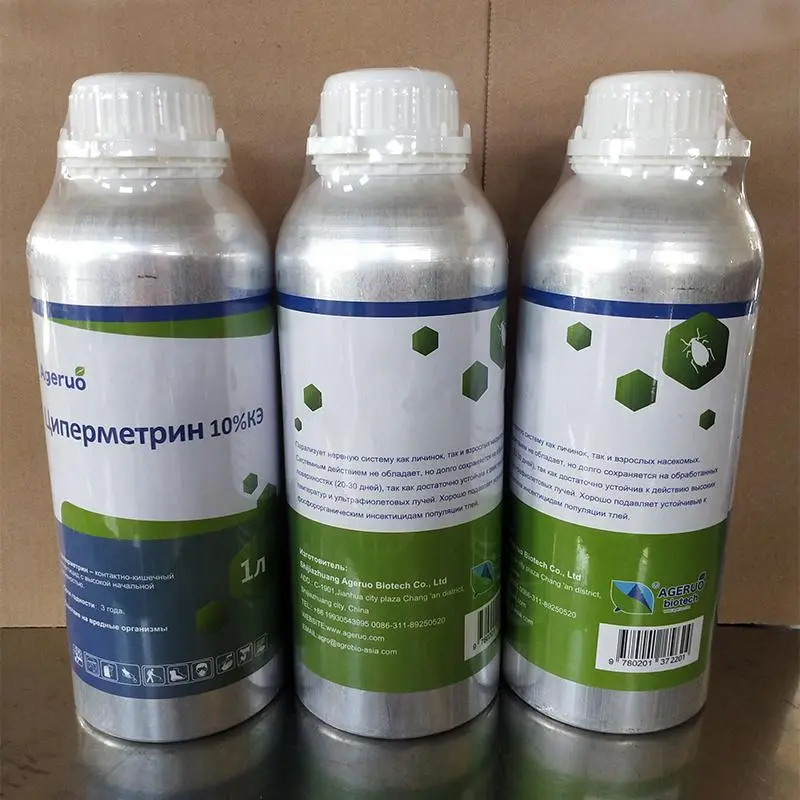
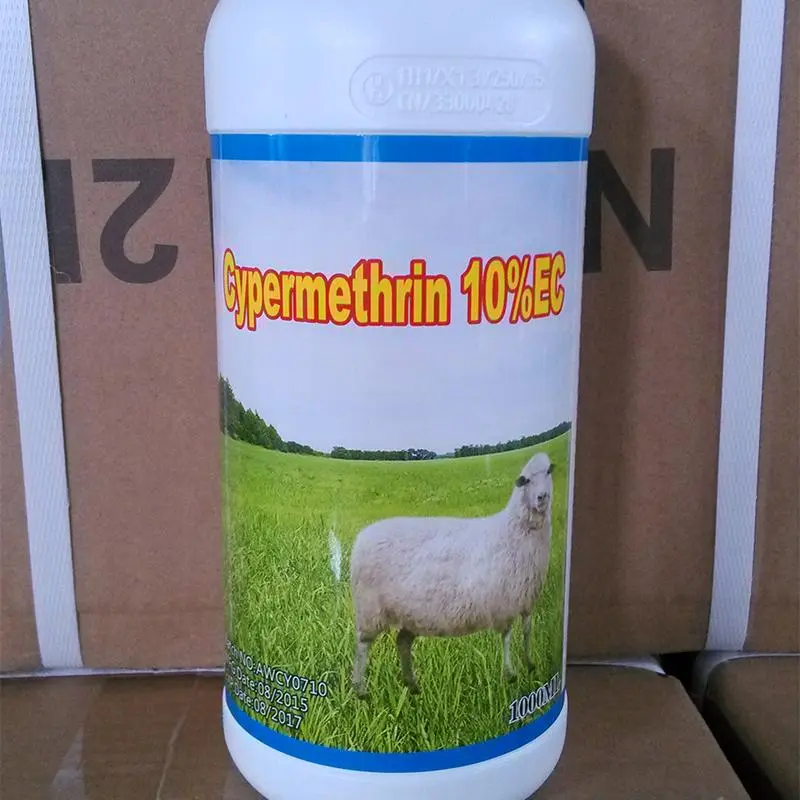
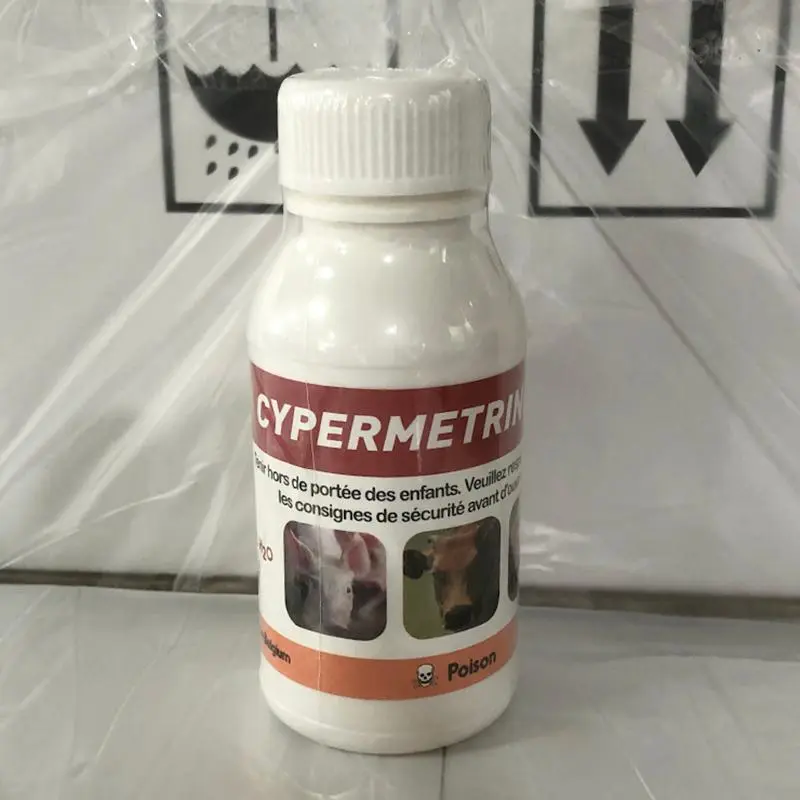
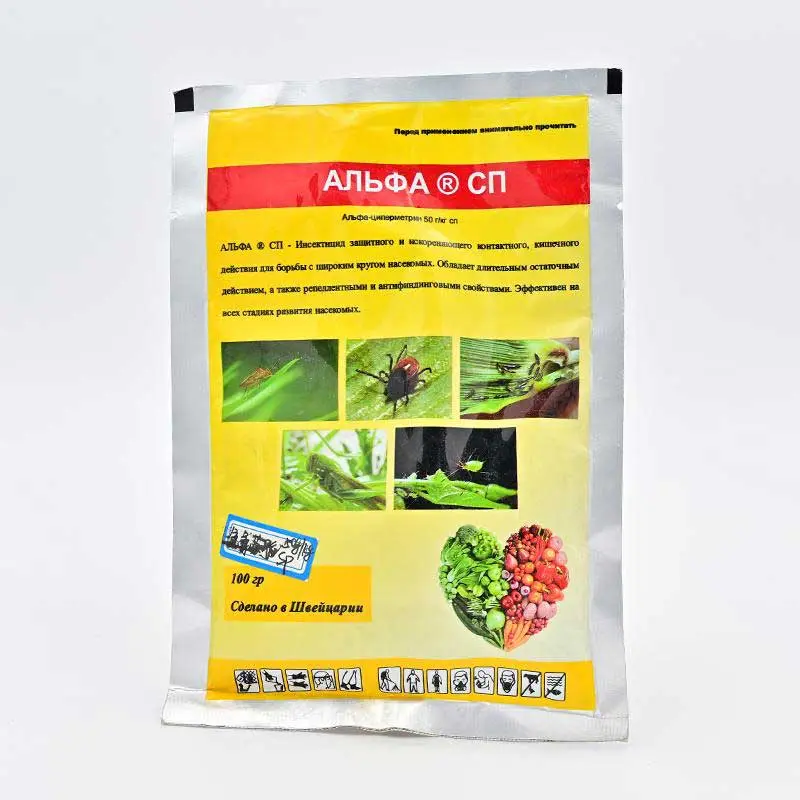
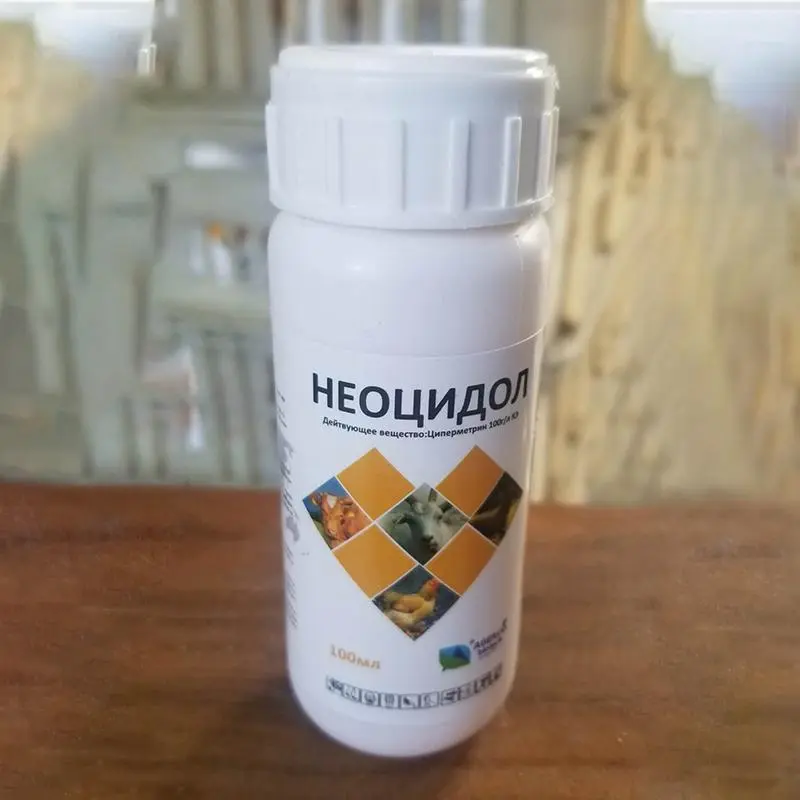
Cypermethrin is widely used in crop protection against exposed chewing insects and selected sucking pests. Common agricultural targets include bollworms, armyworms, cutworms, loopers, diamondback moth, fruit and shoot borers, beetles, weevils, aphids, leafhoppers, and other registered foliar pests.
As a non-systemic synthetic pyrethroid, Cypermethrin works mainly through contact and ingestion. This means pest exposure, growth stage, spray coverage, and local pyrethroid resistance can strongly affect field performance.
It is particularly useful where susceptible insects are active on leaves, shoots, flowers, or other treated plant surfaces. It should not be treated as a universal solution for every crop pest, and it is not a specialist miticide for spider mite management.
For available formulations and commercial product information, see our Cypermethrin insecticide.
What Are the Main Crop Pests Controlled by Cypermethrin?
Cypermethrin has a broad agricultural pest spectrum, but its fit is not equally strong for every insect group.
| Pest Group | Common Examples | Typical Crop Context | General Fit |
|---|---|---|---|
| Caterpillars | Bollworms, armyworms, cutworms, loopers | Cotton, maize, vegetables | Strong |
| Moths and borers | Diamondback moth, shoot borers, fruit borers | Brassicas, okra, eggplant | Strong when larvae are exposed |
| Beetles and weevils | Boll weevil, flea beetles, cucumber beetles | Cotton, vegetables | Good where registered |
| Aphids and plant bugs | Aphids, fleahoppers, selected bugs | Cotton, cereals, vegetables | Registration and resistance dependent |
| Leafhoppers | Crop-specific leafhopper pests | Cereals, vegetables | Registration dependent |
| Whiteflies and thrips | Selected populations | Cotton, vegetables | Variable; resistance matters |
| Spider mites | Tetranychid mites | Many crops | Not a primary miticide use |
| Deep soil pests | Below-ground larvae | Soil | Poor fit compared with exposed pests |
The most important distinction is between pests that remain exposed to treated surfaces and pests that become protected inside stems, fruit, soil, or dense plant structures.
Which Caterpillars and Borers Does Cypermethrin Control?
Caterpillars are among the most important agricultural pest groups associated with Cypermethrin.
Many Lepidopteran larvae feed openly on leaves, shoots, flowers, or developing fruit before moving into more protected feeding sites. These exposed stages can be well suited to contact and ingestion activity where the pest population remains susceptible to pyrethroids.
Bollworms
Bollworms are major pests in cotton and several other crops.
Depending on the region and crop, bollworm-type pests can damage:
- Squares
- Flowers
- Bolls
- Ears
- Fruit
- Developing seeds
Cypermethrin is commonly positioned against susceptible bollworm populations where registered.
Timing matters.
Control is generally easier while larvae are small and exposed than after they have moved deeply into fruiting structures.
Armyworms and Cutworms
Armyworms can rapidly remove leaf area and damage growing points when populations build quickly.
Cypermethrin may be used against registered armyworm species in crops such as:
- Maize
- Cotton
- Vegetables
- Brassicas
- Other field crops
Cutworms are slightly different because some species remain close to the soil surface and damage young seedlings around the stem base.
Cypermethrin can fit certain cutworm programs where larvae are exposed on or near treated surfaces, but it should not be interpreted as a general solution for every underground soil pest.
Loopers and Diamondback Moth
Leaf-feeding caterpillars such as cabbage loopers and diamondback moth can cause serious damage in Brassica and vegetable production.
Cypermethrin may be registered against these pests in some markets.
However, diamondback moth populations in particular can develop substantial insecticide resistance. A historical target claim therefore does not guarantee good field performance in every production area.
Local susceptibility and resistance history should be considered before positioning a Group 3A pyrethroid as the primary option.
Fruit and Shoot Borers
Cypermethrin can also be used against selected shoot and fruit borers where registered.
Examples can occur in crops such as:
- Eggplant
- Okra
- Maize
- Cotton
- Other fruiting vegetables
The key management issue is larval exposure.
A newly hatched larva moving across a treated surface is much easier to reach than a larva already protected deep inside a shoot, stem, fruit, or ear.
This is why application timing can be as important as active ingredient choice.
Which Beetles and Weevils Can Cypermethrin Control?
Cypermethrin is also used against several exposed Coleopteran pests.
Depending on crop and local registration, examples may include:
- Boll weevils
- Flea beetles
- Cucumber beetles
- Leaf-feeding beetles
- Other exposed weevil or beetle pests
Beetles can vary significantly in feeding behavior.
Some remain exposed on foliage and are relatively accessible to contact insecticides. Others spend important life stages inside stems, roots, fruit, grain, or soil.
This means the statement:
“Cypermethrin controls beetles”
is too broad on its own.
The more useful question is:
Which beetle species, life stage, and crop are being treated?
For crop- and pest-specific management information, buyers can also review POMAIS Pest Control Solutions.
Does Cypermethrin Control Aphids, Whiteflies, Thrips and Leafhoppers?
Cypermethrin can be registered against selected sucking and piercing-sucking pests, but this is an area where pest-specific performance matters.
Aphids
Cypermethrin may suppress susceptible aphid populations through direct contact and treated-surface exposure.
However, aphid populations can differ widely in pyrethroid susceptibility.
Where Group 3A resistance is already common, another registered mode of action may provide a better starting point.
Leafhoppers
Leafhoppers are also included in certain Cypermethrin crop uses.
Because they move actively across crop surfaces, contact exposure can be useful when populations remain susceptible.
Whiteflies
Cypermethrin should not automatically be positioned as the first choice for every whitefly market.
Whiteflies can develop substantial resistance to multiple insecticide classes, including pyrethroids.
Performance should therefore be evaluated according to:
- Species
- Crop
- Local resistance history
- Life stage
- Coverage
- Label claim
Thrips
Selected thrips populations may also appear on Cypermethrin labels.
Again, susceptibility is important.
Thrips often occupy protected areas such as flowers, buds, and folded leaves, which can reduce exposure to a non-systemic contact insecticide.
For these pests, “broad spectrum” should never be interpreted as “equally reliable against every population.”
Which Crops Commonly Use Cypermethrin?
Cypermethrin is used in many agricultural markets, but registered crops differ by country and finished product.
The following table shows common crop-pest relationships rather than a universal registration list.
| Crop Group | Common Target Direction |
|---|---|
| Cotton | Bollworms, cutworms, selected weevils, plant bugs and aphids |
| Maize / Corn | Armyworms, cutworms, corn earworm and selected borers |
| Brassicas | Diamondback moth, cabbage looper and armyworms |
| Okra / Eggplant | Shoot and fruit borers |
| Groundnut / Peanut | Caterpillars and selected sucking pests |
| Cereals | Aphids, leafhoppers and selected foliar insects |
| Vegetables | Caterpillars, beetles and selected sucking pests |
| Fruit crops | Selected borers, leaf-feeding insects and sucking pests |
The appropriate Cypermethrin product should always be matched to:
- Crop
- Pest
- Concentration
- Formulation
- Registered rate
- Pre-harvest interval
- Local pesticide label
A crop may be commonly associated with Cypermethrin internationally but still not appear on a particular national registration.
Which Pests Is Cypermethrin Not the Best Choice For?
Understanding where Cypermethrin does not fit is just as important as listing pests it can control.
Spider Mites
Cypermethrin should not be positioned as a specialist spider mite treatment.
Pyrethroids may suppress exposed mites in some situations, but they can also disrupt predatory mites and other natural enemies. This can contribute to mite resurgence under certain production conditions.
For established mite problems, a registered acaricide selected according to species and life stage is usually the more appropriate direction.
POMAIS provides a dedicated range of professional miticide and acaricide products for egg, immature, motile, and lifecycle-focused mite management.
Deep Soil Pests
Cypermethrin is mainly a contact and ingestion insecticide.
It does not move systemically through roots and plants to reach pests feeding deep underground.
For this reason, it is generally a poorer fit for larvae that remain protected well below the soil surface.
Surface-active cutworms should not be confused with deeper root- or soil-feeding pests.
Borers Already Protected Inside Plant Tissue
Cypermethrin can be useful against exposed borer larvae before penetration.
Once larvae enter:
- Stems
- Shoots
- Fruit
- Ears
- Other protected tissues
contact exposure becomes more difficult.
This is one reason early treatment timing is important in borer programs.
Pyrethroid-Resistant Populations
Cypermethrin belongs to IRAC Group 3A.
If the local pest population already shows reduced susceptibility to pyrethroids, increasing reliance on another Group 3A treatment may not restore control.
A pest can therefore appear on a historical Cypermethrin target list while still being a poor field choice in a resistant population.
Why Does Pest Exposure Matter for Cypermethrin?
Cypermethrin is a non-systemic insecticide.
It does not move through the crop in the same way as a conventional systemic active ingredient.
Its activity depends mainly on:
- Direct contact with the insect
- Contact with treated plant surfaces
- Ingestion from treated material
This gives Cypermethrin a strong fit against exposed foliar pests.
It also explains several common limitations.
An armyworm feeding openly on a leaf is easier to expose than a borer protected deep inside a stem.
A beetle walking across treated foliage is easier to reach than a larva deep in the soil.
A thrips population hidden in flowers may receive less exposure than caterpillars feeding on open leaves.
This relationship can be summarized simply:
The more exposed the susceptible pest is to the treated surface, the better Cypermethrin can fit the control program.
Application coverage therefore remains important, especially in dense crop canopies.
How Does Cypermethrin Kill Crop Pests?
Cypermethrin is a synthetic pyrethroid classified in IRAC Group 3A.
Its primary action is on voltage-gated sodium channels in the insect nervous system.
Disruption of normal sodium-channel function causes abnormal nerve activity, leading to:
- Hyperexcitation
- Loss of coordination
- Knockdown
- Paralysis
- Death after sufficient exposure
This explains the rapid visible effects often associated with pyrethroid insecticides.
However, fast knockdown should not be confused with guaranteed field control.
Resistance, insufficient coverage, poor timing, and protected pest stages can all reduce results.
Does Pyrethroid Resistance Affect Cypermethrin?
Yes.
Resistance is one of the most important factors affecting Cypermethrin performance.
Repeated use of Group 3A insecticides can place strong selection pressure on pest populations.
Reduced susceptibility has been reported in several economically important pest groups associated with pyrethroid use.
This means:
A pest being listed as a Cypermethrin target does not guarantee that every local population will remain susceptible.
Professional programs should consider:
- Previous pyrethroid use
- Local efficacy history
- Resistance monitoring
- Pest generation time
- Other effective registered IRAC groups
Changing from one pyrethroid brand to another is not necessarily a resistance-management rotation if the active ingredients remain in the same IRAC group.
For readers comparing related chemistry, see Beta-Cypermethrin vs Cypermethrin.
Frequently Asked Questions
What Crop Pests Does Cypermethrin Kill?
Cypermethrin is commonly used against susceptible bollworms, armyworms, cutworms, loopers, diamondback moth, shoot and fruit borers, beetles, weevils, aphids, leafhoppers, and selected other crop pests where registered.
Its best fit is generally with exposed foliar insects.
Does Cypermethrin Kill Caterpillars?
Yes.
Caterpillars are one of the main agricultural pest groups controlled by Cypermethrin.
Performance is generally strongest when larvae are small, exposed, and susceptible to pyrethroids.
Does Cypermethrin Kill Armyworms?
Cypermethrin may be registered against selected armyworm species.
Field performance depends on species, larval stage, local resistance, crop, and treatment timing.
Does Cypermethrin Kill Aphids?
Cypermethrin can control susceptible aphid populations where registered.
However, pyrethroid resistance can reduce reliability in some aphid populations.
Does Cypermethrin Kill Whiteflies?
Cypermethrin may be registered for whitefly suppression in certain crops and markets, but performance can be highly dependent on local resistance.
It should not automatically be considered the best whitefly insecticide in every production system.
Does Cypermethrin Kill Thrips?
Selected thrips can be controlled where the product is registered and the population remains susceptible.
Coverage can be difficult because thrips often occupy flowers, buds, or other protected plant areas.
Does Cypermethrin Kill Spider Mites?
Cypermethrin should not be positioned as a specialist spider mite product.
For established mite infestations, use a registered miticide selected for the target species and life stage.
Does Cypermethrin Kill Soil Pests?
It can fit certain surface-active pests such as cutworms where registered, but it is not a strong general solution for pests feeding deep underground.
Is Cypermethrin Systemic?
No.
Cypermethrin is a non-systemic insecticide with mainly contact and ingestion activity.
Which Crops Is Cypermethrin Commonly Used On?
Common agricultural markets include cotton, maize, Brassicas, vegetables, cereals, groundnuts, and selected fruit crops.
Exact crop registrations differ by country and finished product.
Selecting Cypermethrin for a Crop-Pest Program
Cypermethrin can be a useful broad-spectrum agricultural insecticide when the pest is susceptible, exposed, and covered by the local product registration.
For professional product selection, start with:
- Target crop
- Target pest
- Pest life stage
- Local pyrethroid resistance
- Required concentration
- Formulation
- Registration status
- Packaging requirements
POMAIS supplies Cypermethrin and other agricultural insecticides for importers, distributors, registration companies, and crop-protection brands.
Hot Products
Hot news
Recommended news