
How to Get Rid of Red Imported Fire Ants: A Practical Control Guide for Lawns, Farms and Public Areas
Red imported fire ants are one of the most disruptive invasive pests in turf, agriculture and public landscapes. They build dense colonies, sting aggressively, damage equipment and quickly reinvade areas that are treated only once. If you are asking how to get rid of red imported fire ants, you are really asking a bigger question: how to design a long-term, area-wide control program instead of chasing individual mounds with a can of spray.
This guide gives you:
- A quick, direct answer in plain language
- A step-by-step control strategy you can implement on lawns, farms and public areas
- A clear overview of key active ingredients used in professional fire ant products
- Practical guidance on safety, large-area programs and prevention of reinfestation
Quick Answer – The Most Effective Way to Get Rid of Red Imported Fire Ants
If you need a short, actionable answer to how to get rid of red imported fire ants, it is this:
Use a two-step program combining broadcast baits and targeted mound treatments, and repeat it as part of a seasonal plan.
In practice, that means:
- Broadcast a fire ant bait over the entire infested area
- Use a bait that is specifically labeled for red imported fire ant control.
- Worker ants collect bait granules and carry them back to the nest.
- Slow-acting active ingredients spread through the colony and reach the queen and brood.
- Treat key mounds individually with a fast-acting contact insecticide
- Focus on mounds near houses, pathways, livestock areas, schools, playgrounds or equipment.
- Use a labeled mound drench or granular treatment.
- The objective is rapid knockdown where people, animals or operations are at risk.
This is not a one-time event. The most successful programs repeat bait applications once or twice per season, combined with regular inspections and corrective mound treatments. That is how you move from “fire ant emergencies” to a manageable, predictable control program.
Understanding Red Imported Fire Ants and Why They Are Difficult to Control
Before you choose products, it helps to understand why Red imported fire ants are so persistent.
Biology and Habitat
Red imported fire ants:
- Build loose, dome-shaped mounds in open, sunny locations such as lawns, pastures, field edges, roadsides and embankments.
- Prefer warm, moist soils, but can tolerate a range of conditions and rebuild mounds rapidly after rain or disturbance.
- Can nest not only in open soil but also under slabs, in rotting wood, along foundations and near irrigation or electrical infrastructure.
Colonies often:
- Contain tens of thousands of workers and can have one or multiple queens, depending on the region and strain.
- Expand by both budding (splitting off new colonies nearby) and nuptial flights, which spread queens over longer distances.
This combination of rapid reproduction, flexible nesting sites and multiple queens is the main reason why simple surface sprays rarely solve the problem.
Risks and Economic Impact
Red imported fire ants cause problems in three main ways:
- Health and safety
- Ants swarm and sting when mounds are disturbed.
- Stings are painful and can cause pustules, secondary infection or allergic reactions.
- Children, older adults, pets and livestock are especially at risk.
- Agricultural and turf damage
- Mounds interfere with planting, mowing and harvesting.
- Ants tend sap-feeding insects and may disturb germinating seeds or young seedlings.
- Pasture quality declines when animals avoid heavily infested areas.
- Infrastructure and equipment issues
- Ants invade electrical boxes, pump houses and irrigation controls, sometimes causing short circuits or mechanical failures.
- Mounds along roadsides and banks contribute to erosion and maintenance problems.
Because of these factors, fire ant control is not only a pest issue, but also a safety, cost and liability issue for property managers, farmers, utilities and municipalities.
Step-by-Step Strategy for Red Imported Fire Ant Control
Step 1 – Inspect and Map the Infestation
Your first job is to understand where the ants are and how bad the problem is.
- Walk the entire property: lawns, fence lines, tree rows, field margins, around buildings, along ditches and around equipment yards.
- Identify typical Red imported fire ants mounds:
- Dome-shaped, loose soil;
- Often with no visible entrance holes on the mound surface;
- Typically in open, sunny spots but sometimes hidden in vegetation.
- Test activity: gently disturb the mound edge with a stick or tool. Red imported fire ants respond aggressively and appear in large numbers within seconds.
- Map intensity zones: on a simple plan, mark areas as heavily, moderately or lightly infested.
- Set inspection frequency: during warm months, a 2–4 week inspection cycle is realistic for most properties.
This mapping step ensures that broadcast baits are applied where they matter and that high-risk mounds near people, animals or equipment receive extra attention.
Step 2 – Understand the Roles of Baits and Contact Insecticides
Fire ant products fall into two main functional categories. To build a serious program, you need to understand both.
Fire Ant Baits – Designed for Colony Elimination
Baits are formulated to be attractive food sources that worker ants willingly pick up and carry back to the nest. They are typically based on:
- Hydramethylnon – a metabolic toxicant that affects energy production in ants.
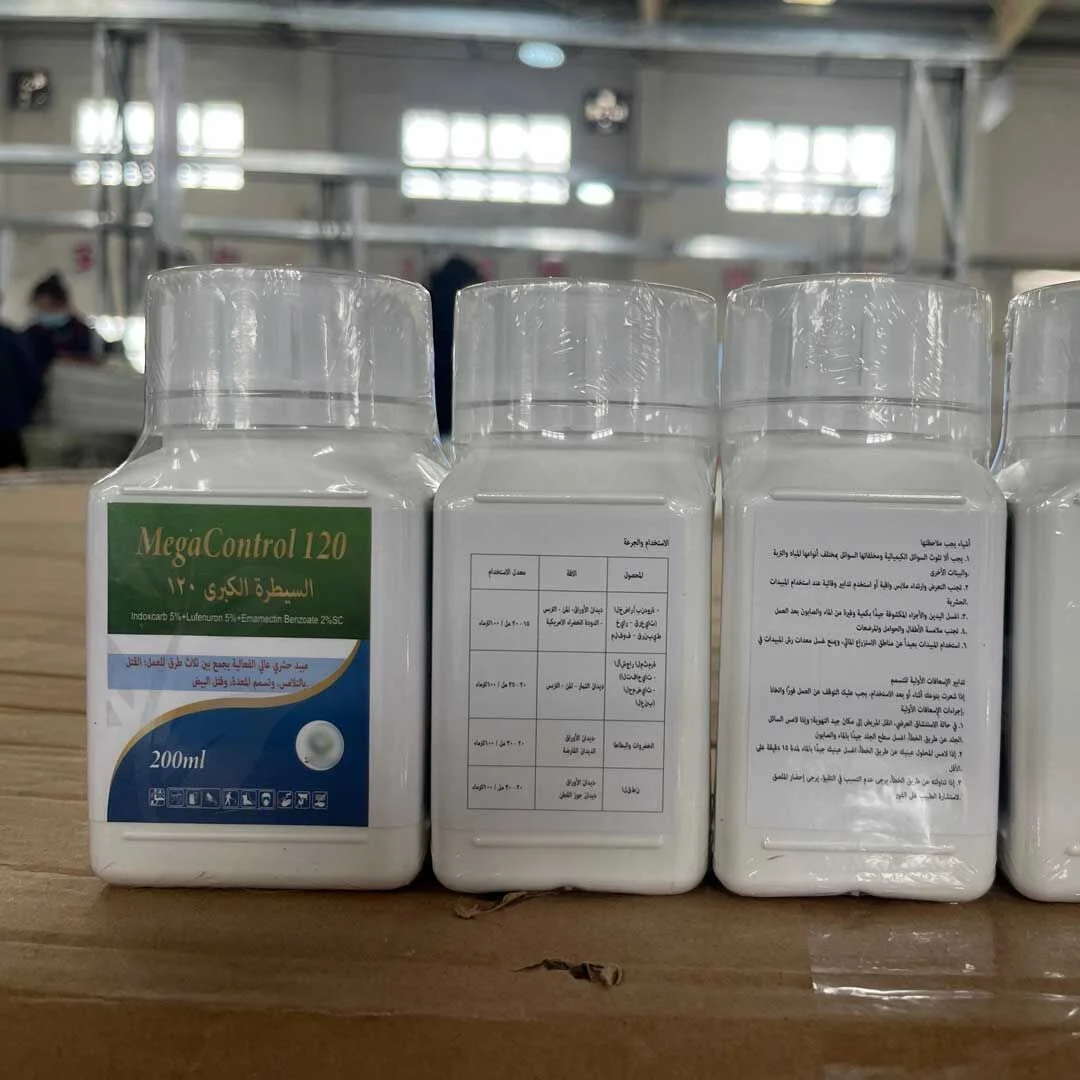
- Indoxacarb – activated inside the insect’s body, providing high colony impact.
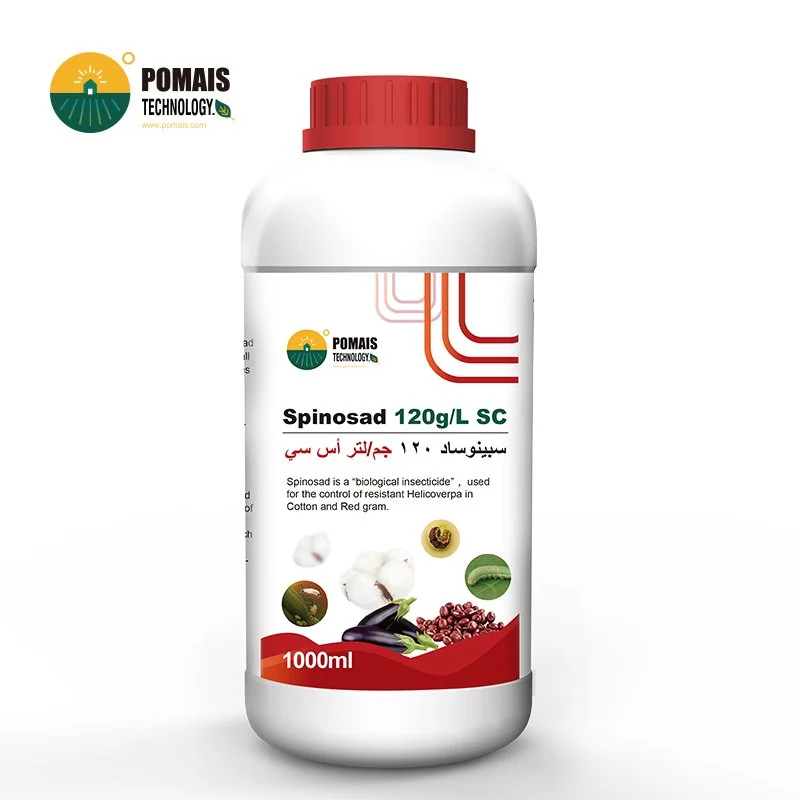
- Spinosad – a natural-origin insecticide that acts on the insect nervous system.
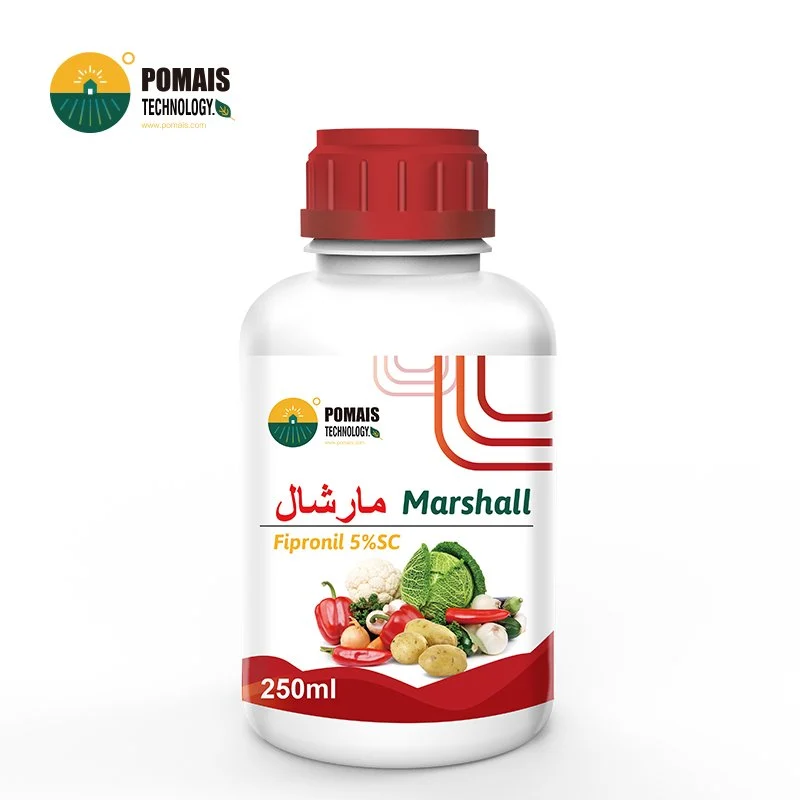
- Fipronil – a very low-dose, highly potent active used in some bait products.
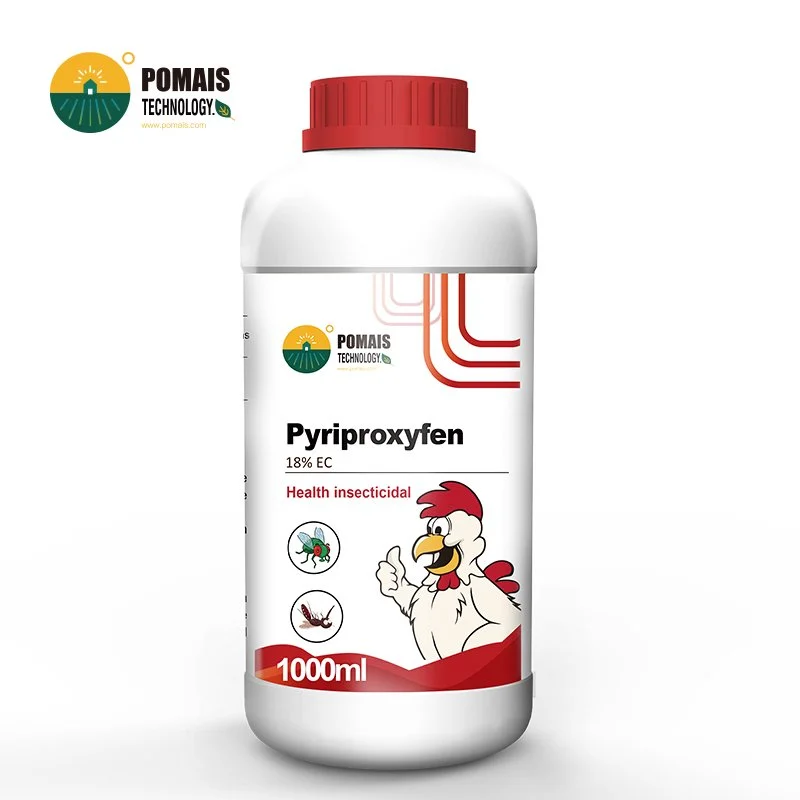
- IGRs (insect growth regulators) such as (S)-methoprene or pyriproxyfen, which disrupt brood development and gradually suppress the colony.
Key characteristics of baits:
- Slow and silent: they do not kill ants on contact; this delay is intentional so the active can move through the colony.
- Colony-focused: when used correctly, they can kill or suppress the queen and brood, not just the workers you see.
- Area-wide: broadcast applications cover both visible mounds and less visible colonies in the same zone.
Baits are the backbone of long-term red imported fire ant control.
Contact Insecticides – Designed for Fast Knockdown
Contact insecticides for fire ant mound treatment commonly use:
These pyrethroid-class actives:
- Act quickly on the nervous system of ants exposed in or around the treated mound.
- Provide rapid reduction in visible ant activity where immediate relief is needed.
- Are often formulated as liquid concentrates for mound drenches or as granules for soil treatment around and over mounds.
Contact insecticides are ideal for:
- Mounds near houses, schools, sidewalks, barns, corrals, workshops or pathways.
- Locations where immediate safety or operational issues exist.
However, they are not a substitute for bait-based colony control.
Step 3 – Broadcast Bait Treatment Across Infested Areas
Once you know where the ants are, you can plan broadcast bait applications.
Best practices:
- Choose the right timing
- Apply when soil is dry and rain is not forecast for several hours.
- Aim for periods when ants are actively foraging, typically cooler parts of the day (early morning or late afternoon).
- Use the label rate and equipment
- Use a spreader that can deliver the recommended low bait rate evenly.
- Avoid contamination of bait with oils or fertilizers that may reduce attractiveness.
- Cover the whole infested area
- Treat lawns, pasture blocks, field margins, rights-of-way and public turf in a consistent pattern.
- Do not focus only on visible mounds; the purpose is to reach foraging workers from all colonies in the area.
- Plan repeat applications
- Depending on climate and pressure, many programs schedule one to two broadcast bait applications per year, often in spring and again in late summer or early autumn.
- Follow local extension or regulatory guidance where available.
Correctly applied baits gradually collapse colonies, reduce the number of new mounds and make follow-up management much easier.
Step 4 – Individual Mound Treatment in High-Risk Locations
While baits do their colony-level work, some mounds require immediate attention.
Focus on:
- Mounds near entryways, patios, playgrounds and sports fields
- Mounds adjacent to barns, feed storage or animal handling facilities
- Mounds close to electrical boxes, pump houses or control panels
- Mounds along frequently used paths, gates or driveways
Treatment options:
- Liquid mound drench
- Mix a labeled contact insecticide in water at the rate specified on the label.
- Apply enough solution to thoroughly soak the mound and the surrounding area so it reaches deeper galleries.
- Granular mound treatment
- Apply granules around and over the mound at the labeled rate.
- Some products require light watering after application to activate the active ingredient.
Points to remember:
- Do not simply kick, rake or shovel the mound without treatment; this often causes colonies to fragment and reappear nearby.
- Mound treatments are surgical tools for hotspots, not a stand-alone control strategy for the entire property.
Step 5 – Safety, Regulations and Environmental Care
Red imported fire ant control uses potent insecticides, so compliance and safety are non-negotiable.
- Read and follow the label
- The label defines legal uses: sites (e.g., turf, pasture, crops), rates, methods and precautions.
- Off-label use is unsafe and often illegal.
- Protect people, pets and livestock
- Respect re-entry intervals for treated areas.
- Keep children and animals away until sprays are dry or the label indicates it is safe.
- Consider water and sensitive habitats
- Some products specify buffer zones near streams, ponds, wells or drainage channels.
- Avoid direct application into water unless the product is specifically labeled for that use.
- Coordinate with regulations and local guidance
- Many regions have specific rules for invasive species management, including fire ants.
- Where possible, align your program with local agricultural extension recommendations.
A professional program is not only about “killing ants”; it is about reducing risk while protecting non-target organisms and complying with the law.
Key Active Ingredients Used in Red Imported Fire Ant Control
The table below summarizes widely used active ingredients in Red imported fire ants programs. Actual availability depends on local registration.
| Functional Role | Active Ingredient | Typical Use Pattern |
|---|---|---|
| Bait – colony toxicant | Hydramethylnon | Broadcast bait for lawns, pastures, public areas |
| Bait – colony toxicant | Indoxacarb | Broadcast or spot baiting for mounds and heavily infested turf |
| Bait – natural-origin toxicant | Spinosad | Bait for residential, institutional and some agricultural sites |
| Bait – low-dose neurotoxicant | Fipronil | Very low-rate baits in some markets (check local registration) |
| Bait – insect growth regulator | (S)-Methoprene | Long-term suppression via brood and queen disruption |
| Bait – insect growth regulator | Pyriproxyfen | Gradual population decline over repeated applications |
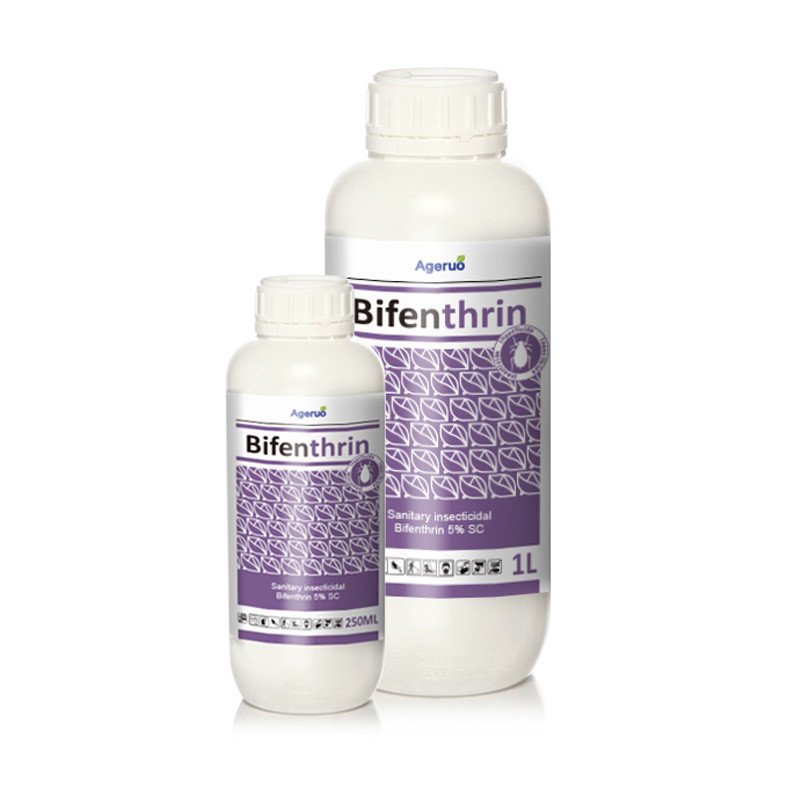
| Mound/contact – pyrethroid | Bifenthrin | Mound drench, granules, perimeter sprays around structures |
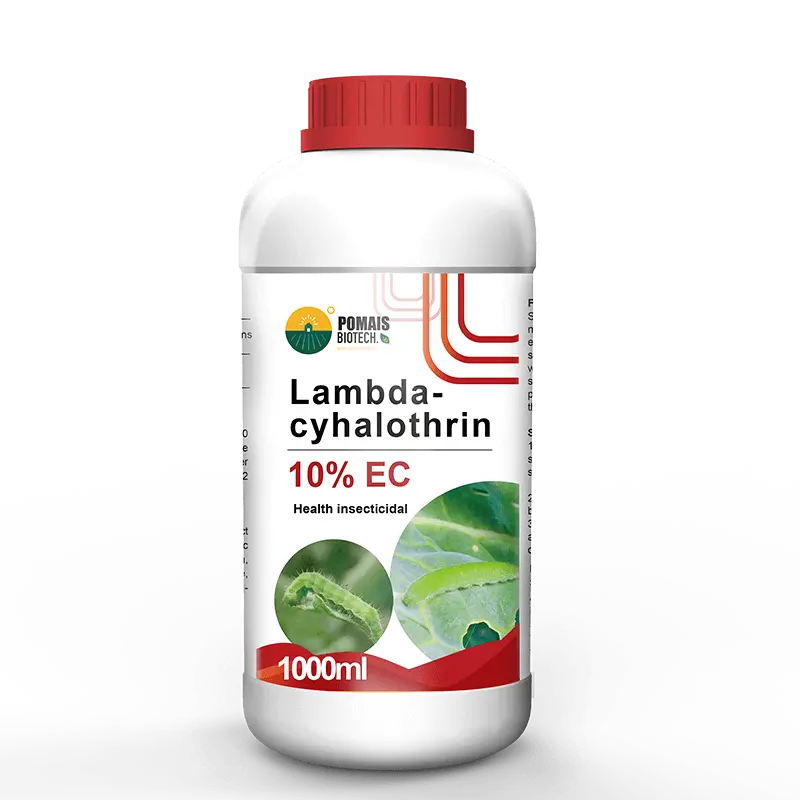
| Mound/contact – pyrethroid | Lambda-cyhalothrin | Fast knockdown for mounds and turf treatments |
| Mound/contact – pyrethroid | Cypermethrin | Mound treatment and barrier sprays |
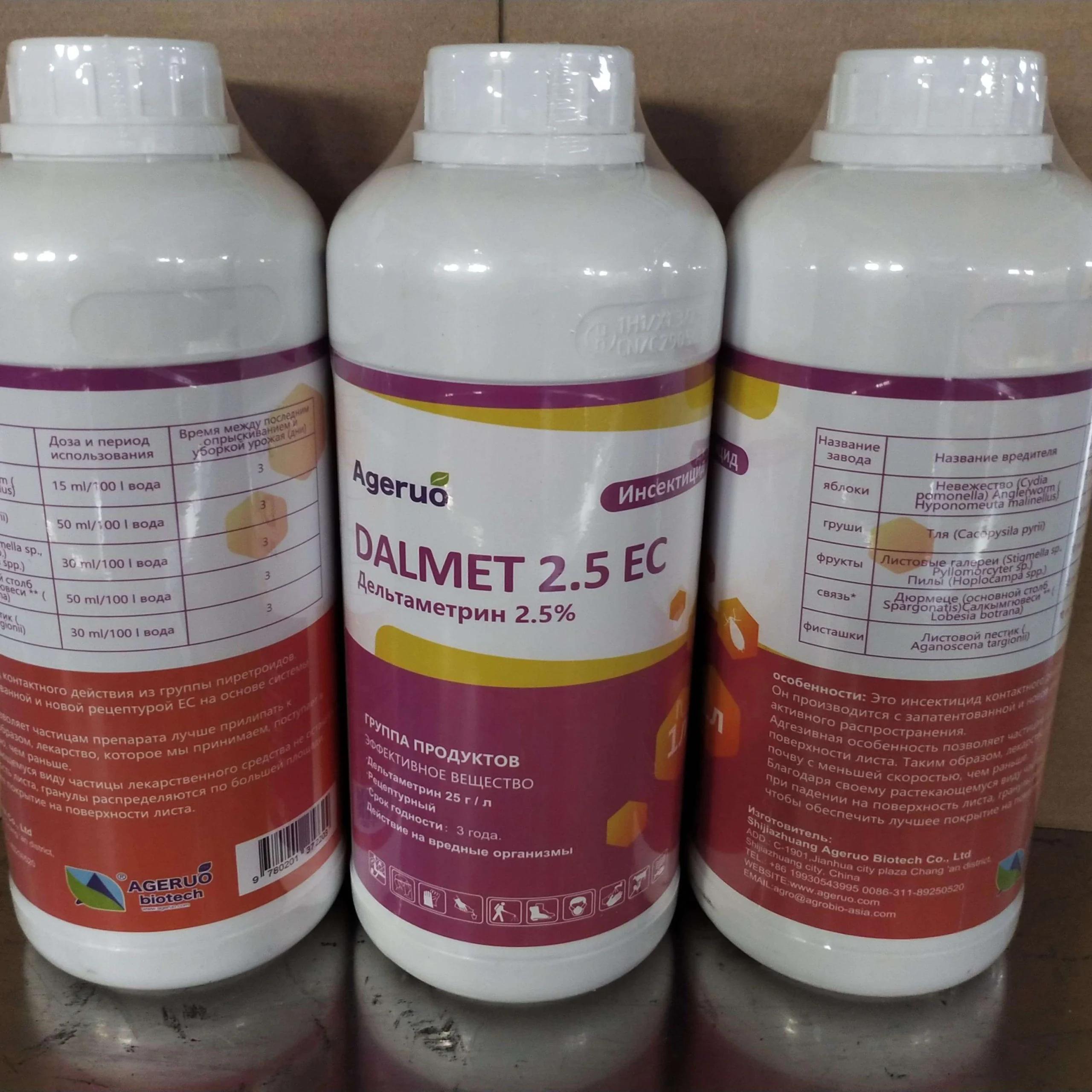
| Mound/contact – pyrethroid | Deltamethrin | Granules and sprays for mounds and perimeter applications |
You should always select products that are registered for fire ant control in your country and suitable for the specific use site (e.g., residential, pasture, orchard, public park, industrial area).
Integrated Programs for Farms, Municipalities and Industrial Sites
For large or complex properties, ad-hoc control is costly and ineffective. You need a more structured framework.
Program Elements
A robust red imported fire ant management program typically includes:
- Annual planning
- Define target areas: residential turf, sports facilities, parks, rights-of-way, farms, industrial sites.
- Allocate budget for baits, mound treatments and labor.
- Scheduled bait applications
- Set fixed windows (for example, spring and late summer) for area-wide bait treatments.
- Adjust timing based on local climate and ant activity.
- Routine inspections and reporting
- Train staff to identify Red imported fire ants mounds and record GPS locations or map references.
- Establish a simple reporting structure so new hot spots are acted on quickly.
- Standard operating procedures (SOPs)
- Document how baiting and mound treatments are performed.
- Include safety, equipment calibration, mixing instructions and disposal procedures.
- Performance review
- Compare number of mounds, complaint calls and treatment frequency year over year.
- Use this feedback to fine-tune product choice, treatment timing and scouting effort.
Who Benefits from a Program Approach?
- Large farms and ranches managing pasture, hay fields and field edges
- Municipal authorities responsible for parks, school grounds and public facilities
- Industrial and commercial sites with extensive grounds and utility infrastructure
- Property management companies handling residential communities or resort areas
By managing red imported fire ants through a structured program, these stakeholders reduce surprise outbreaks, lower long-term costs and improve safety for workers, residents and visitors.
When to Call Professionals and How to Prevent Reinfestation
Even with the right products, some situations are better handled by trained specialists.
When to Involve Professionals
- The infestation covers large acreage or multiple properties.
- Fire ants are established around critical infrastructure such as substations, pump stations or communications equipment.
- There are frequent complaints or incidents involving stings at public facilities.
- Local regulations require licensed applicators or specific reporting.
Professional pest management or agricultural service providers can:
- Select appropriate baits and contact products based on local registration.
- Design a site-specific treatment scheme for your climate, soil and land use.
- Provide documentation on what was applied, where, and when.
Preventing Reinfestation
Even a successful campaign does not make a site “fire-ant proof” forever. To reduce reinvasion:
- Maintain regular inspections, especially along property boundaries, roads and railways.
- Avoid moving soil, sod, nursery stock or hay from heavily infested areas without inspection.
- Educate staff and contractors to recognize and report new mounds early.
- Integrate fire ant control into broader turf, pasture and vegetation management plans.
Red imported fire ants are highly mobile. Prevention and early detection are as important as treatment itself.
Summary – Turning Fire Ant Control into a Manageable Program
To genuinely get rid of red imported fire ants, you need a shift in mindset:
- From one-time spraying to seasonal planning
- From chasing visible mounds to broadcast baiting for colony control
- From reacting to complaints to routine monitoring and targeted interventions
A sustainable program includes:
- Thorough inspection and mapping of infestation levels
- Regular broadcast applications of fire ant baits based on actives like hydramethylnon, indoxacarb, spinosad or IGRs
- Fast mound treatments with pyrethroid contact insecticides such as bifenthrin or lambda-cyhalothrin at high-risk sites
- Strict adherence to label instructions, safety rules and local regulations
- Ongoing monitoring to detect and manage new colonies before they become severe
When these elements are in place, red imported fire ants become a controlled risk, not a constant crisis.
FAQ – Common Questions About Red Imported Fire Ant Control
1. What is the best time of year to treat red imported fire ants?
The best time depends on your climate, but in most regions you will achieve the strongest results by applying bait in warm seasons when ants are actively foraging, before extreme heat or cold slows them down. Many programs schedule bait treatments in spring and late summer or early autumn, then use mound treatments whenever high-risk mounds appear.
2. How long does it take for fire ant baits to work?
Fire ant baits are not designed for instant kill. Depending on the active ingredient and colony size, visible results may appear in several days to a few weeks. During this time, workers distribute the bait throughout the colony and expose the queen and brood. If you need immediate relief for a dangerous mound, combine baiting with contact mound treatment.
3. Are fire ant baits safe around pets and livestock?
Many baits are formulated at low active ingredient concentrations and used at low rates, but they are still pesticides. You must:
- Read and follow label directions regarding sites, species and grazing restrictions.
- Keep original containers and unused bait out of reach of animals and children.
- Consult a veterinarian or extension advisor if there is accidental ingestion or if you have specific concerns about sensitive animals.
4. Can I eliminate red imported fire ants with a single treatment?
In most cases, no. A single treatment may temporarily reduce the number of mounds, but reinfestation from neighboring areas, surviving colonies or new queen flights is common. That is why experts recommend repeated bait applications and continuous monitoring as part of a multi-year program, especially in regions where Red imported fire ants is well established.
5. What is the difference between killing visible ants and eliminating the colony?
Surface sprays or poorly applied mound treatments may kill only the ants you see near the top of the mound. The colony, however, extends deeper into the soil and includes a queen (or queens) and brood. If the queen survives, the colony usually recovers. Baits and thorough mound drenches are designed to reach the queen and brood, providing a much more durable reduction in population.
By understanding the biology of red imported fire ants, choosing appropriate bait and contact active ingredients, and implementing a structured, seasonal control program, you can significantly reduce fire ant pressure on lawns, farms and public spaces and keep it at a manageable level over the long term.
Hot Products
Hot news
Recommended news
FAQ
