
Glufosinate Ammonium vs. Glyphosate
In agricultural weed management, two commonly used herbicides are Glufosinate Ammonium and Glyphosate. Both systemic herbicides effectively control a wide range of weeds, but they differ significantly in their mode of action, application methods, environmental impact, and safety considerations.
In this article, we will compare Glufosinate Ammonium and Glyphosate, focusing on their chemical properties, effectiveness, advantages, and potential concerns. This comparison will help you understand when and why each herbicide might be the best option for your specific needs.
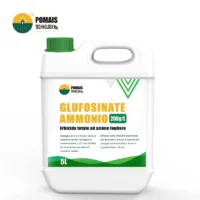
What is Glufosinate Ammonium?
Glufosinate Ammonium is a non-selective systemic herbicide used to control weeds and grasses. It is best known for its use in genetically modified crops tolerant to glufosinate, such as certain varieties of corn and soybeans. Glufosinate Ammonium works by inhibiting an enzyme called glutamine synthetase, which is essential for plants to detoxify ammonia. Without this enzyme, toxic levels of ammonia build up in the plant, killing it.
- Chemical Class: Phosphinothricin
- Mode of Action: Glufosinate Ammonium inhibits glutamine synthetase, leading to the accumulation of toxic ammonia in plants.
- Target Weeds: It is effective against broadleaf weeds, grasses, and some perennial weeds.
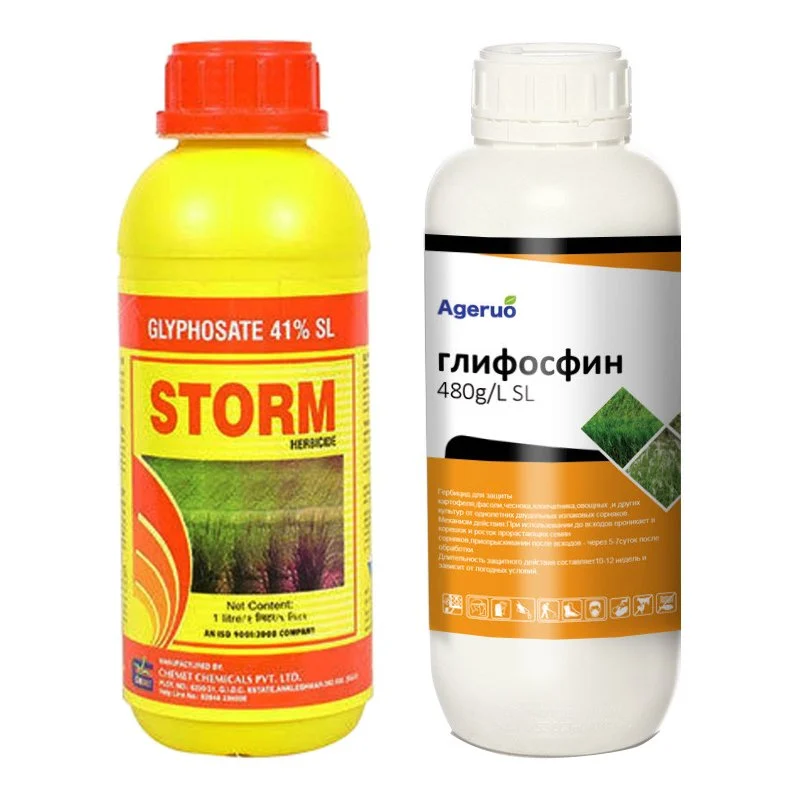
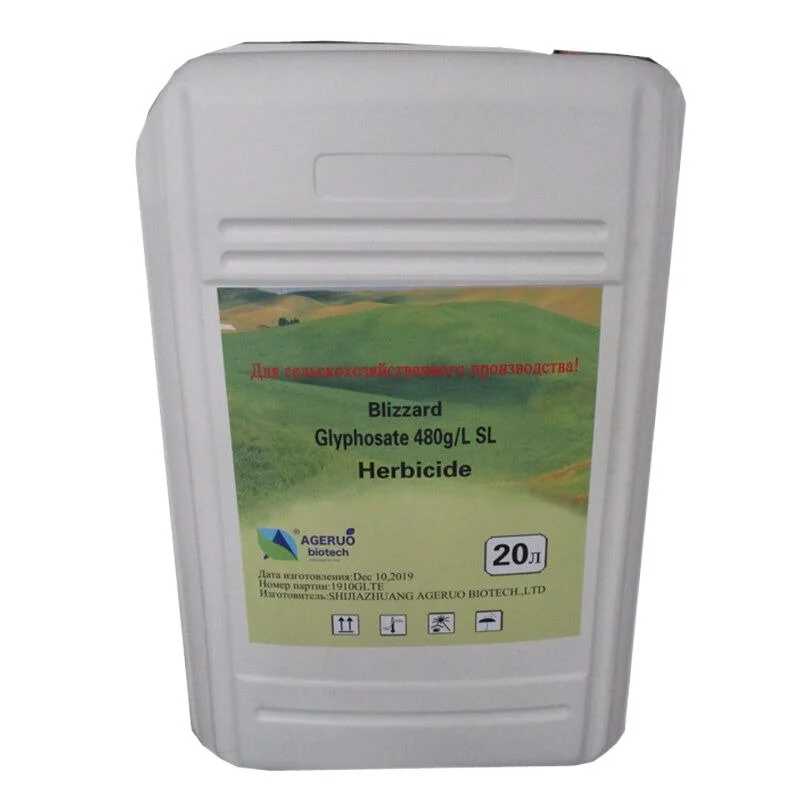
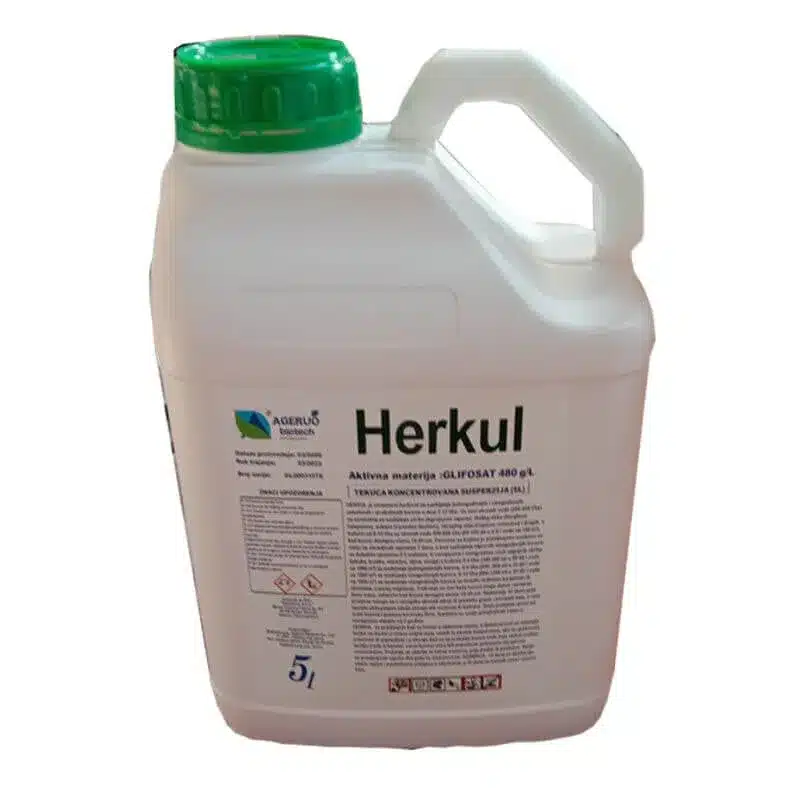
What is Glyphosate?
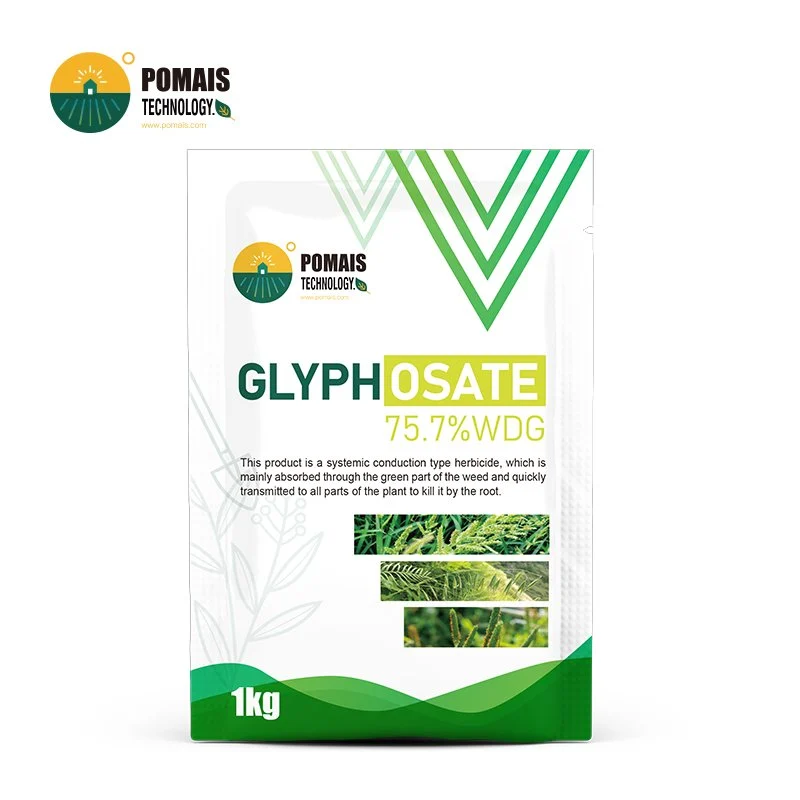
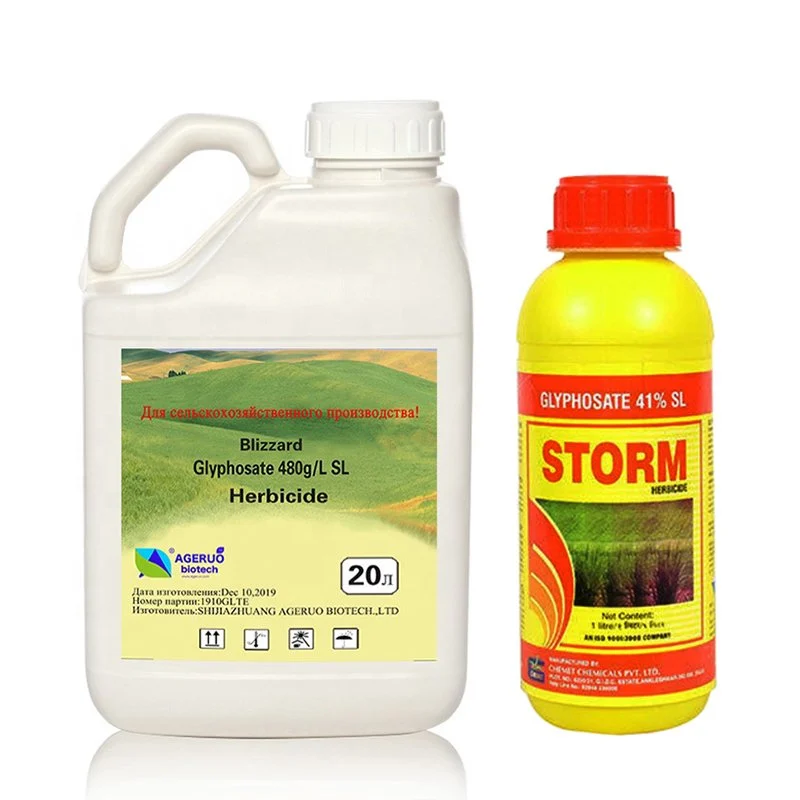
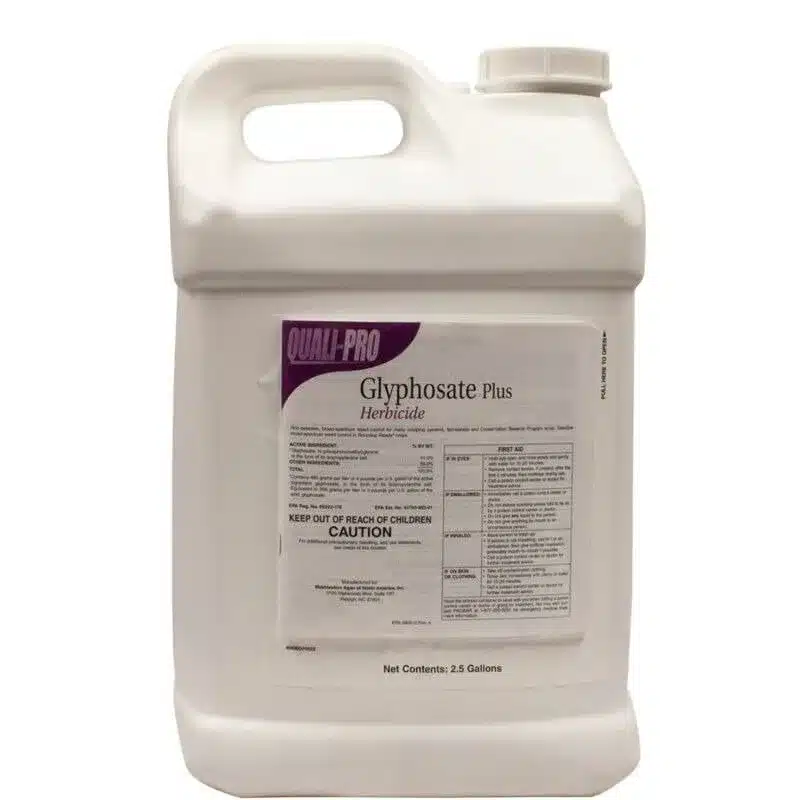
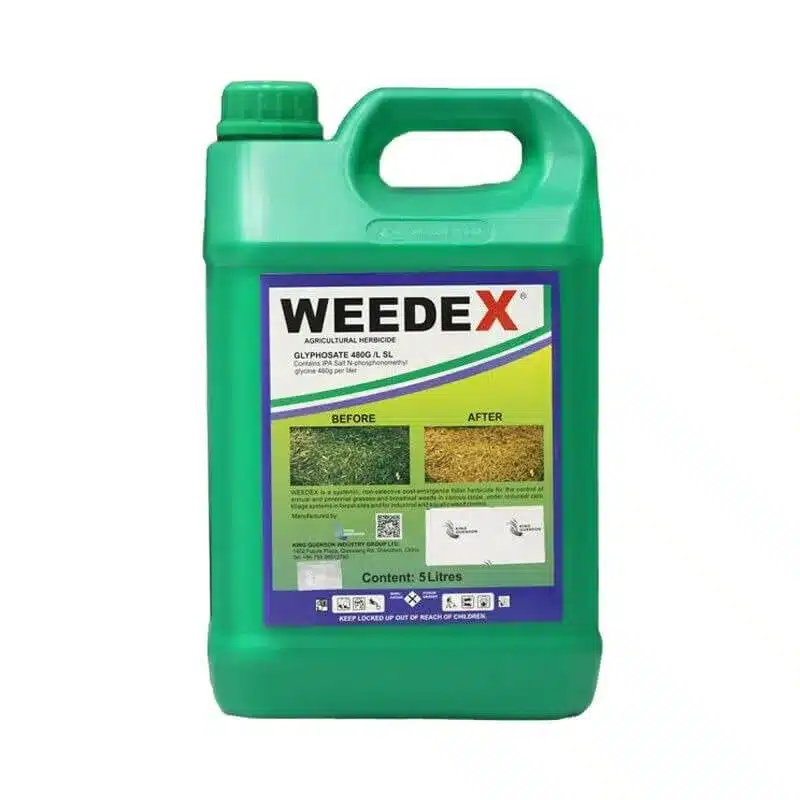
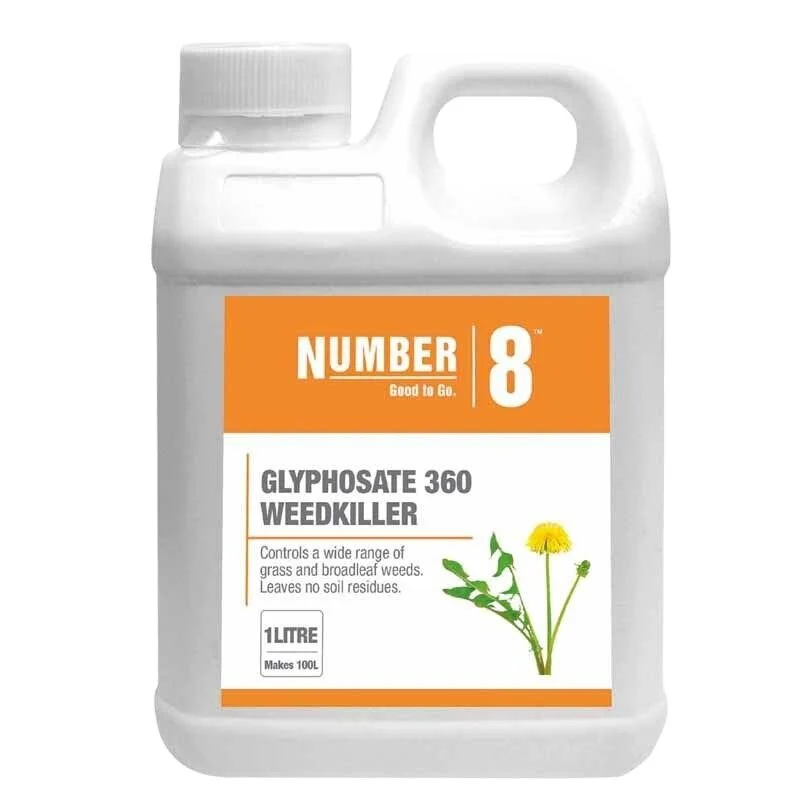
Glyphosate is perhaps the most widely recognized and commonly used herbicide worldwide. It is also a non-selective, systemic herbicide that works by inhibiting the EPSP synthase enzyme in plants, which is crucial for producing essential amino acids. By blocking the production of these amino acids, Glyphosate essentially halts plant growth, causing the plant to die.
- Chemical Class: Glycine
- Mode of Action: Glyphosate inhibits EPSP synthase, blocking the production of amino acids required for plant growth.
- Target Weeds: It is effective against a broad spectrum of weeds, including annuals, perennials, and woody plants.

Key Differences Between Glufosinate Ammonium and Glyphosate
| Feature | Glufosinate Ammonium | Glyphosate |
|---|---|---|
| Chemical Class | Phosphinothricin | Glycine |
| Mode of Action | Inhibits glutamine synthetase, leading to ammonia buildup | Inhibits EPSP synthase, blocking amino acid production |
| Selectivity | Non-selective (affects most plants) | Non-selective (affects most plants) |
| Speed of Action | Fast-acting, visible symptoms within hours | Slower-acting, often takes several days to see visible effects |
| Effectiveness | Effective against broadleaf weeds, grasses, and some perennials | Broad-spectrum effectiveness against a wide range of weeds |
| Use in Agriculture | Used in genetically modified crops (e.g., glufosinate-tolerant corn) | Used in conventional and genetically modified crops (e.g., glyphosate-tolerant soybeans) |
| Environmental Impact | Potentially toxic to aquatic life, less residual in soil | Persistence in soil and water, concerns about environmental contamination |
| Safety | Generally less toxic to humans and animals, but care must be taken during application | Low toxicity to humans and animals, but concerns about long-term environmental effects |
| Common Applications | Pre-emergence and post-emergence weed control, particularly in genetically modified crops | Broad-spectrum weed control, especially in agriculture and landscaping |
Detailed Comparison: Glufosinate Ammonium vs. Glyphosate
Mode of Action
- Glufosinate Ammonium targets glutamine synthetase, an enzyme involved in ammonia detoxification in plants. By inhibiting this enzyme, toxic levels of ammonia accumulate inside the plant, disrupting cellular processes and leading to plant death. Glufosinate is particularly effective in tolerant crops, where it can selectively control weeds without harming the crop.
- Glyphosate, on the other hand, inhibits the EPSP synthase enzyme, which is involved in producing amino acids needed for plant growth. This disrupts the plant’s metabolic pathways, halting growth and eventually causing death. Because Glyphosate is non-selective, it can kill almost any plant it contacts, making it suitable for broad-spectrum weed control.
Effectiveness and Speed of Action
- Glufosinate Ammonium is known for its fast-acting nature. The symptoms of plant damage, such as yellowing and wilting, typically appear within hours of application. This makes it ideal for situations requiring rapid weed control.
- Glyphosate is slower to show visible results. It may take several days for the plant to show signs of damage, and full plant death can take a week or more. However, Glyphosate is highly effective for controlling large and established weeds, especially perennial weeds and woody plants.
Environmental Impact
- Glufosinate Ammonium has less residual activity in soil than Glyphosate, meaning it breaks down more quickly and has less potential for long-term contamination. However, it is still toxic to aquatic life, so take precautions to avoid water contamination.
- Glyphosate, while effective, has raised significant environmental concerns. It can persist in the soil and has been detected in groundwater and surface waters, potentially impacting ecosystems and aquatic life. Additionally, Glyphosate is associated with herbicide-resistant weeds, particularly when used in monoculture crops.
Safety Considerations
- Glufosinate Ammonium is generally considered less toxic to humans and animals than Glyphosate. However, exposure can cause skin irritation, eye damage, or respiratory issues, so wear protective clothing, gloves, and masks when applying the herbicide.
- Glyphosate is considered low-toxicity to humans and animals. Still, long-term exposure concerns have been raised, particularly regarding its potential carcinogenic effects, as some studies have linked it to cancer. Regulatory bodies like the EPA and WHO have reviewed its safety, but concerns persist among environmentalists and health professionals.
When to Choose Glufosinate Ammonium vs. Glyphosate?
Glufosinate Ammonium
- Best for use in genetically modified crops that are tolerant to the herbicide, such as glufosinate-tolerant corn and soybeans.
- Ideal for rapid weed knockdown, particularly for pre-emergence and post-emergence control.
- Suitable for non-crop areas and weed management when quick results are needed.
Glyphosate
- A go-to herbicide for broad-spectrum weed control, especially for perennial weeds or woody plants.
- Ideal for large-scale weed management in agriculture, forestry, and landscaping.
- Best suited for use in no-till farming or areas with glyphosate-resistant crops.
Conclusion
Both Glufosinate Ammonium and Glyphosate are highly effective systemic herbicides that serve different purposes in the world of weed control. Glufosinate Ammonium works faster and is ideal for use in genetically modified crops, whereas Glyphosate provides broad-spectrum control and is more effective in managing perennial weeds and woody plants.
When choosing between the two, consider the specific weed problem you’re facing, the crops involved, and each herbicide’s environmental impact. Always follow product labels and application guidelines to ensure safe and effective use.
Frequently Asked Questions (FAQs)
- What is the primary difference between Glufosinate Ammonium and Glyphosate?
- Glufosinate Ammonium inhibits glutamine synthetase, while Glyphosate inhibits EPSP synthase, so their modes of action differ. Additionally, Glufosinate is faster-acting than Glyphosate.
- Can Glufosinate Ammonium and Glyphosate be used together?
- In some cases, you can use both herbicides together in tank mixes for broader-spectrum weed control, but follow specific product recommendations.
- Is Glufosinate Ammonium safer than Glyphosate?
- Glufosinate Ammonium is generally considered safer than Glyphosate, but both herbicides have their own safety concerns. Always use proper protective equipment when applying them.
- Which herbicide is better for controlling perennial weeds?
- Glyphosate is typically more effective against perennial weeds and woody plants compared to Glufosinate Ammonium, which is more effective on annual weeds.
- Which herbicide has a longer residual effect?
- Glyphosate tends to have a longer residual effect in soil, while Glufosinate Ammonium breaks down more quickly and is less persistent.
Hot Products
Hot news
Recommended news