Plant Growth Regulator Manufacturer and Export Supplier
POMAIS supplies plant growth regulator formulations for agrochemical importers, distributors, registration companies, agricultural brands, and private-label projects in international markets.
Our portfolio covers products for rooting and propagation, vegetative growth control, flowering and fruit development, ripening and harvest management, and selected dormancy or post-harvest programs.
We support commercial projects with formulation selection, private-label packaging, multilingual labels, technical documentation, quality control, and export preparation according to the confirmed product specification and destination market.
Search Our Plant Growth Regulator Portfolio
Search by active ingredient, concentration, formulation, or product name to find plant growth regulator products in the POMAIS portfolio. If the exact specification you need is not listed, send us the target active ingredient, formulation, required quantity, and destination market for an availability review.
Browse Plant Growth Regulators by Growth Direction
Plant growth regulators should be selected according to the crop, growth stage, physiological objective, active ingredient, and approved local use.
Plant Growth Regulator Products
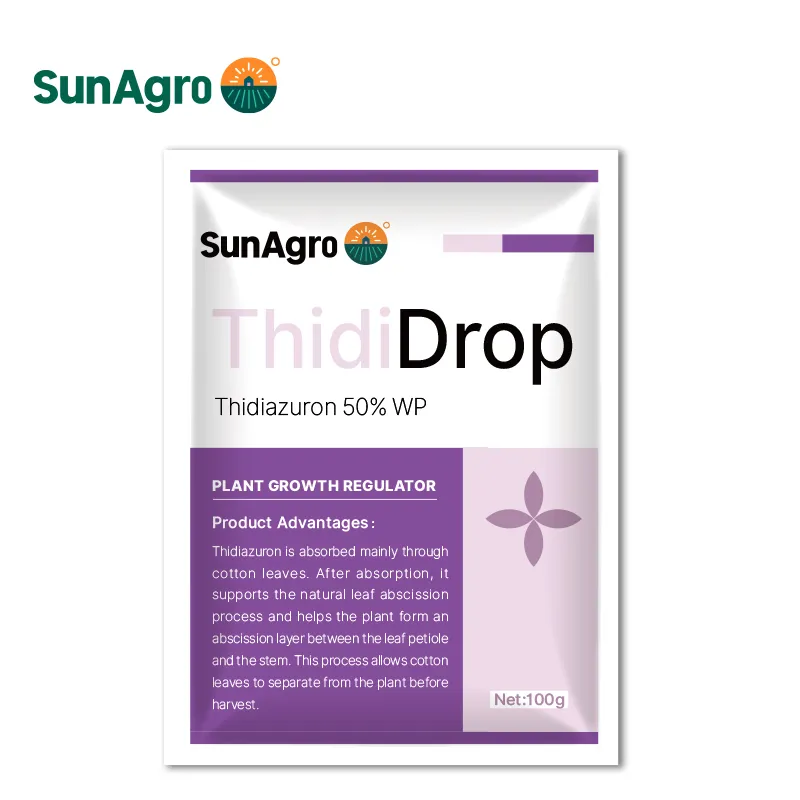
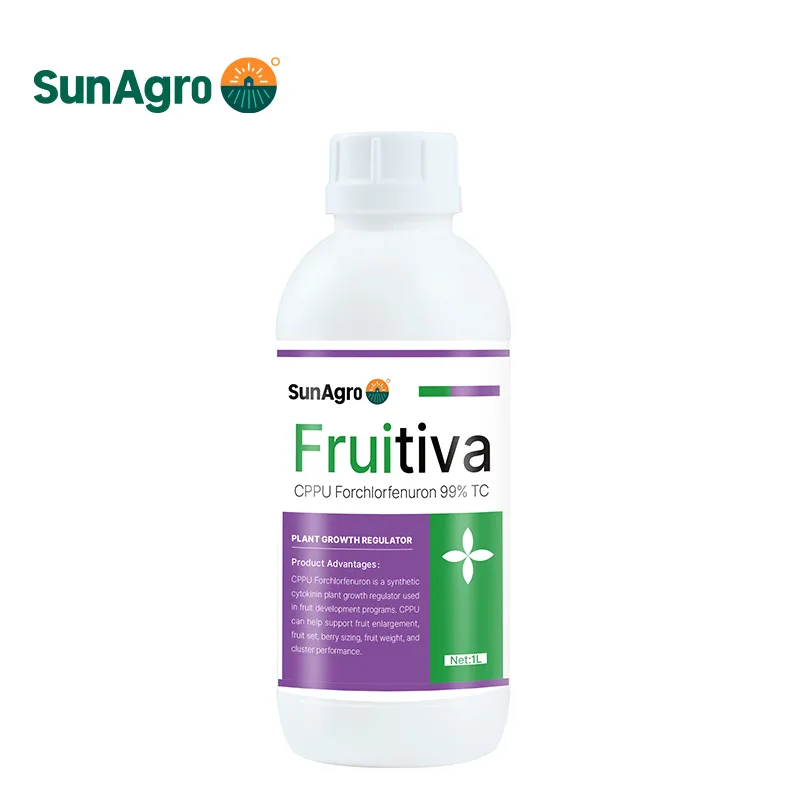
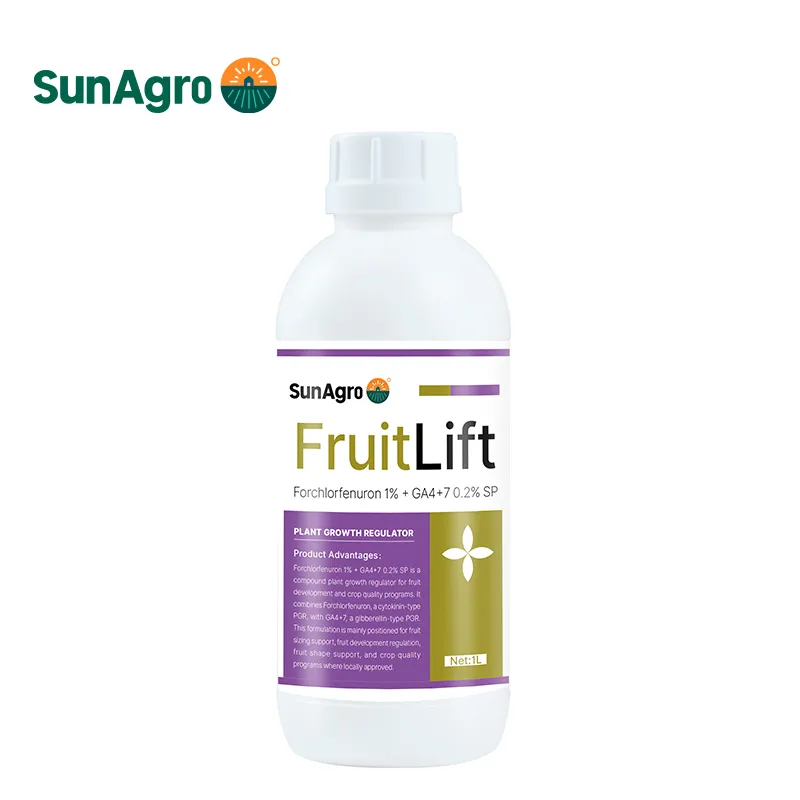
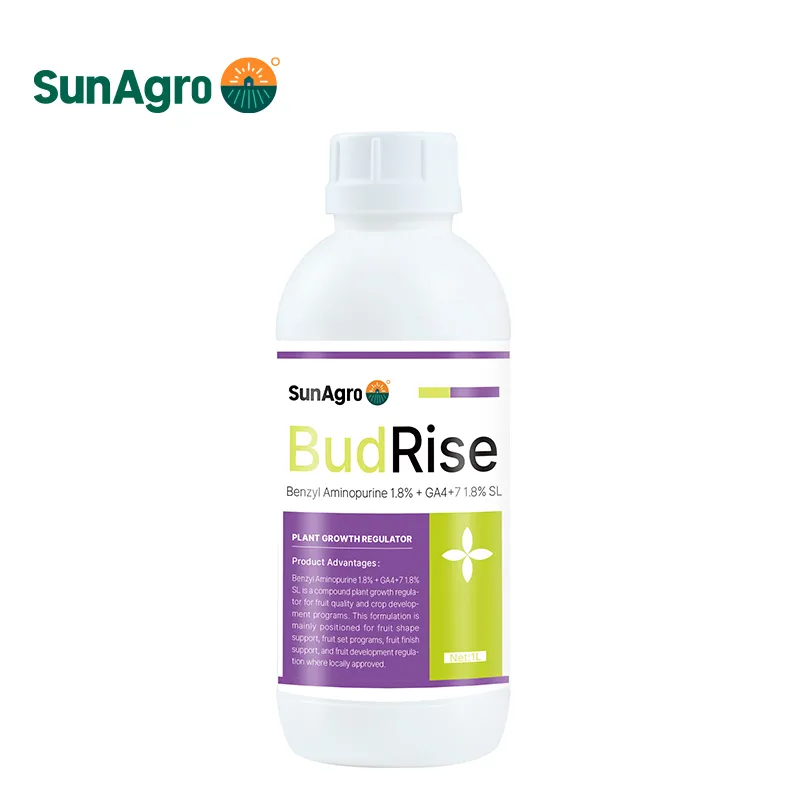
Browse available plant growth regulators by active ingredient, concentration, formulation, and commercial specification. Product availability, crop scope, growth-stage use, application method, packaging options, and technical documentation vary according to the selected product and destination market.
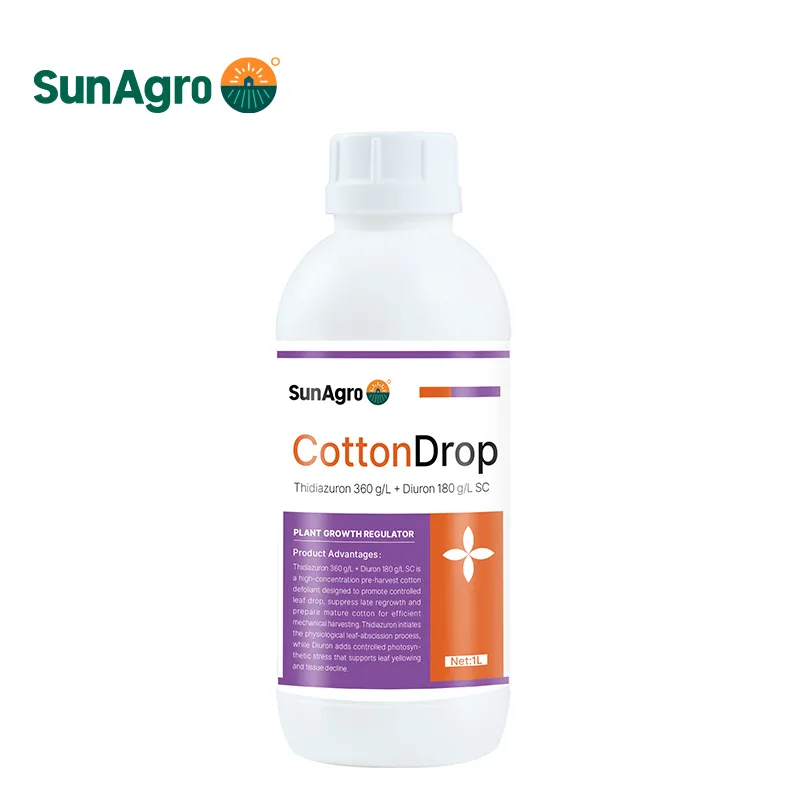
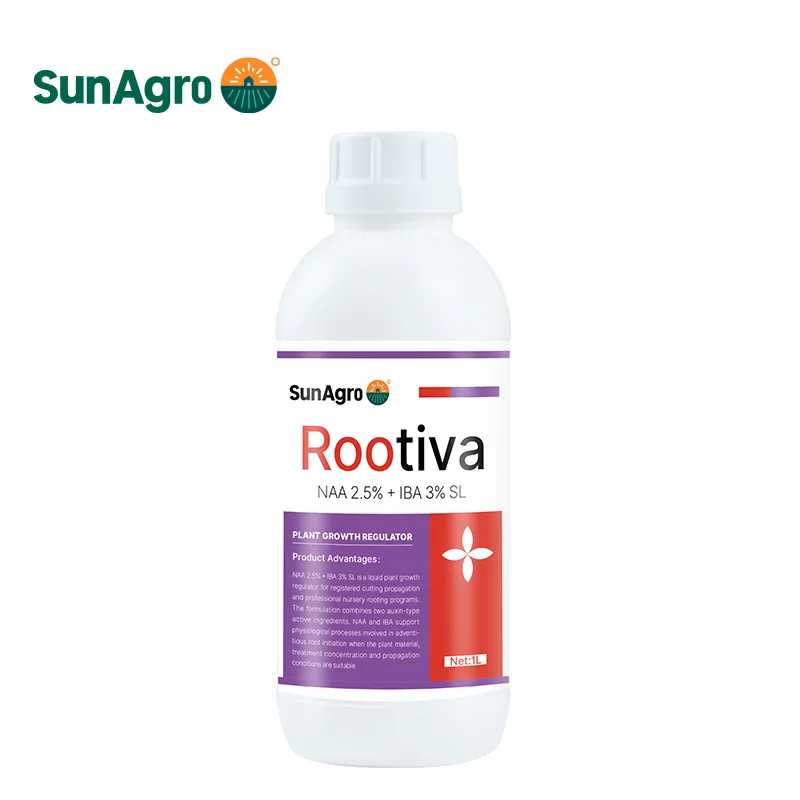
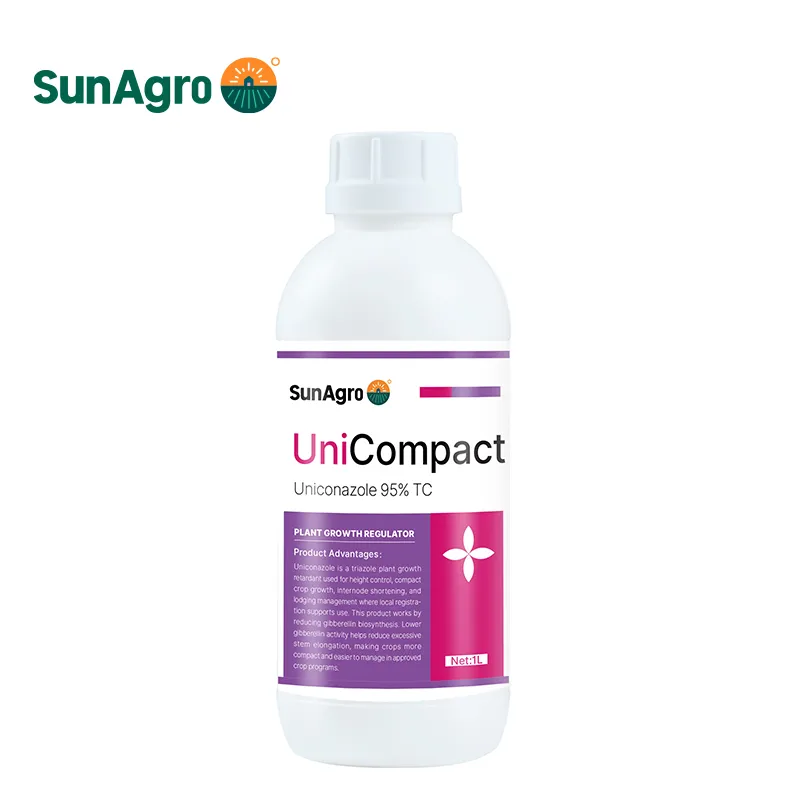
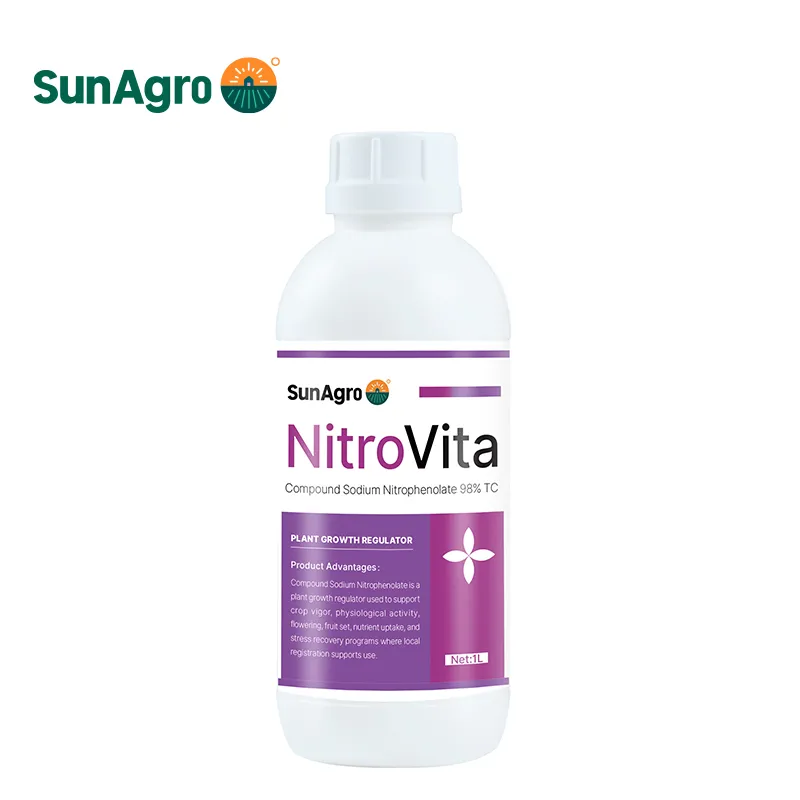
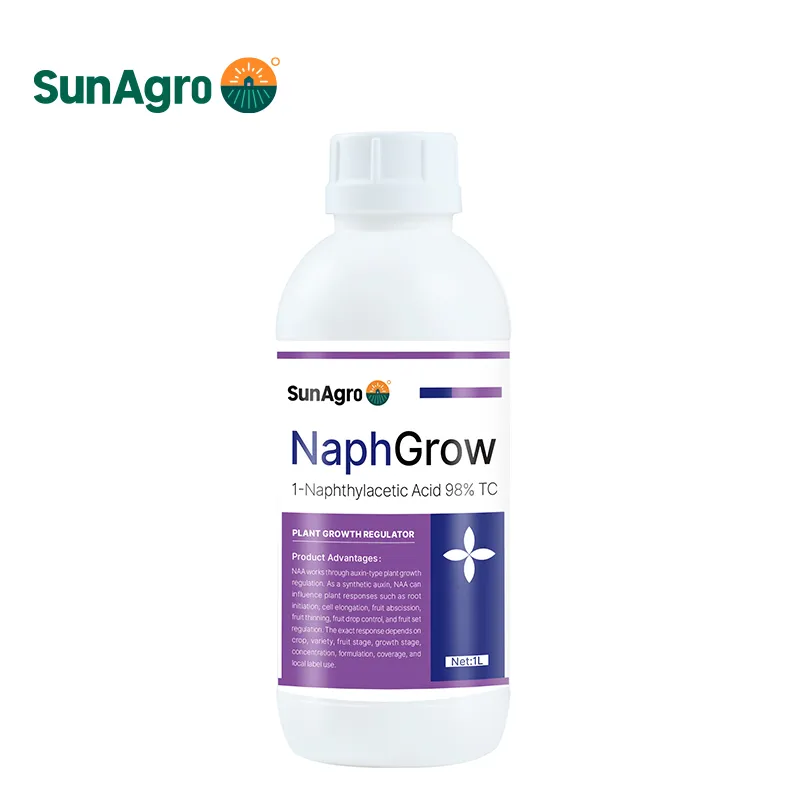
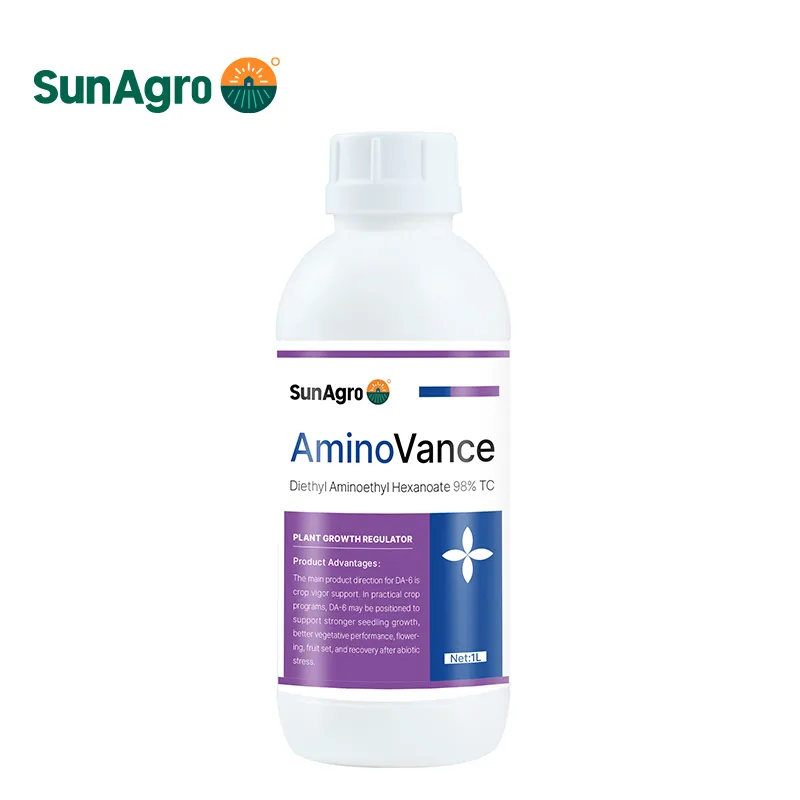
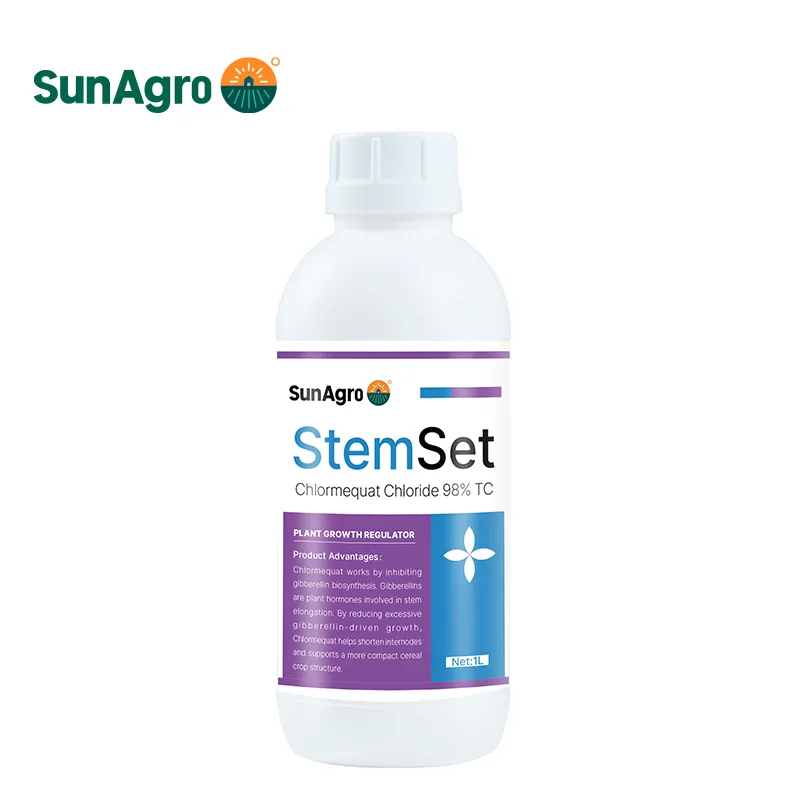
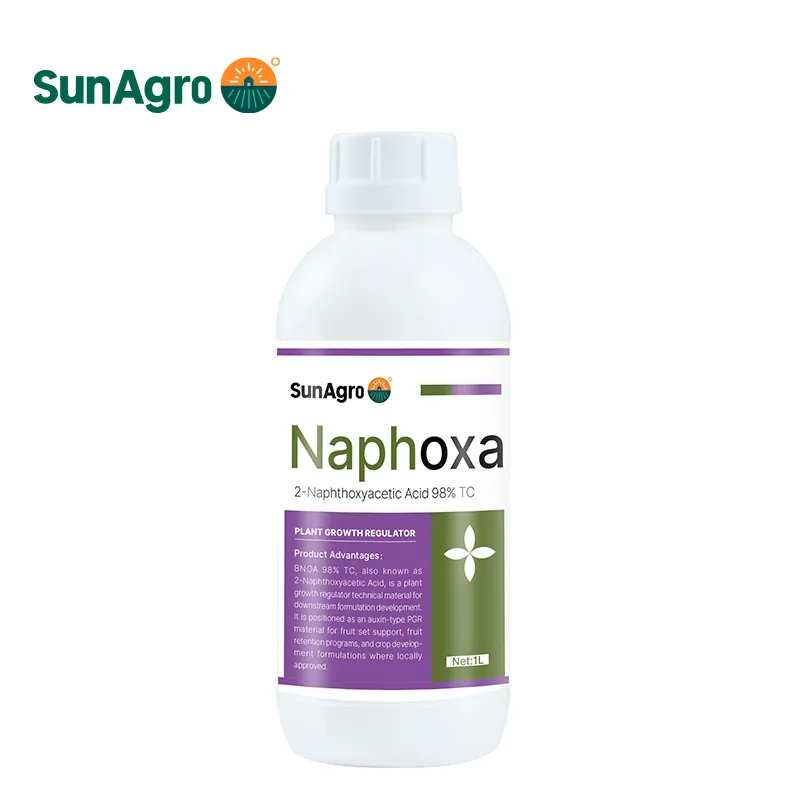
Plant Growth Regulator Formulations
Plant growth regulators are available in different formulation types according to active ingredient properties, stability requirements, application method, packaging, and market preference.
| Formulation | Commercial Direction |
|---|---|
| SL | Soluble liquid formulations |
| SP | Soluble powder products |
| WP | Wettable powder formulations |
| SC | Suspension concentrate products |
| EC | Emulsifiable concentrate formulations |
| WDG / WG | Water-dispersible granular products |
| GR | Granular formulations for selected applications |
The appropriate formulation should be selected according to active ingredient properties, formulation stability, crop-use direction, application system, packaging requirements, and local registration.
How to Select a Plant Growth Regulator
Selecting a plant growth regulator starts with the crop-management objective rather than the product name alone.
Plant Growth Regulator Applications by Crop Stage
PGR selection should be based on the crop stage and intended physiological response rather than on a universal product recommendation.
| Crop Stage | Typical Regulation Direction |
|---|---|
| Propagation | Rooting, cutting establishment, transplant-stage programs |
| Vegetative Growth | Shoot elongation, plant height, canopy or lodging-management programs |
| Flowering | Flowering or fruit-set management where registered |
| Fruit Development | Fruit development, sizing, or physiological regulation programs |
| Ripening | Coloring, maturation, or ripening-management directions |
| Harvest / Post-Harvest | Defoliation, sprout control, dormancy, or post-harvest regulation |
Final crop scope, application timing, concentration, and treatment rate must follow the approved local label.
Plant Growth Regulators and Plant Nutrition Are Different
Plant growth regulators are used to influence specific physiological processes in plants. They should not be presented as substitutes for fertilizers, micronutrients, soil amendments, or general plant nutrition.
Nutrient products supply essential elements required for plant growth, while PGR products are selected for specific growth-regulation objectives according to the active ingredient, crop, growth stage, application method, and approved local use.
Plant Growth Regulator Production and Quality Support
POMAIS supports commercial PGR projects from confirmed specification through formulation production, packaging, quality inspection, and export preparation.

Formulation Production
Production is organized according to the confirmed active ingredient, concentration, formulation, and commercial specification.

Quality Inspection
Applicable formulation and product parameters are checked according to the agreed product specification and batch requirements.
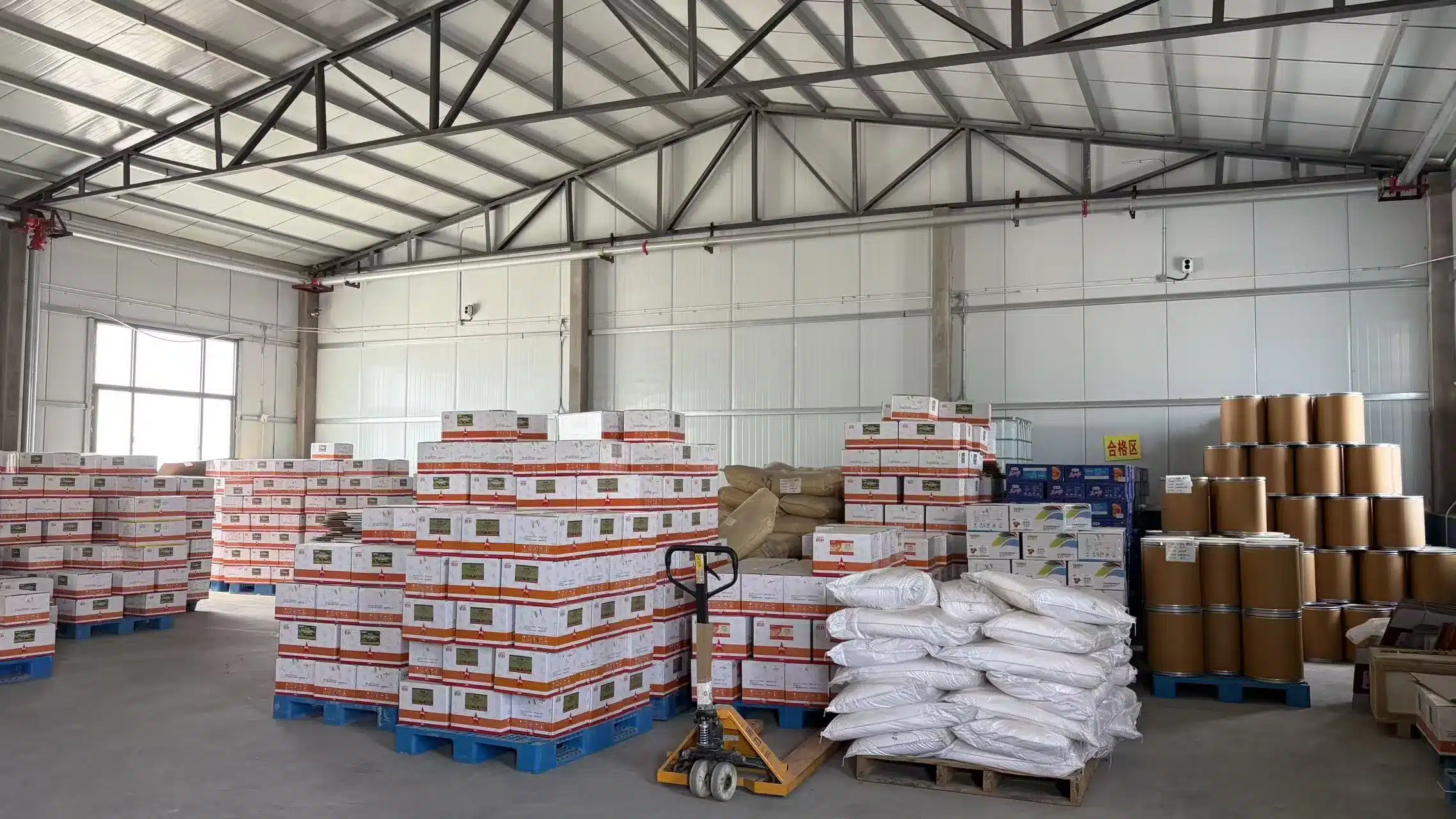
Packaging and Export Check
Pack size, container, label, batch information, carton configuration, and shipping requirements are reviewed before export.