
2,4-D vs Metsulfuron-Methyl vs Glyphosate: Key Differences for Weed Control
2,4-D, Metsulfuron-methyl, and Glyphosate are all widely used herbicides, but they are not interchangeable. 2,4-D is mainly used for selective broadleaf weed control, especially in many grass-based systems. Metsulfuron-methyl is an ALS-inhibiting herbicide often selected for certain broadleaf weeds, brush, and specific pasture or non-crop weed management programs. Glyphosate is a non-selective systemic herbicide used where broad-spectrum vegetation control is required.
The right choice depends on several factors: weed spectrum, crop safety, selectivity, residual activity, application timing, formulation type, and local registration requirements. Understanding these differences helps you select a more suitable herbicide direction for field crops, pasture, turf, orchard floors, plantations, or non-crop areas.
Quick Comparison of 2,4-D, Metsulfuron-Methyl, and Glyphosate
The most important difference is selectivity. 2,4-D and metsulfuron-methyl are generally used as selective herbicides, while glyphosate is commonly used as a non-selective herbicide. This single difference changes where each active ingredient fits and what risks must be considered.
| Item | 2,4-D | Metsulfuron-Methyl | Glyphosate |
|---|---|---|---|
| Herbicide Type | Selective herbicide | Selective herbicide | Non-selective herbicide |
| Mode of Action | Synthetic auxin | ALS inhibitor | EPSP synthase inhibitor |
| Main Weed Spectrum | Broadleaf weeds | Broadleaf weeds, brush, selected woody weeds | Grasses, broadleaf weeds, perennial weeds |
| Common Fit | Cereal crops, pasture, turf, grass-based systems | Cereals, pasture, non-crop areas, brush control programs | Pre-plant control, non-crop areas, orchard floors, total vegetation control |
| Key Strength | Broadleaf weed control where grasses need to remain | Low-rate control of selected broadleaf and brush weeds | Broad-spectrum systemic weed control |
| Main Caution | Crop stage, drift risk, and formulation choice | Residual activity and follow-crop restrictions | Non-selective injury risk to desirable plants |
This comparison gives a quick direction, but field decisions should not rely on the active ingredient name alone. Crop type, weed species, weed stage, climate, soil condition, tank-mix plan, and approved local label directions all influence the final choice.
2,4-D Herbicide: Selective Broadleaf Weed Control


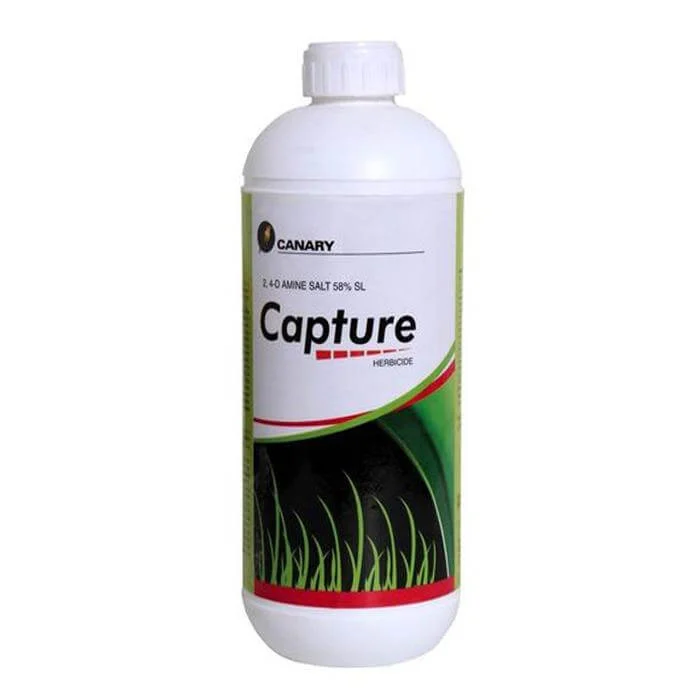
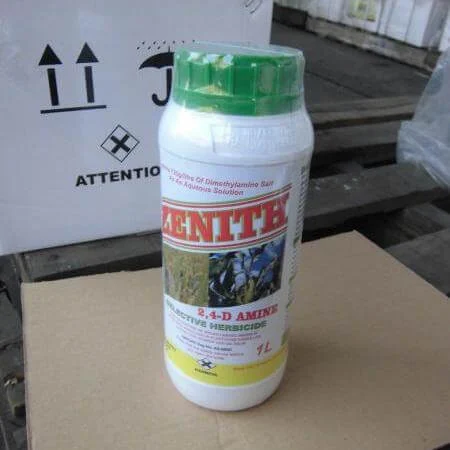

How 2,4-D Works
2,4-D is a synthetic auxin herbicide. It affects sensitive broadleaf weeds by disrupting normal plant growth regulation. After absorption, susceptible weeds may show abnormal growth, twisting, curling, and gradual decline.
2,4-D is commonly selected when the goal is broadleaf weed control in grass-based systems. This is why it is often associated with cereal crops, pasture, turf, and similar use areas where many broadleaf weeds need to be suppressed while grasses are expected to remain.
However, selective control does not mean universal crop safety. Crop tolerance depends on crop species, growth stage, formulation, application timing, weather conditions, spray drift control, and local label directions. For this reason, 2,4-D should be evaluated as a selective broadleaf herbicide, not as a general-purpose weed control solution for all crop situations.
Where 2,4-D Usually Fits
2,4-D is usually considered where broadleaf weeds are the main problem and grass safety is part of the weed control objective. It may fit programs involving:
| Use Situation | Why 2,4-D May Fit |
|---|---|
| Cereal crop weed control | Helps manage many broadleaf weeds where approved |
| Pasture weed management | Useful when broadleaf weeds compete with grass cover |
| Turf and grass areas | Often selected for broadleaf weed pressure |
| Roadside or non-crop grass areas | Can support selective broadleaf suppression |
| Mixed weed programs | May be used with other herbicide directions where allowed |
The main value of 2,4-D is clear: it targets many broadleaf weeds without being positioned as a total vegetation control herbicide. This makes it different from glyphosate and more crop-selective in suitable systems.
Main Limitations of 2,4-D
2,4-D is not usually the first direction when grass weeds are the main problem. If a field has heavy annual grass or perennial grass pressure, another herbicide direction may be more relevant.
Drift risk also matters. Sensitive crops, nearby vegetation, temperature conditions, and formulation choice can affect safe use. Ester and salt formulations may behave differently under field conditions, so the approved local label should guide formulation selection and application restrictions.
For buyers, the key point is simple: 2,4-D is strong in broadleaf weed control, but it should be matched carefully with the crop system and local registration.
Metsulfuron-Methyl Herbicide: ALS-Based Weed Control
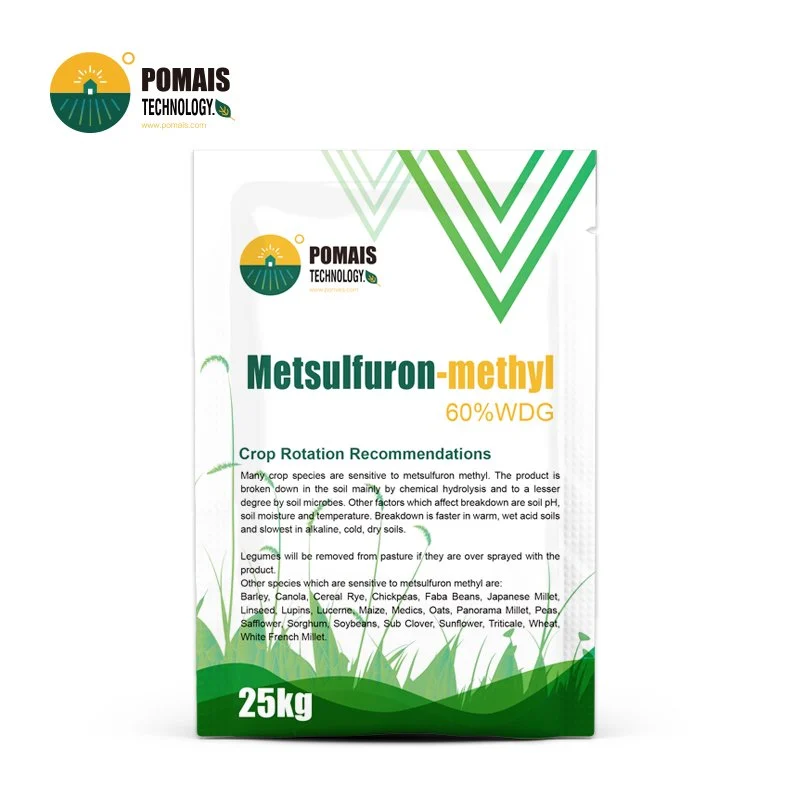
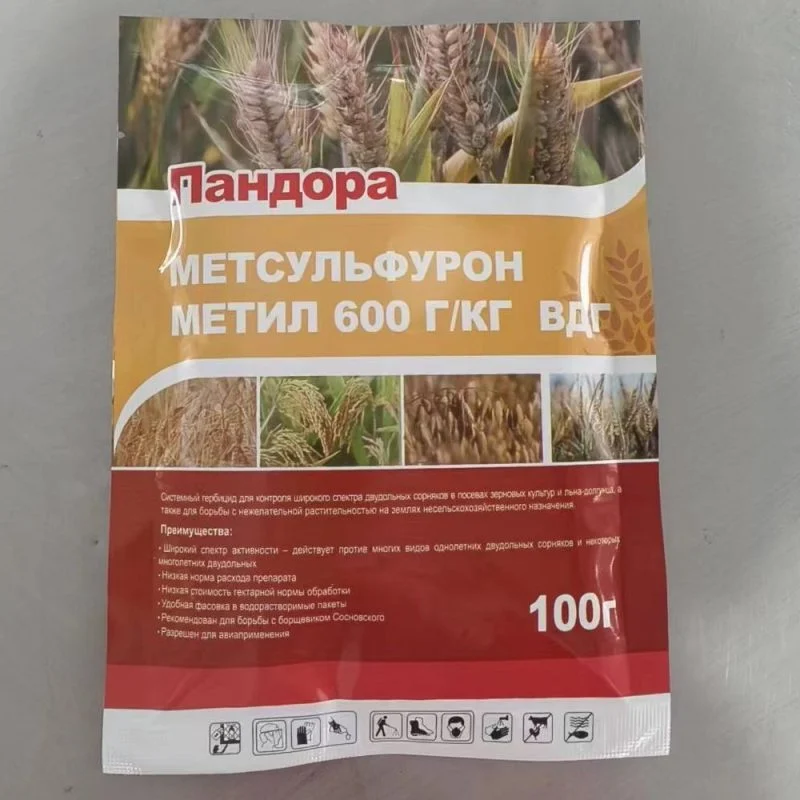


How Metsulfuron-Methyl Works
Metsulfuron-methyl is a sulfonylurea herbicide and an ALS inhibitor. It works by inhibiting acetolactate synthase, an enzyme involved in the production of essential branched-chain amino acids in sensitive plants. Once this process is interrupted, susceptible weeds stop growing and gradually die.
Metsulfuron-methyl is known for low application rates and high biological activity. It is often selected for certain broadleaf weeds, brush, and selected woody weed situations, depending on the registered crop or use area.
Compared with 2,4-D, metsulfuron-methyl has a different mode of action and different field considerations. Compared with glyphosate, it is not positioned as a broad-spectrum non-selective herbicide. Its value comes from targeted control in approved selective or non-crop programs.
Where Metsulfuron-Methyl Usually Fits
Metsulfuron-methyl may be considered in programs involving:
| Use Situation | Why Metsulfuron-Methyl May Fit |
|---|---|
| Cereal crop weed control | Helps manage selected broadleaf weeds where approved |
| Pasture weed management | May fit certain broadleaf and brush control programs |
| Non-crop areas | Useful where label-approved vegetation management is needed |
| Brush and woody weed pressure | Can be relevant for selected species and programs |
| Low-rate herbicide programs | Suitable where high activity at low rates is required |
The main advantage is not simply that it is “strong.” The real advantage is that it provides a different herbicide mode of action and can fit certain weed control programs where synthetic auxin or non-selective herbicides are not the preferred direction.
Why Residual Activity Matters
Metsulfuron-methyl requires closer attention to residual activity and follow-crop planning. In some situations, soil condition, rainfall, soil pH, organic matter, crop rotation, and climate can affect how long herbicide activity remains relevant in the field.
This is especially important for rotation-sensitive systems. A crop that follows the treated crop may have different tolerance. For this reason, follow-crop planning should always be checked against the approved local label before use.
For purchasing and registration decisions, metsulfuron-methyl should be evaluated not only by weed control spectrum, but also by crop fit, rotation restrictions, local soil conditions, and market-specific label requirements.
Glyphosate Herbicide: Non-Selective Systemic Weed Control
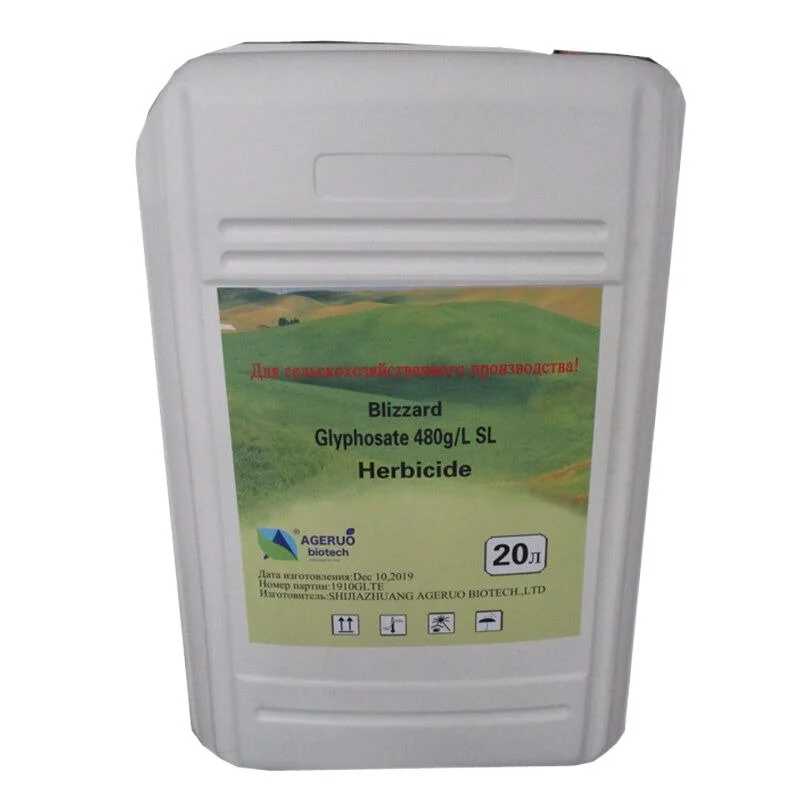
How Glyphosate Works
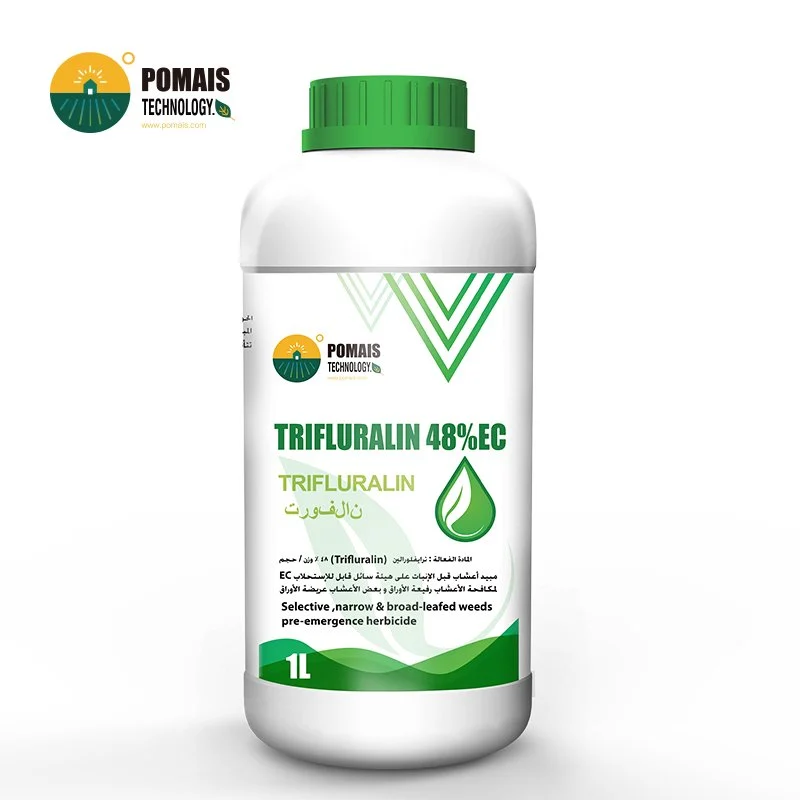
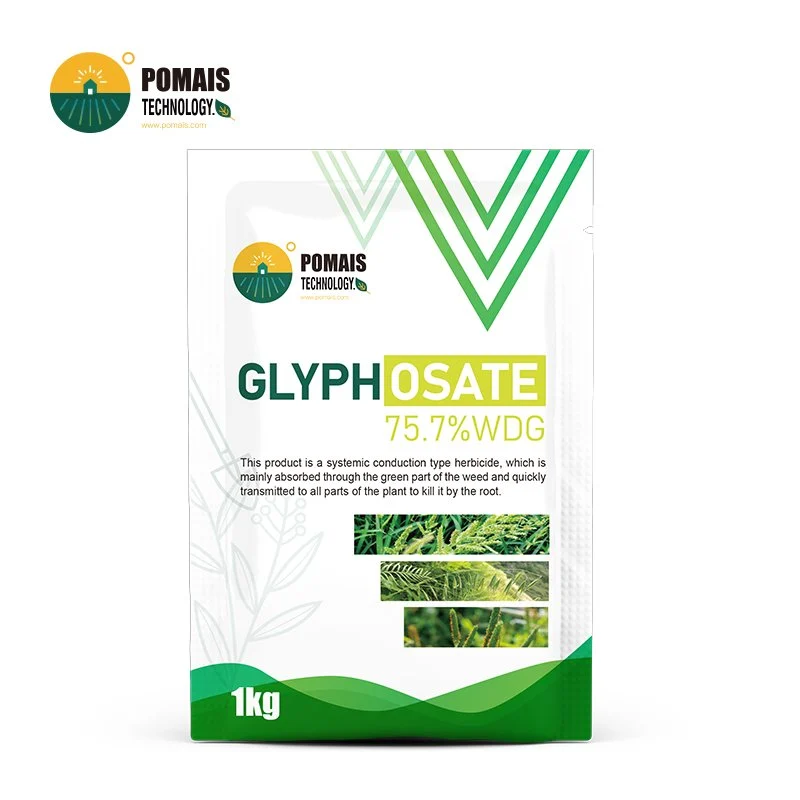
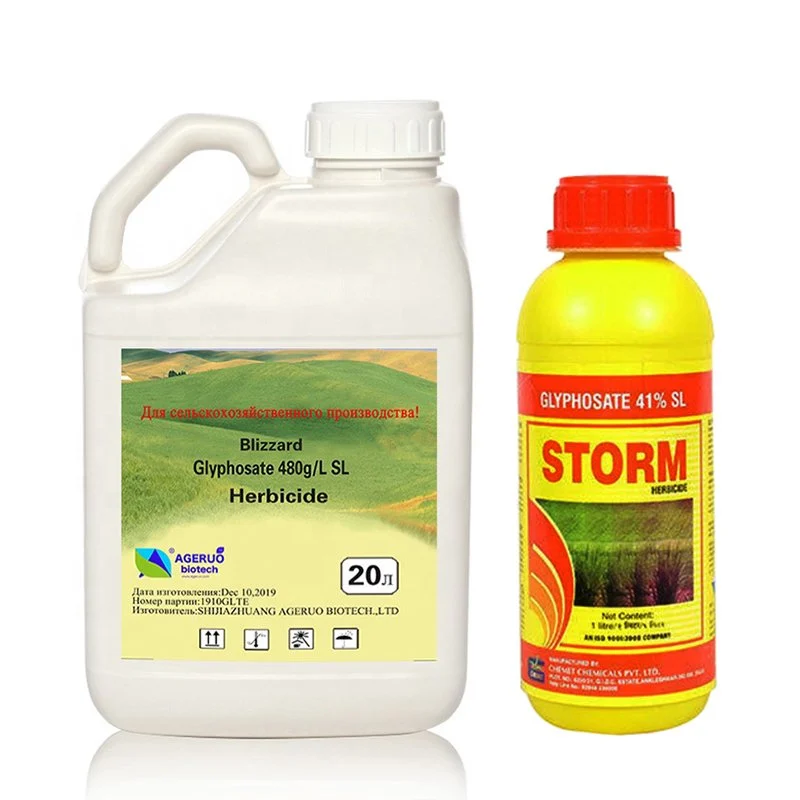
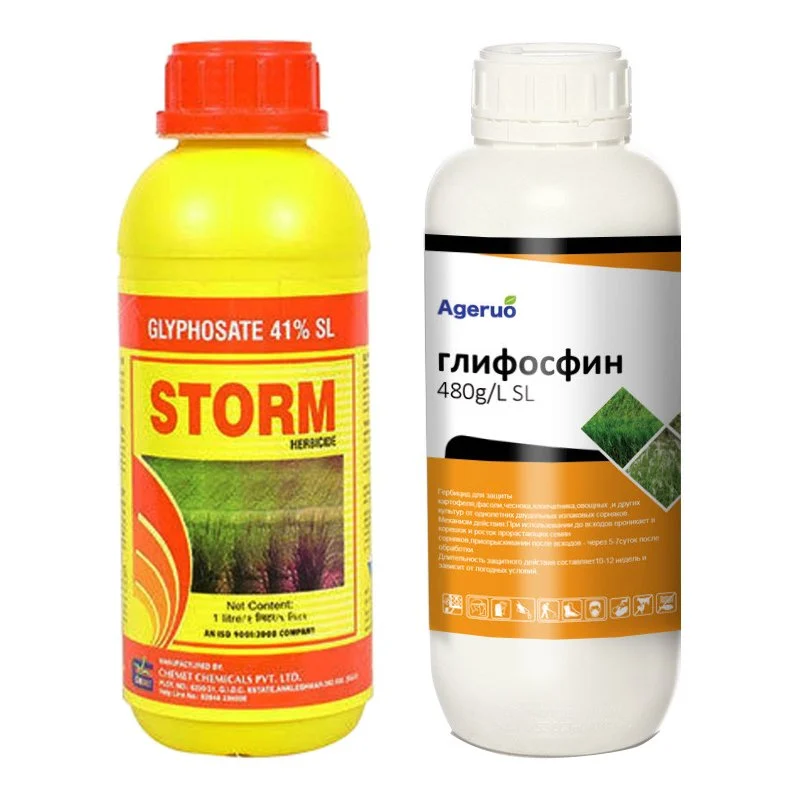
Glyphosate is a non-selective systemic herbicide. It inhibits EPSP synthase, an enzyme involved in the shikimate pathway. This affects the production of essential aromatic amino acids in plants, leading to gradual weed decline after uptake and translocation.
The key word is non-selective. Glyphosate can affect many grasses, broadleaf weeds, and perennial weeds. This broad-spectrum activity makes it very different from 2,4-D and metsulfuron-methyl.
Glyphosate is often selected where the goal is not to protect existing green vegetation, but to remove unwanted vegetation before planting, along orchard or plantation floors, in industrial areas, or in non-crop vegetation management programs.
Where Glyphosate Usually Fits
Glyphosate may fit situations such as:
| Use Situation | Why Glyphosate May Fit |
|---|---|
| Pre-plant weed control | Helps clear weeds before crop establishment where approved |
| Orchard and plantation floors | Supports directed vegetation management |
| Non-crop areas | Useful for broad-spectrum vegetation control |
| Industrial weed control | Helps manage unwanted vegetation in approved sites |
| Perennial weed pressure | Systemic movement can support whole-plant control |
| Total vegetation control | Relevant where desirable plants do not need to remain |
Glyphosate is often a more relevant direction when the target includes both grass weeds and broadleaf weeds. It can also be useful where perennial weed pressure requires systemic activity.
Main Caution with Glyphosate
Glyphosate can injure desirable plants if it contacts green tissues. This is why drift control, directed application, crop system, and approved label directions matter.
It should not be treated as a crop-selective herbicide unless the specific crop system, local registration, and label directions allow that use. Aquatic or water-adjacent weed control should only be considered with formulations and labels approved for that specific use.
For buyers, the practical point is clear: glyphosate offers broad-spectrum systemic weed control, but its non-selective nature requires careful use-area selection and label compliance.
Weed Spectrum Comparison: Broadleaf Weeds, Grasses, and Woody Plants
Different herbicides perform differently across weed groups. The active ingredient should be selected according to the target weed spectrum, not only by price or familiarity.
| Weed Type | 2,4-D | Metsulfuron-Methyl | Glyphosate |
|---|---|---|---|
| Annual broadleaf weeds | Strong fit | Strong fit | Strong fit |
| Perennial broadleaf weeds | Species-dependent | Species-dependent | Often stronger for systemic control |
| Annual grasses | Limited fit | Limited fit | Strong fit |
| Perennial grasses | Weak fit | Limited fit | Strong fit |
| Brush / woody weeds | Limited or specific cases | Useful in selected programs | Species- and formulation-dependent |
| Mixed grass and broadleaf weeds | Usually needs support from other directions | Usually needs support from other directions | Often more relevant |
| Total vegetation control | Not suitable | Not usually suitable alone | Suitable where approved |
This table shows why glyphosate is usually more relevant for broad-spectrum weed control, while 2,4-D and metsulfuron-methyl are more selective directions. It also shows why metsulfuron-methyl can be valuable in certain broadleaf, brush, or woody weed programs, especially where its registered use pattern fits the target market.
No herbicide should be selected by weed category alone. Weed growth stage, field condition, resistance status, application timing, and local label approval must also be checked.
Crop Safety and Application Fit
Selective Control Does Not Mean Universal Crop Safety
A selective herbicide is not automatically safe for every crop, every growth stage, or every climate. Selectivity is always conditional.
For example, 2,4-D may fit many grass-based broadleaf weed control programs, but crop stage and drift risk still matter. Metsulfuron-methyl may fit certain cereal, pasture, or non-crop programs, but residual activity and crop rotation need closer attention. Glyphosate may be valuable before planting or in non-crop areas, but it is not a selective option for ordinary standing crops unless the registered system allows it.
| Decision Factor | Why It Matters |
|---|---|
| Crop species | Different crops have different herbicide tolerance |
| Crop growth stage | Some stages are more sensitive to herbicide injury |
| Weed species | Different weeds respond differently to each active ingredient |
| Weed size | Larger or established weeds may require a different approach |
| Soil condition | Residual behavior may change under different soil conditions |
| Nearby crops | Drift risk can affect sensitive plants |
| Local registration | Only approved uses should be followed |
Crop safety should be treated as a decision point, not as an assumption. A well-matched herbicide direction can help manage weeds effectively, while a poorly matched one may create crop injury, poor control, or follow-crop problems.
Residual Activity and Follow-Crop Considerations
Residual behavior is one of the most important differences between these herbicides.
2,4-D is usually considered more for post-emergence broadleaf weed control, with attention to crop stage and drift. Glyphosate is generally evaluated by its non-selective systemic activity and risk to desirable vegetation. Metsulfuron-methyl requires closer attention to soil residual activity and follow-crop restrictions, especially in rotation-sensitive cropping systems.
This does not mean metsulfuron-methyl is unsuitable. It means it must be selected more carefully. Soil pH, rainfall, organic matter, temperature, and crop rotation plans can all influence field decisions.
Where crop rotation is important, buyers should check whether the local label includes restrictions for sensitive follow crops. This is especially relevant for markets with diverse cropping systems or where one field may rotate between cereals, legumes, oilseeds, vegetables, or forage crops.
Can 2,4-D, Metsulfuron-Methyl, and Glyphosate Be Mixed?
Tank mixing is common in weed management, but it should never be treated as a simple “more active ingredients means better control” decision.
In some markets and approved use situations, 2,4-D may be combined with glyphosate to broaden weed spectrum, especially where broadleaf weeds and general vegetation control are both concerns. Metsulfuron-methyl may also appear in certain mixture directions, depending on crop, target weeds, formulation, and local registration.
However, tank-mix decisions must consider:
| Tank-Mix Factor | What to Check |
|---|---|
| Local label approval | Whether the mixture is allowed |
| Crop safety | Whether the crop can tolerate the mixture |
| Weed spectrum | Whether the mixture matches the actual weed problem |
| Formulation compatibility | Whether the formulations are physically compatible |
| Water quality | Whether spray water affects performance |
| Application timing | Whether both active ingredients fit the same timing |
| Resistance management | Whether the mixture supports a responsible program |
No specific mixing ratio should be used without an approved label or qualified local technical guidance. For export markets, registration requirements and local use directions should always come first.
Which Herbicide Should You Choose?
The right herbicide direction depends on the field situation. The following matrix gives a practical selection framework.
| Field Situation | More Relevant Direction |
|---|---|
| Keep grasses and remove broadleaf weeds | 2,4-D or metsulfuron-methyl, depending on crop and label |
| Control broadleaf weeds in cereal crops | 2,4-D or metsulfuron-methyl |
| Manage pasture broadleaf weed pressure | 2,4-D or metsulfuron-methyl where approved |
| Manage brush or selected woody weeds | Metsulfuron-methyl may be considered where registered |
| Clear vegetation before planting | Glyphosate |
| Control both grasses and broadleaf weeds | Glyphosate or an approved tank-mix program |
| Manage non-crop vegetation | Glyphosate or metsulfuron-methyl, depending on target weeds |
| Reduce follow-crop concern | Check residual and rotation restrictions before selecting ALS herbicides |
| Need crop-selective control | Avoid non-selective directions unless the crop system allows it |
In simple terms, 2,4-D is often selected for broadleaf weeds in grass-based systems. Metsulfuron-methyl is useful where ALS-based control fits the weed spectrum and crop system. Glyphosate is more relevant for broad-spectrum, non-selective vegetation control.
The best choice is not only about herbicide strength. It is about matching the active ingredient with the crop, weeds, use area, label, and long-term field plan.
Formulation and Procurement Considerations
For buyers, the active ingredient is only the first part of the decision. The final supply direction also depends on formulation type, package size, label language, documentation, and market requirements.
| Procurement Point | What to Check |
|---|---|
| Active ingredient | 2,4-D, metsulfuron-methyl, glyphosate, or registered mixtures |
| Formulation type | SL, EC, SG, WDG, WP, WG, or other suitable formats |
| Target crop and weed spectrum | Match the formulation with local field problems |
| Package size | Retail pack, farm pack, bulk pack, or private label packaging |
| Label language | Local-language label support for the destination market |
| Documentation | COA, MSDS, TDS, registration support documents |
| Market fit | Local crop pattern, climate, regulation, and sales channel |
| Delivery requirement | Export packaging, lead time, and shipment planning |
A herbicide that performs well in one market may need a different formulation, label design, package size, or documentation package in another market. This is especially important for importers, distributors, brand owners, wholesalers, agro-retail channels, and project buyers working across different regulatory environments.
POMAIS supports herbicide supply with formulation selection, private label packaging, export documentation, and market-fit product planning. We can provide COA, MSDS, TDS, label support, and packaging options according to your target market requirements.
Frequently Asked Questions
Is 2,4-D the same as glyphosate?
No. 2,4-D and glyphosate are different herbicides with different selectivity and modes of action. 2,4-D is mainly used for selective broadleaf weed control in suitable crop or grass-based systems. Glyphosate is a non-selective systemic herbicide used where broad-spectrum vegetation control is required.
Does metsulfuron-methyl kill grass?
Metsulfuron-methyl is mainly associated with selected broadleaf weeds, brush, and certain woody weed programs, depending on the approved use. Its effect on grasses, crops, and desirable plants depends on species, growth stage, formulation, and local label directions. It should not be judged only by the active ingredient name.
Which herbicide is better for broadleaf weeds?
2,4-D and metsulfuron-methyl are both commonly used for broadleaf weed control, but they fit different programs. 2,4-D is often selected for broadleaf weeds in grass-based systems. Metsulfuron-methyl may fit selected broadleaf, brush, or non-crop programs where approved. The better direction depends on crop, weed species, residual concern, and local registration.
Which herbicide is better for total vegetation control?
Glyphosate is usually the more relevant direction for total vegetation control because it is non-selective and systemic. It may fit pre-plant, non-crop, orchard floor, plantation, or industrial vegetation management programs where local registration allows. It should not be used where desirable plants may be injured unless the approved system permits it.
Can 2,4-D be mixed with glyphosate?
In some approved programs, 2,4-D and glyphosate may be used together to broaden weed spectrum. However, suitability depends on crop, target weeds, formulation compatibility, application timing, and local label directions. No tank mix should be used without approved label support or qualified local technical guidance.
Choose Herbicide Formulations with POMAIS Support
Choosing between 2,4-D, metsulfuron-methyl, and glyphosate should start with the real field problem: which crop, which weeds, which use area, which formulation, and which local registration requirement.
POMAIS supplies herbicide formulations for different crop systems, pasture programs, non-crop use areas, and private label requirements. We support selective and non-selective herbicide directions, including 2,4-D, metsulfuron-methyl, glyphosate, and registered mixture options based on your market needs.
If you are evaluating herbicide supply for your local market, you can share your target crop, weed spectrum, preferred formulation, package size, label language, and destination country. POMAIS will help you confirm a practical supply direction with suitable formulation options, documentation support, and export-ready packaging.
Hot Products
Hot news
Recommended news