
Insecticides for Stored Grain Pest Control: Protecting Your Grain From Beetles, Weevils and Moths
Stored grain is high-value inventory. Once insects move into silos, flat stores or bagged grain, losses escalate quickly: weight loss, broken kernels, contamination, quality claims and even rejected export consignments. For importers, grain handlers and feed mills, insecticides for stored grain pest control are a critical part of a wider grain protection strategy, not a last-minute remedy.
This article walks through the key stored grain insects, how modern insecticides work, which active ingredients are commonly used worldwide, and what you should consider when selecting solutions for your own storage conditions. It is written from a practical B2B perspective, so you can align technical decisions with commercial risk, compliance and supply reliability.
What Are the Major Stored Grain Pests?
Effective stored grain pest control starts with knowing which insects you are dealing with. Different species live inside kernels, on the grain surface or in residues around the store, and not all insecticides work equally well on each group.
Grain Weevils (Sitophilus spp.)
Grain weevils, such as the rice weevil (Sitophilus oryzae) and maize weevil (Sitophilus zeamais), are among the most destructive stored grain pests. The adult is easily recognised by its elongated snout and ability to bore into whole kernels.
- The female weevil lays eggs inside kernels.
- Larvae develop hidden inside the grain, consuming the endosperm and creating hollowed “dusty” kernels.
- Damage is often discovered only when large pockets of infested grain appear during out-loading or sieving.
Because weevils spend a large part of their life cycle inside kernels, contact insecticides on the grain surface alone may be insufficient. This is one reason why protectant insecticides with good penetration and, in some conditions, fumigation are used in weevil management programs.
Lesser Grain Borer (Rhyzopertha dominica)
The lesser grain borer is a small, dark beetle but causes disproportionate damage. Both larvae and adults feed on grain, producing fine dust and a characteristic “musty” odour.
Key challenges:
- Extremely destructive on wheat, barley and sorghum in warm climates.
- Can develop resistance to some insecticides if the same mode of action is used repeatedly.
- Infestations often start in residues in cracks and under floors, then spread into the bulk.
For this insect, residual insecticides for stored grain pest control with strong knockdown plus good sanitation and residue cleaning are especially important.
Red Flour Beetle & Confused Flour Beetle
Red flour beetle (Tribolium castaneum) and confused flour beetle (Tribolium confusum) are common in flour mills, feed mills and grain processing plants.
- Prefer processed grain (flour, bran, feed) rather than whole kernels.
- Thrive in dust layers, under machinery, in corners and on ledges.
- Can quickly contaminate packaged products and finished goods.
In these environments, surface sprays and structural treatments using grain storage insecticides help reduce residual populations between production cycles, combined with thorough cleaning programs.
Angoumois Grain Moth
The Angoumois grain moth lays eggs on the grain surface. The larvae bore inside the kernel and tunnel out, leaving exit holes and dust.
- Particularly problematic in maize and paddy rice.
- More prevalent in warm, humid conditions and in loosely covered or bagged grain.
- Flying adults can easily move between stores.
For moths, early detection, good sealing of storage structures and, where permitted, fumigants form part of a preventive strategy.
Saw-toothed Grain Beetle
The saw-toothed grain beetle feeds on broken kernels, fines and processed products.
- Characteristic “saw-like” projections on the thorax.
- Common in warehouses and in bagged grain.
- Often indicates poor cleaning and significant amounts of residues.
This species responds well to residual insecticides in stored grain environments, but only when combined with removal of infested residues and good housekeeping.
How Insecticides Work in Stored Grain Protection
Modern insecticides for stored grain pest control are designed to support an integrated grain protection program, not to substitute good management. They contribute in three main ways.
Contact and Residual Activity
Many grain protectant insecticides act by contact:
- They are applied to the grain surface or to storage structures.
- Insects are exposed when crawling on treated surfaces or feeding on treated kernels.
- Residual action provides protection over weeks or months, depending on active ingredient, rate and storage conditions.
For distributors and grain handlers, residual activity translates into more secure storage between harvest and shipment, particularly where grain remains in silos across hot seasons.
Protectants vs Fumigants
In practice, stored grain insecticides are used in two broad roles:
- Protectants
- Applied to grain as it is loaded into storage.
- Aim to prevent new infestations and suppress low-level populations.
- Often based on pyrethroids, organophosphates or combinations.
- Fumigants
- Applied in a sealed environment to eliminate existing infestations within the grain bulk.
- Gas penetrates into kernels where insects may be hidden.
- Used episodically, for example before export loading or when monitoring detects infestation above threshold.
Understanding this division helps you design a program that both cleans up existing infestations and keeps grain protected during storage.
Role in Integrated Pest Management (IPM)
Regulators and buyers increasingly expect stored grain protection to follow integrated pest management (IPM) principles:
- Combine sanitation, sound storage design and temperature/moisture management with targeted insecticide use.
- Rotate modes of action to slow resistance development.
- Use monitoring (traps, sampling) to time fumigation only when necessary.
In this context, choosing the right insecticides for stored grain pest control is part of a broader compliance and brand-protection strategy.
Common Insecticides Used in Stored Grain Pest Control
Below are some of the most widely used active ingredients in cereal and feed storage worldwide. Specific registrations, labels and permitted uses vary by country, so always follow local regulations and product labels.
Organophosphate Insecticides
Organophosphates have long been used as grain protectants due to their knockdown and residual effects on beetles and weevils.
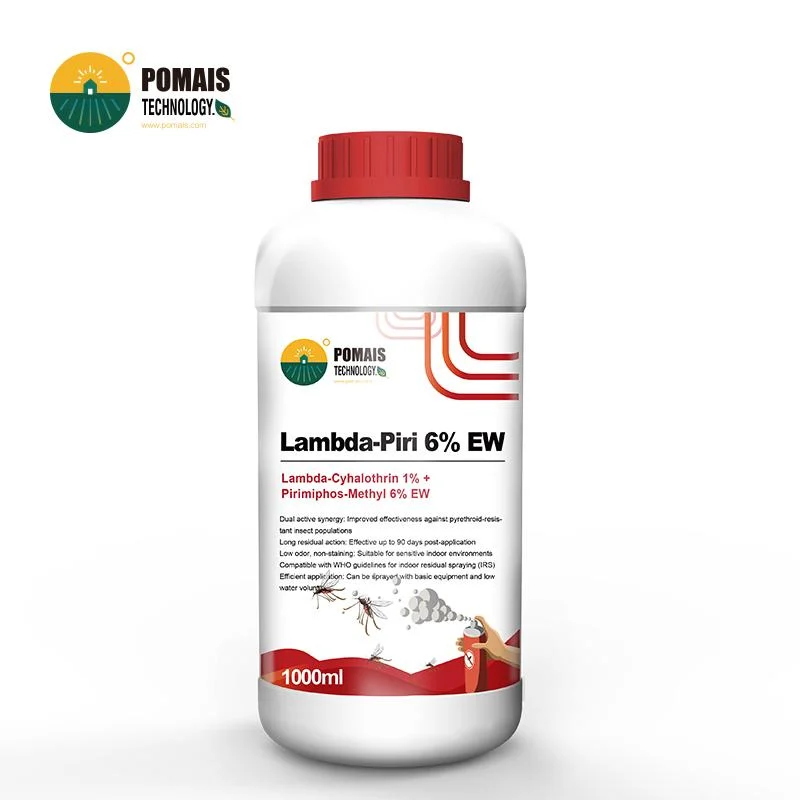
- Pirimiphos-methyl
- Widely used as a grain protectant and structural treatment.
- Effective against a broad spectrum of beetles and some moths.
- Often used on cereals like wheat, maize and sorghum in both temperate and tropical climates.
- Chlorpyrifos-methyl
- Used as a protectant and sometimes combined with pyrethroids.
- Provides good residual control against beetles and weevils on cereal grains.
For buyers, the key considerations are formulation stability, compatibility with grain handling systems and compliance with MRL requirements in target markets.
Pyrethroid Insecticides
Pyrethroids are synthetic analogues of natural pyrethrins, offering strong knockdown and relatively low use rates.
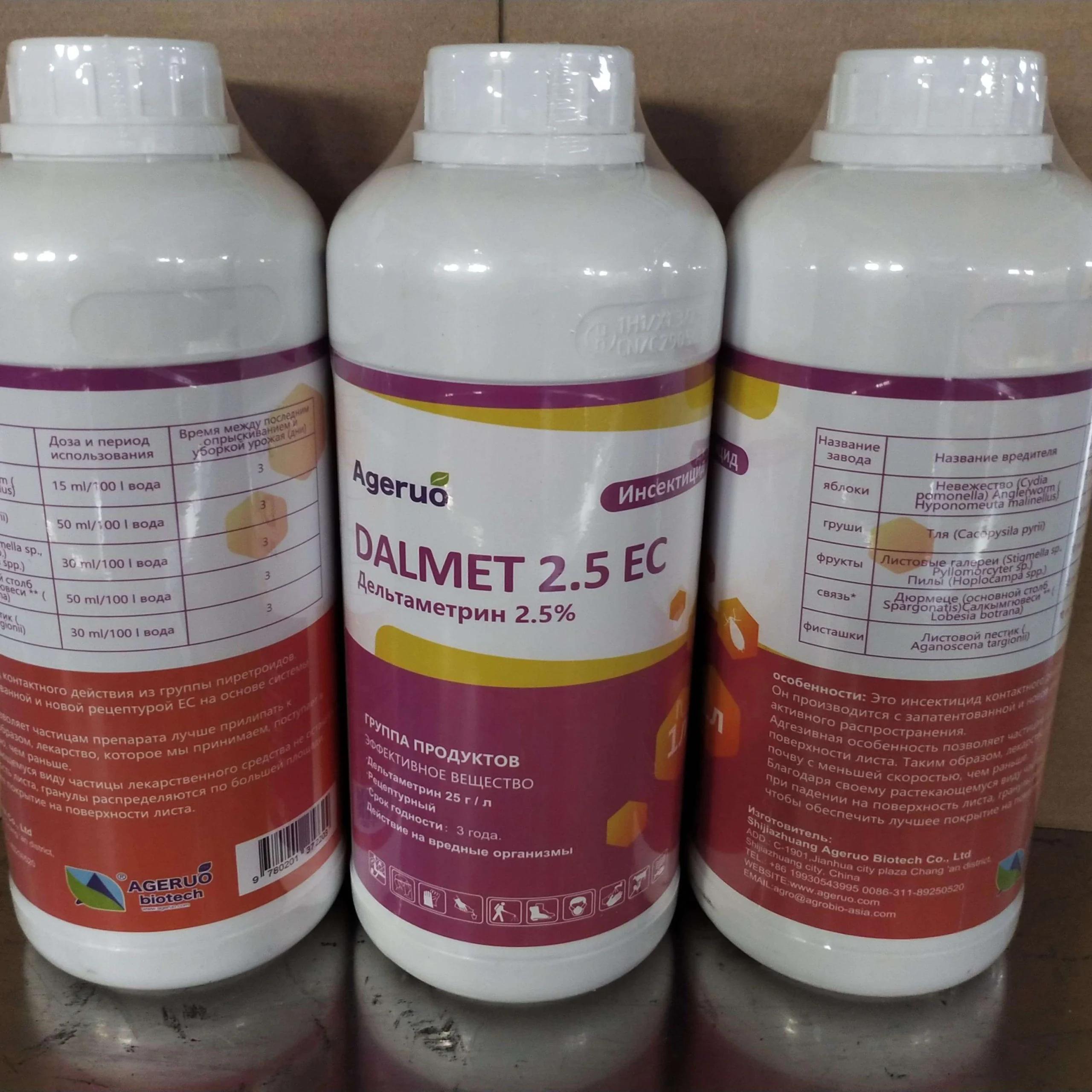
- Deltamethrin
- Frequently used as a protectant on cereals.
- Strong contact activity against beetles and other crawling insects.
- Often formulated as flowable concentrates or emulsifiable concentrates for easy application.
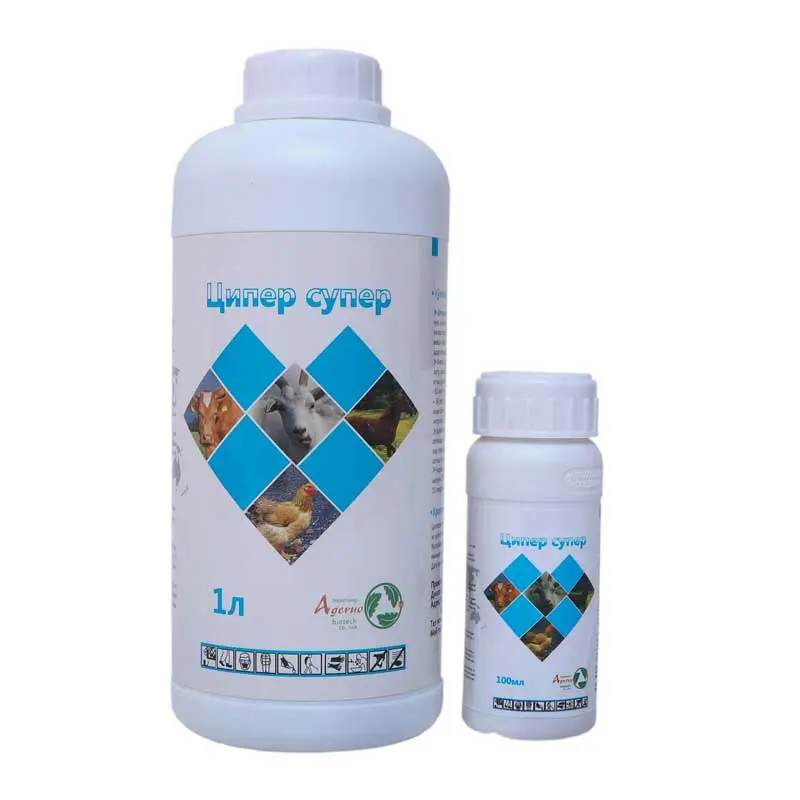
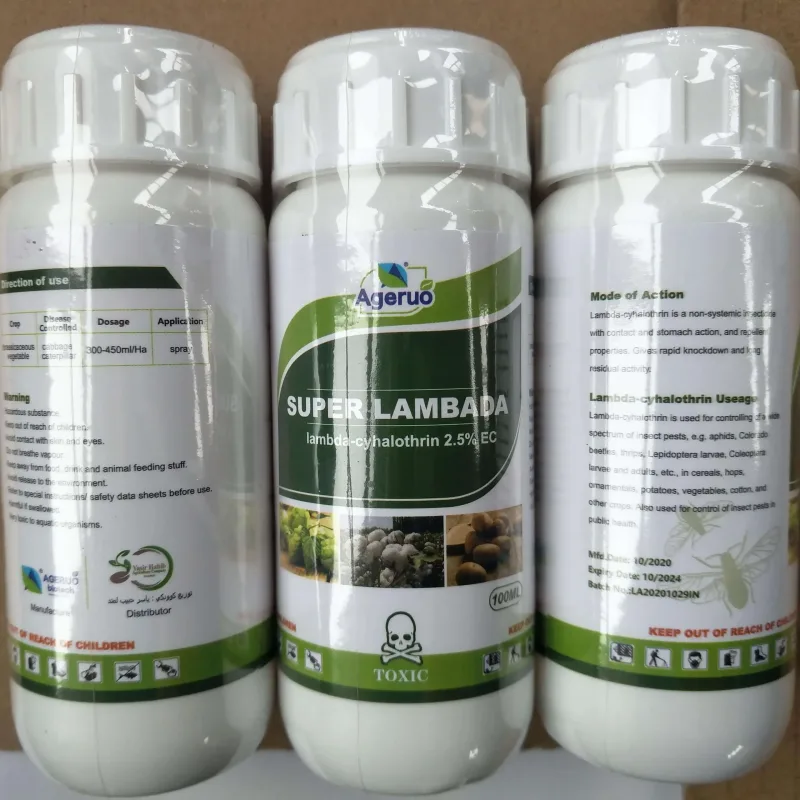
- Cypermethrin and Lambda-cyhalothrin
- Used in some regions for structural treatments or in combination with other actives.
- Provide quick knockdown and contribute to resistance-management programs when rotated with other modes of action.
Pyrethroids are especially valued in hot climates where treated grain may be stored for extended periods.
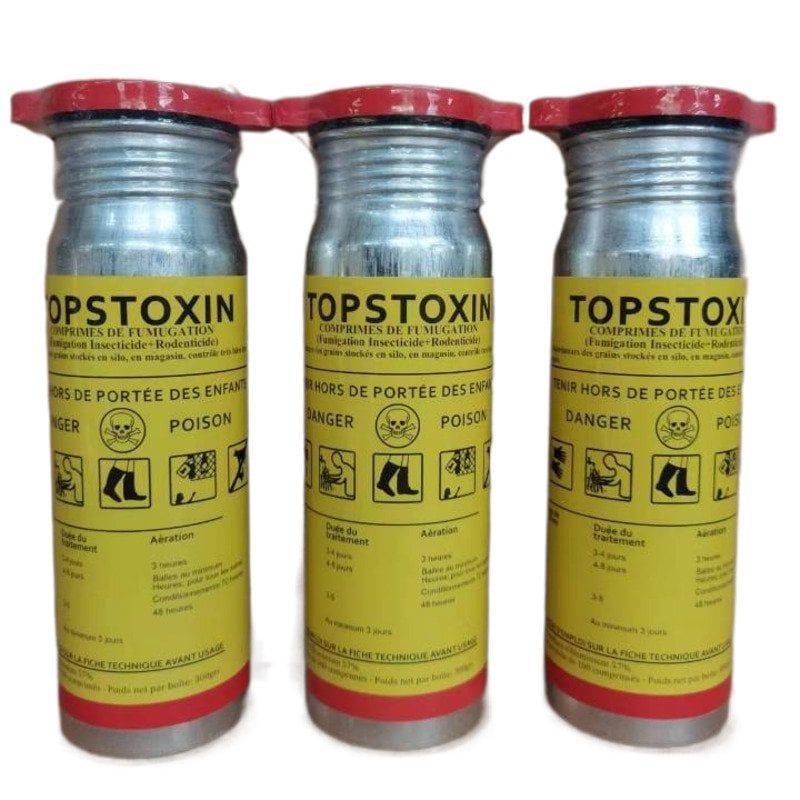
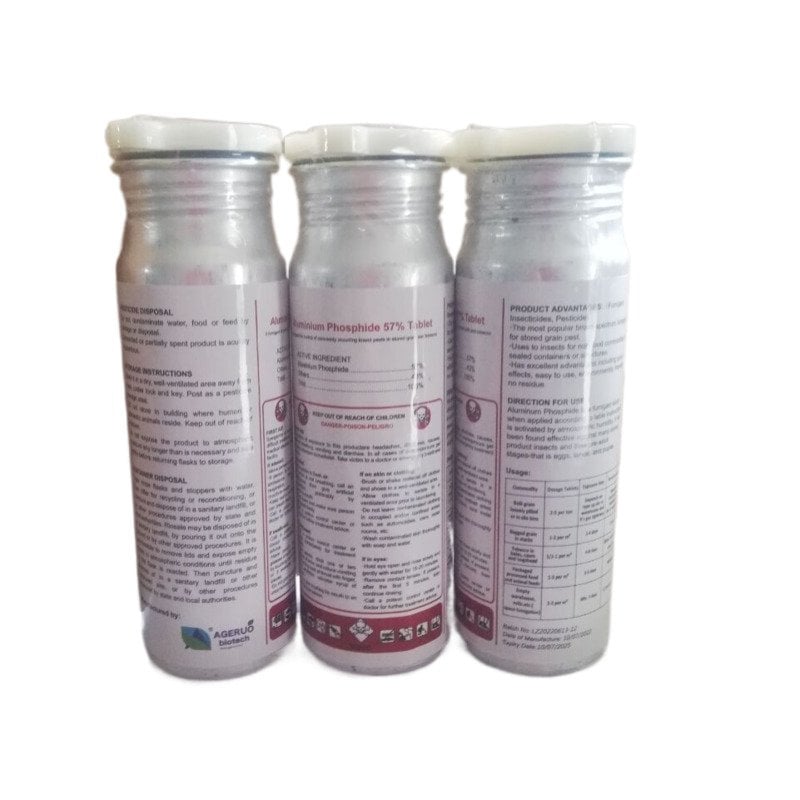
Fumigants: Aluminum Phosphide Tablets
Fumigants are essential tools where insects develop inside kernels or where infestations are already established.
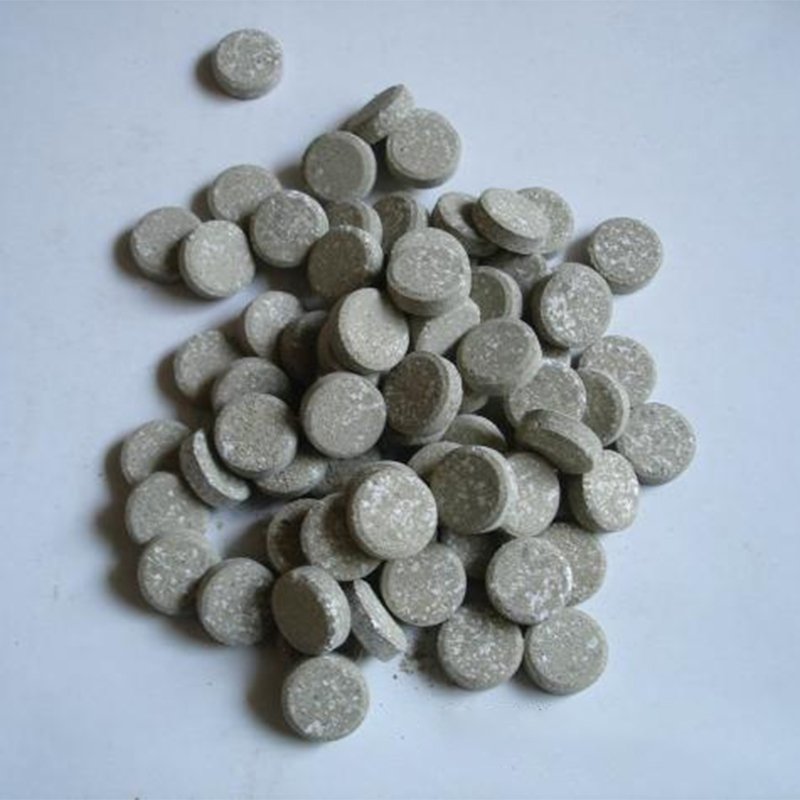
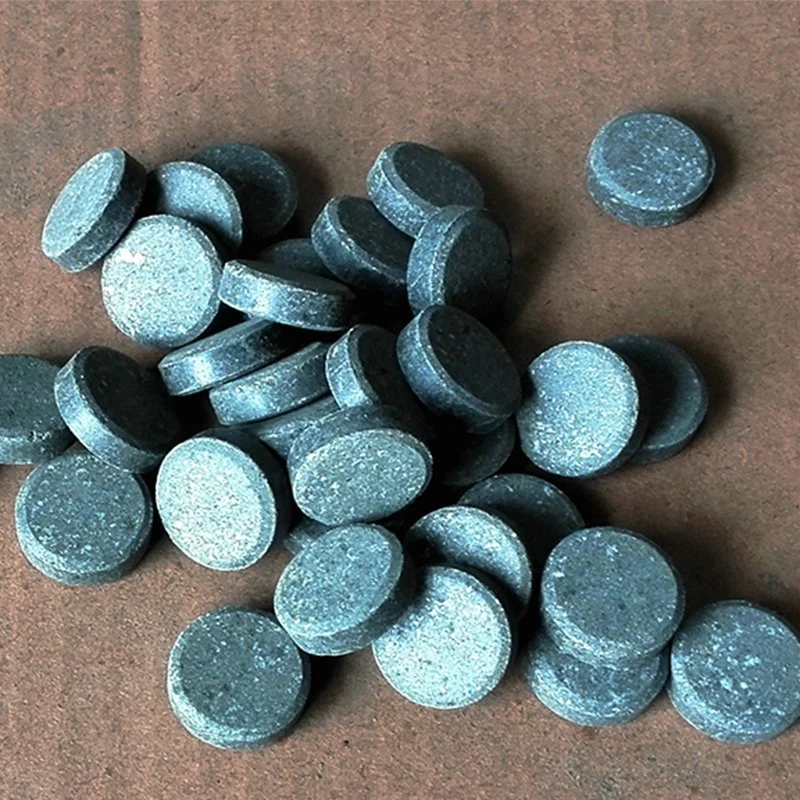
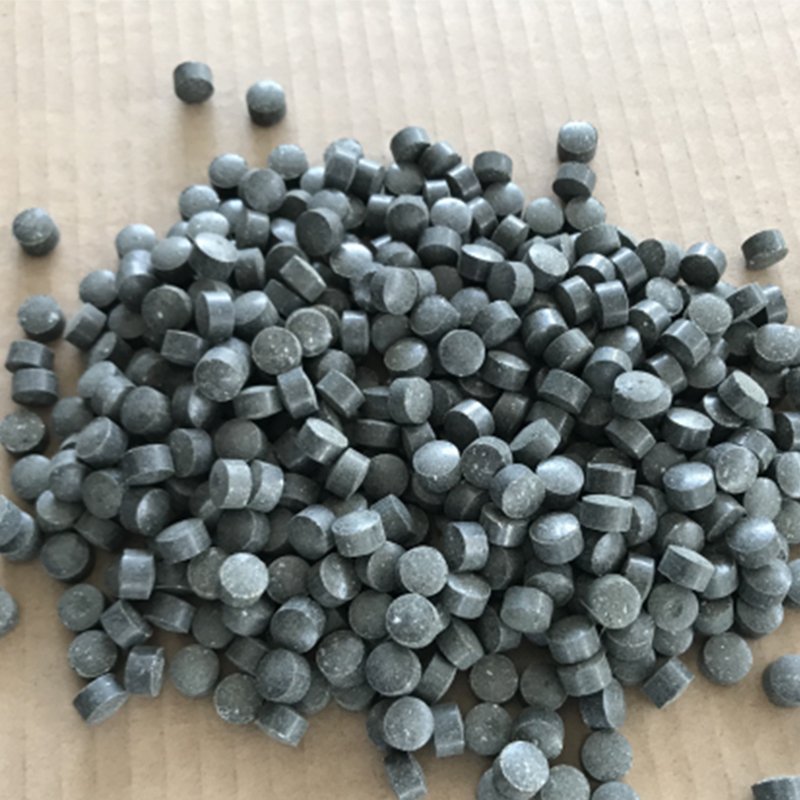
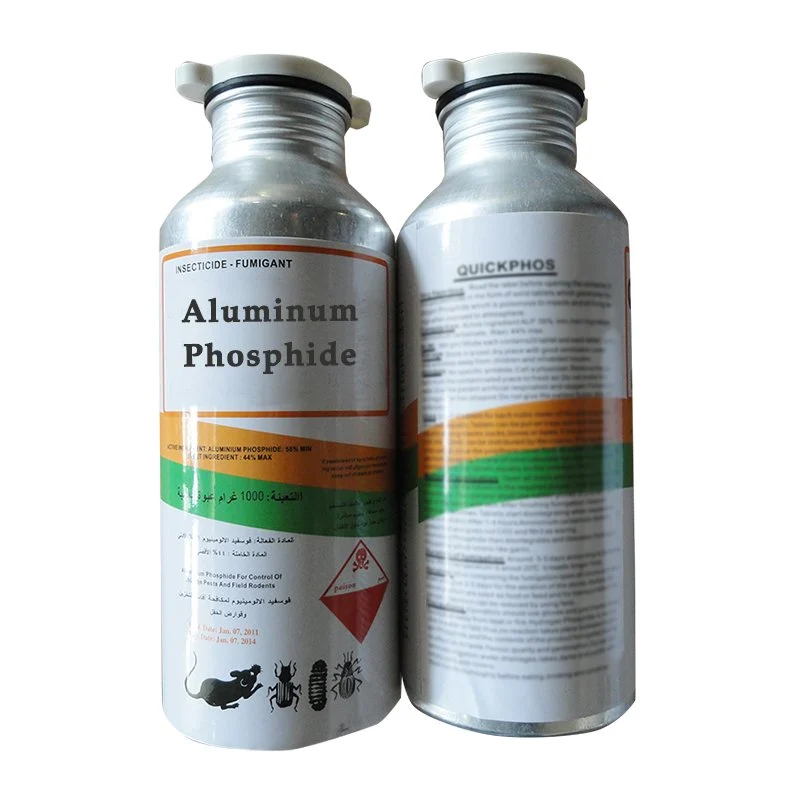
- Aluminum phosphide tablets are among the most widely used fumigants for stored grain.
- In properly sealed storage, the fumigant gas penetrates the grain mass and reaches insects at all life stages.
- After aeration according to label and regulations, treated grain can be moved or shipped.
For distributors and exporters, key selection criteria include:
- Purity and quality of aluminum phosphide.
- Moisture-proof, tamper-resistant packaging.
- Reliable gas release behaviour and stability in different climates.
A trusted supplier helps ensure consistent performance and supports documentation for buyers and authorities.
Biological and Reduced-Risk Options: Spinosad
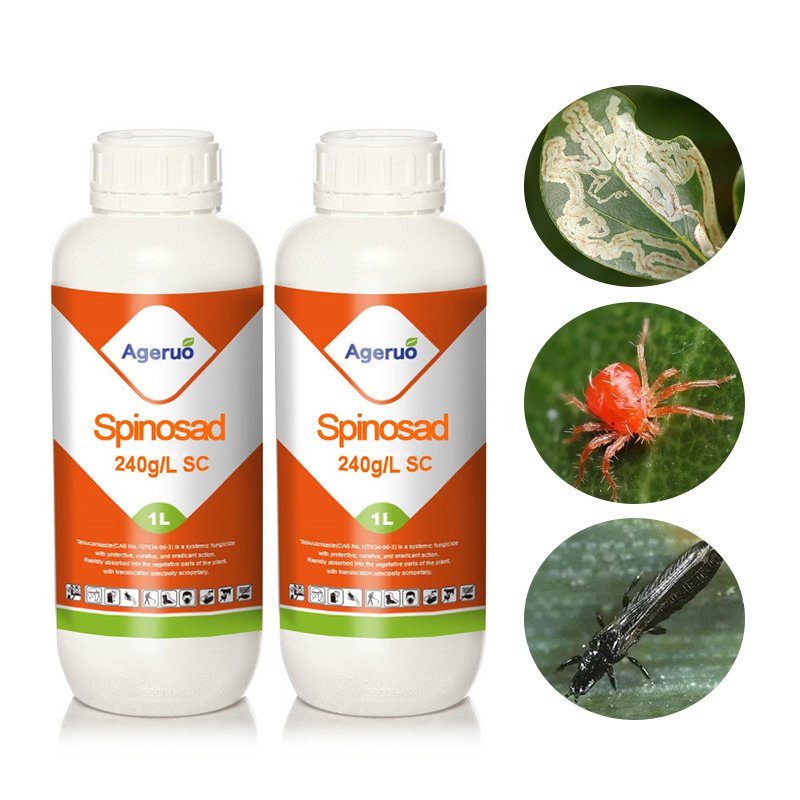
Spinosad is derived from fermentation of a naturally occurring soil microorganism and is classified as a reduced-risk insecticide in some jurisdictions.
- Active against a range of stored grain beetles and some moth species.
- Used as a grain protectant in certain markets, sometimes in combination with other actives.
- Fits well into IPM programs where there is pressure to reduce reliance on older chemistries.
For brand owners supplying food and feed markets with strong sustainability expectations, spinosad and other modern actives can support long-term positioning.
Insecticides for Stored Grain Pest Control
| Insecticide Group | Typical Active Ingredient | Role in Storage Program | Main Target Pests |
|---|---|---|---|
| Organophosphates | Pirimiphos-methyl, Chlorpyrifos-methyl | Grain protectant, structural treatment | Weevils, grain borers, flour beetles |
| Pyrethroids | Deltamethrin, Cypermethrin, Lambda-cyhalothrin | Grain protectant, structural spray | Beetles, surface feeders, crawling insects |
| Fumigants | Aluminum phosphide | Fumigation of sealed storages | Weevils, borers, moths (all life stages) |
| Biological / Reduced-risk | Spinosad | Grain protectant in IPM programs | Beetles, some moth species |
Always follow product labels and local regulations. Program design should be supervised by qualified professionals.
Factors to Consider When Choosing Grain Storage Insecticides
When you select insecticides for stored grain pest control, technical fit is only one part of the equation. You also need to align chemistry with your storage infrastructure, export markets and brand commitments.
Grain Type and End Use
- Wheat, maize, barley, rice and sorghum may have different label approvals and MRLs for the same active ingredient.
- Grain for human food generally faces stricter residue expectations than feed-only grain.
- Malting barley and seed grain typically require additional care to protect germination and quality claims.
Matching insecticide options to grain type and end use avoids costly rejections and reputational risk.
Storage Duration and Climate
- In tropical and subtropical markets, grain may be stored for many months in hot, humid environments.
- Longer storage periods place higher demands on residual stability and resistance management.
- In cooler climates, temperature control may reduce insect pressure but does not replace the need for good sanitation and monitoring.
Choosing stored grain insecticides with proven performance in your climate reduces surprises during long-term storage.
Regulatory and Market Requirements
- Importing countries set MRLs and may restrict or phase out certain active ingredients.
- Retailers and food processors may have private standards that go beyond national regulations.
- Some markets actively encourage reduced-risk insecticides and IPM-aligned programs.
Working with a supplier who understands these differences can help you standardise insecticide portfolios across regions while remaining compliant.
Resistance Management
Over-reliance on a single mode of action can lead to resistant insect populations.
- Rotate between organophosphates, pyrethroids and, where available, alternative modes of action.
- Integrate sanitation, physical control and fumigation to reduce overall insect pressure.
- Monitor efficacy over time and adjust programs when performance changes.
Resistance management is not just a technical topic—it protects the long-term value of your grain protection investments.
Operational Practicality
- Application equipment: do your sites have the right dosing and spraying systems?
- Labour and training: can staff apply products safely and consistently?
- Packaging and logistics: are pack sizes, shelf life and labels suited to your distribution network?
The “best” insecticide for stored grain is the one that fits both your technical requirements and your operational reality.
Best Practices for Safe and Effective Stored Grain Pest Management
Insecticides deliver the best results when they are part of a structured stored grain management program.
Sanitation and Housekeeping First
- Remove old grain, fines and dust from floors, walls, machinery and ducting.
- Clean residual grain from conveyors, elevators and augers before harvest intake.
- Dispose of heavily infested residues away from storage structures.
Good sanitation reduces starting insect populations and helps insecticides work more efficiently.
Maintain Grain Quality: Moisture and Temperature
- Dry grain to moisture levels appropriate for long-term storage.
- Monitor temperature and hot spots using probes or cables.
- Address condensation, leaks and poor aeration that create insect-friendly micro-climates.
Insects thrive in warm, moist conditions. Keeping grain within safe moisture and temperature ranges makes every stored grain insecticide program more effective.
Apply Insecticides According to Label and Local Regulations
- Use only registered products for the intended grain and storage type.
- Ensure operators are trained and equipped with appropriate personal protective equipment.
- Maintain records of treatments for traceability, audits and buyer requirements.
Safety, compliance and documentation are now basic expectations from regulators and downstream customers.
Use Fumigation Strategically
- Reserve fumigation for situations where monitoring shows established infestations.
- Ensure structures are suitable for fumigation and can be sealed appropriately.
- Follow all safety requirements, including re-entry and aeration intervals as per label.
Strategic fumigation helps restore control when protectants and sanitation alone are no longer sufficient.
Continuous Monitoring and Review
- Use traps and sampling to monitor insect populations over time.
- Investigate sudden increases in insect numbers or reduced insecticide performance.
- Adjust products, application timing and sanitation measures as conditions change.
For professional grain handlers, pest management is not a one-time activity but an ongoing element of quality control.
Why Importers and Distributors Choose Pomais Agrochemicals
As an international agrochemical exporter, Pomais works with grain traders, flour mills and feed producers across the Middle East, Africa, South America, Russia and Central Asia. When you build your insecticide portfolio for stored grain pest control, you need more than just active ingredients.
Consistent Quality and Documentation
- Stable formulations based on widely recognised actives such as pirimiphos-methyl, deltamethrin and others used in grain storage programs.
- Batch-by-batch quality control with COA, MSDS and other documentation to support audits and registrations.
- Alignment with international standards such as ISO and SGS-tested parameters.
This consistency helps you build trust with your downstream customers and regulators.
Fumigation-Grade Aluminum Phosphide
- Reliable aluminum phosphide tablets designed for stored grain fumigation environments.
- Moisture-resistant packaging options to maintain product integrity during transport and storage.
- Technical support on storage conditions and program design in line with local regulations and best practices.
For many grain handlers, fumigation is a critical control point; supply reliability and quality matter.
Custom Packaging and Multilingual Labels
- Flexible pack sizes for wholesale supply or downstream repacking.
- Label design support in Arabic, Russian, French, Spanish and other languages common in your markets.
- Brand customization options to support your own private label strategy.
This allows you to align stored grain insecticides with your branding, sales channels and regulatory needs.
Region-Fit Logistics and Service
- Experience with routes and documentation for Middle East, Africa, Central Asia and South America.
- Door-to-door and double-clearance options in selected markets through established logistics partners.
- Technical communication support in English and other working languages to solve issues quickly.
FAQs on Insecticides for Stored Grain Pest Control
1. What is the best insecticide for stored grain pest control?
There is no single “best” product for all situations. The optimal choice depends on grain type, target pests, storage duration, export market requirements and your existing resistance status. Many grain handlers use a combination of protectant insecticides (such as organophosphates or pyrethroids) and fumigation with aluminum phosphide when needed, always following local regulations and product labels.
2. What kills weevils in stored grain?
Weevils can develop inside whole kernels, so simple surface treatments may not be enough. Effective programs combine sanitation, protectant insecticides applied as grain is stored, and, where necessary, fumigation of sealed structures. The exact choice of insecticides for stored grain pest control will depend on local registrations and resistance patterns.
3. Are pyrethroids effective against stored grain beetles?
Yes, pyrethroids such as deltamethrin are widely used as grain protectants and structural sprays against beetles and other crawling insects. They provide strong contact activity and residual control when applied correctly. However, they should be rotated with other modes of action and integrated into a broader IPM program to manage resistance.
4. Is aluminum phosphide safe for grain storage?
Aluminum phosphide is a powerful fumigant used worldwide on stored grain when applied by trained personnel under strictly controlled conditions. It must always be used according to label directions and local regulations, with appropriate sealing, exposure time and aeration before grain is moved. When used correctly, it is an effective tool for controlling internal feeders such as weevils and borers.
5. How long do grain storage insecticides last?
The residual life of stored grain insecticides depends on the active ingredient, formulation, application rate, grain type, storage temperature and handling. Some protectants are designed to protect grain for several weeks to months under typical storage conditions. Fumigants, in contrast, act over a much shorter period but target all life stages present at the time of treatment. Always consult product labels and technical data for guidance.
Build a Reliable Stored Grain Protection Program
If you are planning your next season’s insecticides for stored grain pest control—whether for wheat, maize, rice or mixed feed grains—selecting the right chemistry and the right manufacturing partner is essential.
Pomais Agrochemicals can support you with:
- A diverse portfolio of insecticides suited to stored grain pest management.
- Fumigation-grade aluminum phosphide and complementary insecticides.
- Custom packaging, multilingual labels and full documentation for registrations and audits.
- Region-fit logistics into the Middle East, Africa, South America, Russia and Central Asia.
You can share your target markets, preferred actives and packaging requirements, and we will help you design a stored grain insecticide portfolio that aligns with your commercial strategy and compliance obligations.
Hot Products
Hot news
Recommended news
FAQ