
Cypermethrin Insecticide for Bed Bugs

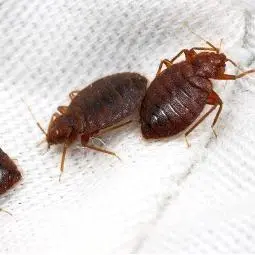
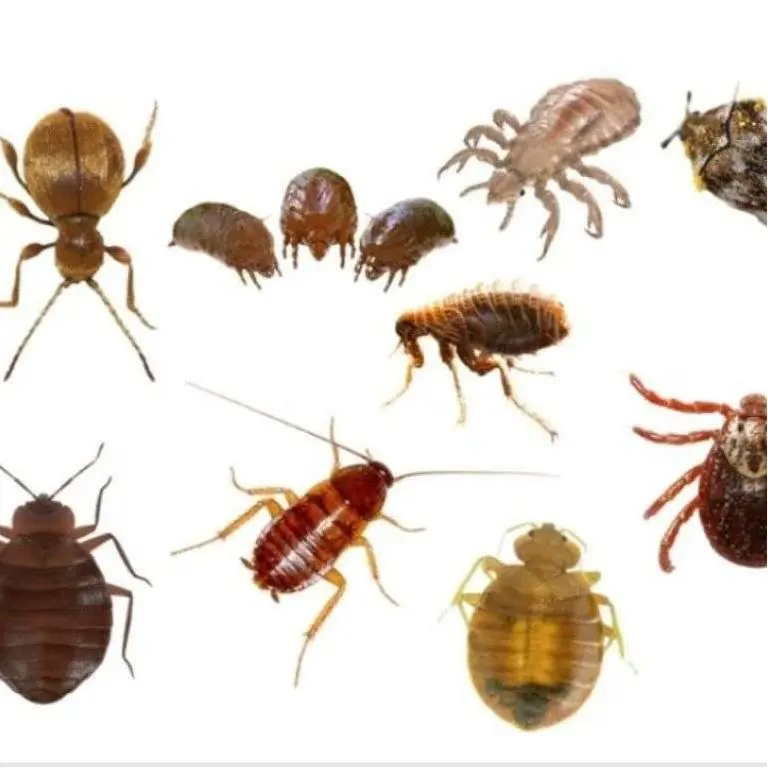
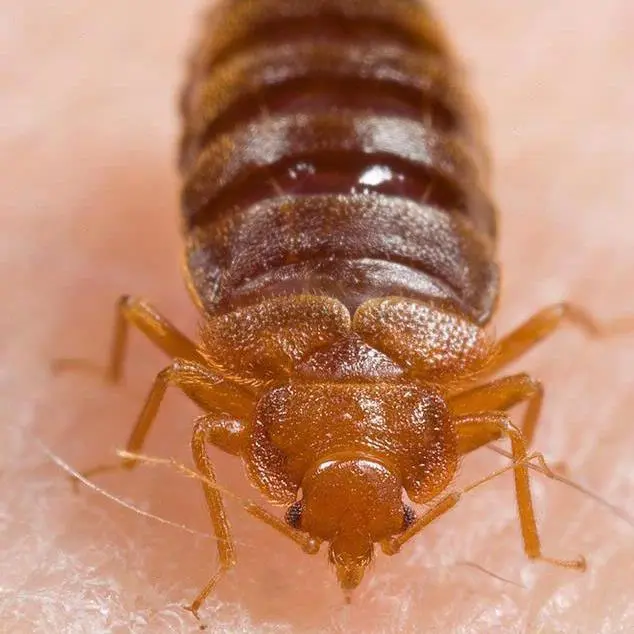
Bed bugs (Cimex lectularius) are one of the most persistent household pests, known for their rapid reproduction, nocturnal feeding habits, and resistance to common pesticides. These blood-feeding insects hide in mattresses, bed frames, furniture, and wall cracks, making them difficult to eliminate.
One of the commonly used insecticides against bed bugs is Cypermethrin, a synthetic pyrethroid. But how effective is Cypermethrin for bed bug control? Can it completely eliminate an infestation, or are there better alternatives? This guide will explore the role of Cypermethrin in bed bug control, other effective insecticides, and the best practices for application.
What is Cypermethrin Insecticide?
Cypermethrin is a broad-spectrum synthetic pyrethroid insecticide widely used in agriculture, pest control, and household insect sprays.
- Mode of Action: Cypermethrin targets the nervous system of insects, causing paralysis and death by disrupting sodium channel function.
- Fast Knockdown Effect: Works quickly, causing immediate paralysis in bed bugs.
- Residual Effect: Provides long-lasting protection on treated surfaces.
- Commonly Found In: Aerosol sprays, liquid concentrates, and dust formulations for home and commercial pest control.
Does Cypermethrin Kill Bed Bugs?
Effectiveness Against Bed Bugs
Cypermethrin can kill bed bugs on contact, but its overall effectiveness depends on several factors:
✔ Fast Knockdown – Bed bugs exposed to Cypermethrin die within hours, especially directly sprayed individuals.
✔ Residual Activity – Treated surfaces remain lethal to bed bugs for days to weeks, killing new bed bugs that emerge.
✖ Resistance Issues – Many bed bug populations have developed resistance to pyrethroids like Cypermethrin, reducing effectiveness.
✖ Does Not Kill Eggs – Cypermethrin does not penetrate eggs, meaning newly hatched bed bugs may survive.
When is Cypermethrin Effective?
- Works best on non-resistant bed bug strains.
- Effective as part of a combination treatment with other insecticides.
- Useful for preventative treatment in infested areas.
Other Insecticides Effective Against Bed Bugs
Because some bed bug populations are resistant to Cypermethrin, combining it with other active ingredients can improve control. Here are some alternative insecticides:
Pyrethroid Alternatives
- Deltamethrin – Another synthetic pyrethroid with higher toxicity to bed bugs.
- Lambda-Cyhalothrin – Provides stronger residual effects than Cypermethrin.
Neonicotinoids
- Imidacloprid – A systemic insecticide disrupting the nervous system of bed bugs.
- Thiamethoxam – Often used in combination formulations with pyrethroids.
Pyrroles
- Chlorfenapyr – Works by disrupting energy production, effective against resistant bed bugs.
Phenylpyrazoles
- Fipronil – Often used in dust formulations, affecting bed bugs via ingestion and contact.
Desiccants & Growth Regulators
- Silica Gel & Diatomaceous Earth – Physically dehydrates bed bugs.
- Methoprene & Hydroprene (IGRs) – Prevent bed bug growth and reproduction.
Best Practices for Using Cypermethrin Against Bed Bugs
To maximize Cypermethrin’s effectiveness, follow these key application steps:
Step 1: Identify and Prepare the Infested Area
- Check common hiding spots: Bed frames, mattresses, baseboards, furniture crevices.
- Declutter and vacuum: Remove bed bugs before spraying to improve results.
- Wash infested fabrics: Use high heat (above 120°F / 49°C) to kill eggs.
Step 2: Apply Cypermethrin-Based Insecticide
- Direct Contact Spray: Apply directly on bed bugs and hiding areas.
- Residual Treatment: Treat baseboards, cracks, furniture, carpets to prevent reinfestation.
- Avoid overuse: Excessive spraying can lead to bed bug resistance.
Step 3: Monitor and Reapply if Needed
- Observe treated areas for continued activity.
- Use additional treatments (IGRs, desiccants, or alternative insecticides) if bed bugs persist.
Other Methods to Improve Bed Bug Control
Besides insecticide use, integrated pest management (IPM) is key to eliminating bed bugs.
✔ Steam Treatment – Kills bed bugs and eggs instantly at high temperatures.
✔ Encasements – Seal mattresses and pillows to trap and starve bed bugs.
✔ Traps & Monitors – Detect bed bug activity before infestations grow.
✔ Professional Heat Treatments – Raises room temperature to eliminate all life stages.
Final Thoughts: Should You Use Cypermethrin for Bed Bugs?
Cypermethrin is a powerful insecticide that can help control bed bug infestations, but it may not be effective on its own due to resistance issues.
Best approach:
- Use Cypermethrin as part of a multi-insecticide treatment plan.
- Combine with IGRs, desiccants, and alternative insecticides for maximum impact.
- Apply correctly and monitor progress to ensure long-term bed bug elimination.
For severe infestations, professional pest control services using heat treatment and chemical combinations may be the most effective solution.
Hot Products
Hot news
Recommended news
FAQ