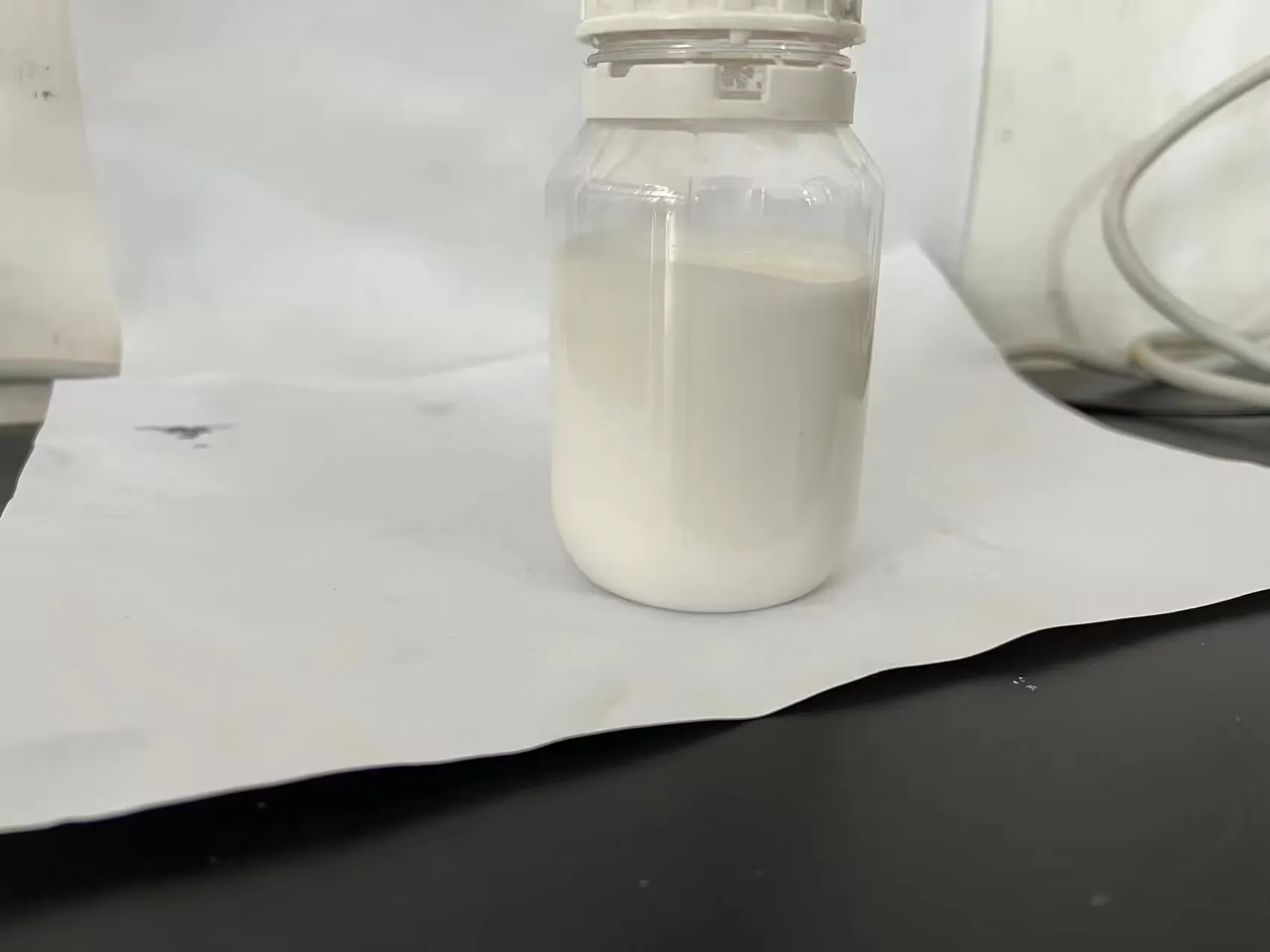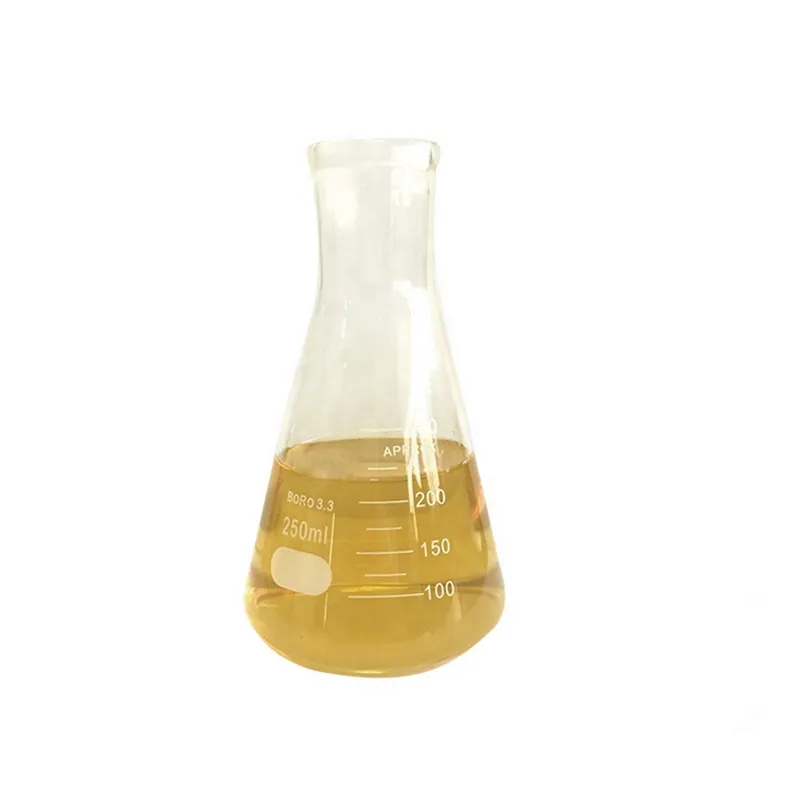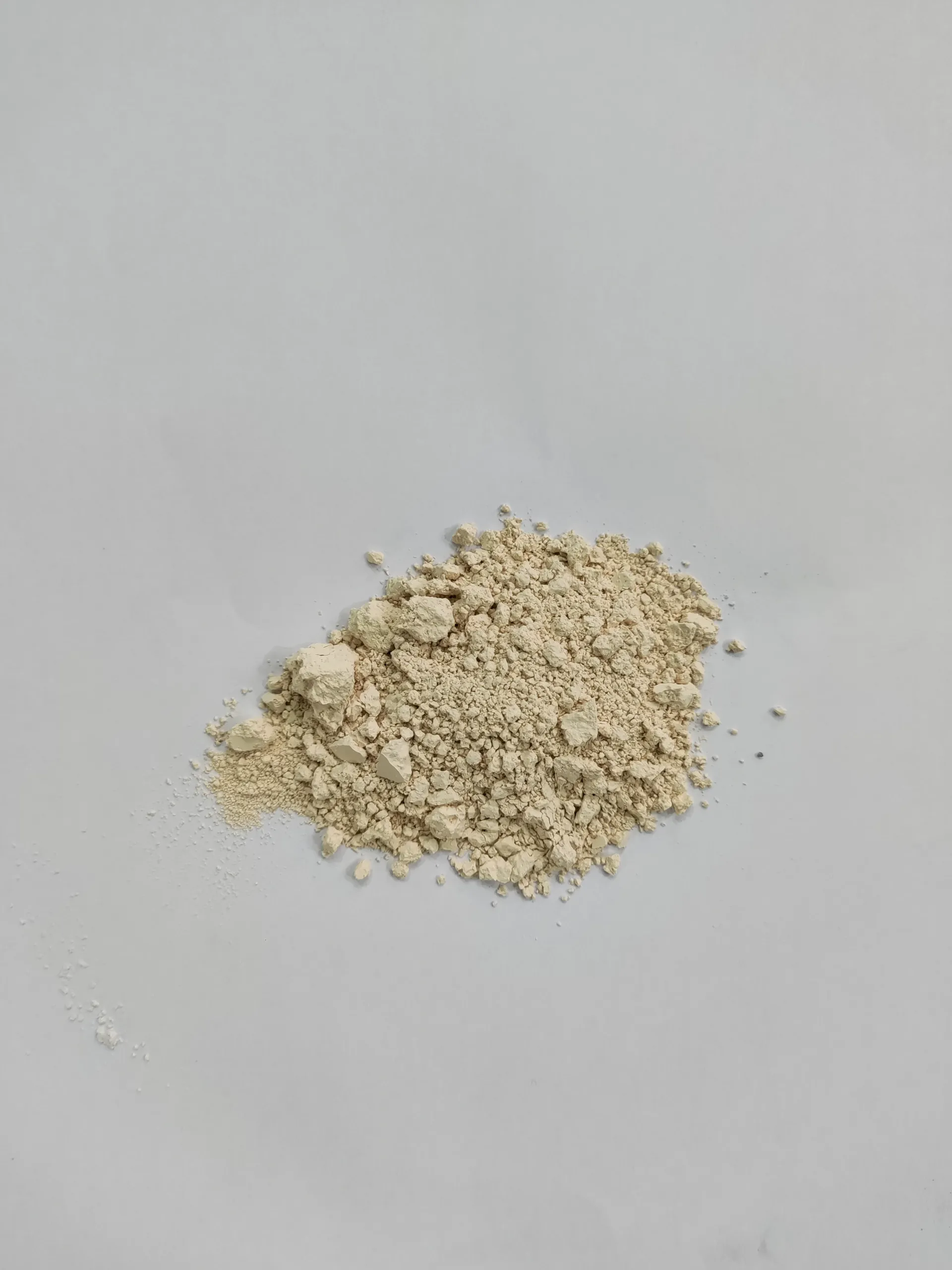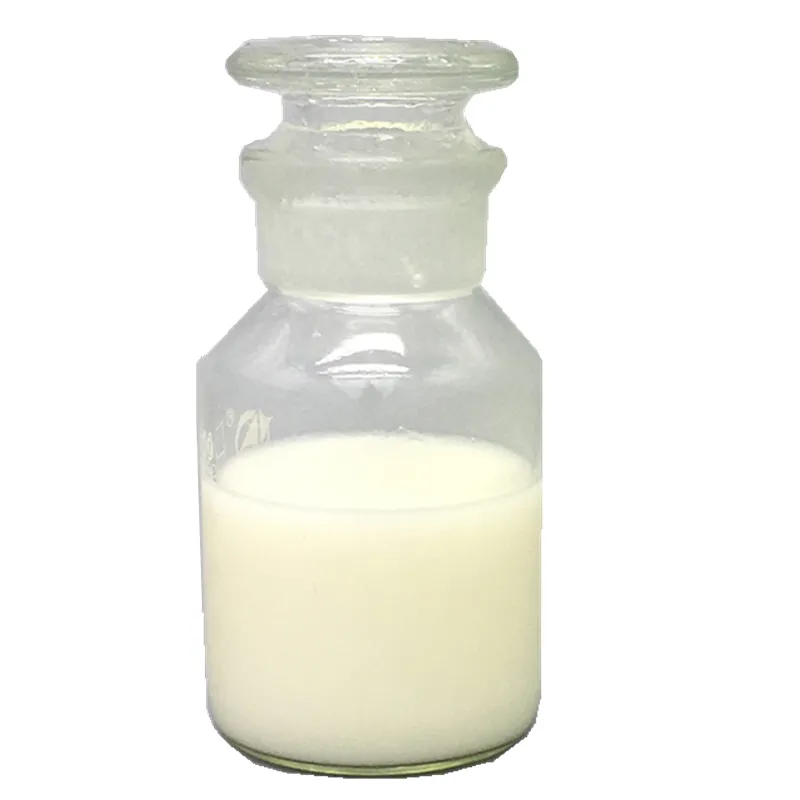



Carbendazim Fungicide | Carbendazim for Plants
Carbendazim is a broad-spectrum systemic fungicide widely used to control leaf spot, blight, anthracnose, powdery mildew, scab, and fruit rot across major crops such as wheat, rice, corn, cotton, fruits, and vegetables. As a benzimidazole compound (FRAC Group 1), it works both preventively and curatively, moving inside the plant to stop fungal growth and protect new tissues.
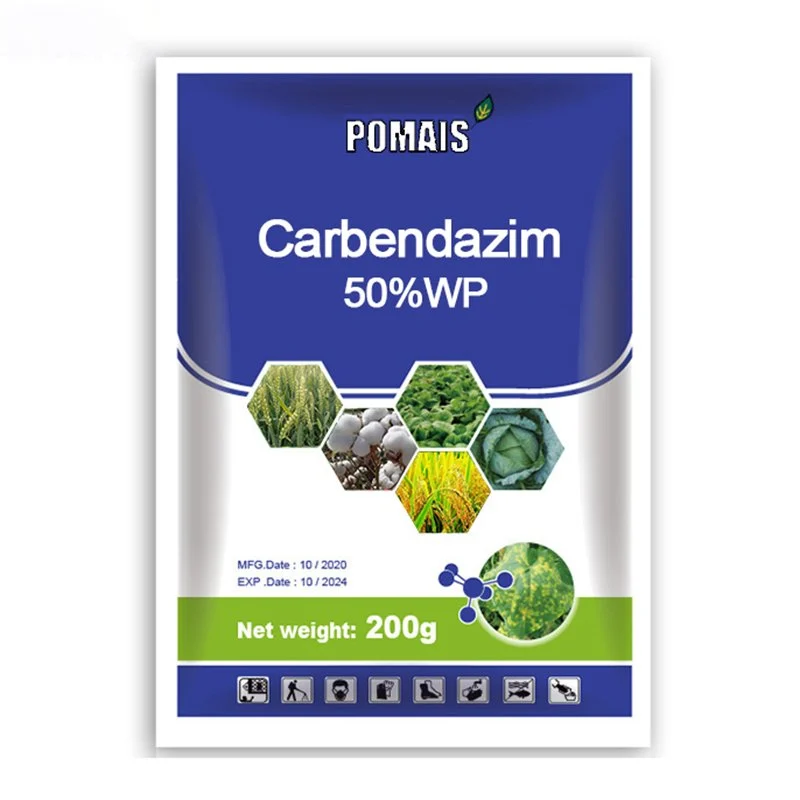
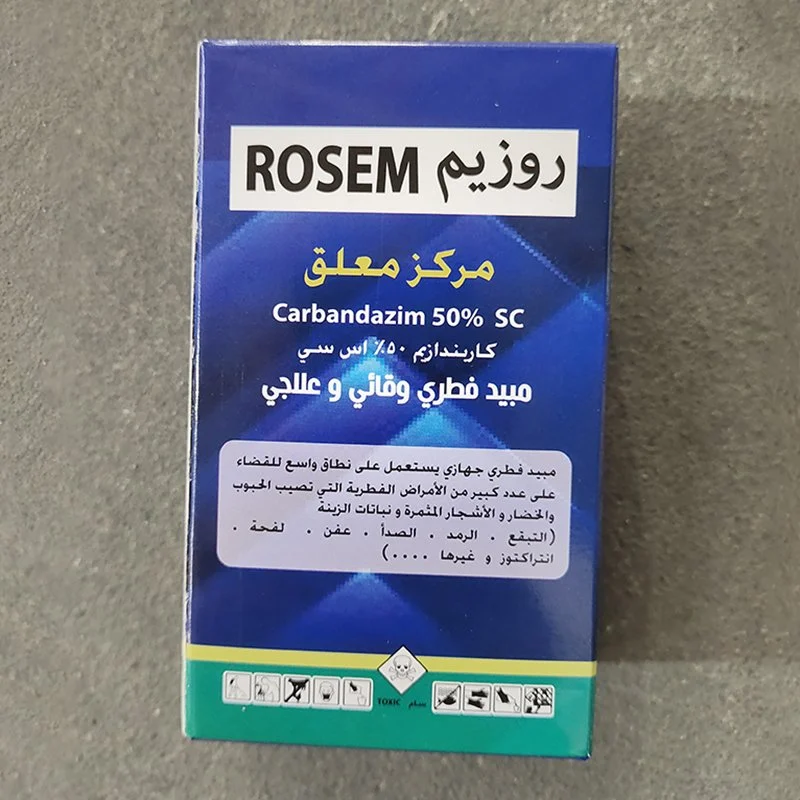
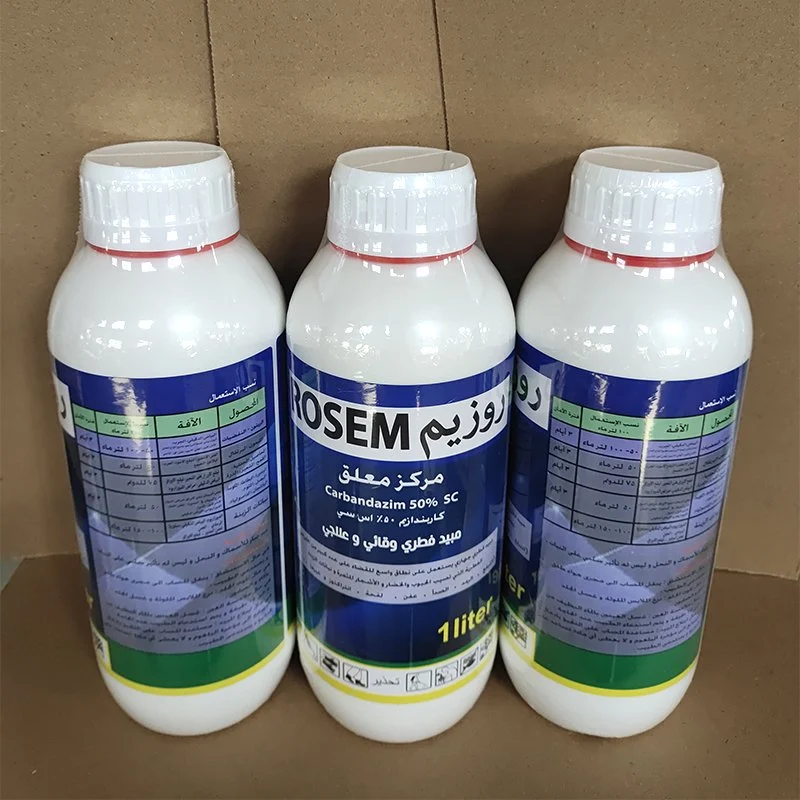
POMAIS supplies multiple formulations — 50% WP, 50% SC, 80% WDG, and 80% WP — with OEM packaging, multi-language labeling, and full documentation support (COA, MSDS, TDS, ICAMA). Whether you need small retail packs or bulk drums, each batch is produced under ISO-certified quality control and stability-tested for diverse climates.
- Designed for Professional Buyers & Bulk Orders
- We support custom packaging, labeling, and formulation to meet your market needs.
- Export wholesale inquiries only.
- Please include destination country, business type (importer/distributor/registrant), and expected volume.
- Retail requests will not be processed.

About Carbendazim Fungicide | Carbendazim for Plants
| Product Name | Carbendazim (fungicide) |
| Active Ingredient | Carbendazim |
| CAS Number | 10605-21-7 |
| Molecular Formula | C9H9N3O2 |
| Target Pests/Diseases | Fungal diseases such as powdery mildew, leaf spot, anthracnose, and root rot |
| Applicable Crops | Fruits, vegetables, cereals, cotton, and ornamentals |
| Dosage | 0.5-1.0 kg per hectare |
| Mode of Action | Systemic fungicide; inhibits fungal cell division by disrupting mitosis |
| Tank Mix Compatibility | Can be tank-mixed with other fungicides or insecticides |
| Common Formulations | SC, WP, TC |
| Common Concentrations | 50%SC, 50%WP, 98%TC |
| Packaging Types | 1kg/bag, 5kg/bag, 25kg/drum |
| Pre-Harvest Interval | 14-21 days |
| Product Keywords | Carbendazim fungicide, Carbendazim fungicide price, Carbendazim fungicide products, Carbendazim systemic fungicide, Carbendazim for plants |
We provide high-quality Carbendazim Fungicide products with customized packaging and label design to meet the needs of our customers. Our products are manufactured under ISO 9001 certification, ensuring premium quality and consistent performance.
For more information on Carbendazim fungicide price, Carbendazim systemic fungicide, or to inquire about Carbendazim fungicide for sale, feel free to contact us!
Carbendazim Fungicide
Carbendazim is a systemic benzimidazole fungicide (FRAC Group 1, MBCs) that provides both preventive and curative activity. It moves within plant tissues to protect new growth and is widely used against leaf spot, blight, anthracnose, powdery mildew, scab, and fruit rot across field and horticultural crops.
Where it fits
- Crops: cereals (wheat, rice, corn), cotton, vegetables, fruit trees, pulses, ornamentals.
- Diseases: leaf spot/leaf blight complexes, powdery mildew, scab, anthracnose, fruit rots.
- Program role: a systemic fungicide for early lesions or high-risk windows, then rotated with non-Group 1 partners to maintain sensitivity.
Why it’s valued
- Systemic reach: moves inside the plant to protect emerging tissues and hard-to-cover sites.
- Dual action: preventive protection on healthy tissue and curative reach on incipient infections.
- Formulation range: aligns with common commercial forms on your page — 50% WP, 50% SC, 80% WDG, 80% WP — enabling portfolio standardization and OEM packs.
How to position in your portfolio
- Use carbendazim to clean early infections and stabilize quality; follow with non-G1 chemistries per label to stretch intervals.
- Pair with multi-site protectants or rotate to DMIs/QoIs/SDHIs (label-driven) in humid or continuous-pressure periods.
- Keep messaging consistent with your existing page: broad-spectrum, systemic, preventive + curative, and OEM documentation ready.
Mode of Action
Carbendazim is a single-site benzimidazole fungicide (FRAC Group 1, MBCs) that binds fungal β-tubulin, preventing microtubule assembly and disrupting mitosis at metaphase. This stops nuclear division and hyphal growth, giving both preventive protection on healthy tissue and curative reach against very early infections. As a systemic active, it moves primarily in the xylem to protect new growth.
Key biological effects
- Microtubule inhibition: blocks spindle formation, halting cell division and colony expansion.
- Growth stop before visible sporulation: reduces lesion expansion and spore production when applied at early symptoms.
- Systemic movement: upward redistribution helps protect emerging leaves and flowers.
- Selectivity: targets fungal tubulin; does not share modes of action with DMIs, QoIs, or SDHIs.
Where it performs best
- Early lesions / incubation phase: curative clean-up and containment.
- High humidity, continuous pressure: program component alongside non-Group 1 partners (per label).
- Quality-critical stages: fruit set, heading, early canopy expansion—where minor infections can cascade into losses.
Program positioning (role by symptom stage)
| Crop stage or scouting signal | Typical disease situation | Carbendazim’s role | Follow-up (rotation logic) |
|---|---|---|---|
| Risk forecast / pre-symptom window | Warm, humid period; susceptible cultivar | Preventive shield on clean tissue | Alternate to non-G1 (e.g., DMI/QoI/SDHI) per label |
| First flecks / early lesions detected | Anthracnose, leaf spot, scab, powdery mildew | Curative clean-up; stop expansion | Switch to non-G1 protectant/systemic next interval |
| After rain or canopy flush | Spore splash, rapid leaf turnover | Bridge protection until rota partner | Resume rotation; avoid back-to-back G1 |
Formulations & Selection Guide
Carbendazim is available in the commercial forms already listed on your page — 50% WP, 50% SC, 80% WDG, and 80% WP — allowing distributors to standardize portfolios by crop, disease complex, and logistics. The guide below keeps your original naming while clarifying when each form delivers the most value.
50% WP — Wettable Powder
- Where it fits: Broad acre field crops and orchards that need reliable coverage and flexible pack sizes.
- Strengths: Good leaf coverage with appropriate wetting; cost-efficient per hectare; easy to stock in multi-climate routes.
- Program role: Preventive on clean tissue or curative at earliest symptoms; rotate to non-Group 1 partners next interval.
- When to choose: Distributor networks needing wide availability and straightforward label alignment across markets.
50% SC — Suspension Concentrate
- Where it fits: High-throughput programs seeking uniform active delivery and reduced dust during handling.
- Strengths: Consistent suspensibility; smooth re-dispersion; stable residues for interval planning.
- Program role: Early-lesion cleanup followed by a non-G1 systemic or protectant according to the label.
- When to choose: Packing lines prioritizing liquid dosing, closed transfers, and warehouse efficiency.
80% WDG — Water-Dispersible Granules
- Where it fits: Premium handling with low dust and fast wetting for horticulture and export-driven routes.
- Strengths: Granular convenience, quick dispersion, compact storage; strong option for high-value crops.
- Program role: Preventive plus early curative; pairs well with non-G1 partners in humid periods (label-driven).
- When to choose: Retail or professional channels where clean handling and rapid prep time matter.
80% WP — High-Load Wettable Powder
- Where it fits: Markets favoring powder logistics but needing higher a.i. loading to reduce pack count.
- Strengths: Fewer packs per shipment; familiar preparation steps for field teams.
- Program role: Same as other forms; avoid back-to-back Group 1 applications on the same block.
- When to choose: Distributor lanes optimizing pallet density and per-shipment value.
Formulation Comparison (at a glance)
| Formulation | Handling & Prep | Coverage Behavior | Typical Use Focus | Program Role | Packaging Range* |
|---|---|---|---|---|---|
| 50% WP | Powder; requires wetting and agitation | Good leaf coverage with correct adjuvanting | Field crops and orchards | Preventive/early curative; rotate next interval | Small retail to multi-kg bags |
| 50% SC | Liquid; shake/agitate before use | Uniform a.i. delivery; stable suspension | High-throughput liquid dosing | Early-lesion cleanup; rotate per label | 100 ml–5 L bottles; larger drums |
| 80% WDG | Low-dust granules; quick wetting | Clean dispersion; precise dosing | Horticulture, export retail | Preventive + early curative; partner in humidity | 100 g–5 kg pouches |
| 80% WP | High-load powder | Efficient per-shipment a.i. density | Powder-preference markets | Same role; avoid sequential G1 | Multi-kg bags for pallet optimization |
* Exact pack sizes follow your existing offer and local registration. Always consult the product label and local regulations.
Selection Checklist
- Crop and disease complex: leaf spot/blight, anthracnose, scab, powdery mildew, fruit rots.
- Operational preference: liquid dosing (SC) vs granular dispersion (WDG) vs powder logistics (WP/80% WP).
- Route & warehousing: pallet density and climate stability; consider 80% WP/WDG for higher a.i. per pack.
- Program logic: preventive or early-curative role, then rotate to non-Group 1 partners (per label).
- Documentation: ensure COA, MSDS, TDS, and label sets align with target markets and languages.
OEM & Pack Options (aligned to your page)
- Labels & languages: EN/AR/FR/RU/ES and others; barcode and regulatory panels aligned to local rules.
- Closures & liners: CRC caps, induction-seal liners, dosing cups for liquids; moisture-barrier pouches for WDG/WP.
- Stability & QC: cold/heat stability checks; batch release via HPLC; retains and traceable lot codes.
Combination Formulations
Carbendazim can be combined with other fungicides to broaden its spectrum:
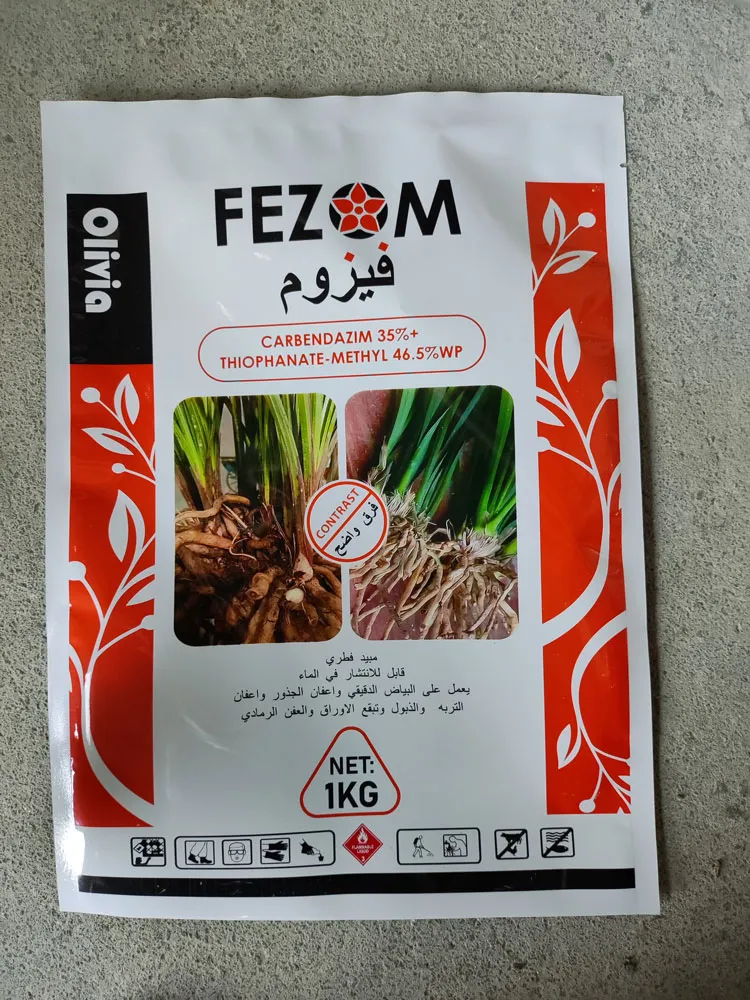
- Carbendazim 35% + Thiophanate-Methyl 46.5% WP
- Carbendazim 50% + Difenoconazole 5% WP
- Carbendazim 15% + Iprodione 5% SC
- Carbendazim 25% + Prothioconazole 3% SC
- Carbendazim 35% + Tebuconazole 5% SC
- Carbendazim 25% + Fosetyl-Aluminium 25% WP
Benefits
- Systemic Protection: Moves through plant tissues, safeguarding treated and new growth.
- Broad-Spectrum Fungicide: Effective against foliar, soil-borne, and seed-borne diseases.
- Long-Lasting Control: Reduces frequency of applications.
- Multiple Formulations: Available in WP, SC, and WDG, suitable for diverse crops and methods.
Packaging Types
- 50% WP: 500g, 1kg, 5kg bags
- 80% WP: 1kg, 5kg, 25kg bags
- 50% SC: 1L, 5L containers
- 80% WDG: 1kg, 5kg packages
Uses & Application Guide
Carbendazim is positioned as a preventive + early curative systemic fungicide across field crops, horticulture, and orchards. Align programs to crop phenology and disease biology, and rotate away from FRAC Group 1 in the next interval according to the label.
Crop × Disease × Program Window
| Crop | Primary Diseases | Best-Fit Formulations | Program Window | Role in Program | Rotation Note |
|---|---|---|---|---|---|
| Wheat / Barley | Leaf spot/leaf blight complexes, powdery mildew | 50% WP / 50% SC | Forecasted risk or first flecks on leaves | Preventive on clean tissue; early curative to contain initial lesions | Next interval switch to non-G1 (e.g., DMI/QoI/SDHI) per label |
| Rice | Sheath blight, leaf spot, grain/ear rots (quality critical) | 50% SC / 50% WP | Humid period, heading to early grain fill | Curative cleanup in quality-critical stages; protect new tissue via systemic movement | Insert multi-site partner or alternate FRAC group |
| Corn / Maize | Anthracnose, leaf blight, stalk rot complexes | 50% SC / 80% WDG | Early canopy expansion and after rain events | Preventive shield; early curative when scouting finds lesions | Rotate out of Group 1 next spray; maintain interval discipline |
| Cotton | Leaf spot, boll/fruiting body diseases (region-dependent) | 50% SC / 50% WP | Square to early boll; post-rain sanitation | Curative clean-up to reset canopy; protect emerging organs | Follow with non-G1 systemic or protectant per label |
| Vegetables (solanaceous, cucurbits, brassicas) | Anthracnose, scab, powdery mildew, leaf spot | 80% WDG / 50% SC | Pre-bunching / early fruit set; continuous humidity | Preventive + early curative; strong fit for quality retention | Alternate with non-G1; add protectant in high pressure if label allows |
| Fruit Trees (pome/stone, citrus where registered) | Scab, anthracnose, blossom/fruit rots | 80% WDG / 50% SC | Bloom to early fruit set; post-rain recovery | Curative containment of incipient infections; protect new flush | Strict rotation out of G1; observe PHI/REI on label |
| Ornamentals / Nursery | Leaf spot, blight, powdery mildew | 80% WDG / 50% SC | Greenhouse humidity peaks; new flush cycles | Preventive on high-value blocks; early curative for appearance | Rotate with non-G1 partners per label and market rules |
Field takeaway: Use carbendazim at earliest symptoms or high-risk windows to exploit its curative reach, then rotate to non-Group 1 chemistry in the next interval. In extended humidity or continuous-pressure scenarios, insert multi-site protectants where permitted.
Program Integration
- Preventive on clean tissue, early curative at first flecks: keeps lesions small and limits sporulation.
- Systemic redistribution: protects emerging leaves/flowers and stabilizes quality through critical stages.
- Interval planning: maintain label-compliant intervals and avoid consecutive Group 1 sprays on the same block/variety.
- Mixtures and partners: where labels allow, combine with or alternate to non-G1 partners to broaden spectrum and reduce selection pressure.
Compliance reminder: Timings, intervals, partners, and label crops vary by market. Always follow the product label and local regulations. No field rates or mix steps are provided here.
Application Readiness Checklist (for distributors and buyers)
- Target crop × disease complex and climate period.
- Select formulation aligned to handling and route: 50% WP / 50% SC / 80% WDG / 80% WP.
- Confirm documents and languages: COA, MSDS, TDS, label drafts, stability notes.
- Plan rotation with non-G1 partners across the season; map intervals to phenology.
- Align packs with channel needs: retail pouches vs liquid dosing vs pallet density.
Applications by Crop
| Crops | Target Diseases | Application Method |
|---|---|---|
| Cereals (wheat, barley) | Rust, leaf spot, fusarium head blight | Foliar spray |
| Fruits (apples, grapes) | Scab, anthracnose, powdery mildew | Foliar spray |
| Vegetables | Powdery mildew, downy mildew, blight | Foliar spray |
| Ornamentals | Leaf spots, rust, powdery mildew | Foliar spray |
| Pulses (peas, beans) | Anthracnose, root rot, blight | Soil drench, foliar spray |
Application Timing & Crop Growth Stage
For effective disease prevention and curative control, timing the application of Carbendazim according to crop growth stage and pathogen pressure is critical. Its systemic properties allow for both early intervention and mid-season protection, making it suitable for flexible scheduling in integrated disease management programs.
Recommended Timing by Crop:
| Crop Type | Target Growth Stage | Suggested Application Timing |
|---|---|---|
| Cereals | Tillering to heading | Apply preventively at early disease signs or during high-risk weather conditions |
| Fruit trees | Pre-bloom to fruit set | Start at early signs of powdery mildew or anthracnose; repeat every 10–14 days |
| Vegetables | Vegetative to flowering | Apply before disease onset, especially in humid conditions prone to blight or mildew |
| Ornamentals | Early growth to full bloom | Preventive sprays before visible symptoms; repeat under prolonged humidity |
| Pulses | Seedling to pod-fill | Treat at emergence for root rot and leaf spot prevention; repeat as necessary |
Application Frequency:
- Typically every 10–14 days, depending on disease severity, weather conditions, and crop sensitivity
- Follow local agronomic guidelines or resistance management programs for specific intervals and combinations
Proper timing ensures maximum absorption and translocation, delivering prolonged protection from root to foliage, while minimizing the risk of disease recurrence or spread.
Application Rates
| Crops | Dosage | Application Method |
|---|---|---|
| Cereals | 1.0-1.5 kg/ha | Foliar application |
| Fruits | 1.0-1.5 L/ha | Scab, powdery mildew |
| Vegetables | 0.8-1.2 kg/ha | Powdery mildew, blight |
| Ornamentals | 0.5-1.0 kg/ha | Rust, leaf spots |
(Always refer to product labels for precise dosage and application timing based on specific crops and diseases.)
Usage Instructions
| Formulation | Plants | Target Disease/Pest | Dosage | Application Method |
|---|---|---|---|---|
| 50% WP | Fruit Trees | Various Diseases | 500-1000x | Spray |
| Peanut | Seedling Failure | 1500g/ha | Spray | |
| Lotus | Root Leaf Diseases | 750-900g/ha | Spray | |
| Wheat | Scab | 1500g/ha | Spray | |
| Cotton | Seedling Diseases | 1:100 dilution | Seedling Treatment | |
| 50% SC | Fruit Trees | Various Diseases | 400-800x | Spray |
| Peanut | Seedling Failure | 1875g/ha | Spray | |
| Wheat | Scab | 1600x dilution | Spray | |
| Cotton | Seedling Diseases | 135x dilution | Spray |
Safety & Environmental
Carbendazim is a systemic benzimidazole fungicide used within label-defined programs to protect crops while maintaining stewardship standards.
Beneficials and pollinators
-
Low direct impact on most beneficial arthropods when used as directed.
-
Avoid applications during peak bee foraging and bloom where labels indicate; follow any local bee-safety statements.
-
Position carbendazim in a rotation that minimizes broad-spectrum pressure and preserves natural enemies.
Soil, water, and drift
-
Observe buffer zones and drift-reduction practices specified on the label, especially near water bodies and sensitive habitats.
-
Prevent runoff and contamination by respecting weather, slope, and irrigation conditions.
-
Store and handle in sealed original containers; prevent spillage into drains and waterways.
Operator safety and residues
-
Use PPE as stated on the label. Respect REI/PHI and sanitation requirements for equipment and containers.
-
Keep to label-compliant intervals to manage residue profiles and meet buyer specifications.
Quality & Compliance
POMAIS provides stable supply with evidence-backed quality control and registration-ready documentation.
Process control and batch release
-
Incoming technical material verification; formulation cold/heat stability studies.
-
Automated dosing and in-process homogeneity checks for WP/SC/WDG/WP lines.
-
Batch release with HPLC assay and physical-chemical parameter checks; retains archived for traceability.
Documentation & registration support
-
Standard set: COA, MSDS, TDS, label drafts, and stability summaries.
-
Registration assistance on request: data mapping to local formats and regulatory panels.
-
Multi-language labeling available (EN/AR/FR/RU/ES and others) to fit export markets.
OEM & packaging
-
Custom branding, artwork adaptation, barcode, and compliance icons.
-
Closures and liners: CRC caps, induction seals, dosing cups; moisture-barrier pouches for WDG/WP.
-
Packaging validation: drop tests and 24-hour inversion to check leak resistance.
Product Positioning & Market Trends
If you’re targeting markets that demand cost-effective, proven disease control solutions, Carbendazim fungicide remains one of the most dependable assets in any fungicide portfolio. While its use is restricted in some high-regulation countries, Carbendazim continues to be a top-selling fungicide in South America, Southeast Asia, Africa, and Central Asia—where performance, availability, and affordability matter most.
For agrochemical distributors and private-label brand owners, Carbendazim offers a unique value proposition:
- High market acceptance across both large-scale farms and smallholder sectors
- Flexible integration into your existing product line—available in WP, SC, WDG formats for multiple crops
- Reliable demand year-round, especially for cereal, fruit, and vegetable programs
- Supported by POMAIS’s full-service OEM model, from multilingual label design to ICAMA-compliant export documentation
As global growers face increasing disease pressure and limited fungicide access, Carbendazim remains a go-to solution for broad-spectrum protection at scale. Whether you’re expanding into competitive markets or strengthening your existing lineup, this product positions your business to meet real field needs—backed by a manufacturer with the capacity to deliver.
Resistance Management Strategy
As with all systemic fungicides, responsible use of Carbendazim is key to maintaining long-term field efficacy. Carbendazim belongs to the benzimidazole class (FRAC Code 1), which targets fungal mitosis by inhibiting tubulin formation. While highly effective, repeated solo applications can increase the risk of resistance development in certain pathogens.
To help your clients or downstream users maximize efficacy and preserve product value, POMAIS recommends the following resistance management strategies:
- Rotate with different FRAC groups: Alternate Carbendazim with triazoles (DMI), strobilurins (QoI), or contact fungicides such as mancozeb or chlorothalonil to disrupt resistance cycles.
- Avoid consecutive solo sprays: Use Carbendazim as part of a rotational program rather than in back-to-back applications.
- Integrate into IPM programs: Combine with cultural practices, resistant crop varieties, and threshold-based applications for sustainable disease control.
- Use mixtures for curative + protective effect: Consider premixes like Carbendazim + Thiophanate-Methyl or Carbendazim + Difenoconazole, available from POMAIS, for broader-spectrum protection and resistance delay.
By integrating these practices, distributors and agronomic advisors can confidently recommend Carbendazim as a technically sound, field-proven fungicide—with the added assurance of manufacturer support for resistance stewardship.
Regional Regulatory Status & Restrictions
Carbendazim’s regulatory status varies across global markets. While some high-regulation countries such as the European Union and parts of North America have restricted or withdrawn its use due to environmental or toxicological concerns, the active ingredient remains widely approved and used in Africa, Asia, Latin America, and the Middle East.
As a result, Carbendazim continues to serve as a key fungicide for both government-backed programs and private sector distribution in emerging and transitional agricultural economies.
To support your entry or expansion in these markets, POMAIS offers:
- ICAMA-registered formulations with full documentation
- Support for local registration dossiers, including COA, MSDS, TDS, and bioefficacy data
- Assistance with multi-language labeling and country-specific packaging compliance
- Proven shipping and delivery experience in more than 40+ countries across key agricultural zones
Our dedicated export team is available to help you navigate local requirements and accelerate your time-to-market with confidence.
Shelf Life & Storage Conditions
To ensure optimal performance during distribution, warehousing, and field use, Carbendazim formulations are engineered for long-term stability under standard storage conditions.
Shelf Life:
- Minimum 2 years from the date of manufacture
- Stability guaranteed when stored in original, unopened packaging
Storage Guidelines:
- Store in a cool, dry, and well-ventilated environment
- Avoid direct exposure to sunlight, heat, and moisture
- Keep away from food, feed, and drinking water sources
- Do not store below 0°C or above 35°C, especially for SC formulations
- Maintain containers tightly sealed when not in use
Proper storage ensures that Carbendazim retains its physical integrity, dispersion quality, and biological efficacy, giving distributors and end-users consistent performance even after long-distance transit.
At POMAIS, all shipments are quality-checked prior to dispatch, with batch-level traceability and customized labeling options to support warehouse management and compliance.
Sustainable Alternatives & Product Combinations
As market demand grows for resistance-aware and environmentally conscious crop protection, Carbendazim continues to serve as a reliable foundation that can be either combined or alternated with other fungicides to support a broader spectrum of control while aligning with modern sustainability goals.
Recommended Product Combinations:
| Combination Formula | Benefits | Recommended Use |
|---|---|---|
| Carbendazim + Thiophanate-Methyl (e.g., 35% + 46.5% WP) | Double benzimidazole action for enhanced persistence and soil activity | Ideal for fruit trees, vegetables, and pulses |
| Carbendazim + Difenoconazole (e.g., 50% + 5% WP) | Systemic + protectant spectrum; adds triazole activity for rotation | Cereal rust, powdery mildew, anthracnose |
| Carbendazim + Iprodione (e.g., 15% + 5% SC) | Complementary modes of action targeting seed-borne and soil fungi | For seed treatment, ornamental blight, and greenhouse crops |
| Carbendazim + Tebuconazole (e.g., 35% + 5% SC) | Enhanced curative and preventive control with two systemic actives | For high-value fruits, vegetables, and export crops |
Alternative Fungicides for Rotation or Resistance Management:
- Azoxystrobin – For broad-spectrum foliar protection and QoI class rotation
- Mancozeb – As a multi-site contact fungicide, ideal for tank mixing or alternating
- Triazoles (e.g., Propiconazole, Cyproconazole) – Offer long residual activity and DMI group rotation benefits
- Chlorothalonil – For durable contact protection against resistant fungal strains
At POMAIS, we offer a full catalog of single and combination fungicide formulations, each available with custom OEM services to support brand development and market differentiation. Our technical team can also assist in designing localized IPM-compatible programs based on your target crop, region, and disease profile.
FAQ
Contact us!
We will reply to you within 24 hours on business days!