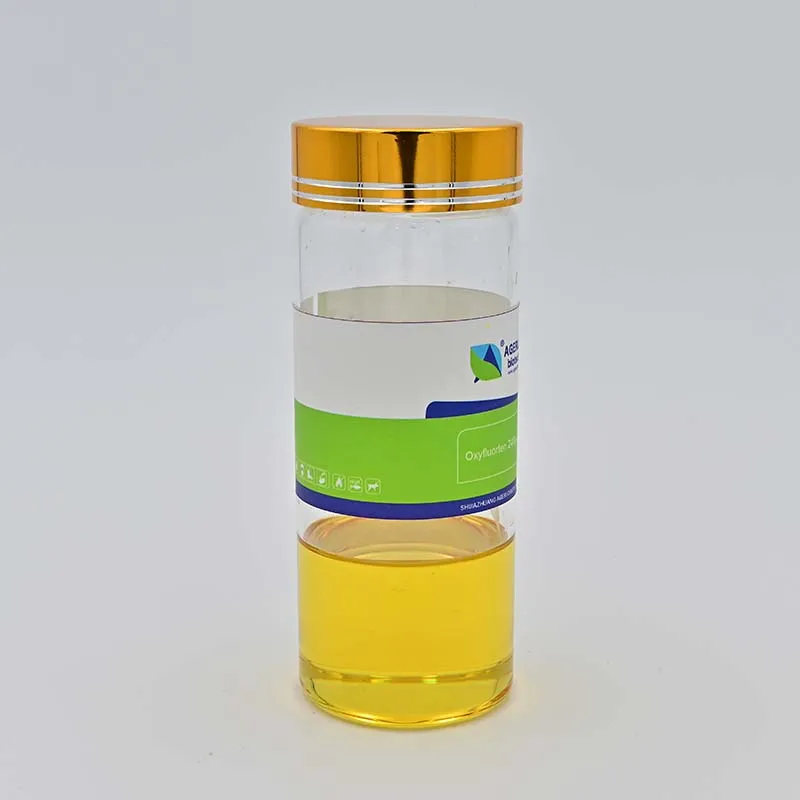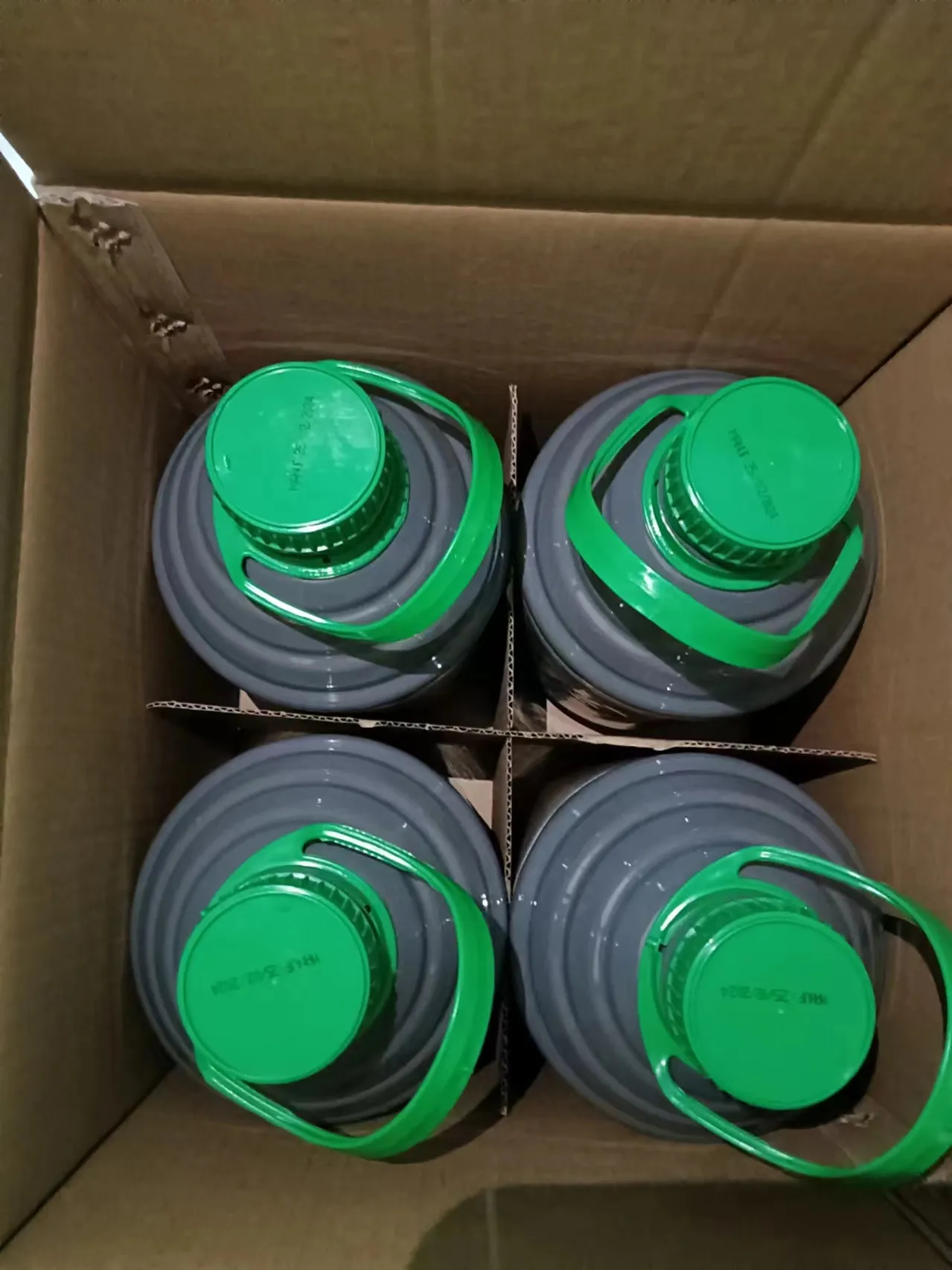
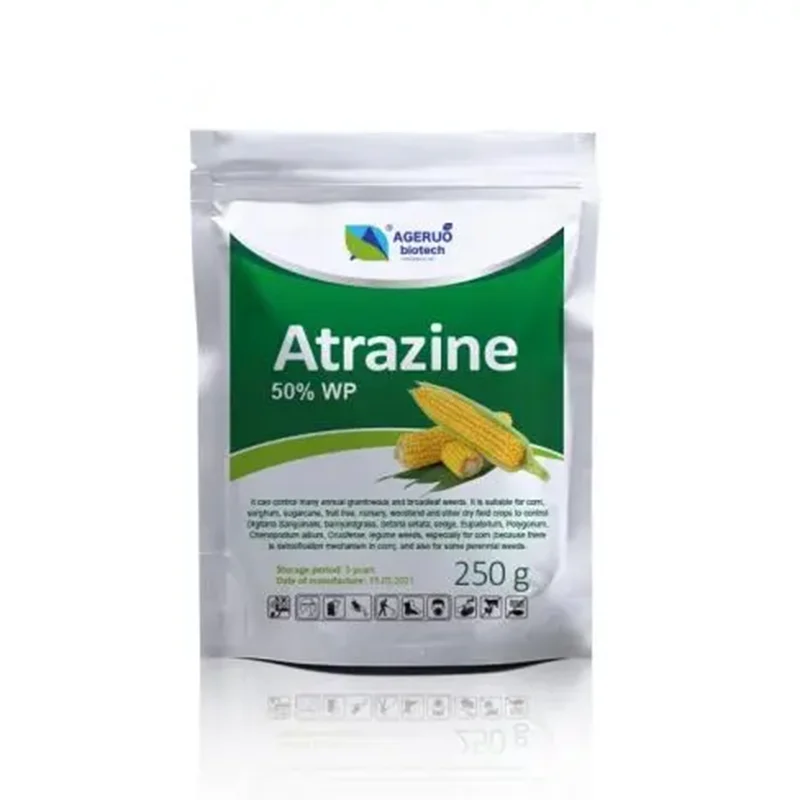


Atrazine Weed Killer Spurge Killer | Lawns
Selective Herbicide for Broadleaf and Grass Weeds in Agriculture and Lawns
Atrazine is a selective, broad-spectrum herbicide widely used for the control of annual broadleaf and grass weeds in large-scale agricultural fields and domestic lawns. Thanks to its proven mode of action—interfering with photosynthesis in susceptible weeds—atrazine has long been the herbicide of choice for professional growers, lawn managers and landscaping contractors.
Whether you are controlling stubborn weeds such as spurge, foxtail, barnyard grass or amaranth, atrazine delivers reliable control as both a pre-emergence and post-emergence herbicide. It is particularly effective in maize, sugarcane and sorghum production systems, and also provides excellent control of warm-season grasses commonly found in southern residential lawns, such as St. Augustine grass and centipede grass.
At POMAIS, we manufacture a full range of atrazine-based herbicide formulations and offer customised packaging solutions tailored to bulk distribution and regional market preferences. From ISO-compliant production processes to comprehensive services supporting OEM manufacturing, our solutions help grow your brand through effective weed control that meets regulatory requirements and performance expectations.
- Designed for Professional Buyers & Bulk Orders
- We support custom packaging, labeling, and formulation to meet your market needs.
- Export wholesale inquiries only.
- Please include destination country, business type (importer/distributor/registrant), and expected volume.
- Retail requests will not be processed.

About Atrazine Weed Killer Spurge Killer | Lawns
| Product Name | Atrazine (herbicide/weed killer) |
|---|---|
| Active Ingredient | Atrazine |
| CAS Number | 1912-24-9 |
| Molecular Formula | C8H14ClN5 |
| Target Weeds | Broadleaf weeds and grasses such as spurge, crabgrass, and foxtail |
| Applicable Uses | Lawns, cornfields, sorghum, sugarcane, and non-crop areas |
| Dosage | Typically 1-2 quarts per acre for post-emergent applications |
| Mode of Action | Inhibits photosynthesis in targeted weeds, leading to death |
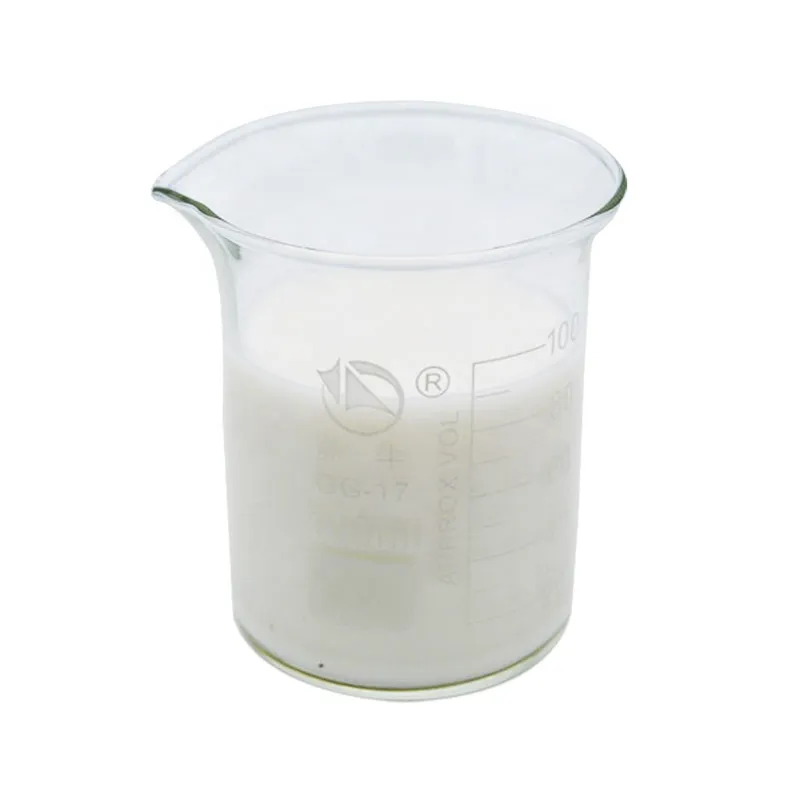
| Common Formulations | 50%SC,80%WDG,50%WP,80%WP |
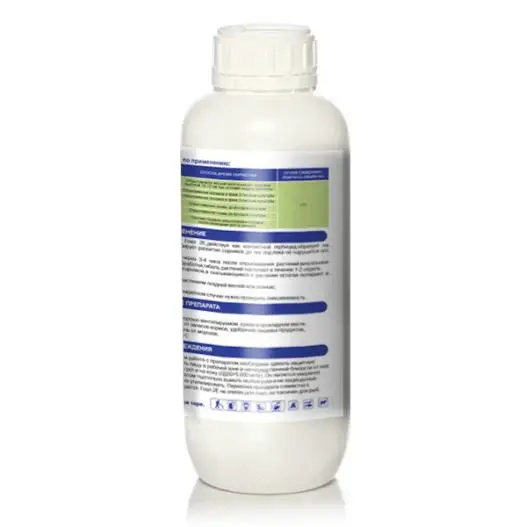
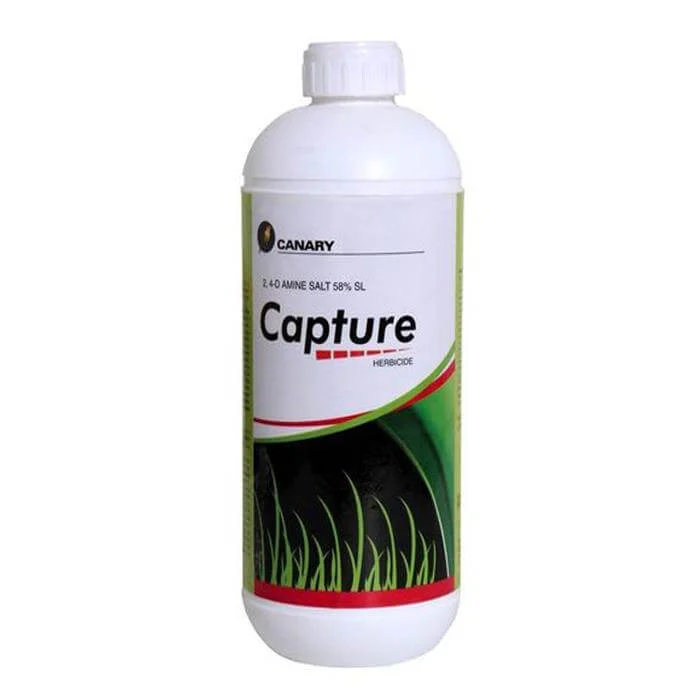
| Packaging Types | 1L, 5L, 20L containers |
| Related Terms | Atrazine Weed Killer, Spurge Killer, Atrazine Herbicide for Lawns |
| Company Strengths | POMAIS provides high-quality Atrazine formulations for both agricultural and lawn care use, supports OEM/ODM services, and offers custom packaging and labeling solutions |
Atrazine is a potent herbicide that effectively controls a wide range of broadleaf and grass weeds in maize, sorghum, sugarcane and lawns. It is particularly effective against spurge, dandelions and other persistent weeds. Atrazine is available in a variety of formulations and packaging options to meet different agricultural and domestic needs.
We manufacture high-quality atrazine herbicides and offer customisable packaging and label design services. Our production processes comply with the ISO 9001 standard, ensuring product consistency and safety.
Atrazine Herbicide
Atrazine is a widely used herbicide that is essential for controlling both broadleaf and grass weeds in a variety of crops, including maize, sorghum and sugarcane. Herbicides such as atrazine play a vital role in modern agriculture by protecting crops from invasive weeds, thereby ensuring higher yields and better-quality agricultural produce. As a leader in the agrochemical industry, Pomais offers a range of high-quality atrazine formulations designed to meet the diverse needs of farmers worldwide.
Best-selling atrazine formulations
Pomais offers a variety of popular atrazine formulations to meet different agricultural needs. These include:
- 50% Atrazine SC (suspension concentrate)
- 50% Atrazine WP (wettable powder)
- 80% Atrazine WP
- 80% Atrazine WDG (water-dispersible granules)
Depending on the specific crop and environmental conditions, each formulation offers unique advantages to ensure optimal weed control.
Atrazine Mixtures
In addition to pure atrazine products, Pomais also manufactures mixtures combining atrazine with other active ingredients to enhance efficacy:
- Atrazine 50% + Mesotrione 5% SC: Provides effective control of a wider range of weeds.
- Atrazine 14% + Propisochlor 26% SE: Offers longer-lasting residual control.
- Atrazine 84% + Nicosulfuron 8% wettable powder: An ideal choice for post-emergence weed control in maize.
These formulated mixtures are designed to address specific weed challenges and meet crop requirements, providing farmers with versatile solutions.
What Is Atrazine and How Does It Control Weeds?
Atrazine is a synthetic herbicide belonging to the triazine class of chemicals. Its mode of action involves selectively targeting and disrupting photosynthesis in susceptible plant species (particularly annual broad-leaved weeds and certain grass weeds). Once absorbed through the leaves or roots, atrazine inhibits electron transport in the chloroplasts, thereby blocking the plant’s ability to produce essential energy—ultimately leading to the death of the weeds due to nutrient deprivation.
This mode of action enables atrazine to function both as an effective pre-emergence herbicide—applied to the soil before weed seeds germinate—and as a post-emergence herbicide, sprayed directly onto weeds at the seedling stage. Its systemic absorption ensures long-lasting residual control, particularly in crops such as maize, sorghum and sugarcane, as well as in well-established lawns.
Unlike non-selective herbicides, which damage all plants, atrazine is specifically designed for selective control, allowing crops or lawns to thrive whilst suppressing competing weeds. This makes it an ideal choice for Integrated Weed Management (IWM) programmes, where maximising yields and minimising herbicide resistance are of paramount importance.
Atrazine Formulations and Concentration Options
Atrazine herbicide is available in a variety of formulations and concentrations to meet different agricultural and lawn management needs. Each formulation offers specific advantages in terms of solubility, application methods and field stability, enabling you to select the most effective solution for your specific operational environment.
Common Atrazine formulations:
Atrazine 50% SC (Suspension Concentrate):
It disperses exceptionally well in water, making it ideal for foliar application via a sprayer on field crops such as maize and sugarcane.
Atrazine 50% WP (Wettable Powder):
A cost-effective choice for large-scale weed control programmes; although it requires thorough mixing, it provides powerful residual control.
Atrazine 80% WP / 80% WDG (Water-Dispersible Granules):
These high-concentration dry formulations are specifically designed for ease of transport, handling and application, and are highly favoured in markets requiring a longer shelf life and minimal storage risks.
Customised Formulations:
To broaden the scope of weed control and generate synergistic effects, atrazine is commonly formulated with complementary active ingredients:
- Atrazine 50% + Mesotrione 5% SC – Enhanced efficacy against resistant broadleaf weeds.
- Atrazine 14% + Propisochlor 26% SE – Provides longer-lasting residual control, especially in row crops.
- Atrazine 84% + Nicosulfuron 8% WDG – Excellent for post-emergent applications in maize and cereals.
These mixed formulations not only reduce the frequency of application but also help mitigate the development of resistance by combining different modes of action.
OEM and Bulk Formulation Services:
At POMAIS, we support comprehensive customisation of atrazine products, including:
- Adjustment of active ingredient concentrations
- Formulation types (SC, WP, WDG, SE)
- Labelling languages and regulatory compliance
- Packaging specifications (500 g to 25 kg bulk packaging)
Whether you are targeting the professional agricultural market or the residential lawn care sector, we can develop formulation designs that meet your technical, regulatory and commercial objectives.
Target Crops and Weed Spectrum of Atrazine
Atrazine herbicide is widely trusted in both agriculture and lawn management due to its broad-spectrum control of annual broadleaf and grass weeds. Its mode of action—inhibiting photosynthesis—makes it particularly effective at suppressing weeds early in the growing season, helping you to realise your crop’s full yield potential and keep your fields tidy throughout the growing cycle.
Suitable crops:
Atrazine is commonly used on the following crops and in the following management areas:
- Maize: Provides excellent pre-emergence and post-emergence control of major weeds such as pigweed, barnyard grass and amaranth. It is typically used alone or in mixtures to enhance broad-spectrum control.
- Sorghum: Offers excellent protection against annual grass and broadleaf weeds during the early stages of growth.
- Sugar cane: Helps maintain a weed-free environment during the establishment phase, particularly against foxtail and smartweed weeds.
- Lawns and green spaces: Particularly suitable for St. Augustine grass, centipede grass and other hardy lawn varieties. Controls persistent lawn weeds such as spurge, dandelion and barnyard grass.
- Non-crop areas: Used for roadside maintenance, along fences and in industrial areas to eliminate persistent weeds such as foxtail and horsetail.
Target weeds:
Atrazine effectively controls a wide range of common and troublesome weeds, including:
- Broadleaf weeds: Euphorbia, amaranth, barnyard grass, dandelion, goosefoot, horsetail, smartweed
- Annual grass weeds: foxtail, barnyard grass, wild oats
For best results, Atrazine should be applied when target weeds are young and in an active growth stage. It is particularly effective when used in combination with complementary herbicides to control resistant or difficult-to-eradicate weed species.
Application Methods & Best Practices
How to Use Atrazine Herbicide Effectively
To ensure optimal weed control and crop safety, Atrazine must be applied at the appropriate time and dosage, using suitable equipment, and taking into account the specific crop and environmental conditions. The following are the best application practices summarised from field trials:
Application Timing:
Pre-emergence application: Apply Atrazine before weeds emerge or during the early seedling stage to inhibit weed germination and growth. This is particularly effective on maize, sorghum and lawns.
Post-emergence application: Apply when weeds are no taller than 10 centimetres. Ensure that crops such as maize are fully established (over 30 centimetres in height) to avoid crop damage.
Application rate and coverage:
Use a ground sprayer with nozzles that provide uniform distribution.
Dilute atrazine with 750–1,000 litres of water per hectare to achieve uniform soil coverage.
Avoid overlapping or missing areas between rows when applying the product.
Soil incorporation:
Under dry conditions (7–15 days after application), shallow tillage helps to incorporate the herbicide into the topsoil, thereby enhancing its efficacy and performance.
Recommended application rates by crop:
| Crop / Area | Application Rate | Target Weeds | Timing |
|---|---|---|---|
| Corn & Sorghum | 2–4 L/ha | Pigweed, Foxtail, Lambsquarters | Pre/post-emergent |
| Sugarcane | 3–5 L/ha | Crabgrass, Smartweed, Annual Broadleafs | Early post-emergent |
| Residential Lawns | 2–3 L/ha | Spurge, Dandelions, Chickweed | Pre/post-emergent |
| Non-Crop Areas | 3–6 L/ha | Foxtail, Marestail, Wild Oats | Spot or broadcast spray |
Always refer to local regulations and product labeling for region-specific restrictions and safety guidance.
Available Formulations of Atrazine Herbicide
Atrazine is available in a variety of formulations to suit different crop production systems, environmental conditions and application methods. Each formulation has specific characteristics in terms of handling, solubility and residual activity.
Single formulations:
Atrazine 50% SC (suspension concentrate):
Easy to mix and providing uniform spray coverage, this is an ideal choice; widely used in mechanised agricultural spraying systems.
Atrazine 50% WP (wettable powder):
With a longer shelf life and good dispersibility, this is suitable for backpack and tractor-mounted sprayers.
Atrazine 80% WP / 80% WDG:
A high-concentration formulation suitable for professional use, particularly in areas with high weed pressure; WDG improves dispersibility and reduces dust during application.
These formulations are typically applied in maize, sorghum and sugarcane fields, as well as on lawns, for pre-emergence and early post-emergence weed control.
Combination Products for Broader Weed Control
To enhance efficacy and broaden the spectrum of weed control, atrazine is typically used in combination with other active ingredients. POMAIS manufactures a range of high-performance combination formulations, including:
- Atrazine 50% + Mesotrione 5% SC:
Effective against both broadleaf and grassy weeds; recommended for maize fields with mixed weed pressure. - Atrazine 14% + Propisochlor 26% SE:
Offers excellent residual control of annual grasses and broadleaf weeds; ideal for sugarcane and corn. - Atrazine 84% + Nicosulfuron 8% WDG:
Designed for post-emergent control in maize; works well on foxtail, barnyardgrass, and pigweed.
These mixtures are of particular value in Integrated Weed Management (IWM) programmes and in areas where resistance management is crucial.
Key Benefits of Atrazine Herbicide
Incorporating Atrazine into your weed management strategy offers a range of agronomic and operational benefits. Its proven efficacy, selectivity and versatility make it an indispensable herbicide in the agricultural and turf sectors.
1. Broad-spectrum weed control
Atrazine is highly effective against a wide range of broadleaf weeds and certain grass weeds, including spurge, amaranth, foxtail, barnyard grass and lamb’s quarters. Whether you are managing maize fields or domestic lawns, Atrazine ensures consistent control of various weed types.
2. High Selectivity, Protecting Target Crops and Lawns
Atrazine is specifically designed to target weeds without harming crops such as maize, sorghum and sugarcane, nor damaging lawn grasses such as St. Augustine grass and centipede grass. When used as recommended, it promotes healthy crop growth whilst maintaining a neat and attractive lawn appearance, without causing any adverse effects.
3. Residual activity in the soil provides long-lasting protection
Atrazine offers long-lasting residual control, remaining active in the soil for several weeks after application. This means fewer follow-up sprayings and lower labour costs, helping you to keep your fields and lawns tidy for longer.
4. Flexible application timing and methods
Atrazine is suitable for both pre-emergence and post-emergence application, allowing for flexible planning of weed control programmes. It can be integrated into crop rotation plans and mixed with other herbicides to strengthen resistance management strategies.
5. A cost-effective solution for large-scale weed control
Thanks to its high efficacy and versatility, atrazine offers significant value in both agriculture and landscaping. With a low cost per acre, it is particularly well-suited for large-scale farms, contractors and municipal lawn managers.
Packaging & Storage Guidelines for Atrazine Herbicide
To ensure safe handling and the longest possible shelf life, Atrazine herbicide is available in specialist packaging sizes tailored specifically for the agricultural and lawn care markets.
Available packaging sizes
We offer a range of packaging sizes to meet different distribution and application requirements. Common packaging options include:
Liquid formulations:
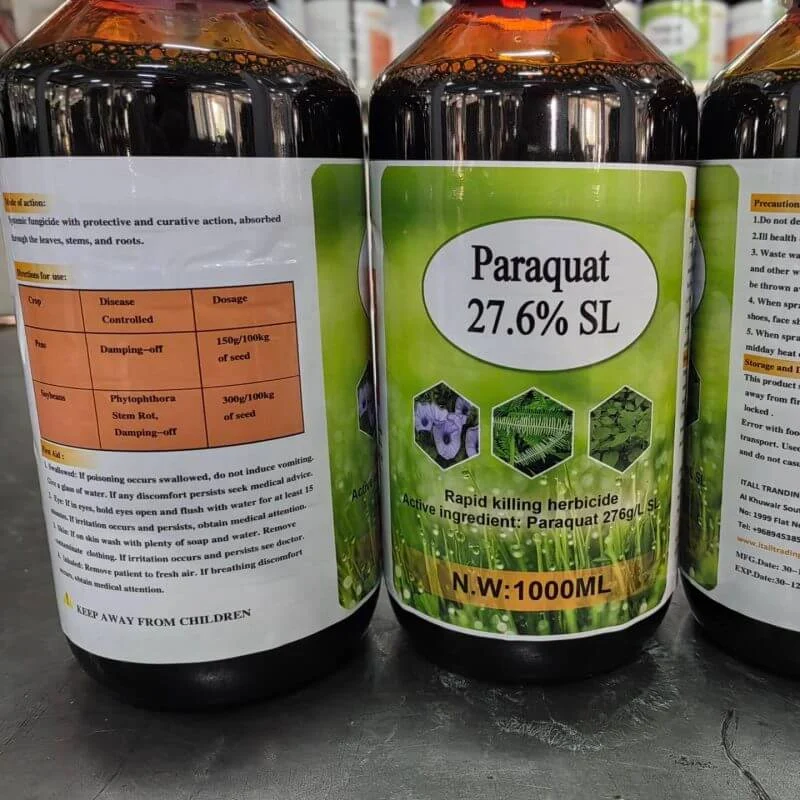
- 500 ml, 1 litre, 5 litres, 20 litres in high-density polyethylene (HDPE) bottles or plastic pails
- Bulk packaging (200-litre drums or IBC containers) available on request
Solid formulations (wettable powders, wettable granules):
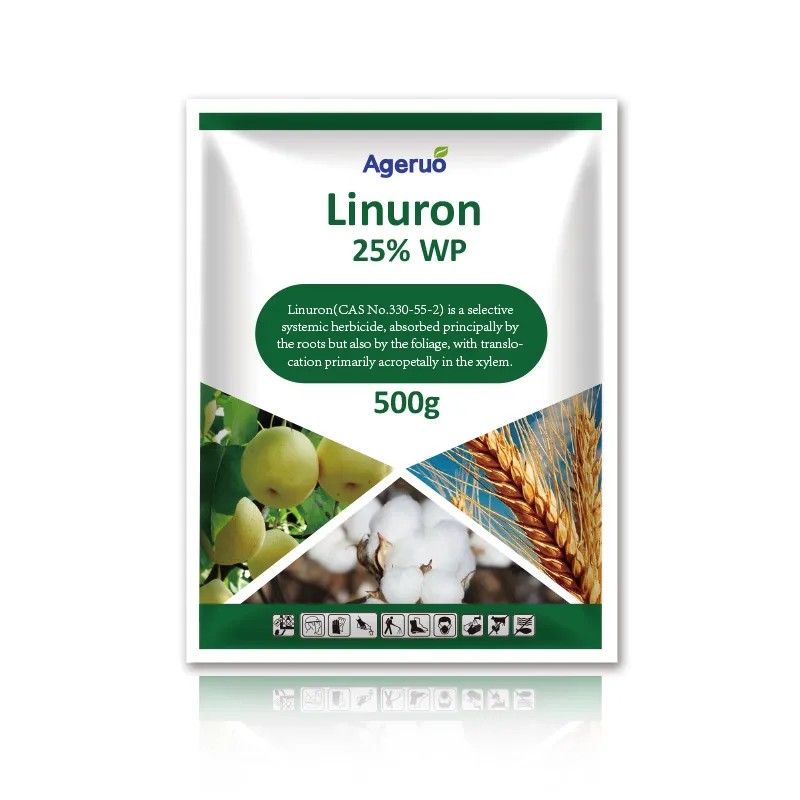
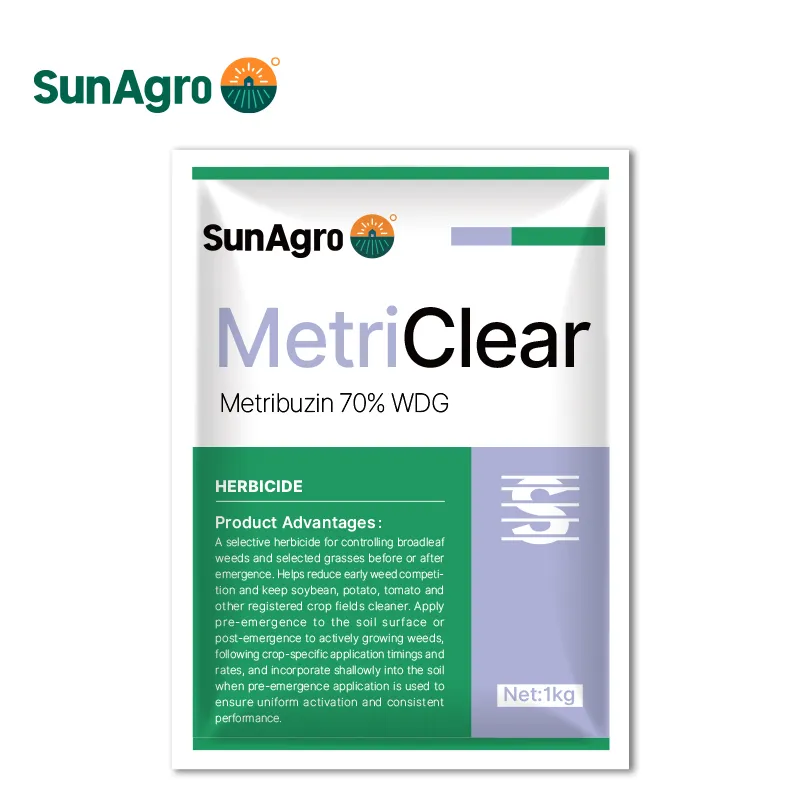
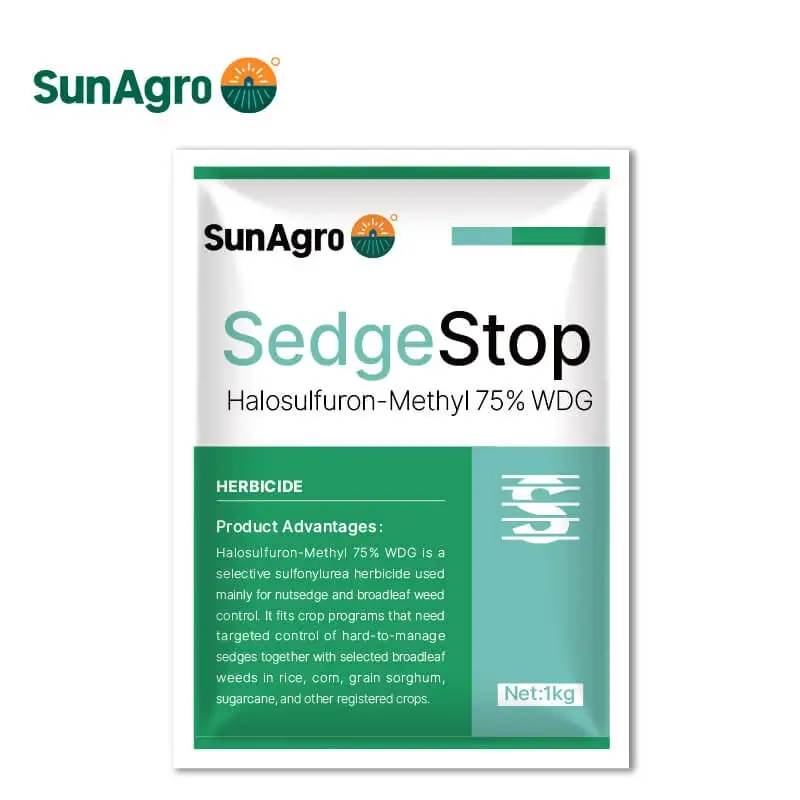
100 g, 250 g, 500 g, 1 kg, 5 kg aluminium foil pouches or fibre drums
Customised OEM printed pouches and private label designs
All containers comply with international transport regulations (UN/DOT/ADR) and are fitted with tamper-evident seals and liners to meet the requirements of long-distance transport.
Storage conditions
To maintain product efficacy and safety, Atrazine herbicide should be stored under the following conditions:
- Temperature range: 0°C to 35°C (32°F to 95°F)
- Environment: Store in a dry, cool, well-ventilated place, away from direct sunlight
- Container requirements: Keep the original packaging tightly sealed and labelled
- Incompatibility: Do not store near food, feed or flammable materials
Under appropriate storage conditions, Atrazine remains stable for at least two years, with no significant degradation of the active ingredient.
OEM Services & Supply Capability
As a reliable supplier of atrazine herbicides, POMAIS is committed not only to providing you with high-quality active ingredients and stable formulations, but also to offering the production flexibility and marketing support you need to expand your business in a highly competitive market.
OEM and Private Label Solutions
Whether you are launching a new brand or expanding your existing product range, we offer a comprehensive range of OEM services tailored to your specific requirements:
- Custom formulation support: Adjusting the proportion of atrazine or formulating it in combination with other active ingredients (such as mesotrione or propamocarb) to target specific weed spectra.
- Customised Packaging: From label design to container selection, we offer fully branded retail or bulk packaging solutions for the agricultural and lawn care markets.
- Language and Compliance Adaptation: Product labels and documentation can be localised into multiple languages—including English, Spanish, Arabic, Russian and French—in accordance with local regulatory requirements.
- Flexible Minimum Order Quantities: We support both small-batch trial orders and large container shipments, making our services ideal for regional distributors and multi-country marketing.
Production Capacity and Supply Reliability
With modern production facilities and ISO 9001:2015-certified manufacturing processes, POMAIS ensures consistent quality, timely delivery and scalable production capacity:
- Available formulations: SC, WP, WDG, SE
- Monthly production capacity: Up to 500 tonnes in total across all formulations
- Lead times: Standard orders typically take 7–15 working days
- Global export experience: Serving over 60 countries, with certified registration and customs support
Our logistics team supports trade terms such as CIF, FOB, DDP and EXW, ensuring safe and cost-effective delivery services tailored to your import requirements.
Frequently Asked Questions (FAQ)
Q1: Which weeds does atrazine control?
Atrazine is highly effective against a wide range of broadleaf weeds and certain grass weeds, including spurge, amaranth, foxtail, barnyard grass, quinoa, smartweed, barnyard grass and dandelion. This product is particularly suitable for use on lawns, in maize and sugarcane fields, and in non-agricultural areas with persistent weed problems.
Q2: Is atrazine a pre-emergence or post-emergence herbicide?
Atrazine is effective as both a pre-emergence and post-emergence herbicide. It is most effective when applied before weeds germinate, but it can also effectively control young, vigorous weeds when applied after emergence.
Q3: How long does atrazine remain active in the soil?
Atrazine typically remains active for 4–8 weeks, depending on soil type, application rate and rainfall. This provides long-lasting residual control, suppressing the growth of new weeds during this period.
Q4: Can atrazine be used on Bermuda grass or St Augustine grass lawns?
Yes, atrazine is widely used on St Augustine grass and centipede grass lawns, and can also be used on Bermuda grass under specific conditions. It is essential to follow the instructions on the product label, as the tolerance of lawn grasses varies depending on the variety and climate.
Q5: Is it safe to plant new crops after using atrazine?
Caution is required when rotating crops following the use of atrazine. Certain sensitive crops (such as lettuce, carrots or pulses) may be damaged if planted too soon after application. Please refer to local agricultural extension guidelines and allow for a sufficient crop rotation interval; for sensitive crops, this is typically 12–18 months.
Q6: Can atrazine be mixed with other herbicides?
Yes, atrazine is commonly tank-mixed with herbicides such as glyphosate, simazine or metsulfuron to broaden the spectrum of weed control. Always carry out a bottle test before mixing on a large scale, and follow compatibility guidelines.
Q7: What is the recommended application rate for Atrazine 4L?
For Atrazine 4L liquid formulation, the standard rate for most post-emergence applications on maize or lawns is 1–2 quarts per acre. Specific rates may vary depending on weed species, growth stage and local regulations.
Partner with POMAIS for Premium Atrazine Solutions
Whether you supply herbicides for large-scale agriculture, residential lawn care or municipal weed control, POMAIS is ready to support your business with high-quality atrazine formulations, highly competitive prices and reliable delivery services.
We offer:
A full range of atrazine concentrations and formulation options, including 50% wettable powder (SC), 80% water-soluble powder (WP) and customised blends
OEM/ODM services, including private labelling, assistance with registration dossiers and customised packaging
Compliance with ISO 9001 standards and the pesticide regulations of major export markets
With many years’ experience serving importers, brand owners and regional distributors, we fully understand the importance of formulation stability, regulatory support and logistical efficiency. Let us help you develop herbicide products that maintain consistent performance in your local market.
Ready to source effective atrazine herbicides?
Contact us today to request samples, obtain technical specifications or receive a quote tailored to your market.
Contact us!
We will reply to you within 24 hours on business days!